Flash Memoir Prompt: Tradition that Ended when a Person Left

Flash memoir prompt tradition

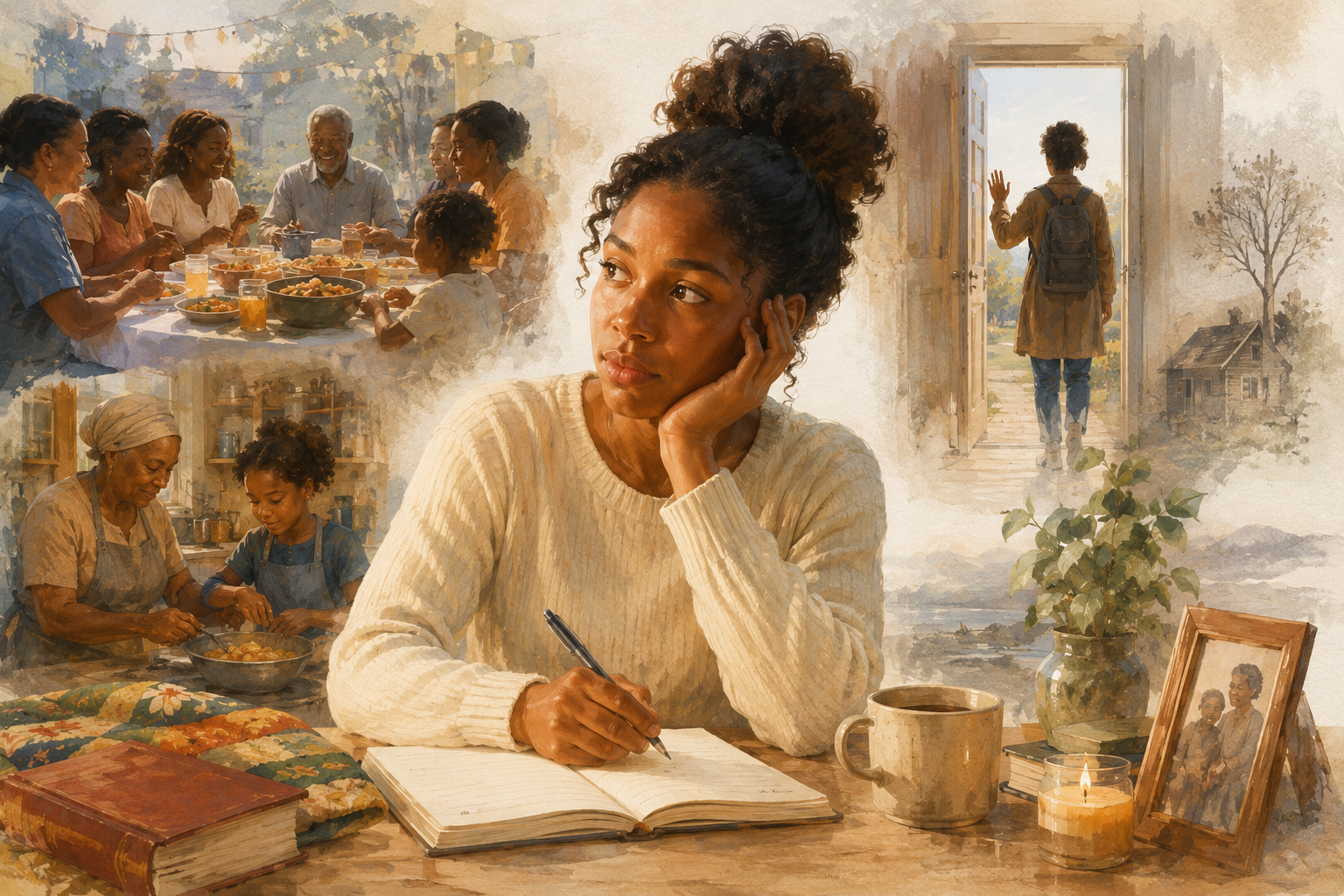
Use this flash memoir prompt about a tradition that ended when a person left to return to one small ritual, one changed room, and the feeling you could not name at the time.

The first clue may have been the quiet. No chair scraped across the kitchen floor at 6 p.m. No one called out the same joke before dinner. No burnt toast, no card game, no Sunday drive, no extra place set at the table. A tradition can disappear so softly that no one announces its ending. One person leaves, and the custom they carried with them goes too.

This kind of memory often holds more than nostalgia. It can show how families work, how friendships change, and how love sometimes lives inside small habits. A flash memoir prompt tradition ended person left story does not need to explain an entire relationship. It only needs to notice what stopped.
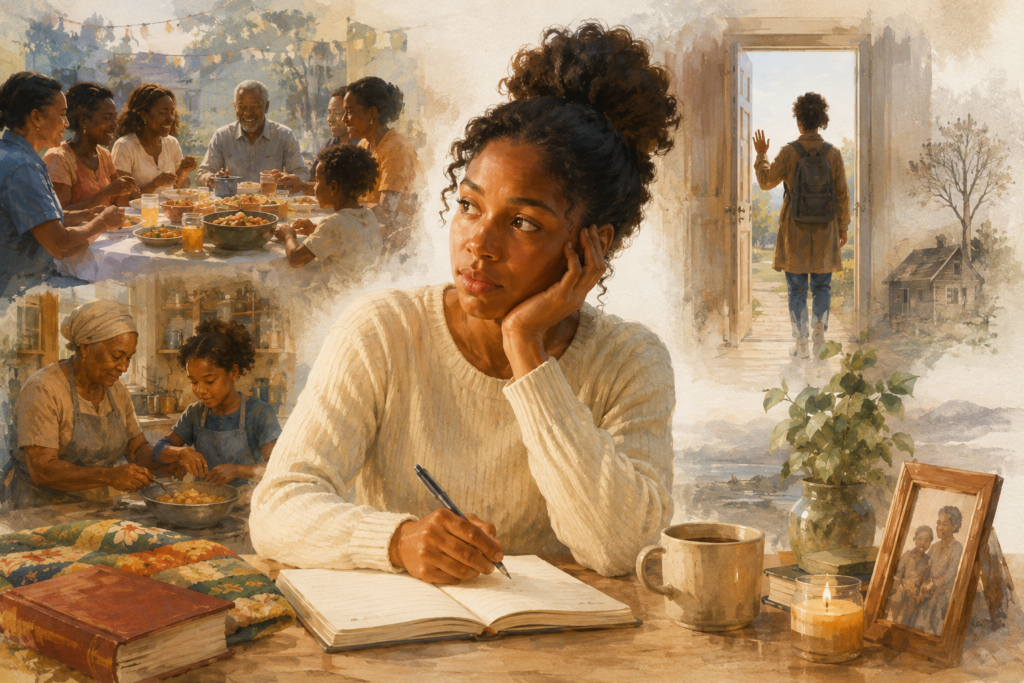
Flash memoir prompt tradition

The Prompt

Write about a tradition that ended when a person left.

This prompt can unlock a strong memory because traditions are often tied to people more than we realize. We may think the tradition belonged to the whole family, the whole class, or the whole group. Then one person moves away, dies, graduates, divorces, or simply stops showing up, and the ritual loses its center.

You might write about a holiday meal that never tasted the same after your grandmother was gone. You might remember a neighbor who organized block parties until he moved. Maybe a friend left your school, and suddenly no one met by the vending machine before first period.

The point is not to prove that the person was important. The missing tradition already proves it.

Why This Memory Matters

A tradition that ends can reveal the shape of a relationship. It shows what someone held together, often without much credit. The person may have been loud and central, or they may have worked quietly in the background. Either way, their absence changed the pattern.

This prompt may uncover grief, but it can also bring up relief, confusion, or even humor. Maybe the tradition was annoying while it lasted. Maybe everyone complained about it, then missed it once it was gone. That tension can make the writing feel real.

Memory is rarely one clean emotion. You may have loved your uncle’s yearly slideshow and dreaded it at the same time. You may have rolled your eyes when your older sister made everyone sing on birthdays, then felt the silence when she left for college.

That mix matters. If you are unsure how to name the feeling in your piece, it may help to think about the difference between tone and mood in literature. Your memory might sound funny on the surface while the mood underneath feels lonely.

A strong flash memoir often lives in that gap between what people did and what it meant later.

How to Approach This Prompt

Begin with the object or action that belonged to the tradition. Do not start by summarizing the whole history. Start with the coffee can where game-night money was kept. Start with the dented pot used every New Year’s Day. Start with the folding chair someone always brought from the garage.

Choose one scene. The last time the tradition happened can work well, but so can the first time it did not happen. That missing moment may be more powerful than the farewell itself.

Try writing what you noticed before you explain what it meant. Let the reader see the cold porch light, the unused recipe card, or the empty passenger seat. Small details help the emotion arrive without forcing it.

If the memory feels too large, ask yourself one narrow question: What did I expect to happen that day, and what happened instead?

You do not need to explain why the person left right away. In flash memoir, a little restraint can help. You can let the reader feel the absence first. Once the scene has weight, add only the background needed to understand the change.

If you like marking up your own drafts, try reading your piece once just for sensory details. Circle what can be seen, heard, touched, or smelled. This is similar to the close attention readers use when they annotate literature, and it can help you find the strongest parts of your own memory.

Keep the focus tight. A flash memoir prompt tradition ended person left piece works best when it trusts one moment to carry the larger story.

A Quick Example

After my brother left for the Army, my mother stopped making pancakes on Saturday mornings. No one said that was why. The first Saturday, she poured cereal into three bowls and left the griddle in the cabinet. My father read the newspaper like he had somewhere to hide behind it. I sat at the table and stared at the syrup bottle, sticky around the cap, still wearing its red plastic lid. My brother had always made the first pancake too big and too pale, then eaten it standing at the stove. I used to tell him it looked raw. That morning, I wanted the raw one. I wanted to hear him laugh and call me dramatic. Instead, my spoon clicked against the bowl, too loud in the kitchen.

Try It Yourself

Set a timer for ten minutes and write about the tradition without trying to make it perfect. Start with the moment you realized it was gone. If that feels too direct, start with the place where it used to happen.

Let yourself write plainly. “We used to do this.” “Then she left.” “After that, no one did it again.” Simple sentences can hold deep feeling when the detail is honest.

When you revise, look for the strongest image. It might be the untouched pie plate, the quiet phone, or the song no one played anymore. Build the piece around that image and trim anything that pulls too far away from it.

You may discover that the tradition was really a form of care. You may also discover that the person who left was the only one brave enough, stubborn enough, or cheerful enough to keep it alive. Follow what the memory shows you.

Want More Flash Memoir Prompts?

If this prompt opened a door, keep going. Explore all 365 prompts in The Memory Trigger: 365 Flash Memoir Writing Prompts.
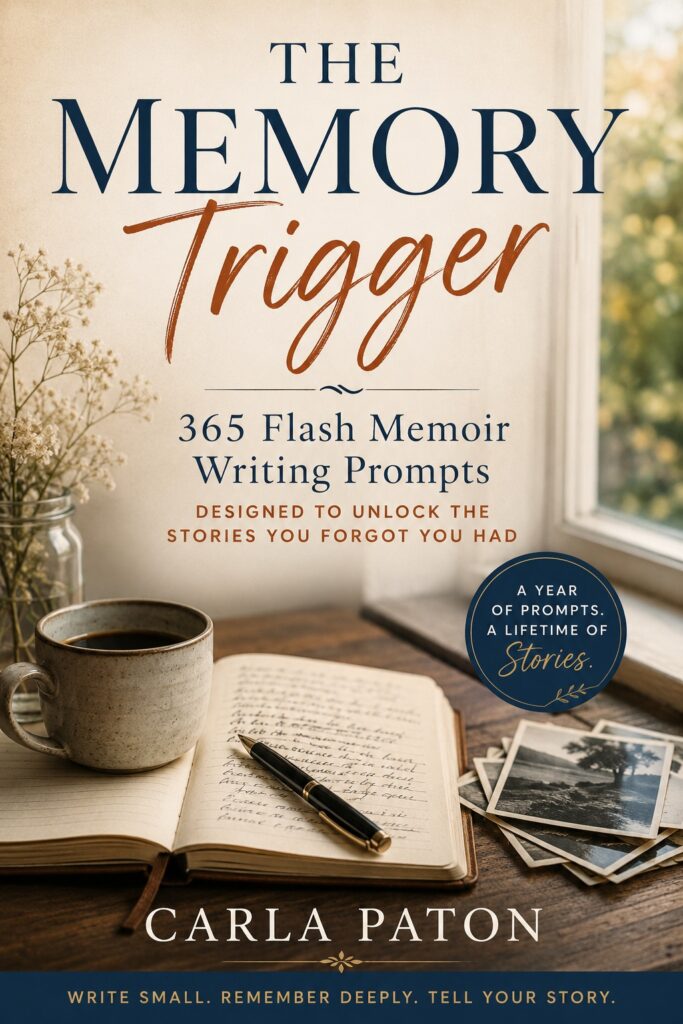
The Memory Trigger

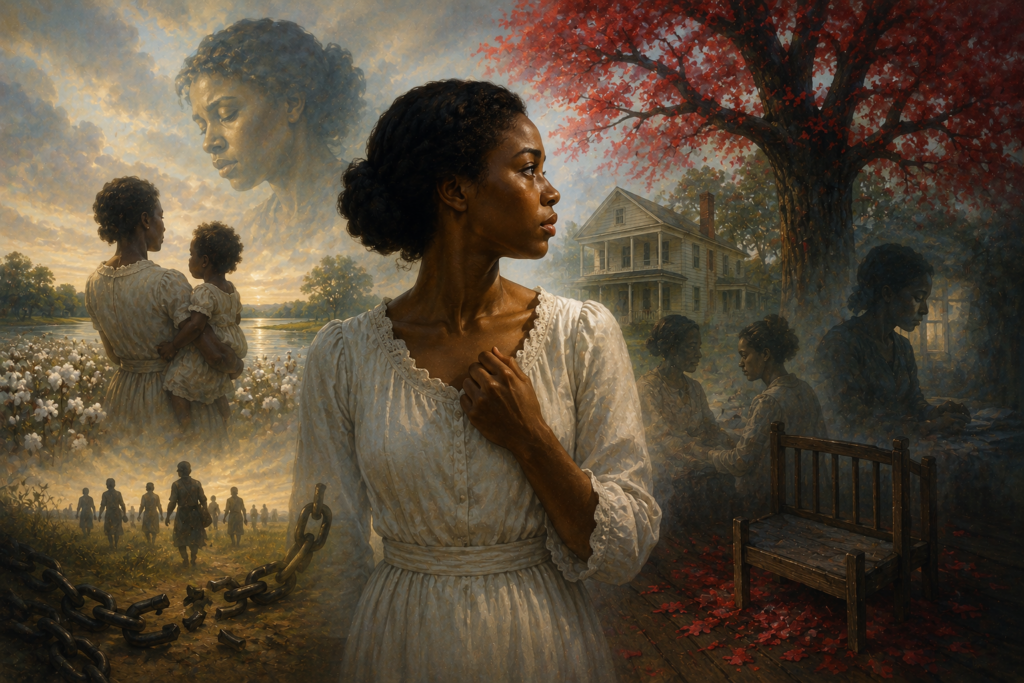
Themes in Beloved: A Student-Friendly Guide

Beloved Themes

The themes in Beloved help readers understand why Toni Morrison’s novel feels so powerful and hard to forget. This guide explains the major ideas, conflicts, and deeper meanings students should notice as they read.

In this Guide

Use this guide to review the novel before class, a quiz, or an essay.

  • Why the novel’s themes matter
  • Memory and the past
  • Motherhood and difficult love
  • Freedom and ownership
  • Identity and voice
  • Community and healing
  • Symbols that build meaning
  • Essay tips and FAQs
Beloved Themes

Why the themes in Beloved matter

Morrison’s novel is not only about one family. It is about how slavery leaves pain in bodies, homes, and memories.

The story centers on Sethe, a formerly enslaved woman who lives with the past every day. The house at 124 is haunted, but the haunting is also emotional.

The themes in Beloved also show how history can stay alive even when people try to hide it. That makes the novel useful for essays about trauma, memory, family, and survival.

If you need help with theme as a concept, start with our guide on how to identify theme in literature.

Themes in Beloved: Memory and the past

Memory is one of the strongest forces in the novel.

Sethe tries to live in the present, but her past keeps returning. Morrison calls these painful returns “rememory,” which means the past is not really gone.

This theme matters because the novel shows memory as both painful and necessary. Sethe wants to forget, yet healing cannot start until the truth is faced.

A helpful comparison is Hamlet. Prince Hamlet also lives under the weight of a past crime. In both works, the past shapes the present and refuses to stay silent.

Themes in Beloved: Motherhood and difficult love

Morrison presents motherhood as powerful, protective, and deeply painful.

Sethe’s love for her children is intense because slavery tried to take away her right to be a mother. Her most shocking choice comes from that fear.

This is one of the most painful themes in Beloved because it asks students to think about love under extreme violence. The novel does not give easy answers. It asks why a mother might see death as safer than slavery.

In The Scarlet Letter, Hester Prynne also faces public judgment as a mother. Morrison’s novel is much darker, but both books ask how society judges women who protect their children.

Themes in Beloved: Freedom and ownership

The novel shows that legal freedom is not the same as full freedom.

Sethe escapes slavery, but she still carries its wounds. Her body, memories, and family life have all been marked by people who treated human beings as property.

Among the themes in Beloved, freedom is one of the most complex. Morrison shows that freedom must include safety, self-respect, and control over one’s own life.

This theme connects to many slave narratives and historical accounts. For background on Morrison’s life and major works, see Britannica’s overview of Toni Morrison.

Identity and voice in the novel

Morrison shows how slavery attacks a person’s sense of self.

Names matter in Beloved. Sethe’s past, Baby Suggs’s sermons, and Beloved’s mysterious presence all point to the question of who gets to define a person.

Voice also matters. Morrison lets different characters shape the story, which helps readers see pain from more than one angle. This style can feel hard at first, but it fits the novel’s subject.

When people have been silenced, telling a story becomes an act of power.

Community and healing

No one in the novel heals alone.

Baby Suggs once brings people together in the Clearing, where they learn to love their bodies and voices. That scene stands against the cruelty of slavery.

Later, the community’s role becomes important again. The women who come to 124 help break the hold of the past.

Morrison does not suggest that healing is simple. She shows that care from others can help people face what they could not face alone.

Symbols that build theme

Morrison uses symbols to make the novel’s ideas feel physical.

The house at 124 is more than a setting. It shows how trauma can fill a home and shape daily life.

Beloved herself is also symbolic. She can be read as a ghost, a lost child, or the return of a buried history.

Water often connects to birth, escape, and return. These symbols help students move from plot summary to analysis.

How to write about themes in Beloved

A strong essay should explain what Morrison suggests, not just name a topic.

Do not write, “The theme is memory.” That is too broad. A better claim would be: Morrison shows that painful memory must be faced before healing can begin.

When you write about themes in Beloved, connect each claim to a scene, symbol, or repeated idea. Use short quotes, then explain how the language supports your point.

These resources can help you build context before an essay or class discussion.

  • Beloved by Toni Morrison
  • Playing in the Dark by Toni Morrison
  • The Toni Morrison Book Club by Juda Bennett, Winnifred Brown-Glaude, Cassandra Jackson, and Piper Kendrix Williams

You can also read about Morrison through the Nobel Prize biography of Toni Morrison.

FAQ

These quick answers can help you review before a test or essay.

What are the main themes in Beloved?

The main themes in Beloved include memory, trauma, motherhood, freedom, identity, and community healing.

Why is memory so important in Beloved?

Memory shows that the past still affects the present. Sethe cannot heal by hiding from what happened.

Is Beloved a symbol?

Yes. Beloved can represent Sethe’s lost child and the larger history of slavery that refuses to disappear.

What is a good essay topic for Beloved?

You could write about how Morrison uses haunting to show the lasting effects of slavery.

Key Takeaway

The themes in Beloved ask readers to face hard truths about love, memory, and survival. Morrison shows that healing begins when buried stories are finally heard.

Books Like Fear and Anxiety: Literature That Makes Inner Fear Visible

Fear and Anxiety

Readers often search for Books Like Fear and Anxiety because they want stories that name what many people feel but struggle to explain. These books turn panic, dread, doubt, and stress into characters, symbols, and powerful scenes.

For students, these works can also make essays richer because they connect personal feeling with big literary themes.

In this Guide

  • What makes these books powerful
  • Classic novels about fear and anxiety
  • Modern books with anxious characters
  • Common symbols and themes
  • Recommended books to read
  • FAQs
Fear and Anxiety

What Makes Books Like Fear and Anxiety So Powerful?

These stories show how fear changes the way people see the world.

Books Like Fear and Anxiety matter because they do more than describe nervous feelings. They show how fear shapes choices, breaks trust, and makes ordinary places feel strange.

In literature, anxiety often appears as a locked room, a dark street, a storm, or a voice inside the mind. These symbols help readers understand feelings that are hard to say out loud.

That is why these books work well in high school and college classes. They give students a clear path into theme, mood, conflict, and character study.

Classic Books Like Fear and Anxiety for Students

Many classic works explore fear through guilt, isolation, and pressure.

One strong example is Crime and Punishment by Fyodor Dostoevsky. Raskolnikov’s fear does not only come from the police. It comes from his own mind after he commits murder.

His anxiety grows because he cannot escape himself. This makes the novel a powerful study of guilt and moral fear.

Another key example is Frankenstein by Mary Shelley. Victor Frankenstein fears the creature he made, but he also fears the truth about his own ambition.

The novel shows that fear often starts when a person refuses to face responsibility.

The Metamorphosis by Franz Kafka also belongs in any discussion of Books Like Fear and Anxiety. Gregor Samsa wakes as an insect, but the deeper horror is his family’s shame and rejection.

Kafka turns anxiety into a strange body. That image helps readers see how fear can make a person feel less than human.

Modern Books Like Fear and Anxiety Worth Reading

Modern stories often connect anxiety to identity, family, school, work, and social pressure.

The Bell Jar by Sylvia Plath is one of the most important modern novels about mental distress. Esther Greenwood feels trapped under an invisible weight.

The “bell jar” becomes a symbol of isolation. It shows how anxiety and depression can make the outside world feel distant and unreal.

Speak by Laurie Halse Anderson is another strong choice for students. Melinda’s silence shows how trauma can turn fear inward.

The novel uses art, school spaces, and voice as symbols. Each one helps show Melinda’s slow return to strength.

The Perks of Being a Wallflower by Stephen Chbosky also fits with Books Like Fear and Anxiety. Charlie’s letters reveal fear, memory, and loneliness in a direct, honest style.

These modern works help readers see that anxiety is not always loud. Sometimes it hides in silence, routine, or a smile.

Symbols and Themes in Books Like Fear and Anxiety

Writers often use symbols to make fear feel real on the page.

One common symbol is the house. In many stories, a house should mean safety. When the house feels unsafe, the reader senses deep emotional trouble.

In Edgar Allan Poe’s “The Fall of the House of Usher,” the house reflects the family’s decay and terror. You can learn more about Poe’s work through the Poetry Foundation’s page on Edgar Allan Poe.

Darkness is another common symbol. It may show confusion, danger, or the unknown.

Water can also point to anxiety. A flood, river, or deep sea may show a mind that feels out of control.

The strongest Books Like Fear and Anxiety often use setting as a mirror. The outside world reflects the character’s inner state.

Common themes include guilt, isolation, loss of control, and fear of change. These themes help readers connect private emotion to larger human problems.

How to Read Books Like Fear and Anxiety in Class

A careful reading can turn emotional scenes into strong analysis.

When you read Books Like Fear and Anxiety, start by asking what the main character fears most. Is it death, shame, failure, truth, or being alone?

Next, look for repeated images. A sound, color, room, or object may carry symbolic meaning.

Pay close attention to sentence style too. Short, broken sentences can create panic. Long, heavy sentences can make a scene feel trapped.

This same skill helps with poetry. If you want a clear method, read our guide on how to analyze poetry step by step.

Poems often use fear in a tight space. A single image can carry a whole emotional world.

These titles are strong choices for students who want literature with emotional depth.

  • The Bell Jar by Sylvia Plath
  • Frankenstein by Mary Shelley
  • Speak by Laurie Halse Anderson

Each book offers a different view of fear. One explores mental illness, one explores ambition and guilt, and one explores trauma and voice.

If you are building a reading list around Books Like Fear and Anxiety, these are useful starting points because they are widely taught and easy to discuss in essays.

Why Books Like Fear and Anxiety Matter in Literary Culture

These books help readers talk about feelings that society often hides.

Fear has always been part of literature. Ancient myths, Gothic novels, war stories, and modern school novels all use fear to ask serious questions.

What do people do when they lose control? How does guilt change a person? Can truth set someone free, or does it make life harder?

Books Like Fear and Anxiety stay popular because these questions never go away.

They also remind readers that fear is not a weakness. In many stories, fear becomes the first step toward honesty.

For background on Gothic fiction, which often explores dread and inner terror, Britannica offers a helpful overview of the Gothic novel.

FAQ: Books Like Fear and Anxiety

What are Books Like Fear and Anxiety usually about?

They are usually about fear, stress, guilt, trauma, or the feeling of being trapped. They often show how a character’s mind changes under pressure.

Are these books good for AP Literature essays?

Yes. Many of them have clear themes, strong symbols, and complex characters. That makes them useful for literary analysis.

What is a good first book to read in this category?

Frankenstein is a strong first choice. It has fear, guilt, science, family conflict, and rich symbolism.

Do these books always have sad endings?

No. Some are tragic, but others show healing or self-knowledge. The main focus is not sadness. It is emotional truth.

Key Takeaway

Books Like Fear and Anxiety help readers see how literature turns hidden feelings into stories, symbols, and unforgettable characters.

They are worth reading because they show that fear can reveal who people are, what they value, and what they must face to grow.

Best Novels About Memory and Trauma: Powerful Books That Stay with You

Best Novels about Memory and Trauma

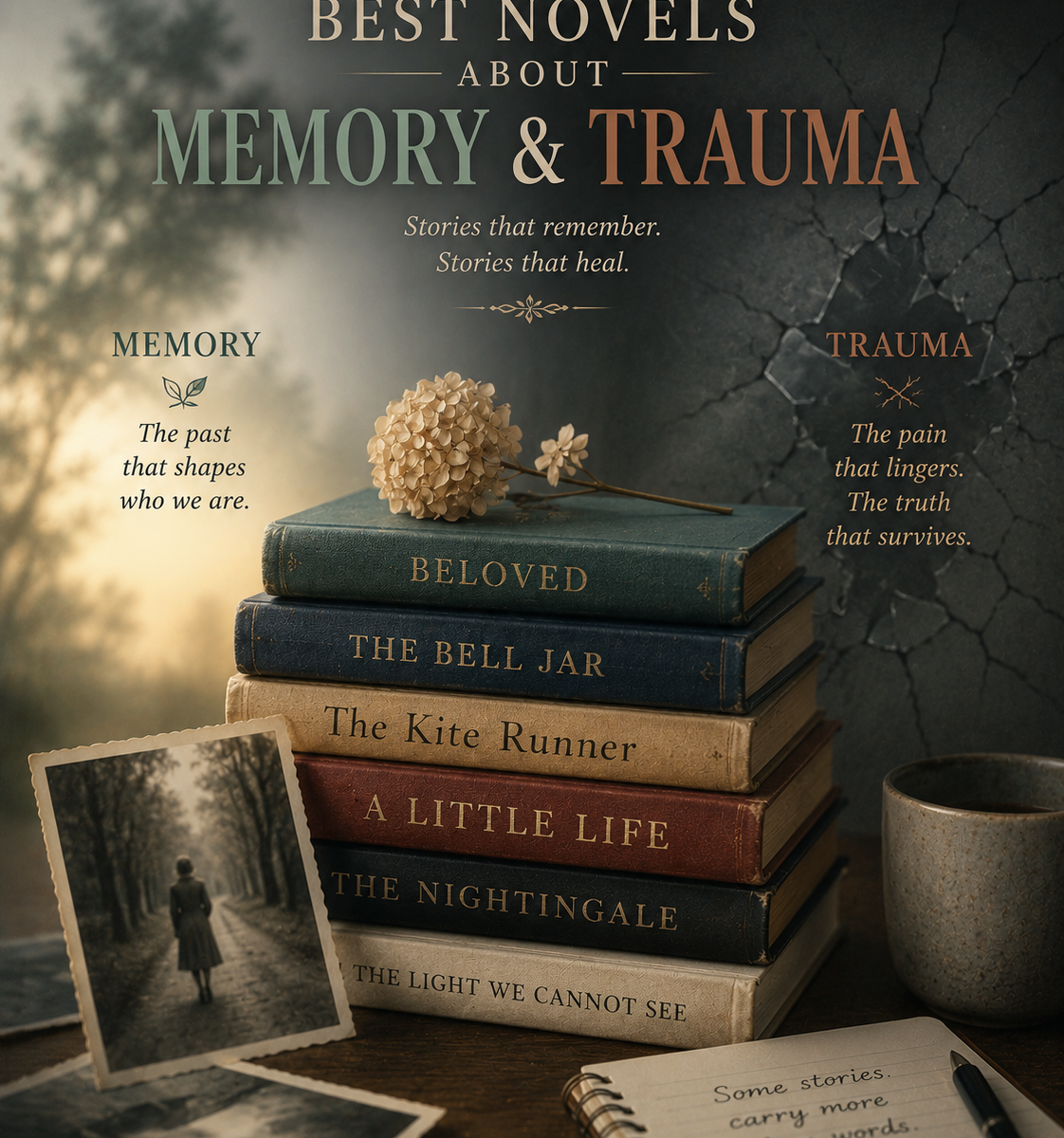
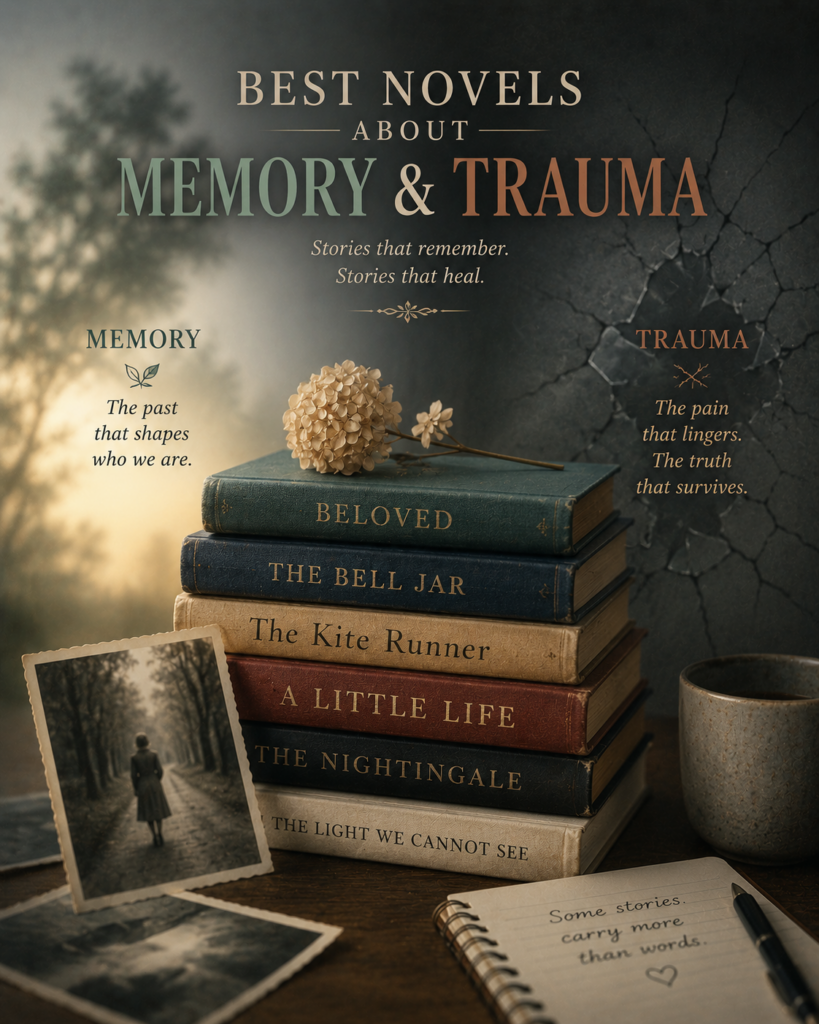
The Best Novels About Memory and Trauma show how the past can shape a person’s life long after the event has ended. These books help readers understand pain, survival, silence, and the strange ways memory can return.

For students, these novels also offer rich themes, symbols, and character studies. They are strong choices for essays, class talks, and deeper reading.

In this Guide

  • Why novels about memory and trauma matter
  • Best novels to read first
  • How trauma changes storytelling
  • Common symbols and themes
  • How students can read these books with care
  • Book suggestions
  • FAQs
  • Key takeaway
Best Novels about Memory and Trauma

Why the Best Novels About Memory and Trauma Matter

These stories help readers see how the past lives inside the present.

The Best Novels About Memory and Trauma do not treat memory like a simple record. In these books, memory can be broken, hidden, repeated, or changed by fear.

That makes the reading experience feel more real. People who suffer often do not remember events in a neat order. A sound, place, smell, or word can bring the past back at once.

These novels also ask hard questions. Can a person heal if they cannot speak about what happened? Can a family move forward if it hides the truth? Or can a nation face its own violent history?

Books like Beloved by Toni Morrison and The Things They Carried by Tim O’Brien explore these questions with great care. They show that trauma is not only personal. It can also be passed through families, wars, and cultures.

Best Novels About Memory and Trauma to Read First

These books are strong starting points because they are often taught and widely discussed.

If you are new to the Best Novels About Memory and Trauma, start with books that use clear emotional conflicts and strong symbols. The stories below are well-known, but they still feel fresh because they ask deep human questions.

Beloved by Toni Morrison

Beloved is one of the most important American novels about memory, slavery, and grief. Set after the Civil War, it follows Sethe, a woman haunted by the past in both real and ghostly ways.

The novel shows how trauma can return through the body, the home, and family bonds. Morrison does not let the past stay buried. She turns memory into a living force.

You can learn more about Morrison’s life and impact through Britannica’s overview of Toni Morrison.

The Things They Carried by Tim O’Brien

This Vietnam War novel blurs the line between fact and fiction. O’Brien writes about soldiers, fear, guilt, and the stories people tell to survive.

Memory in this book is not perfect. It shifts because pain shifts it. That is part of the point.

The title itself is a symbol. The soldiers carry weapons and supplies, but they also carry shame, love, fear, and regret.

Slaughterhouse-Five by Kurt Vonnegut

Slaughterhouse-Five follows Billy Pilgrim, a man who becomes “unstuck in time.” His life moves back and forth between moments, including the bombing of Dresden during World War II.

The strange structure shows how trauma can break normal time. Billy does not simply remember the war. He seems trapped inside it.

This is one reason the novel remains one of the Best Novels About Memory and Trauma for students who want to study form and theme together.

The Remains of the Day by Kazuo Ishiguro

This quiet novel follows Stevens, an English butler who looks back on his life. At first, his memories seem calm and controlled.

As the story unfolds, readers see what he has avoided. His trauma comes through restraint, regret, and missed chances.

The book is a powerful example of emotional repression. It shows that silence can be just as painful as open grief.

Never Let Me Go by Kazuo Ishiguro

This novel may look like science fiction, but its deepest subject is memory. Kathy tells the story of her childhood at a strange boarding school and slowly reveals the truth about her life.

The novel studies how people remember youth when they know loss is near. It is calm on the surface, but deeply sad underneath.

For students, it is a great book for essays about identity, control, and the stories people tell themselves.

How Trauma Changes Storytelling

In many trauma novels, the form of the story reflects the mind of the character.

The Best Novels About Memory and Trauma often avoid a straight timeline. This is not a trick. It helps readers feel how trauma works.

A character may jump from the present to the past without warning. A scene may repeat with new details. A narrator may leave out facts because the truth is too painful.

In Beloved, memories arrive in pieces. In Slaughterhouse-Five, time itself feels broken. And in The Things They Carried, stories are retold because one version is never enough.

This style can feel hard at first. But it teaches readers to notice structure. The way a story is told can matter as much as what happens.

If you are studying older texts too, the same skill helps. Paying close attention to language and structure can make difficult works easier, as explained in this guide to understanding Shakespearean language.

Symbols and Themes in the Best Novels About Memory and Trauma

These novels often use objects, places, and repeated images to show what words cannot fully explain.

One common symbol is the house. In Beloved, the home is not just a setting. It holds grief, fear, and history.

Another key symbol is the body. Trauma often appears through scars, pain, habits, or silence. A character may not speak about the past, but the body still remembers.

Objects also carry meaning. In The Things They Carried, the items soldiers hold become signs of emotional weight. What they carry shows who they are and what they fear.

Time is another major theme. In the Best Novels About Memory and Trauma, the past is not really past. It presses into the present and changes how characters see themselves.

These books also focus on truth. A memory may be honest even if it is not fully accurate. That idea can lead to strong essay topics about narration and trust.

Why Memory Is Not Always Reliable

Memory can protect people, but it can also hide what hurts too much.

Many trauma novels use unreliable narrators. This does not always mean the narrator lies on purpose. Sometimes the narrator cannot face the full truth yet.

In The Remains of the Day, Stevens tells his life story in a careful voice. He seems proper and calm. But readers start to sense the sadness under his control.

In Never Let Me Go, Kathy’s memories feel gentle, but they lead toward a painful truth. Her calm tone makes the novel even more haunting.

This is why the Best Novels About Memory and Trauma reward close reading. Small details often reveal what the narrator cannot say directly.

How Students Can Read These Novels With Care

These books can be powerful, but some scenes may feel heavy.

When you read the Best Novels About Memory and Trauma, give yourself time. Do not rush through painful chapters just to finish the plot.

Take notes on repeated images, changes in time, and moments of silence. Ask what the character avoids. Ask what the book returns to again and again.

It also helps to learn basic facts about trauma. The National Institute of Mental Health page on PTSD offers clear information about how trauma can affect memory and daily life.

For class essays, focus on one clear idea. You might write about the haunted house in Beloved, the broken timeline in Slaughterhouse-Five, or the weight of objects in The Things They Carried.

Amazon Book Suggestions: Best Novels About Memory and Trauma

These titles are easy to find online, in libraries, and in many school reading lists.

If you want to build a reading list, these are strong choices:

  • Beloved by Toni Morrison
  • The Things They Carried by Tim O’Brien
  • Never Let Me Go by Kazuo Ishiguro

Each book gives a different view of memory and pain. Together, they show why the Best Novels About Memory and Trauma matter in modern literature.

Best Novels About Memory and Trauma for Essay Topics

These books offer rich ideas for literary analysis.

For an essay on symbolism, Beloved is a strong choice. You can study the house, the ghost, or the idea of rememory.

For an essay on structure, Slaughterhouse-Five works well. Its broken timeline shows how war changes the mind.

For an essay on narration, The Remains of the Day gives you a lot to explore. Stevens reveals his pain through what he refuses to admit.

If you need help with close reading, use skills that apply across many texts. This guide on how to understand difficult literary language can help you slow down and read with more focus.

FAQs About the Best Novels About Memory and Trauma

What makes a novel about memory and trauma powerful?

A powerful trauma novel shows how the past affects the present. It often uses symbols, broken timelines, or silence to reveal pain.

Are the Best Novels About Memory and Trauma hard to read?

Some can be emotionally difficult. They are worth reading with care, breaks, and class discussion when possible.

Which novel should students start with?

The Things They Carried is a good starting point because its chapters are short and its themes are clear. Beloved is deeper and more complex, but very rewarding.

Why do these novels often use non-linear time?

Trauma does not always feel like a normal memory. A broken timeline can show how the past returns without warning.

Can these books help with AP Literature essays?

Yes. The Best Novels About Memory and Trauma offer strong examples of theme, character, symbolism, and narrative structure.

Key Takeaway

The Best Novels About Memory and Trauma show that the past is never simple. These books help readers see how pain can shape identity, how silence can speak, and how stories can become a path toward truth.

For students, they are more than moving reads. They are some of the richest texts for close reading, essay writing, and serious thought.

error

Enjoy this article? Please spread the word :)

Follow by Email
BLUESKY
fb-share-icon
Reddit
LinkedIn
Share
RSS