


Use this flash memoir prompt about a tradition that ended when a person left to return to one small ritual, one changed room, and the feeling you could not name at the time.
The first clue may have been the quiet. No chair scraped across the kitchen floor at 6 p.m. No one called out the same joke before dinner. No burnt toast, no card game, no Sunday drive, no extra place set at the table. A tradition can disappear so softly that no one announces its ending. One person leaves, and the custom they carried with them goes too.
This kind of memory often holds more than nostalgia. It can show how families work, how friendships change, and how love sometimes lives inside small habits. A flash memoir prompt tradition ended person left story does not need to explain an entire relationship. It only needs to notice what stopped.

The Prompt
Write about a tradition that ended when a person left.
This prompt can unlock a strong memory because traditions are often tied to people more than we realize. We may think the tradition belonged to the whole family, the whole class, or the whole group. Then one person moves away, dies, graduates, divorces, or simply stops showing up, and the ritual loses its center.
You might write about a holiday meal that never tasted the same after your grandmother was gone. You might remember a neighbor who organized block parties until he moved. Maybe a friend left your school, and suddenly no one met by the vending machine before first period.
The point is not to prove that the person was important. The missing tradition already proves it.
Why This Memory Matters
A tradition that ends can reveal the shape of a relationship. It shows what someone held together, often without much credit. The person may have been loud and central, or they may have worked quietly in the background. Either way, their absence changed the pattern.
This prompt may uncover grief, but it can also bring up relief, confusion, or even humor. Maybe the tradition was annoying while it lasted. Maybe everyone complained about it, then missed it once it was gone. That tension can make the writing feel real.
Memory is rarely one clean emotion. You may have loved your uncle’s yearly slideshow and dreaded it at the same time. You may have rolled your eyes when your older sister made everyone sing on birthdays, then felt the silence when she left for college.
That mix matters. If you are unsure how to name the feeling in your piece, it may help to think about the difference between tone and mood in literature. Your memory might sound funny on the surface while the mood underneath feels lonely.
A strong flash memoir often lives in that gap between what people did and what it meant later.
How to Approach This Prompt
Begin with the object or action that belonged to the tradition. Do not start by summarizing the whole history. Start with the coffee can where game-night money was kept. Start with the dented pot used every New Year’s Day. Start with the folding chair someone always brought from the garage.
Choose one scene. The last time the tradition happened can work well, but so can the first time it did not happen. That missing moment may be more powerful than the farewell itself.
Try writing what you noticed before you explain what it meant. Let the reader see the cold porch light, the unused recipe card, or the empty passenger seat. Small details help the emotion arrive without forcing it.
If the memory feels too large, ask yourself one narrow question: What did I expect to happen that day, and what happened instead?
You do not need to explain why the person left right away. In flash memoir, a little restraint can help. You can let the reader feel the absence first. Once the scene has weight, add only the background needed to understand the change.
If you like marking up your own drafts, try reading your piece once just for sensory details. Circle what can be seen, heard, touched, or smelled. This is similar to the close attention readers use when they annotate literature, and it can help you find the strongest parts of your own memory.
Keep the focus tight. A flash memoir prompt tradition ended person left piece works best when it trusts one moment to carry the larger story.
A Quick Example
After my brother left for the Army, my mother stopped making pancakes on Saturday mornings. No one said that was why. The first Saturday, she poured cereal into three bowls and left the griddle in the cabinet. My father read the newspaper like he had somewhere to hide behind it. I sat at the table and stared at the syrup bottle, sticky around the cap, still wearing its red plastic lid. My brother had always made the first pancake too big and too pale, then eaten it standing at the stove. I used to tell him it looked raw. That morning, I wanted the raw one. I wanted to hear him laugh and call me dramatic. Instead, my spoon clicked against the bowl, too loud in the kitchen.
Try It Yourself
Set a timer for ten minutes and write about the tradition without trying to make it perfect. Start with the moment you realized it was gone. If that feels too direct, start with the place where it used to happen.
Let yourself write plainly. “We used to do this.” “Then she left.” “After that, no one did it again.” Simple sentences can hold deep feeling when the detail is honest.
When you revise, look for the strongest image. It might be the untouched pie plate, the quiet phone, or the song no one played anymore. Build the piece around that image and trim anything that pulls too far away from it.
You may discover that the tradition was really a form of care. You may also discover that the person who left was the only one brave enough, stubborn enough, or cheerful enough to keep it alive. Follow what the memory shows you.
Want More Flash Memoir Prompts?
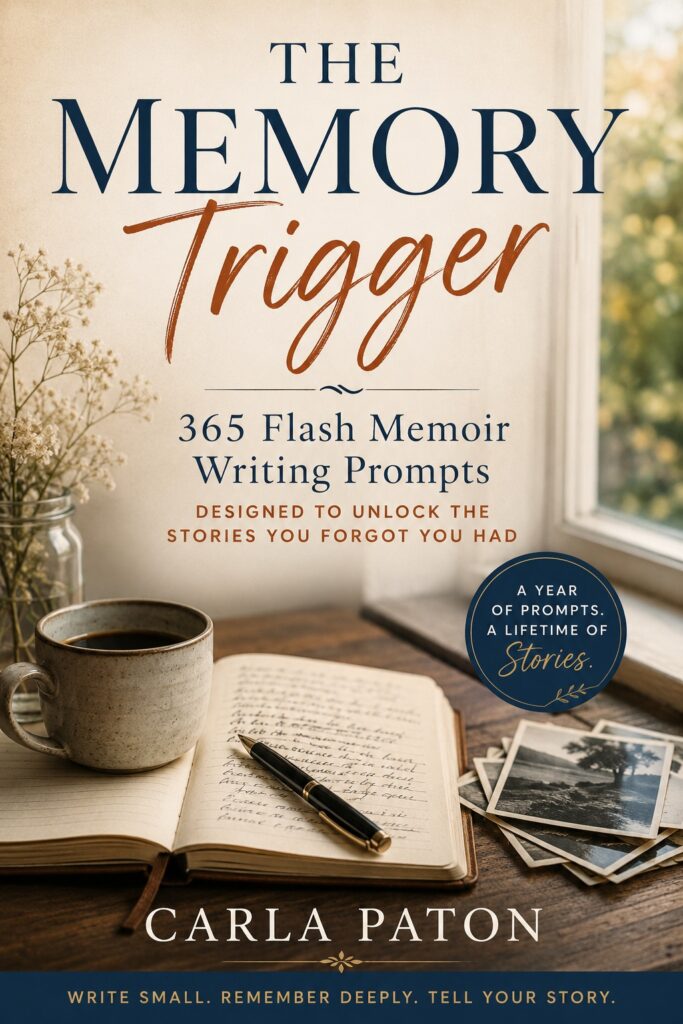
If this prompt opened a door, keep going. Explore all 365 prompts in The Memory Trigger: 365 Flash Memoir Writing Prompts.


Get the Free Close Reading Worksheet Pack
Join my email list and receive the printable worksheet pack you can use with any novel or poem.
No spam. Just helpful guides for reading literature well.












