
Flash Memoir Prompt: First Time You Wore Something that Made You Feel Like a Different Version of Yourself

Flash memoir prompt clothes

A warm writing invitation about the first time clothing changed how you stood, moved, or saw yourself in the mirror.

You may still remember the weight of it: a borrowed jacket, a stiff uniform, a dress that felt too grown-up, a pair of shoes that made noise on the floor. Maybe you caught your reflection and paused. For one second, you were still yourself, but also someone new.

This flash memoir prompt first time wore something made you feel different is about more than fashion. It is about identity, courage, disguise, belonging, and the strange power of fabric to tell us who we are allowed to become.

Flash memoir prompt clothes

The Prompt

Write about the first time you wore something that made you feel like a different version of yourself.

This prompt can unlock a clear and powerful memory because clothing is physical. You can describe how it felt on your skin, how it fit, how others looked at you, and what changed inside you when you put it on.

You do not have to write about a dramatic outfit. The memory might be small: a hand-me-down coat, a sports jersey, a graduation robe, makeup for the first time, a tie for a funeral, or a uniform for your first job. The meaning often lives in the small details.

Why This Memory Matters

Clothes can make us feel visible, hidden, older, braver, awkward, proud, or trapped. A simple shirt can carry a whole story.

Maybe the outfit helped you act like the person you wanted to become. Maybe it made you feel like you were pretending. Maybe someone else chose it for you, and the memory still holds anger or shame. Maybe you wore it because you needed to fit in, even if it did not feel like you.

This flash memoir prompt first time wore something made you feel like a different person can reveal a turning point. It asks: Who were you before you put it on? Who did you become after? Even if the change lasted only one afternoon, that moment may still matter.

For student writers, this is also a useful way to practice finding a theme in a personal story. If you want help thinking about deeper meaning, you might enjoy this guide on how to identify theme in literature. The same skill can help when you read your own memories closely.

How to Approach This Prompt

Begin with one physical detail. Do not start by explaining your whole life or telling the reader what the outfit meant. Start with the zipper that stuck, the tag scratching your neck, the sleeves hanging past your wrists, or the click of heels on tile.

Then narrow the memory to one scene. Where were you? A bedroom, school hallway, church bathroom, locker room, store dressing room, or front porch? Keep the camera close.

Write what you noticed before you explain what it meant. If people stared, describe that. If no one noticed, describe that too. Sometimes the private change matters more than the public reaction.

You might ask yourself these questions before you draft:

  • Who chose the clothing?
  • Did you want to wear it?
  • What did you think when you saw yourself?
  • How did your body move differently?
  • What did the outfit make possible?

If you are using this as classroom writing practice, you can also annotate your own draft the way you would annotate a story. Mark the sensory details, emotional shift, and strongest sentence. This simple guide to how to annotate literature can help you practice noticing what a piece of writing is doing.

Avoid trying to tell every clothing memory you have. Choose the one moment where something changed. Flash memoir works best when it feels small on the outside and large on the inside.

A Quick Example

The first time I wore my dad’s old leather jacket, I was sixteen and trying to look like I had somewhere to go. The jacket smelled like cold air, motor oil, and the peppermint gum he kept in his truck. It was too wide in the shoulders, so I pulled my hands into the sleeves and pretended that was the style. When I walked into school, nobody said anything. That disappointed me more than I wanted to admit. But in the bathroom mirror, under the buzzing light, I saw a version of myself who looked less afraid. I stood up straighter. I fixed my hair. For the rest of the day, I kept one hand in the pocket, holding onto the torn lining like proof.

Try It Yourself

Set a timer for ten minutes. Write the scene as if you are back in the room where you first put the item on. Let the mirror, the fabric, and your body lead the memory.

Do not worry about making the piece perfect. Your first draft only needs to find the moment. You can shape the meaning later.

If you get stuck, write one sentence that begins with, “When I saw myself, I thought…” Then keep going. This flash memoir prompt first time wore something made you see yourself differently is really an invitation to explore change, even if that change began with a button, a hem, or a pair of shoes.

Want More Flash Memoir Prompts?

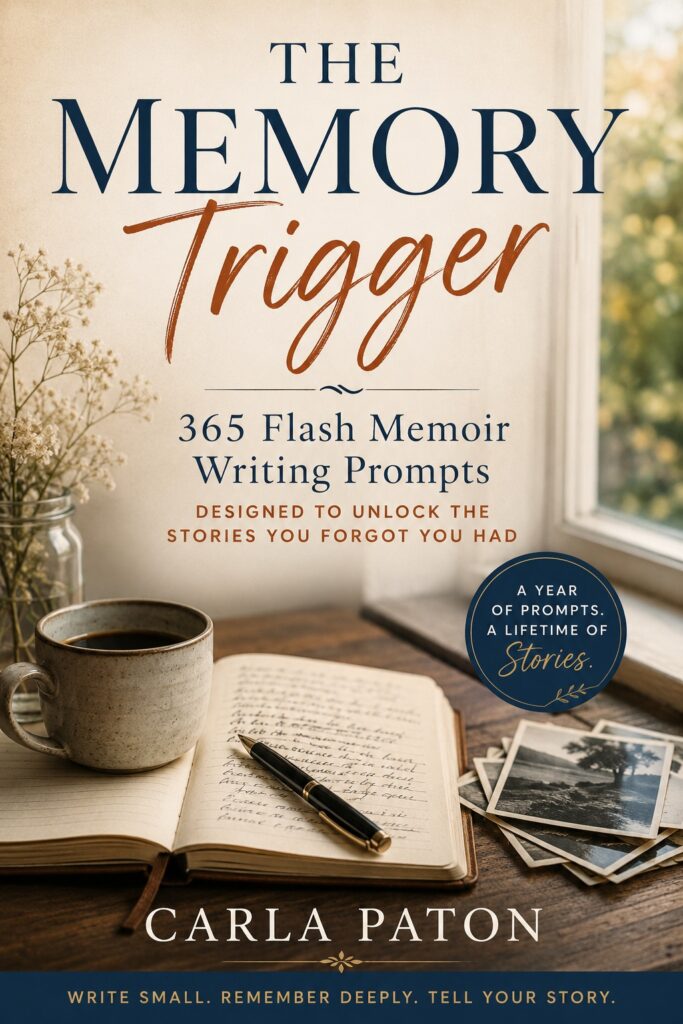
If this memory opened a door, keep writing. Explore all 365 prompts in The Memory Trigger: 365 Flash Memoir Writing Prompts.
Book Review: Lita Kurth’s Writing Memoir in Flashes

Writing Memoir in Flashes: Creative Ways to Tell Your True Stories, One Memory at a Time by Lita Kurth

My rating: 5 of 5 stars

A Practical, Encouraging Guide That Helped Me Write a Publishable Flash Memoir

Lita Kurth’s Writing Memoir in Flashes is one of the most useful writing books I have read in a long time because it does exactly what a good creative writing guide should: it makes you want to stop reading and start writing. This book is warm, practical, generous, and deeply encouraging without ever claiming that memoir is easy. Kurth recognizes that writing true stories can be sensitive work. It can evoke sadness, embarrassment, humor, desire, remorse, and astonishment. Rather than seeing them as hurdles, she shows how they can become the very substance of a vigorous flash memoir.

I liked the book’s emphasis on small moments the most. Kurth does not ask any writer to make sense of their life or pin down a clear meaning to their past. She asks them to begin with an image, an object, a family saying, a food memory, a first time, a last time, or a single strong scene. Such a strategy makes memoir possible. Furthermore, it pays tribute to how memory works. Life does not have easily recognizable or clean chapters. We remember the drawer, the scent, the weird thing someone said, the room where something shifted.

The prompts are superb. They strike a level of specificity that snowballs the writer into action while leaving enough room to lead somewhere unexpected. I was drawn back to memories I hadn’t thought of in years. Most importantly, the exercises produced actual pages, not mere inspiration. I have already written a flash memoir using these methods, and it was accepted for publication. This is likely the highest compliment I can pay it. It does not simply make you feel like a writer. It helped me write something substantial to share with the world.

Kurth’s tone is also strong. She writes like a teacher who believes in her students but refuses to lie to them. She promotes honest, detailed writing, revision, reading aloud, and reflection on truth, fairness, and others’ privacy. I found the writing about families and the ethical questions surrounding memoir particularly helpful. The pages present the complexity of writing about oneself.

For some readers, the only flaw is that the book feels more like a workshop than a craft book. Through examples, reflections, prompts, and advice, it has a conversational feel. I liked this, but if you’re after a strict step-by-step system, you may find it a little loose. Nevertheless, this ambiguity fits the subject closely. This book respects that flash memoir often begins in fragments.

Overall, Writing Memoir in Flashes is an effective and emotionally astute guide for anyone seeking to write true stories, one memory at a time. It is especially valuable for writers who feel their lives are too banal to matter. Kurth demonstrates that no life is too insignificant for art when the writer pays sufficient attention.

View all my reviews

Flash Memoir Prompt: First Time You Felt Genuinely Proud of Yourself

Rapid Reads Press

Maybe it happened in an empty kitchen, after everyone else had gone to bed: this flash memoir prompt first time felt genuinely proud asks you to return to the private moment when your own approval finally felt like enough.

The Prompt

Write about the first time you felt genuinely proud of yourself, with no one else around to see it.

This prompt works because pride is often tied to an audience. We remember the award, the applause, the grade, the compliment, or the person who finally noticed. But private pride is different. It does not need proof. It arrives quietly, sometimes in a bedroom, a bathroom mirror, a parked car, a school hallway, or at a desk covered in crumbs and paper.

A flash memoir prompt, the first time felt genuinely proud, can help you find a small scene with a large emotional center. The key is to look for the moment when you knew something had changed inside you, even if the rest of the world kept moving like nothing had happened.

Why This Memory Matters

The first time you felt proud of yourself may not look dramatic from the outside. Maybe you finished a hard assignment without help. Maybe you walked away from someone who kept hurting you. Maybe you saved money, fixed something, passed a test, apologized first, told the truth, or stayed calm when you wanted to fall apart.

What matters is the private nature of the moment. Since no one else was there to praise you, the pride had to come from somewhere deeper. That makes the memory powerful. It shows what you value when no one is watching.

This kind of memory can also reveal a theme in your life. You may notice a pattern around independence, courage, discipline, forgiveness, or survival. If you want help thinking about larger meaning in a personal story, this guide on how to identify theme in literature can also help you spot the theme inside your own writing.

Private pride can feel tender because it may be connected to a time when you wanted someone else to notice. Maybe no one did. Maybe that hurt. But the memory is still yours. In fact, the quietness may be what gives it its shape.

How to Approach This Prompt

Begin with one physical detail. Do not start by explaining your whole life or why the moment mattered. Start with what your body knew first.

Maybe your hands were shaking. Maybe your shirt was damp with sweat. Maybe there was a red pen mark on the page, a sink full of dishes, a bus ticket in your pocket, or a glow from a computer screen in a dark room.

Once you have that detail, narrow the memory to one scene. A flash memoir does not need the full backstory. You can hint at what came before, but try to stay close to the moment when pride arrived.

Ask yourself: Where was I? What had I just done? What did I notice in the room? Did I smile, cry, exhale, laugh, or sit very still?

Write what you noticed before you explain what it meant. This helps the reader feel the scene instead of being told how important it was. For example, “I folded the test and put it under my pillow” may say more than “I was proud because I had worked hard.”

After you draft, read your piece like a careful reader. Circle the strongest image. Underline the sentence where the emotion changes. If you enjoy close reading, the same habits used to annotate literature can help you revise your memoir with more care.

Above all, avoid trying to tell every related story at once. Stay with the first real moment. Let it breathe.

A Quick Example

I was sitting on the bathroom floor with my laptop balanced on a towel because the apartment was too loud everywhere else. The tile was cold through my pajama pants. I clicked submit on my college application at 12:17 a.m., then stared at the screen as if it might take the words back. No one knew I had finished it. My mother was asleep. My brother was playing music behind his door. I had written the essay in pieces before school, after work, and once in the laundry room while the dryer thumped beside me. When the confirmation email arrived, I pressed my hand over my mouth. I did not scream. I just sat there, smiling at the sink cabinet, feeling taller than I had all week.

Try It Yourself

Set a timer for ten minutes and write from the prompt without trying to make the memory sound impressive. The moment does not have to be noble or life-changing. It only has to be true.

If you get stuck, begin with this sentence: “No one saw me when I…” Then keep going. Let the sentence lead you into the room, the object, the sound, or the small action that held the feeling.

As you write, remember that pride does not always shout. Sometimes it shows up as relief. Sometimes it feels like a steady breath. Sometimes it is simply the moment you realize, “I did that.” That is enough for this flash memoir prompt first time felt genuinely proud.

Want More Flash Memoir Prompts?

If this prompt helped you uncover a quiet memory, keep gathering those small scenes. They often become the strongest pieces of memoir because they carry real emotional weight without needing to explain too much. Explore all 365 prompts in The Memory Trigger: 365 Flash Memoir Writing Prompts.
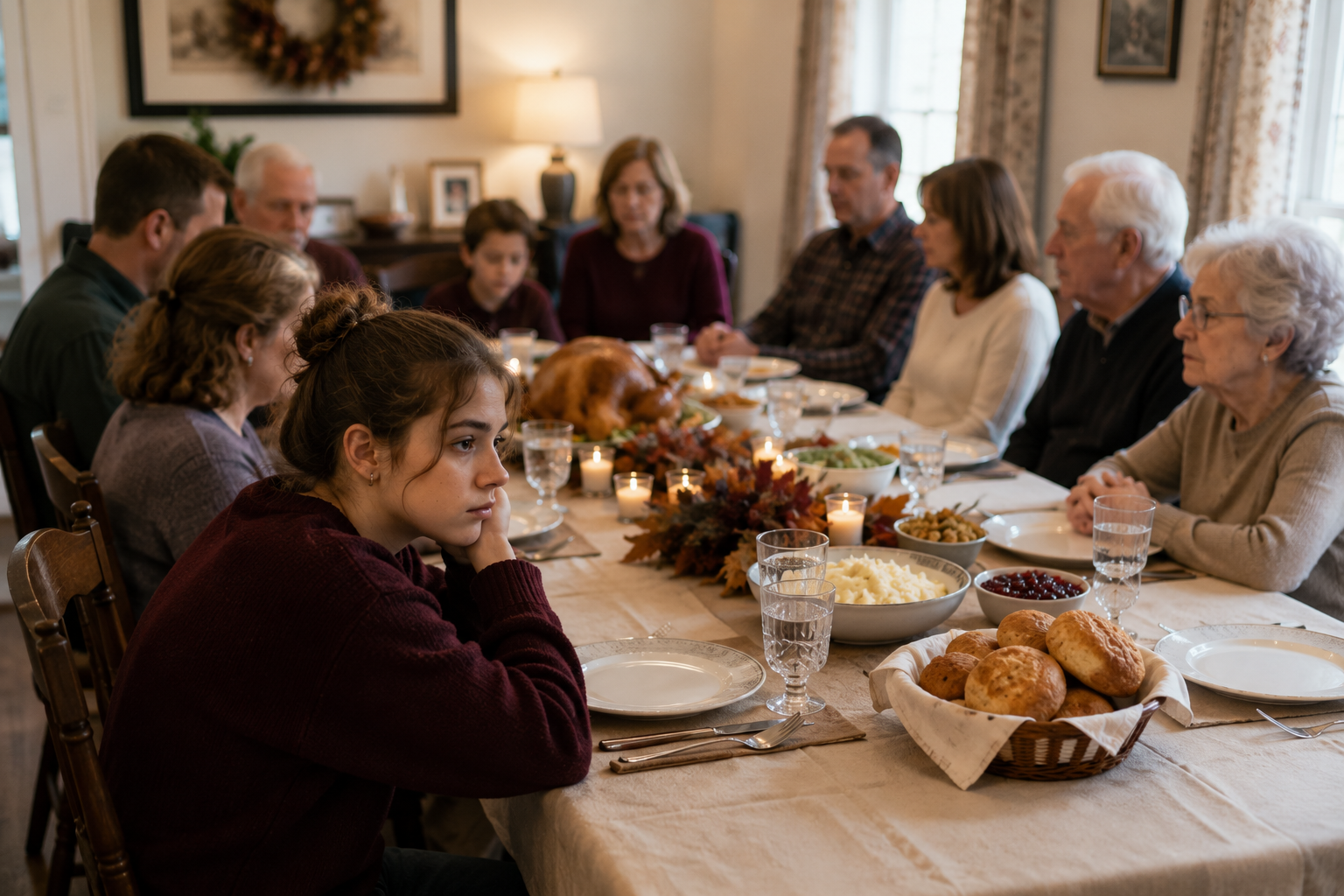
Flash Memoir Prompt: First Time You Were Given a Compliment that You Actually Believed

flash memoir prompt first time given compliment actually believed

A warm flash memoir prompt for remembering the first compliment that felt true, and the small moment when someone else’s words finally reached you.

There is a strange little pause that happens when a compliment lands. Maybe you were used to brushing praise away. Maybe you laughed, changed the subject, or said, “No, I’m not,” before the other person even finished speaking. Then one day, someone said something simple, and for once, you did not argue with it.

This flash memoir prompt, the first time you were given a compliment you actually believed, invites you to return to that exact moment. Not the long history of why compliments were hard to accept. Just the first time one slipped past your defenses and settled somewhere honest.

flash memoir prompt first time given compliment actually believed

The Prompt

Write about the first time you were given a compliment that you actually believed.

This prompt can unlock a meaningful memory because it is rarely just about the compliment. It is about who said it, how they said it, where you were standing, and why those words felt different from all the others.

Maybe the compliment came from a teacher who noticed your writing. Maybe it came from a coach, a grandparent, a friend, or someone you barely knew. Maybe it was not dramatic at all. Sometimes the words we believe are quiet ones, said in a hallway, at a kitchen table, or after a hard day when we had almost given up.

Why This Memory Matters

A believable compliment can mark a shift in how you see yourself. It might be the first time you felt talented, kind, brave, funny, capable, or worth noticing. That kind of memory has power because it shows a moment when your inner story changed.

This prompt may uncover a story about self-doubt. It may bring up a time when you wanted approval but did not know how to receive it. It may also reveal how much one thoughtful sentence can matter when it comes from the right person at the right time.

For student writers, this is a useful prompt because it keeps the memory focused. You do not have to explain your entire childhood or every reason you lacked confidence. You can build the scene around one compliment and let the reader understand the rest through detail.

If you are exploring broader meaning in your writing, you might find it helpful to think about the larger idea behind the scene. This is similar to how readers learn to identify theme in literature. A small moment can point toward a bigger truth without needing to announce it.

How to Approach This Prompt

Begin with the place where the compliment happened. Put yourself back in the room, the car, the classroom, the parking lot, or the store aisle. What were you holding? What could you hear? What did the light look like?

Then narrow the memory to one scene. Avoid trying to tell the whole story of your confidence or insecurity. Stay close to the moment when the words were said.

Write what you noticed before explaining what it meant. Maybe you noticed the person did not smile in a joking way. Maybe they looked you straight in the eye. Maybe their voice was ordinary, which made the compliment feel more real.

You might start with a physical detail, such as your hands under the desk, your shoes on the floor, or the heat in your face. A physical detail can make the emotion easier to write because it gives the memory something solid to stand on.

If you like to mark up memories before drafting, try borrowing a reading habit. Circle the words that carry feeling, underline the turning point, or make a note beside the moment that changed you. These simple moves are close to the skills used when you annotate literature, and they can help you notice what matters in your own story.

As you write, resist the urge to make the compliment sound perfect. Real compliments are often plain. “You’re good at this.” “That was brave.” “I trust you.” “You made the room feel lighter.” The truth of the memory does not need fancy language.

A Quick Example

I was sixteen, wiping down tables at the diner after the lunch rush. My shirt smelled like fryer oil, and my shoes stuck to the floor near the soda machine. Mrs. Alvarez, the owner, stood behind the counter counting change. I had just calmed down a customer who was angry about his order, though my hands shook the whole time. She looked up and said, “You keep your head when people lose theirs.” I waited for the joke or the correction. It did not come. She went back to counting quarters. I stood there with the wet rag in my hand, feeling taller than I had five minutes before. No one had ever called me calm. But that day, I believed her.

Try It Yourself

Set a timer for ten minutes and write the scene as clearly as you can. Do not worry about making it polished. Focus on the moment the compliment was spoken and what happened inside you right after.

If you get stuck, use this sentence starter: “I did not believe compliments back then, but when they said…” Let the memory continue from there.

This flash memoir prompt first time given compliment actually believed works best when you keep it small. One voice. One sentence. One shift. That is enough for a strong flash memoir piece.

Want More Flash Memoir Prompts?

If this prompt helped you remember a moment you had nearly forgotten, keep going. Explore all 365 prompts in The Memory Trigger: 365 Flash Memoir Writing Prompts.
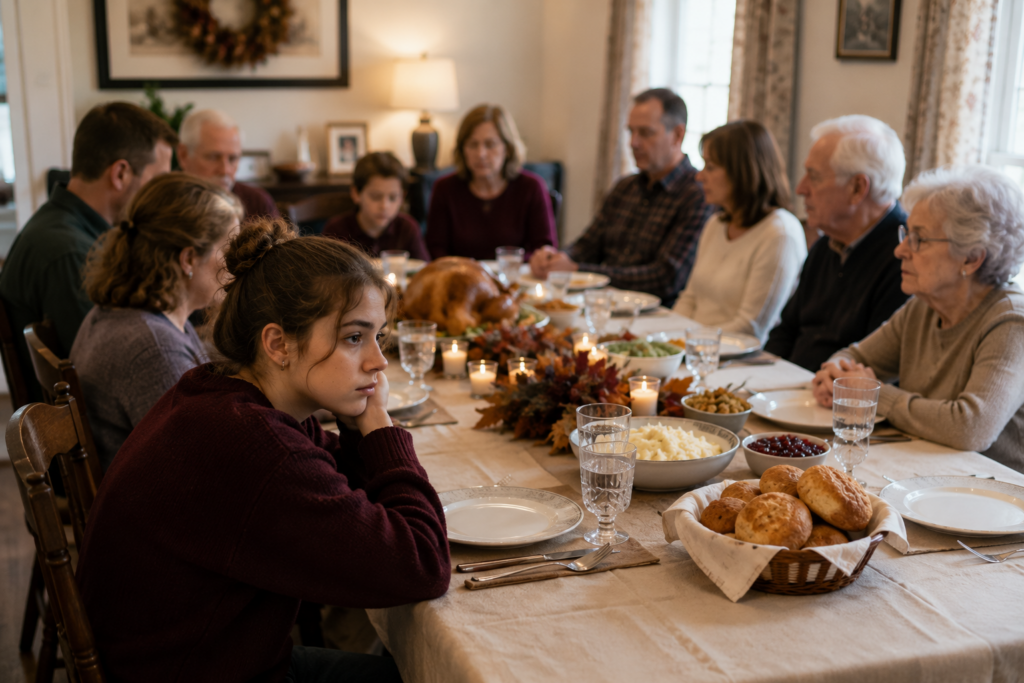
Flash Memoir Prompt: First Time You Lied to Protect Someone Else

flash memoir prompt first time lied protect someone

A small lie told for someone else can leave a long echo, especially when you still remember the look on their face.

If you are looking for a flash memoir prompt about the first time you lied to protect someone, this one asks you to return to a moment when loyalty, fear, love, or pressure shaped what came out of your mouth. Maybe it happened in a kitchen, a classroom, a back seat, or a hallway where everything suddenly felt too quiet.

The lie may have been tiny. “She was with me.” “I broke it.” “He didn’t say that.” At the time, it may have felt fast and necessary. Later, it may have become more complicated.

flash memoir prompt first time lied protect someone

The Prompt

Write about the first time you lied to protect someone else.

This prompt can unlock a strong memory because it puts you inside a choice. You were not just telling a lie. You were deciding who needed protection, what truth might cost, and what kind of person you wanted to be in that moment.

A flash memoir does not need the whole history. It needs one clear scene. Focus on the first time you remember crossing that line for someone else. Let the reader feel the room, hear the question, and understand why the lie came so quickly.

Why This Memory Matters

The first protective lie often reveals a lot about your younger self. It can show who you loved, who scared you, or who you believed deserved saving. It can also show what you did not understand yet.

Maybe you lied for a sibling who had already been in trouble too many times. Maybe you covered for a friend because you knew their parents would overreact. Maybe you protected an adult, even though no child should have had to do that.

This kind of memory can carry more than guilt. It may carry tenderness. It may carry anger. It may carry pride. The emotional truth depends on the scene.

As you write, pay attention to the person you protected. What did they need from you? What did you think would happen if you told the truth? If you enjoy studying motives in fiction, the same skill can help here. Thinking about how to analyze characters in literature can remind you to notice desire, fear, and pressure in real life, too.

The point is not to judge your younger self too quickly. The point is to return to the moment with honesty. What did you know then? What do you know now?

How to Approach This Prompt

Begin with a physical detail instead of an explanation. Start with the sound of a door closing, the sweat under your collar, the chipped mug on the table, or the teacher’s shoes beside your desk.

Then narrow the memory to one scene. Do not begin with, “My brother and I had always been close.” Begin with the moment the question landed in the room.

For example, you might start with: “My mother held the broken lamp cord in her hand and asked whose idea it was.” That first line gives you a place, an object, and a problem.

After that, write what you noticed before you explain what it meant. What did the other person do? Did they look at you, look away, kick your foot, or go still? Small movements can carry the weight of the whole story.

Try not to tell the reader the lesson too soon. Let the scene do some of the work. If the memory has a larger meaning, it will rise from the details.

This flash memoir prompt, the first time you lied to protect someone, also invites you to think about the theme. Was the memory about loyalty? Fear? Family rules? Silence? If you want help naming the deeper idea in a piece of writing, this guide on how to identify theme in literature can help you look beneath the action without forcing a moral.

A Quick Example

The first time I lied to protect someone, I was nine, and my cousin had taken my aunt’s red lipstick from the bathroom drawer. She drew a crooked heart on the hallway mirror, then froze when we heard footsteps. My aunt asked who did it, and my cousin’s face folded in on itself before she even opened her mouth. I said, “I did.” The lipstick felt cold in my hand when my aunt made me clean the glass. My cousin stood behind her, silent, with one red smear on her thumb. I remember feeling proud for about ten seconds. Then I saw my aunt’s disappointment in the mirror, right beside my own face. I had saved my cousin from trouble, but I had stepped into a different kind of trouble, one that followed me longer.

Try It Yourself

Set a timer for ten minutes and write the scene as simply as you can. Start at the moment before the lie. End soon after it leaves your mouth.

You do not have to decide whether the lie was right or wrong before you begin. In fact, it may be better if you do not. Let the younger version of you act first. Let the older version watch closely.

If you get stuck, write the question someone asked you. Then write your answer. The space between those two lines is where the memoir lives.

This flash memoir prompt, the first time you lied to protect someone, works best when you keep the memory small and honest. You are not writing a courtroom defense. You are writing about a human moment when care and fear got tangled together.

Want More Flash Memoir Prompts?

If this prompt opened a memory you did not expect, keep going. Short prompts can help you find stories hiding in ordinary moments, especially the ones you have not thought about in years.

Explore all 365 prompts in The Memory Trigger: 365 Flash Memoir Writing Prompts.

The Memory Trigger

Flash Memoir Prompt: First Time You Were Left Alone Somewhere

flash memoir prompt first time left alone somewhere

A warm, focused writing invitation about the first time you felt truly alone and had to meet the moment by yourself.

flash memoir prompt first time left alone somewhere

The door clicks shut. The car turns the corner. The house goes quiet in a way it never has before.

For a second, nothing has changed. The same couch is there. The same clock ticks. And the same cracked sidewalk stretches outside. Then your body understands before your mind does: no one is coming to handle this for you right now.

If you searched for a flash memoir prompt first time left alone somewhere, this one asks you to return to that sharp little moment when childhood, safety, independence, or fear shifted under your feet.

It might be a memory from a grocery store aisle, a school hallway after practice, a hospital waiting room, a train station, or your own kitchen. The place matters, but the feeling matters more.

The Prompt

Write about the first time you were left alone somewhere and realized you were completely on your own.

This prompt can unlock a powerful memory because it focuses on a clear emotional turn. At first, you may have felt fine. Maybe even proud. Then something changed. The silence grew too large. The adults took too long. The familiar place started to feel strange.

Flash memoir works well when you choose one small scene instead of trying to explain your whole life. This prompt gives you a built-in scene: a person alone in a place, waiting to see what happens next.

Why This Memory Matters

The first time you were left alone may have been scary, exciting, unfair, or strangely calm. You may have discovered you were braver than you thought. You may have learned that certain kinds of freedom come with a cold edge.

This kind of memory often holds a hidden before and after. Before, someone else knew the plan. After, you had to make one.

Maybe you were left at a bus stop and had to ask a stranger for help. Maybe your parent ran into a store and did not come back as fast as promised. And maybe you were old enough to be trusted at home, but young enough to jump at every creak in the walls.

The meaning does not have to be dramatic. A strong memoir moment can come from a small realization: I know where the flashlight is. I can call the neighbor. I can sit still. And I can wait.

That is why this flash memoir prompt first time left alone somewhere can lead to a story about fear, but it can also lead to a story about competence. Or loneliness. Or pride that you did not know how to name at the time.

If you want to explore what your memory is really about after drafting, you might find it helpful to read this guide on how to identify theme in literature. Memoir has themes too, even when the story begins with a simple locked door or an empty room.

How to Approach This Prompt

Start with a physical detail. Do not begin by explaining how old you were or what the memory means now. Begin with the thing your body remembers.

Was the carpet rough under your knees? Was there gum stuck to the bottom of a plastic chair? Did the air smell like floor cleaner, wet wool, popcorn, sunscreen, or dust?

Choose one scene and stay inside it. If you were left alone at a mall, do not write the full story of your family, your whole childhood, and every store in the building. Write the bench outside the shoe store. Write the escalator. And write the moment you stopped pretending you were fine.

Let the facts arrive slowly. Readers do not need every detail at once. They need to feel what you noticed first.

You might begin with a sentence like:

“The kitchen sounded bigger after my mother left.”

Or:

“I counted the red floor tiles because I did not know what else to do.”

Or:

“At first, being alone in the car felt like a prize.”

After that, follow the next small action. Did you check the clock? Lock the door? Walk in circles? Try to act older than you felt?

If you get stuck, write the scene as if you are annotating your own memory. Notice the objects, the sounds, and the moment the mood changes. For more practice with close observation, this guide on how to annotate literature can help you train your eye to notice what carries meaning.

A Quick Example

My father left me in the laundromat with two baskets and a warning not to touch the candy machine. I was nine, old enough, he said, to watch the dryers spin while he ran next door for quarters. The room smelled like hot cotton and soap powder. At first I liked the job. I sat straight in the orange chair and looked serious, like the women folding towels. Then the dryer with our sheets stopped. My father did not come back. The quiet between machine hums got wider. A man came in and nodded at me. I nodded back, too fast. I put one hand on the basket handle and one hand in my pocket around the house key. That was the first time I understood that waiting could feel like work.

Try It Yourself

Set a timer for ten minutes and write one scene from this prompt. Keep your focus tight. Where were you? What did you hear? What did you do with your hands?

Do not worry about making the memory sound important. Let it be ordinary if it was ordinary. A child alone in a quiet house can hold as much tension as a child lost in a crowd.

When you finish, underline the sentence where the realization happens. It may be small, but it is probably the heart of the piece.

This flash memoir prompt first time left alone somewhere is a chance to write about the moment you began to understand your own presence. You were there. You noticed. And you got through it, one choice at a time.

Want More Flash Memoir Prompts?

If you enjoy short writing invitations that help you capture real memories in a few focused paragraphs, the full collection offers a year of daily practice.

Explore all 365 prompts in The Memory Trigger: 365 Flash Memoir Writing Prompts.

 

flash memoir prompt