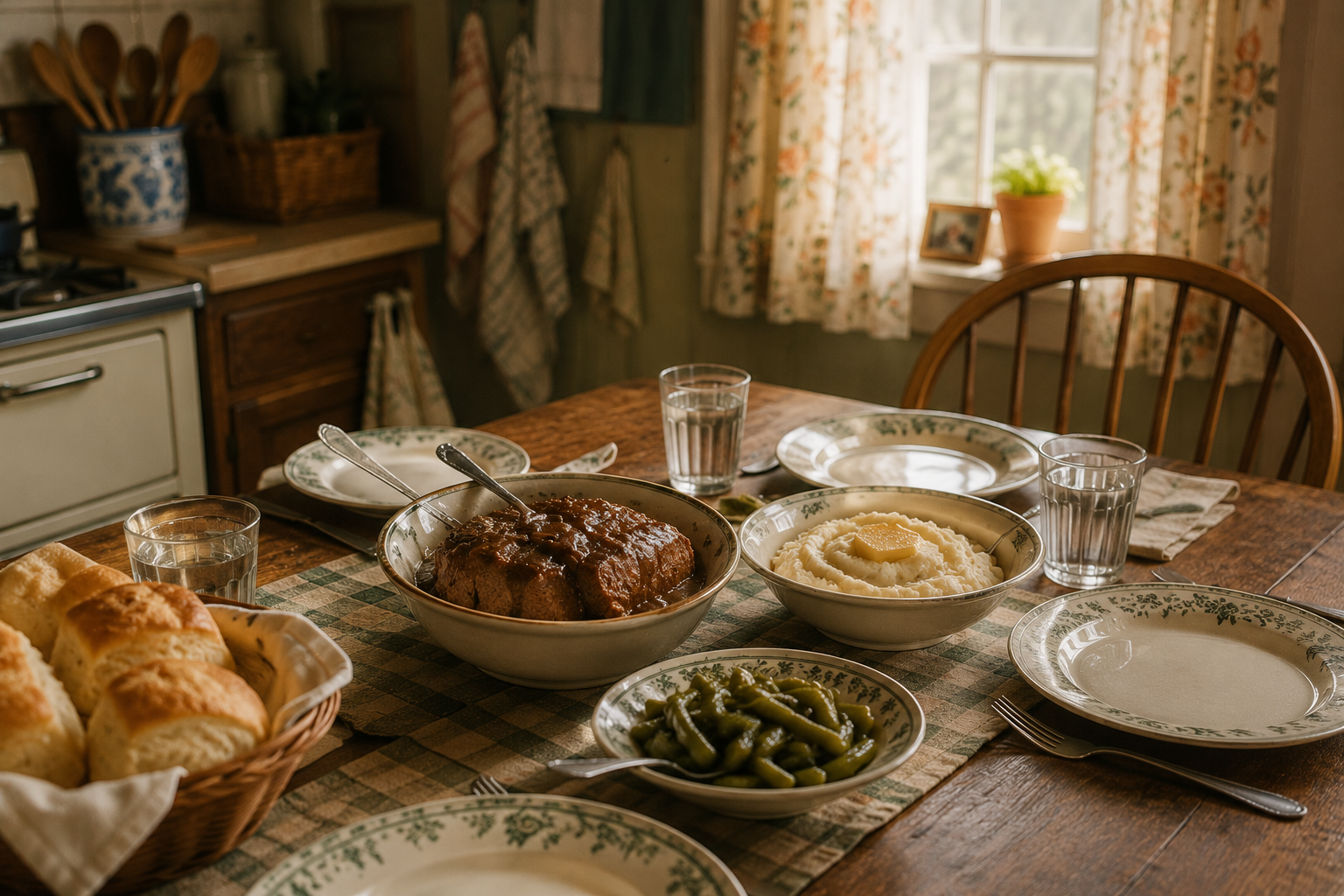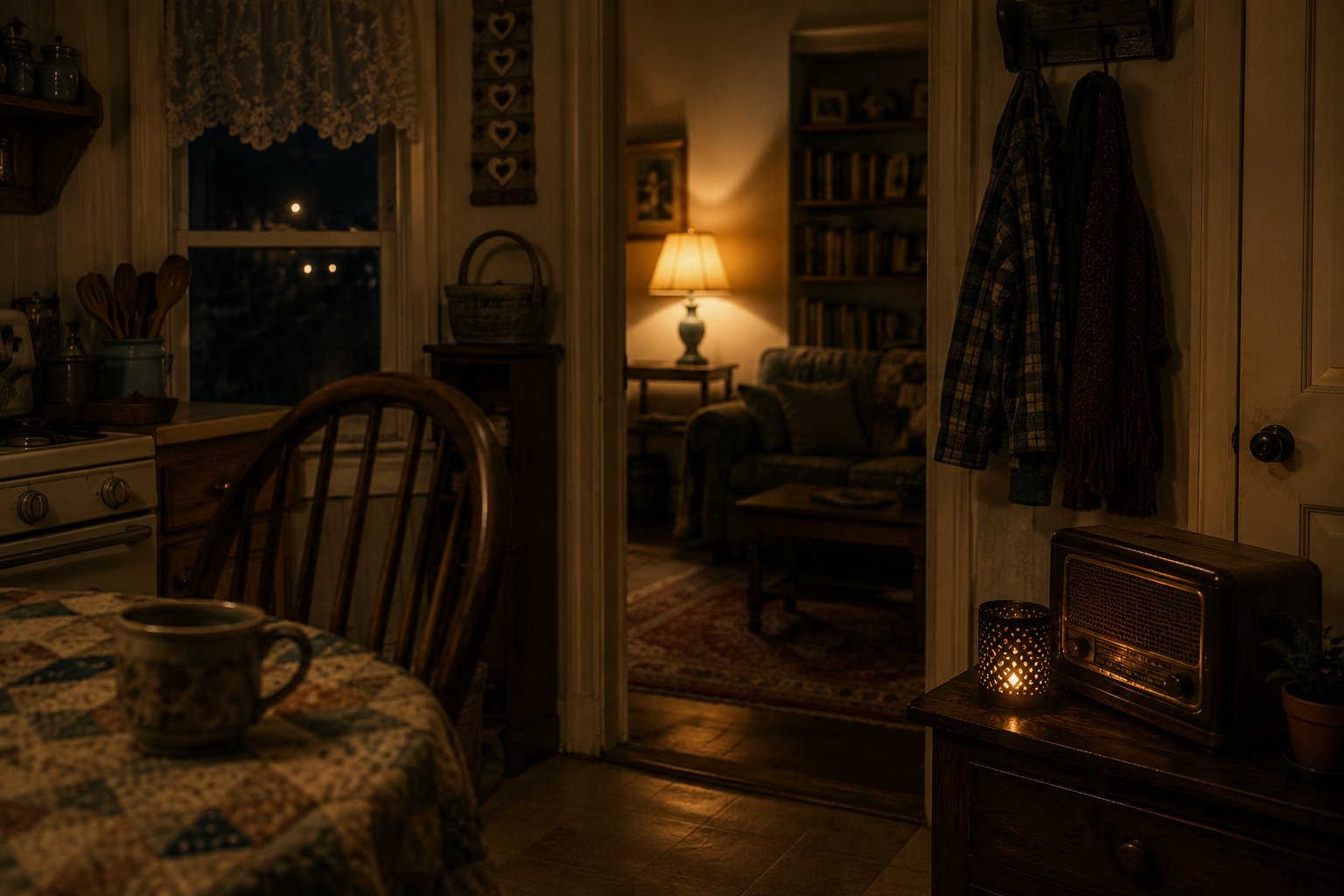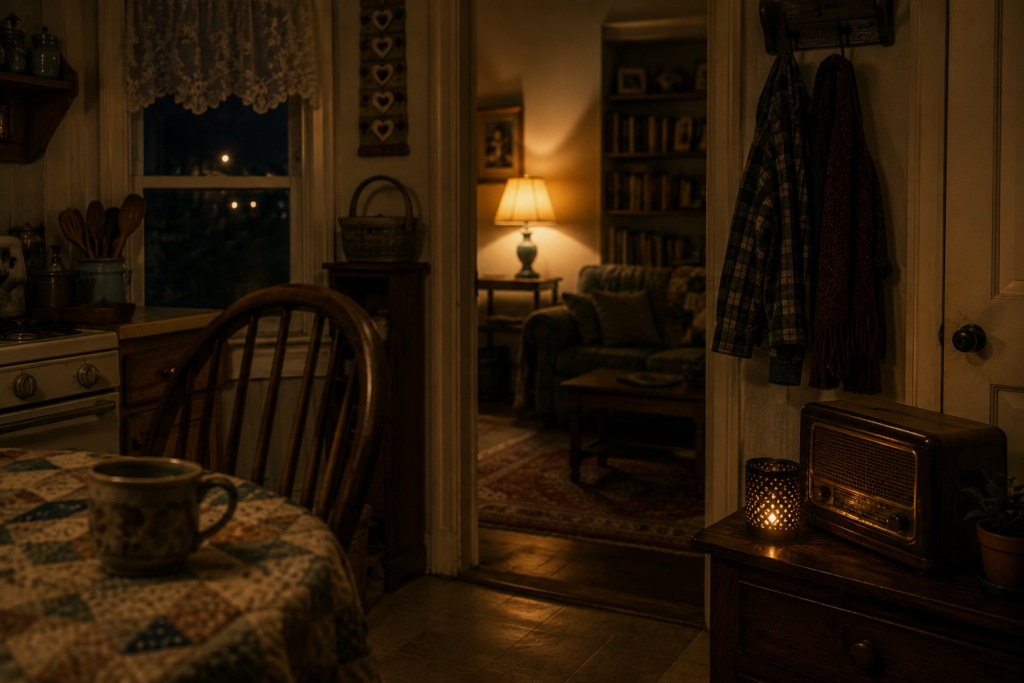
You hear your own voice snap across the kitchen, and for one strange second, it sounds exactly like your mother or father. This flash memoir prompt moment realized parent more alike invites you to slow down inside that uneasy recognition and write one honest, focused memory.

The Prompt
Write about the moment you realized you and a parent were more alike than you’d wanted to admit.
This prompt can open a powerful memory because it starts with resistance. Most of us carry at least one sentence inside us: “I’ll never be like that.” Then life gives us a mirror. Maybe it happens while you fold towels the same way your father did. Maybe you hear yourself use your mother’s exact warning tone. Maybe you notice your own stubborn silence at the dinner table.
A flash memoir does not need to explain your whole family history. It only needs one sharp moment where recognition arrives. That small scene can hold surprise, shame, tenderness, humor, or relief.
Why This Memory Matters
Realizing you resemble a parent can feel complicated. If the parent was loving, the likeness may feel sweet. If the relationship was painful, it may feel like something you want to push away. Most memories are somewhere in the middle.
This kind of story often uncovers the space between who you planned to become and who you actually became. You may have spent years trying to be calmer, softer, braver, neater, louder, or freer than a parent. Then one ordinary moment reveals that inheritance is not always dramatic. Sometimes it hides in a sigh, a habit, a look over the top of your glasses.
That is why this flash memoir prompt moment realized parent more alike can be useful for writers. It asks you to look at character, memory, and self-understanding in the same scene. If you enjoy studying how people are shaped by family, you might also like this guide on how to analyze characters in literature. The same skills we use to understand fictional people can help us understand ourselves with more care.
You do not have to decide whether the likeness is good or bad. Try to write the moment before you judge it. Let the reader feel the recognition with you.
How to Approach This Prompt
Begin with a physical detail. Do not start with “My parent and I are alike because…” Start with the thing that showed you. A slammed cabinet. A hand on a hip. A list written in block letters. A joke told too sharply. A quiet drive where neither of you apologized.
Narrow the memory to one scene. Choose one room, one conversation, or one small action. If you try to cover your whole relationship with that parent, the writing may become too broad. Flash memoir works best when it gives the reader a clear place to stand.
Write what you noticed before you explain what it meant. For example, describe your hand tightening around the steering wheel before you write about anger. Describe the silence after your child asked a question before you explain your fear. Let the scene do some of the work.
You might also pay attention to your younger self. What had you promised never to repeat? What bothered you most about that parent when you were a child? The answer may point you toward the right scene.
If you are writing for school or building a personal essay, annotation habits can help too. Mark the details in your draft that carry the most emotion. This simple practice is similar to how to annotate literature, except the text is your own memory.
Keep the ending small. You do not need to forgive, condemn, or solve the whole family pattern. You can end with the sound of your own voice in the room and the strange feeling of knowing where it came from.


A Quick Example
I was helping my son find his missing soccer cleat, and I could feel my patience draining with every closet door he opened. “If you put things where they belong, you wouldn’t have this problem,” I said. The sentence came out clean and hard, like it had been stored in me for years. My father used to say the same thing when I lost library books, mittens, permission slips. I hated how small it made me feel. My son looked down at the floor, and I saw myself at nine years old, searching for something and wishing the adult nearby would just help. I found the cleat under the couch. I handed it to him and said, softer, “Let’s both try to remember next time.”
Try It Yourself
Set a timer for ten minutes and write the scene without stopping. Start with the sound, gesture, phrase, or habit that made you realize the resemblance. Stay close to the moment.
If the memory feels uncomfortable, let it be uncomfortable on the page. You are allowed to write with mixed feelings. You can love a parent and resent a pattern. You can reject a trait and still understand where it came from.
Use this flash memoir prompt moment realized parent more alike as a way to explore inheritance in a small, honest frame. The goal is not to blame yourself or your parent. The goal is to notice something true and give it shape.
Want More Flash Memoir Prompts?
Explore all 365 prompts in The Memory Trigger: 365 Flash Memoir Writing Prompts.