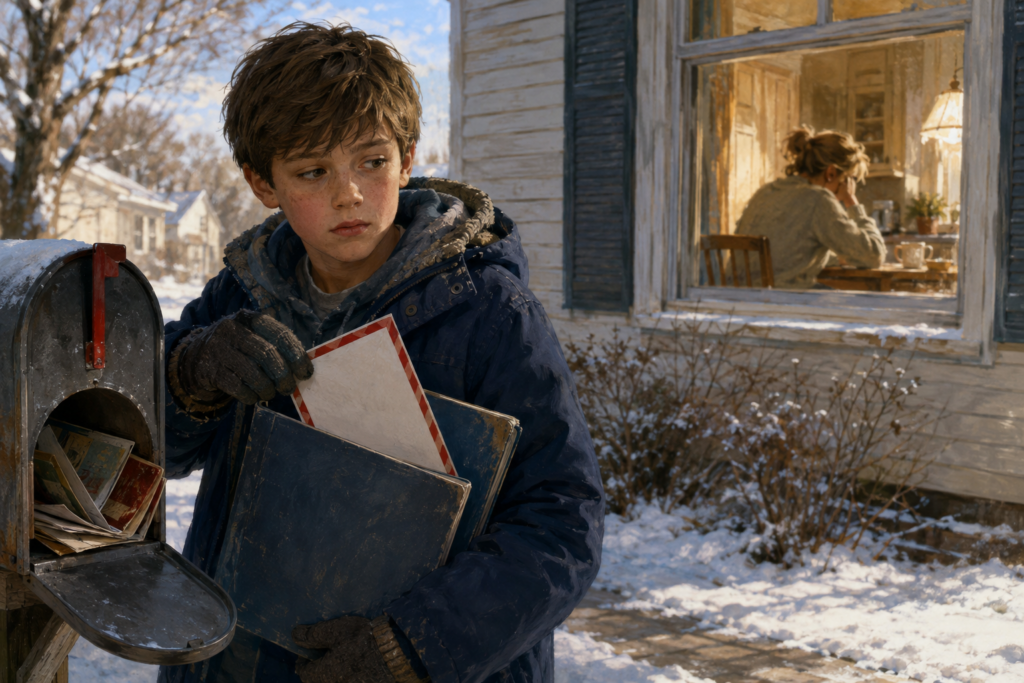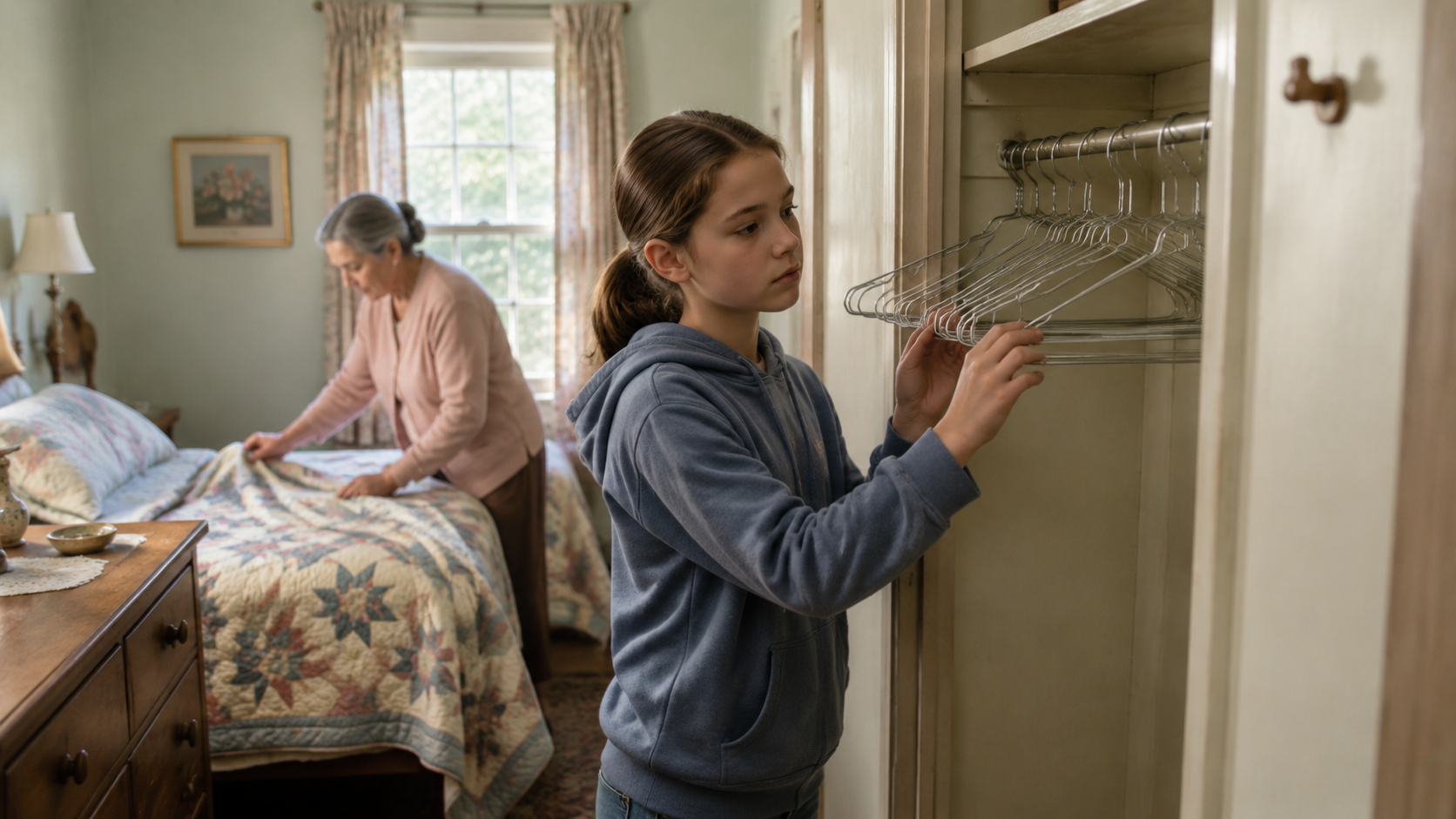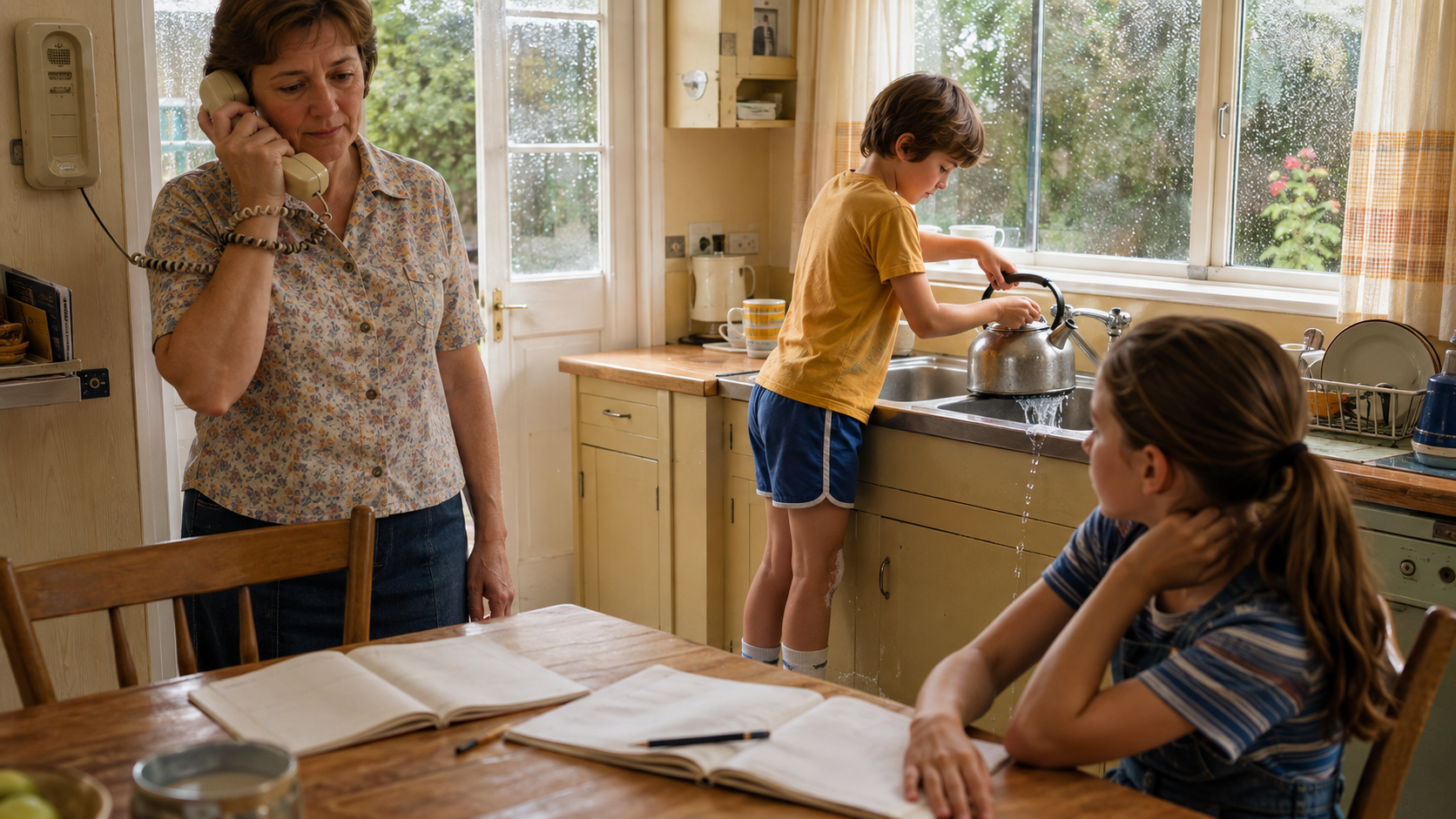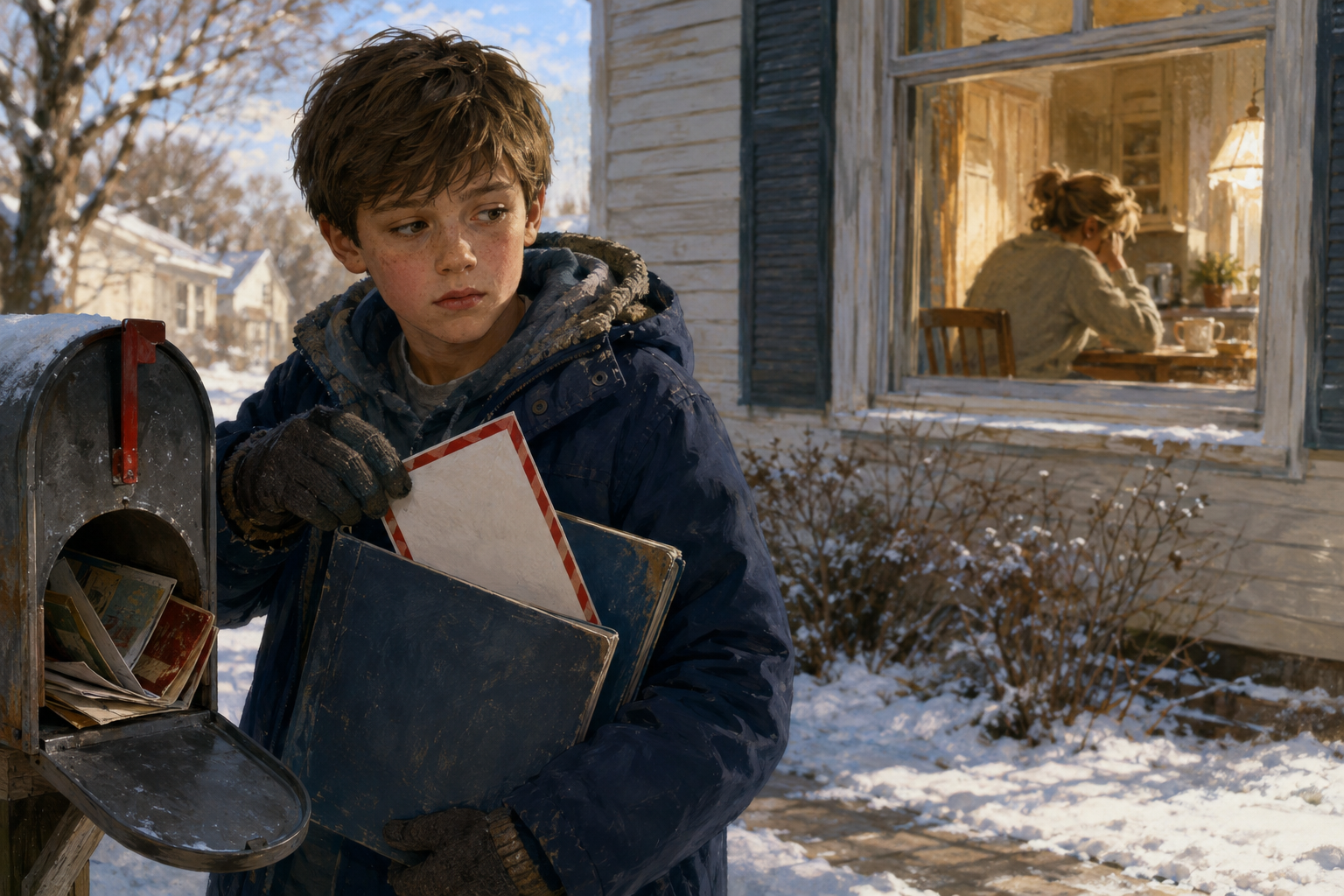
Flash Memoir Prompt: Texture of a Specific Surface You Touched Often as a Child

Flash Memoir Prompt childhood

Childhood Surface Texture Memoir Prompt: Maybe your hand remembers before the rest of you does, the porch rail under your palm, the cracked vinyl of a kitchen chair, or the cool edge of a school desk you traced while waiting to be called on.

Flash Memoir Prompt childhood

The Prompt

Write about the texture of a specific surface you touched often as a child.

This flash memoir prompt about texture, a specific surface touched often, invites you to begin with your body instead of your timeline. You do not have to explain your whole childhood. You only have to remember one surface your hand knew well.

Maybe it was the rough wall beside your bed. Maybe it was the smooth banister you slid down against the rules. Maybe it was the sticky table at your grandmother’s house, the carpet in front of the television, or the cold metal latch on a gate.

A surface can hold more than we expect. It can bring back a room, a person, a feeling, or a season of life you have not thought about in years.

Why This Memory Matters

Touch is a quiet kind of memory. We often write about what we saw or heard, but the textures of childhood can carry deep emotional weight.

A rough surface might bring back a feeling of safety, boredom, fear, or comfort. A smooth surface might remind you of waiting, cleaning, hiding, pretending, or wanting to belong. The memory does not need to be dramatic to matter.

The power of this prompt is its smallness. When you focus on one surface, you stop trying to summarize your life. You enter one place. You let the reader feel the scene with you.

For example, the peeling paint on a windowsill might tell a story about being lonely after school. The slick plastic of a diner booth might bring back weekend visits with a parent. The scratchy fabric of a church pew might open a memory about trying to sit still while your legs swung above the floor.

This is why a flash memoir prompt texture specific surface touched often can work so well. It gives you a doorway. Once you step through, the meaning can appear slowly.

How to Approach This Prompt

Begin with the surface itself. Do not start by explaining your family, your neighborhood, or your entire childhood home. Let your fingers lead.

Write one sentence that names the object and texture. Try something plain and exact, such as: “The top of our kitchen table was always tacky near the corner where I sat,” or “The basement wall felt gritty, like it was made of dried beach sand.”

Then narrow the memory to one scene. Where are you? How old are you? What are you doing with your hand? Are you tracing, gripping, scratching, tapping, rubbing, hiding, or holding on?

Write what you noticed before you explain what it meant. This keeps the memory alive on the page. If you jump too quickly to the lesson, the scene can feel flat. If you stay with the small physical detail, the feeling has room to rise on its own.

You might treat this like a close look at a passage in literature. When students practice close reading in literature, they notice small details before making a larger claim. You can do the same with memory. First notice the texture. Then notice what it reveals.

If you get stuck, make a quick two-column note. On one side, describe the surface. On the other, write any feelings or people connected to it. This is similar to the way readers annotate literature, except the text is your own life.

Keep the piece short. One scene is enough. You are not trying to tell every story connected to that house, classroom, car, yard, or bedroom. For this flash memoir prompt texture specific surface touched often, let one touch become the center.

The Flash Memoirist
previous arrow
next arrow

A Quick Example

The arm of our brown couch was rubbed smooth where my mother rested her elbow every night. The rest of the couch was scratchy, with little raised threads that left marks on the backs of my legs, but that one patch felt almost soft. I used to press my thumb into it while she watched the evening news. I did not understand half the words on the screen, but I understood her sigh when the weather came on and she finally leaned back. Sometimes I sat beside her without talking, my thumb moving over that worn place again and again. Years later, I saw a couch in a thrift store with the same fabric, and for one second I was eight years old, waiting for her hand to reach over and smooth my hair.

Try It Yourself

Give yourself ten minutes with this prompt. Choose one surface you touched again and again as a child. Do not worry if the memory seems too small at first.

Start with the texture. Let the scene form around it. If a person enters the memory, let them. If an emotion appears, name it only after you have shown the moment clearly.

You might be surprised by what your hand remembers. A desk, wall, blanket, countertop, fence, or floor can lead to a piece of writing that feels honest because it begins with something real.

Want More Flash Memoir Prompts?

If this prompt helped you find a small but meaningful memory, you may enjoy having a full year of invitations ready when you sit down to write. Explore all 365 prompts in The Memory Trigger: 365 Flash Memoir Writing Prompts.
The Memory Trigger

Flash Memoir Prompt: Neighbor from Your Childhood Whose Life Seemed Mysterious to You

flash memoir neighbor

A brief writing invitation for remembering a mysterious childhood neighbor through one sharp scene, a few sensory details, and the questions you carried before you understood adult lives.

Maybe there was a house on your street where the curtains stayed closed. Maybe a porch light burned all night. Maybe a neighbor walked past your yard every afternoon with a paper bag, a limp, or a silence that made you stop your bike and wonder.

Childhood is full of half-stories. We notice shoes by a door, a strange smell from a kitchen, a car that never moves, a voice through the wall. We do not know enough to explain what we see, so mystery fills the gaps. This flash memoir prompt neighbor childhood whose life seemed mysterious invites you to return to one of those gaps with care.

flash memoir neighbor

The Prompt

Write about a neighbor from your childhood whose life seemed mysterious to you.

This prompt works because it asks you to remember from the edge of understanding. You do not have to solve the mystery. In fact, the strongest piece may come from what you did not know.

Think of the neighbor who made you curious. The woman who only came out at dusk. The man who kept pigeons in the garage. The older teen who lived with grandparents and never spoke at the bus stop. The family whose arguments carried down the block, then vanished when someone knocked.

Why This Memory Matters

A mysterious neighbor can reveal more than a person you barely knew. They can show what childhood felt like in your town, your building, or your street. They can show what adults whispered about and what children noticed anyway.

When you write about this kind of memory, you may uncover the border between childhood imagination and adult reality. Maybe you were afraid of someone who was simply lonely. Maybe you admired a person because they seemed free. Maybe years later, you learned a detail that changed the whole memory.

You might also discover how your younger self made sense of silence. Children often build stories from clues. A shut gate might become danger. A weekly visitor might become romance. A stack of newspapers might become proof of a secret life.

This is where the emotional truth lives. The facts matter, but so does your child’s version of the facts. A flash memoir prompt neighbor childhood whose life seemed mysterious gives you permission to write from that younger point of view before you explain anything.

If you enjoy studying small details in stories, you might also like this guide on what close reading means in literature. Memoir often works the same way. One detail can open the whole scene.

The Flash Memoirist
previous arrow
next arrow

How to Approach This Prompt

Begin with one physical detail. Do not start by explaining the neighbor’s full history. Start with the thing you can still see.

Maybe it is the sound of a screen door snapping shut. Maybe it is a row of blue glass bottles in a window. Maybe it is a dog that barked from behind a fence but was never seen. Let that detail pull you into the memory.

Then narrow the piece to one scene. You might write about riding your bike past the house, delivering a holiday plate, seeing the neighbor in a grocery store, or hearing music through an open window. One scene gives the memory shape.

Try to write what you noticed before you write what it meant. For example, instead of saying, “He seemed sad,” show the dented lawn chair, the untouched newspaper, or the way he waved without lifting his eyes.

You do not need to tell the whole story at once. Flash memoir is small by design. If you discover a bigger story underneath, let it wait. For now, write the moment when mystery entered your mind.

If you are helping students practice this kind of memory work, annotation can help them slow down and notice clues. This article on how to annotate literature offers simple habits that can also support personal writing.

A Quick Example

Mrs. Calder lived two houses down, in the yellow place with vines over the mailbox. Every Wednesday, a black car stopped in front of her house at exactly four o’clock. A man in a gray suit carried in a paper sack and left seven minutes later without it. My brother said she was a spy. I believed him for most of one summer. Once, my mother sent me over with tomatoes. Mrs. Calder opened the door only wide enough for her face. Behind her, I saw stacks of books, a piano with sheet music open, and a tiny white dog asleep on a pillow. She thanked me in a voice so soft I had to lean forward. Years later, I learned the man delivered medicine. Still, when I remember her, I remember the door, the shadowed room, and the feeling that adults lived inside stories children could only guess at.

Try It Yourself

Set a timer for ten minutes and write about one mysterious neighbor from your childhood. Stay close to the child’s view. What did you see? What did you hear? What did you think was happening?

If you know the truth now, you can add it near the end, but do not rush there. Let the younger version of you wonder for a while. That wonder is the heart of the piece.

You can use this flash memoir prompt neighbor childhood whose life seemed mysterious as a short warm-up or as the start of a longer essay. Either way, keep the focus tight. One house. One person. One memory that still glows at the edge of the street.

Want More Flash Memoir Prompts?

Explore all 365 prompts in The Memory Trigger: 365 Flash Memoir Writing Prompts.
The Memory Trigger

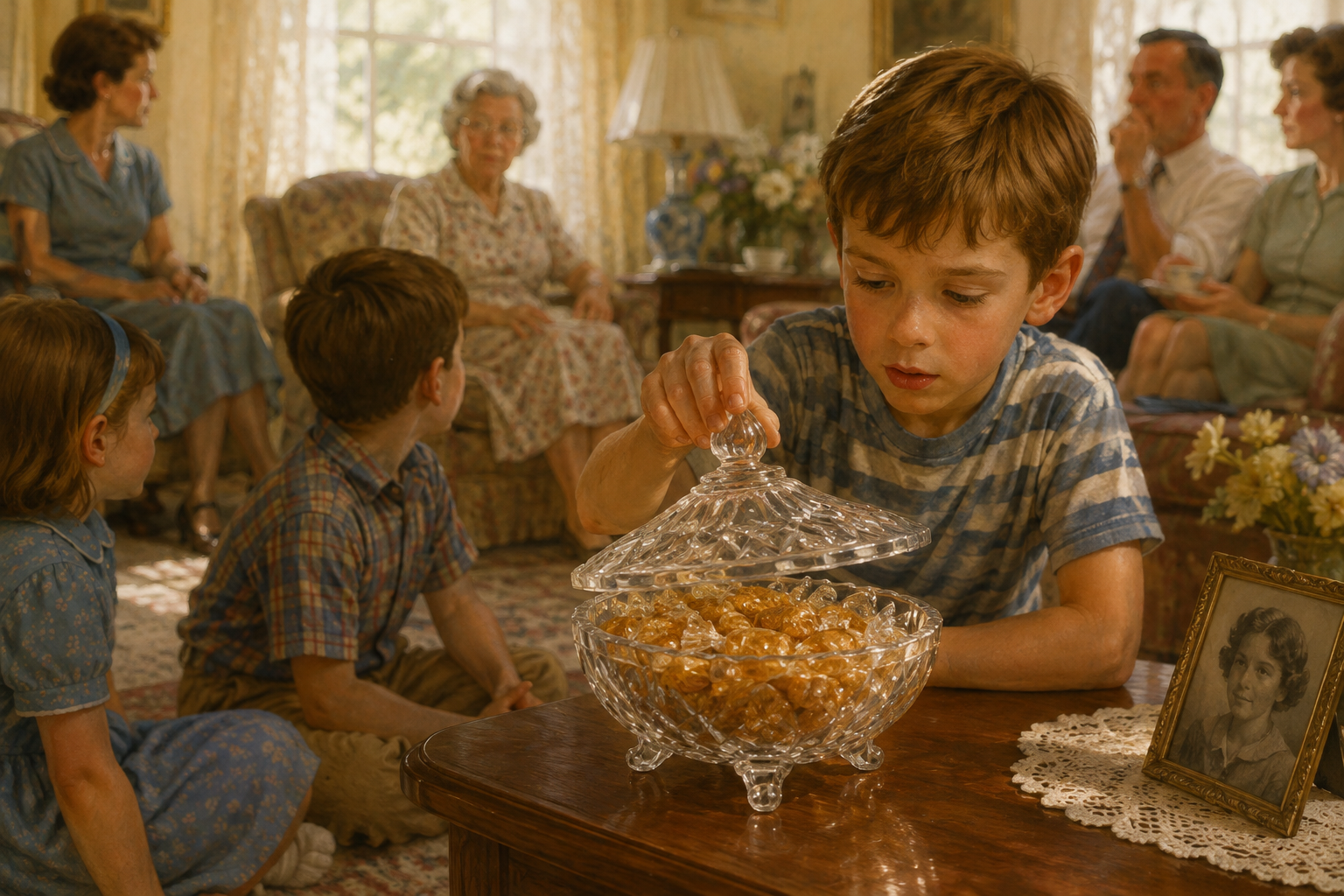
Flash Memoir Prompt: Rules of Your Childhood Home that Were Never Spoken Out Loud

childhood rules

A brief writing invitation for remembering the quiet rules of childhood, the ones you learned by watching faces, hearing footsteps, and knowing when to stay silent.

You may remember the rule before you remember anyone saying it. The way your hand stopped before taking the last biscuit. The way everyone lowered their voice when one person came home. The way a certain chair at the table belonged to someone, even when no one said so.

This flash memoir prompt rules childhood home never spoken invites you to write about the hidden instructions that shaped your early life. Some were tender. Some were funny. Some were unfair. Some taught you how to survive the mood of a room.

childhood rules

The Prompt

Write about the rules of your childhood home that were never spoken out loud.

This prompt can unlock a meaningful memory because unspoken rules often carry more emotional weight than the rules posted on the refrigerator. They lived in looks, routines, pauses, and consequences. You learned them through small moments.

Maybe no one said, “Do not interrupt Dad after work,” but everyone knew. Maybe no one said, “We do not talk about money,” but the room changed when a bill arrived. Maybe no one said, “Keep your good news small,” but you learned to tuck joy away if someone else was having a hard day.

A prompt like this helps you find the story beneath the habit. It asks you to notice what your younger self understood, even without words.

Why This Memory Matters

Childhood homes have their own weather. Some are loud and bright. Some are careful and quiet. Some feel safe in the morning and tense by dinner. The rules you absorbed helped you move through that weather.

Writing about these rules does not mean you have to judge your family. You can simply notice. What did everyone avoid? What was rewarded? What made people proud? What made people go still?

These memories matter because they reveal how children learn belonging. A child may follow a rule to keep peace, earn praise, avoid shame, or protect someone they love. That is story material.

Unspoken rules can also show up through objects. A clean living room that no one sat in. A cookie tin that was never opened without permission. A telephone no one answered after a certain hour. If you enjoy looking for deeper meaning in objects and images, you may also find it helpful to read about how to find symbolism in a story. Memoir often works the same way. A small household detail can hold a whole history.

The focus keyphrase flash memoir prompt rules childhood home never spoken points to something many writers recognize. Our first lessons were not always lectures. Often, they were patterns.

The Flash Memoirist
previous arrow
next arrow

How to Approach This Prompt

Begin with one physical detail. Do not start by explaining your whole family system. Start with the fork beside the plate, the hallway light, the locked cabinet, the sound of a car in the driveway.

Then narrow the memory to one scene. Choose a single moment when you followed the rule, broke the rule, or finally noticed it. The smaller the scene, the stronger the writing can become.

You might write about reaching for the television remote and stopping because your older brother gave you a look. You might write about standing in the kitchen with a report card in your hand, waiting for the right mood. You might write about eating quietly because laughter at the table always seemed to turn into trouble.

Try to write what you noticed before you explain what it meant. Let the reader hear the chair scrape. Let them see the way your mother wiped the counter twice. Let them feel the heat in your face when you realized you had done something wrong, even though no one had told you the rule.

Avoid trying to tell the whole story at once. You do not need to explain every family pattern or every reason behind it. Flash memoir works best when one moment opens a door.

If this scene later grows into a longer personal essay, you can shape it with more structure. For students and writers who want help developing memory into analysis, The Literary Analysis Essay Toolkit can help with close reading, theme, and evidence. Those same skills can sharpen memoir writing too.

A Quick Example

The rule was that nobody sat in my father’s recliner. It was brown vinyl with a split near the right arm, and it faced the television like a throne. No one told me it was forbidden. I learned it when I was seven and climbed into it after school, still wearing my muddy sneakers. My sister froze in the doorway. “Get up,” she whispered, not angry, just scared. I slid out fast, leaving a small damp print on the footrest. When my father came home, he noticed it before he noticed us. He rubbed the mark with his thumb. Nobody spoke. I remember standing near the kitchen, trying to become smaller than the refrigerator hum. Years later, I understood the chair was not just a chair. It was the place where everyone measured his mood.

Try It Yourself

Set a timer for ten minutes and write one scene from this flash memoir prompt rules childhood home never spoken. Pick one rule and stay close to the moment you learned it.

You can begin with this sentence if it helps: “No one ever said the rule, but I knew it when…” Then keep going. Do not worry about making the memory sound polished at first. Let the details arrive in the order they come.

If the memory feels tender, write gently. If it feels funny now, let humor in. If it still feels complicated, you do not have to solve it on the page today. You only have to tell the truth of one small moment.

When you finish, look back at what you wrote. Circle the strongest detail. That detail may be the center of the piece.

Want More Flash Memoir Prompts?

Explore all 365 prompts in The Memory Trigger: 365 Flash Memoir Writing Prompts. This collection gives you a full year of short, focused invitations for writing about real memories with honesty and care.
The Memory Trigger

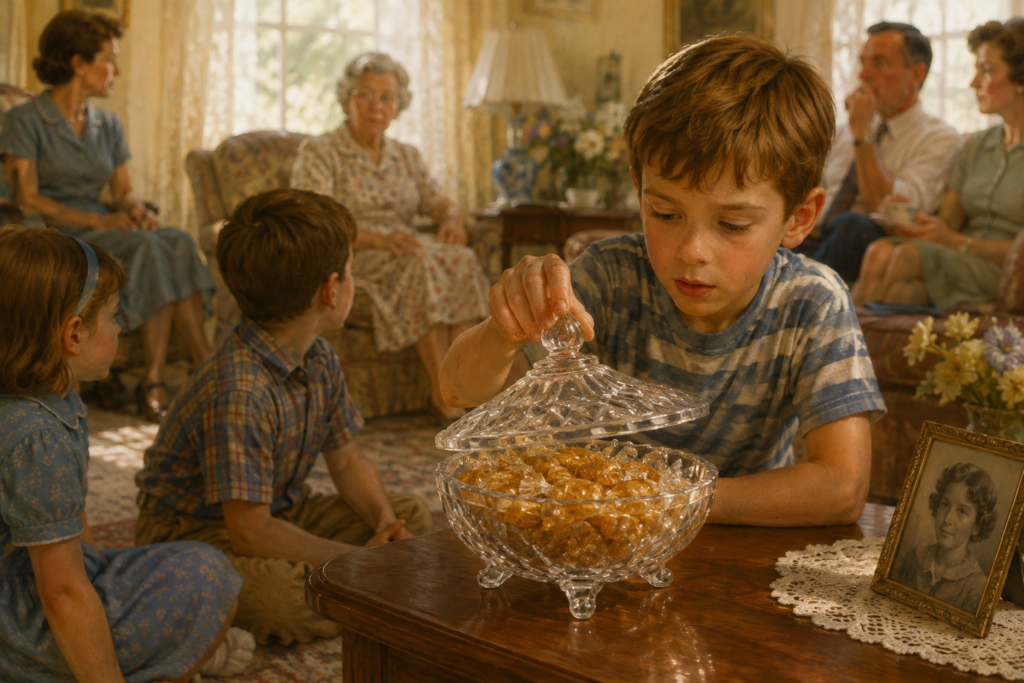
Flash Memoir Prompt: Piece of Clothing from Your Childhood that You Remember with Unusual Clarity

flash memoir prompt childhood

You can forget whole vacations and still remember the scratchy collar of one childhood shirt, the one you hated, loved, or wore until someone quietly took it away. This flash memoir prompt about a piece of clothing from childhood you remember with unusual clarity invites you to begin with fabric, fit, color, and the small emotional truth stitched into one memory.

flash memoir prompt childhood

The Prompt

Write about a piece of clothing from your childhood that you remember with unusual clarity.

It might be a winter coat, a school uniform, a pair of shoes, a hand-me-down dress, a sports jersey, or pajamas with faded cartoon characters. The item does not need to be dramatic. In fact, the most ordinary clothes often hold the strongest memories.

This kind of prompt works because clothing sits close to the body. You may remember how it felt before you remember why it mattered. Tight sleeves, missing buttons, stiff denim, or the smell of laundry soap can bring back a whole scene.

Why This Memory Matters

A flash memoir prompt about a piece of clothing from childhood you remember with unusual clarity can uncover more than a description of an outfit. It may reveal how you wanted to be seen, how money felt in your family, what made you feel proud, or what made you feel different from other kids.

Clothing can carry a surprising amount of meaning. A shirt might remind you of the first day you felt brave. A coat might bring back embarrassment because it was too small, too bright, or passed down from someone else. A pair of shoes might hold the memory of running away from a bully or walking into a new school.

Try not to rush toward the “lesson” of the memory. Let the clothing do some of the work. If you are interested in how objects carry deeper meaning, you might enjoy this guide on how to find symbolism in a story. The same idea can help in memoir. A real object can become a symbol without you forcing it.

The piece of clothing may also show a younger version of you at a very exact moment. Maybe you were trying to look grown up. Maybe you wanted to disappear. Maybe you felt beautiful for five minutes before someone made a comment.

That is where the memoir begins.

How to Approach This Prompt

Start with one physical detail. Do not begin with your whole childhood or a long explanation of your family. Begin with the hem, the zipper, the knees worn thin, or the tag that scratched your neck.

Then narrow the memory to one scene. Where are you wearing it? Who is there? What is happening in the room, hallway, playground, church, kitchen, or car?

You might write one sentence like this: “The red sweater had three white buttons, and I kept rubbing the middle one with my thumb while I waited for my name to be called.” That sentence gives you a place to stand. From there, you can notice more.

Write what you saw and felt before you explain what it meant. Memoir often gets stronger when the reader can enter the moment with you. If you want a practical way to slow down and notice details, the same habits used to annotate literature can help you study your own memory. Circle the object. Ask what repeats. Notice what feels charged.

You do not need to tell the whole story of your parents, your school years, or your sense of style. Give yourself permission to stay with one piece of clothing and one clear moment. The smaller the frame, the more room there is for feeling.

If the memory feels silly at first, keep going. A sparkly belt, a superhero cape, or a pair of jelly sandals may lead to something tender. Childhood clothing often holds the gap between who we were and who we hoped others would think we were.

The Flash Memoirist
previous arrow
next arrow

A Quick Example

The yellow raincoat was too shiny. I remember that most. It made a squeaking sound when I walked, like I was announcing myself to the whole second-grade hallway. My mother loved it because it had a hood and big silver snaps. I hated it because Melissa Crane said I looked like a crossing guard. That afternoon, it rained hard enough to flood the curb. Everyone else stood under the awning, waiting for rides. I walked straight into the rain and snapped every snap shut. For once, I liked how loud the coat was. Water slid off my sleeves in perfect beads. My socks were soaked, but the rest of me stayed dry. I did not tell my mother she had been right.

Try It Yourself

Set a timer for ten minutes and write about one piece of clothing from childhood that still feels clear in your mind. Describe it first as an object. Then place yourself inside one scene where you wore it.

If you get stuck, ask simple questions. Who gave it to you? Did you choose it or was it chosen for you? Did you feel proud, awkward, protected, or exposed? What did someone say about it?

Let the memory stay small. You are not writing a full autobiography. You are catching one bright scrap of the past and holding it long enough to see what it still carries.

This flash memoir prompt piece clothing childhood remember unusual search may have brought you here for a quick writing exercise, but it can become a surprisingly rich page. Follow the fabric. Trust the detail.

Want More Flash Memoir Prompts?

If this prompt helped you remember one clear object from childhood, keep going. Small memories often open larger doors when you give them quiet attention. Explore all 365 prompts in The Memory Trigger: 365 Flash Memoir Writing Prompts.

The Memory Trigger

Flash Memoir Prompt: View from a Window You Looked Out of Often as a Child

Memoir prompt Childhood Window

A warm flash memoir prompt view window looked out often as a child, inviting you to return to one familiar view, one small scene, and the feeling you carried while watching the world from inside.

Memoir prompt Childhood Window

The Prompt

Write about the view from a window you looked out of often as a child.

Maybe it was a bedroom window, a kitchen window, a classroom window, or the back seat of a familiar car. Maybe you saw a neighbor’s fence, a maple tree, a narrow street, a parking lot, a field, or the side of another building. The view itself does not need to be beautiful. In fact, ordinary views often hold the strongest memories.

This flash memoir prompt view window looked out often can unlock a meaningful memory because childhood windows are strange little frames. You were inside, but you were watching life outside. You may have been bored, curious, lonely, safe, trapped, hopeful, or waiting for someone to come home.

Why This Memory Matters

A window view can reveal what your younger self wanted. Children look out windows when they are waiting, wondering, avoiding, dreaming, or noticing what adults miss.

You might remember the exact shape of the world beyond the glass. The cracked sidewalk. The dog that always barked at 3:00. The neighbor who smoked on the porch. The tree that changed color before anyone said summer was over. These details can lead you toward the emotional truth of the scene.

This prompt may bring up a memory of comfort. You might have watched snow fall from your bedroom while feeling safe under a blanket. It may also bring up a more complicated memory. Maybe you watched other children play while you stayed inside. Maybe you waited for a parent’s car. Maybe the view became part of how you measured time.

That is why the window matters. It is not just scenery. It is the place where your inner life met the outside world.

If you enjoy looking closely at small details, this prompt has something in common with close reading in literature. You are paying attention to what is there, then asking what it suggests.

How to Approach This Prompt

Begin with the physical view, not the meaning. Write down what you could see from that window as if you are describing it to someone who has never been there.

What was closest to the glass? Was there a screen, a curtain, a windowsill, dust, frost, or a crack? What stood beyond it? A yard, a road, a roof, a clothesline, a fire escape, a school playground?

Choose one scene instead of trying to explain your whole childhood. For this flash memoir prompt view window looked out often, you might focus on one afternoon, one storm, one holiday morning, or one night when you could not sleep.

Try to write what you noticed before you explain what it meant. For example, instead of starting with “I felt lonely,” you might begin with the empty swing set moving in the wind. Instead of saying “I wanted to leave,” you might describe watching cars pass and imagining where they were going.

You can also use the window as a boundary. What was inside the room with you? What was outside? What could you see but not touch? That simple contrast can create a strong memoir scene.

If you want to build this piece with more care, you might mark sensory details the way a reader marks a passage in a book. This guide on how to annotate literature can help you think about noticing, circling, and returning to important details in your own memory.

The Flash Memoirist
previous arrow
next arrow

A Quick Example

My bedroom window faced the alley behind our apartment, which sounds ugly now, but I loved it then. I could see the blue trash cans, the crooked fence, and the old woman across the way who watered two red geraniums every morning in a housecoat. On Saturdays, I would press my forehead to the screen and wait for my father’s truck to turn the corner. I knew the sound before I saw it, that low rattle and cough. Some weekends he came. Some weekends he did not. The alley taught me how to listen hard. Even now, when a truck slows outside my house, I feel my body pause before my mind catches up.

Try It Yourself

Set a timer for ten minutes. Picture the window first. Do not worry about making the memory important right away. Let the glass, the light, and the view do some of the work.

Start with this sentence if you need help: “From that window, I could always see…” Then keep going until one detail starts to feel alive.

You may discover that the view was peaceful. You may discover it was full of waiting. Either way, stay with one focused memory. A strong flash memoir does not need to explain everything. It only needs to let the reader stand beside you for a moment and see what you saw.

Want More Flash Memoir Prompts?

If this prompt helped you remember a place you had almost forgotten, keep going. Explore all 365 prompts in The Memory Trigger: 365 Flash Memoir Writing Prompts.

The Memory Trigger

Flash Memoir Prompt: Meal that Appeared on the Table Every Week without Fail

flash memoir prompt meals

A weekly meal can carry more than flavor: it can hold routine, comfort, resentment, money worries, family roles, and the quiet way love often arrived on a plate. This flash memoir prompt meal appeared table every week invites you to remember one dish that came back again and again, until it became part of the rhythm of your life.

Maybe it was spaghetti every Tuesday, pancakes on Sunday night, beans and rice because the budget was tight, or a casserole that seemed to live forever under foil. At the time, you may have rolled your eyes. Years later, that same meal might feel like a message from another version of home.

flash memoir prompt meals

The Prompt

Write about a meal that appeared on the table every week without fail.

This prompt works because repeated meals gather memory. You do not have to search for a dramatic event. The story may be hidden in the ordinary: the smell of onions in a pan, the scrape of chairs, the same serving spoon, the person who always took the smallest piece.

A flash memoir prompt meal appeared table every week can help you notice how routine shaped your sense of belonging. It may bring up gratitude, boredom, embarrassment, hunger, pride, or grief. Let the meal be the doorway. You do not need to explain your whole family in one page.

Why This Memory Matters

Food memories are rarely just about food. A weekly meal can reveal who cooked, who complained, who ate first, and who cleaned up when everyone else left the table.

The meal might tell a story about culture or survival. It might show how a parent stretched one paycheck. It might remind you of a grandparent who used recipes without measuring, or a sibling who always made the same joke before the first bite.

This kind of memory can also hold mixed feelings. You might miss the meal now, even if you disliked it then. You might remember the heaviness of silence at the table. You might see, for the first time, that someone was trying to create steadiness in a life that felt unpredictable.

That is why this prompt can be so useful for flash memoir. It keeps the focus small, which makes the emotional truth easier to reach. Instead of writing “my childhood was complicated,” you can write about meatloaf on a blue plate and let the reader feel the complication.

The Flash Memoirist
previous arrow
next arrow

How to Approach This Prompt: Meal Appeared Table Every Week

Begin with one physical detail. Choose the pot, the tablecloth, the smell, the sound, or the first bite. Do not start by explaining what the meal meant. Start with what you noticed.

For example, you might write: “The macaroni always came out of the oven with one corner darker than the rest.” That one sentence gives you a place to stand. From there, you can move into the people around the table and what the meal carried.

Keep the memory to one scene. Pick one night, even if the meal happened hundreds of times. A single dinner will feel more alive than a summary of every dinner. Let the reader sit at the table with you.

If you want to go deeper, treat your memory the way you would treat a passage in a book. Look closely at the small details and ask what they reveal. This is similar to the skill used in close reading in literature, except your text is your own lived experience.

You might also notice what was missing. Was there laughter? Was there enough food? Did anyone say thank you? Did the cook sit down, or stay near the stove? These questions can help you find the real story without forcing a lesson.

A Quick Example

Every Thursday, my father made fried egg sandwiches for dinner. He called it “breakfast at night,” as if he had invented something grand. The bread was always too pale, the yolks always broke, and the kitchen always smelled like butter and pepper. My mother worked late on Thursdays, so it was just the two of us at the table, our plates balanced on paper towels. I used to think it was lazy cooking. Years later, I understood he only knew three meals, and this was the one he could make without needing help. He would cut my sandwich in half and slide the bigger piece toward me. I never noticed that part then.

Try It Yourself

Set a timer for ten minutes and write about the weekly meal without stopping to polish. Stay inside the room. Describe the plate, the light, the hands, the first smell when the lid came off.

If you get stuck, write this sentence and keep going: “Every week, we ate…” Let the memory answer in its own way. You may find humor first. You may find sadness. You may find a detail you have not thought about in years.

This flash memoir prompt meal appeared table every week is strongest when you trust the small scene. Do not rush to explain why it matters. Let the food, the table, and the people show the meaning slowly.

Want More Flash Memoir Prompts?

If this prompt opened a door, keep going. A short daily prompt can help you build a steady writing habit and gather memories before they fade. Explore all 365 prompts in The Memory Trigger: 365 Flash Memoir Writing Prompts.

The Memory Trigger

Flash Memoir Prompt: Sound Your Childhood Home Made at Night

flash memoir prompt sounds

A short writing invitation for the moment you lay awake as a child, listening to your childhood home speak in the dark. Maybe it was the refrigerator clicking on, the pipes knocking, a screen door tapping in the wind, or a floorboard that seemed to sigh after everyone else had gone to bed. This flash memoir prompt sound childhood home made at night asks you to return to that quiet hour when the house felt almost alive, and you were small enough to believe it was telling you something.

flash memoir prompt sounds

The Prompt

Write about the sound your childhood home made at night.

This prompt works because sound can carry memory in a direct way. You may not remember every piece of furniture in a room, but you might remember the furnace rumble under the floor. You might remember your parents talking in low voices down the hall. You might remember rain on a metal roof, a dog turning in its sleep, or the sharp pop of old wood in winter.

The sound does not have to be dramatic. In fact, the quieter it is, the more powerful it may become. A flash memoir prompt about the sound your childhood home made at night can unlock a memory of fear, comfort, loneliness, safety, or curiosity.

Why This Memory Matters

Night changes a childhood home. During the day, a house is busy. People move through it. Lights are on. Doors open and close. At night, the same home can feel larger, stranger, and more honest.

The sound you choose may reveal what you felt as a child but could not name yet. A humming air conditioner might remind you of summer sleepovers on the living room floor. A parent’s footsteps might bring back the relief of knowing someone was still awake. A rattling window might connect to the first time you felt truly afraid.

Sound can also become a symbol in memoir. The click of a hallway light could stand for protection. The scrape of a chair could stand for tension. If you want to think more about how ordinary details can carry deeper meaning, this guide on how to find symbolism in a story can help you notice what a detail might be doing beneath the surface.

But do not rush to explain the sound. Let it exist first. Let the reader hear it before you tell them what it meant.

How to Approach This Prompt

Begin with the sound itself. Do not start with a full history of your family, your address, or the layout of the house. Start with the noise in the dark.

Try writing one simple sentence: “At night, my childhood home sounded like…” Then fill in the sentence with something physical. Was it a buzz, a thump, a groan, a whistle, a drip, or a whisper? Be specific, even if the sound seems small.

Next, narrow the memory to one scene. Choose one night, one room, and one version of yourself. Maybe you are eight years old in bed with your blanket pulled to your chin. Maybe you are twelve, awake after an argument in the kitchen. Maybe you are six, listening to rain while your sibling breathes beside you.

Write what you noticed before you explain what it meant. For example, describe the blue light from an alarm clock, the smell of dust on the heater, or the way the ceiling looked in the dark. These details help the reader enter the room with you.

If you get stuck, treat your memory like a passage you are studying closely. Circle the details in your mind. Ask what repeats. Ask what feels louder than it should. Skills used to annotate literature can also help you read your own memory with care.

Avoid trying to tell your whole childhood at once. This is flash memoir. You are not writing the entire story of the house. You are writing one sound, one night, and one feeling that has stayed with you.

The Flash Memoirist
previous arrow
next arrow

A Quick Example

At night, our house made a clicking sound in the walls. My father said it was only the heat, metal shrinking after the furnace shut off, but I did not believe him. I lay in the top bunk and counted the clicks as if they were footsteps. Three near the bathroom. Two behind my head. One long knock from the kitchen. My sister slept through everything, her mouth open, one arm hanging over the rail. I wanted to call for my mother, but I also wanted to prove I was brave. Years later, I can still hear that sound and feel the cold air above my blanket. It was the first place I practiced being alone without letting anyone know I was scared.

Try It Yourself

Set a timer for ten minutes and write without correcting yourself. Use this flash memoir prompt sound childhood home made at night as a way to enter one room from your past.

Let the memory stay small. You do not need a perfect ending. You only need to follow the sound until it leads you to a moment that feels true.

If several sounds come back at once, choose the one that gives you the strongest feeling in your body. The sound that makes your shoulders tense, your chest soften, or your throat tighten is probably the one with the story inside it.

Want More Flash Memoir Prompts?

If this prompt opened a door, keep going. Small memories often lead to honest writing because they do not ask you to explain your whole life at once. Explore all 365 prompts in The Memory Trigger: 365 Flash Memoir Writing Prompts.

The Memory Trigger

Flash Memoir Prompt: Face of a Teacher Whose Name You Almost Forgot

Flash Memoir teacher

That odd pause when you can see an old teacher’s face but cannot quite grab the name can become a tender flash memoir about memory, attention, and what quietly stays with us. If you came looking for a flash memoir prompt face teacher whose name almost returned, this one asks you to trust the image first. Maybe you remember the slope of a smile, a pair of glasses, chalk dust on a sleeve, or the way that teacher looked at you when you finally understood something. The name may matter less than the face, because the face is where the memory begins.

Flash Memoir teacher

The Prompt

Write about the face of a teacher whose name you almost forgot.

This prompt works because it starts with something half-remembered. You do not need a full school story. And you do not need the class period, the year, or the exact room number. You only need the face that appears before the name does.

A teacher’s face can hold a whole season of your life. It may bring back the smell of pencil shavings, the soft slap of a workbook on a desk, or the nervous feeling of being called on. This flash memoir prompt about the face of a teacher whose name almost slipped away gives you permission to write from a small doorway instead of a large life lesson.

Why This Memory Matters

Teachers often become part of our daily lives for a short time, then fade into the background as years pass. Still, some part of them remains. A raised eyebrow. A kind look. A tired frown after lunch. A face turned toward the window while the class copied notes in silence.

When you write about the face of a teacher whose name you almost forgot, you may uncover more than a school memory. You may find a story about being seen, misunderstood, encouraged, embarrassed, or challenged. The teacher may have said one sentence that stayed with you. Or maybe they never said anything dramatic at all. Maybe the memory matters because of the ordinary way they kept showing up.

This kind of prompt is useful because it keeps the focus narrow. You are not writing your entire education history. You are writing one face and the feeling that comes with it. That small focus can make the memory sharper.

It can also be quietly funny. Names disappear in strange ways. You may remember the haircut, the cardigan, the coffee mug, and the smell of wet wool in winter, yet the name hides from you. That tiny gap can make the writing feel honest.

How to Approach This Prompt

Begin with the physical detail that arrives first. Do not worry if it seems too small. A face is made of small things. Start with the glasses, the jaw, the tired eyes, the lipstick, the beard, the mole, or the way the teacher’s mouth moved around certain words.

Once you have one detail, place the face in one scene. Keep the memory inside a single classroom moment if you can. Maybe you are standing at the board. Maybe you are handing in a late paper. Or, maybe the teacher is leaning over your desk, pointing to a sentence you wrote.

Write what you noticed before you explain what it meant. This is close to the skill students use when they learn what close reading in literature means. You look carefully first. And you make meaning after.

You might write, “Her forehead wrinkled when she read my paragraph,” before you write, “She was the first person who took my writing seriously.” The first sentence lets the reader stand in the room. The second sentence tells us why it mattered.

If you get stuck, treat the memory like a page you can mark up. Circle the strongest image in your mind. Underline the emotion. Put a little star beside the line you do not want to forget. If that sounds helpful, you may enjoy this guide on how to annotate literature, because the same patient attention can help with memoir.

Try not to tell the whole story at once. This flash memoir prompt face teacher whose name almost returned is strongest when it stays close to one remembered look. Let the missing name create a soft edge around the scene.

The Flash Memoirist course gives you a disciplined, repeatable craft for turning a single vivid moment into a complete, publishable piece under 1,000 words — no sprawling outline, no years of drafts, no excuses left.

The Flash Memoirist
previous arrow
next arrow

A Quick Example

I almost forgot Mrs. Bell’s name, but I remembered her face right away. She had pale eyebrows that nearly disappeared under the classroom lights, and when she listened, she pressed her lips together like she was holding a secret. In fifth grade, I stayed after school because I had written my book report on the wrong chapter. I expected her to look annoyed. Instead, she bent over the paper and smiled at one sentence about a storm. “This part has a real voice,” she said. I did not know what that meant, but I knew from her face that it was good. For years, I forgot the assignment. I forgot the book. But I kept that look.

Try It Yourself

Set a timer for ten minutes and write the face before you chase the name. If the name comes back, use it. If it does not, write around the blank space. The almost-forgotten part may be the most interesting part of the piece.

You can begin with a line like, “I cannot remember the name, but I remember the face.” Then follow the image into one scene. What was the teacher looking at? What were you afraid they would notice? Or, what did you hope they would say?

Keep the ending simple. You do not have to force a grand lesson. You might end with the face as you last saw it, or with the moment the name finally returns. A flash memoir prompt face teacher whose name almost faded works best when it feels like a quick, honest visit to the past.

Want More Flash Memoir Prompts?

If this prompt brought back a classroom, a voice, or a face you had not thought about in years, keep going. Small memories often lead to the strongest pages. Explore all 365 prompts in The Memory Trigger: 365 Flash Memoir Writing Prompts.
The Memory Trigger

Flash Memoir Prompt: Game You Played as a Child that No One Else Seemed to Know

Game You Played as a Child

You can almost feel the embarrassment of trying to explain the rules to someone who does not understand why your strange little childhood game mattered so much. This flash memoir prompt game played child no one seemed to know invites you back to a private kind of play, the kind that may have made perfect sense only to you.

Game You Played as a Child

The Prompt

Write about a game you played as a child that no one else seemed to know.

This prompt works because childhood games often carry more meaning than they seem to at first. A made-up game, a neighborhood rule, a solo ritual, or a secret contest can reveal what you wanted, feared, imagined, or needed at that age.

You do not have to write about a famous board game or a sport everyone recognizes. In fact, the stranger and more specific the game is, the better. The memory may open when you recall the carpet pattern you used as a map, the crack in the sidewalk you treated as a finish line, or the way you kept score in your head.

Why This Memory Matters

A childhood game that no one else seemed to know can show the private world you built for yourself. Maybe you played because you were bored. Maybe you played because you were lonely. Maybe the game made you feel powerful in a house where adults made all the rules.

This kind of memory can also reveal how children make meaning out of ordinary places. A driveway becomes a kingdom. A staircase becomes a mountain. A pile of laundry becomes a dangerous cave. What looks silly from the outside may have felt serious when you were inside it.

The best flash memoirs often come from small memories with a hidden emotional center. You are not just writing about a game. You are writing about the version of you who needed that game.

If you enjoy looking closely at small details in books, you can use a similar habit here. This guide to close reading in literature can also help you notice how one detail can carry more weight than expected.

How to Approach This Prompt

Begin with one physical detail from the game. Do not start by explaining the whole history of your childhood. Start with the object, place, or motion that brings the scene back.

Maybe it is the cool metal of a lunchbox. Maybe it is the smell of dust under the bed. Maybe it is the sound of bottle caps clicking together in your fist. Let that detail lead you into the scene.

Then narrow the memory. Choose one afternoon, one room, one round of the game. Flash memoir works best when it stays close to one moment. If you try to tell every version of the game, the writing may become too wide and lose its spark.

Write what you noticed before you explain what it meant. Instead of saying, “I was a lonely child,” show yourself drawing a chalk circle on the driveway and waiting to see if anyone would ask to play. Let the reader feel the loneliness before you name it.

You can also think about rules. What were the rules of this game? Did you invent them? Did they change when someone else joined? Did you refuse to tell anyone the real rules because the game felt like yours?

If you want to deepen the memory after your first draft, try marking the strongest sensory details and emotional turns. This simple method used to annotate literature can work on your own writing too. Circle the places where the memory feels most alive.

image-slider-with-thumbnail1.jpeg
PlayPause
previous arrow
next arrow
image-slider-with-thumbnail1.jpeg
image-slider-with-thumbnail3.jpeg
image-slider-with-thumbnail4.jpeg
ChatGPT Image Jun 27, 2026, 06_33_13 PM
ChatGPT Image Jun 27, 2026, 06_36_37 PM
ChatGPT Image Jun 27, 2026, 06_38_39 PM
ChatGPT Image Jun 27, 2026, 06_31_22 PM
image-slider-with-thumbnail7.jpeg
ChatGPT Image Jun 27, 2026, 06_29_43 PM
ChatGPT Image Jun 27, 2026, 06_27_44 PM
image-slider-with-thumbnail6.jpeg
ChatGPT Image Jun 27, 2026, 06_15_07 PM
image-slider-with-thumbnail5.jpeg
ChatGPT Image Jun 27, 2026, 06_22_43 PM
ChatGPT Image Jun 27, 2026, 06_25_37 PM
ChatGPT Image Jun 27, 2026, 06_19_43 PM
ChatGPT Image Jun 27, 2026, 06_12_00 PM
ChatGPT Image Jun 27, 2026, 06_08_50 PM
ChatGPT Image Jun 26, 2026, 04_54_23 PM
ChatGPT Image Jun 27, 2026, 05_53_51 PM
ChatGPT Image Jun 28, 2026, 08_35_55 AM
previous arrow
next arrow

A Quick Example

I called the game “Corners,” though no one else did. I played it in my grandmother’s kitchen while she watched afternoon soap operas with the sound too low. The goal was to step from one square of linoleum to another without touching the yellow corners. If my sock landed wrong, I had to start again by the refrigerator. I remember the hum of it, and the smell of onions from lunch still hanging in the room. My grandmother never asked what I was doing. She just lifted her feet when I passed the chair. That felt like permission. Years later, I understood that the game was less about winning than making a place for myself in a quiet house where adults spoke in half-whispers.

Try It Yourself

Set a timer for ten minutes and write from this flash memoir prompt game played child no one seemed to know. Do not worry about making the game sound important. Let it be odd, messy, funny, or hard to explain.

Start with where you were. Then write the rules as your child-self understood them. If the rules made no sense to anyone else, that may be the most interesting part.

Before you finish, add one sentence about what the game gave you. Did it give you control, escape, attention, comfort, or a way to pass the time? Keep the answer honest and simple.

You may discover that the game was never really about the game. It may have been about a room, a person nearby, a feeling you did not have words for yet, or the small freedom of deciding how the world worked for a few minutes.

Want More Flash Memoir Prompts?

If this prompt helped you uncover a forgotten corner of childhood, keep going. Flash memoir is built from memories like this: brief, strange, personal, and full of texture. Explore all 365 prompts in The Memory Trigger: 365 Flash Memoir Writing Prompts.
The Memory Trigger

Flash Memoir Prompt: Smell of a Specific Room in Your Childhood Home

flash memoir prompt smells

A warm, sensory writing invitation for using the smell of one childhood room to uncover a focused memory, a small scene, and an emotional truth you may not have noticed before.

You might think you have forgotten the room until a scent finds you in the middle of an ordinary day. Lemon cleaner in a school hallway. Dust from an old library book. The faint mix of soap and damp towels in someone else’s bathroom. Suddenly, you are back in a room you have not stood in for years.

That is the quiet power of this flash memoir prompt smell specific room childhood home. Smell often reaches memory before language does. It can bring back a room, a person, a season, or a feeling before you know what story wants to be told.

flash memoir prompt smells

The Prompt

Write about the smell of a specific room in your childhood home.

Choose one room only. It might be the kitchen, your bedroom, a basement, a hallway closet, a bathroom, a garage, or a room you were rarely allowed to enter. The key is to stay with the smell long enough for one memory to rise.

This prompt can unlock a meaningful memory because scent often carries more than description. A room can smell like furniture polish, cold air, crayons, dinner, medicine, wet dog, cigarette smoke, fresh sheets, or summer dust. Each smell may lead to a small truth about comfort, fear, love, loneliness, or belonging.

Why This Memory Matters

A childhood room is never just a room. It is a place where rules were learned, secrets were kept, and ordinary days collected meaning. When you begin with smell, you do not have to force a big life lesson. You can let the memory come through the air of the place.

Maybe the kitchen smelled like onions and hot oil every Friday night, and that scent meant people would soon gather. Maybe the laundry room smelled like bleach, and you remember folding towels while your mother was quiet beside you. Maybe your grandfather’s spare room smelled like wood shavings and pipe tobacco, though no one had smoked there for years.

Smell can also reveal mixed feelings. A room may have smelled safe to one child and tense to another. The same scent can hold love and discomfort at once. That is what makes this kind of writing feel honest.

If you are a student or teacher using this prompt for a class, you might notice how one smell can work like a symbol. If you want to think more about how ordinary objects and details carry meaning in literature, this guide on how to find symbolism in a story can help you make that connection.

image-slider-with-thumbnail1.jpeg
PlayPause
previous arrow
next arrow
image-slider-with-thumbnail1.jpeg
image-slider-with-thumbnail3.jpeg
image-slider-with-thumbnail4.jpeg
ChatGPT Image Jun 27, 2026, 06_33_13 PM
ChatGPT Image Jun 27, 2026, 06_36_37 PM
ChatGPT Image Jun 27, 2026, 06_38_39 PM
ChatGPT Image Jun 27, 2026, 06_31_22 PM
image-slider-with-thumbnail7.jpeg
ChatGPT Image Jun 27, 2026, 06_29_43 PM
ChatGPT Image Jun 27, 2026, 06_27_44 PM
image-slider-with-thumbnail6.jpeg
ChatGPT Image Jun 27, 2026, 06_15_07 PM
image-slider-with-thumbnail5.jpeg
ChatGPT Image Jun 27, 2026, 06_22_43 PM
ChatGPT Image Jun 27, 2026, 06_25_37 PM
ChatGPT Image Jun 27, 2026, 06_19_43 PM
ChatGPT Image Jun 27, 2026, 06_12_00 PM
ChatGPT Image Jun 27, 2026, 06_08_50 PM
ChatGPT Image Jun 26, 2026, 04_54_23 PM
ChatGPT Image Jun 27, 2026, 05_53_51 PM
ChatGPT Image Jun 28, 2026, 08_35_55 AM
previous arrow
next arrow

How to Approach This Prompt

Begin with the physical detail before you explain anything. Do not start by saying, “The room made me feel safe,” or “That was a hard time.” Start with what the room smelled like.

You might write one sentence such as: “The back bedroom smelled like cedar, dust, and the powder my aunt kept in a blue glass jar.” From there, stay in one scene. What were you doing in that room? Who was there? What sound came from the next room? What did your body do when you entered?

Try not to tell the whole history of your childhood home. This flash memoir prompt smell specific room childhood home works best when you narrow your focus. One room. One smell. One moment.

If the memory feels blurry, write around it. Describe the floor, the light, the window, the closet, the temperature. Then return to the smell. Often the story appears after the sensory details are already on the page.

You can also use this as a note-taking exercise before writing the full scene. If you like marking up texts or drafts, the same close attention you use when you annotate literature can help here. Circle the details that feel alive. Underline the sentence that surprises you. That sentence may be the center of the piece.

A Quick Example

The downstairs bathroom always smelled like Ivory soap and wet pennies. It had a tiny window over the toilet, painted shut, with a curtain my mother had made from yellow fabric. When my brother and I came in from playing outside, she sent us there to wash our hands before dinner. I remember standing on the cold tile, rubbing soap between my fingers, watching dirt run in gray lines toward the drain. From the kitchen, I could hear plates being set down hard. My father had just come home, and no one knew what mood he had brought with him. That clean soap smell still makes me think of waiting. Dinner was close. Trouble might be close too. I was eight, and I already knew how to listen through walls.

Try It Yourself

Set a timer for ten minutes and write without stopping. Choose the room before you begin. If several rooms come to mind, pick the one with the strongest smell, even if you do not know why it matters yet.

Let the first draft be messy. You are not trying to write a perfect memory. You are trying to follow a scent back to one true scene.

If you get stuck, use this sentence starter: “The room smelled like…” Then keep going. Name the smell as plainly as you can. After that, describe what you saw, what you heard, and what you were afraid or happy to do next.

This flash memoir prompt smell specific room childhood home can lead to a tender piece, a funny one, or a memory with sharper edges. Trust the small details. They often know more than the summary does.

Want More Flash Memoir Prompts?

If this prompt opened a memory, keep going with short daily practice. Explore all 365 prompts in The Memory Trigger: 365 Flash Memoir Writing Prompts.

The Memory Trigger
error

Enjoy this article? Please spread the word :)

Follow by Email
BLUESKY
fb-share-icon
Reddit
LinkedIn
Share
RSS