

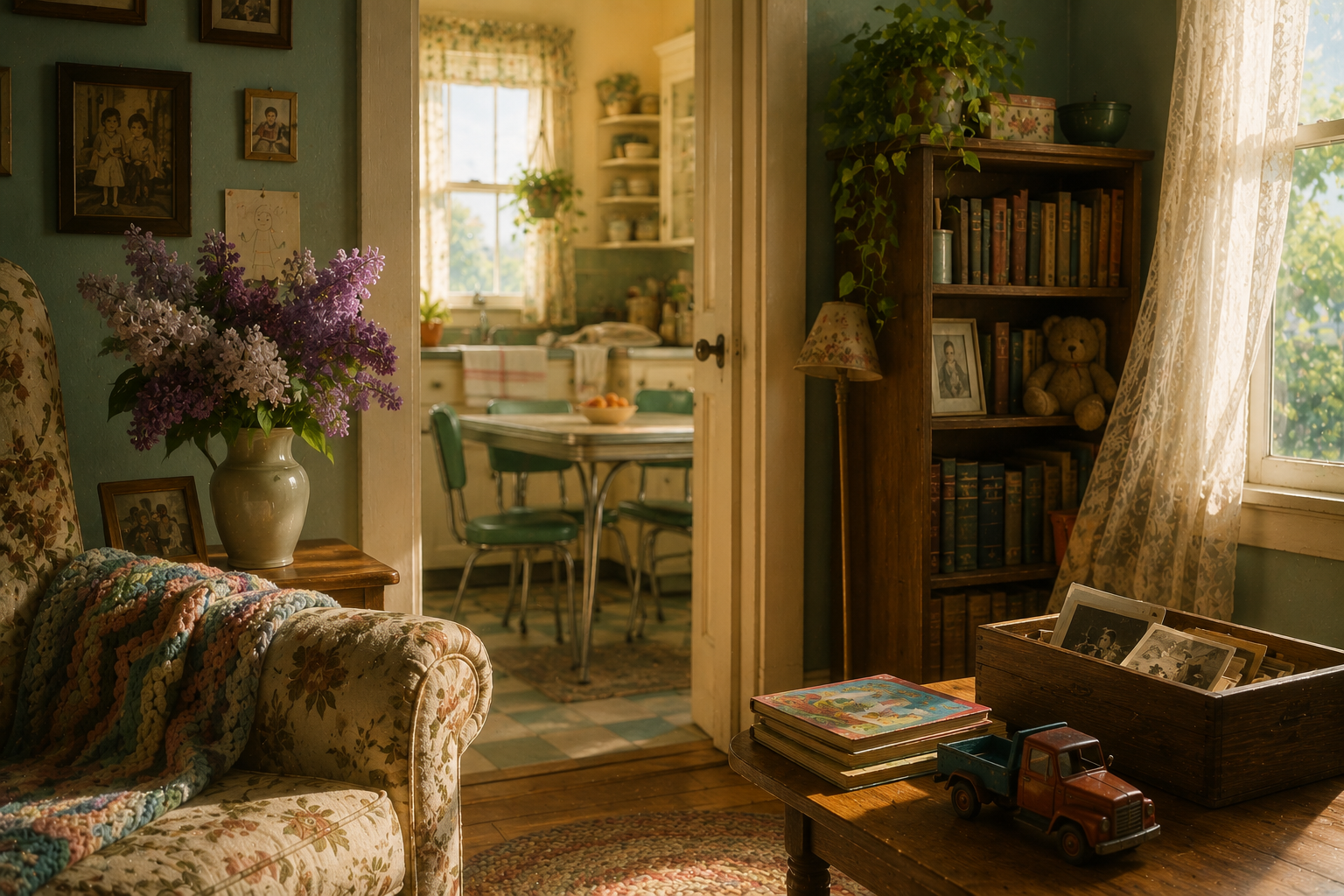
A warm, sensory writing invitation for using the smell of one childhood room to uncover a focused memory, a small scene, and an emotional truth you may not have noticed before.
You might think you have forgotten the room until a scent finds you in the middle of an ordinary day. Lemon cleaner in a school hallway. Dust from an old library book. The faint mix of soap and damp towels in someone else’s bathroom. Suddenly, you are back in a room you have not stood in for years.
That is the quiet power of this flash memoir prompt smell specific room childhood home. Smell often reaches memory before language does. It can bring back a room, a person, a season, or a feeling before you know what story wants to be told.
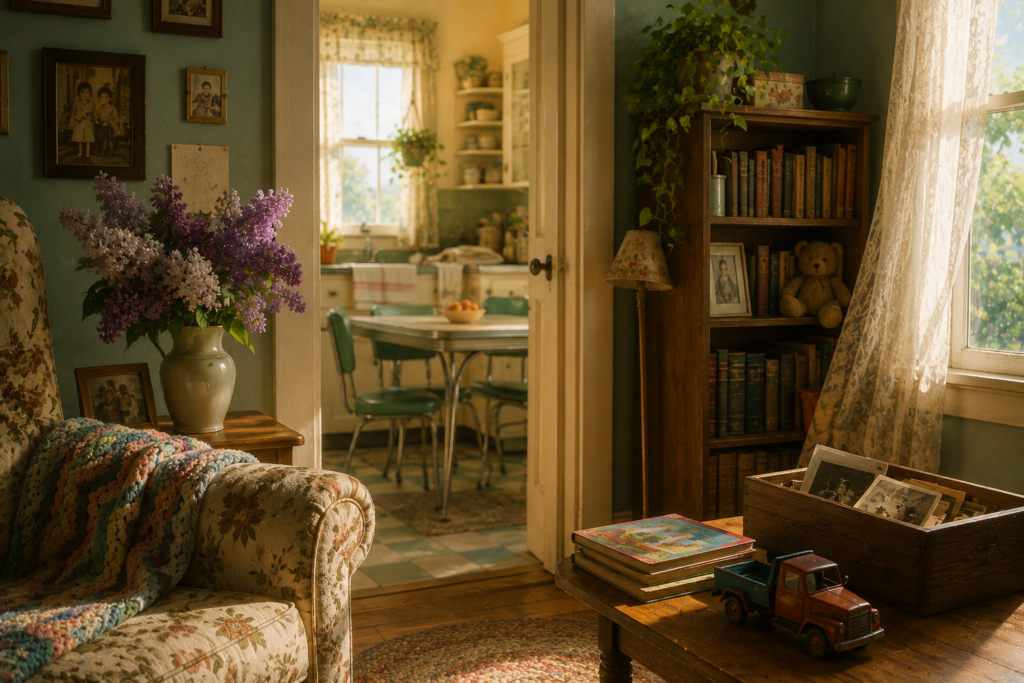
The Prompt
Write about the smell of a specific room in your childhood home.
Choose one room only. It might be the kitchen, your bedroom, a basement, a hallway closet, a bathroom, a garage, or a room you were rarely allowed to enter. The key is to stay with the smell long enough for one memory to rise.
This prompt can unlock a meaningful memory because scent often carries more than description. A room can smell like furniture polish, cold air, crayons, dinner, medicine, wet dog, cigarette smoke, fresh sheets, or summer dust. Each smell may lead to a small truth about comfort, fear, love, loneliness, or belonging.
Why This Memory Matters
A childhood room is never just a room. It is a place where rules were learned, secrets were kept, and ordinary days collected meaning. When you begin with smell, you do not have to force a big life lesson. You can let the memory come through the air of the place.
Maybe the kitchen smelled like onions and hot oil every Friday night, and that scent meant people would soon gather. Maybe the laundry room smelled like bleach, and you remember folding towels while your mother was quiet beside you. Maybe your grandfather’s spare room smelled like wood shavings and pipe tobacco, though no one had smoked there for years.
Smell can also reveal mixed feelings. A room may have smelled safe to one child and tense to another. The same scent can hold love and discomfort at once. That is what makes this kind of writing feel honest.
If you are a student or teacher using this prompt for a class, you might notice how one smell can work like a symbol. If you want to think more about how ordinary objects and details carry meaning in literature, this guide on how to find symbolism in a story can help you make that connection.

























How to Approach This Prompt
Begin with the physical detail before you explain anything. Do not start by saying, “The room made me feel safe,” or “That was a hard time.” Start with what the room smelled like.
You might write one sentence such as: “The back bedroom smelled like cedar, dust, and the powder my aunt kept in a blue glass jar.” From there, stay in one scene. What were you doing in that room? Who was there? What sound came from the next room? What did your body do when you entered?
Try not to tell the whole history of your childhood home. This flash memoir prompt smell specific room childhood home works best when you narrow your focus. One room. One smell. One moment.
If the memory feels blurry, write around it. Describe the floor, the light, the window, the closet, the temperature. Then return to the smell. Often the story appears after the sensory details are already on the page.
You can also use this as a note-taking exercise before writing the full scene. If you like marking up texts or drafts, the same close attention you use when you annotate literature can help here. Circle the details that feel alive. Underline the sentence that surprises you. That sentence may be the center of the piece.
A Quick Example
The downstairs bathroom always smelled like Ivory soap and wet pennies. It had a tiny window over the toilet, painted shut, with a curtain my mother had made from yellow fabric. When my brother and I came in from playing outside, she sent us there to wash our hands before dinner. I remember standing on the cold tile, rubbing soap between my fingers, watching dirt run in gray lines toward the drain. From the kitchen, I could hear plates being set down hard. My father had just come home, and no one knew what mood he had brought with him. That clean soap smell still makes me think of waiting. Dinner was close. Trouble might be close too. I was eight, and I already knew how to listen through walls.
Try It Yourself
Set a timer for ten minutes and write without stopping. Choose the room before you begin. If several rooms come to mind, pick the one with the strongest smell, even if you do not know why it matters yet.
Let the first draft be messy. You are not trying to write a perfect memory. You are trying to follow a scent back to one true scene.
If you get stuck, use this sentence starter: “The room smelled like…” Then keep going. Name the smell as plainly as you can. After that, describe what you saw, what you heard, and what you were afraid or happy to do next.
This flash memoir prompt smell specific room childhood home can lead to a tender piece, a funny one, or a memory with sharper edges. Trust the small details. They often know more than the summary does.
Want More Flash Memoir Prompts?
If this prompt opened a memory, keep going with short daily practice. Explore all 365 prompts in The Memory Trigger: 365 Flash Memoir Writing Prompts.


Get the Free Close Reading Worksheet Pack
Join my email list and receive the printable worksheet pack you can use with any novel or poem.
No spam. Just helpful guides for reading literature well.












