Themes in Great Expectations help readers see why Dickens’s novel still matters. This guide breaks down the major ideas in clear language, with examples you can use for class notes, essays, and test prep.
Great Expectations is not just a story about Pip’s rise in society. It is also a sharp look at pride, shame, love, wealth, and what it means to become a better person.
In this Guide
- Why the themes in Great Expectations matter
- Ambition and self-improvement
- Social class and wealth
- Love, home, and chosen family
- Guilt, crime, and conscience
- Moral growth and identity
- Symbols that support the themes
- How to write about the novel
- Book suggestions
- FAQ
Why the Themes in Great Expectations Matter
Dickens uses Pip’s life to ask what makes a person truly honorable.
The themes in Great Expectations matter because Pip often chases the wrong things. He thinks money and status will make him worthy, but the novel slowly shows that kindness matters more.
This makes the book useful for students because many conflicts feel familiar. Pip wants approval. He wants to escape shame. He wants to become someone others respect.
For a deeper look at how Pip changes, you may find this guide on how to analyze characters in literature helpful.
Themes in Great Expectations: Ambition and Self-Improvement
Pip’s ambition pushes the plot, but it also blinds him.
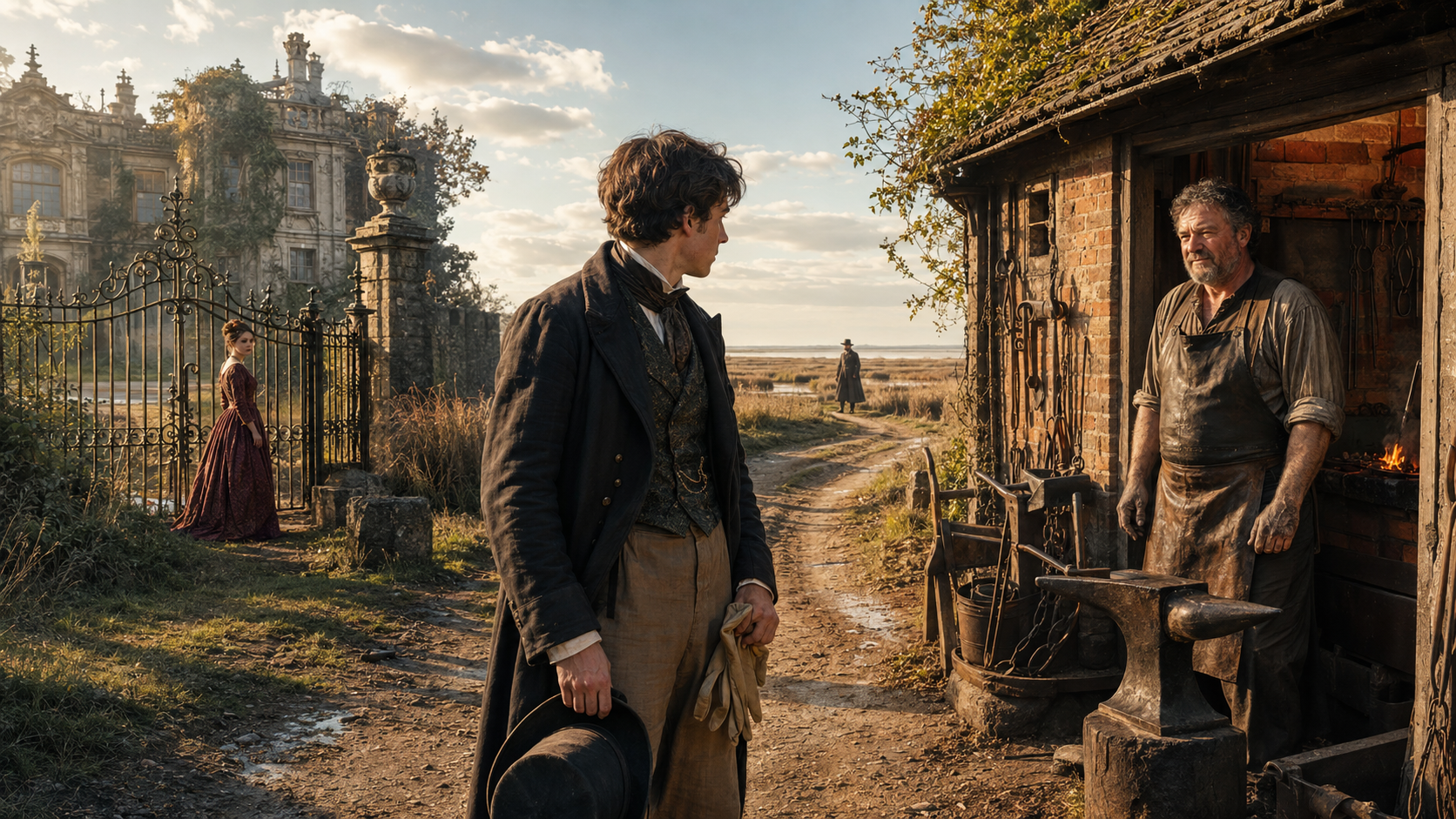
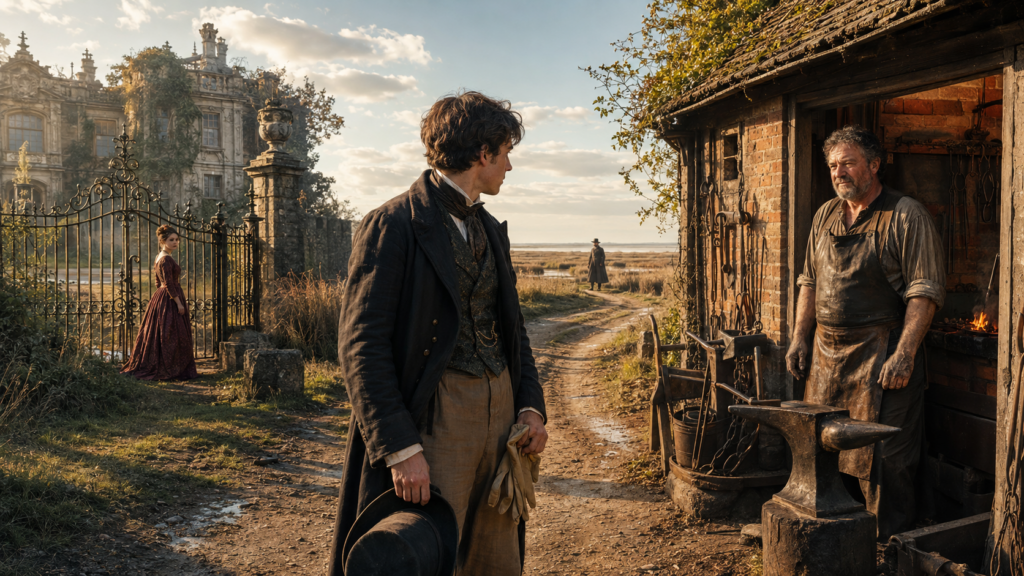
One of the most important themes in Great Expectations is ambition. Pip wants to become a gentleman after he meets Estella and Miss Havisham. He starts to feel ashamed of Joe, the forge, and his old life.
At first, ambition seems positive. Pip wants education and a better future. The problem is that he links success with class, wealth, and Estella’s approval.
Dickens shows that self-improvement is not wrong by itself. The danger appears when Pip forgets loyalty and gratitude.
This is similar to The Great Gatsby by F. Scott Fitzgerald. Gatsby also chases a dream tied to wealth and love. In both novels, the dream looks bright but causes pain.
Themes in Great Expectations: Social Class and Wealth
The novel questions the idea that rich people are better people.
The themes in Great Expectations often focus on class. Pip learns to judge people by social rank, even when those judgments are unfair.
Joe is kind, honest, and loyal, yet Pip feels embarrassed by him. Miss Havisham is rich, but her wealth does not make her happy or good. Estella has status, but she has been taught to hurt others.
Magwitch is one of the clearest examples. Society calls him a criminal, yet he shows deep loyalty to Pip. Dickens asks readers to look past labels and judge people by their actions.
For reliable context on Dickens’s life and era, see the Britannica overview of Charles Dickens.

Love, Home, and Chosen Family
Dickens contrasts selfish love with steady care.
The themes in Great Expectations about love are not simple. Pip loves Estella, but that love brings shame and pain. Miss Havisham uses Estella as a tool for revenge, which twists love into control.
Joe and Biddy offer a different kind of love. They are patient, honest, and humble. Their care does not depend on money or rank.
The novel suggests that home is not always about a grand house. Satis House is rich but cold. Joe’s forge is plain, yet it offers real warmth.
This contrast helps students see Dickens’s message: love should help people grow, not trap them in pride or bitterness.
Guilt, Crime, and Conscience
Pip’s guilt starts early and follows him into adulthood.
As a child, Pip helps Magwitch in the marshes and feels afraid. That fear becomes part of his moral life. He learns that choices have weight.
Crime in the novel is not only legal crime. Dickens also shows emotional harm. Miss Havisham harms Estella. Pip harms Joe by acting ashamed of him.
The themes in Great Expectations connect guilt with conscience. Pip must learn to face what he has done. His growth starts when he can admit his mistakes.
You can compare this to Macbeth by William Shakespeare. Macbeth’s guilt leads to fear and ruin, while Pip’s guilt gives him a chance to change.
Moral Growth and Identity
Pip becomes wiser when he learns that status is not the same as worth.
At the start, Pip defines himself by what he lacks. He is poor. He has no polished manners. And he believes he needs wealth to become valuable.
By the end, he has a clearer view of himself. He learns that being a gentleman is not about clothes, money, or speech. It is about humility and care for others.
This is one of the most student-friendly themes in Great Expectations because it links to a common coming-of-age pattern. Pip grows by losing false ideas about success.
Symbols That Support the Themes in Great Expectations
Dickens uses places and objects to make the novel’s ideas easier to see.
The themes in Great Expectations often appear through symbols. The marshes feel dark and uncertain, which matches Pip’s fear and confusion as a child.
Satis House shows decay. Miss Havisham’s stopped clocks and old wedding dress reveal a life frozen by pain. Her home may look impressive, but it is full of ruin.
The forge stands for honest work and simple goodness. Joe’s world may seem rough to Pip, but it has moral strength.
These symbols help readers track Pip’s inner conflict. He moves between places that reflect shame, desire, and truth.
How to Write About Themes in Great Expectations
A strong theme paragraph connects an idea to character, plot, and evidence.
When you write about themes in Great Expectations, avoid broad claims like “the book is about money.” Make your claim more precise.
For example: Dickens shows that wealth can raise a person’s status without improving that person’s character.
Then use evidence. Pip’s treatment of Joe, Magwitch’s loyalty, and Miss Havisham’s misery all support that idea.
If you need help with Pip, Estella, or Magwitch, review character analysis strategies before you draft your essay.
If you want a classroom-ready aid, you can also use our Great Expectations theme study resource for guided notes and essay prep.
Helpful Background for Students
Context can make Dickens’s message clearer.
Dickens wrote during the Victorian period, a time of strict class lines and fast social change. Many readers cared deeply about respectability, manners, and social rank.
Great Expectations challenges those values. It asks whether society rewards the right people and whether money can fix shame.
For more historical context, the British Library page on Charles Dickens is a useful source.
Recommended Books
These books can support your study of Dickens and the novel.
- Great Expectations by Charles Dickens
- Charles Dickens: A Very Short Introduction by Jenny Hartley
FAQ: Themes in Great Expectations
What are the main themes in Great Expectations?
The main themes include ambition, class, guilt, love, identity, and moral growth. The novel asks what makes someone truly good.
What is the most important theme in the novel?
Many students focus on moral growth. Pip must learn that wealth and status do not decide a person’s worth.
How does Dickens show social class?
He shows class through Pip’s shame, Joe’s honesty, Miss Havisham’s wealth, and Magwitch’s life as an outcast.
Is Great Expectations a coming-of-age novel?
Yes. Pip grows from a fearful child into an adult who understands guilt, love, and responsibility.
How can I write a thesis about the themes?
Choose one theme and make a clear claim. Then connect it to Pip’s choices and at least one major relationship.
Key Takeaway
The best way to understand themes in Great Expectations is to watch how Pip changes. Dickens shows that true growth comes when a person chooses humility, kindness, and honesty over status.