The House on Mango Street literary analysis essay: A Step-by-Step Guide

mango street

A The House on Mango Street literary analysis essay asks you to look past the plot and study how Sandra Cisneros builds meaning. This guide will help you choose a strong topic, form a clear thesis, and use evidence without just summarizing the book.

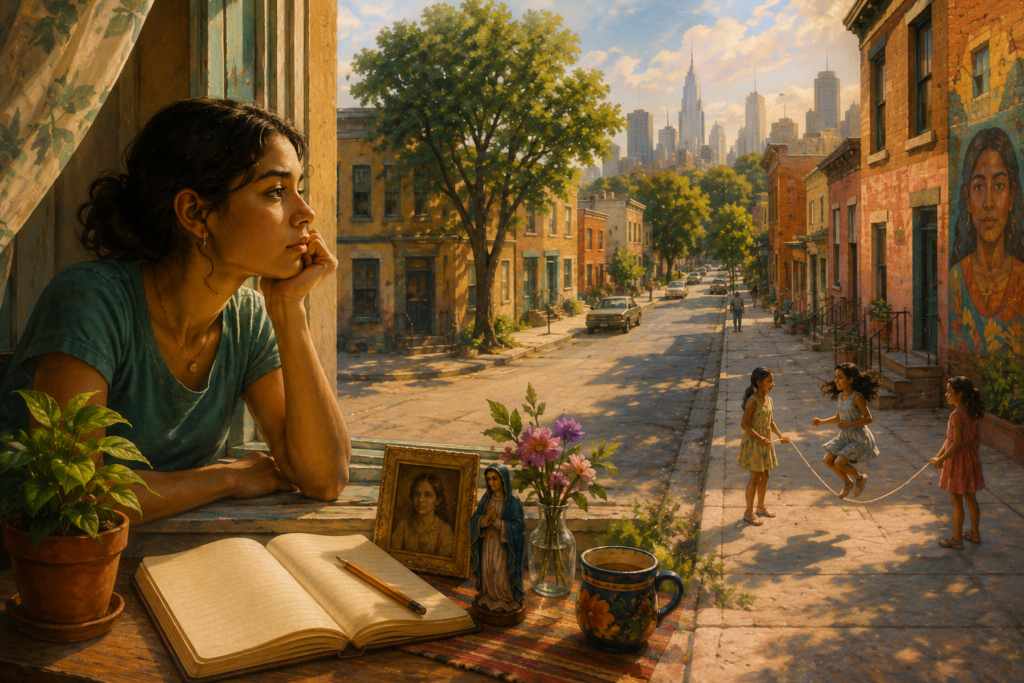
The House on Mango Street may look simple at first because its chapters are short. Yet those short vignettes carry deep ideas about home, identity, gender, and voice.

In this Guide

Use these sections to plan your essay from the first idea to the final paragraph.

  • What a literary analysis essay should do
  • How to choose a topic
  • Thesis statement examples
  • Evidence ideas from the novel
  • A simple essay outline
  • Common mistakes to avoid
  • Book suggestions and helpful links
  • FAQ
mango street

The House on Mango Street literary analysis essay Basics

A good essay does more than retell Esperanza’s life.

Your job in a The House on Mango Street literary analysis essay is to explain how Cisneros uses craft. Craft means the choices an author makes, such as imagery, symbols, point of view, word choice, and structure.

For example, the house is not just a place. It becomes a symbol of shame, hope, and freedom. Like the green light in The Great Gatsby, it points to a dream that feels close but still out of reach.

You should also notice the form of the novel. Cisneros uses short vignettes instead of long chapters. This form makes the book feel like a set of memories, each one sharp and personal.

If you need a broader refresher on essay structure, read our full literary analysis essay guide.

Choosing a Topic for The House on Mango Street literary analysis essay

Your topic should connect a pattern in the book to a clear idea.

For a The House on Mango Street literary analysis essay, avoid topics that are too wide. A topic like “identity” is a start, but it needs a sharper focus.

Try a question like this: How does Esperanza’s view of her name show her struggle with identity? That question leads to analysis because it points to language, culture, and self-image.

Here are strong topic angles you can use:

  • The meaning of home: Study how Esperanza’s dream house changes over time.
  • Names and identity: Analyze “My Name” and the way Esperanza feels split between cultures.
  • Windows and gender roles: Look at women who are trapped indoors and what their windows suggest.
  • Voice and storytelling: Explain how Esperanza gains power by telling her own story.
  • Growing up: Trace how the novel shows both hope and danger as Esperanza matures.

The best topic will let you discuss several moments from the book, not just one chapter.

Thesis Statement Examples for The House on Mango Street literary analysis essay

A strong thesis makes a claim someone could discuss or debate.

A strong thesis for The House on Mango Street literary analysis essay should name the author’s choice and explain its deeper meaning. It should not sound like a plot summary.

Weak thesis: Esperanza wants a better house.

Stronger thesis: In The House on Mango Street, Cisneros uses Esperanza’s dream of a house to show her desire for freedom, but the novel also teaches that escape must include memory and responsibility.

Here are more thesis statement examples you can shape for your own essay:

  • Cisneros uses Esperanza’s name as a symbol of conflict, showing how identity can feel both inherited and unfinished.
  • Through repeated images of women at windows, Cisneros shows how Mango Street limits women’s choices and pushes Esperanza to imagine a different future.
  • The vignette structure mirrors Esperanza’s coming-of-age, since each short scene helps her build a clearer voice.
  • Cisneros presents storytelling as a form of power because Esperanza learns to define herself instead of letting her neighborhood define her.

Notice that each thesis uses a word like uses, shows, or presents. These verbs help you analyze the writer’s method.

image-slider-with-thumbnail1.jpeg
PlayPause
previous arrow
next arrow
image-slider-with-thumbnail1.jpeg
image-slider-with-thumbnail3.jpeg
image-slider-with-thumbnail4.jpeg
ChatGPT Image Jun 27, 2026, 06_33_13 PM
ChatGPT Image Jun 27, 2026, 06_36_37 PM
ChatGPT Image Jun 27, 2026, 06_38_39 PM
ChatGPT Image Jun 27, 2026, 06_31_22 PM
image-slider-with-thumbnail7.jpeg
ChatGPT Image Jun 27, 2026, 06_29_43 PM
ChatGPT Image Jun 27, 2026, 06_27_44 PM
image-slider-with-thumbnail6.jpeg
ChatGPT Image Jun 27, 2026, 06_15_07 PM
image-slider-with-thumbnail5.jpeg
ChatGPT Image Jun 27, 2026, 06_22_43 PM
ChatGPT Image Jun 27, 2026, 06_25_37 PM
ChatGPT Image Jun 27, 2026, 06_19_43 PM
ChatGPT Image Jun 27, 2026, 06_12_00 PM
ChatGPT Image Jun 27, 2026, 06_08_50 PM
ChatGPT Image Jun 26, 2026, 04_54_23 PM
ChatGPT Image Jun 27, 2026, 05_53_51 PM
ChatGPT Image Jun 28, 2026, 08_35_55 AM
previous arrow
next arrow

Using Evidence in The House on Mango Street literary analysis essay

Choose small details that reveal big ideas.

The best evidence in The House on Mango Street literary analysis essay often comes from short lines, repeated images, or key scenes. You do not need huge quotes. A few well-chosen words can work better.

Start with “The House on Mango Street.” Esperanza compares the family’s real house with the dream house her parents promised. This contrast helps show the gap between hope and reality.

Use “My Name” if you write about identity. Esperanza says her name means hope, sadness, and waiting. That mix of meanings shows how she feels tied to family history but still wants a name that feels like her own.

Use “Rafaela Who Drinks Coconut & Papaya Juice on Tuesdays” or “Marin” if you write about women’s limits. These chapters show how women dream, wait, or look out from windows while life passes below.

Use “Bums in the Attic” and “Mango Says Goodbye Sometimes” if you write about memory. Esperanza wants to leave, but she also knows she must return for “the ones I left behind.” That line can support an essay about duty and belonging.

When you include a quote, explain it right away. Do not drop it into the paragraph and move on.

A helpful pattern is: claim, context, quote, analysis, link back to thesis. This keeps your paragraph focused.

Outline for The House on Mango Street literary analysis essay

A clear outline helps your essay stay organized from start to finish.

A simple The House on Mango Street literary analysis essay can follow this structure:

  1. Introduction: Name the author and book, give brief context, and end with your thesis.
  2. Body paragraph 1: Explain your first main point with one or two short quotes.
  3. Body paragraph 2: Develop a second point that builds on the first.
  4. Body paragraph 3: Show a shift, contrast, or final insight from the text.
  5. Conclusion: Return to your thesis and explain why the idea matters.

Your introduction should not tell the whole plot. It should guide the reader toward your argument.

Your body paragraphs should begin with claims, not facts. A claim might say, Cisneros connects houses with self-worth, especially when Esperanza compares Mango Street to the home her family imagined.

Your conclusion should not just repeat your thesis. It can answer this question: What does the novel teach us about voice, place, or freedom?

If you want a ready-to-use planning system with thesis help, paragraph frames, and revision checklists, try The Literary Analysis Essay Toolkit.

Common Mistakes in The House on Mango Street literary analysis essay

Most weak essays summarize too much and analyze too little.

One common mistake is writing about what happens instead of why it matters. Do not spend a full paragraph retelling a vignette. Use only the details you need.

Another mistake is treating Esperanza and Cisneros as the same person. Esperanza is the narrator. Cisneros is the author who shapes Esperanza’s voice.

A third mistake is using broad claims like “the book is about growing up.” Make the idea more exact. Ask what kind of growing up the book shows and how Cisneros creates that effect.

Watch for quote overload, too. Your teacher wants to hear your thinking. Quotes should support your ideas, not replace them.

Helpful Context and Outside Sources

Good context can deepen your essay, but the novel should stay at the center.

For background on Sandra Cisneros, visit the Britannica profile of Sandra Cisneros. You can also read her author page at the Poetry Foundation.

Use outside sources to understand the author or literary setting. Do not let them take over your essay. Your main evidence should still come from The House on Mango Street.

Relevant Books to Read or Search on Amazon

These books can help you understand Cisneros and similar coming-of-age stories.

  • The House on Mango Street by Sandra Cisneros
  • Woman Hollering Creek and Other Stories by Sandra Cisneros

You can look for these titles on Amazon, in your school library, or through a local bookstore.

FAQ: The House on Mango Street literary analysis essay

Here are quick answers to common student questions.

What is a good thesis for The House on Mango Street?

A good thesis explains how Cisneros creates meaning. For example, you might argue that the house symbolizes Esperanza’s search for freedom and self-respect.

What themes work well for this essay?

Strong themes include home, identity, gender roles, voice, memory, and freedom. Choose one theme and connect it to specific author choices.

Can I write about only one vignette?

Yes, if your teacher allows it. A close reading of one vignette can work well, but you still need a clear thesis and detailed analysis.

How many quotes should I use?

Use enough quotes to prove your points, but keep them short. One or two strong quotes per body paragraph is often enough.

Key Takeaway

A strong The House on Mango Street literary analysis essay shows how Cisneros turns small moments into large meanings. Focus on the author’s choices, build a clear thesis, and explain every quote with care.

Themes in The House on Mango Street: A Student-Friendly Guide

mango street

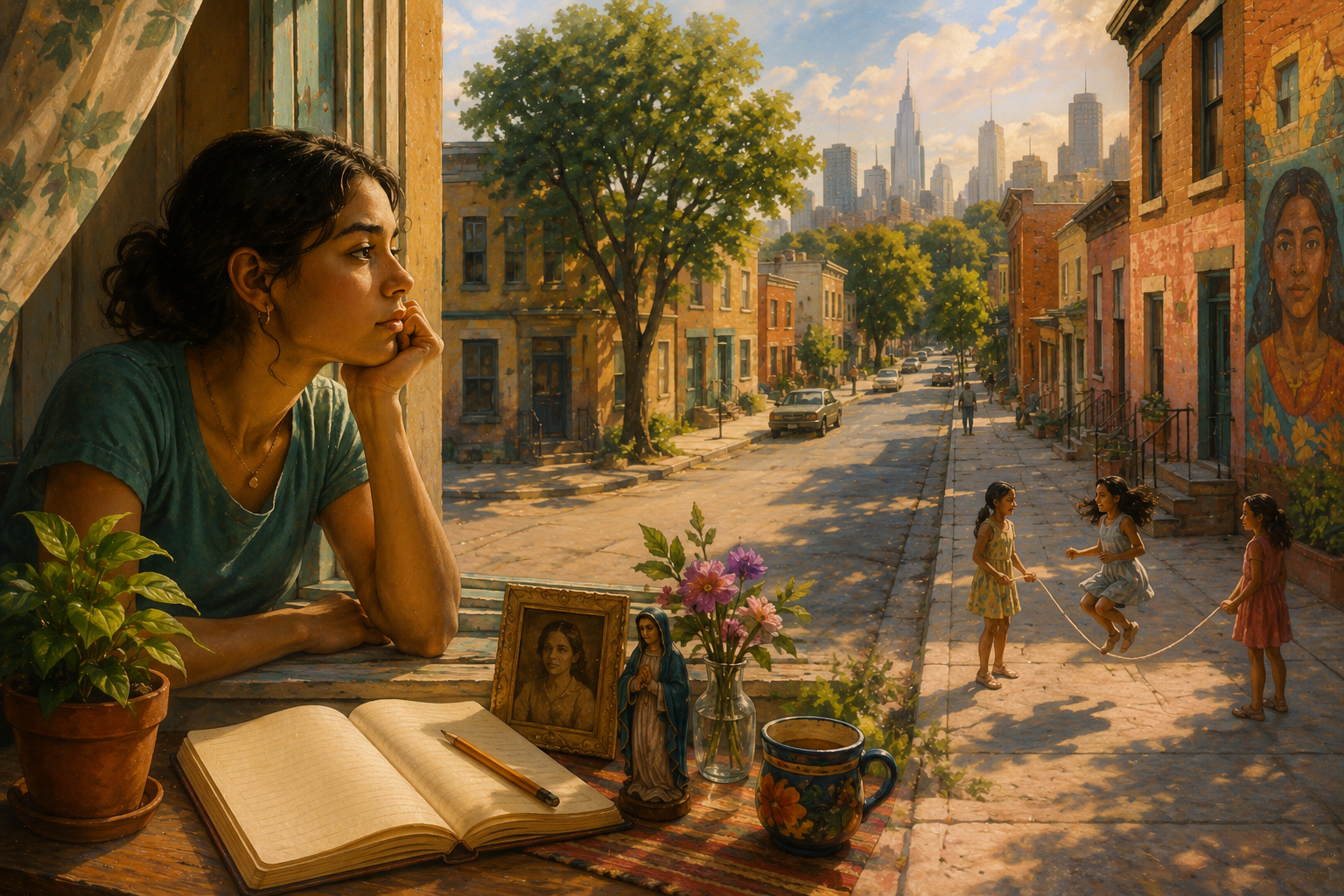
Students often search for themes in The House on Mango Street because the book feels simple at first, but its meaning runs deep. Sandra Cisneros uses short vignettes to show how Esperanza sees home, power, shame, and hope in her neighborhood.

In this Guide

Use this guide to review the main ideas before a quiz, essay, or class talk.

  • Why the themes matter
  • Major themes to track
  • Esperanza’s growth
  • Symbols and deeper meaning
  • Essay tips
  • Helpful books and links
  • FAQ
mango street

Why Themes in The House on Mango Street Matter

Theme is the message a story asks you to think about, not just a topic.

The themes in The House on Mango Street matter because the book is built from short scenes. Each vignette adds one small truth about Esperanza’s world.

Cisneros does not give long speeches about poverty or identity. She shows a girl who observes her street, her family, and herself with sharp eyes.
If you need a quick refresher, read how to identify theme in literature before you take notes.

Major Themes in The House on Mango Street

The strongest ideas grow from Esperanza’s daily life, not from abstract lessons.

These themes in The House on Mango Street can help you build strong essay claims. They also help explain why the book still feels current for many students.

Identity and Self-Definition

Esperanza wants to decide who she is. Her name, her house, and her neighborhood all shape how others see her.

She does not fully reject her background, but she does not want it to trap her. This makes identity one of the most important ideas in the book.

A helpful comparison is Jane Eyre. Like Jane, Esperanza wants a voice that belongs to her, not one handed to her by others.

Home and Belonging

Mango Street is both shelter and burden. Esperanza’s family has a house, but it is not the dream house she hoped for.

The house becomes a symbol of limits. It shows that having a place to live is not the same as feeling proud, safe, or free.

This theme connects well to A Raisin in the Sun by Lorraine Hansberry. In both works, a home carries dreams about class, dignity, and the future.

Gender and Power

Cisneros shows how girls and women face rules that boys often do not face. Some women in the neighborhood seem stuck by marriage, fear, or family pressure.

Esperanza notices these patterns. She learns that growing up as a girl can bring danger, but it can also bring new awareness.

This theme is not simple. The book shows pain, but it also shows women who survive and find small forms of strength.

Shame and Social Class

Esperanza often feels shame about her house and her family’s poverty. She knows how quickly people judge a person by where they live.

The book asks readers to see how class can affect confidence. It can shape what a young person believes is possible.

Cisneros does not blame Esperanza for wanting more. She shows that her desire for a better life comes from both pain and hope.

Voice and Writing

Esperanza’s voice is one of her strongest sources of freedom. By telling her own story, she takes control of how Mango Street is remembered.

Writing becomes more than a hobby. It becomes a way to name hurt, protect memory, and imagine a future.

For guided practice, you can use our literature theme worksheet as you chart key passages and write theme statements.

Dreams and Escape

Esperanza dreams of leaving Mango Street. Yet the book does not treat escape as a clean break.

By the end, she knows she may leave, but she also feels tied to those who cannot. Her dream becomes more mature because it includes responsibility.

How Themes in The House on Mango Street Shape Esperanza

Esperanza changes because she learns to read the world around her.

The themes in The House on Mango Street shape her from the first vignette to the last. At first, she feels embarrassed by her home. Later, she sees that Mango Street has helped form her voice.

Her growth is not neat or easy. She still wants another kind of life, but she begins to understand that leaving does not mean forgetting.

This is why the ending feels powerful. Esperanza wants freedom, but she also wants to speak for the people and places that shaped her.

Symbols That Support Themes in The House on Mango Street

Symbols help readers see big ideas through small details.

And symbols make the themes in The House on Mango Street easier to track. Cisneros often uses plain objects, but she gives them emotional weight.

The House

The house on Mango Street is the central symbol. It stands for poverty, family, shame, and desire.

Esperanza wants a house of her own one day. That dream is not only about money. It is about control over her life.

Windows

Several women are linked to windows. They look out at the world but cannot fully enter it.

Windows suggest distance. They show the gap between wanting freedom and having the power to claim it.

Names

Esperanza’s name carries family history and personal discomfort. She wants a name that fits the self she hopes to become.

Names in the book show how identity can feel inherited, chosen, or forced.

Discussing Themes in The House on Mango Street in an Essay

A strong theme essay needs a claim, not just a topic.

When you write about themes in The House on Mango Street, avoid saying only, “The theme is identity.” Turn the topic into a full idea.

For example: Cisneros shows that identity is shaped by family and place, but Esperanza can still define herself through language.

Use short quotations from several vignettes. Since the book is brief and fragmented, patterns matter more than one long scene.

image-slider-with-thumbnail1.jpeg
PlayPause
previous arrow
next arrow
image-slider-with-thumbnail1.jpeg
image-slider-with-thumbnail3.jpeg
image-slider-with-thumbnail4.jpeg
ChatGPT Image Jun 27, 2026, 06_33_13 PM
ChatGPT Image Jun 27, 2026, 06_36_37 PM
ChatGPT Image Jun 27, 2026, 06_38_39 PM
ChatGPT Image Jun 27, 2026, 06_31_22 PM
image-slider-with-thumbnail7.jpeg
ChatGPT Image Jun 27, 2026, 06_29_43 PM
ChatGPT Image Jun 27, 2026, 06_27_44 PM
image-slider-with-thumbnail6.jpeg
ChatGPT Image Jun 27, 2026, 06_15_07 PM
image-slider-with-thumbnail5.jpeg
ChatGPT Image Jun 27, 2026, 06_22_43 PM
ChatGPT Image Jun 27, 2026, 06_25_37 PM
ChatGPT Image Jun 27, 2026, 06_19_43 PM
ChatGPT Image Jun 27, 2026, 06_12_00 PM
ChatGPT Image Jun 27, 2026, 06_08_50 PM
ChatGPT Image Jun 26, 2026, 04_54_23 PM
ChatGPT Image Jun 27, 2026, 05_53_51 PM
ChatGPT Image Jun 28, 2026, 08_35_55 AM
previous arrow
next arrow

Author Background and Context

A little context can help, but the text should still lead your interpretation.

Sandra Cisneros is a major Mexican American writer whose work often explores language, gender, and culture. You can read more about her life at Britannica’s Sandra Cisneros biography.

For classroom context, the NEA Big Read guide to The House on Mango Street offers useful background on the novel and its impact.

Books That Pair Well with The House on Mango Street

These books can deepen your study of voice, place, and self-discovery.

  • The House on Mango Street by Sandra Cisneros
  • Woman Hollering Creek and Other Stories by Sandra Cisneros

You can find these titles through your school library, local bookstore, or Amazon search.

FAQ: Themes in The House on Mango Street

Use these quick answers to review before class.

What are the main themes in The House on Mango Street?

The main themes include identity, home, gender, class, voice, and dreams. Most of them connect to Esperanza’s search for self-definition.

What is the most important theme in the book?

Identity may be the central theme because Esperanza spends the book deciding who she is and who she wants to become.

How does Mango Street affect Esperanza?

Mango Street makes Esperanza feel shame, but it also gives her stories to tell. It becomes part of her voice.

Why does Esperanza want a house of her own?

She wants privacy, pride, and freedom. The house she imagines stands for control over her future.

Key Takeaway

The themes in The House on Mango Street show a young girl learning that home can limit her, shape her, and give her a voice. Esperanza’s power comes from seeing her world clearly and telling the truth about it.

error

Enjoy this article? Please spread the word :)

Follow by Email
BLUESKY
fb-share-icon
Reddit
LinkedIn
Share
RSS