Symbols in A Thousand Splendid Suns: What They Mean and Why They Matter

Splendid Suns

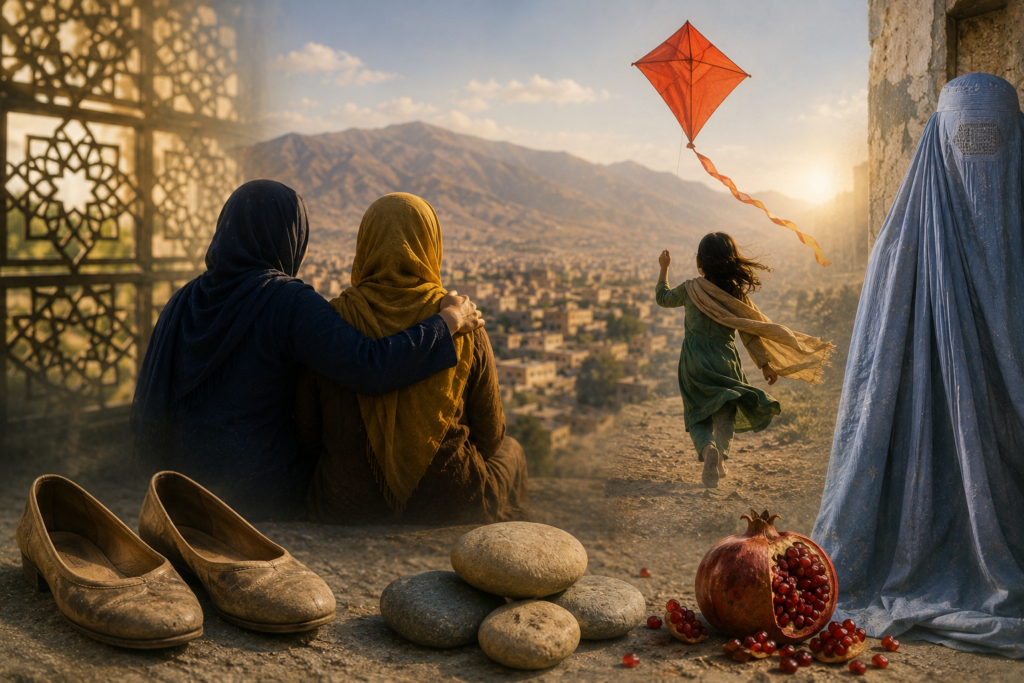
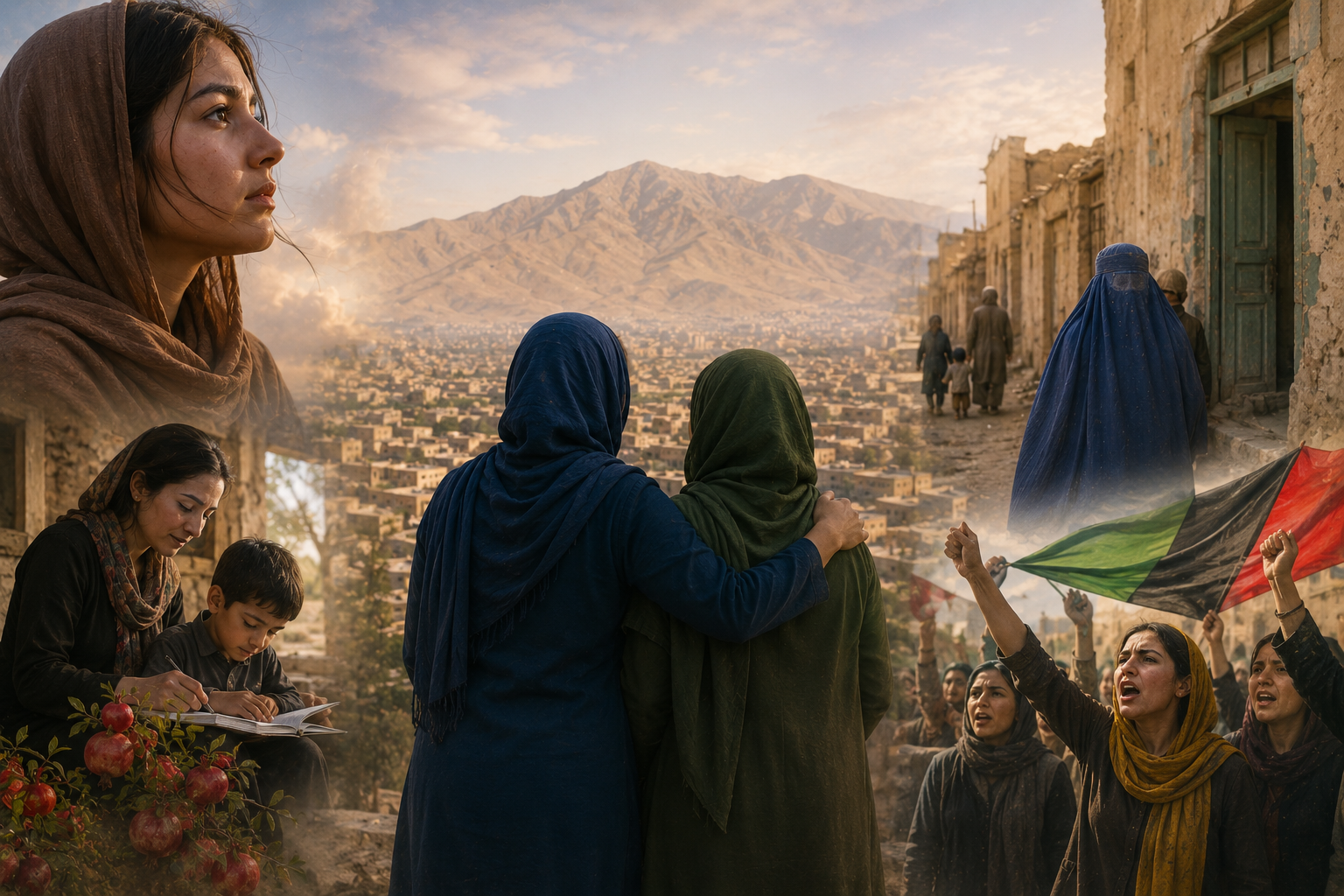
In Khaled Hosseini’s novel, the symbols in A Thousand Splendid Suns help readers see pain, hope, and survival in clear images. This guide explains symbols in A Thousand Splendid Suns with concrete examples and theme links, so you can use them in class discussion or an essay.

In this Guide

  • Why symbols matter in the novel
  • Suns and light
  • The kolba
  • The burqa
  • Pebbles
  • Stories like Pinocchio and Titanic
  • Kabul as a symbol
  • How to write about these symbols
  • FAQ
Splendid Suns

Why symbols in A Thousand Splendid Suns matter

Symbols turn private pain into visible images.

A symbol is an object, place, image, or action that means more than itself. In this novel, symbols help us understand how Mariam and Laila survive loss, fear, and unfair rules.

Think of the green light in The Great Gatsby. It is a real light, but it also stands for Gatsby’s dream. In a similar way, the symbols in A Thousand Splendid Suns point to deeper themes like love, shame, freedom, and home.

If you want a simple method for spotting symbols, read our guide on how to find symbolism in a story.

Symbols in A Thousand Splendid Suns: suns and light

The title points to beauty that survives harm.

The title comes from a poem about Kabul by the poet Saib Tabrizi. The phrase suggests that Kabul has a beauty no war can fully erase.

In the novel, the image of many suns also connects to women. Mariam and Laila suffer under cruel systems, yet they create warmth for each other. Their love becomes a kind of light.

This symbol links to the theme of hope under pressure. Hosseini does not pretend pain disappears. He shows that dignity can still shine in dark places.

The kolba: shame, exile, and a first home

The kolba shows how shame can be built into a place.

Mariam grows up with Nana in a small hut outside Herat. The location matters. Mariam is kept away from Jalil’s public life, which reflects how society treats her as unwanted.

Yet the kolba is not only a symbol of rejection. It is also Mariam’s first home. It holds her early memories, her lessons, and her longing to be loved.

This symbol connects to the theme of social shame. Mariam does not choose the label placed on her, but she is forced to carry it.

Symbols in A Thousand Splendid Suns: the burqa

The burqa is both a prison and a cover.

When Rasheed makes Mariam wear a burqa, it becomes a sign of control. It hides her face and limits how the world sees her.

At the same time, the burqa can offer safety in public. This does not make it simple or harmless. It shows how women in the novel must survive inside unfair rules.

This symbol links to the theme of oppression and survival. Like the clothing rules in Margaret Atwood’s The Handmaid’s Tale, dress becomes a way to control identity.

Pebbles as symbols of family and belonging

Pebbles make love and exclusion easy to see.

As a child, Mariam uses pebbles to picture Jalil’s family and her own place near it. The small stones show her wish to belong.

Pebbles are plain objects, but they carry deep feeling. They show that Mariam does not want wealth or status as much as she wants to be claimed as a daughter.

This symbol connects to the theme of family as both wound and comfort. The pebbles show how a child can turn hope into something she can touch.

Stories as symbols: Pinocchio and Titanic

The stories in the novel show the power of escape and the pain of false promises.

Pinocchio matters because Jalil promises to take Mariam to the film. When he fails her, that story becomes tied to betrayal.

Pinocchio wants to become real. Mariam also wants to be treated as real by her father, not hidden away as a mistake.

Titanic becomes popular in Kabul during a time of danger and hardship. The film offers a dream of romance and escape, even as people face fear in daily life.

These symbols in A Thousand Splendid Suns connect to the theme of dreams under harsh conditions. Stories do not save the characters by themselves, but they help them imagine another life.

Kabul as a symbol of home and loss

Kabul is more than a setting; it becomes a wounded symbol.

The city changes across the novel. It holds beauty, memory, and culture, but it also suffers from war and political violence.

Because the title praises Kabul’s splendor, the city stands for more than destruction. It represents a country with a past, a spirit, and people who keep going.

For helpful background on the author, see this Britannica profile of Khaled Hosseini. For a broader look at literary symbolism, Britannica also has a useful page on Symbolism as a literary movement.

How to write about symbols in A Thousand Splendid Suns

Strong essays explain what a symbol does, not just what it is.

Do not stop at saying, The burqa is a symbol. Ask what it reveals about power, fear, or survival.

A good sentence might say: The burqa symbolizes control because Rasheed uses it to limit Mariam’s identity, yet it also shows how women learn to protect themselves in public spaces.

When you write about symbols in A Thousand Splendid Suns, link each image to a theme. That will make your essay clearer and more persuasive.

For more practice, use this symbolism reading strategy. You can also explore RapidReads Press literature study resources for help with essay planning.

Relevant books to look up on Amazon or at your library

These books pair well with Hosseini’s novel for theme and symbolism study.

  • A Thousand Splendid Suns by Khaled Hosseini
  • The Kite Runner by Khaled Hosseini
  • The Handmaid’s Tale by Margaret Atwood

FAQ: symbols in A Thousand Splendid Suns

Quick answers can help you review before class or an essay.

What are the main symbols in A Thousand Splendid Suns?

The main symbols in A Thousand Splendid Suns include suns and light, the kolba, the burqa, pebbles, stories, and Kabul itself.

What does the title symbolize?

The title symbolizes Kabul’s beauty and the strength of women who keep hope alive in hard times.

What does the burqa symbolize in the novel?

The burqa symbolizes control, hidden identity, and survival inside a society that limits women’s freedom.

Why are pebbles important?

Pebbles symbolize Mariam’s deep wish for family, belonging, and love from her father.

How can I use symbolism in an essay?

Choose one symbol, explain where it appears, then connect it to a theme such as hope, shame, or oppression.

Key Takeaway

The best way to read symbols in A Thousand Splendid Suns is to connect each image to human feeling.

The suns, the kolba, the burqa, and the pebbles all show how people search for love and dignity in a painful world.
Themes in A Thousand Splendid Suns: A Student-Friendly Guide

thousand splendid Suns Themes

A clear guide to the major ideas, conflicts, and meanings students should notice in A Thousand Splendid Suns.

Themes in A Thousand Splendid Suns help students see how Khaled Hosseini turns a painful story into a deep study of love, power, and survival. This guide breaks down the novel’s major ideas in clear terms, so you can use them in class talks, essays, and AP Literature work.

In this Guide

  • Why the themes matter
  • Major themes in the novel
  • Family and sacrifice
  • Power and gender
  • Hope and survival
  • Symbols connected to theme
  • Essay tips
  • FAQ
thousand splendid Suns Themes

Why the themes in A Thousand Splendid Suns matter

Hosseini does not present theme as a simple lesson. He builds it through choices, suffering, small acts of courage, and the bond between Mariam and Laila.

Students often look for one main message. In this novel, the meaning grows from many conflicts at once. The private pain inside the home reflects the public violence outside it.

That is why the themes in A Thousand Splendid Suns work so well for essays. They connect character, setting, conflict, and historical context.

Major themes in A Thousand Splendid Suns

The novel’s main ideas center on love, oppression, endurance, and the cost of war.

Love as sacrifice is one of the clearest themes. Mariam learns that love is not only romance or family duty. It can mean giving up safety for someone else’s future.

Oppression and control shape the daily lives of women in the novel. Rasheed’s home becomes a place of fear, while laws outside the home add more limits.

Survival through connection also matters. Mariam and Laila do not begin as allies. Over time, their bond helps them face a world built to silence them.

The themes in A Thousand Splendid Suns are not separate boxes. They overlap, which makes the novel feel real and emotionally powerful.

How family shapes themes in A Thousand Splendid Suns

Family in the novel can wound, but it can also heal.

Mariam’s early life teaches her shame and rejection. Her father hides her from his public life, and that rejection shapes how she sees herself.

Laila’s family gives her a different start. Her father values education and hope. His love helps her imagine a life beyond war, even when that dream seems lost.

Mariam and Laila later create a chosen family. This bond is not based on blood. It is built on trust, care, and shared pain.

In these themes in A Thousand Splendid Suns, family becomes more than a social unit. It becomes a source of identity and moral choice.

Power, gender, and silence

The novel shows how power can control bodies, voices, and futures.

Rasheed uses gender roles to justify abuse. He treats obedience as a duty and silence as proof of respect. The novel asks readers to see how dangerous that thinking is.

Hosseini also shows that control is not only personal. Political rule affects what women can wear, where they can go, and what they can learn.

This theme connects well to works like Margaret Atwood’s The Handmaid’s Tale. Both novels show how systems can turn women’s lives into sites of control.

For historical background, students may find Britannica’s overview of Afghanistan helpful when studying the novel’s setting.

Hope and survival under pressure

Hope in the novel is not easy or bright all the time. It often appears as a small act that keeps a person alive.

Laila’s hope connects to education, love, and the future of her children. Mariam’s hope changes over time. She begins with a desire to be loved, then finds meaning in protecting Laila.

This is one reason the novel feels so painful but not hopeless. It shows that survival can mean more than staying alive. It can mean keeping dignity when the world tries to take it away.

Readers may think of Night by Elie Wiesel here. Both books show people under extreme pressure, yet both ask what remains of human dignity when everything else is stripped away.

Symbols and themes in A Thousand Splendid Suns

Symbols help Hosseini make the novel’s ideas more visible.

The title comes from a poem about Kabul, which points to beauty hidden beneath suffering. Kabul is not only a war-torn city. It is also a home, a memory, and a place worth saving.

The burqa can symbolize both forced silence and social control. Yet the meaning depends on the scene. In literature, a symbol can shift as the story changes.

When you study themes in A Thousand Splendid Suns, watch how objects and places repeat. If you need extra help, read our guide on how to find symbolism in a story.

War, place, and personal life

Hosseini shows that history is not distant. It enters kitchens, bedrooms, schools, and streets.

War shapes Laila’s losses and limits her future. It also changes Kabul from a place of childhood hope into a place of fear.

The novel does not treat war as background noise. It makes war part of the plot, the setting, and the emotional weight of the story.

For more context on women’s rights issues linked to conflict, students can explore UN Women.

How to write about themes in A Thousand Splendid Suns

A strong theme essay needs a clear claim, not just a topic.

Instead of writing, the novel is about love, try a sharper idea: Hosseini shows that love becomes most powerful when it turns into sacrifice.

A strong essay about themes in A Thousand Splendid Suns should connect theme to character change. Mariam is the best example because her view of herself changes so much.

Use short quotes and explain them closely. Do not drop a quote and move on. Show how the words reveal power, fear, hope, or love.

If you want extra support for class prep, explore our student literature guide resources.

Book suggestions for deeper study

These books pair well with Hosseini’s novel and can help students compare theme across texts.

  • The Kite Runner by Khaled Hosseini
  • Persepolis by Marjane Satrapi

FAQ: Themes in A Thousand Splendid Suns

What are the main themes in A Thousand Splendid Suns?

The main themes in A Thousand Splendid Suns include sacrifice, oppression, survival, family, and hope. The novel shows how people endure pain through love and courage.

What is the most important theme in the novel?

Sacrifice may be the most important theme. Mariam’s final choice gives the novel much of its emotional force.

How does Hosseini show women’s strength?

He shows strength through endurance, loyalty, and moral action. Mariam and Laila resist in quiet but powerful ways.

Why is Kabul important to the themes?

Kabul reflects loss and beauty at the same time. The city helps show how personal lives are shaped by history.

Key Takeaway

The deepest insight in A Thousand Splendid Suns is that love can survive fear, and it can give people the strength to act when hope seems almost gone.

Most Influential Redemption Arcs in Literature

Redemption arc

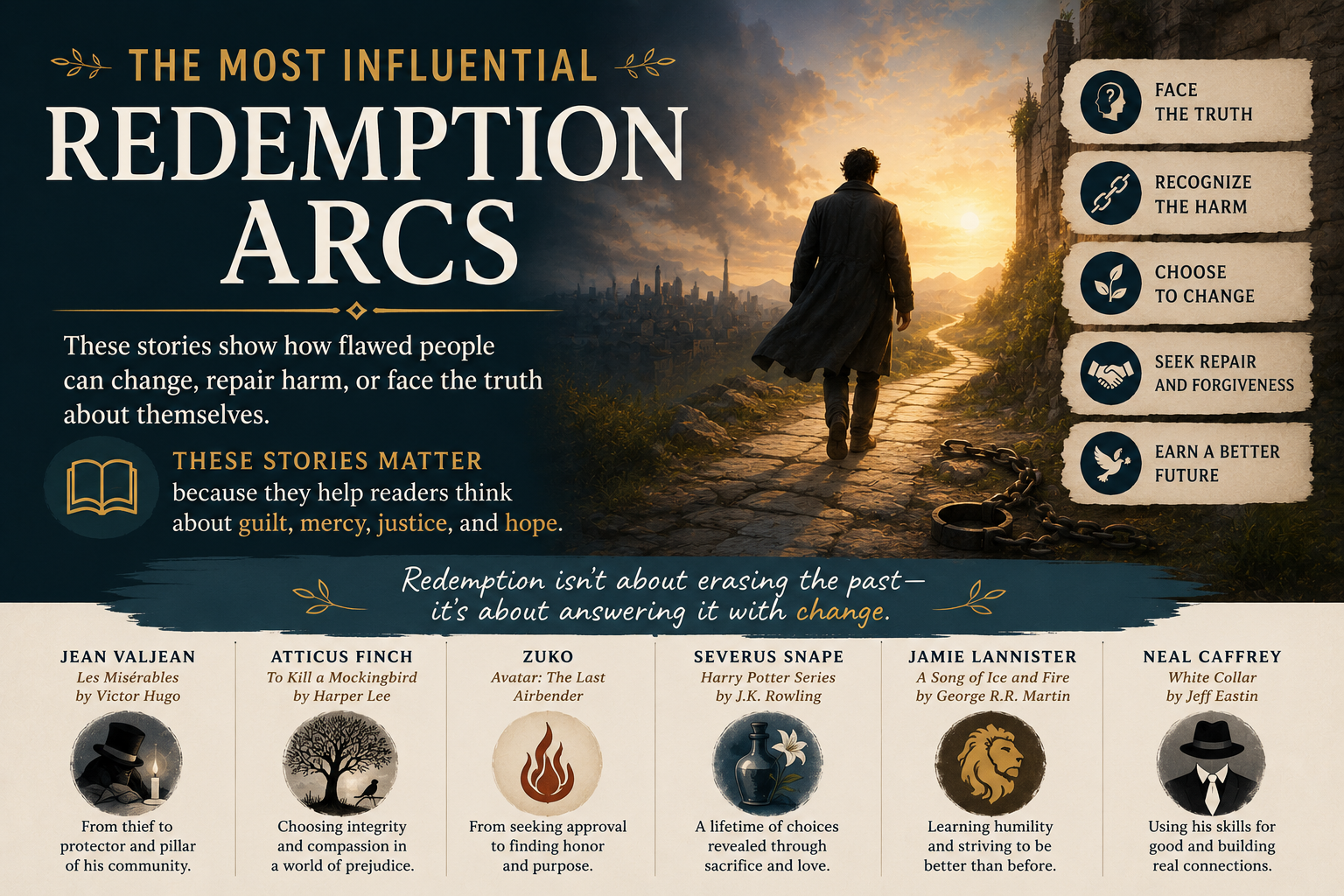
The Most Influential Redemption Arcs show how flawed people can change, repair harm, or face the truth about themselves. These stories matter because they help readers think about guilt, mercy, justice, and hope.

From old classics to modern novels, redemption arcs ask one hard question: can a person become better after doing wrong?

In this Guide

Redemption arc

Why the Most Influential Redemption Arcs Still Matter

Redemption arcs turn moral failure into a story of change.

The Most Influential Redemption Arcs do not excuse bad choices. They show what happens when a character sees the damage they caused and tries to change course.

This is why students often meet these arcs in English class. They give readers a clear way to study character growth, conflict, theme, and moral choice.

A strong redemption arc usually has a few key parts. The character causes harm, faces a crisis, feels the weight of guilt, and makes a choice that proves real change.

That final choice matters most. A character is not redeemed just because they feel sorry. They must act.

Most Influential Redemption Arcs in Classic Literature

Classic literature gives us some of the clearest examples of moral change.

These Most Influential Redemption Arcs have lasted because they feel honest. The characters do not become perfect overnight. Their change costs them something.

Ebenezer Scrooge in A Christmas Carol

Charles Dickens gives readers one of the most famous redemption stories ever written. Scrooge starts as cold, greedy, and cruel to the less fortunate.

After visits from the ghosts, he sees his past, present, and possible future. These visions force him to face the lonely life he has built.

Scrooge changes because he chooses kindness while he still has time. His redemption feels joyful, but it also comes from fear, shame, and self-knowledge.

For background on Dickens and his work, see Britannica’s overview of Charles Dickens.

Jean Valjean in Les Misérables

Victor Hugo’s Jean Valjean begins as a man marked by prison and poverty. After he steals silver from a bishop, the bishop protects him instead of turning him in.

That act of mercy changes Valjean’s life. He becomes a man who helps others, even when it puts him at risk.

Valjean’s arc shows that redemption is not one moment. It is a lifetime of hard choices.

Sydney Carton in A Tale of Two Cities

Sydney Carton starts as bitter and wasted. He sees himself as a failure with little purpose.

His final act changes how readers see him. By giving his life to save another man, he turns regret into sacrifice.

Carton’s redemption is tragic, but it is powerful. He cannot fix his whole past, yet he can give his life meaning.

Severus Snape in the Harry Potter Series

Snape is one of modern literature’s most debated redemption arcs. He is cruel, secretive, and often unfair.

Yet his hidden loyalty reveals a more complex person. His choices do not erase his harm, but they show a long struggle with guilt and love.

This is why Snape remains important in classroom and fan debates. His arc asks whether sacrifice can balance past cruelty.

Themes and Symbols in Redemption Arcs

Redemption stories often use symbols to show inner change.

Light and darkness appear often in redemption arcs. A character may move from shadow into light, which can show moral growth or new hope.

Journeys also matter. A road, a prison, or a return home can show that change takes effort. Jean Valjean’s movement through France reflects his search for grace and safety.

Names can carry meaning too. When a character takes a new name, it may show a new self. Valjean becomes Monsieur Madeleine, which points to his attempt to live beyond his prison past.

Time is another key symbol. In A Christmas Carol, the ghosts use time to teach Scrooge. The past brings regret, while the future offers warning.

If you want to sharpen your close reading of symbols, imagery, and word choice, try our guide on how to read Emily Dickinson. The same skills can help you study longer novels.

Modern Lessons from the Most Influential Redemption Arcs

Redemption arcs still shape how readers talk about justice and change.

The Most Influential Redemption Arcs are not simple “good guy” stories. They often ask if people deserve a second chance after real harm.

This question feels modern because people still debate it in schools, courts, families, and online spaces. Literature gives readers a safer place to think through the problem.

Some arcs stress forgiveness. Others focus on responsibility. The best ones do not make the answer too easy.

That is why redemption arcs work well in essays. You can ask what the character did wrong, what they learned, and whether their final choice truly repairs anything.

These books are strong choices for students who want deeper examples.

  • A Christmas Carol by Charles Dickens
  • Les Misérables by Victor Hugo

Both books show redemption in a clear but serious way. They also give students rich material for theme, character, and symbolism essays.

For shorter practice, pair a novel with poetry study. A poem can train you to notice small details that reveal change. Our post on reading Emily Dickinson is a useful place to start.

FAQs About the Most Influential Redemption Arcs

What are the Most Influential Redemption Arcs in literature?

The Most Influential Redemption Arcs often include Scrooge in A Christmas Carol, Jean Valjean in Les Misérables, and Sydney Carton in A Tale of Two Cities.

What makes a redemption arc believable?

A believable arc shows guilt, effort, and real change. The character must act in a way that proves they have learned from the past.

Is redemption the same as forgiveness?

No. A character may seek redemption without being fully forgiven. Forgiveness depends on others, while redemption depends on moral change.

Why do teachers assign books with redemption arcs?

These books help students study character growth, theme, and conflict. They also lead to strong essay topics about justice and mercy.

Key Takeaway

The Most Influential Redemption Arcs remind us that change is possible, but never cheap. Great literature shows that redemption requires truth, action, and the courage to become someone better.

error

Enjoy this article? Please spread the word :)

Follow by Email
BLUESKY
fb-share-icon
Reddit
LinkedIn
Share
RSS