Existential Themes in Fiction

Existential themes
Existential themes

Existential Themes in Fiction help readers ask big questions about life, choice, freedom, fear, and meaning. These themes can feel heavy at first, but many famous novels and stories use them in clear, powerful ways.

If you are studying literature or choosing a book for class, this guide will help you spot existential ideas and explain them with confidence.

In this Guide

  • What existential themes mean
  • Why these themes matter in stories
  • Common signs to look for
  • Examples from well-known books
  • How to write about existential themes
  • Book suggestions
  • FAQ

What Are Existential Themes in Fiction?

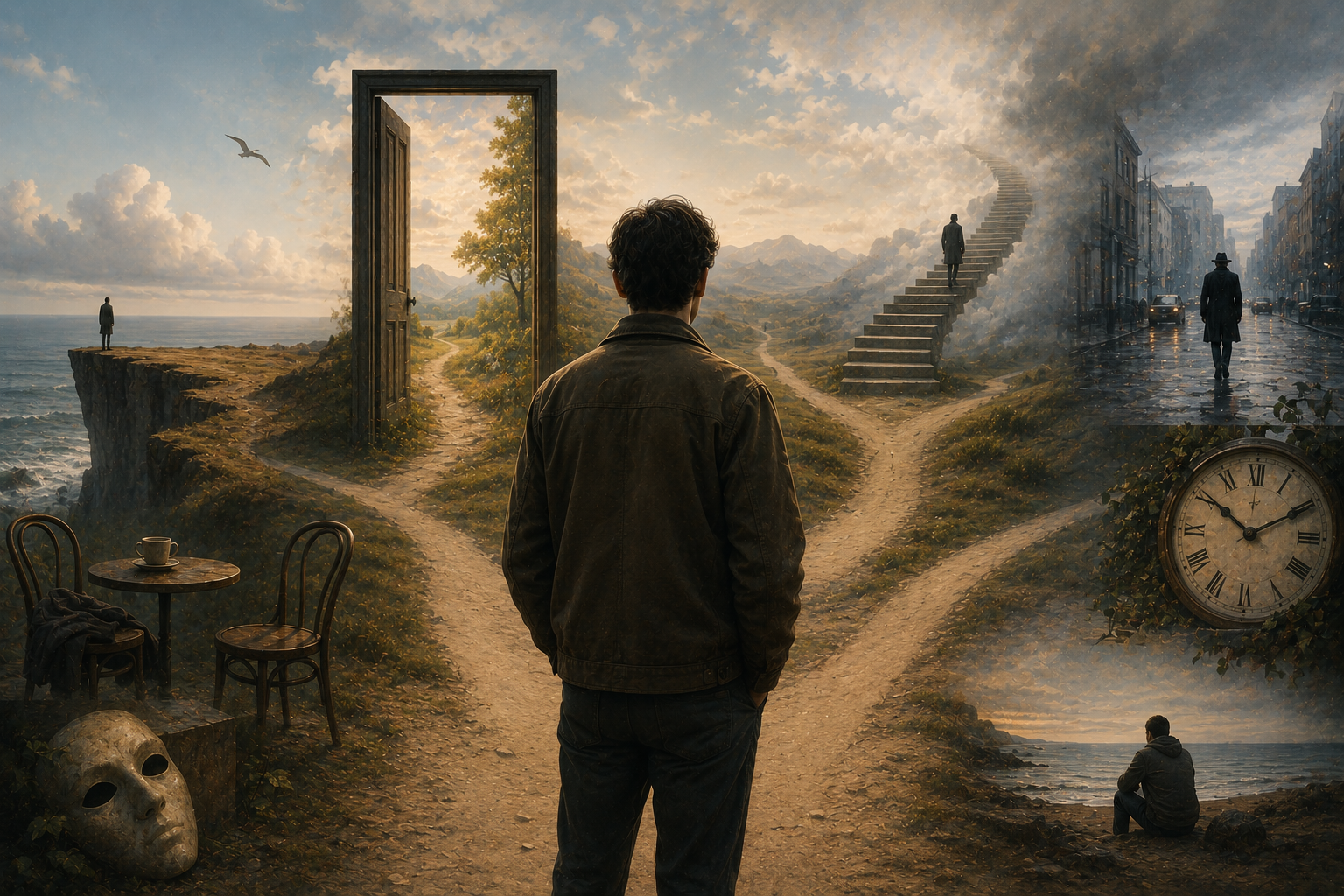
Existential themes focus on how people face life when there are no easy answers.

At the center of these stories is a simple but deep question: What does life mean? Characters may feel lost, trapped, or unsure of who they are.

Existential Themes in Fiction often show people who must make hard choices. They cannot depend on society, religion, family, or tradition to give them a clear path.

This does not always mean the story is hopeless. Many works show that meaning can come from action, honesty, love, or personal courage.

For more background on the philosophy behind these ideas, you can read Britannica’s overview of existentialism.

Why Existential Themes in Fiction Matter

These themes matter because they connect literature to real human fears.

Students often meet existential ideas in books where characters feel alone or confused. That can sound dark, but it is also very real.

People ask hard questions at many points in life. Who am I? What should I do? Does my choice matter?

Existential Themes in Fiction help readers see those questions in action. Instead of giving a lecture, the story lets us watch a character struggle.

This makes the theme easier to understand. We see how fear, freedom, and choice shape a person’s life.

Common Signs of Existential Themes in Fiction

You can spot existential ideas by watching what a character fears and chooses.

One common sign is isolation. A character may feel cut off from friends, family, or the world.

Another sign is a crisis of meaning. The character may ask why life matters or why people follow certain rules.

A third sign is moral choice. The character may need to act without a clear guide.

If you need help separating theme from plot, this guide on how to identify theme in literature can help you build a stronger reading method.

Major Existential Themes in Fiction

Most existential stories return to a few core ideas about human life.

Freedom and Responsibility

Existential fiction often shows that freedom is not always easy. If a person is free to choose, that person must also face the results.

This can create fear. A character may want someone else to decide, but the story forces them to act.

Alienation and Loneliness

Many characters feel like outsiders. They may live in a crowded city or belong to a family, yet still feel alone.

This theme asks whether people can truly understand one another.

The Search for Meaning

Some stories show characters who no longer trust old answers. They may question work, faith, law, or social success.

The key point is not always to find one final answer. Often, the search itself reveals the character’s deepest values.

Absurdity

Absurdity appears when life seems strange, unfair, or without clear order. A character may try to make sense of events that do not make sense.

This theme is common in modern fiction, especially after war or social crisis.

Examples of Existential Themes in Fiction

Famous books often make existential ideas easier to see.

The Stranger by Albert Camus

Camus’s novel is one of the clearest examples of Existential Themes in Fiction. The main character, Meursault, seems emotionally distant from the world around him.

He does not react the way society expects. Because of this, readers must ask what makes a life moral or meaningful.

The novel also explores absurdity. The world does not explain itself, and Meursault does not pretend that it does.

The Metamorphosis by Franz Kafka

In Kafka’s story, Gregor Samsa wakes up transformed into a giant insect. The strange event is never explained.

This makes the story feel absurd, but its emotional truth is clear. Gregor feels useless, unwanted, and trapped by duty.

The story shows alienation in a sharp way. Gregor is near his family, but he becomes more alone with each scene.

Crime and Punishment by Fyodor Dostoevsky

Raskolnikov believes he can place himself above normal moral rules. His crime becomes a test of his ideas.

The novel explores guilt, freedom, and responsibility. It shows that ideas have real costs when people act on them.

This is a strong choice for students who want to study moral conflict in depth.

Hamlet by William Shakespeare

Hamlet is not usually called an existential novel, but the play has many existential questions. He wonders about death, action, truth, and the purpose of life.

His famous “To be, or not to be” speech asks whether life is worth the pain it brings. That question sits at the heart of many existential works.

You can explore Shakespeare’s works through the British Library’s Shakespeare resources.

How to Analyze Existential Themes in Fiction for Class

A strong analysis connects a character’s choices to the story’s larger message.

Start with the character’s conflict. Ask what the character wants, fears, or avoids.

Next, look for moments of choice. Existential stories often turn on a decision that reveals who the character is.

Then connect the choice to a theme. For example, if a character rejects social rules, the theme may focus on freedom or alienation.

Existential Themes in Fiction are not just “sad ideas.” They are about how people respond when life feels uncertain.

If you plan to write an essay, choose one main theme and prove it with short quotes. Do not try to cover every idea in the book.

Practical Takeaways for Students

Existential literature becomes easier when you know what to track.

Watch for questions about meaning. These may appear in dialogue, inner thoughts, or major plot choices.

Notice how the setting affects the mood. Empty rooms, courts, cities, and prisons can all show isolation.

Pay close attention to endings. Many existential works do not solve every problem, but the ending can show what the character has learned or refused to learn.

When studying Existential Themes in Fiction, do not panic if the book feels strange. That feeling may be part of the point.

Books to Search for on Amazon

These books are useful for students who want strong examples of existential ideas.

  • The Stranger by Albert Camus
  • The Metamorphosis by Franz Kafka
  • Crime and Punishment by Fyodor Dostoevsky

These works are common in high school, AP Literature, and college courses. They also give readers rich material for essays about choice, guilt, alienation, and meaning.

FAQ About Existential Themes in Fiction

What does existential mean in literature?

It means the story explores life’s biggest questions, such as freedom, death, choice, and meaning.

Are Existential Themes in Fiction always depressing?

No. Some stories are dark, but many show that people can create meaning through honest choices.

What is the easiest existential book to start with?

The Metamorphosis by Franz Kafka is a good start because it is short and clear in its main conflict.

How do I write a thesis about existential themes?

Focus on one idea. For example, you might argue that a character’s isolation reveals the story’s view of human freedom.

Key Takeaway

Existential Themes in Fiction help readers study how people face fear, freedom, and uncertainty. The best way to understand them is to track a character’s choices and ask what those choices say about life.


Best Dark Academia Novels to Read

Dark Academia novels

The Best Dark Academia Novels to Read mix old libraries, intense friendships, secret knowledge, and moral danger. These books are perfect for students and literature lovers who want stories with mystery, beauty, and serious ideas.

If you enjoy campus settings, gothic moods, or characters who chase knowledge too far, this guide will help you choose your next read.

In this Guide

What Makes the Best Dark Academia Novels to Read Feel So Compelling?

Dark academia turns learning into something beautiful, tense, and dangerous.

These novels often take place in elite schools, old colleges, private libraries, or hidden societies. The setting matters because it makes knowledge feel powerful, rare, and sometimes unsafe.

The best stories in this genre ask hard questions. What happens when ambition beats kindness? Can beauty excuse cruelty? Should people seek truth at any cost?

This is why the Best Dark Academia Novels to Read often connect well with classic literature. Many of them echo works like Frankenstein, where a student’s hunger for knowledge leads to disaster.

If you want to read this genre with stronger literary insight, this guide on how to read literature like a scholar can help you spot symbols, themes, and patterns more clearly.

Best Dark Academia Novels to Read First

Start with books that show the core mood of the genre without feeling too hard to follow.

The Best Dark Academia Novels to Read first should pull you in fast. They should have strong characters, a tense setting, and ideas worth discussing in class or with friends.

1. The Secret History by Donna Tartt

The Secret History is one of the most famous dark academia novels. It follows a group of classics students at a small college in Vermont, where beauty, pride, and obsession lead to murder.

This book fits the genre because it shows how learning can become a way to feel superior. Greek tragedy, secret rituals, and moral guilt shape the whole story.

Choose this if you want a slow, rich novel with deep character study and a strong sense of doom.

2. If We Were Villains by M.L. Rio

This novel follows Shakespeare students at an elite arts school. Their friendships turn toxic as stage roles and real life begin to blur.

It is a strong choice for readers who like theater, rivalry, and emotional tension. Students who study Shakespeare may enjoy how the novel uses plays like Macbeth and King Lear.

Pick this one if you want a faster read than The Secret History, but still want a literary feel.

3. Babel by R.F. Kuang

Babel takes place at Oxford and blends fantasy with history. It follows a student who studies language, translation, and power in the British Empire.

This is one of the Best Dark Academia Novels to Read if you want more than mood. It asks sharp questions about empire, race, language, and who gets to control knowledge.

Choose this if you like big ideas and want a book that feels useful for essays or class discussion.

4. Ninth House by Leigh Bardugo

Ninth House brings dark academia into a modern fantasy world. It follows secret societies at Yale, where magic, privilege, and violence hide behind polished doors.

This book fits the genre through its campus setting and its focus on power. It also shows how elite spaces can protect people who harm others.

Pick this if you want a darker, more supernatural story with a mystery plot.

5. Vita Nostra by Marina and Sergey Dyachenko

Vita Nostra is strange, intense, and unsettling. It follows a young woman who attends a mysterious school where the lessons seem to change her mind and body.

This book is ideal for readers who want dark academia that feels surreal. It is less cozy than many campus novels, but it is powerful and original.

Choose this if you like weird fiction and do not mind a story that keeps you off balance.

6. The Maidens by Alex Michaelides

The Maidens is a campus thriller set at Cambridge. It centers on a secret group of female students and a murder mystery tied to Greek myth.

This is a good option for readers who want the dark academia mood in a more direct thriller form. It has old colleges, hidden motives, and a strong sense of danger.

Pick this if you want something quick, suspenseful, and easy to read between school assignments.

Best Dark Academia Novels to Read If You Like Classics

Some older novels helped shape the dark academia mood long before the term became popular.

The Best Dark Academia Novels to Read are not all modern. Many classic works explore ambition, beauty, pride, and forbidden knowledge.

7. Frankenstein by Mary Shelley

Frankenstein is a key book for dark academia fans. Victor Frankenstein is a student who wants to master life and death, but his discovery leads to pain and ruin.

The novel fits the genre because it links study with danger. Victor’s education does not make him wiser. It makes him reckless.

For background on the gothic tradition, Britannica’s overview of the Gothic novel is a helpful starting point.

8. The Picture of Dorian Gray by Oscar Wilde

This novel is not set in a school, but it belongs on any dark academia reading list. It focuses on beauty, art, influence, and moral decay.

Dorian’s world is full of clever talk and dangerous ideas. Like many dark academia characters, he treats life as an experiment and ignores the cost.

Choose this if you enjoy elegant writing and sharp ideas about art and corruption.

9. Possession by A.S. Byatt

Possession follows scholars who study the letters and lives of two Victorian poets. It is a literary mystery built around research, desire, and hidden history.

This novel is a great fit for college readers or advanced high school students. It shows the thrill of close reading and the risks of turning writers into objects to own.

If you like poetry, you may also enjoy browsing the Poetry Foundation for poems and poet biographies connected to literary study.

10. Never Let Me Go by Kazuo Ishiguro

Never Let Me Go begins at a strange boarding school called Hailsham. The students grow up with art, rules, and secrets they do not fully understand.

This novel has a quiet style, but its emotional force is strong. It fits dark academia through its school setting, hidden truth, and deep questions about what makes a human life valuable.

Pick this if you want a thoughtful book that feels calm at first, then becomes haunting.

How to Choose the Best Dark Academia Novels to Read for Class or Fun

Your best choice depends on the kind of reading experience you want.

If you want a classic dark academia feel, start with The Secret History or If We Were Villains. These books give you elite schools, intense friendships, and moral collapse.

If you want a book with strong social themes, try Babel. It works well for readers who care about history, language, and power.

If you prefer classic literature, choose Frankenstein or The Picture of Dorian Gray. These books are shorter than many modern novels and often appear in literature courses.

The Best Dark Academia Novels to Read for school are the ones that give you something to argue about. Look for books with symbols, inner conflict, and choices that have serious consequences.

As you read, track repeated images like candles, portraits, old buildings, or locked rooms. You can also use scholar-style reading habits to notice how setting and theme work together.

Best Dark Academia Novels to Read: Books to Look For Online or at the Library

These titles are easy to search for on Amazon, in school libraries, or through local bookstores.

If you want to buy or borrow a few key books, start with these:

  • The Secret History by Donna Tartt
  • If We Were Villains by M.L. Rio
  • Babel by R.F. Kuang

These are among the Best Dark Academia Novels to Read because they show different sides of the genre. One is literary and quiet, one is dramatic and tense, and one links academia to history and power.

Why Students Often Connect With the Best Dark Academia Novels to Read

Dark academia makes school feel like a place where big choices matter.

Students often enjoy this genre because it turns study into a story with real stakes. The characters read hard books, chase praise, and make choices that reveal who they are.

These novels also reflect common student pressures. Many characters want to be special, smart, admired, or chosen. That desire can lead to growth, but it can also lead to harm.

The Best Dark Academia Novels to Read do not just make learning look stylish. They ask whether knowledge has value without ethics.

FAQ About the Best Dark Academia Novels to Read

What are the Best Dark Academia Novels to Read for beginners?

Start with If We Were Villains if you want a fast story, or The Secret History if you want a deeper literary novel. Both show the main themes of the genre clearly.

Is dark academia only about college students?

No. Many dark academia books take place in schools or universities, but the genre is really about knowledge, beauty, ambition, and danger.

Are dark academia novels good for AP Literature?

Some are useful for AP Literature style thinking, especially Frankenstein, The Picture of Dorian Gray, and Never Let Me Go. They offer strong themes and rich character conflict.

Which dark academia novel is the most literary?

The Secret History is often seen as the major modern dark academia novel. For classics, Frankenstein and The Picture of Dorian Gray are strong choices.

What Is Dark Academia? A Beginner-Friendly Guide to the Literary Aesthetic

what is dark academia in literature

If you have ever asked, “What Is Dark Academia?”, the short answer is this: it is a literary style and mood built around learning, mystery, beauty, and danger. It often shows smart characters drawn into old books, elite schools, secret groups, and moral trouble.

Dark academia matters because it makes knowledge feel powerful, but not always safe. It asks what people may risk for truth, status, or genius.

In this Guide

  • What Is Dark Academia? in plain terms
  • How dark academia works in literature
  • Why the genre matters
  • Common traits and themes
  • Famous examples
  • Books to read next
  • FAQ
  • A practical analysis tip

What Is Dark Academia?

Dark academia is a mood, a style, and a type of story.

What Is Dark Academia? In simple terms, it is a blend of intense study, old-world beauty, and darkness. The setting may be a university, library, boarding school, museum, or private study.

The word “dark” matters. These stories are not just about reading books and wearing tweed coats. They often include obsession, guilt, death, envy, or secrets.

The “academia” part matters too. Characters often care deeply about art, history, language, philosophy, or ancient texts. Their love of knowledge can lift them up, but it can also trap them.

What Is Dark Academia? in Literature?

In literature, dark academia turns school and study into a source of tension.

So, What Is Dark Academia? It is not just an aesthetic from social media. In books, it becomes a way to explore power, class, ambition, and moral failure.

A dark academia story often begins with a character who wants to belong. They may enter a famous school, join a small intellectual circle, or meet a brilliant teacher.

At first, the world looks elegant and rare. Then the beauty starts to crack. The reader sees jealousy, cruelty, or fear under the polished surface.

Why Dark Academia Matters in Literature

Dark academia matters because it questions the value of knowledge without wisdom.

Many students are taught to admire intelligence. These stories ask a harder question: what if intelligence becomes pride?

That question appears in older literature too. In Frankenstein by Mary Shelley, Victor Frankenstein wants to unlock the secret of life. His study leads to horror because he ignores duty and care.

This is one reason dark academia speaks to many readers. It shows that books, schools, and ideas can shape lives. It also shows that brilliance does not make a person good.

Common Traits of Dark Academia Stories

Dark academia has a few clear signs that help readers spot it.

The setting often feels old and enclosed. Think stone buildings, quiet halls, candlelit rooms, or libraries full of rare books.

The characters often feel intense. They may quote classic texts, chase beauty, or treat study like a sacred duty.

The plot often hides a secret. A group may share a crime, a lie, or a forbidden ritual. The truth usually costs more than the characters expect.

The tone is serious and moody. It may feel close to Gothic fiction, which often uses mystery, fear, old places, and emotional pressure. You can read more about the Gothic tradition in Britannica’s overview of the Gothic novel.

What Is Dark Academia? and Gothic Fiction

Dark academia often borrows from Gothic literature.

What Is Dark Academia? It is not the same as Gothic fiction, but the two overlap. Both love shadowy spaces, hidden guilt, and characters who face the past.

In a Gothic novel, the danger may come from a haunted house, a family curse, or a buried crime. In dark academia, the danger often grows inside a school, a study group, or a mind that wants too much.

Romantic poetry also shapes the mood. Dark academia often admires beauty, longing, and tragic genius. For helpful background, see the Poetry Foundation’s page on Romanticism.

Recognizable Examples of Dark Academia

Some books are clearly dark academia, while others helped shape the style.

The Secret History by Donna Tartt is one of the best-known modern examples. It follows a group of classics students at an elite college. Their love of ancient Greek culture turns into secrecy and crime.

Frankenstein by Mary Shelley is not usually sold as dark academia, but it has many of the same concerns. Victor’s private study, ambition, and moral blindness make it a strong early example of the genre’s ideas.

Hamlet by William Shakespeare also connects to the mood. Hamlet is a student, a thinker, and a prince trapped by grief and suspicion. The play links thought, death, and moral doubt in a way dark academia readers often enjoy.

When someone asks, “What Is Dark Academia?”, these works help show the answer. The genre is not only about a look. It is about the cost of knowledge and the danger of wanting to seem brilliant.

Books to Read If You Like Dark Academia

These books are strong places to start if you want more of the dark academia mood.

  • The Secret History by Donna Tartt
  • Frankenstein by Mary Shelley

You can search for these titles on Amazon, at your local library, or through a school database. If you are new to literary analysis, start with one book and track how the setting shapes the characters’ choices.

How to Analyze Dark Academia Like a Student of Literature

Dark academia becomes easier to analyze when you look past the surface style.

Do not stop at clothing, candles, or old books. Ask what those details mean. A library may suggest learning, but it may also suggest control, silence, or hidden power.

Pay close attention to who gets access to knowledge. Many dark academia stories involve class, wealth, or social status. A character may want to study, but they may also want to belong.

If you want a stronger method, use this guide on how to read literature like a scholar. It can help you move from plot summary to deeper analysis.

FAQ: What Is Dark Academia?

What Is Dark Academia? in one sentence

Dark academia is a literary mood that blends learning, beauty, secrecy, and moral danger.

Is dark academia a genre or an aesthetic?

It can be both. Online, it is often an aesthetic. In literature, it works more like a genre or style with shared themes.

Does dark academia always take place at a school?

No. Schools are common, but the story can also take place in libraries, museums, old houses, or private study spaces.

Why do students like dark academia?

Many students connect with its focus on ambition, pressure, identity, and the desire to prove yourself.

Is Harry Potter dark academia?

It has some overlap, such as a school setting and secret history. Still, it is usually read as fantasy first, not dark academia.

Key Takeaway

What Is Dark Academia? It is a way of telling stories where knowledge feels beautiful, powerful, and risky. When you read it, ask one practical question: what does the character want from learning, and what price do they pay for it?

Best Books for Dark Academia

Dark Academia books
Dark Academia books

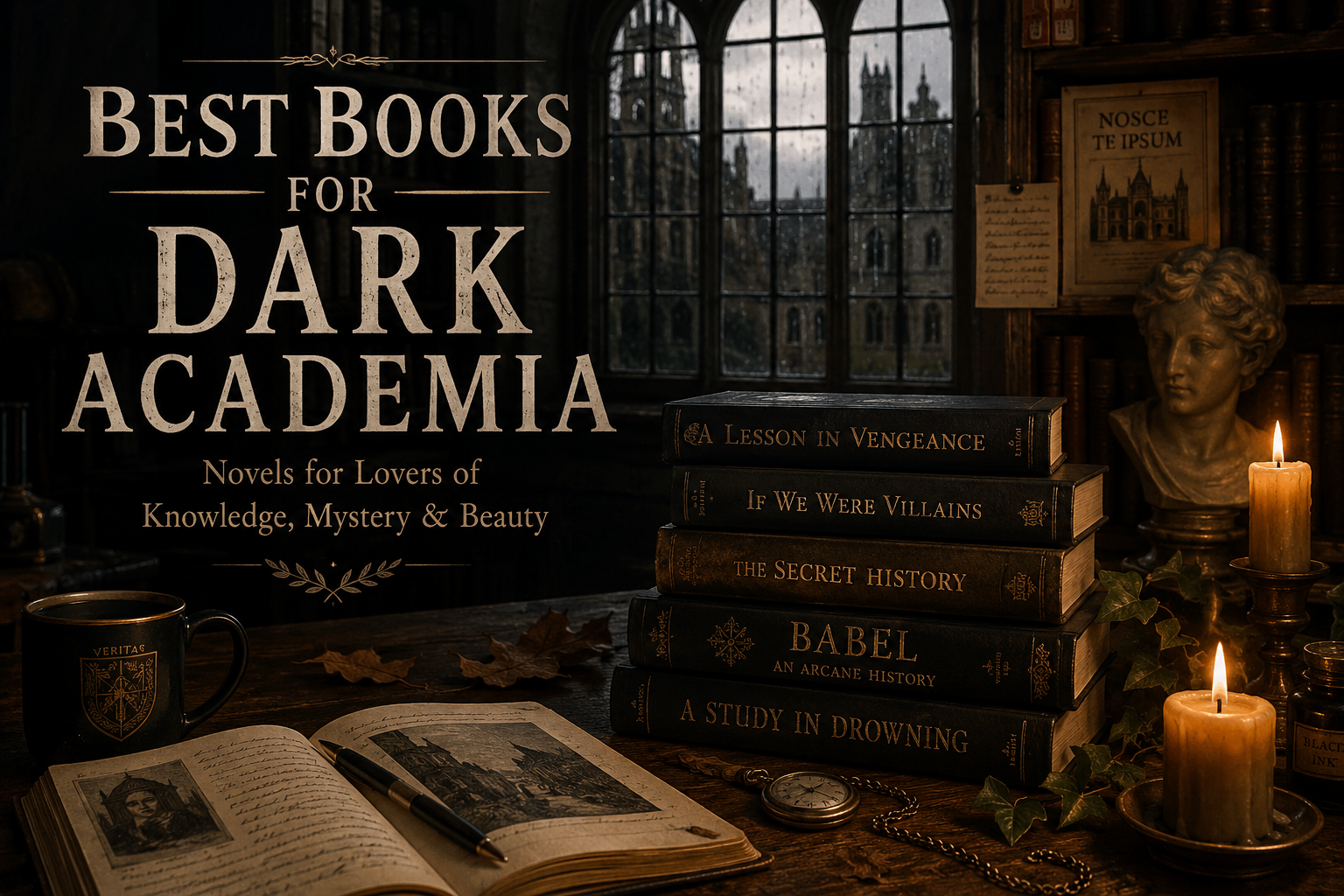
The Best Books for Dark Academia mix mystery, ambition, beauty, and danger. These stories often take place in schools, libraries, old houses, or elite circles where knowledge feels powerful and risky.

If you like candlelit study rooms, secret clubs, moral questions, and characters who want too much, this guide will help you find your next read.

In this Guide

  • What makes dark academia books so popular
  • Best Books for Dark Academia to read first
  • Major themes and symbols
  • Books worth buying or borrowing
  • How students can read dark academia well
  • FAQs

What Makes the Best Books for Dark Academia So Compelling?

Dark academia is about learning, but it is also about obsession.

The Best Books for Dark Academia often show smart characters who chase beauty, status, or truth. At first, their world looks polished. Soon, it starts to crack.

These books often include old campuses, Latin phrases, rare books, art, poetry, and hidden guilt. The setting matters because it makes learning feel grand, but also cold.

Dark academia also asks a hard question: What happens when intelligence is not matched by kindness?

Best Books for Dark Academia: Classic and Modern Picks

These books capture the mood of dark academia in different ways, from elite schools to haunted minds.

The Secret History by Donna Tartt

Many readers see The Secret History as the heart of dark academia. It follows a group of college students who study Greek classics under a strange and powerful professor.

The book explores beauty, guilt, and the danger of feeling above normal rules. It is one of the Best Books for Dark Academia because it turns scholarship into suspense.

If We Were Villains by M.L. Rio

This novel follows theater students who live and breathe Shakespeare. Their friendships are intense, and their roles begin to blur with real life.

The book is a strong choice for students who enjoy drama, rivalry, and literary clues. It also shows how art can shape identity in harmful ways.

Frankenstein by Mary Shelley

Frankenstein is not set in a modern university, but it fits the dark academia mood well. Victor Frankenstein wants knowledge so badly that he forgets his duty to others.

The novel warns readers about ambition without care. It is also a major work in Gothic literature, a tradition you can learn more about through Britannica’s overview of the Gothic novel.

The Picture of Dorian Gray by Oscar Wilde

This novel is full of art, beauty, style, and moral decay. Dorian wants to stay young while his portrait carries the damage of his choices.

It belongs with the Best Books for Dark Academia because it asks what people will trade for beauty and pleasure.

Jane Eyre by Charlotte Brontë

Jane Eyre has a strong Gothic mood, a mysterious house, and a heroine who values education and self-respect. Jane’s inner life matters as much as the plot.

The novel works well for students who want dark atmosphere but also moral strength.

Babel by R.F. Kuang

Babel is a modern dark academia novel about language, empire, and power. It takes place in Oxford and asks who benefits from elite education.

This book is a great pick for readers who want dark academia with sharp social criticism.

Major Themes in the Best Books for Dark Academia

Dark academia feels stylish, but its deepest power comes from its themes.

In the Best Books for Dark Academia, ambition often becomes dangerous. Characters want to be brilliant, rare, or admired. That desire can push them toward lies and harm.

Class is another major theme. Many dark academia stories show who gets access to elite schools, private libraries, and powerful mentors. The mood may feel romantic, but the system can be unfair.

Secrecy also plays a key role. Hidden rooms, private languages, and secret groups create suspense. They also show how knowledge can divide people.

For another look at wealth, image, and moral decline, read our Great Gatsby analysis. Gatsby is not a dark academia novel, but it shares the same interest in status and illusion.

Symbolism in the Best Books for Dark Academia

Symbols help dark academia feel rich, strange, and memorable.

Books and libraries often stand for power. They suggest wisdom, but they can also suggest control. A locked library may mean that knowledge is not open to everyone.

Old buildings often symbolize tradition. A stone campus or decaying mansion can look beautiful while hiding fear, guilt, or corruption.

Mirrors and portraits often show divided identity. In The Picture of Dorian Gray, the portrait becomes a symbol of the soul. It shows the truth that Dorian refuses to face.

Storms, fog, and candlelight also shape the mood. They make the world feel uncertain, which fits stories about secrets and guilt.

Books Worth Buying or Borrowing for a Dark Academia Shelf

If you want to start a small shelf, begin with books that show the range of the genre.

Here are a few strong choices you can find at many bookstores, libraries, or on Amazon without needing any special edition:

  • The Secret History by Donna Tartt
  • If We Were Villains by M.L. Rio

These titles are easy entry points because they have strong plots, literary references, and tense student groups.

How to Read the Best Books for Dark Academia in School

Dark academia books are fun to read, but they also reward close attention.

When you read the Best Books for Dark Academia, track what the main character wants. Then ask what they are willing to risk to get it.

Pay attention to setting. A classroom, library, or old house is never just a backdrop. It often reflects power, fear, or desire.

Notice references to art, poetry, and myth. These allusions can reveal what the characters admire. They can also show how characters use culture to excuse bad choices.

If you study poetry with dark academia themes, the Poetry Foundation’s page on T.S. Eliot is a helpful place to start. Eliot’s work often explores decay, memory, and modern anxiety.

Why the Best Books for Dark Academia Still Matter

Dark academia is not just an aesthetic. It speaks to real fears about success, pressure, and belonging.

Students may connect with these stories because school can feel intense. Grades, image, talent, and social status can seem like everything.

The Best Books for Dark Academia remind readers that knowledge should not come at the cost of empathy. A brilliant mind can still make cruel choices.

That warning is part of what makes the genre last.

FAQs About the Best Books for Dark Academia

Here are quick answers to common questions about the genre.

What are the Best Books for Dark Academia for beginners?

The Best Books for Dark Academia for beginners include The Secret History, If We Were Villains, and Frankenstein. These books show the genre’s mood, themes, and moral questions clearly.

Is dark academia always set at a school?

No. Many dark academia stories take place at schools or universities, but the genre can also include old houses, museums, libraries, and artistic circles.

Why is Frankenstein considered dark academia?

Frankenstein fits because it focuses on dangerous knowledge, ambition, and isolation. Victor wants to master life itself, but he ignores the human cost.

Are dark academia books good for AP Literature?

Yes, many are useful for AP Literature because they deal with theme, symbolism, character flaws, and moral conflict. Classics like Frankenstein and Jane Eyre are especially strong choices.

Key Takeaway

The Best Books for Dark Academia are not only about old libraries and clever students. They show how beauty, learning, and ambition can become dangerous when people forget compassion.

If you want books with mood, mystery, and serious ideas, dark academia is a rich place to begin. 📚

error

Enjoy this article? Please spread the word :)

Follow by Email
BLUESKY
fb-share-icon
Reddit
LinkedIn
Share
RSS