Themes in Wuthering Heights: A Student-Friendly Guide

Wuthering Heights themes

Wuthering Heights can feel wild, painful, and strange at first. This guide explains the major themes in Wuthering Heights so students can see how Emily Brontë builds meaning through love, revenge, class, and setting.

If you need help with theme in general, start with this quick guide on how to identify theme in literature.

In this Guide

  • Why the novel feels so intense
  • Love and possession
  • Revenge and damage
  • Class and social shame
  • Nature and the moors
  • Abuse and inherited pain
  • Essay tips and FAQs
Wuthering Heights themes

Why the themes in Wuthering Heights feel so intense

Brontë turns private emotions into forces that shape whole lives.

The themes in Wuthering Heights stand out because the novel does not treat love as soft or simple. Love often looks like hunger, pride, and control.

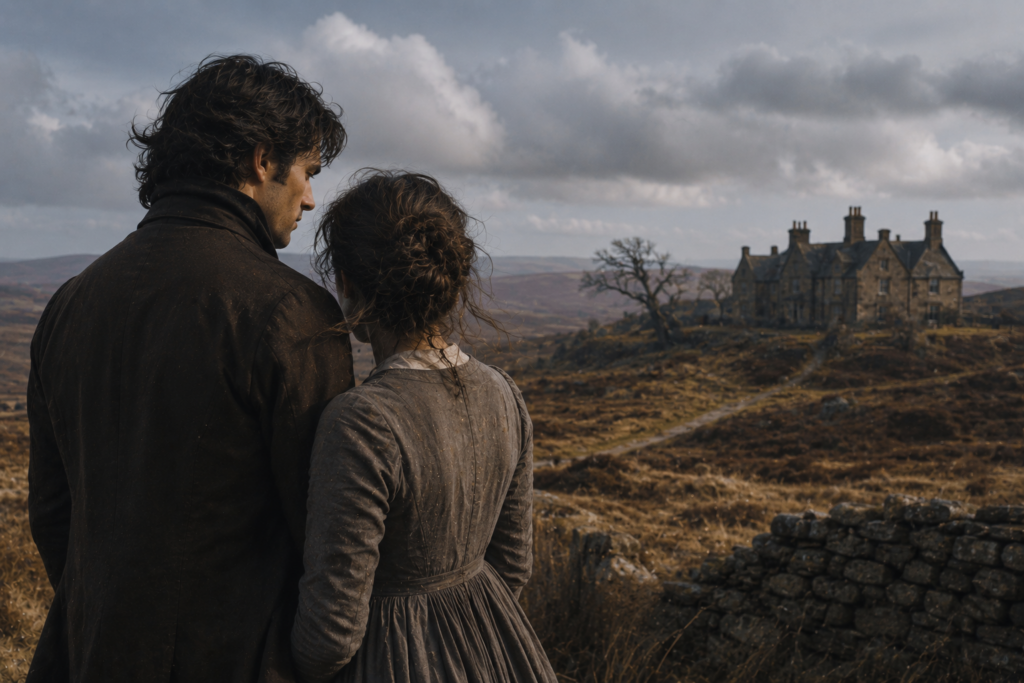
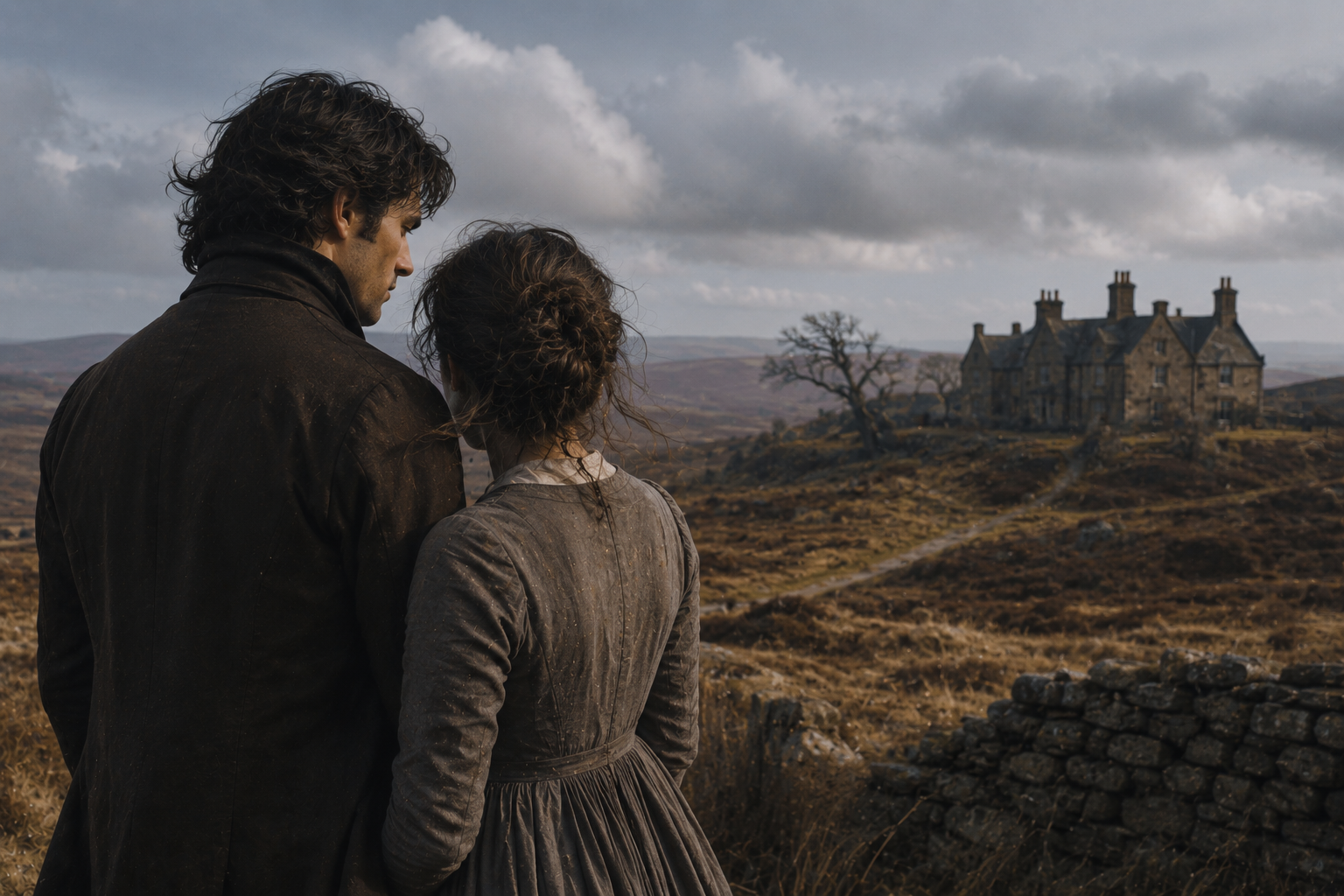
The setting also makes every conflict feel larger. The lonely houses and open moors reflect the mood of the story. For background on the novel and its place in English literature, see Britannica on Wuthering Heights.

Themes in Wuthering Heights: love that becomes possession

The novel asks whether love can survive when it turns selfish.

Catherine and Heathcliff share a bond that feels deep, but it is also troubling. They do not love each other in a calm or healthy way. Their bond becomes tied to pride, pain, and identity.

Catherine says she is Heathcliff, which shows how much she connects him to her own self. Yet she still chooses Edgar because he offers comfort and status. This choice harms everyone around them.

This theme is useful for essays because it shows that **love is not always moral**. In this novel, love can lead to cruelty when people refuse to care about others.

You can compare this to Romeo and Juliet, where love also clashes with society. But in Shakespeare’s play, the lovers seem innocent. In Brontë’s novel, love often harms the people it touches.

Themes in Wuthering Heights: revenge and damage

Revenge drives the plot, but it never brings peace.

One of the darkest themes in Wuthering Heights is the way pain moves from one person to another. Heathcliff suffers as a child, then later uses his power to punish others.

He takes revenge on Hindley, Edgar, Isabella, and the next generation. His actions show how cruelty can spread if no one stops the cycle.

Brontë does not excuse Heathcliff, but she does show how he is shaped by rejection and abuse. That makes him complex. He is both victim and villain.

For students, a strong thesis might argue that the novel shows **revenge as self-destruction**. Heathcliff gains property and control, but he loses any chance at rest.

Class, power, and social shame

Social rank shapes choices more than many characters admit.

Catherine’s choice to marry Edgar is tied to class. She believes Edgar can give her a better life, while Heathcliff would lower her social position.

These themes in Wuthering Heights help explain why the love story becomes a social conflict. Catherine does not only choose between two men. She chooses between wild freedom and social comfort.

Heathcliff’s unclear background also matters. As an outsider, he is treated as less valuable. His later rise in power feels like revenge against a system that once mocked him.

This theme connects well to novels like Great Expectations by Charles Dickens, where class shapes desire and shame. Both novels ask whether status can truly make a person whole.

Nature, the moors, and wildness

The landscape is more than a backdrop. It helps shape the novel’s meaning.

The moors suggest freedom, danger, and emotional force. Catherine and Heathcliff seem most alive when they are connected to that wild space.

Many themes in Wuthering Heights depend on this contrast between wildness and social order. Wuthering Heights feels rough and stormy. Thrushcross Grange feels polished and controlled.

Neither place is perfect. The Heights can be violent, while the Grange can feel shallow. Brontë uses both houses to show different kinds of damage.

This is a smart point for AP Literature essays. A setting can reveal theme when it reflects conflict, mood, or values. If you want a refresher, review this guide to finding theme in a literary work.

Abuse, family, and inherited pain

The novel shows how harm can pass from one generation to the next.

Hindley mistreats Heathcliff. Heathcliff later mistreats Hareton. Linton also suffers because adults use him for their own plans.

This pattern makes the second half of the novel important. Young Catherine and Hareton offer a possible break from the past. Their bond is not perfect, but it has more patience and kindness than the love before it.

That shift matters. Brontë suggests that people can inherit pain, but they do not have to repeat it forever.

Identity and belonging

Several characters struggle to know where they fit.

Heathcliff never fully belongs in the Earnshaw home, even after Mr. Earnshaw brings him there. His outsider status shapes how others treat him and how he sees himself.

Catherine also feels split. She is drawn to Heathcliff’s wildness, but she wants Edgar’s social world. Her divided identity helps explain her inner conflict.

These ideas make the novel feel modern. Students often notice that the characters suffer when society gives them narrow roles and labels.

How to write about the themes in Wuthering Heights

A strong theme essay should make an argument, not just name a topic.

When you write about the themes in Wuthering Heights, avoid saying only that the novel is about love or revenge. Ask what Brontë says about those ideas.

For example, this is a weak theme statement: The novel has a theme of revenge.

This is stronger: Brontë shows that revenge can give a person power, but it also traps that person in the same pain that caused the revenge.

Use scenes as proof. You might discuss Catherine’s choice to marry Edgar, Heathcliff’s treatment of Hareton, or the contrast between the two houses.

For a simple study tool, you can also use our printable literature theme resources to organize quotes and claims before you write.

Helpful books for deeper study

If you want more background, these books can help:

  • Wuthering Heights by Emily Brontë
  • The Madwoman in the Attic by Sandra M. Gilbert and Susan Gubar
  • Emily Brontë: A Life in 20 Poems by Nick Holland

You can also read about Emily Brontë’s poetry at the Poetry Foundation, which helps show her interest in nature, death, and intense feeling.

FAQ: themes in Wuthering Heights

What are the main themes in Wuthering Heights?

The major themes include destructive love, revenge, class pressure, nature, and inherited pain.

What is the most important theme in the novel?

Many readers see destructive love as the central theme because it shapes Catherine, Heathcliff, and both families.

How does setting connect to theme?

The moors and houses reflect emotional conflict. The wild setting often mirrors the characters’ inner lives.

Is Heathcliff a hero or villain?

He is both complex and dangerous. Brontë shows his suffering, but she also shows the harm he chooses to cause.

What theme should I use for an essay?

Revenge is a strong choice because it connects to plot, character change, and the novel’s ending.

Key Takeaway

The themes in Wuthering Heights show that love, pain, and power can shape families across time. Brontë’s novel is powerful because it refuses easy answers.
What Makes a Story Gothic?

gothic story
gothic story

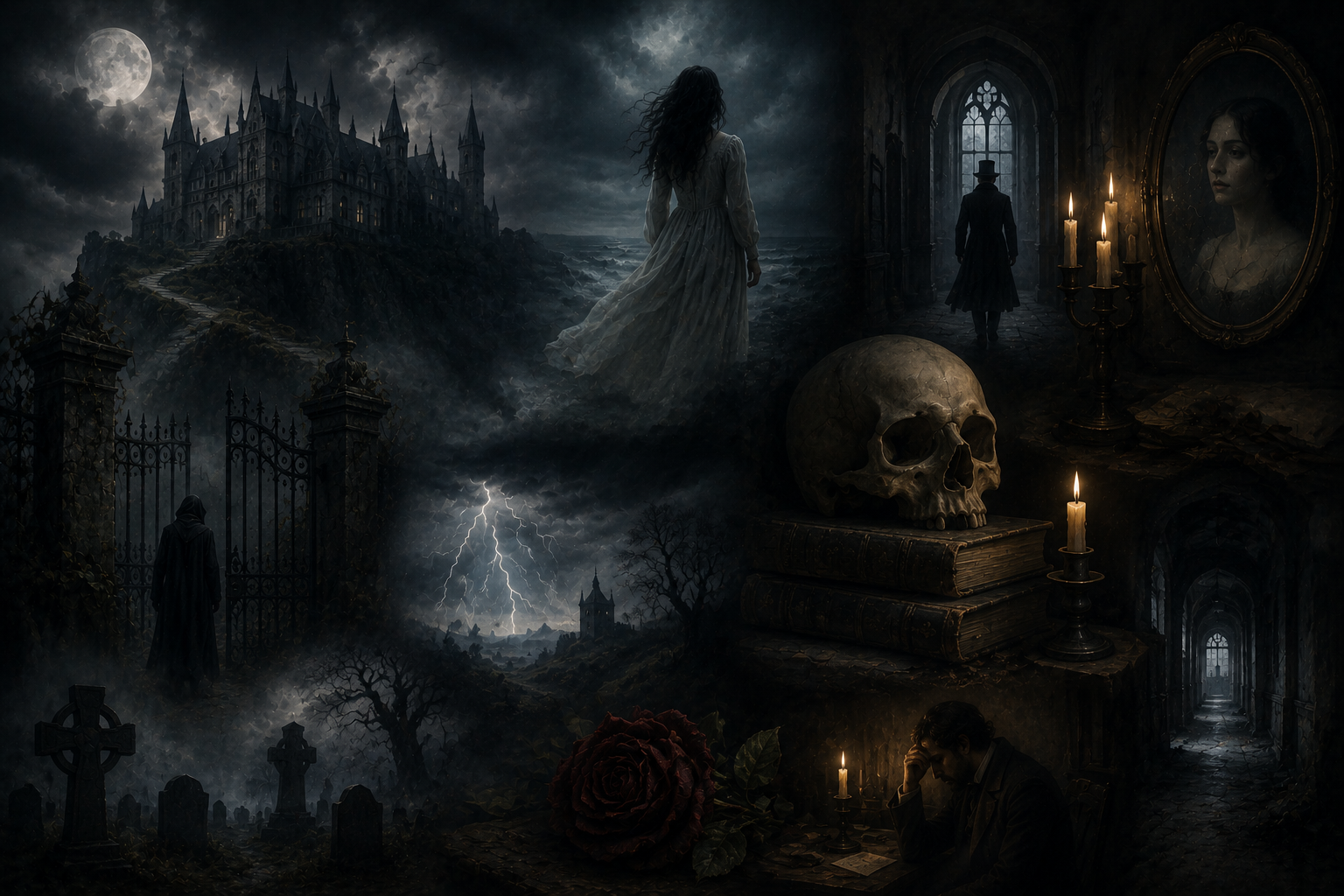
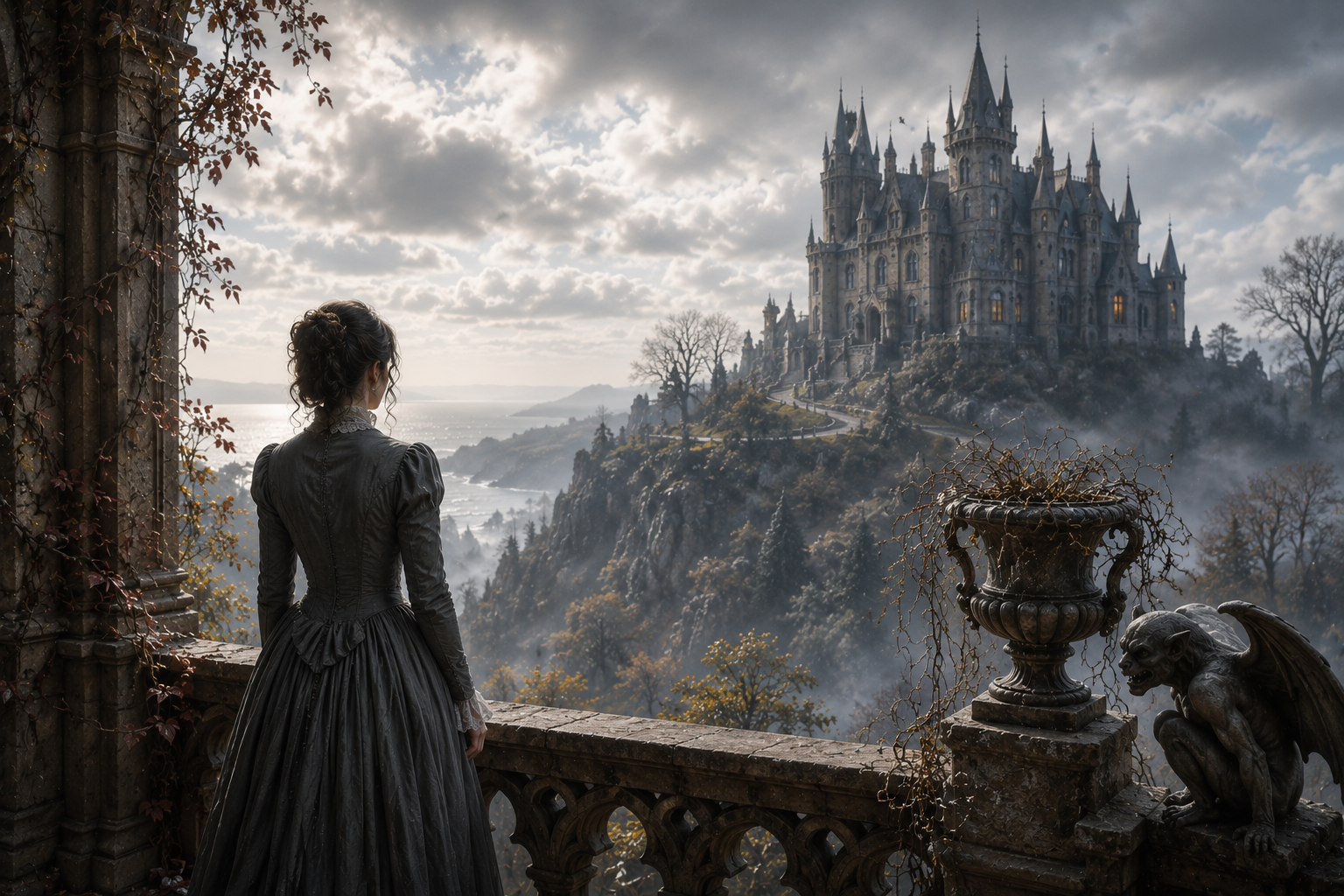
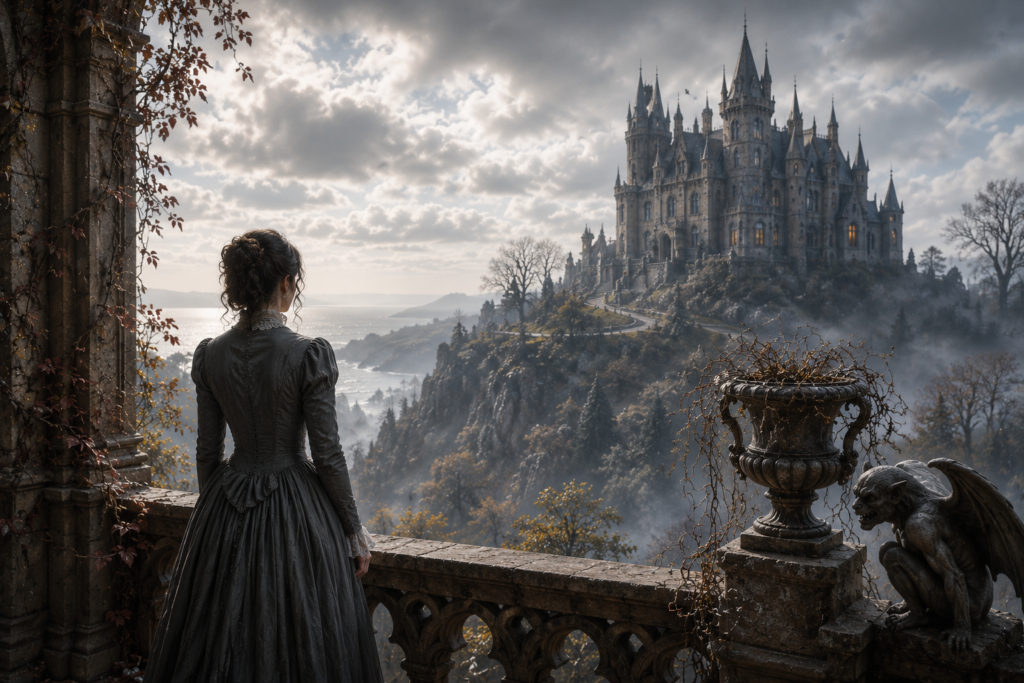
If you have ever read a story with a haunted house, a dark secret, or a character who feels trapped, you may have met Gothic literature. What Makes a Story Gothic? comes down to mood, fear, mystery, and the way a story turns inner pain into something you can almost see.

Gothic stories are not just “scary stories.” They use fear to explore guilt, power, family secrets, desire, and the darker parts of human nature.

In this Guide

What Makes a Story Gothic?

A Gothic story creates fear through mood, place, secrets, and emotional pressure.

So, What Makes a Story Gothic? It is not just ghosts or castles. A Gothic story often makes readers feel that something is wrong before they know why.

The fear may come from a monster, like in Frankenstein. It may come from a house, like in “The Fall of the House of Usher.” It may even come from a person’s own mind.

Gothic fiction often asks a simple but deep question: What happens when hidden fears come to the surface?

What Makes a Story Gothic? The Setting Matters

Gothic settings feel unsafe, old, strange, or full of secrets.

Many Gothic stories take place in castles, mansions, abbeys, graveyards, or isolated towns. These places often feel like characters themselves. They seem to watch, trap, or warn the people inside them.

In Charlotte Brontë’s Jane Eyre, Thornfield Hall is not just a large house. It holds a secret that shapes the whole plot. The locked rooms and strange sounds create fear before Jane learns the truth.

Weather also matters. Storms, fog, darkness, and cold winds help build a sense of danger. The setting tells readers, “Something is not right here.”

What Makes a Story Gothic? The Characters Feel Trapped

Gothic characters often face fear from the outside and from within.

A Gothic hero or heroine may feel alone, watched, or powerless. They may live under someone else’s control. They may not trust what they see or hear.

In Bram Stoker’s Dracula, the Count is both charming and dangerous. He shows how Gothic villains often blur the line between attraction and threat.

Victor Frankenstein is another strong example. He creates life, then fears what he has made. His real horror comes from guilt, pride, and loss.

This is a big part of What Makes a Story Gothic? The danger is not only outside the character. It also grows inside the heart or mind.

Major Themes in Gothic Stories

Gothic literature uses fear to talk about serious human problems.

One major theme is the past. In Gothic stories, old sins do not stay buried. Family secrets, crimes, and broken promises return in strange ways.

Another key theme is confinement. A character may be trapped in a house, a marriage, a social role, or a guilty mind.

Gothic stories also explore the unknown. They ask whether we can trust science, faith, memory, or even our own senses.

If you want to study these patterns more closely, this guide on how to read literature like a scholar can help you notice symbols, patterns, and deeper meanings.

Famous Examples That Show What Makes a Story Gothic?

Well-known Gothic works show the genre in different forms.

Mary Shelley’s Frankenstein is a classic Gothic novel. It has dark settings, emotional fear, a lonely creator, and a creature who suffers because of human rejection.

Edgar Allan Poe’s “The Tell-Tale Heart” is Gothic because it turns guilt into terror. The narrator’s fear grows until his own mind seems to betray him.

Emily Brontë’s Wuthering Heights uses wild landscapes, intense emotion, and a haunting past. The story feels restless because the characters cannot escape love, anger, or loss.

Daphne du Maurier’s Rebecca gives Gothic fiction a modern feel. Manderley, the grand house, holds memory and fear in almost every room.

For more background on the genre, Britannica has a helpful overview of the Gothic novel. You can also explore Edgar Allan Poe’s work through the Poetry Foundation.

How to Spot Gothic Elements in a Story

You can find Gothic elements by asking what creates fear and why it matters.

Start with the setting. Does the place feel old, closed off, or dangerous? Does it hide a secret?

Look at the mood. Gothic stories often feel tense before anything major happens. The mood may come from silence, darkness, strange sounds, or a sense of dread.

Then look at the characters. Do they feel trapped? Do they carry guilt? Do they fear their own thoughts?

Ask one more question: What deeper fear does the story reveal? That question often leads to the best answer to What Makes a Story Gothic?

What Makes a Story Gothic? Common Signs to Remember

Gothic fiction has patterns that students can learn to notice.

  • A dark or strange setting: castles, mansions, ruins, remote homes, or shadowy streets
  • A hidden secret: a locked room, a buried crime, or a shameful past
  • Emotional pressure: guilt, grief, fear, obsession, or loneliness
  • A sense of mystery: strange events that may or may not have a natural cause
  • A threat to freedom: a character feels trapped by a person, place, or memory

These signs do not all need to appear in one story. Even a few can give a work a strong Gothic feel.

Why Gothic Literature Still Matters

Gothic stories remain popular because they turn fear into meaning.

Modern readers still care about dark secrets, unstable homes, and people who feel trapped. These fears are not stuck in the past. They still shape novels, films, and TV shows today.

When students ask What Makes a Story Gothic?, they are also asking why fear has such power in literature. Gothic fiction helps readers face what people often hide.

It can make a story exciting, but it can also make it honest.

Books to Read Next

These books are strong choices if you want to read more Gothic literature.

  • Frankenstein by Mary Shelley
  • Dracula by Bram Stoker

Both books are often available on Amazon, in bookstores, and through school or public libraries. They are also common choices for high school, AP Literature, and college classes.

FAQ: What Makes a Story Gothic?

What Makes a Story Gothic in simple terms?

A story is Gothic when it uses dark mood, mystery, fear, and hidden secrets to explore deeper problems.

Does a Gothic story need a ghost?

No. A Gothic story can have ghosts, but it does not need them. The fear may come from guilt, a strange house, a villain, or a character’s mind.

Is Gothic literature the same as horror?

Not exactly. Horror often aims to scare the reader. Gothic literature may scare the reader, but it also focuses on mood, emotion, and hidden meaning.

Why do teachers assign Gothic literature?

Teachers assign it because it is rich in symbols, themes, and conflict. It also helps students study how setting and mood shape a story.

Can a modern story be Gothic?

Yes. A modern story can be Gothic if it uses fear, secrets, isolation, and emotional tension in a powerful way.

Key Takeaway

What Makes a Story Gothic? A Gothic story turns fear into meaning. It uses dark places, hidden secrets, and trapped characters to show what people fear, desire, and try to hide.

Common Gothic Themes in Literature

gothic themes

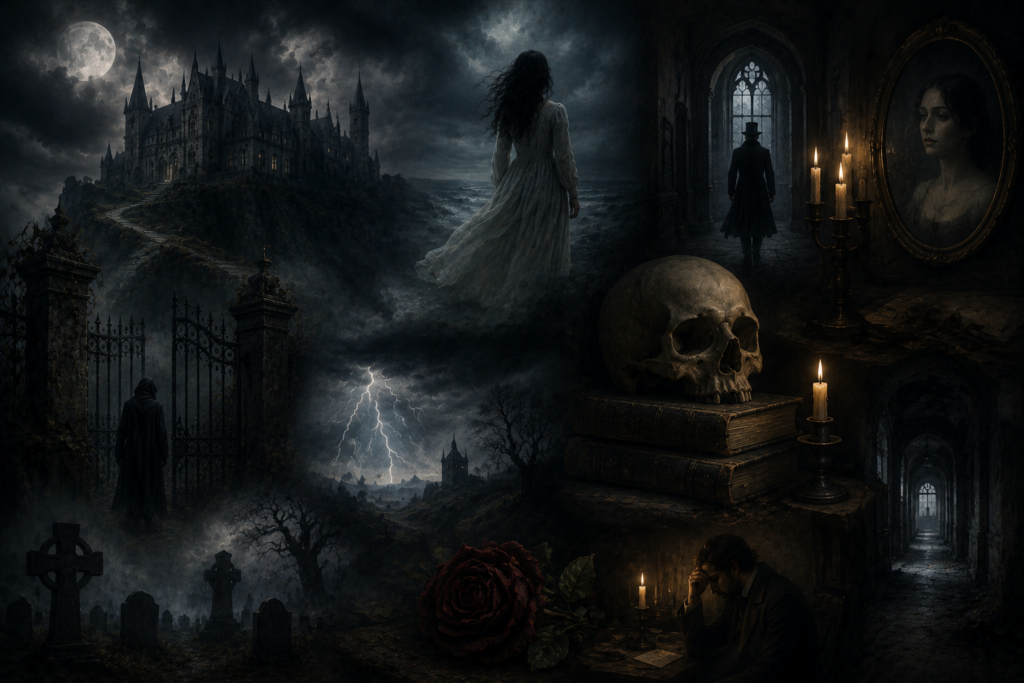
Gothic stories are full of dark houses, buried secrets, strange fears, and characters who feel trapped. This guide explains Common Gothic Themes in Literature so students can read, study, and choose Gothic texts with more confidence.

In this Guide

  • What makes a story Gothic
  • Fear and the unknown
  • Decay, ruin, and haunted places
  • Madness and the unstable mind
  • Isolation and entrapment
  • The supernatural and doubt
  • Guilt, sin, and hidden pasts
  • How to study Gothic themes
  • Suggested books
  • FAQ
gothic themes

What Makes Gothic Literature Gothic?

Gothic literature uses fear, mystery, and emotional pressure to explore deep human problems.

A Gothic story is not just “scary.” It often asks serious questions about power, guilt, death, family, faith, and the mind.

You might see castles, storms, locked rooms, ghosts, ruined homes, or strange family histories. These details create mood, but they also point to theme.

When you study Common Gothic Themes in Literature, look past the creepy setting. Ask what fear reveals about the characters and their world.

Common Gothic Themes in Literature: Fear and the Unknown

Fear in Gothic fiction often comes from what characters cannot explain.

Many Gothic stories build tension through mystery. A character hears a sound, sees a shadow, or senses that something is wrong, but the truth stays hidden.

In Dracula by Bram Stoker, fear grows because Count Dracula does not fit normal human rules. He moves between life and death, body and spirit, home and foreign land.

In The Turn of the Screw by Henry James, the fear comes from doubt. Are the ghosts real, or is the narrator losing her grip on reality?

This is one reason Common Gothic Themes in Literature work so well for essays. They leave space for debate, and strong essays often grow from uncertain answers.

Decay, Ruin, and Haunted Places

Gothic settings often show that something has gone wrong long before the story begins.

Old mansions, broken castles, and dark rooms are more than spooky backdrops. They can show family decay, moral failure, or a past that refuses to stay buried.

In Edgar Allan Poe’s “The Fall of the House of Usher,” the crumbling house mirrors the ruined Usher family. The building and the people seem to break down together.

In Jane Eyre by Charlotte Brontë, Thornfield Hall hides a terrible secret. The house looks grand, but its locked rooms reveal pain, control, and shame.

When you see a decaying place in Gothic fiction, ask what else is decaying. It may be a family, a mind, a marriage, or a moral code.

Madness and the Unstable Mind

Many Gothic stories blur the line between real danger and inner fear.

Characters may doubt their senses. They may become obsessed, overly suspicious, or unable to trust their own thoughts.

In Poe’s “The Tell-Tale Heart,” the narrator claims to be sane while describing murder and guilt in a frantic voice. The story makes readers question his mind from the start.

In Frankenstein by Mary Shelley, Victor Frankenstein’s obsession leads him away from human connection. His mind becomes trapped by ambition, fear, and regret.

This theme matters because Gothic literature often treats the mind like a haunted house. The most terrifying space may not be a castle. It may be the self.

Isolation and Entrapment

Gothic characters often feel cut off from safety, reason, or love.

Isolation can be physical, like a character stuck in a remote castle. It can also be emotional, like a character who cannot confess the truth.

In Wuthering Heights by Emily Brontë, the lonely moors help create a harsh emotional world. Characters feel trapped by desire, pride, and old wounds.

In many Gothic works, women face locked rooms, forced marriages, or social rules that limit their choices. These trapped spaces often show larger problems with power.

As you study Common Gothic Themes in Literature, pay attention to who has freedom and who does not. Gothic stories often turn that question into conflict.

The Supernatural and Uncertainty

Ghosts, monsters, curses, and strange events help Gothic writers test what readers believe.

Sometimes the supernatural is real inside the story. Sometimes it may be a symbol, a trick, or a sign of mental collapse.

In Dracula, the vampire is a real threat. In other works, like The Turn of the Screw, readers must decide whether the supernatural exists or comes from the narrator’s fear.

This uncertainty creates suspense. It also lets writers explore religion, science, grief, and doubt.

For a helpful background on the Gothic novel as a literary form, visit Britannica’s overview of the Gothic novel.

Guilt, Sin, and Hidden Pasts

Gothic stories often show that secrets do not stay buried.

A family may hide a crime. A character may deny guilt. A house may contain evidence of an old wrong.

In Frankenstein, Victor refuses to take full responsibility for the creature he creates. His guilt follows him, even when he tries to escape it.

In Jane Eyre, Rochester’s hidden past shapes the plot and tests Jane’s sense of self-worth. The secret in the attic becomes a symbol of moral disorder.

Among Common Gothic Themes in Literature, guilt is one of the most useful for analysis. It connects character choices to setting, mood, and plot.

How Common Gothic Themes in Literature Shape Characters

Gothic themes place characters under pressure and reveal who they are.

Fear can expose courage or weakness. Isolation can reveal desire. Guilt can push a character toward confession, denial, or ruin.

Victor Frankenstein is not just a scientist in a scary story. He is a man who tries to control life, then fails to face the cost.

Jane Eyre is not just a heroine in a dark house. She must decide whether love is worth losing her values.

When you connect theme to character choice, your analysis becomes stronger. If you need help with that skill, read this guide on how to identify theme in literature.

How to Spot Common Gothic Themes in Literature for Class

A clear method can make Gothic texts less confusing.

Start with the setting. Ask why the story takes place in a ruined house, dark room, remote landscape, or strange city.

Then study the fear. Ask what the main character fears most and whether that fear is physical, emotional, moral, or social.

Next, look for secrets. Gothic plots often move forward when hidden truths rise to the surface.

Finally, connect the pattern to a larger idea. A ghost may represent grief. A locked room may suggest control. A monster may reveal guilt or rejection.

This approach helps you turn Common Gothic Themes in Literature into strong topic sentences for essays.

Choosing Gothic Literature for an Essay or Project

The best Gothic text for school depends on what you want to study.

Choose Frankenstein if you want themes about science, ambition, creation, and responsibility.

Choose Dracula if you want themes about fear, invasion, gender roles, and the supernatural.

Or choose Jane Eyre if you want a mix of Gothic mood, romance, independence, and moral choice.

If your teacher asks for a theme-based paper, pick a text that gives you repeated patterns. Repeated images, settings, and conflicts often lead to the best claims.

Suggested Gothic Books to Read

If you want to build a Gothic reading list, these books are strong choices for students.

  • Frankenstein by Mary Shelley
  • Dracula by Bram Stoker

Both are widely taught, easy to research, and rich in Gothic themes. You can find them in libraries, bookstores, or on Amazon by searching the title and author.

Helpful Resources for Gothic Literature

Good outside sources can help you understand literary history and author background.

The Poetry Foundation’s page on Edgar Allan Poe is useful if you study Gothic short fiction or poetry.

You can also review this student guide to identifying theme before you write about Common Gothic Themes in Literature.

FAQ About Common Gothic Themes in Literature

What are the most common Gothic themes?

The most common Gothic themes include fear, isolation, madness, guilt, secrecy, decay, and the supernatural.

Why do Gothic stories use old houses and castles?

Old buildings often symbolize hidden history, family decline, or secrets from the past.

Is Gothic literature the same as horror?

Not exactly. Gothic literature can be scary, but it focuses more on mood, mystery, psychology, and deep themes.

What is a good Gothic book for beginners?

Frankenstein is a strong choice because it has a clear plot and many themes students can analyze.

Key Takeaway

Common Gothic Themes in Literature help readers see fear as more than a scare tactic. In Gothic stories, fear reveals hidden guilt, broken systems, trapped minds, and the dark parts of human nature.

error

Enjoy this article? Please spread the word :)

Follow by Email
BLUESKY
fb-share-icon
Reddit
LinkedIn
Share
RSS