The themes in A Tale of Two Cities help students see why Dickens’s novel still matters. This guide explains the major ideas, conflicts, and meanings behind the story in clear language.
Charles Dickens writes about a world split by anger, fear, love, and hope. If you can track those ideas, the novel becomes much easier to understand.
In this Guide
- Why theme matters in the novel
- Sacrifice
- Revolution
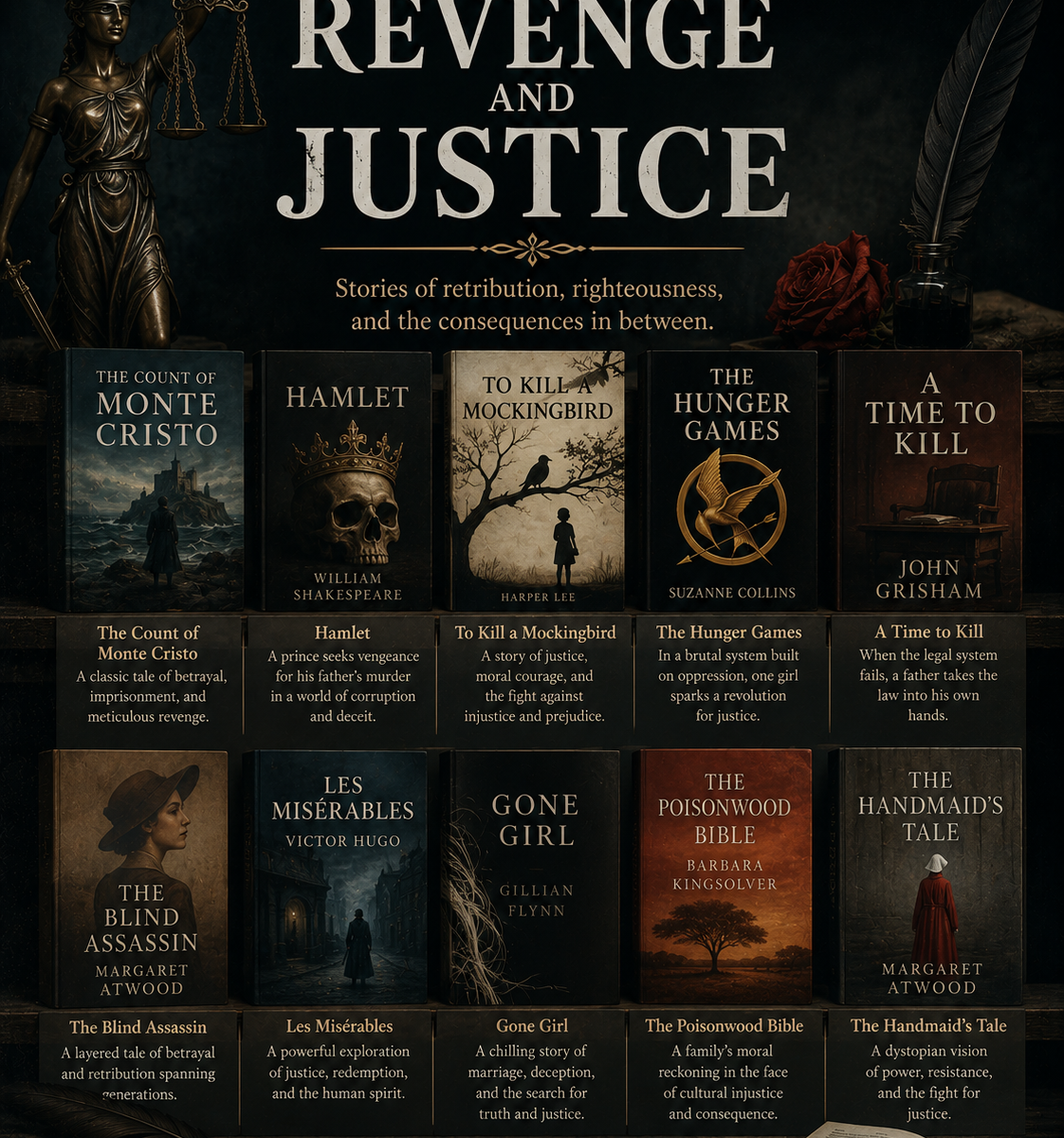
- Justice and revenge
- Resurrection
- Class conflict
- Family and loyalty
- How to study the themes
- FAQ
Why the themes in A Tale of Two Cities matter
Dickens uses theme to connect private lives with public violence.
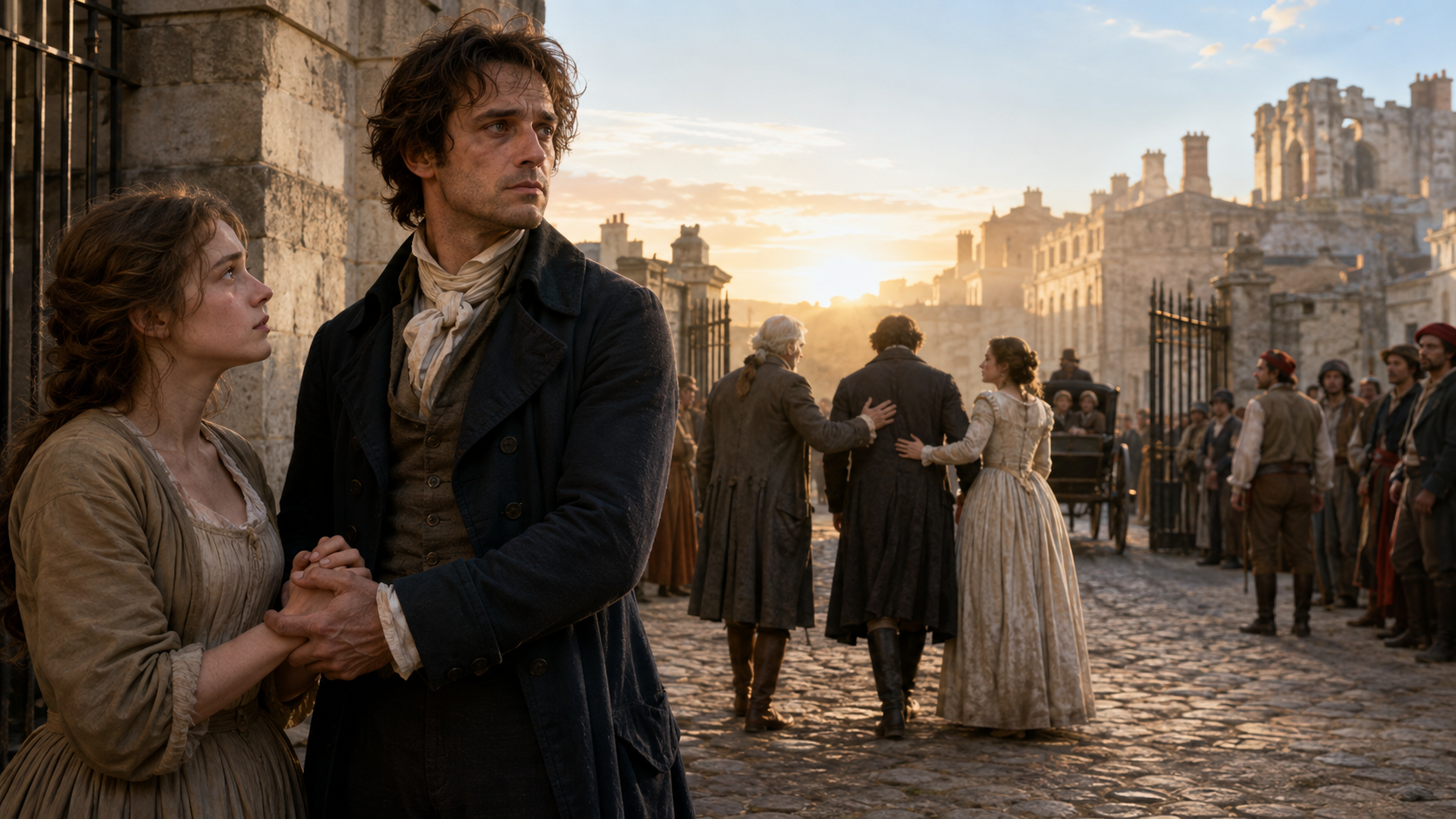
A Tale of Two Cities is set in London and Paris during the time of the French Revolution. The story moves between homes, courts, prisons, and streets full of fear.
The themes in A Tale of Two Cities show how history affects real people. Dickens does not treat revolution as a simple event. He shows both the need for change and the danger of hatred.
Students often find the plot complex at first. Theme gives you a path through it. Once you notice repeated ideas like sacrifice, resurrection, and revenge, the novel becomes clearer.
Sacrifice and the themes in A Tale of Two Cities
Sacrifice is one of the novel’s most powerful ideas.
Sydney Carton is the clearest example. At first, he seems wasted and careless. He believes his life has little value.
By the end, Carton gives his life so Charles Darnay can live. His choice is not just brave. It gives meaning to a life he thought was ruined.
This theme links to a common idea in literature: a broken person can still act with grace. In Les Misérables, Jean Valjean also changes through mercy and self-giving love.
One of the key themes in A Tale of Two Cities is that sacrifice can restore hope. Dickens does not say sacrifice erases pain. He shows that it can create a future for others.
Revolution and the themes in A Tale of Two Cities
The novel asks when revolution becomes justice, and when it becomes cruelty.
Dickens does not ignore the suffering of the people with low income in France. The aristocracy has abused its power for years. The people have real reasons to be angry.
Yet the Revolution soon turns violent. The oppressed become willing to destroy anyone linked to the old system. The guillotine becomes a symbol of fear, not freedom.
This is why the themes in A Tale of Two Cities are not simple. Dickens supports justice, but he warns against mob rage. When people lose mercy, even a noble cause can become brutal.
For more historical background, Britannica’s overview of the French Revolution gives helpful context for the world of the novel.
Justice, revenge, and moral blindness
Dickens draws a sharp line between justice and revenge.
Justice seeks what is right. Revenge seeks payback no matter the cost. In the novel, that difference matters.
Madame Defarge has suffered deeply. Her anger comes from real trauma. But her desire for revenge grows so strong that she no longer sees people as individuals.
Charles Darnay becomes a target because of his family name. He rejects his family’s cruelty, but the Revolution still judges him by blood. That is moral blindness.
Among the themes in A Tale of Two Cities, this one is especially useful for essays. Dickens shows that pain can explain revenge, but it does not make revenge right.

Resurrection and new life
Resurrection means a return from death, despair, or spiritual loss.
Dr. Manette is “recalled to life” after years in prison. He is alive, but he has lost much of himself. Love helps him return to the world.
Sydney Carton also connects to resurrection. His final act gives him moral rebirth. He does not escape death, but he gains purpose.
The novel’s first book is even called “Recalled to Life.” That phrase prepares readers for one of the deepest themes in A Tale of Two Cities. People can be damaged, but they are not always beyond repair.
This idea also appears in A Christmas Carol, another Dickens work. Scrooge is not physically dead, but he needs a new moral life.
Class conflict and social inequality
The novel shows what can happen when a society treats the poor as disposable.
The French aristocrats live with comfort while common people starve. The Marquis St. Evrémonde is cold and cruel. He sees the poor as beneath him.
Dickens uses this conflict to show why revolution becomes possible. A society built on arrogance cannot stay stable forever.
Still, Dickens does not praise violence as the answer. He shows that class abuse creates rage, and rage can destroy the innocent with the guilty.
That balance makes the themes in A Tale of Two Cities rich for AP Literature and college essays. The book can criticize oppression while also warning against hatred.
Family, loyalty, and love
Love gives many characters the strength to survive.
Lucie Manette is often seen as gentle, but her role matters. Her love helps restore her father after prison. She becomes a source of peace in a violent world.
Charles Darnay shows loyalty by rejecting his family’s corrupt past. He tries to live by a better moral code, even when history catches up with him.
Carton’s love for Lucie also changes him. He does not win her in a romantic sense. Instead, his love leads him toward selfless action.
In this way, the themes in A Tale of Two Cities connect personal love to social hope. Dickens suggests that history may be cruel, but human love can still matter.
Fate, history, and personal choice
The novel asks whether people are trapped by history or free to choose.
Many characters seem caught in forces larger than themselves. The Revolution, family guilt, prison, and public anger shape their lives.
Yet Dickens also shows the power of choice. Darnay chooses to reject his family’s values. Carton chooses sacrifice. Lucie chooses care and loyalty.
This makes the novel more hopeful than it first appears. People cannot control history, but they can control their moral response to it.
For author background, see Britannica’s entry on Charles Dickens.
How to study the themes in A Tale of Two Cities
The best way to study theme is to connect ideas to characters, scenes, and symbols.
Start with a repeated idea. Then ask where it appears and how it changes. For example, resurrection appears with Dr. Manette early in the novel and with Carton near the end.
If you need a simple method, read our guide on how to identify theme in literature. It can help you turn notes into a clear thesis.
When you write about the themes in A Tale of Two Cities, avoid vague claims like “the theme is love.” Try a fuller claim: “Dickens shows that love can restore people who have been damaged by violence and loss.”
Books that pair well with A Tale of Two Cities
These books can help students compare similar ideas across literature.
- Les Misérables by Victor Hugo
- Great Expectations by Charles Dickens
- Animal Farm by George Orwell
Each book explores power, justice, and moral choice in a different way. They are useful for comparison essays and class discussion.
FAQ about themes in A Tale of Two Cities
What is the main theme of A Tale of Two Cities?
The main theme is sacrifice. Sydney Carton’s final choice shows how love and selflessness can give life meaning.
What does resurrection mean in the novel?
Resurrection means return or renewal. Dr. Manette returns from prison, while Carton finds moral renewal through sacrifice.
How does Dickens show the danger of revenge?
He shows revenge through Madame Defarge and the Revolution’s violence. Revenge turns justice into cruelty when mercy disappears.
Why is class conflict important?
Class conflict explains why the Revolution begins. Dickens shows that a society with deep injustice can create deep anger.
Is A Tale of Two Cities against revolution?
Not exactly. Dickens understands why people revolt, but he warns that revolution without mercy can become another form of tyranny.
Key takeaway
The themes in A Tale of Two Cities show a world shaped by injustice, but not defeated by it. Dickens argues that sacrifice, mercy, and love can still create hope in violent times.