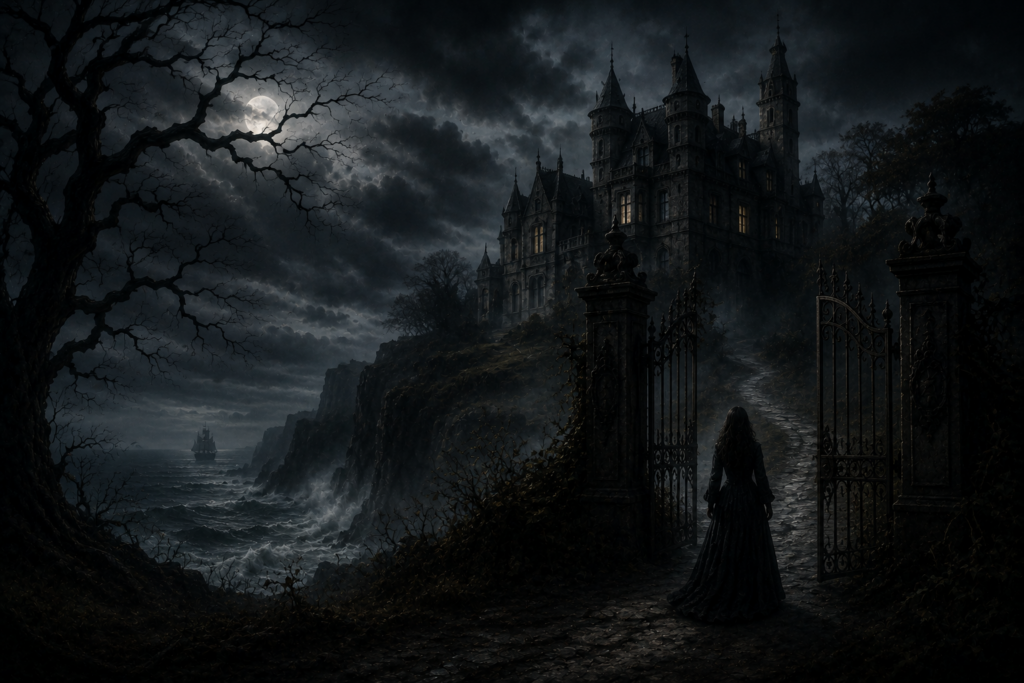
Famous Bildungsroman Novels Explained

Bildungsroman Novels

Famous Bildungsroman Novels Explained helps you understand one of the most important story types in literature: the coming-of-age novel. These books follow young people as they grow, make hard choices, and learn what kind of person they want to become.

If you are choosing a book for class, AP Lit, or your own reading list, this guide will help you find the right one.

In this Guide

  • What a bildungsroman is
  • Why these novels matter
  • Famous Bildungsroman Novels Explained through key examples
  • How students can choose the best book
  • Recommended books to read next
  • FAQ
Bildungsroman Novels

What Is a Bildungsroman?

A bildungsroman is a novel about a character’s growth from youth toward maturity.

The word comes from German. It often means a “novel of education” or “novel of formation.” You can read a fuller definition in Britannica’s overview of bildungsroman fiction.

These stories usually focus on identity, family, school, work, love, class, or moral choice. The main character often starts unsure of who they are. By the end, they understand more about the world and themselves.

That is why Famous Bildungsroman Novels Explained is such a useful topic for students. Once you know the pattern, many classic novels become easier to read.

Why Famous Bildungsroman Novels Explained Matters for Students

Coming-of-age novels are common in high school and college courses because they deal with real human change.

Teachers often assign these books because they show conflict between the self and society. A young person wants freedom, but the world pushes back. That tension creates strong themes for essays.

When you study Famous Bildungsroman Novels Explained, pay attention to what the main character learns. Ask what they lose, what they gain, and whether their growth feels hopeful or painful.

If you want a stronger way to study these books, this guide on how to read literature like a scholar can help you notice symbols, patterns, and deeper meanings.

Famous Bildungsroman Novels Explained: 10 Classics to Know

These novels are famous because they show growth in clear, powerful ways.

1. Jane Eyre by Charlotte Brontë

Jane Eyre follows an orphan girl who grows into a strong, independent woman. Jane faces cruelty, poverty, love, and moral pressure.

This book fits the bildungsroman form because Jane must decide what kind of life matches her values. Her growth is not only about romance. It is about self-respect.

Choose this if you like Gothic settings, strong emotions, and a main character with a clear moral voice.

2. Great Expectations by Charles Dickens

Great Expectations tells the story of Pip, a poor boy who dreams of becoming a gentleman. He believes wealth and status will make him better.

Pip’s journey makes this one of the best examples in Famous Bildungsroman Novels Explained. He learns that social rank does not equal goodness.

This is a smart choice for students who want to write about class, shame, guilt, and ambition.

3. The Catcher in the Rye by J. D. Salinger

Holden Caulfield is angry, lonely, and scared of adulthood. He calls many people “phony,” but he also struggles to face his own pain.

This novel fits because Holden stands at the edge of growing up. He does not fully mature by the end, but he starts to reveal why he is so hurt.

Pick this if you want a short, voice-driven novel that works well for essays about alienation.

4. To Kill a Mockingbird by Harper Lee

Scout Finch grows up in a small Southern town during a time of deep racism and injustice. Her father, Atticus, teaches her to think with courage and compassion.

The novel fits the bildungsroman form because Scout’s view of the world changes. She learns that people can be kind, cruel, brave, and weak.

This is a strong choice for readers who want a coming-of-age story tied to law, race, and moral courage.

5. A Portrait of the Artist as a Young Man by James Joyce

Stephen Dedalus grows from a sensitive child into a young artist. He struggles with religion, family pressure, and the need to create his own path.

This is one of the more challenging books in Famous Bildungsroman Novels Explained. The style changes as Stephen grows, so the form of the novel reflects his mind.

Choose this if you want a harder literary text and you enjoy close reading.

6. Little Women by Louisa May Alcott

Little Women follows the March sisters as they move from childhood into adult life. Each sister faces a different kind of growth.

Jo March is often the center of the coming-of-age story. She wants freedom, creative work, and a life that feels true to her nature.

This book is a good choice if you want warmth, family conflict, and questions about gender roles.

7. The House on Mango Street by Sandra Cisneros

Esperanza Cordero grows up in a Chicago neighborhood and dreams of a home of her own. The book is told in short vignettes.

It fits the bildungsroman form because Esperanza learns how place, gender, and culture shape her life. She wants to leave, but she also feels tied to her community.

This is a great pick for students who want a shorter book with rich language and strong themes.

8. Their Eyes Were Watching God by Zora Neale Hurston

Janie Crawford searches for love, voice, and selfhood. Her growth comes through relationships, loss, and hard-won freedom.

This novel belongs in Famous Bildungsroman Novels Explained because Janie’s maturity depends on claiming her own story. She learns to speak for herself.

Choose this if you want a beautiful novel about voice, identity, and independence.

9. David Copperfield by Charles Dickens

David Copperfield grows from a mistreated child into a writer. His life includes hardship, friendship, work, and personal failure.

The novel fits the form because David looks back on his life and tries to understand how each stage shaped him.

This is a longer read, but it is useful for students who want a classic example of the full bildungsroman arc.

10. The Perks of Being a Wallflower by Stephen Chbosky

Charlie enters high school while dealing with grief and trauma. Through letters, he tells the story of friendship, fear, and healing.

This modern novel fits because Charlie learns to face memories he has tried to avoid. His growth feels quiet but serious.

Pick this if you want a more recent coming-of-age story with a direct emotional style.

image-slider-with-thumbnail1.jpeg
PlayPause
previous arrow
next arrow
image-slider-with-thumbnail1.jpeg
image-slider-with-thumbnail3.jpeg
image-slider-with-thumbnail4.jpeg
ChatGPT Image Jun 27, 2026, 06_33_13 PM
ChatGPT Image Jun 27, 2026, 06_36_37 PM
ChatGPT Image Jun 27, 2026, 06_38_39 PM
ChatGPT Image Jun 27, 2026, 06_31_22 PM
image-slider-with-thumbnail7.jpeg
ChatGPT Image Jun 27, 2026, 06_29_43 PM
ChatGPT Image Jun 27, 2026, 06_27_44 PM
image-slider-with-thumbnail6.jpeg
ChatGPT Image Jun 27, 2026, 06_15_07 PM
image-slider-with-thumbnail5.jpeg
ChatGPT Image Jun 27, 2026, 06_22_43 PM
ChatGPT Image Jun 27, 2026, 06_25_37 PM
ChatGPT Image Jun 27, 2026, 06_19_43 PM
ChatGPT Image Jun 27, 2026, 06_12_00 PM
ChatGPT Image Jun 27, 2026, 06_08_50 PM
ChatGPT Image Jun 26, 2026, 04_54_23 PM
ChatGPT Image Jun 27, 2026, 05_53_51 PM
ChatGPT Image Jun 28, 2026, 08_35_55 AM
previous arrow
next arrow

Famous Bildungsroman Novels Explained by Theme

The best way to compare these books is to look at what kind of growth the character faces.

Social growth appears in novels like Great Expectations and To Kill a Mockingbird. Characters learn how class, race, and power shape the world around them.

Inner growth is central to books like Jane Eyre and The Catcher in the Rye. These characters must understand fear, pride, grief, or self-worth.

Artistic growth drives A Portrait of the Artist as a Young Man. Stephen wants to become an artist, but he must break away from forces that limit him.

This is why Famous Bildungsroman Novels Explained works well as an essay topic. You can compare not just what characters do, but how they change.

How to Choose a Bildungsroman for Class or Personal Reading

Start with the kind of story you enjoy.

If you like strong heroines, read Jane Eyre or Little Women. If you want a shorter modern text, try The House on Mango Street or The Perks of Being a Wallflower.

If your teacher wants a classic with major literary history, choose Great Expectations, David Copperfield, or A Portrait of the Artist as a Young Man.

For AP Literature, pick a novel with rich themes and complex growth. Jane Eyre, Their Eyes Were Watching God, and Great Expectations are especially useful.

As you read, track moments when the character changes their mind. Those moments often lead to the strongest essay claims.

Famous Bildungsroman Novels Explained for Essay Writing

These novels give students clear material for literary analysis.

A strong essay can focus on the turning point in the character’s growth. For example, Pip in Great Expectations must face the truth about his dreams of status.

You can also write about setting. In The House on Mango Street, Esperanza’s neighborhood shapes how she sees herself and what she wants to escape.

Symbolism matters too. In Jane Eyre, homes often reflect Jane’s stage of life and sense of belonging.

For a deeper reading method, use these literature reading strategies while you take notes.

Books to Consider Buying

These editions are useful for students and literature lovers who want to build a strong reading list.

  • Jane Eyre by Charlotte Brontë
  • Great Expectations by Charles Dickens

Both books are classic examples in Famous Bildungsroman Novels Explained. They also appear often in school courses and essay prompts.

FAQ: Famous Bildungsroman Novels Explained

What does bildungsroman mean?

A bildungsroman is a coming-of-age novel. It follows a young character as they grow in mind, values, or identity.

What is the most famous bildungsroman?

Great Expectations and Jane Eyre are two of the most famous examples. Both show a young person shaped by hardship and choice.

Is every coming-of-age story a bildungsroman?

Not always. A bildungsroman usually focuses deeply on moral, social, or personal growth, not just age or time passing.

Which bildungsroman is best for AP Literature?

Jane Eyre, Great Expectations, and Their Eyes Were Watching God are strong choices because they offer complex themes and character growth.

Why do teachers assign bildungsroman novels?

Teachers assign them because they help students study identity, conflict, society, and change. These themes work well for literary essays.

Key Takeaway

Famous Bildungsroman Novels Explained shows that growing up in literature is rarely simple. The best coming-of-age novels reveal how people change when they face pressure, pain, and truth.

What Is a Bildungsroman?

bildungsroman

If you have ever read a story about a young person who grows up, makes hard choices, and learns who they are, you may have read a bildungsroman. So, What Is a Bildungsroman? It is one of the most common and useful story types in literature.

This guide explains the term in simple language, shows why it matters, and gives examples you may know from class.

In this Guide

bildungsroman

What Is a Bildungsroman? Simple Definition

A bildungsroman is a story about personal growth from youth toward maturity.

The word comes from German. “Bildung” means education or formation, and “roman” means novel. A bildungsroman is often called a coming-of-age novel.

The short answer to What Is a Bildungsroman? is this: it is a novel that follows a character as they grow, learn, and change. The change is not just about age. It is about how the character sees the world.

In many bildungsroman stories, the main character starts with a limited view of life. By the end, they understand more about themselves and their place in society.

What Is a Bildungsroman? Key Traits to Notice

Most bildungsroman novels share a few clear patterns.

When a teacher asks, What Is a Bildungsroman?, they often want you to look for growth over time. The main character usually faces pressure from family, school, class, or society.

A bildungsroman often includes a young main character who feels out of place. That character may struggle with rules, unfair treatment, or a painful truth.

The story also tends to include a turning point. This moment forces the character to see life in a new way.

By the end, the character may not become happy or successful. But they usually gain self-knowledge. That inner change is what matters most.

What Is a Bildungsroman? Why It Matters in Literature

This story type helps readers track how people change under pressure.

The question What Is a Bildungsroman? matters because many major novels use this form. It gives writers a way to explore identity, class, race, gender, and belief without turning the story into a lecture.

For students, the bildungsroman is useful because it connects plot to character development. You can ask, “What did the character believe at the start?” Then ask, “What do they understand by the end?”

This can help with essays, class talks, and close reading. If you want a broader method for studying fiction, see this guide on how to read literature with a scholar’s eye.

Famous Bildungsroman Examples

Some of the most studied novels in English fit this pattern.

Jane Eyre by Charlotte Brontë is a classic bildungsroman. Jane begins as an orphan with little power. As the novel moves forward, she learns to defend her dignity and choose her own path.

Great Expectations by Charles Dickens also fits the form. Pip grows up with dreams of becoming a gentleman. His journey teaches him painful lessons about pride, love, and social class.

To Kill a Mockingbird by Harper Lee can be read as a bildungsroman, too. Scout Finch learns that the adult world can be unfair and cruel. Her growth comes from seeing people with more depth.

The Catcher in the Rye by J.D. Salinger is another common example. Holden Caulfield resists adulthood, but his voice shows fear, grief, and confusion beneath his anger.

If you ask What Is a Bildungsroman? while you read these books, focus on the character’s inner shift. The plot matters, but the growth matters more.

image-slider-with-thumbnail1.jpeg
PlayPause
previous arrow
next arrow
image-slider-with-thumbnail1.jpeg
image-slider-with-thumbnail3.jpeg
image-slider-with-thumbnail4.jpeg
ChatGPT Image Jun 27, 2026, 06_33_13 PM
ChatGPT Image Jun 27, 2026, 06_36_37 PM
ChatGPT Image Jun 27, 2026, 06_38_39 PM
ChatGPT Image Jun 27, 2026, 06_31_22 PM
image-slider-with-thumbnail7.jpeg
ChatGPT Image Jun 27, 2026, 06_29_43 PM
ChatGPT Image Jun 27, 2026, 06_27_44 PM
image-slider-with-thumbnail6.jpeg
ChatGPT Image Jun 27, 2026, 06_15_07 PM
image-slider-with-thumbnail5.jpeg
ChatGPT Image Jun 27, 2026, 06_22_43 PM
ChatGPT Image Jun 27, 2026, 06_25_37 PM
ChatGPT Image Jun 27, 2026, 06_19_43 PM
ChatGPT Image Jun 27, 2026, 06_12_00 PM
ChatGPT Image Jun 27, 2026, 06_08_50 PM
ChatGPT Image Jun 26, 2026, 04_54_23 PM
ChatGPT Image Jun 27, 2026, 05_53_51 PM
ChatGPT Image Jun 28, 2026, 08_35_55 AM
previous arrow
next arrow

How to Read a Bildungsroman

A good reading strategy is to track change from the first chapter to the last.

Start by asking what the main character wants. Then watch how that desire changes after conflict or loss.

Notice who teaches the character, even if the lesson is harsh. A parent, friend, rival, or stranger can shape the main character’s growth.

You can also mark scenes where the character feels shame, anger, or doubt. These moments often reveal the deepest part of the bildungsroman.

For more help with literary analysis, this article on reading literature like a scholar gives simple tools you can use with almost any novel.

Books to Read Next

These books are strong choices if you want to see the bildungsroman in action.

  • Jane Eyre by Charlotte Brontë
  • Great Expectations by Charles Dickens

You can also read more about the term through Britannica’s entry on bildungsroman. For a free public-domain text, visit Project Gutenberg’s edition of Great Expectations.

FAQ: What Is a Bildungsroman?

What Is a Bildungsroman?

A bildungsroman is a novel about a character’s growth from youth toward maturity. It often focuses on identity, self-knowledge, and life lessons.

Is every coming-of-age story a bildungsroman?

Not always. A coming-of-age story may cover one key moment, while a bildungsroman often follows deeper growth over a longer span.

What is the main goal of a bildungsroman?

The main goal is to show how a character changes. The focus is not just what happens, but what the character learns.

Can a bildungsroman have a sad ending?

Yes. The ending does not need to be happy. The character may still gain insight, even after pain or failure.

Key Takeaway

What Is a Bildungsroman? It is a growth story that shows how a character becomes more aware of the world and themselves. When you read one, look for the moments that change how the character thinks, chooses, and sees life.

Romanticism vs Realism Explained

Romanticism vs Realism

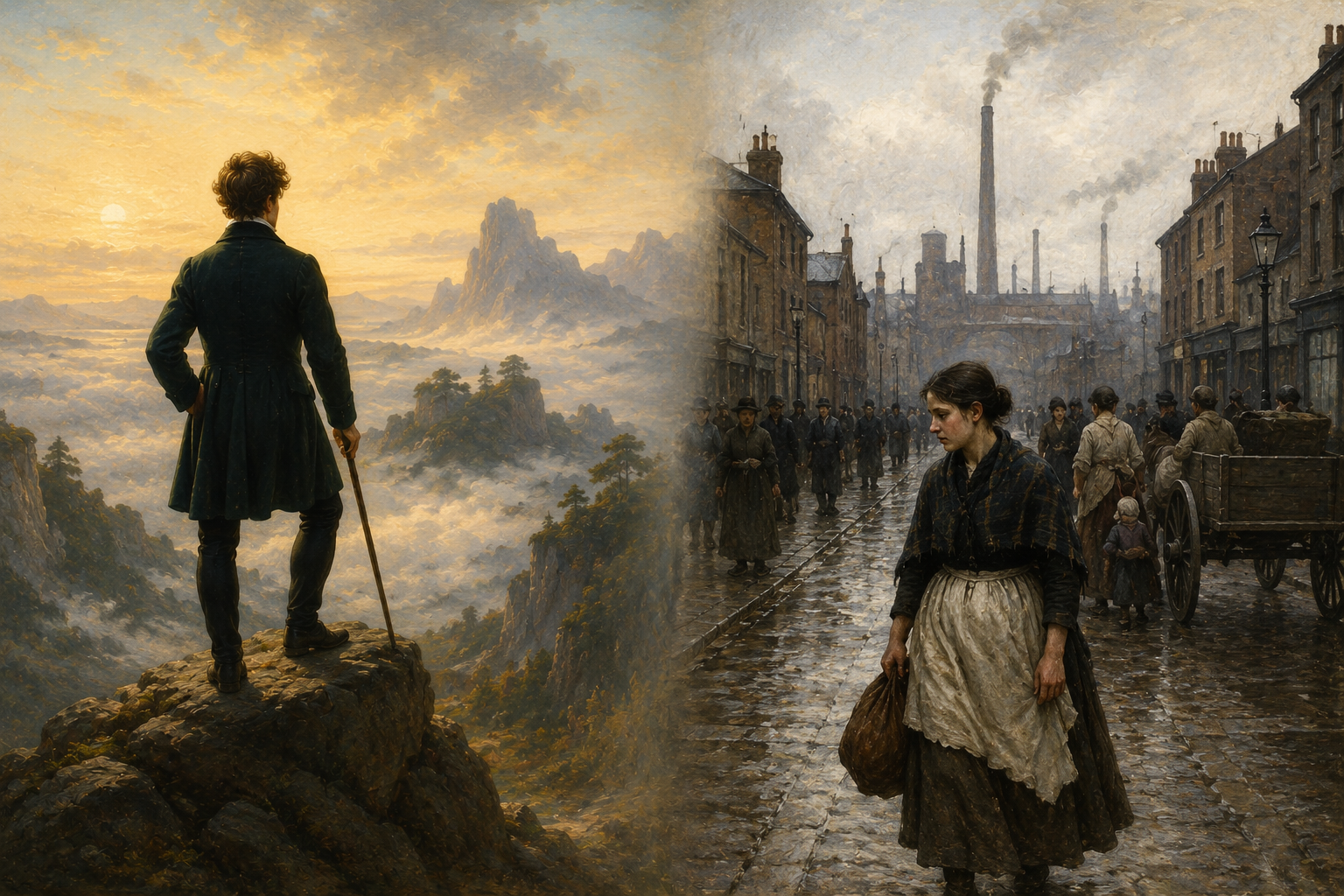
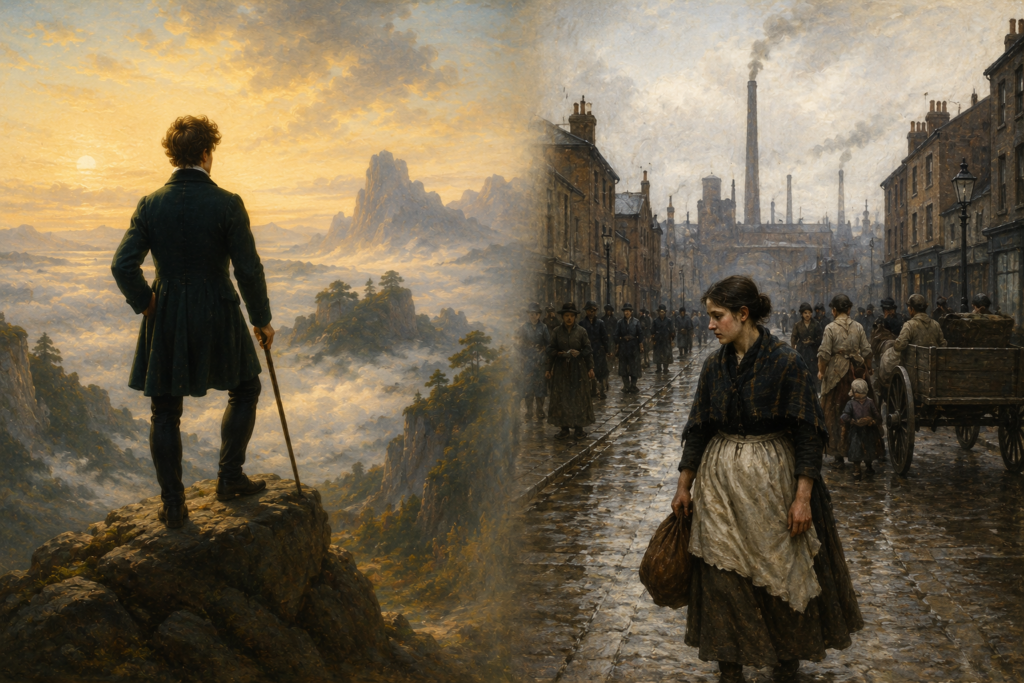
If you have ever mixed up Romanticism and Realism, you are not alone. Romanticism vs Realism Explained can help you spot what a writer values, how a story works, and what kind of world the text wants you to see.

This guide breaks the difference down in plain language, with clear examples from famous literature.

In this Guide

  • The simple difference between the two movements
  • What Romanticism values
  • What Realism values
  • Major themes to compare
  • Examples from literature
  • How to use the difference in analysis
  • Common mistakes to avoid
  • Suggested books
  • FAQ
Romanticism vs Realism

Romanticism vs Realism Explained: The Simple Difference

Romanticism focuses on emotion, imagination, nature, and the inner life.

Realism focuses on ordinary life, social problems, believable people, and the world as it is.

At its heart, Romanticism vs Realism Explained means this: Romantic writers often ask, “What does the soul feel?” Realist writers often ask, “What is life really like?”

Romanticism tends to lift life into something intense or mysterious. Realism tends to pull life back down to daily choices, money, work, class, family pressure, and moral limits.

What Romanticism Values

Romanticism began as a reaction against strict reason and social control.

Romantic writers believed that deep feeling could reveal truth. They often valued the individual, especially the person who feels trapped by society.

Nature also matters a lot in Romantic writing. A mountain, storm, forest, or lake can reflect a character’s mind.

In Mary Shelley’s Frankenstein, Victor’s ambition feels larger than normal life. The novel explores mystery, fear, creation, guilt, and isolation. Those are all strong Romantic concerns.

Romantic poetry gives clear examples too. William Wordsworth often treats nature as a source of wisdom. Percy Bysshe Shelley and John Keats use beauty, imagination, and longing to explore human experience.

For a useful overview of the movement, see the Poetry Foundation’s page on Romanticism.

What Realism Values

Realism grew stronger in the 1800s as writers turned toward everyday life.

Realist writers often show people dealing with money, marriage, work, class, and social rules. Their characters may dream, but the world usually pushes back.

Realism does not mean boring. It means the writer tries to make events feel possible and human.

In Gustave Flaubert’s Madame Bovary, Emma wants a grand romantic life. But the novel shows how fantasy, debt, and social pressure shape her choices.

George Eliot’s Middlemarch also fits Realism. It studies marriage, ambition, politics, and moral growth in a small English town.

Britannica offers helpful background on Realism as a wider artistic movement.

Romanticism vs Realism Explained Through Major Themes

The two movements often treat the same topics in very different ways.

Love is a good example. In Romanticism, love may feel powerful, spiritual, or tragic. In Realism, love is often tied to money, status, family approval, and daily habits.

Nature also changes meaning. Romantic writers often see nature as alive with feeling. Realist writers may use nature as setting, but they usually focus more on human society.

The hero is different too. Romantic heroes can seem lonely, intense, gifted, or misunderstood. Realist characters tend to feel more ordinary, with flaws that come from real social life.

When you use Romanticism vs Realism Explained in class, ask what the text seems to trust more: inner feeling or outer reality.

Romanticism vs Realism Explained with Literature Examples

Examples make the difference much easier to see.

In Frankenstein, the story is full of wild landscapes, emotional extremes, and questions about the limits of human power. Victor does not just make a scientific mistake. He crosses a moral and spiritual line.

That is why Romanticism vs Realism Explained helps with Shelley’s novel. The book cares about imagination, fear, ambition, and the hidden cost of desire.

Now compare that with Madame Bovary. Emma also wants a life full of passion and beauty. But Flaubert shows how her dreams clash with ordinary life.

The Realist style makes Emma’s world feel sharp and specific. Her choices have social and financial costs. The novel does not rescue her with fantasy.

You can also compare Romantic poetry with Realist fiction. Wordsworth may turn a walk in nature into a moment of spiritual insight. Eliot may turn a dinner conversation into a study of class, pride, and moral weakness.

How to Use Romanticism vs Realism Explained in Essays

The best analysis does more than label a text.

Do not just write, “This work is Romantic” or “This work is Realist.” Explain how the style shapes meaning.

For Romanticism, look for intense emotion, symbolic nature, mystery, rebellion, and the power of the imagination.

For Realism, look for social detail, believable dialogue, ordinary settings, and pressure from money or class.

A strong essay might say: “Shelley uses Romantic elements to show that Victor’s imagination is both powerful and dangerous.”

A Realist analysis might say: “Flaubert uses detailed social scenes to show that Emma’s fantasies cannot survive the limits of her real world.”

If you want a deeper way to build literary arguments, read how to read literature like a scholar.

Common Mistakes Students Make

One common mistake is thinking Romanticism only means love stories.

In literature, Romanticism is much wider than romance. It deals with emotion, nature, imagination, freedom, and the self.

Another mistake is thinking Realism has no emotion.

Realist novels can be deeply emotional. The difference is that emotion appears inside a believable social world.

Students also sometimes treat movements as strict boxes. Many works mix styles. A novel can have Romantic themes and Realist details.

That is why Romanticism vs Realism Explained works best as a tool, not a rulebook.

Suggested Books to Read

These books are useful if you want to see the contrast for yourself. You can search for them on Amazon, at a local bookstore, or through your library.

  • Frankenstein by Mary Shelley
  • Madame Bovary by Gustave Flaubert

Frankenstein is a strong Romantic text because it explores ambition, nature, terror, and isolation.

Madame Bovary is a strong Realist text because it studies social pressure, desire, debt, and disappointment in daily life.

FAQ: Romanticism vs Realism Explained

What is the main difference between Romanticism and Realism?

Romanticism focuses on emotion, imagination, and the inner life. Realism focuses on ordinary life, social detail, and believable experience.

Is Romanticism only about love?

No. Romanticism can include love, but it also explores nature, freedom, mystery, rebellion, and the power of feeling.

Is Realism the same as being depressing?

No. Realism can be sad, funny, sharp, or hopeful. Its main goal is to show life in a believable way.

Can one book be both Romantic and Realist?

Yes. Many works mix elements. A novel may use Romantic emotion while also showing Realist social detail.

Key Takeaway

Romanticism vs Realism Explained comes down to focus: Romanticism looks inward toward feeling and imagination, while Realism looks outward toward society and daily life. Use that difference to explain how a text creates meaning, not just to name its style.
Southern Gothic Literature Explained

Southern Gothic Literature

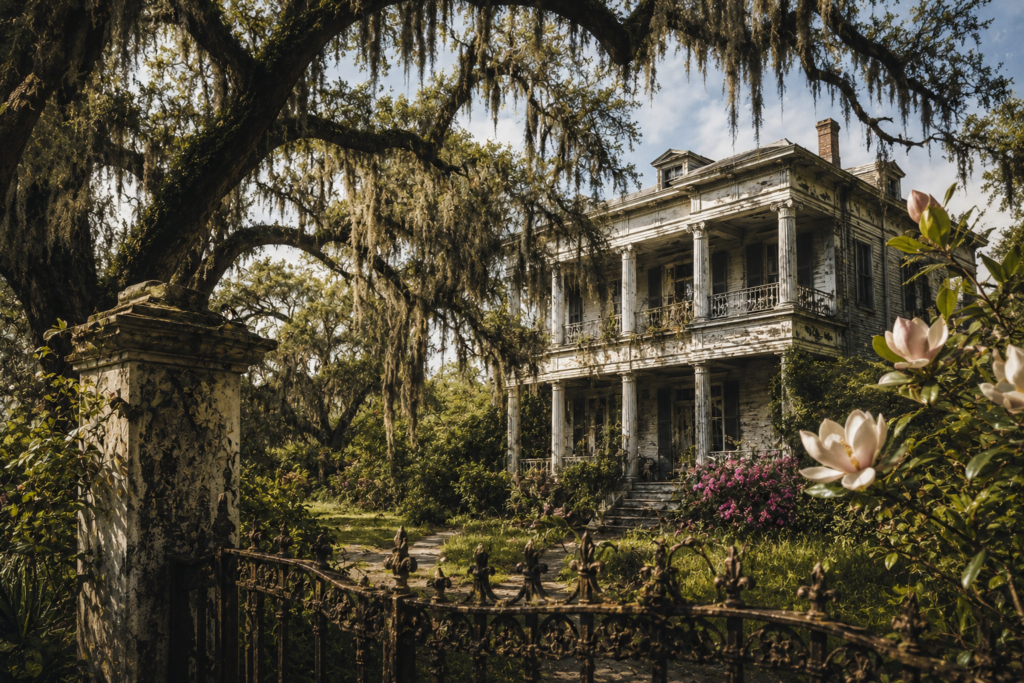
Southern Gothic Literature Explained starts with one big idea: the South in these stories is haunted by its past. This genre uses strange events, broken families, old houses, and moral tension to show deeper truths about guilt, race, class, and fear.

If you have ever read a story that feels creepy but also serious, you may already know the mood of Southern Gothic literature.

In this Guide

  • What Southern Gothic literature means
  • Where the genre came from
  • Key traits to look for
  • Famous Southern Gothic examples
  • How to analyze Southern Gothic in essays
  • Book suggestions
  • FAQ
Southern Gothic Literature

Southern Gothic Literature Explained: What Does It Mean?

Southern Gothic is a type of literature set in the American South that mixes dark settings with serious social problems.

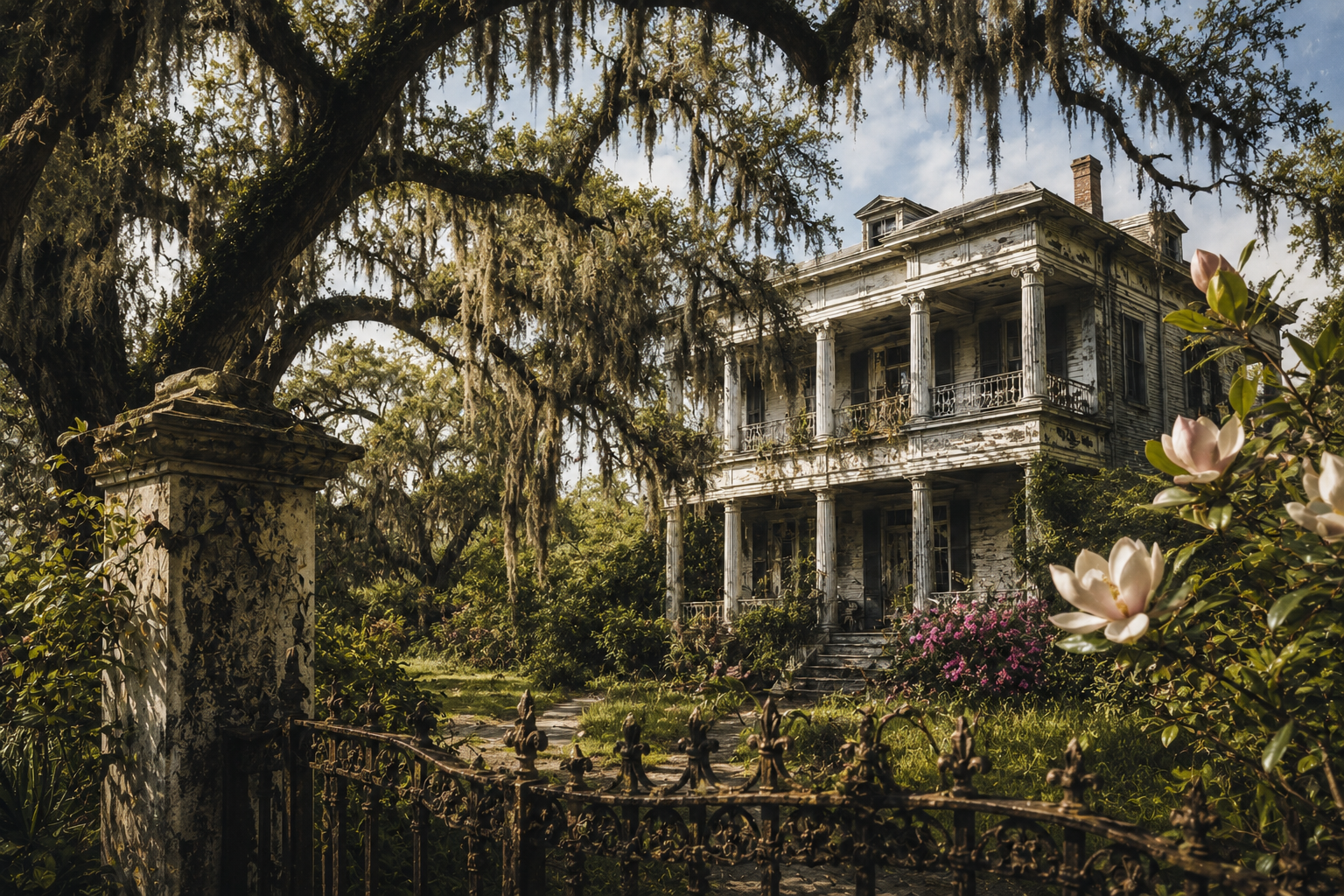
The word “Gothic” often makes people think of castles, ghosts, and fear. Southern Gothic changes that setting. Instead of old European castles, we often get decaying mansions, small towns, farms, and dusty roads.

Southern Gothic Literature Explained in simple terms means this: writers use strange or disturbing details to reveal what people try to hide.

These stories may include violence, family secrets, racism, poverty, or religious pressure. The weird parts are not just there to shock the reader. They help expose a broken world.

Southern Gothic Literature Explained Through Its History

The genre grew from older Gothic fiction, but it has its own Southern voice.

Classic Gothic novels, such as Frankenstein by Mary Shelley, often focus on fear, isolation, and human limits. You can learn more about the roots of the Gothic tradition from Britannica’s guide to the Gothic novel.

Southern Gothic writers took that dark style and placed it in a region marked by slavery, the Civil War, segregation, and deep social conflict.

This is why Southern Gothic Literature Explained cannot stop at “creepy stories.” The genre asks readers to face history, especially the parts people would rather forget.

Key Features of Southern Gothic Literature Explained

Most Southern Gothic stories share a dark mood, but each writer uses the style in a different way.

Here are some common signs of the genre:

  • A decaying setting: Old homes, ruined towns, or worn-out farms often show moral decay.
  • Flawed characters: People may act proud, cruel, desperate, or deeply confused.
  • Family secrets: Hidden guilt often shapes the plot.
  • Social pressure: Race, class, religion, and gender roles affect how characters live.
  • Grotesque details: Strange bodies, odd behavior, or shocking scenes reveal inner truth.

In Southern Gothic Literature Explained, the word grotesque matters. It does not just mean ugly. It means something strange that forces readers to look harder.

A grotesque character may seem strange at first, but that character often reveals what is wrong with the society around them.

Southern Gothic Literature Explained with Famous Examples

Examples help the genre become much easier to see.

William Faulkner is one of the most important Southern Gothic writers. His short story “A Rose for Emily” follows a lonely woman in a town that watches her life with judgment and fear.

The old house in the story is more than a setting. It shows the weight of the past. The shocking ending reveals how isolation and denial can twist a person’s life.

You can read more about Faulkner’s life and work through Britannica’s William Faulkner biography.

Flannery O’Connor also shaped the genre. In “A Good Man Is Hard to Find,” a family trip turns violent after the characters meet a criminal called The Misfit.

The story feels disturbing, but it is also deeply moral. O’Connor uses fear to ask hard questions about grace, pride, and belief.

Harper Lee’s To Kill a Mockingbird is not always labeled as pure Southern Gothic, but it shares many traits. The setting, racial injustice, and mysterious figure of Boo Radley all connect to the genre.

Southern Gothic Literature Explained through these works shows that the genre is not only about horror. It is about truth hidden under fear.

Why the Setting Matters So Much

In this genre, place is never just background.

The American South often feels like a character in the story. Weather, buildings, roads, churches, and town gossip all shape the mood.

A decayed mansion may stand for a family that cannot let go of old power. A small town may show how public judgment traps people. A lonely road may suggest danger or moral confusion.

Southern Gothic Literature Explained through setting helps students see how authors build meaning without saying everything directly.

When you read, ask: What does this place reveal about the people who live there?

How Southern Gothic Characters Work

Southern Gothic characters often feel extreme, but they still seem human.

They may be lonely, proud, violent, trapped, or full of guilt. Many of them want respect, love, safety, or control.

The genre often shows people under pressure. That pressure may come from family history, unfair laws, poverty, or shame.
In “A Rose for Emily,” Miss Emily is not only strange. She is also shaped by control, loss, and a town that treats her like a symbol.

In Southern Gothic Literature Explained, strong character analysis means you do not stop at “this person is weird.” You ask what made them that way.

Southern Gothic Literature Explained for Essay Analysis

This genre gives students strong material for essays because it connects style to meaning.

When you write about Southern Gothic, focus on how the dark details support the author’s message. Do not just point out creepy scenes. Explain why they matter.

For example, if a house is falling apart, ask what else is falling apart. Is it a family? A moral code? A social system?

If a character seems grotesque, ask what truth that character reveals. The best essays move from detail to meaning.

You can build this skill by learning how strong readers notice patterns. For more help, read our guide on how to read literature like a scholar.

Common Essay Topics for Southern Gothic Literature Explained

Students often write about Southern Gothic because it works well with theme, setting, and symbolism.

Here are useful essay angles:

  • How setting reveals decay
  • How secrets shape a family or town
  • How violence exposes social problems
  • How religion affects guilt or judgment
  • How the past controls the present

A strong thesis should name the literary choice and explain its purpose.

Weak thesis: “The story is Southern Gothic because it is creepy.”

Stronger thesis: “In ‘A Rose for Emily,’ Faulkner uses the decaying house to show how the town and Miss Emily remain trapped by the past.”

That second thesis gives you something clear to prove.

How to Read Southern Gothic Without Getting Lost

Southern Gothic stories can feel strange at first, but that is part of the design.

Start by tracking what feels wrong. A character may act oddly. A house may seem too quiet. A town may hide cruelty behind polite manners.

Then ask what the author wants you to notice. The strange detail usually points to a larger problem.

Southern Gothic Literature Explained as a reading tool can help you slow down and notice symbols, tone, and theme. That skill helps in class talks, AP Lit essays, and college papers.

If you want a broader method, this guide on reading literature with a scholar’s eye can help you connect details to deeper ideas.

If you want to understand the genre better, these books are strong places to start.

  • A Rose for Emily and Other Stories by William Faulkner
  • A Good Man Is Hard to Find and Other Stories by Flannery O’Connor
  • Wise Blood by Flannery O’Connor

These texts show how Southern Gothic can be eerie, funny, harsh, and deeply thoughtful.

FAQ: Southern Gothic Literature Explained

What is Southern Gothic literature in simple words?

Southern Gothic literature is a dark style of writing set in the American South. It uses strange characters, tense settings, and hidden secrets to explore serious social issues.

Is Southern Gothic the same as horror?

No. Southern Gothic may feel scary, but it is not only meant to frighten readers. Its main goal is to reveal truth about people, history, and society.

What is a famous example of Southern Gothic literature?

“A Rose for Emily” by William Faulkner is one of the most famous examples. It uses an old house, town gossip, and a shocking secret to explore the power of the past.

Why do teachers assign Southern Gothic stories?

Teachers assign them because they are rich in symbolism, theme, tone, and character analysis. They also help students think about history and moral conflict.

What should I look for when reading Southern Gothic?

Look for decay, secrets, social pressure, strange behavior, and symbols tied to the past. Then ask how those details support the story’s deeper meaning.

Key Takeaway

Southern Gothic Literature Explained comes down to this: the genre uses darkness to uncover truth. When you study its strange settings and troubled characters, you learn how literature can expose what a culture tries to hide.

What Makes a Story Gothic?

gothic story
gothic story

If you have ever read a story with a haunted house, a dark secret, or a character who feels trapped, you may have met Gothic literature. What Makes a Story Gothic? comes down to mood, fear, mystery, and the way a story turns inner pain into something you can almost see.

Gothic stories are not just “scary stories.” They use fear to explore guilt, power, family secrets, desire, and the darker parts of human nature.

In this Guide

What Makes a Story Gothic?

A Gothic story creates fear through mood, place, secrets, and emotional pressure.

So, What Makes a Story Gothic? It is not just ghosts or castles. A Gothic story often makes readers feel that something is wrong before they know why.

The fear may come from a monster, like in Frankenstein. It may come from a house, like in “The Fall of the House of Usher.” It may even come from a person’s own mind.

Gothic fiction often asks a simple but deep question: What happens when hidden fears come to the surface?

What Makes a Story Gothic? The Setting Matters

Gothic settings feel unsafe, old, strange, or full of secrets.

Many Gothic stories take place in castles, mansions, abbeys, graveyards, or isolated towns. These places often feel like characters themselves. They seem to watch, trap, or warn the people inside them.

In Charlotte Brontë’s Jane Eyre, Thornfield Hall is not just a large house. It holds a secret that shapes the whole plot. The locked rooms and strange sounds create fear before Jane learns the truth.

Weather also matters. Storms, fog, darkness, and cold winds help build a sense of danger. The setting tells readers, “Something is not right here.”

What Makes a Story Gothic? The Characters Feel Trapped

Gothic characters often face fear from the outside and from within.

A Gothic hero or heroine may feel alone, watched, or powerless. They may live under someone else’s control. They may not trust what they see or hear.

In Bram Stoker’s Dracula, the Count is both charming and dangerous. He shows how Gothic villains often blur the line between attraction and threat.

Victor Frankenstein is another strong example. He creates life, then fears what he has made. His real horror comes from guilt, pride, and loss.

This is a big part of What Makes a Story Gothic? The danger is not only outside the character. It also grows inside the heart or mind.

Major Themes in Gothic Stories

Gothic literature uses fear to talk about serious human problems.

One major theme is the past. In Gothic stories, old sins do not stay buried. Family secrets, crimes, and broken promises return in strange ways.

Another key theme is confinement. A character may be trapped in a house, a marriage, a social role, or a guilty mind.

Gothic stories also explore the unknown. They ask whether we can trust science, faith, memory, or even our own senses.

If you want to study these patterns more closely, this guide on how to read literature like a scholar can help you notice symbols, patterns, and deeper meanings.

Famous Examples That Show What Makes a Story Gothic?

Well-known Gothic works show the genre in different forms.

Mary Shelley’s Frankenstein is a classic Gothic novel. It has dark settings, emotional fear, a lonely creator, and a creature who suffers because of human rejection.

Edgar Allan Poe’s “The Tell-Tale Heart” is Gothic because it turns guilt into terror. The narrator’s fear grows until his own mind seems to betray him.

Emily Brontë’s Wuthering Heights uses wild landscapes, intense emotion, and a haunting past. The story feels restless because the characters cannot escape love, anger, or loss.

Daphne du Maurier’s Rebecca gives Gothic fiction a modern feel. Manderley, the grand house, holds memory and fear in almost every room.

For more background on the genre, Britannica has a helpful overview of the Gothic novel. You can also explore Edgar Allan Poe’s work through the Poetry Foundation.

How to Spot Gothic Elements in a Story

You can find Gothic elements by asking what creates fear and why it matters.

Start with the setting. Does the place feel old, closed off, or dangerous? Does it hide a secret?

Look at the mood. Gothic stories often feel tense before anything major happens. The mood may come from silence, darkness, strange sounds, or a sense of dread.

Then look at the characters. Do they feel trapped? Do they carry guilt? Do they fear their own thoughts?

Ask one more question: What deeper fear does the story reveal? That question often leads to the best answer to What Makes a Story Gothic?

What Makes a Story Gothic? Common Signs to Remember

Gothic fiction has patterns that students can learn to notice.

  • A dark or strange setting: castles, mansions, ruins, remote homes, or shadowy streets
  • A hidden secret: a locked room, a buried crime, or a shameful past
  • Emotional pressure: guilt, grief, fear, obsession, or loneliness
  • A sense of mystery: strange events that may or may not have a natural cause
  • A threat to freedom: a character feels trapped by a person, place, or memory

These signs do not all need to appear in one story. Even a few can give a work a strong Gothic feel.

Why Gothic Literature Still Matters

Gothic stories remain popular because they turn fear into meaning.

Modern readers still care about dark secrets, unstable homes, and people who feel trapped. These fears are not stuck in the past. They still shape novels, films, and TV shows today.

When students ask What Makes a Story Gothic?, they are also asking why fear has such power in literature. Gothic fiction helps readers face what people often hide.

It can make a story exciting, but it can also make it honest.

Books to Read Next

These books are strong choices if you want to read more Gothic literature.

  • Frankenstein by Mary Shelley
  • Dracula by Bram Stoker

Both books are often available on Amazon, in bookstores, and through school or public libraries. They are also common choices for high school, AP Literature, and college classes.

FAQ: What Makes a Story Gothic?

What Makes a Story Gothic in simple terms?

A story is Gothic when it uses dark mood, mystery, fear, and hidden secrets to explore deeper problems.

Does a Gothic story need a ghost?

No. A Gothic story can have ghosts, but it does not need them. The fear may come from guilt, a strange house, a villain, or a character’s mind.

Is Gothic literature the same as horror?

Not exactly. Horror often aims to scare the reader. Gothic literature may scare the reader, but it also focuses on mood, emotion, and hidden meaning.

Why do teachers assign Gothic literature?

Teachers assign it because it is rich in symbols, themes, and conflict. It also helps students study how setting and mood shape a story.

Can a modern story be Gothic?

Yes. A modern story can be Gothic if it uses fear, secrets, isolation, and emotional tension in a powerful way.

Key Takeaway

What Makes a Story Gothic? A Gothic story turns fear into meaning. It uses dark places, hidden secrets, and trapped characters to show what people fear, desire, and try to hide.

What Is the Gothic Genre? A Beginner-Friendly Guide

Gothic genre

What Is the Gothic Genre? It is a style of literature built around fear, mystery, and dark settings that often reveal hidden truths about people.

If you have ever read a story with a haunted house, a family secret, or a character trapped by the past, you have likely met the Gothic genre.

In this Guide

  • What the Gothic genre means
  • Why Gothic literature matters
  • Common features of Gothic stories
  • Famous Gothic books and authors
  • How to analyze Gothic literature
  • Book suggestions
  • FAQ
Gothic genre

What Is the Gothic Genre?

The Gothic genre uses dark moods, strange events, and fear to explore deep human problems.

What Is the Gothic Genre? In simple terms, it is a type of story where the setting feels unsafe, the past refuses to stay buried, and characters face fear both outside and inside themselves.

Gothic stories often include old castles, ruined homes, storms, locked rooms, ghosts, or family curses. Yet the genre is not only about scares. It also asks serious questions about guilt, power, madness, and identity.

A Gothic story may include supernatural events, but it does not have to. Sometimes the fear comes from the mind of a character, not from a monster.

What Is the Gothic Genre? A Short History

The Gothic genre began in the late 1700s and grew during the Romantic period.

When students ask, What Is the Gothic Genre?, it helps to start with Horace Walpole’s The Castle of Otranto, published in 1764. Many scholars call it the first Gothic novel.

The word “Gothic” first pointed to medieval buildings with pointed arches and shadowy spaces. Writers later used that mood in fiction. Old buildings became symbols of fear, secrets, and the weight of history.

Mary Shelley’s Frankenstein helped shape the genre in a major way. It blends science, horror, and deep questions about responsibility.

For more background, you can read Britannica’s overview of the Gothic novel.

Why the Gothic Genre Matters in Literature

Gothic fiction matters because it turns fear into meaning.

These stories show how people deal with guilt, trauma, and social pressure. A haunted house may stand for a haunted mind. A locked room may point to a secret a family refuses to face.

The Gothic genre also gives writers a way to challenge power. Many Gothic stories question strict families, unfair class systems, and limits placed on women.

That is why Gothic literature still feels fresh. It uses old castles and dark halls, but its main fears are often very human.

Common Features of Gothic Literature

A strong answer to What Is the Gothic Genre? should include its most common features.

One key feature is a dark or trapped setting. This could be a castle, a mansion, a prison, or even a lonely landscape.

Another feature is mystery. Characters may not know who to trust. They may find letters, portraits, strange sounds, or clues from the past.

Many Gothic works also focus on intense emotion. Fear, grief, and desire often push characters toward dangerous choices.

Here are common Gothic elements students should notice:

  • A gloomy setting, such as a ruined house or isolated estate
  • Secrets from the past that shape the present
  • A sense of danger, even when no monster appears
  • Unreliable characters who may hide the truth
  • Supernatural hints, such as ghosts or curses

What Is the Gothic Genre? Famous Examples

The best way to understand Gothic literature is to see it in action.

If someone asks, What Is the Gothic Genre?, you can point to Frankenstein by Mary Shelley. The novel uses a lonely setting, a feared creature, and a creator who cannot escape his choices.

Jane Eyre by Charlotte Brontë also has strong Gothic elements. Thornfield Hall feels mysterious, and the hidden room becomes a symbol of secrets and control.

Edgar Allan Poe helped shape American Gothic fiction. Stories like “The Fall of the House of Usher” use decaying homes and troubled minds to create dread.

You can also see Gothic traits in Wuthering Heights by Emily Brontë. The wild setting and intense emotions make the novel feel stormy and haunted.

The Poetry Foundation has helpful material on Edgar Allan Poe if you want to explore his work further.

What Is the Gothic Genre? Gothic vs. Horror

Gothic fiction and horror are close, but they are not the same thing.

Horror often wants to scare the reader right away. Gothic fiction builds dread more slowly. It focuses on mood, secrets, and emotional pressure.

A horror story may show a monster clearly. A Gothic story may make you wonder if the monster is real, imagined, or symbolic.

So, What Is the Gothic Genre? It is not just “old horror.” It is a literary style that uses fear to study the mind, the past, and hidden pain.

How to Analyze Gothic Literature

Gothic stories become easier to read when you treat fear as a clue.

Ask what each scary detail might mean. Does the setting reflect a character’s mind? Does a ghost point to guilt? Does a secret room show what society wants to hide?

You can also track symbols. Windows, mirrors, storms, and locked doors often carry meaning in Gothic texts.

For a broader method, use this guide on how to read literature like a scholar. It can help you move from plot summary to deeper analysis.

If you want to explore the Gothic genre, start with books that are famous, readable, and rich for class discussion.

  • Frankenstein by Mary Shelley
  • Jane Eyre by Charlotte Brontë

Both books are easy to find in print, in libraries, and on major book sites such as Amazon. They also appear often in high school, AP Literature, and college courses.

Practical Reading Tip for Gothic Literature

When you read Gothic fiction, keep a simple two-column note page.

On one side, write down scary details. On the other side, write what each detail may suggest. For example, a locked door might suggest a family secret or a truth the character fears.

This habit helps you answer What Is the Gothic Genre? with proof from the text, not just a general definition.

FAQ: What Is the Gothic Genre?

What Is the Gothic Genre in one sentence?

The Gothic genre is a type of literature that uses dark settings, mystery, and fear to explore hidden truths about people and society.

Is Gothic literature always supernatural?

No. Some Gothic stories include ghosts or curses, but others use fear, guilt, or madness without any real supernatural event.

What is the most famous Gothic novel?

Frankenstein by Mary Shelley is one of the most famous Gothic novels. It is also a key work of early science fiction.

Why do teachers assign Gothic literature?

Teachers assign it because it is rich in symbols, mood, setting, and theme. It helps students practice close reading.

How can I spot Gothic elements in a story?

Look for dark settings, secrets, fear, isolation, and signs that the past still controls the present.

Key Takeaway

What Is the Gothic Genre? It is literature that turns fear into meaning. When you read it, look past the shadows and ask what the story is trying to reveal.

error

Enjoy this article? Please spread the word :)

Follow by Email
BLUESKY
fb-share-icon
Reddit
LinkedIn
Share
RSS