Most Influential Redemption Arcs in Literature

Redemption arc

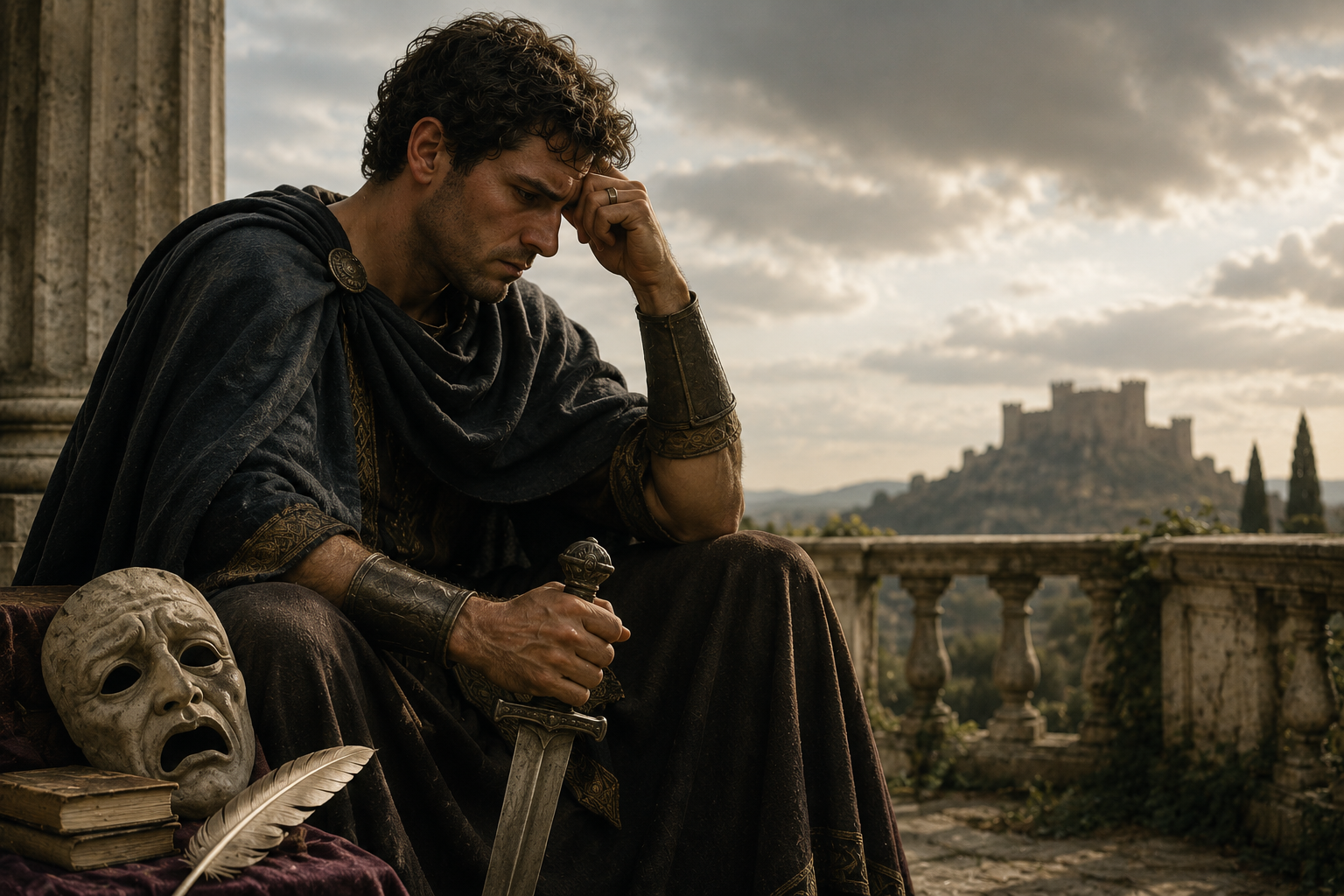
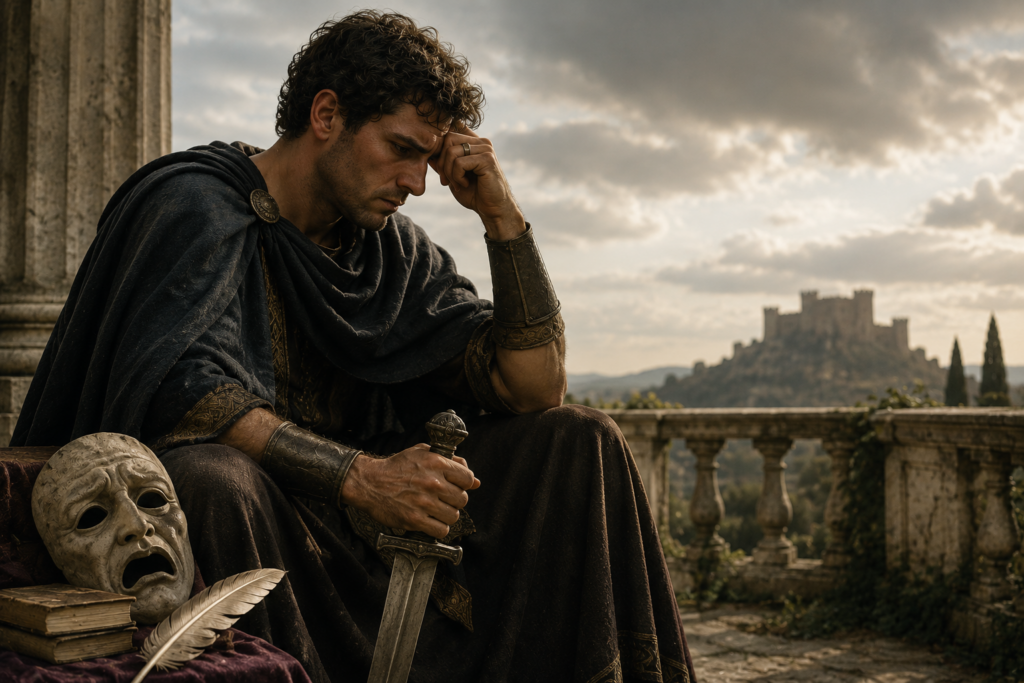
The Most Influential Redemption Arcs show how flawed people can change, repair harm, or face the truth about themselves. These stories matter because they help readers think about guilt, mercy, justice, and hope.

From old classics to modern novels, redemption arcs ask one hard question: can a person become better after doing wrong?

In this Guide

Redemption arc

Why the Most Influential Redemption Arcs Still Matter

Redemption arcs turn moral failure into a story of change.

The Most Influential Redemption Arcs do not excuse bad choices. They show what happens when a character sees the damage they caused and tries to change course.

This is why students often meet these arcs in English class. They give readers a clear way to study character growth, conflict, theme, and moral choice.

A strong redemption arc usually has a few key parts. The character causes harm, faces a crisis, feels the weight of guilt, and makes a choice that proves real change.

That final choice matters most. A character is not redeemed just because they feel sorry. They must act.

Most Influential Redemption Arcs in Classic Literature

Classic literature gives us some of the clearest examples of moral change.

These Most Influential Redemption Arcs have lasted because they feel honest. The characters do not become perfect overnight. Their change costs them something.

Ebenezer Scrooge in A Christmas Carol

Charles Dickens gives readers one of the most famous redemption stories ever written. Scrooge starts as cold, greedy, and cruel to the less fortunate.

After visits from the ghosts, he sees his past, present, and possible future. These visions force him to face the lonely life he has built.

Scrooge changes because he chooses kindness while he still has time. His redemption feels joyful, but it also comes from fear, shame, and self-knowledge.

For background on Dickens and his work, see Britannica’s overview of Charles Dickens.

Jean Valjean in Les Misérables

Victor Hugo’s Jean Valjean begins as a man marked by prison and poverty. After he steals silver from a bishop, the bishop protects him instead of turning him in.

That act of mercy changes Valjean’s life. He becomes a man who helps others, even when it puts him at risk.

Valjean’s arc shows that redemption is not one moment. It is a lifetime of hard choices.

Sydney Carton in A Tale of Two Cities

Sydney Carton starts as bitter and wasted. He sees himself as a failure with little purpose.

His final act changes how readers see him. By giving his life to save another man, he turns regret into sacrifice.

Carton’s redemption is tragic, but it is powerful. He cannot fix his whole past, yet he can give his life meaning.

Severus Snape in the Harry Potter Series

Snape is one of modern literature’s most debated redemption arcs. He is cruel, secretive, and often unfair.

Yet his hidden loyalty reveals a more complex person. His choices do not erase his harm, but they show a long struggle with guilt and love.

This is why Snape remains important in classroom and fan debates. His arc asks whether sacrifice can balance past cruelty.

Themes and Symbols in Redemption Arcs

Redemption stories often use symbols to show inner change.

Light and darkness appear often in redemption arcs. A character may move from shadow into light, which can show moral growth or new hope.

Journeys also matter. A road, a prison, or a return home can show that change takes effort. Jean Valjean’s movement through France reflects his search for grace and safety.

Names can carry meaning too. When a character takes a new name, it may show a new self. Valjean becomes Monsieur Madeleine, which points to his attempt to live beyond his prison past.

Time is another key symbol. In A Christmas Carol, the ghosts use time to teach Scrooge. The past brings regret, while the future offers warning.

If you want to sharpen your close reading of symbols, imagery, and word choice, try our guide on how to read Emily Dickinson. The same skills can help you study longer novels.

Modern Lessons from the Most Influential Redemption Arcs

Redemption arcs still shape how readers talk about justice and change.

The Most Influential Redemption Arcs are not simple “good guy” stories. They often ask if people deserve a second chance after real harm.

This question feels modern because people still debate it in schools, courts, families, and online spaces. Literature gives readers a safer place to think through the problem.

Some arcs stress forgiveness. Others focus on responsibility. The best ones do not make the answer too easy.

That is why redemption arcs work well in essays. You can ask what the character did wrong, what they learned, and whether their final choice truly repairs anything.

These books are strong choices for students who want deeper examples.

  • A Christmas Carol by Charles Dickens
  • Les Misérables by Victor Hugo

Both books show redemption in a clear but serious way. They also give students rich material for theme, character, and symbolism essays.

For shorter practice, pair a novel with poetry study. A poem can train you to notice small details that reveal change. Our post on reading Emily Dickinson is a useful place to start.

FAQs About the Most Influential Redemption Arcs

What are the Most Influential Redemption Arcs in literature?

The Most Influential Redemption Arcs often include Scrooge in A Christmas Carol, Jean Valjean in Les Misérables, and Sydney Carton in A Tale of Two Cities.

What makes a redemption arc believable?

A believable arc shows guilt, effort, and real change. The character must act in a way that proves they have learned from the past.

Is redemption the same as forgiveness?

No. A character may seek redemption without being fully forgiven. Forgiveness depends on others, while redemption depends on moral change.

Why do teachers assign books with redemption arcs?

These books help students study character growth, theme, and conflict. They also lead to strong essay topics about justice and mercy.

Key Takeaway

The Most Influential Redemption Arcs remind us that change is possible, but never cheap. Great literature shows that redemption requires truth, action, and the courage to become someone better.

Best Books for Identity and Belonging: A Student Guide to Finding Your Place

Identity Belonging Books

The Best Books for Identity and Belonging help readers ask big questions: Who am I, and where do I fit? These stories matter because they show how family, culture, place, and voice shape a person.

For students, these books can make class reading feel personal. They also give strong material for essays, discussions, and literary analysis.

In this Guide

  • Why identity and belonging matter in literature
  • Books to read first
  • Symbols and themes to notice
  • How students can read these books closely
  • More examples from classic and modern literature
  • Frequently asked questions
Identity Belonging Books

Why the Best Books for Identity and Belonging Matter

Stories about identity help readers see both difference and connection.

The Best Books for Identity and Belonging often follow characters who feel caught between worlds. They may face pressure from family, school, society, or their own fears.

These books show that identity is not always fixed. A character may change as they learn their history, speak their truth, or claim a place in the world.

Belonging can be just as complex. Sometimes a character wants to fit in. Other times, they learn that real belonging starts with self-respect.

Best Books for Identity and Belonging to Read First

These books are strong choices for high school, AP Literature, and college readers.

A good list of Best Books for Identity and Belonging should include voices from different cultures and time periods. The books below are often taught because they mix clear storytelling with deep themes.

The House on Mango Street by Sandra Cisneros

This short novel follows Esperanza, a young girl in a Chicago neighborhood, as she studies the world around her. She wants a home, but she also wants freedom.

Names, houses, windows, and streets become symbols of identity. Esperanza learns that belonging to a place does not mean she must be trapped by it.

The Namesake by Jhumpa Lahiri

This novel follows Gogol Ganguli, the son of Bengali immigrants, as he struggles with his name and his family history. His name becomes a symbol of love, burden, and memory.

The book asks a clear question: can a person honor their roots and still build a life of their own?

Their Eyes Were Watching God by Zora Neale Hurston

Janie Crawford searches for love, voice, and selfhood. Her journey shows how identity can grow through pain, choice, and courage.

The horizon is one of the novel’s key symbols. It represents hope, desire, and the dream of a wider life.

If you want to buy or borrow a few strong starting points, look for The House on Mango Street by Sandra Cisneros, The Namesake by Jhumpa Lahiri, and Their Eyes Were Watching God by Zora Neale Hurston.

Symbols and Themes in the Best Books for Identity and Belonging

Symbols make inner conflict visible on the page.

Across the Best Books for Identity and Belonging, authors often use objects, places, and names to show what a character feels but cannot always say.

A name may show family history. A house may show safety or limits. A road may show escape, growth, or the search for a new life.

In The House on Mango Street, the house is not just a building. It stands for poverty, shame, hope, and the need for self-definition.

In The Namesake, Gogol’s name carries memory from another country. It also becomes a source of conflict as he tries to decide who he wants to be.

Poetry can explore these same ideas in a smaller space. Langston Hughes often writes about voice, race, dream, and place. You can learn more from the Poetry Foundation profile of Langston Hughes.

If you want help with poems that explore identity, use this step-by-step poetry analysis guide to break down imagery, tone, and speaker.

How Students Can Read the Best Books for Identity and Belonging

Close reading helps you move from plot summary to real analysis.

When you read the Best Books for Identity and Belonging, track moments when a character feels accepted, rejected, or unseen. These moments often reveal the main conflict.

Pay attention to names, homes, language, clothing, food, and public spaces. These details often carry cultural meaning.

Ask what the character wants at the start. Then ask what they understand by the end. That shift can become the center of a strong essay.

You can also connect these books to the coming-of-age tradition. Britannica explains this type of story in its overview of the Bildungsroman.

More Examples of the Best Books for Identity and Belonging

Many famous works ask what it means to be seen and understood.

Invisible Man by Ralph Ellison explores race, power, and the pain of being unseen by society. The narrator’s identity changes as he learns how others try to define him.

American Born Chinese by Gene Luen Yang uses humor, myth, and graphic storytelling to explore shame and self-acceptance. It is a strong choice for students who like visual texts.

Jane Eyre by Charlotte Brontë follows a young woman who wants love without losing her sense of self. Jane’s voice is central to her identity.

Persepolis by Marjane Satrapi shows how politics, family, and memory shape a young person’s life. Its black-and-white art makes identity feel sharp and personal.

These works prove that the Best Books for Identity and Belonging do not all look the same. Some are novels. Some are graphic memoirs. And some are poems or plays.

FAQ: Best Books for Identity and Belonging

What makes a book about identity and belonging?

A book fits this theme when characters ask who they are, where they come from, and where they feel accepted.

Why are the Best Books for Identity and Belonging useful for students?

They give students clear themes for essays and class talks. They also connect literature to real life.

Are these books good for AP Literature?

Yes. Many of these books have rich symbols, complex characters, and strong themes, which makes them useful for AP-style analysis.

Can poetry count as literature about identity and belonging?

Yes. Poems often explore voice, culture, memory, and place in a direct way.

Key Takeaway

The Best Books for Identity and Belonging remind us that finding a place in the world is rarely simple. These stories show that identity grows through choice, memory, conflict, and voice.

For students, that makes them more than good reading. They are tools for thinking about literature, society, and the self. 📚

Literature News: Festivals, Literary Agents, Campus Cuts, and Global Honors

This roundup looks at the latest literature and book news as of April 30, 2026. From public book festivals to publishing power structures, today’s stories show how books keep shaping classrooms, communities, and the wider culture.

Literature to Life Plans Benefit Events in New York and Washington

Literature to Life is preparing spring benefit events in New York City and Washington, D.C. The gatherings will include live performances, refreshments, and time for supporters to connect around the group’s mission.

Money raised will help fund educational programs for students in both cities. That matters because Literature to Life uses performance to make books feel immediate and alive, especially for young readers who may not always see literature as accessible.

Programs like this also show how storytelling can move beyond the page. For students, seeing a book performed can build confidence with close reading by helping them notice voice, emotion, and meaning in a fresh way.

LitFest in the Dena Returns With a Focus on Community and Change

Pasadena’s LitFest in the Dena is returning with a two-day celebration of books, writers, readers, and social change. The festival continues its goal of lifting up literary voices while bringing the community together.

Events like this give local readers a chance to meet authors, discover new work, and hear conversations that connect books to real life. The focus on social change also reminds us that literature often does more than entertain.

For readers, a festival can be a doorway into books they might not have found on their own. It also helps emerging writers feel part of a larger creative world.

A New Look at the Power of Literary Agents

A Public Books essay is drawing attention to the role literary agents play in shaping what gets published. The piece points back to a major publishing trial in Washington, D.C., when industry questions moved from behind closed doors into public view.

The article explores how agents influence the journey from manuscript to bookstore shelf. That influence can affect which writers get attention, which books receive large deals, and which stories reach wide audiences.

This matters because readers often see the finished book but not the system that helped create it. Understanding that system can make us more aware of how taste, money, and access shape the literary world.

University of Montana Literature Cut Raises Liberal Arts Concerns

The University of Montana’s decision to end its literature master’s program has sparked concern among faculty and students. Some see the move as part of a larger question about the school’s commitment to the liberal arts.

The cut may also affect other programs that depend on graduate-level literature study. When advanced programs disappear, the impact can spread to teaching, research, and the intellectual life of a campus.

For readers and students, this story matters because universities help train future teachers, scholars, editors, and writers. Strong literature programs also support skills like interpretation, debate, and literary analysis, which reach far beyond English departments.

Laurence Laluyaux to Receive International Literature Honor

Laurence Laluyaux, head of RCW International at the RCW Literary Agency, will receive the 2026 Ottaway Award for the Promotion of International Literature. The award is set to be presented in New York City.

Laluyaux is being recognized for work that helps books travel across languages and borders. International publishing depends on people who connect writers, translators, editors, and readers in different countries.

This award matters because global literature gives readers access to stories they may never encounter otherwise. It also highlights the important behind-the-scenes work that brings translated and international books into the spotlight.

Taken together, these stories show a literary world that is active in many places at once: on stages, at festivals, inside universities, and across global publishing networks. They also suggest that readers are paying more attention to access, community, and the systems that decide which books reach us.

How to Write a Thesis Statement for a Literary Analysis Essay

thesis statement for a literary analysis essay

A simple guide to crafting clear, focused arguments about literature

Many students understand the plot of a novel or poem but struggle to explain what the text means. When it comes time to write a literary essay, the most difficult part is often the thesis statement.

A thesis statement is the sentence that explains the main argument of your essay. It tells readers what interpretation you will defend and guides the structure of the entire paper.

Learning how to write a thesis statement for a literary analysis essay can transform the writing process. Instead of feeling lost, you gain a clear direction for your argument and a framework for organizing your ideas.

In this guide, we will explore how thesis statements work, examine examples from classic literature, and practice building strong claims that support thoughtful literary analysis.

This article contains affiliate links.

thesis statement for a literary analysis essay
Image by Carla Paton

In This Guide

In this article, you’ll learn:

• what a thesis statement does in literary analysis
• the difference between weak and strong thesis statements
• examples from classic novels
• a simple formula for writing a thesis
• common mistakes students make
• a practice exercise to strengthen your skills

What a Thesis Statement Does in Literary Analysis

A thesis statement explains what interpretation your essay will argue about a literary text.

Instead of summarizing the plot, a thesis identifies how the author creates meaning through elements such as:

  • theme
  • symbolism
  • characterization
  • imagery
  • narrative structure

Your thesis becomes the central claim that every paragraph in your essay will support.

For example, in Mary Shelley’s Frankenstein, the novel explores the dangers of ambition and scientific curiosity. A literary analysis essay might examine how Victor Frankenstein’s obsession with knowledge leads to tragic consequences.

A thesis for that essay might argue that Shelley uses Victor’s ambition to critique the pursuit of knowledge without moral responsibility.

This statement gives the essay a clear focus and prepares the reader for the argument that follows.

For more strategies on interpreting literature, see:

How to Read Literature Like a Scholar
https://rapidreadspress.com/how-to-read-literature-like-a-scholar/

Weak vs. Strong Thesis Statements

Not all thesis statements are equally effective. Many students begin with statements that describe the topic but fail to make a clear argument.

Weak thesis statements often summarize the story or present an obvious observation.

Example from Pride and Prejudice:

Weak thesis:

Elizabeth Bennet learns important lessons during the novel.
This statement is true, but it does not explain what those lessons are or why they matter.
A stronger thesis presents a specific interpretation.

Strong thesis:

In Pride and Prejudice, Jane Austen uses Elizabeth Bennet’s changing perception of Darcy to show how pride and prejudice distort judgment.

This version makes a clear claim and suggests how the author develops the theme.

The difference is simple:

Weak thesis → describes the story
Strong thesis → interprets the story

Thesis Statement Examples from Classic Literature

Looking at examples from well-known works can help illustrate how literary thesis statements function.

Consider Emily Brontë’s Wuthering Heights.

A weak thesis might say:

The novel shows the intense relationship between Catherine and Heathcliff.

A stronger thesis could be:

In Wuthering Heights, Emily Brontë uses the wild moorland landscape to reflect the destructive passion between Catherine and Heathcliff.

This statement connects setting and theme, giving the essay a clear analytical direction.

Another example can be found in Jane Austen’s Emma.

Weak thesis:

Emma learns about her mistakes.

Stronger thesis:

In Emma, Jane Austen portrays Emma Woodhouse’s misguided attempts to control the lives of others as a critique of social arrogance and misplaced confidence.

This thesis identifies the character arc while explaining the novel’s larger idea.

📘 Need more help writing literary essays?

The Literary Analysis Essay Toolkit walks you through every step of the process—from interpreting the assignment to organizing paragraphs and revising your final draft.

Get the Literary Analysis Essay Toolkit

A Simple Formula for Writing a Literary Thesis

Students often find thesis statements easier when they follow a simple structure.

A useful formula is:

Author + literary device or element + interpretation of meaning

Example structure:

In [Title], [Author] uses [literary element] to reveal [interpretation].

Example from Frankenstein (affiliate link):

In Frankenstein, Mary Shelley uses Victor Frankenstein’s relentless ambition to warn about the dangers of pursuing knowledge without responsibility.

Example from Dracula (affiliate link):

In Dracula, Bram Stoker uses imagery of darkness and decay to create a sense of moral and supernatural danger.

This structure works well because it identifies:

• the text
• the literary technique
• the interpretation

If you want help recognizing literary techniques, see:

Literary Devices List: 32 Literary Devices Explained
https://rapidreadspress.com/literary-devices-list/

Common Thesis Statement Mistakes

Even strong essays can suffer from weak thesis statements if writers fall into a few common traps.

One common mistake is writing a thesis that is too vague.

Example:

The novel explores important themes.

This statement does not explain which themes or how the author develops them.

Another mistake is writing a thesis that simply summarizes the story.

Example:

Victor Frankenstein creates a monster and regrets it.

This is a plot summary rather than an interpretation.

A good thesis should always answer the question:

What idea does the text reveal?

Finally, avoid thesis statements that attempt to cover too many ideas at once. A focused claim leads to a clearer essay.

Practice Exercise

Try creating a thesis statement using the following example.

Consider this prompt based on Sense and Sensibility:

Analyze how Jane Austen contrasts the characters of Elinor and Marianne Dashwood.

Start by identifying the literary focus.

Character contrast.

Next consider what idea the contrast reveals.

Perhaps Austen explores the tension between emotional expression and social restraint.

A thesis might look like this:

In Sense and Sensibility, Jane Austen contrasts Elinor’s restraint with Marianne’s emotional openness to explore the balance between reason and feeling.

Practicing with different works helps strengthen your ability to develop clear literary arguments.

Key Takeaway

A thesis statement is the foundation of every literary analysis essay.

When you learn how to write a thesis statement for a literary analysis essay, you move beyond summarizing a story and begin interpreting how literature communicates deeper meaning.

A strong thesis presents a clear claim, identifies the literary elements involved, and guides the structure of the entire essay.

Recommended Books

These books provide helpful insights into literary analysis and writing about literature.

📚 How to Read Literature Like a Professor – Thomas C. Foster

📚 Reading Like a Writer – Francine Prose

📚 How to Read and Why – Harold Bloom

These resources expand on the critical reading skills discussed in this guide.

FAQ Thesis Statements Frequently Asked Questions

What is a thesis statement in literary analysis?

A thesis statement is the main argument of a literary essay. It explains the interpretation the writer will defend about the text.

How long should a literary thesis statement be?

Most thesis statements are one or two sentences that clearly present the essay’s argument.

Should a thesis include literary devices?

Often yes. Many strong literary theses identify elements such as symbolism, imagery, characterization, or theme.

Can a thesis statement be a question?

Generally no. A thesis should make a clear claim, not ask a question.