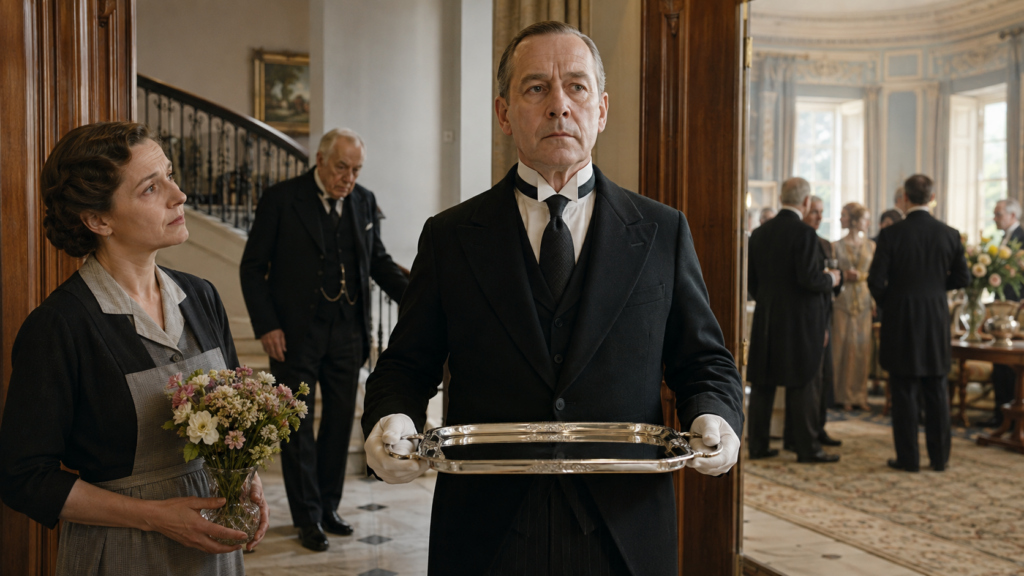
The Remains of the Day Character Analysis: Key People, Motivations, and Conflicts

The Remains of the Day characters

In this The Remains of the Day character analysis, we look at the people who shape Kazuo Ishiguro’s quiet, painful novel. The focus is on motives, conflict, and the choices that make the ending feel so powerful.

This guide is useful for discussion posts, essays, and quote-based analysis.

In this Guide

Use these sections to move from plot facts to stronger character claims.

  • Why Stevens matters most
  • What drives Stevens
  • Miss Kenton’s role
  • Lord Darlington’s influence
  • Farraday and change
  • Main conflicts
  • Minor characters
  • Essay tips and related books
The Remains of the Day characters

The Remains of the Day Character Analysis: Why Stevens Matters

Stevens is the center of the novel because his voice controls what readers know.

A strong The Remains of the Day character analysis starts with Stevens as an unreliable narrator. He tells his life story with care, but he hides pain from himself. He often calls his choices professional, even when they cost him love or moral judgment.

Stevens believes that a great butler must show dignity. To him, dignity means self-control, loyalty, and no public emotion. The problem is that he takes this idea so far that it traps him.

Readers can compare Stevens to Nick Carraway in The Great Gatsby. Both men tell a story from memory, and both leave gaps. Yet Stevens is more closed off because he has spent his whole life turning feeling into duty.

Stevens’s Main Motivation: Dignity at Any Cost

Stevens wants to believe his life had meaning, so he clings to service as proof.

His greatest motive is the wish to be a perfect butler. He wants to serve a “great gentleman” and take part in important history from behind the scenes. This gives him pride, but it also makes him blind.

When his father becomes weak and ill, Stevens still chooses work. During a major event at Darlington Hall, he keeps serving guests instead of staying near his dying father. He later presents this as a test of dignity.

That scene is key in The Remains of the Day character analysis because it shows the cost of Stevens’s code. His self-control looks noble on the surface. Under it, he avoids grief.

Stevens also uses language to protect himself. He says little, corrects himself often, and avoids direct blame. His careful speech reveals a man who fears emotional truth.

The Remains of the Day Character Analysis: Miss Kenton and Emotional Honesty

Miss Kenton matters because she sees the feeling Stevens refuses to name.

Miss Kenton, later Mrs. Benn, is warm, sharp, and morally alert. She works as housekeeper at Darlington Hall and often challenges Stevens. She notices when he hides behind rules.

This part of The Remains of the Day character analysis often centers on their missed romance. Miss Kenton tries to build closeness through small acts. Stevens responds with formality.

One famous pattern is their private talks about flowers, rooms, and household staff. These moments should lead to honesty. Instead, Stevens treats them like work problems.

Miss Kenton is not just a love interest. She is a mirror. Through her, readers see what Stevens could have been if he had chosen human connection over perfect service.

Her later life also adds sadness. She leaves Darlington Hall, marries, and builds a life away from Stevens. By the time Stevens understands what he lost, the past cannot be fixed.

Lord Darlington: Power, Class, and Moral Failure

Lord Darlington shapes Stevens’s life because Stevens builds his identity around serving him.

Lord Darlington is an English aristocrat with status and influence. Stevens sees him as noble for much of his life. Over time, readers learn that Darlington supported dangerous political causes and trusted the wrong people.

Stevens’s loyalty becomes a moral problem. He wants to believe Darlington was honorable, so he avoids facing the harm tied to the household. This makes the novel about more than private regret.

In The Remains of the Day character analysis, Darlington helps reveal the danger of blind service. Stevens gives up his own judgment because he thinks his role is to obey.

This is one reason the novel works well in AP Literature essays. It connects personal conflict with history, class, and responsibility.

Mr. Farraday and Doctor Carlisle: Change Outside Darlington Hall

These characters show Stevens that the old world has changed.

Mr. Farraday, the American owner of Darlington Hall, is informal and playful. He jokes with Stevens and expects a more relaxed kind of service. Stevens struggles because he does not know how to adjust.

Farraday highlights the gap between old English formality and a newer social world. Stevens’s discomfort with banter is small, but it points to a larger fear. His whole way of life may no longer matter.

Doctor Carlisle helps Stevens face reality near the end of the trip. He suspects Stevens once served at Darlington Hall and sees through some of Stevens’s careful claims. Carlisle gives readers a more grounded view of Stevens.

For students, The Remains of the Day character analysis should treat these figures as more than side characters. They test Stevens’s story and show the pressure of change.

The Remains of the Day Character Analysis: Core Conflicts

The novel’s conflicts are quiet, but they cut deep.

The biggest conflict is duty versus feeling. Stevens wants to be professional, but that goal blocks love, grief, and honest speech. His conflict is mostly internal.

Another conflict is loyalty versus conscience. Stevens believes loyalty is a virtue. Yet loyalty to Lord Darlington keeps him from judging serious moral failure.

The best The Remains of the Day character analysis also looks at memory versus truth. Stevens tells the past in a controlled way. As the novel moves on, his story cracks.

This conflict is like what we see in many first-person novels. A narrator may speak with confidence while the reader slowly sees what the narrator cannot admit.

Minor Characters Who Matter

Small roles help reveal the pressure placed on Stevens.

Stevens’s father is one of the most important minor characters. He represents the old standard of service that Stevens worships. His decline forces Stevens to choose between family love and public duty.

The former Jewish maids also matter. When Lord Darlington dismisses them, Miss Kenton is disturbed. Stevens avoids moral protest, which shows his loyalty has limits in the wrong direction.

The villagers Stevens meets on his trip offer a different view of dignity. They value honesty and civic voice. Stevens, by contrast, has spent his life outside direct public action.

These minor figures make The Remains of the Day character analysis richer because they reveal what Stevens misses.

How to Use The Remains of the Day Character Analysis in Essays

Good essays connect character choices to the novel’s larger ideas.

Do not just say Stevens is repressed. Explain how Ishiguro shows repression through speech, memory, and missed chances. Use short quotes that reveal his self-control or denial.

A strong thesis might argue that Stevens’s idea of dignity gives his life structure but also destroys his chance at love and moral clarity. That kind of claim links character to theme.

If you need a step-by-step method, read our guide on how to analyze characters in literature. It can help you turn notes into a clear essay plan.

You can also use our quote-based character analysis study tool to organize claims, evidence, and commentary before you draft.

Helpful Context for Readers

Author background can help, but the text should still lead your analysis.

Kazuo Ishiguro is known for narrators who reveal truth slowly. You can learn more about his life and major works through Britannica’s overview of Kazuo Ishiguro.

The Nobel Prize site also offers useful context on his style and themes: Kazuo Ishiguro facts from Nobel Prize.

Use context to support your reading, not replace it. The strongest The Remains of the Day character analysis still depends on close attention to scenes and language.

These books pair well with Ishiguro’s novel for class study or independent reading.

  • The Remains of the Day by Kazuo Ishiguro
  • Never Let Me Go by Kazuo Ishiguro

FAQ: The Remains of the Day Character Analysis

These quick answers can help with study sessions and class prep.

Who is the most important character in The Remains of the Day?

Stevens is the most important character. His memory, voice, and self-deception shape the whole novel.

What motivates Stevens?

Stevens is motivated by dignity and service. He wants to believe that perfect loyalty gives his life meaning.

Why is Miss Kenton important?

Miss Kenton reveals Stevens’s emotional limits. She also shows the life he might have had if he had chosen honesty.

What is the main conflict in the novel?

The main conflict is duty versus feeling. Stevens’s loyalty to work keeps him from love and moral courage.

How can I write a strong essay about these characters?

Focus on one clear claim. Then use quotes that show how a character’s words, choices, and silence reveal theme.

Key Takeaway

The Remains of the Day character analysis shows that Stevens’s tragedy is not loud. It comes from small choices, careful words, and a life spent hiding from the truth.


Themes in The Remains of the Day: A Student-Friendly Guide

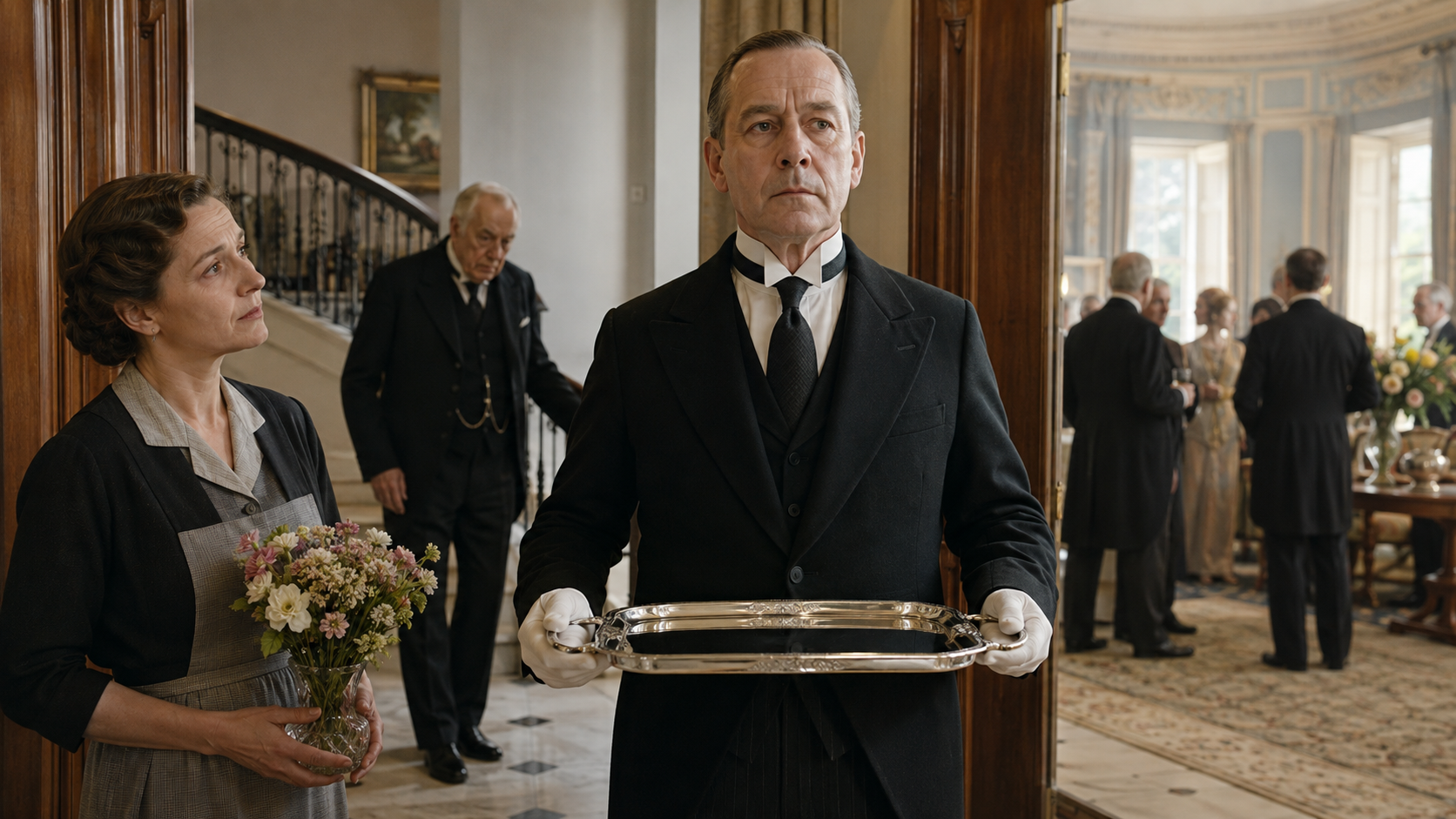
Themes in The Remains of the Day

The themes in The Remains of the Day show how duty can hide pain, how memory can bend the truth, and how a life of service can cost a person more than expected. This student-friendly guide explains the major ideas and conflicts you should notice as you read Kazuo Ishiguro’s novel.

In this Guide

Use this roadmap to find the ideas that matter most for class discussion and essays.

Themes in The Remains of the Day

Why the themes in The Remains of the Day Matter

Ishiguro’s novel is quiet on the surface, but it asks hard questions about identity, truth, and loss.

Stevens, the narrator, tells the story of his life as a butler. He takes pride in his work at Darlington Hall, yet his memories show the cost of that pride.

These themes in The Remains of the Day matter because they turn a private life into a moral problem. Stevens must face what he served, what he ignored, and what he never allowed himself to feel.

For background on Ishiguro’s life and career, see this short overview from Britannica. The Nobel Prize page for Kazuo Ishiguro also gives helpful context for his major works.

Major themes in The Remains of the Day

The novel links personal regret with larger questions about class, history, and moral choice.

Here are the main themes students should track while they read:

  • Duty as a mask: Stevens uses service to avoid painful feelings.
  • Regret: His trip forces him to see what he has lost.
  • Class: The world of great houses depends on strict social ranks.
  • Memory: Stevens retells the past in ways that protect him.
  • Political blindness: Loyalty to Lord Darlington keeps Stevens from judging real harm.
  • Emotional repression: Stevens treats feeling as weakness, even when love is near.

Together, the themes in The Remains of the Day show a man who confuses dignity with self-erasure. That confusion gives the novel its quiet sadness.

Themes in The Remains of the Day: Duty and Selfhood

Stevens builds his identity around being a perfect butler, but that role slowly replaces his inner life.

One of the novel’s strongest ideas is that duty can become a way to avoid freedom. Stevens believes a great butler must serve without question. He thinks personal feeling should never disturb professional control.

This belief shapes his choices. When his father dies, Stevens keeps working. When Miss Kenton reaches out with warmth, he stays formal. And when Lord Darlington supports dangerous politics, Stevens hides behind the idea that servants do not judge their employers.

The tragedy is not that Stevens works hard. The tragedy is that he lets work decide what he is allowed to feel.

This theme connects to F. Scott Fitzgerald’s The Great Gatsby. Gatsby also builds his life around an ideal. In both novels, a dream that seems noble leads to deep loss.

Themes in The Remains of the Day: Memory and Regret

Stevens tells the past as if he can control it, but his own words reveal what he tries to hide.

The novel is structured around memory. Stevens travels through England and looks back on his years at Darlington Hall. At first, he seems calm and careful. Over time, gaps and weak excuses start to appear.

He wants to believe that Lord Darlington was honorable. He wants to believe that his own choices were proper. Yet his memories do not fully support those beliefs.

Regret enters slowly. Stevens does not burst into confession. Instead, he circles around the truth until the reader can see it clearly.

This is why the novel fits well with AP Literature essays about unreliable narration. Stevens is not a liar in a simple sense. He is a man who has practiced self-protection for so long that truth feels almost unsafe.

Class, Power, and Political Blindness

The novel shows how class can train people to obey power without asking enough questions.

Darlington Hall represents an old English social order. Lords make decisions in grand rooms. Servants carry out the work that supports that world.

Stevens is proud of his place in this system. He sees service to a powerful man as a way to serve history itself. That idea makes him feel important, but it also limits his judgment.

One of the sharpest themes in The Remains of the Day is political blindness. Lord Darlington’s Nazi sympathies are not a small mistake. They show how charm, status, and tradition can cover moral failure.

Stevens avoids responsibility by saying he was only a servant. The novel asks whether that excuse is enough. Most readers will feel that it is not.

Love, Emotion, and What Stevens Cannot Say

The novel’s love story is powerful because so much of it remains unspoken.

Miss Kenton offers Stevens chances for closeness. She teases him, challenges him, and tries to reach the person behind the professional mask.

Stevens responds with rules. He focuses on duties, staff matters, and proper conduct. His restraint may look dignified, but it also blocks real human contact.

The final meeting between Stevens and Miss Kenton is painful because it shows how time changes the meaning of choice. What once seemed like discipline now looks like fear.

Shakespeare’s Hamlet offers a useful comparison. Hamlet waits too long to act, while Stevens waits too long to feel. Both works show how delay can shape a whole life.

How to Write About the Novel’s Themes

A strong essay should connect theme to character, structure, and specific moments from the text.

When you write about themes in The Remains of the Day, avoid broad claims like Stevens is sad. Explain how Ishiguro creates that sadness through memory, restraint, and missed chances.

You might focus on one question: What does Stevens gain by repressing emotion, and what does he lose? That question can lead to a clear thesis about dignity and regret.

Use short quoted moments from key scenes. The death of Stevens’s father, Miss Kenton’s private talks with him, and the later meeting at the end all offer strong evidence.

These books pair well with Ishiguro’s novel because they also explore memory, regret, and moral choice.

  • The Remains of the Day by Kazuo Ishiguro
  • Never Let Me Go by Kazuo Ishiguro

You can search for these titles on Amazon, at your school library, or through a local bookstore.

FAQ: Themes in The Remains of the Day

These quick answers can help before a quiz, seminar, or essay draft.

What are the main themes in The Remains of the Day?

The main themes are duty, regret, memory, class, political blindness, and emotional repression. Most of them connect through Stevens’s belief that service matters more than personal truth.

Why is duty such an important theme?

Duty gives Stevens pride, but it also keeps him from asking moral questions. He uses professionalism to avoid pain and responsibility.

Is Stevens an unreliable narrator?

Yes, but not because he lies in an obvious way. He edits his memories and avoids facts that threaten his view of himself.

What does the ending mean?

The ending suggests that Stevens finally sees part of what he has lost. Still, he turns back toward service, which makes the ending sad and complex.

How can I write a thesis about the novel?

Choose one main idea and link it to Stevens’s choices. For more help, review this literary analysis essay guide.

Key Takeaway

The novel is about a man who mistakes control for dignity until memory forces him to face the cost.

The themes in The Remains of the Day reveal how a quiet life can contain deep conflict. Ishiguro shows that what people refuse to say can shape them as much as what they do.

The Kite Runner Character Analysis: Key People, Motivations, and Conflicts

Kite Runner characters

A practical breakdown of the main characters and how their choices shape the story.

A strong The Kite Runner character analysis starts with choices. In Khaled Hosseini’s novel, shame, love, fear, and loyalty pull people in different directions.

This guide is built for students who need clear points for discussion posts, essays, and quote-based analysis.

Kite Runner characters

In this Guide

  • Why character matters in the novel
  • Amir’s guilt and growth
  • Hassan’s loyalty and moral force
  • Baba’s pride and hidden shame
  • Rahim Khan’s role as a guide
  • Assef and Soraya as conflict figures
  • Major conflicts to track
  • Essay tips and study resources

The Kite Runner character analysis: Why characters matter

Hosseini uses character choices to show how the past can shape a whole life.

Plot matters in The Kite Runner, but character drives the story. Amir’s silence, Baba’s secrets, and Hassan’s loyalty create the novel’s deepest pain.

A good The Kite Runner character analysis asks one main question: what does each person want, and what do they fear? That question helps you move past summary and into real interpretation.

If you want a broader method, our guide on how to analyze characters in literature can help you build stronger claims.

The Kite Runner character analysis of Amir

Amir is the narrator, but he is not always honest with himself.

Amir wants Baba’s love more than anything. This need makes him jealous of Hassan, who seems to receive Baba’s warmth without effort.

His greatest conflict is internal. After Hassan’s assault, Amir does not help him. He feels shame, but he also tries to push the shame away.

This is why Amir is a complex character. He is not a simple hero or villain. He hurts someone who loves him, then spends years trapped by guilt.

Amir’s arc is about repair. He cannot erase what happened, but he can choose courage later. His trip back to Afghanistan gives him a chance to act when action costs him something.

In this way, Amir is like Macbeth in one key sense: guilt changes his life. The difference is that Macbeth moves deeper into harm, while Amir seeks a path toward atonement.

Hassan: Loyalty, innocence, and quiet strength

Hassan is one of the novel’s strongest moral centers.

Hassan’s famous loyalty to Amir is both beautiful and painful. He protects Amir, supports him, and trusts him even when Amir does not deserve that trust.

His line, “For you, a thousand times over,” shows love without demand. It also shows the unequal friendship between the boys.

A careful The Kite Runner character analysis should not treat Hassan as only a victim. He has courage, skill, patience, and deep emotional strength.

Hassan also reveals the injustice of the world around him. As a Hazara boy, he faces class and ethnic prejudice. His goodness makes that injustice feel even sharper.

Baba and Rahim Khan: Pride, guilt, and moral pressure

These older men shape Amir’s view of courage and truth.

Baba looks powerful, but he is not free from guilt. He judges lies harshly, yet he hides a major truth about Hassan. This makes him more human and more flawed.

Baba wants Amir to be brave, but he fails to see Amir clearly. His disappointment hurts Amir and feeds Amir’s need to prove himself.

In The Kite Runner character analysis, Baba works best as a study in contradiction. He is generous in public, but private shame shapes his home.

Rahim Khan serves a different role. He notices Amir’s talent and gives him the kindness Baba often withholds.

Later, Rahim Khan becomes the voice that calls Amir back to moral action. His message that “there is a way to be good again” gives the novel its clearest hope.

Assef and Soraya: Conflict outside and inside Amir

These characters show two very different kinds of pressure.

Assef is the novel’s clearest human threat. He represents cruelty, racism, and the desire to control others through fear.

He also forces Amir to face the past. When Amir confronts Assef as an adult, the scene becomes more than a fight. It becomes a test of whether Amir can finally protect someone weaker.

Soraya helps reveal another part of Amir. She has a past that people judge, yet she speaks about it with honesty.

Her honesty contrasts with Amir’s silence. She shows the kind of openness Amir fears, which makes her important to his growth.

The Kite Runner character analysis: Major conflicts to track

The novel’s conflicts work through shame, loyalty, and the search for redemption.

Amir vs. himself is the central conflict. His guilt follows him from Kabul to America and back again.

Amir vs. Hassan is painful because Hassan does not act like Amir’s enemy. The conflict comes from jealousy, class difference, and Amir’s fear of losing Baba.

Amir vs. Baba grows from unmet expectations. Baba wants a bold son, while Amir wants approval for who he already is.

Amir vs. Assef turns moral conflict into physical danger. Assef stands for the violence Amir once failed to challenge.

These conflicts make the novel useful for AP Literature and college essays. They connect character, setting, and theme without forcing the reader into a single answer.

How to use this The Kite Runner character analysis in essays

Strong essays do not just name traits. They prove how traits shape choices.

When you write The Kite Runner character analysis, start with a claim about motivation. For example: Amir’s desire for Baba’s approval leads him to betray Hassan, but that same guilt later pushes him toward redemption.

Then use a quote that shows the pressure behind the choice. After the quote, explain what the character gains, what the character loses, and why the moment matters.

For extra practice, you can use our character analysis practice guide as a planning tool before you draft.

Avoid writing only that a character is “good” or “bad.” Hosseini’s characters often carry both love and failure. That tension is where the best analysis begins.

Helpful resources for deeper study

Context can help you understand the novel’s world and the author’s background.

For reliable background on the author, see Britannica’s profile of Khaled Hosseini.

Books worth reading next:

  • The Kite Runner by Khaled Hosseini
  • How to Read Literature Like a Professor by Thomas C. Foster

FAQ

What is the main point of The Kite Runner character analysis?

The main point is to study how each character’s choices reveal guilt, loyalty, fear, and the need for redemption.

Who changes the most in The Kite Runner?

Amir changes the most. He begins as a fearful boy who avoids truth, then becomes someone who risks himself to protect Sohrab.

Is Hassan a flat or complex character?

Hassan is morally steady, but he is not flat. His loyalty, courage, and suffering give him deep emotional power.

Why is Baba important to Amir’s character?

Baba shapes Amir’s need for approval. His praise, silence, and secrets all affect Amir’s choices.

Key Takeaway

The best The Kite Runner character analysis shows that redemption is not simple. Hosseini’s characters prove that one choice can wound a life, but another choice can begin to heal it.

Themes in The Kite Runner: A Student-Friendly Guide

kite runner themes

The Kite Runner is a powerful novel about guilt, love, and the hard work of repair. This guide explains the major themes in The Kite Runner so students can read the story with more confidence and write stronger essays.

This article contains affiliate links.

In this Guide

kite runner themes

Why the Themes in The Kite Runner Matter

The novel asks readers to think about what people owe to those they have hurt.

The themes in The Kite Runner matter because the story is not only about Amir’s childhood. It is also about how one choice can echo across a whole life.

Khaled Hosseini sets personal pain against political change in Afghanistan. You can learn more about the author through Britannica’s profile of Khaled Hosseini.

For students, the key is to connect each theme to character choice. Amir’s actions reveal the novel’s deepest questions about fear, courage, and repair.

Guilt and Redemption in The Kite Runner

Guilt drives much of the novel’s plot, but redemption gives it shape.

Amir feels guilt because he does not help Hassan during a traumatic assault. He also lies afterward, which deepens the harm.

This guilt does not fade with time. Even after Amir moves to America, his past follows him.

The phrase “There is a way to be good again” becomes one of the novel’s most important ideas. It suggests that redemption is possible, but it is not easy or quick.

In this way, the novel resembles Macbeth, where guilt damages the mind. The difference is that Amir seeks a path back, while Macbeth sinks deeper into violence.

Betrayal and Loyalty

The novel shows how betrayal can break trust, even when love is still present.

Hassan is loyal to Amir, often at great cost to himself. His famous line, “For you, a thousand times over,” shows devotion that Amir does not yet know how to return.

Amir betrays Hassan through silence. Later, he betrays him again by framing him for theft.

These moments make the friendship painful to read. The novel asks whether love matters if it does not lead to action.

Many themes in The Kite Runner become clear through this broken friendship. Loyalty is not just a feeling. It must show up when it matters most.

Fathers, Sons, and Emotional Inheritance

The father-son conflict shapes Amir’s view of himself.

Amir wants Baba’s love, but he feels he can never earn it. Baba values bravery, while Amir sees himself as weak.

This hurt affects how Amir treats Hassan. He often competes for Baba’s attention instead of seeing Hassan as a true friend.

Baba also carries secrets. His choices show that parents can pass down shame as well as love.

Like Hamlet, this novel connects family pressure to moral choice. Sons live in the shadow of fathers, but they must still decide who they will become.

Class, Ethnicity, and Power in Afghanistan

The novel shows how social systems can make cruelty seem normal.

Amir is Pashtun, while Hassan is Hazara. This difference shapes their lives from the start.

Even though the boys grow up together, they do not hold equal power. Hassan serves in Amir’s home, and society treats him as lower.

This theme helps explain why Amir can excuse his own behavior for so long. The world around him teaches him that Hassan’s pain counts less.

Students may compare this to To Kill a Mockingbird, where social injustice affects how people see truth. Both novels show that prejudice can hide inside everyday life.

Memory, Storytelling, and the Past

Amir tells the story because he cannot escape the past.

The novel begins with memory. Amir looks back on a winter day that changed everything.

Storytelling becomes a way to face what he once avoided. By telling the truth, Amir starts to understand his own guilt.

This is one reason the themes in The Kite Runner work so well for essays. The plot moves forward, but the meaning often comes from looking backward.

Memory is not neutral in the novel. It hurts, but it also pushes Amir toward action.

Religion, Shame, and Moral Choice

Faith appears in the novel as both comfort and conflict.

Some characters use religion to seek meaning. Others use it to control or harm people.

The Taliban’s abuse of faith shows how power can twist moral language. The novel separates true goodness from public displays of righteousness.

Amir’s journey is not only about feeling sorry. He must make a moral choice when he returns to Afghanistan.

This makes shame different from redemption. Shame traps Amir in self-hatred, while redemption asks him to act.

How to Write About Themes in The Kite Runner

A strong theme paragraph connects an idea to a choice, a conflict, and a change.

To write about themes in The Kite Runner, avoid broad claims like “guilt is important.” Instead, explain how guilt changes Amir’s actions over time.

A better claim might be: Hosseini shows that redemption requires risk because Amir can only confront his guilt by protecting Sohrab.

Notice how that sentence names the theme and ties it to plot. It also shows change.

If you need help moving from plot summary to deeper analysis, use our guide on how to analyze characters in literature.

If you want extra support for class notes, you can also use a printable theme study guide to track quotes and evidence.

When students discuss themes in The Kite Runner, the best answers focus on cause and effect. Ask what a character wants, what blocks that desire, and what the choice reveals.

Relevant Books to Read Next

These books pair well with The Kite Runner because they explore memory, war, and moral courage.

  • A Thousand Splendid Suns by Khaled Hosseini
  • The Book Thief by Markus Zusak

FAQ: Themes in The Kite Runner

What are the main themes in The Kite Runner?

The main themes in The Kite Runner include guilt, redemption, betrayal, loyalty, and the effects of social power.

What is the most important theme in the novel?

Redemption is often seen as the central theme. Amir’s story asks whether a person can repair harm through honest action.

How does Hassan show loyalty?

Hassan shows loyalty through his words and actions. He protects Amir, even when Amir does not protect him.

Why is class important in the novel?

Class matters because Amir and Hassan do not have equal status. Their friendship is shaped by ethnic and social divisions.

How can I write a thesis about the novel’s themes?

Choose one theme and connect it to a character’s change. A clear thesis should explain what the novel teaches about that idea.

Key Takeaway

The themes in The Kite Runner show that the past cannot be erased, but people can still choose repair. For students, the strongest insight is this: redemption begins when guilt turns into action.

error

Enjoy this article? Please spread the word :)

Follow by Email
BLUESKY
fb-share-icon
Reddit
LinkedIn
Share
RSS