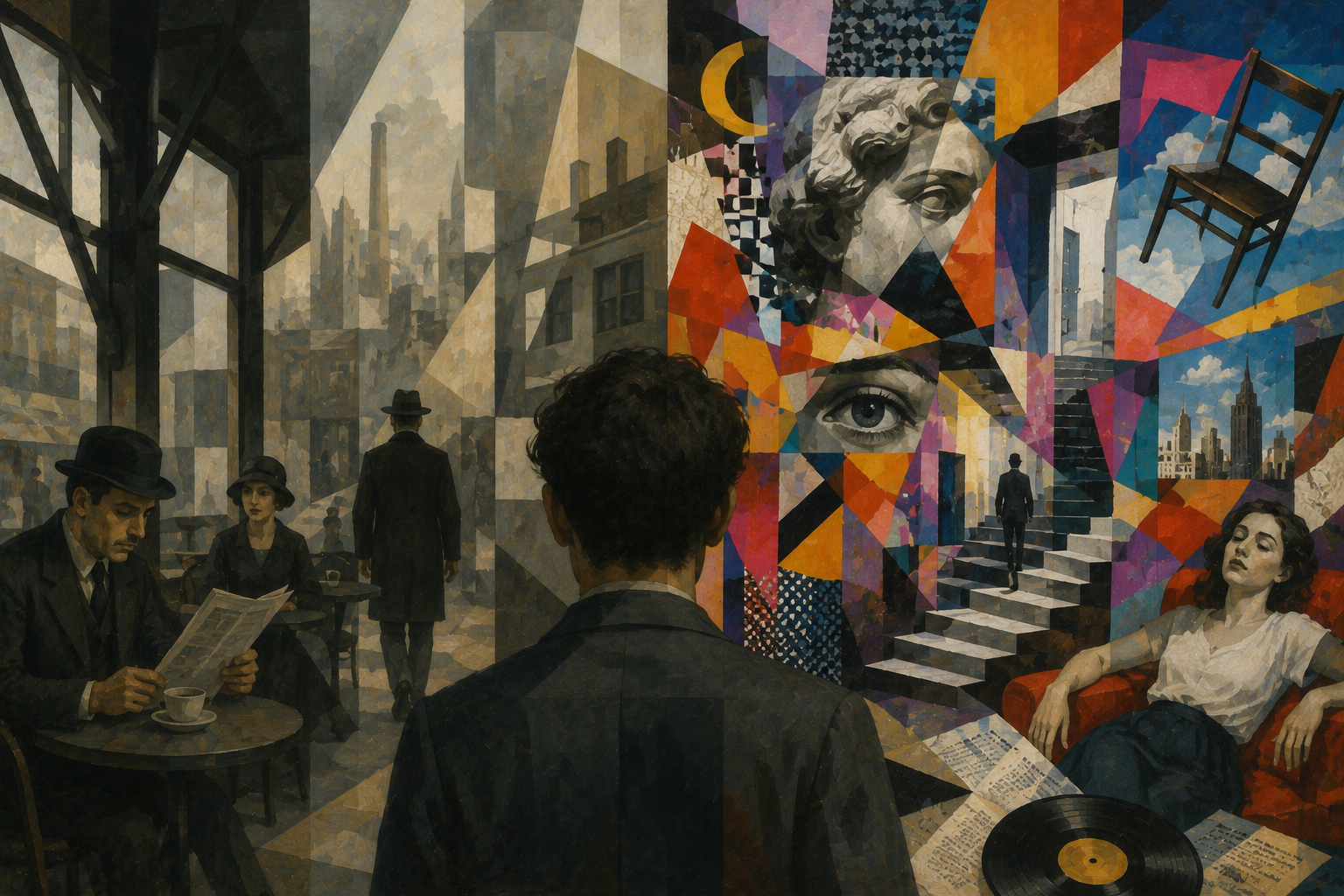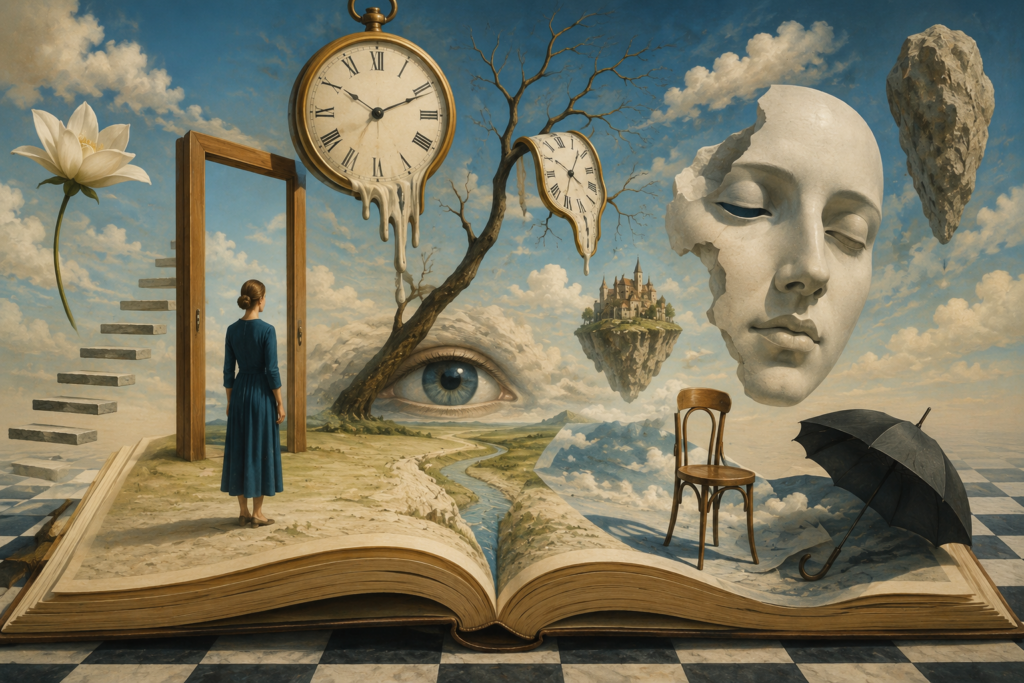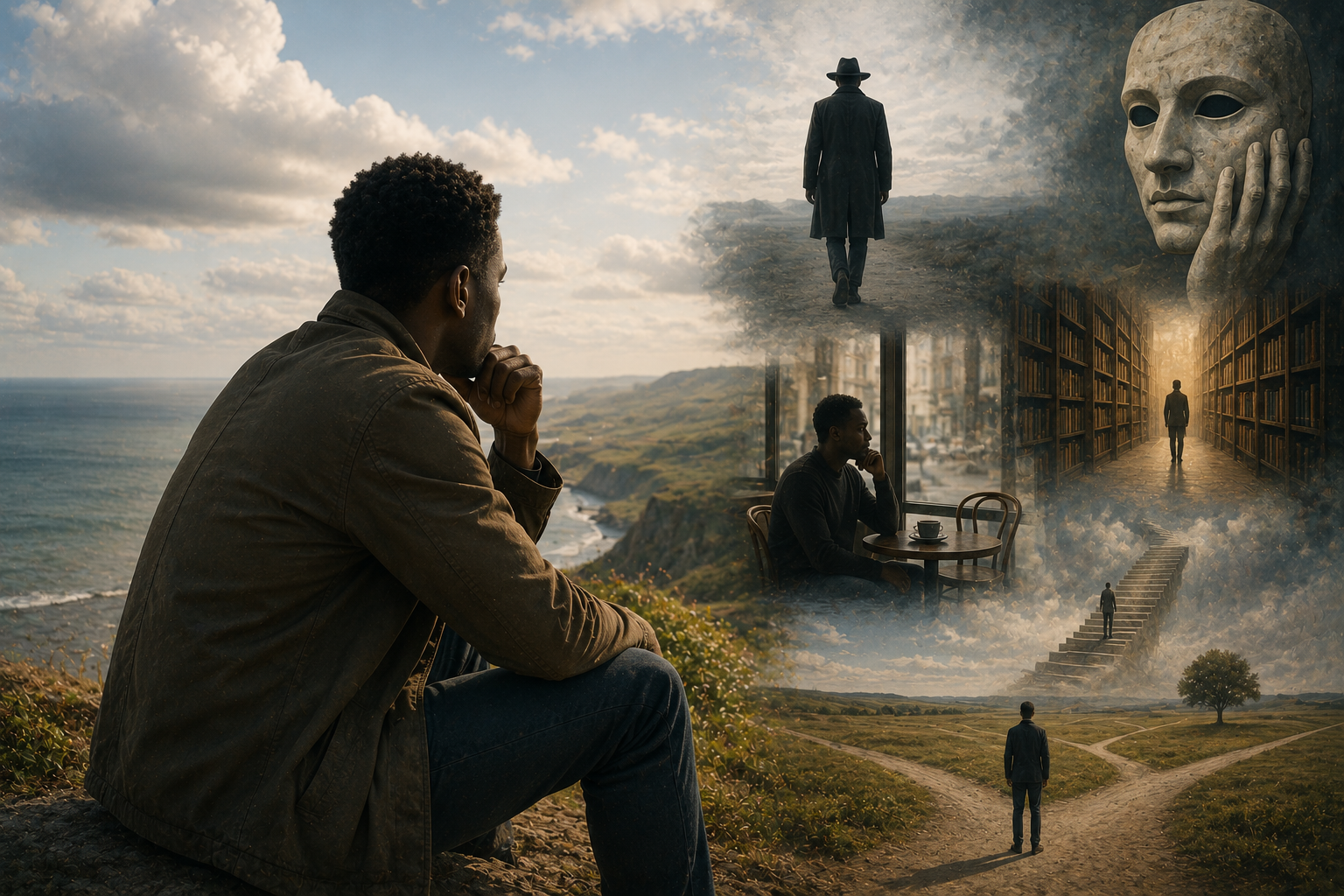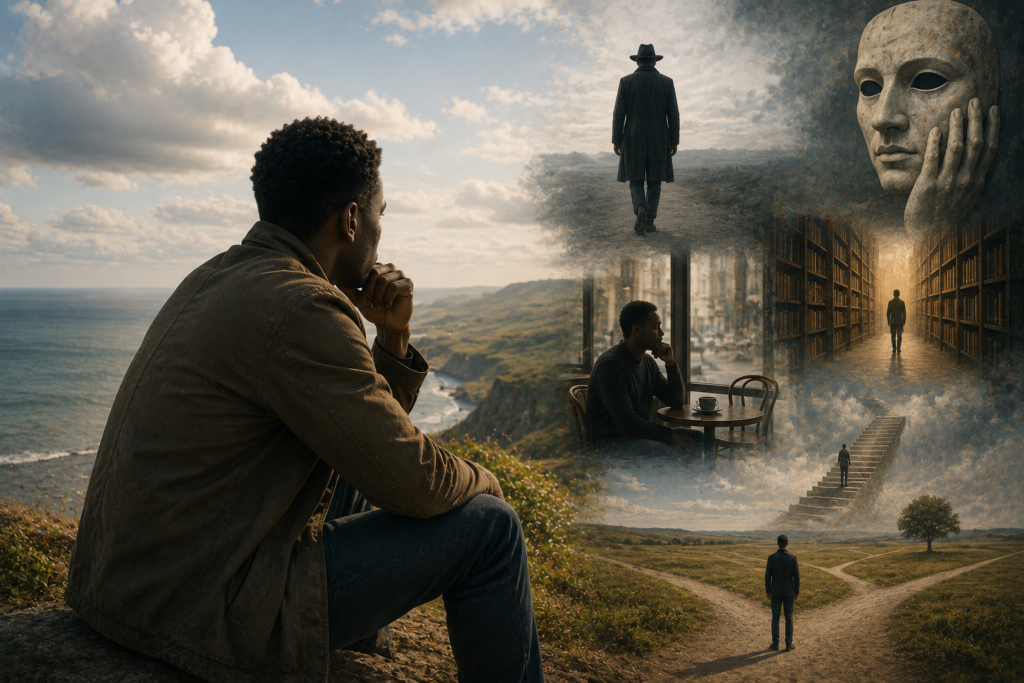

Famous Stream of Consciousness Novels can feel strange at first because they often follow thoughts instead of clear action. This guide will help you understand the style, choose the right book, and read with more confidence.
In this Guide
- What stream of consciousness means
- 10 major novels to read
- How to choose your next book
- Tips for students
- Book suggestions
- FAQ
What Makes Famous Stream of Consciousness Novels Different?
These books try to show the mind as it works from the inside.
In normal fiction, a narrator may explain events in a clear order. In stream of consciousness, thoughts can jump from memory to fear to desire in a few lines.
The style became a major part of modernist literature. Writers used it to show private feelings, hidden pain, and the way time feels in the mind.
For a helpful overview of the term, see Britannica’s guide to stream of consciousness.
Famous Stream of Consciousness Novels You Should Know
These novels are strong choices for students, AP Literature readers, and anyone who wants a deeper reading challenge.
These Famous Stream of Consciousness Novels are not all easy, but each one shows why the style matters.
1. Ulysses by James Joyce
Ulysses is one of the most famous examples of stream of consciousness writing. It follows Leopold Bloom through one day in Dublin, but the real action often takes place inside his mind.
This is a hard book, so it works best for advanced readers. If you like puzzles, wordplay, and bold form, start here.
2. Mrs. Dalloway by Virginia Woolf
Mrs. Dalloway follows one day in the life of Clarissa Dalloway as she prepares for a party. The novel moves between her thoughts and the thoughts of other people in London.
This is a great first choice because the writing is rich but still more approachable than Ulysses. Woolf uses the style to explore memory, grief, class, and time.
3. To the Lighthouse by Virginia Woolf
To the Lighthouse focuses on the Ramsay family and their visits to the Isle of Skye. The plot is quiet, but the inner lives of the characters feel intense.
Read this if you want a book that asks deep questions about family, art, and loss. You can learn more about Woolf from The British Library’s Virginia Woolf page.
4. The Sound and the Fury by William Faulkner
Faulkner’s novel tells the fall of the Compson family through several voices. The first section, told by Benjy, can feel confusing because time shifts without warning.
This book is a strong choice for college readers or AP students who want to study voice, memory, and broken family history.
5. As I Lay Dying by William Faulkner
As I Lay Dying uses many narrators as one family travels to bury Addie Bundren. Each voice has its own rhythm and private view of the journey.
This novel is shorter than The Sound and the Fury, so it can be a better starting point for Faulkner.
6. A Portrait of the Artist as a Young Man by James Joyce
This novel follows Stephen Dedalus as he grows from childhood into young adulthood. The style changes as Stephen’s mind develops.
It is a smart choice before Ulysses. You can see Joyce test ideas about religion, art, guilt, and freedom.
7. The Waves by Virginia Woolf
The Waves is one of Woolf’s most experimental novels. It uses the voices of six characters as they move through life.
This book feels closer to poetry than a normal novel. Choose it if you enjoy style, rhythm, and deep reflection.
8. Beloved by Toni Morrison
Beloved is not always labeled only as stream of consciousness, but it often uses inner thought, memory, and broken time. Morrison shows how trauma can shape the mind.
This novel is powerful for students who want to study history, voice, and the lasting pain of slavery.
9. Invisible Man by Ralph Ellison
Invisible Man uses a first-person voice that moves through memory, thought, and social conflict. The narrator looks back on his life and tries to understand how others have refused to see him.
This is a strong pick for readers interested in identity, race, power, and American literature.
10. The Catcher in the Rye by J.D. Salinger
The Catcher in the Rye is more direct than many modernist novels, but Holden Caulfield’s voice often follows raw thought and feeling. His mind shapes the whole story.
This is a good entry point for younger readers because the language feels clear, even when Holden’s emotions are complex.
How to Choose Famous Stream of Consciousness Novels for Your Reading Level
The best choice depends on your comfort with complex style and slow plots.
When choosing among Famous Stream of Consciousness Novels, start with the book that matches your goal. If you want a short challenge, try As I Lay Dying. If you want a classic modernist text, try Mrs. Dalloway.
If you feel lost, slow down and track whose mind you are inside. Notice repeated images, sudden memories, and shifts in time.
For a stronger reading method, use this guide on how to read literature like a scholar. It can help you spot patterns without feeling overwhelmed.
Famous Stream of Consciousness Novels for Students
Students should read these books with patience, notes, and a focus on voice.
For class, Famous Stream of Consciousness Novels often lead to strong essays because they reveal how form shapes meaning. A teacher may ask why the writer uses confusion, memory, or sudden thought shifts.
Good essay topics include time in Mrs. Dalloway, family decline in The Sound and the Fury, or trauma in Beloved.
Do not worry if you miss details on the first read. These novels reward rereading, and many scenes make more sense once you know the full story.
Books to Search for on Amazon or at Your Library
If you want to own a copy or build a study shelf, these editions are worth a look.
- Mrs. Dalloway by Virginia Woolf
- As I Lay Dying by William Faulkner
Both books are useful for students because they are often taught in literature courses. They also show the style in clear, memorable ways.
FAQ About Famous Stream of Consciousness Novels
These quick answers can help before you choose a book.
What are Famous Stream of Consciousness Novels?
Famous Stream of Consciousness Novels are books that show a character’s inner thoughts in a direct, often shifting way. They may move through memory, emotion, and present action without clear breaks.
Which stream of consciousness novel should I read first?
Mrs. Dalloway is a strong first choice. It is challenging but not as difficult as Ulysses.
Why are these novels hard to read?
They often avoid a simple plot path. The reader has to follow thoughts, time shifts, and emotional clues.
Are stream of consciousness novels good for essays?
Yes. They give you a lot to analyze, especially voice, structure, memory, and point of view.
Key Takeaway
Famous Stream of Consciousness Novels help readers see how fiction can capture the hidden life of the mind. Start with an accessible book, read slowly, and let the style teach you how to follow it.