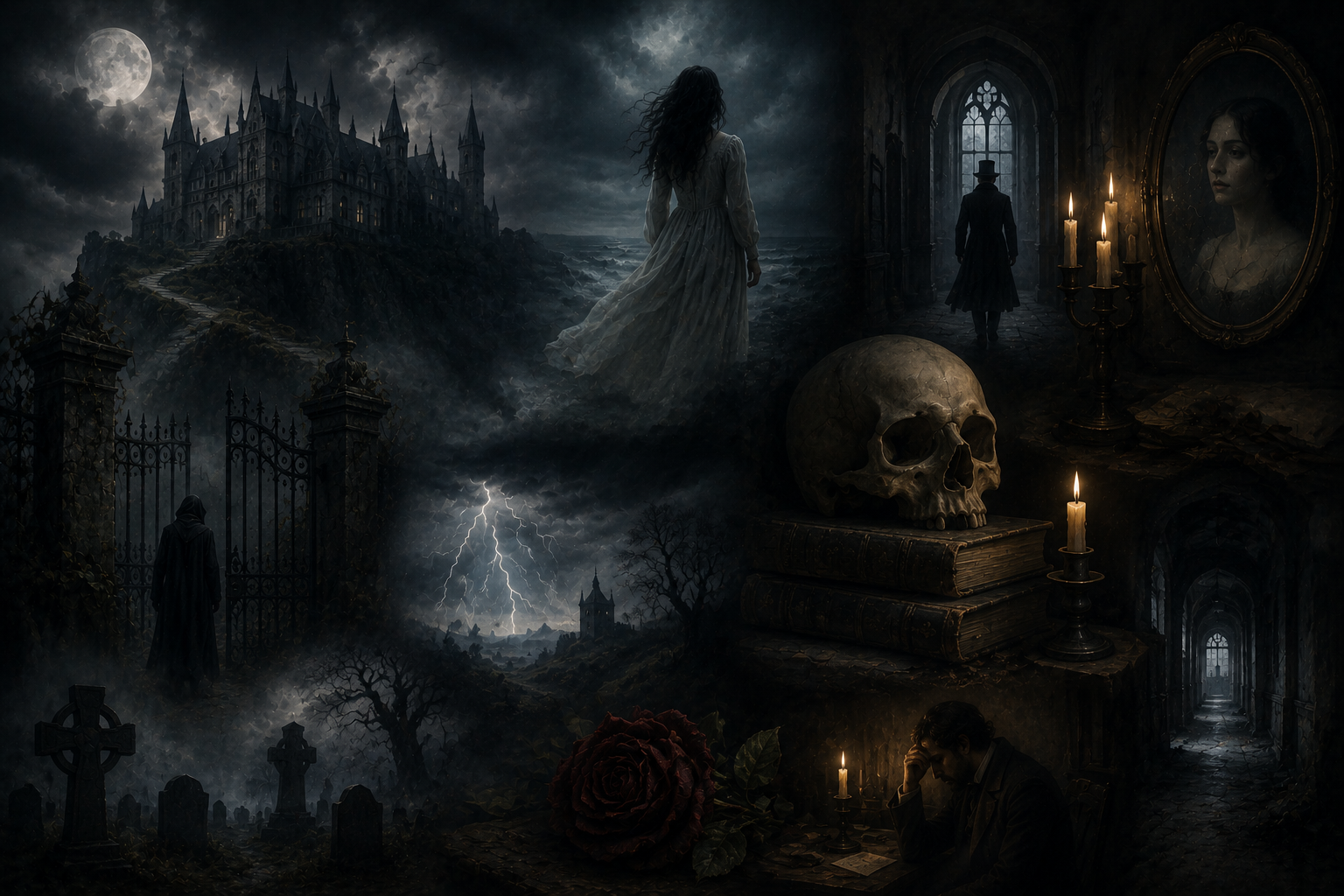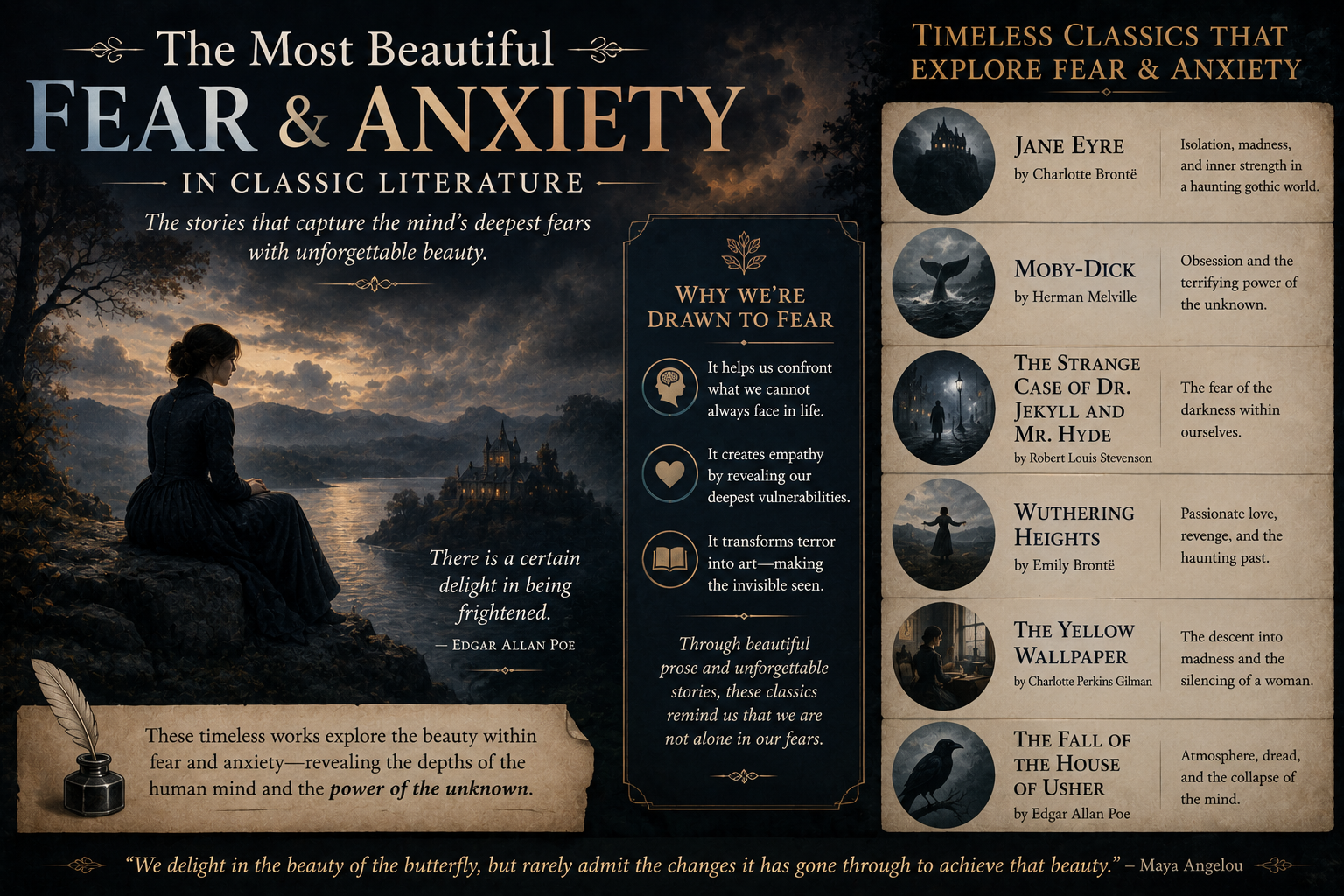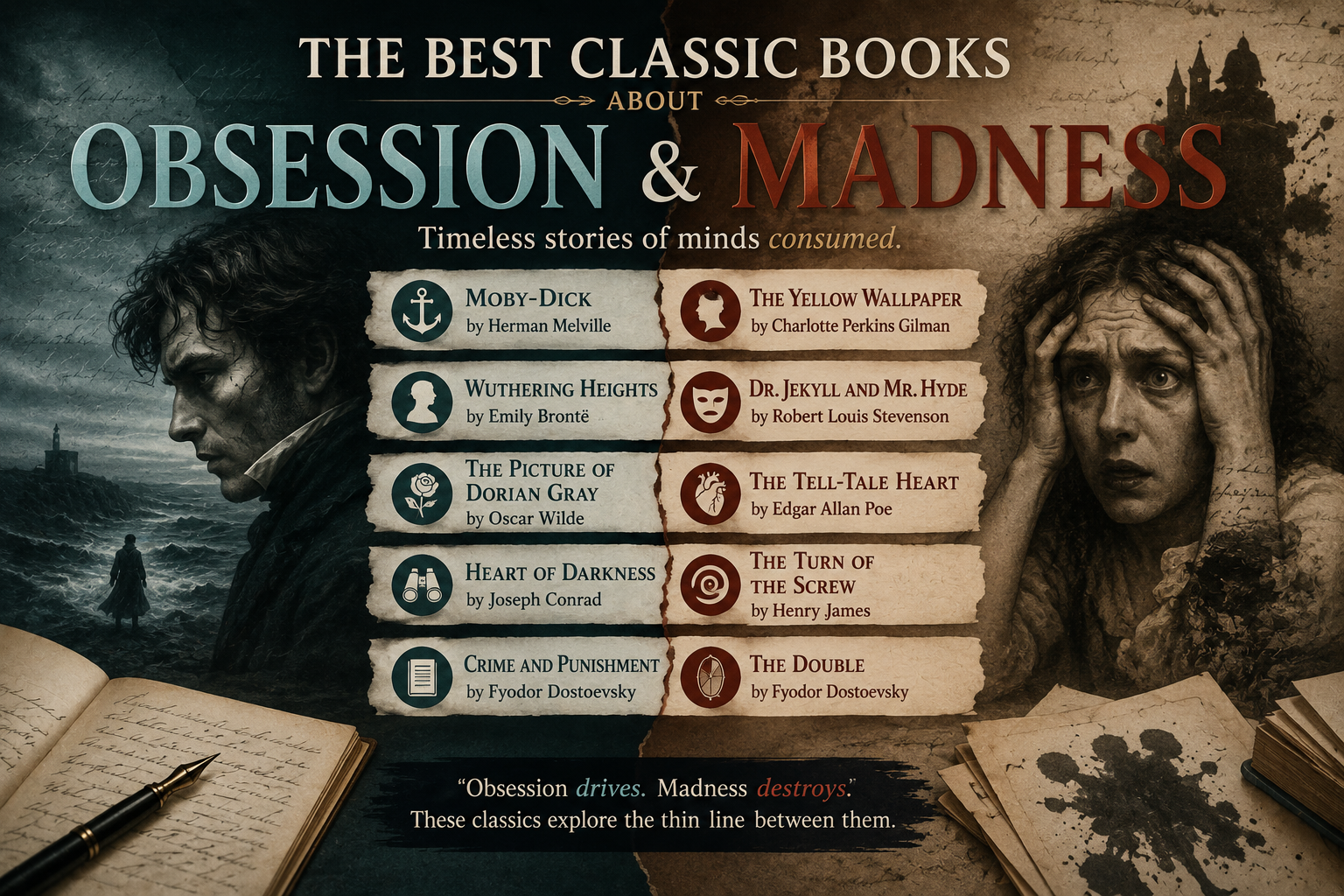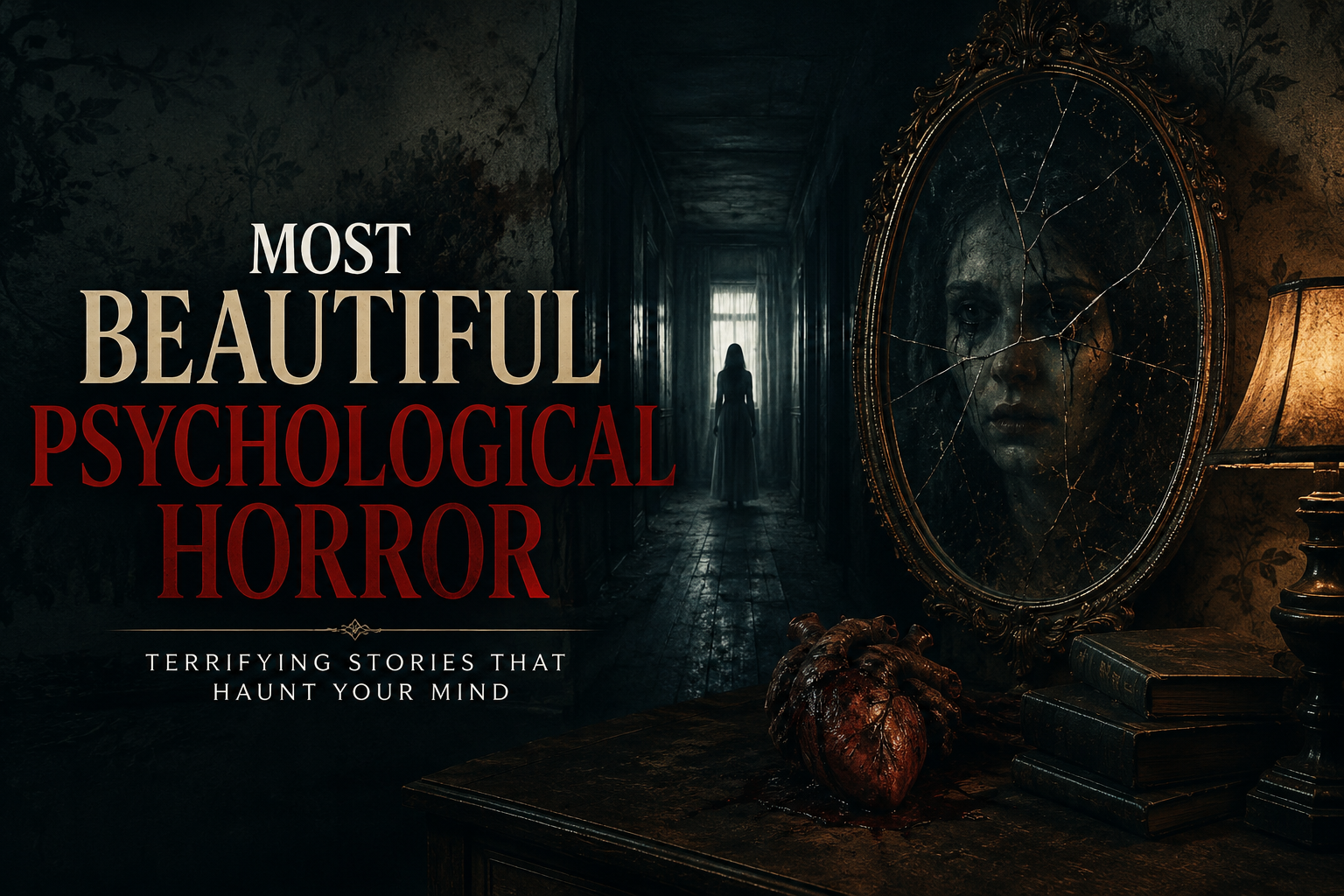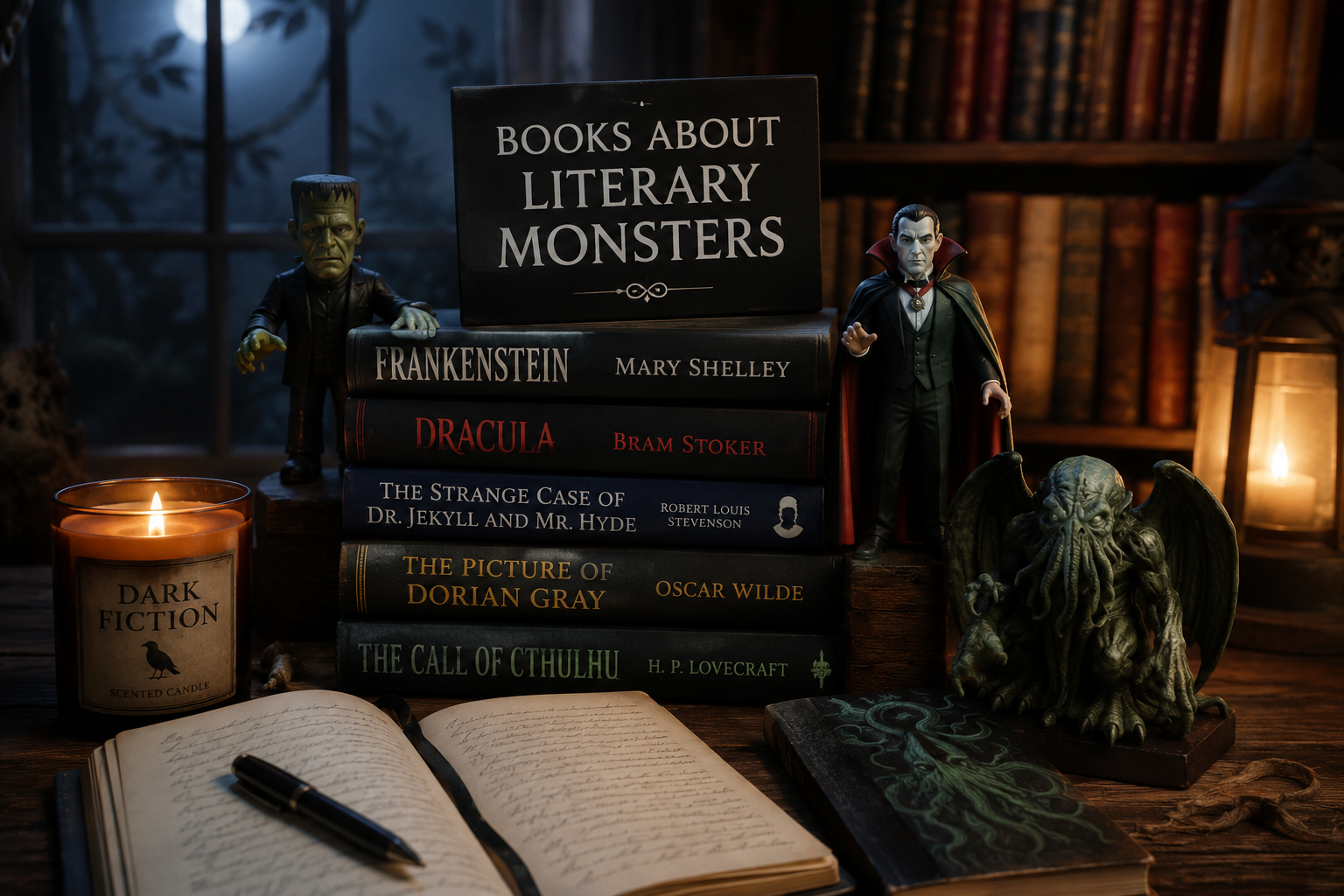
If you have ever read a story with a haunted house, a dark secret, or a character who feels trapped, you may have met Gothic literature. What Makes a Story Gothic? comes down to mood, fear, mystery, and the way a story turns inner pain into something you can almost see.
Gothic stories are not just “scary stories.” They use fear to explore guilt, power, family secrets, desire, and the darker parts of human nature.
In this Guide
- What Makes a Story Gothic?
- Gothic settings and atmosphere
- Common Gothic characters
- Major Gothic themes
- Famous Gothic literature examples
- How to spot Gothic elements in a story
- Books to read next
- FAQ
- Key takeaway
What Makes a Story Gothic?
A Gothic story creates fear through mood, place, secrets, and emotional pressure.
So, What Makes a Story Gothic? It is not just ghosts or castles. A Gothic story often makes readers feel that something is wrong before they know why.
The fear may come from a monster, like in Frankenstein. It may come from a house, like in “The Fall of the House of Usher.” It may even come from a person’s own mind.
Gothic fiction often asks a simple but deep question: What happens when hidden fears come to the surface?
What Makes a Story Gothic? The Setting Matters
Gothic settings feel unsafe, old, strange, or full of secrets.
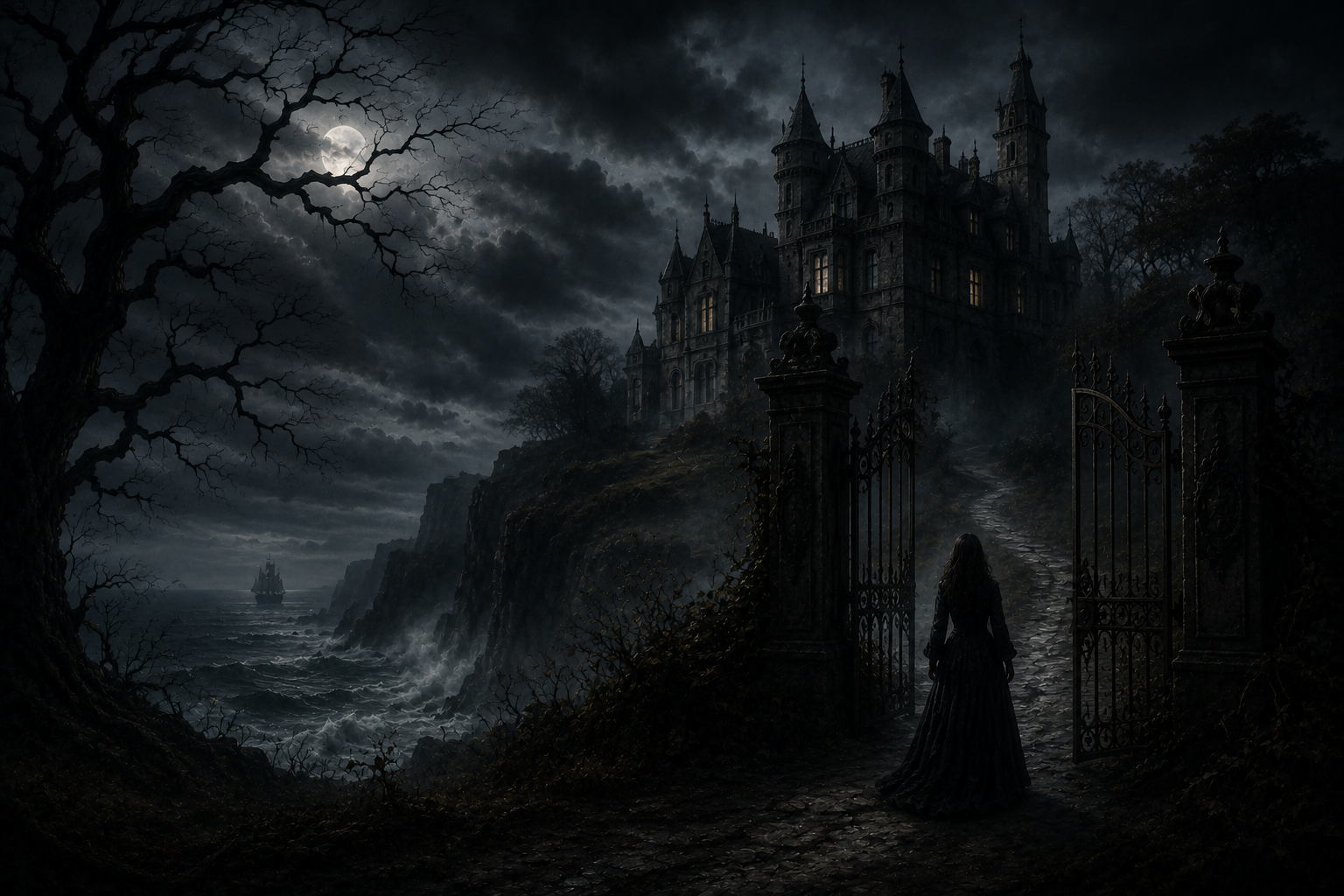
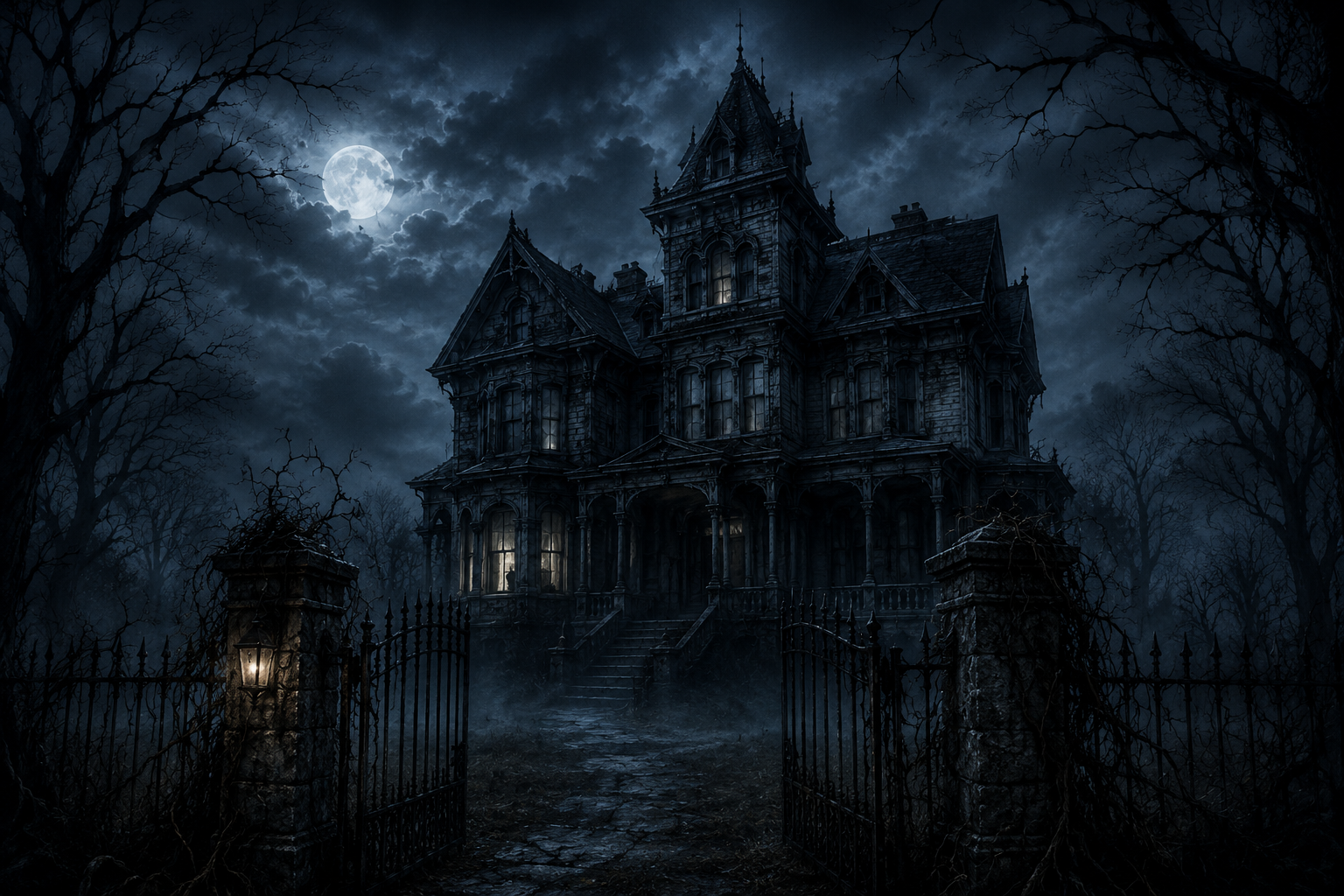
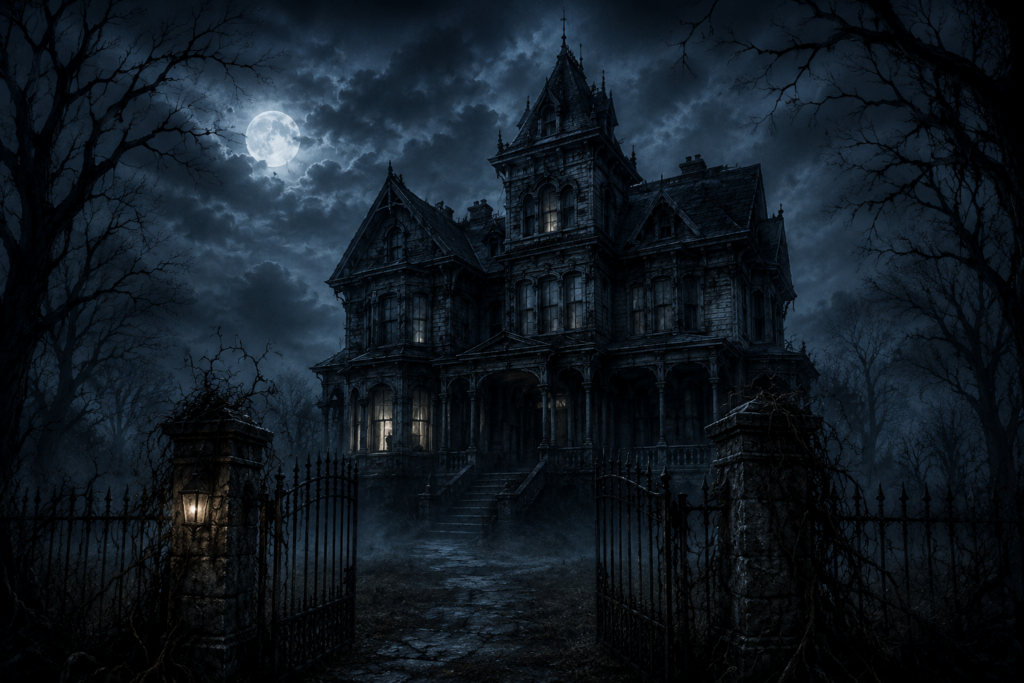
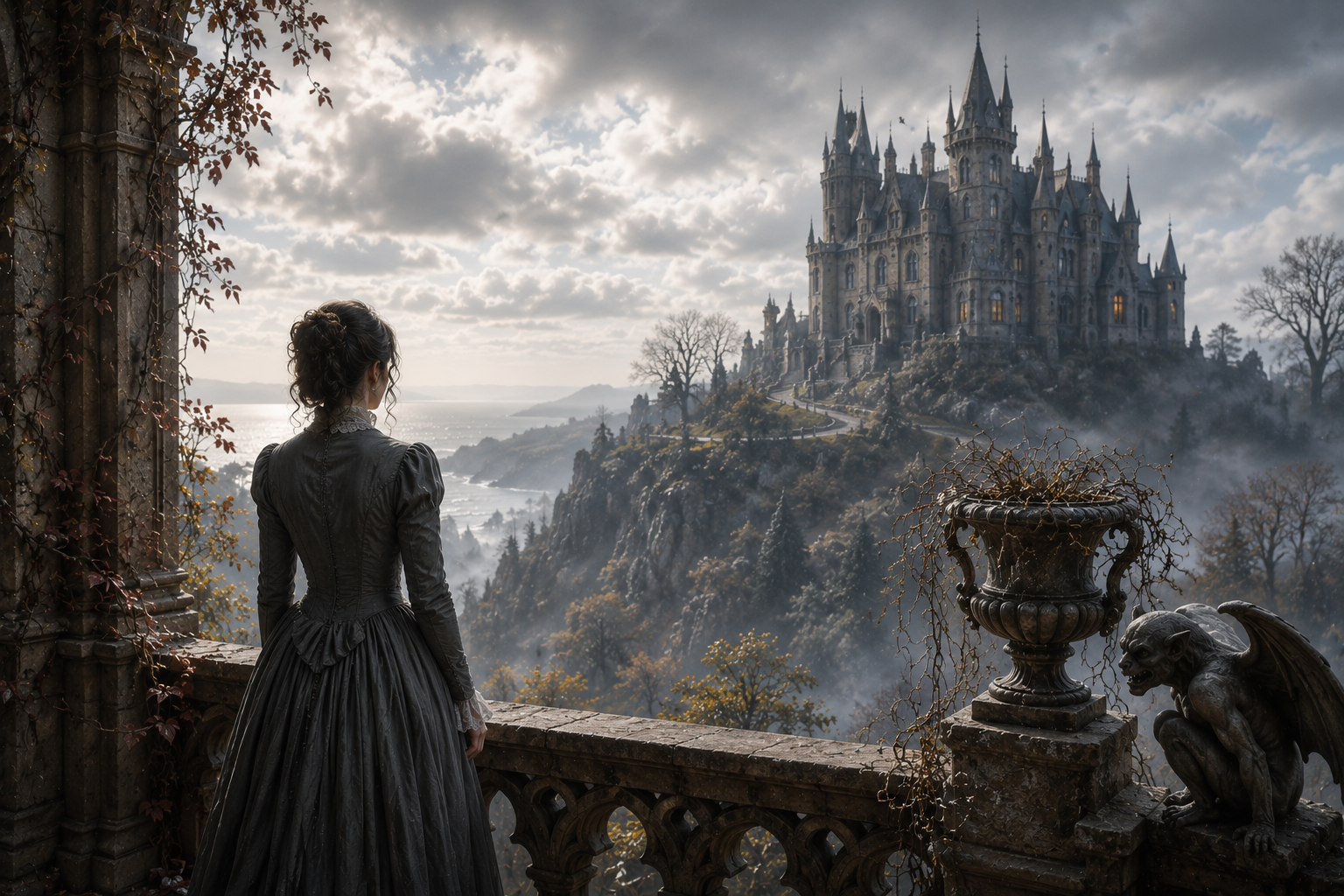
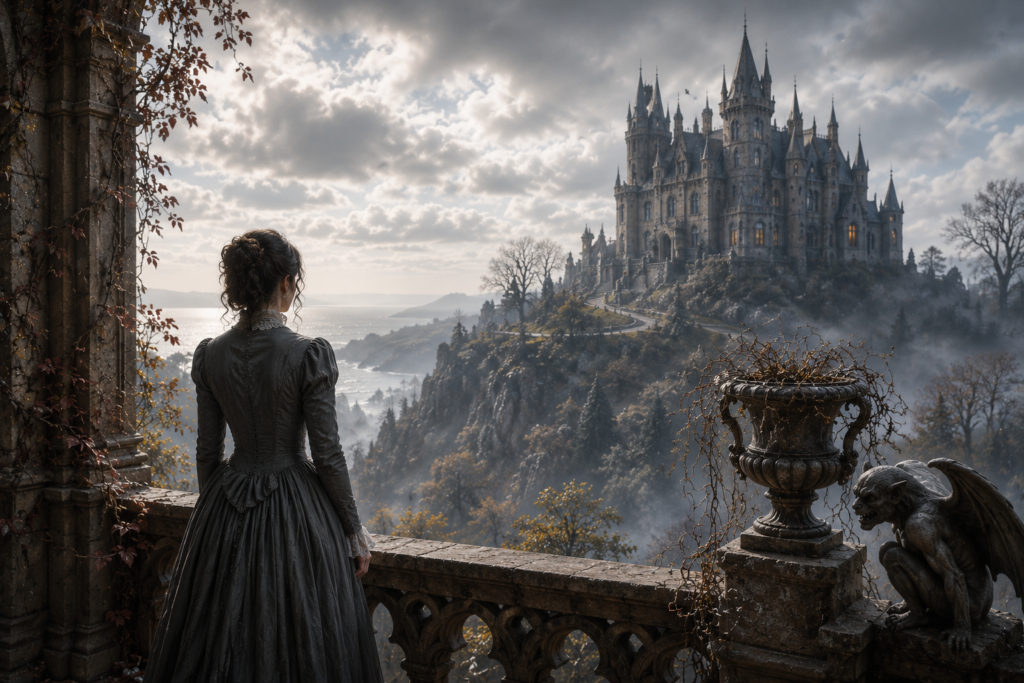
Many Gothic stories take place in castles, mansions, abbeys, graveyards, or isolated towns. These places often feel like characters themselves. They seem to watch, trap, or warn the people inside them.
In Charlotte Brontë’s Jane Eyre, Thornfield Hall is not just a large house. It holds a secret that shapes the whole plot. The locked rooms and strange sounds create fear before Jane learns the truth.
Weather also matters. Storms, fog, darkness, and cold winds help build a sense of danger. The setting tells readers, “Something is not right here.”
What Makes a Story Gothic? The Characters Feel Trapped
Gothic characters often face fear from the outside and from within.
A Gothic hero or heroine may feel alone, watched, or powerless. They may live under someone else’s control. They may not trust what they see or hear.
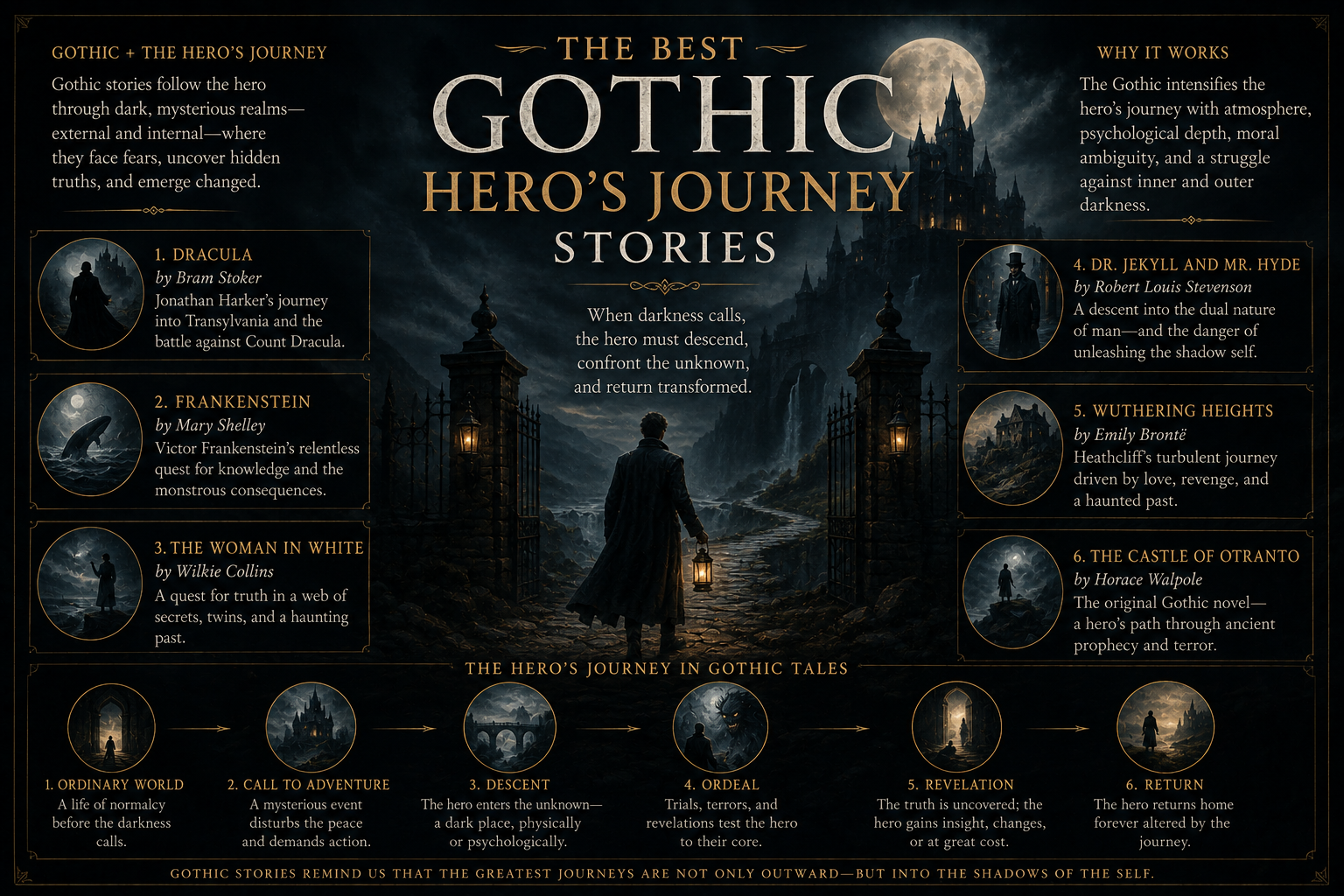
In Bram Stoker’s Dracula, the Count is both charming and dangerous. He shows how Gothic villains often blur the line between attraction and threat.
Victor Frankenstein is another strong example. He creates life, then fears what he has made. His real horror comes from guilt, pride, and loss.
This is a big part of What Makes a Story Gothic? The danger is not only outside the character. It also grows inside the heart or mind.
Major Themes in Gothic Stories
Gothic literature uses fear to talk about serious human problems.
One major theme is the past. In Gothic stories, old sins do not stay buried. Family secrets, crimes, and broken promises return in strange ways.
Another key theme is confinement. A character may be trapped in a house, a marriage, a social role, or a guilty mind.
Gothic stories also explore the unknown. They ask whether we can trust science, faith, memory, or even our own senses.
If you want to study these patterns more closely, this guide on how to read literature like a scholar can help you notice symbols, patterns, and deeper meanings.
Famous Examples That Show What Makes a Story Gothic?
Well-known Gothic works show the genre in different forms.
Mary Shelley’s Frankenstein is a classic Gothic novel. It has dark settings, emotional fear, a lonely creator, and a creature who suffers because of human rejection.
Edgar Allan Poe’s “The Tell-Tale Heart” is Gothic because it turns guilt into terror. The narrator’s fear grows until his own mind seems to betray him.
Emily Brontë’s Wuthering Heights uses wild landscapes, intense emotion, and a haunting past. The story feels restless because the characters cannot escape love, anger, or loss.
Daphne du Maurier’s Rebecca gives Gothic fiction a modern feel. Manderley, the grand house, holds memory and fear in almost every room.
For more background on the genre, Britannica has a helpful overview of the Gothic novel. You can also explore Edgar Allan Poe’s work through the Poetry Foundation.
How to Spot Gothic Elements in a Story
You can find Gothic elements by asking what creates fear and why it matters.
Start with the setting. Does the place feel old, closed off, or dangerous? Does it hide a secret?
Look at the mood. Gothic stories often feel tense before anything major happens. The mood may come from silence, darkness, strange sounds, or a sense of dread.
Then look at the characters. Do they feel trapped? Do they carry guilt? Do they fear their own thoughts?
Ask one more question: What deeper fear does the story reveal? That question often leads to the best answer to What Makes a Story Gothic?
What Makes a Story Gothic? Common Signs to Remember
Gothic fiction has patterns that students can learn to notice.
- A dark or strange setting: castles, mansions, ruins, remote homes, or shadowy streets
- A hidden secret: a locked room, a buried crime, or a shameful past
- Emotional pressure: guilt, grief, fear, obsession, or loneliness
- A sense of mystery: strange events that may or may not have a natural cause
- A threat to freedom: a character feels trapped by a person, place, or memory
These signs do not all need to appear in one story. Even a few can give a work a strong Gothic feel.
Why Gothic Literature Still Matters
Gothic stories remain popular because they turn fear into meaning.
Modern readers still care about dark secrets, unstable homes, and people who feel trapped. These fears are not stuck in the past. They still shape novels, films, and TV shows today.
When students ask What Makes a Story Gothic?, they are also asking why fear has such power in literature. Gothic fiction helps readers face what people often hide.
It can make a story exciting, but it can also make it honest.
Books to Read Next
These books are strong choices if you want to read more Gothic literature.
- Frankenstein by Mary Shelley
- Dracula by Bram Stoker
Both books are often available on Amazon, in bookstores, and through school or public libraries. They are also common choices for high school, AP Literature, and college classes.
FAQ: What Makes a Story Gothic?
What Makes a Story Gothic in simple terms?
A story is Gothic when it uses dark mood, mystery, fear, and hidden secrets to explore deeper problems.
Does a Gothic story need a ghost?
No. A Gothic story can have ghosts, but it does not need them. The fear may come from guilt, a strange house, a villain, or a character’s mind.
Is Gothic literature the same as horror?
Not exactly. Horror often aims to scare the reader. Gothic literature may scare the reader, but it also focuses on mood, emotion, and hidden meaning.
Why do teachers assign Gothic literature?
Teachers assign it because it is rich in symbols, themes, and conflict. It also helps students study how setting and mood shape a story.
Can a modern story be Gothic?
Yes. A modern story can be Gothic if it uses fear, secrets, isolation, and emotional tension in a powerful way.
Key Takeaway
What Makes a Story Gothic? A Gothic story turns fear into meaning. It uses dark places, hidden secrets, and trapped characters to show what people fear, desire, and try to hide.