

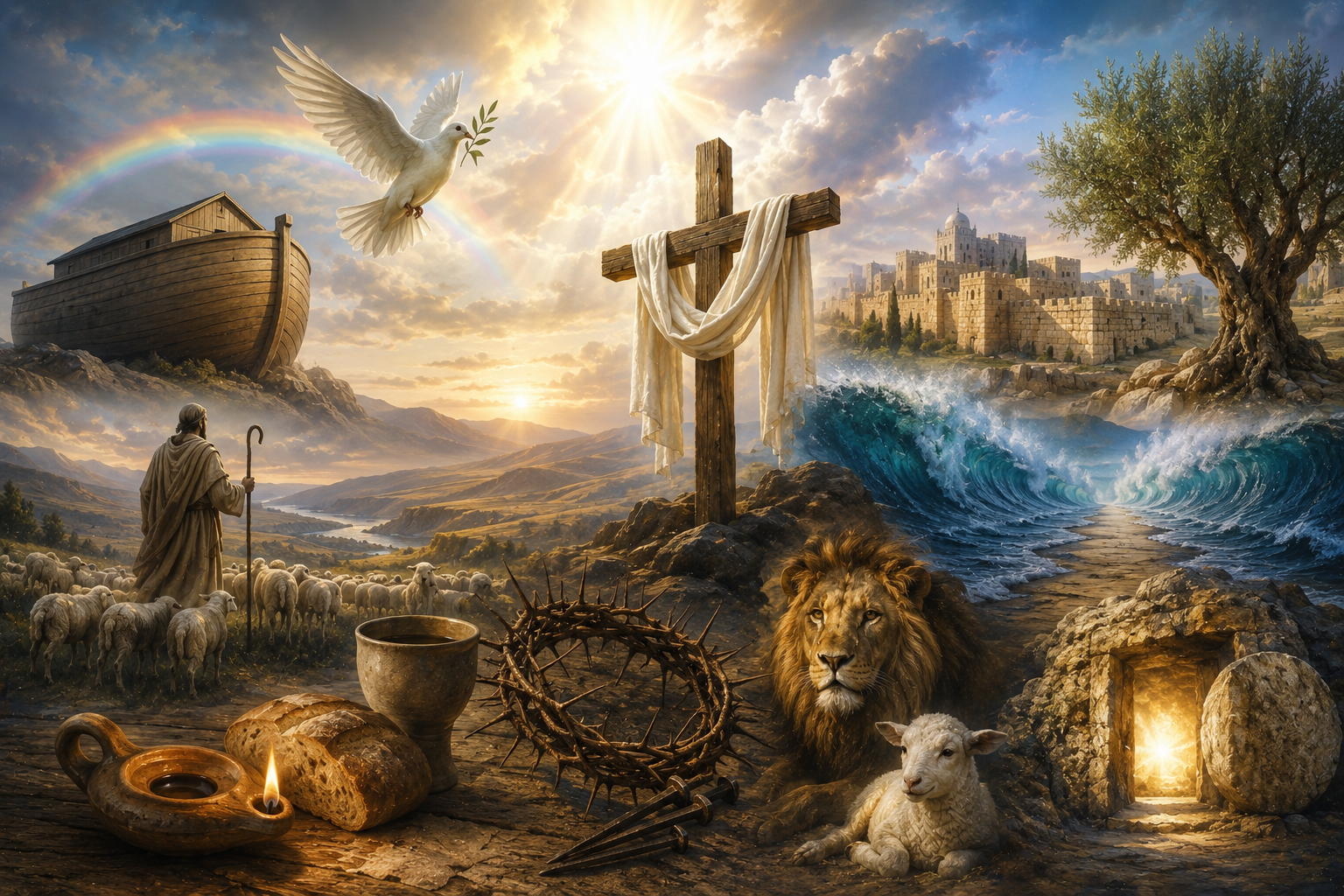
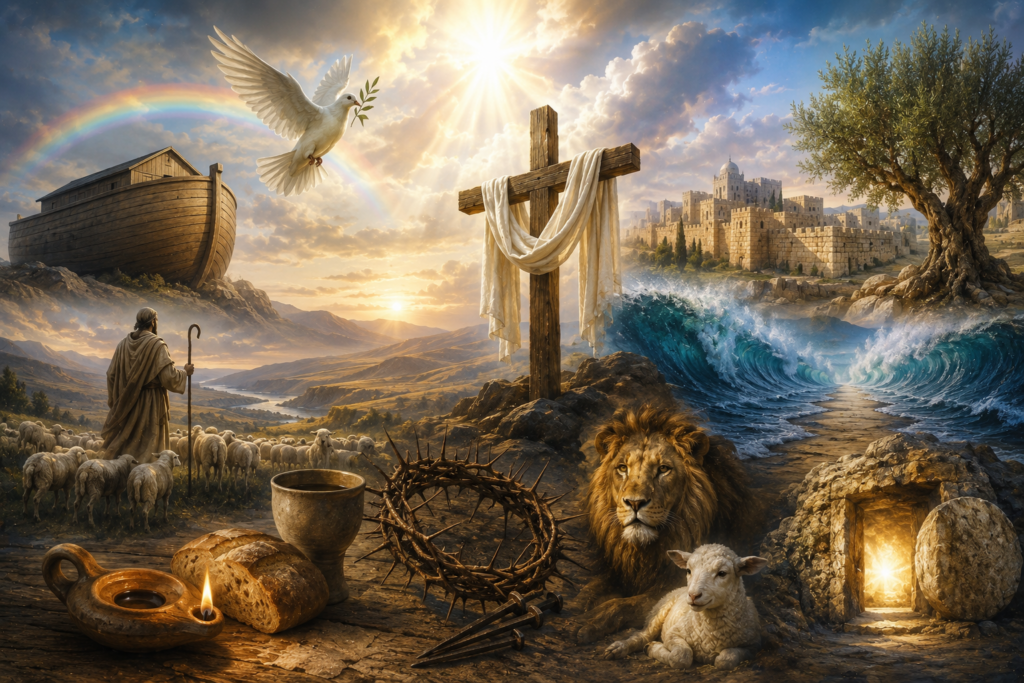
Most Influential Biblical Symbolism

Biblical symbolism
Biblical symbolism

Biblical images show up in novels, poems, plays, and speeches across many time periods. The Most Influential Biblical Symbolism helps readers understand deeper ideas about guilt, hope, sacrifice, justice, and renewal.

You do not need to be a Bible expert to notice these symbols. You only need to know what certain images often mean and how writers use them in new ways.

In this Guide

Use this guide to understand the major symbols, themes, and books that shaped literary culture.

  • Why biblical symbolism matters in literature
  • Common biblical symbols and what they mean
  • Examples from famous books and poems
  • Major themes linked to biblical symbolism
  • Recommended books for students
  • FAQs about biblical symbolism

Why Most Influential Biblical Symbolism Matters in Literature

Biblical symbols give writers a shared language that many readers already know.

For centuries, the Bible shaped art, politics, education, and storytelling in the Western world. Because of that, many authors use its images to add meaning without long explanation.

The Most Influential Biblical Symbolism often appears when a story deals with moral choice, suffering, betrayal, or rebirth. These symbols can make a simple scene feel larger and more serious.

For example, a character in a garden may remind readers of Eden. A flood may suggest judgment or cleansing. A long desert journey may point to testing and spiritual struggle.

If you want more help with close reading, Rapid Reads Press has a useful guide on how to find symbolism in a story.

Most Influential Biblical Symbolism: Common Images and Meanings

Some biblical symbols appear so often that they have become part of the basic language of literature.

The garden often connects to innocence, temptation, or loss. In the Book of Genesis, Eden is a perfect place before human disobedience changes everything.

In literature, gardens can show beauty and safety, but they can also hide danger. A peaceful garden may not stay peaceful for long.

The serpent often points to temptation, lies, or hidden evil. Writers may use a snake or snake-like figure to show danger that looks clever or harmless at first.

Water can mean life, cleansing, danger, or change. Baptism gives water a strong link to renewal, while the flood story links it to judgment.

The wilderness often shows a place of trial. A character who enters a desert, forest, or empty land may face fear, hunger, or a test of faith.

Light and darkness often stand for knowledge and ignorance, good and evil, or hope and despair. These images are easy to spot, but writers can use them in complex ways.

These patterns are part of the Most Influential Biblical Symbolism because they work across many genres. You can find them in poetry, fantasy, drama, and realistic fiction.

Most Influential Biblical Symbolism in Classic Literature

Many famous writers use biblical symbols to deepen their stories.

In John Steinbeck’s East of Eden, the title itself points to Genesis. The novel explores family conflict, jealousy, sin, and the hope that people can still choose good.

In William Golding’s Lord of the Flies, the island can seem like an Eden at first. Yet the boys bring violence with them, which turns paradise into a place of fear.

In Toni Morrison’s Beloved, biblical echoes help shape ideas about memory, suffering, and rescue. The novel does not use symbolism in a simple way. It turns sacred language toward the pain of slavery and the need to be seen.

In Mary Shelley’s Frankenstein, Victor Frankenstein often resembles a creator figure, while the Creature is linked to Adam. The novel asks what happens when a maker rejects what he has made.

The Most Influential Biblical Symbolism in these works does not just decorate the story. It helps readers ask deeper questions about human nature.

Most Influential Biblical Symbolism in Poetry

Poets often use biblical images because a single image can carry great weight.

William Blake uses lambs, tigers, angels, and gardens to explore innocence, power, and spiritual vision. His poems often sound simple, but their symbols open into big questions.

You can read more about Blake through the Poetry Foundation’s William Blake page.

John Milton’s Paradise Lost retells the fall of Adam and Eve. It gives major attention to pride, obedience, free will, and loss.

T. S. Eliot also uses biblical echoes in poems like The Waste Land. His dry, broken world suggests spiritual emptiness and the desire for renewal.

This is why the Most Influential Biblical Symbolism works so well in poetry. It lets a poet suggest a whole story through one image.

Major Themes Behind Biblical Symbols

Biblical symbols often connect to questions that never stop mattering.

Fall and loss appear when a character moves from innocence into guilt or knowledge. Eden is the main pattern here.

Sacrifice appears when one person suffers for others. This can create a heroic moment, but it can also raise hard questions about fairness.

Redemption means a person may change, heal, or find grace after failure. Many novels use this pattern to show that people are more than their worst mistake.

Exile appears when characters are cut off from home, family, or peace. This can be physical, emotional, or spiritual.

Apocalypse points to an ending, but not always only destruction. In literature, it can reveal truth, strip away lies, or show a world in crisis.

These themes make the Most Influential Biblical Symbolism useful for school essays. They help you connect small details to the meaning of the whole work.

How to Spot Biblical Symbolism in a Story

You can find biblical symbols by watching for images that feel repeated, strange, or important.

Start with names. A character named Adam, Eve, Mary, Joseph, Cain, Abel, or Lazarus may carry a biblical echo.

Then look at places. Gardens, deserts, mountains, rivers, and promised lands often matter more than the setting alone.

Pay attention to plot patterns too. A fall from innocence, a betrayal by a close friend, a sacrifice, or a return from death may point to a biblical structure.

Do not force every detail to fit. Good analysis asks, “What does this symbol add to the story?” not “Can I match this to the Bible somehow?”

For a step-by-step method, read this guide on finding symbolism in fiction.

Recommended Books for Studying Most Influential Biblical Symbolism

These books can help students see biblical symbols in action.

  • East of Eden by John Steinbeck
  • Paradise Lost by John Milton
  • Frankenstein by Mary Shelley

East of Eden is useful because it retells the Cain and Abel story through family conflict. Steinbeck also explores the power of choice.

Paradise Lost is harder, but it is one of the most important works for biblical symbolism in English literature.

Frankenstein works well for high school and college readers because its creator and creation theme is clear, but still rich.

For background on biblical history and influence, you can visit Britannica’s overview of the Bible.

Why Writers Still Use Most Influential Biblical Symbolism Today

Modern writers still use biblical symbols because they can be changed, questioned, or flipped.

A writer may use a Christ-like figure to show sacrifice. Another writer may challenge that image and ask who gets asked to suffer.

A modern “Eden” may be a suburb, a school, a city, or a home that looks perfect from the outside. Once the story begins, that perfect world may break apart.

This is one reason the Most Influential Biblical Symbolism remains powerful. It gives writers old patterns that still fit new problems.

FAQ: Most Influential Biblical Symbolism

Here are quick answers to common student questions.

What is biblical symbolism in literature?

Biblical symbolism is the use of images, names, places, or plot patterns from the Bible to add meaning to a literary work.

What are examples of the Most Influential Biblical Symbolism?

Common examples include Eden, the serpent, water, the wilderness, light, darkness, sacrifice, and resurrection.

Do I need to be religious to understand biblical symbolism?

No. You can study biblical symbolism as part of literature, history, and culture.

Why do teachers focus on biblical allusions?

Teachers focus on them because they help explain character choices, themes, and deeper meanings in many classic texts.

Can biblical symbols have more than one meaning?

Yes. Water can mean life, danger, cleansing, or judgment. The meaning depends on the story.

Key Takeaway

The Most Influential Biblical Symbolism helps readers see how stories speak about guilt, hope, suffering, and change.

When you notice these symbols, literature becomes richer. A garden is no longer just a garden, and a journey through the wilderness may reveal the heart of the whole story. 📚
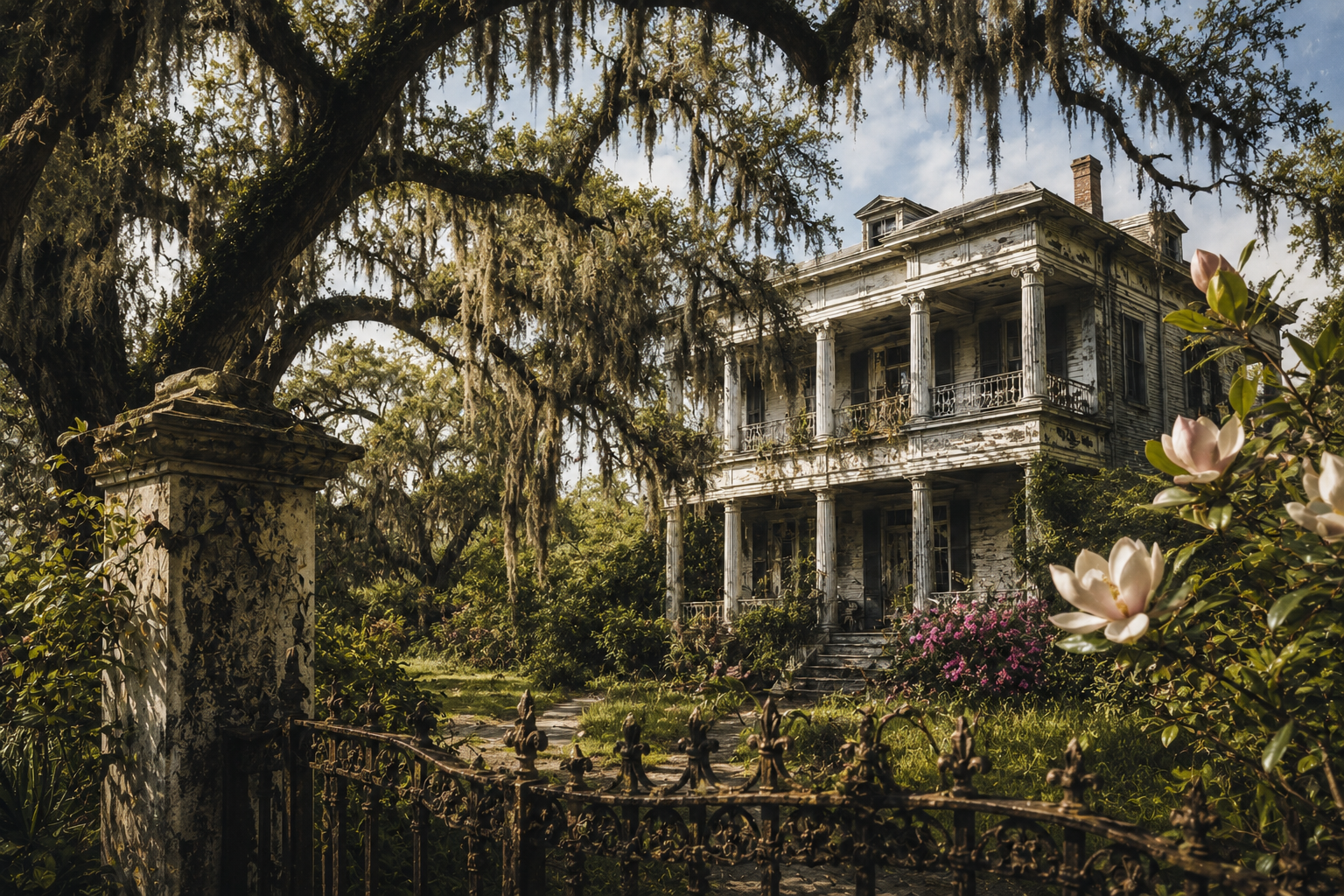
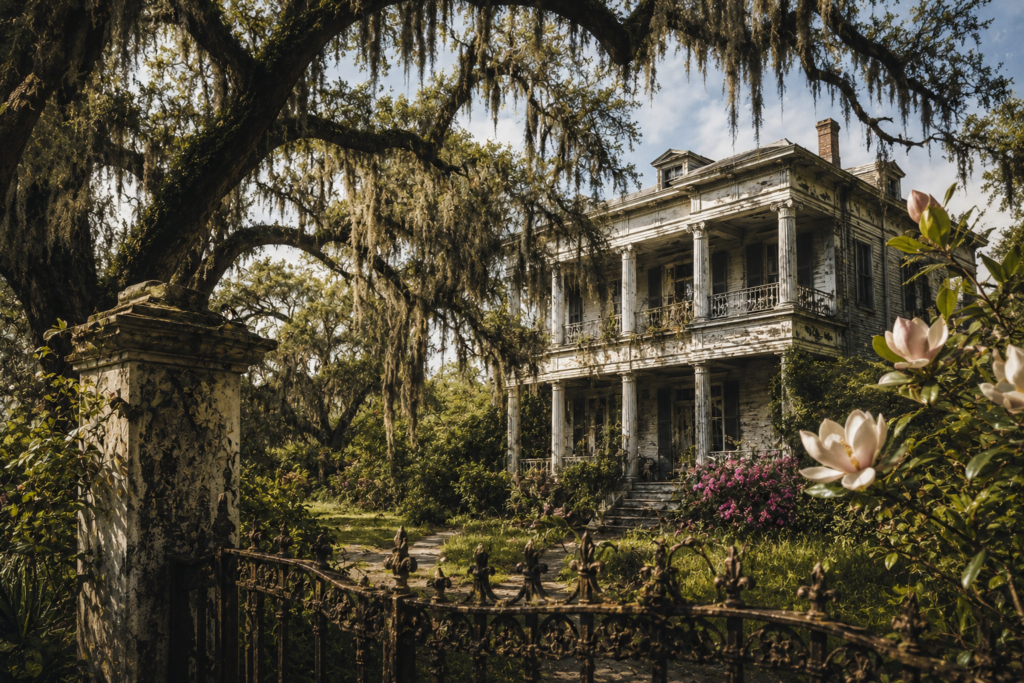
Southern Gothic Literature Explained

Southern Gothic Literature

Southern Gothic Literature Explained starts with one big idea: the South in these stories is haunted by its past. This genre uses strange events, broken families, old houses, and moral tension to show deeper truths about guilt, race, class, and fear.

If you have ever read a story that feels creepy but also serious, you may already know the mood of Southern Gothic literature.

In this Guide

  • What Southern Gothic literature means
  • Where the genre came from
  • Key traits to look for
  • Famous Southern Gothic examples
  • How to analyze Southern Gothic in essays
  • Book suggestions
  • FAQ
Southern Gothic Literature

Southern Gothic Literature Explained: What Does It Mean?

Southern Gothic is a type of literature set in the American South that mixes dark settings with serious social problems.

The word “Gothic” often makes people think of castles, ghosts, and fear. Southern Gothic changes that setting. Instead of old European castles, we often get decaying mansions, small towns, farms, and dusty roads.

Southern Gothic Literature Explained in simple terms means this: writers use strange or disturbing details to reveal what people try to hide.

These stories may include violence, family secrets, racism, poverty, or religious pressure. The weird parts are not just there to shock the reader. They help expose a broken world.

Southern Gothic Literature Explained Through Its History

The genre grew from older Gothic fiction, but it has its own Southern voice.

Classic Gothic novels, such as Frankenstein by Mary Shelley, often focus on fear, isolation, and human limits. You can learn more about the roots of the Gothic tradition from Britannica’s guide to the Gothic novel.

Southern Gothic writers took that dark style and placed it in a region marked by slavery, the Civil War, segregation, and deep social conflict.

This is why Southern Gothic Literature Explained cannot stop at “creepy stories.” The genre asks readers to face history, especially the parts people would rather forget.

Key Features of Southern Gothic Literature Explained

Most Southern Gothic stories share a dark mood, but each writer uses the style in a different way.

Here are some common signs of the genre:

  • A decaying setting: Old homes, ruined towns, or worn-out farms often show moral decay.
  • Flawed characters: People may act proud, cruel, desperate, or deeply confused.
  • Family secrets: Hidden guilt often shapes the plot.
  • Social pressure: Race, class, religion, and gender roles affect how characters live.
  • Grotesque details: Strange bodies, odd behavior, or shocking scenes reveal inner truth.

In Southern Gothic Literature Explained, the word grotesque matters. It does not just mean ugly. It means something strange that forces readers to look harder.

A grotesque character may seem strange at first, but that character often reveals what is wrong with the society around them.

Southern Gothic Literature Explained with Famous Examples

Examples help the genre become much easier to see.

William Faulkner is one of the most important Southern Gothic writers. His short story “A Rose for Emily” follows a lonely woman in a town that watches her life with judgment and fear.

The old house in the story is more than a setting. It shows the weight of the past. The shocking ending reveals how isolation and denial can twist a person’s life.

You can read more about Faulkner’s life and work through Britannica’s William Faulkner biography.

Flannery O’Connor also shaped the genre. In “A Good Man Is Hard to Find,” a family trip turns violent after the characters meet a criminal called The Misfit.

The story feels disturbing, but it is also deeply moral. O’Connor uses fear to ask hard questions about grace, pride, and belief.

Harper Lee’s To Kill a Mockingbird is not always labeled as pure Southern Gothic, but it shares many traits. The setting, racial injustice, and mysterious figure of Boo Radley all connect to the genre.

Southern Gothic Literature Explained through these works shows that the genre is not only about horror. It is about truth hidden under fear.

Why the Setting Matters So Much

In this genre, place is never just background.

The American South often feels like a character in the story. Weather, buildings, roads, churches, and town gossip all shape the mood.

A decayed mansion may stand for a family that cannot let go of old power. A small town may show how public judgment traps people. A lonely road may suggest danger or moral confusion.

Southern Gothic Literature Explained through setting helps students see how authors build meaning without saying everything directly.

When you read, ask: What does this place reveal about the people who live there?

How Southern Gothic Characters Work

Southern Gothic characters often feel extreme, but they still seem human.

They may be lonely, proud, violent, trapped, or full of guilt. Many of them want respect, love, safety, or control.

The genre often shows people under pressure. That pressure may come from family history, unfair laws, poverty, or shame.

In “A Rose for Emily,” Miss Emily is not only strange. She is also shaped by control, loss, and a town that treats her like a symbol.

In Southern Gothic Literature Explained, strong character analysis means you do not stop at “this person is weird.” You ask what made them that way.

Southern Gothic Literature Explained for Essay Analysis

This genre gives students strong material for essays because it connects style to meaning.

When you write about Southern Gothic, focus on how the dark details support the author’s message. Do not just point out creepy scenes. Explain why they matter.

For example, if a house is falling apart, ask what else is falling apart. Is it a family? A moral code? A social system?

If a character seems grotesque, ask what truth that character reveals. The best essays move from detail to meaning.

You can build this skill by learning how strong readers notice patterns. For more help, read our guide on how to read literature like a scholar.

Common Essay Topics for Southern Gothic Literature Explained

Students often write about Southern Gothic because it works well with theme, setting, and symbolism.

Here are useful essay angles:

  • How setting reveals decay
  • How secrets shape a family or town
  • How violence exposes social problems
  • How religion affects guilt or judgment
  • How the past controls the present

A strong thesis should name the literary choice and explain its purpose.

Weak thesis: “The story is Southern Gothic because it is creepy.”

Stronger thesis: “In ‘A Rose for Emily,’ Faulkner uses the decaying house to show how the town and Miss Emily remain trapped by the past.”

That second thesis gives you something clear to prove.

How to Read Southern Gothic Without Getting Lost

Southern Gothic stories can feel strange at first, but that is part of the design.

Start by tracking what feels wrong. A character may act oddly. A house may seem too quiet. A town may hide cruelty behind polite manners.

Then ask what the author wants you to notice. The strange detail usually points to a larger problem.

Southern Gothic Literature Explained as a reading tool can help you slow down and notice symbols, tone, and theme. That skill helps in class talks, AP Lit essays, and college papers.

If you want a broader method, this guide on reading literature with a scholar’s eye can help you connect details to deeper ideas.

If you want to understand the genre better, these books are strong places to start.

  • A Rose for Emily and Other Stories by William Faulkner
  • A Good Man Is Hard to Find and Other Stories by Flannery O’Connor
  • Wise Blood by Flannery O’Connor

These texts show how Southern Gothic can be eerie, funny, harsh, and deeply thoughtful.

FAQ: Southern Gothic Literature Explained

What is Southern Gothic literature in simple words?

Southern Gothic literature is a dark style of writing set in the American South. It uses strange characters, tense settings, and hidden secrets to explore serious social issues.

Is Southern Gothic the same as horror?

No. Southern Gothic may feel scary, but it is not only meant to frighten readers. Its main goal is to reveal truth about people, history, and society.

What is a famous example of Southern Gothic literature?

“A Rose for Emily” by William Faulkner is one of the most famous examples. It uses an old house, town gossip, and a shocking secret to explore the power of the past.

Why do teachers assign Southern Gothic stories?

Teachers assign them because they are rich in symbolism, theme, tone, and character analysis. They also help students think about history and moral conflict.

What should I look for when reading Southern Gothic?

Look for decay, secrets, social pressure, strange behavior, and symbols tied to the past. Then ask how those details support the story’s deeper meaning.

Key Takeaway

Southern Gothic Literature Explained comes down to this: the genre uses darkness to uncover truth. When you study its strange settings and troubled characters, you learn how literature can expose what a culture tries to hide.

error

Enjoy this article? Please spread the word :)

Follow by Email
BLUESKY
fb-share-icon
Reddit
LinkedIn
Share
RSS







