Themes in Beloved: A Student-Friendly Guide

Beloved Themes

The themes in Beloved help readers understand why Toni Morrison’s novel feels so powerful and hard to forget. This guide explains the major ideas, conflicts, and deeper meanings students should notice as they read.

In this Guide

Use this guide to review the novel before class, a quiz, or an essay.

  • Why the novel’s themes matter
  • Memory and the past
  • Motherhood and difficult love
  • Freedom and ownership
  • Identity and voice
  • Community and healing
  • Symbols that build meaning
  • Essay tips and FAQs
Beloved Themes

Why the themes in Beloved matter

Morrison’s novel is not only about one family. It is about how slavery leaves pain in bodies, homes, and memories.

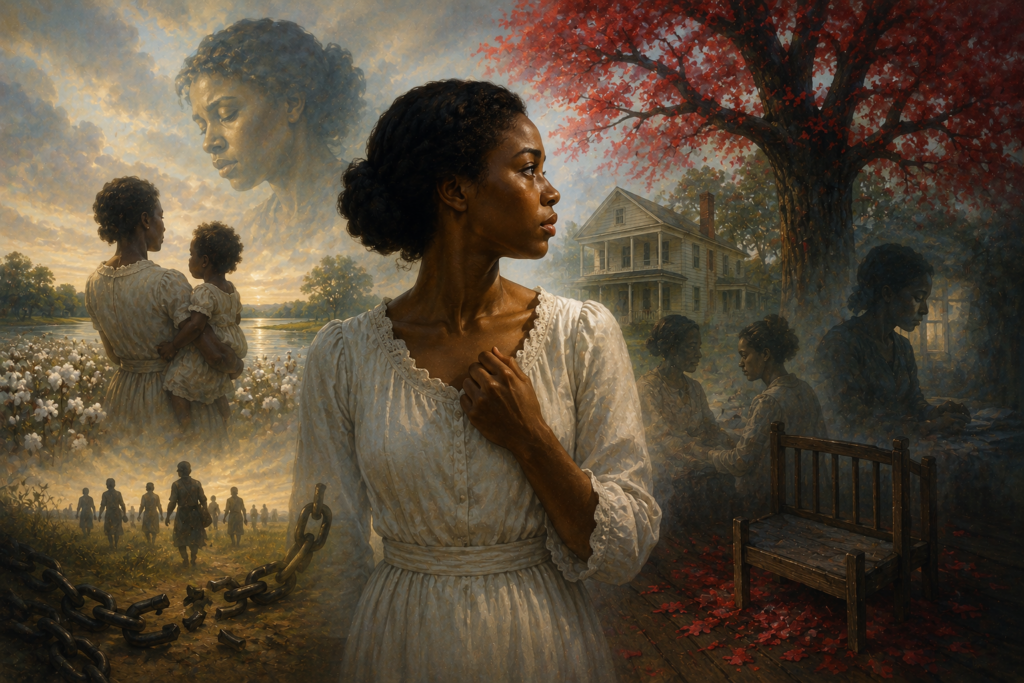
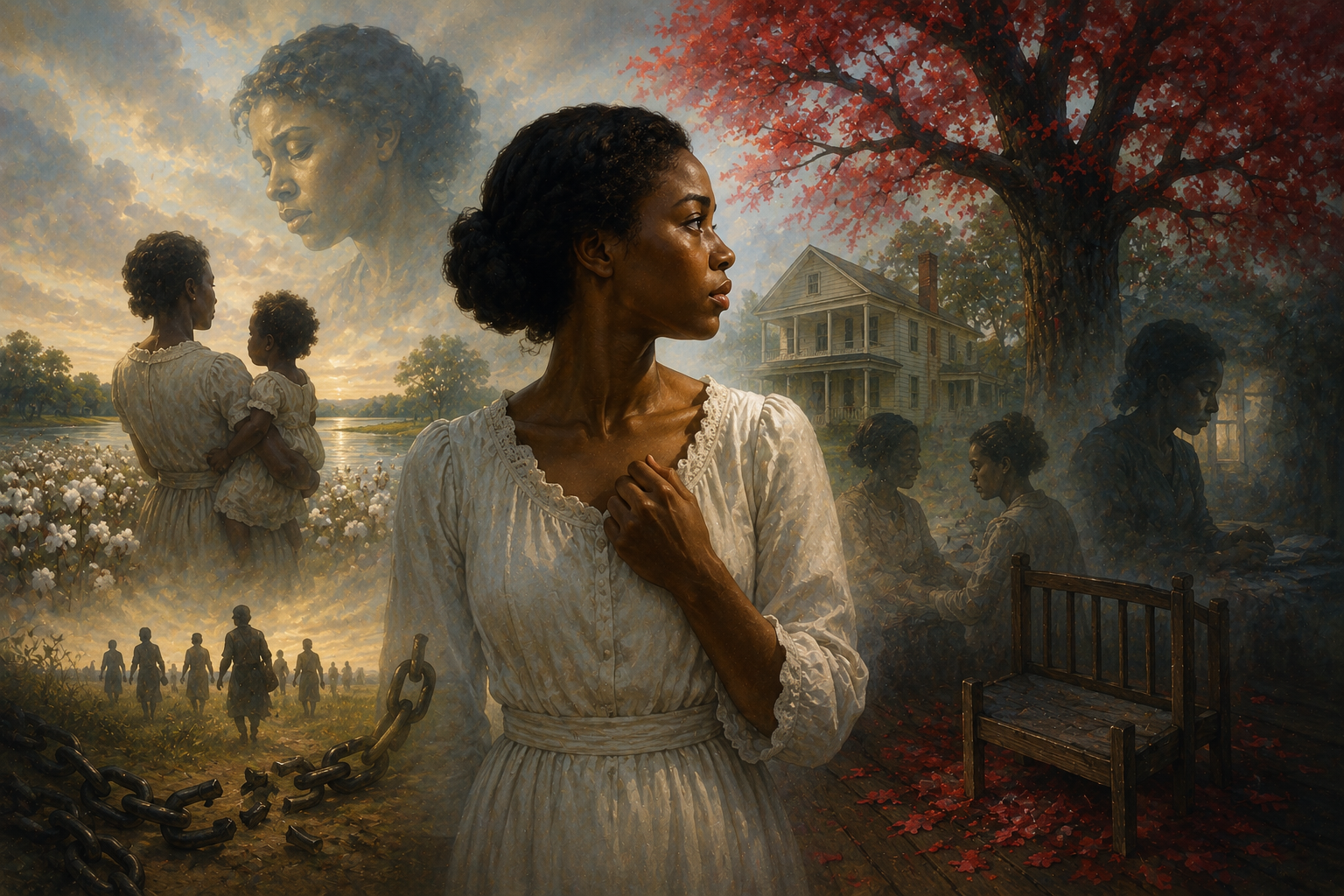
The story centers on Sethe, a formerly enslaved woman who lives with the past every day. The house at 124 is haunted, but the haunting is also emotional.

The themes in Beloved also show how history can stay alive even when people try to hide it. That makes the novel useful for essays about trauma, memory, family, and survival.

If you need help with theme as a concept, start with our guide on how to identify theme in literature.

Themes in Beloved: Memory and the past

Memory is one of the strongest forces in the novel.

Sethe tries to live in the present, but her past keeps returning. Morrison calls these painful returns “rememory,” which means the past is not really gone.

This theme matters because the novel shows memory as both painful and necessary. Sethe wants to forget, yet healing cannot start until the truth is faced.

A helpful comparison is Hamlet. Prince Hamlet also lives under the weight of a past crime. In both works, the past shapes the present and refuses to stay silent.

Themes in Beloved: Motherhood and difficult love

Morrison presents motherhood as powerful, protective, and deeply painful.

Sethe’s love for her children is intense because slavery tried to take away her right to be a mother. Her most shocking choice comes from that fear.

This is one of the most painful themes in Beloved because it asks students to think about love under extreme violence. The novel does not give easy answers. It asks why a mother might see death as safer than slavery.

In The Scarlet Letter, Hester Prynne also faces public judgment as a mother. Morrison’s novel is much darker, but both books ask how society judges women who protect their children.

Themes in Beloved: Freedom and ownership

The novel shows that legal freedom is not the same as full freedom.

Sethe escapes slavery, but she still carries its wounds. Her body, memories, and family life have all been marked by people who treated human beings as property.

Among the themes in Beloved, freedom is one of the most complex. Morrison shows that freedom must include safety, self-respect, and control over one’s own life.

This theme connects to many slave narratives and historical accounts. For background on Morrison’s life and major works, see Britannica’s overview of Toni Morrison.

Identity and voice in the novel

Morrison shows how slavery attacks a person’s sense of self.

Names matter in Beloved. Sethe’s past, Baby Suggs’s sermons, and Beloved’s mysterious presence all point to the question of who gets to define a person.

Voice also matters. Morrison lets different characters shape the story, which helps readers see pain from more than one angle. This style can feel hard at first, but it fits the novel’s subject.

When people have been silenced, telling a story becomes an act of power.

Community and healing

No one in the novel heals alone.

Baby Suggs once brings people together in the Clearing, where they learn to love their bodies and voices. That scene stands against the cruelty of slavery.

Later, the community’s role becomes important again. The women who come to 124 help break the hold of the past.

Morrison does not suggest that healing is simple. She shows that care from others can help people face what they could not face alone.

Symbols that build theme

Morrison uses symbols to make the novel’s ideas feel physical.

The house at 124 is more than a setting. It shows how trauma can fill a home and shape daily life.

Beloved herself is also symbolic. She can be read as a ghost, a lost child, or the return of a buried history.

Water often connects to birth, escape, and return. These symbols help students move from plot summary to analysis.

How to write about themes in Beloved

A strong essay should explain what Morrison suggests, not just name a topic.

Do not write, “The theme is memory.” That is too broad. A better claim would be: Morrison shows that painful memory must be faced before healing can begin.

When you write about themes in Beloved, connect each claim to a scene, symbol, or repeated idea. Use short quotes, then explain how the language supports your point.

These resources can help you build context before an essay or class discussion.

  • Beloved by Toni Morrison
  • Playing in the Dark by Toni Morrison
  • The Toni Morrison Book Club by Juda Bennett, Winnifred Brown-Glaude, Cassandra Jackson, and Piper Kendrix Williams

You can also read about Morrison through the Nobel Prize biography of Toni Morrison.

FAQ

These quick answers can help you review before a test or essay.

What are the main themes in Beloved?

The main themes in Beloved include memory, trauma, motherhood, freedom, identity, and community healing.

Why is memory so important in Beloved?

Memory shows that the past still affects the present. Sethe cannot heal by hiding from what happened.

Is Beloved a symbol?

Yes. Beloved can represent Sethe’s lost child and the larger history of slavery that refuses to disappear.

What is a good essay topic for Beloved?

You could write about how Morrison uses haunting to show the lasting effects of slavery.

Key Takeaway

The themes in Beloved ask readers to face hard truths about love, memory, and survival. Morrison shows that healing begins when buried stories are finally heard.
Symbols in A Thousand Splendid Suns: What They Mean and Why They Matter

Splendid Suns

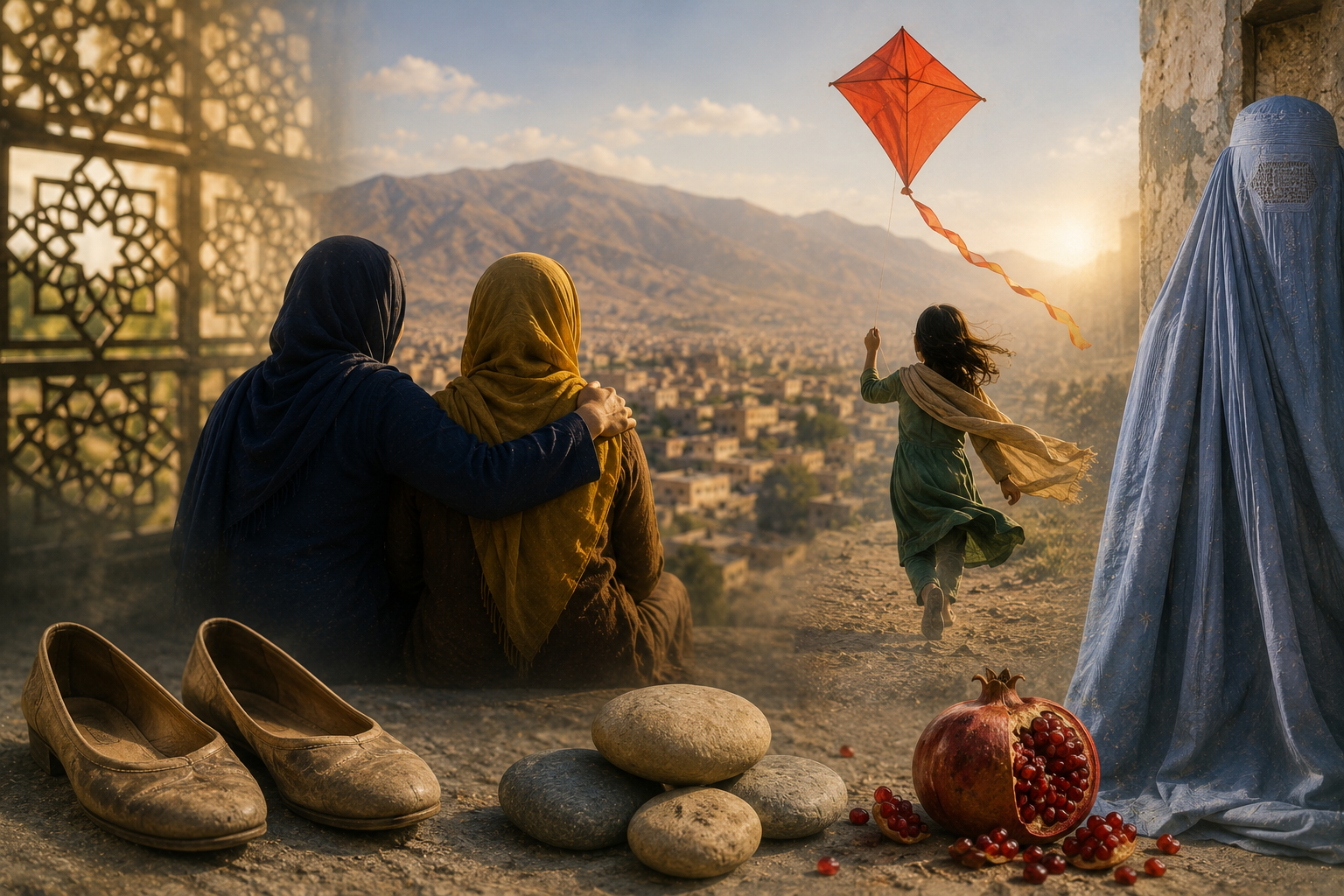
In Khaled Hosseini’s novel, the symbols in A Thousand Splendid Suns help readers see pain, hope, and survival in clear images. This guide explains symbols in A Thousand Splendid Suns with concrete examples and theme links, so you can use them in class discussion or an essay.

In this Guide

  • Why symbols matter in the novel
  • Suns and light
  • The kolba
  • The burqa
  • Pebbles
  • Stories like Pinocchio and Titanic
  • Kabul as a symbol
  • How to write about these symbols
  • FAQ
Splendid Suns

Why symbols in A Thousand Splendid Suns matter

Symbols turn private pain into visible images.

A symbol is an object, place, image, or action that means more than itself. In this novel, symbols help us understand how Mariam and Laila survive loss, fear, and unfair rules.

Think of the green light in The Great Gatsby. It is a real light, but it also stands for Gatsby’s dream. In a similar way, the symbols in A Thousand Splendid Suns point to deeper themes like love, shame, freedom, and home.

If you want a simple method for spotting symbols, read our guide on how to find symbolism in a story.

Symbols in A Thousand Splendid Suns: suns and light

The title points to beauty that survives harm.

The title comes from a poem about Kabul by the poet Saib Tabrizi. The phrase suggests that Kabul has a beauty no war can fully erase.

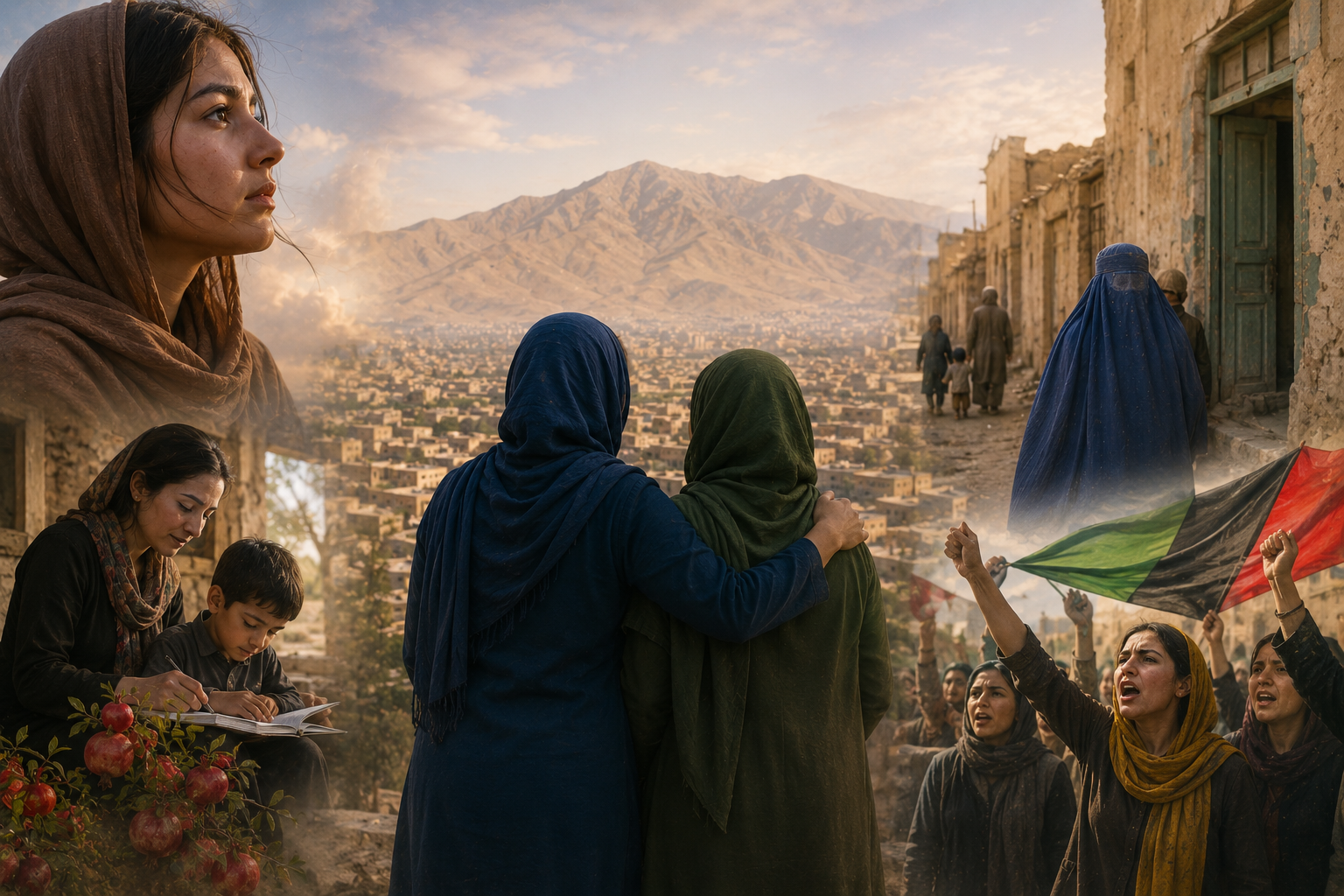
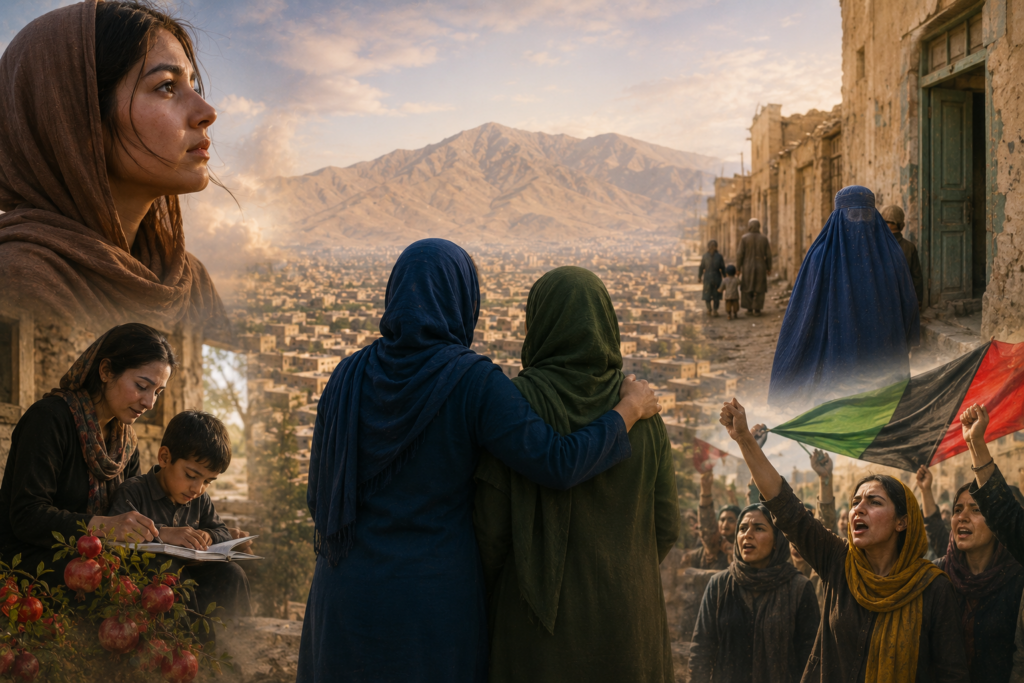
In the novel, the image of many suns also connects to women. Mariam and Laila suffer under cruel systems, yet they create warmth for each other. Their love becomes a kind of light.

This symbol links to the theme of hope under pressure. Hosseini does not pretend pain disappears. He shows that dignity can still shine in dark places.

The kolba: shame, exile, and a first home

The kolba shows how shame can be built into a place.

Mariam grows up with Nana in a small hut outside Herat. The location matters. Mariam is kept away from Jalil’s public life, which reflects how society treats her as unwanted.

Yet the kolba is not only a symbol of rejection. It is also Mariam’s first home. It holds her early memories, her lessons, and her longing to be loved.

This symbol connects to the theme of social shame. Mariam does not choose the label placed on her, but she is forced to carry it.

Symbols in A Thousand Splendid Suns: the burqa

The burqa is both a prison and a cover.

When Rasheed makes Mariam wear a burqa, it becomes a sign of control. It hides her face and limits how the world sees her.

At the same time, the burqa can offer safety in public. This does not make it simple or harmless. It shows how women in the novel must survive inside unfair rules.

This symbol links to the theme of oppression and survival. Like the clothing rules in Margaret Atwood’s The Handmaid’s Tale, dress becomes a way to control identity.

Pebbles as symbols of family and belonging

Pebbles make love and exclusion easy to see.

As a child, Mariam uses pebbles to picture Jalil’s family and her own place near it. The small stones show her wish to belong.

Pebbles are plain objects, but they carry deep feeling. They show that Mariam does not want wealth or status as much as she wants to be claimed as a daughter.

This symbol connects to the theme of family as both wound and comfort. The pebbles show how a child can turn hope into something she can touch.

Stories as symbols: Pinocchio and Titanic

The stories in the novel show the power of escape and the pain of false promises.

Pinocchio matters because Jalil promises to take Mariam to the film. When he fails her, that story becomes tied to betrayal.

Pinocchio wants to become real. Mariam also wants to be treated as real by her father, not hidden away as a mistake.

Titanic becomes popular in Kabul during a time of danger and hardship. The film offers a dream of romance and escape, even as people face fear in daily life.

These symbols in A Thousand Splendid Suns connect to the theme of dreams under harsh conditions. Stories do not save the characters by themselves, but they help them imagine another life.

Kabul as a symbol of home and loss

Kabul is more than a setting; it becomes a wounded symbol.

The city changes across the novel. It holds beauty, memory, and culture, but it also suffers from war and political violence.

Because the title praises Kabul’s splendor, the city stands for more than destruction. It represents a country with a past, a spirit, and people who keep going.

For helpful background on the author, see this Britannica profile of Khaled Hosseini. For a broader look at literary symbolism, Britannica also has a useful page on Symbolism as a literary movement.

How to write about symbols in A Thousand Splendid Suns

Strong essays explain what a symbol does, not just what it is.

Do not stop at saying, The burqa is a symbol. Ask what it reveals about power, fear, or survival.

A good sentence might say: The burqa symbolizes control because Rasheed uses it to limit Mariam’s identity, yet it also shows how women learn to protect themselves in public spaces.

When you write about symbols in A Thousand Splendid Suns, link each image to a theme. That will make your essay clearer and more persuasive.

For more practice, use this symbolism reading strategy. You can also explore RapidReads Press literature study resources for help with essay planning.

Relevant books to look up on Amazon or at your library

These books pair well with Hosseini’s novel for theme and symbolism study.

  • A Thousand Splendid Suns by Khaled Hosseini
  • The Kite Runner by Khaled Hosseini
  • The Handmaid’s Tale by Margaret Atwood

FAQ: symbols in A Thousand Splendid Suns

Quick answers can help you review before class or an essay.

What are the main symbols in A Thousand Splendid Suns?

The main symbols in A Thousand Splendid Suns include suns and light, the kolba, the burqa, pebbles, stories, and Kabul itself.

What does the title symbolize?

The title symbolizes Kabul’s beauty and the strength of women who keep hope alive in hard times.

What does the burqa symbolize in the novel?

The burqa symbolizes control, hidden identity, and survival inside a society that limits women’s freedom.

Why are pebbles important?

Pebbles symbolize Mariam’s deep wish for family, belonging, and love from her father.

How can I use symbolism in an essay?

Choose one symbol, explain where it appears, then connect it to a theme such as hope, shame, or oppression.

Key Takeaway

The best way to read symbols in A Thousand Splendid Suns is to connect each image to human feeling.

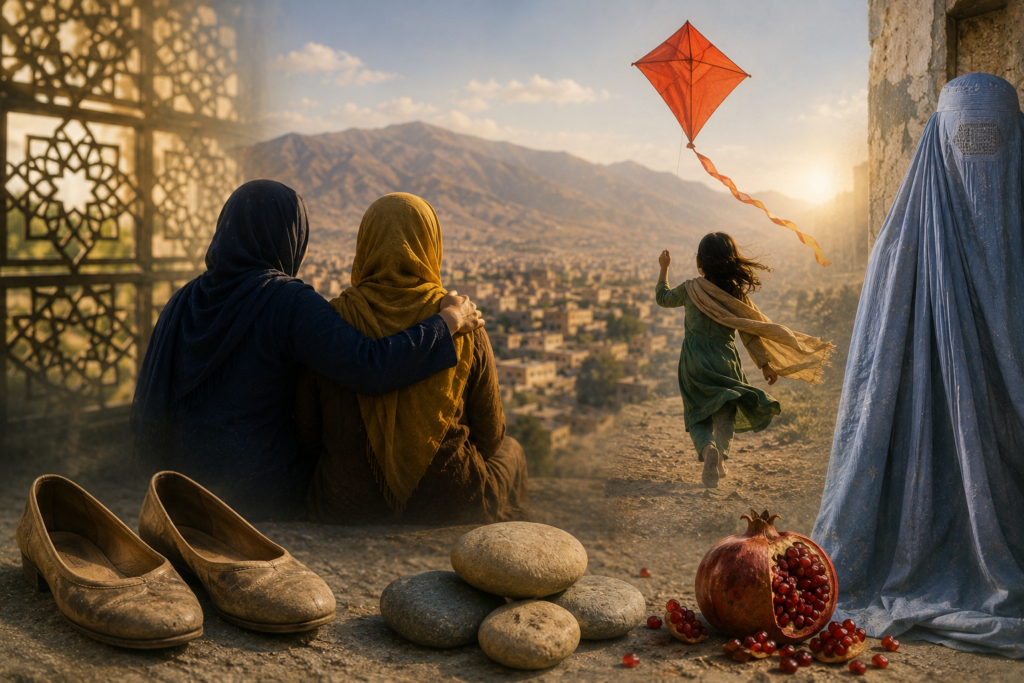
The suns, the kolba, the burqa, and the pebbles all show how people search for love and dignity in a painful world.

Themes in A Thousand Splendid Suns: A Student-Friendly Guide

thousand splendid Suns Themes

A clear guide to the major ideas, conflicts, and meanings students should notice in A Thousand Splendid Suns.

Themes in A Thousand Splendid Suns help students see how Khaled Hosseini turns a painful story into a deep study of love, power, and survival. This guide breaks down the novel’s major ideas in clear terms, so you can use them in class talks, essays, and AP Literature work.

In this Guide

  • Why the themes matter
  • Major themes in the novel
  • Family and sacrifice
  • Power and gender
  • Hope and survival
  • Symbols connected to theme
  • Essay tips
  • FAQ
thousand splendid Suns Themes

Why the themes in A Thousand Splendid Suns matter

Hosseini does not present theme as a simple lesson. He builds it through choices, suffering, small acts of courage, and the bond between Mariam and Laila.

Students often look for one main message. In this novel, the meaning grows from many conflicts at once. The private pain inside the home reflects the public violence outside it.

That is why the themes in A Thousand Splendid Suns work so well for essays. They connect character, setting, conflict, and historical context.

Major themes in A Thousand Splendid Suns

The novel’s main ideas center on love, oppression, endurance, and the cost of war.

Love as sacrifice is one of the clearest themes. Mariam learns that love is not only romance or family duty. It can mean giving up safety for someone else’s future.

Oppression and control shape the daily lives of women in the novel. Rasheed’s home becomes a place of fear, while laws outside the home add more limits.

Survival through connection also matters. Mariam and Laila do not begin as allies. Over time, their bond helps them face a world built to silence them.

The themes in A Thousand Splendid Suns are not separate boxes. They overlap, which makes the novel feel real and emotionally powerful.

How family shapes themes in A Thousand Splendid Suns

Family in the novel can wound, but it can also heal.

Mariam’s early life teaches her shame and rejection. Her father hides her from his public life, and that rejection shapes how she sees herself.

Laila’s family gives her a different start. Her father values education and hope. His love helps her imagine a life beyond war, even when that dream seems lost.

Mariam and Laila later create a chosen family. This bond is not based on blood. It is built on trust, care, and shared pain.

In these themes in A Thousand Splendid Suns, family becomes more than a social unit. It becomes a source of identity and moral choice.

Power, gender, and silence

The novel shows how power can control bodies, voices, and futures.

Rasheed uses gender roles to justify abuse. He treats obedience as a duty and silence as proof of respect. The novel asks readers to see how dangerous that thinking is.

Hosseini also shows that control is not only personal. Political rule affects what women can wear, where they can go, and what they can learn.

This theme connects well to works like Margaret Atwood’s The Handmaid’s Tale. Both novels show how systems can turn women’s lives into sites of control.

For historical background, students may find Britannica’s overview of Afghanistan helpful when studying the novel’s setting.

Hope and survival under pressure

Hope in the novel is not easy or bright all the time. It often appears as a small act that keeps a person alive.

Laila’s hope connects to education, love, and the future of her children. Mariam’s hope changes over time. She begins with a desire to be loved, then finds meaning in protecting Laila.

This is one reason the novel feels so painful but not hopeless. It shows that survival can mean more than staying alive. It can mean keeping dignity when the world tries to take it away.

Readers may think of Night by Elie Wiesel here. Both books show people under extreme pressure, yet both ask what remains of human dignity when everything else is stripped away.

Symbols and themes in A Thousand Splendid Suns

Symbols help Hosseini make the novel’s ideas more visible.

The title comes from a poem about Kabul, which points to beauty hidden beneath suffering. Kabul is not only a war-torn city. It is also a home, a memory, and a place worth saving.

The burqa can symbolize both forced silence and social control. Yet the meaning depends on the scene. In literature, a symbol can shift as the story changes.

When you study themes in A Thousand Splendid Suns, watch how objects and places repeat. If you need extra help, read our guide on how to find symbolism in a story.

War, place, and personal life

Hosseini shows that history is not distant. It enters kitchens, bedrooms, schools, and streets.

War shapes Laila’s losses and limits her future. It also changes Kabul from a place of childhood hope into a place of fear.

The novel does not treat war as background noise. It makes war part of the plot, the setting, and the emotional weight of the story.

For more context on women’s rights issues linked to conflict, students can explore UN Women.

How to write about themes in A Thousand Splendid Suns

A strong theme essay needs a clear claim, not just a topic.

Instead of writing, the novel is about love, try a sharper idea: Hosseini shows that love becomes most powerful when it turns into sacrifice.

A strong essay about themes in A Thousand Splendid Suns should connect theme to character change. Mariam is the best example because her view of herself changes so much.

Use short quotes and explain them closely. Do not drop a quote and move on. Show how the words reveal power, fear, hope, or love.

If you want extra support for class prep, explore our student literature guide resources.

Book suggestions for deeper study

These books pair well with Hosseini’s novel and can help students compare theme across texts.

  • The Kite Runner by Khaled Hosseini
  • Persepolis by Marjane Satrapi

FAQ: Themes in A Thousand Splendid Suns

What are the main themes in A Thousand Splendid Suns?

The main themes in A Thousand Splendid Suns include sacrifice, oppression, survival, family, and hope. The novel shows how people endure pain through love and courage.

What is the most important theme in the novel?

Sacrifice may be the most important theme. Mariam’s final choice gives the novel much of its emotional force.

How does Hosseini show women’s strength?

He shows strength through endurance, loyalty, and moral action. Mariam and Laila resist in quiet but powerful ways.

Why is Kabul important to the themes?

Kabul reflects loss and beauty at the same time. The city helps show how personal lives are shaped by history.

Key Takeaway

The deepest insight in A Thousand Splendid Suns is that love can survive fear, and it can give people the strength to act when hope seems almost gone.

Themes in The Grapes of Wrath: A Student-Friendly Guide

grapes of wrath

A clear guide to the major ideas, conflicts, and meanings students should notice in The Grapes of Wrath.

Studying the themes in The Grapes of Wrath helps you see why Steinbeck’s novel still feels urgent. The book is not just about one family on the road; it is about poverty, power, hope, and what people owe one another.

In this Guide

Use these sections to review the novel before class, a quiz, or an essay.

grapes of wrath

Why the Themes in The Grapes of Wrath Matter

Steinbeck uses the Joad family to show how large social forces shape private lives.

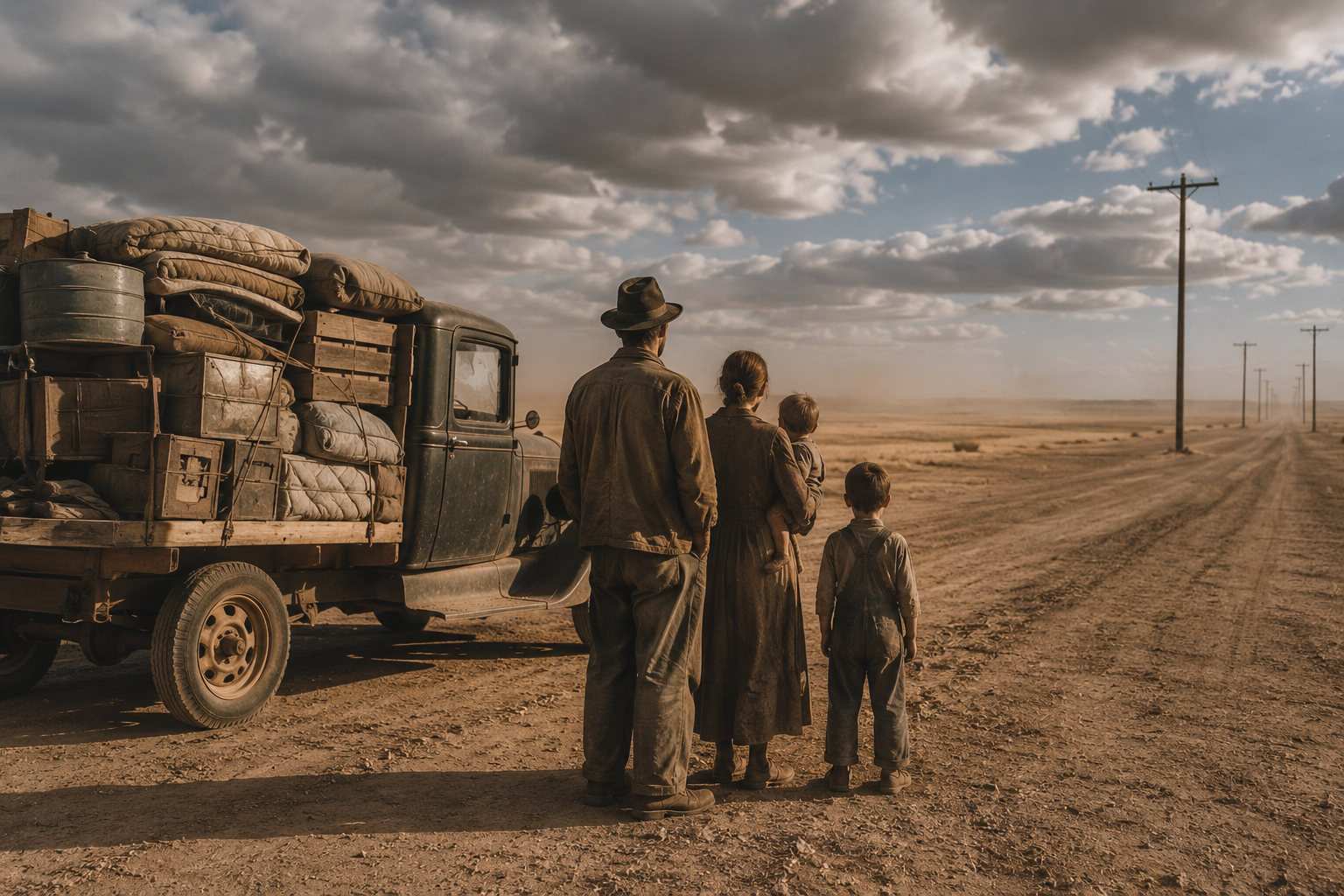
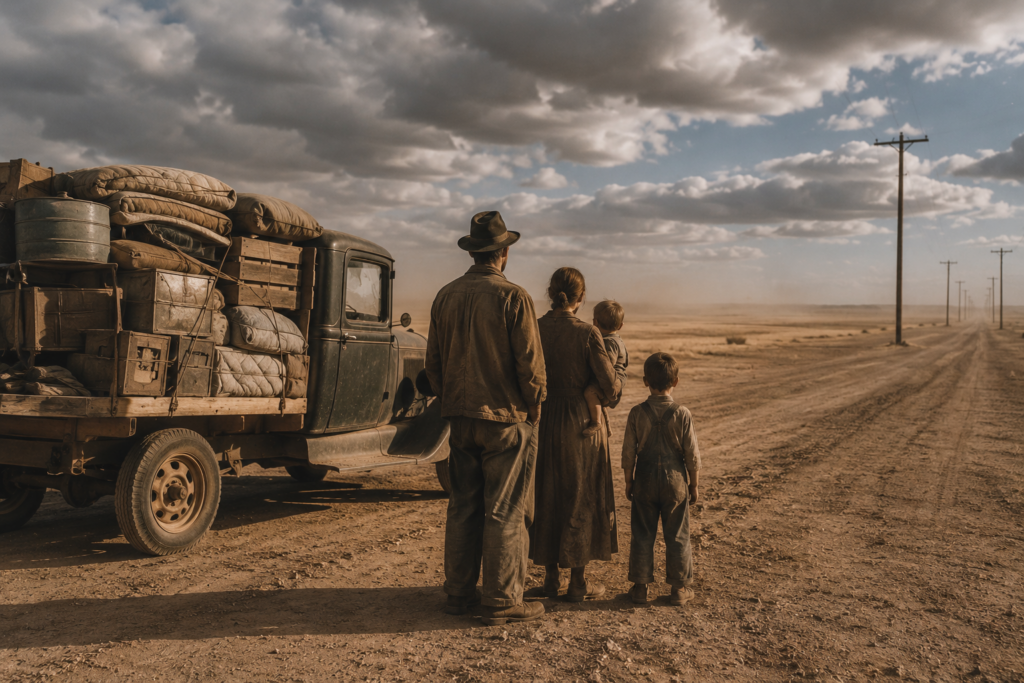
The novel takes place during the Great Depression and the Dust Bowl. Families lose farms, banks gain control, and workers head west because they believe California will offer a fresh start.

The themes in The Grapes of Wrath matter because they connect one family’s struggle to a wider American crisis. Steinbeck asks readers to notice who has power, who suffers, and who gets blamed.

That is why the novel works well in AP Literature and college classes. It gives you strong material for essays about conflict, symbolism, setting, and character change.

Major Themes in The Grapes of Wrath

The novel has many ideas, but a few carry most of the meaning.

The major themes in The Grapes of Wrath include social justice, family, migration, faith, and human dignity. These ideas overlap, so one scene often supports more than one theme.

For example, when the Joads leave Oklahoma, the scene is about poverty. It is also about identity, since the family must leave land that shaped who they are.

Steinbeck also uses short chapters between the Joad chapters. These wide-view chapters show that the Joads are not alone. Their pain belongs to thousands of families.

Social Justice and the Fight Against Exploitation

Steinbeck shows a world where poor workers face systems built to keep them weak.

One of the novel’s strongest ideas is that poverty is not just bad luck. The migrant families are trapped by banks, landowners, police, and unfair wages.

California is supposed to be a place of plenty. Yet workers arrive and find hunger, fear, and low pay. The more desperate the workers become, the easier they are to control.

This theme is similar to the social criticism in Charles Dickens’s Hard Times. Both writers show how money can turn people into tools instead of full human beings.

Jim Casy’s growth is central here. He begins as a former preacher, but he becomes a moral voice for workers. His belief shifts from private sin to public responsibility.

Family, Community, and Shared Survival

The Joads begin as one family, but the novel pushes them toward a larger sense of care.

At first, Ma Joad fights to keep the family together. She believes survival depends on unity. Her strength holds the group steady when fear and grief could break them apart.

As the journey continues, the idea of family changes. The Joads learn that blood ties are not the only bonds that matter. Hungry people share food, news, shelter, and risk.

This shift is one reason the final scene matters so much. Rose of Sharon’s act is shocking, but it shows mercy in its most basic form. A stranger’s life becomes worth saving.

Many students connect this theme to Les Misérables by Victor Hugo. In both works, compassion becomes a way to resist a cruel world.

The Land, Displacement, and Human Dignity

The land is more than a setting in Steinbeck’s novel.

For the tenant farmers, land is memory, work, pride, and family history. Losing it means more than losing income. It means losing the place that gave their lives shape.

Steinbeck often describes tractors as cold and inhuman. The machines tear through farms without care for the people who lived there. This makes the bank and business system feel faceless.

Once the Joads become migrants, they are treated as if they are less than human. People call them names, deny them fair wages, and push them from place to place.

The novel argues that dignity should not depend on money or property. Even when the Joads lose almost everything, their choices still reveal courage.

Faith, Anger, and Moral Growth

Steinbeck does not treat faith as simple belief; he connects it to action.

Jim Casy is the clearest example. He no longer believes in old sermons the same way, but he still searches for truth. His faith becomes less about rules and more about human connection.

Tom Joad also changes. At first, he mostly cares about his own family and his own survival. After Casy’s death, Tom sees that justice needs people who will act for others.

Tom’s famous idea that he will be wherever people fight for fairness shows his moral shift. He becomes part of something larger than himself.

Steinbeck’s view of faith is practical. Belief matters when it leads to courage, mercy, and shared responsibility.

How to Write About Themes in The Grapes of Wrath

A strong essay should connect a theme to specific choices Steinbeck makes.

When you write about the themes in The Grapes of Wrath, avoid a claim that is too broad. Do not just say the novel is about poverty. Say what Steinbeck argues about poverty.

For example, you might argue that Steinbeck presents poverty as a social problem, not a personal failure. Then use scenes with wages, camps, or police pressure as proof.

You can also track a character. Ma Joad shows the theme of family responsibility. Casy shows moral action. Tom shows the move from private anger to public justice.

If you need help with thesis statements and evidence, read this guide on how to write a literary analysis essay.

For a faster review before class, pair this post with our printable The Grapes of Wrath theme guide.

Common Mistakes to Avoid

Students often know the plot but miss how Steinbeck builds meaning.

Do not treat the novel as only a sad road story. The road matters, but it points to bigger questions about power and justice.

Do not ignore the interchapters. They may feel separate from the Joad plot, but they widen the story and prove that the crisis is national.

Do not reduce Ma Joad to a symbol of motherhood. She is also a leader, a realist, and one of the novel’s strongest moral centers.

Helpful Books and Resources

These resources can help you build background and deepen your reading.

  • The Grapes of Wrath by John Steinbeck
  • Working Days: The Journals of The Grapes of Wrath by John Steinbeck

For author background, see Britannica’s overview of John Steinbeck. It gives helpful context for his life, career, and major works.

FAQ: themes in The Grapes of Wrath

These quick answers can help you review important ideas before a discussion or essay.

What are the main themes in The Grapes of Wrath?

The major themes in The Grapes of Wrath include social justice, family, migration, faith, and human dignity. Steinbeck links these ideas through the Joad family’s journey.

Why are the themes in The Grapes of Wrath still relevant?

They still matter because the novel asks hard questions about poverty, labor, housing, and fairness. Those issues still shape real lives today.

What does the land symbolize in the novel?

The land symbolizes identity, memory, and dignity. When families lose their farms, they lose part of who they are.

How does Tom Joad change?

Tom shifts from personal survival to social responsibility. By the end, he wants to help people beyond his own family.

Key Takeaway

The themes in The Grapes of Wrath show that survival is never just personal. Steinbeck’s deepest point is that people endure best when they refuse to stop caring for one another.

error

Enjoy this article? Please spread the word :)

Follow by Email
BLUESKY
fb-share-icon
Reddit
LinkedIn
Share
RSS