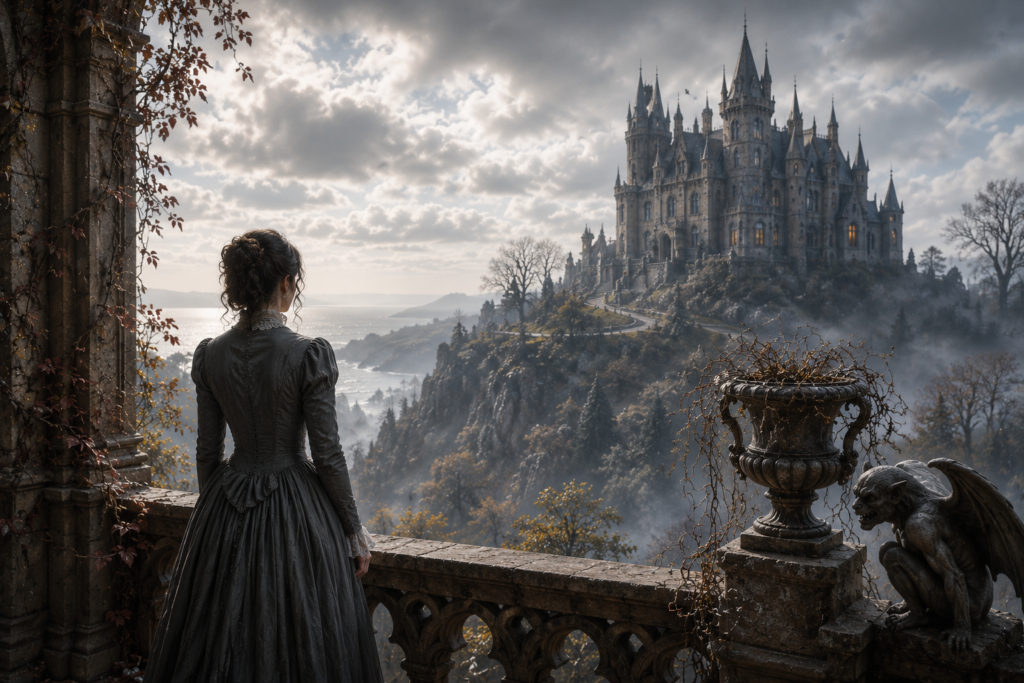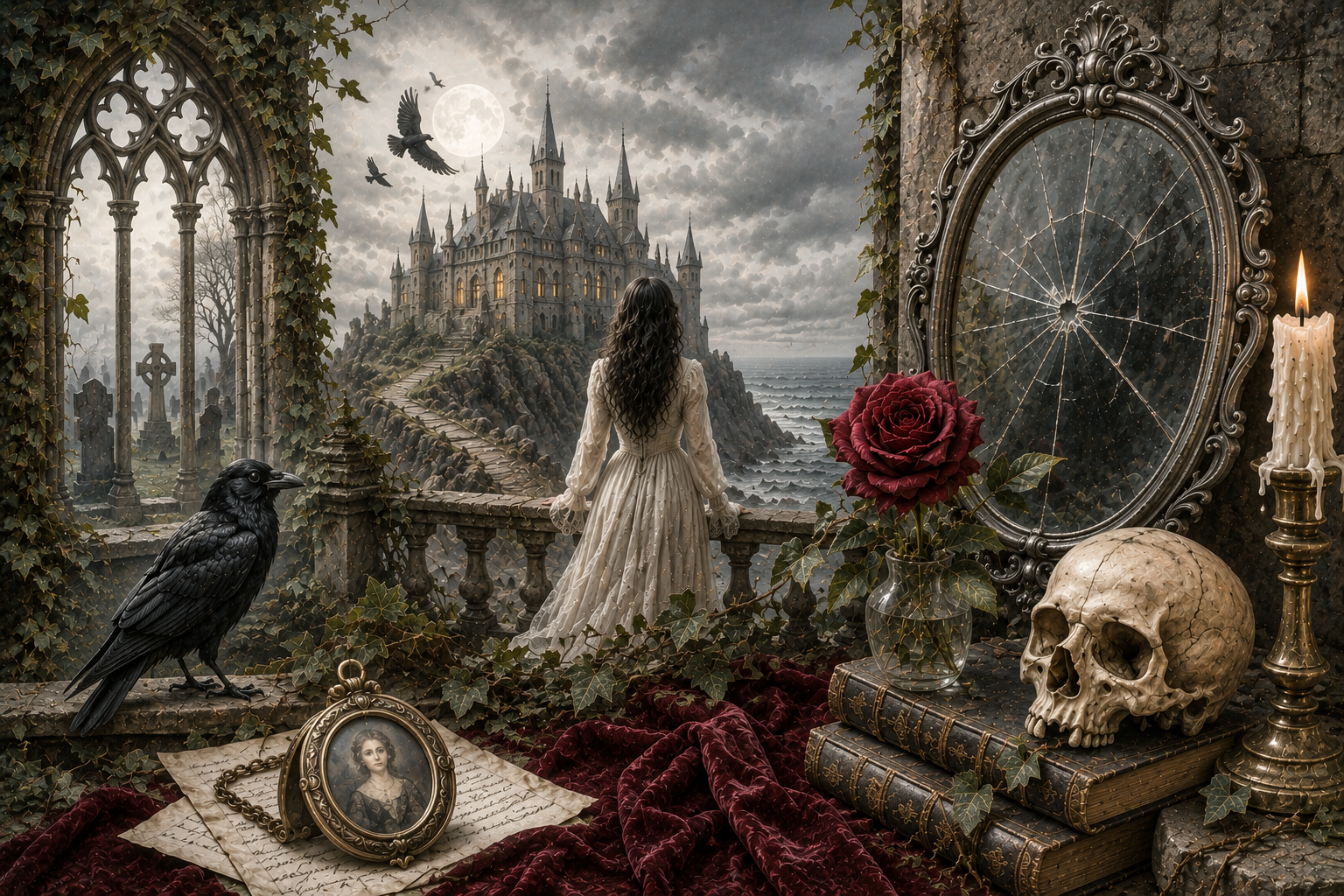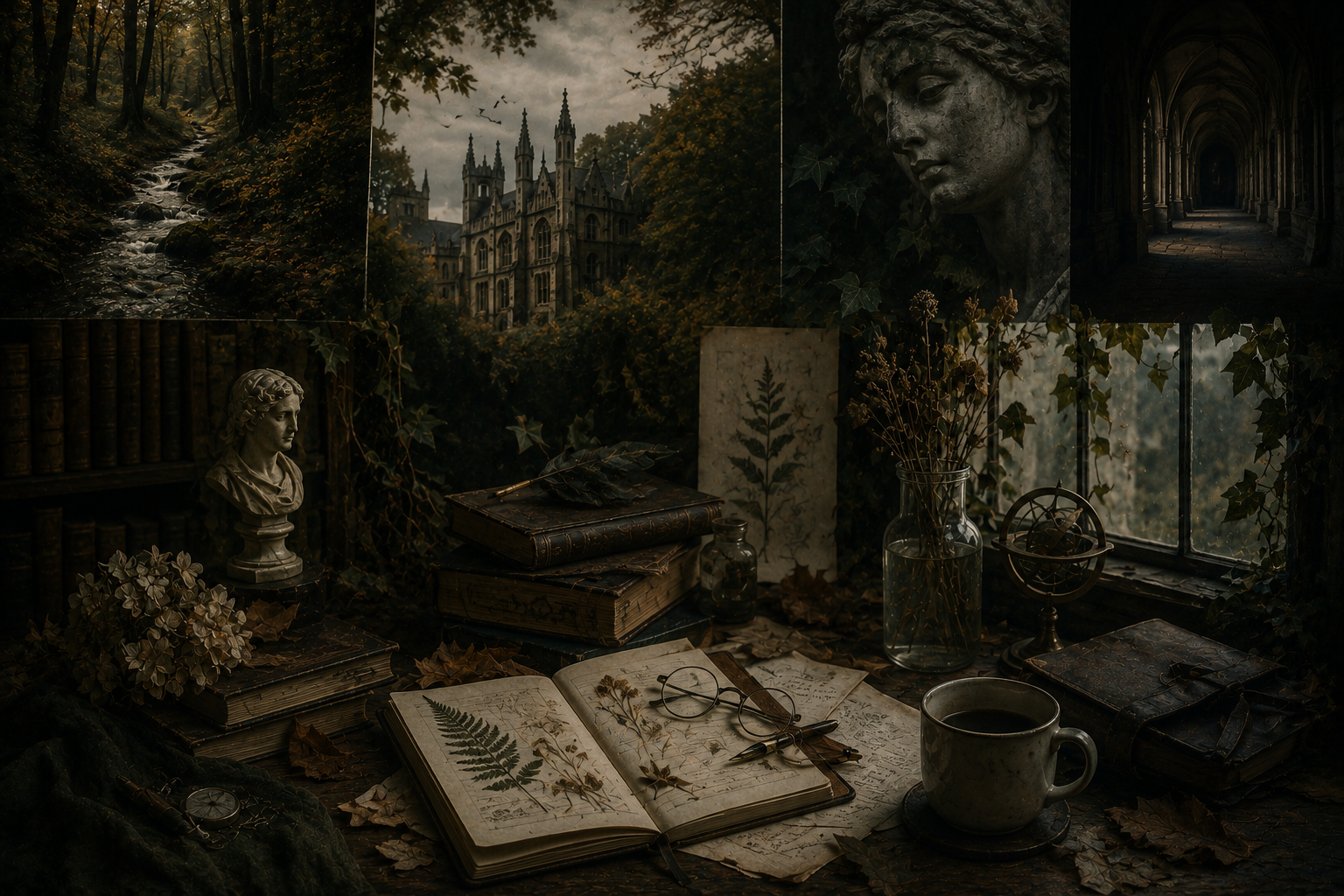
Best Dark Academia Nature Symbolism: Books, Themes, and Meanings

Nature Symbolism

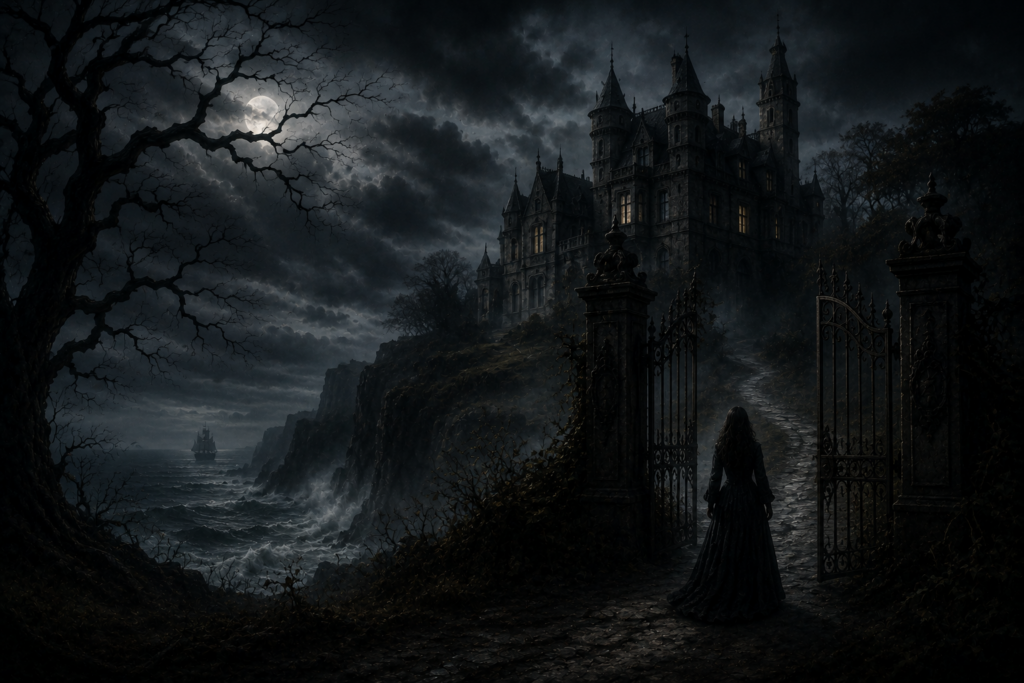
Best Dark Academia Nature Symbolism blends old libraries, secret knowledge, wild gardens, storms, and decay. It helps readers see how nature can reflect ambition, fear, beauty, and moral trouble in literature.

For students, this kind of symbolism is useful because it turns setting into meaning. A forest, flower, or cold season can say as much as a character’s speech.

In this Guide

  • Why nature matters in dark academia
  • Common symbols and what they mean
  • Best examples from literature
  • Recommended books to read
  • How to analyze nature symbolism
  • FAQs and key takeaway
Nature Symbolism

Why Best Dark Academia Nature Symbolism Feels So Powerful

Nature in dark academia often looks beautiful, but it rarely feels safe.

Best Dark Academia Nature Symbolism works because it connects the mind with the natural world. A quiet campus garden can hide guilt. A storm can show panic. A dying flower can point to lost innocence.

Dark academia often focuses on elite schools, ancient texts, and intellectual pride. Nature adds pressure to that world. It reminds readers that knowledge does not protect anyone from death, desire, or consequence.

This is why rain, fog, ivy, winter, and forests appear so often in the genre. They create mood, but they also carry meaning.

Common Symbols in Best Dark Academia Nature Symbolism

Many dark academia stories use the same natural images, but each writer gives them a fresh purpose.

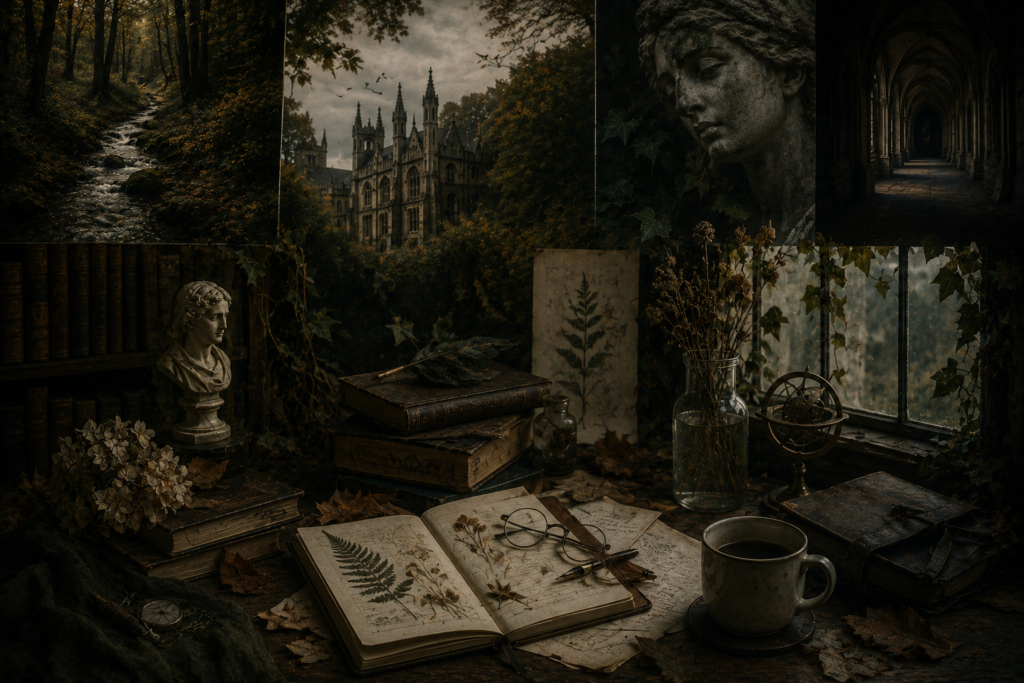
Ivy often suggests age, tradition, and hidden control. It climbs over old buildings like history itself. In a school setting, ivy can make knowledge look noble, but it can also make the past feel trapped and overgrown.

Fog suggests confusion and secrecy. When characters walk through fog, they may not understand what is true. It can also show moral blindness.

Autumn leaves point to beauty and decay. Their color is rich, but their life is ending. This fits dark academia’s love of elegant ruin.

Rain can mean cleansing, sorrow, or dread. In many stories, rain appears near guilt or confession. It can wash the world, but it cannot always wash away a crime.

Best Dark Academia Nature Symbolism often turns these simple images into emotional clues. The setting tells readers what characters refuse to say.

Best Dark Academia Nature Symbolism in Classic Literature

Classic literature gives us some of the clearest examples of nature as a symbol.

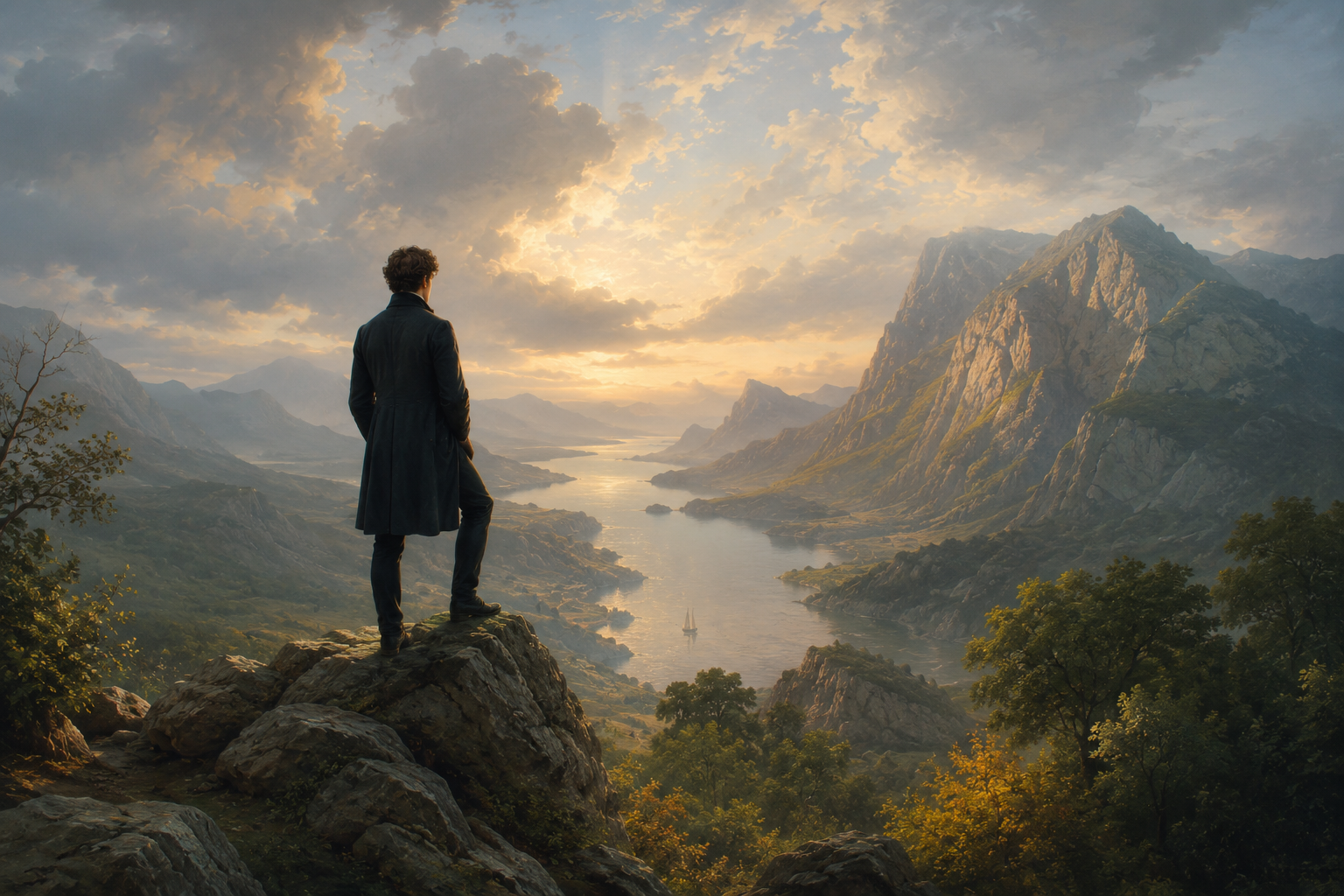
In Mary Shelley’s Frankenstein, mountains, ice, and storms reflect Victor Frankenstein’s fear and pride. Nature is powerful, vast, and beyond human control. Victor tries to master life, but the natural world keeps showing how small he is.

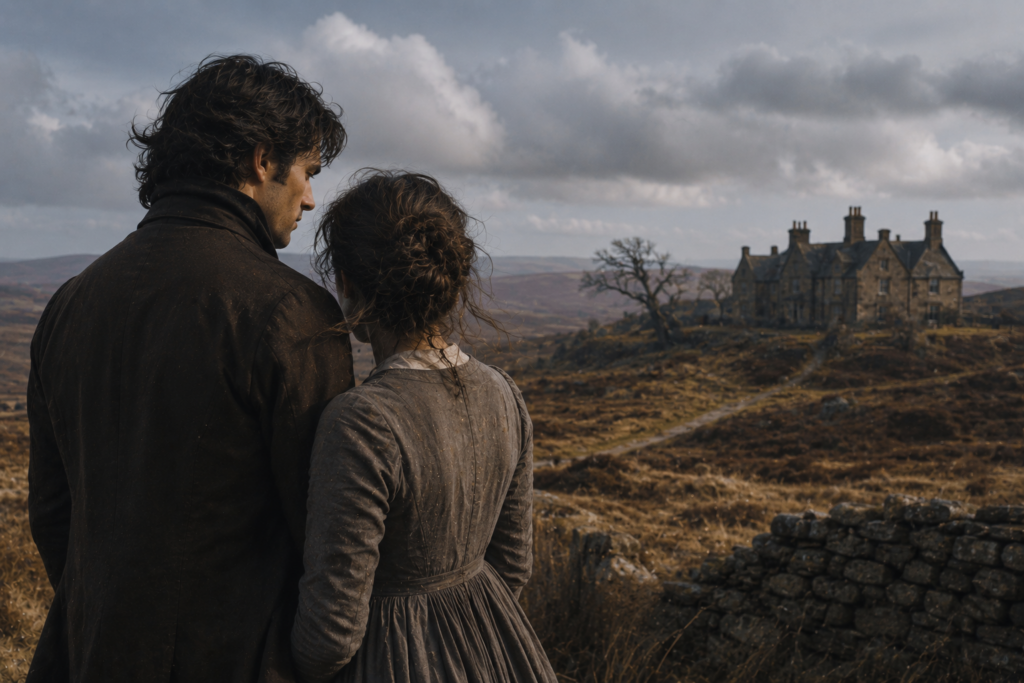
In Emily Brontë’s Wuthering Heights, the moors are wild and harsh. They mirror the force of Catherine and Heathcliff’s emotions. The landscape feels untamed, just like their love and anger.

In Oscar Wilde’s The Picture of Dorian Gray, flowers, gardens, and beauty often connect to temptation and decay. Dorian’s world looks lovely, but moral rot grows beneath the surface.

These works are not always called dark academia, but they shape its mood. Their use of nature helps explain why Best Dark Academia Nature Symbolism feels old, serious, and haunted.

For more help with close reading, see this guide on how to find symbolism in a story.

Nature, Knowledge, and Moral Decay

In dark academia, nature often shows what learning cannot fix.

Students and scholars may chase truth, beauty, or power. Yet nature keeps reminding them that every choice has a cost. Dead leaves, cold rooms, and rotting gardens can show inner damage.

This is a key part of Best Dark Academia Nature Symbolism. The natural world becomes a mirror. It reflects ambition, guilt, and fear.

A character may study Greek tragedy in a grand library, but the storm outside may reveal the real tragedy. The weather becomes part of the story’s moral voice.

These books are strong choices for students who want to see how dark settings and natural symbols work together.

  • Frankenstein by Mary Shelley
  • Wuthering Heights by Emily Brontë
  • The Secret History by Donna Tartt

Frankenstein is one of the best books for studying nature as power. Its icy landscapes and violent weather show the danger of human pride.

Wuthering Heights uses the moors as more than a setting. They become a symbol of passion, grief, and wild freedom.

The Secret History is a modern dark academia classic. Its campus, seasons, and remote landscapes help create a sense of beauty mixed with dread.

To explore Mary Shelley’s life and influence, you can visit Britannica’s biography of Mary Shelley. For poetry and nature imagery, the Poetry Foundation is also a useful resource.

How to Read Best Dark Academia Nature Symbolism

Good symbolism starts with careful attention to patterns.

When you read, notice when nature appears. Ask what happens before and after a storm, garden scene, forest walk, or change in season.

Then ask how the image connects to character emotion. If a student walks through dead leaves after a betrayal, the leaves may point to loss or moral decline.

Best Dark Academia Nature Symbolism is rarely random. Writers choose natural details to build mood and deepen theme.

If you want a simple method, use this breakdown on finding symbolism in fiction.

Best Dark Academia Nature Symbolism and Major Themes

The strongest symbols connect to the story’s biggest ideas.

One major theme is the danger of ambition. Mountains, storms, and deep forests can make human plans seem fragile. This is clear in Frankenstein.

Another theme is the beauty of decay. Autumn leaves, old gardens, and ivy-covered walls look lovely, but they also suggest death and decline.

A third theme is hidden truth. Fog, darkness, and enclosed gardens can show secrets that characters try to bury.

In this way, Best Dark Academia Nature Symbolism turns nature into a quiet warning. Beauty may be real, but it is never simple.

FAQs About Best Dark Academia Nature Symbolism

What is Best Dark Academia Nature Symbolism?

Best Dark Academia Nature Symbolism means the use of natural images, like storms, ivy, forests, and seasons, to express dark academia themes. These themes often include ambition, guilt, beauty, and decay.

Why does dark academia use so much autumn imagery?

Autumn fits the mood because it is beautiful and sad at the same time. It suggests change, age, and the slow approach of death.

Is nature symbolism only about mood?

No. Mood matters, but symbolism also points to theme and character. A storm may create fear, but it can also reveal guilt or conflict.

What book is best for studying this topic?

Frankenstein is a strong choice. Its use of ice, mountains, and storms makes nature a major part of the story’s meaning.

Key Takeaway

Best Dark Academia Nature Symbolism shows that nature in literature is never just background. Ivy, fog, storms, and fading leaves can reveal the hidden fears, desires, and moral choices at the heart of a story.

When you notice these symbols, dark academia becomes richer. The campus, the weather, and the wild places all begin to speak.

Common Gothic Themes in Literature

gothic themes

Gothic stories are full of dark houses, buried secrets, strange fears, and characters who feel trapped. This guide explains Common Gothic Themes in Literature so students can read, study, and choose Gothic texts with more confidence.

In this Guide

  • What makes a story Gothic
  • Fear and the unknown
  • Decay, ruin, and haunted places
  • Madness and the unstable mind
  • Isolation and entrapment
  • The supernatural and doubt
  • Guilt, sin, and hidden pasts
  • How to study Gothic themes
  • Suggested books
  • FAQ
gothic themes

What Makes Gothic Literature Gothic?

Gothic literature uses fear, mystery, and emotional pressure to explore deep human problems.

A Gothic story is not just “scary.” It often asks serious questions about power, guilt, death, family, faith, and the mind.

You might see castles, storms, locked rooms, ghosts, ruined homes, or strange family histories. These details create mood, but they also point to theme.

When you study Common Gothic Themes in Literature, look past the creepy setting. Ask what fear reveals about the characters and their world.

Common Gothic Themes in Literature: Fear and the Unknown

Fear in Gothic fiction often comes from what characters cannot explain.

Many Gothic stories build tension through mystery. A character hears a sound, sees a shadow, or senses that something is wrong, but the truth stays hidden.

In Dracula by Bram Stoker, fear grows because Count Dracula does not fit normal human rules. He moves between life and death, body and spirit, home and foreign land.

In The Turn of the Screw by Henry James, the fear comes from doubt. Are the ghosts real, or is the narrator losing her grip on reality?

This is one reason Common Gothic Themes in Literature work so well for essays. They leave space for debate, and strong essays often grow from uncertain answers.

Decay, Ruin, and Haunted Places

Gothic settings often show that something has gone wrong long before the story begins.

Old mansions, broken castles, and dark rooms are more than spooky backdrops. They can show family decay, moral failure, or a past that refuses to stay buried.

In Edgar Allan Poe’s “The Fall of the House of Usher,” the crumbling house mirrors the ruined Usher family. The building and the people seem to break down together.

In Jane Eyre by Charlotte Brontë, Thornfield Hall hides a terrible secret. The house looks grand, but its locked rooms reveal pain, control, and shame.

When you see a decaying place in Gothic fiction, ask what else is decaying. It may be a family, a mind, a marriage, or a moral code.

Madness and the Unstable Mind

Many Gothic stories blur the line between real danger and inner fear.

Characters may doubt their senses. They may become obsessed, overly suspicious, or unable to trust their own thoughts.

In Poe’s “The Tell-Tale Heart,” the narrator claims to be sane while describing murder and guilt in a frantic voice. The story makes readers question his mind from the start.

In Frankenstein by Mary Shelley, Victor Frankenstein’s obsession leads him away from human connection. His mind becomes trapped by ambition, fear, and regret.

This theme matters because Gothic literature often treats the mind like a haunted house. The most terrifying space may not be a castle. It may be the self.

Isolation and Entrapment

Gothic characters often feel cut off from safety, reason, or love.

Isolation can be physical, like a character stuck in a remote castle. It can also be emotional, like a character who cannot confess the truth.

In Wuthering Heights by Emily Brontë, the lonely moors help create a harsh emotional world. Characters feel trapped by desire, pride, and old wounds.

In many Gothic works, women face locked rooms, forced marriages, or social rules that limit their choices. These trapped spaces often show larger problems with power.

As you study Common Gothic Themes in Literature, pay attention to who has freedom and who does not. Gothic stories often turn that question into conflict.

The Supernatural and Uncertainty

Ghosts, monsters, curses, and strange events help Gothic writers test what readers believe.

Sometimes the supernatural is real inside the story. Sometimes it may be a symbol, a trick, or a sign of mental collapse.

In Dracula, the vampire is a real threat. In other works, like The Turn of the Screw, readers must decide whether the supernatural exists or comes from the narrator’s fear.

This uncertainty creates suspense. It also lets writers explore religion, science, grief, and doubt.

For a helpful background on the Gothic novel as a literary form, visit Britannica’s overview of the Gothic novel.

Guilt, Sin, and Hidden Pasts

Gothic stories often show that secrets do not stay buried.

A family may hide a crime. A character may deny guilt. A house may contain evidence of an old wrong.

In Frankenstein, Victor refuses to take full responsibility for the creature he creates. His guilt follows him, even when he tries to escape it.

In Jane Eyre, Rochester’s hidden past shapes the plot and tests Jane’s sense of self-worth. The secret in the attic becomes a symbol of moral disorder.

Among Common Gothic Themes in Literature, guilt is one of the most useful for analysis. It connects character choices to setting, mood, and plot.

How Common Gothic Themes in Literature Shape Characters

Gothic themes place characters under pressure and reveal who they are.

Fear can expose courage or weakness. Isolation can reveal desire. Guilt can push a character toward confession, denial, or ruin.

Victor Frankenstein is not just a scientist in a scary story. He is a man who tries to control life, then fails to face the cost.

Jane Eyre is not just a heroine in a dark house. She must decide whether love is worth losing her values.

When you connect theme to character choice, your analysis becomes stronger. If you need help with that skill, read this guide on how to identify theme in literature.

How to Spot Common Gothic Themes in Literature for Class

A clear method can make Gothic texts less confusing.

Start with the setting. Ask why the story takes place in a ruined house, dark room, remote landscape, or strange city.

Then study the fear. Ask what the main character fears most and whether that fear is physical, emotional, moral, or social.

Next, look for secrets. Gothic plots often move forward when hidden truths rise to the surface.

Finally, connect the pattern to a larger idea. A ghost may represent grief. A locked room may suggest control. A monster may reveal guilt or rejection.

This approach helps you turn Common Gothic Themes in Literature into strong topic sentences for essays.

Choosing Gothic Literature for an Essay or Project

The best Gothic text for school depends on what you want to study.

Choose Frankenstein if you want themes about science, ambition, creation, and responsibility.

Choose Dracula if you want themes about fear, invasion, gender roles, and the supernatural.

Or choose Jane Eyre if you want a mix of Gothic mood, romance, independence, and moral choice.

If your teacher asks for a theme-based paper, pick a text that gives you repeated patterns. Repeated images, settings, and conflicts often lead to the best claims.

Suggested Gothic Books to Read

If you want to build a Gothic reading list, these books are strong choices for students.

  • Frankenstein by Mary Shelley
  • Dracula by Bram Stoker

Both are widely taught, easy to research, and rich in Gothic themes. You can find them in libraries, bookstores, or on Amazon by searching the title and author.

Helpful Resources for Gothic Literature

Good outside sources can help you understand literary history and author background.

The Poetry Foundation’s page on Edgar Allan Poe is useful if you study Gothic short fiction or poetry.

You can also review this student guide to identifying theme before you write about Common Gothic Themes in Literature.

FAQ About Common Gothic Themes in Literature

What are the most common Gothic themes?

The most common Gothic themes include fear, isolation, madness, guilt, secrecy, decay, and the supernatural.

Why do Gothic stories use old houses and castles?

Old buildings often symbolize hidden history, family decline, or secrets from the past.

Is Gothic literature the same as horror?

Not exactly. Gothic literature can be scary, but it focuses more on mood, mystery, psychology, and deep themes.

What is a good Gothic book for beginners?

Frankenstein is a strong choice because it has a clear plot and many themes students can analyze.

Key Takeaway

Common Gothic Themes in Literature help readers see fear as more than a scare tactic. In Gothic stories, fear reveals hidden guilt, broken systems, trapped minds, and the dark parts of human nature.

What Is the Gothic Genre? A Beginner-Friendly Guide

Gothic genre

What Is the Gothic Genre? It is a style of literature built around fear, mystery, and dark settings that often reveal hidden truths about people.

If you have ever read a story with a haunted house, a family secret, or a character trapped by the past, you have likely met the Gothic genre.

In this Guide

  • What the Gothic genre means
  • Why Gothic literature matters
  • Common features of Gothic stories
  • Famous Gothic books and authors
  • How to analyze Gothic literature
  • Book suggestions
  • FAQ
Gothic genre

What Is the Gothic Genre?

The Gothic genre uses dark moods, strange events, and fear to explore deep human problems.

What Is the Gothic Genre? In simple terms, it is a type of story where the setting feels unsafe, the past refuses to stay buried, and characters face fear both outside and inside themselves.

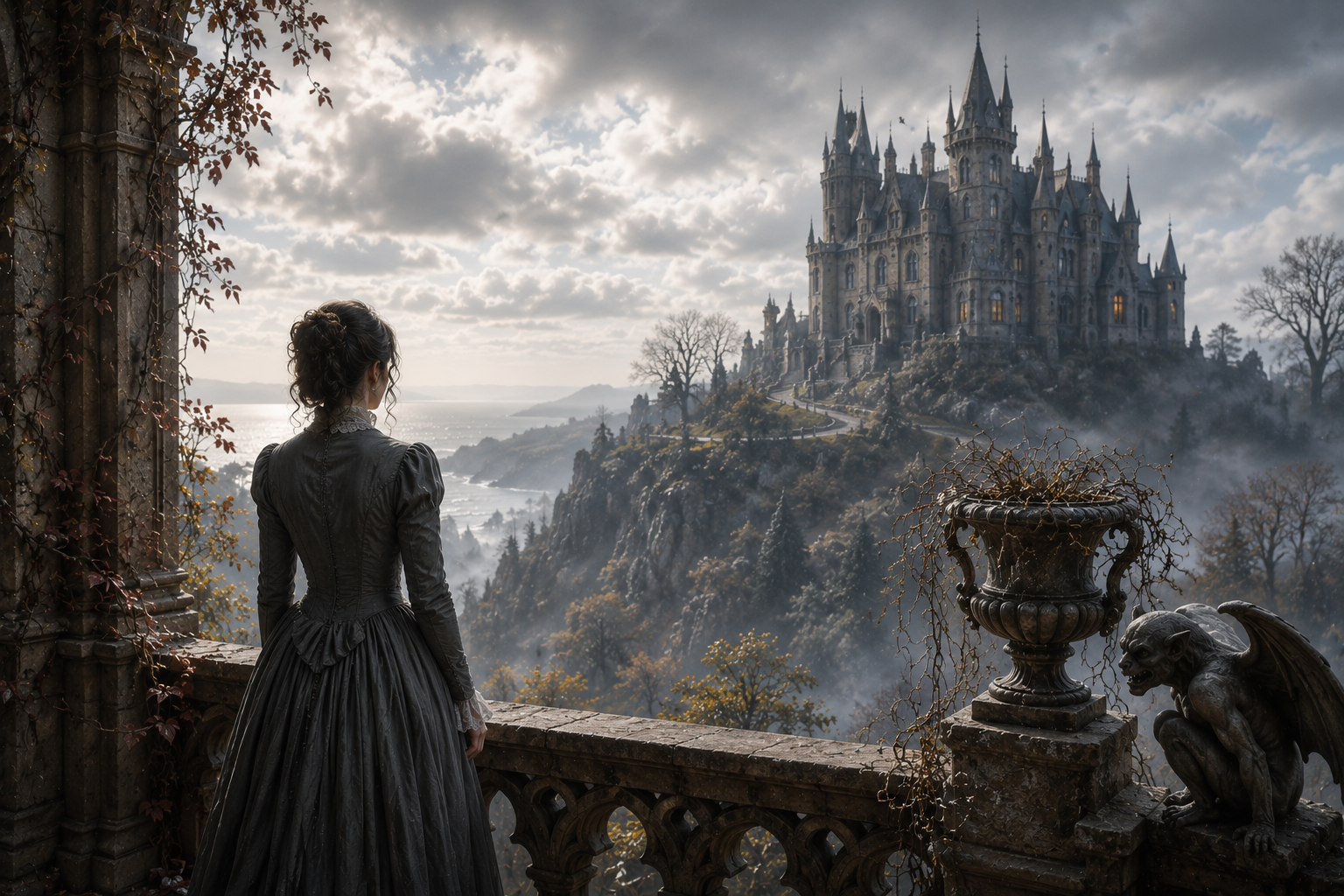
Gothic stories often include old castles, ruined homes, storms, locked rooms, ghosts, or family curses. Yet the genre is not only about scares. It also asks serious questions about guilt, power, madness, and identity.

A Gothic story may include supernatural events, but it does not have to. Sometimes the fear comes from the mind of a character, not from a monster.

What Is the Gothic Genre? A Short History

The Gothic genre began in the late 1700s and grew during the Romantic period.

When students ask, What Is the Gothic Genre?, it helps to start with Horace Walpole’s The Castle of Otranto, published in 1764. Many scholars call it the first Gothic novel.

The word “Gothic” first pointed to medieval buildings with pointed arches and shadowy spaces. Writers later used that mood in fiction. Old buildings became symbols of fear, secrets, and the weight of history.

Mary Shelley’s Frankenstein helped shape the genre in a major way. It blends science, horror, and deep questions about responsibility.

For more background, you can read Britannica’s overview of the Gothic novel.

Why the Gothic Genre Matters in Literature

Gothic fiction matters because it turns fear into meaning.

These stories show how people deal with guilt, trauma, and social pressure. A haunted house may stand for a haunted mind. A locked room may point to a secret a family refuses to face.

The Gothic genre also gives writers a way to challenge power. Many Gothic stories question strict families, unfair class systems, and limits placed on women.

That is why Gothic literature still feels fresh. It uses old castles and dark halls, but its main fears are often very human.

Common Features of Gothic Literature

A strong answer to What Is the Gothic Genre? should include its most common features.

One key feature is a dark or trapped setting. This could be a castle, a mansion, a prison, or even a lonely landscape.

Another feature is mystery. Characters may not know who to trust. They may find letters, portraits, strange sounds, or clues from the past.

Many Gothic works also focus on intense emotion. Fear, grief, and desire often push characters toward dangerous choices.

Here are common Gothic elements students should notice:

  • A gloomy setting, such as a ruined house or isolated estate
  • Secrets from the past that shape the present
  • A sense of danger, even when no monster appears
  • Unreliable characters who may hide the truth
  • Supernatural hints, such as ghosts or curses

What Is the Gothic Genre? Famous Examples

The best way to understand Gothic literature is to see it in action.

If someone asks, What Is the Gothic Genre?, you can point to Frankenstein by Mary Shelley. The novel uses a lonely setting, a feared creature, and a creator who cannot escape his choices.

Jane Eyre by Charlotte Brontë also has strong Gothic elements. Thornfield Hall feels mysterious, and the hidden room becomes a symbol of secrets and control.

Edgar Allan Poe helped shape American Gothic fiction. Stories like “The Fall of the House of Usher” use decaying homes and troubled minds to create dread.

You can also see Gothic traits in Wuthering Heights by Emily Brontë. The wild setting and intense emotions make the novel feel stormy and haunted.

The Poetry Foundation has helpful material on Edgar Allan Poe if you want to explore his work further.

What Is the Gothic Genre? Gothic vs. Horror

Gothic fiction and horror are close, but they are not the same thing.

Horror often wants to scare the reader right away. Gothic fiction builds dread more slowly. It focuses on mood, secrets, and emotional pressure.

A horror story may show a monster clearly. A Gothic story may make you wonder if the monster is real, imagined, or symbolic.

So, What Is the Gothic Genre? It is not just “old horror.” It is a literary style that uses fear to study the mind, the past, and hidden pain.

How to Analyze Gothic Literature

Gothic stories become easier to read when you treat fear as a clue.

Ask what each scary detail might mean. Does the setting reflect a character’s mind? Does a ghost point to guilt? Does a secret room show what society wants to hide?

You can also track symbols. Windows, mirrors, storms, and locked doors often carry meaning in Gothic texts.

For a broader method, use this guide on how to read literature like a scholar. It can help you move from plot summary to deeper analysis.

If you want to explore the Gothic genre, start with books that are famous, readable, and rich for class discussion.

  • Frankenstein by Mary Shelley
  • Jane Eyre by Charlotte Brontë

Both books are easy to find in print, in libraries, and on major book sites such as Amazon. They also appear often in high school, AP Literature, and college courses.

Practical Reading Tip for Gothic Literature

When you read Gothic fiction, keep a simple two-column note page.

On one side, write down scary details. On the other side, write what each detail may suggest. For example, a locked door might suggest a family secret or a truth the character fears.

This habit helps you answer What Is the Gothic Genre? with proof from the text, not just a general definition.

FAQ: What Is the Gothic Genre?

What Is the Gothic Genre in one sentence?

The Gothic genre is a type of literature that uses dark settings, mystery, and fear to explore hidden truths about people and society.

Is Gothic literature always supernatural?

No. Some Gothic stories include ghosts or curses, but others use fear, guilt, or madness without any real supernatural event.

What is the most famous Gothic novel?

Frankenstein by Mary Shelley is one of the most famous Gothic novels. It is also a key work of early science fiction.

Why do teachers assign Gothic literature?

Teachers assign it because it is rich in symbols, mood, setting, and theme. It helps students practice close reading.

How can I spot Gothic elements in a story?

Look for dark settings, secrets, fear, isolation, and signs that the past still controls the present.

Key Takeaway

What Is the Gothic Genre? It is literature that turns fear into meaning. When you read it, look past the shadows and ask what the story is trying to reveal.