How to Write an Invisible Man Literary Analysis Essay

Invisible Man essay

Writing an Invisible Man literary analysis essay can feel hard because Ralph Ellison’s novel is full of symbols and sharp social questions. This guide shows you how to build a sharp thesis and use evidence with purpose.

In This Guide

Use this as a quick map before you start your essay.

  • Why Invisible Man works well for literary analysis
  • How to choose a focused topic
  • How to write a strong thesis statement
  • What evidence to use from the novel
  • How to shape a clear essay outline
  • Common mistakes to avoid
  • Helpful books and resources
  • FAQ for students
Invisible Man essay

Why Invisible Man Works Well for Literary Analysis

Ellison’s novel rewards essays that track patterns, not just plot events.

Invisible Man is rich because it asks deep questions about identity, race, power, and self-knowledge. The narrator wants to be seen as a full human being, but many people treat him as a symbol or tool.

That tension gives you many strong essay paths. You can study the narrator’s journey, the role of blindness, the use of speeches, or the way objects gain meaning.

Like the green light in The Great Gatsby, Ellison’s symbols grow more complex as the story moves on. A strong essay shows how that growth changes the reader’s view of the novel.

If you need a refresher on essay basics before you start, review this guide on how to write a literary analysis essay.

How to Choose an Invisible Man Literary Analysis Essay Topic

A good topic starts narrow, then opens into a bigger idea.

The best Invisible Man literary analysis essay does not try to explain the whole novel. It picks one pattern and asks what that pattern reveals. This keeps your essay focused and easier to prove.

Start with a question. Why does the narrator keep meeting groups that claim to help him? What does invisibility mean by the end of the novel? How do speeches shape public identity?

Here are focused topic ideas you can adapt:

  • Invisibility and identity: How the narrator learns that others refuse to see his full self.
  • Blindness as a symbol: How physical and moral blindness shape the novel’s conflicts.
  • The briefcase: How the objects inside it track the narrator’s changing hopes.
  • The Brotherhood: How political language can erase the person it claims to defend.
  • The prologue and epilogue: How the narrator’s underground space becomes a place of thought.

Each topic has room for argument. That is the key. A topic like symbols in the novel is too wide, but the briefcase as a record of false promises can become a strong essay.

How to Build a Thesis for an Invisible Man Literary Analysis Essay

Your thesis should make a claim that another reader could question.

Your Invisible Man literary analysis essay needs more than a theme statement. Do not write only that the novel is about racism or identity. Those ideas matter, but they are too broad by themselves.

A stronger thesis explains how Ellison builds meaning through a literary choice. That choice might be symbolism, irony, point of view, structure, or imagery.

Use this simple frame:

In Invisible Man, Ellison uses [literary device or pattern] to show [larger meaning].

Here are thesis statement examples you can revise for your own essay:

  • Example thesis: In Invisible Man, Ellison uses the narrator’s repeated speeches to show how public language can hide fear, ambition, and confusion.
  • Example thesis: The narrator’s briefcase becomes a symbol of false progress because it carries rewards that seem meaningful but often trap him in roles made by others.
  • Example thesis: Ellison connects blindness to power in order to show that many characters fail to see the narrator as a person, even when they claim to guide him.
  • Example thesis: By placing the narrator underground in the prologue and epilogue, Ellison suggests that retreat can become a form of self-examination rather than defeat.

Notice that each thesis names a literary feature and explains its meaning. That gives your body paragraphs a clear job.

Evidence to Use in an Invisible Man Literary Analysis Essay

Strong evidence comes from patterns, not random quotes.

The best evidence for an Invisible Man literary analysis essay often appears in repeated images or key scenes. Look for moments where the narrator sees himself one way, while others define him another way.

You might use evidence from these parts of the novel:

  • The battle royal: This scene shows how white power turns the narrator’s ambition into a cruel performance.
  • The college chapters: The narrator learns that respectability can depend on silence and control.
  • Liberty Paints: The factory can support an essay about racial imagery and hidden labor.
  • The Brotherhood chapters: These scenes show how group ideals can erase personal truth.
  • The Harlem riot: The chaos forces the narrator to face how little control he has had over his public role.

When you quote, do not drop the line and move on. Explain the words. Ask what the image, tone, or contrast does in that scene.

For background on the novel’s publication and importance, see Britannica’s overview of Invisible Man.

Sample Invisible Man Literary Analysis Essay Outline

A clear outline helps you turn ideas into a paper that feels organized.

This outline keeps your Invisible Man literary analysis essay focused from the first paragraph to the last.

Introduction: Name the novel, author, and main issue. End with a thesis that states your argument.

Body paragraph 1: Start with a topic sentence about your first pattern or scene. Use a quote, then explain how it supports your thesis.

Body paragraph 2: Move to a new scene that deepens the argument. Show change, contrast, or cause.

Body paragraph 3: Use your strongest point near the end. Link it to the novel’s larger meaning.

Conclusion: Do not repeat the thesis word for word. Show what the reader understands by the end of your analysis.

If you want a faster way to plan claims, quotes, and commentary, the Literary Analysis Essay Toolkit gives you printable steps for building stronger paragraphs.

How to Write Body Paragraphs That Analyze

Analysis explains why the evidence matters.

A weak paragraph tells what happens. A strong paragraph shows how Ellison’s choices shape meaning.

Try this pattern: topic sentence, short context, quote, close reading, link back to thesis. You do not need a long quote. A short phrase can work better if you explain it well.

For example, if you write about invisibility, do not only say that the narrator feels unseen. Ask how Ellison turns invisibility into a social problem. Who refuses to see him? What do they gain from that refusal?

This is where many essays improve fast. The more time you spend on the words of the novel, the less your paper sounds like plot summary.

Common Mistakes in an Invisible Man Literary Analysis Essay

Most weak essays have good ideas, but they lose focus.

One common mistake is writing a character report. The narrator matters, but your essay should study how Ellison presents him.

Another mistake is treating themes as facts. Instead of saying the novel is about identity, show how a symbol or scene develops that idea.

Watch out for quote overload, too. Your teacher wants your thinking, not a page of copied lines. Use fewer quotes and give each one more attention.

A final problem is moral summary. Yes, the novel deals with injustice. Your job is to explain how the novel makes the reader feel and understand that injustice through form, voice, and symbol.

Helpful Books and Resources

Good support texts can help you understand context without replacing your own argument.

Here are useful books to look for in a library or bookstore:

  • Invisible Man by Ralph Ellison
  • Shadow and Act by Ralph Ellison

You can also read more about Ellison’s life through Britannica’s Ralph Ellison biography. Context can help, but keep your essay centered on the novel’s language.

FAQ: Invisible Man Literary Analysis Essay

These quick answers can help you make smart choices before you draft.

What is the best topic for an Invisible Man literary analysis essay?

The best topic is narrow and arguable. Invisibility, blindness, the briefcase, or the Brotherhood can all work if you connect them to a clear claim.

What should my thesis include?

Your thesis should name a literary choice and explain its meaning. It should answer the question, So what?

Can I write about race in Invisible Man?

Yes. Race is central to the novel, but your essay should still analyze Ellison’s craft, not only the social issue.

How many quotes should I use?

Use enough evidence to prove your point, but do not overpack the paragraph. One strong quote with clear analysis can do more than several weak ones.

Key Takeaway

A strong Invisible Man literary analysis essay makes a focused claim, studies Ellison’s craft, and explains how each piece of evidence supports the argument.

Start small, read closely, and let the novel’s patterns guide your thesis.

Themes in Invisible Man: A Student-Friendly Guide

Invisible Man Themes

Ralph Ellison’s Invisible Man is a rich novel about race, identity, power, and the search for a true self. This guide explains the major themes in Invisible Man in clear language for high school, AP Literature, and college students.

In this Guide

Use these sections to find the idea you need fast.

  • Why the themes matter
  • Invisibility and identity
  • Racism and power
  • Self-knowledge and voice
  • Education and false promises
  • Politics and betrayal
  • Dreams and truth
  • Writing about the novel
  • FAQ
Invisible Man Themes

Why the themes in Invisible Man still matter

The novel speaks to students because it shows how hard it can be to define yourself in a world that tries to define you first.

Invisible Man was published in 1952, but its questions still feel current. Who gets seen? Who gets ignored? And who controls the story people tell about you?

The themes in Invisible Man matter because the narrator’s fight is both personal and social. He wants respect, but he also wants to understand who he is without lies from others.

For background on Ellison’s life and career, see this helpful Britannica overview of Ralph Ellison.

Major themes in Invisible Man: invisibility and identity

Invisibility in the novel is not about magic. It is about being unseen as a full human being.

The narrator says he is invisible because people do not see his real self. They see a symbol, a threat, a tool, or a problem. This is one of the central themes in Invisible Man.

At school, in the city, and inside political groups, people keep trying to give him a role. Each role seems to offer success, but each one hides part of who he is.

This theme connects well to Hamlet, where the main character also struggles with who he is and what role he must play. In both works, identity becomes a conflict, not a simple fact.

Student tip: When you write about invisibility, do not stop at the title. Ask who refuses to see the narrator clearly and why that refusal gives them power.

Themes in Invisible Man: racism and power

Ellison shows racism as more than personal dislike. He shows it as a system that shapes schools, jobs, politics, and public life.

The narrator meets people who claim to help him, but many use him for their own goals. Some use polite words. Others use open violence. Both forms limit his freedom.

The Battle Royal scene shows this clearly. Young Black men are forced into pain and shame for the amusement of white leaders. The scene reveals how power can hide behind ceremony.

These themes in Invisible Man also connect to W.E.B. Du Bois’s idea of double consciousness, the sense of seeing yourself through the eyes of a racist society. Ellison does not repeat Du Bois in a simple way, but the link can help students think deeper.

The search for self-knowledge and voice

The narrator’s journey is a long lesson in how hard it is to know yourself when others keep speaking for you.

At the start, he often trusts authority figures. He believes the right speech, the right school, or the right group will give him a place in the world.

Over time, he learns that borrowed ideas can harm him. He must sort truth from slogans. He must build a voice that is his own.

This is why the ending matters. The narrator is underground, but he is not just hiding. He is thinking, judging, and preparing to speak with more honesty.

Education, books, and false promises

Education in the novel can open doors, but it can also teach people to obey unfair rules.

The narrator values school and learning. At first, he believes education will protect him. Yet the college does not fully protect him from racism or control.

The novel asks students to think about what education is for. Is it meant to free the mind, or to train people to fit into an unfair system?

This makes the themes in Invisible Man useful for essay writing. You can study how Ellison treats education as both a hope and a trap.

Politics, brotherhood, and betrayal

The Brotherhood promises unity and justice, but the narrator learns that a group can use noble language while it hides selfish plans.

At first, the Brotherhood gives him a public voice. He becomes a speaker and feels useful. The group seems to care about change.

Yet the Brotherhood often treats people like pieces on a board. The narrator’s community becomes less important than the group’s strategy.

This theme can remind students of Animal Farm, where political language hides control. In both books, words like equality can lose meaning when leaders chase power.

Dreams, illusions, and painful truth

Ellison fills the novel with dreams, masks, and strange events to show how hard truth can be to face.

The narrator often believes in promises that later fall apart. He trusts leaders, systems, and public roles. Each illusion breaks under pressure.

This theme is close to The Great Gatsby. Gatsby believes in a dream that cannot survive reality. The narrator of Invisible Man also learns that dreams can guide people or blind them.

The difference is that Ellison’s novel ties illusion to race, power, and survival. Truth is not just personal. It has a social cost.

How to write about themes in Invisible Man

A strong essay should connect a theme to scenes, symbols, and changes in the narrator.

Do not write only that the book is about racism or identity. Instead, show how Ellison develops that idea across the novel.

For example, you could trace how the narrator moves from trust in public approval to a deeper search for truth. That path reveals several themes in Invisible Man at once.

If you need help shaping a claim, use our guide on how to write a literary analysis essay. It can help you turn a theme into a focused thesis.

You can also use a quick theme review resource if you want extra support before a quiz, class discussion, or essay draft.

Suggested books for deeper study

These books can help students understand Ellison’s ideas in a wider literary and historical context.

  • Shadow and Act by Ralph Ellison
  • The Souls of Black Folk by W.E.B. Du Bois

For a reliable short reference on the novel, you can also read the Britannica entry on Invisible Man.

FAQ about themes in Invisible Man

These quick answers help with review before class, a test, or an essay.

What is the main theme of Invisible Man?

The main theme is the struggle to be seen as a full person. The narrator must reject false roles and search for his own identity.

Why is invisibility important in the novel?

Invisibility shows how racism and power can erase a person’s real self. People look at the narrator, but they do not truly see him.

What are the most important themes in Invisible Man for an essay?

Good essay choices include invisibility, identity, racism, education, power, and self-knowledge. Choose one and connect it to key scenes.

How does the Brotherhood connect to the novel’s themes?

The Brotherhood shows how political groups can use people while they claim to help them. It reveals the danger of losing your voice to a cause.

Key Takeaway

The themes in Invisible Man show a young man’s fight to see himself clearly in a world built to misread him. The novel asks students to notice power, question easy answers, and value a voice that comes from hard-won truth.

The Grapes of Wrath Summary and Analysis for Students

Grapes of wrath summary

This guide offers a The Grapes of Wrath summary and analysis for students who need a clear path into John Steinbeck’s novel. We will cover the plot, structure, conflicts, themes, and deeper meaning without making the book feel harder than it is.

In this Guide

  • Plot overview
  • Historical context
  • Structure and style
  • Major conflicts
  • Key themes
  • Study tips and FAQ
Grapes of wrath summary

The Grapes of Wrath Summary and Analysis: Plot Overview

Steinbeck’s novel follows one family, but it speaks for many people hurt by poverty and broken systems.

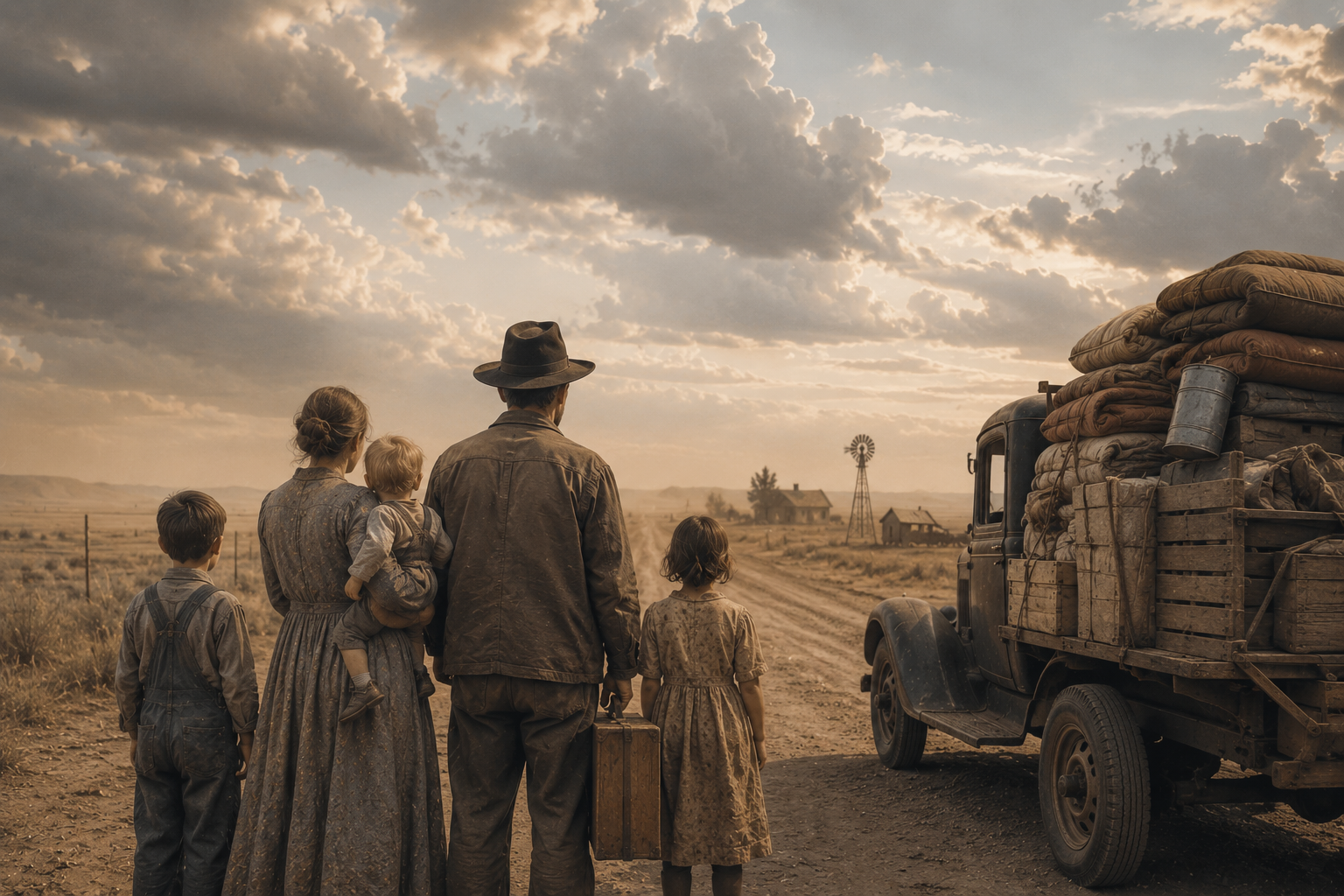
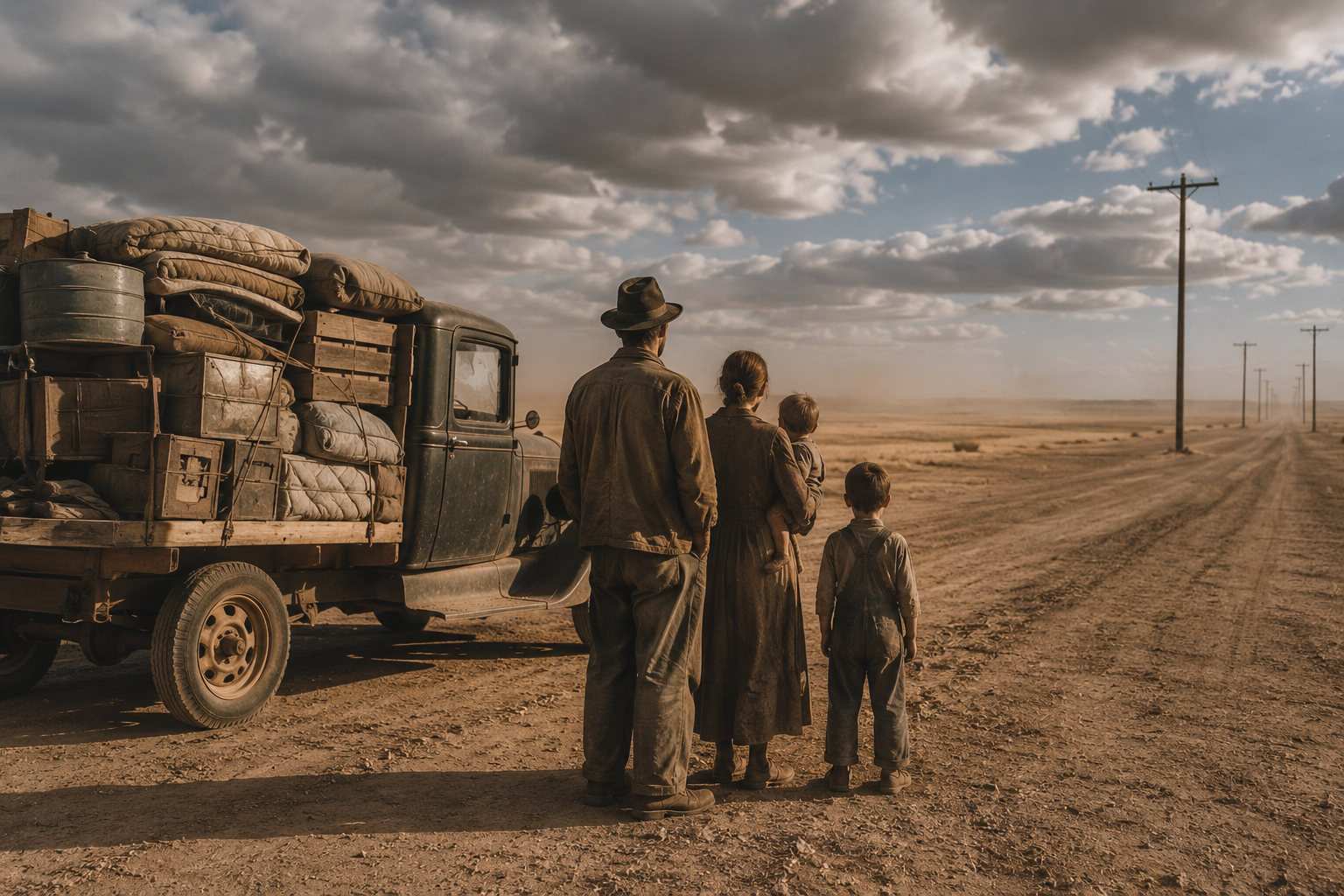
The story begins in Oklahoma during the Dust Bowl. Tom Joad comes home from prison and finds that his family has lost its farm. Banks and landowners have pushed tenant farmers off the land, so the Joads pack a truck and head west to California.

This part of The Grapes of Wrath summary and analysis shows the novel’s main pattern: hope meets hardship. The Joads believe California will offer work, food, and safety. On the road, they face death, hunger, fear, and cruel treatment.

Grampa dies soon after the trip starts. Grandma dies before the family reaches California. Noah leaves the family, and Connie runs away from his pregnant wife, Rose of Sharon. Each loss makes the family smaller, but Ma Joad works hard to keep everyone together.

In California, the Joads find that work is scarce and wages are low. Many workers compete for the same jobs. Owners use hunger to force people to accept almost any pay.

Jim Casy, a former preacher, becomes a labor organizer. He is killed by men who want to stop worker protests. Tom kills Casy’s attacker and must hide. Before he leaves, Tom tells Ma that he will keep fighting for poor people wherever they suffer.

The novel ends after a flood ruins the family’s shelter. Rose of Sharon gives birth to a stillborn baby. In the final scene, she breastfeeds a starving man, turning grief into an act of mercy.

Historical Context Behind The Grapes of Wrath Summary and Analysis

The novel makes more sense when you know the real crisis behind it.

The Grapes of Wrath was published in 1939, near the end of the Great Depression. Many families had lost jobs, savings, and homes. In the Great Plains, drought and poor farming methods helped create the Dust Bowl.

Without this context, The Grapes of Wrath summary and analysis can feel like a long road story. With context, it becomes a story about economic power, forced migration, and survival.

Steinbeck based the novel on real reports and his own visits to migrant camps. You can read more about the author’s life through Britannica’s John Steinbeck biography. For background on the Dust Bowl, the Library of Congress Dust Bowl overview is a strong source.

The book also caused debate. Some readers praised it for showing the pain of farmworkers. Others attacked it because it blamed rich owners and unfair systems.

Structure and Style in The Grapes of Wrath Summary and Analysis

Steinbeck’s structure is one reason the novel feels larger than one family’s story.

The book uses two kinds of chapters. Some chapters follow the Joad family closely. Others zoom out and describe groups of migrants, banks, cars, roads, diners, and camps.

For students, The Grapes of Wrath summary and analysis becomes clearer when you notice this pattern. The Joad chapters make the story personal. The wider chapters show that the Joads are part of a national crisis.

This structure is a bit like the way Victor Hugo uses personal stories in Les Misérables to show a whole society under pressure. Steinbeck does not want readers to pity only one family. He wants readers to see a system that hurts thousands.

His language often sounds plain, but it carries strong emotion. He uses biblical echoes, folk speech, and images of land, dust, machines, and hunger. These patterns reward close study, so a guide to close reading in literature can help you track them.

Major Conflicts in the Novel

The conflicts in the novel move from private pain to public struggle.

The first conflict is people against nature. Drought, dust, and flood shape the Joads’ lives. Nature is not evil, but it makes survival harder.

The second conflict is people against society. Banks take land. Police harass migrants. Owners cut wages. The Joads learn that poverty is not just bad luck.

The third conflict is inside the characters. Tom must decide what kind of man he wants to be after prison. Ma must stay strong even when the family falls apart. Rose of Sharon must face loss and still choose compassion.

These conflicts build the novel’s central question: how can people keep their dignity when the world treats them as cheap labor?

Key Themes in The Grapes of Wrath Summary and Analysis

The novel’s themes focus on justice, family, anger, and human worth.

A good The Grapes of Wrath summary and analysis should start with human dignity. Steinbeck shows that the migrants are not lazy or weak. They are skilled, proud people trapped by forces bigger than themselves.

Family is another major theme. At first, the Joads think of family as blood relatives. By the end, the idea grows. Casy’s beliefs and Tom’s final speech suggest that all suffering people are connected.

Wrath also matters. The title comes from “The Battle Hymn of the Republic,” which uses biblical language about judgment. Steinbeck suggests that anger can grow when injustice lasts too long.

The final scene with Rose of Sharon is one of the most debated endings in American literature. It is shocking, but it is not only meant to shock. It shows that care can survive even after great loss.

Symbols and Motifs to Watch

Small details in the novel often point to larger ideas.

The turtle near the start is a key symbol. It crosses a road slowly while cars threaten it. Like the migrants, it keeps moving despite danger.

The truck becomes a symbol of hope and pressure. It carries the Joads west, but it also holds their fear and grief. Every mile brings promise and risk.

Dust represents loss and damage. It covers farms, homes, and bodies. It reminds readers that the land itself has changed.

Food appears often because hunger drives the plot. When people share food, they show community. When owners destroy food to protect prices, they show cruelty.

How to Use The Grapes of Wrath Summary and Analysis for Class

A strong study plan turns summary into real interpretation.

If you use The Grapes of Wrath summary and analysis for an essay, do not stop at what happens. Ask why Steinbeck tells the story this way. Look at how each chapter builds pressure.

Track Tom, Ma, Casy, and Rose of Sharon. Each one shows a different response to suffering. Tom moves toward action. Ma protects the family. Casy gives the novel its moral voice. Rose of Sharon turns sorrow into care.

For a quick support tool, you may also find this student reading guide useful as you plan notes or review before class.

Good essay topics include the role of community, the meaning of the ending, the use of intercalary chapters, and the link between poverty and power.

These books can help you understand Steinbeck, the Dust Bowl, and American social fiction.

  • The Grapes of Wrath by John Steinbeck
  • Of Mice and Men by John Steinbeck
  • The Worst Hard Time by Timothy Egan

FAQ

What is the main point of The Grapes of Wrath?

The main point is that poverty is often caused by unfair systems, not personal failure. Steinbeck also shows the power of shared care.

What should a The Grapes of Wrath summary and analysis include?

It should include the Joads’ journey, the Dust Bowl context, the labor conflict in California, and the novel’s major themes.

Why is Jim Casy important?

Casy gives the novel many of its moral ideas. He moves from preacher to worker activist and inspires Tom’s later choices.

What does the ending mean?

The ending shows mercy after loss. Rose of Sharon’s act suggests that human kindness can answer suffering in a powerful way.

Is The Grapes of Wrath hard to read?

Some chapters feel slow because Steinbeck shifts between the Joads and wider social scenes. Once you see the pattern, the novel becomes easier to follow.

Key Takeaway

The Grapes of Wrath is more than a migration story. It is a novel about dignity, anger, and the need to care for others when systems fail.

Themes in The Grapes of Wrath: A Student-Friendly Guide

grapes of wrath

A clear guide to the major ideas, conflicts, and meanings students should notice in The Grapes of Wrath.

Studying the themes in The Grapes of Wrath helps you see why Steinbeck’s novel still feels urgent. The book is not just about one family on the road; it is about poverty, power, hope, and what people owe one another.

In this Guide

Use these sections to review the novel before class, a quiz, or an essay.

grapes of wrath

Why the Themes in The Grapes of Wrath Matter

Steinbeck uses the Joad family to show how large social forces shape private lives.

The novel takes place during the Great Depression and the Dust Bowl. Families lose farms, banks gain control, and workers head west because they believe California will offer a fresh start.

The themes in The Grapes of Wrath matter because they connect one family’s struggle to a wider American crisis. Steinbeck asks readers to notice who has power, who suffers, and who gets blamed.

That is why the novel works well in AP Literature and college classes. It gives you strong material for essays about conflict, symbolism, setting, and character change.

Major Themes in The Grapes of Wrath

The novel has many ideas, but a few carry most of the meaning.

The major themes in The Grapes of Wrath include social justice, family, migration, faith, and human dignity. These ideas overlap, so one scene often supports more than one theme.

For example, when the Joads leave Oklahoma, the scene is about poverty. It is also about identity, since the family must leave land that shaped who they are.

Steinbeck also uses short chapters between the Joad chapters. These wide-view chapters show that the Joads are not alone. Their pain belongs to thousands of families.

Social Justice and the Fight Against Exploitation

Steinbeck shows a world where poor workers face systems built to keep them weak.

One of the novel’s strongest ideas is that poverty is not just bad luck. The migrant families are trapped by banks, landowners, police, and unfair wages.

California is supposed to be a place of plenty. Yet workers arrive and find hunger, fear, and low pay. The more desperate the workers become, the easier they are to control.

This theme is similar to the social criticism in Charles Dickens’s Hard Times. Both writers show how money can turn people into tools instead of full human beings.

Jim Casy’s growth is central here. He begins as a former preacher, but he becomes a moral voice for workers. His belief shifts from private sin to public responsibility.

Family, Community, and Shared Survival

The Joads begin as one family, but the novel pushes them toward a larger sense of care.

At first, Ma Joad fights to keep the family together. She believes survival depends on unity. Her strength holds the group steady when fear and grief could break them apart.

As the journey continues, the idea of family changes. The Joads learn that blood ties are not the only bonds that matter. Hungry people share food, news, shelter, and risk.

This shift is one reason the final scene matters so much. Rose of Sharon’s act is shocking, but it shows mercy in its most basic form. A stranger’s life becomes worth saving.

Many students connect this theme to Les Misérables by Victor Hugo. In both works, compassion becomes a way to resist a cruel world.

The Land, Displacement, and Human Dignity

The land is more than a setting in Steinbeck’s novel.

For the tenant farmers, land is memory, work, pride, and family history. Losing it means more than losing income. It means losing the place that gave their lives shape.

Steinbeck often describes tractors as cold and inhuman. The machines tear through farms without care for the people who lived there. This makes the bank and business system feel faceless.

Once the Joads become migrants, they are treated as if they are less than human. People call them names, deny them fair wages, and push them from place to place.

The novel argues that dignity should not depend on money or property. Even when the Joads lose almost everything, their choices still reveal courage.

Faith, Anger, and Moral Growth

Steinbeck does not treat faith as simple belief; he connects it to action.

Jim Casy is the clearest example. He no longer believes in old sermons the same way, but he still searches for truth. His faith becomes less about rules and more about human connection.

Tom Joad also changes. At first, he mostly cares about his own family and his own survival. After Casy’s death, Tom sees that justice needs people who will act for others.

Tom’s famous idea that he will be wherever people fight for fairness shows his moral shift. He becomes part of something larger than himself.

Steinbeck’s view of faith is practical. Belief matters when it leads to courage, mercy, and shared responsibility.

How to Write About Themes in The Grapes of Wrath

A strong essay should connect a theme to specific choices Steinbeck makes.

When you write about the themes in The Grapes of Wrath, avoid a claim that is too broad. Do not just say the novel is about poverty. Say what Steinbeck argues about poverty.

For example, you might argue that Steinbeck presents poverty as a social problem, not a personal failure. Then use scenes with wages, camps, or police pressure as proof.

You can also track a character. Ma Joad shows the theme of family responsibility. Casy shows moral action. Tom shows the move from private anger to public justice.

If you need help with thesis statements and evidence, read this guide on how to write a literary analysis essay.

For a faster review before class, pair this post with our printable The Grapes of Wrath theme guide.

Common Mistakes to Avoid

Students often know the plot but miss how Steinbeck builds meaning.

Do not treat the novel as only a sad road story. The road matters, but it points to bigger questions about power and justice.

Do not ignore the interchapters. They may feel separate from the Joad plot, but they widen the story and prove that the crisis is national.

Do not reduce Ma Joad to a symbol of motherhood. She is also a leader, a realist, and one of the novel’s strongest moral centers.

Helpful Books and Resources

These resources can help you build background and deepen your reading.

  • The Grapes of Wrath by John Steinbeck
  • Working Days: The Journals of The Grapes of Wrath by John Steinbeck

For author background, see Britannica’s overview of John Steinbeck. It gives helpful context for his life, career, and major works.

FAQ: themes in The Grapes of Wrath

These quick answers can help you review important ideas before a discussion or essay.

What are the main themes in The Grapes of Wrath?

The major themes in The Grapes of Wrath include social justice, family, migration, faith, and human dignity. Steinbeck links these ideas through the Joad family’s journey.

Why are the themes in The Grapes of Wrath still relevant?

They still matter because the novel asks hard questions about poverty, labor, housing, and fairness. Those issues still shape real lives today.

What does the land symbolize in the novel?

The land symbolizes identity, memory, and dignity. When families lose their farms, they lose part of who they are.

How does Tom Joad change?

Tom shifts from personal survival to social responsibility. By the end, he wants to help people beyond his own family.

Key Takeaway

The themes in The Grapes of Wrath show that survival is never just personal. Steinbeck’s deepest point is that people endure best when they refuse to stop caring for one another.

error

Enjoy this article? Please spread the word :)

Follow by Email
BLUESKY
fb-share-icon
Reddit
LinkedIn
Share
RSS