Most Beautiful Small Town Secrets: What Literature Teaches Us About Hidden Places

Small Town Secrets

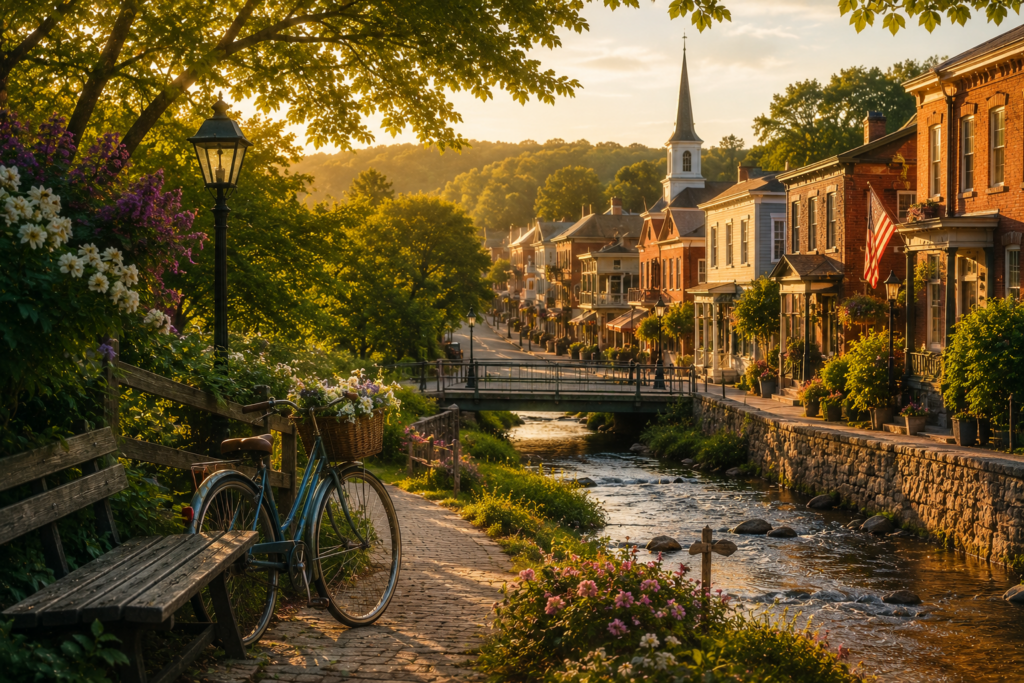
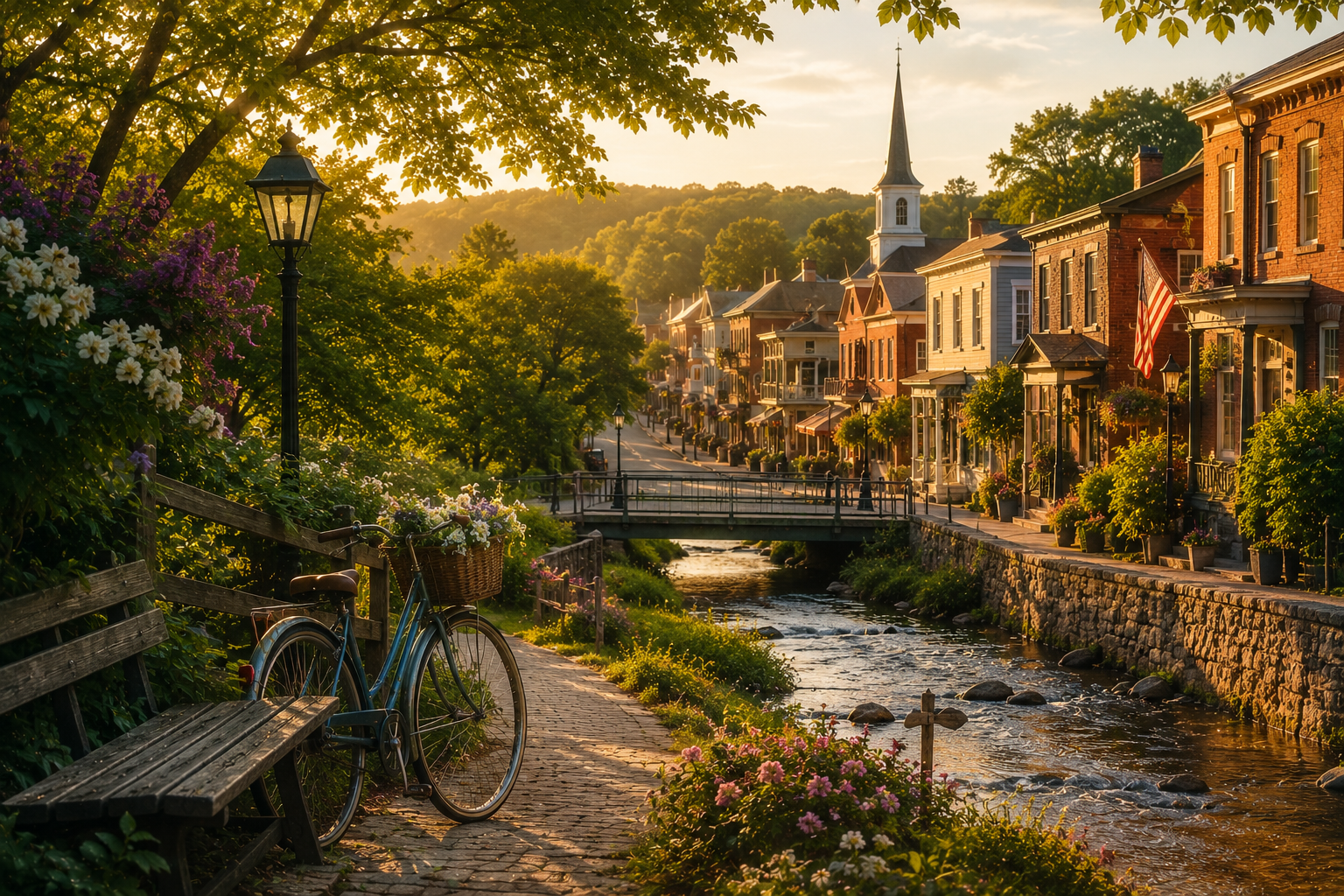
Most Beautiful Small Town Secrets are more than pretty streets, quiet porches, and local legends. In literature, they often reveal the private fears, hopes, and choices that shape a whole community.

Small towns can look peaceful from the outside, but stories show us what lives under the surface.

In this Guide

  • Why small town secrets matter in literature
  • Classic examples from famous books
  • Symbols and themes to watch for
  • Recommended books to read
  • FAQ for students and readers
Small Town Secrets

Why Most Beautiful Small Town Secrets Matter in Literature

Small towns make secrets feel personal because everyone seems to know everyone.

Writers use small towns to show how public life and private life can clash. A character may smile at church, wave at a neighbor, or sit in a classroom, yet hide pain that no one wants to see.

That is why Most Beautiful Small Town Secrets work so well in fiction. Beauty creates contrast. The town may look calm, but the story asks us to look closer.

This setting also helps students notice social pressure. In a small town, gossip can act like a law. Reputation can matter as much as truth.

Most Beautiful Small Town Secrets in Classic Literature

Many classic books use quiet towns to explore deep conflict.

In To Kill a Mockingbird by Harper Lee, Maycomb seems slow and familiar. Yet the town hides racism, fear, and moral courage. The beauty of childhood memories sits beside serious injustice.

In Winesburg, Ohio by Sherwood Anderson, the town is full of lonely people. Each person carries a private story. These Most Beautiful Small Town Secrets are not always shocking, but they are deeply human.

In Thornton Wilder’s Our Town, Grover’s Corners appears simple. The play shows daily life, family love, and the passing of time. Its secret is that ordinary life is more precious than people realize.

You can read more about Winesburg, Ohio through Britannica’s overview.

Symbols Behind Most Beautiful Small Town Secrets

Small town stories often use simple objects to carry deeper meaning.

A locked room may stand for shame. A garden may suggest hope. A main street may show the public face of the town, while a back road may reveal what people hide.

In Most Beautiful Small Town Secrets, houses often matter. A bright porch can seem warm, but it can also hide family tension. A broken fence can suggest a broken boundary between private life and public talk.

Weather also plays a strong role. Summer heat can build pressure. A storm can mark a moment when truth breaks through.

These symbols help readers see that setting is never just background. It can act like a mirror for the characters.

Key Themes in Most Beautiful Small Town Secrets

Small towns in literature often ask big moral questions.

One major theme is appearance versus reality. A town may seem safe, polite, or pure, but the plot reveals what people refuse to face.

Another theme is belonging. Characters may want to fit in, but the town’s rules can limit who they become. This is common in coming-of-age stories.

Memory is also important. Many small town stories look back at childhood, family history, or old choices. The past does not stay buried for long.

Emily Dickinson’s poetry is a helpful match here because she often finds mystery in small spaces and quiet moments. If you want a student-friendly guide, read how to read Emily Dickinson.

These books are strong choices for students who want rich settings and hidden conflict.

  • Winesburg, Ohio by Sherwood Anderson
  • To Kill a Mockingbird by Harper Lee

Winesburg, Ohio is best for readers who like linked stories and quiet sadness. It shows how one town can hold many private worlds.

To Kill a Mockingbird is best for readers who want a clear plot with moral conflict. It shows how small town life can protect old beliefs, even when those beliefs hurt people.

For poetry that captures hidden feeling in plain language, Emily Dickinson is also worth reading. The Poetry Foundation’s Emily Dickinson page gives helpful background.

How Students Can Read Small Town Secrets More Closely

Start by asking what the town wants people to believe.

Then ask what the story slowly reveals. Pay attention to who has power, who gets judged, and who stays silent.

Look for repeated places. A courthouse, school, cemetery, or front porch can tell you what the town values.

It also helps to track gossip. In many stories, gossip shows fear more than truth. It can reveal what the town refuses to discuss in public.

Why Most Beautiful Small Town Secrets Still Feel Modern

These stories still matter because every community has a public face.

Today, that public face may appear on social media, school websites, or local news. The idea is the same. People and places often show only part of the truth.

Most Beautiful Small Town Secrets remind us to read beyond first impressions. A pretty setting can hold grief, courage, love, and change.

FAQ About Most Beautiful Small Town Secrets

What does “Most Beautiful Small Town Secrets” mean in literature?

It refers to hidden truths inside peaceful or charming small town settings. These secrets often reveal conflict, pain, or moral growth.

Why do writers use small towns so often?

Small towns make relationships feel close and intense. A secret can affect the whole community.

What is a good book about small town secrets for students?

To Kill a Mockingbird is a strong choice because it connects setting, justice, and character growth in a clear way.

Are small town secrets always dark?

No. Some secrets reveal kindness, love, or hidden strength. The secret may be painful, but it can also lead to truth.

Key Takeaway

Most Beautiful Small Town Secrets show that quiet places can hold powerful stories. In literature, the smallest setting can reveal the biggest truths about people.
Southern Gothic Literature Explained

Southern Gothic Literature

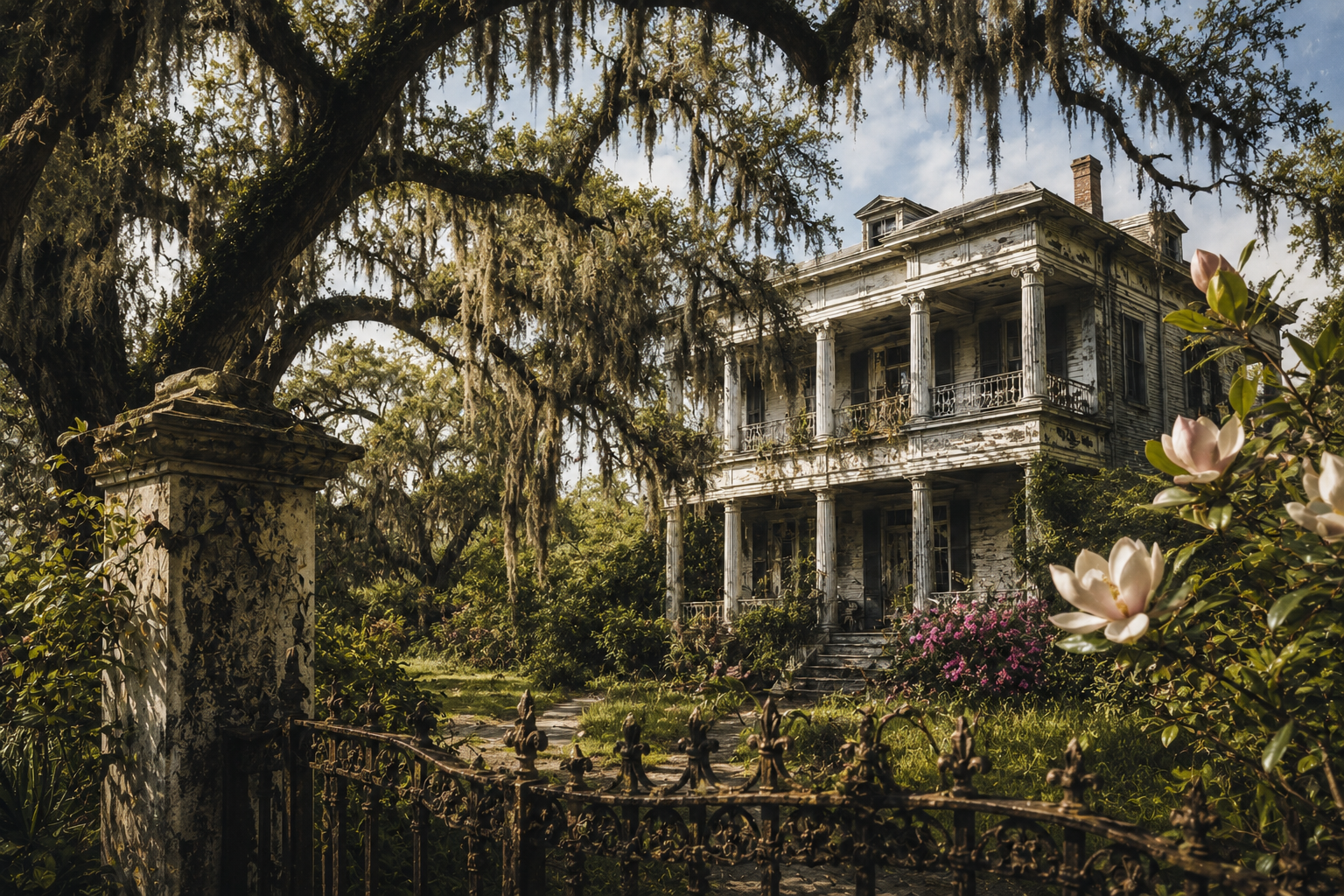
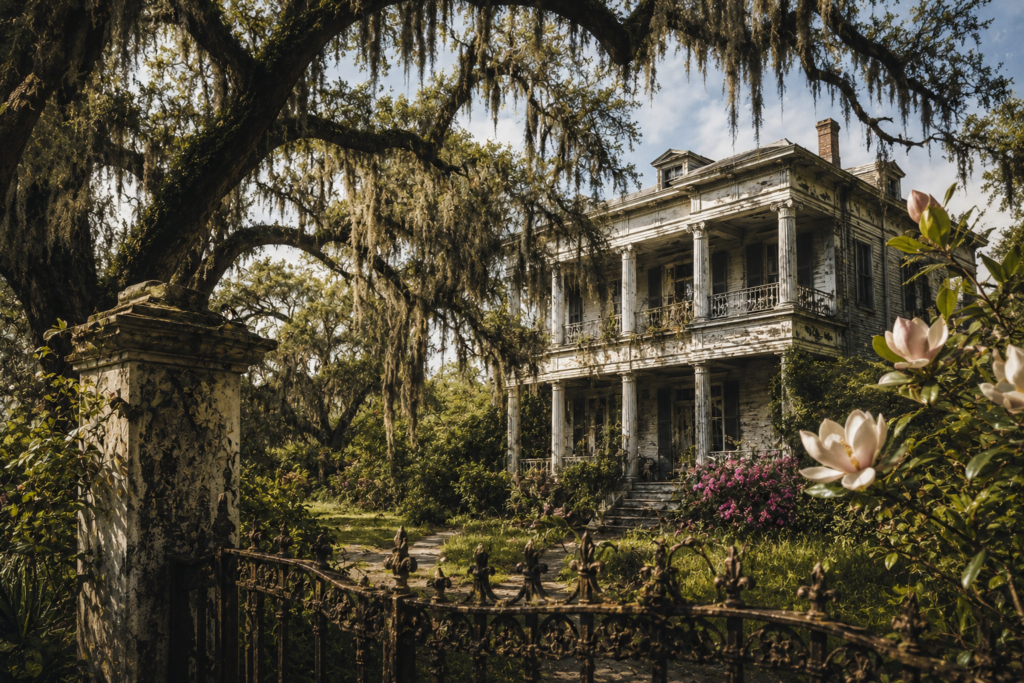
Southern Gothic Literature Explained starts with one big idea: the South in these stories is haunted by its past. This genre uses strange events, broken families, old houses, and moral tension to show deeper truths about guilt, race, class, and fear.

If you have ever read a story that feels creepy but also serious, you may already know the mood of Southern Gothic literature.

In this Guide

  • What Southern Gothic literature means
  • Where the genre came from
  • Key traits to look for
  • Famous Southern Gothic examples
  • How to analyze Southern Gothic in essays
  • Book suggestions
  • FAQ
Southern Gothic Literature

Southern Gothic Literature Explained: What Does It Mean?

Southern Gothic is a type of literature set in the American South that mixes dark settings with serious social problems.

The word “Gothic” often makes people think of castles, ghosts, and fear. Southern Gothic changes that setting. Instead of old European castles, we often get decaying mansions, small towns, farms, and dusty roads.

Southern Gothic Literature Explained in simple terms means this: writers use strange or disturbing details to reveal what people try to hide.

These stories may include violence, family secrets, racism, poverty, or religious pressure. The weird parts are not just there to shock the reader. They help expose a broken world.

Southern Gothic Literature Explained Through Its History

The genre grew from older Gothic fiction, but it has its own Southern voice.

Classic Gothic novels, such as Frankenstein by Mary Shelley, often focus on fear, isolation, and human limits. You can learn more about the roots of the Gothic tradition from Britannica’s guide to the Gothic novel.

Southern Gothic writers took that dark style and placed it in a region marked by slavery, the Civil War, segregation, and deep social conflict.

This is why Southern Gothic Literature Explained cannot stop at “creepy stories.” The genre asks readers to face history, especially the parts people would rather forget.

Key Features of Southern Gothic Literature Explained

Most Southern Gothic stories share a dark mood, but each writer uses the style in a different way.

Here are some common signs of the genre:

  • A decaying setting: Old homes, ruined towns, or worn-out farms often show moral decay.
  • Flawed characters: People may act proud, cruel, desperate, or deeply confused.
  • Family secrets: Hidden guilt often shapes the plot.
  • Social pressure: Race, class, religion, and gender roles affect how characters live.
  • Grotesque details: Strange bodies, odd behavior, or shocking scenes reveal inner truth.

In Southern Gothic Literature Explained, the word grotesque matters. It does not just mean ugly. It means something strange that forces readers to look harder.

A grotesque character may seem strange at first, but that character often reveals what is wrong with the society around them.

Southern Gothic Literature Explained with Famous Examples

Examples help the genre become much easier to see.

William Faulkner is one of the most important Southern Gothic writers. His short story “A Rose for Emily” follows a lonely woman in a town that watches her life with judgment and fear.

The old house in the story is more than a setting. It shows the weight of the past. The shocking ending reveals how isolation and denial can twist a person’s life.

You can read more about Faulkner’s life and work through Britannica’s William Faulkner biography.

Flannery O’Connor also shaped the genre. In “A Good Man Is Hard to Find,” a family trip turns violent after the characters meet a criminal called The Misfit.

The story feels disturbing, but it is also deeply moral. O’Connor uses fear to ask hard questions about grace, pride, and belief.

Harper Lee’s To Kill a Mockingbird is not always labeled as pure Southern Gothic, but it shares many traits. The setting, racial injustice, and mysterious figure of Boo Radley all connect to the genre.

Southern Gothic Literature Explained through these works shows that the genre is not only about horror. It is about truth hidden under fear.

Why the Setting Matters So Much

In this genre, place is never just background.

The American South often feels like a character in the story. Weather, buildings, roads, churches, and town gossip all shape the mood.

A decayed mansion may stand for a family that cannot let go of old power. A small town may show how public judgment traps people. A lonely road may suggest danger or moral confusion.

Southern Gothic Literature Explained through setting helps students see how authors build meaning without saying everything directly.

When you read, ask: What does this place reveal about the people who live there?

How Southern Gothic Characters Work

Southern Gothic characters often feel extreme, but they still seem human.

They may be lonely, proud, violent, trapped, or full of guilt. Many of them want respect, love, safety, or control.

The genre often shows people under pressure. That pressure may come from family history, unfair laws, poverty, or shame.

In “A Rose for Emily,” Miss Emily is not only strange. She is also shaped by control, loss, and a town that treats her like a symbol.

In Southern Gothic Literature Explained, strong character analysis means you do not stop at “this person is weird.” You ask what made them that way.

Southern Gothic Literature Explained for Essay Analysis

This genre gives students strong material for essays because it connects style to meaning.

When you write about Southern Gothic, focus on how the dark details support the author’s message. Do not just point out creepy scenes. Explain why they matter.

For example, if a house is falling apart, ask what else is falling apart. Is it a family? A moral code? A social system?

If a character seems grotesque, ask what truth that character reveals. The best essays move from detail to meaning.

You can build this skill by learning how strong readers notice patterns. For more help, read our guide on how to read literature like a scholar.

Common Essay Topics for Southern Gothic Literature Explained

Students often write about Southern Gothic because it works well with theme, setting, and symbolism.

Here are useful essay angles:

  • How setting reveals decay
  • How secrets shape a family or town
  • How violence exposes social problems
  • How religion affects guilt or judgment
  • How the past controls the present

A strong thesis should name the literary choice and explain its purpose.

Weak thesis: “The story is Southern Gothic because it is creepy.”

Stronger thesis: “In ‘A Rose for Emily,’ Faulkner uses the decaying house to show how the town and Miss Emily remain trapped by the past.”

That second thesis gives you something clear to prove.

How to Read Southern Gothic Without Getting Lost

Southern Gothic stories can feel strange at first, but that is part of the design.

Start by tracking what feels wrong. A character may act oddly. A house may seem too quiet. A town may hide cruelty behind polite manners.

Then ask what the author wants you to notice. The strange detail usually points to a larger problem.

Southern Gothic Literature Explained as a reading tool can help you slow down and notice symbols, tone, and theme. That skill helps in class talks, AP Lit essays, and college papers.

If you want a broader method, this guide on reading literature with a scholar’s eye can help you connect details to deeper ideas.

If you want to understand the genre better, these books are strong places to start.

  • A Rose for Emily and Other Stories by William Faulkner
  • A Good Man Is Hard to Find and Other Stories by Flannery O’Connor
  • Wise Blood by Flannery O’Connor

These texts show how Southern Gothic can be eerie, funny, harsh, and deeply thoughtful.

FAQ: Southern Gothic Literature Explained

What is Southern Gothic literature in simple words?

Southern Gothic literature is a dark style of writing set in the American South. It uses strange characters, tense settings, and hidden secrets to explore serious social issues.

Is Southern Gothic the same as horror?

No. Southern Gothic may feel scary, but it is not only meant to frighten readers. Its main goal is to reveal truth about people, history, and society.

What is a famous example of Southern Gothic literature?

“A Rose for Emily” by William Faulkner is one of the most famous examples. It uses an old house, town gossip, and a shocking secret to explore the power of the past.

Why do teachers assign Southern Gothic stories?

Teachers assign them because they are rich in symbolism, theme, tone, and character analysis. They also help students think about history and moral conflict.

What should I look for when reading Southern Gothic?

Look for decay, secrets, social pressure, strange behavior, and symbols tied to the past. Then ask how those details support the story’s deeper meaning.

Key Takeaway

Southern Gothic Literature Explained comes down to this: the genre uses darkness to uncover truth. When you study its strange settings and troubled characters, you learn how literature can expose what a culture tries to hide.

error

Enjoy this article? Please spread the word :)

Follow by Email
BLUESKY
fb-share-icon
Reddit
LinkedIn
Share
RSS