Unlock Free Flow With Morning Pages Practice

morning pages practice

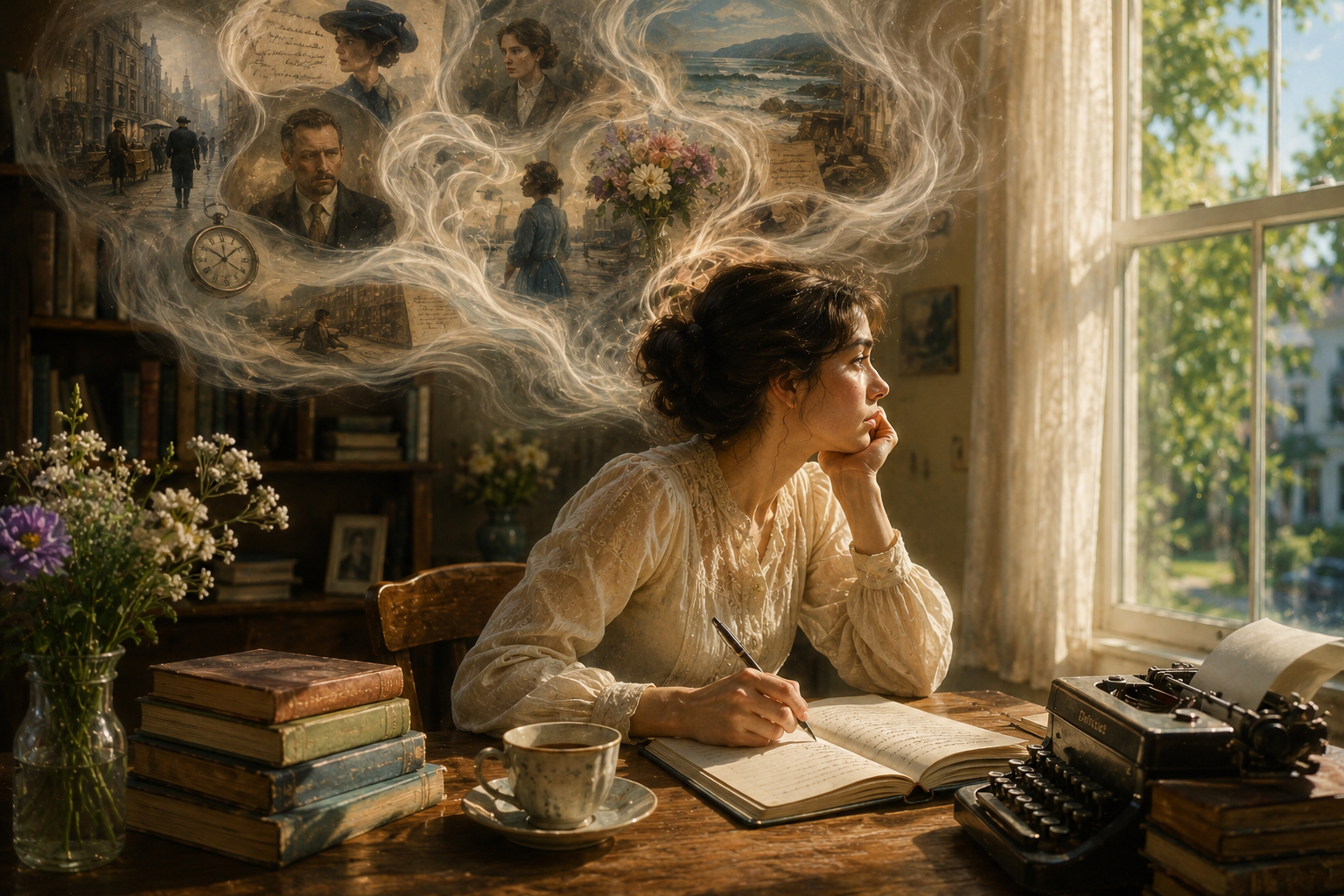
Morning Pages are less about writing something “good” and more about letting your thoughts move without being judged, edited, or organized too soon. This practice teaches your mind that the page is a safe place to spill, wander, repeat, complain, wonder, and discover. When you write in a continuous stream, you begin to loosen the grip of the inner critic and make room for a more natural creative flow.

morning pages practice

Begin With Eight Minutes of Uncensored Writing

Set a timer for eight minutes and begin writing immediately. The goal is not to craft beautiful sentences or solve your life in one sitting. The goal is simply to keep your pen moving across the page, or your fingers moving across the keyboard, without stopping to think too hard about what comes next.

During these eight minutes, do not pause, backspace, cross out, or try to steer the writing toward something impressive. Let it be messy. Let it be repetitive. Let it sound dramatic, boring, confused, funny, or half-formed. Morning Pages work because they give your thoughts permission to arrive before they are polished.

This is where the art of free flow begins. Free flow is a muscle, and like any muscle, it strengthens through practice. Each time you write without censoring yourself, you teach your inner critic that it is not invited to the morning session. It can wait outside while you make contact with what is actually moving through you.

Keep Moving When Your Mind Goes Completely Blank

At some point, your mind may go blank. This does not mean you are doing it wrong. In fact, the blank moment is part of the practice. It is the place where your usual habits want to take over: checking your phone, rereading what you wrote, fixing a sentence, or deciding you have nothing interesting to say.

When that happens, write the sentence, “I don’t know what to say,” over and over until another thought appears. You might write it three times, ten times, or for a full minute. Eventually, something will break through: a memory, a complaint, a random image, a question, a phrase you didn’t expect.

The important thing is to keep moving. Morning Pages are not asking you to be profound on command. They are training you to stay with the flow long enough for the deeper material to rise. Often, the most surprising lines come just after the moment when you were convinced there was nothing left.

Turn One Surprising Phrase Into Your Next Start

When the timer ends, read back over what you wrote gently, without judging it. You are not looking for the “best” sentence. You are looking for a phrase that surprises you, something you did not know you were going to say until it appeared on the page. It might be strange, honest, poetic, funny, or unexpectedly clear.

Circle or highlight that phrase, then write it on a sticky note as a tiny trophy. This small act matters. It tells your creative mind, “I noticed.” It also helps you see that free writing is not just empty rambling. Hidden inside the stream are clues, images, truths, and beginnings you could not have planned in advance.

Now repeat the exercise a second time immediately. Set the timer again for eight minutes, but begin with the surprising phrase you just circled. Make it your opening line and follow wherever it leads. This second round often has a different energy because you are starting from something alive, something pulled from your own uncensored current.

Morning Pages help you build trust in the movement of your own mind. By writing for eight minutes without stopping, continuing through blankness, and honoring one surprising phrase, you practice entering a state of free flow without force. Over time, this simple morning ritual can soften self-judgment, awaken creative momentum, and remind you that the page is always ready before you are.

Famous Stream of Consciousness Novels: 10 Essential Reads

stream of consciousness

Famous Stream of Consciousness Novels can feel strange at first because they often follow thoughts instead of clear action. This guide will help you understand the style, choose the right book, and read with more confidence.

In this Guide

  • What stream of consciousness means
  • 10 major novels to read
  • How to choose your next book
  • Tips for students
  • Book suggestions
  • FAQ

What Makes Famous Stream of Consciousness Novels Different?

These books try to show the mind as it works from the inside.

In normal fiction, a narrator may explain events in a clear order. In stream of consciousness, thoughts can jump from memory to fear to desire in a few lines.

The style became a major part of modernist literature. Writers used it to show private feelings, hidden pain, and the way time feels in the mind.

For a helpful overview of the term, see Britannica’s guide to stream of consciousness.

Famous Stream of Consciousness Novels You Should Know

These novels are strong choices for students, AP Literature readers, and anyone who wants a deeper reading challenge.

These Famous Stream of Consciousness Novels are not all easy, but each one shows why the style matters.

1. Ulysses by James Joyce

Ulysses is one of the most famous examples of stream of consciousness writing. It follows Leopold Bloom through one day in Dublin, but the real action often takes place inside his mind.

This is a hard book, so it works best for advanced readers. If you like puzzles, wordplay, and bold form, start here.

2. Mrs. Dalloway by Virginia Woolf

Mrs. Dalloway follows one day in the life of Clarissa Dalloway as she prepares for a party. The novel moves between her thoughts and the thoughts of other people in London.

This is a great first choice because the writing is rich but still more approachable than Ulysses. Woolf uses the style to explore memory, grief, class, and time.

3. To the Lighthouse by Virginia Woolf

To the Lighthouse focuses on the Ramsay family and their visits to the Isle of Skye. The plot is quiet, but the inner lives of the characters feel intense.

Read this if you want a book that asks deep questions about family, art, and loss. You can learn more about Woolf from The British Library’s Virginia Woolf page.

4. The Sound and the Fury by William Faulkner

Faulkner’s novel tells the fall of the Compson family through several voices. The first section, told by Benjy, can feel confusing because time shifts without warning.

This book is a strong choice for college readers or AP students who want to study voice, memory, and broken family history.

5. As I Lay Dying by William Faulkner

As I Lay Dying uses many narrators as one family travels to bury Addie Bundren. Each voice has its own rhythm and private view of the journey.

This novel is shorter than The Sound and the Fury, so it can be a better starting point for Faulkner.

6. A Portrait of the Artist as a Young Man by James Joyce

This novel follows Stephen Dedalus as he grows from childhood into young adulthood. The style changes as Stephen’s mind develops.

It is a smart choice before Ulysses. You can see Joyce test ideas about religion, art, guilt, and freedom.

7. The Waves by Virginia Woolf

The Waves is one of Woolf’s most experimental novels. It uses the voices of six characters as they move through life.

This book feels closer to poetry than a normal novel. Choose it if you enjoy style, rhythm, and deep reflection.

8. Beloved by Toni Morrison

Beloved is not always labeled only as stream of consciousness, but it often uses inner thought, memory, and broken time. Morrison shows how trauma can shape the mind.

This novel is powerful for students who want to study history, voice, and the lasting pain of slavery.

9. Invisible Man by Ralph Ellison

Invisible Man uses a first-person voice that moves through memory, thought, and social conflict. The narrator looks back on his life and tries to understand how others have refused to see him.

This is a strong pick for readers interested in identity, race, power, and American literature.

10. The Catcher in the Rye by J.D. Salinger

The Catcher in the Rye is more direct than many modernist novels, but Holden Caulfield’s voice often follows raw thought and feeling. His mind shapes the whole story.

This is a good entry point for younger readers because the language feels clear, even when Holden’s emotions are complex.

How to Choose Famous Stream of Consciousness Novels for Your Reading Level

The best choice depends on your comfort with complex style and slow plots.

When choosing among Famous Stream of Consciousness Novels, start with the book that matches your goal. If you want a short challenge, try As I Lay Dying. If you want a classic modernist text, try Mrs. Dalloway.

If you feel lost, slow down and track whose mind you are inside. Notice repeated images, sudden memories, and shifts in time.

For a stronger reading method, use this guide on how to read literature like a scholar. It can help you spot patterns without feeling overwhelmed.

Famous Stream of Consciousness Novels for Students

Students should read these books with patience, notes, and a focus on voice.

For class, Famous Stream of Consciousness Novels often lead to strong essays because they reveal how form shapes meaning. A teacher may ask why the writer uses confusion, memory, or sudden thought shifts.

Good essay topics include time in Mrs. Dalloway, family decline in The Sound and the Fury, or trauma in Beloved.

Do not worry if you miss details on the first read. These novels reward rereading, and many scenes make more sense once you know the full story.

Books to Search for on Amazon or at Your Library

If you want to own a copy or build a study shelf, these editions are worth a look.

  • Mrs. Dalloway by Virginia Woolf
  • As I Lay Dying by William Faulkner

Both books are useful for students because they are often taught in literature courses. They also show the style in clear, memorable ways.

FAQ About Famous Stream of Consciousness Novels

These quick answers can help before you choose a book.

What are Famous Stream of Consciousness Novels?

Famous Stream of Consciousness Novels are books that show a character’s inner thoughts in a direct, often shifting way. They may move through memory, emotion, and present action without clear breaks.

Which stream of consciousness novel should I read first?

Mrs. Dalloway is a strong first choice. It is challenging but not as difficult as Ulysses.

Why are these novels hard to read?

They often avoid a simple plot path. The reader has to follow thoughts, time shifts, and emotional clues.

Are stream of consciousness novels good for essays?

Yes. They give you a lot to analyze, especially voice, structure, memory, and point of view.

Key Takeaway

Famous Stream of Consciousness Novels help readers see how fiction can capture the hidden life of the mind. Start with an accessible book, read slowly, and let the style teach you how to follow it.


What Is Stream of Consciousness Writing?

stream of consciousness

What Is Stream of Consciousness Writing? It is a style that shows a character’s thoughts as they move through the mind.

This guide will help you spot the style, understand why writers use it, and read it with more confidence.

In this Guide

  • What stream of consciousness means
  • How it works on the page
  • Why it matters in literature
  • Famous examples to know
  • Books that use this style
  • Common questions
  • A practical reading tip

What Is Stream of Consciousness Writing?

Stream of consciousness writing tries to copy the natural flow of thought.

In real life, our thoughts do not always move in neat order. We jump from memory to fear, from a sound in the room to a private worry.

That is the basic idea behind What Is Stream of Consciousness Writing? Instead of giving a clear outside view, the writer takes us inside a character’s mind.

The result can feel personal, messy, honest, and intense. It often shows thought before the character has time to shape it into clear speech.

What Is Stream of Consciousness Writing? How It Works on the Page

This style often breaks normal rules to show how the mind really moves.

A stream of consciousness passage may have long sentences. It may skip from one idea to another with little warning.

Some writers leave out normal punctuation. Others use sentence fragments, sudden memories, or repeated words.

For example, a character might hear church bells and suddenly think about childhood, guilt, a lost friend, and the weather. The outside action may be small, but the inner life is huge.

So when someone asks, What Is Stream of Consciousness Writing? a simple answer is this: it is writing that follows thought as it happens.

Why What Is Stream of Consciousness Writing? Matters in Literature

This style helps readers feel close to a character’s mind.

Many novels tell us what a character does. Stream of consciousness shows us how a character thinks and feels in the moment.

This can reveal fear, desire, shame, grief, or confusion without a clear explanation from the narrator.

It also helps writers show that people are complex. A character may act calm, while their thoughts show panic or doubt.

For students, What Is Stream of Consciousness Writing? is an important question because the style often links to theme, character, and point of view.

Famous Examples of Stream of Consciousness Writing

Some of the best-known modern novels use this style to explore inner life.

James Joyce’s Ulysses is one of the most famous examples. Joyce follows characters through ordinary moments while their thoughts move in rich and surprising ways.

Virginia Woolf’s Mrs. Dalloway also uses this style. The novel moves through one day, but the characters’ thoughts reach into memory, regret, and hope.

William Faulkner’s The Sound and the Fury uses shifting voices and broken thought patterns. The style helps show how each character experiences time and pain.

If your teacher asks, What Is Stream of Consciousness Writing? these novels are strong examples to mention.

Stream of Consciousness vs. Interior Monologue

These two terms are close, but they are not always the same.

Interior monologue means we hear a character’s inner thoughts. Those thoughts may still be fairly clear and organized.

Stream of consciousness is often less neat. It tries to show thought as it flows, even when it feels scattered or strange.

Think of interior monologue as a character “talking” inside their head. Think of stream of consciousness as the mind before it turns thought into a clean sentence.

How to Recognize Stream of Consciousness Writing

You can spot this style by looking for signs of thought in motion.

Watch for sudden shifts in time. A character may move from the present to a memory with no clear warning.

Look for unusual punctuation or long sentences. These choices can copy the speed or pressure of thought.

Notice if the writing feels more focused on inner life than outside action. If the mind matters more than the plot moment, you may be reading stream of consciousness.

When you wonder, What Is Stream of Consciousness Writing? ask what the style lets you see that normal narration might hide.

Books to Read for Stream of Consciousness Writing

These books are useful if you want to see the style in action.

  • Mrs. Dalloway by Virginia Woolf
  • Ulysses by James Joyce
  • The Sound and the Fury by William Faulkner

For background on modernist fiction, you can read Britannica’s overview of stream of consciousness.

The Poetry Foundation glossary also gives a clear definition of the term.

How to Write About Stream of Consciousness in an Essay

Good analysis connects the style to meaning.

Do not just say that a passage feels confusing. Ask why the writer wants it to feel that way.

Maybe the style shows trauma. Maybe it shows memory, stress, or a divided self.

Quote a short passage, then explain how the language reflects the character’s mind. Focus on sentence structure, shifts in time, and word choice.

If you want help turning observations into strong paragraphs, try The Literary Analysis Essay Toolkit.

What Is Stream of Consciousness Writing? FAQ

What is the simplest definition of stream of consciousness writing?

It is a writing style that shows a character’s thoughts as they flow through the mind.

Is stream of consciousness hard to read?

It can be hard at first because it may not follow normal order. Reading slowly helps.

Why do authors use stream of consciousness?

Authors use it to show private thoughts, deep emotion, and the way memory affects the present.

Is stream of consciousness the same as first-person narration?

No. First-person narration uses “I,” but it can still be clear and ordered. Stream of consciousness focuses on the raw movement of thought.
What Is Stream of Consciousness Writing? in one sentence?

It is a style that makes the reader feel as if they are inside a character’s mind.

Key Takeaway

What Is Stream of Consciousness Writing? It is a powerful way to show thought, memory, and emotion from the inside.

Practical tip: when you read it, do not try to understand every line at once. Track the character’s feelings first, then look back at how the style creates those feelings.

What Is Modernism in Literature?

Modernism in Literature

What Is Modernism in Literature? It is a major literary movement that changed how writers told stories, built characters, and used language.

Modernist writers often show a world that feels uncertain, broken, or hard to understand. This guide will help you see what modernism means and why it still matters in class today.

In This Guide

Modernism in Literature

What Is Modernism in Literature? A Simple Definition

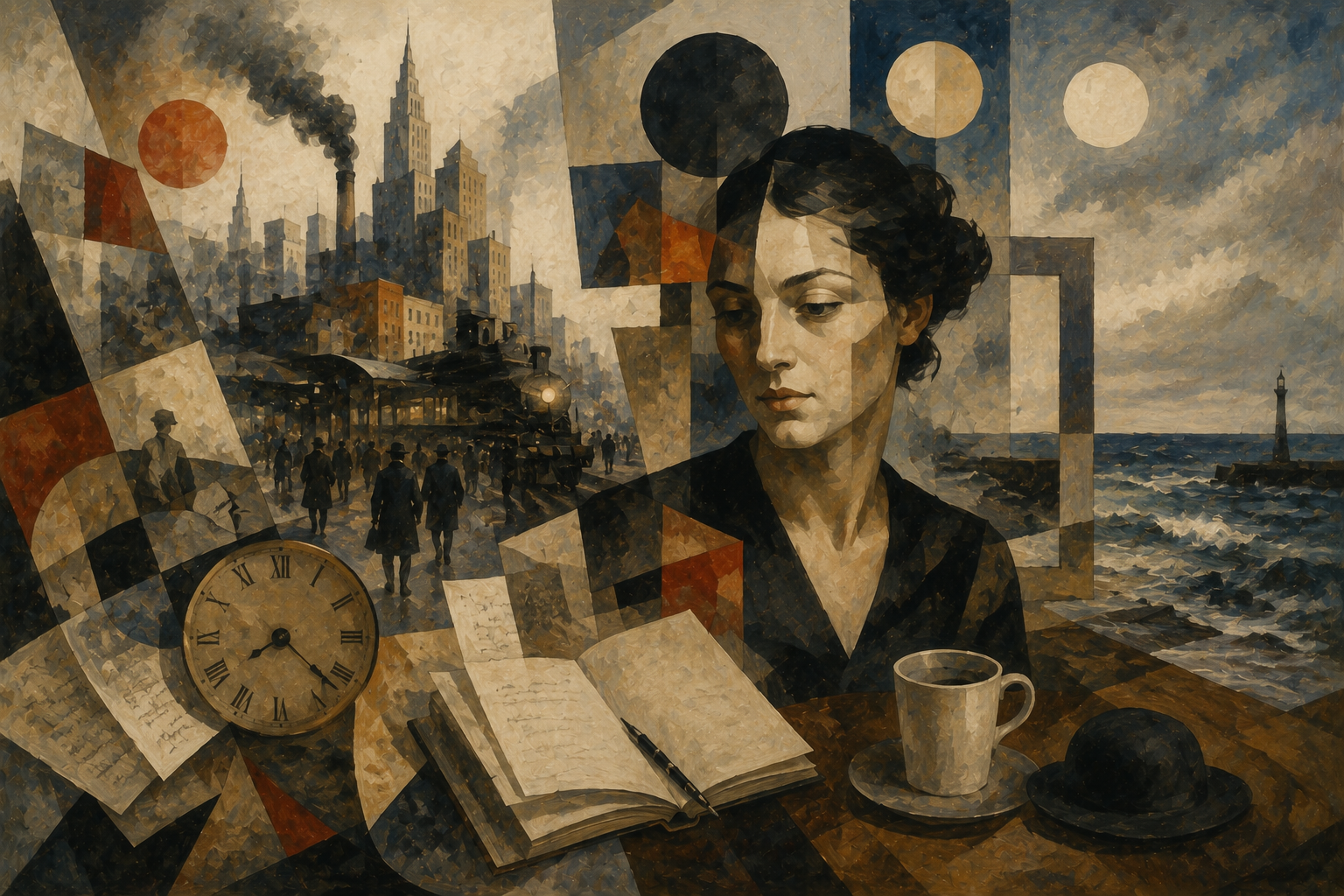
Modernism is a style of writing that reflects the confusion and change of the early 1900s.

When people ask, What Is Modernism in Literature?, the short answer is this: modernism is literature that breaks from older rules to show modern life in a new way.

Modernist writers did not always tell stories in a clear order. They often focused on thoughts, memories, doubts, and private fears.

This style grew after huge social changes, including World War I, rapid city growth, and new ideas in psychology. Many writers felt that old forms could not explain the modern world anymore.

For a broader background, you can explore Britannica’s overview of Modernism.

What Is Modernism in Literature? Why It Matters

Modernism matters because it changed what literature could do.

A good answer to What Is Modernism in Literature? must include this point: modernist texts often ask readers to work harder.

Instead of giving easy answers, modernist writers leave gaps. They may use symbols, shifting points of view, or unclear endings.

This can feel hard at first, but it also makes the reading more active. You are not just following a plot. You are piecing meaning together.

Modernism also matters because it shows how people react to loss, pressure, and change. Many modernist works explore loneliness, fear, and the search for meaning.

What Is Modernism in Literature? Key Features to Notice

Modernist writing often looks and feels different from traditional fiction or poetry.

To answer What Is Modernism in Literature?, look for a few common traits. One major feature is a broken or non-linear structure.

A modernist novel may move between the past and present with little warning. A poem may jump from one image to another without a clear scene change.

Another key feature is stream of consciousness. This means the writing tries to show a character’s thoughts as they happen.

Modernist works also use symbols in bold ways. A city, a river, or even a single object may carry deep meaning.

If you want help with this kind of close reading, try our guide on how to read literature like a scholar.

image-slider-with-thumbnail1.jpeg
PlayPause
previous arrow
next arrow
image-slider-with-thumbnail1.jpeg
image-slider-with-thumbnail3.jpeg
image-slider-with-thumbnail4.jpeg
ChatGPT Image Jun 27, 2026, 06_33_13 PM
ChatGPT Image Jun 27, 2026, 06_36_37 PM
ChatGPT Image Jun 27, 2026, 06_38_39 PM
ChatGPT Image Jun 27, 2026, 06_31_22 PM
image-slider-with-thumbnail7.jpeg
ChatGPT Image Jun 27, 2026, 06_29_43 PM
ChatGPT Image Jun 27, 2026, 06_27_44 PM
image-slider-with-thumbnail6.jpeg
ChatGPT Image Jun 27, 2026, 06_15_07 PM
image-slider-with-thumbnail5.jpeg
ChatGPT Image Jun 27, 2026, 06_22_43 PM
ChatGPT Image Jun 27, 2026, 06_25_37 PM
ChatGPT Image Jun 27, 2026, 06_19_43 PM
ChatGPT Image Jun 27, 2026, 06_12_00 PM
ChatGPT Image Jun 27, 2026, 06_08_50 PM
ChatGPT Image Jun 26, 2026, 04_54_23 PM
ChatGPT Image Jun 27, 2026, 05_53_51 PM
ChatGPT Image Jun 28, 2026, 08_35_55 AM
previous arrow
next arrow

What Is Modernism in Literature? Famous Examples

Modernism becomes easier to understand when you see it in real books and poems.

These examples show What Is Modernism in Literature? through style, structure, and theme.

Mrs Dalloway by Virginia Woolf follows one day in the life of Clarissa Dalloway. The novel moves through thoughts and memories more than outward action.

The Waste Land by T.S. Eliot is one of the most famous modernist poems. It uses many voices, broken images, and references to older myths.

Ulysses by James Joyce is known for its bold style. It turns one ordinary day in Dublin into a complex study of thought, language, and daily life.

For poetry context, the Poetry Foundation’s entry on Modernism is a helpful resource.

Books to Read Next

These books are strong starting points if you want to explore modernist literature.

  • Mrs Dalloway by Virginia Woolf
  • The Waste Land and Other Poems by T.S. Eliot

You can find these titles through libraries, bookstores, or Amazon. If you are new to modernism, start with short sections and take notes as you read.

A Practical Tip for Reading Modernist Literature

Do not try to understand everything on the first read.

Modernist literature often works through patterns. Notice repeated images, sudden shifts, and strange details.

Ask simple questions: Who is speaking? What feels unclear? What idea keeps coming back?

This approach helps with What Is Modernism in Literature? because modernism often hides meaning in form, not just plot.

For more support, use this literary reading guide as a companion while you study.

FAQ: What Is Modernism in Literature?

Here are quick answers to common student questions about modernism.

What Is Modernism in Literature?

Modernism in literature is a movement that broke away from older writing styles. It often shows confusion, change, and inner thought.

When did modernist literature begin?

Modernist literature grew in the late 1800s and early 1900s. It became especially important after World War I.

Why is modernist writing hard to read?

It can be hard because it often uses fragmented structure, symbols, and shifting voices. The meaning may not be clear right away.

Is modernism only found in novels?

No. Modernism appears in novels, poems, plays, and essays.

Key Takeaway

What Is Modernism in Literature? It is a bold way of writing that shows a changing world through broken forms, deep thoughts, and new ways of seeing life.

error

Enjoy this article? Please spread the word :)

Follow by Email
BLUESKY
fb-share-icon
Reddit
LinkedIn
Share
RSS