Best Dark Academia Nature Symbolism: Books, Themes, and Meanings

Nature Symbolism

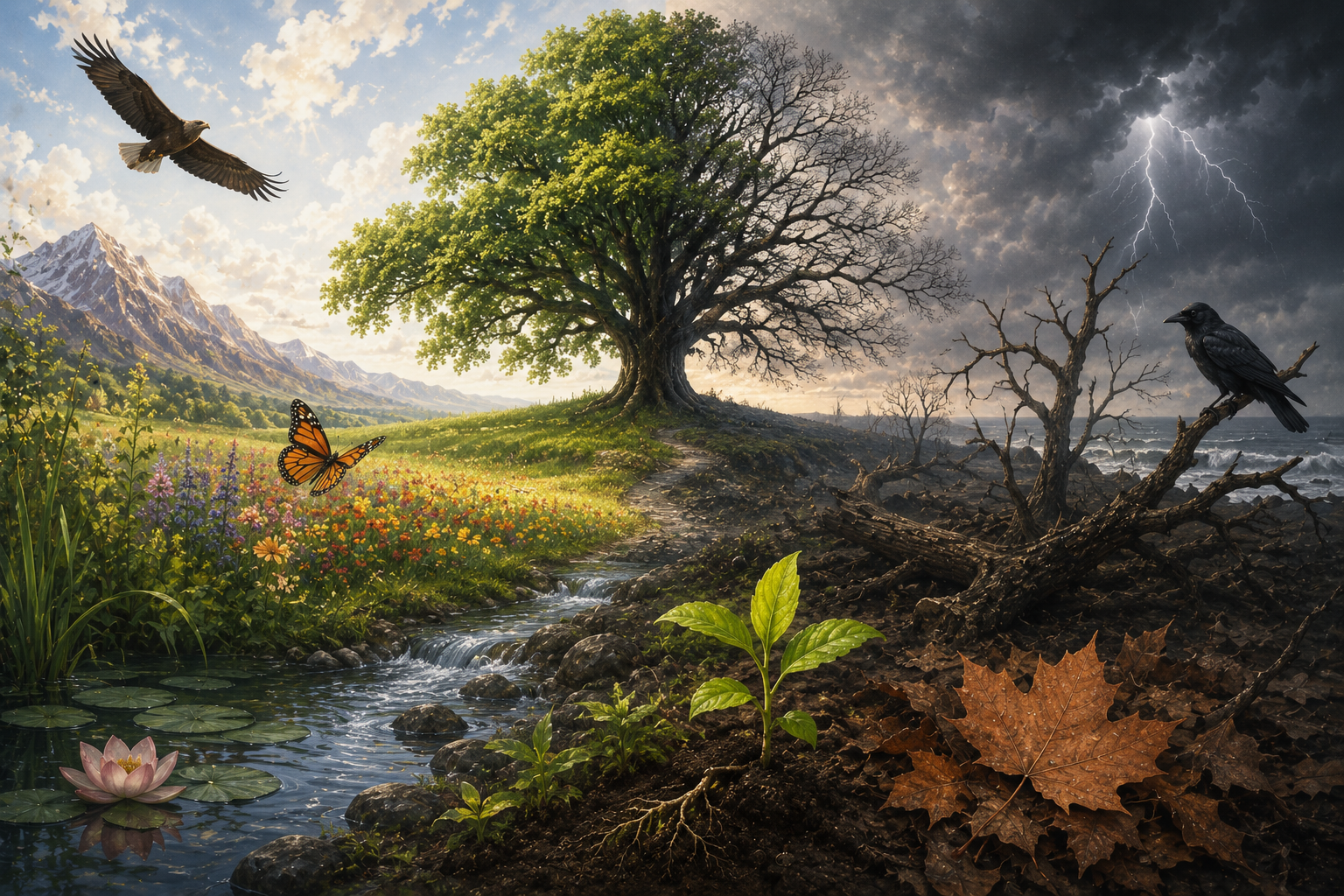
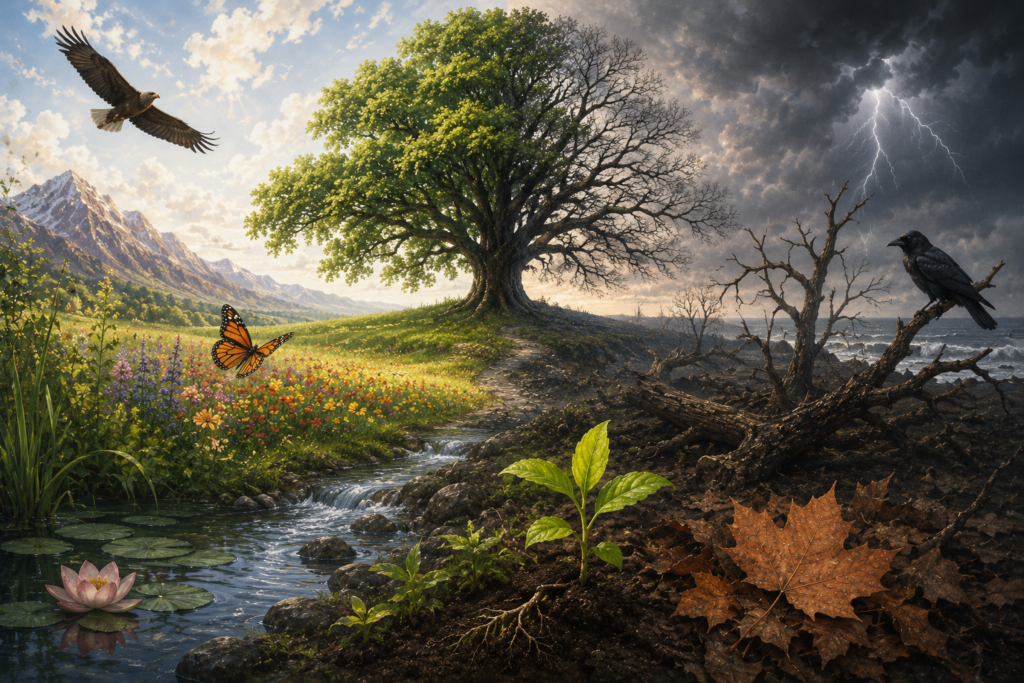
Best Dark Academia Nature Symbolism blends old libraries, secret knowledge, wild gardens, storms, and decay. It helps readers see how nature can reflect ambition, fear, beauty, and moral trouble in literature.

For students, this kind of symbolism is useful because it turns setting into meaning. A forest, flower, or cold season can say as much as a character’s speech.

In this Guide

  • Why nature matters in dark academia
  • Common symbols and what they mean
  • Best examples from literature
  • Recommended books to read
  • How to analyze nature symbolism
  • FAQs and key takeaway
Nature Symbolism

Why Best Dark Academia Nature Symbolism Feels So Powerful

Nature in dark academia often looks beautiful, but it rarely feels safe.

Best Dark Academia Nature Symbolism works because it connects the mind with the natural world. A quiet campus garden can hide guilt. A storm can show panic. A dying flower can point to lost innocence.

Dark academia often focuses on elite schools, ancient texts, and intellectual pride. Nature adds pressure to that world. It reminds readers that knowledge does not protect anyone from death, desire, or consequence.

This is why rain, fog, ivy, winter, and forests appear so often in the genre. They create mood, but they also carry meaning.

Common Symbols in Best Dark Academia Nature Symbolism

Many dark academia stories use the same natural images, but each writer gives them a fresh purpose.

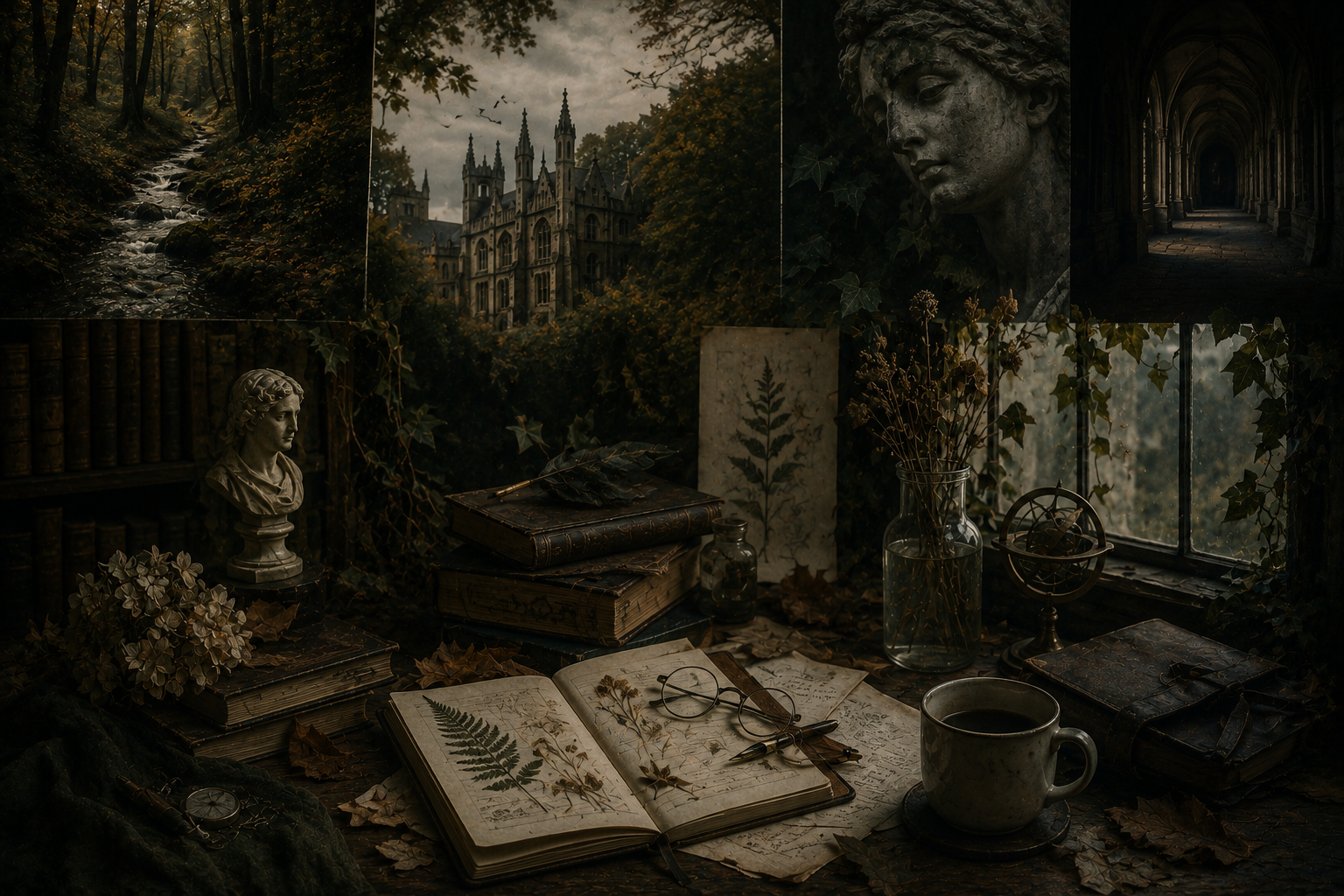
Ivy often suggests age, tradition, and hidden control. It climbs over old buildings like history itself. In a school setting, ivy can make knowledge look noble, but it can also make the past feel trapped and overgrown.

Fog suggests confusion and secrecy. When characters walk through fog, they may not understand what is true. It can also show moral blindness.

Autumn leaves point to beauty and decay. Their color is rich, but their life is ending. This fits dark academia’s love of elegant ruin.

Rain can mean cleansing, sorrow, or dread. In many stories, rain appears near guilt or confession. It can wash the world, but it cannot always wash away a crime.

Best Dark Academia Nature Symbolism often turns these simple images into emotional clues. The setting tells readers what characters refuse to say.

Best Dark Academia Nature Symbolism in Classic Literature

Classic literature gives us some of the clearest examples of nature as a symbol.

In Mary Shelley’s Frankenstein, mountains, ice, and storms reflect Victor Frankenstein’s fear and pride. Nature is powerful, vast, and beyond human control. Victor tries to master life, but the natural world keeps showing how small he is.

In Emily Brontë’s Wuthering Heights, the moors are wild and harsh. They mirror the force of Catherine and Heathcliff’s emotions. The landscape feels untamed, just like their love and anger.

In Oscar Wilde’s The Picture of Dorian Gray, flowers, gardens, and beauty often connect to temptation and decay. Dorian’s world looks lovely, but moral rot grows beneath the surface.

These works are not always called dark academia, but they shape its mood. Their use of nature helps explain why Best Dark Academia Nature Symbolism feels old, serious, and haunted.

For more help with close reading, see this guide on how to find symbolism in a story.

Nature, Knowledge, and Moral Decay

In dark academia, nature often shows what learning cannot fix.

Students and scholars may chase truth, beauty, or power. Yet nature keeps reminding them that every choice has a cost. Dead leaves, cold rooms, and rotting gardens can show inner damage.

This is a key part of Best Dark Academia Nature Symbolism. The natural world becomes a mirror. It reflects ambition, guilt, and fear.

A character may study Greek tragedy in a grand library, but the storm outside may reveal the real tragedy. The weather becomes part of the story’s moral voice.

These books are strong choices for students who want to see how dark settings and natural symbols work together.

  • Frankenstein by Mary Shelley
  • Wuthering Heights by Emily Brontë
  • The Secret History by Donna Tartt

Frankenstein is one of the best books for studying nature as power. Its icy landscapes and violent weather show the danger of human pride.

Wuthering Heights uses the moors as more than a setting. They become a symbol of passion, grief, and wild freedom.

The Secret History is a modern dark academia classic. Its campus, seasons, and remote landscapes help create a sense of beauty mixed with dread.

To explore Mary Shelley’s life and influence, you can visit Britannica’s biography of Mary Shelley. For poetry and nature imagery, the Poetry Foundation is also a useful resource.

How to Read Best Dark Academia Nature Symbolism

Good symbolism starts with careful attention to patterns.

When you read, notice when nature appears. Ask what happens before and after a storm, garden scene, forest walk, or change in season.

Then ask how the image connects to character emotion. If a student walks through dead leaves after a betrayal, the leaves may point to loss or moral decline.

Best Dark Academia Nature Symbolism is rarely random. Writers choose natural details to build mood and deepen theme.

If you want a simple method, use this breakdown on finding symbolism in fiction.

Best Dark Academia Nature Symbolism and Major Themes

The strongest symbols connect to the story’s biggest ideas.

One major theme is the danger of ambition. Mountains, storms, and deep forests can make human plans seem fragile. This is clear in Frankenstein.

Another theme is the beauty of decay. Autumn leaves, old gardens, and ivy-covered walls look lovely, but they also suggest death and decline.

A third theme is hidden truth. Fog, darkness, and enclosed gardens can show secrets that characters try to bury.

In this way, Best Dark Academia Nature Symbolism turns nature into a quiet warning. Beauty may be real, but it is never simple.

FAQs About Best Dark Academia Nature Symbolism

What is Best Dark Academia Nature Symbolism?

Best Dark Academia Nature Symbolism means the use of natural images, like storms, ivy, forests, and seasons, to express dark academia themes. These themes often include ambition, guilt, beauty, and decay.

Why does dark academia use so much autumn imagery?

Autumn fits the mood because it is beautiful and sad at the same time. It suggests change, age, and the slow approach of death.

Is nature symbolism only about mood?

No. Mood matters, but symbolism also points to theme and character. A storm may create fear, but it can also reveal guilt or conflict.

What book is best for studying this topic?

Frankenstein is a strong choice. Its use of ice, mountains, and storms makes nature a major part of the story’s meaning.

Key Takeaway

Best Dark Academia Nature Symbolism shows that nature in literature is never just background. Ivy, fog, storms, and fading leaves can reveal the hidden fears, desires, and moral choices at the heart of a story.

When you notice these symbols, dark academia becomes richer. The campus, the weather, and the wild places all begin to speak.

Best Gothic Journey Symbolism: Paths, Darkness, and Self-Discovery in Gothic Literature

gothic journey symbolism

Best Gothic Journey Symbolism helps readers understand why Gothic stories often send characters into dark houses, wild landscapes, and strange inner worlds. These journeys are rarely simple trips. They often reveal fear, guilt, desire, and hidden truth.

In this Guide

  • What Gothic journey symbolism means
  • Why journeys matter in Gothic literature
  • Classic examples from famous books
  • Common symbols and themes
  • Recommended books to read
  • How to spot Gothic journey symbols
  • FAQs
gothic journey symbolism

What Best Gothic Journey Symbolism Means

A Gothic journey is both a real path and an emotional test.

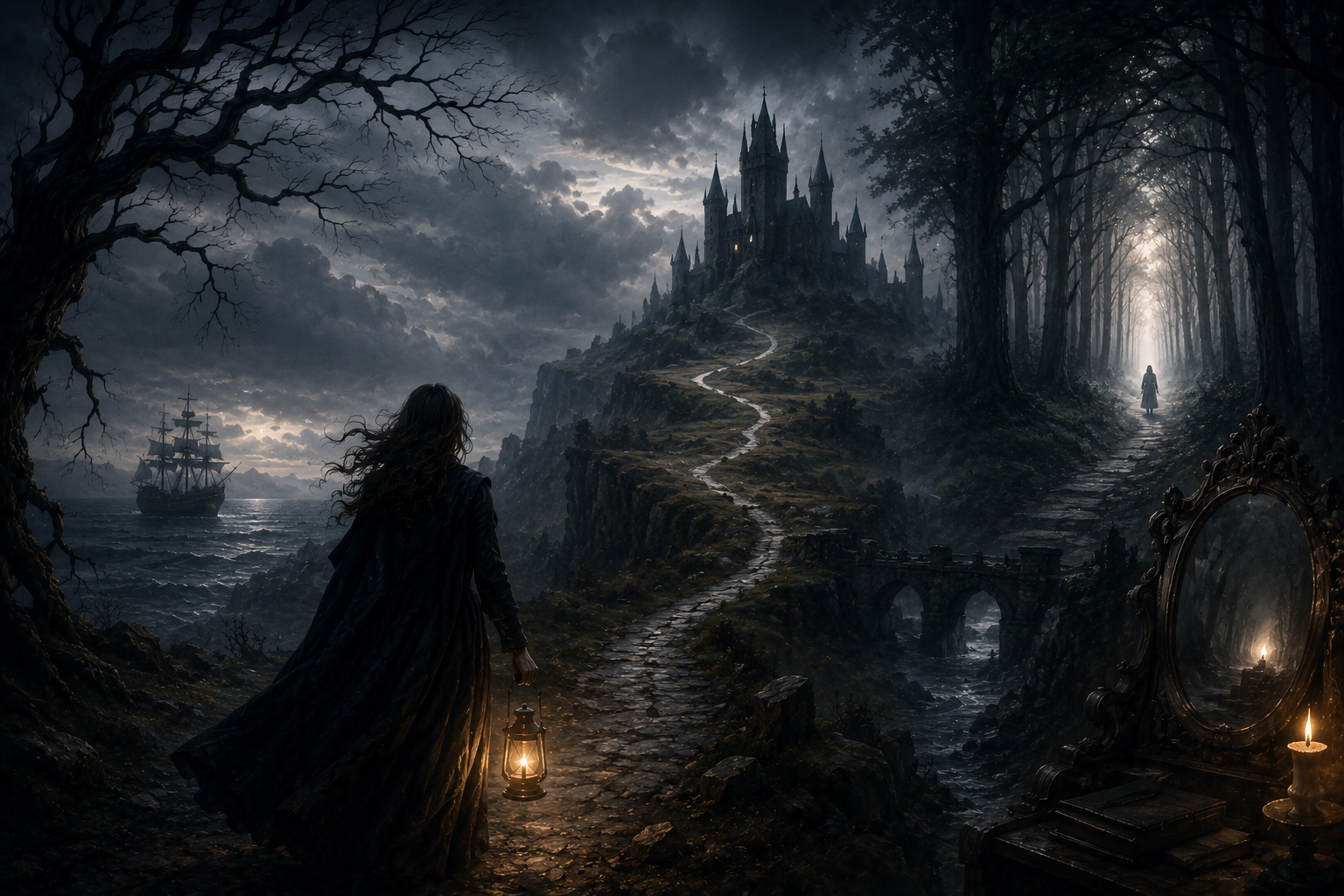
In many Gothic works, a character travels to a strange place. It might be a castle, a ruined house, a lonely road, or a locked room. That place often reflects what the character fears most.

Best Gothic Journey Symbolism shows how movement can reveal the mind. The road, the house, or the storm is not just scenery. It becomes a sign of danger, memory, and inner conflict.

Gothic journeys often move from safety to fear. A character may begin in a familiar world, then enter a place where rules break down. This shift helps the reader feel the character’s loss of control.

Why Best Gothic Journey Symbolism Matters in Gothic Literature

Gothic journeys turn setting into meaning.

Best Gothic Journey Symbolism matters because Gothic stories use place to shape emotion. A dark hallway can suggest secrets. A long road can suggest fate. A locked door can suggest a truth that a character does not want to face.

These journeys also show change. A character who enters a haunted place rarely leaves the same. The journey may lead to knowledge, madness, freedom, or ruin.

This is why Gothic travel feels different from adventure travel. In an adventure story, the goal may be treasure or victory. In Gothic fiction, the goal is often hidden truth.

For more help with symbols in fiction, read this guide on how to find symbolism in a story.

Best Gothic Journey Symbolism in Classic Gothic Novels

Famous Gothic books often use journeys to pull characters into fear.

One of the clearest examples of Best Gothic Journey Symbolism appears in Mary Shelley’s Frankenstein. Victor Frankenstein travels through mountains, ice, and lonely places. These settings reflect his guilt and isolation.

In Bram Stoker’s Dracula, Jonathan Harker’s trip to Castle Dracula feels like a journey away from reason. The castle stands for danger, old power, and the unknown. His travel deeper into Transylvania becomes a move into fear.

In Charlotte Brontë’s Jane Eyre, Jane’s journeys mark her search for dignity and self-respect. Thornfield Hall is not just a home. It is a place of mystery, desire, and moral choice.

The Gothic tradition has a long history. You can learn more about its roots from Britannica’s overview of the Gothic novel.

Common Symbols in Best Gothic Journey Symbolism

Gothic journeys often repeat certain images because they carry strong emotional weight.

Roads often symbolize fate. A character may think they have a choice, but the path seems to pull them toward danger.

Castles and old houses often symbolize the past. Their locked rooms and hidden spaces suggest family secrets, guilt, or buried trauma.

Storms often symbolize emotional chaos. When thunder breaks or wind rises, the character’s inner world may be under stress too.

Dark forests often symbolize confusion. They make the character feel lost, both in the world and in the mind.

In Best Gothic Journey Symbolism, these images work together. The journey becomes a map of fear.

Themes Behind Gothic Journey Symbolism

Gothic journeys often ask what happens when people face what they hide.

One major theme is isolation. Many Gothic characters travel alone or feel alone, even near others. This loneliness makes fear stronger.

Another theme is the return of the past. A journey into an old house or ancient land often brings buried secrets back into the present.

A third key theme is identity. Characters may discover that they are not who they thought they were. The journey forces them to see themselves more clearly.

Best Gothic Journey Symbolism works because it connects outer movement with inner truth. The character moves through the world, but the real battle takes place inside.

Books That Show Best Gothic Journey Symbolism Well

These books are useful for students who want strong Gothic examples.

Frankenstein by Mary Shelley follows Victor Frankenstein through science, guilt, and frozen landscapes. The Arctic journey shows the cost of ambition.

Dracula by Bram Stoker uses travel, letters, ships, and trains to build fear. The movement between places shows how evil can cross borders.

Jane Eyre by Charlotte Brontë uses homes and roads to trace Jane’s growth. Her journey shows her fight for love, faith, and self-worth.

You can find these books on Amazon, at local bookstores, or through most school and public libraries.

How to Spot Best Gothic Journey Symbolism in a Story

Look at where the character goes and what changes after each place.

To spot Best Gothic Journey Symbolism, ask what the setting seems to reveal. Does the house hide a secret? Does the road lead to danger? Or does the weather match the character’s mood?

Pay attention to repeated images. If a story keeps showing doors, shadows, mirrors, or staircases, those details may carry symbolic meaning.

Also ask what the character learns. A Gothic journey often ends with a truth that cannot be ignored.

If you want a simple method, use this helpful post on finding symbolism in literature.

Gothic Journey Symbolism in Poetry and Short Fiction

Gothic journeys do not only appear in novels.

Edgar Allan Poe often uses rooms, houses, and mental spaces as symbolic journeys. In “The Fall of the House of Usher,” the narrator enters a decaying house that reflects sickness and collapse.

The house becomes more than a setting. It feels alive with fear. The narrator’s visit becomes a journey into family decay and mental breakdown.

You can explore Poe’s work through the Poetry Foundation’s page on Edgar Allan Poe.

Why Students Should Study Best Gothic Journey Symbolism

This topic helps students move beyond plot summary.

When you study Best Gothic Journey Symbolism, you learn how setting, mood, and character work together. You see that a journey can mean more than travel.

This is useful for essays because it gives you clear evidence. You can connect a place to a theme, then explain how that place changes the character.

For AP Literature and college classes, this kind of analysis can make an essay stronger. It shows close reading and deeper thought.

FAQs About Best Gothic Journey Symbolism

What is Gothic journey symbolism?

Gothic journey symbolism is the use of travel, setting, and movement to show fear, guilt, secrets, or inner change. The journey often reflects the character’s mind.

What is the best example of Best Gothic Journey Symbolism?

Dracula is one strong example. Jonathan Harker’s trip to Castle Dracula shows a move from the normal world into danger and mystery.

Why do Gothic stories use old houses and castles?

Old houses and castles often stand for the past. They suggest secrets, family history, and hidden fear.

How can I write about Gothic journey symbolism in an essay?

Choose one journey or setting. Explain what it represents, then connect it to a theme like fear, identity, or guilt.

Is Gothic journey symbolism only found in classic books?

No. Modern horror, mystery, and fantasy stories also use Gothic journeys. Any story can use a dark path, strange house, or haunted space as a symbol.

Key Takeaway

Best Gothic Journey Symbolism shows that Gothic travel is never just about distance. The path into darkness often leads to the truth a character fears most.

When readers notice these symbols, Gothic literature becomes richer and more powerful. The road, the house, and the storm all speak.