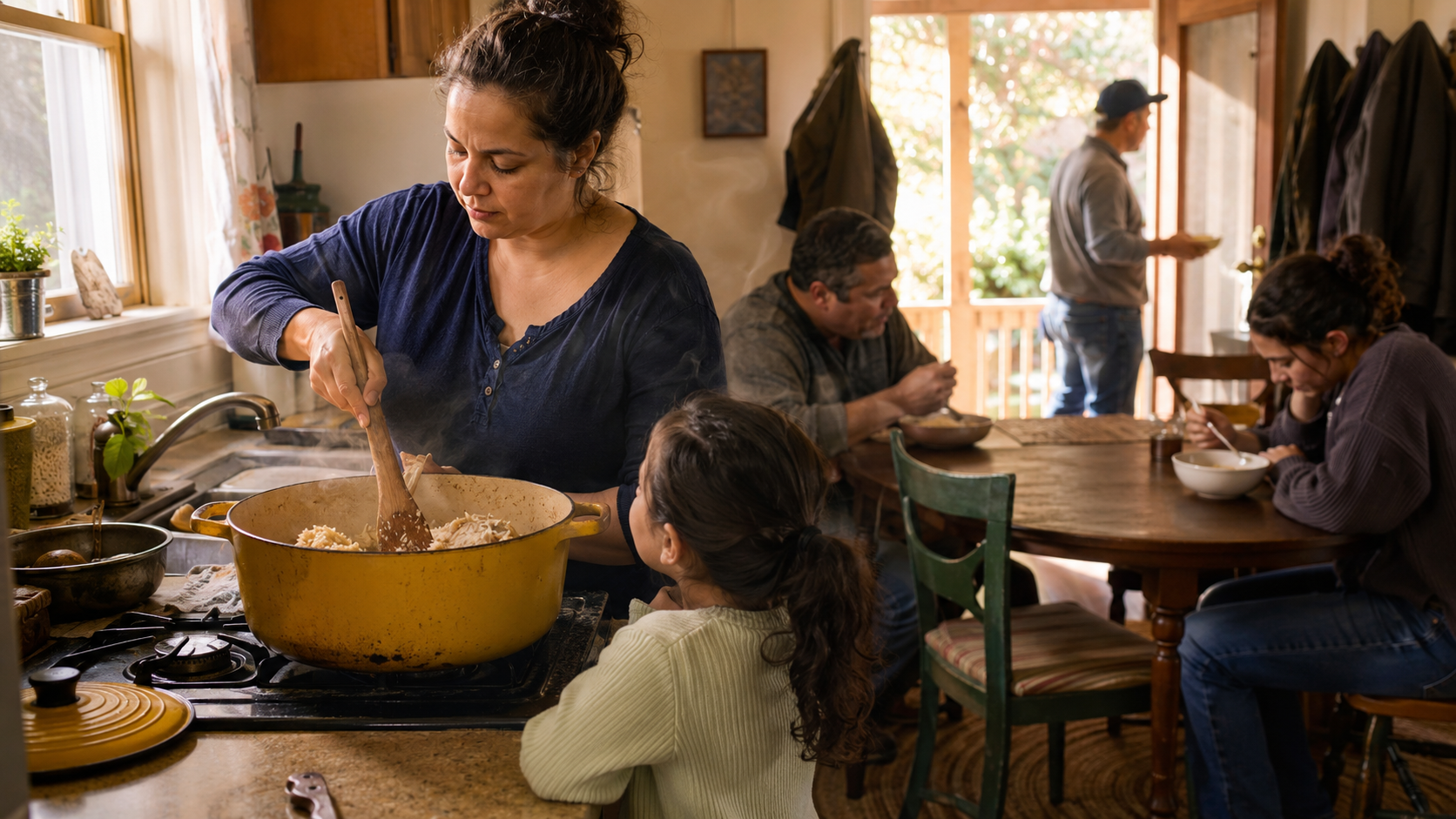
Flash Memoir Prompt: Argument You Witnessed Between Adults in Your Family as a Child

flash memoir prompt argument

A focused writing invitation for remembering an argument you witnessed between adults in your family as a child, through one clear scene, one sharp detail, and the emotions you were too young to name.

The room may have changed before anyone raised a voice. Maybe a fork stopped halfway to someone’s mouth. Maybe a door shut too hard. Maybe you were sitting on the carpet, pretending to watch TV while every part of you listened.

This flash memoir prompt about an argument witnessed between adults in your family asks you to return to a moment when childhood met adult conflict. You do not have to solve the argument. You do not have to judge anyone. You only have to remember what it felt like to be there.

flash memoir prompt argument

The Prompt

Write about an argument you witnessed between adults in your family as a child.

This prompt can unlock a powerful flash memoir because children often notice what adults think they are hiding. You may remember the sound of a voice, the smell of dinner burning, or the way someone looked away instead of answering.

A memory like this does not need a full family history behind it. In fact, it may work better if you stay with one moment. A flash memoir prompt about an argument witnessed between adults in your family becomes strongest when it focuses on what the child saw, heard, and misunderstood.

Why This Memory Matters

Family arguments can mark a child’s understanding of safety, loyalty, silence, and power. Even if the argument was ordinary to the adults, it may have felt huge to you. Children often measure danger by tone, posture, and what happens after the shouting stops.

This kind of memoir does not have to accuse anyone. It can simply tell the truth of a child’s view. Maybe you thought the argument was your fault. Maybe you learned which parent to avoid. Maybe you discovered that adults could be scared too.

Writing this scene may also show how your younger self made meaning from limited information. That gap between what happened and what you understood is often where the deepest memoir writing lives.

If you are practicing close observation, the same skill you might use to analyze characters in literature can help here. Notice action before explanation. What did each person do with their hands? Who moved closer? Who left the room? Those details can reveal more than a summary ever could.

How to Approach This Prompt

Begin with a physical detail. Choose one object, sound, or movement from the scene. It might be a cracked plate, a buzzing kitchen light, a suitcase by the door, or your own knees pulled under your chin.

Then narrow the memory to one scene. Do not try to explain every argument your family ever had. Stay inside a short stretch of time. Let the reader stand where you stood.

You might write the first draft in present tense, as if the child is living it now. For example: “I am under the dining room table. My father’s shoes are beside my mother’s bare feet.” This can help you stay close to the original feeling.

Write what you noticed before you explain what it meant. A child may not understand divorce, money trouble, jealousy, grief, or stress. The child may only know that someone’s voice has changed. Let that limited understanding guide the piece.

If you feel stuck, make a quick note map before drafting. Write down where you were, who was there, what you heard, and what you did with your body. This is close to the way readers annotate literature, except you are marking your own memory instead of a page.

Try not to rush toward the lesson. The emotional truth may be small. Maybe the scene explains why you dislike closed doors. Maybe it shows the first time you realized adults could say things they could not take back.

The Flash Memoirist
previous arrow
next arrow

A Quick Example

I was nine, sitting on the stairs with my spelling book open on my lap. The word was “separate,” and I kept writing the second “a” too close to the “r.” In the kitchen, my aunt said my mother’s name like it was something breakable. Then my grandfather slapped his palm on the table, and all the glasses jumped. No one knew I was there, or maybe they did and decided I was too small to count. I remember the smell of onions in the pan and my mother’s voice getting very quiet. That scared me more than the shouting. When my uncle came into the hall, he smiled at me like nothing had happened. I looked back at my paper and wrote “separate” five more times.

Try It Yourself

Give yourself ten minutes with this prompt. Start with the room, not the reason. Let the memory stay partial if that is how it comes back to you.

You may choose to write from the child’s point of view first, then add one or two lines from your adult self at the end. That contrast can create depth without forcing a neat conclusion.

A flash memoir prompt about an argument witnessed between adults in your family can bring up strong feelings, so write at a pace that feels safe. You can change names, skip details, or stop after one paragraph. The goal is not to expose everything. The goal is to catch one honest moment on the page.

Want More Flash Memoir Prompts?

If this prompt helped you find a memory worth exploring, keep going with short, focused pieces. Explore all 365 prompts in The Memory Trigger: 365 Flash Memoir Writing Prompts.
The Memory Trigger

Flash Memoir Prompt: Parent Who Was Harder to Reach

flash memoir prompt parent

A tender flash memoir prompt about the parent who felt harder to reach, told through one small scene, one telling detail, and the truth you could not say then.

Maybe you knew exactly which parent would laugh at your joke, sign your permission slip, or ask about your day. And maybe the other one felt like a locked room. You could see them. You could hear them moving through the house. Still, there was a distance you did not know how to cross.

This flash memoir prompt about the parent who was harder to reach asks you to enter that distance with care. You do not have to judge the parent. You do not have to excuse them either. Your job is smaller and more honest: choose one moment when you felt the space between you.

That moment might be quiet. A car ride. A kitchen table. A phone call that ended too soon. A birthday where you waited for the right words and got practical advice instead.

When you write from one scene, the memory can breathe. You can show what it felt like before you try to explain what it meant.

flash memoir prompt parent

The Prompt

Write about the parent who was harder to reach.

This prompt can unlock a meaningful memory because it points toward a relationship shaped by distance, silence, timing, or fear. The parent may have been loving but closed off. They may have been busy, strict, wounded, distracted, or simply difficult to understand.

A strong flash memoir does not need the whole history. It needs one sharp moment. Think of a time you tried to get close, ask a question, share news, or be noticed. What happened in the room? What did your parent do with their hands? What did you decide to stop asking?

If you are using this as a flash memoir prompt parent who harder reach writing exercise, let the scene stay small. The smaller the scene, the more room there is for emotional truth.

Why This Memory Matters

The parent who was harder to reach often becomes a central figure in memory because distance leaves questions behind. Children notice more than adults think. They notice footsteps, moods, silences, favorite chairs, closed doors, and half-answers.

This kind of memoir piece may uncover a story about wanting approval. It may reveal what you learned to hide. It may show how you became funny, careful, quiet, helpful, or independent because one parent felt out of emotional range.

You might discover that the parent was not cold in every way. Maybe they fixed your bike but never said they were proud. Maybe they worked long hours and came home too tired for softness. Maybe they showed love through food, repairs, or rules, while you kept waiting for words.

Writing this memory can also help you see the parent as a person, not just a role. If you want to think more deeply about how people are shaped on the page, this guide on how to analyze characters in literature can help you notice motive, action, and contradiction. Those same tools can be useful in memoir, especially when writing about family.

The goal is not to solve the relationship in one page. The goal is to tell the truth of one moment as you experienced it then, with the understanding you have now.

The Flash Memoirist
previous arrow
next arrow

How to Approach This Prompt

Begin with a physical detail. Choose something you can see, hear, touch, or smell. Your father’s work boots by the door. Your mother’s coffee gone cold. A newspaper lifted like a wall. A hand on the steering wheel. A bedroom door closed almost all the way.

Once you have that detail, narrow the memory to one scene. Do not begin with “My mother was always distant” or “My father and I never really talked.” Those sentences may be true, but they explain too much too soon.

Try starting with what happened first:

“My father sat in the truck with the engine off.”

“My mother kept folding the same towel.”

“I stood in the hallway holding my report card.”

After that, write what you noticed before you write what it meant. Let the reader stand beside you in the memory. Let us hear the chair scrape, see the light under the door, or feel the pause after your question.

You can also use simple margin notes before drafting. Circle the detail that feels most alive. Underline the sentence where the emotion shifts. If that kind of close attention helps you, this student-friendly guide on how to annotate literature offers useful habits you can borrow for your own memories.

Most of all, avoid trying to tell the whole story at once. A flash memoir prompt parent who harder reach piece works best when it trusts one memory to suggest the larger pattern.

A Quick Example

I was twelve when I learned my father liked butterscotch candy. Not from him. From the glass bowl on his dresser, where the wrappers collected like tiny gold leaves. On Saturdays, he polished his shoes while I sat on the floor and pretended to read. I was waiting for him to ask about my science fair, my new friend, anything. He tapped the shoe brush against the heel, slow and steady. “Hand me that cloth,” he said. I passed it over like an offering. Our fingers barely touched. Later, at the store, I bought a roll of butterscotch with my allowance and kept it in my desk. I thought if I liked what he liked, some door might open. It didn’t. But for years, that candy tasted like trying.

Try It Yourself

Set a timer for ten minutes and write one scene about the parent who was harder to reach. Do not worry about making the parent good, bad, loving, or unfair. Let the memory show what was complicated.

Start with the room. Then bring in the parent. Then bring in yourself, wanting something. Maybe you wanted a hug. Maybe you wanted an answer. Maybe you wanted them to look up.

If the memory feels tender, go slowly. You can write around the hardest part before you write directly into it. You can stop at one image if that is all you have today.

This flash memoir prompt parent who harder reach exercise is not asking for a perfect conclusion. It is asking for a true glimpse. Sometimes one small scene can say what a whole childhood could not explain.

Want More Flash Memoir Prompts?

If this prompt opened a memory, keep going while the door is still cracked. Short prompts can help you build a steady writing practice without needing a full chapter plan. Explore all 365 prompts in The Memory Trigger: 365 Flash Memoir Writing Prompts.

The Memory Trigger
error

Enjoy this article? Please spread the word :)

Follow by Email
BLUESKY
fb-share-icon
Reddit
LinkedIn
Share
RSS