

A focused writing invitation about the childhood object everyone knew not to touch, told through one sharp memory and a sensory detail that hints at emotional truth. Maybe you can still picture it: the glass cabinet no one opened, the polished piano no child was allowed to play, the locked drawer, the porcelain figure on the high shelf. If you came looking for a flash memoir prompt object childhood home everyone knew not to touch, this memory may lead you straight to a family rule you learned before anyone explained it.
Some objects in a home seem louder than people. They sit quietly, but they control the room. You walked around them. You lowered your voice near them. You knew, without a lecture, that one wrong move could change the mood of the whole day.
The Prompt
Write about the object in your childhood home that everyone knew not to touch.
This prompt works because it begins with something solid. You do not have to start with a big feeling or a life lesson. Start with the object. Was it shiny, dusty, locked away, covered, fragile, sacred, or simply mysterious?
As a flash memoir prompt object childhood home everyone knew not to touch, this invitation can reveal more than a household rule. It may show what your family valued, feared, protected, or grieved. The object might have been expensive. It might have belonged to someone who died. It might have stood for pride, silence, anger, or love.
Why This Memory Matters
The object no one touched often points to an invisible boundary. In childhood, those boundaries shape how we move through a home. You may have learned where to sit, when to speak, how to ask, and what not to question.
Maybe the forbidden object was your mother’s jewelry box. Maybe it was your father’s guitar, a stack of photo albums, a cabinet of good dishes, or a remote control that seemed to belong to one person only. The story is not just about the thing. It is about the feeling around it.
Was the rule spoken kindly, sharply, or never spoken at all? Did everyone obey it? Did someone break it once? Did you?
That moment of reaching, almost reaching, or watching someone else reach can hold a whole story. A small scene can show power, tenderness, class, memory, or loss without needing to explain everything. If you want to think more about how objects carry meaning in stories, this guide on how to find symbolism in a story can help you notice what an object does beneath the surface.


How to Approach This Prompt
Begin with the object itself. Do not explain it yet. Let the reader see it first.
Write one sentence that names where it was kept. For example: “The clock sat on the mantel above the fireplace, too high for us to reach but low enough to watch.” Then add one physical detail. Was it cold, heavy, cracked, velvet-lined, wrapped in plastic, or covered in fingerprints no one admitted to leaving?
Next, narrow the memory to one scene. Choose one moment when the rule mattered. Maybe a guest almost touched it. Maybe you cleaned around it. Maybe your sibling dared you to open it. Maybe an adult moved it with both hands while everyone else in the room went silent.
Try to write what you noticed before you write what it meant. As children, we often sense emotion before we understand it. You might remember the tone in someone’s voice, the way a person crossed the room too fast, or the pause after a drawer clicked shut.
Avoid trying to tell the whole family history at once. You can hint at the larger story through the small scene. A flash memoir prompt object childhood home everyone knew not to touch works best when you trust the object to carry some of the weight.
If people in the scene react in different ways, let those reactions show who they are. One person may guard the object. Another may resent it. Someone else may pretend not to care. For help noticing those small differences, you might enjoy this student-friendly guide on how to analyze characters in literature.
A Quick Example
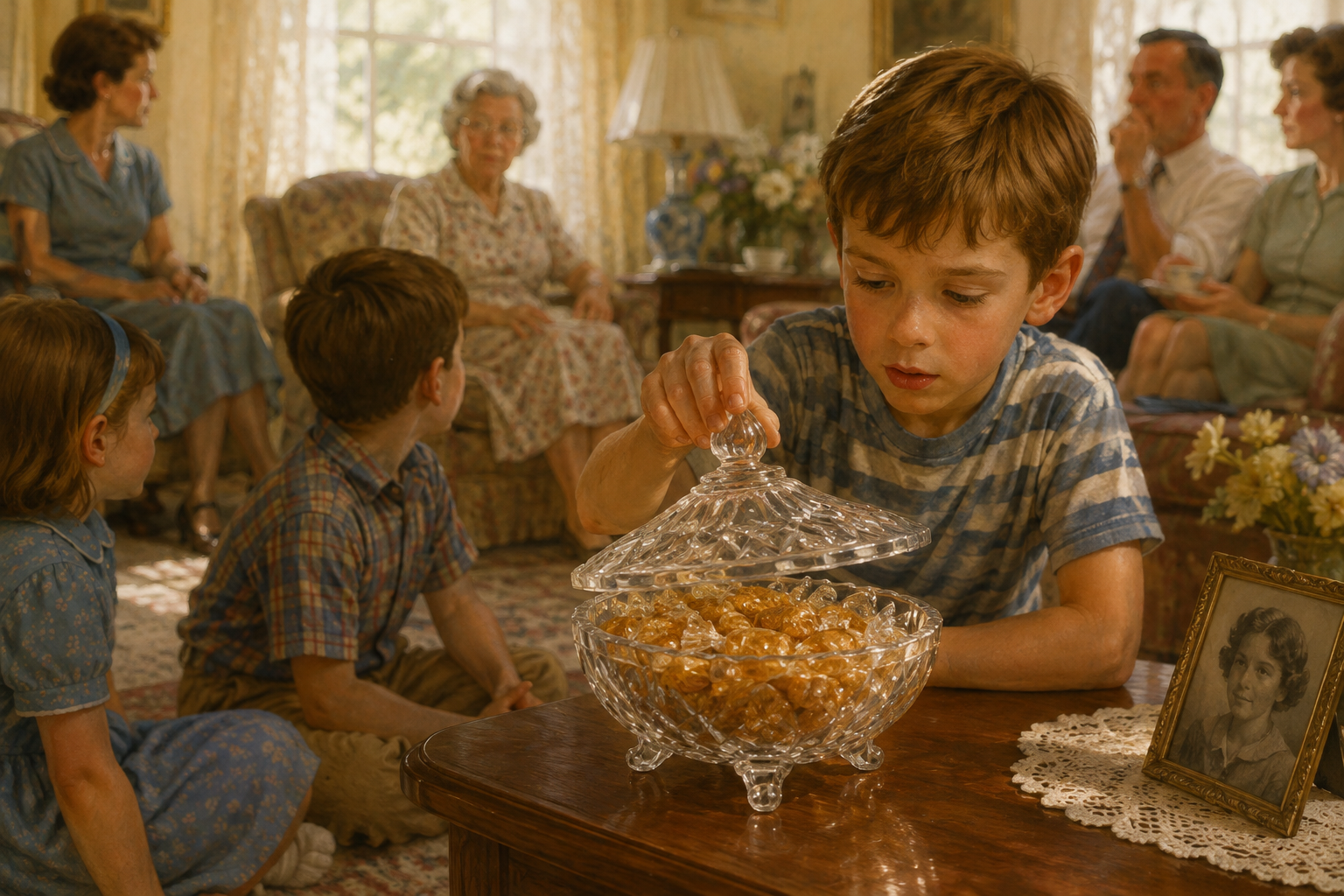
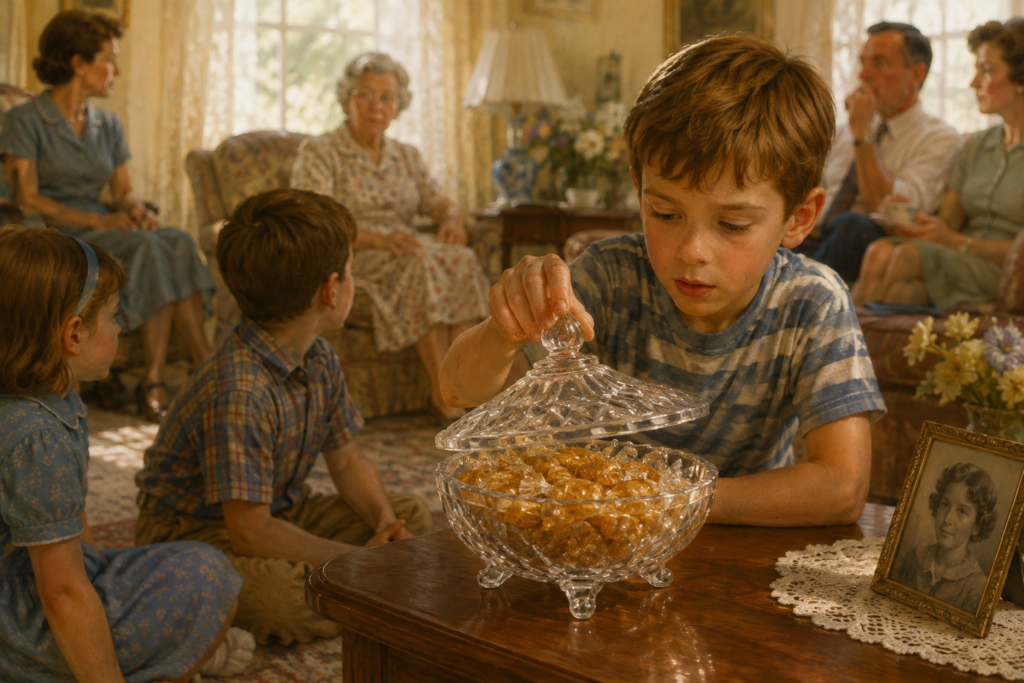
My grandmother’s candy dish sat in the center of the coffee table, full of butterscotch no one was allowed to eat. It had a crystal lid with a tiny knob shaped like a frozen drop of water. Every Sunday, my cousins and I sat on the carpet and stared at it while the adults talked about bills, cousins in other states, and who had lost too much weight. Once, my brother lifted the lid just enough to make it ring. The room stopped. My grandmother did not yell. She only said his name in a voice so soft it felt worse. Years later, my mother told me the dish had been a wedding gift from my grandfather. He had died before I was born. After that, the candy looked less like candy and more like someone keeping watch.
Try It Yourself
Set a timer for ten minutes and write one scene about the object no one touched. Start with where it was. Add one detail you can still see, hear, or feel. Then let one person enter the scene.
You do not need to solve the whole memory today. You only need to notice what the object asked from everyone in the room. Did it ask for respect? Distance? Silence? Care?
If the writing surprises you, follow that surprise. The best flash memoir pieces often begin with a simple thing and end near a truth you did not know you were ready to say.
Want More Flash Memoir Prompts?
If this flash memoir prompt object childhood home everyone knew not to touch opened a door, keep going. One small memory can lead to another, and a few focused minutes can become a steady writing habit. Explore all 365 prompts in The Memory Trigger: 365 Flash Memoir Writing Prompts.


Get the Free Close Reading Worksheet Pack
Join my email list and receive the printable worksheet pack you can use with any novel or poem.
No spam. Just helpful guides for reading literature well.












