

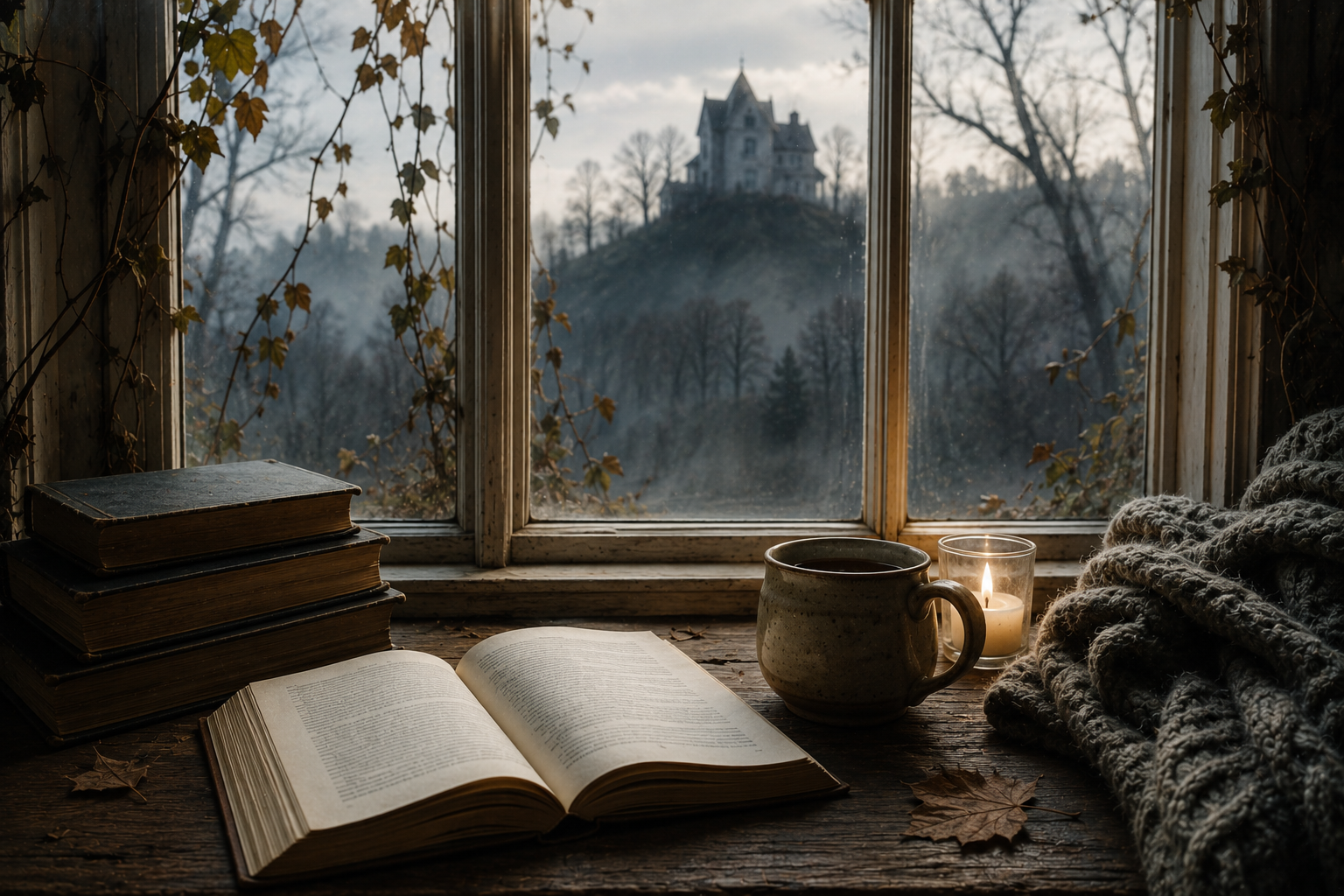
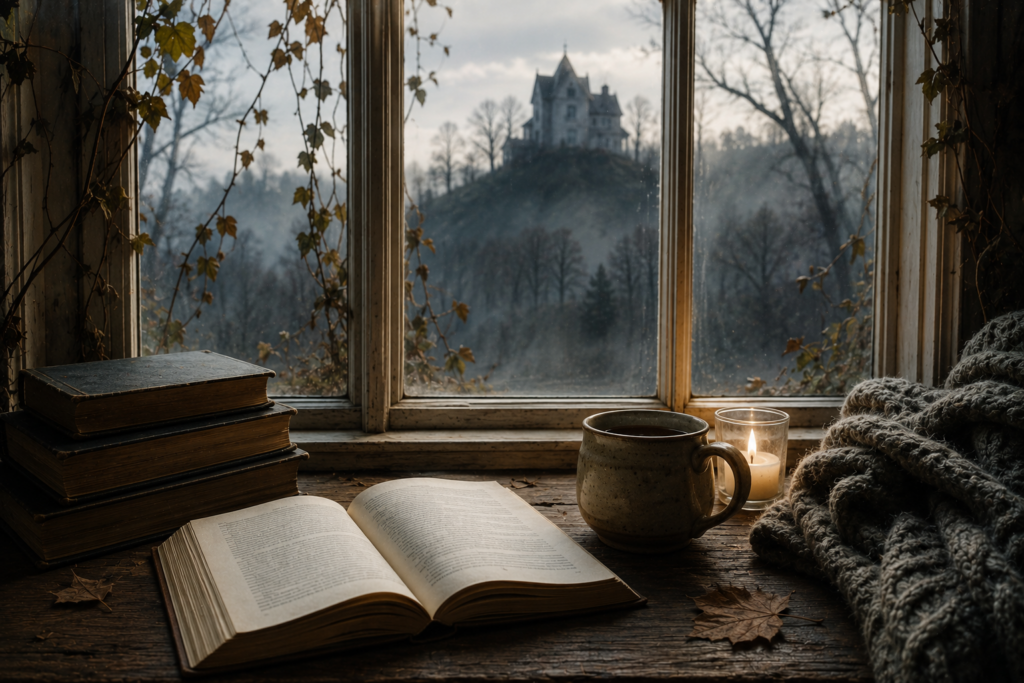
Some horror books do not rush to scare you. Books About Slow Burn Horror build fear slowly, so the reader feels trapped before the true danger appears.
These stories work well for students because they often focus on mood, symbols, guilt, and hidden fear. The terror grows in small signs, strange rooms, and silence.
In this Guide
- Why slow burn horror works
- Key traits of the genre
- Best books and examples
- Symbols and themes to watch
- How students can read slow horror
- FAQs
Why Books About Slow Burn Horror Stay With Readers
The fear starts small, then grows until it feels impossible to escape.
Books About Slow Burn Horror often begin in normal places. A house feels too quiet. A person acts a little wrong. A memory will not stay buried.
This style works because it makes readers wait. Instead of one big shock, the book gives clues that something is deeply wrong.
Slow horror also lets writers explore the mind. The monster may be real, but the fear often comes from guilt, grief, or doubt.
What Makes Books About Slow Burn Horror Different?
Slow horror uses patience as a tool.
Fast horror often depends on action and sudden danger. Books About Slow Burn Horror depend on mood, setting, and tension.
Readers may not know what the threat is at first. That makes each small detail feel important.
A locked room, a strange sound, or an old letter can create more fear than a monster on the page. The unknown becomes the real enemy.
This is why Gothic fiction often fits the slow burn style. Castles, old houses, family secrets, and dark weather help build dread. You can learn more about the Gothic tradition through Britannica’s guide to the Gothic novel.
Best Books About Slow Burn Horror for Students
These books reward careful reading and close attention.
Books About Slow Burn Horror are useful in class because they ask big questions. Can we trust the narrator? Is the danger outside, or inside the mind?
The Haunting of Hill House by Shirley Jackson
This novel is one of the best examples of quiet fear. Hill House seems alive, but Jackson never explains everything.
The horror comes from the house, but also from Eleanor’s loneliness. The book slowly blurs the line between ghost story and mental collapse.
The Turn of the Screw by Henry James
This short novel is famous for its mystery. A governess believes two ghosts are haunting the children she cares for.
Yet readers are never fully sure if the ghosts are real. That doubt is what makes the story so tense.
Rebecca by Daphne du Maurier
Rebecca is not always labeled pure horror, but it has strong Gothic dread. The new Mrs. de Winter feels haunted by her husband’s first wife.
The fear grows through memory, jealousy, and silence. Manderley, the mansion, feels like a character with secrets.
More Recommended Books About Slow Burn Horror
These titles are strong picks if you want to read more in the genre.
- The Haunting of Hill House by Shirley Jackson
- The Turn of the Screw by Henry James
- Mexican Gothic by Silvia Moreno-Garcia
Books About Slow Burn Horror can be old or modern. What matters is not the time period. What matters is how slowly the fear takes shape.
In Mexican Gothic, the terror grows through a strange house, family control, and sickness. The story uses Gothic style but gives it a fresh voice.
Symbols and Themes in Books About Slow Burn Horror
The best slow horror stories hide meaning inside objects and places.
Books About Slow Burn Horror often use houses as symbols. A house can stand for the mind, the past, or a family’s buried shame.
Mirrors can suggest a split self. Locked doors can suggest secrets. Darkness can show fear that no one wants to face.
In Dracula, fear grows through letters, journals, and strange changes in people’s bodies. The novel connects horror with disease, desire, and corruption. For a deeper look, read how Count Dracula becomes a symbol of fear and corruption.
Edgar Allan Poe also shaped slow horror with stories that focus on guilt and obsession. The Poetry Foundation’s page on Edgar Allan Poe offers helpful background on his life and work.
How to Read Books About Slow Burn Horror
Read for mood, not just plot.
When you read Books About Slow Burn Horror, pay attention to small changes. A repeated image or odd phrase may matter later.
Ask who controls the story. Many slow horror books use narrators who may not understand what is happening.
Watch the setting closely. If a house, town, or room feels wrong, it may reveal the central fear of the book.
Take notes on symbols. In slow horror, the scariest detail is often quiet at first.
Why Slow Burn Horror Works So Well in Literature Classes
This genre gives students a lot to discuss.
Slow horror helps readers practice close reading. Every scene can hold a clue about character, theme, or setting.
It also connects well to big literary ideas. Students can study unreliable narrators, Gothic settings, and the way fear reflects social problems.
That is why Books About Slow Burn Horror often appear in AP Literature and college courses. They offer suspense, but they also reward deep thought.
FAQs About Books About Slow Burn Horror
What are Books About Slow Burn Horror?
Books About Slow Burn Horror are horror stories that build fear slowly. They focus on mood, mystery, and tension before showing the full danger.
Is slow burn horror scary?
Yes, but not always in a sudden way. It creates unease that grows over time, which can feel more disturbing than a jump scare.
What is a good slow burn horror book for beginners?
The Haunting of Hill House by Shirley Jackson is a strong place to start. It is short, rich in mood, and easy to discuss in class.
Is Dracula a slow burn horror novel?
In many ways, yes. Dracula builds fear through documents, travel, illness, and growing suspicion. Its monster becomes more terrifying as the clues come together.
Why do teachers like slow burn horror?
Teachers like it because it supports close reading. Students can study symbols, setting, point of view, and theme in a clear way.
Key Takeaway
Books About Slow Burn Horror prove that fear does not need to shout. The quietest stories can leave the deepest mark.
They ask readers to notice what hides under the surface. That is why they remain powerful in classrooms, book clubs, and late-night reading sessions. 👻


Get the Free Close Reading Worksheet Pack
Join my email list and receive the printable worksheet pack you can use with any novel or poem.
No spam. Just helpful guides for reading literature well.












