Flash Memoir Prompt: Rules of Your Childhood Home that Were Never Spoken Out Loud

childhood rules

A brief writing invitation for remembering the quiet rules of childhood, the ones you learned by watching faces, hearing footsteps, and knowing when to stay silent.

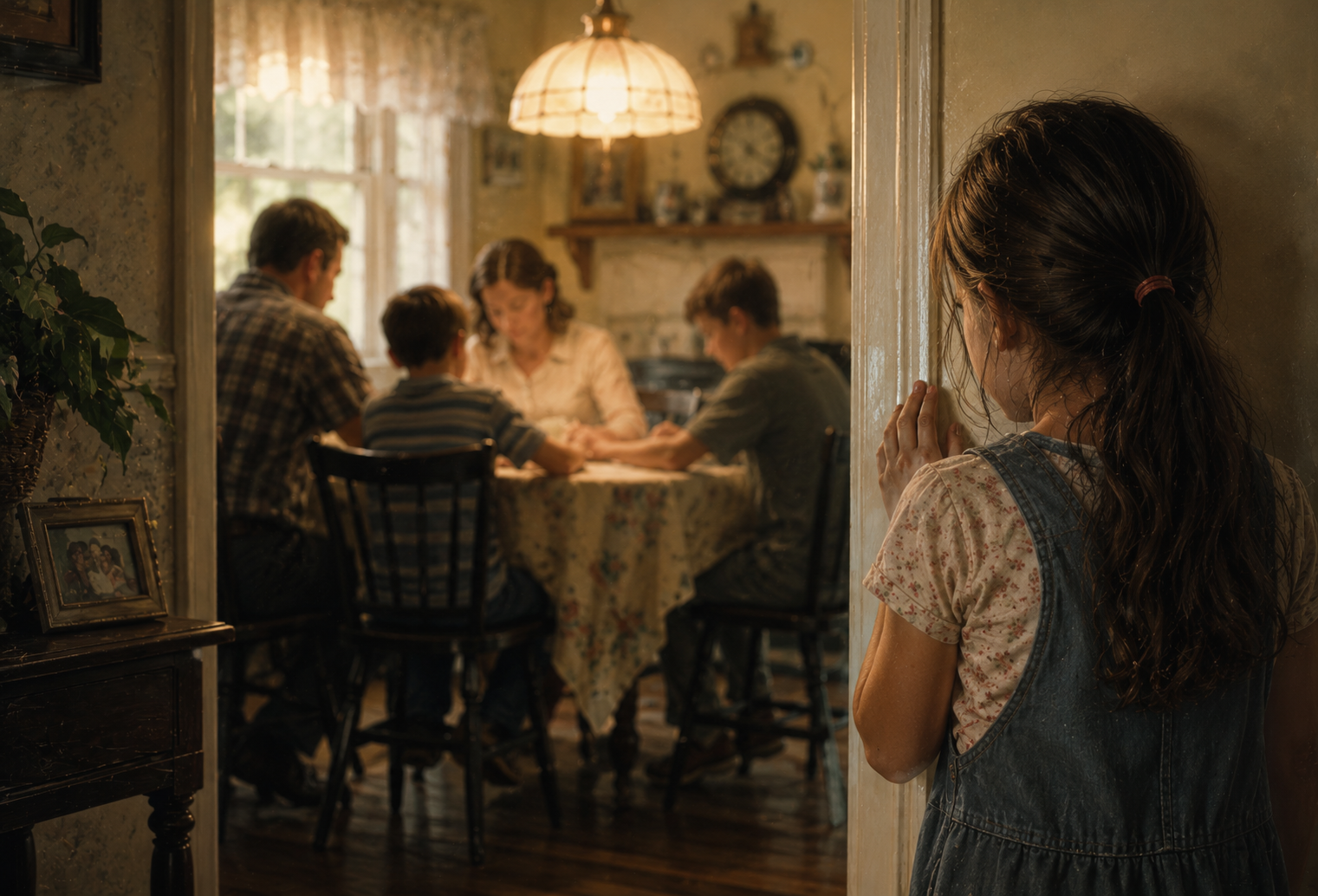
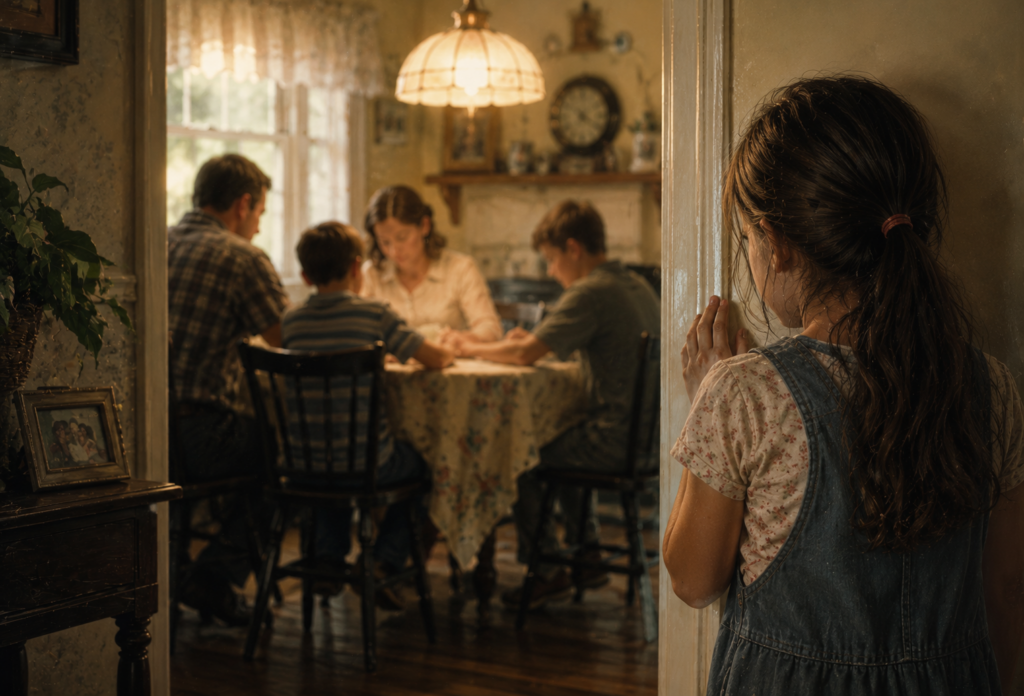
You may remember the rule before you remember anyone saying it. The way your hand stopped before taking the last biscuit. The way everyone lowered their voice when one person came home. The way a certain chair at the table belonged to someone, even when no one said so.

This flash memoir prompt rules childhood home never spoken invites you to write about the hidden instructions that shaped your early life. Some were tender. Some were funny. Some were unfair. Some taught you how to survive the mood of a room.
childhood rules

The Prompt

Write about the rules of your childhood home that were never spoken out loud.

This prompt can unlock a meaningful memory because unspoken rules often carry more emotional weight than the rules posted on the refrigerator. They lived in looks, routines, pauses, and consequences. You learned them through small moments.

Maybe no one said, “Do not interrupt Dad after work,” but everyone knew. Maybe no one said, “We do not talk about money,” but the room changed when a bill arrived. Maybe no one said, “Keep your good news small,” but you learned to tuck joy away if someone else was having a hard day.

A prompt like this helps you find the story beneath the habit. It asks you to notice what your younger self understood, even without words.

Why This Memory Matters

Childhood homes have their own weather. Some are loud and bright. Some are careful and quiet. Some feel safe in the morning and tense by dinner. The rules you absorbed helped you move through that weather.

Writing about these rules does not mean you have to judge your family. You can simply notice. What did everyone avoid? What was rewarded? What made people proud? What made people go still?

These memories matter because they reveal how children learn belonging. A child may follow a rule to keep peace, earn praise, avoid shame, or protect someone they love. That is story material.

Unspoken rules can also show up through objects. A clean living room that no one sat in. A cookie tin that was never opened without permission. A telephone no one answered after a certain hour. If you enjoy looking for deeper meaning in objects and images, you may also find it helpful to read about how to find symbolism in a story. Memoir often works the same way. A small household detail can hold a whole history.

The focus keyphrase flash memoir prompt rules childhood home never spoken points to something many writers recognize. Our first lessons were not always lectures. Often, they were patterns.

The Flash Memoirist
previous arrow
next arrow

How to Approach This Prompt

Begin with one physical detail. Do not start by explaining your whole family system. Start with the fork beside the plate, the hallway light, the locked cabinet, the sound of a car in the driveway.

Then narrow the memory to one scene. Choose a single moment when you followed the rule, broke the rule, or finally noticed it. The smaller the scene, the stronger the writing can become.

You might write about reaching for the television remote and stopping because your older brother gave you a look. You might write about standing in the kitchen with a report card in your hand, waiting for the right mood. You might write about eating quietly because laughter at the table always seemed to turn into trouble.

Try to write what you noticed before you explain what it meant. Let the reader hear the chair scrape. Let them see the way your mother wiped the counter twice. Let them feel the heat in your face when you realized you had done something wrong, even though no one had told you the rule.

Avoid trying to tell the whole story at once. You do not need to explain every family pattern or every reason behind it. Flash memoir works best when one moment opens a door.

If this scene later grows into a longer personal essay, you can shape it with more structure. For students and writers who want help developing memory into analysis, The Literary Analysis Essay Toolkit can help with close reading, theme, and evidence. Those same skills can sharpen memoir writing too.

A Quick Example

The rule was that nobody sat in my father’s recliner. It was brown vinyl with a split near the right arm, and it faced the television like a throne. No one told me it was forbidden. I learned it when I was seven and climbed into it after school, still wearing my muddy sneakers. My sister froze in the doorway. “Get up,” she whispered, not angry, just scared. I slid out fast, leaving a small damp print on the footrest. When my father came home, he noticed it before he noticed us. He rubbed the mark with his thumb. Nobody spoke. I remember standing near the kitchen, trying to become smaller than the refrigerator hum. Years later, I understood the chair was not just a chair. It was the place where everyone measured his mood.

Try It Yourself

Set a timer for ten minutes and write one scene from this flash memoir prompt rules childhood home never spoken. Pick one rule and stay close to the moment you learned it.

You can begin with this sentence if it helps: “No one ever said the rule, but I knew it when…” Then keep going. Do not worry about making the memory sound polished at first. Let the details arrive in the order they come.

If the memory feels tender, write gently. If it feels funny now, let humor in. If it still feels complicated, you do not have to solve it on the page today. You only have to tell the truth of one small moment.

When you finish, look back at what you wrote. Circle the strongest detail. That detail may be the center of the piece.

Want More Flash Memoir Prompts?

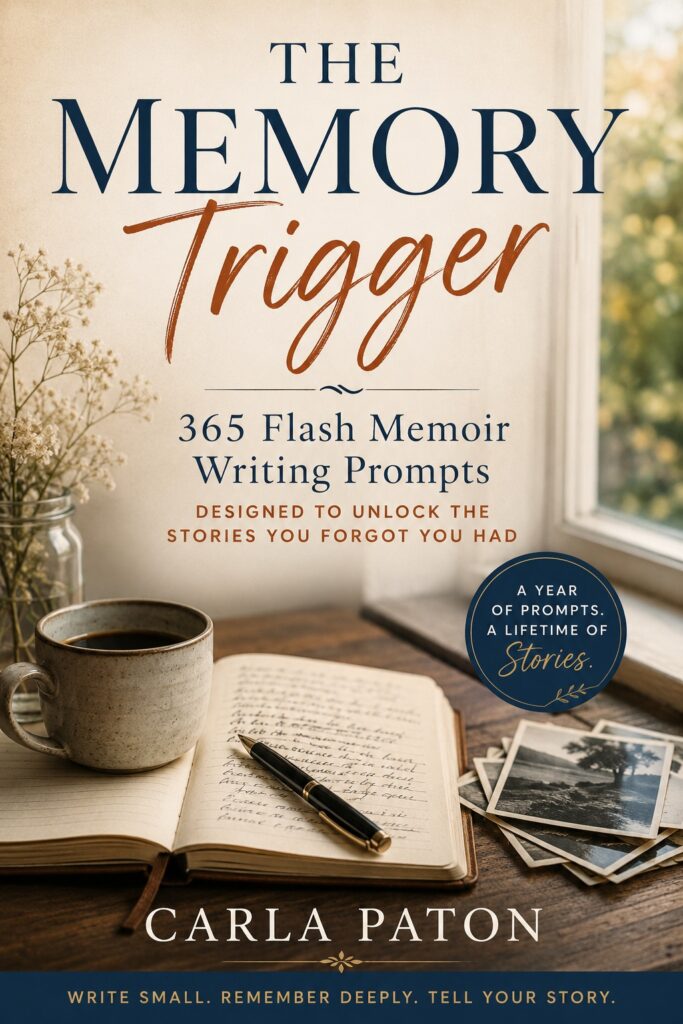
Explore all 365 prompts in The Memory Trigger: 365 Flash Memoir Writing Prompts. This collection gives you a full year of short, focused invitations for writing about real memories with honesty and care.
The Memory Trigger

Themes in All Quiet on the Western Front: A Student-Friendly Guide

All Quiet on the Western Front themes

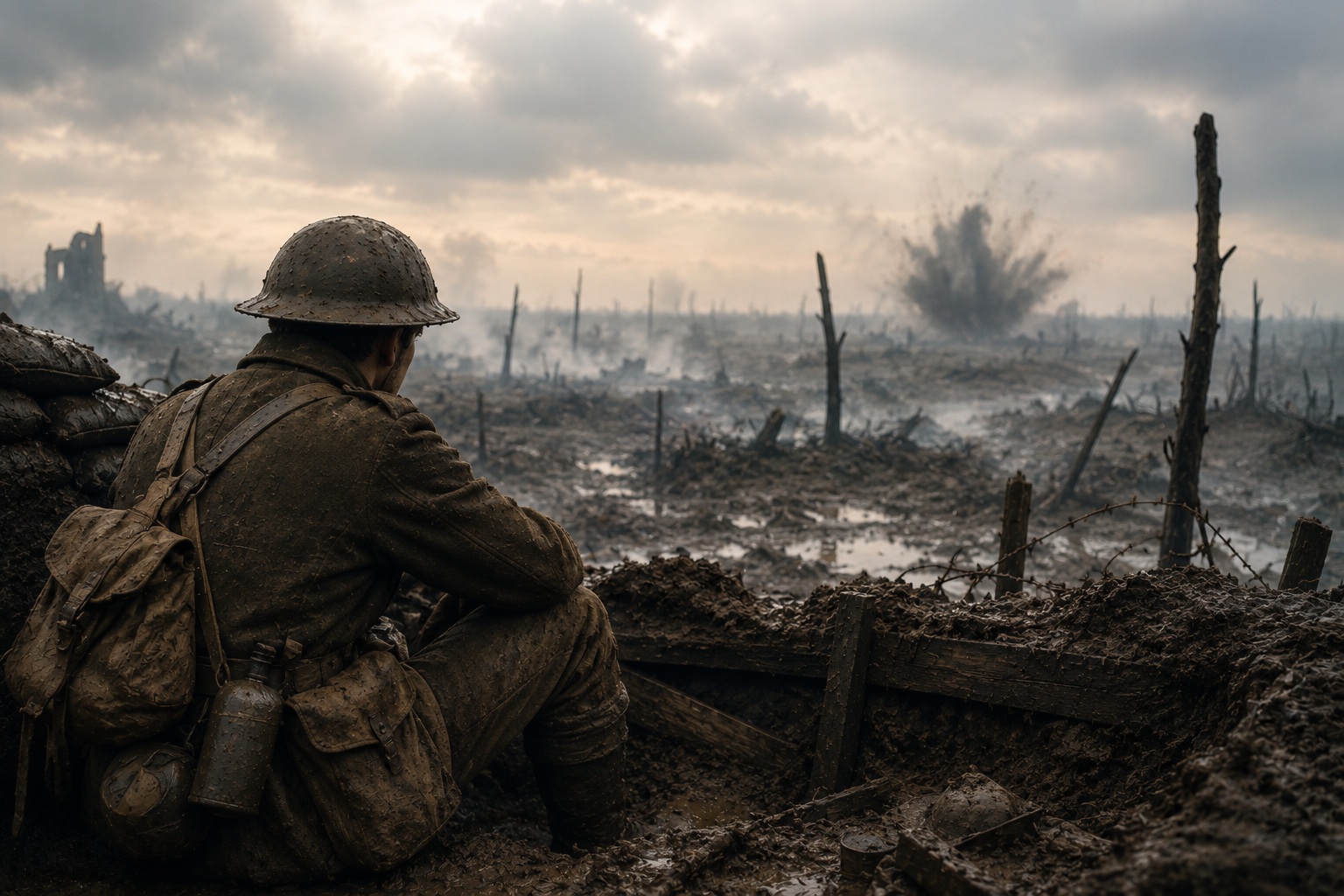
Erich Maria Remarque’s novel can feel simple at first, but its ideas are deep and painful. The themes in All Quiet on the Western Front show how war damages young people, breaks trust in adults, and changes what survival means.

In this Guide

  • Why the themes matter
  • Major themes to know
  • How Remarque develops meaning
  • How to write about the novel
  • Helpful books and links
  • FAQ
All Quiet on the Western Front themes

Why the themes in All Quiet on the Western Front Matter

Remarque does not write war as a grand adventure. He shows war as fear, hunger, cold, pain, and moral shock.

The themes in All Quiet on the Western Front matter because they help us see what the novel argues about modern war. The book asks students to look past medals and speeches and notice the cost paid by ordinary soldiers.

If you need a refresher on theme as a literary idea, this guide on how to identify theme in literature can help before you start your essay.

Major themes in All Quiet on the Western Front

The novel builds its meaning through Paul’s daily life at the front, not through long speeches.

These themes in All Quiet on the Western Front work together. Each one shows a different part of war’s damage.

1. The Lost Youth of a Generation

Paul and his classmates enter the army as teenagers. They should be in school, at home, or at the start of adult life.

Instead, they learn how to avoid shells, bury friends, and numb their feelings. Their youth does not slowly fade. It gets taken from them.

This theme fits with the idea of a lost generation. Many young people after World War I felt cut off from old hopes and old values.

2. The Brutality of Modern War

The novel does not make battle look noble. Trenches, gas, shells, rats, and wounds fill the soldiers’ world.

War in the book feels mechanical. Men can die without ever seeing the person who killed them.

That makes the violence feel even more chilling. Like Wilfred Owen’s war poems, Remarque shows that modern war can turn human life into a statistic.

3. Disillusionment with Authority

Paul and his friends were pushed toward war by teachers and leaders. Men like Kantorek sold them patriotic ideas from a safe place.

Once the boys reach the front, those speeches seem false. They see that adults used bright words to hide a brutal reality.

This theme is useful for essays about betrayal. The young soldiers do not only lose friends. They lose faith in the people who told them what to believe.

4. Friendship as Survival

Paul’s bond with Kat is one of the most human parts of the novel. Their friendship gives Paul comfort in a world that feels empty.

The soldiers share food, advice, jokes, and silence. These small acts matter because they help the men stay alive inside.

This does not make war better. It shows that human connection can survive even when society fails.

5. The Loss of Individual Identity

At the front, soldiers are treated less like people and more like parts of an army. Orders matter more than feelings.

Paul’s old identity as a student fades. His new life is built around instinct, danger, and routine.

This theme has a strong link to dehumanization. The men are still human, but war keeps pushing them to act like tools.

6. Nature as Comfort and Contrast

Nature appears in the novel as both beauty and danger. A quiet sky can sit above a field full of bodies.

Sometimes the earth seems to protect the soldiers. At other times, it becomes a grave.

This contrast makes the war feel even more tragic. The natural world keeps its beauty while human beings destroy one another.

How Remarque Develops the Novel’s Themes

Remarque builds theme through scenes that feel direct and personal.

Paul’s narration is plain, but that plain style gives the novel power. He does not need fancy language to show horror.

For example, Paul’s visit home proves how far he has changed. His family loves him, yet he cannot explain the front to them. Home no longer feels like home.

The hospital scenes also deepen the message. Students can see that war continues after battle, through wounds, fear, and grief.

For historical context, Britannica’s overview of World War I can help explain the world behind the novel. You can also read more about Erich Maria Remarque and his life.

Why Students Struggle with the themes in All Quiet on the Western Front

The novel can seem easy because the plot is clear. The hard part is seeing how each event builds a larger meaning.

The themes in All Quiet on the Western Front are often quiet. Remarque does not stop the story to tell readers the lesson.

Students should ask, What does this scene reveal about war? That question turns plot summary into theme analysis.

For extra practice, use this theme study resource as you plan notes or prepare for class discussion.

image-slider-with-thumbnail1.jpeg
PlayPause
previous arrow
next arrow
image-slider-with-thumbnail1.jpeg
image-slider-with-thumbnail3.jpeg
image-slider-with-thumbnail4.jpeg
ChatGPT Image Jun 27, 2026, 06_33_13 PM
ChatGPT Image Jun 27, 2026, 06_36_37 PM
ChatGPT Image Jun 27, 2026, 06_38_39 PM
ChatGPT Image Jun 27, 2026, 06_31_22 PM
image-slider-with-thumbnail7.jpeg
ChatGPT Image Jun 27, 2026, 06_29_43 PM
ChatGPT Image Jun 27, 2026, 06_27_44 PM
image-slider-with-thumbnail6.jpeg
ChatGPT Image Jun 27, 2026, 06_15_07 PM
image-slider-with-thumbnail5.jpeg
ChatGPT Image Jun 27, 2026, 06_22_43 PM
ChatGPT Image Jun 27, 2026, 06_25_37 PM
ChatGPT Image Jun 27, 2026, 06_19_43 PM
ChatGPT Image Jun 27, 2026, 06_12_00 PM
ChatGPT Image Jun 27, 2026, 06_08_50 PM
ChatGPT Image Jun 26, 2026, 04_54_23 PM
ChatGPT Image Jun 27, 2026, 05_53_51 PM
ChatGPT Image Jun 28, 2026, 08_35_55 AM
previous arrow
next arrow

How to Write About the themes in All Quiet on the Western Front

A strong essay should not just say that war is bad. It should explain how Remarque shows war’s damage.

When you write about the themes in All Quiet on the Western Front, connect each claim to a scene. Paul’s school days, the front, the hospital, and his return home all help prove the novel’s message.

Try this simple thesis frame:

In All Quiet on the Western Front, Remarque shows that war destroys young soldiers not only through death, but through lost identity and broken trust.

That thesis gives you a clear path. You can write one body paragraph on youth, one on identity, and one on authority.

If you want a broader method, review how to find a theme in a novel and then apply the steps to Remarque’s text.

Comparing the Novel to Other Literature

Comparison can help students see Remarque’s choices more clearly.

In The Things They Carried, Tim O’Brien also shows how war changes memory and identity. Both books ask readers to think about what soldiers carry inside after combat.

In Shakespeare’s Henry V, war can appear tied to honor and national pride. Remarque rejects that heroic vision and asks readers to look at the bodies left behind.

These comparisons work well for AP Literature because they show how writers can treat the same subject in very different ways.

Relevant Books to Look Up on Amazon or at Your Library

These books pair well with Remarque’s novel for essays, projects, or deeper reading.

  • All Quiet on the Western Front by Erich Maria Remarque
  • The Things They Carried by Tim O’Brien
  • A Farewell to Arms by Ernest Hemingway

FAQ: themes in All Quiet on the Western Front

What are the main themes in All Quiet on the Western Front?

The main themes in All Quiet on the Western Front include lost youth, war’s brutality, broken trust in authority, friendship, trauma, and the loss of identity.

What is the most important theme in the novel?

The most important theme is the destruction of young lives by war. Remarque shows that war harms soldiers before, during, and after battle.

How does Paul show the theme of lost youth?

Paul begins as a student with hopes for the future. By the front, he thinks more like a survivor than a young man.

Why is friendship important in the novel?

Friendship gives the soldiers emotional strength. It becomes one of the few good things left in a violent world.

Is All Quiet on the Western Front anti-war?

Yes. The novel strongly challenges romantic ideas about war and shows its human cost.

Key Takeaway

The themes in All Quiet on the Western Front show that war does not only kill bodies. It also damages youth, trust, memory, and hope.

Create a Morning Pages Space That Invites You

Morning Pages space

Morning Pages work best when they feel less like a task and more like a quiet place waiting for you. The goal is not to create a perfect writing studio, buy the ideal notebook, or become a different kind of person overnight. The goal is to make tomorrow morning easier by removing as many decisions, obstacles, and tiny annoyances as possible today.

A welcoming Morning Pages space can be physical, digital, or a simple blend of both. It might be a chair near a window, a corner of the kitchen table, a notes app with a clean document, or a notebook left open beside your coffee mug. What matters is that the space quietly says, “You can begin here.”

Morning Pages space

Start With the Smallest Possible Writing Spot

You do not need an entire room to write Morning Pages. In fact, starting too big can make the habit feel heavier than it needs to be. A single clear surface, one comfortable seat, and enough room for your notebook or device is enough.

Look for the smallest place in your home where you naturally pause in the morning. It might be the end of a dining table, a bedside chair, a desk corner, or even a tray you can place on your lap. The best spot is not always the prettiest one; it is the one you will actually use.

Try to make this space feel ready rather than staged. You are not designing a photo-worthy writing nook. You are creating a low-pressure landing place where your half-awake mind can arrive without negotiation.

Keep Your Notebook Open and Pen Within Reach

A closed notebook can feel surprisingly final. An open notebook, especially one turned to a fresh page, feels like an invitation. It removes the tiny step of searching, flipping, deciding, and preparing before you write.

Keep your pen directly beside the notebook, not somewhere nearby in theory. If you have to open a drawer, search a bag, or test three dried-out pens, friction has already entered the room. Choose a pen that writes smoothly and leave it exactly where your hand expects it to be.

If you write digitally, the same principle applies. Keep your document open, your app easy to access, and your keyboard or device charged. The fewer clicks between waking and writing, the more likely your Morning Pages will happen.

Remove Every Tiny Friction Before Bedtime

Morning resistance often begins the night before. If your writing space is cluttered, your notebook is buried, or your laptop battery is low, your future self has to solve problems before writing a single sentence. That is a lot to ask before coffee.

Before bed, take one minute to reset the space. Clear away dishes, receipts, headphones, or anything unrelated to your pages. Put your notebook in place, uncap nothing, charge what needs charging, and make the first action obvious.

This small evening ritual is not about discipline. It is an act of kindness toward the version of you who will wake up with a busy mind. When everything is already waiting, writing feels less like a decision and more like the next natural step.

Make a Digital Corner That Feels Calm and Clear

If you prefer typing your Morning Pages, create a digital space that feels as uncluttered as a clean desk. Use a dedicated document, folder, or writing app so your pages are not mixed in with work files, errands, or notifications.

Choose a simple layout. A blank document with a date at the top may be enough. Turn off distracting toolbars if you can, use a readable font, and avoid opening email, messages, or social media before you write.

Your digital corner should protect the fragile quiet of the morning. The moment your screen becomes crowded with demands, your attention scatters. Keep this space plain, private, and easy to enter.

Add One Gentle Cue That Says Begin Right Here

A cue helps your mind recognize that it is time to write. It does not need to be dramatic. A cup of tea beside your notebook, a small lamp turned on, a particular playlist, or sitting in the same chair can become a quiet signal.

The best cue is gentle, not demanding. Morning Pages are not improved by pressure. You are simply giving your brain a familiar doorway into the practice, something that says, “This is where we begin.”

Over time, the cue becomes part of the habit. You sit down, touch the pen, open the document, or take the first sip of coffee, and the writing starts to feel more automatic. The space begins to carry some of the effort for you.

Let Tomorrow’s Pages Feel Already Started

One powerful trick is to make the next morning’s pages feel slightly begun before you go to sleep. You might write the date at the top of the next page, draw a small line, or leave a simple prompt like, “This morning I notice…”

This is not about planning what you will write. Morning Pages work because they give your thoughts room to appear as they are. The point is simply to reduce the blank-page feeling, so tomorrow’s first sentence does not have to come out of nowhere.
When the page already has a mark on it, the beginning feels less intimidating. You are not starting from zero; you are continuing something that is waiting for you. That subtle shift can make the difference between postponing and writing.

Creating a Morning Pages space is really about creating ease. You are arranging your surroundings so the habit asks less of you at the most vulnerable part of the day. A notebook left open, a pen in reach, a clear surface, a calm document, and one gentle cue can make writing feel almost inevitable.
You do not have to perfect the space before you begin. Start small, notice what gets in your way, and remove one bit of friction at a time. When your morning environment is ready and waiting, your pages have a much better chance of meeting you there.

Books Like Cosmic Horror: Strange, Dark Reads for Curious Students

Cosmic Horror

Books like Cosmic Horror appeal to readers who enjoy fear that feels huge, strange, and hard to explain. These stories do not just ask, “What is hiding in the dark?” They ask, “What if the universe does not care about us at all?”

If you like eerie settings, ancient secrets, and characters who face things beyond human understanding, this guide will help you find your next unsettling read.

In this Guide

Cosmic Horror

What Makes Cosmic Horror Different?

Cosmic horror is fear on a massive scale.

Most horror stories focus on threats we can understand. A vampire wants blood. A ghost wants revenge. A killer wants victims.

Cosmic horror is different because the danger often has no clear motive. The monster may not hate humans. It may not even notice them.

This type of horror often shows people facing ancient gods, strange worlds, or truths that break the mind. The scary part is not just death. It is the idea that human life may be small in a vast universe.

H. P. Lovecraft is often linked to this style. You can read more about his life and influence at Britannica’s overview of H. P. Lovecraft.

Why Books Like Cosmic Horror Still Matter

Books Like Cosmic Horror speak to fears that feel modern, even when the stories are old.

Students today live in a world shaped by science, space images, climate fear, and rapid change. Cosmic horror fits this mood because it explores what happens when knowledge does not bring comfort.

In many stories, characters search for answers. They study old books, decode strange signs, or visit forbidden places. The more they learn, the worse things become.

That idea can feel powerful in literature class. It turns the usual “knowledge is good” message upside down. In cosmic horror, some truths are too heavy to carry.

Books Like Cosmic Horror also connect to older Gothic works. For example, Dracula creates fear through corruption, secrecy, and invasion. If you are studying Gothic horror, this article on Count Dracula as a symbol of fear and corruption is a helpful companion read.

Best Books Like Cosmic Horror for Students

These books offer strange worlds, deep fear, and big questions about human limits.

Here are a few strong choices for readers who want Books Like Cosmic Horror without feeling lost on page one.

The Call of Cthulhu by H. P. Lovecraft

This short story is one of the most famous works of cosmic horror.

It follows clues about a strange cult and an ancient being named Cthulhu. The story builds fear through reports, dreams, and discoveries.

Lovecraft’s work is important to the genre, but readers should also know that his racism shaped parts of his writing. Many modern writers respond to his ideas while challenging his worldview.

Annihilation by Jeff VanderMeer

This novel feels like science fiction, horror, and mystery at the same time.

A group of scientists enters Area X, a strange zone where nature does not follow normal rules. The book is full of beauty, fear, and uncertainty.

It is a great pick for readers who want Books Like Cosmic Horror with a modern voice. The terror comes from not knowing what Area X is or what it wants.

The Fisherman by John Langan

This novel mixes grief, folklore, and cosmic dread.

Two men go fishing after personal loss, but their trip leads them toward a dark and ancient secret. The story grows from quiet sadness into something huge and terrifying.

It works well for readers who enjoy slow, layered horror. The emotional core makes the cosmic terror feel more personal.

Book Suggestions

If you want to build a small reading list, these are good places to start.

  • Annihilation by Jeff VanderMeer
  • The Fisherman by John Langan

Both books are easy to find through major booksellers, libraries, and classroom reading lists.

image-slider-with-thumbnail1.jpeg
PlayPause
previous arrow
next arrow
image-slider-with-thumbnail1.jpeg
image-slider-with-thumbnail3.jpeg
image-slider-with-thumbnail4.jpeg
ChatGPT Image Jun 27, 2026, 06_33_13 PM
ChatGPT Image Jun 27, 2026, 06_36_37 PM
ChatGPT Image Jun 27, 2026, 06_38_39 PM
ChatGPT Image Jun 27, 2026, 06_31_22 PM
image-slider-with-thumbnail7.jpeg
ChatGPT Image Jun 27, 2026, 06_29_43 PM
ChatGPT Image Jun 27, 2026, 06_27_44 PM
image-slider-with-thumbnail6.jpeg
ChatGPT Image Jun 27, 2026, 06_15_07 PM
image-slider-with-thumbnail5.jpeg
ChatGPT Image Jun 27, 2026, 06_22_43 PM
ChatGPT Image Jun 27, 2026, 06_25_37 PM
ChatGPT Image Jun 27, 2026, 06_19_43 PM
ChatGPT Image Jun 27, 2026, 06_12_00 PM
ChatGPT Image Jun 27, 2026, 06_08_50 PM
ChatGPT Image Jun 26, 2026, 04_54_23 PM
ChatGPT Image Jun 27, 2026, 05_53_51 PM
ChatGPT Image Jun 28, 2026, 08_35_55 AM
previous arrow
next arrow

Themes That Define Books Like Cosmic Horror

Books Like Cosmic Horror often use fear to explore what humans cannot control.

Human Smallness

One major theme is the small place of humans in the universe.

Characters often think they are in control at first. Then they meet forces that make human plans seem weak.

This theme can connect to astronomy, deep time, and the ocean. Space and the sea both remind us that much of existence is beyond us.

Dangerous Knowledge

Cosmic horror often treats knowledge as a threat.

A character may find an old text, hear a forbidden name, or see a hidden truth. After that, normal life becomes impossible.

This is why books, symbols, and languages matter so much in the genre. They are not just tools. They are doors.

The Unseen Monster

Many horror stories show the monster clearly. Cosmic horror often hides it.

The reader sees signs instead: strange dreams, broken bodies, odd weather, or people who lose their minds. The unknown becomes scarier than any clear image.

This style links cosmic horror to writers like Edgar Allan Poe, who often built fear through mood and mental pressure. You can explore Poe’s work through the Poetry Foundation’s Edgar Allan Poe page.

Symbols Common in Books Like Cosmic Horror

Cosmic horror uses symbols that suggest hidden worlds under normal life.

The ocean often stands for depth, mystery, and things buried far below human sight. In many stories, the sea feels alive or ancient.

Old books often stand for forbidden knowledge. They suggest that the past holds truths people were not meant to find.

Stars often stand for distance and cold truth. They make characters feel watched, exposed, or painfully small.

Ruins often stand for lost civilizations. They suggest that humans may not be the first intelligent beings on Earth, and may not be the last.

How to Read Books Like Cosmic Horror in Class

Books Like Cosmic Horror can be rich material for essays and class discussion.

Start by asking what the story says about human limits. Does the character fail because they are weak, or because the truth is too large for anyone?

Look closely at setting. Cosmic horror often makes places feel wrong. A house, town, forest, or coastline may seem normal at first, then slowly become strange.

Track what characters know and when they know it. Many stories build tension by giving readers pieces of a mystery. The final picture is often worse than expected.

You can also compare cosmic horror with Gothic horror. Gothic works like Dracula often fear moral decay and social danger. Cosmic horror fears the universe itself. For more on Gothic fear, see this discussion of Dracula and corruption.

Why Modern Writers Keep Returning to Cosmic Horror

Modern authors use cosmic horror because it fits many real fears.

Climate change can feel huge and hard to stop. Technology can make people feel watched or replaced. Space exploration reminds us that Earth is only a tiny part of existence.

Writers also use the genre to question old ideas. Some modern cosmic horror focuses on people Lovecraft ignored or harmed through racist ideas. These stories ask who gets to fear the unknown, and who has already lived with danger.

That is why Books Like Cosmic Horror are not just monster stories. At their best, they show how fear changes when culture changes.

FAQs About Books Like Cosmic Horror

What are Books Like Cosmic Horror usually about?

They are usually about humans facing forces too vast to understand. These forces may be ancient gods, alien worlds, or truths that break normal reality.

Is cosmic horror the same as Gothic horror?

No. Gothic horror often focuses on haunted places, family secrets, or moral corruption. Cosmic horror focuses on the fear that humans are small in an uncaring universe.

What is a good first cosmic horror book?

Annihilation by Jeff VanderMeer is a strong first choice. It is modern, strange, and easier to enter than many older cosmic horror texts.

Why is Lovecraft still discussed if his views were harmful?

Lovecraft shaped the genre, so his influence matters. Still, readers should study his work with care and pay attention to how modern writers challenge his racism.

Can cosmic horror be used in AP Literature essays?

Yes, if the text has enough depth. Focus on theme, symbolism, setting, and character response to fear.

Key Takeaway

Books Like Cosmic Horror matter because they turn fear into a question about existence.

They ask what happens when humans search for truth and find something too large to bear. For students, that makes the genre more than scary. It becomes a powerful way to study knowledge, fear, and the limits of human control.

Famous Bildungsroman Novels Explained

Bildungsroman Novels

Famous Bildungsroman Novels Explained helps you understand one of the most important story types in literature: the coming-of-age novel. These books follow young people as they grow, make hard choices, and learn what kind of person they want to become.

If you are choosing a book for class, AP Lit, or your own reading list, this guide will help you find the right one.

In this Guide

  • What a bildungsroman is
  • Why these novels matter
  • Famous Bildungsroman Novels Explained through key examples
  • How students can choose the best book
  • Recommended books to read next
  • FAQ
Bildungsroman Novels

What Is a Bildungsroman?

A bildungsroman is a novel about a character’s growth from youth toward maturity.

The word comes from German. It often means a “novel of education” or “novel of formation.” You can read a fuller definition in Britannica’s overview of bildungsroman fiction.

These stories usually focus on identity, family, school, work, love, class, or moral choice. The main character often starts unsure of who they are. By the end, they understand more about the world and themselves.

That is why Famous Bildungsroman Novels Explained is such a useful topic for students. Once you know the pattern, many classic novels become easier to read.

Why Famous Bildungsroman Novels Explained Matters for Students

Coming-of-age novels are common in high school and college courses because they deal with real human change.

Teachers often assign these books because they show conflict between the self and society. A young person wants freedom, but the world pushes back. That tension creates strong themes for essays.

When you study Famous Bildungsroman Novels Explained, pay attention to what the main character learns. Ask what they lose, what they gain, and whether their growth feels hopeful or painful.

If you want a stronger way to study these books, this guide on how to read literature like a scholar can help you notice symbols, patterns, and deeper meanings.

Famous Bildungsroman Novels Explained: 10 Classics to Know

These novels are famous because they show growth in clear, powerful ways.

1. Jane Eyre by Charlotte Brontë

Jane Eyre follows an orphan girl who grows into a strong, independent woman. Jane faces cruelty, poverty, love, and moral pressure.

This book fits the bildungsroman form because Jane must decide what kind of life matches her values. Her growth is not only about romance. It is about self-respect.

Choose this if you like Gothic settings, strong emotions, and a main character with a clear moral voice.

2. Great Expectations by Charles Dickens

Great Expectations tells the story of Pip, a poor boy who dreams of becoming a gentleman. He believes wealth and status will make him better.

Pip’s journey makes this one of the best examples in Famous Bildungsroman Novels Explained. He learns that social rank does not equal goodness.

This is a smart choice for students who want to write about class, shame, guilt, and ambition.

3. The Catcher in the Rye by J. D. Salinger

Holden Caulfield is angry, lonely, and scared of adulthood. He calls many people “phony,” but he also struggles to face his own pain.

This novel fits because Holden stands at the edge of growing up. He does not fully mature by the end, but he starts to reveal why he is so hurt.

Pick this if you want a short, voice-driven novel that works well for essays about alienation.

4. To Kill a Mockingbird by Harper Lee

Scout Finch grows up in a small Southern town during a time of deep racism and injustice. Her father, Atticus, teaches her to think with courage and compassion.

The novel fits the bildungsroman form because Scout’s view of the world changes. She learns that people can be kind, cruel, brave, and weak.

This is a strong choice for readers who want a coming-of-age story tied to law, race, and moral courage.

5. A Portrait of the Artist as a Young Man by James Joyce

Stephen Dedalus grows from a sensitive child into a young artist. He struggles with religion, family pressure, and the need to create his own path.

This is one of the more challenging books in Famous Bildungsroman Novels Explained. The style changes as Stephen grows, so the form of the novel reflects his mind.

Choose this if you want a harder literary text and you enjoy close reading.

6. Little Women by Louisa May Alcott

Little Women follows the March sisters as they move from childhood into adult life. Each sister faces a different kind of growth.

Jo March is often the center of the coming-of-age story. She wants freedom, creative work, and a life that feels true to her nature.

This book is a good choice if you want warmth, family conflict, and questions about gender roles.

7. The House on Mango Street by Sandra Cisneros

Esperanza Cordero grows up in a Chicago neighborhood and dreams of a home of her own. The book is told in short vignettes.

It fits the bildungsroman form because Esperanza learns how place, gender, and culture shape her life. She wants to leave, but she also feels tied to her community.

This is a great pick for students who want a shorter book with rich language and strong themes.

8. Their Eyes Were Watching God by Zora Neale Hurston

Janie Crawford searches for love, voice, and selfhood. Her growth comes through relationships, loss, and hard-won freedom.

This novel belongs in Famous Bildungsroman Novels Explained because Janie’s maturity depends on claiming her own story. She learns to speak for herself.

Choose this if you want a beautiful novel about voice, identity, and independence.

9. David Copperfield by Charles Dickens

David Copperfield grows from a mistreated child into a writer. His life includes hardship, friendship, work, and personal failure.

The novel fits the form because David looks back on his life and tries to understand how each stage shaped him.

This is a longer read, but it is useful for students who want a classic example of the full bildungsroman arc.

10. The Perks of Being a Wallflower by Stephen Chbosky

Charlie enters high school while dealing with grief and trauma. Through letters, he tells the story of friendship, fear, and healing.

This modern novel fits because Charlie learns to face memories he has tried to avoid. His growth feels quiet but serious.

Pick this if you want a more recent coming-of-age story with a direct emotional style.

image-slider-with-thumbnail1.jpeg
PlayPause
previous arrow
next arrow
image-slider-with-thumbnail1.jpeg
image-slider-with-thumbnail3.jpeg
image-slider-with-thumbnail4.jpeg
ChatGPT Image Jun 27, 2026, 06_33_13 PM
ChatGPT Image Jun 27, 2026, 06_36_37 PM
ChatGPT Image Jun 27, 2026, 06_38_39 PM
ChatGPT Image Jun 27, 2026, 06_31_22 PM
image-slider-with-thumbnail7.jpeg
ChatGPT Image Jun 27, 2026, 06_29_43 PM
ChatGPT Image Jun 27, 2026, 06_27_44 PM
image-slider-with-thumbnail6.jpeg
ChatGPT Image Jun 27, 2026, 06_15_07 PM
image-slider-with-thumbnail5.jpeg
ChatGPT Image Jun 27, 2026, 06_22_43 PM
ChatGPT Image Jun 27, 2026, 06_25_37 PM
ChatGPT Image Jun 27, 2026, 06_19_43 PM
ChatGPT Image Jun 27, 2026, 06_12_00 PM
ChatGPT Image Jun 27, 2026, 06_08_50 PM
ChatGPT Image Jun 26, 2026, 04_54_23 PM
ChatGPT Image Jun 27, 2026, 05_53_51 PM
ChatGPT Image Jun 28, 2026, 08_35_55 AM
previous arrow
next arrow

Famous Bildungsroman Novels Explained by Theme

The best way to compare these books is to look at what kind of growth the character faces.

Social growth appears in novels like Great Expectations and To Kill a Mockingbird. Characters learn how class, race, and power shape the world around them.

Inner growth is central to books like Jane Eyre and The Catcher in the Rye. These characters must understand fear, pride, grief, or self-worth.

Artistic growth drives A Portrait of the Artist as a Young Man. Stephen wants to become an artist, but he must break away from forces that limit him.

This is why Famous Bildungsroman Novels Explained works well as an essay topic. You can compare not just what characters do, but how they change.

How to Choose a Bildungsroman for Class or Personal Reading

Start with the kind of story you enjoy.

If you like strong heroines, read Jane Eyre or Little Women. If you want a shorter modern text, try The House on Mango Street or The Perks of Being a Wallflower.

If your teacher wants a classic with major literary history, choose Great Expectations, David Copperfield, or A Portrait of the Artist as a Young Man.

For AP Literature, pick a novel with rich themes and complex growth. Jane Eyre, Their Eyes Were Watching God, and Great Expectations are especially useful.

As you read, track moments when the character changes their mind. Those moments often lead to the strongest essay claims.

Famous Bildungsroman Novels Explained for Essay Writing

These novels give students clear material for literary analysis.

A strong essay can focus on the turning point in the character’s growth. For example, Pip in Great Expectations must face the truth about his dreams of status.

You can also write about setting. In The House on Mango Street, Esperanza’s neighborhood shapes how she sees herself and what she wants to escape.

Symbolism matters too. In Jane Eyre, homes often reflect Jane’s stage of life and sense of belonging.

For a deeper reading method, use these literature reading strategies while you take notes.

Books to Consider Buying

These editions are useful for students and literature lovers who want to build a strong reading list.

  • Jane Eyre by Charlotte Brontë
  • Great Expectations by Charles Dickens

Both books are classic examples in Famous Bildungsroman Novels Explained. They also appear often in school courses and essay prompts.

FAQ: Famous Bildungsroman Novels Explained

What does bildungsroman mean?

A bildungsroman is a coming-of-age novel. It follows a young character as they grow in mind, values, or identity.

What is the most famous bildungsroman?

Great Expectations and Jane Eyre are two of the most famous examples. Both show a young person shaped by hardship and choice.

Is every coming-of-age story a bildungsroman?

Not always. A bildungsroman usually focuses deeply on moral, social, or personal growth, not just age or time passing.

Which bildungsroman is best for AP Literature?

Jane Eyre, Great Expectations, and Their Eyes Were Watching God are strong choices because they offer complex themes and character growth.

Why do teachers assign bildungsroman novels?

Teachers assign them because they help students study identity, conflict, society, and change. These themes work well for literary essays.

Key Takeaway

Famous Bildungsroman Novels Explained shows that growing up in literature is rarely simple. The best coming-of-age novels reveal how people change when they face pressure, pain, and truth.

Flash Memoir Prompt: Piece of Clothing from Your Childhood that You Remember with Unusual Clarity

flash memoir prompt childhood

You can forget whole vacations and still remember the scratchy collar of one childhood shirt, the one you hated, loved, or wore until someone quietly took it away. This flash memoir prompt about a piece of clothing from childhood you remember with unusual clarity invites you to begin with fabric, fit, color, and the small emotional truth stitched into one memory.

flash memoir prompt childhood

The Prompt

Write about a piece of clothing from your childhood that you remember with unusual clarity.

It might be a winter coat, a school uniform, a pair of shoes, a hand-me-down dress, a sports jersey, or pajamas with faded cartoon characters. The item does not need to be dramatic. In fact, the most ordinary clothes often hold the strongest memories.

This kind of prompt works because clothing sits close to the body. You may remember how it felt before you remember why it mattered. Tight sleeves, missing buttons, stiff denim, or the smell of laundry soap can bring back a whole scene.

Why This Memory Matters

A flash memoir prompt about a piece of clothing from childhood you remember with unusual clarity can uncover more than a description of an outfit. It may reveal how you wanted to be seen, how money felt in your family, what made you feel proud, or what made you feel different from other kids.

Clothing can carry a surprising amount of meaning. A shirt might remind you of the first day you felt brave. A coat might bring back embarrassment because it was too small, too bright, or passed down from someone else. A pair of shoes might hold the memory of running away from a bully or walking into a new school.

Try not to rush toward the “lesson” of the memory. Let the clothing do some of the work. If you are interested in how objects carry deeper meaning, you might enjoy this guide on how to find symbolism in a story. The same idea can help in memoir. A real object can become a symbol without you forcing it.

The piece of clothing may also show a younger version of you at a very exact moment. Maybe you were trying to look grown up. Maybe you wanted to disappear. Maybe you felt beautiful for five minutes before someone made a comment.

That is where the memoir begins.

How to Approach This Prompt

Start with one physical detail. Do not begin with your whole childhood or a long explanation of your family. Begin with the hem, the zipper, the knees worn thin, or the tag that scratched your neck.

Then narrow the memory to one scene. Where are you wearing it? Who is there? What is happening in the room, hallway, playground, church, kitchen, or car?

You might write one sentence like this: “The red sweater had three white buttons, and I kept rubbing the middle one with my thumb while I waited for my name to be called.” That sentence gives you a place to stand. From there, you can notice more.

Write what you saw and felt before you explain what it meant. Memoir often gets stronger when the reader can enter the moment with you. If you want a practical way to slow down and notice details, the same habits used to annotate literature can help you study your own memory. Circle the object. Ask what repeats. Notice what feels charged.

You do not need to tell the whole story of your parents, your school years, or your sense of style. Give yourself permission to stay with one piece of clothing and one clear moment. The smaller the frame, the more room there is for feeling.

If the memory feels silly at first, keep going. A sparkly belt, a superhero cape, or a pair of jelly sandals may lead to something tender. Childhood clothing often holds the gap between who we were and who we hoped others would think we were.

The Flash Memoirist
previous arrow
next arrow

A Quick Example

The yellow raincoat was too shiny. I remember that most. It made a squeaking sound when I walked, like I was announcing myself to the whole second-grade hallway. My mother loved it because it had a hood and big silver snaps. I hated it because Melissa Crane said I looked like a crossing guard. That afternoon, it rained hard enough to flood the curb. Everyone else stood under the awning, waiting for rides. I walked straight into the rain and snapped every snap shut. For once, I liked how loud the coat was. Water slid off my sleeves in perfect beads. My socks were soaked, but the rest of me stayed dry. I did not tell my mother she had been right.

Try It Yourself

Set a timer for ten minutes and write about one piece of clothing from childhood that still feels clear in your mind. Describe it first as an object. Then place yourself inside one scene where you wore it.

If you get stuck, ask simple questions. Who gave it to you? Did you choose it or was it chosen for you? Did you feel proud, awkward, protected, or exposed? What did someone say about it?

Let the memory stay small. You are not writing a full autobiography. You are catching one bright scrap of the past and holding it long enough to see what it still carries.

This flash memoir prompt piece clothing childhood remember unusual search may have brought you here for a quick writing exercise, but it can become a surprisingly rich page. Follow the fabric. Trust the detail.

Want More Flash Memoir Prompts?

If this prompt helped you remember one clear object from childhood, keep going. Small memories often open larger doors when you give them quiet attention. Explore all 365 prompts in The Memory Trigger: 365 Flash Memoir Writing Prompts.

The Memory Trigger

One Flew Over the Cuckoo’s Nest Character Analysis: Key People, Motivations, and Conflicts

one flew cuckoos nest character analysis

A practical breakdown of the main characters and how their choices shape the story.

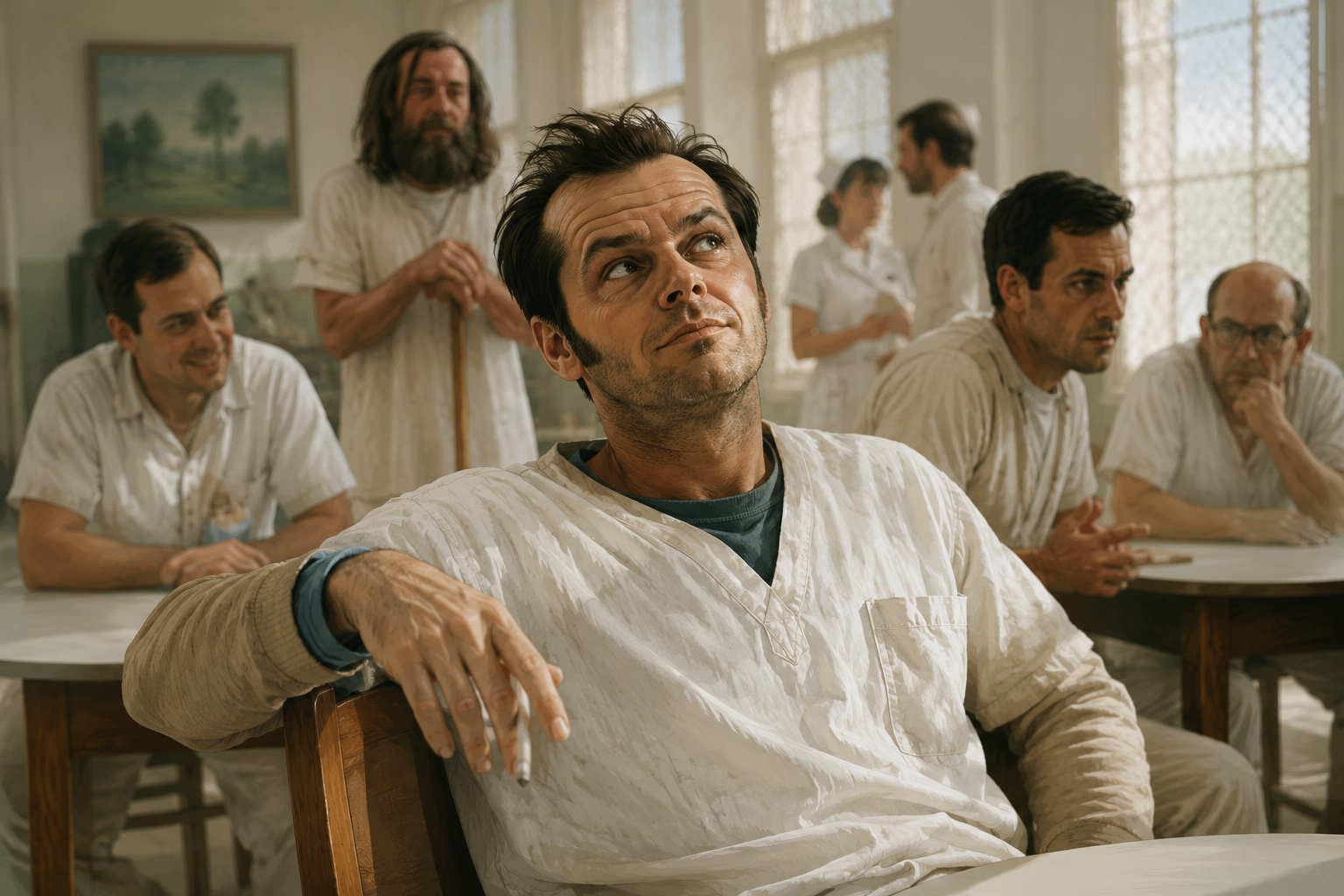
This One Flew Over the Cuckoo’s Nest character analysis helps you see how power, fear, rebellion, and silence drive the novel. It is built for students who need clear ideas for essays, discussion posts, and quote-based analysis.

In this Guide

  • Why character choices matter
  • Chief Bromden as narrator
  • McMurphy and Nurse Ratched
  • Supporting patients and staff
  • Major conflicts
  • Essay tips and useful resources
  • FAQ
one flew cuckoos nest character analysis

One Flew Over the Cuckoo’s Nest Character Analysis: Why Character Choices Matter

The novel uses character choices to show how control works inside the ward.

A strong One Flew Over the Cuckoo’s Nest character analysis starts with one core idea: this hospital is not just a setting. It is a system that teaches men to doubt themselves.

Ken Kesey gives each major character a different response to that system. Some obey. Some hide. And some fight back, even when the cost is high.

If you need a quick method for breaking down motives, conflicts, and change, this guide to analyzing characters in literature can help you build stronger notes before you write.

One Flew Over the Cuckoo’s Nest Character Analysis of Chief Bromden

Chief Bromden is the quiet witness who slowly becomes the emotional center of the novel.

Chief Bromden begins the story as a man who pretends to be deaf and unable to speak. This choice protects him, but it also traps him.

He sees the ward as part of a huge machine called the Combine. Through his eyes, Nurse Ratched seems almost mechanical, and the hospital feels cold and unreal.

In this One Flew Over the Cuckoo’s Nest character analysis, Chief matters because he changes the most. He moves from fear to action. By the end, he can speak, make a choice, and leave.

His arc is a lot like other famous quiet narrators in literature. Like Nick Carraway in The Great Gatsby, Chief watches others closely. But unlike Nick, Chief must also recover his own voice.

One Flew Over the Cuckoo’s Nest Character Analysis: McMurphy vs. Nurse Ratched

McMurphy and Nurse Ratched create the novel’s main clash between freedom and control.

Randle McMurphy enters the ward loud, bold, and full of risk. At first, he seems selfish. He wants comfort, money, and a break from prison labor.

That changes as he sees how much power Nurse Ratched has over the patients. He starts to act less like a trickster and more like a rebel.

Nurse Ratched rules through routine, shame, and silence. She rarely needs to shout. Her power comes from making the men feel weak before they can even resist.

This One Flew Over the Cuckoo’s Nest character analysis should not treat McMurphy as perfect or Ratched as simple. McMurphy can be reckless, and Ratched believes order is necessary. The conflict becomes tragic because both understand power in very different ways.

Ratched is similar to Big Brother in 1984. She controls people not only through rules, but through the fear of being watched and judged.

image-slider-with-thumbnail1.jpeg
PlayPause
previous arrow
next arrow
image-slider-with-thumbnail1.jpeg
image-slider-with-thumbnail3.jpeg
image-slider-with-thumbnail4.jpeg
ChatGPT Image Jun 27, 2026, 06_33_13 PM
ChatGPT Image Jun 27, 2026, 06_36_37 PM
ChatGPT Image Jun 27, 2026, 06_38_39 PM
ChatGPT Image Jun 27, 2026, 06_31_22 PM
image-slider-with-thumbnail7.jpeg
ChatGPT Image Jun 27, 2026, 06_29_43 PM
ChatGPT Image Jun 27, 2026, 06_27_44 PM
image-slider-with-thumbnail6.jpeg
ChatGPT Image Jun 27, 2026, 06_15_07 PM
image-slider-with-thumbnail5.jpeg
ChatGPT Image Jun 27, 2026, 06_22_43 PM
ChatGPT Image Jun 27, 2026, 06_25_37 PM
ChatGPT Image Jun 27, 2026, 06_19_43 PM
ChatGPT Image Jun 27, 2026, 06_12_00 PM
ChatGPT Image Jun 27, 2026, 06_08_50 PM
ChatGPT Image Jun 26, 2026, 04_54_23 PM
ChatGPT Image Jun 27, 2026, 05_53_51 PM
ChatGPT Image Jun 28, 2026, 08_35_55 AM
previous arrow
next arrow

Supporting Roles in One Flew Over the Cuckoo’s Nest Character Analysis

The side characters show how the ward affects different kinds of pain and fear.

Billy Bibbit is shy, nervous, and controlled by his fear of his mother. He wants love and respect, but he has been taught to feel ashamed of wanting anything for himself.

Dale Harding is smart and sharp, yet he hides behind polished words. His wit protects him, but it also keeps him from facing his own insecurity.

Cheswick shows what happens when someone wants change but lacks support. He cheers for McMurphy, then feels crushed when McMurphy pulls back.

Dr. Spivey is weak at first, but McMurphy gives him a little courage. This matters because the ward’s power depends on people staying passive.

Candy Starr and Sandy are not deeply developed, but they affect the plot. They bring a brief sense of pleasure and outside life into a place built on control.

Major Conflicts in One Flew Over the Cuckoo’s Nest Character Analysis

The novel’s conflicts are personal, social, and deeply moral.

The biggest conflict is McMurphy against Nurse Ratched. He pushes for laughter, games, fishing, and choice. She pushes for schedule, rules, and obedience.

Chief’s conflict is mostly internal. He must decide whether he is truly powerless or whether fear has trained him to act that way.

The patients also face a conflict with shame. Many are not forced to stay on the ward. They remain because the outside world feels even more frightening.

This is why the novel still works for class debate. It asks whether safety without freedom is worth the cost.

How to Use One Flew Over the Cuckoo’s Nest Character Analysis in Essays

Good essays focus on one clear claim about a character’s motive or change.

Do not just write that McMurphy is rebellious. Ask what his rebellion reveals about the ward. Does he fight for himself, for the patients, or for an idea of freedom?

Do not just say Chief is silent. Ask why silence protects him, and why speech becomes a sign of healing.

For a strong paragraph, connect a character choice to a larger theme. For example, Billy’s fear can support an essay about shame. Harding’s sarcasm can support an essay about identity.

If you want a simple planning tool, you can grab our student character analysis resource and use it with your notes.

You can also review how to study character motivation before you draft your thesis.

Historical and Author Background

A little context can make the characters easier to understand.

Kesey wrote during a time when many Americans questioned authority, mental health care, social rules, and government power. The ward reflects those fears in a focused way.

For reliable background on the author, see Britannica’s overview of Ken Kesey.

Suggested Books for Deeper Reading

These books pair well with a One Flew Over the Cuckoo’s Nest character analysis because they also explore identity, pressure, and rebellion.

  • One Flew Over the Cuckoo’s Nest by Ken Kesey
  • The Bell Jar by Sylvia Plath
  • The Catcher in the Rye by J.D. Salinger

FAQ

Who is the most important character in One Flew Over the Cuckoo’s Nest?

Chief Bromden is the narrator and the character with the clearest growth. McMurphy drives much of the plot, but Chief’s change gives the story its final meaning.

What is the main conflict in the novel?

The main conflict is between McMurphy’s desire for freedom and Nurse Ratched’s need for control. This conflict affects every patient on the ward.

Why is Nurse Ratched such a powerful character?

She controls the ward through routine, shame, and emotional pressure. Her calm manner makes her power feel even colder.

How can I write a One Flew Over the Cuckoo’s Nest character analysis essay?

Choose one character, make a claim about that person’s motive or change, then connect key moments to a larger theme like power, fear, or freedom.

Key Takeaway

A clear One Flew Over the Cuckoo’s Nest character analysis shows that the novel is not only about rebellion. It is about how people lose their voices, and what it costs to get them back.

5 Memoirist Newsletters You Should Never Miss

morning pages

Here’s a curated list of high-value newsletters for memoirists. These focus on craft, inspiration from exemplary personal writing, interviews with published authors, publishing insights, and the writing life.

morning pages

Most are on Substack (easy to subscribe, with free tiers and optional paid upgrades for archives or extras). They’re worth it because memoir writing benefits from both reading great examples and learning directly from practitioners and industry pros.

1. Memoir Land by Sari Botton (memoirland.substack.com)

Why it’s worth it: This is one of the best for inspiration and craft. It features four verticals:

  • Memoir Monday — Weekly curation of standout personal essays from top outlets (Granta, Narratively, The Rumpus, Guernica, Literary Hub, etc.).
  • First Person Singular — Original essays.
  • The Lit Lab — Interviews and craft essays.
  • NYC-focused writing.

With over 35,000 subscribers, it helps you study what makes personal narrative compelling, stay current on published work, and absorb practical craft lessons. Testimonials praise it as the go-to for the best first-person writing online.

The Flash Memoirist
previous arrow
next arrow

2. Let’s Talk Memoir by Ronit Plank (ronitplankletstalkmemoir.substack.com)

Why it’s worth it: Deeply focused on the memoir-writing experience. It includes interviews with memoirists about their processes, challenges (memory, truth, family impact, structure), and lessons learned—plus craft advice essays and tools. It ties into her podcast of the same name. Ideal for feeling less alone in the specific hurdles of memoir and gaining actionable wisdom from those who’ve done it successfully.

3. Writerly Things with Brooke Warner (brookewarner.substack.com)

Why it’s worth it: Practical, insider perspective on memoir craft and publishing. Brooke Warner is a publisher (She Writes Press), coach, and author of books on memoir. Her weekly newsletter covers industry trends, how memoirs get acquired/sold, common pitfalls for memoirists, and writing advice. It connects to the Memoir Nation community/podcast for even more support. Excellent for anyone thinking about traditional or hybrid publishing.

4. Craft Talk by Jami Attenberg (1000wordsofsummer.substack.com)

Why it’s worth it: Weekly insights on writing, creativity, productivity, and the writing life from a prolific author (including memoir work). It’s home to popular challenges like #1000wordsofsummer, which build the consistent writing habit crucial for completing a memoir. Over 50k subscribers appreciate the no-nonsense encouragement, community feel, and practical tips that apply directly to long-form personal projects.

5. The Word Cave by Lilly Dancyger (lillydancyger.substack.com)

Why it’s worth it: Short, reflective essays on writing, reading, art, and the creative process from a memoirist and essayist. It offers an intimate, thoughtful lens on craft and the writer’s inner world—great for inspiration, reflection, and understanding how personal experience translates to the page. She’s active in memoir communities, adding relevance.

Bonus Recommendations (Publishing-Focused)

  • Delivery and Acceptance by Alia Hanna Habib: Straight-talking advice from a literary agent who represents nonfiction (including memoir). Valuable for understanding market realities, proposals, and what agents/editors seek. caffeinatedwriter.substack.com

Quick Tips for Using These

  • Start with the free subscriptions and upgrade to paid if you want full archives, exclusive content, or community features.
  • Combine inspiration (e.g., Memoir Land curations) with craft/process (Ronit Plank, Brooke Warner) and productivity (Jami Attenberg).
  • Pair newsletters with communities like Memoir Nation or the National Association of Memoir Writers (NAMW) for live events and peer support.

These stand out for their consistent quality, relevance to memoir-specific challenges (unlike purely general writing newsletters), and real-world value from experts and practitioners. Preferences vary—some writers love heavy curation and examples, others want direct interviews or publishing intel—so sample a few to see what resonates

The Memory Trigger

Why Morning Pages Clear Your Mind and Spark Ideas

morning pages

Morning pages work because they give your mind somewhere to put everything it has been carrying. Before the day fills with notifications, decisions, conversations, and obligations, three loose pages of writing can act like a mental clearing space. You do not need polished sentences, a big insight, or even a clear topic. You simply write what is there.

This simple practice, often done first thing in the morning, helps drain anxious loops, surface hidden ideas, and turn vague inner noise into something you can see. Once thoughts are on the page, they become less tangled. You stop wrestling with them in your head and start understanding what they are trying to tell you.

morning pages

The Simple Ritual That Drains Mental Clutter

Morning pages are usually written by hand, without stopping, judging, editing, or planning. The point is not to create something beautiful. The point is to empty the mind of all the unfinished fragments floating around: worries, reminders, frustrations, dreams, questions, and random observations.

This works because mental clutter often feels heavier when it stays invisible. A thought like “I have too much to do” can spin endlessly in the background. But when you write it down, it becomes specific. You may discover that “too much” is actually five tasks, one uncomfortable email, and a decision you have been avoiding.

How Freewriting Quietly Lowers Inner Noise

Freewriting lowers inner noise by giving every thought permission to appear without needing to be useful. Instead of trying to silence the mind, morning pages let it speak. That shift matters. When you stop fighting your thoughts, they often lose some of their intensity.

The page becomes a private place where complaints, fears, hopes, and half-formed ideas can exist without consequences. You do not have to explain them to anyone. You do not have to turn them into action immediately. This gentle release can create a quieter, steadier state of mind before the day begins.

Why Pages Before Plans Make Ideas Surface

When you write before you plan, you bypass the part of your mind that wants everything to be practical right away. Plans are useful, but they can also be restrictive. They ask, “What needs to happen?” Morning pages ask, “What is really going on?”

That open-ended question is often where ideas begin. A creative solution, a new project, or a fresh perspective may appear after a few lines of ordinary rambling. Because you are not forcing insight, your mind has room to make unexpected connections. Ideas surface when they are not being chased too aggressively.

Turning Jumbled Thoughts Into Clear Next Steps

At first, morning pages may look messy. One sentence might be about sleep, the next about work, the next about something someone said last week. But even messy writing can reveal patterns. Over time, repeated concerns, desires, and priorities become easier to notice.

Once those patterns are visible, next steps become clearer. You might realize you need to set a boundary, start a project, rest more, make a call, or stop postponing a decision. Morning pages do not magically solve everything, but they often show you the next honest move.

The Brain Science Behind Letting Words Flow

Writing things down can reduce cognitive load, which is the amount of information your brain is trying to hold at once. When thoughts stay in your head, your working memory keeps refreshing them. Putting them on paper gives the brain a break, almost like moving open tabs out of your mind and onto a desk.

Expressive writing has also been linked to emotional processing. Naming feelings and describing experiences can help the brain organize them. Instead of experiencing stress as one large, blurry cloud, writing breaks it into language. And once something has language, it often feels more manageable.

Building a Morning Pages Habit That Lasts

To build the habit, make it easy. Keep a notebook and pen nearby, write before checking your phone, and set a realistic goal. Three pages is traditional, but even one page can help. The practice works best when it feels like a regular ritual, not another performance you have to get right.

It also helps to remember that boring pages still count. Some mornings will feel insightful, while others will be filled with repetition, irritation, or lists of small worries. That is normal. The value comes from showing up consistently and giving your mind a reliable place to unload, wander, and reset.

Morning pages clear your mind because they turn invisible mental noise into visible words. They help you release what is stuck, notice what matters, and create space for ideas that might otherwise stay buried beneath the rush of the day.

They are not about perfect writing. They are about honest attention. By beginning the morning with a few pages of unfiltered thought, you give yourself a calmer mind, a clearer direction, and a better chance of meeting the day with creativity instead of clutter.

Best Literary Transformation and Identity: Books That Show Who We Become

Literary Transformation

Stories about change help readers ask a simple question: who am I becoming? Best Literary Transformation and Identity looks at books where characters face fear, pressure, loss, or hope and come out changed.

These stories matter because they do more than show a new life. They reveal the hidden struggle between who a person is and who the world wants them to be.

In this Guide

  • What transformation and identity mean in literature
  • Why these stories are powerful
  • Classic examples from famous books
  • Recommended books to read
  • Symbols and themes to watch for
  • FAQ about transformation and identity
  • Key takeaway
Literary Transformation

What Makes Best Literary Transformation and Identity Stories So Powerful?

The strongest stories about change show a character’s inner life, not just their outer actions.

Best Literary Transformation and Identity stories often begin with conflict. A character may feel trapped by family, class, gender, race, money, or guilt.

As the story moves on, that character must decide what kind of person they want to be. This choice can lead to freedom, pain, or self-knowledge.

In literature, transformation does not always mean improvement. Sometimes a character changes for the worse. Other times, they finally see the truth about themselves.

Best Literary Transformation and Identity in Classic Literature

Classic books often use personal change to explore deep questions about society and the self.

In The Metamorphosis by Franz Kafka, Gregor Samsa wakes up as an insect. His body changes at once, but the deeper change is emotional. His family begins to see him as a burden instead of a son.

This story is one of the clearest examples of Best Literary Transformation and Identity because the change is both physical and symbolic. Gregor’s new form shows how isolated he already felt.

In Jane Eyre by Charlotte Brontë, Jane changes through hardship. She begins as a mistreated child, yet she grows into a person with a strong moral voice.

Jane’s identity is not handed to her. She builds it by saying no to unfair power and yes to self-respect.

In The Great Gatsby by F. Scott Fitzgerald, Jay Gatsby tries to transform himself into a rich, polished man. His dream of a new identity is tied to love, status, and the American Dream. You can explore this theme more in our guide to the American Dream in The Great Gatsby.

Best Literary Transformation and Identity Through Symbols

Symbols help readers see change in a clear and memorable way.

A mirror often stands for self-knowledge. When a character looks into a mirror, the scene may ask whether they accept or reject who they are.

Clothing can also show identity. A new outfit may suggest a new role, but it may also hide the truth. Gatsby’s fine shirts, for example, show wealth, but they cannot give him the past he wants.

Journeys often mark transformation. A character leaves home, crosses a border, or enters a new world. That movement can show a shift inside the character’s mind.

In Best Literary Transformation and Identity stories, symbols do not sit on the page for decoration. They carry meaning and help readers track the character’s change.

Major Themes in Best Literary Transformation and Identity

These stories return to themes that feel personal because every reader has faced change in some form.

One major theme is the search for self. Characters often ask whether identity comes from within or from society.

Another theme is the cost of change. A character may gain freedom but lose safety. They may gain status but lose honesty.

A key theme is the clash between appearance and truth. Many characters create a public image, yet their private self tells a different story.

This is why Best Literary Transformation and Identity is such a useful lens for student essays. It helps you connect character growth to theme, symbol, and conflict.

These books are strong choices for students who want to study identity, change, and self-discovery.

  • The Metamorphosis by Franz Kafka: A short but powerful story about alienation, family pressure, and human worth.
  • Jane Eyre by Charlotte Brontë: A classic novel about moral growth, independence, and self-respect.
  • The Great Gatsby by F. Scott Fitzgerald: A sharp look at reinvention, wealth, desire, and the danger of false dreams.

If you search for these books online or on Amazon, look for editions with notes or introductions. Student editions can make older language easier to understand.

For more context on Kafka’s famous novella, you can visit Britannica’s overview of The Metamorphosis. For poetry that explores identity and inner conflict, the Poetry Foundation is also a helpful source.

How to Write About Best Literary Transformation and Identity in Essays

A good essay about transformation should focus on more than “the character changed.” You need to explain how and why the change matters.

Start by naming the character’s original identity. What do they believe about themselves at the start?

Then show the pressure that pushes them to change. This pressure may come from love, fear, social rules, or failure.

End by explaining what the change reveals about the book’s larger message. For example, Gatsby’s transformation shows how the dream of self-invention can become empty when it depends on wealth and illusion.

If you write about Best Literary Transformation and Identity, connect character change to a theme. That will make your argument stronger and clearer.

image-slider-with-thumbnail1.jpeg
PlayPause
previous arrow
next arrow
image-slider-with-thumbnail1.jpeg
image-slider-with-thumbnail3.jpeg
image-slider-with-thumbnail4.jpeg
ChatGPT Image Jun 27, 2026, 06_33_13 PM
ChatGPT Image Jun 27, 2026, 06_36_37 PM
ChatGPT Image Jun 27, 2026, 06_38_39 PM
ChatGPT Image Jun 27, 2026, 06_31_22 PM
image-slider-with-thumbnail7.jpeg
ChatGPT Image Jun 27, 2026, 06_29_43 PM
ChatGPT Image Jun 27, 2026, 06_27_44 PM
image-slider-with-thumbnail6.jpeg
ChatGPT Image Jun 27, 2026, 06_15_07 PM
image-slider-with-thumbnail5.jpeg
ChatGPT Image Jun 27, 2026, 06_22_43 PM
ChatGPT Image Jun 27, 2026, 06_25_37 PM
ChatGPT Image Jun 27, 2026, 06_19_43 PM
ChatGPT Image Jun 27, 2026, 06_12_00 PM
ChatGPT Image Jun 27, 2026, 06_08_50 PM
ChatGPT Image Jun 26, 2026, 04_54_23 PM
ChatGPT Image Jun 27, 2026, 05_53_51 PM
ChatGPT Image Jun 28, 2026, 08_35_55 AM
previous arrow
next arrow

Best Literary Transformation and Identity in Modern Reading

Modern readers still connect with these stories because identity is never fixed for long.

Students often face new schools, new expectations, and new versions of themselves. That makes transformation in literature feel real, even when the story is old.

Books about identity help readers think about labels. They ask whether a person is defined by family, money, culture, memory, or choice.

This is why Best Literary Transformation and Identity remains a major topic in high school, AP Literature, and college classes.

Common Examples of Transformation and Identity

Many famous characters are remembered because they change in a lasting way.

Gregor Samsa changes into an insect, but his story is really about shame and isolation.

Jane Eyre changes from a powerless child into a woman who knows her own worth.

Jay Gatsby changes his name, style, and social class, but he cannot change the past. His story shows the danger of building an identity on a dream that cannot last. For a deeper look, read our article on Gatsby and the American Dream.

Each example shows why Best Literary Transformation and Identity is not only about plot. It is about meaning.

FAQs About Best Literary Transformation and Identity

What does transformation mean in literature?

Transformation means a major change in a character, setting, or situation. It often shows growth, loss, or a new understanding of life.

What does identity mean in literature?

Identity means how a character sees themselves and how others see them. It can include values, background, dreams, and social role.

Why are transformation and identity important themes?

They help readers understand character choices. They also show how people react to pressure, change, and conflict.

What is a strong example of Best Literary Transformation and Identity?

The Metamorphosis is a strong example because Gregor’s body changes, but the story also reveals his emotional and social isolation.

How can I use this topic in an essay?

Choose one character and track their change from start to end. Then explain what that change reveals about the book’s main theme.

Key Takeaway

Best Literary Transformation and Identity stories matter because they show that change is never simple. The best books reveal how people shape themselves, how society shapes them, and what it costs to become someone new.

When you read these stories, look past the surface change. The real meaning often lives in the struggle between the person a character seems to be and the person they hope to become.

error

Enjoy this article? Please spread the word :)

Follow by Email
BLUESKY
fb-share-icon
Reddit
LinkedIn
Share
RSS