What Is Satire in Literature?

Satire in Literature

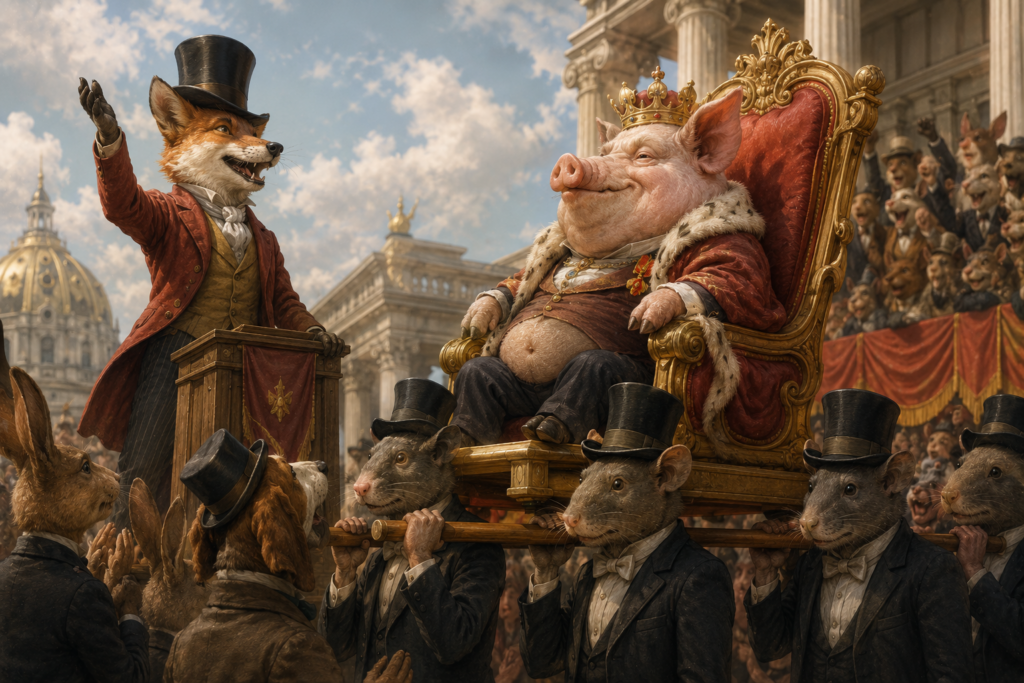
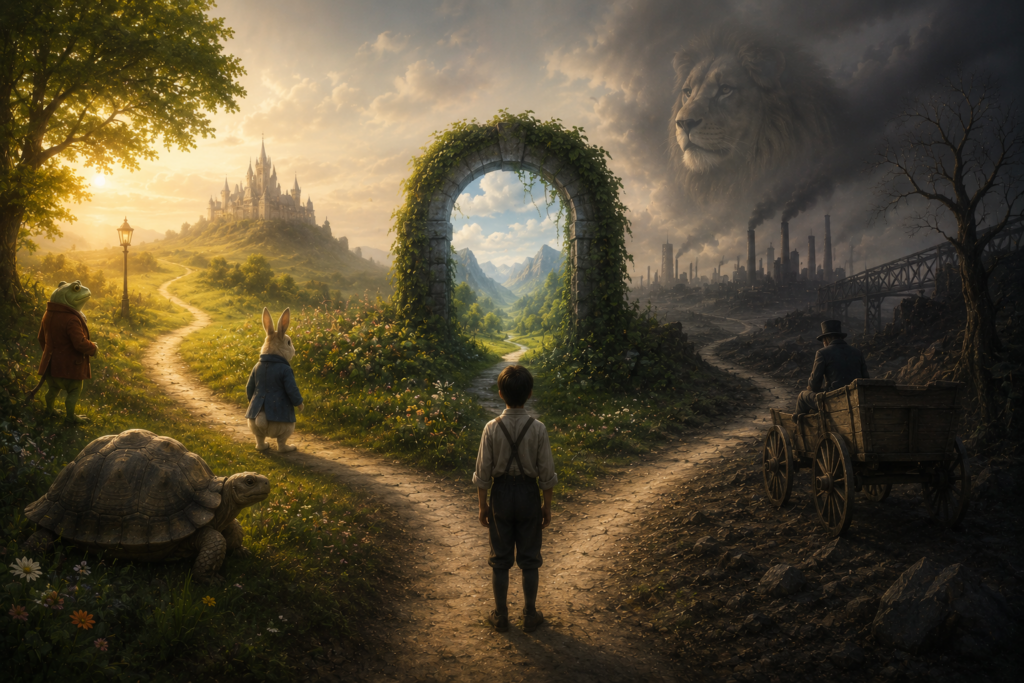
What Is Satire in Literature? Satire is writing that uses humor, irony, or exaggeration to point out flaws in people, society, politics, or human behavior.

It can make readers laugh, but its real goal is often serious. Satire asks us to notice what is wrong and think about why it matters.

In this Guide

Satire in Literature

What Is Satire in Literature? A Simple Definition

Satire is a literary tool that uses jokes with a purpose.

If someone asks, What Is Satire in Literature?, the clearest answer is this: satire makes fun of something in order to criticize it. The target might be a person, a law, a belief, or a social habit.

Satire is not the same as simple comedy. Comedy may exist just to entertain. Satire entertains, but it also pushes readers to see a problem.

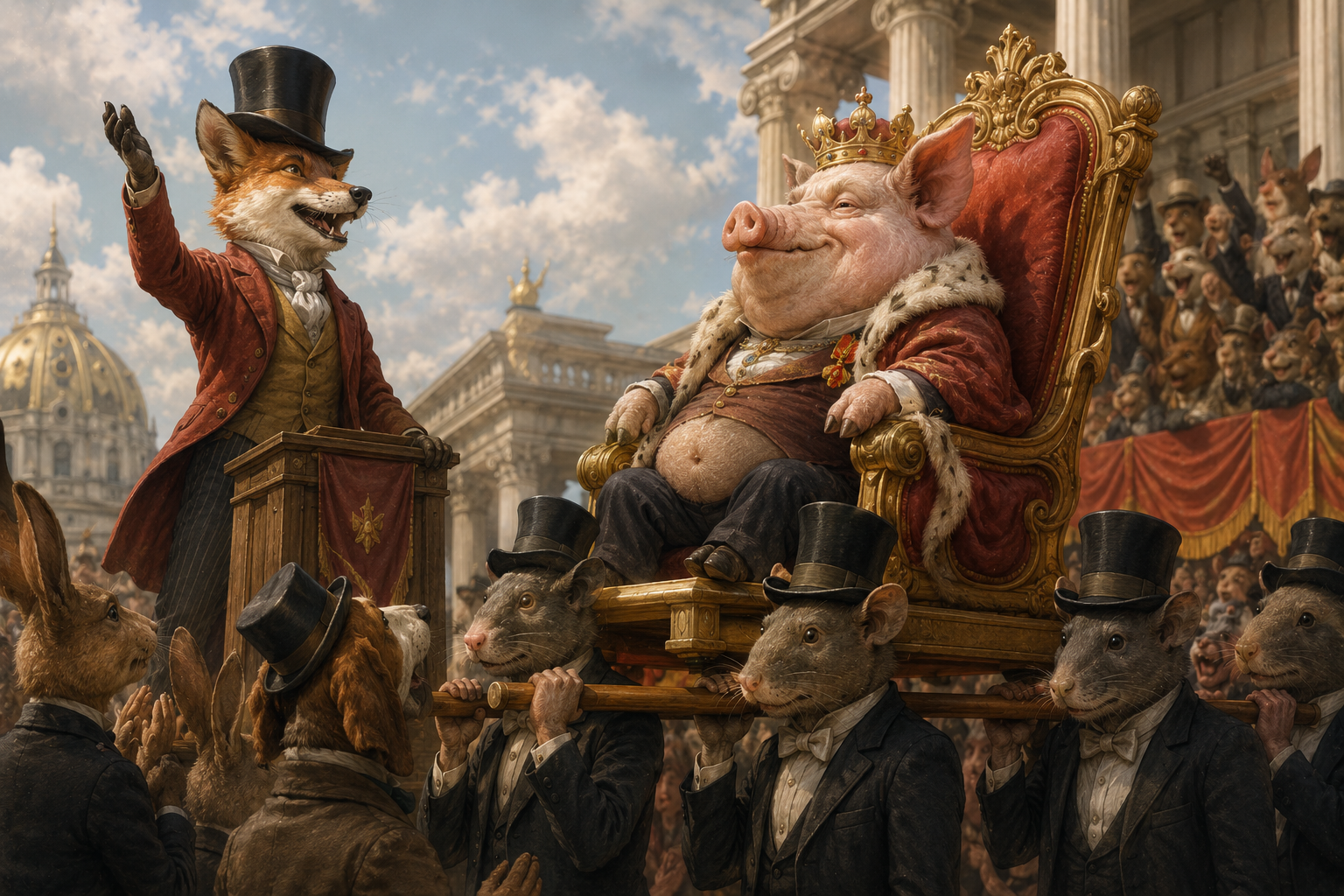
For example, a writer may create a foolish king to show that a real government is corrupt. The story may feel funny, but the message can be sharp.

What Is Satire in Literature? Why It Matters

Satire matters because it helps writers speak truth in a clever way.

In many time periods, writers could not openly attack leaders or social systems. Satire gave them a safer path. They could hide criticism inside jokes, fantasy, or strange events.

Satire also makes readers active. You have to ask, “What is the writer really saying?” That makes satire useful in high school, AP Literature, and college classes.

When students ask, What Is Satire in Literature?, they are really asking how writers use humor to reveal truth. That skill helps with close reading and essay writing.

If you want to study satire beside other terms, this literary devices list is a helpful place to start.

How Satire Works in a Story

Satire often works by making a problem look strange, silly, or extreme.

Writers may use irony, which means the real meaning is different from what appears on the surface. A character may praise a bad law so much that readers realize the law is foolish.

Writers may also use exaggeration. They make a flaw larger than life so readers cannot miss it.

Another common tool is parody. A parody copies the style of something familiar, but changes it to expose its weak points.

So, What Is Satire in Literature? It is not just “being funny.” It is humor with a target and a reason.

Famous Examples of Satire in Literature

Some of the most famous books in English use satire to question power and human weakness.

Animal Farm by George Orwell is one of the clearest examples. The novel uses farm animals to criticize political corruption and the abuse of power. The story seems simple, but its message is serious.

Gulliver’s Travels by Jonathan Swift also uses satire. Gulliver visits strange lands, but those strange places reflect real problems in politics, science, and human pride.

Swift’s essay “A Modest Proposal” is a darker example. He uses shocking irony to attack the cruel treatment of poor people in Ireland. The essay does not mean what it seems to say, which is why it is often taught as classic satire.

The Importance of Being Earnest by Oscar Wilde satirizes social manners and class. The characters care deeply about names, image, and status. Wilde makes their world funny so readers can see how shallow it is.

For a broader overview of satire as a genre, you can visit Britannica’s article on satire.

image-slider-with-thumbnail1.jpeg
PlayPause
previous arrow
next arrow
image-slider-with-thumbnail1.jpeg
image-slider-with-thumbnail3.jpeg
image-slider-with-thumbnail4.jpeg
ChatGPT Image Jun 27, 2026, 06_33_13 PM
ChatGPT Image Jun 27, 2026, 06_36_37 PM
ChatGPT Image Jun 27, 2026, 06_38_39 PM
ChatGPT Image Jun 27, 2026, 06_31_22 PM
image-slider-with-thumbnail7.jpeg
ChatGPT Image Jun 27, 2026, 06_29_43 PM
ChatGPT Image Jun 27, 2026, 06_27_44 PM
image-slider-with-thumbnail6.jpeg
ChatGPT Image Jun 27, 2026, 06_15_07 PM
image-slider-with-thumbnail5.jpeg
ChatGPT Image Jun 27, 2026, 06_22_43 PM
ChatGPT Image Jun 27, 2026, 06_25_37 PM
ChatGPT Image Jun 27, 2026, 06_19_43 PM
ChatGPT Image Jun 27, 2026, 06_12_00 PM
ChatGPT Image Jun 27, 2026, 06_08_50 PM
ChatGPT Image Jun 26, 2026, 04_54_23 PM
ChatGPT Image Jun 27, 2026, 05_53_51 PM
ChatGPT Image Jun 28, 2026, 08_35_55 AM
previous arrow
next arrow

What Is Satire in Literature? Common Types to Know

Satire can take different forms, but the main goal stays the same.

Horatian satire is light and playful. It gently mocks human foolishness. This type may make readers smile before they notice the criticism.

Juvenalian satire is darker and more direct. It attacks serious problems like greed, injustice, or cruelty.

Menippean satire often targets ideas, beliefs, or attitudes. It may feel strange, bold, or mixed in style.

When you ask, What Is Satire in Literature?, it helps to know which type you see. A gentle joke and a harsh attack can both be satire, but they create different effects.

How to Spot Satire While Reading

Satire becomes easier to notice when you look for a mismatch.

Ask yourself what seems too foolish, too perfect, or too extreme. If a scene feels funny but also uncomfortable, satire may be at work.

Look for the target. Who or what is being criticized? The target might be a character, a social rule, a government, or a common belief.

Then look for the tone. Is the writer playful, angry, calm, or bitter? Tone can tell you how serious the criticism is.

For more tools that can help with this kind of reading, check out this guide to common literary devices.

What Is Satire in Literature? A Quick Classroom Example

Satire often appears in school texts because it rewards close reading.

Imagine a story about a town where everyone must wear giant hats to prove they are smart. The bigger the hat, the smarter the person is supposed to be.

At first, this sounds silly. But the story might be satirizing people who care more about status than real wisdom.

That is the heart of the answer to What Is Satire in Literature? A writer creates something funny or strange so readers can see a real-world problem more clearly.

Books That Show Satire Clearly

These books are useful if you want to see satire in action.

  • Animal Farm by George Orwell
  • Gulliver’s Travels by Jonathan Swift

Both books are widely taught and easy to connect to major themes like power, pride, and corruption.

Practical Tip for Analyzing Satire

Use one simple question as you read: What is the writer making fun of, and why?

Once you find the target, look for the method. Is the writer using irony, exaggeration, parody, or a strange situation?

Then connect the joke to the message. A strong satire essay does not just say, “This is funny.” It explains what the humor reveals.

FAQ: What Is Satire in Literature?

What Is Satire in Literature?

Satire is writing that uses humor, irony, or exaggeration to criticize human flaws, social problems, or political issues.

Is satire always funny?

No. Satire can be funny, but it can also feel dark, bitter, or shocking. Its main goal is criticism.

What is the difference between satire and sarcasm?

Sarcasm is often a sharp remark. Satire is a larger form of criticism that can shape a whole poem, play, essay, or novel.

Why do authors use satire?

Authors use satire to expose problems in a way that grabs attention. It can make serious ideas easier to notice and harder to ignore.

Key Takeaway

What Is Satire in Literature? It is humor with a purpose. Satire makes readers laugh, think, and question the world around them.

Flash Memoir Prompt: Texture of a Specific Surface You Touched Often as a Child

Flash Memoir Prompt childhood

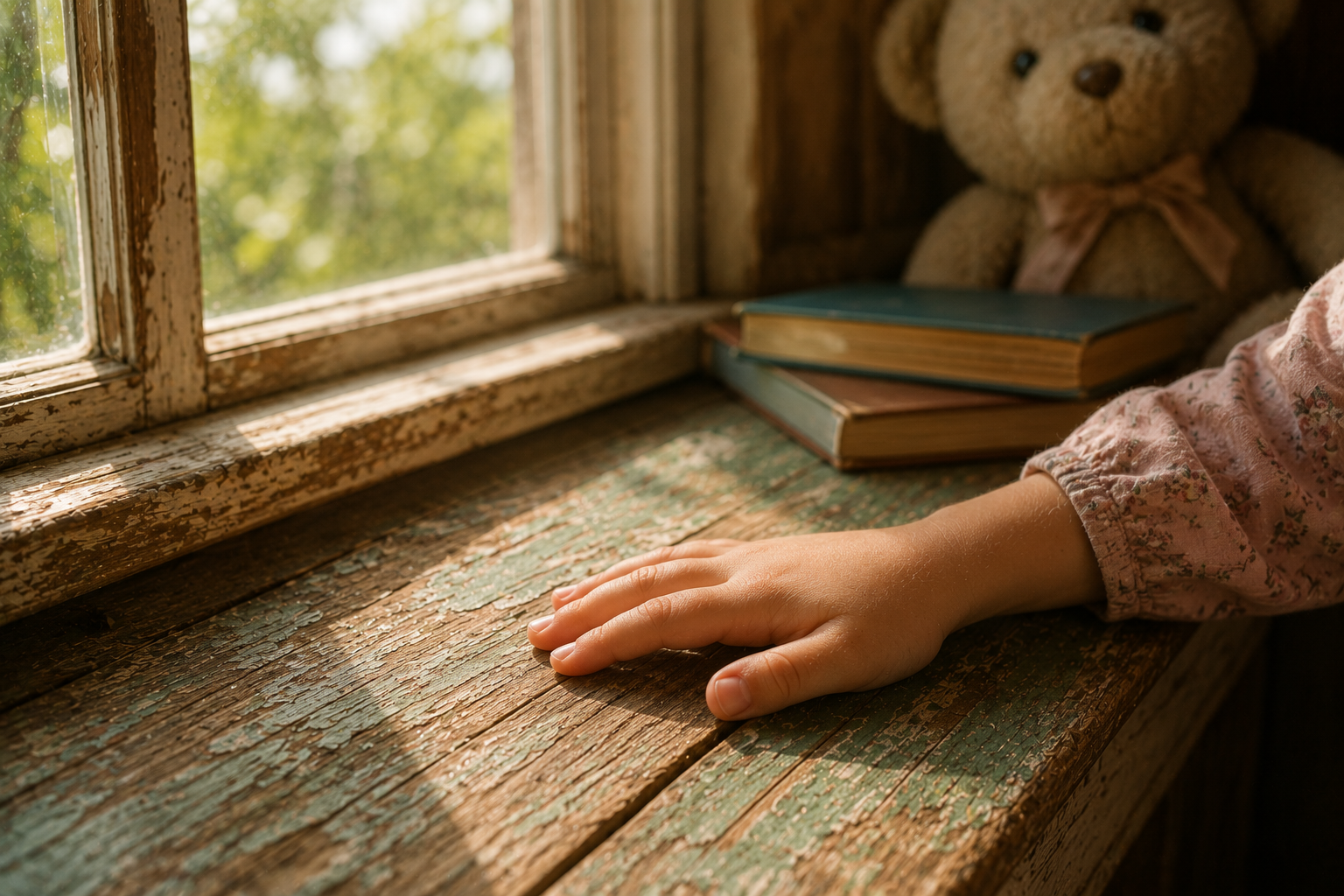
Childhood Surface Texture Memoir Prompt: Maybe your hand remembers before the rest of you does, the porch rail under your palm, the cracked vinyl of a kitchen chair, or the cool edge of a school desk you traced while waiting to be called on.

Flash Memoir Prompt childhood

The Prompt

Write about the texture of a specific surface you touched often as a child.

This flash memoir prompt about texture, a specific surface touched often, invites you to begin with your body instead of your timeline. You do not have to explain your whole childhood. You only have to remember one surface your hand knew well.

Maybe it was the rough wall beside your bed. Maybe it was the smooth banister you slid down against the rules. Maybe it was the sticky table at your grandmother’s house, the carpet in front of the television, or the cold metal latch on a gate.

A surface can hold more than we expect. It can bring back a room, a person, a feeling, or a season of life you have not thought about in years.

Why This Memory Matters

Touch is a quiet kind of memory. We often write about what we saw or heard, but the textures of childhood can carry deep emotional weight.

A rough surface might bring back a feeling of safety, boredom, fear, or comfort. A smooth surface might remind you of waiting, cleaning, hiding, pretending, or wanting to belong. The memory does not need to be dramatic to matter.

The power of this prompt is its smallness. When you focus on one surface, you stop trying to summarize your life. You enter one place. You let the reader feel the scene with you.

For example, the peeling paint on a windowsill might tell a story about being lonely after school. The slick plastic of a diner booth might bring back weekend visits with a parent. The scratchy fabric of a church pew might open a memory about trying to sit still while your legs swung above the floor.

This is why a flash memoir prompt texture specific surface touched often can work so well. It gives you a doorway. Once you step through, the meaning can appear slowly.

How to Approach This Prompt

Begin with the surface itself. Do not start by explaining your family, your neighborhood, or your entire childhood home. Let your fingers lead.

Write one sentence that names the object and texture. Try something plain and exact, such as: “The top of our kitchen table was always tacky near the corner where I sat,” or “The basement wall felt gritty, like it was made of dried beach sand.”

Then narrow the memory to one scene. Where are you? How old are you? What are you doing with your hand? Are you tracing, gripping, scratching, tapping, rubbing, hiding, or holding on?

Write what you noticed before you explain what it meant. This keeps the memory alive on the page. If you jump too quickly to the lesson, the scene can feel flat. If you stay with the small physical detail, the feeling has room to rise on its own.

You might treat this like a close look at a passage in literature. When students practice close reading in literature, they notice small details before making a larger claim. You can do the same with memory. First notice the texture. Then notice what it reveals.

If you get stuck, make a quick two-column note. On one side, describe the surface. On the other, write any feelings or people connected to it. This is similar to the way readers annotate literature, except the text is your own life.

Keep the piece short. One scene is enough. You are not trying to tell every story connected to that house, classroom, car, yard, or bedroom. For this flash memoir prompt texture specific surface touched often, let one touch become the center.

The Flash Memoirist
previous arrow
next arrow

A Quick Example

The arm of our brown couch was rubbed smooth where my mother rested her elbow every night. The rest of the couch was scratchy, with little raised threads that left marks on the backs of my legs, but that one patch felt almost soft. I used to press my thumb into it while she watched the evening news. I did not understand half the words on the screen, but I understood her sigh when the weather came on and she finally leaned back. Sometimes I sat beside her without talking, my thumb moving over that worn place again and again. Years later, I saw a couch in a thrift store with the same fabric, and for one second I was eight years old, waiting for her hand to reach over and smooth my hair.

Try It Yourself

Give yourself ten minutes with this prompt. Choose one surface you touched again and again as a child. Do not worry if the memory seems too small at first.

Start with the texture. Let the scene form around it. If a person enters the memory, let them. If an emotion appears, name it only after you have shown the moment clearly.

You might be surprised by what your hand remembers. A desk, wall, blanket, countertop, fence, or floor can lead to a piece of writing that feels honest because it begins with something real.

Want More Flash Memoir Prompts?

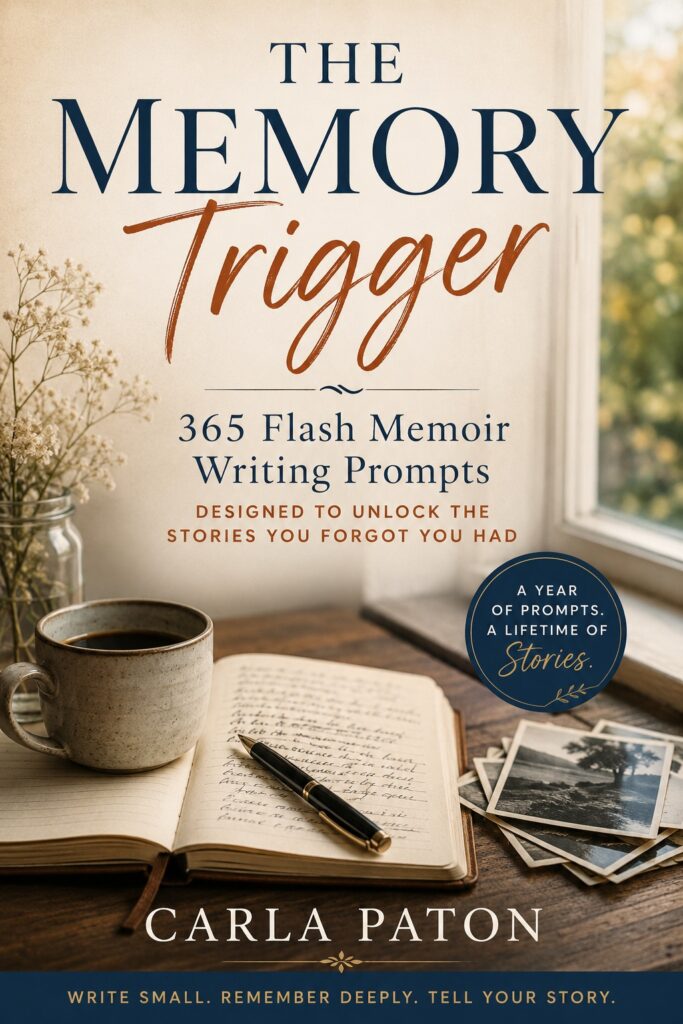
If this prompt helped you find a small but meaningful memory, you may enjoy having a full year of invitations ready when you sit down to write. Explore all 365 prompts in The Memory Trigger: 365 Flash Memoir Writing Prompts.

The Memory Trigger

Themes in Siddhartha: A Student-Friendly Guide

Themes in Siddhartha

Hermann Hesse’s Siddhartha may seem quiet at first, but its ideas are deep. This guide explains the themes in Siddhartha so students can see how the novel explores wisdom, desire, suffering, and peace.

In this Guide

Use these sections to find the ideas that matter most for class discussion and essays.

  • Why the themes in Siddhartha matter
  • Wisdom and personal experience
  • The search for the self
  • Desire, wealth, and emptiness
  • Suffering and compassion
  • Nature, the river, and unity
  • How to write about the novel’s themes
  • FAQ
Themes in Siddhartha

Why the themes in Siddhartha matter

The themes in Siddhartha shape the whole story, not just a few scenes.

Siddhartha is not only about a young man who leaves home. It is about a person who must test ideas in real life before he can understand them.

That makes the novel useful for high school, AP Literature, and college classes. It asks a question students know well: Can someone else give you truth, or do you have to find it yourself?

For more background on the author, Britannica has a helpful overview of Hermann Hesse.

Themes in Siddhartha: Wisdom cannot be borrowed

The novel argues that real wisdom must come from lived experience.

Siddhartha studies with priests, ascetics, and even listens to the Buddha. Yet he still feels that something is missing.

This does not mean the teachers are false. The Buddha, for example, is shown with respect. The problem is that another person’s truth cannot become Siddhartha’s truth unless he lives through it.

These themes in Siddhartha connect to many coming-of-age stories. In The Odyssey, Telemachus also has to leave home to gain a stronger sense of himself. Advice helps, but experience changes him.

A good essay can focus on this tension between teaching and discovery. Siddhartha learns from others, but he cannot copy their paths.

Themes in Siddhartha and the search for the self

Siddhartha’s main conflict is not with one enemy. It is with his own divided self.

At the start, Siddhartha rejects ordinary life because he wants spiritual truth. Later, he rejects spiritual pride because he sees that it can become another form of ego.

This makes the themes in Siddhartha feel personal. Siddhartha wants to escape the self, but he also has to understand the self before he can find peace.

Students should notice how the novel treats identity as a process. Siddhartha is not the same person in each stage of the story, but each stage teaches him something.

If you want help with this kind of close reading, try this guide on how to analyze characters in literature.

Desire, wealth, and emptiness

The world of pleasure gives Siddhartha comfort, but it does not give him peace.

When Siddhartha meets Kamala and Kamaswami, he enters a life of love, money, and status. He learns skills he never had before, but he also starts to lose his inner focus.

One of the sharpest themes in Siddhartha is the danger of mistaking success for meaning. Siddhartha gains wealth, yet he feels spiritually empty.

This part of the novel can remind students of The Great Gatsby. Gatsby has beauty and money around him, but those things do not solve his deeper hunger.

Hesse does not say that the physical world is evil. He shows that desire becomes harmful when it controls the soul.

image-slider-with-thumbnail1.jpeg
PlayPause
previous arrow
next arrow
image-slider-with-thumbnail1.jpeg
image-slider-with-thumbnail3.jpeg
image-slider-with-thumbnail4.jpeg
ChatGPT Image Jun 27, 2026, 06_33_13 PM
ChatGPT Image Jun 27, 2026, 06_36_37 PM
ChatGPT Image Jun 27, 2026, 06_38_39 PM
ChatGPT Image Jun 27, 2026, 06_31_22 PM
image-slider-with-thumbnail7.jpeg
ChatGPT Image Jun 27, 2026, 06_29_43 PM
ChatGPT Image Jun 27, 2026, 06_27_44 PM
image-slider-with-thumbnail6.jpeg
ChatGPT Image Jun 27, 2026, 06_15_07 PM
image-slider-with-thumbnail5.jpeg
ChatGPT Image Jun 27, 2026, 06_22_43 PM
ChatGPT Image Jun 27, 2026, 06_25_37 PM
ChatGPT Image Jun 27, 2026, 06_19_43 PM
ChatGPT Image Jun 27, 2026, 06_12_00 PM
ChatGPT Image Jun 27, 2026, 06_08_50 PM
ChatGPT Image Jun 26, 2026, 04_54_23 PM
ChatGPT Image Jun 27, 2026, 05_53_51 PM
ChatGPT Image Jun 28, 2026, 08_35_55 AM
previous arrow
next arrow

Suffering as a path to compassion

Pain does not destroy Siddhartha. It teaches him how to see others more clearly.

Siddhartha suffers when he feels trapped by his rich life. He suffers again when his son rejects him.

These themes in Siddhartha show that wisdom is not cold or distant. Siddhartha becomes wiser when he understands love, loss, and failure.

Before his pain, he often judges ordinary people. After his pain, he understands why people cling, fear, and hope.

This matters because the ending is not about escape from human life. It is about a deeper acceptance of it.

Nature, the river, and unity

The river is the novel’s most important symbol of time, change, and wholeness.

Among the themes in Siddhartha, the river helps explain the idea that life is not split into separate pieces. Past, present, and future seem to flow together.

Vasudeva, the ferryman, teaches Siddhartha to listen rather than argue. The river becomes a teacher because it shows unity without lectures.

This idea connects to Buddhist thought, though Hesse’s novel is not a simple lesson in one religion. For useful background, see Britannica’s overview of Buddhism.

The river also gives the novel its calm final vision. Siddhartha stops trying to force life into one clear answer.

How to write about themes in Siddhartha

A strong essay links theme to character change and symbol use.

When you write about themes in Siddhartha, avoid simple statements like “the theme is wisdom.” Explain how the story builds that idea through choices, mistakes, and symbols.

You can use a short claim like this: Siddhartha learns that wisdom cannot be taught as a rule because truth must pass through personal experience.

Then support that claim with scenes. His meeting with the Buddha, his life with Kamala, and his time by the river all show different forms of learning.

For extra practice, use our printable Siddhartha theme notes as a study tool before a quiz or essay.

These books pair well with Hesse’s novel because they explore self-knowledge and spiritual search.

  • Siddhartha by Hermann Hesse
  • The Alchemist by Paulo Coelho

Both books focus on a journey, but they use different styles. Hesse’s novel is quieter and more philosophical, while Coelho’s novel has a more direct fable style.

FAQ: Themes in Siddhartha

Here are quick answers to common student questions.

What are the main themes in Siddhartha?

The main themes in Siddhartha include wisdom through experience, the search for the self, suffering, desire, and unity with life.

What does the river symbolize in Siddhartha?

The river symbolizes time, change, and unity. It helps Siddhartha understand that life is connected rather than broken into separate parts.

Is Siddhartha about Buddhism?

It uses Buddhist ideas, but it is not just a religious lesson. The novel focuses more on a personal search for truth.

Why does Siddhartha leave the Buddha?

He respects the Buddha, but he believes wisdom cannot be received as a teaching alone. He must find truth through his own life.

Key Takeaway

The heart of Siddhartha is simple but powerful: truth cannot be handed to someone like a gift. Siddhartha must live, fail, love, and listen before he can understand peace.

Start Morning Pages With One No Rules Page

morning pages

Starting Morning Pages can feel strangely intimidating, especially when the page is empty and your mind suddenly pretends it has nothing to say. That is why your first page should have no rules beyond one simple instruction: finish. Not write beautifully. Not sound wise. And not produce something worth keeping. Just begin, stay with it for ten minutes, and let the page become a place where your thoughts can land.

morning pages

Notice the Moment, Then Let the Words Move

The easiest doorway into Morning Pages is the present moment. Instead of trying to think of a clever topic, start with the prompt: “Right now, in this exact moment, I notice…” This gives your mind something immediate to hold onto. You might notice the light in the room, the sound of traffic, the taste of coffee, the feeling of your shoulders, or the fact that you do not want to write at all.

There is no wrong direction from that first sentence. If you begin with the room and end up writing about a memory, a worry, a grocery list, or a dream you half-remember, that is fine. The point is not to stay on topic. The point is to keep moving. Morning Pages are less like an essay and more like opening a window.

This first page is deliberately low-stakes because the blank page often becomes scarier when we expect too much from it. By starting with what you notice, you remove the pressure to invent. You are simply reporting from your own life, in real time, one sentence after another.

Write for Ten Minutes Without Fixing a Thing

Set a timer for 10 minutes and write continuously. Once you begin, do not stop, do not delete, and do not go back to improve a sentence. If you repeat yourself, repeat yourself. If your handwriting gets messy or your typing becomes awkward, let it happen. The practice is to stay in motion.

This is where the “no rules” page matters most. You are not trying to be interesting. You are not trying to be honest in some dramatic way. And you are not trying to solve your whole life before breakfast. You are simply teaching yourself that words can appear without being controlled every second.

If you get stuck, write the prompt again: “Right now, in this exact moment, I notice…” Then continue with anything true, even if it feels boring. “I notice I am stuck” is a perfectly good sentence. So is “I notice I want this timer to end.” The page can hold all of it.

Count Your Words and Honor Your Baseline

When the timer goes off, stop writing and count your words. Write that number at the top of the page. This number is your personal baseline, and it should be celebrated exactly as it is. Whether you wrote 60 words or 600, you completed the practice.

The baseline is not a grade. It is information. It shows you what happened on one particular morning when you sat down for ten minutes and kept your hand moving. Over time, your word count may rise, fall, or stay the same, but the deeper win is that you are building trust with the act of beginning.

At the bottom of the page, write one sentence about how your body felt midway through the practice. Maybe you felt tense, loose, surprised, bored, restless, sleepy, or calm. Do not judge the answer. Just record it. This small body check helps you notice that writing is not only mental; it is physical too.

Your first Morning Page does not need to be profound. It only needs to be finished. By writing for ten minutes from the prompt “Right now, in this exact moment, I notice…,” counting your words, and naming how your body felt, you create a simple beginning you can return to again and again. One no-rules page is enough to prove that the blank page can be entered gently.

Books About Slow Burn Horror: Quiet Dread, Gothic Fear, and Stories That Haunt You

Slow Burn Horror
Slow Burn Horror

Some horror books do not rush to scare you. Books About Slow Burn Horror build fear slowly, so the reader feels trapped before the true danger appears.

These stories work well for students because they often focus on mood, symbols, guilt, and hidden fear. The terror grows in small signs, strange rooms, and silence.

In this Guide

  • Why slow burn horror works
  • Key traits of the genre
  • Best books and examples
  • Symbols and themes to watch
  • How students can read slow horror
  • FAQs

Why Books About Slow Burn Horror Stay With Readers

The fear starts small, then grows until it feels impossible to escape.

Books About Slow Burn Horror often begin in normal places. A house feels too quiet. A person acts a little wrong. A memory will not stay buried.

This style works because it makes readers wait. Instead of one big shock, the book gives clues that something is deeply wrong.

Slow horror also lets writers explore the mind. The monster may be real, but the fear often comes from guilt, grief, or doubt.

What Makes Books About Slow Burn Horror Different?

Slow horror uses patience as a tool.

Fast horror often depends on action and sudden danger. Books About Slow Burn Horror depend on mood, setting, and tension.

Readers may not know what the threat is at first. That makes each small detail feel important.

A locked room, a strange sound, or an old letter can create more fear than a monster on the page. The unknown becomes the real enemy.

This is why Gothic fiction often fits the slow burn style. Castles, old houses, family secrets, and dark weather help build dread. You can learn more about the Gothic tradition through Britannica’s guide to the Gothic novel.

Best Books About Slow Burn Horror for Students

These books reward careful reading and close attention.

Books About Slow Burn Horror are useful in class because they ask big questions. Can we trust the narrator? Is the danger outside, or inside the mind?

The Haunting of Hill House by Shirley Jackson

This novel is one of the best examples of quiet fear. Hill House seems alive, but Jackson never explains everything.

The horror comes from the house, but also from Eleanor’s loneliness. The book slowly blurs the line between ghost story and mental collapse.

The Turn of the Screw by Henry James

This short novel is famous for its mystery. A governess believes two ghosts are haunting the children she cares for.

Yet readers are never fully sure if the ghosts are real. That doubt is what makes the story so tense.

Rebecca by Daphne du Maurier

Rebecca is not always labeled pure horror, but it has strong Gothic dread. The new Mrs. de Winter feels haunted by her husband’s first wife.

The fear grows through memory, jealousy, and silence. Manderley, the mansion, feels like a character with secrets.

More Recommended Books About Slow Burn Horror

These titles are strong picks if you want to read more in the genre.

  • The Haunting of Hill House by Shirley Jackson
  • The Turn of the Screw by Henry James
  • Mexican Gothic by Silvia Moreno-Garcia

Books About Slow Burn Horror can be old or modern. What matters is not the time period. What matters is how slowly the fear takes shape.

In Mexican Gothic, the terror grows through a strange house, family control, and sickness. The story uses Gothic style but gives it a fresh voice.

Symbols and Themes in Books About Slow Burn Horror

The best slow horror stories hide meaning inside objects and places.

Books About Slow Burn Horror often use houses as symbols. A house can stand for the mind, the past, or a family’s buried shame.

Mirrors can suggest a split self. Locked doors can suggest secrets. Darkness can show fear that no one wants to face.

In Dracula, fear grows through letters, journals, and strange changes in people’s bodies. The novel connects horror with disease, desire, and corruption. For a deeper look, read how Count Dracula becomes a symbol of fear and corruption.

Edgar Allan Poe also shaped slow horror with stories that focus on guilt and obsession. The Poetry Foundation’s page on Edgar Allan Poe offers helpful background on his life and work.

How to Read Books About Slow Burn Horror

Read for mood, not just plot.

When you read Books About Slow Burn Horror, pay attention to small changes. A repeated image or odd phrase may matter later.

Ask who controls the story. Many slow horror books use narrators who may not understand what is happening.

Watch the setting closely. If a house, town, or room feels wrong, it may reveal the central fear of the book.

Take notes on symbols. In slow horror, the scariest detail is often quiet at first.

Why Slow Burn Horror Works So Well in Literature Classes

This genre gives students a lot to discuss.

Slow horror helps readers practice close reading. Every scene can hold a clue about character, theme, or setting.

It also connects well to big literary ideas. Students can study unreliable narrators, Gothic settings, and the way fear reflects social problems.

That is why Books About Slow Burn Horror often appear in AP Literature and college courses. They offer suspense, but they also reward deep thought.

FAQs About Books About Slow Burn Horror

What are Books About Slow Burn Horror?

Books About Slow Burn Horror are horror stories that build fear slowly. They focus on mood, mystery, and tension before showing the full danger.

Is slow burn horror scary?

Yes, but not always in a sudden way. It creates unease that grows over time, which can feel more disturbing than a jump scare.

What is a good slow burn horror book for beginners?

The Haunting of Hill House by Shirley Jackson is a strong place to start. It is short, rich in mood, and easy to discuss in class.

Is Dracula a slow burn horror novel?

In many ways, yes. Dracula builds fear through documents, travel, illness, and growing suspicion. Its monster becomes more terrifying as the clues come together.

Why do teachers like slow burn horror?

Teachers like it because it supports close reading. Students can study symbols, setting, point of view, and theme in a clear way.

Key Takeaway

Books About Slow Burn Horror prove that fear does not need to shout. The quietest stories can leave the deepest mark.

They ask readers to notice what hides under the surface. That is why they remain powerful in classrooms, book clubs, and late-night reading sessions. 👻

Famous Allegories in Literature

Famous Allegories

Some stories mean more than they seem to mean on the surface. Famous Allegories in Literature use characters, places, and events to point to deeper ideas about power, faith, society, or human nature.

If you know how allegory works, hard books become easier to understand. This guide explains Famous Allegories in Literature with clear examples and practical tips for students.

In this Guide

  • What allegory means
  • Why writers use allegory
  • Famous examples students should know
  • How to analyze allegory in class
  • Books to read next
  • FAQ
Famous Allegories

Famous Allegories in Literature: What Does Allegory Mean?

An allegory is a story with a hidden meaning beneath the main plot.

In an allegory, a character may stand for an idea. A setting may reflect a real society. A journey may show a moral or spiritual struggle.

For example, a farm in a story may not just be a farm. It may represent a country, a political system, or a group of people.

This is why Famous Allegories in Literature often appear in English classes. They teach readers to look past the surface and ask, “What else is this story saying?”

For a helpful general definition, you can read Britannica’s overview of allegory in art and literature.

Why Writers Use Allegory

Allegory helps writers talk about big ideas through a story people can remember.

A direct argument can feel dry. A story can make the same idea feel alive. Readers may connect with a character first, then notice the deeper meaning later.

Writers also use allegory when it is risky to speak openly. A political novel can hide criticism inside animals, fantasy lands, or strange events.

That is one reason Famous Allegories in Literature often focus on power. They can show how leaders gain control, how people lose freedom, or how fear changes a community.

Famous Allegories in Literature Students Should Know

These works appear often in high school, AP Literature, and college courses.

Animal Farm by George Orwell

Animal Farm is one of the clearest examples of allegory. On the surface, it is about farm animals who rebel against humans.

On a deeper level, it reflects the Russian Revolution and the rise of totalitarian rule. Napoleon the pig represents a corrupt leader who uses fear and lies to stay in power.

This book is often used to teach political allegory because the symbols are direct but still powerful. You can learn more about Orwell and his work through The Orwell Foundation.

The Pilgrim’s Progress by John Bunyan

The Pilgrim’s Progress is a religious allegory. The main character, Christian, travels from the City of Destruction toward the Celestial City.

His journey represents the Christian path toward salvation. Characters like Faithful and Hopeful stand for spiritual qualities.

The names are simple on purpose. Bunyan wants readers to see the moral meaning right away.

Lord of the Flies by William Golding

Lord of the Flies is not always called a pure allegory, but it has strong allegorical parts. A group of boys becomes trapped on an island without adults.

The island becomes a small version of human society. The conch stands for order, while the “beast” reflects fear and violence inside people.

This novel asks a hard question: what happens when rules disappear?

The Lion, the Witch and the Wardrobe by C. S. Lewis

This fantasy novel is often read as a Christian allegory. Aslan’s sacrifice and return connect with the story of Jesus.

The White Witch represents evil, control, and spiritual coldness. Narnia’s winter shows a world trapped under that power.

Even readers who do not focus on religion can still study the book’s symbols and moral themes.

The Crucible by Arthur Miller

The Crucible tells the story of the Salem witch trials. It also points to the anti-communist fear in 1950s America.

Miller uses the past to comment on his own time. The play shows how fear can lead people to accuse others without proof.

This makes it one of the most useful Famous Allegories in Literature for students who study history and drama together.

How Famous Allegories in Literature Work

Allegory works through patterns, not just single symbols.

A symbol can be one object with a deeper meaning. Allegory is larger. It often shapes the whole story.

In Animal Farm, the animals, the farm, the rebellion, and the rules all connect to political ideas. The full plot carries the hidden meaning.

When you study Famous Allegories in Literature, look for repeated links between the story world and a larger idea. Ask what each major part stands for.

Allegory vs. Symbolism: What Is the Difference?

Allegory and symbolism are related, but they are not the same.

A symbol is usually one thing that suggests a deeper meaning. A dove may suggest peace. A storm may suggest conflict.

An allegory uses many connected symbols across the whole story. The plot itself points to another meaning.

Think of symbolism as one clue. Think of allegory as a full code.

How to Analyze Famous Allegories in Literature for Class

Good allegory analysis starts with the surface story.

First, explain what happens in the plot. Then ask what the events may represent. Do not skip the basic story, because the deeper meaning depends on it.

Next, track characters and settings. If a character seems larger than life, they may stand for an idea, group, or real person.

Pay attention to names. Allegorical works often use names that hint at meaning, like Christian, Faithful, or Napoleon.

You should also connect the work to its context. A political allegory often makes more sense when you know the history behind it.

If you want help with close reading, this guide on how to read literature like a scholar can help you notice deeper patterns in a text.

image-slider-with-thumbnail1.jpeg
PlayPause
previous arrow
next arrow
image-slider-with-thumbnail1.jpeg
image-slider-with-thumbnail3.jpeg
image-slider-with-thumbnail4.jpeg
ChatGPT Image Jun 27, 2026, 06_33_13 PM
ChatGPT Image Jun 27, 2026, 06_36_37 PM
ChatGPT Image Jun 27, 2026, 06_38_39 PM
ChatGPT Image Jun 27, 2026, 06_31_22 PM
image-slider-with-thumbnail7.jpeg
ChatGPT Image Jun 27, 2026, 06_29_43 PM
ChatGPT Image Jun 27, 2026, 06_27_44 PM
image-slider-with-thumbnail6.jpeg
ChatGPT Image Jun 27, 2026, 06_15_07 PM
image-slider-with-thumbnail5.jpeg
ChatGPT Image Jun 27, 2026, 06_22_43 PM
ChatGPT Image Jun 27, 2026, 06_25_37 PM
ChatGPT Image Jun 27, 2026, 06_19_43 PM
ChatGPT Image Jun 27, 2026, 06_12_00 PM
ChatGPT Image Jun 27, 2026, 06_08_50 PM
ChatGPT Image Jun 26, 2026, 04_54_23 PM
ChatGPT Image Jun 27, 2026, 05_53_51 PM
ChatGPT Image Jun 28, 2026, 08_35_55 AM
previous arrow
next arrow

Common Themes in Famous Allegories in Literature

Many allegories explore the same major human problems.

One common theme is corruption. A leader may begin with good ideas but become selfish after gaining power.

Another common theme is moral choice. A character may face temptations, tests, or dangers that show inner growth.

Allegories also often focus on fear. Fear can make people obey, blame others, or give up their freedom.

These themes help explain why Famous Allegories in Literature stay relevant. They speak to problems that repeat in many times and places.

Tips for Choosing an Allegory to Read

Pick an allegory that matches your class goals and your interests.

If you like politics or history, start with Animal Farm or The Crucible. These works connect well to real events.

If you like faith, fantasy, or moral journeys, try The Pilgrim’s Progress or The Lion, the Witch and the Wardrobe.

If you want a darker look at human nature, choose Lord of the Flies. It gives you a lot to discuss in essays.

Before you read, ask your teacher if historical background will help. A little context can make Famous Allegories in Literature much easier to understand.

Books to Consider

These titles are useful if you want to read or study allegory more deeply. You can find most of them on Amazon, at libraries, or in school bookstores.

  • Animal Farm by George Orwell
  • The Pilgrim’s Progress by John Bunyan
  • Lord of the Flies by William Golding

For students, Animal Farm is the best first choice. It is short, clear, and full of strong allegorical meaning.

FAQ About Famous Allegories in Literature

What are Famous Allegories in Literature?

They are well-known stories that use characters, events, and settings to represent deeper ideas. Examples include Animal Farm, The Pilgrim’s Progress, and The Crucible.

Is every symbolic story an allegory?

No. A story can have symbols without being an allegory. Allegory usually shapes the whole story, not just one object or scene.

Why do teachers assign allegories?

Teachers assign them because they build close reading skills. Allegories help students connect plot, theme, history, and symbols.

What is the easiest allegory to start with?

Animal Farm is a strong starting point. The plot is simple, but the political meaning gives students plenty to analyze.

Key Takeaway

Famous Allegories in Literature teach readers to look below the surface. Once you learn to spot the deeper meaning, stories become richer, sharper, and more useful for essays. 📚

Flash Memoir Prompt: Neighbor from Your Childhood Whose Life Seemed Mysterious to You

flash memoir neighbor

A brief writing invitation for remembering a mysterious childhood neighbor through one sharp scene, a few sensory details, and the questions you carried before you understood adult lives.

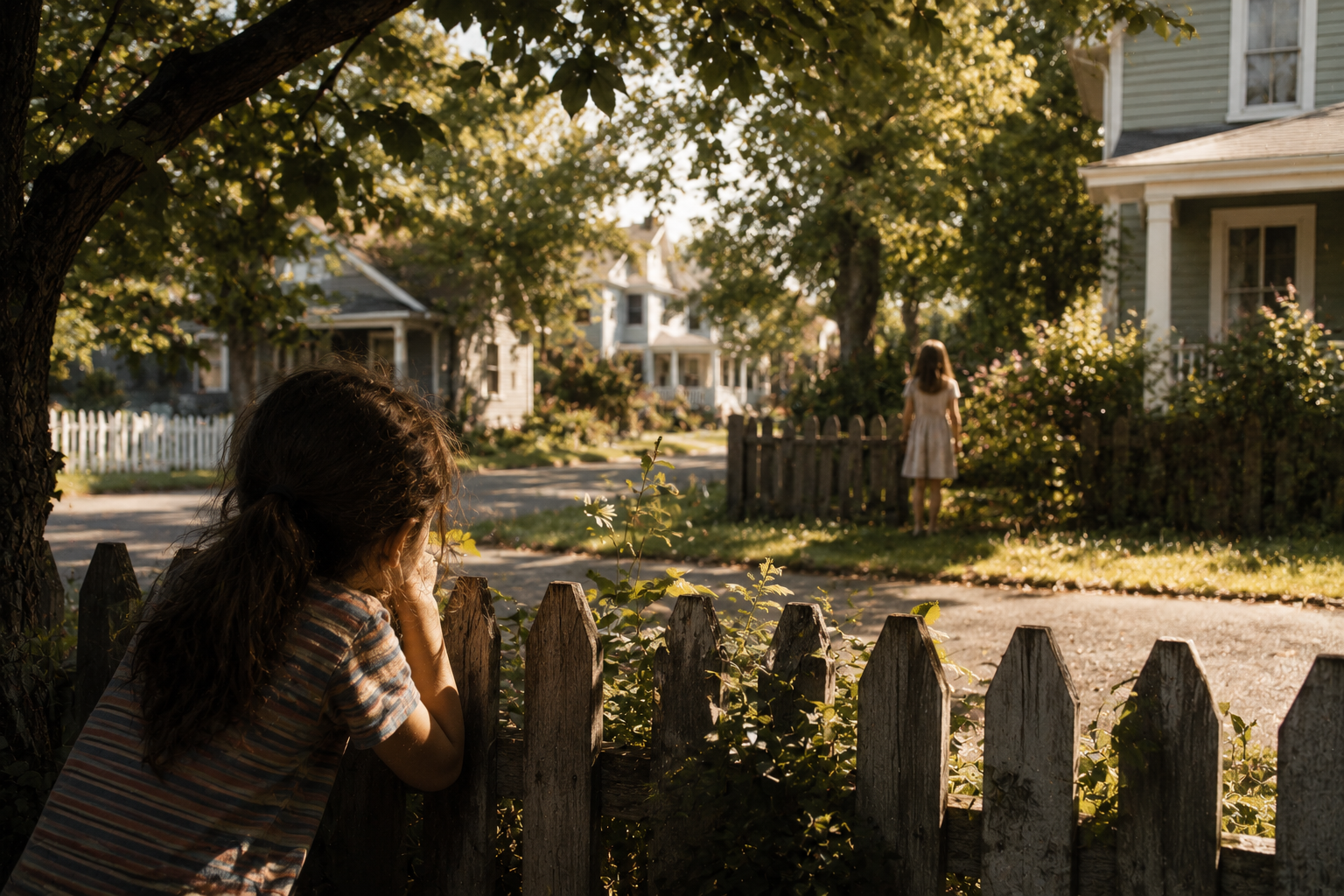
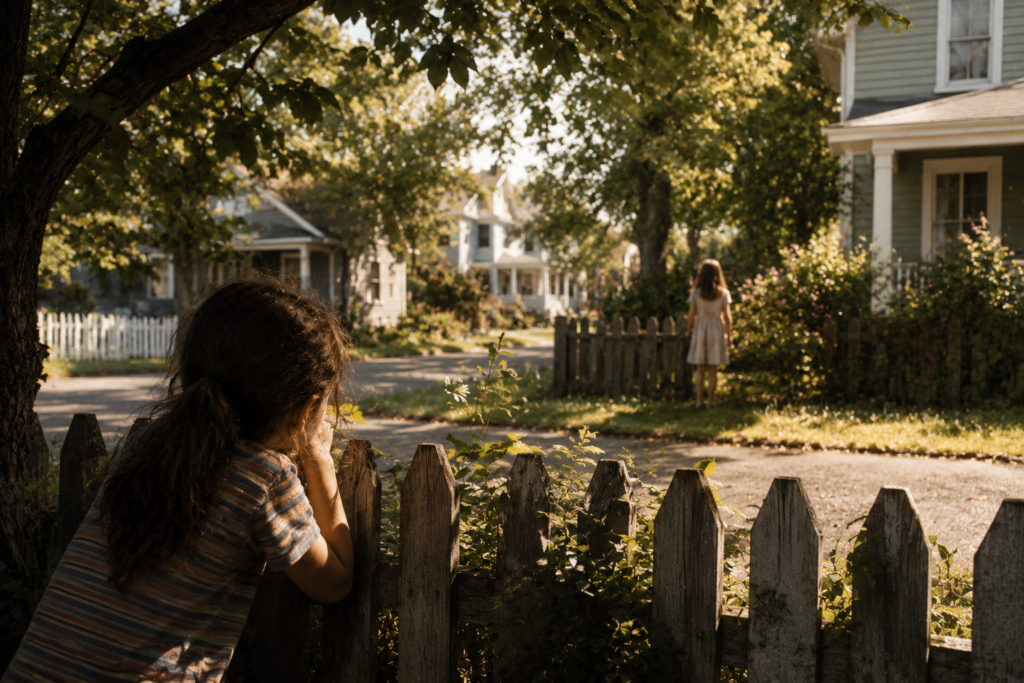
Maybe there was a house on your street where the curtains stayed closed. Maybe a porch light burned all night. Maybe a neighbor walked past your yard every afternoon with a paper bag, a limp, or a silence that made you stop your bike and wonder.

Childhood is full of half-stories. We notice shoes by a door, a strange smell from a kitchen, a car that never moves, a voice through the wall. We do not know enough to explain what we see, so mystery fills the gaps. This flash memoir prompt neighbor childhood whose life seemed mysterious invites you to return to one of those gaps with care.

flash memoir neighbor

The Prompt

Write about a neighbor from your childhood whose life seemed mysterious to you.

This prompt works because it asks you to remember from the edge of understanding. You do not have to solve the mystery. In fact, the strongest piece may come from what you did not know.

Think of the neighbor who made you curious. The woman who only came out at dusk. The man who kept pigeons in the garage. The older teen who lived with grandparents and never spoke at the bus stop. The family whose arguments carried down the block, then vanished when someone knocked.

Why This Memory Matters

A mysterious neighbor can reveal more than a person you barely knew. They can show what childhood felt like in your town, your building, or your street. They can show what adults whispered about and what children noticed anyway.

When you write about this kind of memory, you may uncover the border between childhood imagination and adult reality. Maybe you were afraid of someone who was simply lonely. Maybe you admired a person because they seemed free. Maybe years later, you learned a detail that changed the whole memory.

You might also discover how your younger self made sense of silence. Children often build stories from clues. A shut gate might become danger. A weekly visitor might become romance. A stack of newspapers might become proof of a secret life.

This is where the emotional truth lives. The facts matter, but so does your child’s version of the facts. A flash memoir prompt neighbor childhood whose life seemed mysterious gives you permission to write from that younger point of view before you explain anything.

If you enjoy studying small details in stories, you might also like this guide on what close reading means in literature. Memoir often works the same way. One detail can open the whole scene.

The Flash Memoirist
previous arrow
next arrow

How to Approach This Prompt

Begin with one physical detail. Do not start by explaining the neighbor’s full history. Start with the thing you can still see.

Maybe it is the sound of a screen door snapping shut. Maybe it is a row of blue glass bottles in a window. Maybe it is a dog that barked from behind a fence but was never seen. Let that detail pull you into the memory.

Then narrow the piece to one scene. You might write about riding your bike past the house, delivering a holiday plate, seeing the neighbor in a grocery store, or hearing music through an open window. One scene gives the memory shape.

Try to write what you noticed before you write what it meant. For example, instead of saying, “He seemed sad,” show the dented lawn chair, the untouched newspaper, or the way he waved without lifting his eyes.

You do not need to tell the whole story at once. Flash memoir is small by design. If you discover a bigger story underneath, let it wait. For now, write the moment when mystery entered your mind.

If you are helping students practice this kind of memory work, annotation can help them slow down and notice clues. This article on how to annotate literature offers simple habits that can also support personal writing.

A Quick Example

Mrs. Calder lived two houses down, in the yellow place with vines over the mailbox. Every Wednesday, a black car stopped in front of her house at exactly four o’clock. A man in a gray suit carried in a paper sack and left seven minutes later without it. My brother said she was a spy. I believed him for most of one summer. Once, my mother sent me over with tomatoes. Mrs. Calder opened the door only wide enough for her face. Behind her, I saw stacks of books, a piano with sheet music open, and a tiny white dog asleep on a pillow. She thanked me in a voice so soft I had to lean forward. Years later, I learned the man delivered medicine. Still, when I remember her, I remember the door, the shadowed room, and the feeling that adults lived inside stories children could only guess at.

Try It Yourself

Set a timer for ten minutes and write about one mysterious neighbor from your childhood. Stay close to the child’s view. What did you see? What did you hear? What did you think was happening?

If you know the truth now, you can add it near the end, but do not rush there. Let the younger version of you wonder for a while. That wonder is the heart of the piece.

You can use this flash memoir prompt neighbor childhood whose life seemed mysterious as a short warm-up or as the start of a longer essay. Either way, keep the focus tight. One house. One person. One memory that still glows at the edge of the street.

Want More Flash Memoir Prompts?

Explore all 365 prompts in The Memory Trigger: 365 Flash Memoir Writing Prompts.

The Memory Trigger

Symbols in All Quiet on the Western Front: What They Mean and Why They Matter

Western Front Symbols

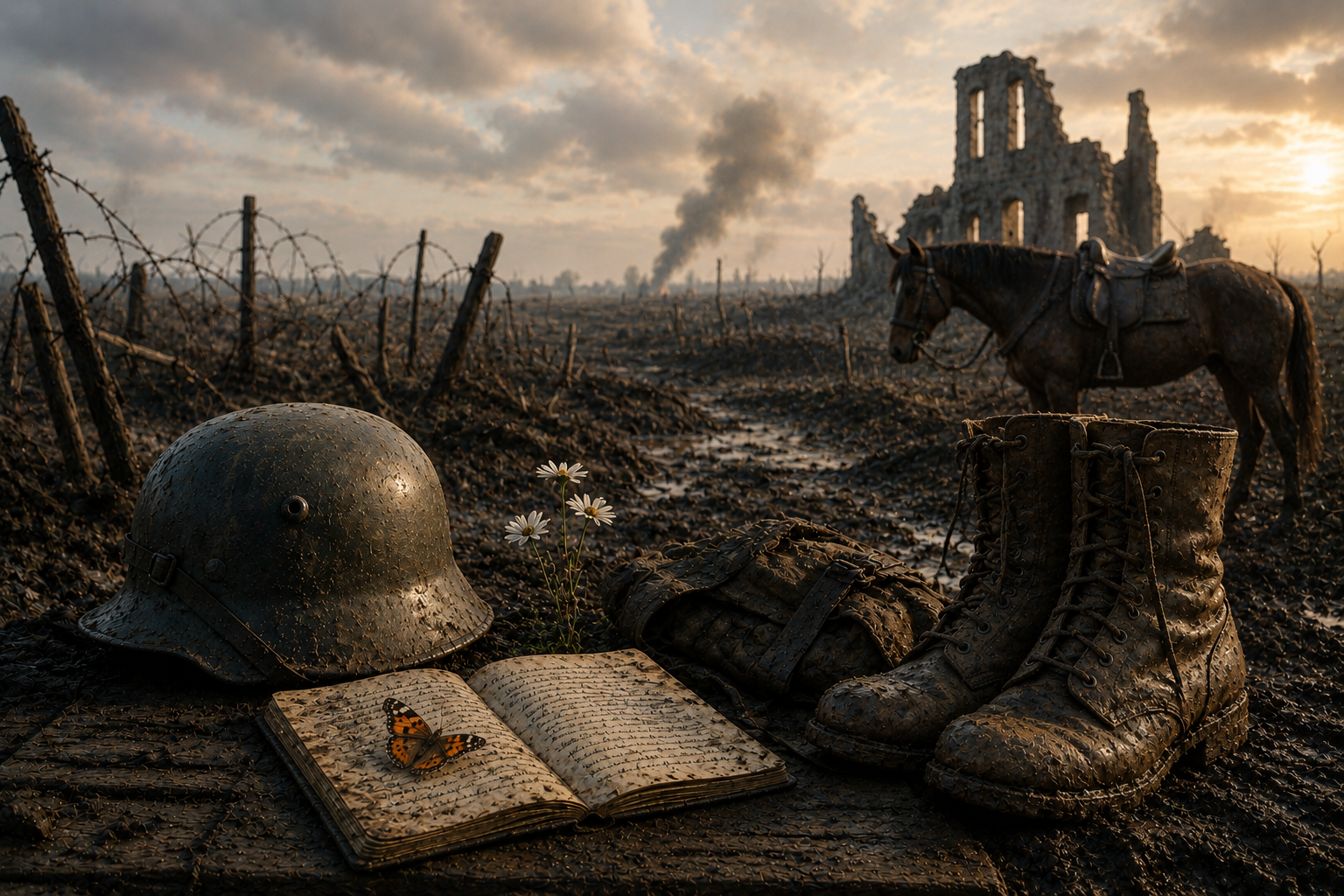
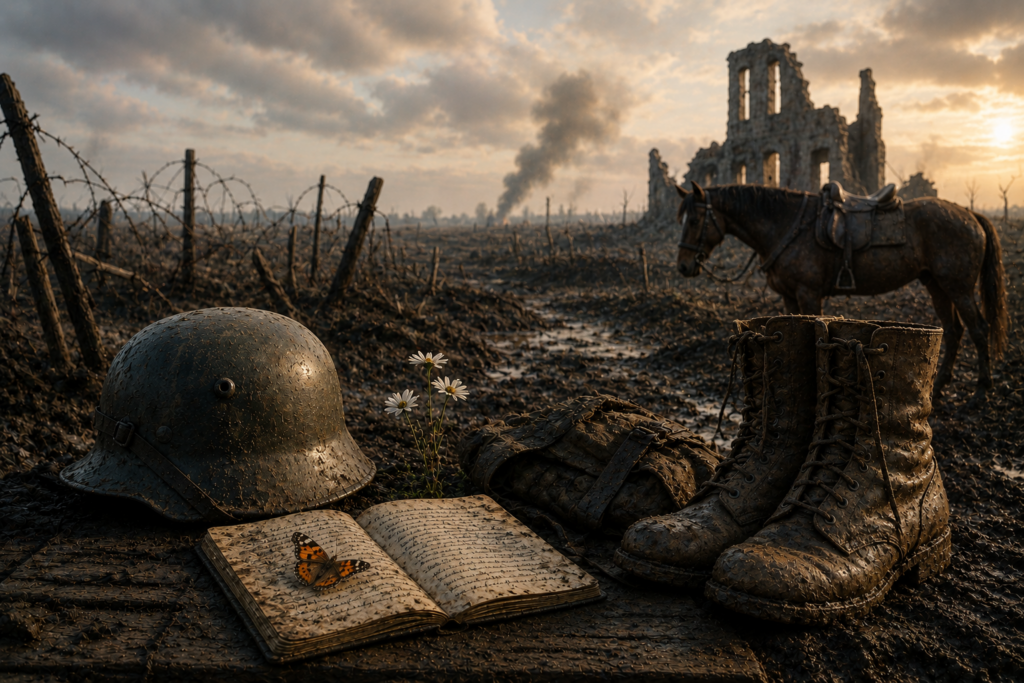
The symbols in All Quiet on the Western Front help show the true cost of World War I. Remarque uses boots, earth, uniforms, food, animals, and nature to reveal fear, loss, and the way war crushes young people.

This guide explains the main images in simple terms and connects each symbol to a theme you can use in class or in an essay.

In this Guide

Western Front Symbols

Why Symbols in All Quiet on the Western Front Matter

Remarque uses ordinary objects to show what war does to young men.

A symbol is something concrete that points to a deeper idea. If you want a quick refresher, read our guide on how to find symbolism in a story.

When you study symbols in All Quiet on the Western Front, notice how simple things change meaning. A pair of boots is not just a pair of boots. The earth is not just dirt. These images show the soldiers’ hunger, fear, and broken hope.

This is common in literature. In The Great Gatsby, the green light stands for desire and the future. In Lord of the Flies, the conch stands for order. Remarque uses symbols in a harsher way because his world is shaped by trench war.

For background on the author, you can read Britannica’s biography of Erich Maria Remarque.

Major Symbols in All Quiet on the Western Front

The biggest symbols in All Quiet on the Western Front are tied to survival, not romance or beauty.

Kemmerich’s Boots

Kemmerich’s boots are one of the clearest symbols in the novel. After Kemmerich dies, the boots pass to another soldier because good boots are rare at the front.

This moment feels cold, but that is the point. War has made the soldiers value practical survival over normal grief. The boots symbolize how war steals emotion and turns death into routine.

The boots also show how young men replace each other. One soldier dies, another wears his boots, and the war moves on.

The Earth

The earth is a place of safety for Paul and the other soldiers. In battle, they press their bodies into the ground to escape shells and gunfire.
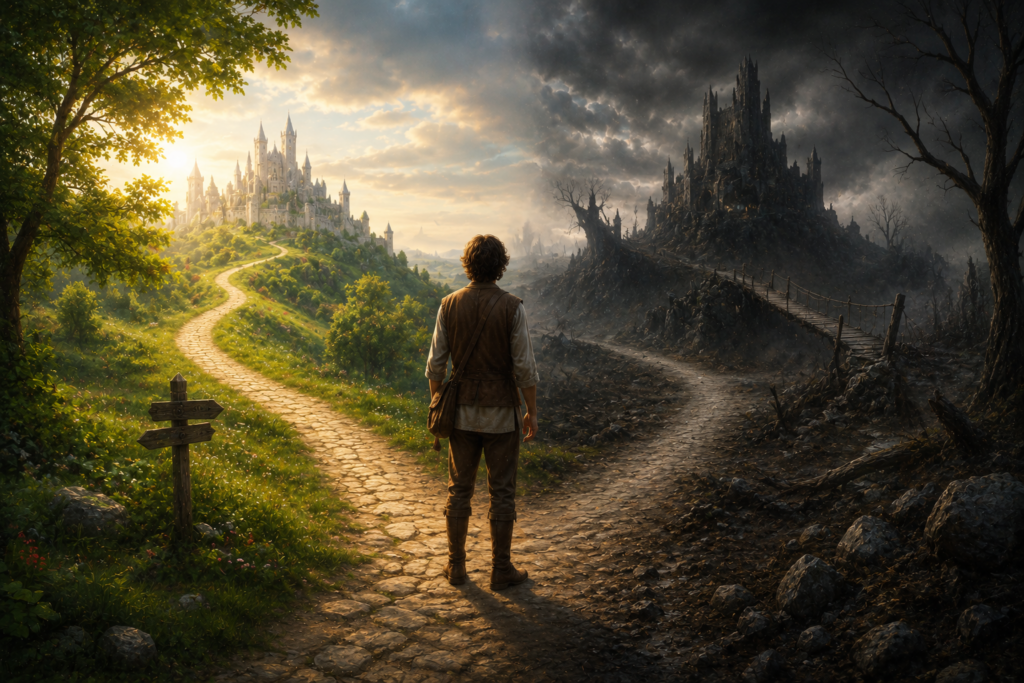
At times, the earth feels almost like a mother. It covers them and protects them when human systems fail.

Yet this comfort is dark. The soldiers survive by crawling, hiding, and reacting like animals. The earth symbolizes both shelter and the loss of human dignity.

Uniforms

Uniforms make the soldiers look alike. They erase personal identity and turn boys into parts of a war machine.

Paul and his friends once had dreams, families, and school lessons. In uniform, they become bodies sent to the front.

This symbol connects to the theme of dehumanization. War does not care who a person is. It only asks what that person can endure.

Food

Food in the novel often means more than comfort. It stands for the body’s basic needs.

The soldiers think about meals because hunger is constant. In war, big ideas like honor and glory matter less than bread, soup, and rest.

Food also exposes the gap between war speeches and war life. Adults praise sacrifice, but the young soldiers just want to stay alive.
Horses

The wounded horses create one of the most painful scenes in the book. They suffer even though they do not understand the war.

The horses symbolize innocent victims. Their pain shows that war harms more than soldiers. It spreads suffering across every living thing near the battlefield.

Nature and Symbols in All Quiet on the Western Front

Nature often looks peaceful while human violence fills the world around it.

As one of the most important symbols in All Quiet on the Western Front, Nature creates a sharp contrast. Birds, trees, sky, and fields can suggest beauty, but they stand beside mud, blood, and fear.

This contrast makes the war feel even more wrong. The natural world continues while people destroy each other.

Butterflies and Fragile Beauty

Butterflies suggest beauty and fragile life. Near the end, Paul reaches toward a peaceful image in a world that has given him almost no peace.

The butterfly image matters because it is soft and delicate. It reminds us that Paul is still human, even after war has damaged him.

The Quiet Front

The title itself points to a bitter symbol. The report says all is quiet on the Western Front, yet Paul is dead.

This quiet does not mean peace. It means one more death is too common to count. The calm wording hides the horror beneath it.

How Symbols in All Quiet on the Western Front Connect to Theme

Symbols matter most when they help explain the novel’s larger message.

The symbols in All Quiet on the Western Front connect to Remarque’s antiwar themes. They show that war is not heroic. It is physical, cruel, and deeply wasteful.

SymbolWhat it meansTheme connection
BootsSurvival after deathWar makes loss feel routine
EarthShelter and animal instinctWar strips away dignity
UniformsLoss of identityWar turns people into tools
FoodBasic needSurvival replaces idealism
NatureBeauty beside violenceWar works against life

These symbols help readers see the main idea: the young soldiers lose more than their safety. They lose their youth, trust, and sense of belonging.

image-slider-with-thumbnail1.jpeg
PlayPause
previous arrow
next arrow
image-slider-with-thumbnail1.jpeg
image-slider-with-thumbnail3.jpeg
image-slider-with-thumbnail4.jpeg
ChatGPT Image Jun 27, 2026, 06_33_13 PM
ChatGPT Image Jun 27, 2026, 06_36_37 PM
ChatGPT Image Jun 27, 2026, 06_38_39 PM
ChatGPT Image Jun 27, 2026, 06_31_22 PM
image-slider-with-thumbnail7.jpeg
ChatGPT Image Jun 27, 2026, 06_29_43 PM
ChatGPT Image Jun 27, 2026, 06_27_44 PM
image-slider-with-thumbnail6.jpeg
ChatGPT Image Jun 27, 2026, 06_15_07 PM
image-slider-with-thumbnail5.jpeg
ChatGPT Image Jun 27, 2026, 06_22_43 PM
ChatGPT Image Jun 27, 2026, 06_25_37 PM
ChatGPT Image Jun 27, 2026, 06_19_43 PM
ChatGPT Image Jun 27, 2026, 06_12_00 PM
ChatGPT Image Jun 27, 2026, 06_08_50 PM
ChatGPT Image Jun 26, 2026, 04_54_23 PM
ChatGPT Image Jun 27, 2026, 05_53_51 PM
ChatGPT Image Jun 28, 2026, 08_35_55 AM
previous arrow
next arrow

How to Write About Symbols in All Quiet on the Western Front

A strong symbolism paragraph should name the symbol, explain what it means, and connect it to a theme.

Try a sentence like this: Kemmerich’s boots symbolize the way war makes death feel ordinary, because the soldiers focus on who will use the boots next instead of on the loss of their friend.

This works because it uses a concrete detail and explains the deeper meaning. It does not just say the boots are important.

For more help, use our simple symbolism method before you write your essay.

For a cleaner study routine, pair this article with our symbolism note sheet.

Books to Search on Amazon

These books pair well with this symbolism guide. Search the titles on Amazon or check your school library.

  • All Quiet on the Western Front by Erich Maria Remarque
  • A Farewell to Arms by Ernest Hemingway

FAQ About Symbols in All Quiet on the Western Front

What are the most important symbols in All Quiet on the Western Front?

The most important symbols are Kemmerich’s boots, the earth, uniforms, food, horses, and nature. Each one shows a different part of war’s damage.

Why are symbols in All Quiet on the Western Front so bleak?

They are bleak because the novel is antiwar. Remarque wants readers to see war as wasteful, not noble.

What do Kemmerich’s boots symbolize?

The boots symbolize survival, emotional numbness, and the way soldiers replace one another after death.

What does nature symbolize in the novel?

Nature symbolizes beauty and life, but it also shows how strange war is. Peaceful images sit beside violence.

Key Takeaway

The symbols in All Quiet on the Western Front matter because they turn simple objects into powerful proof of the novel’s message: war destroys bodies, identity, and youth.

Books Like Hope and Despair: Powerful Stories About Light in Dark Times

Books Like Hope and Despair

Readers who search for Books Like Hope and Despair often want stories that face pain without giving up on meaning. These books show characters under pressure, where fear, loss, courage, and faith all collide.

This guide looks at novels, memoirs, and poems that explore hope and despair in clear, moving ways.

In this Guide

  • Why these stories matter
  • Best books with hope and despair themes
  • Key symbols to watch for
  • How classic literature handles suffering
  • Book suggestions to search for
  • FAQs

Why Books Like Hope and Despair Still Matter

Stories about pain can help readers feel less alone.

Books Like Hope and Despair matter because they tell the truth about hard seasons. They do not pretend life is easy, yet they also show why people keep going.

In literature, despair often appears when a character loses control. Hope appears when that same character finds purpose, love, memory, or faith.

This tension can make a story feel real. It reminds us that hope is not always cheerful. Sometimes hope is quiet, stubborn, and hard-earned.

Best Books Like Hope and Despair for Students

These works are strong choices for high school, AP Literature, and college readers.

When people ask for Books Like Hope and Despair, they often mean books that explore moral struggle. These works can feel heavy, but they also offer rich ideas for essays and class talks.

Night by Elie Wiesel

Night is a short, powerful memoir about the Holocaust. Wiesel writes about the loss of family, faith, and innocence.

Despair appears in the camps, where cruelty seems endless. Hope survives in memory, witness, and the act of telling the truth.

This book is a strong match for students who want a serious text about human suffering and moral courage.

The Road by Cormac McCarthy

The Road follows a father and son through a ruined world. The land is gray, cold, and dangerous.

Despair lives in the setting. Hope lives in the bond between the father and child.

The phrase “carry the fire” becomes a key symbol. It suggests goodness, love, and human decency in a broken world.

The Book Thief by Markus Zusak

The Book Thief is set in Nazi Germany and follows a girl named Liesel. She steals books, forms deep bonds, and learns the power of words.

Death narrates the novel, which gives the story a strange mix of sadness and wonder. The book shows how language can harm, but also heal.

For readers seeking Books Like Hope and Despair, this novel offers a clear look at grief, kindness, and survival.

Books Like Hope and Despair in Classic Literature

Classic literature often places hope and despair side by side.

In Macbeth by William Shakespeare, despair grows from guilt and ambition. Macbeth gains power, but loses peace.

By the end, his world feels empty. His famous “tomorrow” speech shows a mind that no longer sees meaning in life.

In Jane Eyre by Charlotte Brontë, despair comes from loneliness and unfair treatment. Hope comes from Jane’s strong sense of self.

She wants love, but she also wants dignity. That balance makes her story powerful for modern readers.

In The Great Gatsby by F. Scott Fitzgerald, hope takes the shape of the green light. Gatsby believes the past can return.

His hope is beautiful, but flawed. The novel shows how dreams can inspire people and also destroy them.

Symbols in Books Like Hope and Despair

Symbols help writers show deep emotions without stating them directly.

In Books Like Hope and Despair, light often stands for hope. Darkness often points to fear, loss, or confusion.

But good literature rarely keeps symbols simple. A fire may mean warmth, but it may also mean danger. A road may mean freedom, but it may also mean exile.

Emily Dickinson’s poem “Hope is the thing with feathers” uses a bird as a symbol for hope. The bird keeps singing even in a storm. You can read more about the poem at the Poetry Foundation.

If you want to build stronger literary analysis, this guide on how to find symbolism in a story can help you spot deeper meaning in objects, colors, places, and repeated images.

Common Themes in Books Like Hope and Despair

The strongest stories ask what people do when life feels impossible.

One major theme is survival. Characters must decide what they are willing to protect when everything else falls apart.

Another theme is faith. This may mean religious faith, trust in people, or belief in a future that has not arrived yet.

A third common theme is memory. In many serious books, memory keeps love alive. It also forces characters to face pain they would rather forget.

Books Like Hope and Despair often show that hope is not the opposite of sorrow. Hope can exist inside sorrow.

How to Read Books Like Hope and Despair for Class

A careful reading can turn an emotional book into a strong essay topic.

Start by tracking moments where a character feels trapped. Ask what causes that feeling. Look at setting, conflict, and word choice.

Then track moments where the character resists despair. This resistance may be small. It might be a memory, a promise, a prayer, or a choice to protect someone else.

Pay close attention to repeated images. If a novel keeps showing light, birds, roads, or windows, the author may use those images to build meaning.

For more help with that skill, visit this guide to spot symbols in literature.

Recommended Books to Search For

These titles are useful if you want books with deep emotional stakes.

  • The Road by Cormac McCarthy
  • Night by Elie Wiesel

Both books are widely read in schools and colleges. They also give students strong material for theme, symbol, tone, and character analysis.

For background on how dystopian stories work, the Britannica entry on dystopia offers a helpful overview.

FAQ About Books Like Hope and Despair

What are Books Like Hope and Despair usually about?

They are usually about people who face loss, fear, or injustice while they search for meaning. The best ones show both pain and courage.

Are these books too dark for students?

Some can be heavy, but many are taught because they build empathy and critical thinking. Students should choose books that fit their age, class level, and comfort.

What is a good first book with hope and despair themes?

The Book Thief is a strong starting point. It is emotional, clear, and rich with symbols about words, memory, and love.

Why do writers mix hope with despair?

Writers mix them because real life often holds both at once. This contrast makes stories more honest and more powerful.

Key Takeaway

Books Like Hope and Despair help readers face hard truths without losing sight of human strength.

These stories remind us that hope is not always loud or easy. Sometimes it is a small light that stays alive when the world feels dark. 💡

What Is Allegory in Literature?

Rapid Reads Press
Allegory in Literature

What Is Allegory in Literature?

What Is Allegory in Literature? is a common question for students who want to read deeper than the plot. An allegory is a story that has a hidden meaning, often about politics, religion, morals, or human nature.

In this guide, you will learn how allegory works, why writers use it, and how to spot it in famous books.

In this Guide

  • What allegory means
  • How allegory works in stories
  • Famous examples of allegory
  • Why allegory matters
  • How to analyze allegory
  • Recommended books
  • FAQ

What Is Allegory in Literature? A Simple Definition

An allegory is a story with two levels of meaning.

On the surface, an allegory may look like a normal story about animals, travelers, or a strange new world. Under that surface, the story points to a bigger idea.

In short, What Is Allegory in Literature? asks how a story can mean more than it first seems to mean.

For example, a character may stand for greed. A journey may stand for spiritual growth. A whole setting may stand for a political system.

Allegory is closely linked to symbolism, but it is larger in scope. A symbol may be one object or image. An allegory often shapes the whole story. If you want help with that skill, read this guide on how to find symbolism in a story.

What Is Allegory in Literature? How Allegory Works

Allegory works by giving people, places, and events a second meaning.

When readers ask, “What Is Allegory in Literature?” they often expect one hidden message. Some allegories do have a clear message, but many are more complex.

A writer may use a farm to comment on government. A quest may show the struggle between good and evil. A fantasy world may reflect problems in the real world.

The key is pattern. If many parts of a story point to the same larger idea, you may be reading an allegory.

What Is Allegory in Literature? Famous Examples

Famous allegories make the hidden meaning easier to see.

Animal Farm by George Orwell is one of the best-known examples. On the surface, it is about farm animals who take control of a farm. Under the surface, it is about political power, corruption, and the Russian Revolution.

The Pilgrim’s Progress by John Bunyan is another clear allegory. The main character, Christian, travels toward the Celestial City. His journey stands for the Christian path toward salvation.

The Lion, the Witch and the Wardrobe by C. S. Lewis can also be read as an allegory. Aslan’s sacrifice and return connect to Christian ideas of death, hope, and rebirth.

If you still wonder, “What Is Allegory in Literature?” these stories show the main idea: the plot matters, but the deeper meaning matters too.

Why “What Is Allegory in Literature?” Matters for Readers

Allegory helps readers see how stories can speak about real life.

Writers use allegory when direct speech may feel too plain, too risky, or too limited. A story can explore serious ideas without sounding like a lecture.

For students, allegory matters because it often appears in class discussions, essays, and AP Literature prompts. It helps you explain not just what happens, but why it matters.

Allegory also builds close reading skills. You learn to notice patterns, compare meanings, and connect details to a larger theme.

Allegory vs. Symbolism: What Is the Difference?

Symbolism and allegory are related, but they are not the same.

A symbol is usually one thing that stands for something else. A dove may stand for peace. A storm may stand for conflict.

An allegory is broader. The whole story, or a large part of it, points to a second meaning.

Think of symbolism as one clue. Think of allegory as a full system of clues. For more practice, visit this helpful article on finding symbolism in literature.

How to Spot Allegory While You Read

A good reading habit can help you find allegory faster.

Start by asking what the story seems to be about on the surface. Then ask what larger idea keeps appearing beneath the plot.

Look for characters with simple or meaningful names. Watch for repeated images. Notice conflicts that seem bigger than the characters themselves.

For example, if a story about a kingdom keeps showing fear, control, and unfair laws, it may be an allegory about tyranny.

Books You Can Find on Amazon for Allegory Practice

These books are useful if you want to study allegory in a clear way.

  • Animal Farm by George Orwell
  • The Pilgrim’s Progress by John Bunyan
  • The Lion, the Witch and the Wardrobe by C. S. Lewis

Each book uses story to point toward a deeper moral, political, or religious meaning.

Helpful Resources on Allegory

If you want a more formal definition, Britannica has a clear overview of allegory in art and literature.

The Poetry Foundation also explains allegory as a literary term, which can help with poetry and prose.

FAQ: What Is Allegory in Literature?

What Is Allegory in Literature?

An allegory is a story with a deeper meaning beneath the plot. It often teaches a moral, political, or religious lesson.

Is every story with a symbol an allegory?

No. A story can have symbols without being an allegory. Allegory usually shapes the whole story.

Why do authors use allegory?

Authors use allegory to explore big ideas in a creative way. It lets them write about serious topics through characters and events.

Is Animal Farm an allegory?

Yes. Animal Farm is an allegory about power, revolution, and political corruption.

How can I analyze allegory in an essay?

Explain both levels of meaning. Describe what happens in the story, then connect those details to the larger idea.

Key Takeaway

What Is Allegory in Literature? It is a story that means more than it says on the surface. To analyze it, track patterns and ask what bigger idea the whole story points toward.

error

Enjoy this article? Please spread the word :)

Follow by Email
BLUESKY
fb-share-icon
Reddit
LinkedIn
Share
RSS