Best Classic Existential Dread: Books That Face the Void

Classic Existential Dread

Some books do more than tell a story. Best Classic Existential Dread points us to works where characters face fear, meaning, guilt, and the strange weight of being alive.

These classics can feel dark, but they also help students think deeply about choice, purpose, and the human mind.

In this Guide

  • What classic existential dread means
  • Best Classic Existential Dread books to read
  • Key symbols and themes
  • Why these works matter for students
  • Book suggestions
  • FAQs
Classic Existential Dread

What Does Best Classic Existential Dread Mean?

Classic existential dread is the fear that life may not have a clear purpose.

In literature, this fear often appears through lonely characters, strange settings, and questions no one can fully answer. These stories do not always give comfort. They ask readers to sit with doubt.

The phrase Best Classic Existential Dread fits works that have lasted because they still feel real. Their worlds may be old, but their worries feel modern.

For a helpful background on existential thought, see Britannica’s overview of existentialism.

Best Classic Existential Dread Books Students Should Know

These works show fear, doubt, and meaning in sharp ways.

Franz Kafka’s The Metamorphosis is one of the clearest examples of Best Classic Existential Dread. Gregor Samsa wakes up as a giant insect, but the real horror is not just his body. It is how fast his family sees him as useless.

Albert Camus’s The Stranger explores a man who seems cut off from normal feeling. Meursault does not react the way society expects, which makes the world around him seem cold and absurd.

Fyodor Dostoevsky’s Notes from Underground gives readers a narrator full of anger and self-hate. He wants freedom, yet he traps himself in bitterness.

These books are not easy, but they reward close reading. They help students ask why people act against their own happiness.

Why Kafka Defines Best Classic Existential Dread

Kafka makes ordinary life feel like a nightmare.

In The Metamorphosis, Gregor worries about missing work even after his body changes. That detail is both sad and darkly funny. It shows how duty can erase a person’s sense of self.

Kafka’s dread comes from systems that no one can explain. Family, work, and society all become forces that judge Gregor without mercy.

This is why Kafka remains central to Best Classic Existential Dread. His stories show people crushed by rules they did not choose.

Existential Dread in American Classics

American literature often connects dread to dreams that fail.

F. Scott Fitzgerald’s The Great Gatsby is not usually called existential fiction, but it still carries deep dread. Gatsby builds his life around a dream that cannot survive reality.

The green light becomes a symbol of hope, but also of distance. It shows how desire can give life meaning while also causing pain.

For more on this idea, read our Great Gatsby analysis, which explores illusion, longing, and the cost of chasing the past.

In this way, Gatsby belongs near the world of Best Classic Existential Dread. His fear is not about monsters. It is about the empty space behind success.

Major Symbols in Best Classic Existential Dread

Symbols make inner fear visible.

In The Metamorphosis, Gregor’s insect body shows shame, isolation, and lost value. He becomes what he already fears he is to others: a burden.

In The Stranger, the sun often feels harsh and inescapable. It presses down on Meursault and makes the world feel strange, bright, and uncaring.

In The Great Gatsby, the green light points to longing that never ends. It is beautiful, but it is also out of reach.

These symbols help define Best Classic Existential Dread because they turn fear into something readers can see.

Common Themes: Meaning, Freedom, and Isolation

These stories often ask what humans do when certainty disappears.

One major theme is meaning. Characters search for purpose, but they often find silence instead of answers.

Another theme is freedom. Many characters are free in theory, yet trapped by fear, guilt, money, or social rules.

Isolation also matters. Existential dread grows when characters cannot connect with others, even when people surround them.

This is why Best Classic Existential Dread can feel intense. It does not only describe fear. It shows what happens when fear becomes a way of life.

Why Students Still Read These Books

These classics help students name feelings that are hard to explain.

Many teens and college readers know what it feels like to wonder if they are doing enough, choosing well, or living for the wrong goal. These books turn those fears into art.

They also build strong literary skills. Readers can track symbols, study unreliable narrators, and compare how different authors treat moral choice.

When students study Best Classic Existential Dread, they learn that literature can face darkness without giving up on thought.

These titles are strong picks for students, book clubs, or readers who want a deeper challenge.

  • The Metamorphosis by Franz Kafka
  • The Stranger by Albert Camus
  • Notes from Underground by Fyodor Dostoevsky

You may also pair these with modern poetry about alienation. The Poetry Foundation’s page on T. S. Eliot is a useful place to start.

How to Read Existential Classics Without Feeling Lost

Start with the character’s main fear.

Ask what the character wants, what blocks that desire, and what the story says about meaning. This keeps the reading focused.

Watch for repeated images. Doors, light, rooms, weather, and silence often matter in these works.

If the ending feels unclear, that may be the point. Best Classic Existential Dread often leaves readers with questions because the characters have questions too.

FAQs About Best Classic Existential Dread

What is the best book to start with?

The Metamorphosis is a strong first choice. It is short, strange, and rich in meaning.

Is existential dread the same as depression?

No. Existential dread is a fear or worry about meaning, freedom, death, or purpose. A book can explore these ideas without being only about depression.

Why do teachers assign these dark books?

Teachers often assign them because they lead to deep discussion. They also help students study symbols, tone, and theme.

Does The Great Gatsby count as existential dread?

It can. Gatsby’s dream gives his life meaning, but it also traps him. Our analysis of The Great Gatsby explains how illusion shapes the novel.

Are these books still worth reading today?

Yes. Best Classic Existential Dread still matters because people still ask hard questions about purpose, identity, and choice.

Key Takeaway

Best Classic Existential Dread is not just about fear. It is about what people do when life feels uncertain, unfair, or empty.

These books stay powerful because they do not offer easy answers. They invite readers to think, question, and face the strange parts of being human.

Flash Memoir Prompt: Specific Corner or Spot in Your Childhood Home Where You Went to Be Alone

memoir prompt childhood alone

A quiet writing invitation for remembering the small private place in your childhood home where you went to be alone, and what that spot still knows about you.

Maybe it was the space behind the living room chair. Maybe it was the top bunk, the basement steps, the closet floor, or the patch of carpet beside the heater vent. Every childhood home has a place where a child can disappear without really leaving.

This flash memoir prompt specific corner spot childhood home invites you to return to one of those private places. Not the whole house. Not your entire childhood. Just one spot where you sat with your thoughts before you had the words for them.

memoir prompt childhood alone

The Prompt

Write about a specific corner or spot in your childhood home where you went to be alone.

This prompt works because a place can hold a feeling better than a summary can. If you write, “I was lonely,” the reader may understand you. But if you describe the dusty gap between the couch and the wall where you hid with a comic book and a sleeve of crackers, the reader can feel the loneliness without being told what to feel.

Try to choose one real place. The more specific, the better. “My room” may be too broad. “The triangle of floor between my bed and the radiator” gives your memory a clear shape.

Why This Memory Matters

The spot you chose as a child says something about what you needed. Maybe you wanted quiet in a loud house. Maybe you wanted control in a home where adults made all the decisions. Or maybe you wanted to cry where no one would ask questions.

Some childhood hiding places were peaceful. Others were protective. A few were just funny, like squeezing into a laundry basket because you wanted to read without a sibling stealing the book. The emotional truth does not have to be dramatic. It only has to be honest.

This kind of memory can also reveal what you noticed as a child. The smell of old coats in a closet. The hum of the refrigerator near the kitchen floor. The scratchy wallpaper beside your cheek. Those details can become symbols without you forcing them. If you want help noticing how objects and places carry meaning, you may enjoy this guide on how to find symbolism in a story.

Your private corner may also show how you learned to be with yourself. Did you make up stories there? Did you rehearse arguments? Or did you pray, sulk, read, listen, or dream? A small place can hold a large part of who you were becoming.

The Flash Memoirist
previous arrow
next arrow

How to Approach This Prompt

Begin with a physical detail. Do not start by explaining your family, your personality, or the whole history of the house. Start with the carpet. The door hinge. The slant of afternoon light.

You might write one sentence like, “The corner behind the blue recliner smelled like dust and peppermint candy.” That sentence gives you a doorway into the memory.

Then narrow the memory to one scene. Choose one day, one hour, or one moment when you went to that spot. What had just happened? What did you carry with you? Or what could you hear from the rest of the house?

Write what you noticed before you explain what it meant. If your parents were arguing, you do not need to describe every argument they ever had. Show the television volume rising in the next room. Show your hand tracing the crack in the wall. Let the scene do some of the work.

If you teach writing or use prompts with students, this is also a great exercise in close observation. Writers can mark sensory details, repeated images, and emotional shifts just as they would when they annotate literature. The same skills that help us read a story can help us write one from memory.

Do not try to tell the whole story of your childhood home at once. For this flash memoir prompt specific corner spot childhood home, the power is in the small frame. Stay in the corner. Let the rest of the house remain just outside the scene.

A Quick Example

The best place to be alone was under the sewing table in my mother’s room. The machine sat on top like a quiet animal, heavy and black, with gold letters I could not read yet. I fit beneath it if I pulled my knees close and kept my head bent. Fabric scraps hung over the edge, so no one saw me unless they were looking. I went there after my older brother called me a baby for crying during a thunderstorm. From under the table, the thunder sounded softer, like someone moving furniture far away. I held a square of yellow cloth against my cheek and watched my mother’s foot pedal rest above the carpet. I did not know how to ask for comfort, so I borrowed it from the things she had touched.

Try It Yourself

Set a timer for ten minutes and write about your childhood hiding spot without stopping to fix the sentences. Let the memory arrive in pieces. The shape of the room may come first. The feeling may come later.

If you get stuck, answer one simple question: What could you see from that spot that no one else noticed? That view may lead you straight into the heart of the scene.

You do not need to make the memory neat. You do not need a perfect ending. A flash memoir can close with a single image, like a closet door left open, a book hidden under a pillow, or the last square of sunlight on the floor.

Want More Flash Memoir Prompts?

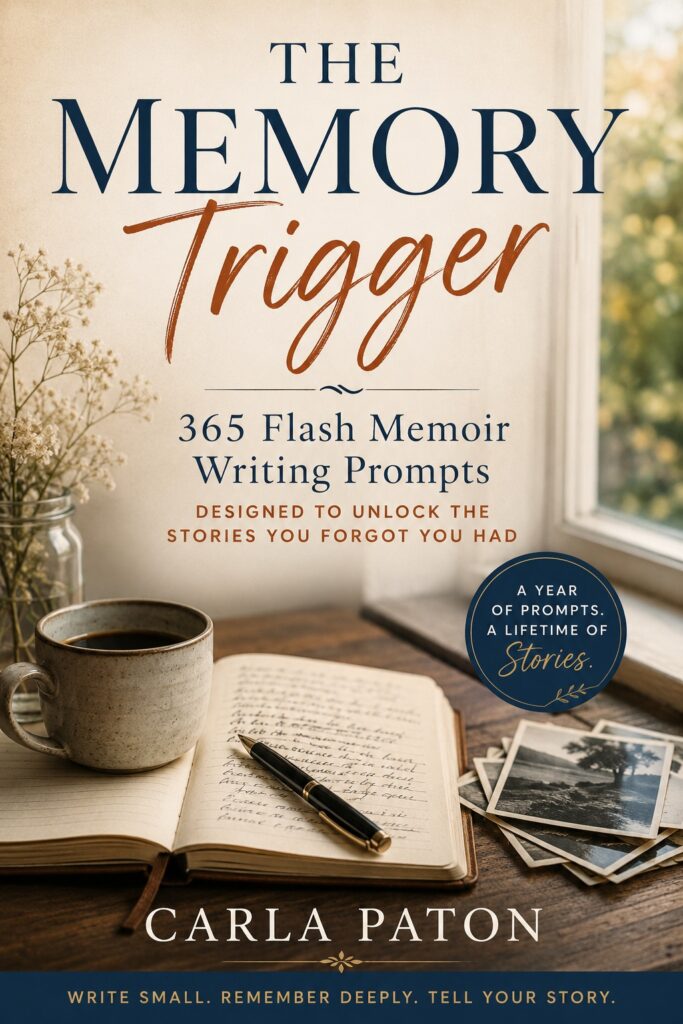
If this prompt helped you remember a place you had almost forgotten, keep going. One small memory often opens the door to another. Explore all 365 prompts in The Memory Trigger: 365 Flash Memoir Writing Prompts.

The Memory Trigger

Themes in Life of Pi

Themes in Life of Pi

This guide explains the themes in Life of Pi in a clear way for high school, AP Literature, and college students. Yann Martel’s novel asks big questions about faith, fear, truth, and what stories do for human beings.

In this Guide

Use this table of contents to find the idea you need most.

Themes in Life of Pi

Why the themes in Life of Pi Matter

Pi’s story is not only about a boy on a lifeboat.

The themes in Life of Pi matter because they help readers see the deeper conflict under the plot. Pi faces hunger, fear, and loss, but he also faces hard questions about belief and truth.

Many novels use travel or danger to reveal a character’s inner life. In The Odyssey, Odysseus must survive the sea and also learn what home means. Pi’s journey works in a similar way, but Martel adds a modern question: what kind of story helps us live?

Theme 1: Faith and Doubt

Pi’s faith gives him structure when his world falls apart.

Pi grows up curious about religion. He wants to understand God through more than one path, which shows his open mind. His belief is not simple or easy, but it gives him hope after the ship sinks.

Among the themes in Life of Pi, faith is one of the most central. Pi prays, thinks about God, and uses belief to resist despair. The novel does not tell every reader what to believe. It asks why belief can matter when facts alone do not comfort us.

This is a strong topic for essays because faith and doubt often exist together. Pi believes, but he also suffers. That tension makes his faith feel human, not perfect.

Theme 2: Survival and Moral Choice

Survival changes what Pi thinks he can do.

Pi must make choices that would seem impossible on land. He has to find food, protect himself, and stay alert. The lifeboat becomes a harsh test of his body and his values.

This is one of the most practical themes in Life of Pi because the plot keeps asking what survival costs. Pi wants to remain kind and spiritual, but the ocean forces him into brutal acts. He must adapt or die.

A useful comparison is William Golding’s Lord of the Flies. In that novel, children on an island lose order and face violent instincts. Martel’s novel also studies human nature under pressure, but Pi fights to keep meaning alive.

Theme 3: Storytelling and Truth

The novel asks whether a story can be true in more than one way.

Near the end, Pi gives two versions of what happened. One includes animals. The other is more plain and more terrible. The reader must think about why Pi tells the story as he does.

Storytelling and truth form one of the richest themes in Life of Pi. The animal story may not be factual in the usual sense, but it may carry emotional truth. It helps Pi express trauma that direct speech cannot hold.

This theme matters because people often use stories to explain pain. A myth, novel, or poem can reveal truth through image and symbol. That does not make it false. It may make it bearable.

Theme 4: Nature as Beauty and Danger

The ocean in the novel is both wonder and threat.

Pi sees sunsets, stars, sea life, and strange moments of beauty. Yet the same ocean brings thirst, storms, and fear. Nature is never only kind.

Martel shows that humans are small in the natural world. Pi cannot control the sea. He can only watch, learn, and respond.

Ernest Hemingway’s The Old Man and the Sea offers a helpful link. Santiago respects the marlin and the ocean, even when they test him. Pi also learns that survival depends on respect for nature’s power.

Theme 5: Identity, Names, and Self-Making

Pi shapes his identity before the shipwreck even begins.

Pi’s full name, Piscine Molitor Patel, causes him pain at school because other students mock it. He solves the problem by renaming himself Pi. This small act shows his need to define himself.

His name also fits the novel’s larger ideas. The number pi goes on without a clear end. Pi’s own story has mystery, faith, and uncertainty built into it.

Identity in the novel is not fixed. Pi is a son, student, believer, castaway, and storyteller. Each role helps him survive in a different way.

Theme 6: Symbolism and Meaning

Martel uses symbols to make the novel’s ideas feel vivid.

Symbolism helps reveal themes in Life of Pi without turning the book into a lecture. The lifeboat can stand for isolation. The ocean can stand for the unknown. Richard Parker can suggest fear, instinct, or the hidden side of Pi himself.

Good symbol analysis should connect the object to the character’s struggle. If you want help with this skill, read our guide on how to find symbolism in a story.

For example, do not just say Richard Parker is a symbol. Ask what he helps Pi do, hide, or understand. That question leads to stronger analysis.

Major themes in Life of Pi for Essays

Essay topics get easier when you turn a theme into a clear argument.

When teachers ask about the themes in Life of Pi, they usually want more than a topic word. A theme is a message or insight. Instead of writing only about survival, argue what the novel says about survival.

Here are sample thesis ideas:

  • Faith helps Pi survive because it gives him order when the physical world becomes chaotic.
  • Storytelling protects Pi because it turns trauma into a form he can face.
  • Nature humbles human pride because Pi learns that he cannot command the sea.
  • Identity is an act of choice because Pi names himself and later shapes how his story will be known.

Each thesis should link to scenes from the novel. Use details from the lifeboat, Pi’s childhood, and the final interview.

How to Write About themes in Life of Pi

A strong paragraph connects theme, evidence, and meaning.

The best essays on themes in Life of Pi do not retell the plot. They explain how a scene proves an idea. Choose one moment, quote or describe it, then explain why it matters.

Try this simple pattern:

  • Claim: State what the theme shows.
  • Evidence: Use a scene or short quote.
  • Analysis: Explain how the evidence supports your claim.
  • Link: Connect back to the full novel.

Books and Helpful Resources

These sources can help you build background and comparisons.

Books to search for on Amazon:

  • Life of Pi by Yann Martel
  • The Old Man and the Sea by Ernest Hemingway

For author background, see Britannica’s page on Yann Martel. For prize context, visit The Booker Prizes page for Life of Pi.

FAQ About themes in Life of Pi

These quick answers can help with review or essay prep.

What are the main themes in Life of Pi?

The main themes include faith, survival, storytelling, nature, and identity. The novel links these ideas through Pi’s journey after the shipwreck.

What is the most important theme in the novel?

Storytelling may be the most important theme because the ending asks readers to choose how they understand Pi’s tale.

Why does faith matter in Life of Pi?

Faith gives Pi hope and order. It helps him endure fear, loneliness, and grief.

Is Richard Parker a symbol?

Yes. Richard Parker can symbolize Pi’s survival instinct, fear, and hidden violence. He also keeps Pi alert and alive.

How can I write a strong essay about the novel?

Pick one theme, choose key scenes, and explain how Martel uses those scenes to build meaning.

Key Takeaway

The novel turns survival into a question about meaning.

The themes in Life of Pi show that people need more than facts to live through suffering. Pi’s story suggests that belief, imagination, and truth can be deeply connected, even when they do not fit into one simple answer.

Anchor Morning Pages to Your Daily Ritual

Morning Anchors

Morning Pages become easier when they stop depending on motivation. If you have to wake up and decide whether you feel like writing, the habit is already facing resistance. But when you attach writing to something you already do every morning, it becomes less of a choice and more of a natural next step.

The idea is simple: use a reliable morning action as your cue. Brewing coffee, brushing your teeth, feeding the cat, opening the curtains, or taking vitamins can all become anchors. Once the anchor happens, your next move is always the same: open your notebook or document and begin your Morning Pages.

Morning Anchors

Choose the Morning Cue That Comes Before Writing

The best anchor is not the habit you wish you had. It is the habit you already do almost automatically. Morning Pages work best when they are connected to something stable, familiar, and repeated most days without much thought. That existing action becomes the cue that tells your brain, “Now it’s time to write.”

Start by writing down your three most consistent morning actions in the exact order you do them. For example: turn off alarm, feed the cat, brew coffee. Or: use the bathroom, brush teeth, make tea. Be honest about what actually happens, not what your ideal morning routine looks like.

Once you see the sequence clearly, choose the action that will immediately precede your pages. This is your anchor. It should be close enough to your writing time that there is no gap for checking your phone, starting chores, or drifting into the day.

Stack Pages After Coffee, Teeth, or Cat Care

Habit stacking works because it connects a new behavior to an old one. Instead of saying, “I will write sometime in the morning,” you say, “After I brush my teeth, I will open my notebook.” That small shift makes the plan clearer and easier to follow.

Coffee is a popular anchor because it already has a strong morning rhythm. If you brew coffee every day, you might decide that as soon as the machine starts or the cup is poured, your notebook opens. The coffee becomes part of the writing environment, not a distraction from it.

Other anchors can work just as well. After feeding the cat, sit down and write. After brushing your teeth, open your laptop document. After taking your vitamins, pick up your pen. The specific cue matters less than its consistency and your willingness to protect the next step.

Make Opening the Notebook Your Next Move

The most important part of the ritual is the transition. Tomorrow morning, perform your anchor habit and then open your notebook or document before doing anything else. Do not check messages first. Do not tidy the kitchen first. Do not negotiate with yourself. Just open the page.

Opening the notebook is intentionally small. You are not asking yourself to write beautifully, solve your life, or produce three perfect pages. You are simply moving from the anchor into the writing space. Once the page is open, momentum has a much better chance of carrying you forward.

After you write, add one sentence about how the transition felt. It might be, “This felt awkward but doable,” or “Coffee made it feel natural,” or “I wanted to reach for my phone first.” That sentence gives you useful feedback and helps you refine the ritual without overthinking it.

Track Two Weeks Until the Ritual Feels Automatic

Automaticity does not usually appear overnight. It builds through repetition, especially when the cue and response stay the same. A two-week tracking period gives you enough time to notice patterns, reduce friction, and begin trusting the routine.

Create a simple streak card with 14 boxes. It can be hand-drawn on an index card, written in your journal, or made digitally. Place it somewhere visible: beside the coffee maker, near your toothbrush, on your desk, or inside the front cover of your notebook.

Each morning that you write after your anchor, check off one box. The goal is not perfection; the goal is evidence. Every check mark shows that you are training the sequence: anchor, open notebook, write. By the end of two weeks, the action should feel less like a decision and more like what naturally comes next.

Morning Pages become sustainable when they are woven into the morning you already have. Choose a cue you can trust, stack your writing immediately after it, and make opening the notebook your first move. With a visible 14-day streak card and a little consistency, your pages can shift from effortful intention to automatic ritual.

Most Disturbing Morality and Guilt in Literature: Why These Stories Haunt Us

Morality and Guilt
Morality and Guilt

Some books leave us unsettled because they force us to ask what we would do in a hard moment. Most Disturbing Morality and Guilt stories show characters trapped between choice, shame, and consequence.

These works matter because they do more than shock us. They make us think about justice, fear, and the hidden parts of the human mind.

In this Guide

Why Most Disturbing Morality and Guilt Stories Stay With Us

The most haunting stories often begin with one choice that cannot be taken back.

Most Disturbing Morality and Guilt literature works because it places readers close to a character’s inner conflict. We may not agree with the character, but we understand the pressure that shapes the choice.

Guilt also feels personal. A ghost, a trial, or a confession can stand for something deeper: the fear that truth will come out.

That is why these stories often feel more disturbing than simple horror. The danger comes from the mind, not just from the outside world.

Most Disturbing Morality and Guilt in Classic Literature

Classic literature uses guilt to show how fragile the human conscience can be.

In Crime and Punishment by Fyodor Dostoevsky, Raskolnikov believes he can commit murder for a higher purpose. After the crime, his mind begins to break under guilt.

This is one of the clearest examples of Most Disturbing Morality and Guilt because the novel does not let readers escape the crime. We stay inside Raskolnikov’s fear, pride, and shame.

You can learn more about the author through this Britannica profile of Fyodor Dostoevsky.

In Shakespeare’s Macbeth, guilt turns into visions and madness. Macbeth and Lady Macbeth gain power, but their minds become haunted by what they have done.

Lady Macbeth’s famous sleepwalking scene shows guilt as something the body cannot hide. Her need to wash her hands becomes a symbol of moral stain.

In Edgar Allan Poe’s “The Tell-Tale Heart,” the narrator tries to prove he is sane. Yet the sound of the imagined beating heart reveals the guilt he cannot bury.

For more help with symbols like blood, darkness, and sound, students may find this guide to literary devices in poetry and literature useful.

These books are strong choices for students who want to explore moral conflict in serious literature.

  • Crime and Punishment by Fyodor Dostoevsky
  • Macbeth by William Shakespeare
  • The Picture of Dorian Gray by Oscar Wilde

The Picture of Dorian Gray is a powerful example of Most Disturbing Morality and Guilt because the main character hides his sins from the world. His portrait shows the truth that his face does not.

These books are often available through Amazon, school libraries, and local bookstores. If you read them for class, choose an edition with notes to help with older language.

Symbols and Themes in Most Disturbing Morality and Guilt Stories

Writers often use symbols to make guilt visible.

Blood is one of the most common symbols. In Macbeth, blood stands for murder, blame, and memory.

Darkness often shows moral confusion. A character may act at night because the hidden setting matches a hidden sin.

Sound can also carry guilt. In “The Tell-Tale Heart,” the beating heart becomes louder because the narrator’s mind cannot stay calm.

These symbols help shape Most Disturbing Morality and Guilt into something readers can see or hear. They turn private shame into a public sign.

For more on how writers build meaning through images and figures of speech, see this guide to common literary devices.

How to Read Most Disturbing Morality and Guilt in Literature

Do not read these stories only to judge the character.

Ask what the character believes before the moral choice happens. Then ask how that belief changes after guilt appears.

Pay attention to repeated images. A stain, a sound, or a locked room may reveal what the character refuses to say.

It also helps to notice the ending. Some works offer punishment, while others leave readers with doubt.

That doubt is often the point. Most Disturbing Morality and Guilt stories do not always give easy answers.

Why Students Should Care About These Stories

These works help students think about choice and responsibility.

They also show that literature is not just about plot. It is about what people hide, fear, and regret.

For AP Literature or college classes, Most Disturbing Morality and Guilt can connect to major themes like justice, identity, and power.

These stories also build strong essay topics. A student can write about symbols, character change, or the way guilt shapes the plot.

FAQs About Most Disturbing Morality and Guilt in Literature

What does Most Disturbing Morality and Guilt mean in literature?

It refers to stories where characters face serious moral choices and suffer from guilt after those choices. These works often explore crime, shame, and conscience.

Why are guilt stories so powerful?

They feel real because guilt is a human emotion. Even when the plot is extreme, the inner conflict can feel familiar.

What is a good book to start with?

Macbeth is a strong starting point because it is short, dramatic, and full of clear symbols. The Picture of Dorian Gray is also a good choice for students.

Is guilt always shown as punishment?

No. Sometimes guilt leads to confession or madness. In other stories, guilt stays hidden and slowly destroys the character.

Can poetry explore morality and guilt too?

Yes. Many poems use images, tone, and symbols to explore regret. The Poetry Foundation is a helpful place to find examples.

Key Takeaway

Most Disturbing Morality and Guilt stories haunt us because they make moral failure feel close and human.

They remind us that the scariest part of literature is not always the crime itself. Sometimes, it is the silence after it.

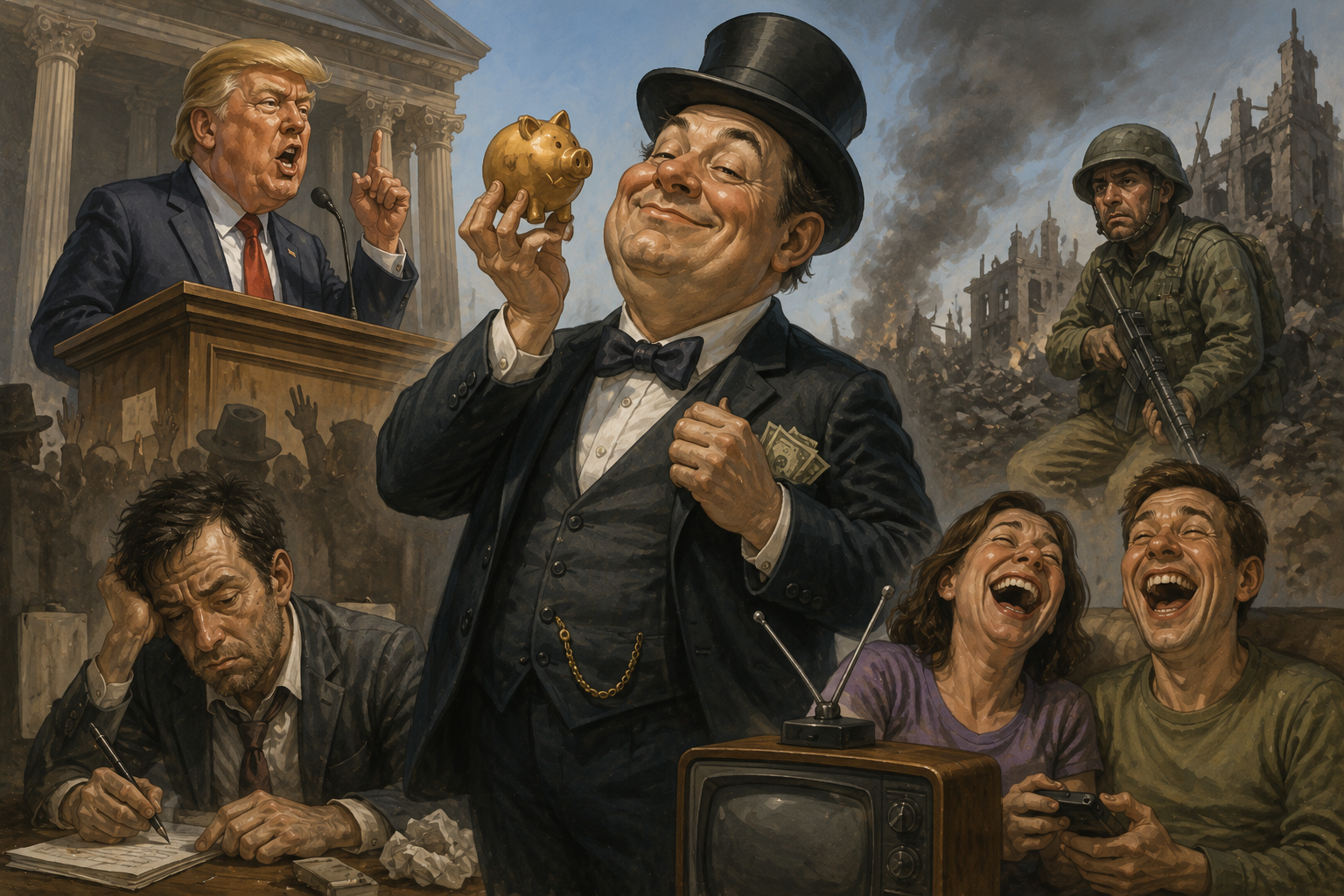
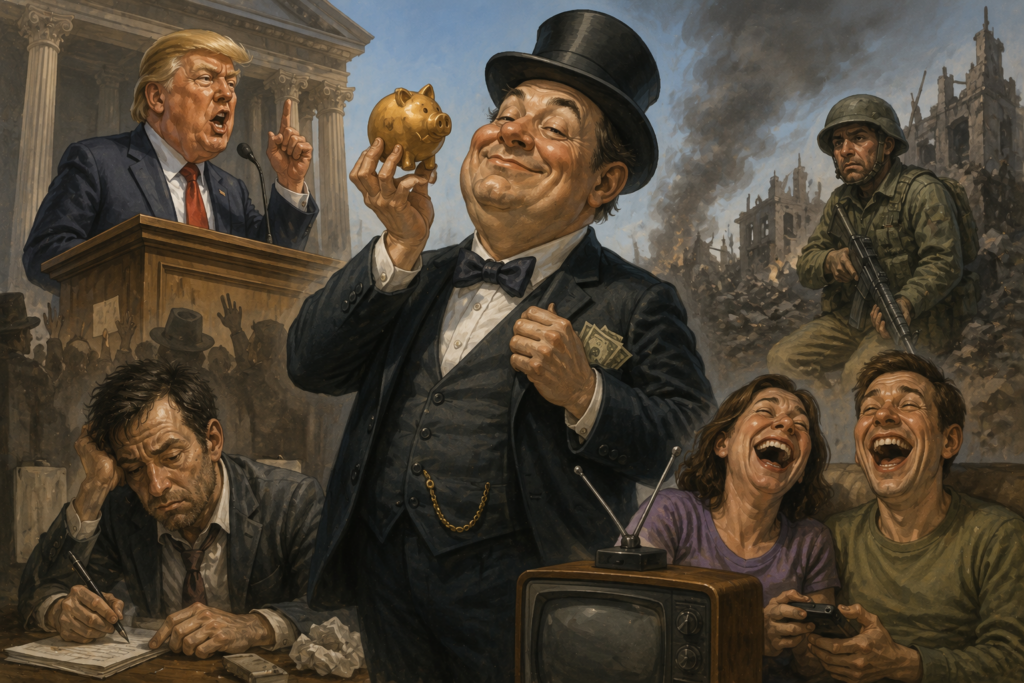
Types of Satire Explained

types of satire

Satire can feel tricky at first because it often says one thing while meaning something sharper. In this guide, you will find Types of Satire Explained in clear language, with examples that help you read and write about literature with more confidence.

Satire is not just “making fun” of something. It uses humor, irony, and exaggeration to point out problems in people, society, or power.

In this Guide

types of satire

What Satire Means in Literature

Satire is a literary tool that uses humor to expose what is wrong.

A writer may mock greed, pride, bad leadership, social rules, or unfair systems. The goal is often to make readers laugh, then think.

Types of Satire Explained starts with this simple idea: satire attacks a problem, not just a person. It uses clever writing to show that something needs to change.

Satire often uses devices like irony, exaggeration, parody, and understatement. If you want a broader review, this literary devices list can help you connect satire to other tools writers use.

Types of Satire Explained: The Main Forms

Writers use different kinds of satire depending on how harsh or playful they want to sound.

When students search for Types of Satire Explained, they usually need help telling the forms apart. The most common types are Horatian satire, Juvenalian satire, Menippean satire, and parody.

Horatian Satire

Horatian satire is gentle, playful, and witty. It points out human flaws without sounding too angry.

This type often laughs at silly habits, social manners, or foolish choices. The tone feels light, but the message still matters.

Oscar Wilde’s The Importance of Being Earnest is a strong example. Wilde makes fun of upper-class manners, fake respectability, and the way people care too much about appearances.

Juvenalian Satire

Juvenalian satire is darker and more biting. It attacks corruption, cruelty, or hypocrisy in a serious way.

This type often feels angry because the problem is not small. The writer wants readers to feel shocked or disturbed.

Jonathan Swift’s A Modest Proposal is one of the most famous examples. Swift suggests a shocking “solution” to poverty in Ireland, but his real target is the cold way powerful people treat those with lower incomes.

Menippean Satire

Menippean satire attacks ideas, beliefs, or ways of thinking.

Instead of focusing on one person, it often mocks a whole mindset. It may seem strange, wild, or mixed in style.

Voltaire’s Candide is a key example. The novel mocks blind optimism, especially the idea that everything always happens for the best.

Parody

Parody copies the style of a writer, genre, or work to make it look silly.

A parody can be light and funny, but it can also reveal weak ideas in the original style. It works best when readers know what is being copied.

For example, a story that copies the dramatic style of a heroic epic but applies it to a tiny problem can become comic. Alexander Pope’s The Rape of the Lock does this by treating a social quarrel like a grand battle.

Types of Satire Explained Through Famous Literary Examples

Satire becomes easier to understand when you see it at work in real books.

Types of Satire Explained is not just a list of terms. It is a way to notice how authors criticize the world around them.

Animal Farm by George Orwell

Animal Farm uses animals to satirize political power and corruption. The pigs begin with promises of fairness, but they become as cruel as the humans they replace.

Orwell’s satire is sharp because the story looks simple on the surface. Underneath, it shows how leaders can twist language and history to control others.

Gulliver’s Travels by Jonathan Swift

Gulliver’s Travels is often read as an adventure story, but it is full of satire. Swift uses strange lands and strange people to mock politics, pride, and human weakness.

The tiny Lilliputians fight over foolish issues, which makes real-world political conflict look petty. Swift makes readers laugh, then asks them to judge human behavior.

The Adventures of Huckleberry Finn by Mark Twain

Mark Twain uses satire to expose racism, false morality, and social hypocrisy. Huck often sees the world more clearly than the adults around him.

The satire works because Twain lets readers notice the gap between what society says is “right” and what is truly moral.

For more background on the history of satire, you can visit Britannica’s overview of satire.

image-slider-with-thumbnail1.jpeg
PlayPause
previous arrow
next arrow
image-slider-with-thumbnail1.jpeg
image-slider-with-thumbnail3.jpeg
image-slider-with-thumbnail4.jpeg
ChatGPT Image Jun 27, 2026, 06_33_13 PM
ChatGPT Image Jun 27, 2026, 06_36_37 PM
ChatGPT Image Jun 27, 2026, 06_38_39 PM
ChatGPT Image Jun 27, 2026, 06_31_22 PM
image-slider-with-thumbnail7.jpeg
ChatGPT Image Jun 27, 2026, 06_29_43 PM
ChatGPT Image Jun 27, 2026, 06_27_44 PM
image-slider-with-thumbnail6.jpeg
ChatGPT Image Jun 27, 2026, 06_15_07 PM
image-slider-with-thumbnail5.jpeg
ChatGPT Image Jun 27, 2026, 06_22_43 PM
ChatGPT Image Jun 27, 2026, 06_25_37 PM
ChatGPT Image Jun 27, 2026, 06_19_43 PM
ChatGPT Image Jun 27, 2026, 06_12_00 PM
ChatGPT Image Jun 27, 2026, 06_08_50 PM
ChatGPT Image Jun 26, 2026, 04_54_23 PM
ChatGPT Image Jun 27, 2026, 05_53_51 PM
ChatGPT Image Jun 28, 2026, 08_35_55 AM
previous arrow
next arrow

Types of Satire Explained: How Satire Uses Irony and Exaggeration

Satire often depends on a gap between what is said and what is meant.

Irony is one of satire’s strongest tools. A writer may praise something that is clearly wrong so readers can see how foolish it is.

Exaggeration also matters. A satirist may make a flaw seem huge so readers cannot ignore it.

In A Modest Proposal, Swift’s extreme suggestion is not meant to be accepted. The exaggeration forces readers to face the cruelty of real political attitudes.

This is why Types of Satire Explained should always include tone. Ask yourself if the writer sounds playful, bitter, strange, or mocking. Tone helps you name the kind of satire.

Types of Satire Explained for Stronger Essay Analysis

Satire gives you strong evidence for literary essays because it connects style to meaning.

When you write about satire, do not stop at saying “the author makes fun of society.” That is a start, but it is too broad.

A stronger point explains the target, the method, and the purpose.

For example, in Animal Farm, Orwell satirizes political propaganda through the changing commandments on the barn wall. This shows how language can hide abuse of power.

That kind of sentence gives you a clear path for analysis. It names what Orwell attacks, how he does it, and why it matters.

If you are studying satire with other tools like symbolism or irony, this guide to literary devices can help you build stronger essay points.

Types of Satire Explained: Quick Comparison for Students

Each type of satire has a different tone and target.

Type of SatireCommon ToneMain TargetExample
HoratianLight and playfulHuman foolishnessThe Importance of Being Earnest
JuvenalianHarsh and seriousCorruption or injusticeA Modest Proposal
MenippeanStrange or mixedIdeas and beliefsCandide
ParodyComic or mockingA style or genreThe Rape of the Lock

Types of Satire Explained becomes much simpler when you focus on tone. Ask what the writer attacks and how sharp the attack feels.

Books That Help You Study Satire

These books are useful if you want to see satire in action.

  • Animal Farm by George Orwell
  • Gulliver’s Travels by Jonathan Swift
  • The Importance of Being Earnest by Oscar Wilde

You can also explore Alexander Pope’s The Rape of the Lock at the Poetry Foundation to see mock-epic satire in poetry.

FAQ: Types of Satire Explained

What is satire in simple terms?

Satire is writing that uses humor, irony, or exaggeration to criticize a problem. It often makes readers laugh while pointing out something serious.

What are the main types of satire?

The main types are Horatian, Juvenalian, Menippean, and parody. Each one has a different tone and target.

Is satire always funny?

No. Some satire is funny, but some is dark or uncomfortable. Juvenalian satire often feels harsh because it attacks serious injustice.

How do I identify satire in literature?

Look for humor, irony, exaggeration, and criticism. Then ask what problem the author wants readers to notice.

Why does satire matter in essays?

Satire helps you explain how an author uses style to shape meaning. It can lead to strong claims about theme, tone, and social criticism.

Key Takeaway

Types of Satire Explained comes down to tone, target, and purpose. Once you can see what the author mocks and why, satire becomes a powerful tool for reading and essay writing.

Flash Memoir Prompt: Summer Afternoon from Childhood that Had No Particular Event in It

Flash Memoir Prompt summer

A warm invitation to return to the drowsy hush of a childhood summer afternoon, when nothing happened except the light moved across the floor and you felt time stretch around you.

Flash Memoir Prompt summer

The Prompt

Write about a summer afternoon from childhood that had no particular event in it.

Think of this as a flash memoir prompt: summer afternoon childhood no particular event required. No birthday party. No storm. No dramatic phone call from the other room. Just one slow afternoon when you were a child and the world seemed to pause.

That may sound too small at first. But ordinary afternoons often hold the texture of childhood better than the larger memories do. A quiet hour can show us what home felt like, what freedom meant, what boredom sounded like, or what kind of child we were before we knew how to explain ourselves.

Why This Memory Matters

A summer afternoon with no particular event in it can be full of story. The story may be hiding in the heat on the porch, the smell of cut grass, the sticky feel of a popsicle wrapper, or the way a fan clicked in the window.

When nothing “happens,” your attention moves toward atmosphere. You may remember the rules of your house, the shape of your neighborhood, or the strange privacy children find even when adults are nearby. You may remember being lonely and content at the same time.

This kind of memory can also reveal what you were allowed to do with empty time. Did you wander outside until dinner? Did you read on the floor while someone watched television in another room? Did you sit bored at a kitchen table, too hot to move, while the screen door slapped shut over and over?

The value of this flash memoir prompt summer afternoon childhood no particular event is that it lets you write without needing a plot. You are writing the climate of a life. You are asking one afternoon to stand in for a season, a place, maybe even a whole version of you.

How to Approach This Prompt

Begin with a physical detail. Choose one thing you can almost touch. It might be the plastic webbing of a lawn chair, the rough edge of a towel, the burn of pavement under bare feet, or the cold glass of lemonade against your palm.

Do not start by explaining what childhood meant to you. Start lower to the ground. Write what the room looked like. Write what the air felt like. Let the meaning arrive later, if it arrives at all.

Narrow the memory to one scene. A single porch, bedroom, backyard, sidewalk, or kitchen is enough. If you try to tell the whole summer, the piece may become flat. If you stay with one afternoon, the memory has room to breathe.

You might ask yourself one simple question: where was my body? Were you lying on carpet? Sitting in a tree? Floating in a public pool with your fingers pale and wrinkled? That one answer can pull the rest of the scene closer.

If you like writing through landscape and solitude, you may enjoy this related reflection on nature, isolation, and western writing. It can help you notice how place shapes memory.

As you draft, resist the urge to make the afternoon important too quickly. Let the ordinary details do their work. If you later want to study how small details carry meaning in literature, this guide on how to annotate literature can sharpen the same skill for your own writing.

For this flash memoir prompt summer afternoon childhood no particular drama is needed. If your mind says, “But nothing happened,” answer with, “Good. What did nothing feel like?”

The Flash Memoirist
previous arrow
next arrow

A Quick Example

The living room was cooler than the rest of the house because my mother kept the curtains closed all afternoon. I lay on the carpet with my cheek pressed into the rough lines the vacuum left behind. The television was on, but I was not watching it. Outside, somebody mowed a lawn in long passes, near and far, near and far. I remember my knees were scabbed, and I had a red Popsicle stain on my thumb. My mother was in the kitchen talking on the phone in her low voice. I liked knowing she was there without needing anything from her. For once, no one asked me to clean up or go outside. The whole day felt borrowed.

Try It Yourself

Set a timer for ten minutes and write one childhood summer afternoon that had no particular event in it. Do not search for the most interesting day. Search for the day that still has a temperature.

Start with where you were sitting, standing, or lying down. Then add one sound. After that, follow the memory wherever it wants to go. If you remember almost nothing, write the almost nothing. Sometimes a blank space is part of the truth.

You can keep the piece short. A flash memoir does not need to solve your past. It only needs to hold one clear moment long enough for you to see it again.

Want More Flash Memoir Prompts?

If this flash memoir prompt summer afternoon childhood no particular event opened a door, keep going. Explore all 365 prompts in The Memory Trigger: 365 Flash Memoir Writing Prompts.

The Memory Trigger

How to Write a Siddhartha Literary Analysis Essay

Siddhartha Literary Analysis

Writing a Siddhartha literary analysis essay can feel hard at first because the novel is quiet, symbolic, and full of big ideas. This guide will help you turn those ideas into a clear thesis, strong body paragraphs, and useful evidence.

In This Guide

Use these sections as a simple path from first idea to final draft.

  • What the essay should prove
  • How to choose a focused angle
  • Thesis statement examples
  • Topic ideas for class essays
  • Evidence worth using
  • Paragraph structure tips
  • Helpful books and links
  • FAQ
Siddhartha Literary Analysis

Why a Siddhartha literary analysis essay is different

Siddhartha asks you to study growth, not just plot.

A strong Siddhartha literary analysis essay does more than retell Siddhartha’s journey. It explains how Hermann Hesse uses character change, symbols, and contrast to show a deeper truth about wisdom.

Think of it like an essay on The Odyssey. You would not just say Odysseus travels home. You would explain how the journey tests his pride and changes his view of life.

The same rule works here. Your essay should answer one key question: What does Siddhartha learn, and how does Hesse show it?

Step 1: Choose a focused angle for your Siddhartha literary analysis essay

A good angle helps your essay stay clear.

Before your Siddhartha literary analysis essay can work, you need a focus that is smaller than “the meaning of life.” That topic is too wide. Pick one pattern in the novel and build from there.

You might focus on Siddhartha’s rejection of teachers. You might study the river as a symbol. Or you might compare knowledge from books with wisdom from lived experience.

Here are a few strong angles:

  • Siddhartha learns that wisdom cannot be handed from one person to another.
  • The river shows unity because it holds the past and present at once.
  • Siddhartha’s pride delays his growth, even when he seems spiritual.
  • Kamala and Kamaswami teach Siddhartha about desire and emptiness.
  • Govinda helps reveal what Siddhartha gains by taking a different path.

If you want help with the full essay process, this literary analysis essay guide gives a clear overview you can use with any novel.

Siddhartha literary analysis essay thesis statement examples

Your thesis should make a claim that someone could discuss or challenge.

The best Siddhartha literary analysis essay thesis is specific. It names the idea, the method Hesse uses, and the larger meaning.

Weak thesis: Siddhartha is about finding wisdom.

Stronger thesis: In Siddhartha, Hesse shows that wisdom cannot be taught through words alone, since Siddhartha must pass through desire, loss, and quiet reflection before he understands the unity of life.

Here are more thesis examples you can adapt:

  • Through the symbol of the river, Hesse presents enlightenment as a state of peace with change, not an escape from the world.
  • Siddhartha’s spiritual pride keeps him from true wisdom because he treats each teacher as a step to reject rather than a person to understand.
  • By contrasting Siddhartha with Govinda, Hesse shows that faith in another person’s path cannot replace personal experience.
  • Kamala’s role in the novel reveals that desire is not only a temptation, but also a painful teacher.

For faster drafting, the Literary Analysis Essay Toolkit can help you build thesis statements, organize evidence, and shape body paragraphs without staring at a blank page.

Topic ideas for a Siddhartha literary analysis essay

The best topic should be narrow enough for a few body paragraphs.

Try one of these topic ideas if your teacher lets you choose your own prompt:

  • The river as a symbol: Explain how the river teaches Siddhartha what words cannot.
  • Siddhartha and Govinda: Compare their paths to show two different views of spiritual search.
  • The limits of teachers: Study why Siddhartha leaves the Samanas, the Buddha, and other guides.
  • Desire and suffering: Explain how wealth and pleasure shape Siddhartha’s later wisdom.
  • Silence and listening: Show how Hesse connects peace with deep attention.
  • The meaning of Om: Analyze how this sacred sound connects the self with the whole world.

These topics also pair well with common AP Literature skills, such as symbolism, character development, and theme.

image-slider-with-thumbnail1.jpeg
PlayPause
previous arrow
next arrow
image-slider-with-thumbnail1.jpeg
image-slider-with-thumbnail3.jpeg
image-slider-with-thumbnail4.jpeg
ChatGPT Image Jun 27, 2026, 06_33_13 PM
ChatGPT Image Jun 27, 2026, 06_36_37 PM
ChatGPT Image Jun 27, 2026, 06_38_39 PM
ChatGPT Image Jun 27, 2026, 06_31_22 PM
image-slider-with-thumbnail7.jpeg
ChatGPT Image Jun 27, 2026, 06_29_43 PM
ChatGPT Image Jun 27, 2026, 06_27_44 PM
image-slider-with-thumbnail6.jpeg
ChatGPT Image Jun 27, 2026, 06_15_07 PM
image-slider-with-thumbnail5.jpeg
ChatGPT Image Jun 27, 2026, 06_22_43 PM
ChatGPT Image Jun 27, 2026, 06_25_37 PM
ChatGPT Image Jun 27, 2026, 06_19_43 PM
ChatGPT Image Jun 27, 2026, 06_12_00 PM
ChatGPT Image Jun 27, 2026, 06_08_50 PM
ChatGPT Image Jun 26, 2026, 04_54_23 PM
ChatGPT Image Jun 27, 2026, 05_53_51 PM
ChatGPT Image Jun 28, 2026, 08_35_55 AM
previous arrow
next arrow

Evidence to use in a Siddhartha literary analysis essay

Good evidence should prove how the novel creates meaning.

In a Siddhartha literary analysis essay, you can use direct quotes, scene details, and repeated images. You do not need long quotes. A short phrase often works better if you explain it well.

Look for evidence in these parts of the novel:

  • Siddhartha’s early life: His restlessness shows that comfort and praise do not satisfy him.
  • His time with the Samanas: His harsh discipline reveals that denial alone does not bring peace.
  • His meeting with the Buddha: His respect for the Buddha makes his departure more complex.
  • His life with Kamala: His desire for beauty and status pulls him away from his earlier goals.
  • His despair by the river: His lowest point becomes the start of wisdom.
  • Vasudeva’s listening: His quiet presence models a different kind of teaching.

When you quote, avoid dropping the quote into the paragraph without support. Explain what the words show, why they matter, and how they connect to your thesis.

How to outline a Siddhartha literary analysis essay

A simple outline can keep your draft from turning into summary.

Start with an introduction that gives the title, author, and main issue. End that paragraph with your thesis.

Each body paragraph should prove one part of the thesis. Use a topic sentence, evidence from the novel, and analysis that explains the deeper meaning.

Here is a flexible outline:

  1. Introduction: Present the novel and your main claim.
  2. Body paragraph 1: Explain Siddhartha’s early belief about wisdom.
  3. Body paragraph 2: Show how experience changes that belief.
  4. Body paragraph 3: Analyze the river, Vasudeva, or Govinda as proof of the final lesson.
  5. Conclusion: Return to your thesis and state what the novel suggests about human growth.

If you need more help with structure, revisit this step-by-step literary analysis essay resource before you draft.

Paragraph example for your essay

A model paragraph can show how analysis should sound.

Sample topic sentence: Hesse uses the river to show that wisdom comes when Siddhartha stops trying to control life and begins to listen to it.

Sample analysis: The river does not teach through lectures. It teaches through sound, motion, and patience. By listening to it, Siddhartha starts to see life as whole rather than split into success and failure. This matters because he once believed each stage of life had to be escaped. Near the river, he learns that every stage belongs to the same larger pattern.

Notice how the paragraph does not just state that the river is important. It explains how the symbol supports the thesis.

Common mistakes to avoid

Small choices can weaken an otherwise strong paper.

Do not write a plot summary. Your teacher already knows what happens. Focus on why events matter.

Do not make Siddhartha sound perfect. His pride, desire, and despair make his growth more meaningful.

Do not treat symbols like secret codes. A river does not mean only one thing. In this novel, it can suggest time, unity, change, and peace.

Do not end each paragraph with a quote. End with your own insight so your voice stays in control.

Helpful books and sources

These resources can deepen your understanding of Hesse and the novel.

Relevant books to search for on Amazon, at your school library, or at a local bookstore:

  • Siddhartha by Hermann Hesse
  • Steppenwolf by Hermann Hesse
  • The Hero with a Thousand Faces by Joseph Campbell

For background on the author, see Britannica’s page on Hermann Hesse. For a trusted overview of Hesse’s Nobel recognition, visit The Nobel Prize biography of Hermann Hesse.

FAQ: Siddhartha literary analysis essay help

What is a good thesis for a Siddhartha essay?

A good thesis makes a clear claim about wisdom, experience, or spiritual growth. It should also name how Hesse develops that idea through symbols or character change.

What are the best symbols to analyze in Siddhartha?

The river is the strongest symbol. You can also write about Om, the smile, the ferryman, or the contrast between town life and the natural world.

Can I write about Siddhartha and Govinda?

Yes. Their contrast works well because Govinda follows teachers, while Siddhartha seeks wisdom through direct experience.

How long should my essay be?

Follow your teacher’s rules first. For most high school essays, four to five paragraphs can work if each paragraph has clear evidence and analysis.

Should I include historical context?

Use only a small amount. The essay should focus on the text, not become a report on religion or Hesse’s life.

Key takeaway

A strong Siddhartha literary analysis essay proves how Hesse turns a spiritual journey into a lesson about lived wisdom. Choose one clear angle, support it with precise evidence, and let your analysis explain why the journey matters.

Unlock Free Flow With Morning Pages Practice

morning pages practice

Morning Pages are less about writing something “good” and more about letting your thoughts move without being judged, edited, or organized too soon. This practice teaches your mind that the page is a safe place to spill, wander, repeat, complain, wonder, and discover. When you write in a continuous stream, you begin to loosen the grip of the inner critic and make room for a more natural creative flow.

morning pages practice

Begin With Eight Minutes of Uncensored Writing

Set a timer for eight minutes and begin writing immediately. The goal is not to craft beautiful sentences or solve your life in one sitting. The goal is simply to keep your pen moving across the page, or your fingers moving across the keyboard, without stopping to think too hard about what comes next.

During these eight minutes, do not pause, backspace, cross out, or try to steer the writing toward something impressive. Let it be messy. Let it be repetitive. Let it sound dramatic, boring, confused, funny, or half-formed. Morning Pages work because they give your thoughts permission to arrive before they are polished.

This is where the art of free flow begins. Free flow is a muscle, and like any muscle, it strengthens through practice. Each time you write without censoring yourself, you teach your inner critic that it is not invited to the morning session. It can wait outside while you make contact with what is actually moving through you.

Keep Moving When Your Mind Goes Completely Blank

At some point, your mind may go blank. This does not mean you are doing it wrong. In fact, the blank moment is part of the practice. It is the place where your usual habits want to take over: checking your phone, rereading what you wrote, fixing a sentence, or deciding you have nothing interesting to say.

When that happens, write the sentence, “I don’t know what to say,” over and over until another thought appears. You might write it three times, ten times, or for a full minute. Eventually, something will break through: a memory, a complaint, a random image, a question, a phrase you didn’t expect.

The important thing is to keep moving. Morning Pages are not asking you to be profound on command. They are training you to stay with the flow long enough for the deeper material to rise. Often, the most surprising lines come just after the moment when you were convinced there was nothing left.

Turn One Surprising Phrase Into Your Next Start

When the timer ends, read back over what you wrote gently, without judging it. You are not looking for the “best” sentence. You are looking for a phrase that surprises you, something you did not know you were going to say until it appeared on the page. It might be strange, honest, poetic, funny, or unexpectedly clear.

Circle or highlight that phrase, then write it on a sticky note as a tiny trophy. This small act matters. It tells your creative mind, “I noticed.” It also helps you see that free writing is not just empty rambling. Hidden inside the stream are clues, images, truths, and beginnings you could not have planned in advance.

Now repeat the exercise a second time immediately. Set the timer again for eight minutes, but begin with the surprising phrase you just circled. Make it your opening line and follow wherever it leads. This second round often has a different energy because you are starting from something alive, something pulled from your own uncensored current.

Morning Pages help you build trust in the movement of your own mind. By writing for eight minutes without stopping, continuing through blankness, and honoring one surprising phrase, you practice entering a state of free flow without force. Over time, this simple morning ritual can soften self-judgment, awaken creative momentum, and remind you that the page is always ready before you are.

Best Psychological Water Symbolism: How Water Reveals the Mind in Literature

Psychological Water Symbolism

Best Psychological Water Symbolism helps readers see how water can show fear, guilt, freedom, memory, and hidden desire. In many stories, water is not just a setting. It becomes a mirror for the character’s inner life.

When you understand this symbol, scenes with rivers, rain, oceans, and baths start to feel deeper. You can spot what a character feels, even when they cannot say it out loud.

In this Guide

  • What psychological water symbolism means
  • Why writers use water to show the mind
  • Best Psychological Water Symbolism in famous literature
  • Common meanings of water in stories
  • Recommended books to read
  • How to analyze water symbolism
  • FAQs
  • Key takeaway

What Is Best Psychological Water Symbolism?

Water often shows what is happening inside a character’s mind.

Best Psychological Water Symbolism means the strongest uses of water as a sign of emotion, memory, trauma, or change. A calm lake may suggest peace. A stormy sea may suggest panic or loss of control.

Water can also show the unconscious mind. This means thoughts and feelings buried below the surface. A character may stand near water when they face something they do not fully understand.

This symbol works because water is always changing. It can heal, hide, clean, drown, or carry someone away. That makes it a powerful tool for writers.

Why Water Connects So Strongly to the Mind

Water feels emotional because people link it with birth, danger, tears, and survival.

In literature, water often stands between two states of life. A character may enter water and come out changed. They may cross a river and leave an old self behind.

Water also has depth. What sits on the surface is not always the full truth. This makes water a strong image for secrets, guilt, and hidden pain.

If you want a simple way to practice this skill, read our guide on how to find symbolism in a story. It can help you notice repeated images and connect them to theme.

Best Psychological Water Symbolism in Famous Literature

Many classic works use water to show inner conflict.

In Shakespeare’s Hamlet, Ophelia’s drowning is one of the most famous water scenes in literature. Her death connects water with grief, silence, and emotional collapse. The water seems peaceful, but the meaning is tragic.

In Kate Chopin’s The Awakening, the sea stands for freedom and danger. Edna feels drawn to the ocean because it gives her a sense of self. Yet the same water also becomes linked to escape and death.

In Toni Morrison’s Beloved, water often connects to birth, memory, and trauma. The past does not stay still. It moves like water through the lives of the characters.

Best Psychological Water Symbolism often appears when a character cannot speak directly about pain. The image says what the character cannot.

Best Psychological Water Symbolism and Guilt

Water often appears when characters want to wash away guilt.

In Shakespeare’s Macbeth, blood and water create a powerful contrast. Macbeth hopes water can clean his hands after murder. But his guilt cannot be washed away so easily.

Lady Macbeth later tries to rub imagined blood from her hands. The scene shows that guilt lives in the mind, not just on the body. Water fails because the damage is moral and psychological.

This is a key part of Best Psychological Water Symbolism. Water can suggest cleansing, but it can also show that true cleansing is impossible.

Best Psychological Water Symbolism and Rebirth

Water can also mark a new beginning.

In many stories, a character enters water before a major change. This can feel like a baptism. The old self goes under, and a new self rises.

Sometimes this rebirth is hopeful. Other times, it is painful. A river crossing may show that a character has passed a point of no return.

In Mark Twain’s Adventures of Huckleberry Finn, the Mississippi River offers Huck a kind of freedom. The river gives him space to think outside the rules of society. Still, it does not remove danger from his world.

Water as Fear, Death, and the Unknown

Water can be beautiful and terrifying at the same time.

The ocean is often tied to the unknown because it is wide, deep, and hard to control. Writers use it to show fear of death, fear of desire, or fear of losing the self.

In Samuel Taylor Coleridge’s The Rime of the Ancient Mariner, the sea becomes a place of guilt and punishment. The mariner is trapped by water, yet he cannot drink it. You can read the poem at the Poetry Foundation.

This kind of scene shows why Best Psychological Water Symbolism works so well. Water can trap a character inside their own fear.

Water as Memory and Trauma

Water often returns when the past refuses to stay buried.

Memory does not move in a straight line. It comes back in waves. That is why water is a strong symbol for trauma, grief, and family history.

In Beloved, Morrison uses water imagery to connect pain, birth, and memory. The symbol feels physical because trauma lives in the body as well as the mind.

In this sense, Best Psychological Water Symbolism is not only about what water means. It is about how water moves through a story and changes the mood.

Common Themes in Best Psychological Water Symbolism

Water can carry many meanings, but the context matters most.

One common theme is cleansing. A character may wash, bathe, or stand in rain because they want relief. The scene may show healing, or it may show that healing has not come yet.

Another theme is loss of control. Floods, storms, and rough seas often show fear or emotional chaos. The water becomes a force the character cannot master.

A third theme is hidden truth. Deep water can suggest secrets below the surface. A quiet pond may seem calm, but it may hide danger.

For more background on symbolism as a literary idea, Britannica offers a useful overview of symbolism in literature and art.

Recommended Books with Strong Water Symbolism

These books are useful if you want to study Best Psychological Water Symbolism in a clear way.

The Awakening by Kate Chopin

This short novel uses the sea to explore freedom, desire, and identity. It is one of the best choices for students who want to study water as a psychological symbol.

Beloved by Toni Morrison

This novel uses water to connect memory, trauma, birth, and survival. It is more complex, but it gives readers a rich example of symbolism tied to history and pain.

Macbeth by William Shakespeare

This play shows how water can fail as a symbol of cleansing. Macbeth’s guilt is too deep for water to remove.

How to Analyze Best Psychological Water Symbolism

Start with the scene itself. Ask where the water appears and what the character feels at that moment.

Then look at the type of water. Rain, rivers, baths, oceans, and floods do not always mean the same thing. A quiet river may suggest escape, while a storm may suggest inner panic.

Next, watch for change. Does the character enter the water, avoid it, cross it, or drown in it? The action matters as much as the image.

You can also ask what the water cannot do. If water fails to clean, heal, or save, the writer may be showing deep guilt or lasting trauma.

If you need help with this process, use our step-by-step article on finding symbolism in fiction.

Best Psychological Water Symbolism in Student Essays

Water symbolism can make a strong essay topic because it connects image, character, and theme.

A good thesis should not say only that water “means emotion.” That is too broad. Instead, explain what kind of emotion the water reveals and how it shapes the character’s journey.

For example, an essay on The Awakening might argue that the sea shows Edna’s desire for freedom, but also the danger of a world that gives her few choices.

An essay on Macbeth might argue that water shows the limits of physical cleansing when the real stain is guilt.

Strong essays about Best Psychological Water Symbolism focus on details. Quote the scene, explain the image, and connect it to the larger theme.

FAQs About Best Psychological Water Symbolism

What does water usually symbolize in literature?

Water often symbolizes emotion, cleansing, danger, memory, or change. The exact meaning depends on the scene and the character.

Why is water linked to psychology?

Water has depth, movement, and mystery. These traits make it a strong symbol for the unconscious mind and hidden feelings.

Can water symbolize both life and death?

Yes. Water can give life, but it can also drown. That tension makes it one of literature’s most flexible symbols.

What is a good book for studying water symbolism?

The Awakening by Kate Chopin is a strong choice. The sea plays a major role in the main character’s inner life.

How do I write about water symbolism without being too vague?

Focus on the exact scene. Explain what kind of water appears, what the character feels, and how the image connects to the theme.

Key Takeaway

Best Psychological Water Symbolism shows how water can reveal the parts of a character that words may hide. It can suggest guilt, fear, freedom, memory, or change.

The next time you see rain, rivers, oceans, or baths in a story, slow down. The water may be telling you what the character’s mind cannot say. 🌊

error

Enjoy this article? Please spread the word :)

Follow by Email
BLUESKY
fb-share-icon
Reddit
LinkedIn
Share
RSS