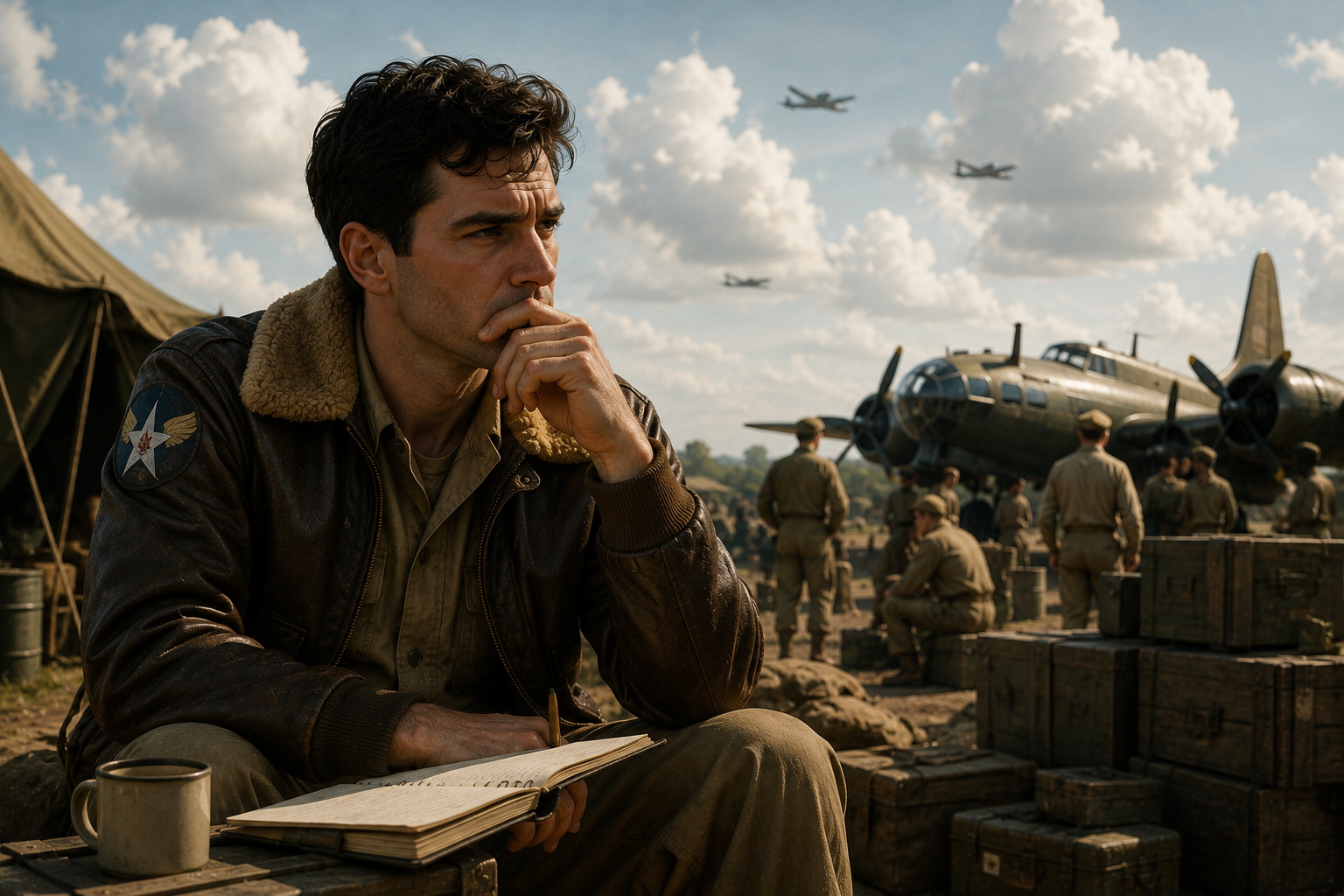
What Is a Bildungsroman?

bildungsroman

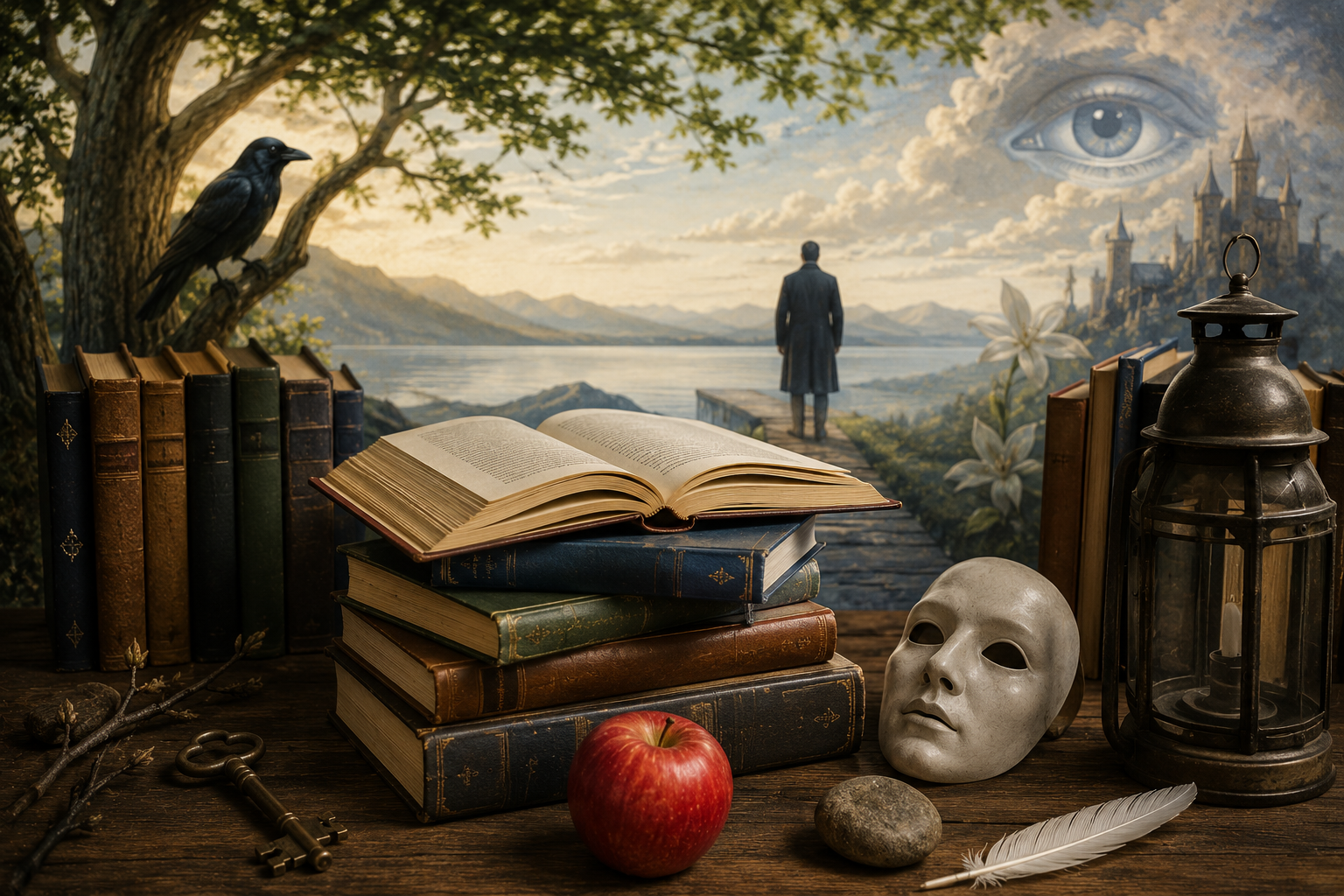
If you have ever read a story about a young person who grows up, makes hard choices, and learns who they are, you may have read a bildungsroman. So, What Is a Bildungsroman? It is one of the most common and useful story types in literature.

This guide explains the term in simple language, shows why it matters, and gives examples you may know from class.

In this Guide

bildungsroman

What Is a Bildungsroman? Simple Definition

A bildungsroman is a story about personal growth from youth toward maturity.

The word comes from German. “Bildung” means education or formation, and “roman” means novel. A bildungsroman is often called a coming-of-age novel.

The short answer to What Is a Bildungsroman? is this: it is a novel that follows a character as they grow, learn, and change. The change is not just about age. It is about how the character sees the world.

In many bildungsroman stories, the main character starts with a limited view of life. By the end, they understand more about themselves and their place in society.

What Is a Bildungsroman? Key Traits to Notice

Most bildungsroman novels share a few clear patterns.

When a teacher asks, What Is a Bildungsroman?, they often want you to look for growth over time. The main character usually faces pressure from family, school, class, or society.

A bildungsroman often includes a young main character who feels out of place. That character may struggle with rules, unfair treatment, or a painful truth.

The story also tends to include a turning point. This moment forces the character to see life in a new way.

By the end, the character may not become happy or successful. But they usually gain self-knowledge. That inner change is what matters most.

What Is a Bildungsroman? Why It Matters in Literature

This story type helps readers track how people change under pressure.

The question What Is a Bildungsroman? matters because many major novels use this form. It gives writers a way to explore identity, class, race, gender, and belief without turning the story into a lecture.

For students, the bildungsroman is useful because it connects plot to character development. You can ask, “What did the character believe at the start?” Then ask, “What do they understand by the end?”

This can help with essays, class talks, and close reading. If you want a broader method for studying fiction, see this guide on how to read literature with a scholar’s eye.

Famous Bildungsroman Examples

Some of the most studied novels in English fit this pattern.

Jane Eyre by Charlotte Brontë is a classic bildungsroman. Jane begins as an orphan with little power. As the novel moves forward, she learns to defend her dignity and choose her own path.

Great Expectations by Charles Dickens also fits the form. Pip grows up with dreams of becoming a gentleman. His journey teaches him painful lessons about pride, love, and social class.

To Kill a Mockingbird by Harper Lee can be read as a bildungsroman, too. Scout Finch learns that the adult world can be unfair and cruel. Her growth comes from seeing people with more depth.

The Catcher in the Rye by J.D. Salinger is another common example. Holden Caulfield resists adulthood, but his voice shows fear, grief, and confusion beneath his anger.

If you ask What Is a Bildungsroman? while you read these books, focus on the character’s inner shift. The plot matters, but the growth matters more.

image-slider-with-thumbnail1.jpeg
PlayPause
previous arrow
next arrow
image-slider-with-thumbnail1.jpeg
image-slider-with-thumbnail3.jpeg
image-slider-with-thumbnail4.jpeg
ChatGPT Image Jun 27, 2026, 06_33_13 PM
ChatGPT Image Jun 27, 2026, 06_36_37 PM
ChatGPT Image Jun 27, 2026, 06_38_39 PM
ChatGPT Image Jun 27, 2026, 06_31_22 PM
image-slider-with-thumbnail7.jpeg
ChatGPT Image Jun 27, 2026, 06_29_43 PM
ChatGPT Image Jun 27, 2026, 06_27_44 PM
image-slider-with-thumbnail6.jpeg
ChatGPT Image Jun 27, 2026, 06_15_07 PM
image-slider-with-thumbnail5.jpeg
ChatGPT Image Jun 27, 2026, 06_22_43 PM
ChatGPT Image Jun 27, 2026, 06_25_37 PM
ChatGPT Image Jun 27, 2026, 06_19_43 PM
ChatGPT Image Jun 27, 2026, 06_12_00 PM
ChatGPT Image Jun 27, 2026, 06_08_50 PM
ChatGPT Image Jun 26, 2026, 04_54_23 PM
ChatGPT Image Jun 27, 2026, 05_53_51 PM
ChatGPT Image Jun 28, 2026, 08_35_55 AM
previous arrow
next arrow

How to Read a Bildungsroman

A good reading strategy is to track change from the first chapter to the last.

Start by asking what the main character wants. Then watch how that desire changes after conflict or loss.

Notice who teaches the character, even if the lesson is harsh. A parent, friend, rival, or stranger can shape the main character’s growth.

You can also mark scenes where the character feels shame, anger, or doubt. These moments often reveal the deepest part of the bildungsroman.

For more help with literary analysis, this article on reading literature like a scholar gives simple tools you can use with almost any novel.

Books to Read Next

These books are strong choices if you want to see the bildungsroman in action.

  • Jane Eyre by Charlotte Brontë
  • Great Expectations by Charles Dickens

You can also read more about the term through Britannica’s entry on bildungsroman. For a free public-domain text, visit Project Gutenberg’s edition of Great Expectations.

FAQ: What Is a Bildungsroman?

What Is a Bildungsroman?

A bildungsroman is a novel about a character’s growth from youth toward maturity. It often focuses on identity, self-knowledge, and life lessons.

Is every coming-of-age story a bildungsroman?

Not always. A coming-of-age story may cover one key moment, while a bildungsroman often follows deeper growth over a longer span.

What is the main goal of a bildungsroman?

The main goal is to show how a character changes. The focus is not just what happens, but what the character learns.

Can a bildungsroman have a sad ending?

Yes. The ending does not need to be happy. The character may still gain insight, even after pain or failure.

Key Takeaway

What Is a Bildungsroman? It is a growth story that shows how a character becomes more aware of the world and themselves. When you read one, look for the moments that change how the character thinks, chooses, and sees life.

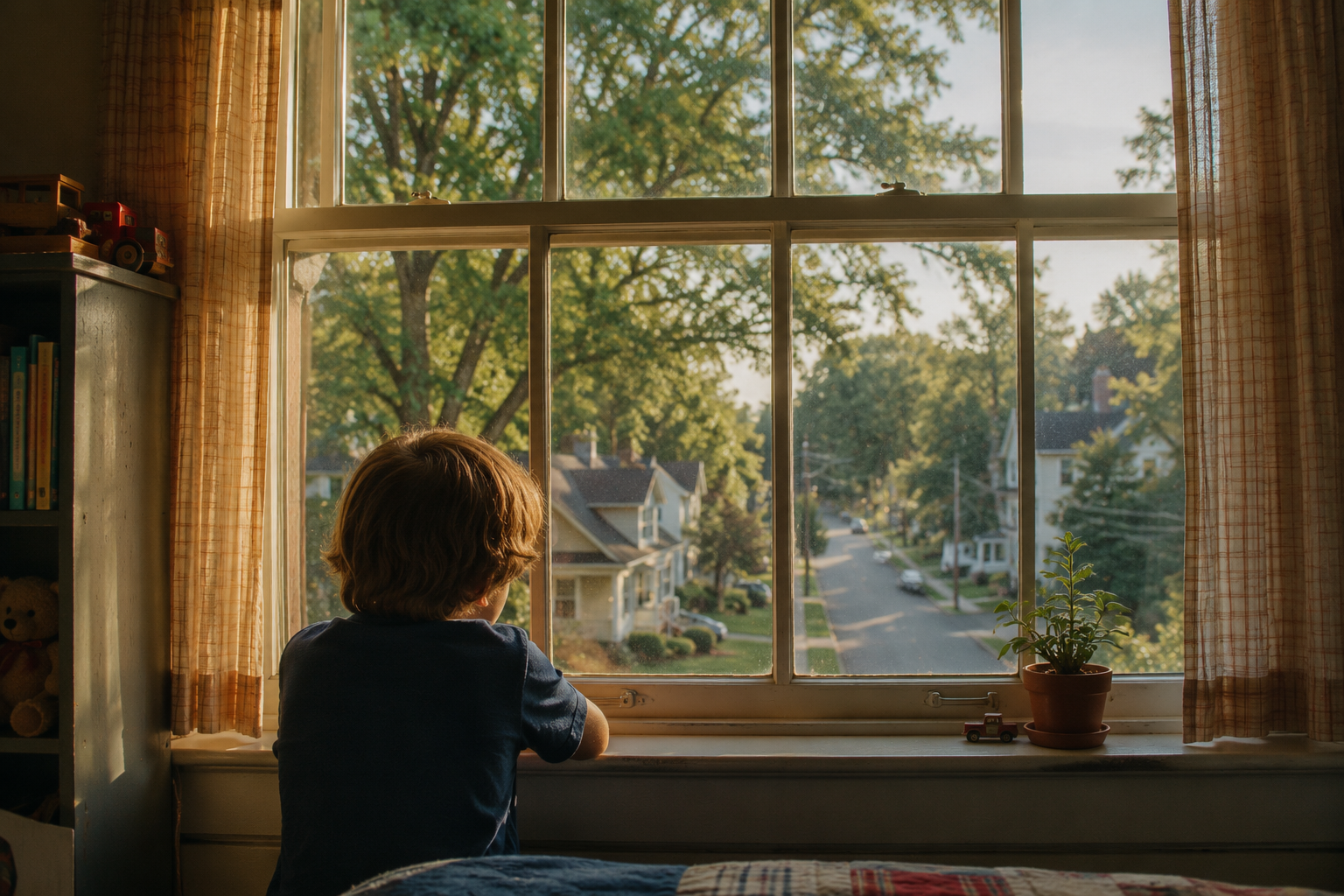
Flash Memoir Prompt: View from a Window You Looked Out of Often as a Child

Memoir prompt Childhood Window

A warm flash memoir prompt view window looked out often as a child, inviting you to return to one familiar view, one small scene, and the feeling you carried while watching the world from inside.

Memoir prompt Childhood Window

The Prompt

Write about the view from a window you looked out of often as a child.

Maybe it was a bedroom window, a kitchen window, a classroom window, or the back seat of a familiar car. Maybe you saw a neighbor’s fence, a maple tree, a narrow street, a parking lot, a field, or the side of another building. The view itself does not need to be beautiful. In fact, ordinary views often hold the strongest memories.

This flash memoir prompt view window looked out often can unlock a meaningful memory because childhood windows are strange little frames. You were inside, but you were watching life outside. You may have been bored, curious, lonely, safe, trapped, hopeful, or waiting for someone to come home.

Why This Memory Matters

A window view can reveal what your younger self wanted. Children look out windows when they are waiting, wondering, avoiding, dreaming, or noticing what adults miss.

You might remember the exact shape of the world beyond the glass. The cracked sidewalk. The dog that always barked at 3:00. The neighbor who smoked on the porch. The tree that changed color before anyone said summer was over. These details can lead you toward the emotional truth of the scene.

This prompt may bring up a memory of comfort. You might have watched snow fall from your bedroom while feeling safe under a blanket. It may also bring up a more complicated memory. Maybe you watched other children play while you stayed inside. Maybe you waited for a parent’s car. Maybe the view became part of how you measured time.

That is why the window matters. It is not just scenery. It is the place where your inner life met the outside world.

If you enjoy looking closely at small details, this prompt has something in common with close reading in literature. You are paying attention to what is there, then asking what it suggests.

How to Approach This Prompt

Begin with the physical view, not the meaning. Write down what you could see from that window as if you are describing it to someone who has never been there.

What was closest to the glass? Was there a screen, a curtain, a windowsill, dust, frost, or a crack? What stood beyond it? A yard, a road, a roof, a clothesline, a fire escape, a school playground?

Choose one scene instead of trying to explain your whole childhood. For this flash memoir prompt view window looked out often, you might focus on one afternoon, one storm, one holiday morning, or one night when you could not sleep.

Try to write what you noticed before you explain what it meant. For example, instead of starting with “I felt lonely,” you might begin with the empty swing set moving in the wind. Instead of saying “I wanted to leave,” you might describe watching cars pass and imagining where they were going.

You can also use the window as a boundary. What was inside the room with you? What was outside? What could you see but not touch? That simple contrast can create a strong memoir scene.

If you want to build this piece with more care, you might mark sensory details the way a reader marks a passage in a book. This guide on how to annotate literature can help you think about noticing, circling, and returning to important details in your own memory.

The Flash Memoirist
previous arrow
next arrow

A Quick Example

My bedroom window faced the alley behind our apartment, which sounds ugly now, but I loved it then. I could see the blue trash cans, the crooked fence, and the old woman across the way who watered two red geraniums every morning in a housecoat. On Saturdays, I would press my forehead to the screen and wait for my father’s truck to turn the corner. I knew the sound before I saw it, that low rattle and cough. Some weekends he came. Some weekends he did not. The alley taught me how to listen hard. Even now, when a truck slows outside my house, I feel my body pause before my mind catches up.

Try It Yourself

Set a timer for ten minutes. Picture the window first. Do not worry about making the memory important right away. Let the glass, the light, and the view do some of the work.

Start with this sentence if you need help: “From that window, I could always see…” Then keep going until one detail starts to feel alive.

You may discover that the view was peaceful. You may discover it was full of waiting. Either way, stay with one focused memory. A strong flash memoir does not need to explain everything. It only needs to let the reader stand beside you for a moment and see what you saw.

Want More Flash Memoir Prompts?

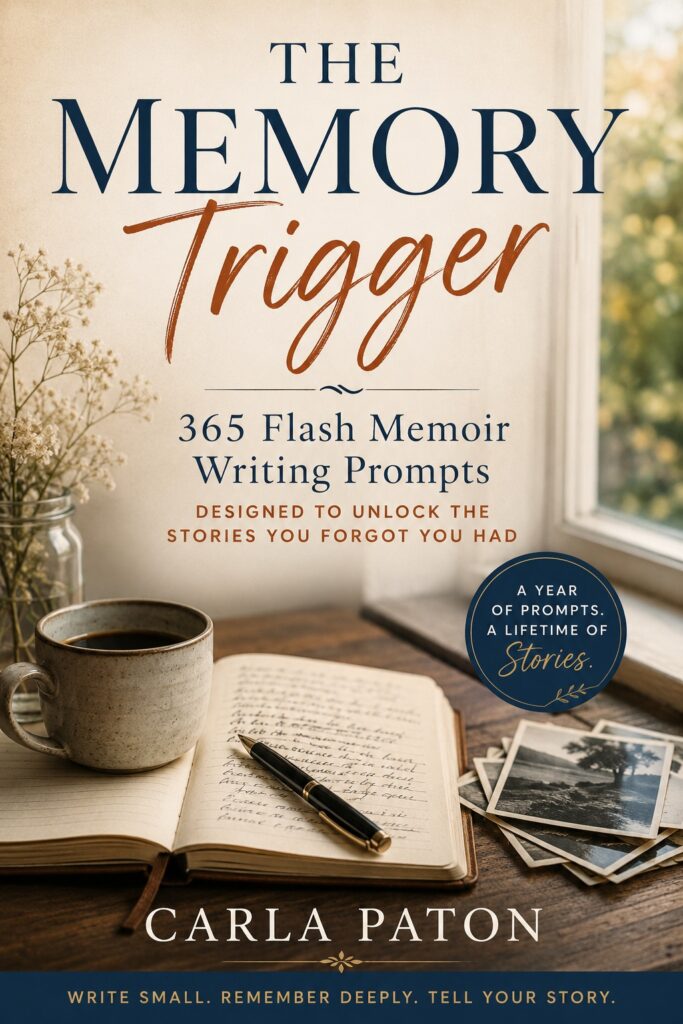
If this prompt helped you remember a place you had almost forgotten, keep going. Explore all 365 prompts in The Memory Trigger: 365 Flash Memoir Writing Prompts.

The Memory Trigger

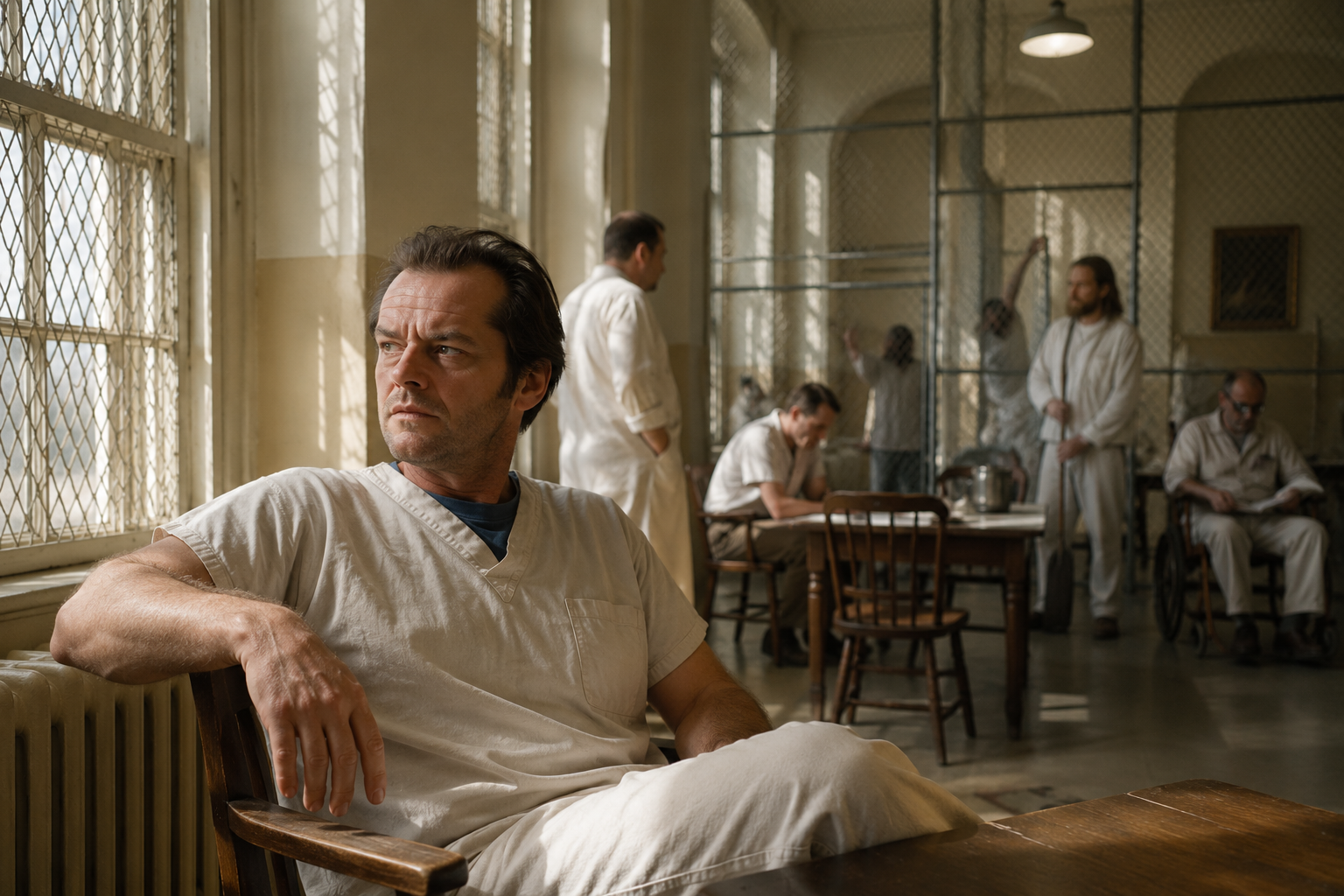
Themes in One Flew Over the Cuckoo’s Nest

Cuckoo's Nest Themes

Understanding the themes in One Flew Over the Cuckoo’s Nest helps you see why Ken Kesey’s novel still matters in English classes today.

The book is not only about a hospital ward. It is about power, fear, freedom, and the fight to keep a human self alive.

In this Guide

Use this guide to track the novel’s biggest ideas and build stronger class notes.

  • Major themes at a glance
  • Control and institutional power
  • Freedom and conformity
  • Sanity and identity
  • Rebellion and sacrifice
  • Gender, power, and dated ideas
  • How to write about the novel
  • FAQ
Cuckoo's Nest Themes

Themes in One Flew Over the Cuckoo’s Nest at a Glance

The novel’s themes grow from the conflict between the individual and a system built to control him.

A strong reading of the themes in One Flew Over the Cuckoo’s Nest starts with the ward itself. The hospital seems calm on the surface, but it often works through fear, routine, and shame.

Chief Bromden sees this system as part of “the Combine,” his name for a huge social machine. His view may not always be literal, but it shows how trapped the patients feel.

McMurphy enters the ward as a force of disorder and energy. He challenges the rules, and his actions expose how much power Nurse Ratched holds over the men.

Themes in One Flew Over the Cuckoo’s Nest: Control and Institutional Power

Kesey shows how a system can control people without using open violence all the time.

Among the themes in One Flew Over the Cuckoo’s Nest, control is one of the most important. Nurse Ratched controls the ward through schedules, group meetings, medication, and public embarrassment.

Her power comes from making the men doubt themselves. If a patient feels weak, childish, or guilty, he is easier to manage.

The ward is not only a hospital in this reading. It becomes a symbol of any institution that values order more than real human life.

This is why the novel pairs well with George Orwell’s 1984. Both books show systems that crush private thought, though Kesey’s world feels more personal and psychological.

Themes in One Flew Over the Cuckoo’s Nest: Freedom and Conformity

The novel asks whether freedom is worth the risk of pain.

This is one of the clearest themes in One Flew Over the Cuckoo’s Nest because McMurphy refuses to act like the ward wants him to act. He jokes, gambles, argues, and laughs loudly.

At first, some patients see him as reckless. Over time, his confidence helps them remember that they have choices.

The fishing trip is a key example. Away from the ward, the men feel more capable and alive. They are still afraid, but they are no longer only patients in a system.

Kesey does not make freedom simple. McMurphy’s resistance has a cost, and the novel asks readers to think about how much a person should risk for dignity.

Sanity, Identity, and Who Gets to Define Normal

The novel challenges the line between “sane” and “insane.”

Chief Bromden’s narration makes this theme complex. He sees fog, wires, and machines, but his strange vision often reveals emotional truth.

The ward calls the men sick, yet the outside world also seems cruel and unhealthy. Kesey suggests that society may label people as “abnormal” because they do not fit its rules.

This theme is useful to compare with Charlotte Perkins Gilman’s The Yellow Wallpaper. In both texts, a person’s voice is ignored by those who claim to know what is best.

Students should be careful here. The novel uses old and sometimes harmful ideas about mental illness, but it still raises a serious question: who has the power to define reality?

Rebellion, Sacrifice, and the Cost of Resistance

McMurphy’s rebellion gives others courage, but it also makes him a target.

At first, McMurphy fights Nurse Ratched for selfish reasons. He wants comfort, status, and control over his own time.

Later, his role changes. He begins to see how much the other men need someone to stand up for them.

His final punishment shows how dangerous resistance can be in a closed system. Still, his influence remains after he cannot speak for himself.

Chief Bromden’s ending matters because it proves McMurphy’s rebellion was not wasted. Chief acts, escapes, and claims a life beyond the ward.

image-slider-with-thumbnail1.jpeg
PlayPause
previous arrow
next arrow
image-slider-with-thumbnail1.jpeg
image-slider-with-thumbnail3.jpeg
image-slider-with-thumbnail4.jpeg
ChatGPT Image Jun 27, 2026, 06_33_13 PM
ChatGPT Image Jun 27, 2026, 06_36_37 PM
ChatGPT Image Jun 27, 2026, 06_38_39 PM
ChatGPT Image Jun 27, 2026, 06_31_22 PM
image-slider-with-thumbnail7.jpeg
ChatGPT Image Jun 27, 2026, 06_29_43 PM
ChatGPT Image Jun 27, 2026, 06_27_44 PM
image-slider-with-thumbnail6.jpeg
ChatGPT Image Jun 27, 2026, 06_15_07 PM
image-slider-with-thumbnail5.jpeg
ChatGPT Image Jun 27, 2026, 06_22_43 PM
ChatGPT Image Jun 27, 2026, 06_25_37 PM
ChatGPT Image Jun 27, 2026, 06_19_43 PM
ChatGPT Image Jun 27, 2026, 06_12_00 PM
ChatGPT Image Jun 27, 2026, 06_08_50 PM
ChatGPT Image Jun 26, 2026, 04_54_23 PM
ChatGPT Image Jun 27, 2026, 05_53_51 PM
ChatGPT Image Jun 28, 2026, 08_35_55 AM
previous arrow
next arrow

Gender, Power, and Dated Ideas in the Novel

Kesey links power, masculinity, and fear in ways students should read with care.

Nurse Ratched is one of the most famous authority figures in modern fiction. She works through calm speech and strict control, not through loud anger.

The novel often presents her power as threatening because she is a woman with authority over men. That part of the book reflects dated gender ideas, and readers should not ignore it.

A strong essay can analyze this tension. You can argue that the novel attacks oppressive power, while also using troubling ideas about women and masculinity.

This makes the book more complex, not less. Literature often asks us to study both what a text reveals and what it fails to question.

Narration, Symbols, and Hidden Meaning

Chief Bromden’s voice shapes how readers understand the ward.

Because Chief narrates the story, readers see the hospital through fear, memory, and symbol. His “fog” shows confusion and emotional escape.

The machine images show how unnatural the ward feels to him. People seem turned into parts of a system, not treated as full human beings.

Laughter becomes another key symbol. When McMurphy laughs, he shows that Nurse Ratched does not control his whole spirit.

For author background, you can read Britannica’s overview of Ken Kesey.

How to Write About the themes in One Flew Over the Cuckoo’s Nest

A good theme essay makes a claim, then proves it with scenes and character choices.

When you write about the themes in One Flew Over the Cuckoo’s Nest, avoid saying only that “control is a theme.” Say what Kesey argues about control.

For example, you might write: Kesey shows that institutions can destroy identity when they use shame as a tool of control.

You could also argue: McMurphy’s rebellion matters because it teaches the other patients to see themselves as human again.

If you need help shaping a thesis, use this guide to writing a literary analysis essay.

For a quick review before class, you can pair this article with our student literature study guide.

Books to Read or Compare Next

These books can help you build context for essays and class discussion.

  • One Flew Over the Cuckoo’s Nest by Ken Kesey
  • 1984 by George Orwell
  • The Bell Jar by Sylvia Plath

Each book studies pressure on the self. Each one also asks how society treats people who resist its labels.

FAQ About themes in One Flew Over the Cuckoo’s Nest

These short answers cover common student questions.

What are the main themes in One Flew Over the Cuckoo’s Nest?

The main themes in One Flew Over the Cuckoo’s Nest include control, freedom, identity, rebellion, and the power to define sanity.

What does Nurse Ratched symbolize?

Nurse Ratched often symbolizes institutional control. She represents a system that values order over compassion.

Why is Chief Bromden important?

Chief Bromden is important because his narration shows the emotional truth of the ward. His growth also gives the novel its final act of hope.

Is McMurphy a hero?

McMurphy is a flawed hero. He can be selfish, but his resistance helps the other patients recover courage.

Key Takeaway

The themes in One Flew Over the Cuckoo’s Nest show how hard it can be to stay human inside a system built on fear.

Kesey’s novel asks students to look closely at power, voice, and dignity. That is why the book remains a strong choice for literary analysis.

Best Novels About Literary Symbolism: Books that Teach Readers to See More

Literary Symbolism

The best novels about literary symbolism help readers notice how objects, colors, places, and actions can carry deeper meaning. These books are useful for high school, AP Literature, and college students because they make close reading feel less scary and more rewarding.

In this Guide

Literary Symbolism

Why the Best Novels About Literary Symbolism Matter

Symbolism turns a story into something deeper than plot.

In literature, a symbol is often a real thing that points to a larger idea. A light can suggest hope. A road can suggest choice. A house can suggest memory, fear, or family history.

The best novels about literary symbolism do not hide meaning from readers. They invite readers to look closer.

For students, this matters a lot. Symbolism often appears in essays, class talks, and AP Literature prompts. Once you learn how symbols work, you can explain theme with more confidence.

If you want a simple method, this guide on how to find symbolism in a story can help you practice the skill step by step.

Best Novels About Literary Symbolism for Students

These books are strong choices because their symbols are clear, rich, and often taught in school.

When people discuss the best novels about literary symbolism, The Great Gatsby by F. Scott Fitzgerald is usually near the top. The green light across the water is one of the most famous symbols in American literature.

That light points to Gatsby’s dream of winning Daisy back. It also points to the American Dream itself, which looks bright from far away but may be impossible to reach.

Lord of the Flies by William Golding is another strong example. The conch shell stands for order, rules, and shared power. As the boys lose respect for the shell, their small society falls apart.

In To Kill a Mockingbird by Harper Lee, the mockingbird becomes a symbol of innocence. The novel teaches that harming innocent people is a moral failure.

The Scarlet Letter by Nathaniel Hawthorne also belongs in any talk about the best novels about literary symbolism. The letter “A” begins as a public mark of shame, but its meaning changes as Hester Prynne grows stronger.

Common Symbols and Themes to Watch For

Many novels use symbols that connect to big human questions.

One common symbol is color. In The Great Gatsby, green suggests desire, money, and hope. White can suggest beauty, but it can also hide emptiness or carelessness.

Nature is another common symbol. In The Grapes of Wrath by John Steinbeck, land, dust, and weather reflect hardship and survival. The natural world is not just a setting. It helps shape the novel’s meaning.

Objects often carry emotional weight. A letter, a shell, a ring, or a house may seem simple at first. Over time, that object can reveal guilt, love, power, or loss.

Many of the best novels about literary symbolism also link symbols to theme. A symbol is not just “there.” It helps the reader understand what the book says about life.

For a broader definition of symbolism, you can visit Britannica’s overview of symbolism.

How to Read the Best Novels About Literary Symbolism

You do not need to guess wildly to find symbols.

Start by noticing anything that repeats. If an object, color, place, or phrase appears more than once, the writer may want you to pay attention.

Then ask what the symbol connects to. Does it appear during moments of fear, hope, conflict, or change?

Next, look at how the symbol shifts. In the best novels about literary symbolism, symbols often grow more complex as the story moves forward.

For example, the green light in The Great Gatsby first feels romantic. By the end, it feels sadder because Gatsby’s dream cannot survive reality.

A good rule is this: a symbol should connect to the story’s theme. If your idea about a symbol helps explain the book’s message, you are likely on the right track.

For more help, read this student-friendly guide to spotting symbols in fiction.

image-slider-with-thumbnail1.jpeg
PlayPause
previous arrow
next arrow
image-slider-with-thumbnail1.jpeg
image-slider-with-thumbnail3.jpeg
image-slider-with-thumbnail4.jpeg
ChatGPT Image Jun 27, 2026, 06_33_13 PM
ChatGPT Image Jun 27, 2026, 06_36_37 PM
ChatGPT Image Jun 27, 2026, 06_38_39 PM
ChatGPT Image Jun 27, 2026, 06_31_22 PM
image-slider-with-thumbnail7.jpeg
ChatGPT Image Jun 27, 2026, 06_29_43 PM
ChatGPT Image Jun 27, 2026, 06_27_44 PM
image-slider-with-thumbnail6.jpeg
ChatGPT Image Jun 27, 2026, 06_15_07 PM
image-slider-with-thumbnail5.jpeg
ChatGPT Image Jun 27, 2026, 06_22_43 PM
ChatGPT Image Jun 27, 2026, 06_25_37 PM
ChatGPT Image Jun 27, 2026, 06_19_43 PM
ChatGPT Image Jun 27, 2026, 06_12_00 PM
ChatGPT Image Jun 27, 2026, 06_08_50 PM
ChatGPT Image Jun 26, 2026, 04_54_23 PM
ChatGPT Image Jun 27, 2026, 05_53_51 PM
ChatGPT Image Jun 28, 2026, 08_35_55 AM
previous arrow
next arrow

Symbolism and Theme in Famous Novels

Symbolism matters most when it supports the theme of a novel.

In Beloved by Toni Morrison, the house at 124 is more than a place. It holds grief, trauma, memory, and the pain of slavery. The house feels alive because the past has not stayed in the past.

In Animal Farm by George Orwell, the farm represents a political system. The animals stand for groups of people, leaders, and social classes. The symbols help readers understand corruption and power.

In Jane Eyre by Charlotte Brontë, fire and ice often reflect emotion, control, and inner struggle. These images help readers see Jane’s fight for love and self-respect.

That is why the best novels about literary symbolism stay with us. They give us pictures we remember, then link those pictures to ideas we keep thinking about.

Recommended Books to Add to Your Shelf

These novels are easy to find and useful for students who want to study symbolism more closely.

The Great Gatsby by F. Scott Fitzgerald is a short novel with rich symbols. It is a smart pick for students who want to practice close reading.

Beloved by Toni Morrison is more advanced, but it is powerful. Its symbols connect deeply to memory, history, and identity.

These are two of the best novels about literary symbolism because each one rewards slow, careful reading.

Why Students Should Read Symbolic Novels

Symbolic novels help students build stronger reading habits.

They teach you to ask better questions. Why does this object return? Why does this color matter? Why does this place feel so important?

They also help with writing. If you can explain how a symbol supports a theme, your essay will sound more focused and thoughtful.

The best novels about literary symbolism are not only useful for class. They help readers see how stories can hold more than one meaning at the same time.

FAQs About the Best Novels About Literary Symbolism

What are the best novels about literary symbolism for beginners?

The Great Gatsby, Lord of the Flies, and To Kill a Mockingbird are strong beginner choices. Their symbols are clear but still deep enough for essays.

Why do authors use symbolism?

Authors use symbolism to add meaning without stating every idea directly. A symbol can make a theme feel more powerful and memorable.

How can I tell if something is a symbol?

Look for repetition, strong emotion, and links to theme. If an object or image keeps returning at key moments, it may be symbolic.

Are the best novels about literary symbolism hard to read?

Some are challenging, but many are very readable. Start with shorter novels, then move to more complex books as your confidence grows.

Key Takeaway

The best novels about literary symbolism teach us that stories often say more than they first seem to say. When you learn to notice symbols, you read with sharper eyes and find deeper meaning in every chapter. 📚

What Is Catharsis in Literature?

catharsis in literature

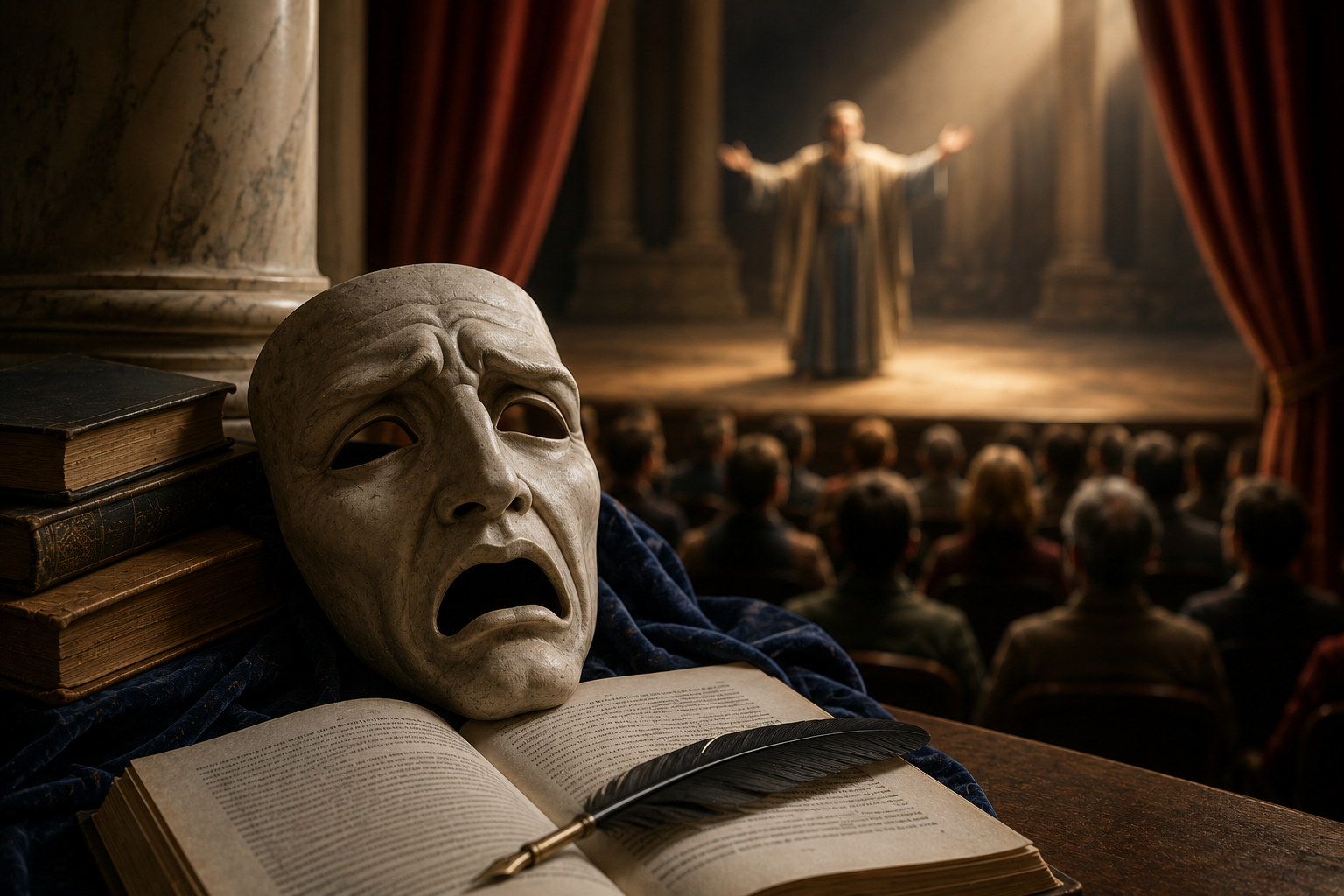
What Is Catharsis in Literature? It is the emotional release a reader or audience feels after a story builds fear, pity, grief, or tension.

This idea helps explain why sad stories can feel meaningful instead of just painful. Catharsis shows how literature can move us, clear our emotions, and make us think.

In this Guide

catharsis in literature

What Is Catharsis in Literature? A Simple Definition

Catharsis is the moment when strong emotions reach a release.

In literature, catharsis often happens after a character faces loss, guilt, fear, or truth. The reader feels the weight of those emotions, then feels a kind of relief when the story reaches its turning point or ending.

When readers ask, What Is Catharsis in Literature?, the simplest answer is this: it is an emotional “clearing out.” A story builds pressure, then lets that pressure break.

This does not always mean the ending is happy. A tragic ending can still feel complete if it helps the reader understand the pain in a deeper way.

Where the Idea Comes From

The word catharsis comes from ancient Greek ideas about tragedy.

Aristotle used the term when he wrote about Greek drama. He believed tragedy could stir feelings like pity and fear, then help the audience release those feelings.

You can read more about the classical meaning of catharsis through Britannica’s overview of catharsis.

Think of a play like Oedipus Rex by Sophocles. The story is painful, but the ending gives the audience a powerful sense of emotional completion.

What Is Catharsis in Literature? Why It Matters

Catharsis matters because it makes emotion feel purposeful.

The best answer to What Is Catharsis in Literature? is not just “a sad feeling.” It is a shaped emotional experience. The author guides the reader through tension so the release feels earned.

This is one reason readers return to tragedy, even when it hurts. A tragic story can help us face fear from a safer distance.

Catharsis can also reveal a theme. If a character’s downfall brings sadness and relief, the story may ask us to think about pride, justice, guilt, or love.

If you want help with deeper reading habits, this guide on how to read literature like a scholar can help you notice patterns like this more clearly.

image-slider-with-thumbnail1.jpeg
PlayPause
previous arrow
next arrow
image-slider-with-thumbnail1.jpeg
image-slider-with-thumbnail3.jpeg
image-slider-with-thumbnail4.jpeg
ChatGPT Image Jun 27, 2026, 06_33_13 PM
ChatGPT Image Jun 27, 2026, 06_36_37 PM
ChatGPT Image Jun 27, 2026, 06_38_39 PM
ChatGPT Image Jun 27, 2026, 06_31_22 PM
image-slider-with-thumbnail7.jpeg
ChatGPT Image Jun 27, 2026, 06_29_43 PM
ChatGPT Image Jun 27, 2026, 06_27_44 PM
image-slider-with-thumbnail6.jpeg
ChatGPT Image Jun 27, 2026, 06_15_07 PM
image-slider-with-thumbnail5.jpeg
ChatGPT Image Jun 27, 2026, 06_22_43 PM
ChatGPT Image Jun 27, 2026, 06_25_37 PM
ChatGPT Image Jun 27, 2026, 06_19_43 PM
ChatGPT Image Jun 27, 2026, 06_12_00 PM
ChatGPT Image Jun 27, 2026, 06_08_50 PM
ChatGPT Image Jun 26, 2026, 04_54_23 PM
ChatGPT Image Jun 27, 2026, 05_53_51 PM
ChatGPT Image Jun 28, 2026, 08_35_55 AM
previous arrow
next arrow

What Is Catharsis in Literature? Examples You May Know

Examples make catharsis easier to see.

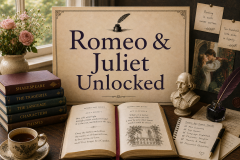
Romeo and Juliet by William Shakespeare

In Romeo and Juliet, the ending is tragic. The young lovers die because of family hatred and rushed choices.

The catharsis comes when the families finally see the cost of their feud. The audience feels grief, but also a painful sense of truth.

Hamlet by William Shakespeare

In Hamlet, the story builds around revenge, doubt, and moral confusion. By the final scene, many characters have died.

The release comes because the hidden crimes are exposed. The ending is dark, but the emotional tension no longer hangs in the air.

Oedipus Rex by Sophocles

A strong way to understand What Is Catharsis in Literature? is to look at Oedipus Rex. Oedipus searches for the truth, only to learn that he is the cause of the suffering in his city.

The audience feels pity for him and fear at how little control people may have over fate. The truth is awful, but the reveal brings emotional release.

Beloved by Toni Morrison

In Beloved, catharsis works through memory and trauma. The novel shows how the past can haunt people who have survived cruelty.

The emotional release is not simple. It comes from facing pain that has been buried for too long.

For more on poetry, drama, and literary terms, the Poetry Foundation glossary is a useful resource.

How to Analyze Catharsis in a Story

Look for the emotional pressure point.

When you study catharsis, ask what emotion the author builds. Is the story full of fear, pity, shame, grief, or anger?

Then ask where that emotion changes. A confession, death, discovery, or final choice may create the release.

Here is a simple tip: mark the moment when you feel the biggest emotional shift. Then connect that moment to the story’s theme.

If you are asked, What Is Catharsis in Literature? on a test or essay, do not stop at the definition. Explain how the release affects the reader and what it reveals about the work.

Books That Show Catharsis Well

These books are easy to find on Amazon, at a school library, or at a local bookstore.
  • Oedipus Rex by Sophocles
  • Hamlet by William Shakespeare

Both works show how tragedy can create powerful emotional release. They are also common in high school, AP Literature, and college classes.

FAQ

What Is Catharsis in Literature?

What Is Catharsis in Literature? It is the emotional release a reader feels after a story builds strong tension or feeling.

Does catharsis only happen in tragedies?

No. Tragedies often use catharsis, but novels, poems, films, and short stories can use it too.

Is catharsis the same as a happy ending?

No. Catharsis is about emotional release, not happiness. A sad ending can still give the reader catharsis.

How do I find catharsis in a book?

Look for the moment when the story’s strongest emotion reaches a peak and then changes. That shift often points to catharsis.

Key Takeaway

What Is Catharsis in Literature? It is the release that comes after a story builds deep emotion. When you read, watch for the moment when tension breaks, because that moment often reveals the heart of the work.

Flash Memoir Prompt: Meal that Appeared on the Table Every Week without Fail

flash memoir prompt meals

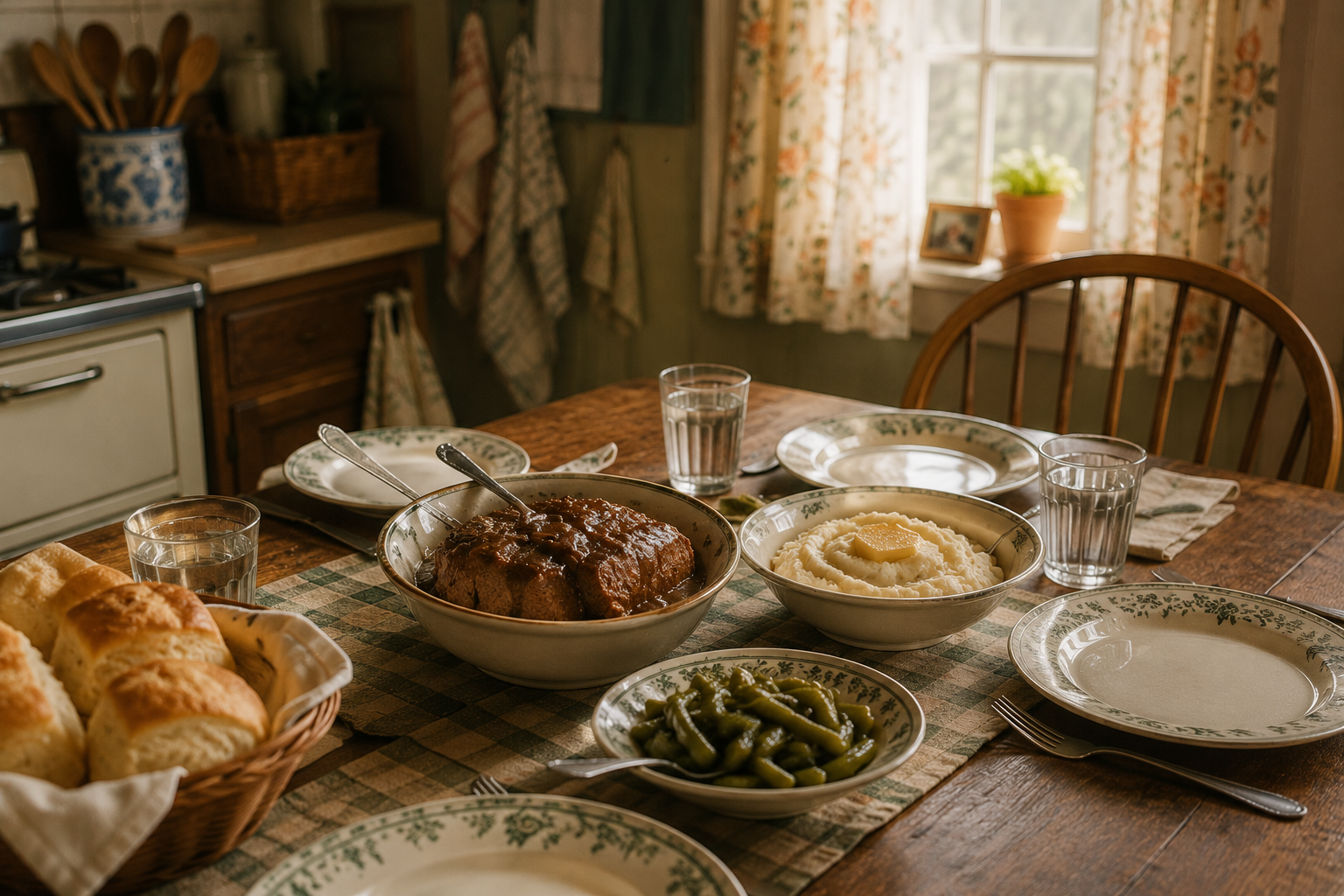
A weekly meal can carry more than flavor: it can hold routine, comfort, resentment, money worries, family roles, and the quiet way love often arrived on a plate. This flash memoir prompt meal appeared table every week invites you to remember one dish that came back again and again, until it became part of the rhythm of your life.

Maybe it was spaghetti every Tuesday, pancakes on Sunday night, beans and rice because the budget was tight, or a casserole that seemed to live forever under foil. At the time, you may have rolled your eyes. Years later, that same meal might feel like a message from another version of home.

flash memoir prompt meals

The Prompt

Write about a meal that appeared on the table every week without fail.

This prompt works because repeated meals gather memory. You do not have to search for a dramatic event. The story may be hidden in the ordinary: the smell of onions in a pan, the scrape of chairs, the same serving spoon, the person who always took the smallest piece.

A flash memoir prompt meal appeared table every week can help you notice how routine shaped your sense of belonging. It may bring up gratitude, boredom, embarrassment, hunger, pride, or grief. Let the meal be the doorway. You do not need to explain your whole family in one page.

Why This Memory Matters

Food memories are rarely just about food. A weekly meal can reveal who cooked, who complained, who ate first, and who cleaned up when everyone else left the table.

The meal might tell a story about culture or survival. It might show how a parent stretched one paycheck. It might remind you of a grandparent who used recipes without measuring, or a sibling who always made the same joke before the first bite.

This kind of memory can also hold mixed feelings. You might miss the meal now, even if you disliked it then. You might remember the heaviness of silence at the table. You might see, for the first time, that someone was trying to create steadiness in a life that felt unpredictable.

That is why this prompt can be so useful for flash memoir. It keeps the focus small, which makes the emotional truth easier to reach. Instead of writing “my childhood was complicated,” you can write about meatloaf on a blue plate and let the reader feel the complication.

The Flash Memoirist
previous arrow
next arrow

How to Approach This Prompt: Meal Appeared Table Every Week

Begin with one physical detail. Choose the pot, the tablecloth, the smell, the sound, or the first bite. Do not start by explaining what the meal meant. Start with what you noticed.

For example, you might write: “The macaroni always came out of the oven with one corner darker than the rest.” That one sentence gives you a place to stand. From there, you can move into the people around the table and what the meal carried.

Keep the memory to one scene. Pick one night, even if the meal happened hundreds of times. A single dinner will feel more alive than a summary of every dinner. Let the reader sit at the table with you.

If you want to go deeper, treat your memory the way you would treat a passage in a book. Look closely at the small details and ask what they reveal. This is similar to the skill used in close reading in literature, except your text is your own lived experience.

You might also notice what was missing. Was there laughter? Was there enough food? Did anyone say thank you? Did the cook sit down, or stay near the stove? These questions can help you find the real story without forcing a lesson.

A Quick Example

Every Thursday, my father made fried egg sandwiches for dinner. He called it “breakfast at night,” as if he had invented something grand. The bread was always too pale, the yolks always broke, and the kitchen always smelled like butter and pepper. My mother worked late on Thursdays, so it was just the two of us at the table, our plates balanced on paper towels. I used to think it was lazy cooking. Years later, I understood he only knew three meals, and this was the one he could make without needing help. He would cut my sandwich in half and slide the bigger piece toward me. I never noticed that part then.

Try It Yourself

Set a timer for ten minutes and write about the weekly meal without stopping to polish. Stay inside the room. Describe the plate, the light, the hands, the first smell when the lid came off.

If you get stuck, write this sentence and keep going: “Every week, we ate…” Let the memory answer in its own way. You may find humor first. You may find sadness. You may find a detail you have not thought about in years.

This flash memoir prompt meal appeared table every week is strongest when you trust the small scene. Do not rush to explain why it matters. Let the food, the table, and the people show the meaning slowly.

Want More Flash Memoir Prompts?

If this prompt opened a door, keep going. A short daily prompt can help you build a steady writing habit and gather memories before they fade. Explore all 365 prompts in The Memory Trigger: 365 Flash Memoir Writing Prompts.

The Memory Trigger

Catch-22 Quotes Explained: Important Passages for Essay Writing

catch-22 quotes

Joseph Heller’s Catch-22 turns war into a maze where rules sound logical but feel ridiculous. This guide to Catch-22 quotes explained helps students understand key lines, major themes, and smart ways to use them in essays.

In this Guide

Use this quick map to find the passage help you need.

  • Why Catch-22 still matters
  • The quote that explains the trap
  • Satire, fear, and survival
  • Power and absurd rules
  • How to use quotes in essays
  • Related books
  • FAQ
catch-22 quotes

Catch-22 Quotes Explained: Why the Novel Still Matters

Heller uses comedy to show a world where common sense has failed.

Catch-22 is a war novel, but it is also a book about language. People in power use words to hide harm. That is why Catch-22 quotes explained often focus on rules that sound fair but trap people.

The novel follows Yossarian, a U.S. Army Air Forces bombardier in World War II. He wants to stay alive, but the system keeps sending him back into danger.

For helpful background, see Britannica’s overview of Catch-22.

Catch-22 Quotes Explained: The Rule That Traps Yossarian

This short line names the central problem of the whole novel.

There was only one catch and that was Catch-22.

This quote matters because it shows the book’s main idea: the rule is built so no one can escape it. If a pilot asks to stop flying because he fears death, that fear proves he is sane. Since he is sane, he must keep flying.

If he does not fear death, he may be not be sane, but he will not ask to be removed. The logic folds in on itself.

Catch-22 quotes explained often point to this moment because it turns a military rule into a symbol. Today, people use the term catch-22 for any situation where every choice leads back to the same trap.

In an essay, you could argue that Heller uses circular logic to attack systems that protect themselves instead of people. This is similar to George Orwell’s 1984, where official language twists truth until lies sound normal.

Catch-22 Quotes Explained: Why the Joke Feels So Dark

The humor works because the situation is not funny for the men inside it.

That’s some catch, that Catch-22.

This line sounds casual, but it points to something cruel. The speaker sees the trap, understands it, and still cannot change it.

That is one reason the novel’s comedy is powerful. Heller does not use jokes to soften war. He uses jokes to show how strange and brutal war can feel.

For students, this passage is useful for writing about satire. Satire uses humor to expose a flaw in society. You can read more about the term in Britannica’s guide to satire.

Catch-22 Quotes Explained: Satire and War

Heller challenges the idea that war always creates clear heroes and clear enemies.
The enemy is anybody who’s going to get you killed.

This quote flips the usual war story. The enemy is not only the opposing side. For Yossarian, the enemy can also be anyone who treats his life as expendable.

That idea makes the novel feel more personal. Yossarian is not trying to be noble. He is trying to survive.

Catch-22 quotes explained in this way can help students write about moral confusion. The novel asks a hard question: what happens when a soldier fears his own leaders as much as the official enemy?

A strong comparison is Erich Maria Remarque’s All Quiet on the Western Front. Both books show how soldiers may feel trapped by commands, pride, and empty slogans.

image-slider-with-thumbnail1.jpeg
PlayPause
previous arrow
next arrow
image-slider-with-thumbnail1.jpeg
image-slider-with-thumbnail3.jpeg
image-slider-with-thumbnail4.jpeg
ChatGPT Image Jun 27, 2026, 06_33_13 PM
ChatGPT Image Jun 27, 2026, 06_36_37 PM
ChatGPT Image Jun 27, 2026, 06_38_39 PM
ChatGPT Image Jun 27, 2026, 06_31_22 PM
image-slider-with-thumbnail7.jpeg
ChatGPT Image Jun 27, 2026, 06_29_43 PM
ChatGPT Image Jun 27, 2026, 06_27_44 PM
image-slider-with-thumbnail6.jpeg
ChatGPT Image Jun 27, 2026, 06_15_07 PM
image-slider-with-thumbnail5.jpeg
ChatGPT Image Jun 27, 2026, 06_22_43 PM
ChatGPT Image Jun 27, 2026, 06_25_37 PM
ChatGPT Image Jun 27, 2026, 06_19_43 PM
ChatGPT Image Jun 27, 2026, 06_12_00 PM
ChatGPT Image Jun 27, 2026, 06_08_50 PM
ChatGPT Image Jun 26, 2026, 04_54_23 PM
ChatGPT Image Jun 27, 2026, 05_53_51 PM
ChatGPT Image Jun 28, 2026, 08_35_55 AM
previous arrow
next arrow

Short Quotes About Fear and Survival

Some of the novel’s shortest lines show Yossarian’s deepest conflict.

They’re trying to kill me.

Other characters may treat Yossarian as odd or selfish, but this line has a clear logic. In war, people really are trying to kill him.

The power of the quote comes from its double meaning. Yossarian sounds paranoid, yet he is also right.

This is useful in an essay about dramatic irony. Readers can see that Yossarian’s fear is not simple cowardice. It is a sane response to an out-of-control situation.

It was love at first sight.

This famous opening line sounds like it belongs in a romance. Heller uses it to set a strange tone right away.

The line pulls readers in with a familiar phrase, then the novel quickly bends that expectation. That shift prepares us for a story where serious events arrive in absurd forms.

Catch-22 Quotes Explained: Power, Paperwork, and Absurd Rules

The novel often shows power as a system of forms, orders, and excuses.

Many important moments in Catch-22 are not about battle scenes. They are about rules no one can question.

Officers raise the number of required missions. Men are moved around by paperwork. People speak in official language that hides pain.

Catch-22 quotes explained through this lens can support an essay about bureaucracy. In the novel, paperwork can become more powerful than human life.

If you need help turning an idea like this into a full paragraph, use our guide on how to write a literary analysis essay.

How Students Can Use Catch-22 Quotes Explained in Essays

A good quote does not explain itself. Your job is to connect it to a claim.

The best Catch-22 quotes explained in essays follow a simple pattern. First, make a point about the novel. Then give brief context for the passage. After that, explain the words that matter most.

For example, do not just place the line about Catch-22 into a paragraph. Explain how the rule traps Yossarian and protects the system from blame.

A strong sentence might look like this:

Heller uses the rule of Catch-22 to show how authority can make injustice look logical.

Then you can use a short quote as proof and explain how the wording supports your point.

For more practice, try our literary analysis essay planner as you build your thesis and quote notes.

Essay Angles for Catch-22 Quotes Explained

These ideas can help you move from quote notes to a clear argument.

  • Absurdity: Heller shows a world where logic works against human needs.
  • Survival: Yossarian’s fear reveals the true cost of war.
  • Language: Official words hide violence and guilt.
  • Satire: Humor exposes systems that value control over life.

One possible thesis is: In Catch-22, Joseph Heller uses circular rules and dark humor to show that war can make sanity look like rebellion.

That kind of claim gives you room to discuss tone, character, and theme without just summarizing the plot.

Books to Read After Catch-22

These works connect well with Heller’s themes of war, fear, and broken systems.

  • Slaughterhouse-Five by Kurt Vonnegut
  • The Things They Carried by Tim O’Brien

Both books pair well with Catch-22 quotes explained because they also question heroic stories about war.

FAQ

Here are quick answers to common student questions about the novel.

What is the most important quote in Catch-22?

The line about there being only one catch is the most important. It explains the trap at the center of the novel.

Why is Catch-22 hard to understand?

The novel is not told in a simple order. It also uses absurd humor, so readers must look past the jokes to see the fear underneath.

Can I use short quotes from Catch-22 in an essay?

Yes. Use short quotes, give context, and explain how the words support your claim.

What themes should I connect to Catch-22 quotes explained?

Strong themes include absurdity, survival, power, and the way language can hide truth.

Key Takeaway

Catch-22 uses sharp humor to reveal a serious truth: when rules protect power instead of people, sanity can look like disobedience.

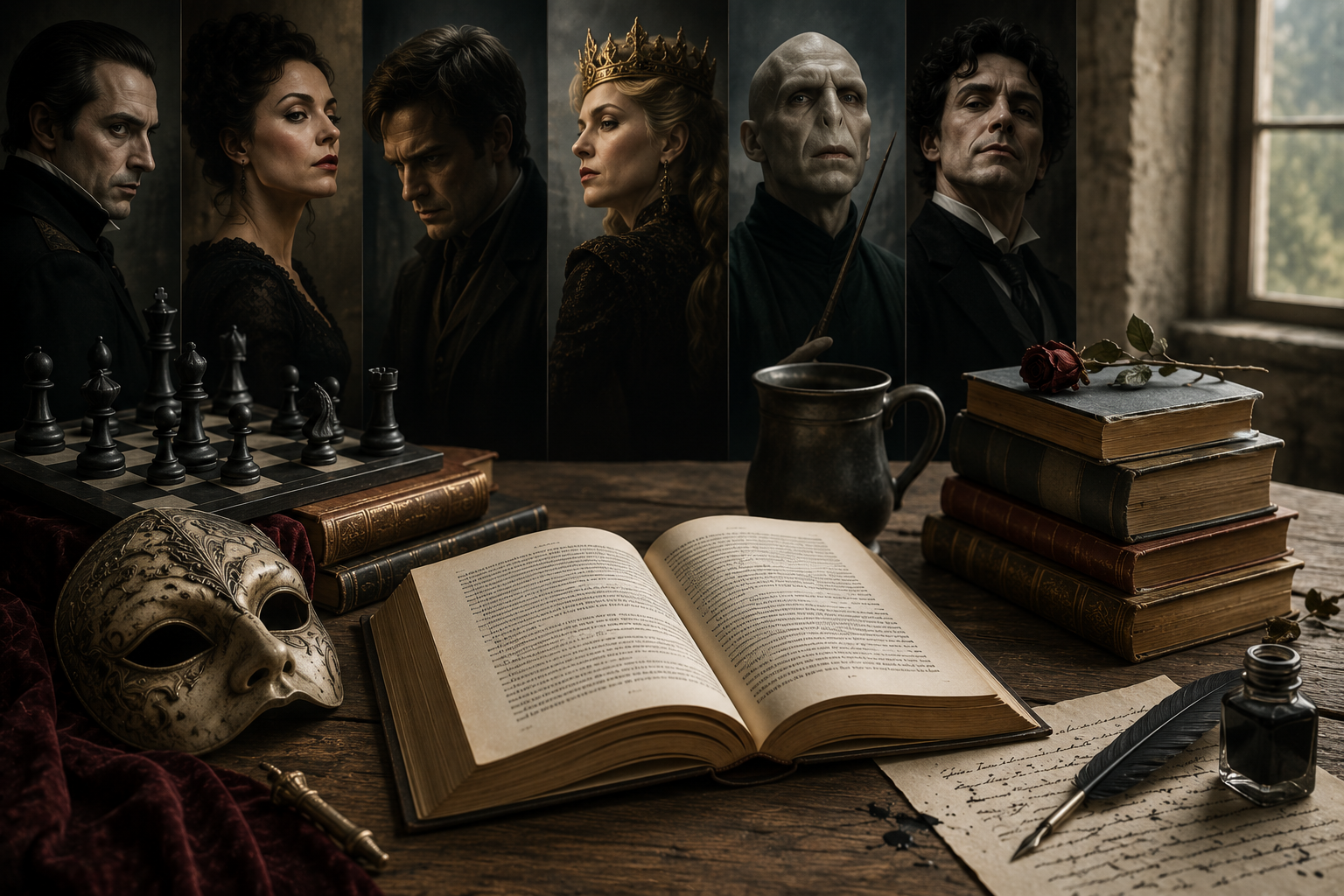
Books Every Villains and Moral Complexity Every Student Should Read

Moral Complexity
Moral Complexity

Books About Villains and Moral Complexity Every Student Should Read

Great villains do more than scare us. Books about Villains and Moral Complexity show how fear, pride, pain, and power can shape a person’s choices.

These stories help students ask deeper questions about guilt, justice, and what makes a character truly “bad.”

In this Guide

  • Why morally complex villains matter
  • Best books about villains and difficult choices
  • Symbols and themes linked to villain characters
  • How to study villains in class essays
  • FAQs about villains in literature

Why Villains and Moral Complexity Matter in Literature

The best villains often feel human, even when their actions are cruel.

A flat villain does evil just because the plot needs danger. A complex villain has motives, wounds, beliefs, or goals that make readers pause.

This is why Villains and Moral Complexity matter so much in literature. They force us to ask if evil comes from choice, pain, society, or ambition.

Think of Macbeth. He begins as a brave soldier, not a monster. His hunger for power grows until he destroys others and himself.

That fall is what makes him so powerful to study. He is guilty, but he is not simple.

Books About Villains and Moral Complexity Students Should Know

These works show how writers build villains with depth, conflict, and meaning.

Frankenstein by Mary Shelley is one of the best books for studying Villains and Moral Complexity. The creature commits terrible acts, but he is also lonely, rejected, and desperate for love.

Victor Frankenstein may seem like the hero at first. Yet his pride and refusal to take responsibility cause much of the tragedy.

Macbeth by William Shakespeare gives readers a villain who creates his own ruin. Macbeth knows murder is wrong, but ambition leads him forward.

Lady Macbeth also adds depth to the story. She pushes Macbeth toward violence, then breaks under the weight of guilt.

Paradise Lost by John Milton presents Satan as proud, bold, and persuasive. Readers may understand his anger, even while they see the danger in his pride.

For background on Shelley’s novel, Britannica has a clear overview of Frankenstein. The Poetry Foundation also offers helpful material on John Milton.

Amazon Book Suggestions for Villains and Moral Complexity

These titles are useful for students, book clubs, and AP Literature readers.

  • Frankenstein by Mary Shelley
  • Macbeth by William Shakespeare
  • Paradise Lost by John Milton

Each book gives a different view of Villains and Moral Complexity. One explores rejection, one explores ambition, and one explores pride.

Symbols and Themes in Villains and Moral Complexity

Writers often use symbols to show the hidden life of a villain.

In Macbeth, blood stands for guilt. Macbeth thinks he can wash it away, but the stain stays in his mind.

In Frankenstein, fire can mean knowledge and danger. The creature learns from fire, but he also learns pain from it.

In Paradise Lost, darkness often connects to pride and separation from God. Satan’s world reflects his inner state.

These symbols make Villains and Moral Complexity easier to see. They show that evil is not only action. It can also be fear, shame, or a broken view of the world.

How to Analyze Villains and Moral Complexity in Essays

A strong essay does not just say a villain is evil. It explains how the writer makes that villain feel complicated.

Start with the character’s choices. Ask what the villain wants, what they fear, and what they believe they deserve.

Then look at the cost of those choices. Who gets hurt? Does the villain feel guilt? Does the story ask readers to pity them?

If you need help with this step, read our guide on how to analyze characters in literature.

When you write about Villains and Moral Complexity, use quotes that show inner conflict. A single line of guilt, fear, or pride can reveal more than a long plot summary.

What Makes a Villain Morally Complex?

A morally complex villain has reasons, but those reasons do not excuse the harm they cause.

This balance is important. If a story only excuses the villain, it loses moral weight. If it only condemns the villain, it may feel too simple.

Good stories about Villains and Moral Complexity keep both sides in view. They let readers understand the character without letting the character escape blame.

That is why students often enjoy writing about villains. These characters leave room for debate.

Modern Examples of Villains and Moral Complexity

Modern stories often blur the line between hero and villain.

In The Hunger Games, President Snow is clearly cruel. Yet the larger system around him also matters, since power protects itself through fear.

In Harry Potter, Severus Snape is not a simple villain. His choices are painful, flawed, and shaped by love, bitterness, and regret.

These examples show why Villains and Moral Complexity still matter today. Readers want characters who feel real, even when they make dark choices.

FAQs About Villains and Moral Complexity

What does moral complexity mean in literature?

Moral complexity means a character cannot be judged in a simple way. They may do wrong things for reasons readers can understand.

Why are complex villains more interesting?

Complex villains feel more human. They create conflict because readers may feel pity, anger, and doubt at the same time.

Is a morally complex villain the same as an antihero?

No. An antihero is often the main character and may still work toward a good goal. A villain usually causes harm or blocks the hero.

What is a good book for studying Villains and Moral Complexity?

Frankenstein is a strong choice. It asks readers to think about blame, cruelty, loneliness, and responsibility.

Conclusion: Why These Villains Stay With Us

The best villains are not memorable because they are evil. They stay with us because they reveal something true about human weakness.

Books about Villains and Moral Complexity help students read with more care. They show that literature can question judgment without removing responsibility.

Key Takeaway

Villains and Moral Complexity teach us that the darkest characters often reveal the hardest truths about choice, guilt, and power.

Tragic Hero Examples in Literature

Tragic Hero

Tragic Hero Examples in Literature show how a great character can fall because of one major flaw, choice, or mistake.

These stories matter because they make readers feel pity, fear, and deep thought about human weakness.

In this Guide

Use this guide to understand the tragic hero and write about it with confidence.

  • What a tragic hero is
  • Common traits of tragic heroes
  • Classic tragic hero examples
  • Modern tragic hero examples
  • Essay tips for students
  • FAQ and key takeaway
Tragic Hero

What Tragic Hero Examples in Literature Have in Common

Most tragic heroes are not evil. They are often brave, smart, respected, or powerful.

A tragic hero is a main character who falls from a high place because of a flaw or poor choice. This flaw is often called a tragic flaw, or hamartia.

Many Tragic Hero Examples in Literature follow ideas linked to Aristotle’s view of tragedy. You can read more about the tragic hero in Britannica’s overview of tragedy.

A tragic hero usually has a mix of good and bad traits. That mix makes the character feel real.

For students, the key question is simple: What makes this character great, and what causes the fall?

Classic Tragic Hero Examples in Literature

The best Tragic Hero Examples in Literature often come from plays, epics, and novels that focus on pride, fate, guilt, and power.

Oedipus in Oedipus Rex by Sophocles

Oedipus is one of the most famous tragic heroes. He is a strong ruler who wants to save his city from suffering.

His tragic flaw is not simple pride alone. It is also his need to know the truth at any cost.

Oedipus tries to escape fate, but his search leads him straight to it. By the end, he learns that he has killed his father and married his mother.

How to discuss it in an essay: You could argue that Oedipus is tragic because his best quality, his search for truth, becomes the force that destroys him.

Macbeth in Macbeth by William Shakespeare

Macbeth begins as a brave soldier. He is loyal, respected, and honored by King Duncan.

His tragic flaw is ambition. Once he hears the witches’ prophecy, he starts to want power more than honor.

Macbeth chooses murder, then keeps choosing violence to protect his crown. His fall feels tragic because he once had real greatness.

How to discuss it in an essay: You could explain how ambition changes Macbeth from hero to tyrant. A strong thesis might focus on how his choices matter more than the prophecy.

For more on Shakespeare’s work, the Poetry Foundation’s page on William Shakespeare is a useful source.

Hamlet in Hamlet by William Shakespeare

Hamlet is thoughtful, sharp, and deeply moral. He wants justice for his father’s murder.

His flaw is his delay. He thinks so much about right and wrong that he struggles to act.

This delay leads to more death, pain, and confusion. Hamlet’s tragedy comes from his mind as much as from the corrupt world around him.

How to discuss it in an essay: You could write about Hamlet as a tragic hero whose intelligence becomes a weakness. His deep thought does not save him.

Antigone in Antigone by Sophocles

Antigone is brave and loyal to her family. She believes divine law is higher than the king’s law.

Her tragic flaw may be stubborn pride, but it is tied to courage. She refuses to bend, even when death is the cost.

Antigone is tragic because she is both right and extreme. Her strength helps define her, then helps destroy her.

How to discuss it in an essay: You could argue that Antigone’s tragedy comes from moral certainty. She is admirable, but she cannot compromise.

image-slider-with-thumbnail1.jpeg
PlayPause
previous arrow
next arrow
image-slider-with-thumbnail1.jpeg
image-slider-with-thumbnail3.jpeg
image-slider-with-thumbnail4.jpeg
ChatGPT Image Jun 27, 2026, 06_33_13 PM
ChatGPT Image Jun 27, 2026, 06_36_37 PM
ChatGPT Image Jun 27, 2026, 06_38_39 PM
ChatGPT Image Jun 27, 2026, 06_31_22 PM
image-slider-with-thumbnail7.jpeg
ChatGPT Image Jun 27, 2026, 06_29_43 PM
ChatGPT Image Jun 27, 2026, 06_27_44 PM
image-slider-with-thumbnail6.jpeg
ChatGPT Image Jun 27, 2026, 06_15_07 PM
image-slider-with-thumbnail5.jpeg
ChatGPT Image Jun 27, 2026, 06_22_43 PM
ChatGPT Image Jun 27, 2026, 06_25_37 PM
ChatGPT Image Jun 27, 2026, 06_19_43 PM
ChatGPT Image Jun 27, 2026, 06_12_00 PM
ChatGPT Image Jun 27, 2026, 06_08_50 PM
ChatGPT Image Jun 26, 2026, 04_54_23 PM
ChatGPT Image Jun 27, 2026, 05_53_51 PM
ChatGPT Image Jun 28, 2026, 08_35_55 AM
previous arrow
next arrow

Modern Tragic Hero Examples in Literature

Modern Tragic Hero Examples in Literature often focus less on kings and warriors. They may show ordinary people crushed by dreams, pride, or social pressure.

Willy Loman in Death of a Salesman by Arthur Miller

Willy Loman is not a king. He is a salesman who wants respect, success, and love.

His tragic flaw is his false belief in the American Dream. He thinks charm and popularity matter more than truth or hard self-knowledge.

Willy’s fall is painful because he loves his family but hurts them through lies and pressure.

How to discuss it in an essay: You could argue that Willy is a modern tragic hero because his dream is noble in feeling but false in practice.

Jay Gatsby in The Great Gatsby by F. Scott Fitzgerald

Gatsby is rich, charming, and hopeful. He builds a whole life around the idea of winning Daisy back.

His tragic flaw is his refusal to accept reality. He turns love into a dream that no real person can match.

Gatsby’s fall comes from hope pushed too far. His dream is beautiful, but it is also blind.

How to discuss it in an essay: You could write that Gatsby is tragic because his greatest strength, hope, traps him in the past.

Okonkwo in Things Fall Apart by Chinua Achebe

Okonkwo is strong, respected, and determined. He works hard to avoid his father’s weakness.

His tragic flaw is his fear of seeming weak. That fear leads him to anger, harsh choices, and emotional distance.

Okonkwo’s fall also connects to colonial pressure and cultural change. His personal flaw matters, but so does the world around him.

How to discuss it in an essay: You could argue that Okonkwo is a tragic hero because his idea of strength leaves no room for change.

Victor Frankenstein in Frankenstein by Mary Shelley

Victor is brilliant and curious. He wants to discover the secret of life.

His tragic flaw is pride mixed with irresponsibility. He creates life, then refuses to care for what he has made.

Victor’s fall shows the danger of knowledge without duty. His choices harm his family, his creation, and himself.

How to discuss it in an essay: You could focus on how Victor’s ambition becomes tragic because he seeks power without compassion.

How to Write About Tragic Hero Examples in Literature

When students write about Tragic Hero Examples in Literature, the best essays do more than name the flaw.

A strong essay explains how the flaw works in the story. It should show how the character’s strength and weakness connect.

Start with a clear thesis. For example: “Macbeth is a tragic hero because his courage turns into violent ambition once he believes power is within reach.”

Then use scenes as proof. Do not just say Macbeth is ambitious. Show how he reacts to the prophecy, Duncan’s murder, and his later fear of losing power.

It also helps to study the character’s goals, choices, and changes. If you need a deeper method, read this guide on how to analyze characters in literature.

Good essays often answer these questions:

  • What makes the character admirable at first?
  • What flaw or mistake leads to the fall?
  • How does the ending create pity or fear?
  • What larger idea does the tragedy reveal?

Common Mistakes Students Make with Tragic Hero Examples in Literature

It is easy to confuse a tragic hero with any sad character. A tragic ending alone is not enough.

A tragic hero needs some kind of greatness. The character should have value, promise, or respect before the fall.

Another mistake is calling the flaw “bad luck.” Fate may matter, but the character’s choices usually matter too.

Students also sometimes make the hero too simple. Macbeth is not just evil. Gatsby is not just foolish. Oedipus is not just unlucky.

The best reading looks at conflict inside the character. That is where tragedy becomes powerful.

Books Worth Reading for Tragic Hero Study

These books are helpful if you want strong examples for class essays or AP Literature practice.

  • Macbeth by William Shakespeare
  • Things Fall Apart by Chinua Achebe

You can find them through libraries, school bookstores, or Amazon.

FAQ: Tragic Hero Examples in Literature

These quick answers can help you review before a quiz, essay, or class discussion.

What is a tragic hero?

A tragic hero is a main character with admirable traits who falls because of a flaw, choice, or mistake.

What are common tragic flaws?

Common tragic flaws include pride, ambition, jealousy, fear, and stubbornness.

Is every sad character a tragic hero?

No. A tragic hero usually has greatness or promise before the fall. The fall must connect to the character’s own flaw or choice.

Why are tragic heroes important in literature?

They help readers think about human weakness, moral choices, and the cost of pride or fear.

Key Takeaway

Tragic Hero Examples in Literature matter because they show how a character’s best traits can lead to ruin when mixed with a serious flaw.

For essays, focus on the character’s greatness, flaw, choices, and final fall. That simple path will help you write with clarity and depth.

Flash Memoir Prompt: Sound Your Childhood Home Made at Night

flash memoir prompt sounds

A short writing invitation for the moment you lay awake as a child, listening to your childhood home speak in the dark. Maybe it was the refrigerator clicking on, the pipes knocking, a screen door tapping in the wind, or a floorboard that seemed to sigh after everyone else had gone to bed. This flash memoir prompt sound childhood home made at night asks you to return to that quiet hour when the house felt almost alive, and you were small enough to believe it was telling you something.

flash memoir prompt sounds

The Prompt

Write about the sound your childhood home made at night.

This prompt works because sound can carry memory in a direct way. You may not remember every piece of furniture in a room, but you might remember the furnace rumble under the floor. You might remember your parents talking in low voices down the hall. You might remember rain on a metal roof, a dog turning in its sleep, or the sharp pop of old wood in winter.

The sound does not have to be dramatic. In fact, the quieter it is, the more powerful it may become. A flash memoir prompt about the sound your childhood home made at night can unlock a memory of fear, comfort, loneliness, safety, or curiosity.

Why This Memory Matters

Night changes a childhood home. During the day, a house is busy. People move through it. Lights are on. Doors open and close. At night, the same home can feel larger, stranger, and more honest.

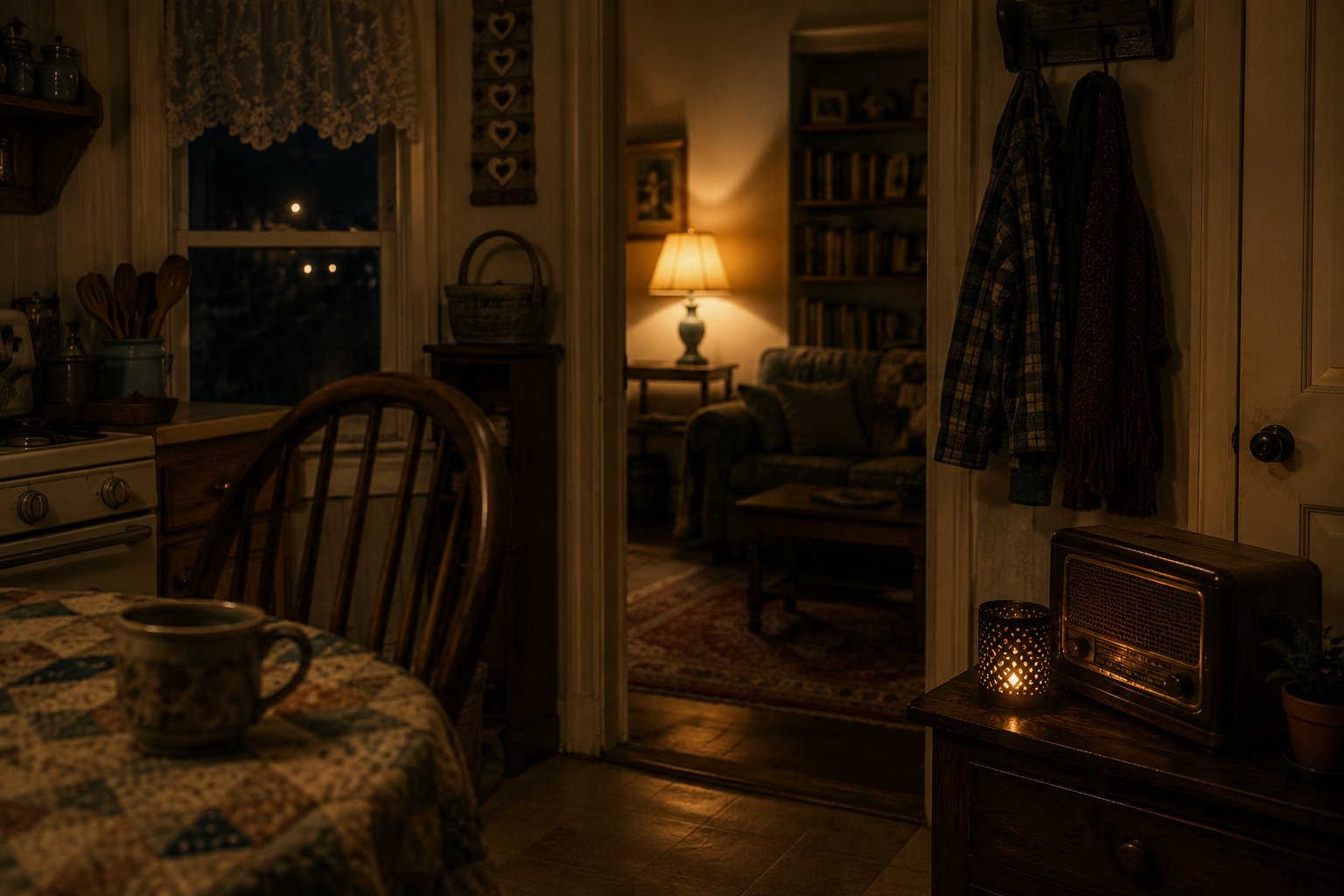
The sound you choose may reveal what you felt as a child but could not name yet. A humming air conditioner might remind you of summer sleepovers on the living room floor. A parent’s footsteps might bring back the relief of knowing someone was still awake. A rattling window might connect to the first time you felt truly afraid.

Sound can also become a symbol in memoir. The click of a hallway light could stand for protection. The scrape of a chair could stand for tension. If you want to think more about how ordinary details can carry deeper meaning, this guide on how to find symbolism in a story can help you notice what a detail might be doing beneath the surface.

But do not rush to explain the sound. Let it exist first. Let the reader hear it before you tell them what it meant.

How to Approach This Prompt

Begin with the sound itself. Do not start with a full history of your family, your address, or the layout of the house. Start with the noise in the dark.

Try writing one simple sentence: “At night, my childhood home sounded like…” Then fill in the sentence with something physical. Was it a buzz, a thump, a groan, a whistle, a drip, or a whisper? Be specific, even if the sound seems small.

Next, narrow the memory to one scene. Choose one night, one room, and one version of yourself. Maybe you are eight years old in bed with your blanket pulled to your chin. Maybe you are twelve, awake after an argument in the kitchen. Maybe you are six, listening to rain while your sibling breathes beside you.

Write what you noticed before you explain what it meant. For example, describe the blue light from an alarm clock, the smell of dust on the heater, or the way the ceiling looked in the dark. These details help the reader enter the room with you.

If you get stuck, treat your memory like a passage you are studying closely. Circle the details in your mind. Ask what repeats. Ask what feels louder than it should. Skills used to annotate literature can also help you read your own memory with care.

Avoid trying to tell your whole childhood at once. This is flash memoir. You are not writing the entire story of the house. You are writing one sound, one night, and one feeling that has stayed with you.

The Flash Memoirist
previous arrow
next arrow

A Quick Example

At night, our house made a clicking sound in the walls. My father said it was only the heat, metal shrinking after the furnace shut off, but I did not believe him. I lay in the top bunk and counted the clicks as if they were footsteps. Three near the bathroom. Two behind my head. One long knock from the kitchen. My sister slept through everything, her mouth open, one arm hanging over the rail. I wanted to call for my mother, but I also wanted to prove I was brave. Years later, I can still hear that sound and feel the cold air above my blanket. It was the first place I practiced being alone without letting anyone know I was scared.

Try It Yourself

Set a timer for ten minutes and write without correcting yourself. Use this flash memoir prompt sound childhood home made at night as a way to enter one room from your past.

Let the memory stay small. You do not need a perfect ending. You only need to follow the sound until it leads you to a moment that feels true.

If several sounds come back at once, choose the one that gives you the strongest feeling in your body. The sound that makes your shoulders tense, your chest soften, or your throat tighten is probably the one with the story inside it.

Want More Flash Memoir Prompts?

If this prompt opened a door, keep going. Small memories often lead to honest writing because they do not ask you to explain your whole life at once. Explore all 365 prompts in The Memory Trigger: 365 Flash Memoir Writing Prompts.

The Memory Trigger
error

Enjoy this article? Please spread the word :)

Follow by Email
BLUESKY
fb-share-icon
Reddit
LinkedIn
Share
RSS