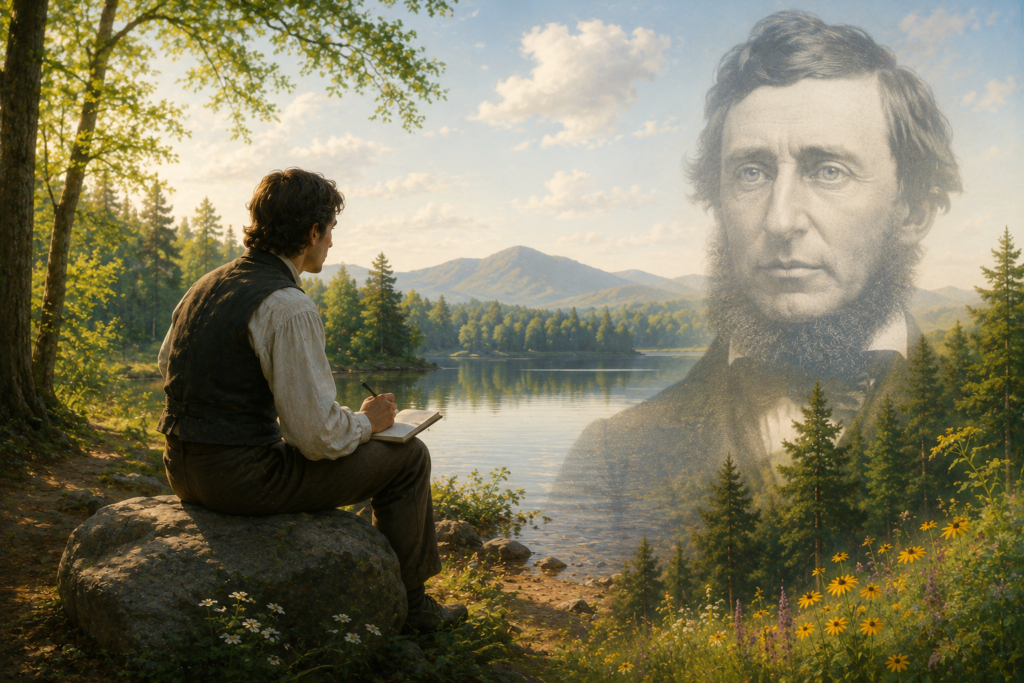

What Is Existentialism in Literature?

Existentialism in Literature

If you have ever asked, “What Is Existentialism in Literature?” you are really asking how stories handle freedom, fear, choice, and meaning.

Existentialist literature often shows characters who feel lost in a world that gives no easy answers. These works can seem dark, but they also push readers to think deeply about life.

In this Guide

  • What existentialism means in literature
  • Why it matters to readers
  • Common traits of existentialist stories
  • Famous examples from literature
  • Books to read next
  • FAQ and a key takeaway

What Is Existentialism in Literature?

Existentialism in literature is about characters who must create meaning in a world that may feel empty, unfair, or confusing.

The short answer to “What Is Existentialism in Literature?” is this: it is literature that asks what it means to be human when no one can give you a final answer.

These stories often focus on personal choice. A character may face guilt, isolation, fear, or moral pressure. Instead of finding a simple lesson, the character must decide how to live.

Existentialism is also a major idea in philosophy. For a clear background, you can read Britannica’s overview of existentialism.

Why What Is Existentialism in Literature? Matters for Readers

Existentialist literature matters because it takes human struggle seriously.

When students ask, “What Is Existentialism in Literature?” they are often trying to understand why a book feels so tense or unsettled. The answer usually comes from the character’s search for purpose.

Many literary works do not give comfort right away. They show people who must act without knowing if they are right. That can feel painful, but it also feels honest.

This is why existentialist texts work well in AP Literature and college classes. They invite close analysis of theme, tone, character, and conflict.

What Is Existentialism in Literature? Key Traits to Notice

You can often spot existentialism by the questions a story asks.

A common trait is alienation. The character feels cut off from society, family, faith, or even the self. This does not always mean the character is alone. It means the character feels separate from the world around them.

Another key trait is freedom. Existentialist characters often learn that freedom can be scary. If no one else can choose for them, they must accept the weight of their own actions.

Many works also focus on absurdity. This means life may seem strange or without clear order. The character wants meaning, but the world does not provide it in a neat way.

So, What Is Existentialism in Literature? It is not just sadness or confusion. It is a serious look at how people respond when life does not hand them a clear purpose.

What Is Existentialism in Literature? Examples from Famous Works

Some of the best examples are short, powerful, and easy to connect to major themes.

Albert Camus’s The Stranger is one of the most famous existentialist novels. Meursault, the main character, seems emotionally distant from the world. His actions force readers to ask whether society punishes him for his crime, his honesty, or his refusal to pretend.

Franz Kafka’s The Metamorphosis also fits many existentialist ideas. Gregor Samsa wakes up as an insect, and his life becomes strange and cruel. The story shows alienation, family pressure, and the fear that a person’s value can vanish.

Fyodor Dostoevsky’s Notes from Underground presents a bitter narrator who attacks reason, pride, and social progress. His voice is hard to like, but it reveals a mind trapped by freedom and self-hatred.

When readers ask, “What Is Existentialism in Literature?” these works give strong answers because they show the idea through character, not just theory.

Existentialism vs. Nihilism

These two ideas are easy to mix up, but they are not the same.

Nihilism often says life has no meaning. Existentialism starts with that fear, then asks what a person can do next.

In other words, existentialism does not always end in despair. Many existentialist works suggest that humans can build meaning through choice, love, honesty, or courage.

This matters because What Is Existentialism in Literature? is not the same as “Why is this book depressing?” A dark story can still leave room for human dignity.

How to Analyze Existentialism in a Text

Start with the character’s choices.

Ask what pressure the character faces. Does the character feel trapped by society, religion, family, law, or the body? Then ask what the character does with that pressure.

Pay close attention to tone. Existentialist works may feel cold, tense, absurd, or deeply personal. That tone often helps reveal the author’s view of human life.

If you want a stronger method for literary analysis, read our guide on how to read literature with a scholar’s eye.

Recommended Books for Existentialist Literature

These books are useful if you want to see existentialist ideas in action.

  • The Stranger by Albert Camus
  • The Metamorphosis by Franz Kafka

For poetry with modern anxiety and spiritual struggle, you might also explore T. S. Eliot. The Poetry Foundation’s page on T. S. Eliot is a helpful place to start.

Practical Reading Tip

When you read an existentialist work, track every moment when a character must choose.

Write down what the character wants, what blocks them, and what their choice reveals. This simple habit can help you answer “What Is Existentialism in Literature?” with evidence instead of a vague idea.

For deeper practice, pair this with close reading strategies for literature.

FAQ: What Is Existentialism in Literature?

What Is Existentialism in Literature? in simple terms?

It is literature about people who search for meaning in a world that does not give easy answers.

Is existentialist literature always sad?

No. It can be dark, but it can also show courage, freedom, and personal growth.

What is the main theme of existentialism?

The main theme is that people must make choices and create meaning for themselves.

Is Hamlet existentialist?

Hamlet came before existentialism as a movement, but it has existential questions about death, action, doubt, and identity.

Key Takeaway

What Is Existentialism in Literature? It is the study of characters who face freedom, fear, and uncertainty as they search for meaning. The best way to understand it is to watch what a character chooses when no answer feels safe.
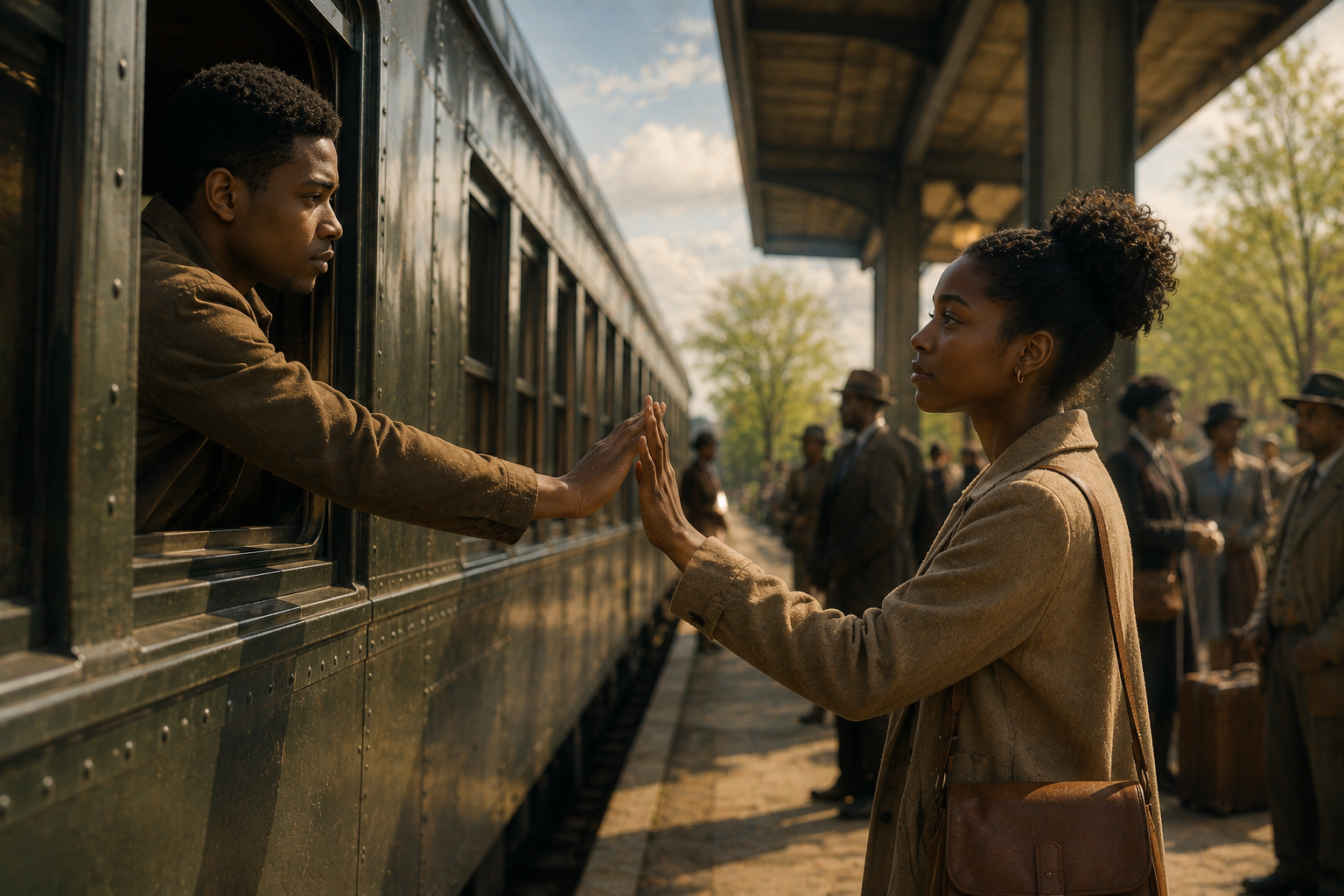
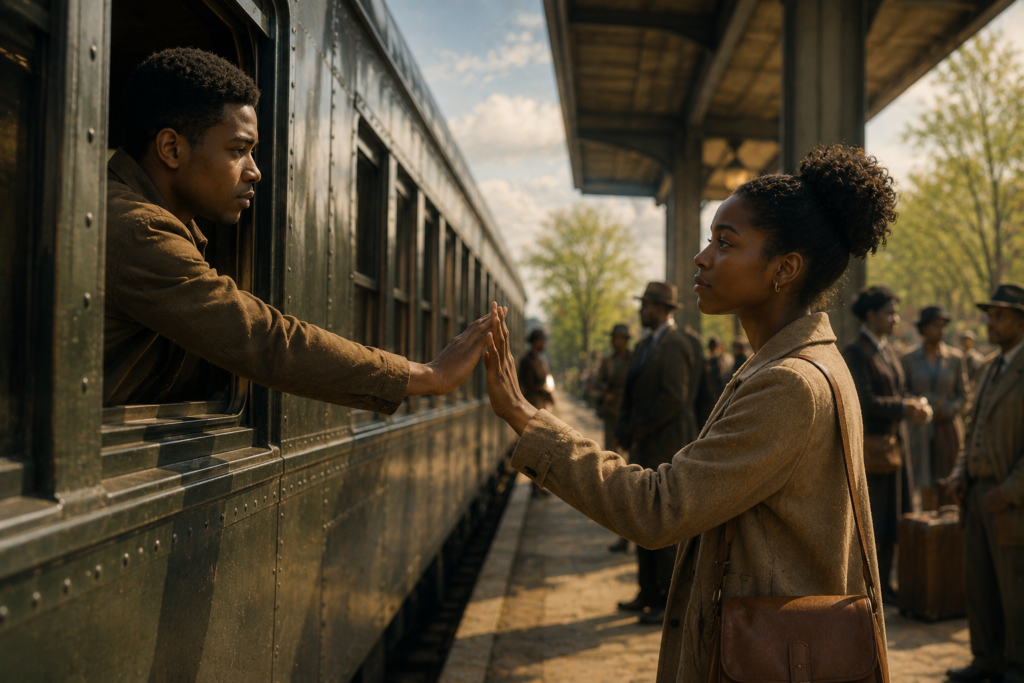
Flash Memoir Prompt: Goodbye You Said without Knowing It Was Goodbye

goodbye prompt

A brief, tender writing invitation for returning to an ordinary last moment, with one clear scene, sensory detail, and the emotional truth you understand now.

Maybe it was a wave from a porch, a rushed “see you later” in a hospital hallway, or a quick hug beside a car with the engine still on. At the time, it did not feel historic. You had no reason to pause. You did not know you were standing inside the final version of that moment.

This flash memoir prompt goodbye said without knowing goodbye asks you to look back at a farewell that seemed small when it happened. The power of the story comes from the gap between what you knew then and what you know now.

goodbye prompt

The Prompt

Write about a goodbye you said without knowing it was goodbye.

This prompt can open a meaningful memory because it starts with something ordinary. Most final goodbyes do not announce themselves. They hide inside errands, school days, phone calls, family dinners, and casual promises to “talk soon.”

When you write from this prompt, you do not need to explain an entire relationship. You only need to return to one moment when you left, hung up, walked away, or closed a door. The scene itself can carry more weight than a long explanation.

Why This Memory Matters

A goodbye you did not recognize can reveal what mattered before you knew it mattered. It may show the shape of a friendship, a family bond, a first love, a childhood place, or a version of yourself that no longer exists.

The story might be sad, but it does not have to be tragic. Maybe it was your last day in a house before your family moved. Maybe you said goodbye to a teacher, a neighbor, a pet, or a grandparent. Maybe the person is still alive, but the relationship changed so much that the old goodbye became the last one of its kind.

That is what makes this prompt rich. It lets you write about change without needing to name it right away. The reader can feel the shift through what you noticed: the smell of rain on a jacket, the sound of a screen door, the way someone kept their hand on your shoulder a second longer than usual.

If you want to study how details carry meaning, it can help to read with a pencil in hand. This guide on how to annotate literature offers a useful way to notice patterns, images, and emotional clues in a text. You can use the same habit when you reread your own memory.

How to Approach This Prompt

Begin with the physical detail you remember most clearly. Do not start with the lesson. Start with the coat on the chair, the coffee cup in the sink, the school bell, the cracked phone screen, or the person’s shoes near the door.

Then narrow the memory to one scene. A flash memoir prompt works best when you resist the urge to tell everything. Instead of covering years of history, choose the last five minutes, the final sentence, or the moment when you turned your back and left.

Write what you noticed before you explain what it meant. At the time, you may have noticed the weather, a joke, a suitcase, or the way the other person would not meet your eyes. Let the reader stand with you in that moment.

After the scene is clear, you can add the truth you understand now. Keep it simple. A line such as “I thought I would see him the next Sunday” can be more powerful than a long reflection.

Pay attention to tone, too. This memory may feel tender, regretful, grateful, confused, or even strangely calm. If you are unsure how tone differs from the mood a reader feels, this explanation of tone vs. mood in literature can help you shape the emotional atmosphere of your piece.

As you draft, try using the focus keyphrase as a reminder of your aim: flash memoir prompt goodbye said without knowing goodbye. You are not writing an obituary or a full life story. You are writing the final ordinary moment before the meaning changed.

A Quick Example

I was late for work, so I only leaned halfway into the kitchen. My dad was at the table, peeling an orange with his thumbnail. The radio was low, and the whole room smelled bright and sharp from the fruit. He asked if I wanted a slice. I said no, already backing toward the door. He lifted one orange wedge anyway, like an offer I could still change my mind about. “Drive safe,” he said. I rolled my eyes and told him I always did. That was the last normal morning. For years, I remembered the hospital more than the kitchen. Now I remember the orange, the small white threads on his fingers, and the way I almost went back for one piece.

Try It Yourself

Set a timer for ten minutes. Write the scene without trying to make it beautiful. Let it be plain at first. Where were you? What did you say? What did the other person do? What did you fail to notice because you thought there would be more time?

If the memory feels too heavy, write around the edges. Describe the room, the weather, the object in your hand. You can move toward the emotion slowly. Flash memoir does not require you to solve the past. It asks you to look at one true piece of it.

Before you finish, add one sentence from your present self. Let that sentence show what you know now. That contrast between then and now is where this flash memoir prompt goodbye said without knowing goodbye often finds its quiet power.

Want More Flash Memoir Prompts?

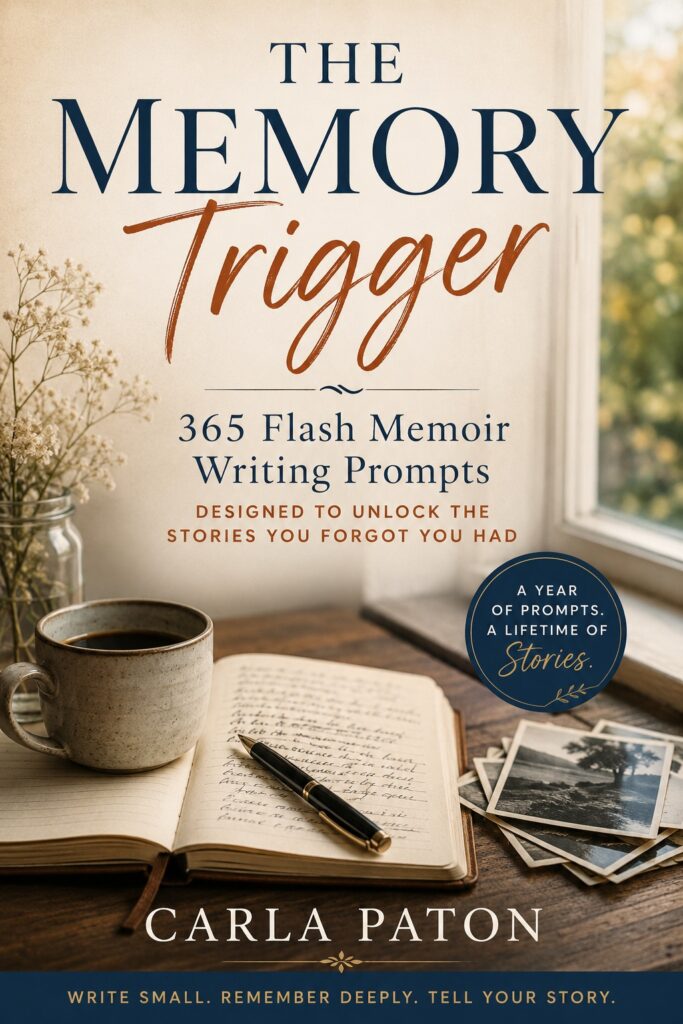
If this prompt led you somewhere honest, keep going. A daily prompt can help you build a steady writing habit, one small memory at a time. Explore all 365 prompts in The Memory Trigger: 365 Flash Memoir Writing Prompts.

The Memory Trigger

Themes in Invisible Man: A Student-Friendly Guide

Invisible Man Themes

Ralph Ellison’s Invisible Man is a rich novel about race, identity, power, and the search for a true self. This guide explains the major themes in Invisible Man in clear language for high school, AP Literature, and college students.

In this Guide

Use these sections to find the idea you need fast.

  • Why the themes matter
  • Invisibility and identity
  • Racism and power
  • Self-knowledge and voice
  • Education and false promises
  • Politics and betrayal
  • Dreams and truth
  • Writing about the novel
  • FAQ
Invisible Man Themes

Why the themes in Invisible Man still matter

The novel speaks to students because it shows how hard it can be to define yourself in a world that tries to define you first.

Invisible Man was published in 1952, but its questions still feel current. Who gets seen? Who gets ignored? And who controls the story people tell about you?

The themes in Invisible Man matter because the narrator’s fight is both personal and social. He wants respect, but he also wants to understand who he is without lies from others.

For background on Ellison’s life and career, see this helpful Britannica overview of Ralph Ellison.

Major themes in Invisible Man: invisibility and identity

Invisibility in the novel is not about magic. It is about being unseen as a full human being.

The narrator says he is invisible because people do not see his real self. They see a symbol, a threat, a tool, or a problem. This is one of the central themes in Invisible Man.

At school, in the city, and inside political groups, people keep trying to give him a role. Each role seems to offer success, but each one hides part of who he is.

This theme connects well to Hamlet, where the main character also struggles with who he is and what role he must play. In both works, identity becomes a conflict, not a simple fact.

Student tip: When you write about invisibility, do not stop at the title. Ask who refuses to see the narrator clearly and why that refusal gives them power.

Themes in Invisible Man: racism and power

Ellison shows racism as more than personal dislike. He shows it as a system that shapes schools, jobs, politics, and public life.

The narrator meets people who claim to help him, but many use him for their own goals. Some use polite words. Others use open violence. Both forms limit his freedom.

The Battle Royal scene shows this clearly. Young Black men are forced into pain and shame for the amusement of white leaders. The scene reveals how power can hide behind ceremony.

These themes in Invisible Man also connect to W.E.B. Du Bois’s idea of double consciousness, the sense of seeing yourself through the eyes of a racist society. Ellison does not repeat Du Bois in a simple way, but the link can help students think deeper.

The search for self-knowledge and voice

The narrator’s journey is a long lesson in how hard it is to know yourself when others keep speaking for you.

At the start, he often trusts authority figures. He believes the right speech, the right school, or the right group will give him a place in the world.

Over time, he learns that borrowed ideas can harm him. He must sort truth from slogans. He must build a voice that is his own.

This is why the ending matters. The narrator is underground, but he is not just hiding. He is thinking, judging, and preparing to speak with more honesty.

Education, books, and false promises

Education in the novel can open doors, but it can also teach people to obey unfair rules.

The narrator values school and learning. At first, he believes education will protect him. Yet the college does not fully protect him from racism or control.

The novel asks students to think about what education is for. Is it meant to free the mind, or to train people to fit into an unfair system?

This makes the themes in Invisible Man useful for essay writing. You can study how Ellison treats education as both a hope and a trap.

Politics, brotherhood, and betrayal

The Brotherhood promises unity and justice, but the narrator learns that a group can use noble language while it hides selfish plans.

At first, the Brotherhood gives him a public voice. He becomes a speaker and feels useful. The group seems to care about change.

Yet the Brotherhood often treats people like pieces on a board. The narrator’s community becomes less important than the group’s strategy.

This theme can remind students of Animal Farm, where political language hides control. In both books, words like equality can lose meaning when leaders chase power.

Dreams, illusions, and painful truth

Ellison fills the novel with dreams, masks, and strange events to show how hard truth can be to face.

The narrator often believes in promises that later fall apart. He trusts leaders, systems, and public roles. Each illusion breaks under pressure.

This theme is close to The Great Gatsby. Gatsby believes in a dream that cannot survive reality. The narrator of Invisible Man also learns that dreams can guide people or blind them.

The difference is that Ellison’s novel ties illusion to race, power, and survival. Truth is not just personal. It has a social cost.

How to write about themes in Invisible Man

A strong essay should connect a theme to scenes, symbols, and changes in the narrator.

Do not write only that the book is about racism or identity. Instead, show how Ellison develops that idea across the novel.

For example, you could trace how the narrator moves from trust in public approval to a deeper search for truth. That path reveals several themes in Invisible Man at once.

If you need help shaping a claim, use our guide on how to write a literary analysis essay. It can help you turn a theme into a focused thesis.

You can also use a quick theme review resource if you want extra support before a quiz, class discussion, or essay draft.

Suggested books for deeper study

These books can help students understand Ellison’s ideas in a wider literary and historical context.

  • Shadow and Act by Ralph Ellison
  • The Souls of Black Folk by W.E.B. Du Bois

For a reliable short reference on the novel, you can also read the Britannica entry on Invisible Man.

FAQ about themes in Invisible Man

These quick answers help with review before class, a test, or an essay.

What is the main theme of Invisible Man?

The main theme is the struggle to be seen as a full person. The narrator must reject false roles and search for his own identity.

Why is invisibility important in the novel?

Invisibility shows how racism and power can erase a person’s real self. People look at the narrator, but they do not truly see him.

What are the most important themes in Invisible Man for an essay?

Good essay choices include invisibility, identity, racism, education, power, and self-knowledge. Choose one and connect it to key scenes.

How does the Brotherhood connect to the novel’s themes?

The Brotherhood shows how political groups can use people while they claim to help them. It reveals the danger of losing your voice to a cause.

Key Takeaway

The themes in Invisible Man show a young man’s fight to see himself clearly in a world built to misread him. The novel asks students to notice power, question easy answers, and value a voice that comes from hard-won truth.

Most Beautiful Small Town Secrets: What Literature Teaches Us About Hidden Places

Small Town Secrets

Most Beautiful Small Town Secrets are more than pretty streets, quiet porches, and local legends. In literature, they often reveal the private fears, hopes, and choices that shape a whole community.

Small towns can look peaceful from the outside, but stories show us what lives under the surface.

In this Guide

  • Why small town secrets matter in literature
  • Classic examples from famous books
  • Symbols and themes to watch for
  • Recommended books to read
  • FAQ for students and readers
Small Town Secrets

Why Most Beautiful Small Town Secrets Matter in Literature

Small towns make secrets feel personal because everyone seems to know everyone.

Writers use small towns to show how public life and private life can clash. A character may smile at church, wave at a neighbor, or sit in a classroom, yet hide pain that no one wants to see.

That is why Most Beautiful Small Town Secrets work so well in fiction. Beauty creates contrast. The town may look calm, but the story asks us to look closer.

This setting also helps students notice social pressure. In a small town, gossip can act like a law. Reputation can matter as much as truth.

Most Beautiful Small Town Secrets in Classic Literature

Many classic books use quiet towns to explore deep conflict.

In To Kill a Mockingbird by Harper Lee, Maycomb seems slow and familiar. Yet the town hides racism, fear, and moral courage. The beauty of childhood memories sits beside serious injustice.

In Winesburg, Ohio by Sherwood Anderson, the town is full of lonely people. Each person carries a private story. These Most Beautiful Small Town Secrets are not always shocking, but they are deeply human.

In Thornton Wilder’s Our Town, Grover’s Corners appears simple. The play shows daily life, family love, and the passing of time. Its secret is that ordinary life is more precious than people realize.

You can read more about Winesburg, Ohio through Britannica’s overview.

Symbols Behind Most Beautiful Small Town Secrets

Small town stories often use simple objects to carry deeper meaning.

A locked room may stand for shame. A garden may suggest hope. A main street may show the public face of the town, while a back road may reveal what people hide.

In Most Beautiful Small Town Secrets, houses often matter. A bright porch can seem warm, but it can also hide family tension. A broken fence can suggest a broken boundary between private life and public talk.

Weather also plays a strong role. Summer heat can build pressure. A storm can mark a moment when truth breaks through.

These symbols help readers see that setting is never just background. It can act like a mirror for the characters.

Key Themes in Most Beautiful Small Town Secrets

Small towns in literature often ask big moral questions.

One major theme is appearance versus reality. A town may seem safe, polite, or pure, but the plot reveals what people refuse to face.

Another theme is belonging. Characters may want to fit in, but the town’s rules can limit who they become. This is common in coming-of-age stories.

Memory is also important. Many small town stories look back at childhood, family history, or old choices. The past does not stay buried for long.

Emily Dickinson’s poetry is a helpful match here because she often finds mystery in small spaces and quiet moments. If you want a student-friendly guide, read how to read Emily Dickinson.

These books are strong choices for students who want rich settings and hidden conflict.

  • Winesburg, Ohio by Sherwood Anderson
  • To Kill a Mockingbird by Harper Lee

Winesburg, Ohio is best for readers who like linked stories and quiet sadness. It shows how one town can hold many private worlds.

To Kill a Mockingbird is best for readers who want a clear plot with moral conflict. It shows how small town life can protect old beliefs, even when those beliefs hurt people.

For poetry that captures hidden feeling in plain language, Emily Dickinson is also worth reading. The Poetry Foundation’s Emily Dickinson page gives helpful background.

How Students Can Read Small Town Secrets More Closely

Start by asking what the town wants people to believe.

Then ask what the story slowly reveals. Pay attention to who has power, who gets judged, and who stays silent.

Look for repeated places. A courthouse, school, cemetery, or front porch can tell you what the town values.

It also helps to track gossip. In many stories, gossip shows fear more than truth. It can reveal what the town refuses to discuss in public.

Why Most Beautiful Small Town Secrets Still Feel Modern

These stories still matter because every community has a public face.

Today, that public face may appear on social media, school websites, or local news. The idea is the same. People and places often show only part of the truth.

Most Beautiful Small Town Secrets remind us to read beyond first impressions. A pretty setting can hold grief, courage, love, and change.

FAQ About Most Beautiful Small Town Secrets

What does “Most Beautiful Small Town Secrets” mean in literature?

It refers to hidden truths inside peaceful or charming small town settings. These secrets often reveal conflict, pain, or moral growth.

Why do writers use small towns so often?

Small towns make relationships feel close and intense. A secret can affect the whole community.

What is a good book about small town secrets for students?

To Kill a Mockingbird is a strong choice because it connects setting, justice, and character growth in a clear way.

Are small town secrets always dark?

No. Some secrets reveal kindness, love, or hidden strength. The secret may be painful, but it can also lead to truth.

Key Takeaway

Most Beautiful Small Town Secrets show that quiet places can hold powerful stories. In literature, the smallest setting can reveal the biggest truths about people.

Major Themes of Transcendentalism

Transcendentalism Themes

The Major Themes of Transcendentalism help explain some of the most important ideas in American literature. These themes show up in essays, poems, journals, and novels that ask readers to trust themselves, value nature, and question unfair rules.

If you are studying Emerson, Thoreau, or Whitman, this guide will help you understand the ideas behind the texts and use them in class essays.

In this Guide

  • What Transcendentalism means
  • The Major Themes of Transcendentalism
  • Key literary examples
  • How to study these themes
  • Books to read
  • FAQ
  • Key takeaway
Transcendentalism Themes

What Are the Major Themes of Transcendentalism?

Transcendentalism is a literary and philosophical movement that values the individual soul, nature, and inner truth.

It grew in New England during the 1800s. Writers like Ralph Waldo Emerson and Henry David Thoreau believed people could find deep truth beyond churches, schools, and government rules.

The Major Themes of Transcendentalism include self-reliance, nature, intuition, nonconformity, and spiritual connection. These ideas often appear together, so one text may explore more than one theme at the same time.

For a short background, you can read Britannica’s overview of Transcendentalism.

Major Themes of Transcendentalism: Individualism and Self-Reliance

Transcendentalist writers believed each person should trust their own mind and moral sense.

This theme is most clear in Ralph Waldo Emerson’s essay “Self-Reliance.” Emerson argues that people should not copy society just to fit in. He wants readers to listen to their inner voice.

For students, this theme often connects to questions like: Who am I? What do I believe? Am I brave enough to stand by my beliefs?

In literature, self-reliance does not mean selfishness. It means a person tries to live with honesty and courage, even when others disagree.

Major Themes of Transcendentalism: Nature as a Spiritual Teacher

Nature is not just a setting in Transcendentalist writing. It is a source of wisdom.

In Emerson’s “Nature,” the natural world helps people feel closer to truth and beauty. Emerson sees nature as a place where the soul can wake up.

Thoreau’s Walden gives another strong example. Thoreau moves to Walden Pond to live simply and learn from the land around him.

When you read Transcendentalist texts, notice how forests, ponds, stars, and seasons shape the writer’s thoughts. Nature often helps a character or speaker see life more clearly.

Major Themes of Transcendentalism: Intuition Over Social Rules

Transcendentalists believed inner truth could be stronger than outside authority.

Intuition means a deep inner sense of what is true or right. Transcendentalist writers often place this inner feeling above tradition, law, or public opinion.

This idea can feel bold. It asks readers to think about where truth comes from. Does it come from society, or can it come from the individual soul?

In Emerson’s writing, intuition is not a random guess. It is a serious trust in the spirit and mind.

Major Themes of Transcendentalism: Nonconformity and Moral Courage

To be a nonconformist means to reject pressure to act like everyone else.

Thoreau’s essay “Civil Disobedience” is a major example. He argues that people should not support unjust laws. If the government does something wrong, the individual has a duty to resist.

This theme matters because it links literature to real life. Thoreau’s ideas later influenced leaders such as Mahatma Gandhi and Martin Luther King Jr.

For students, nonconformity is a useful theme to track in essays. Ask what rule the writer questions and why that rule matters.

Major Themes of Transcendentalism: The Oversoul and Human Connection

Many Transcendentalists believed all people share a deeper spiritual bond.

Emerson called this idea the “Oversoul.” He believed each person is part of a larger spiritual reality.

This theme can seem abstract, but the basic idea is simple. People are not fully separate from each other or from nature. Life is connected at a deeper level.

Walt Whitman’s poetry often reflects this idea. In “Song of Myself,” Whitman celebrates the self, but he also connects that self to other people and the world.

You can learn more about Emerson through the Poetry Foundation profile of Ralph Waldo Emerson.

Major Themes of Transcendentalism in Key Works

The best way to understand a theme is to see how it works inside a real text.

You can see the Major Themes of Transcendentalism in Emerson’s “Self-Reliance.” The essay centers on individual thought, personal courage, and trust in the self.

In Walden, Thoreau uses daily life near a pond to explore simplicity, nature, and freedom. His quiet life becomes a test of what people truly need.

In “Civil Disobedience,” Thoreau turns Transcendentalist ideas toward politics. He asks readers to choose conscience over comfort.

Whitman’s “Song of Myself” expands the focus from one person to all humanity. His speaker feels large, free, and linked to the living world.

If you need help spotting these ideas in a text, use this guide on how to identify theme in literature.

How to Study the Major Themes of Transcendentalism

When you study Transcendentalism, focus on the choices, beliefs, and conflicts in the text.

Start by asking what the writer values most. Is it freedom? Nature? Inner truth? Once you find that value, look for proof in the text.

When you study the Major Themes of Transcendentalism, pay close attention to repeated words. Emerson often repeats ideas tied to trust, truth, and the self.

Thoreau often uses details about simple living. These details show his belief that people can live better with less.

For essays, connect the theme to a clear claim. Do not just say a text “shows nature.” Say what the text argues about nature.

For example: “In Walden, Thoreau presents nature as a teacher because life at the pond helps him reject materialism and seek truth.”

Why the Major Themes of Transcendentalism Still Matter

These ideas still feel fresh because students face many of the same questions today.

Modern readers still ask how to stay true to themselves. They still wonder when to follow rules and when to challenge them.

The Major Themes of Transcendentalism also connect to current debates about mental health, the environment, and personal freedom. A walk in nature, a break from noise, or a brave choice can feel very Transcendentalist.

This is why the movement still appears in classrooms. Its ideas are old, but the questions are not.

Common Symbols in Transcendentalist Literature

Symbols help writers turn big ideas into clear images.

Nature is the most common symbol. A pond may stand for peace, self-knowledge, or spiritual truth.

Light often suggests insight. When a speaker describes sunlight, stars, or a bright sky, the text may point to a moment of understanding.

The road or path can suggest personal choice. A character who walks alone may show self-reliance or nonconformity.

As you read, do not stop at naming the symbol. Ask what the symbol teaches the reader about the theme.

Books to Find on Amazon or at Your Library

These books are useful for students who want to read the movement in its own words.

  • Walden by Henry David Thoreau
  • Nature and Selected Essays by Ralph Waldo Emerson

These works are often available in student editions with notes. Notes can help with older language, but try to read key passages on your own first.

FAQ About the Major Themes of Transcendentalism

Here are quick answers to common student questions.

What are the Major Themes of Transcendentalism?

The Major Themes of Transcendentalism are self-reliance, nature, intuition, nonconformity, and spiritual connection.

Who are the main Transcendentalist writers?

Ralph Waldo Emerson and Henry David Thoreau are the most famous. Walt Whitman is often linked to the movement because his poetry shares many of its ideas.

Is Transcendentalism a religious movement?

It is spiritual, but it is not tied to one church. Transcendentalists believed truth could be found through the soul, nature, and personal insight.

Why do students study Transcendentalism?

Students study it because it shaped American literature and thought. It also raises questions about freedom, conscience, and how to live well.

Key Takeaway

The Major Themes of Transcendentalism teach readers to trust the self, respect nature, and question rules that block truth or justice. If you can explain how a text develops these ideas, you are ready to write about Transcendentalism with confidence.

Flash Memoir Prompt: Last Time a Particular Season Felt the Way It Used to Feel

season prompt

A brief, sensory writing invitation for remembering the last time a season felt familiar, whole, and emotionally true in the way it once did.

Maybe it was the first cold night when the heat clicked on and the room smelled faintly dusty. Maybe it was a summer evening when the screen door slapped shut behind someone you loved. Or maybe it was autumn, and for one afternoon the light, the leaves, and the air all matched the version of the season you still carry from childhood.

This flash memoir prompt last time particular season felt familiar asks you to notice that strange moment when time folds. A season returns, but you know you are different. The weather may be the same. The feeling is what has changed.

season prompt

The Prompt

Write about the last time a particular season felt the way it used to feel.

This prompt works because seasons are more than weather. They hold routines, family patterns, school calendars, holidays, sports, chores, clothing, meals, and moods. A single season can store years of memory.

You do not have to explain your whole relationship with winter, spring, summer, or fall. Instead, choose one moment when a season briefly felt like its old self. The memory may be happy, lonely, ordinary, or mixed. What matters is that the feeling was sharp enough for you to remember it now.

Why This Memory Matters

Some seasons stop feeling the same after a move, a loss, a graduation, a divorce, a new job, or a change in health. Sometimes nothing dramatic happens. You just grow up, and one day December no longer feels like December used to feel.

This kind of memory can reveal a quiet before-and-after in your life. Maybe summer used to mean freedom, then became full-time work. Maybe spring used to mean softball games and wet grass, then became allergy medicine and bills. Maybe winter once meant everyone under one roof, until the roof changed.

A flash memoir prompt last time particular season felt old again can help you write about change without naming it too soon. You can begin with the smell of sunscreen, the sound of snow under boots, or the sight of your mother pulling a heavy coat from the hall closet. The meaning can arrive later.

Seasons can also act like symbols in memory. If you enjoy studying how ordinary details carry meaning, this guide on how to find symbolism in a story may help you see your own seasonal images with fresh eyes.

How to Approach This Prompt

Begin with a physical detail. Do not start by explaining the full history of the season. Start with what your body noticed first.

Was the air warm against your arms? Did the snow look blue at dusk? Did the house smell like cut grass, cinnamon, rain, lake water, or furnace dust? Let one detail open the door.

Next, narrow the memory to one scene. A scene has a place, a moment, and someone doing something. You might be sitting on a porch, walking home from school, standing in a grocery store aisle, or driving past a field at sunset.

Try writing the first few lines without explaining what the moment meant. Stay close to the action. Let the reader see what you saw before you tell them why it mattered.

For example, instead of starting with “Christmas never felt the same after my parents split up,” you might start with “My dad plugged in the colored lights, and half the strand went dark.” That small image can carry the larger truth.

If you are a student, you can treat your own memory the way you would treat a passage in class. Circle the strongest detail. Underline the line where the mood changes. This simple habit is close to the skills in how to annotate literature, except this time the text is your own life.

Keep the piece short. Flash memoir is not about saying everything. It is about choosing one bright piece of the truth and holding it still for a moment.

A Quick Example

The last summer that felt like summer was the year I was sixteen and my brother still lived at home. Every night after dinner, we rode our bikes to the corner store with quarters in our pockets. The air smelled like hot pavement and someone’s grill. He always bought grape soda, and I always said it was disgusting, even though I asked for a sip before we got back on our bikes. One night, we stayed out until the streetlights came on, then longer. No one called us. No one needed us. The whole neighborhood seemed to be breathing slowly. By the next summer, he had a job, a car, and a girlfriend. I still rode to the store once or twice, but grape soda just tasted purple.

Try It Yourself

Choose one season and one specific time it felt the way it used to feel. Do not worry if the memory seems small. A small scene can hold a large shift.

Set a timer for ten minutes. Begin with the detail that returns first. Write about where you were, what the air felt like, and what made the moment feel familiar. Then add the small truth underneath it: what had changed, what had ended, or what you wished could stay.

If the writing turns sad, let it. If it turns funny, follow that too. The season may have felt familiar for only five minutes, but five honest minutes can be enough for a strong flash memoir.

Return to the focus of this flash memoir prompt last time particular season felt like itself, and ask one final question: what did that season give me back, even briefly?

Want More Flash Memoir Prompts?

Explore all 365 prompts in The Memory Trigger: 365 Flash Memoir Writing Prompts. Use them one at a time whenever you want a short, focused way to turn real memories into meaningful writing.

The Memory Trigger

Symbols in A Thousand Splendid Suns: What They Mean and Why They Matter

Splendid Suns

In Khaled Hosseini’s novel, the symbols in A Thousand Splendid Suns help readers see pain, hope, and survival in clear images. This guide explains symbols in A Thousand Splendid Suns with concrete examples and theme links, so you can use them in class discussion or an essay.

In this Guide

  • Why symbols matter in the novel
  • Suns and light
  • The kolba
  • The burqa
  • Pebbles
  • Stories like Pinocchio and Titanic
  • Kabul as a symbol
  • How to write about these symbols
  • FAQ
Splendid Suns

Why symbols in A Thousand Splendid Suns matter

Symbols turn private pain into visible images.

A symbol is an object, place, image, or action that means more than itself. In this novel, symbols help us understand how Mariam and Laila survive loss, fear, and unfair rules.

Think of the green light in The Great Gatsby. It is a real light, but it also stands for Gatsby’s dream. In a similar way, the symbols in A Thousand Splendid Suns point to deeper themes like love, shame, freedom, and home.

If you want a simple method for spotting symbols, read our guide on how to find symbolism in a story.

Symbols in A Thousand Splendid Suns: suns and light

The title points to beauty that survives harm.

The title comes from a poem about Kabul by the poet Saib Tabrizi. The phrase suggests that Kabul has a beauty no war can fully erase.

In the novel, the image of many suns also connects to women. Mariam and Laila suffer under cruel systems, yet they create warmth for each other. Their love becomes a kind of light.

This symbol links to the theme of hope under pressure. Hosseini does not pretend pain disappears. He shows that dignity can still shine in dark places.

The kolba: shame, exile, and a first home

The kolba shows how shame can be built into a place.

Mariam grows up with Nana in a small hut outside Herat. The location matters. Mariam is kept away from Jalil’s public life, which reflects how society treats her as unwanted.

Yet the kolba is not only a symbol of rejection. It is also Mariam’s first home. It holds her early memories, her lessons, and her longing to be loved.

This symbol connects to the theme of social shame. Mariam does not choose the label placed on her, but she is forced to carry it.

Symbols in A Thousand Splendid Suns: the burqa

The burqa is both a prison and a cover.

When Rasheed makes Mariam wear a burqa, it becomes a sign of control. It hides her face and limits how the world sees her.

At the same time, the burqa can offer safety in public. This does not make it simple or harmless. It shows how women in the novel must survive inside unfair rules.

This symbol links to the theme of oppression and survival. Like the clothing rules in Margaret Atwood’s The Handmaid’s Tale, dress becomes a way to control identity.

Pebbles as symbols of family and belonging

Pebbles make love and exclusion easy to see.

As a child, Mariam uses pebbles to picture Jalil’s family and her own place near it. The small stones show her wish to belong.

Pebbles are plain objects, but they carry deep feeling. They show that Mariam does not want wealth or status as much as she wants to be claimed as a daughter.

This symbol connects to the theme of family as both wound and comfort. The pebbles show how a child can turn hope into something she can touch.

Stories as symbols: Pinocchio and Titanic

The stories in the novel show the power of escape and the pain of false promises.

Pinocchio matters because Jalil promises to take Mariam to the film. When he fails her, that story becomes tied to betrayal.

Pinocchio wants to become real. Mariam also wants to be treated as real by her father, not hidden away as a mistake.

Titanic becomes popular in Kabul during a time of danger and hardship. The film offers a dream of romance and escape, even as people face fear in daily life.

These symbols in A Thousand Splendid Suns connect to the theme of dreams under harsh conditions. Stories do not save the characters by themselves, but they help them imagine another life.

Kabul as a symbol of home and loss

Kabul is more than a setting; it becomes a wounded symbol.

The city changes across the novel. It holds beauty, memory, and culture, but it also suffers from war and political violence.

Because the title praises Kabul’s splendor, the city stands for more than destruction. It represents a country with a past, a spirit, and people who keep going.

For helpful background on the author, see this Britannica profile of Khaled Hosseini. For a broader look at literary symbolism, Britannica also has a useful page on Symbolism as a literary movement.

How to write about symbols in A Thousand Splendid Suns

Strong essays explain what a symbol does, not just what it is.

Do not stop at saying, The burqa is a symbol. Ask what it reveals about power, fear, or survival.

A good sentence might say: The burqa symbolizes control because Rasheed uses it to limit Mariam’s identity, yet it also shows how women learn to protect themselves in public spaces.

When you write about symbols in A Thousand Splendid Suns, link each image to a theme. That will make your essay clearer and more persuasive.

For more practice, use this symbolism reading strategy. You can also explore RapidReads Press literature study resources for help with essay planning.

Relevant books to look up on Amazon or at your library

These books pair well with Hosseini’s novel for theme and symbolism study.

  • A Thousand Splendid Suns by Khaled Hosseini
  • The Kite Runner by Khaled Hosseini
  • The Handmaid’s Tale by Margaret Atwood

FAQ: symbols in A Thousand Splendid Suns

Quick answers can help you review before class or an essay.

What are the main symbols in A Thousand Splendid Suns?

The main symbols in A Thousand Splendid Suns include suns and light, the kolba, the burqa, pebbles, stories, and Kabul itself.

What does the title symbolize?

The title symbolizes Kabul’s beauty and the strength of women who keep hope alive in hard times.

What does the burqa symbolize in the novel?

The burqa symbolizes control, hidden identity, and survival inside a society that limits women’s freedom.

Why are pebbles important?

Pebbles symbolize Mariam’s deep wish for family, belonging, and love from her father.

How can I use symbolism in an essay?

Choose one symbol, explain where it appears, then connect it to a theme such as hope, shame, or oppression.

Key Takeaway

The best way to read symbols in A Thousand Splendid Suns is to connect each image to human feeling.

The suns, the kolba, the burqa, and the pebbles all show how people search for love and dignity in a painful world.

What Is Transcendentalism? A Beginner-Friendly Literary Guide

transcendentalism

If you have read Emerson, Thoreau, or Walt Whitman, you have already met one of the boldest ideas in American literature. So, What Is Transcendentalism? It is a way of thinking that says people can find truth through nature, personal insight, and trust in the self.

For students, this movement can seem abstract at first. Once you know the main ideas, it becomes much easier to spot in poems, essays, and novels.

In this Guide

transcendentalism

What Is Transcendentalism? A Simple Definition

Transcendentalism is the belief that truth can go beyond reason, rules, and society.

A good answer to What Is Transcendentalism? starts with one main idea: people should trust their own inner voice. Transcendentalist writers believed that humans are naturally good and that society often pushes them away from that goodness.

The movement grew in the United States in the 1800s. It was linked to writers in New England, especially Ralph Waldo Emerson and Henry David Thoreau.

Transcendentalists did not reject thinking. They just believed that logic was not the only path to truth. Nature, conscience, and personal experience mattered too.

What Is Transcendentalism? Key Beliefs to Know

The movement centers on trust in the self and a deep respect for nature.

Transcendentalist writing often includes a few major beliefs:

  • Self-reliance: People should trust their own judgment.
  • Nature as a teacher: The natural world can reveal spiritual truth.
  • Nonconformity: Society should not control a person’s soul.
  • Inner goodness: Humans are born with moral potential.
  • Simple living: A less crowded life can lead to clearer thought.

These ideas show up in both essays and poems. A speaker may walk in the woods, question social rules, or claim that the individual soul has power.

That is why What Is Transcendentalism? is not just a history question. It is also a reading question.

What Is Transcendentalism? Why It Matters in Literature

Transcendentalism changed how American writers wrote about the self.

Before this movement, much formal writing stressed tradition, order, and outside authority. Transcendentalist writers shifted attention to the individual mind.

When a teacher asks What Is Transcendentalism?, they often want you to see how a text treats freedom. Does the writer trust society, or does the writer trust the person who stands apart from it?

This matters in literature because many characters face that same conflict. They must decide whether to obey the world around them or follow what they believe is right.

For help with that kind of close reading, you may also like this guide on how to read literature like a scholar.

What Is Transcendentalism? Examples in Famous Texts

The best way to understand the movement is to see it in action.

Ralph Waldo Emerson’s essay Nature is one of the clearest examples. Emerson presents nature as a place where people can feel closer to truth and to the divine.

In Self-Reliance, Emerson argues that people should trust themselves instead of copying others. His famous idea is simple: your own mind matters.

Henry David Thoreau’s Walden shows Transcendentalism through action. Thoreau lives near Walden Pond to test a simpler life and learn from nature.

Walt Whitman’s poem Song of Myself also connects to the movement. Whitman celebrates the self, the body, and the spiritual value of everyday life.

If someone asks What Is Transcendentalism? during a class talk, these texts are strong examples to mention.

What Is Transcendentalism? How to Spot It as You Read

Look for moments when a writer values inner truth over public approval.

As you read, ask a few simple questions. Does the speaker turn to nature for wisdom? Does a character reject social pressure? Or does the text praise independence?

You can also watch for images of forests, ponds, stars, and open fields. In Transcendentalist writing, nature often feels alive with meaning.

A practical tip: underline any line where the speaker talks about the self, the soul, or the natural world. Then ask how that line challenges society’s rules.

Books to Look For on Amazon or at Your Library

These works are useful starting points for students.

  • Nature and Selected Essays by Ralph Waldo Emerson
  • Walden and Civil Disobedience by Henry David Thoreau

These books are often assigned in high school, AP Literature, and college courses. They are also short enough to read in sections.

Helpful External Resources

Use trusted sources when you want more context.

FAQ: What Is Transcendentalism?

Here are quick answers to common student questions.

What Is Transcendentalism? in one sentence?

Transcendentalism is a literary and philosophical movement that values nature, intuition, and trust in the individual self.

Who are the main Transcendentalist writers?

The most famous writers are Ralph Waldo Emerson and Henry David Thoreau. Walt Whitman is often linked to the movement because of his focus on the self.

Is Transcendentalism a religion?

Not exactly. It has spiritual ideas, but it is better understood as a philosophy and literary movement.

Why do students study Transcendentalism?

Students study it because it shaped American literature and helped define ideas about freedom, nature, and the individual.

Key Takeaway

The best answer to What Is Transcendentalism? is this: it is a belief that people can find truth by trusting themselves and paying close attention to nature. When you read, look for characters or speakers who choose inner truth over social pressure.

Flash Memoir Prompt: Last Time You Felt Completely Certain About Something You No Longer Believe

Flash Memoir prompt

A focused flash memoir prompt for tracing the moment when certainty cracked, using one memory, one scene, and one honest shift in belief.

You can probably remember the feeling: your voice a little too firm, your mind already made up, your body carrying the clean comfort of being right. Maybe you were sitting at a kitchen table, standing in a hallway, reading a message, or walking away from someone with total confidence in what you thought you knew.

Then time did what time does. It added facts. It softened you. It proved you wrong, or at least less right than you believed. This flash memoir prompt last time felt completely certain invites you to return to that exact edge, the final moment before your belief changed shape.

That can be a powerful place to write from. Certainty is rarely just an idea. It has a temperature, a sound, a posture. It lives in the raised eyebrow, the slammed car door, the underlined sentence, the friend you stopped listening to too soon.

Flash Memoir prompt

The Prompt

Write about the last time you felt completely certain about something you no longer believe.

This prompt works because it asks you to write about a change without forcing you to explain your whole life. You do not need to cover years of growth or every reason your thinking changed. You only need to return to one memory when your old belief still felt solid.

That old certainty might be about a person, a place, a dream, your family, your future, or yourself. You might have believed you would never leave your hometown. You might have believed a friendship would last forever. You might have believed success had one clear shape.

The strongest response will not rush to the lesson. It will let the reader stand beside you in the moment before the change became clear.

Why This Memory Matters

Certainty can be comforting. It can also be protective. When we are sure, we do not have to sit with doubt. We do not have to ask harder questions. We do not have to see the parts of a story that make us uncomfortable.

This kind of memory can reveal who you were trying to be at the time. Were you trying to be loyal? Safe? Impressive? Independent? Forgiving? Strong?

For example, a teenager who feels certain they will never become like their parents may be writing about fear. A college student who feels certain they chose the right major may be writing about pressure. A spouse who feels certain an argument does not matter may be writing about what they missed.

This flash memoir prompt last time felt completely certain is not about shaming your past self. It is about seeing that person clearly. You can write with tenderness toward the version of you who needed that belief to feel steady.

It may also help to think about the difference between what you felt and what the scene seemed to say. If you enjoy close reading, the same skill you use when you annotate literature can help here. Notice the evidence in the memory before you decide what it means.

How to Approach This Prompt

Begin with a physical detail. Do not start with, “I used to believe…” Start with the shoes you were wearing, the chipped mug in your hand, the blue glow of your phone, or the smell of rain on the sidewalk.

Then narrow the memory to one scene. Choose the last time you remember feeling fully sure. Maybe someone challenged you, and you brushed them off. Maybe you said the belief out loud. Maybe you made a choice because you trusted it so completely.

Write what you noticed before you explain what it meant. Let the reader see the room. Let them hear the sentence you said. Let them feel the confidence in your body.

You do not have to tell the whole backstory. In fact, the piece may be stronger if you resist that urge. Flash memoir often works best when it lets one small moment carry a larger truth.

If you get stuck, try this opening line: “The last time I believed that, I was…” Then finish the sentence with a place or act. “The last time I believed that, I was folding a black dress into a suitcase.” “The last time I believed that, I was laughing too loudly at dinner.”

You can also pay attention to the emotional atmosphere of the memory. Was the tone confident, bitter, hopeful, proud, or scared? If you want a simple refresher, this guide to tone vs. mood in literature can help you think about the feeling your scene gives off.

A Quick Example

The last time I felt certain I would never move back home, I was standing in my mother’s driveway with two laundry baskets in my trunk. I had driven three hours from my apartment just to wash clothes for free, but I still told myself I had escaped. The porch light flickered above us. My mother handed me a container of soup wrapped in a dish towel, and I rolled my eyes because I thought needing her meant failing. “I’m fine,” I said, too fast. She nodded like she believed me. Years later, after the breakup and the empty bank account and the quiet bedroom upstairs, I understood that home had never been the trap. My pride had been.

Try It Yourself

Set a timer for ten minutes and write from this flash memoir prompt last time felt completely certain. Pick one belief you no longer hold, then find the final scene where that belief still felt true.

Do not worry about making yourself look wise. Let your past self be human. Let the certainty be real on the page. The change will show itself if you stay close to the moment.

If the writing feels too big, shrink it. Write about one sentence you said. Write about one object in the room. Write about what your hands were doing while you believed you were right.

When you finish, read it once and underline the line that feels most alive. That line may be the real beginning of your piece.

Want More Flash Memoir Prompts?

If this prompt opened a memory you did not expect, you may enjoy building a steady flash memoir habit. Explore all 365 prompts in The Memory Trigger: 365 Flash Memoir Writing Prompts.

The Memory Trigger

Themes in A Thousand Splendid Suns: A Student-Friendly Guide

thousand splendid Suns Themes

A clear guide to the major ideas, conflicts, and meanings students should notice in A Thousand Splendid Suns.

Themes in A Thousand Splendid Suns help students see how Khaled Hosseini turns a painful story into a deep study of love, power, and survival. This guide breaks down the novel’s major ideas in clear terms, so you can use them in class talks, essays, and AP Literature work.

In this Guide

  • Why the themes matter
  • Major themes in the novel
  • Family and sacrifice
  • Power and gender
  • Hope and survival
  • Symbols connected to theme
  • Essay tips
  • FAQ
thousand splendid Suns Themes

Why the themes in A Thousand Splendid Suns matter

Hosseini does not present theme as a simple lesson. He builds it through choices, suffering, small acts of courage, and the bond between Mariam and Laila.

Students often look for one main message. In this novel, the meaning grows from many conflicts at once. The private pain inside the home reflects the public violence outside it.

That is why the themes in A Thousand Splendid Suns work so well for essays. They connect character, setting, conflict, and historical context.

Major themes in A Thousand Splendid Suns

The novel’s main ideas center on love, oppression, endurance, and the cost of war.

Love as sacrifice is one of the clearest themes. Mariam learns that love is not only romance or family duty. It can mean giving up safety for someone else’s future.

Oppression and control shape the daily lives of women in the novel. Rasheed’s home becomes a place of fear, while laws outside the home add more limits.

Survival through connection also matters. Mariam and Laila do not begin as allies. Over time, their bond helps them face a world built to silence them.

The themes in A Thousand Splendid Suns are not separate boxes. They overlap, which makes the novel feel real and emotionally powerful.

How family shapes themes in A Thousand Splendid Suns

Family in the novel can wound, but it can also heal.

Mariam’s early life teaches her shame and rejection. Her father hides her from his public life, and that rejection shapes how she sees herself.

Laila’s family gives her a different start. Her father values education and hope. His love helps her imagine a life beyond war, even when that dream seems lost.

Mariam and Laila later create a chosen family. This bond is not based on blood. It is built on trust, care, and shared pain.

In these themes in A Thousand Splendid Suns, family becomes more than a social unit. It becomes a source of identity and moral choice.

Power, gender, and silence

The novel shows how power can control bodies, voices, and futures.

Rasheed uses gender roles to justify abuse. He treats obedience as a duty and silence as proof of respect. The novel asks readers to see how dangerous that thinking is.

Hosseini also shows that control is not only personal. Political rule affects what women can wear, where they can go, and what they can learn.

This theme connects well to works like Margaret Atwood’s The Handmaid’s Tale. Both novels show how systems can turn women’s lives into sites of control.

For historical background, students may find Britannica’s overview of Afghanistan helpful when studying the novel’s setting.

Hope and survival under pressure

Hope in the novel is not easy or bright all the time. It often appears as a small act that keeps a person alive.

Laila’s hope connects to education, love, and the future of her children. Mariam’s hope changes over time. She begins with a desire to be loved, then finds meaning in protecting Laila.

This is one reason the novel feels so painful but not hopeless. It shows that survival can mean more than staying alive. It can mean keeping dignity when the world tries to take it away.

Readers may think of Night by Elie Wiesel here. Both books show people under extreme pressure, yet both ask what remains of human dignity when everything else is stripped away.

Symbols and themes in A Thousand Splendid Suns

Symbols help Hosseini make the novel’s ideas more visible.

The title comes from a poem about Kabul, which points to beauty hidden beneath suffering. Kabul is not only a war-torn city. It is also a home, a memory, and a place worth saving.

The burqa can symbolize both forced silence and social control. Yet the meaning depends on the scene. In literature, a symbol can shift as the story changes.

When you study themes in A Thousand Splendid Suns, watch how objects and places repeat. If you need extra help, read our guide on how to find symbolism in a story.

War, place, and personal life

Hosseini shows that history is not distant. It enters kitchens, bedrooms, schools, and streets.

War shapes Laila’s losses and limits her future. It also changes Kabul from a place of childhood hope into a place of fear.

The novel does not treat war as background noise. It makes war part of the plot, the setting, and the emotional weight of the story.

For more context on women’s rights issues linked to conflict, students can explore UN Women.

How to write about themes in A Thousand Splendid Suns

A strong theme essay needs a clear claim, not just a topic.

Instead of writing, the novel is about love, try a sharper idea: Hosseini shows that love becomes most powerful when it turns into sacrifice.

A strong essay about themes in A Thousand Splendid Suns should connect theme to character change. Mariam is the best example because her view of herself changes so much.

Use short quotes and explain them closely. Do not drop a quote and move on. Show how the words reveal power, fear, hope, or love.

If you want extra support for class prep, explore our student literature guide resources.

Book suggestions for deeper study

These books pair well with Hosseini’s novel and can help students compare theme across texts.

  • The Kite Runner by Khaled Hosseini
  • Persepolis by Marjane Satrapi

FAQ: Themes in A Thousand Splendid Suns

What are the main themes in A Thousand Splendid Suns?

The main themes in A Thousand Splendid Suns include sacrifice, oppression, survival, family, and hope. The novel shows how people endure pain through love and courage.

What is the most important theme in the novel?

Sacrifice may be the most important theme. Mariam’s final choice gives the novel much of its emotional force.

How does Hosseini show women’s strength?

He shows strength through endurance, loyalty, and moral action. Mariam and Laila resist in quiet but powerful ways.

Why is Kabul important to the themes?

Kabul reflects loss and beauty at the same time. The city helps show how personal lives are shaped by history.

Key Takeaway

The deepest insight in A Thousand Splendid Suns is that love can survive fear, and it can give people the strength to act when hope seems almost gone.

error

Enjoy this article? Please spread the word :)

Follow by Email
BLUESKY
fb-share-icon
Reddit
LinkedIn
Share
RSS