What Is Surrealism in Literature?

What is Surrealism

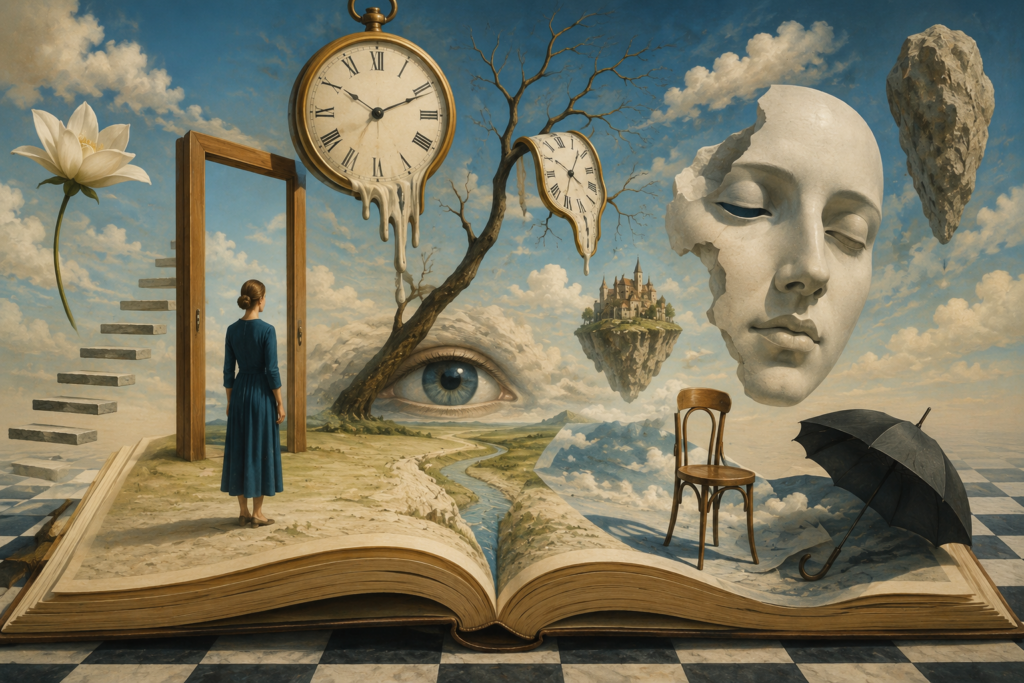
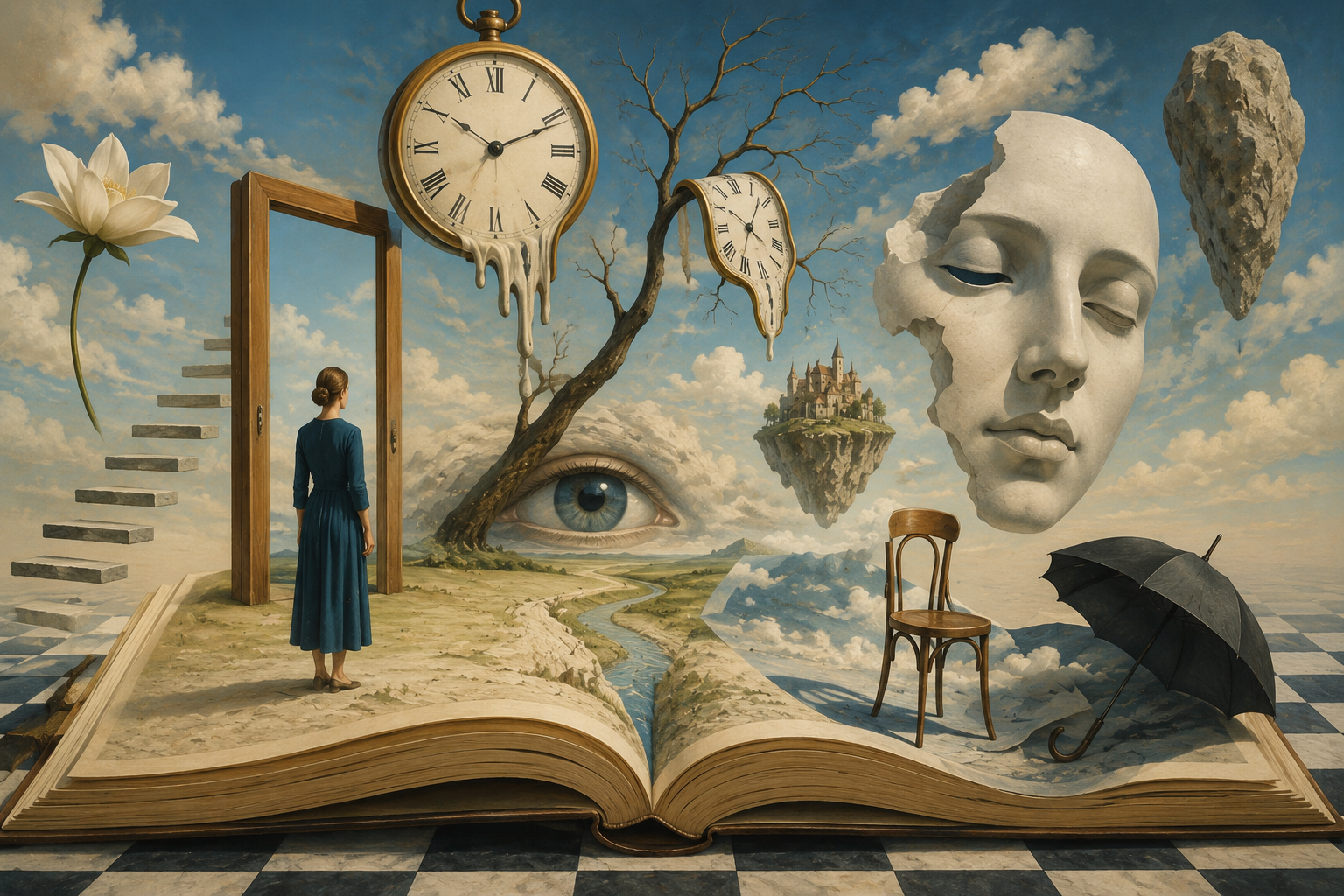
What Is Surrealism in Literature? It is a style of writing that uses dreams, strange images, and impossible events to reveal deeper truth.

Surrealist literature can feel confusing at first, but it often has a clear purpose. It helps writers show fear, desire, memory, and the hidden parts of the mind.

In this Guide

  • What surrealism means in literature
  • Why surrealism matters
  • Common surrealist features
  • Famous surrealist examples
  • How surrealism differs from fantasy
  • Tips for reading surrealist texts
  • Recommended books
  • FAQ
What is Surrealism

What Is Surrealism in Literature? A Clear Definition

Surrealism in literature mixes real life with dreamlike or impossible events.

So, What Is Surrealism in Literature? In simple terms, it is writing that breaks normal logic to explore the unconscious mind.

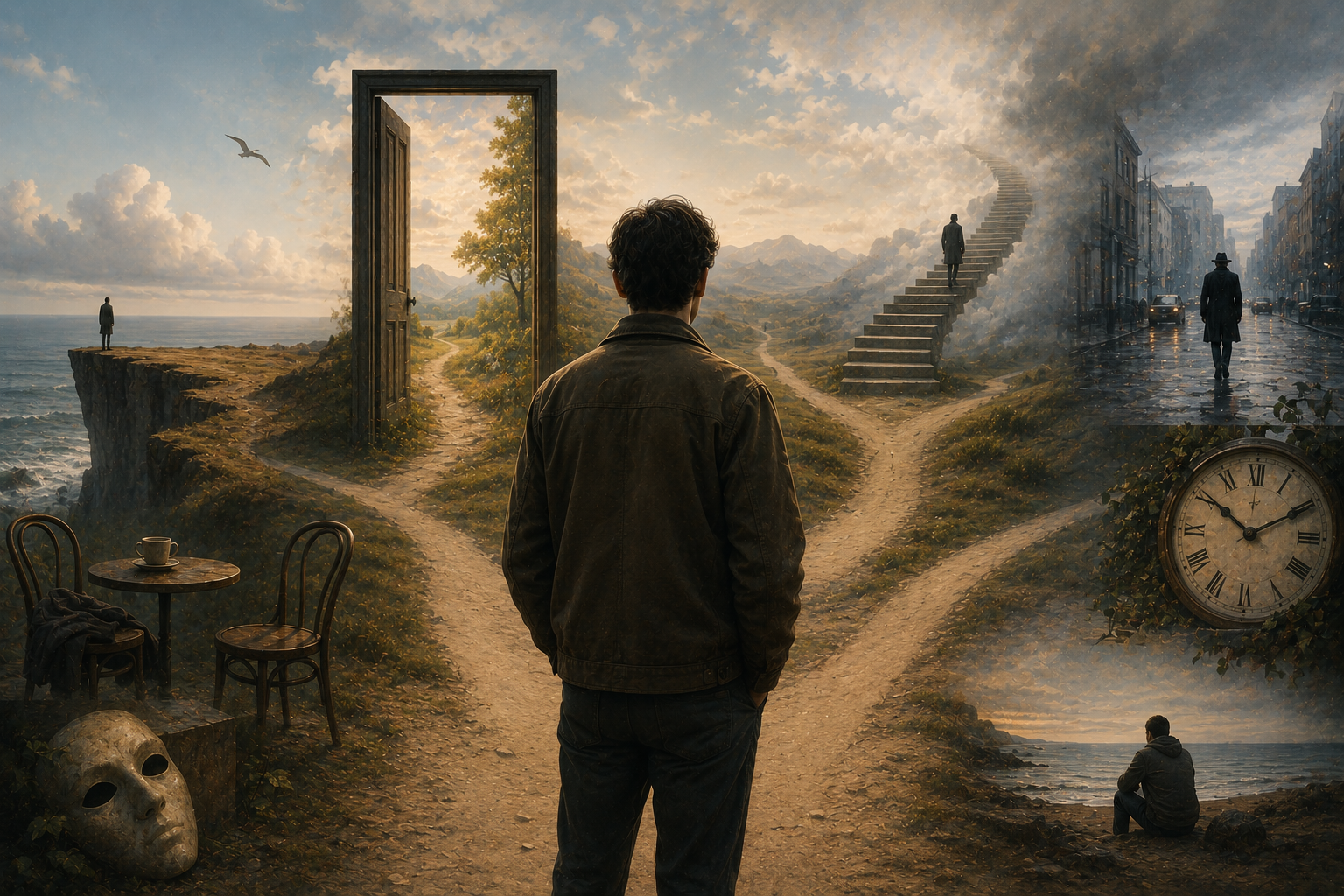
A surreal story may show a person turning into an insect, a city with impossible rules, or a dream that feels more honest than waking life.

The point is not always to make sense right away. The point is to make the reader feel that something hidden has come to the surface.

The movement began in the early 1900s and was shaped by writers and artists who wanted to move beyond ordinary realism. You can learn more about its history from Britannica’s overview of Surrealism.

Why What Is Surrealism in Literature? Matters

Surrealism matters because it gives writers a way to show truths that plain realism may not capture.

Real life does not always feel neat. Grief can feel unreal. Fear can twist time. A memory can return like a dream.

That is why the question What Is Surrealism in Literature? is useful for students. It helps you see why a strange scene may have emotional meaning.

Surrealist writing often asks readers to trust images, moods, and symbols. A scene may seem odd, but it can still reveal a character’s inner world.

What Is Surrealism in Literature? Key Features to Notice

Surrealist writing often feels strange, but it usually has patterns you can learn to spot.

When students ask, What Is Surrealism in Literature?, they are often asking what to look for on the page.

One common feature is dream logic. Events may shift without a normal cause. A room may become a forest. A dead person may speak as if nothing has changed.

Another feature is surprise. Surrealism often places normal details next to impossible ones. The contrast makes the scene feel both familiar and unsettling.

You may also notice symbols that do not have one simple meaning. A locked door might suggest fear, desire, memory, or guilt.

Famous Examples of Surrealism in Literature

Many well-known works use surreal images to explore serious ideas.

Franz Kafka’s The Metamorphosis is one of the most famous examples. Gregor Samsa wakes up as a giant insect, yet his family reacts with cold routine.

This strange event helps show guilt, isolation, and the pressure of family duty. If someone asks, What Is Surrealism in Literature?, Kafka is often a strong place to start.

Lewis Carroll’s Alice’s Adventures in Wonderland also uses dreamlike logic. Alice meets impossible creatures and enters a world where rules keep changing.

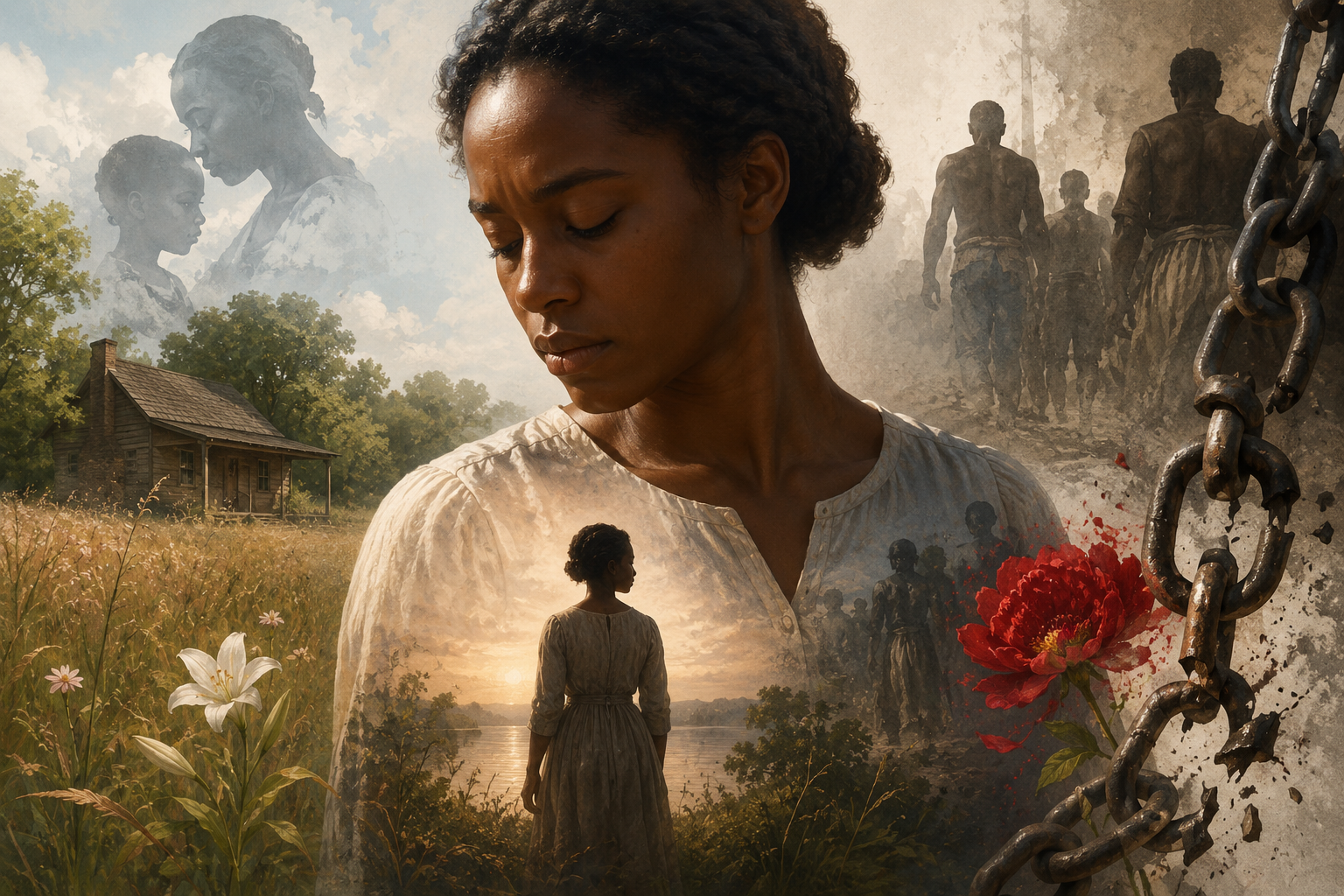
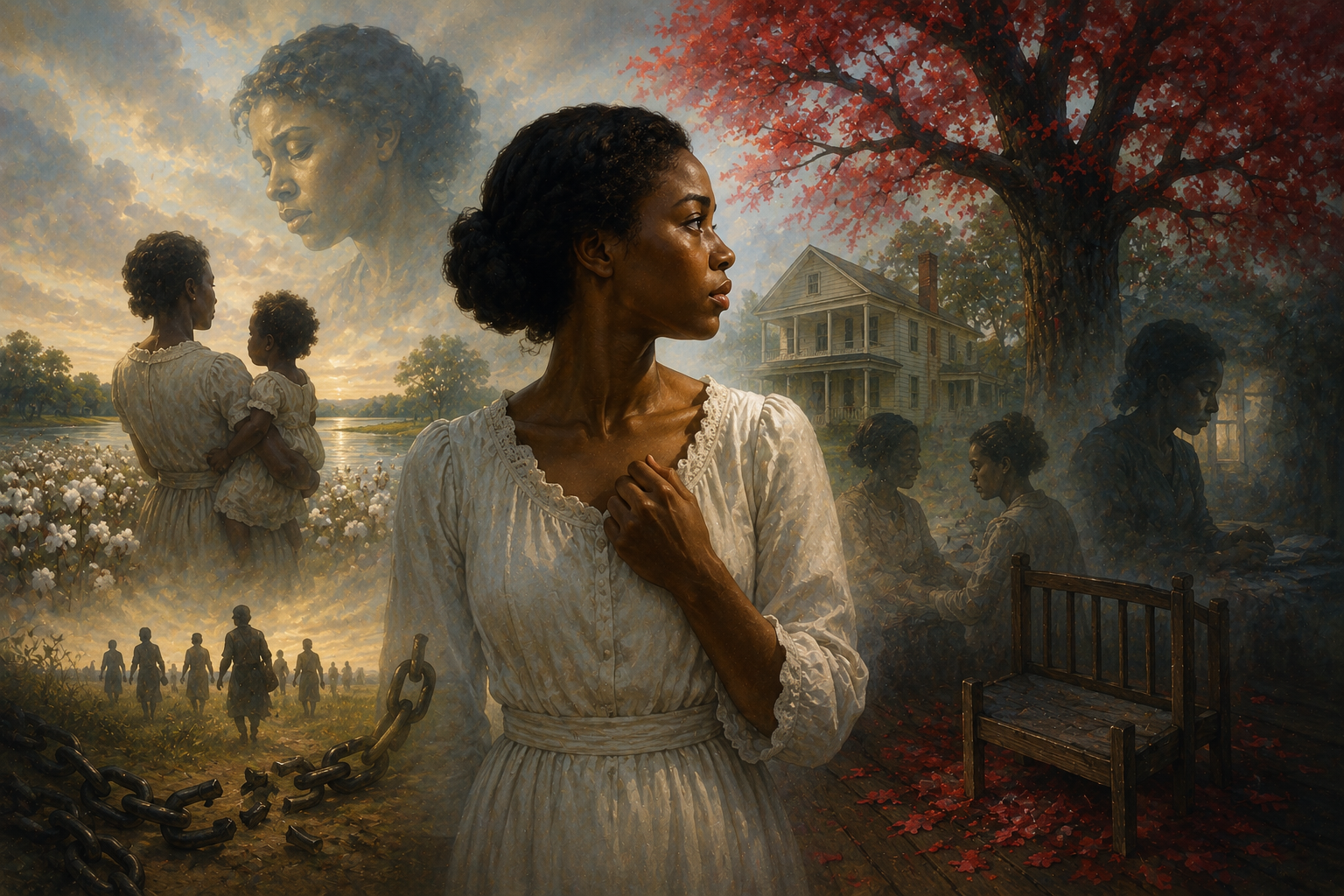
Toni Morrison’s Beloved includes ghostly and unreal elements that express trauma and memory. The surreal parts are not random. They help show how the past can haunt the present.

For poetry, you can explore the Poetry Foundation’s guide to Surrealism.

How Surrealism Is Different from Fantasy

Surrealism and fantasy can both include impossible events, but they do not work the same way.

Fantasy often builds a new world with its own rules. Magic may have a system. Creatures may have a history.

Surrealism often refuses clear rules. It may feel like a dream, a nightmare, or a sudden break in normal life.

This difference helps answer What Is Surrealism in Literature? It is not just “weird stuff.” It is a way to reveal hidden meaning through the strange.

How to Analyze Surrealism as a Student

The best way to read surrealism is to ask what the strange moment does.

Do not stop at “this is weird.” Ask what feeling the scene creates. Does it show fear, shame, grief, freedom, or confusion?

When you study What Is Surrealism in Literature?, focus on patterns. If the same image returns, it probably matters.

Look at how characters react to impossible events. If no one seems shocked, that detail can be important.

You can also connect surreal moments to theme. For a deeper method, read our guide on how to read literature like a scholar.

Practical Reading Tip for Surrealist Literature

Use a simple two-step note system.

First, write down the strange image or event. Next, write what emotion it creates.

For example, if a character walks through a house with endless rooms, you might note “confusion” or “feeling trapped.”

This method keeps you from guessing too fast. It helps you move from the weird detail to a strong idea.

If you want to understand What Is Surrealism in Literature?, these books are a good place to begin.

  • The Metamorphosis by Franz Kafka
  • Alice’s Adventures in Wonderland by Lewis Carroll
  • Beloved by Toni Morrison

Each book uses unreal moments in a different way. Kafka feels anxious and cold. Carroll feels playful but unsettling. Morrison uses the supernatural to explore memory and pain.

FAQ: What Is Surrealism in Literature?

What Is Surrealism in Literature? in one sentence?

It is a style of writing that uses dreamlike or impossible events to reveal hidden thoughts, emotions, or truths.

Is surrealism the same as fantasy?

No. Fantasy usually has a made-up world with rules, while surrealism often breaks normal logic to create a dreamlike effect.

Why do authors use surrealism?

Authors use surrealism to show feelings and ideas that may be hard to explain in realistic scenes.

Is The Metamorphosis surrealist?

Yes, it is often read as surreal or proto-surrealist because it uses an impossible event to explore isolation and guilt.

How can I write about surrealism in an essay?

Choose one strange image, explain how it feels, then connect it to a theme or character conflict.

Key Takeaway

What Is Surrealism in Literature? It is a way of using the strange to tell the truth.

When a text feels dreamlike, do not dismiss it. Ask what the impossible moment reveals about the mind, the world, or the story’s deeper meaning.


Flash Memoir Prompt: Tradition that Ended when a Person Left

Flash memoir prompt tradition

Use this flash memoir prompt about a tradition that ended when a person left to return to one small ritual, one changed room, and the feeling you could not name at the time.

The first clue may have been the quiet. No chair scraped across the kitchen floor at 6 p.m. No one called out the same joke before dinner. No burnt toast, no card game, no Sunday drive, no extra place set at the table. A tradition can disappear so softly that no one announces its ending. One person leaves, and the custom they carried with them goes too.

This kind of memory often holds more than nostalgia. It can show how families work, how friendships change, and how love sometimes lives inside small habits. A flash memoir prompt tradition ended person left story does not need to explain an entire relationship. It only needs to notice what stopped.

Flash memoir prompt tradition

The Prompt

Write about a tradition that ended when a person left.

This prompt can unlock a strong memory because traditions are often tied to people more than we realize. We may think the tradition belonged to the whole family, the whole class, or the whole group. Then one person moves away, dies, graduates, divorces, or simply stops showing up, and the ritual loses its center.

You might write about a holiday meal that never tasted the same after your grandmother was gone. You might remember a neighbor who organized block parties until he moved. Maybe a friend left your school, and suddenly no one met by the vending machine before first period.

The point is not to prove that the person was important. The missing tradition already proves it.

Why This Memory Matters

A tradition that ends can reveal the shape of a relationship. It shows what someone held together, often without much credit. The person may have been loud and central, or they may have worked quietly in the background. Either way, their absence changed the pattern.

This prompt may uncover grief, but it can also bring up relief, confusion, or even humor. Maybe the tradition was annoying while it lasted. Maybe everyone complained about it, then missed it once it was gone. That tension can make the writing feel real.

Memory is rarely one clean emotion. You may have loved your uncle’s yearly slideshow and dreaded it at the same time. You may have rolled your eyes when your older sister made everyone sing on birthdays, then felt the silence when she left for college.

That mix matters. If you are unsure how to name the feeling in your piece, it may help to think about the difference between tone and mood in literature. Your memory might sound funny on the surface while the mood underneath feels lonely.

A strong flash memoir often lives in that gap between what people did and what it meant later.

How to Approach This Prompt

Begin with the object or action that belonged to the tradition. Do not start by summarizing the whole history. Start with the coffee can where game-night money was kept. Start with the dented pot used every New Year’s Day. Start with the folding chair someone always brought from the garage.

Choose one scene. The last time the tradition happened can work well, but so can the first time it did not happen. That missing moment may be more powerful than the farewell itself.

Try writing what you noticed before you explain what it meant. Let the reader see the cold porch light, the unused recipe card, or the empty passenger seat. Small details help the emotion arrive without forcing it.

If the memory feels too large, ask yourself one narrow question: What did I expect to happen that day, and what happened instead?

You do not need to explain why the person left right away. In flash memoir, a little restraint can help. You can let the reader feel the absence first. Once the scene has weight, add only the background needed to understand the change.

If you like marking up your own drafts, try reading your piece once just for sensory details. Circle what can be seen, heard, touched, or smelled. This is similar to the close attention readers use when they annotate literature, and it can help you find the strongest parts of your own memory.

Keep the focus tight. A flash memoir prompt tradition ended person left piece works best when it trusts one moment to carry the larger story.

A Quick Example

After my brother left for the Army, my mother stopped making pancakes on Saturday mornings. No one said that was why. The first Saturday, she poured cereal into three bowls and left the griddle in the cabinet. My father read the newspaper like he had somewhere to hide behind it. I sat at the table and stared at the syrup bottle, sticky around the cap, still wearing its red plastic lid. My brother had always made the first pancake too big and too pale, then eaten it standing at the stove. I used to tell him it looked raw. That morning, I wanted the raw one. I wanted to hear him laugh and call me dramatic. Instead, my spoon clicked against the bowl, too loud in the kitchen.

Try It Yourself

Set a timer for ten minutes and write about the tradition without trying to make it perfect. Start with the moment you realized it was gone. If that feels too direct, start with the place where it used to happen.

Let yourself write plainly. “We used to do this.” “Then she left.” “After that, no one did it again.” Simple sentences can hold deep feeling when the detail is honest.

When you revise, look for the strongest image. It might be the untouched pie plate, the quiet phone, or the song no one played anymore. Build the piece around that image and trim anything that pulls too far away from it.

You may discover that the tradition was really a form of care. You may also discover that the person who left was the only one brave enough, stubborn enough, or cheerful enough to keep it alive. Follow what the memory shows you.

Want More Flash Memoir Prompts?

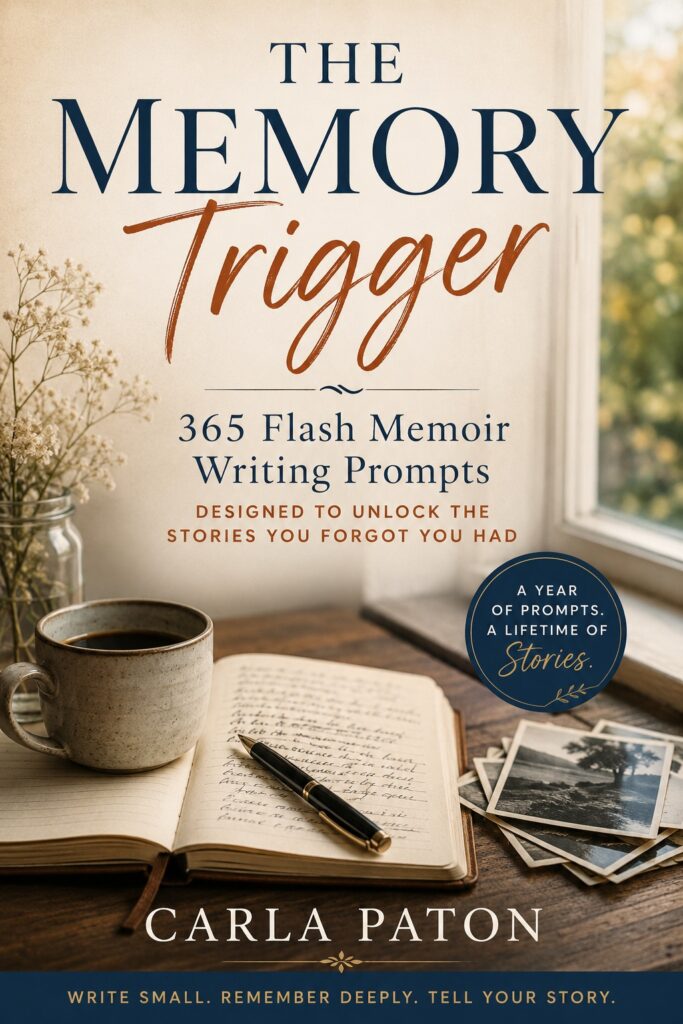
If this prompt opened a door, keep going. Explore all 365 prompts in The Memory Trigger: 365 Flash Memoir Writing Prompts.

The Memory Trigger

Beloved Summary and Analysis for Students

Beloved Summary

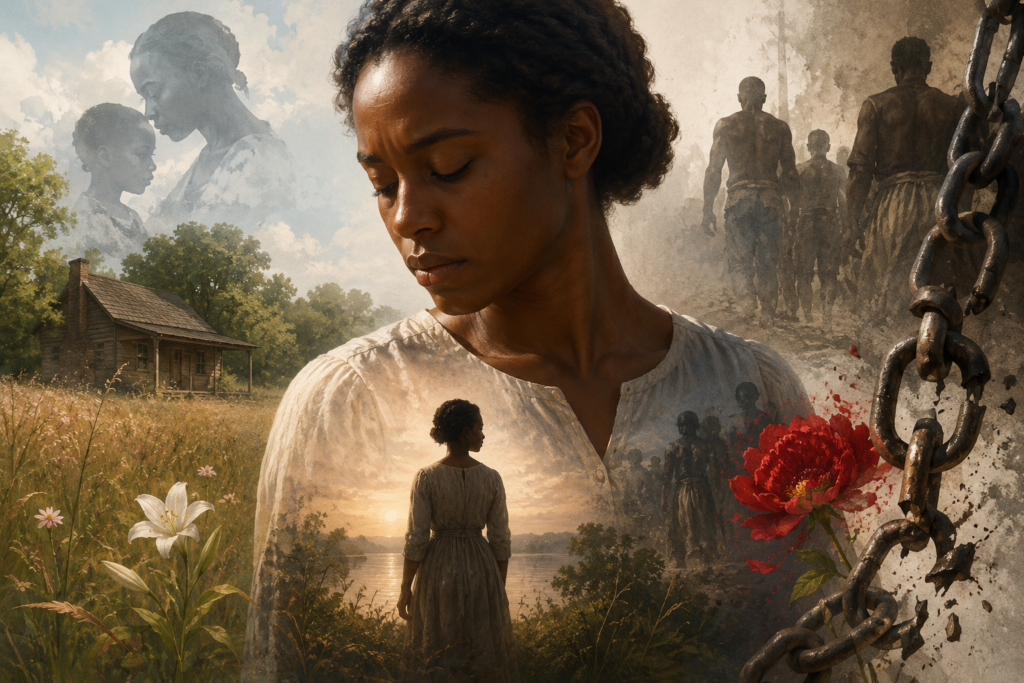
This Beloved summary and analysis gives students a clear path through Toni Morrison’s powerful novel. The book is about slavery, memory, family, and the pain that can live on long after violence ends.

This guide contains major spoilers, so use it after you read or as a chapter-by-chapter reference.

In This Guide

  • Why Beloved matters
  • Beloved summary and analysis: plot overview
  • Main characters
  • Structure and point of view
  • Major conflicts
  • Themes and symbols
  • Study tips and close reading
  • FAQ
Beloved Summary

Beloved Summary and Analysis: Why the Novel Matters

Toni Morrison’s novel asks what happens when the past refuses to stay buried.

Beloved, published in 1987, is one of the most important American novels of the late 20th century. It is set after the Civil War, but it looks back at slavery through memory, trauma, and family history.

A strong Beloved summary and analysis must look at both plot and meaning. The story is not told in a simple order because the characters do not remember pain in a simple order.

Morrison won the Nobel Prize in Literature in 1993. You can learn more about her life at Britannica’s Toni Morrison page or the Nobel Prize biography.

Beloved Summary and Analysis of the Plot

The plot centers on Sethe, a formerly enslaved woman who lives in Ohio after she escapes from a plantation called Sweet Home.

This Beloved summary and analysis keeps the plot clear: Sethe lives at 124 with her daughter Denver. The house is haunted by the spirit of Sethe’s dead baby, whose tombstone says only one word: Beloved.

Sethe’s sons have left because the house scares them. Her mother-in-law, Baby Suggs, has died. Denver feels lonely and trapped, and Sethe tries to survive by keeping her past under control.

Then Paul D arrives. He also lived at Sweet Home, and he carries his own pain from slavery. His arrival stirs old memories, and he seems to drive the ghost from the house.

Soon after, a strange young woman appears. She calls herself Beloved. Sethe, Denver, and Paul D do not fully understand who she is at first, but the novel gives strong signs that she is the dead child returned in human form.

As Beloved grows stronger, Sethe becomes weaker. She believes Beloved has come back to receive love, apology, and care. Sethe gives more and more of herself until Denver must seek help from the Black community.

The novel ends with a group of women coming to 124 to support Sethe and drive Beloved away. Beloved disappears, but the pain she represents does not vanish in a neat way.

Main Characters in Beloved

The characters carry the emotional weight of the novel.

Sethe is a mother marked by slavery and by the choice she made to kill her child rather than let her be taken back into slavery. Her love is fierce, but it is also shaped by terror.

Denver is Sethe’s living daughter. She begins the novel lonely and afraid of the outside world, but she becomes more brave when she asks the community for help.

Beloved is both a character and a symbol. She may be the ghost of Sethe’s child, but she also stands for the lost lives and stolen histories caused by slavery.

Paul D wants a future, but he has locked away much of his pain. Like many Morrison characters, he must face what he tried to hide.

Baby Suggs offers spiritual care to the community before sorrow overwhelms her. Her sermons in the Clearing show the need for self-love after a system built on cruelty.

Beloved Summary and Analysis of Structure

Morrison uses a broken structure because trauma often returns in pieces.

Beloved summary and analysis also needs the novel’s form. The book moves between past and present. Memories interrupt scenes, and different voices take over the story.

This structure can feel hard at first. Yet it helps readers feel how the characters live with the past. Sethe does not simply remember Sweet Home. She relives it.

Think of how The Great Gatsby uses the past as a force that shapes the present. In Beloved, that force is far more violent and personal.

Morrison also uses repeated images and phrases. These echoes make the novel feel like a haunted space, where the same pain keeps returning until someone faces it.

Beloved Summary and Analysis of Major Conflicts

The novel’s conflicts are both personal and historical.

The main conflict is Sethe versus the past. She wants to protect herself and Denver, but buried memory keeps breaking into her life.

Another key conflict is Sethe versus Beloved. At first, Sethe sees Beloved as a chance to make things right. Over time, Beloved demands more than Sethe can give.

Denver also faces an inner conflict. She must choose between staying inside 124 and stepping into the world. Her growth gives the novel one of its clearest signs of hope.

Sethe’s conflict can remind students of Macbeth, where guilt does not stay hidden. Yet Morrison’s focus is different. Sethe’s guilt comes from a world that put her in an impossible position.

Key Themes in Beloved

The novel’s themes show how private pain connects to public history.

Memory and trauma shape nearly every scene. Morrison shows that the past is not gone just because time has passed.

Motherhood is another central theme. Sethe’s love for her children is real, but slavery twists the meaning of protection.

Community becomes a path toward survival. Sethe cannot heal alone. Denver’s choice to ask for help shows that care must reach beyond one house.

Identity matters because slavery tried to erase people’s names, families, and bodies. The novel restores attention to lives that history often ignored.

Symbols and Motifs Students Should Notice

Morrison’s symbols are rich, but they stay tied to character and feeling.

124 is more than a house. It is a place where grief takes physical form. Its haunting shows that history lives in rooms, objects, and daily habits.

Beloved symbolizes one dead child, but she also suggests a larger history of lost people. Her hunger reflects a huge need for memory and witness.

The chokecherry tree on Sethe’s back is a scar from whipping. The image turns violence into something that others describe as a tree, which makes the scene both beautiful and horrifying.

Water appears near birth, return, and crossing. Beloved rises from water, which links her to both life and the Middle Passage.

How to Read Beloved Closely

The best way to read the novel is slowly, with attention to patterns.

Start by tracking repeated words, shifts in point of view, and moments when the past interrupts the present. These details help you build a stronger Beloved summary and analysis without guessing at meaning.

If you need a simple method, read our guide to close reading in literature. It can help you mark passages with more purpose.

For class, choose one short passage and ask what changes in voice, image, or time. Morrison often places the deepest meaning in small shifts.

What Is the Literary Meaning of Beloved?

The novel argues that healing requires truth, memory, and human connection.

Morrison does not offer an easy ending. Beloved is gone, but the story warns readers not to forget her. The final pages repeat that this is not a story to pass on, which can mean both do not spread the pain and do not erase the truth.

That tension is the heart of the book. Some stories are almost too painful to carry, but injustice grows when people refuse to remember.

This is why Beloved summary and analysis should never treat the ghost as only a plot twist. Beloved is a sign of history demanding attention.

Relevant Books for Students

If you want a print copy or helpful background, look for these titles through Amazon, your school library, or a local bookstore.

  • Beloved by Toni Morrison
  • Toni Morrison: A Biography by Stephanie Li

FAQ: Beloved Summary and Analysis

What is the main point of a Beloved summary and analysis?

A Beloved summary and analysis should explain the plot while also showing how Morrison explores slavery, memory, guilt, and healing.

Is Beloved really a ghost?

The novel strongly suggests that Beloved is the spirit of Sethe’s dead child. She also works as a symbol of historical loss.

Why did Sethe kill her child?

Sethe believed death was better than a return to slavery. Morrison presents this as a tragic choice created by an evil system.

Why is the novel hard to read?

The timeline moves back and forth, and the subject is painful. The structure reflects how trauma appears in memory.

What should students focus on for an essay?

Strong essay topics include Sethe’s motherhood, the symbol of 124, Denver’s growth, or the role of community in healing.

Key Takeaway

Beloved is a story about being haunted by history. Its deepest lesson is that pain must be faced with truth, care, and shared memory.

What Is Absurdism in Literature?

Absurdism in Literature

If you have ever asked, “What Is Absurdism in Literature?” the short answer is this: absurdism shows a world where life feels strange, unfair, or without clear meaning.

Writers use it to explore how people act when the universe gives them no easy answers.

In this Guide

What Is Absurdism in Literature? A Simple Definition

Absurdism is a literary idea about the clash between humans and a silent universe.

Put simply, what is absurdism in literature? It is the belief that people search for meaning, but the world does not always provide it.

That does not mean absurdist stories are pointless. In fact, they often ask deep questions about life, choice, death, and freedom.

An absurdist work may feel strange on purpose. Events may not make sense. Characters may repeat the same actions. Dialogue may sound simple but carry a heavy meaning.

What Is Absurdism in Literature? Why It Matters

Absurdism helps readers face hard questions without neat answers.

When students learn what is absurdism in literature, they start to notice how stories can question the rules of life itself.

Many works of literature show heroes who fight for love, justice, or success. Absurdist works often show people who face a world that does not reward them in a clear way.

This makes absurdism powerful. It captures confusion, fear, humor, and courage in a world that can feel random.

For more help with deeper reading skills, see this guide on how to read literature with a scholar’s mindset.

Absurdism vs. Existentialism

These two ideas are close, but they are not the same.

Existentialism often says people can create their own meaning through choice. Absurdism says people may search for meaning, but the universe may stay silent.

Think of it this way: existentialism asks, “How should I live?” Absurdism asks, “What if life has no clear answer, but I must live anyway?”

Albert Camus is one of the most famous writers linked to absurdism. You can read more about him through Britannica’s overview of Albert Camus.

Examples That Explain What Is Absurdism in Literature?

Famous works can make this idea much easier to see.

These works make what is absurdism in literature feel clear because they place ordinary people in strange or unfair situations.

The Stranger by Albert Camus

In The Stranger, Meursault seems emotionally distant from the world around him.

He does not react the way society expects. His story asks whether life has meaning, or whether people invent meaning after the fact.

Waiting for Godot by Samuel Beckett

In this play, two men wait for someone named Godot.

Godot never arrives. The waiting becomes the point, which makes the play funny, sad, and deeply strange.

For background on this style of drama, see Britannica’s guide to the Theatre of the Absurd.

The Metamorphosis by Franz Kafka

Gregor Samsa wakes up as a giant insect.

No one explains why it happens. The story focuses on how his family reacts and how Gregor loses his place in the world.

Common Signs of Absurdism in a Story

Absurdist literature often has clues you can spot as you read.

  • Characters face events that seem random or unfair.
  • The story may avoid a clear lesson.
  • Dialogue can feel repetitive or odd.
  • Humor may appear during serious moments.
  • The ending may leave questions open.

These signs do not mean the writer was careless. They often show how strange life can feel when people want meaning but cannot find proof of it.

How to Analyze What Is Absurdism in Literature?

A strong analysis begins with the gap between what a character wants and what the world gives back.

If an essay prompt asks, “What is absurdism in literature?” do not stop at the definition. Look at how the text creates discomfort.

Ask yourself: What does the character hope for? What blocks that hope? Does the story offer an answer, or does it leave the character stuck?

Then look at tone. Absurdist works often mix pain with humor. That mix can reveal the writer’s view of human life.

You can also use close reading strategies from this post on reading literature like a scholar.

Books to Read Next

If you want to explore absurdism, start with short works that are often taught in high school and college classes.

  • The Stranger by Albert Camus
  • Waiting for Godot by Samuel Beckett

FAQ: What Is Absurdism in Literature?

What is absurdism in literature in one sentence?

Absurdism in literature shows people searching for meaning in a world that gives no clear answer.

Is absurdism always depressing?

No. Absurdist works can be dark, but they can also be funny. The humor often comes from how strange life can feel.

Who is the most famous absurdist writer?

Albert Camus is one of the best-known writers linked to absurdism, though Samuel Beckett and Franz Kafka are also major names.

How is absurdism useful in an essay?

It helps you explain conflict, tone, and theme when a story does not offer a simple moral.

Key Takeaway

The best answer to “What Is Absurdism in Literature?” is this: it is a way of writing about people who want meaning, even when life refuses to explain itself.

When you read an absurdist work, watch how characters respond to confusion. Their reaction is often where the real meaning begins. 📚

Flash Memoir Prompt: Last Time You Felt Completely at Ease in Your Own Body

Flash Memoir Prompt body

A gentle flash memoir invitation for remembering a moment when your shoulders dropped, your breath settled, and your body felt like a safe place to be.

Maybe it happened in a place no one else would call special. Your feet were tucked under a kitchen chair. Your hair was still damp from a shower. You were walking home with a warm drink in your hand, and for once you were not fixing, hiding, judging, or bracing.

If you searched for a flash memoir prompt last time felt completely at ease in your own body, this prompt is asking you to pause on that kind of moment. Not the perfect version of yourself. Not the body you wished for. The body you had, in one exact scene, when it felt enough.

Flash Memoir Prompt body

The Prompt

Write about the last time you felt completely at ease in your own body.

This prompt can unlock a meaningful memory because the body often remembers peace before the mind has words for it. You may not recall the date or every detail, but you might remember the weight of a blanket, the feel of bare feet on cool floor, or the deep breath you did not have to force.

A flash memoir prompt last time felt completely at ease can lead to a quiet story. It does not need a big plot. The power may be in the small shift from tension to rest.

Why This Memory Matters

Many of us spend a lot of time aware of our bodies in critical ways. We notice discomfort, awkwardness, tiredness, pain, size, age, or how others might see us. So a memory of ease can feel surprisingly tender.

This kind of story may uncover more than comfort. It may reveal safety, trust, relief, or belonging. You might remember a time when you were alone and free from performance. You might remember being with someone who made you feel accepted without effort.

For some writers, the memory may be connected to movement. Dancing in a living room. Swimming after a hard week. Stretching in the sun. For others, it may be rest. Sitting on a porch. Lying in bed with clean sheets. Holding a child who finally fell asleep.

As you write, notice the emotional weather of the scene. Is the memory calm, playful, surprised, or bittersweet? If you want help naming the feeling around the memory, this guide to tone and mood in literature can help you see the difference between what happened and how it felt.

How to Approach This Prompt

Begin with one physical detail. Do not start by explaining your relationship with your body across your whole life. That is too much for one short piece. Start smaller.

You might write, “My feet were in the lake,” or “The sweatshirt was too big in the best way,” or “I had just stopped holding my stomach in.” Let the body open the door.

Then narrow the memory to one scene. Choose ten minutes, not ten years. Where were you? What was touching your skin? What sounds were near you? Or what did your body no longer feel the need to do?

Try to write what you noticed before you explain what it meant. This is the same skill readers use when they slow down and mark details in a text. If you want a simple method for paying closer attention, this piece on how to annotate literature offers a useful way to notice first and interpret second.

For this prompt, you might ask yourself one focused question: What did ease feel like in my body? Maybe it felt like warmth, looseness, balance, silence, or a laugh that came out before you could stop it.

Avoid trying to make the memory sound profound right away. Let it be ordinary. The meaning can rise from the details.

A Quick Example

The last time I felt completely at ease in my body, I was floating in my sister’s backyard pool after everyone else had gone inside. It was late August, and the water held the day’s heat. My ears were under the surface, so the world sounded far away and soft. I remember looking up at the porch light and seeing moths circle it like tiny scraps of paper. For once, I was not thinking about how I looked in a swimsuit. I was not pulling at the fabric or comparing myself to anyone. My arms drifted out beside me. My knees rose and sank. I felt my breath move through me, steady and plain. But I did not feel beautiful exactly. I felt unbothered. That was better.

Try It Yourself

Set a timer for ten minutes and write from the prompt without stopping to judge the memory. If more than one moment comes to mind, choose the one with the clearest physical detail.

You do not have to write a body-positive essay. You do not have to solve every complicated feeling. Just return to one moment of ease and describe it honestly.

This flash memoir prompt last time felt completely at ease in your body works best when you trust the small scene. Let the chair, the water, the blanket, the sidewalk, or the quiet room carry part of the story for you.

Want More Flash Memoir Prompts?

If this prompt opened a memory you did not expect, keep going. Short prompts can help you build a steady writing habit, one scene at a time. Explore all 365 prompts in The Memory Trigger: 365 Flash Memoir Writing Prompts.

The Memory Trigger

Themes in Beloved: A Student-Friendly Guide

Beloved Themes

The themes in Beloved help readers understand why Toni Morrison’s novel feels so powerful and hard to forget. This guide explains the major ideas, conflicts, and deeper meanings students should notice as they read.

In this Guide

Use this guide to review the novel before class, a quiz, or an essay.

  • Why the novel’s themes matter
  • Memory and the past
  • Motherhood and difficult love
  • Freedom and ownership
  • Identity and voice
  • Community and healing
  • Symbols that build meaning
  • Essay tips and FAQs
Beloved Themes

Why the themes in Beloved matter

Morrison’s novel is not only about one family. It is about how slavery leaves pain in bodies, homes, and memories.

The story centers on Sethe, a formerly enslaved woman who lives with the past every day. The house at 124 is haunted, but the haunting is also emotional.

The themes in Beloved also show how history can stay alive even when people try to hide it. That makes the novel useful for essays about trauma, memory, family, and survival.

If you need help with theme as a concept, start with our guide on how to identify theme in literature.

Themes in Beloved: Memory and the past

Memory is one of the strongest forces in the novel.

Sethe tries to live in the present, but her past keeps returning. Morrison calls these painful returns “rememory,” which means the past is not really gone.

This theme matters because the novel shows memory as both painful and necessary. Sethe wants to forget, yet healing cannot start until the truth is faced.

A helpful comparison is Hamlet. Prince Hamlet also lives under the weight of a past crime. In both works, the past shapes the present and refuses to stay silent.

Themes in Beloved: Motherhood and difficult love

Morrison presents motherhood as powerful, protective, and deeply painful.

Sethe’s love for her children is intense because slavery tried to take away her right to be a mother. Her most shocking choice comes from that fear.

This is one of the most painful themes in Beloved because it asks students to think about love under extreme violence. The novel does not give easy answers. It asks why a mother might see death as safer than slavery.

In The Scarlet Letter, Hester Prynne also faces public judgment as a mother. Morrison’s novel is much darker, but both books ask how society judges women who protect their children.

Themes in Beloved: Freedom and ownership

The novel shows that legal freedom is not the same as full freedom.

Sethe escapes slavery, but she still carries its wounds. Her body, memories, and family life have all been marked by people who treated human beings as property.

Among the themes in Beloved, freedom is one of the most complex. Morrison shows that freedom must include safety, self-respect, and control over one’s own life.

This theme connects to many slave narratives and historical accounts. For background on Morrison’s life and major works, see Britannica’s overview of Toni Morrison.

Identity and voice in the novel

Morrison shows how slavery attacks a person’s sense of self.

Names matter in Beloved. Sethe’s past, Baby Suggs’s sermons, and Beloved’s mysterious presence all point to the question of who gets to define a person.

Voice also matters. Morrison lets different characters shape the story, which helps readers see pain from more than one angle. This style can feel hard at first, but it fits the novel’s subject.

When people have been silenced, telling a story becomes an act of power.

Community and healing

No one in the novel heals alone.

Baby Suggs once brings people together in the Clearing, where they learn to love their bodies and voices. That scene stands against the cruelty of slavery.

Later, the community’s role becomes important again. The women who come to 124 help break the hold of the past.

Morrison does not suggest that healing is simple. She shows that care from others can help people face what they could not face alone.

Symbols that build theme

Morrison uses symbols to make the novel’s ideas feel physical.

The house at 124 is more than a setting. It shows how trauma can fill a home and shape daily life.

Beloved herself is also symbolic. She can be read as a ghost, a lost child, or the return of a buried history.

Water often connects to birth, escape, and return. These symbols help students move from plot summary to analysis.

How to write about themes in Beloved

A strong essay should explain what Morrison suggests, not just name a topic.

Do not write, “The theme is memory.” That is too broad. A better claim would be: Morrison shows that painful memory must be faced before healing can begin.

When you write about themes in Beloved, connect each claim to a scene, symbol, or repeated idea. Use short quotes, then explain how the language supports your point.

These resources can help you build context before an essay or class discussion.

  • Beloved by Toni Morrison
  • Playing in the Dark by Toni Morrison
  • The Toni Morrison Book Club by Juda Bennett, Winnifred Brown-Glaude, Cassandra Jackson, and Piper Kendrix Williams

You can also read about Morrison through the Nobel Prize biography of Toni Morrison.

FAQ

These quick answers can help you review before a test or essay.

What are the main themes in Beloved?

The main themes in Beloved include memory, trauma, motherhood, freedom, identity, and community healing.

Why is memory so important in Beloved?

Memory shows that the past still affects the present. Sethe cannot heal by hiding from what happened.

Is Beloved a symbol?

Yes. Beloved can represent Sethe’s lost child and the larger history of slavery that refuses to disappear.

What is a good essay topic for Beloved?

You could write about how Morrison uses haunting to show the lasting effects of slavery.

Key Takeaway

The themes in Beloved ask readers to face hard truths about love, memory, and survival. Morrison shows that healing begins when buried stories are finally heard.

Existential Themes in Fiction

Existential themes
Existential themes

Existential Themes in Fiction help readers ask big questions about life, choice, freedom, fear, and meaning. These themes can feel heavy at first, but many famous novels and stories use them in clear, powerful ways.

If you are studying literature or choosing a book for class, this guide will help you spot existential ideas and explain them with confidence.

In this Guide

  • What existential themes mean
  • Why these themes matter in stories
  • Common signs to look for
  • Examples from well-known books
  • How to write about existential themes
  • Book suggestions
  • FAQ

What Are Existential Themes in Fiction?

Existential themes focus on how people face life when there are no easy answers.

At the center of these stories is a simple but deep question: What does life mean? Characters may feel lost, trapped, or unsure of who they are.

Existential Themes in Fiction often show people who must make hard choices. They cannot depend on society, religion, family, or tradition to give them a clear path.

This does not always mean the story is hopeless. Many works show that meaning can come from action, honesty, love, or personal courage.

For more background on the philosophy behind these ideas, you can read Britannica’s overview of existentialism.

Why Existential Themes in Fiction Matter

These themes matter because they connect literature to real human fears.

Students often meet existential ideas in books where characters feel alone or confused. That can sound dark, but it is also very real.

People ask hard questions at many points in life. Who am I? What should I do? Does my choice matter?

Existential Themes in Fiction help readers see those questions in action. Instead of giving a lecture, the story lets us watch a character struggle.

This makes the theme easier to understand. We see how fear, freedom, and choice shape a person’s life.

Common Signs of Existential Themes in Fiction

You can spot existential ideas by watching what a character fears and chooses.

One common sign is isolation. A character may feel cut off from friends, family, or the world.

Another sign is a crisis of meaning. The character may ask why life matters or why people follow certain rules.

A third sign is moral choice. The character may need to act without a clear guide.

If you need help separating theme from plot, this guide on how to identify theme in literature can help you build a stronger reading method.

Major Existential Themes in Fiction

Most existential stories return to a few core ideas about human life.

Freedom and Responsibility

Existential fiction often shows that freedom is not always easy. If a person is free to choose, that person must also face the results.

This can create fear. A character may want someone else to decide, but the story forces them to act.

Alienation and Loneliness

Many characters feel like outsiders. They may live in a crowded city or belong to a family, yet still feel alone.

This theme asks whether people can truly understand one another.

The Search for Meaning

Some stories show characters who no longer trust old answers. They may question work, faith, law, or social success.

The key point is not always to find one final answer. Often, the search itself reveals the character’s deepest values.

Absurdity

Absurdity appears when life seems strange, unfair, or without clear order. A character may try to make sense of events that do not make sense.

This theme is common in modern fiction, especially after war or social crisis.

Examples of Existential Themes in Fiction

Famous books often make existential ideas easier to see.

The Stranger by Albert Camus

Camus’s novel is one of the clearest examples of Existential Themes in Fiction. The main character, Meursault, seems emotionally distant from the world around him.

He does not react the way society expects. Because of this, readers must ask what makes a life moral or meaningful.

The novel also explores absurdity. The world does not explain itself, and Meursault does not pretend that it does.

The Metamorphosis by Franz Kafka

In Kafka’s story, Gregor Samsa wakes up transformed into a giant insect. The strange event is never explained.

This makes the story feel absurd, but its emotional truth is clear. Gregor feels useless, unwanted, and trapped by duty.

The story shows alienation in a sharp way. Gregor is near his family, but he becomes more alone with each scene.

Crime and Punishment by Fyodor Dostoevsky

Raskolnikov believes he can place himself above normal moral rules. His crime becomes a test of his ideas.

The novel explores guilt, freedom, and responsibility. It shows that ideas have real costs when people act on them.

This is a strong choice for students who want to study moral conflict in depth.

Hamlet by William Shakespeare

Hamlet is not usually called an existential novel, but the play has many existential questions. He wonders about death, action, truth, and the purpose of life.

His famous “To be, or not to be” speech asks whether life is worth the pain it brings. That question sits at the heart of many existential works.

You can explore Shakespeare’s works through the British Library’s Shakespeare resources.

How to Analyze Existential Themes in Fiction for Class

A strong analysis connects a character’s choices to the story’s larger message.

Start with the character’s conflict. Ask what the character wants, fears, or avoids.

Next, look for moments of choice. Existential stories often turn on a decision that reveals who the character is.

Then connect the choice to a theme. For example, if a character rejects social rules, the theme may focus on freedom or alienation.

Existential Themes in Fiction are not just “sad ideas.” They are about how people respond when life feels uncertain.

If you plan to write an essay, choose one main theme and prove it with short quotes. Do not try to cover every idea in the book.

Practical Takeaways for Students

Existential literature becomes easier when you know what to track.

Watch for questions about meaning. These may appear in dialogue, inner thoughts, or major plot choices.

Notice how the setting affects the mood. Empty rooms, courts, cities, and prisons can all show isolation.

Pay close attention to endings. Many existential works do not solve every problem, but the ending can show what the character has learned or refused to learn.

When studying Existential Themes in Fiction, do not panic if the book feels strange. That feeling may be part of the point.

Books to Search for on Amazon

These books are useful for students who want strong examples of existential ideas.

  • The Stranger by Albert Camus
  • The Metamorphosis by Franz Kafka
  • Crime and Punishment by Fyodor Dostoevsky

These works are common in high school, AP Literature, and college courses. They also give readers rich material for essays about choice, guilt, alienation, and meaning.

FAQ About Existential Themes in Fiction

What does existential mean in literature?

It means the story explores life’s biggest questions, such as freedom, death, choice, and meaning.

Are Existential Themes in Fiction always depressing?

No. Some stories are dark, but many show that people can create meaning through honest choices.

What is the easiest existential book to start with?

The Metamorphosis by Franz Kafka is a good start because it is short and clear in its main conflict.

How do I write a thesis about existential themes?

Focus on one idea. For example, you might argue that a character’s isolation reveals the story’s view of human freedom.

Key Takeaway

Existential Themes in Fiction help readers study how people face fear, freedom, and uncertainty. The best way to understand them is to track a character’s choices and ask what those choices say about life.

Flash Memoir Prompt: Dream or Plan You Quietly Let Go of without Telling Anyone

flash memoir dreams

A warm flash memoir prompt for remembering the dream or plan you quietly let go of, through one small scene, one physical detail, and the truth you may not have said out loud.

Maybe it lived in a notebook for a while. Maybe it was a course catalog folded into your bag, a half-finished application, a business idea scribbled on the back of a receipt, or a town you kept checking on weather apps even though you never moved there.

Some dreams do not end with a dramatic speech. They do not slam the door. They simply stop being mentioned. Today’s flash memoir prompt dream plan quietly let go invites you to look at one of those quiet endings with care, not judgment.

flash memoir dreams

The Prompt

Write about a dream or plan you quietly let go of without telling anyone.

This prompt can unlock a meaningful memory because private disappointments often leave small traces. You may remember the day you stopped practicing, the evening you closed the browser tab, or the moment you put the folder in a drawer and did not open it again.

The story does not have to be tragic. Letting go can happen for many reasons. You grew older. Money changed. Someone needed you. The dream no longer fit. Or maybe you were tired of wanting something that kept moving away.

Why This Memory Matters

A dream you never announced can still shape your life. In fact, it may carry a special kind of weight because no one else knew enough to ask what happened.

This kind of memory often reveals the difference between who you imagined becoming and who you became. That does not mean one version is better. It means there was a turning point, even if no one saw it.

Maybe you once planned to become a singer, but you stopped showing up for auditions. Maybe you wanted to leave your hometown, but your suitcase never made it past the closet. Or maybe you planned to write a novel, start over, learn a language, adopt a child, open a bakery, or tell someone how you felt.

The quiet part is important. When a dream is public, people help create the story around it. They ask questions. They offer comfort. And they make comments. But when a dream is private, the memory stays close to the body. You might remember the smell of coffee beside your laptop, the ache in your neck, or the sound of rain while you deleted a file.

That is where good flash memoir often begins. It starts before the explanation. It starts with what you noticed.

How to Approach This Flash Memoir Prompt Dream Plan Quietly Let Go

Begin with one object connected to the dream. Choose something ordinary: a form, a pair of shoes, a brochure, a musical instrument, a saved email, a paintbrush, a recipe card, a gym bag.

Do not try to tell the whole history of the dream. Pick one scene. Maybe it is the moment you realized you had stopped caring. Maybe it is the day you packed the object away. Or maybe it is the moment you watched someone else do the thing you once wanted for yourself.

Write what your hands did first. Did you fold the paper? Close the box? Leave the room? Pretend to be busy? Small actions can reveal more than a long explanation.

Then let the emotion arrive slowly. You do not need to name it right away. Try writing the scene as if you are observing yourself from across the room. What would a camera see? What sound would it pick up? And what would be easy to miss?

If you enjoy looking closely at details, you might also like this guide on how to annotate literature. The same skill can help in memoir. You learn to notice patterns, repeated images, and the quiet places where meaning gathers.

For this flash memoir prompt dream plan quietly let go, resist the urge to wrap the piece in a perfect lesson. You may not know exactly why you let the plan fade. That uncertainty can make the writing feel honest.

A Quick Example

I kept the community college catalog under my bed for almost a year. The pages were soft at the corners because I had turned to the nursing program so many times. I liked the photograph of the students in blue scrubs, all of them smiling like they had somewhere important to be. On a Saturday morning, I pulled the catalog out while my kids watched cartoons in the next room. The application deadline was circled in purple pen. I stared at it while my toast cooled on the plate. Then I slid the catalog into the recycling bin under the sink. I did not cry. I rinsed a cereal bowl and let the water run too long. No one asked what I had thrown away.

Try It Yourself

Set a timer for ten minutes and write about the object, place, or day connected to the plan you stopped speaking about. Start small. Let the first sentence be plain: “The folder was blue,” or “I stopped going after the third lesson.”

Try to stay with one memory instead of explaining your whole life around it. If you feel tempted to defend your choice, pause and return to the scene. What was the light like? What did you do next? Who was nearby and unaware?

You may discover that the dream did not vanish. It may have changed shape. Or you may find that letting it go was an act of survival, wisdom, fear, love, or timing. The page does not need you to decide right away.

This flash memoir prompt dream plan quietly let go is not about blaming yourself for what did not happen. It is about giving a private ending a place to be seen.

Want More Flash Memoir Prompts?

Explore all 365 prompts in The Memory Trigger: 365 Flash Memoir Writing Prompts. It offers a full year of short, focused invitations for writing real memories with honesty and detail.

The Memory Trigger

How to Write an Invisible Man Literary Analysis Essay

Invisible Man essay

Writing an Invisible Man literary analysis essay can feel hard because Ralph Ellison’s novel is full of symbols and sharp social questions. This guide shows you how to build a sharp thesis and use evidence with purpose.

In This Guide

Use this as a quick map before you start your essay.

  • Why Invisible Man works well for literary analysis
  • How to choose a focused topic
  • How to write a strong thesis statement
  • What evidence to use from the novel
  • How to shape a clear essay outline
  • Common mistakes to avoid
  • Helpful books and resources
  • FAQ for students
Invisible Man essay

Why Invisible Man Works Well for Literary Analysis

Ellison’s novel rewards essays that track patterns, not just plot events.

Invisible Man is rich because it asks deep questions about identity, race, power, and self-knowledge. The narrator wants to be seen as a full human being, but many people treat him as a symbol or tool.

That tension gives you many strong essay paths. You can study the narrator’s journey, the role of blindness, the use of speeches, or the way objects gain meaning.

Like the green light in The Great Gatsby, Ellison’s symbols grow more complex as the story moves on. A strong essay shows how that growth changes the reader’s view of the novel.

If you need a refresher on essay basics before you start, review this guide on how to write a literary analysis essay.

How to Choose an Invisible Man Literary Analysis Essay Topic

A good topic starts narrow, then opens into a bigger idea.

The best Invisible Man literary analysis essay does not try to explain the whole novel. It picks one pattern and asks what that pattern reveals. This keeps your essay focused and easier to prove.

Start with a question. Why does the narrator keep meeting groups that claim to help him? What does invisibility mean by the end of the novel? How do speeches shape public identity?

Here are focused topic ideas you can adapt:

  • Invisibility and identity: How the narrator learns that others refuse to see his full self.
  • Blindness as a symbol: How physical and moral blindness shape the novel’s conflicts.
  • The briefcase: How the objects inside it track the narrator’s changing hopes.
  • The Brotherhood: How political language can erase the person it claims to defend.
  • The prologue and epilogue: How the narrator’s underground space becomes a place of thought.

Each topic has room for argument. That is the key. A topic like symbols in the novel is too wide, but the briefcase as a record of false promises can become a strong essay.

How to Build a Thesis for an Invisible Man Literary Analysis Essay

Your thesis should make a claim that another reader could question.

Your Invisible Man literary analysis essay needs more than a theme statement. Do not write only that the novel is about racism or identity. Those ideas matter, but they are too broad by themselves.

A stronger thesis explains how Ellison builds meaning through a literary choice. That choice might be symbolism, irony, point of view, structure, or imagery.

Use this simple frame:

In Invisible Man, Ellison uses [literary device or pattern] to show [larger meaning].

Here are thesis statement examples you can revise for your own essay:

  • Example thesis: In Invisible Man, Ellison uses the narrator’s repeated speeches to show how public language can hide fear, ambition, and confusion.
  • Example thesis: The narrator’s briefcase becomes a symbol of false progress because it carries rewards that seem meaningful but often trap him in roles made by others.
  • Example thesis: Ellison connects blindness to power in order to show that many characters fail to see the narrator as a person, even when they claim to guide him.
  • Example thesis: By placing the narrator underground in the prologue and epilogue, Ellison suggests that retreat can become a form of self-examination rather than defeat.

Notice that each thesis names a literary feature and explains its meaning. That gives your body paragraphs a clear job.

Evidence to Use in an Invisible Man Literary Analysis Essay

Strong evidence comes from patterns, not random quotes.

The best evidence for an Invisible Man literary analysis essay often appears in repeated images or key scenes. Look for moments where the narrator sees himself one way, while others define him another way.

You might use evidence from these parts of the novel:

  • The battle royal: This scene shows how white power turns the narrator’s ambition into a cruel performance.
  • The college chapters: The narrator learns that respectability can depend on silence and control.
  • Liberty Paints: The factory can support an essay about racial imagery and hidden labor.
  • The Brotherhood chapters: These scenes show how group ideals can erase personal truth.
  • The Harlem riot: The chaos forces the narrator to face how little control he has had over his public role.

When you quote, do not drop the line and move on. Explain the words. Ask what the image, tone, or contrast does in that scene.

For background on the novel’s publication and importance, see Britannica’s overview of Invisible Man.

Sample Invisible Man Literary Analysis Essay Outline

A clear outline helps you turn ideas into a paper that feels organized.

This outline keeps your Invisible Man literary analysis essay focused from the first paragraph to the last.

Introduction: Name the novel, author, and main issue. End with a thesis that states your argument.

Body paragraph 1: Start with a topic sentence about your first pattern or scene. Use a quote, then explain how it supports your thesis.

Body paragraph 2: Move to a new scene that deepens the argument. Show change, contrast, or cause.

Body paragraph 3: Use your strongest point near the end. Link it to the novel’s larger meaning.

Conclusion: Do not repeat the thesis word for word. Show what the reader understands by the end of your analysis.

If you want a faster way to plan claims, quotes, and commentary, the Literary Analysis Essay Toolkit gives you printable steps for building stronger paragraphs.

How to Write Body Paragraphs That Analyze

Analysis explains why the evidence matters.

A weak paragraph tells what happens. A strong paragraph shows how Ellison’s choices shape meaning.

Try this pattern: topic sentence, short context, quote, close reading, link back to thesis. You do not need a long quote. A short phrase can work better if you explain it well.

For example, if you write about invisibility, do not only say that the narrator feels unseen. Ask how Ellison turns invisibility into a social problem. Who refuses to see him? What do they gain from that refusal?

This is where many essays improve fast. The more time you spend on the words of the novel, the less your paper sounds like plot summary.

Common Mistakes in an Invisible Man Literary Analysis Essay

Most weak essays have good ideas, but they lose focus.

One common mistake is writing a character report. The narrator matters, but your essay should study how Ellison presents him.

Another mistake is treating themes as facts. Instead of saying the novel is about identity, show how a symbol or scene develops that idea.

Watch out for quote overload, too. Your teacher wants your thinking, not a page of copied lines. Use fewer quotes and give each one more attention.

A final problem is moral summary. Yes, the novel deals with injustice. Your job is to explain how the novel makes the reader feel and understand that injustice through form, voice, and symbol.

Helpful Books and Resources

Good support texts can help you understand context without replacing your own argument.

Here are useful books to look for in a library or bookstore:

  • Invisible Man by Ralph Ellison
  • Shadow and Act by Ralph Ellison

You can also read more about Ellison’s life through Britannica’s Ralph Ellison biography. Context can help, but keep your essay centered on the novel’s language.

FAQ: Invisible Man Literary Analysis Essay

These quick answers can help you make smart choices before you draft.

What is the best topic for an Invisible Man literary analysis essay?

The best topic is narrow and arguable. Invisibility, blindness, the briefcase, or the Brotherhood can all work if you connect them to a clear claim.

What should my thesis include?

Your thesis should name a literary choice and explain its meaning. It should answer the question, So what?

Can I write about race in Invisible Man?

Yes. Race is central to the novel, but your essay should still analyze Ellison’s craft, not only the social issue.

How many quotes should I use?

Use enough evidence to prove your point, but do not overpack the paragraph. One strong quote with clear analysis can do more than several weak ones.

Key Takeaway

A strong Invisible Man literary analysis essay makes a focused claim, studies Ellison’s craft, and explains how each piece of evidence supports the argument.

Start small, read closely, and let the novel’s patterns guide your thesis.

Best Novels About Parallel Worlds: A Guide to Other Realities in Fiction

Parallel Worlds

The Best Novels About Parallel Worlds do more than send characters into strange places. They help readers ask big questions about choice, identity, power, and home.

From Narnia to Wonderland, these stories make the impossible feel close. They also give students rich material for essays, class talks, and close reading.

In this Guide

  • Why parallel world novels still matter
  • Best novels about parallel worlds for students
  • Common symbols and themes
  • How tone and mood work in these books
  • Book suggestions to buy or borrow
  • FAQs
  • Key takeaway
Parallel Worlds

Why the Best Novels About Parallel Worlds Still Matter

Parallel worlds turn abstract ideas into places readers can enter.

In these novels, a wardrobe can open into a frozen kingdom. A rabbit hole can lead to a world where logic falls apart. A hidden city can sit right under the one we know.

For students, the Best Novels About Parallel Worlds are useful because they make theme easy to see. The “other world” often shows what the real world tries to hide.

These books also fit inside the larger tradition of fantasy. For more background, see Britannica’s short guide to fantasy as a literary genre.

Best Novels About Parallel Worlds for Students

These books are strong choices for high school, AP Literature, and college readers.

Alice’s Adventures in Wonderland by Lewis Carroll

Carroll’s novel sends Alice into a world where rules shift without warning. Wonderland is funny, but it can also feel tense.

The book works well for essays about nonsense, childhood, and authority. Alice keeps asking for order, but the world around her refuses to give it.

You can learn more about the novel’s background through Britannica’s page on Alice’s Adventures in Wonderland.

The Lion, the Witch and the Wardrobe by C. S. Lewis

Narnia is one of the most famous parallel worlds in children’s literature. The wardrobe is a simple object, but it becomes a doorway into danger and wonder.

This novel is often read as a story about courage and moral choice. The cold world of Narnia reflects a place trapped by fear.

The Golden Compass by Philip Pullman

Pullman’s world looks close to our own, but it has daemons, armored bears, and a deep fight over knowledge. The novel feels bold because its fantasy world has political force.

It is a good pick for students who want a more complex parallel world. It raises questions about truth, control, and what adults owe to children.

A Wrinkle in Time by Madeleine L’Engle

This novel blends science fiction with fantasy. Meg travels across space and enters places that feel like alternate versions of reality.

The book is useful for studying love, fear, and the pressure to conform. Its strange worlds help show Meg’s inner struggle.

Piranesi by Susanna Clarke

Piranesi lives in a vast House filled with halls, statues, and tides. The world feels calm at first, but its mystery grows darker.

This is one of the Best Novels About Parallel Worlds for older students. It rewards close reading and works well for college-level discussion.

What the Best Novels About Parallel Worlds Have in Common

The strongest parallel world stories use the second world for more than escape.

A good parallel world has rules. It may feel magical, but it still follows a pattern. Readers learn those rules as the main character does.

Most of these stories also use contrast. The real world may feel dull or harsh. The parallel world may feel bright, cruel, or full of secrets.

That contrast helps reveal character. When a hero crosses into another world, the author can test what that person values most.

Symbols and Themes in the Best Novels About Parallel Worlds

Parallel world novels often use simple objects with deep meaning.

Doors and portals are the most common symbols. A wardrobe, rabbit hole, or hidden gate marks the move from ordinary life into mystery.

Mirrors and doubles can suggest split identity. A character may meet a version of life that feels both strange and familiar.

Maps and paths often stand for choice. In many of the Best Novels About Parallel Worlds, the journey matters as much as the final answer.

The major themes are often identity and freedom. These books ask who we become when the normal world no longer controls us.

How the Best Novels About Parallel Worlds Shape Tone and Mood

Parallel worlds can change a story’s emotional feel in one scene.

Wonderland can seem playful, then suddenly unfair. Narnia can feel magical, then turn cold and dangerous. Piranesi’s House feels peaceful, but that peace hides loss.

This is where tone and mood matter. If you want a clear review of the difference, read our guide to tone and mood in literature.

When you read the Best Novels About Parallel Worlds, notice how the setting changes your feelings. That shift often points to the author’s deeper message.

Amazon Book Suggestions: Best Novels About Parallel Worlds to Buy or Borrow

If you want to build a small reading list, start with books that offer rich worlds and strong themes.

  • The Golden Compass by Philip Pullman
  • Piranesi by Susanna Clarke

You can search these titles on Amazon, check your school library, or borrow them from a local library. Both books are strong choices for students who want layered fantasy with serious ideas.

FAQ About the Best Novels About Parallel Worlds

What is a parallel world novel?

A parallel world novel features a second reality that exists beside, beneath, or beyond the normal world. Characters often cross into it through a portal, a secret path, or a strange event.

Why do authors use parallel worlds?

Authors use parallel worlds to explore real problems in a fresh way. A made-up world can reveal fear, injustice, hope, or hidden truth.

Are parallel world novels only fantasy?

No. Many are fantasy, but some mix science fiction, mystery, or literary fiction. The key idea is the presence of another reality.

Which parallel world novel is best for AP Literature?

Piranesi is a strong AP Literature choice because it has rich symbols, a complex setting, and deep questions about memory and identity.

What should students look for while reading?

Look for portals, rules, contrasts, and changes in mood. These details often reveal the story’s theme.

Conclusion: Why These Other Worlds Stay With Us

The Best Novels About Parallel Worlds stay with readers because they make us see our own world in a new light. They give us wonder, but they also ask hard questions.

For students, these books are more than fun escapes. They are powerful texts for studying theme, setting, symbol, and character growth.

Key Takeaway

Parallel worlds help fiction ask real questions. The stranger the world looks, the more it may reveal about our own.

error

Enjoy this article? Please spread the word :)

Follow by Email
BLUESKY
fb-share-icon
Reddit
LinkedIn
Share
RSS