Southern Gothic Literature Explained

Southern Gothic Literature

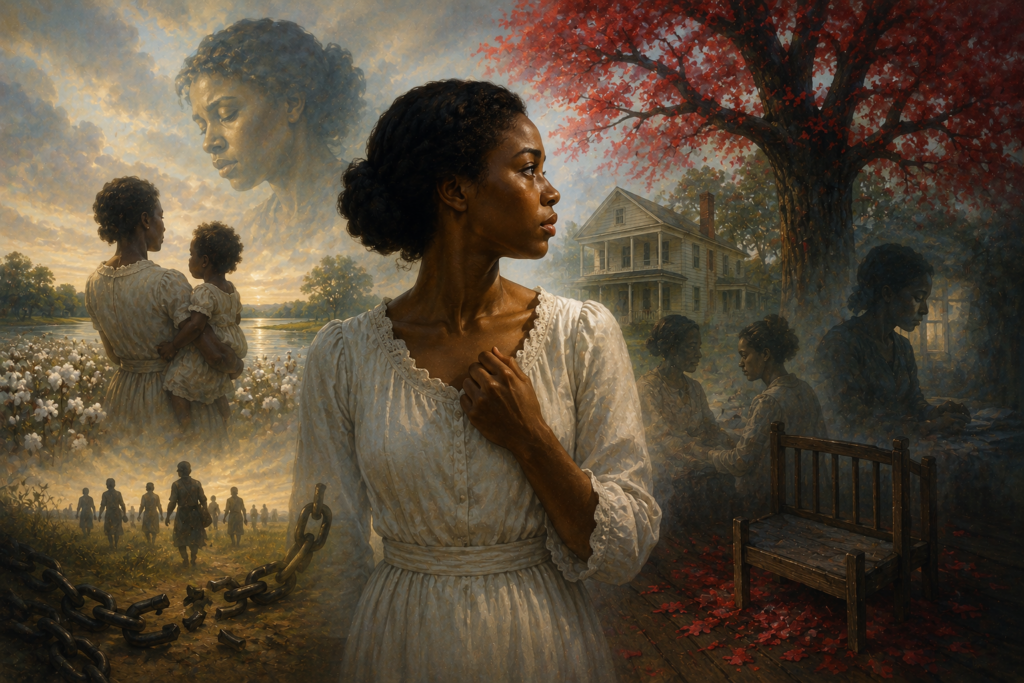
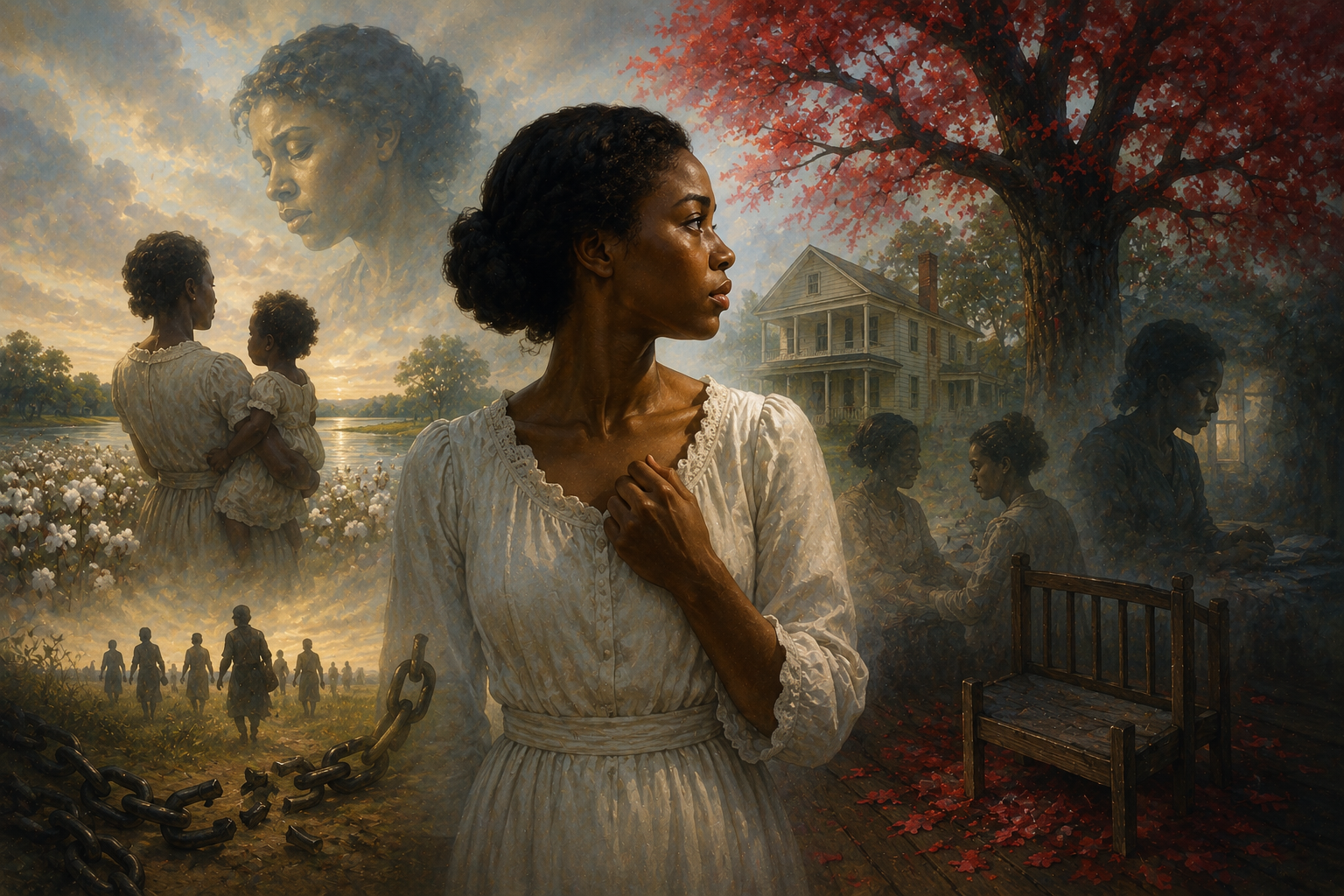
Southern Gothic Literature Explained starts with one big idea: the South in these stories is haunted by its past. This genre uses strange events, broken families, old houses, and moral tension to show deeper truths about guilt, race, class, and fear.

If you have ever read a story that feels creepy but also serious, you may already know the mood of Southern Gothic literature.

In this Guide

  • What Southern Gothic literature means
  • Where the genre came from
  • Key traits to look for
  • Famous Southern Gothic examples
  • How to analyze Southern Gothic in essays
  • Book suggestions
  • FAQ
Southern Gothic Literature

Southern Gothic Literature Explained: What Does It Mean?

Southern Gothic is a type of literature set in the American South that mixes dark settings with serious social problems.

The word “Gothic” often makes people think of castles, ghosts, and fear. Southern Gothic changes that setting. Instead of old European castles, we often get decaying mansions, small towns, farms, and dusty roads.

Southern Gothic Literature Explained in simple terms means this: writers use strange or disturbing details to reveal what people try to hide.

These stories may include violence, family secrets, racism, poverty, or religious pressure. The weird parts are not just there to shock the reader. They help expose a broken world.

Southern Gothic Literature Explained Through Its History

The genre grew from older Gothic fiction, but it has its own Southern voice.

Classic Gothic novels, such as Frankenstein by Mary Shelley, often focus on fear, isolation, and human limits. You can learn more about the roots of the Gothic tradition from Britannica’s guide to the Gothic novel.

Southern Gothic writers took that dark style and placed it in a region marked by slavery, the Civil War, segregation, and deep social conflict.

This is why Southern Gothic Literature Explained cannot stop at “creepy stories.” The genre asks readers to face history, especially the parts people would rather forget.

Key Features of Southern Gothic Literature Explained

Most Southern Gothic stories share a dark mood, but each writer uses the style in a different way.

Here are some common signs of the genre:

  • A decaying setting: Old homes, ruined towns, or worn-out farms often show moral decay.
  • Flawed characters: People may act proud, cruel, desperate, or deeply confused.
  • Family secrets: Hidden guilt often shapes the plot.
  • Social pressure: Race, class, religion, and gender roles affect how characters live.
  • Grotesque details: Strange bodies, odd behavior, or shocking scenes reveal inner truth.

In Southern Gothic Literature Explained, the word grotesque matters. It does not just mean ugly. It means something strange that forces readers to look harder.

A grotesque character may seem strange at first, but that character often reveals what is wrong with the society around them.

Southern Gothic Literature Explained with Famous Examples

Examples help the genre become much easier to see.

William Faulkner is one of the most important Southern Gothic writers. His short story “A Rose for Emily” follows a lonely woman in a town that watches her life with judgment and fear.

The old house in the story is more than a setting. It shows the weight of the past. The shocking ending reveals how isolation and denial can twist a person’s life.

You can read more about Faulkner’s life and work through Britannica’s William Faulkner biography.

Flannery O’Connor also shaped the genre. In “A Good Man Is Hard to Find,” a family trip turns violent after the characters meet a criminal called The Misfit.

The story feels disturbing, but it is also deeply moral. O’Connor uses fear to ask hard questions about grace, pride, and belief.

Harper Lee’s To Kill a Mockingbird is not always labeled as pure Southern Gothic, but it shares many traits. The setting, racial injustice, and mysterious figure of Boo Radley all connect to the genre.

Southern Gothic Literature Explained through these works shows that the genre is not only about horror. It is about truth hidden under fear.

Why the Setting Matters So Much

In this genre, place is never just background.

The American South often feels like a character in the story. Weather, buildings, roads, churches, and town gossip all shape the mood.

A decayed mansion may stand for a family that cannot let go of old power. A small town may show how public judgment traps people. A lonely road may suggest danger or moral confusion.

Southern Gothic Literature Explained through setting helps students see how authors build meaning without saying everything directly.

When you read, ask: What does this place reveal about the people who live there?

How Southern Gothic Characters Work

Southern Gothic characters often feel extreme, but they still seem human.

They may be lonely, proud, violent, trapped, or full of guilt. Many of them want respect, love, safety, or control.

The genre often shows people under pressure. That pressure may come from family history, unfair laws, poverty, or shame.

In “A Rose for Emily,” Miss Emily is not only strange. She is also shaped by control, loss, and a town that treats her like a symbol.

In Southern Gothic Literature Explained, strong character analysis means you do not stop at “this person is weird.” You ask what made them that way.

Southern Gothic Literature Explained for Essay Analysis

This genre gives students strong material for essays because it connects style to meaning.

When you write about Southern Gothic, focus on how the dark details support the author’s message. Do not just point out creepy scenes. Explain why they matter.

For example, if a house is falling apart, ask what else is falling apart. Is it a family? A moral code? A social system?

If a character seems grotesque, ask what truth that character reveals. The best essays move from detail to meaning.

You can build this skill by learning how strong readers notice patterns. For more help, read our guide on how to read literature like a scholar.

Common Essay Topics for Southern Gothic Literature Explained

Students often write about Southern Gothic because it works well with theme, setting, and symbolism.

Here are useful essay angles:

  • How setting reveals decay
  • How secrets shape a family or town
  • How violence exposes social problems
  • How religion affects guilt or judgment
  • How the past controls the present

A strong thesis should name the literary choice and explain its purpose.

Weak thesis: “The story is Southern Gothic because it is creepy.”

Stronger thesis: “In ‘A Rose for Emily,’ Faulkner uses the decaying house to show how the town and Miss Emily remain trapped by the past.”

That second thesis gives you something clear to prove.

How to Read Southern Gothic Without Getting Lost

Southern Gothic stories can feel strange at first, but that is part of the design.

Start by tracking what feels wrong. A character may act oddly. A house may seem too quiet. A town may hide cruelty behind polite manners.

Then ask what the author wants you to notice. The strange detail usually points to a larger problem.

Southern Gothic Literature Explained as a reading tool can help you slow down and notice symbols, tone, and theme. That skill helps in class talks, AP Lit essays, and college papers.

If you want a broader method, this guide on reading literature with a scholar’s eye can help you connect details to deeper ideas.

If you want to understand the genre better, these books are strong places to start.

  • A Rose for Emily and Other Stories by William Faulkner
  • A Good Man Is Hard to Find and Other Stories by Flannery O’Connor
  • Wise Blood by Flannery O’Connor

These texts show how Southern Gothic can be eerie, funny, harsh, and deeply thoughtful.

FAQ: Southern Gothic Literature Explained

What is Southern Gothic literature in simple words?

Southern Gothic literature is a dark style of writing set in the American South. It uses strange characters, tense settings, and hidden secrets to explore serious social issues.

Is Southern Gothic the same as horror?

No. Southern Gothic may feel scary, but it is not only meant to frighten readers. Its main goal is to reveal truth about people, history, and society.

What is a famous example of Southern Gothic literature?

“A Rose for Emily” by William Faulkner is one of the most famous examples. It uses an old house, town gossip, and a shocking secret to explore the power of the past.

Why do teachers assign Southern Gothic stories?

Teachers assign them because they are rich in symbolism, theme, tone, and character analysis. They also help students think about history and moral conflict.

What should I look for when reading Southern Gothic?

Look for decay, secrets, social pressure, strange behavior, and symbols tied to the past. Then ask how those details support the story’s deeper meaning.

Key Takeaway

Southern Gothic Literature Explained comes down to this: the genre uses darkness to uncover truth. When you study its strange settings and troubled characters, you learn how literature can expose what a culture tries to hide.

Themes in The Grapes of Wrath: A Student-Friendly Guide

grapes of wrath

A clear guide to the major ideas, conflicts, and meanings students should notice in The Grapes of Wrath.

Studying the themes in The Grapes of Wrath helps you see why Steinbeck’s novel still feels urgent. The book is not just about one family on the road; it is about poverty, power, hope, and what people owe one another.

In this Guide

Use these sections to review the novel before class, a quiz, or an essay.

grapes of wrath

Why the Themes in The Grapes of Wrath Matter

Steinbeck uses the Joad family to show how large social forces shape private lives.

The novel takes place during the Great Depression and the Dust Bowl. Families lose farms, banks gain control, and workers head west because they believe California will offer a fresh start.

The themes in The Grapes of Wrath matter because they connect one family’s struggle to a wider American crisis. Steinbeck asks readers to notice who has power, who suffers, and who gets blamed.

That is why the novel works well in AP Literature and college classes. It gives you strong material for essays about conflict, symbolism, setting, and character change.

Major Themes in The Grapes of Wrath

The novel has many ideas, but a few carry most of the meaning.

The major themes in The Grapes of Wrath include social justice, family, migration, faith, and human dignity. These ideas overlap, so one scene often supports more than one theme.

For example, when the Joads leave Oklahoma, the scene is about poverty. It is also about identity, since the family must leave land that shaped who they are.

Steinbeck also uses short chapters between the Joad chapters. These wide-view chapters show that the Joads are not alone. Their pain belongs to thousands of families.

Social Justice and the Fight Against Exploitation

Steinbeck shows a world where poor workers face systems built to keep them weak.

One of the novel’s strongest ideas is that poverty is not just bad luck. The migrant families are trapped by banks, landowners, police, and unfair wages.

California is supposed to be a place of plenty. Yet workers arrive and find hunger, fear, and low pay. The more desperate the workers become, the easier they are to control.

This theme is similar to the social criticism in Charles Dickens’s Hard Times. Both writers show how money can turn people into tools instead of full human beings.

Jim Casy’s growth is central here. He begins as a former preacher, but he becomes a moral voice for workers. His belief shifts from private sin to public responsibility.

Family, Community, and Shared Survival

The Joads begin as one family, but the novel pushes them toward a larger sense of care.

At first, Ma Joad fights to keep the family together. She believes survival depends on unity. Her strength holds the group steady when fear and grief could break them apart.

As the journey continues, the idea of family changes. The Joads learn that blood ties are not the only bonds that matter. Hungry people share food, news, shelter, and risk.

This shift is one reason the final scene matters so much. Rose of Sharon’s act is shocking, but it shows mercy in its most basic form. A stranger’s life becomes worth saving.

Many students connect this theme to Les Misérables by Victor Hugo. In both works, compassion becomes a way to resist a cruel world.

The Land, Displacement, and Human Dignity

The land is more than a setting in Steinbeck’s novel.

For the tenant farmers, land is memory, work, pride, and family history. Losing it means more than losing income. It means losing the place that gave their lives shape.

Steinbeck often describes tractors as cold and inhuman. The machines tear through farms without care for the people who lived there. This makes the bank and business system feel faceless.

Once the Joads become migrants, they are treated as if they are less than human. People call them names, deny them fair wages, and push them from place to place.

The novel argues that dignity should not depend on money or property. Even when the Joads lose almost everything, their choices still reveal courage.

Faith, Anger, and Moral Growth

Steinbeck does not treat faith as simple belief; he connects it to action.

Jim Casy is the clearest example. He no longer believes in old sermons the same way, but he still searches for truth. His faith becomes less about rules and more about human connection.

Tom Joad also changes. At first, he mostly cares about his own family and his own survival. After Casy’s death, Tom sees that justice needs people who will act for others.

Tom’s famous idea that he will be wherever people fight for fairness shows his moral shift. He becomes part of something larger than himself.

Steinbeck’s view of faith is practical. Belief matters when it leads to courage, mercy, and shared responsibility.

How to Write About Themes in The Grapes of Wrath

A strong essay should connect a theme to specific choices Steinbeck makes.

When you write about the themes in The Grapes of Wrath, avoid a claim that is too broad. Do not just say the novel is about poverty. Say what Steinbeck argues about poverty.

For example, you might argue that Steinbeck presents poverty as a social problem, not a personal failure. Then use scenes with wages, camps, or police pressure as proof.

You can also track a character. Ma Joad shows the theme of family responsibility. Casy shows moral action. Tom shows the move from private anger to public justice.

If you need help with thesis statements and evidence, read this guide on how to write a literary analysis essay.

For a faster review before class, pair this post with our printable The Grapes of Wrath theme guide.

Common Mistakes to Avoid

Students often know the plot but miss how Steinbeck builds meaning.

Do not treat the novel as only a sad road story. The road matters, but it points to bigger questions about power and justice.

Do not ignore the interchapters. They may feel separate from the Joad plot, but they widen the story and prove that the crisis is national.

Do not reduce Ma Joad to a symbol of motherhood. She is also a leader, a realist, and one of the novel’s strongest moral centers.

Helpful Books and Resources

These resources can help you build background and deepen your reading.

  • The Grapes of Wrath by John Steinbeck
  • Working Days: The Journals of The Grapes of Wrath by John Steinbeck

For author background, see Britannica’s overview of John Steinbeck. It gives helpful context for his life, career, and major works.

FAQ: themes in The Grapes of Wrath

These quick answers can help you review important ideas before a discussion or essay.

What are the main themes in The Grapes of Wrath?

The major themes in The Grapes of Wrath include social justice, family, migration, faith, and human dignity. Steinbeck links these ideas through the Joad family’s journey.

Why are the themes in The Grapes of Wrath still relevant?

They still matter because the novel asks hard questions about poverty, labor, housing, and fairness. Those issues still shape real lives today.

What does the land symbolize in the novel?

The land symbolizes identity, memory, and dignity. When families lose their farms, they lose part of who they are.

How does Tom Joad change?

Tom shifts from personal survival to social responsibility. By the end, he wants to help people beyond his own family.

Key Takeaway

The themes in The Grapes of Wrath show that survival is never just personal. Steinbeck’s deepest point is that people endure best when they refuse to stop caring for one another.

The Scarlet Letter Symbolism: What the Scarlet Letter Really Means

scarlet letter symbolism

Understanding The Scarlet Letter symbolism is one of the fastest ways to unlock the meaning of Nathaniel Hawthorne’s novel.

What looks like a simple story about punishment quickly becomes something deeper—a story about identity, guilt, and how symbols shape the way we see people. If you’ve ever felt confused about what the scarlet “A” actually represents, you’re not alone. This guide will walk you through the most important symbols and show how they change throughout the novel.

In This Guide 📚

  • What the scarlet letter “A” means
  • How the meaning of the “A” changes
  • Pearl as a living symbol
  • The symbolism of the scaffold
  • The meaning of the forest
  • Why symbolism matters in essays
scarlet letter symbolism
Image by Carla Paton

The Scarlet Letter Symbolism: The Meaning of the “A”

This is the heart of The Scarlet Letter symbolism, and it’s where most students begin.
At first, the letter “A” stands for adultery. It is meant to shame Hester Prynne publicly and permanently. The Puritan community uses it as a way to define her entire identity based on a single sin. (affiliate link)

But Hawthorne does something surprising. Over time, the meaning of the letter begins to change. Some in the community begin to say it stands for “Able” because of Hester’s strength and service.

👉 Key insight: The letter never settles into one meaning. It represents shame, strength, identity, and transformation all at once.

💡 Symbols in literature often evolve. The scarlet letter is one of the clearest examples of this.

If you’re writing about this, a strong thesis might argue that the letter shows how society’s labels can change—but never fully disappear.

The Scarlet Letter Symbolism: Pearl as a Living Symbol

Pearl is not just a character—she is part of The Scarlet Letter symbolism.

She represents the living consequence of Hester’s sin, but also something more powerful.

Pearl constantly asks questions, points out hidden truths, and refuses to accept false appearances.

She is often described as wild, emotional, and unpredictable. This reflects her role as a symbol of truth and honesty in a world full of secrecy.

👉 Key insight: Pearl forces others—especially Dimmesdale—to face what they are trying to hide.

📌 “Pearl is the scarlet letter made alive.”

In essays, you can argue that Pearl represents truth that cannot be ignored, no matter how much characters try to hide it.

The Scarlet Letter Symbolism: The Scaffold

The scaffold is one of the most important physical symbols in the novel.
It appears in three major scenes, and each one shows a different stage of truth and confession.

In the beginning, Hester stands on the scaffold alone, publicly shamed. Later, Dimmesdale stands there at night in secret. Finally, he stands there in daylight and confesses.

👉 Key insight: The scaffold represents the journey from hidden guilt to public truth.

💡 Hawthorne uses repeated settings as symbols. When a place appears multiple times, pay attention to how it changes.

For analysis, you can argue that the scaffold shows that true freedom only comes through honesty.

The Scarlet Letter Symbolism: The Forest

The forest is another key part of The Scarlet Letter symbolism.

Unlike the town, which represents law and judgment, the forest represents freedom and secrecy. It is the one place where characters can speak honestly without fear of punishment.

Hester and Dimmesdale meet there to reveal the truth about Chillingworth and imagine a new life.

👉 Key insight: The forest is a space outside society—but it is not entirely safe or pure.

🌲 The forest represents both freedom and moral uncertainty.

In essays, you might argue that Hawthorne uses the forest to show that escaping society does not solve inner conflict.

The Scarlet Letter Symbolism: Why It Matters

So why does The Scarlet Letter symbolism matter so much?

Because Hawthorne is not just telling a story—he is asking readers to interpret meaning. The symbols force us to think about identity, judgment, and truth.

👉 Key insight: Symbols turn a simple plot into a complex moral question.

If you understand the symbols, you understand the novel.
And more importantly, you can write stronger essays.

📘 If you want a full breakdown of every chapter, symbol, and theme, check out the full study guide here:
https://rapidreadspress.com/product/the-scarlet-letter-study-guide/

scarlet letter symbolism
Image by Carla Paton


✍️ Need help writing your essay? These examples can show you exactly how to structure your analysis:
https://rapidreadspress.com/product/literary-analysis-essay-examples/

Key Takeaway 🎯

The Scarlet Letter symbolism shows that meaning is never fixed. The scarlet “A,” Pearl, the scaffold, and the forest all reveal that identity is shaped by both society and inner truth—and those two things are rarely the same.

FAQ – Scarlet Letter Symbolism

What does the scarlet letter “A” symbolize?

It begins as a symbol of adultery but grows to represent strength, identity, and transformation.

Why is Pearl considered a symbol?

Pearl represents the living truth of Hester’s actions and constantly exposes hidden guilt.

What does the scaffold symbolize?

It represents public judgment, confession, and the movement from secrecy to truth.

What does the forest symbolize in The Scarlet Letter?

The forest represents freedom from society, but also moral uncertainty and hidden truths.

Why is symbolism important in The Scarlet Letter?

Symbolism is how Hawthorne communicates deeper meaning about guilt, identity, and judgment beyond the surface story.