
Themes in Ethan Frome help students see why Edith Wharton’s short novel feels so cold, tense, and sad. This guide explains the major ideas in the book, with clear examples you can use for class discussion or an essay.
Wharton does not just tell a tragic love story. She shows how place, money, duty, and silence can shape a person’s whole life.
In this Guide
Use this guide to review the main ideas before a quiz, class talk, or literary analysis essay.
- Why the themes matter
- Isolation in Starkfield
- Duty versus desire
- Poverty and trapped choices
- Silence and miscommunication
- Winter as a symbol
- The dream of escape
- Essay tips and study resources
- FAQ
Why the themes in Ethan Frome matter
The novel is short, but its meaning runs deep.
When students first read Ethan Frome, the plot can seem simple. Ethan loves Mattie, but he is married to Zeena. That conflict leads to a disaster.
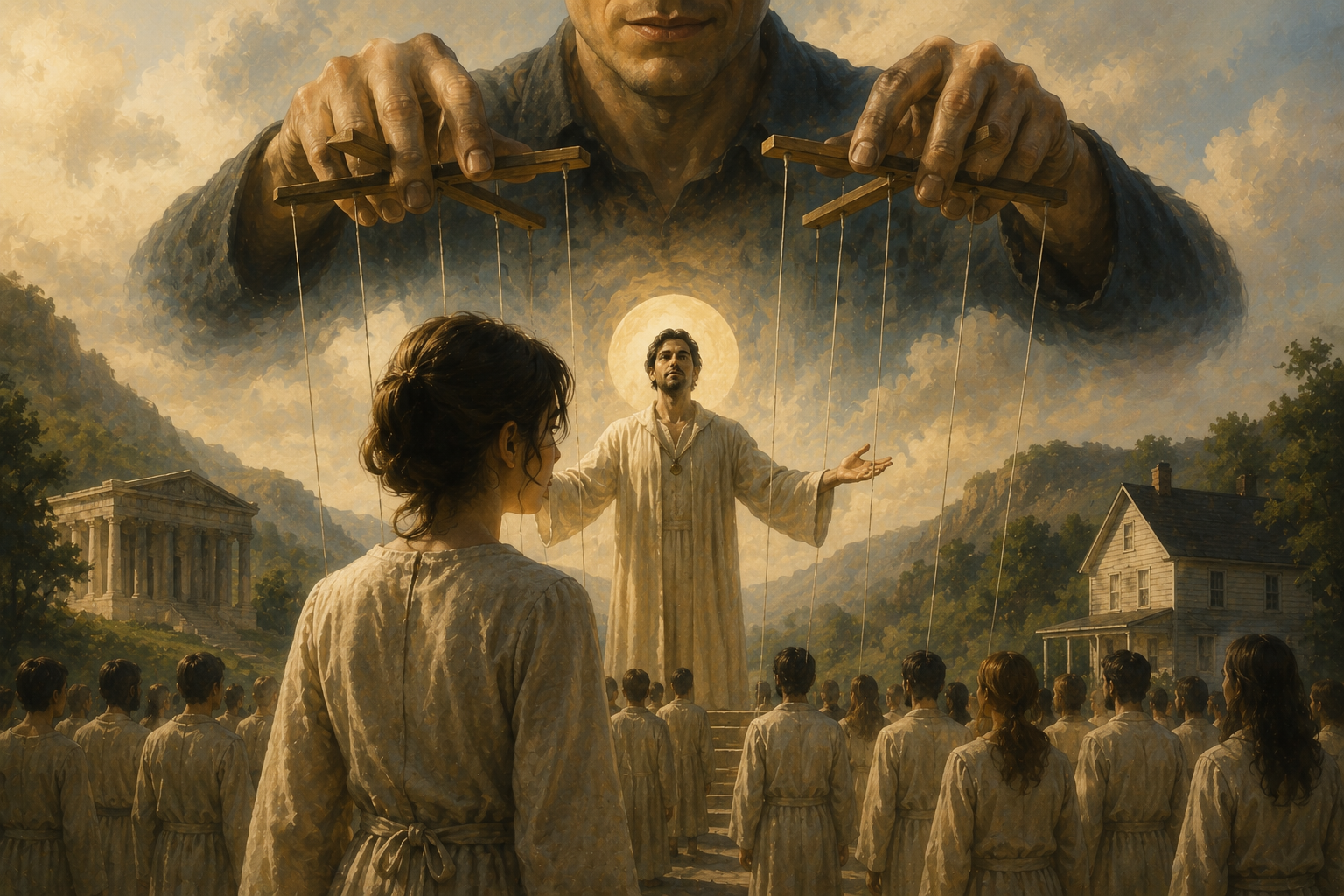
The real power of the novel comes from its ideas. The themes in Ethan Frome show how people can feel stuck even when no one locks a door.
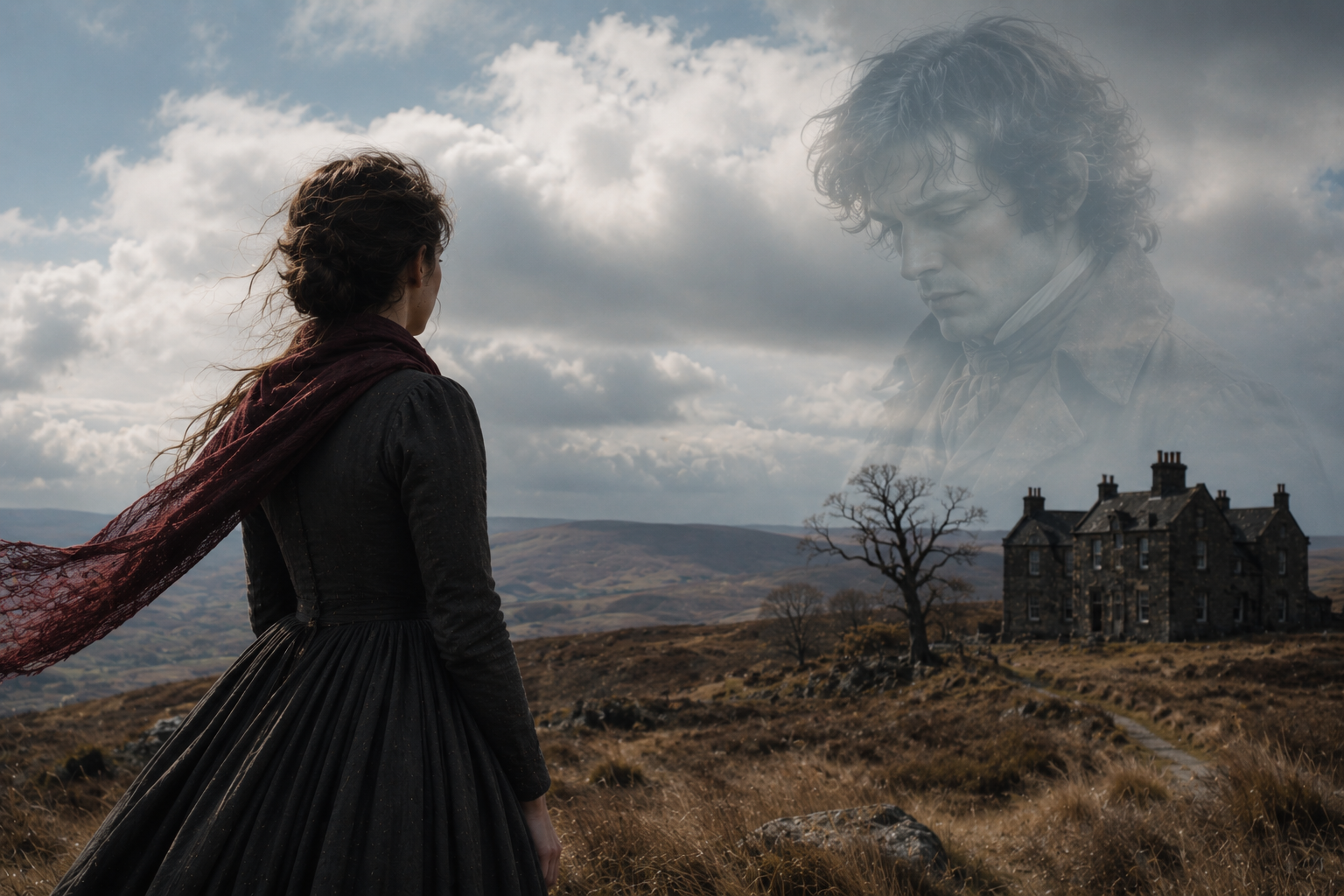
Wharton uses a quiet style to build pressure. Starkfield feels frozen, and Ethan’s life feels frozen too. That link between setting and inner life is one reason the book works so well.
You can learn more about Wharton’s life and writing from Britannica’s overview of Edith Wharton.
Major themes in Ethan Frome: isolation and emotional loneliness
Isolation is one of the strongest forces in the novel.
Starkfield is a lonely town. It is cold, poor, and cut off from the wider world. Ethan’s farm sits outside town, which makes his isolation even worse.
Ethan is not just physically alone. He is also emotionally alone. His marriage to Zeena has little warmth, and he has few people who truly understand him.
Mattie brings a brief sense of life into the house. She laughs, moves with energy, and makes Ethan feel seen. That is why his bond with her matters so much.
One of the key themes in Ethan Frome is that loneliness can change how people think. Ethan’s desire for Mattie grows stronger because his daily life feels empty.
This theme connects to many works of literature. In Mary Shelley’s Frankenstein, the creature becomes more desperate because he has no place to belong. In Wharton’s novel, Ethan’s isolation does not make him violent in the same way, but it does push him toward a reckless choice.
Duty versus desire
Ethan wants freedom, but duty keeps pulling him back.
Ethan’s main conflict is simple to name but hard to solve. He desires Mattie, yet he feels bound to Zeena. His marriage, his farm, and his sense of moral duty trap him.
Wharton does not present Ethan as a bold romantic hero. He dreams of a new life, but he cannot act with strength. He writes a goodbye note to Zeena, then gives up when he realizes he has no money.
This makes the theme more painful. Ethan is not free to choose love, but he also lacks the courage or power to change his life.
The novel asks a hard question: What happens when duty and desire cannot exist together?
In Romeo and Juliet, love fights against family loyalty. In Ethan Frome, love fights against marriage, poverty, and fear. The result is less dramatic at first, but just as tragic.
Poverty and trapped choices
Money is not a background detail in this novel. It controls almost everything.
Ethan is poor. His farm barely supports him, and his past choices have left him with few chances. He once hoped to study science, but family illness pulled him home.
His poverty shapes his moral choices too. He thinks about leaving Zeena, but he cannot afford to take Mattie away. He also knows Zeena would suffer without support.
This is one of the most important themes in Ethan Frome for essays. Wharton shows that poverty does not just limit comfort. It limits imagination.
Ethan can picture a better life, but he cannot reach it. His dreams crash into practical facts: debt, food, travel costs, and the need for shelter.
The novel makes tragedy feel social, not just personal. Ethan’s life is not ruined by one bad choice alone. It is shaped by years of limited options.
Silence and miscommunication
Characters in the novel often say too little, and that silence causes harm.
Ethan has strong feelings, but he rarely speaks them clearly. He hides his love for Mattie. He avoids honest talks with Zeena. He also hides from himself.
Zeena uses silence too. Her quiet judgments make the house feel tense. When she speaks, her words often carry blame or control.
Mattie is warmer than Zeena, but she also avoids full honesty. She and Ethan depend on glances, guesses, and small moments instead of direct speech.
Silence is one of the sadder themes in Ethan Frome because it makes connection almost impossible. The characters live near each other, yet they stay emotionally distant.
For students, this is a great theme to connect to symbolism. The Frome house feels dark and closed. That setting reflects the way the characters keep their feelings locked away.
Winter, nature, and the frozen landscape
The cold setting is more than weather. It is a symbol of Ethan’s life.
Starkfield’s winter affects every part of the novel. Snow slows travel. Cold makes work harder. The long season seems to press down on everyone.
Wharton uses winter to show emotional coldness. Ethan’s marriage feels frozen. His hopes feel frozen. Even the name Starkfield suggests a harsh and bare place.
Nature also has beauty in the novel. The night sky, snow, and hills can seem almost magical when Ethan and Mattie are together. For short moments, the world looks full of promise.
That contrast matters. The same landscape that traps Ethan also gives him his most romantic memories.
When you write about the themes in Ethan Frome, notice how setting supports theme. The cold does not just surround Ethan. It helps explain him.
Illusion, escape, and tragic choice
Ethan dreams of escape, but his escape route becomes another prison.
The sled ride near the end is the most famous scene in the novel. Ethan and Mattie choose a crash because they believe death will keep them together.
That choice is tragic because it grows from a false idea. They think death will free them from pain. Instead, they survive and become even more trapped.
After the crash, Mattie is no longer the bright force she once was. Zeena becomes the caretaker. Ethan remains in the same house, now bound to both women.
This ending makes the themes in Ethan Frome feel especially harsh. Wharton does not reward romantic escape. She shows how a fantasy can turn into a lifelong punishment.
The ending also changes how readers see pity. Ethan is a victim of poverty and duty, but he also makes a dangerous choice. That mix makes him a complex character.
Marriage, illness, and power in the home
The Frome home is not a safe place. It is a place of pressure.
Zeena is often read as cold or cruel, but she is also sick, lonely, and afraid. Her illness gives her some power in the house, yet it also limits her life.
Ethan feels trapped by Zeena’s needs. Zeena feels threatened by Mattie’s youth and warmth. Mattie depends on both of them for a place to live.
No one in the house has full power. That is what makes the conflict so tense.
This theme works well for AP Literature students because it resists a simple answer. Zeena is not just a villain. Ethan is not just a victim. Mattie is not just an innocent love interest.
How to write about themes in Ethan Frome
A strong essay should connect theme to character, setting, and symbol.
Do not just write, “The theme is isolation.” Instead, explain how Wharton builds that theme. Use Starkfield, Ethan’s farm, his quiet nature, and his failed hopes as evidence.
A clear thesis might say: “In Ethan Frome, Edith Wharton uses the frozen setting of Starkfield to show how poverty and duty can turn emotional isolation into tragedy.”
That kind of thesis gives you room to analyze. It names the theme, the method, and the larger meaning.
If you need help shaping your argument, use this guide on how to write a literary analysis essay. It can help you move from summary to real interpretation.
For a faster review before class, you can also use our student-friendly Ethan Frome theme notes.
Here are a few strong angles for a paper:
- How winter reflects Ethan’s emotional life
- How poverty limits moral choice
- How silence damages love and marriage
- How the ending challenges romantic escape
When you discuss the themes in Ethan Frome, choose one main idea and stay focused. A short novel can still support a deep argument.
Books to pair with Ethan Frome
These books can help you compare theme, setting, and character conflict.
- Ethan Frome by Edith Wharton
- The Age of Innocence by Edith Wharton
- The Scarlet Letter by Nathaniel Hawthorne
The Age of Innocence is useful because it also explores duty, desire, and social pressure. The Scarlet Letter pairs well because it looks at guilt, judgment, and life in a strict community.
FAQ about themes in Ethan Frome
These quick answers can help you review before class.
What is the main theme of Ethan Frome?
The main theme is the struggle between personal desire and duty. Ethan wants love and freedom, but marriage, poverty, and fear keep him trapped.
How does setting support the themes in Ethan Frome?
Starkfield’s cold winter reflects Ethan’s frozen life. The setting makes his isolation feel physical and emotional.
Is Ethan Frome a tragedy?
Yes. It is a tragedy because Ethan seeks escape but ends in deeper suffering. His final situation is worse than the life he tried to flee.
What does Mattie represent?
Mattie represents warmth, hope, and possible change. Yet she also becomes part of the novel’s tragic trap after the crash.
Why is Zeena important to the novel’s themes?
Zeena shows how illness, fear, and control shape the home. She also complicates the conflict because she suffers too.
Key Takeaway
The key to the themes in Ethan Frome is entrapment. Wharton shows people caught by weather, money, marriage, silence, and their own failed dreams.
The novel feels bleak, but its message is powerful. It asks readers to see how private pain often grows from social limits and unspoken needs.