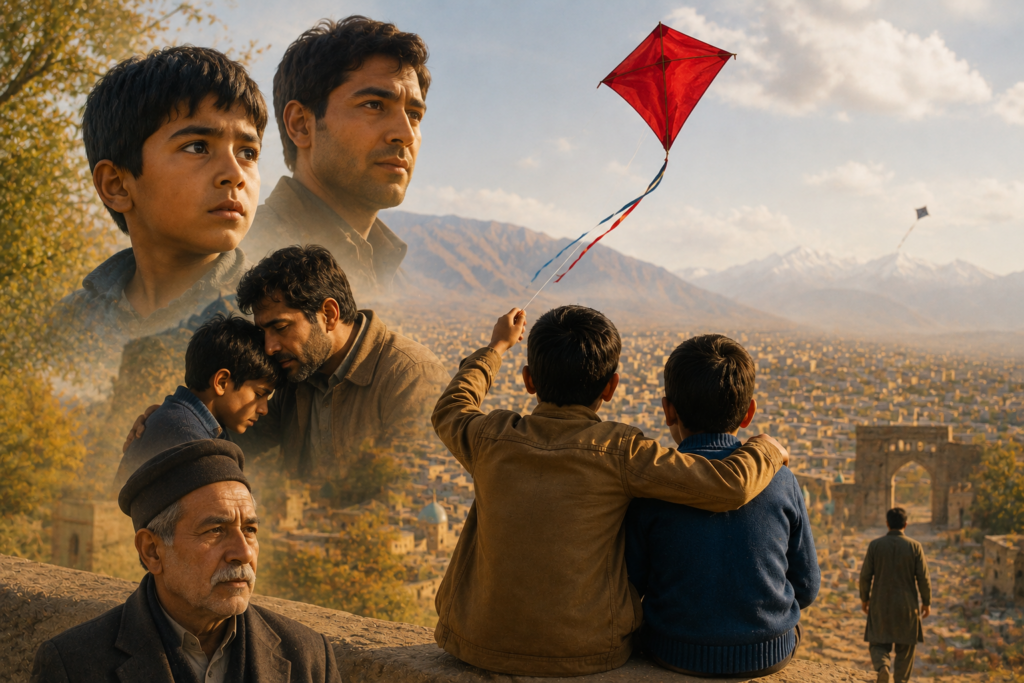
Flash Memoir Prompt: Silence at a Family Meal that Everyone Pretended Wasn’t There

flash memoir prompt family meal

A fork pauses over mashed potatoes, someone asks for salt, and the quiet in the room feels louder than anything anyone has said.

This flash memoir prompt, silence at family meal everyone tried to ignore, invites you to return to a small moment where the real story sat between the words. You do not need to explain the entire family history. You only need to notice what the silence did to the room.

flash memoir prompt family meal

The Prompt

Write about the silence at a family meal that everyone pretended wasn’t there.

This prompt can open a powerful memory because family meals often carry more than food. They hold habits, old jokes, assigned seats, small tensions, and the careful ways people avoid certain truths.

A silence at the table may have lasted only a few seconds, but it may still live clearly in your mind. Maybe someone had just come home. Maybe someone was missing. Maybe a question had been asked that no one wanted to answer.

The point is not to accuse anyone or solve the past in one page. The point is to write the moment as you remember it, with enough detail that the reader can feel the room shift.

Why This Memory Matters

Silence can say a lot in memoir. It can show fear, grief, loyalty, anger, or love that has no easy language. At a family meal, silence becomes even more noticeable because meals are supposed to be ordinary. People pass bread, scrape plates, pour drinks, and pretend everything is fine.

That contrast is what makes this prompt useful. A normal setting can reveal an emotional truth. The wallpaper, the smell of dinner, or the sound of a chair can carry more weight than a long explanation.

This kind of memory may uncover a story about protection. Adults may have been trying to keep children from knowing too much. Or children may have known far more than anyone realized. It may also reveal a family rule, such as who was allowed to speak, who made jokes to break tension, or who always changed the subject.

If you want to think more deeply about how people act under pressure, you might find it helpful to read about how to analyze characters in literature. Memoir is not fiction, but paying attention to action, silence, and motive can help you write real people with care.

A flash memoir prompt silence at family meal everyone avoided can also help you write about what was unsaid without turning the piece into a lecture. The scene itself can do much of the work.

The Flash Memoirist
previous arrow
next arrow

How to Approach This Prompt

Begin with one physical detail from the table. Choose something small and concrete. It might be a napkin folded into a tight square, a glass sweating onto the wood, or a serving spoon left untouched in the casserole.

From there, stay inside one scene. Do not try to explain every argument, illness, divorce, secret, or disappointment behind the silence. Let the reader sit with you at that meal first.

Write what you noticed before you write what it meant. Maybe your brother chewed too loudly. Maybe your mother kept cutting food into smaller pieces. Maybe your grandfather stared at the TV in the next room, even though it was off.

After you have the scene on the page, you can add one short reflection. Ask yourself: What did I understand then? What do I understand now? The gap between those answers often becomes the heart of the memoir.

If you like to mark images, repeated words, or emotional shifts before drafting, this guide on how to annotate literature can also work as a simple tool for your own memories. You can underline sensory details in a rough draft and notice what keeps pulling your attention.

Keep the piece short. Flash memoir works best when it trusts one sharp moment. A meal can suggest a whole family story without naming every chapter.

A Quick Example

The roast was too dry, but nobody said so. My father sawed at it with the good knife, the one my mother only used when company came, though there was no company that night. My sister kicked my ankle under the table and looked toward the empty chair by the window. Grandma’s chair. Her blue sweater still hung on the back as if she had stepped away to answer the phone. My mother asked if anyone wanted more carrots. We all shook our heads. The clock over the stove clicked so loudly I thought it might fall. I was twelve, old enough to know she was gone, young enough to think saying her name might make everyone break.

Try It Yourself

Give yourself ten quiet minutes with this prompt. Picture the table first. Where were you sitting? Who was closest to you? What object do you remember most clearly?

Then write the silence as if it were a person in the room. Did it sit between two people? Did it press down on the plates? Did it make someone move faster or slower?

You do not have to make the memory neat. You can leave questions on the page. In fact, the best flash memoir pieces often leave room for the reader to feel what could not be said.

Use this flash memoir prompt silence at family meal everyone ignored as a way to practice honesty without forcing a conclusion. One scene, one table, one silence. That is enough to begin.

Want More Flash Memoir Prompts?

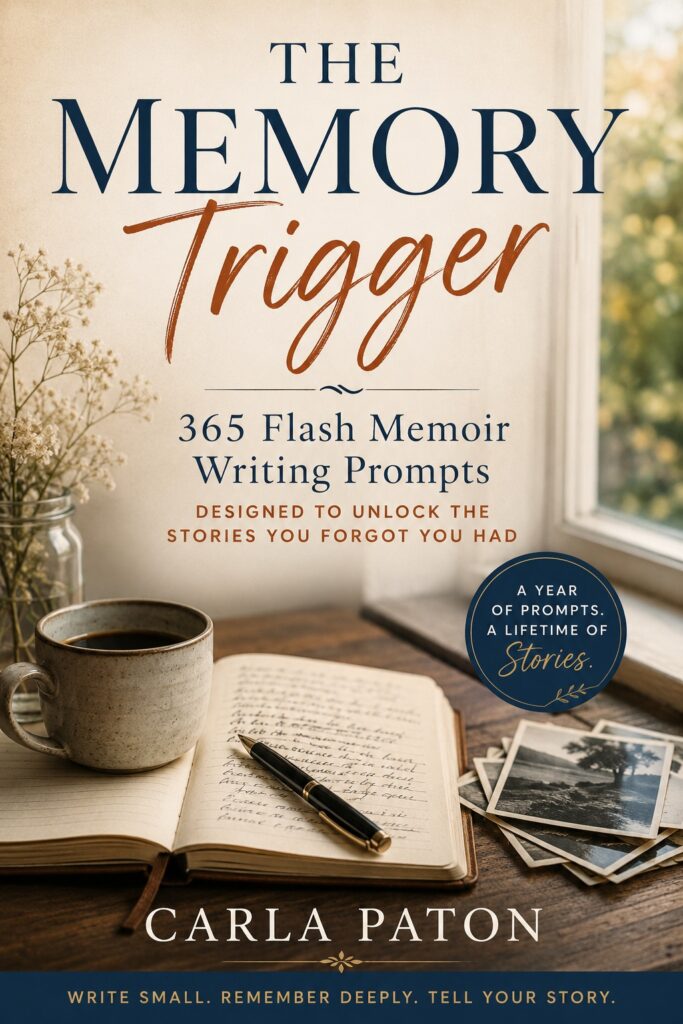
If this prompt helped you find a memory you had not written before, keep going. Explore all 365 prompts in The Memory Trigger: 365 Flash Memoir Writing Prompts.

The Memory Trigger


The Poisonwood Bible Literary Analysis Essay: How to Write One

Rapid Reads Press

Writing about Barbara Kingsolver’s novel can feel huge because it deals with family, faith, language, power, and history. The Poisonwood Bible literary analysis essay is strongest when you choose one clear pattern and explain how it shapes the novel’s meaning.

This guide will help you move from a rough idea to a focused essay with a strong thesis, useful evidence, and clear analysis.

In this Guide

Use this quick map to plan your essay one step at a time.

  • What the novel is really about
  • How to choose a focused question
  • The Poisonwood Bible literary analysis essay thesis ideas
  • Topic ideas that work well
  • Evidence you can use
  • Common mistakes to avoid
  • Helpful books and tools
Poisonwood Bible Essay

Understand What The Poisonwood Bible Is Really About

A strong essay starts with the novel’s deeper conflicts, not just its plot.

The Poisonwood Bible follows the Price family, who move from Georgia to the Congo under Nathan Price’s strict missionary rule. Yet the novel is not only about one family. It asks who has power, who gets to speak, and what happens when people refuse to listen.

Kingsolver uses several female narrators to show how truth changes from person to person. This matters because Nathan speaks as if his view is the only right one.

For author background, you can read the Britannica profile of Barbara Kingsolver.

The Poisonwood Bible Literary Analysis Essay: Start with a Focused Question

A focused question keeps your essay from turning into a book report.

Do not start with a broad theme like guilt or religion. Start with a question you can prove through scenes, narration, and symbols.

For example, you might ask: How does Kingsolver use the Price daughters’ voices to challenge Nathan’s certainty?

You could also ask: How does Adah’s language show that truth can be twisted or hidden?

Both questions lead to analysis. They push you to explain how the novel works, not just what happens.

If you need a broader method, use our step-by-step literary analysis essay guide before you draft.

The Poisonwood Bible Literary Analysis Essay Thesis Examples

Your thesis should name a pattern and explain why it matters.

In The Poisonwood Bible literary analysis essay writing, a weak thesis says the novel has many themes. A strong thesis argues how Kingsolver creates meaning through a specific choice.

Here are thesis statement examples you can adapt:

  • Kingsolver uses the five Price women as narrators to show that truth is shaped by gender, memory, and power.
  • Through Nathan Price’s failed mission, the novel argues that faith becomes harmful when it is tied to control instead of compassion.
  • Adah’s wordplay and reversed language reveal that speech can hide truth as much as it can reveal it.
  • Leah’s changing view of the Congo shows that moral growth begins when a person learns to listen.

Each thesis gives you room to analyze scenes. It also gives your essay a clear path.

Topic Ideas for The Poisonwood Bible Literary Analysis Essay

The best topics are narrow enough to prove in a short paper.

Here are strong topic angles:

  • Narration and authority: Study how the Price women tell different versions of the same family story.
  • Language and misunderstanding: Focus on mistranslation, Adah’s word games, or Nathan’s sermons.
  • Faith and control: Analyze how Nathan confuses belief with power.
  • Colonialism and blindness: Show how the Price family’s mission reflects larger political forces.
  • Leah’s moral change: Trace how Leah moves from loyalty to self-awareness.

Pick one angle. Then choose two or four scenes that clearly support it.

Build Body Paragraphs That Analyze, Not Summarize

Your body paragraphs should explain how evidence supports your claim.

Start each paragraph with a clear point. Then bring in a short scene, image, or detail from the novel. After that, explain how the detail proves your thesis.

For example, do not only say that Nathan plants a garden and fails. Explain how the failed garden shows his refusal to understand the land and people around him.

This same skill matters in many books. In Things Fall Apart, Achebe also shows the danger of outsiders who misread a culture. In Heart of Darkness, Conrad explores empire through a darker and more limited voice.

Evidence to Use in The Poisonwood Bible Literary Analysis Essay

Good evidence makes your argument feel grounded in the novel.

For The Poisonwood Bible literary analysis essay, choose evidence that reveals a pattern. You do not need the longest quote. You need the most useful moment.

  • The family’s arrival in the Congo and their first signs of confusion
  • Nathan’s failed garden as a symbol of pride and ignorance
  • Methuselah the parrot as a symbol of freedom and harm
  • Adah’s palindromes, silence, and sharp view of language
  • Ruth May’s voice and the novel’s sense of loss
  • Leah’s slow break from Nathan’s worldview

After each piece of evidence, ask: What does this reveal about power, belief, or voice?

Common Mistakes in The Poisonwood Bible Literary Analysis Essay

Small choices can make your essay much stronger.

Avoid writing a plot summary. Your teacher already knows the story.

Do not write about every theme in the novel. A focused paper often earns a stronger grade than a wide one.

Do not treat Nathan as the only important figure. The novel’s structure gives major weight to the women who survive, remember, and speak.

Do not drop quotes into a paragraph without comment. Your analysis should be longer than the evidence itself.

Helpful Books to Search on Amazon or at Your Library

These books can deepen your context without replacing your own analysis.

  • The Poisonwood Bible by Barbara Kingsolver
  • King Leopold’s Ghost by Adam Hochschild
  • Things Fall Apart by Chinua Achebe

Use context carefully. Your essay should still focus on Kingsolver’s language, structure, and choices.

Use a Literary Analysis Essay Tool to Draft Faster

A clear template can help you turn ideas into paragraphs.

If you want thesis frames, paragraph models, and planning pages, try The Literary Analysis Essay Toolkit. It is built to help students move from notes to a polished essay with less stress.

You can also pair it with our complete literary analysis essay guide if you want more support with structure.

FAQ: The Poisonwood Bible Literary Analysis Essay

Here are quick answers to common student questions.

What is a good thesis for The Poisonwood Bible?

A good thesis should focus on one literary choice, such as narration, symbolism, or language. It should also explain what that choice reveals about power or truth.

Can I write about Nathan Price?

Yes, but do not only describe him as strict. Analyze how Kingsolver uses him to criticize pride, control, or cultural blindness.

Which character is best for analysis?

Adah, Leah, and Orleanna all work well because their voices show deep change and conflict.

How many quotes should I use?

Use enough evidence to prove each point. In a short essay, one strong quote or scene per body paragraph can work well.

Key Takeaway

A strong The Poisonwood Bible literary analysis essay does not try to cover the whole novel. It follows one clear idea, uses precise evidence, and explains how Kingsolver’s choices create meaning.

Themes in The Poisonwood Bible: A Student-Friendly Guide

The Poisonwood Bible Themes

Barbara Kingsolver’s novel can feel huge at first, but its ideas become clearer once you track the themes in The Poisonwood Bible. The book follows the Price family in the Congo and asks hard questions about faith, power, guilt, language, and survival.

This guide breaks those ideas into student-friendly parts so you can use them in class discussion, AP Literature writing, or a college essay.

In this Guide

Use these sections to move from the big ideas to essay-ready details.

  • Why the themes matter
  • Faith and religious pride
  • Colonialism and power
  • Voice, gender, and control
  • Guilt, memory, and responsibility
  • Nature, survival, and symbols
  • FAQ and key takeaway
The Poisonwood Bible Themes

Why the Themes in The Poisonwood Bible Matter

The novel is not just about one family in a new place. It is about what happens when people bring pride into a world they do not understand.

The themes in The Poisonwood Bible help readers see the Price family’s private problems next to larger historical forces. Nathan Price wants to control his family and the people of Kilanga. At the same time, foreign governments and colonial powers try to control the Congo.

That parallel is a major reason the novel works well for literary analysis. The family story and the political story reflect each other.

If you are writing an essay, look for moments where a private conflict reveals a public one. That is the kind of link teachers often want to see.

Faith and Religious Pride

Kingsolver shows the difference between sincere belief and harmful pride.

Nathan Price comes to the Congo as a missionary, but he does not listen well. He treats his own view of Christianity as the only truth, even when it harms his family or pushes others away.

This theme is not simply “religion is bad.” The novel is more careful than that. It questions **religious pride**, not faith itself.

Nathan wants to baptize the villagers in a river even though crocodiles make it dangerous. He keeps preaching in ways that do not fit the local culture. He also fails to understand the language, which turns his message into confusion.

A useful comparison is Arthur Miller’s The Crucible. In that play, people use religion to gain control or prove their own purity. Kingsolver does something similar with Nathan, who uses faith as a weapon instead of a source of care.

For an essay, you might argue that Nathan’s failure comes from his refusal to learn. He speaks often, but he rarely hears.

Colonialism and Power: One of the Central Themes in The Poisonwood Bible

The novel connects family control with political control.

Colonialism is one of the most important themes in The Poisonwood Bible because the Prices arrive in a country shaped by outside rule. The Congo has been exploited by European powers, and the novel shows how that history still affects daily life.

Nathan’s attitude mirrors colonial thinking. He assumes he has the right to teach, correct, and judge people who know far more about their own land than he does.

The political background matters. The Congo is moving toward independence, but foreign influence does not vanish. For brief context, Britannica offers a helpful overview of the Democratic Republic of the Congo.

These themes in The Poisonwood Bible also connect well with Chinua Achebe’s Things Fall Apart. Both novels show how outsiders can damage a culture when they mistake power for truth.

In class writing, avoid saying the novel is only about “Africa” in a broad way. Be specific. Kingsolver is writing about the Congo, the Price family, and the long reach of colonial power.

Language and Misunderstanding

Words matter in this novel because language can connect people or break trust.

Nathan’s mistakes with Kikongo are more than comic errors. They show his deeper failure to respect the world around him.

The famous “poisonwood” mistake shows this clearly. Nathan means to call Jesus beloved, but his poor pronunciation changes the meaning. His message becomes linked with a plant that causes pain.

This is a strong symbol because it joins language, faith, and harm. Nathan’s words do not heal because he refuses to learn how they are heard.

If you want to sharpen this part of your analysis, our guide on how to find symbolism in a story can help you turn details like this into stronger essay points.

Voice and Gender in the Themes in The Poisonwood Bible

The novel gives women the power to tell the story.

Among the themes in The Poisonwood Bible, voice is one of the most important. The book is narrated by Orleanna and her daughters, not by Nathan. That choice matters.

Nathan tries to rule the family, but the women shape the novel’s meaning. Each daughter sees the Congo in a different way. Their voices show how one event can carry many truths.

Rachel often focuses on comfort and status. Leah begins as loyal to Nathan, then changes as she sees his damage more clearly. Adah has a sharp, poetic way of seeing that challenges what others miss. Ruth May gives the story innocence and danger.

Orleanna’s voice is full of regret. She looks back and asks what she should have done. Her sections help make guilt a major part of the novel.

This structure is useful for AP Literature essays because narration affects theme. Who tells the story changes what the story can mean.

Guilt, Memory, and Responsibility

The past does not stay still in this novel.

Orleanna and her daughters carry memory in different ways. Some try to escape it. Some try to understand it. Some build a new life from what they have lost.

Guilt is not the same for every character. Orleanna feels guilt for staying with Nathan and for not protecting her children sooner. Leah feels a wider guilt tied to American power and her own early blindness.

Kingsolver asks a hard question: What do people owe after harm has been done?

This theme makes the novel more than a story of personal growth. It becomes a story about responsibility. The characters must face what their family has done and what their country has supported.

A helpful comparison is Toni Morrison’s Beloved, another novel where memory acts like a living force. In both books, the past shapes the present even when characters want to move on.

Nature, Survival, and Limits

The land is not a backdrop. It is a force with its own rules.

Nathan thinks he can force his plans onto Kilanga, but the environment proves him wrong. His garden fails because he does not understand the soil, the seasons, or local knowledge.

This failure matters. It shows that survival depends on humility. The villagers know how to live in their place because they respect its limits.

Nature also reveals the weakness of Nathan’s worldview. He sees problems as tests of will, but the novel shows that willpower without wisdom can become dangerous.

For students, this theme is easy to support with evidence. Look at the garden, the river, the ants, and the poisonwood tree. Each one shows that the natural world cannot be controlled by pride.

From Idea to Novel Blueprint

Symbols That Support the Themes in The Poisonwood Bible

Symbols help turn the novel’s big ideas into concrete images.

Many themes in The Poisonwood Bible become clearer through repeated objects and natural details. The poisonwood tree connects language with pain. The failed garden shows Nathan’s arrogance. The river suggests danger, change, and the limits of his mission.

The ants are another strong symbol. When they swarm, human plans collapse. Characters must act fast, and the crisis reveals what they value most.

These symbols do not stand alone. They gain meaning because they connect to character choices and larger conflicts.

If symbols feel hard to track, revisit this short guide to spotting symbolism in literature. It can help you move from “this object is important” to “this object supports the theme.”

How to Write About the Themes in The Poisonwood Bible

A strong essay should connect theme to character, structure, and setting.

Do not just name a theme. Explain how Kingsolver builds it. A simple claim like “colonialism is bad” is too broad. A stronger claim would say that Kingsolver links Nathan’s control over his family to the wider control of foreign powers in the Congo.

Use scenes, not plot summary. Focus on Nathan’s sermons, Orleanna’s reflections, the failed garden, or the family’s different responses to crisis.

You can also write about narration. Since the women tell the story, the novel pushes back against Nathan’s control. The structure itself becomes part of the meaning.

If you want a faster way to review before a quiz or essay, try our student literature study resources for clear study support.

Helpful Books for More Context

These books can deepen your grasp of the novel and its background.

  • The Poisonwood Bible by Barbara Kingsolver
  • Things Fall Apart by Chinua Achebe
  • King Leopold’s Ghost by Adam Hochschild

For author background, Britannica also has a concise page on Barbara Kingsolver.

FAQ: Themes in The Poisonwood Bible

These quick answers can help with review or essay planning.

What are the main themes in The Poisonwood Bible?

The main themes in The Poisonwood Bible include religious pride, colonial power, guilt, voice, language, and survival. The novel shows how personal choices connect to history.

Is The Poisonwood Bible against religion?

Not exactly. The novel criticizes pride and control done in the name of religion. It does not reject sincere faith or moral care.

Why are there multiple narrators?

The multiple narrators show that truth is complex. Each woman in the Price family understands events in her own way, which makes the story richer.

What is the most important symbol in the novel?

The poisonwood tree is one of the most important symbols. It connects Nathan’s language mistakes with pain, pride, and failed understanding.

How can I use these themes in an essay?

Choose one theme and connect it to specific scenes. Then explain how Kingsolver uses narration, setting, or symbols to develop that idea.

Key Takeaway

The strongest insight is that pride can become dangerous when people refuse to listen.

The themes in The Poisonwood Bible show how family, history, faith, and guilt are tied together. Kingsolver’s novel asks readers to notice who has power, who gets heard, and what it costs when people mistake control for truth.

Flash Memoir Prompt: First Time You Understood that Your Family Was Different from Other Families

memoir prompt family

The moment might arrive at a friend’s dinner table, when everyone seems to know the same rules and you suddenly realize your house has its own language, its own silences, and its own way of surviving. This flash memoir prompt first time understood family different invites you to return to that small, sharp moment when comparison became awareness.

memoir prompt family

The Prompt

Write about the first time you understood that your family was different from other families.

This prompt can unlock a memory that may have seemed ordinary at the time. Maybe you noticed how loudly another family laughed, how calmly they spoke to each other, how much food filled their cabinets, or how no one seemed afraid of a ringing phone.

The power of this prompt is in the first noticing. You do not have to explain your whole childhood. You only need to find the moment when something shifted inside you and you thought, even briefly, “Oh. We are not like them.”

Why This Memory Matters

Every family has a private culture. Some families show love through teasing. Some through food. Some through rules, work, quiet, religion, jokes, secrets, or routines no outsider would understand.

As children, we often think our family is the whole world. We assume everyone eats dinner the same way, argues the same way, celebrates the same way, or avoids the same topics. Then we visit another home, hear another parent speak, or watch a friend move through life with a freedom we did not know existed.

This kind of memory may uncover pride, shame, confusion, anger, love, or even humor. You might write about realizing your family had less money. You might remember learning that other parents hugged their children more easily. You might recall the opposite, discovering that your family’s odd customs made you feel lucky.

A flash memoir prompt first time understood family different is not about judging your family from a distance. It is about honoring the moment when your view widened. That moment can reveal who you were then and what you understand now.

If you enjoy looking closely at how people behave in stories, you may also like this guide on how to analyze characters in literature. Memoir often asks you to study real people with the same care, including yourself.

How to Approach This Prompt

Begin with one physical detail. Do not start with a big explanation like, “My family was different because…” Start with the thing you saw, heard, smelled, or touched.

Maybe it was the plastic cover on your grandmother’s couch. Maybe it was your friend’s father asking about your day and then actually waiting for the answer. Maybe it was the way another family left cereal boxes on the table instead of hiding food in the pantry until payday.

Keep the memory to one scene. A kitchen. A car ride. A school event. A sleepover. A birthday party. The smaller the scene, the stronger the writing can become.

Write what you noticed before you explain what it meant. Let the reader stand beside you in that moment. Let them see the socks on the floor, the quiet hallway, the full refrigerator, the locked bedroom door, or the way your mother’s face changed when another adult asked a harmless question.

You can also treat the memory like a page you are marking up for meaning. If that helps, try this simple method for how to annotate literature, then apply the same idea to your own memory. Notice what repeats. Notice what feels charged. Notice what you still remember clearly.

Try not to tell the whole family history at once. Flash memoir works best when one small moment carries the weight. You can hint at the larger story without explaining every cause, every wound, or every person involved.

For this flash memoir prompt first time understood family different, ask yourself: Where was I? Who was there? What did I notice first? What did I pretend not to notice? What do I understand now that I did not understand then?

The Flash Memoirist
previous arrow
next arrow

A Quick Example

At Maya’s house, her mother knocked before opening the bedroom door. I remember the sound more than anything, two soft taps, like she was asking permission from the wood. Maya said, “Come in,” without looking up from her magazine. Her mom entered with a plate of apple slices and asked if we wanted lemonade. No one checked our backpacks. No one told us to keep the door open. No one shouted from another room. I sat cross-legged on the carpet and stared at the plate. The apples were peeled in thin green curls, arranged in a circle. When I went home that night, our apartment felt louder than usual. My mother asked why I was so quiet. I said I was tired, but really I was trying to understand that some children had doors people knocked on.

Try It Yourself

Set a timer for ten minutes and write the scene as plainly as you can. Do not worry about making it beautiful at first. Your only job is to return to the room, the street, the car, or the table where the realization began.

If the memory feels tender, give yourself permission to write around it before you write into it. You can begin with the weather, the furniture, the clothes you wore, or the sound of someone’s voice. Often, the emotional truth appears after the details are already on the page.

You do not have to decide whether your family was better or worse than anyone else’s. You only have to write the moment when you noticed difference. That is enough for a strong flash memoir draft.

Want More Flash Memoir Prompts?

If this prompt opened a memory you did not expect, keep going. Short prompts can help you build a steady writing practice, one focused scene at a time. Explore all 365 prompts in The Memory Trigger: 365 Flash Memoir Writing Prompts.

The Memory Trigger

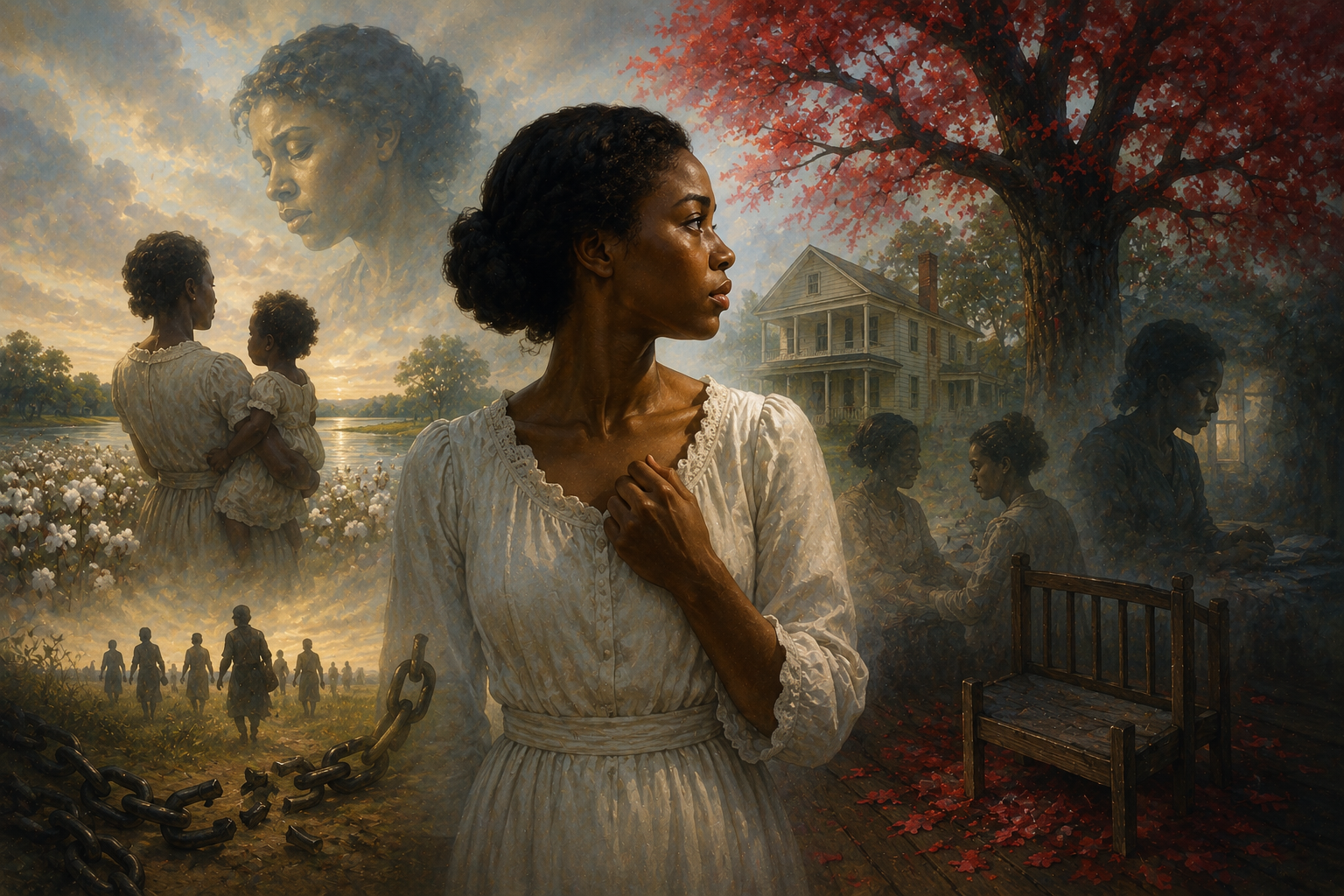
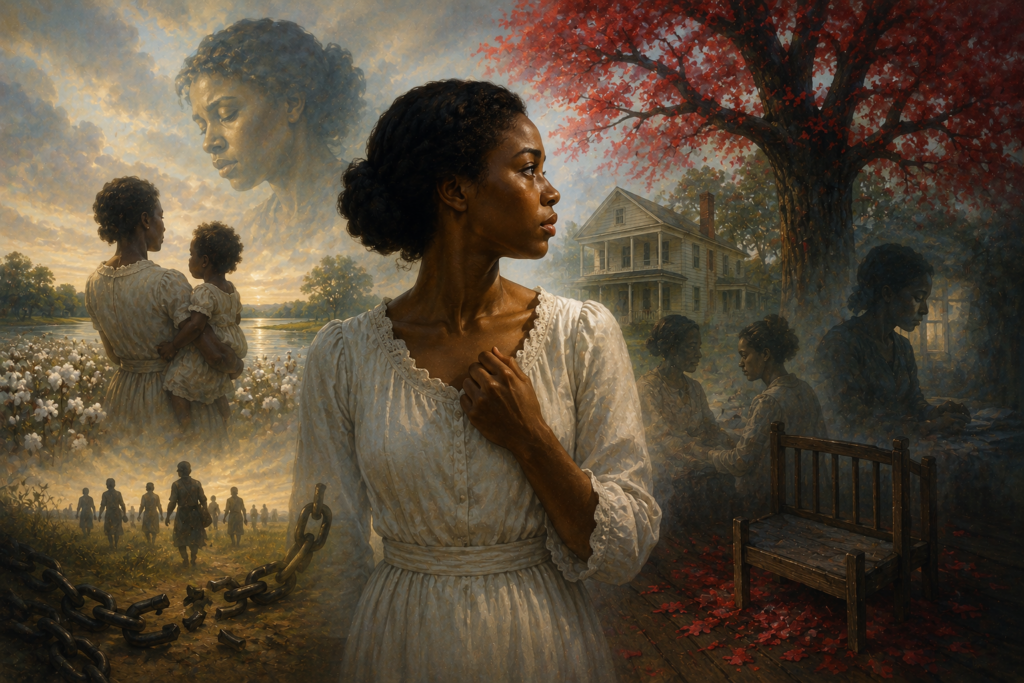
Themes in Beloved: A Student-Friendly Guide

Beloved Themes

The themes in Beloved help readers understand why Toni Morrison’s novel feels so powerful and hard to forget. This guide explains the major ideas, conflicts, and deeper meanings students should notice as they read.

In this Guide

Use this guide to review the novel before class, a quiz, or an essay.

  • Why the novel’s themes matter
  • Memory and the past
  • Motherhood and difficult love
  • Freedom and ownership
  • Identity and voice
  • Community and healing
  • Symbols that build meaning
  • Essay tips and FAQs
Beloved Themes

Why the themes in Beloved matter

Morrison’s novel is not only about one family. It is about how slavery leaves pain in bodies, homes, and memories.

The story centers on Sethe, a formerly enslaved woman who lives with the past every day. The house at 124 is haunted, but the haunting is also emotional.

The themes in Beloved also show how history can stay alive even when people try to hide it. That makes the novel useful for essays about trauma, memory, family, and survival.

If you need help with theme as a concept, start with our guide on how to identify theme in literature.

Themes in Beloved: Memory and the past

Memory is one of the strongest forces in the novel.

Sethe tries to live in the present, but her past keeps returning. Morrison calls these painful returns “rememory,” which means the past is not really gone.

This theme matters because the novel shows memory as both painful and necessary. Sethe wants to forget, yet healing cannot start until the truth is faced.

A helpful comparison is Hamlet. Prince Hamlet also lives under the weight of a past crime. In both works, the past shapes the present and refuses to stay silent.

Themes in Beloved: Motherhood and difficult love

Morrison presents motherhood as powerful, protective, and deeply painful.

Sethe’s love for her children is intense because slavery tried to take away her right to be a mother. Her most shocking choice comes from that fear.

This is one of the most painful themes in Beloved because it asks students to think about love under extreme violence. The novel does not give easy answers. It asks why a mother might see death as safer than slavery.

In The Scarlet Letter, Hester Prynne also faces public judgment as a mother. Morrison’s novel is much darker, but both books ask how society judges women who protect their children.

Themes in Beloved: Freedom and ownership

The novel shows that legal freedom is not the same as full freedom.

Sethe escapes slavery, but she still carries its wounds. Her body, memories, and family life have all been marked by people who treated human beings as property.

Among the themes in Beloved, freedom is one of the most complex. Morrison shows that freedom must include safety, self-respect, and control over one’s own life.

This theme connects to many slave narratives and historical accounts. For background on Morrison’s life and major works, see Britannica’s overview of Toni Morrison.

Identity and voice in the novel

Morrison shows how slavery attacks a person’s sense of self.

Names matter in Beloved. Sethe’s past, Baby Suggs’s sermons, and Beloved’s mysterious presence all point to the question of who gets to define a person.

Voice also matters. Morrison lets different characters shape the story, which helps readers see pain from more than one angle. This style can feel hard at first, but it fits the novel’s subject.

When people have been silenced, telling a story becomes an act of power.

Community and healing

No one in the novel heals alone.

Baby Suggs once brings people together in the Clearing, where they learn to love their bodies and voices. That scene stands against the cruelty of slavery.

Later, the community’s role becomes important again. The women who come to 124 help break the hold of the past.

Morrison does not suggest that healing is simple. She shows that care from others can help people face what they could not face alone.

Symbols that build theme

Morrison uses symbols to make the novel’s ideas feel physical.

The house at 124 is more than a setting. It shows how trauma can fill a home and shape daily life.

Beloved herself is also symbolic. She can be read as a ghost, a lost child, or the return of a buried history.

Water often connects to birth, escape, and return. These symbols help students move from plot summary to analysis.

How to write about themes in Beloved

A strong essay should explain what Morrison suggests, not just name a topic.

Do not write, “The theme is memory.” That is too broad. A better claim would be: Morrison shows that painful memory must be faced before healing can begin.

When you write about themes in Beloved, connect each claim to a scene, symbol, or repeated idea. Use short quotes, then explain how the language supports your point.

These resources can help you build context before an essay or class discussion.

  • Beloved by Toni Morrison
  • Playing in the Dark by Toni Morrison
  • The Toni Morrison Book Club by Juda Bennett, Winnifred Brown-Glaude, Cassandra Jackson, and Piper Kendrix Williams

You can also read about Morrison through the Nobel Prize biography of Toni Morrison.

FAQ

These quick answers can help you review before a test or essay.

What are the main themes in Beloved?

The main themes in Beloved include memory, trauma, motherhood, freedom, identity, and community healing.

Why is memory so important in Beloved?

Memory shows that the past still affects the present. Sethe cannot heal by hiding from what happened.

Is Beloved a symbol?

Yes. Beloved can represent Sethe’s lost child and the larger history of slavery that refuses to disappear.

What is a good essay topic for Beloved?

You could write about how Morrison uses haunting to show the lasting effects of slavery.

Key Takeaway

The themes in Beloved ask readers to face hard truths about love, memory, and survival. Morrison shows that healing begins when buried stories are finally heard.

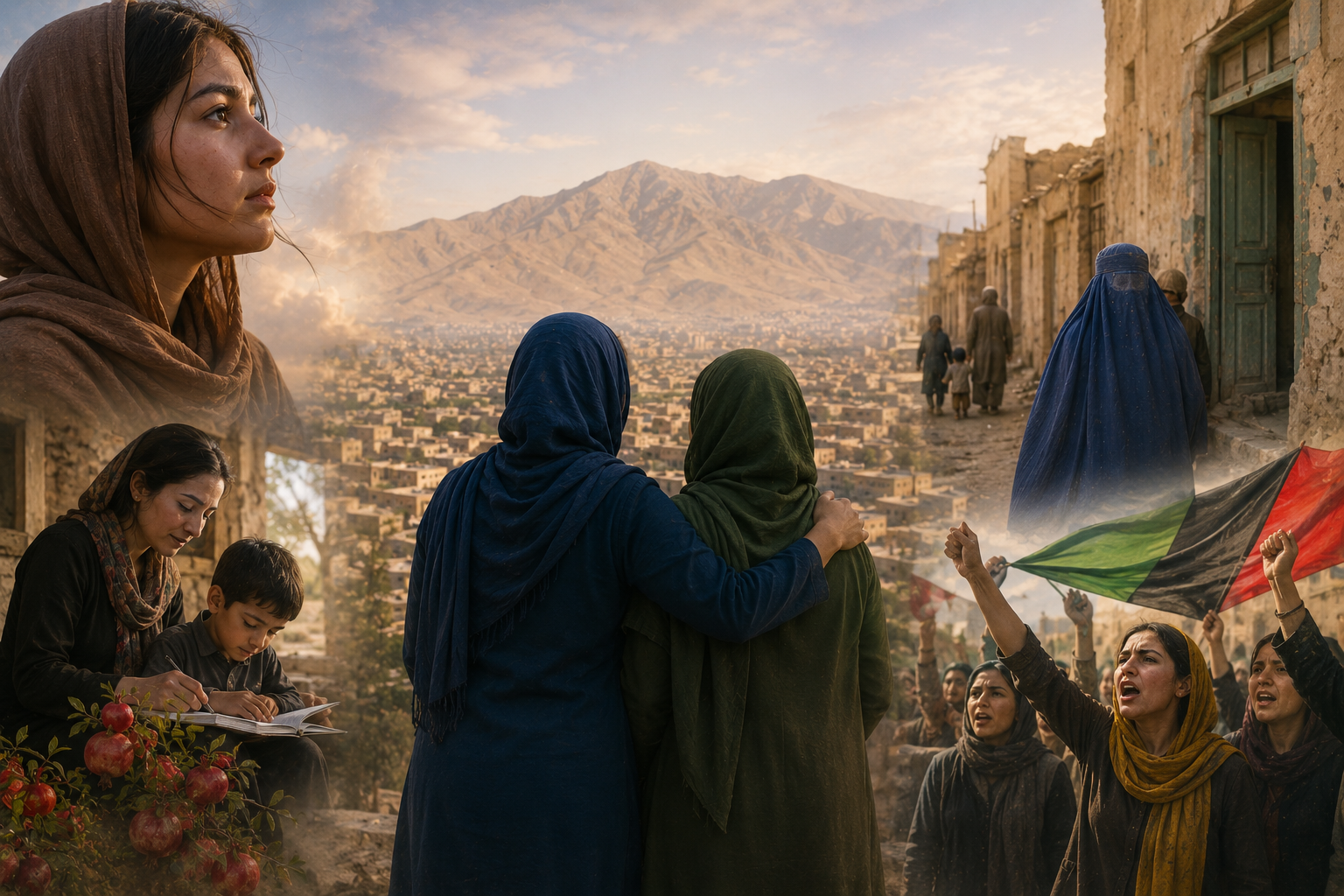
Symbols in A Thousand Splendid Suns: What They Mean and Why They Matter

Splendid Suns

In Khaled Hosseini’s novel, the symbols in A Thousand Splendid Suns help readers see pain, hope, and survival in clear images. This guide explains symbols in A Thousand Splendid Suns with concrete examples and theme links, so you can use them in class discussion or an essay.

In this Guide

  • Why symbols matter in the novel
  • Suns and light
  • The kolba
  • The burqa
  • Pebbles
  • Stories like Pinocchio and Titanic
  • Kabul as a symbol
  • How to write about these symbols
  • FAQ
Splendid Suns

Why symbols in A Thousand Splendid Suns matter

Symbols turn private pain into visible images.

A symbol is an object, place, image, or action that means more than itself. In this novel, symbols help us understand how Mariam and Laila survive loss, fear, and unfair rules.

Think of the green light in The Great Gatsby. It is a real light, but it also stands for Gatsby’s dream. In a similar way, the symbols in A Thousand Splendid Suns point to deeper themes like love, shame, freedom, and home.

If you want a simple method for spotting symbols, read our guide on how to find symbolism in a story.

Symbols in A Thousand Splendid Suns: suns and light

The title points to beauty that survives harm.

The title comes from a poem about Kabul by the poet Saib Tabrizi. The phrase suggests that Kabul has a beauty no war can fully erase.

In the novel, the image of many suns also connects to women. Mariam and Laila suffer under cruel systems, yet they create warmth for each other. Their love becomes a kind of light.

This symbol links to the theme of hope under pressure. Hosseini does not pretend pain disappears. He shows that dignity can still shine in dark places.

The kolba: shame, exile, and a first home

The kolba shows how shame can be built into a place.

Mariam grows up with Nana in a small hut outside Herat. The location matters. Mariam is kept away from Jalil’s public life, which reflects how society treats her as unwanted.

Yet the kolba is not only a symbol of rejection. It is also Mariam’s first home. It holds her early memories, her lessons, and her longing to be loved.

This symbol connects to the theme of social shame. Mariam does not choose the label placed on her, but she is forced to carry it.

Symbols in A Thousand Splendid Suns: the burqa

The burqa is both a prison and a cover.

When Rasheed makes Mariam wear a burqa, it becomes a sign of control. It hides her face and limits how the world sees her.

At the same time, the burqa can offer safety in public. This does not make it simple or harmless. It shows how women in the novel must survive inside unfair rules.

This symbol links to the theme of oppression and survival. Like the clothing rules in Margaret Atwood’s The Handmaid’s Tale, dress becomes a way to control identity.

Pebbles as symbols of family and belonging

Pebbles make love and exclusion easy to see.

As a child, Mariam uses pebbles to picture Jalil’s family and her own place near it. The small stones show her wish to belong.

Pebbles are plain objects, but they carry deep feeling. They show that Mariam does not want wealth or status as much as she wants to be claimed as a daughter.

This symbol connects to the theme of family as both wound and comfort. The pebbles show how a child can turn hope into something she can touch.

Stories as symbols: Pinocchio and Titanic

The stories in the novel show the power of escape and the pain of false promises.

Pinocchio matters because Jalil promises to take Mariam to the film. When he fails her, that story becomes tied to betrayal.

Pinocchio wants to become real. Mariam also wants to be treated as real by her father, not hidden away as a mistake.

Titanic becomes popular in Kabul during a time of danger and hardship. The film offers a dream of romance and escape, even as people face fear in daily life.

These symbols in A Thousand Splendid Suns connect to the theme of dreams under harsh conditions. Stories do not save the characters by themselves, but they help them imagine another life.

Kabul as a symbol of home and loss

Kabul is more than a setting; it becomes a wounded symbol.

The city changes across the novel. It holds beauty, memory, and culture, but it also suffers from war and political violence.

Because the title praises Kabul’s splendor, the city stands for more than destruction. It represents a country with a past, a spirit, and people who keep going.

For helpful background on the author, see this Britannica profile of Khaled Hosseini. For a broader look at literary symbolism, Britannica also has a useful page on Symbolism as a literary movement.

How to write about symbols in A Thousand Splendid Suns

Strong essays explain what a symbol does, not just what it is.

Do not stop at saying, The burqa is a symbol. Ask what it reveals about power, fear, or survival.

A good sentence might say: The burqa symbolizes control because Rasheed uses it to limit Mariam’s identity, yet it also shows how women learn to protect themselves in public spaces.

When you write about symbols in A Thousand Splendid Suns, link each image to a theme. That will make your essay clearer and more persuasive.

For more practice, use this symbolism reading strategy. You can also explore RapidReads Press literature study resources for help with essay planning.

Relevant books to look up on Amazon or at your library

These books pair well with Hosseini’s novel for theme and symbolism study.

  • A Thousand Splendid Suns by Khaled Hosseini
  • The Kite Runner by Khaled Hosseini
  • The Handmaid’s Tale by Margaret Atwood

FAQ: symbols in A Thousand Splendid Suns

Quick answers can help you review before class or an essay.

What are the main symbols in A Thousand Splendid Suns?

The main symbols in A Thousand Splendid Suns include suns and light, the kolba, the burqa, pebbles, stories, and Kabul itself.

What does the title symbolize?

The title symbolizes Kabul’s beauty and the strength of women who keep hope alive in hard times.

What does the burqa symbolize in the novel?

The burqa symbolizes control, hidden identity, and survival inside a society that limits women’s freedom.

Why are pebbles important?

Pebbles symbolize Mariam’s deep wish for family, belonging, and love from her father.

How can I use symbolism in an essay?

Choose one symbol, explain where it appears, then connect it to a theme such as hope, shame, or oppression.

Key Takeaway

The best way to read symbols in A Thousand Splendid Suns is to connect each image to human feeling.

The suns, the kolba, the burqa, and the pebbles all show how people search for love and dignity in a painful world.

Themes in A Thousand Splendid Suns: A Student-Friendly Guide

thousand splendid Suns Themes

A clear guide to the major ideas, conflicts, and meanings students should notice in A Thousand Splendid Suns.

Themes in A Thousand Splendid Suns help students see how Khaled Hosseini turns a painful story into a deep study of love, power, and survival. This guide breaks down the novel’s major ideas in clear terms, so you can use them in class talks, essays, and AP Literature work.

In this Guide

  • Why the themes matter
  • Major themes in the novel
  • Family and sacrifice
  • Power and gender
  • Hope and survival
  • Symbols connected to theme
  • Essay tips
  • FAQ
thousand splendid Suns Themes

Why the themes in A Thousand Splendid Suns matter

Hosseini does not present theme as a simple lesson. He builds it through choices, suffering, small acts of courage, and the bond between Mariam and Laila.

Students often look for one main message. In this novel, the meaning grows from many conflicts at once. The private pain inside the home reflects the public violence outside it.

That is why the themes in A Thousand Splendid Suns work so well for essays. They connect character, setting, conflict, and historical context.

Major themes in A Thousand Splendid Suns

The novel’s main ideas center on love, oppression, endurance, and the cost of war.

Love as sacrifice is one of the clearest themes. Mariam learns that love is not only romance or family duty. It can mean giving up safety for someone else’s future.

Oppression and control shape the daily lives of women in the novel. Rasheed’s home becomes a place of fear, while laws outside the home add more limits.

Survival through connection also matters. Mariam and Laila do not begin as allies. Over time, their bond helps them face a world built to silence them.

The themes in A Thousand Splendid Suns are not separate boxes. They overlap, which makes the novel feel real and emotionally powerful.

How family shapes themes in A Thousand Splendid Suns

Family in the novel can wound, but it can also heal.

Mariam’s early life teaches her shame and rejection. Her father hides her from his public life, and that rejection shapes how she sees herself.

Laila’s family gives her a different start. Her father values education and hope. His love helps her imagine a life beyond war, even when that dream seems lost.

Mariam and Laila later create a chosen family. This bond is not based on blood. It is built on trust, care, and shared pain.

In these themes in A Thousand Splendid Suns, family becomes more than a social unit. It becomes a source of identity and moral choice.

Power, gender, and silence

The novel shows how power can control bodies, voices, and futures.

Rasheed uses gender roles to justify abuse. He treats obedience as a duty and silence as proof of respect. The novel asks readers to see how dangerous that thinking is.

Hosseini also shows that control is not only personal. Political rule affects what women can wear, where they can go, and what they can learn.

This theme connects well to works like Margaret Atwood’s The Handmaid’s Tale. Both novels show how systems can turn women’s lives into sites of control.

For historical background, students may find Britannica’s overview of Afghanistan helpful when studying the novel’s setting.

Hope and survival under pressure

Hope in the novel is not easy or bright all the time. It often appears as a small act that keeps a person alive.

Laila’s hope connects to education, love, and the future of her children. Mariam’s hope changes over time. She begins with a desire to be loved, then finds meaning in protecting Laila.

This is one reason the novel feels so painful but not hopeless. It shows that survival can mean more than staying alive. It can mean keeping dignity when the world tries to take it away.

Readers may think of Night by Elie Wiesel here. Both books show people under extreme pressure, yet both ask what remains of human dignity when everything else is stripped away.

Symbols and themes in A Thousand Splendid Suns

Symbols help Hosseini make the novel’s ideas more visible.

The title comes from a poem about Kabul, which points to beauty hidden beneath suffering. Kabul is not only a war-torn city. It is also a home, a memory, and a place worth saving.

The burqa can symbolize both forced silence and social control. Yet the meaning depends on the scene. In literature, a symbol can shift as the story changes.

When you study themes in A Thousand Splendid Suns, watch how objects and places repeat. If you need extra help, read our guide on how to find symbolism in a story.

War, place, and personal life

Hosseini shows that history is not distant. It enters kitchens, bedrooms, schools, and streets.

War shapes Laila’s losses and limits her future. It also changes Kabul from a place of childhood hope into a place of fear.

The novel does not treat war as background noise. It makes war part of the plot, the setting, and the emotional weight of the story.

For more context on women’s rights issues linked to conflict, students can explore UN Women.

How to write about themes in A Thousand Splendid Suns

A strong theme essay needs a clear claim, not just a topic.

Instead of writing, the novel is about love, try a sharper idea: Hosseini shows that love becomes most powerful when it turns into sacrifice.

A strong essay about themes in A Thousand Splendid Suns should connect theme to character change. Mariam is the best example because her view of herself changes so much.

Use short quotes and explain them closely. Do not drop a quote and move on. Show how the words reveal power, fear, hope, or love.

If you want extra support for class prep, explore our student literature guide resources.

Book suggestions for deeper study

These books pair well with Hosseini’s novel and can help students compare theme across texts.

  • The Kite Runner by Khaled Hosseini
  • Persepolis by Marjane Satrapi

FAQ: Themes in A Thousand Splendid Suns

What are the main themes in A Thousand Splendid Suns?

The main themes in A Thousand Splendid Suns include sacrifice, oppression, survival, family, and hope. The novel shows how people endure pain through love and courage.

What is the most important theme in the novel?

Sacrifice may be the most important theme. Mariam’s final choice gives the novel much of its emotional force.

How does Hosseini show women’s strength?

He shows strength through endurance, loyalty, and moral action. Mariam and Laila resist in quiet but powerful ways.

Why is Kabul important to the themes?

Kabul reflects loss and beauty at the same time. The city helps show how personal lives are shaped by history.

Key Takeaway

The deepest insight in A Thousand Splendid Suns is that love can survive fear, and it can give people the strength to act when hope seems almost gone.

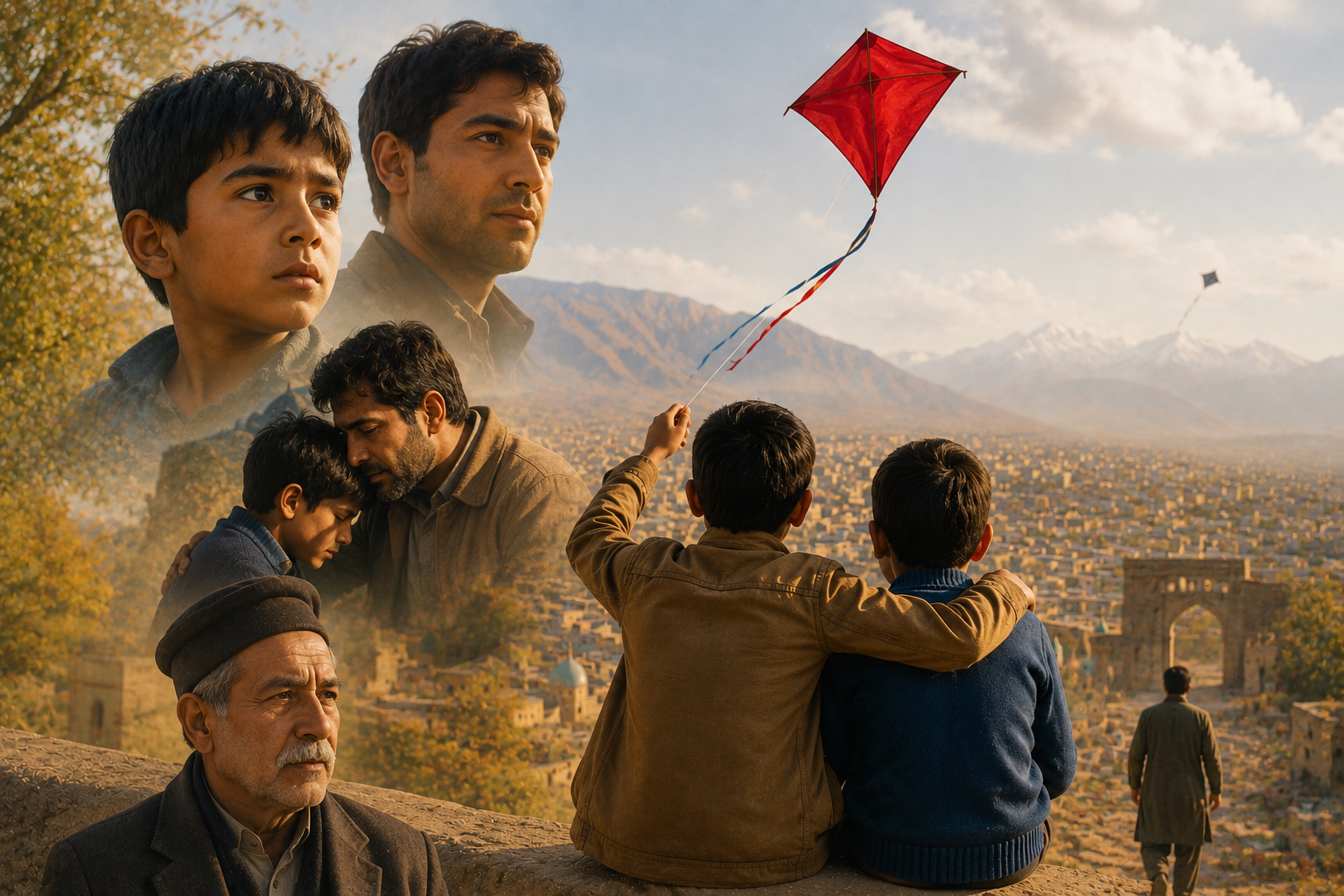
The Kite Runner Character Analysis: Key People, Motivations, and Conflicts

Kite Runner characters

A practical breakdown of the main characters and how their choices shape the story.

A strong The Kite Runner character analysis starts with choices. In Khaled Hosseini’s novel, shame, love, fear, and loyalty pull people in different directions.

This guide is built for students who need clear points for discussion posts, essays, and quote-based analysis.

Kite Runner characters

In this Guide

  • Why character matters in the novel
  • Amir’s guilt and growth
  • Hassan’s loyalty and moral force
  • Baba’s pride and hidden shame
  • Rahim Khan’s role as a guide
  • Assef and Soraya as conflict figures
  • Major conflicts to track
  • Essay tips and study resources

The Kite Runner character analysis: Why characters matter

Hosseini uses character choices to show how the past can shape a whole life.

Plot matters in The Kite Runner, but character drives the story. Amir’s silence, Baba’s secrets, and Hassan’s loyalty create the novel’s deepest pain.

A good The Kite Runner character analysis asks one main question: what does each person want, and what do they fear? That question helps you move past summary and into real interpretation.

If you want a broader method, our guide on how to analyze characters in literature can help you build stronger claims.

The Kite Runner character analysis of Amir

Amir is the narrator, but he is not always honest with himself.

Amir wants Baba’s love more than anything. This need makes him jealous of Hassan, who seems to receive Baba’s warmth without effort.

His greatest conflict is internal. After Hassan’s assault, Amir does not help him. He feels shame, but he also tries to push the shame away.

This is why Amir is a complex character. He is not a simple hero or villain. He hurts someone who loves him, then spends years trapped by guilt.

Amir’s arc is about repair. He cannot erase what happened, but he can choose courage later. His trip back to Afghanistan gives him a chance to act when action costs him something.

In this way, Amir is like Macbeth in one key sense: guilt changes his life. The difference is that Macbeth moves deeper into harm, while Amir seeks a path toward atonement.

Hassan: Loyalty, innocence, and quiet strength

Hassan is one of the novel’s strongest moral centers.

Hassan’s famous loyalty to Amir is both beautiful and painful. He protects Amir, supports him, and trusts him even when Amir does not deserve that trust.

His line, “For you, a thousand times over,” shows love without demand. It also shows the unequal friendship between the boys.

A careful The Kite Runner character analysis should not treat Hassan as only a victim. He has courage, skill, patience, and deep emotional strength.

Hassan also reveals the injustice of the world around him. As a Hazara boy, he faces class and ethnic prejudice. His goodness makes that injustice feel even sharper.

Baba and Rahim Khan: Pride, guilt, and moral pressure

These older men shape Amir’s view of courage and truth.

Baba looks powerful, but he is not free from guilt. He judges lies harshly, yet he hides a major truth about Hassan. This makes him more human and more flawed.

Baba wants Amir to be brave, but he fails to see Amir clearly. His disappointment hurts Amir and feeds Amir’s need to prove himself.

In The Kite Runner character analysis, Baba works best as a study in contradiction. He is generous in public, but private shame shapes his home.

Rahim Khan serves a different role. He notices Amir’s talent and gives him the kindness Baba often withholds.

Later, Rahim Khan becomes the voice that calls Amir back to moral action. His message that “there is a way to be good again” gives the novel its clearest hope.

Assef and Soraya: Conflict outside and inside Amir

These characters show two very different kinds of pressure.

Assef is the novel’s clearest human threat. He represents cruelty, racism, and the desire to control others through fear.

He also forces Amir to face the past. When Amir confronts Assef as an adult, the scene becomes more than a fight. It becomes a test of whether Amir can finally protect someone weaker.

Soraya helps reveal another part of Amir. She has a past that people judge, yet she speaks about it with honesty.

Her honesty contrasts with Amir’s silence. She shows the kind of openness Amir fears, which makes her important to his growth.

The Kite Runner character analysis: Major conflicts to track

The novel’s conflicts work through shame, loyalty, and the search for redemption.

Amir vs. himself is the central conflict. His guilt follows him from Kabul to America and back again.

Amir vs. Hassan is painful because Hassan does not act like Amir’s enemy. The conflict comes from jealousy, class difference, and Amir’s fear of losing Baba.

Amir vs. Baba grows from unmet expectations. Baba wants a bold son, while Amir wants approval for who he already is.

Amir vs. Assef turns moral conflict into physical danger. Assef stands for the violence Amir once failed to challenge.

These conflicts make the novel useful for AP Literature and college essays. They connect character, setting, and theme without forcing the reader into a single answer.

How to use this The Kite Runner character analysis in essays

Strong essays do not just name traits. They prove how traits shape choices.

When you write The Kite Runner character analysis, start with a claim about motivation. For example: Amir’s desire for Baba’s approval leads him to betray Hassan, but that same guilt later pushes him toward redemption.

Then use a quote that shows the pressure behind the choice. After the quote, explain what the character gains, what the character loses, and why the moment matters.

For extra practice, you can use our character analysis practice guide as a planning tool before you draft.

Avoid writing only that a character is “good” or “bad.” Hosseini’s characters often carry both love and failure. That tension is where the best analysis begins.

Helpful resources for deeper study

Context can help you understand the novel’s world and the author’s background.

For reliable background on the author, see Britannica’s profile of Khaled Hosseini.

Books worth reading next:

  • The Kite Runner by Khaled Hosseini
  • How to Read Literature Like a Professor by Thomas C. Foster

FAQ

What is the main point of The Kite Runner character analysis?

The main point is to study how each character’s choices reveal guilt, loyalty, fear, and the need for redemption.

Who changes the most in The Kite Runner?

Amir changes the most. He begins as a fearful boy who avoids truth, then becomes someone who risks himself to protect Sohrab.

Is Hassan a flat or complex character?

Hassan is morally steady, but he is not flat. His loyalty, courage, and suffering give him deep emotional power.

Why is Baba important to Amir’s character?

Baba shapes Amir’s need for approval. His praise, silence, and secrets all affect Amir’s choices.

Key Takeaway

The best The Kite Runner character analysis shows that redemption is not simple. Hosseini’s characters prove that one choice can wound a life, but another choice can begin to heal it.

Themes in The Kite Runner: A Student-Friendly Guide

kite runner themes

The Kite Runner is a powerful novel about guilt, love, and the hard work of repair. This guide explains the major themes in The Kite Runner so students can read the story with more confidence and write stronger essays.

This article contains affiliate links.

In this Guide

kite runner themes

Why the Themes in The Kite Runner Matter

The novel asks readers to think about what people owe to those they have hurt.

The themes in The Kite Runner matter because the story is not only about Amir’s childhood. It is also about how one choice can echo across a whole life.

Khaled Hosseini sets personal pain against political change in Afghanistan. You can learn more about the author through Britannica’s profile of Khaled Hosseini.

For students, the key is to connect each theme to character choice. Amir’s actions reveal the novel’s deepest questions about fear, courage, and repair.

Guilt and Redemption in The Kite Runner

Guilt drives much of the novel’s plot, but redemption gives it shape.

Amir feels guilt because he does not help Hassan during a traumatic assault. He also lies afterward, which deepens the harm.

This guilt does not fade with time. Even after Amir moves to America, his past follows him.

The phrase “There is a way to be good again” becomes one of the novel’s most important ideas. It suggests that redemption is possible, but it is not easy or quick.

In this way, the novel resembles Macbeth, where guilt damages the mind. The difference is that Amir seeks a path back, while Macbeth sinks deeper into violence.

Betrayal and Loyalty

The novel shows how betrayal can break trust, even when love is still present.

Hassan is loyal to Amir, often at great cost to himself. His famous line, “For you, a thousand times over,” shows devotion that Amir does not yet know how to return.

Amir betrays Hassan through silence. Later, he betrays him again by framing him for theft.

These moments make the friendship painful to read. The novel asks whether love matters if it does not lead to action.

Many themes in The Kite Runner become clear through this broken friendship. Loyalty is not just a feeling. It must show up when it matters most.

Fathers, Sons, and Emotional Inheritance

The father-son conflict shapes Amir’s view of himself.

Amir wants Baba’s love, but he feels he can never earn it. Baba values bravery, while Amir sees himself as weak.

This hurt affects how Amir treats Hassan. He often competes for Baba’s attention instead of seeing Hassan as a true friend.

Baba also carries secrets. His choices show that parents can pass down shame as well as love.

Like Hamlet, this novel connects family pressure to moral choice. Sons live in the shadow of fathers, but they must still decide who they will become.

Class, Ethnicity, and Power in Afghanistan

The novel shows how social systems can make cruelty seem normal.

Amir is Pashtun, while Hassan is Hazara. This difference shapes their lives from the start.

Even though the boys grow up together, they do not hold equal power. Hassan serves in Amir’s home, and society treats him as lower.

This theme helps explain why Amir can excuse his own behavior for so long. The world around him teaches him that Hassan’s pain counts less.

Students may compare this to To Kill a Mockingbird, where social injustice affects how people see truth. Both novels show that prejudice can hide inside everyday life.

Memory, Storytelling, and the Past

Amir tells the story because he cannot escape the past.

The novel begins with memory. Amir looks back on a winter day that changed everything.

Storytelling becomes a way to face what he once avoided. By telling the truth, Amir starts to understand his own guilt.

This is one reason the themes in The Kite Runner work so well for essays. The plot moves forward, but the meaning often comes from looking backward.

Memory is not neutral in the novel. It hurts, but it also pushes Amir toward action.

Religion, Shame, and Moral Choice

Faith appears in the novel as both comfort and conflict.

Some characters use religion to seek meaning. Others use it to control or harm people.

The Taliban’s abuse of faith shows how power can twist moral language. The novel separates true goodness from public displays of righteousness.

Amir’s journey is not only about feeling sorry. He must make a moral choice when he returns to Afghanistan.

This makes shame different from redemption. Shame traps Amir in self-hatred, while redemption asks him to act.

How to Write About Themes in The Kite Runner

A strong theme paragraph connects an idea to a choice, a conflict, and a change.

To write about themes in The Kite Runner, avoid broad claims like “guilt is important.” Instead, explain how guilt changes Amir’s actions over time.

A better claim might be: Hosseini shows that redemption requires risk because Amir can only confront his guilt by protecting Sohrab.

Notice how that sentence names the theme and ties it to plot. It also shows change.

If you need help moving from plot summary to deeper analysis, use our guide on how to analyze characters in literature.

If you want extra support for class notes, you can also use a printable theme study guide to track quotes and evidence.

When students discuss themes in The Kite Runner, the best answers focus on cause and effect. Ask what a character wants, what blocks that desire, and what the choice reveals.

Relevant Books to Read Next

These books pair well with The Kite Runner because they explore memory, war, and moral courage.

  • A Thousand Splendid Suns by Khaled Hosseini
  • The Book Thief by Markus Zusak

FAQ: Themes in The Kite Runner

What are the main themes in The Kite Runner?

The main themes in The Kite Runner include guilt, redemption, betrayal, loyalty, and the effects of social power.

What is the most important theme in the novel?

Redemption is often seen as the central theme. Amir’s story asks whether a person can repair harm through honest action.

How does Hassan show loyalty?

Hassan shows loyalty through his words and actions. He protects Amir, even when Amir does not protect him.

Why is class important in the novel?

Class matters because Amir and Hassan do not have equal status. Their friendship is shaped by ethnic and social divisions.

How can I write a thesis about the novel’s themes?

Choose one theme and connect it to a character’s change. A clear thesis should explain what the novel teaches about that idea.

Key Takeaway

The themes in The Kite Runner show that the past cannot be erased, but people can still choose repair. For students, the strongest insight is this: redemption begins when guilt turns into action.

Flash Memoir Prompt: Version of Your Family that No Longer Exists

flash memoir family

A focused flash memoir invitation for remembering a version of your family that has faded, changed, or quietly disappeared.

You might notice it at a holiday table, when someone reaches for a serving spoon that used to belong to your grandmother. Or in a photo where everyone is younger, louder, closer, and you realize that exact group of people will never sit in the same room again.

This flash memoir prompt about a version of your family that no longer exists is not only about loss. It can also be about change, distance, growing up, divorce, moving away, old routines, or the strange way families become new families over time.

flash memoir family

The Prompt

Write about a version of your family that no longer exists.

This prompt can open a strong memory because it asks you to look at your family as it once was, not as a full history, but as one lived moment. Maybe the old version of your family was noisy and crowded. Maybe it was quiet because everyone avoided the same subject. Maybe it was happy, but only in the way you understood happiness then.

A good flash memoir prompt version family no longer exists can help you find the small scene that holds the larger truth. You do not need to explain every change. You only need to show the reader what it felt like to be there before everything shifted.

Why This Memory Matters

Families change in ways that can be easy to miss while they are happening. Someone leaves for college. Someone stops calling. A parent remarries. A sibling becomes a stranger for a while. A child grows up and no longer believes the adults know everything.

When you write about a version of your family that no longer exists, you are writing about time. You are also writing about roles. Who made everyone laugh? Who kept the peace? Who always sat in the same chair? Who did you think you were in that family?

This kind of memory may uncover grief, but it may also uncover tenderness. You might remember the family before the big argument, before the move, before the illness, before everyone got their own phones and stopped watching the same movie on the couch.

If you enjoy looking closely at people and their choices, you may find it useful to think like a reader studying a novel. This guide on how to analyze characters in literature can help you notice patterns, motives, and quiet details in real life too.

How to Approach This Prompt

Begin with one physical detail. Choose something small enough to hold in your hand or picture clearly in your mind. A cracked bowl. A bunk bed. A station wagon. A stack of TV trays. A hallway light left on at night.

Then narrow the memory to one scene. Do not try to tell the whole family history at once. The whole story may be too large for a flash memoir piece. One evening can carry enough weight.

Write what you noticed before you explain what it meant. If your parents were still together then, show them passing plates across the table. If your siblings still shared a bedroom, show the line of stuffed animals between the beds. If your grandparents still hosted Sunday dinner, show the smell of soup in the entryway.

Try not to rush toward the lesson. Let the reader stand inside the old version of your family for a moment. Let them hear the voices, see the furniture, and sense what no one said out loud.

After you draft, you can reread your piece and mark the details that feel alive. Writers do this in memoir the same way students mark important lines in a story. If that skill helps you, here is a simple guide on how to annotate literature that can also work for your own drafts.

A Quick Example

Before my parents sold the house, Sunday mornings belonged to pancakes. My father stood at the stove in his robe, flipping them too early, so the middles stayed soft. My mother read the paper at the table and circled grocery coupons with a red pen. My brother and I fought over the syrup bottle even though there was plenty. The dog slept under my chair because I dropped crumbs on purpose. Nothing about it seemed special then. It was just breakfast. Years later, after the divorce and the apartment kitchens and the holidays split into two calendars, I found the old griddle in a box. The handle was loose. I held it for a minute and could almost hear my mother say, “Use a plate, not a napkin.”

Try It Yourself

Set a timer for ten minutes and write about one version of your family that no longer exists. Start with the room, the object, or the sound that brings it back fastest.

You do not have to make the memory neat. You do not have to decide if it was good or bad. Just return to the scene and tell the truth from where you stood then.

If the writing surprises you, follow that surprise. The best flash memoir pieces often begin with a simple image and end with a feeling the writer did not expect to find.

Want More Flash Memoir Prompts?

If this prompt helped you remember a scene you had not thought about in years, keep going. Explore all 365 prompts in The Memory Trigger: 365 Flash Memoir Writing Prompts.

The Memory Trigger
error

Enjoy this article? Please spread the word :)

Follow by Email
BLUESKY
fb-share-icon
Reddit
LinkedIn
Share
RSS