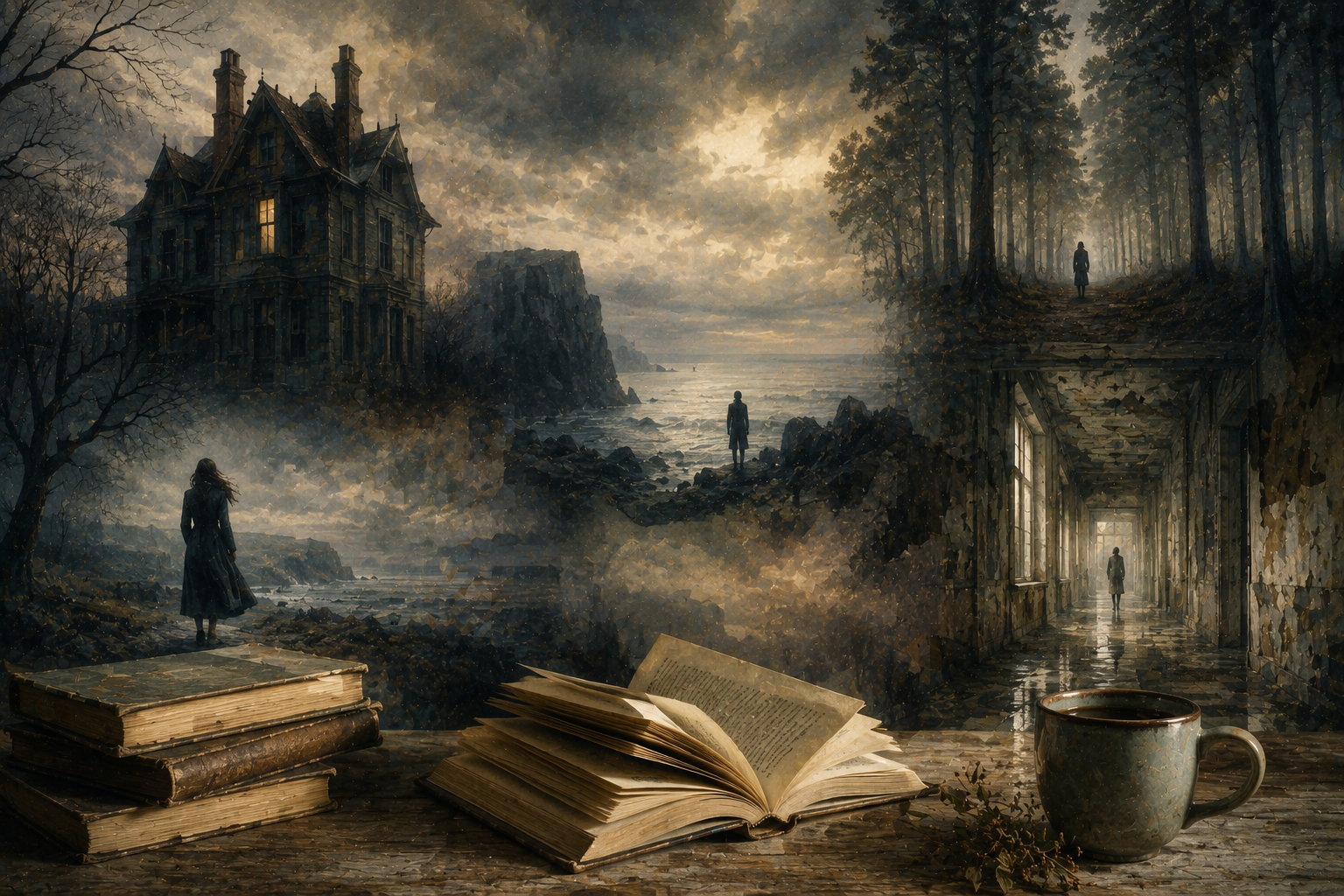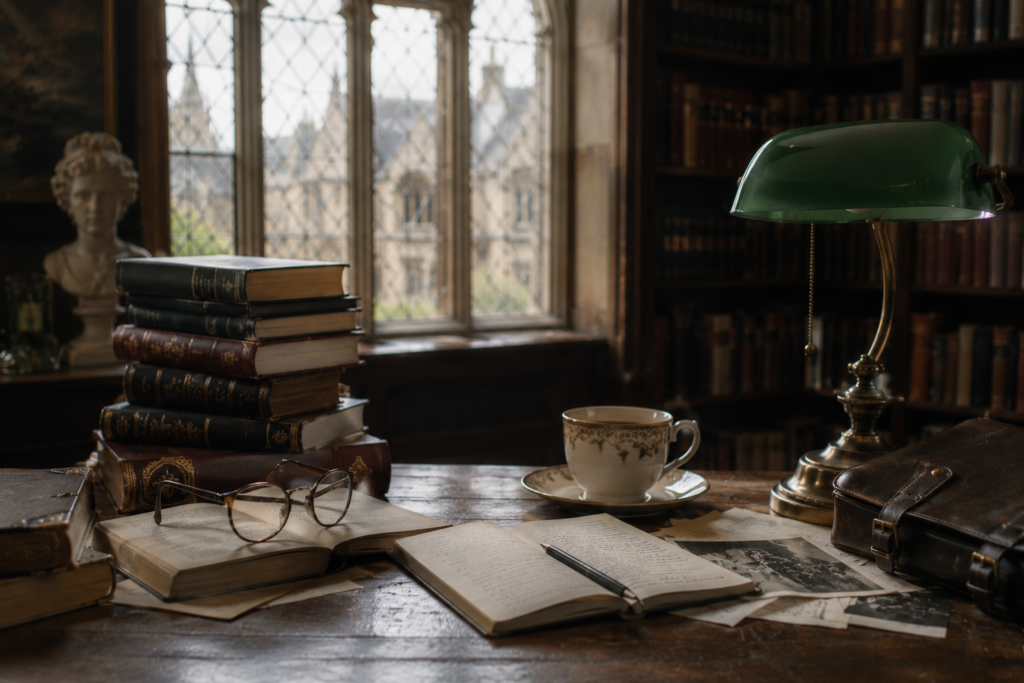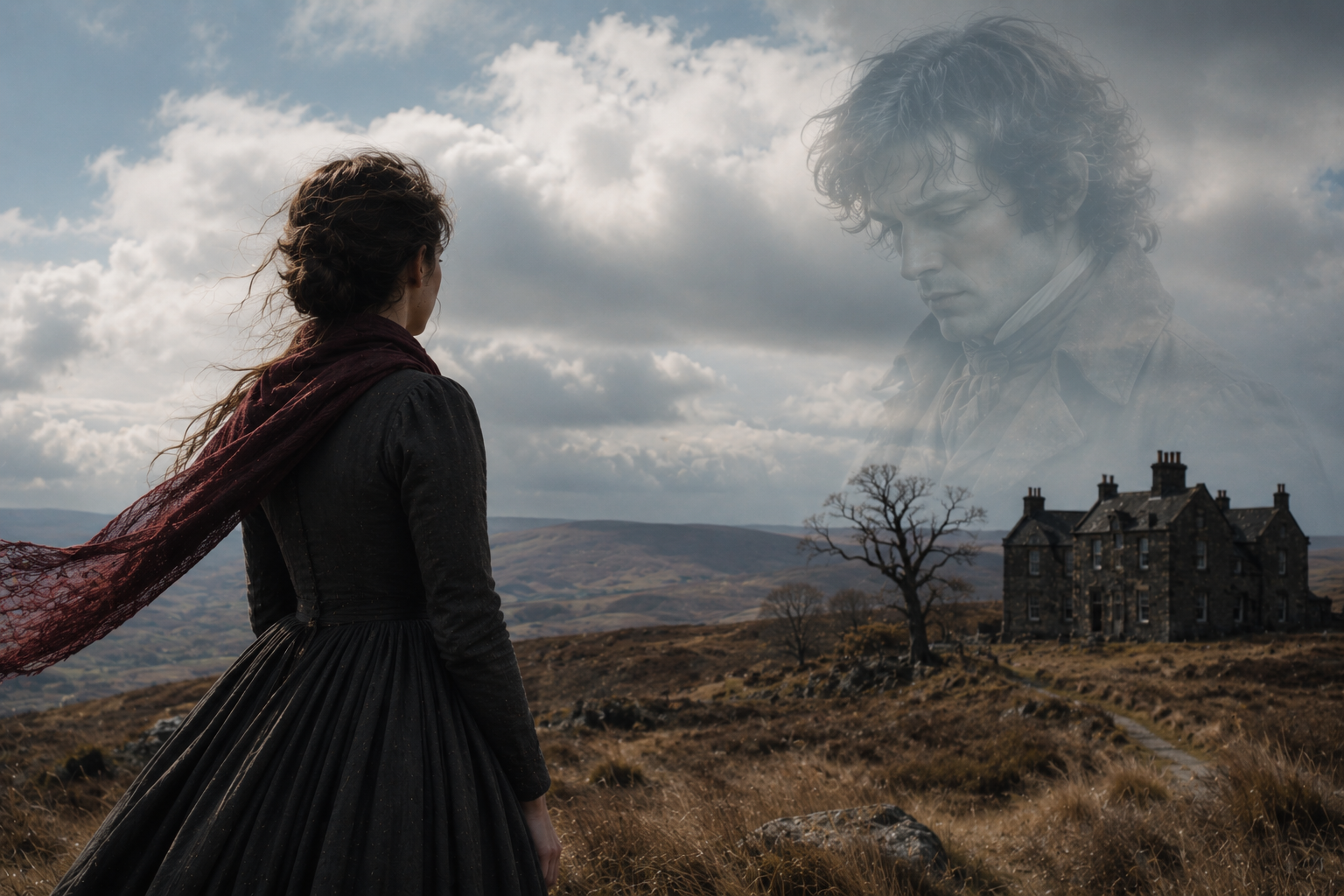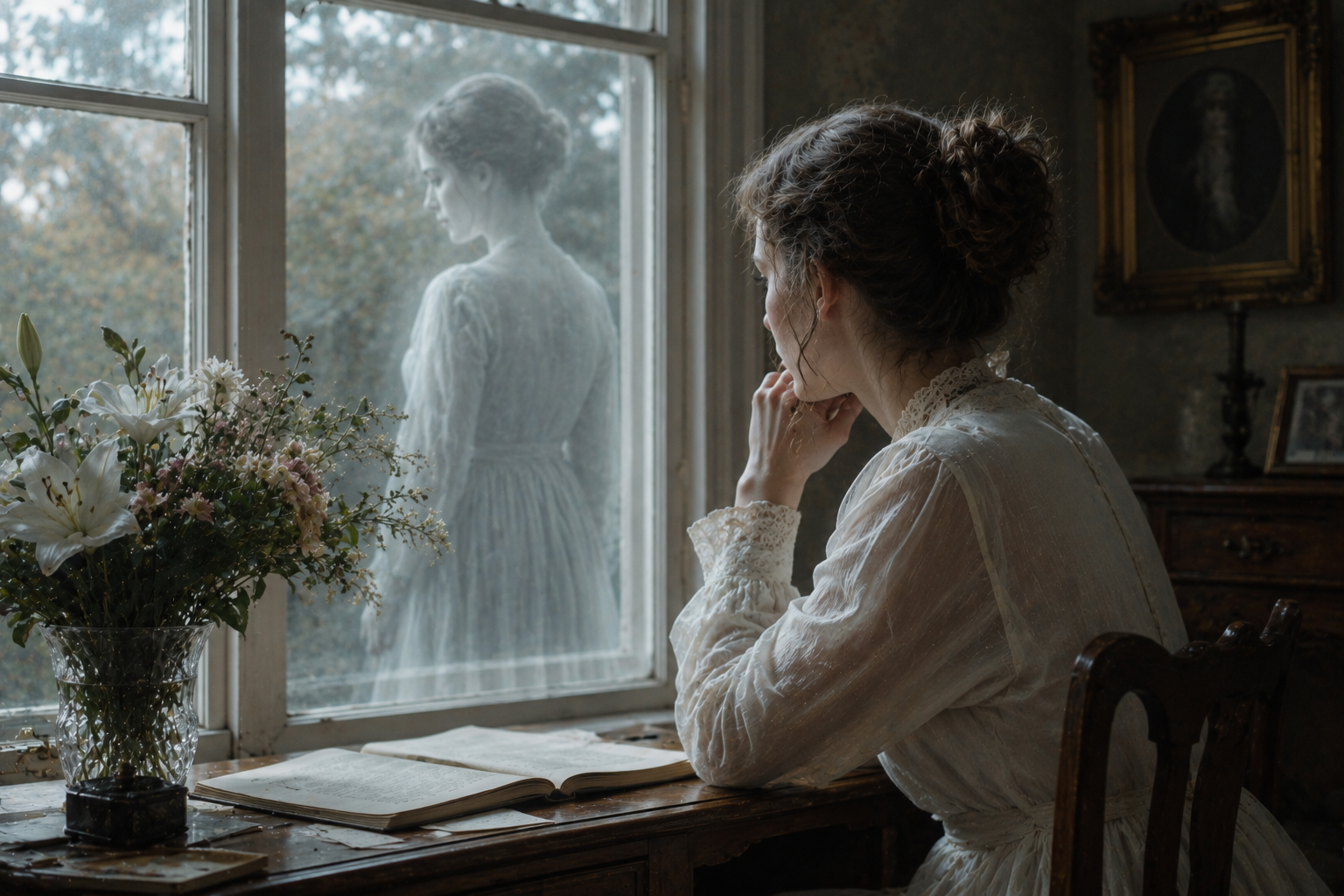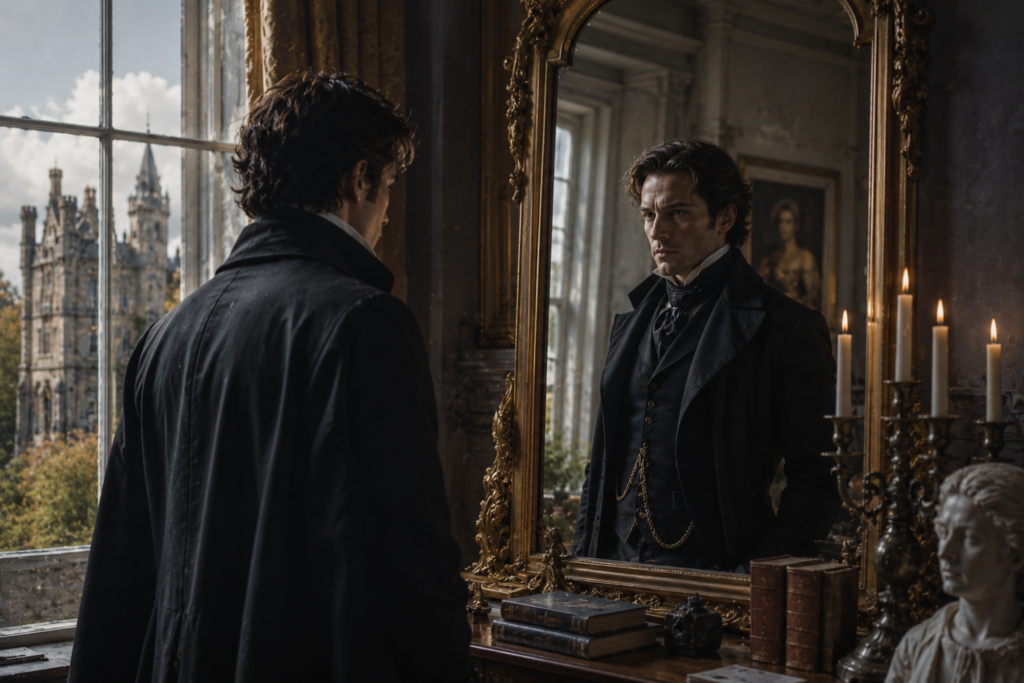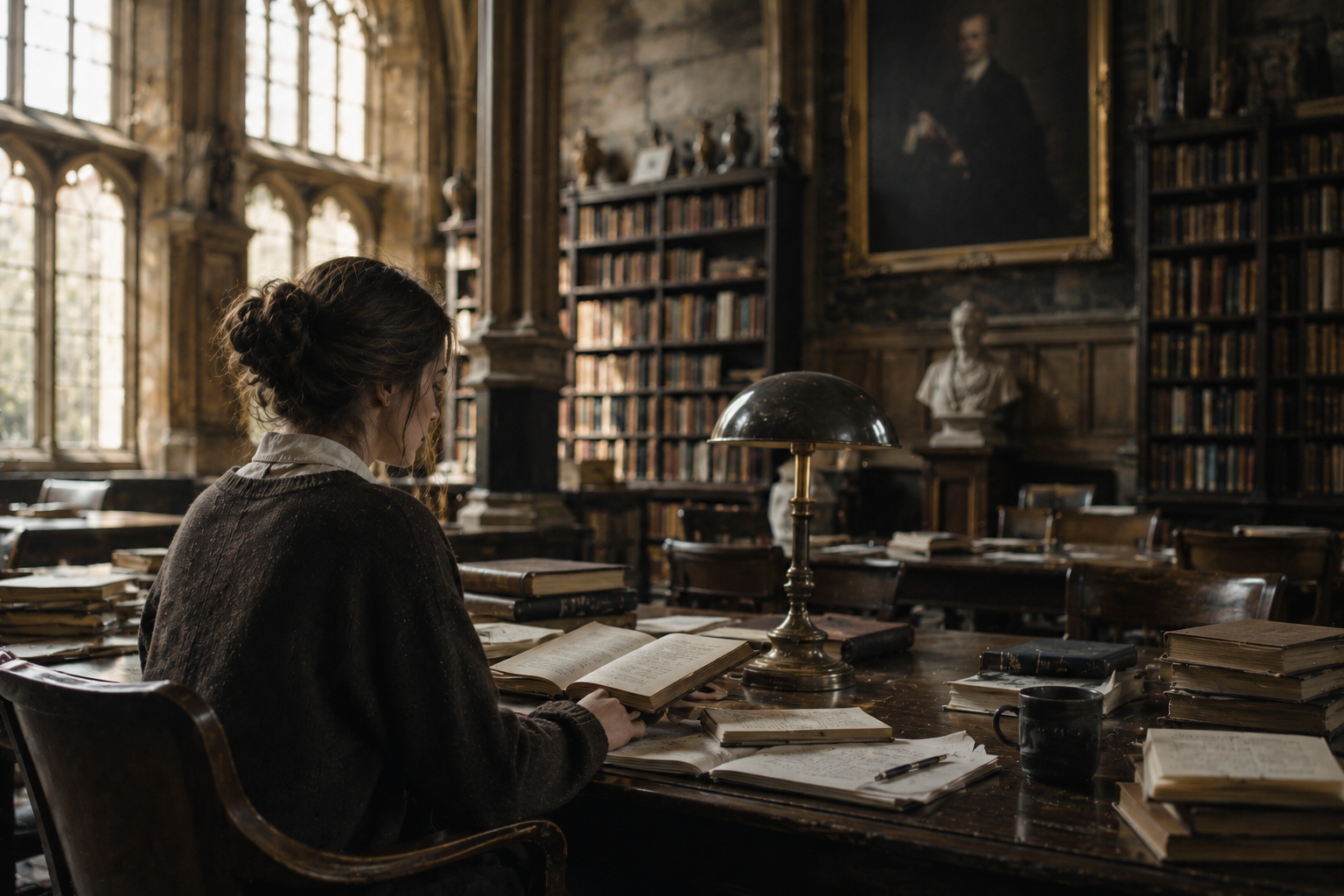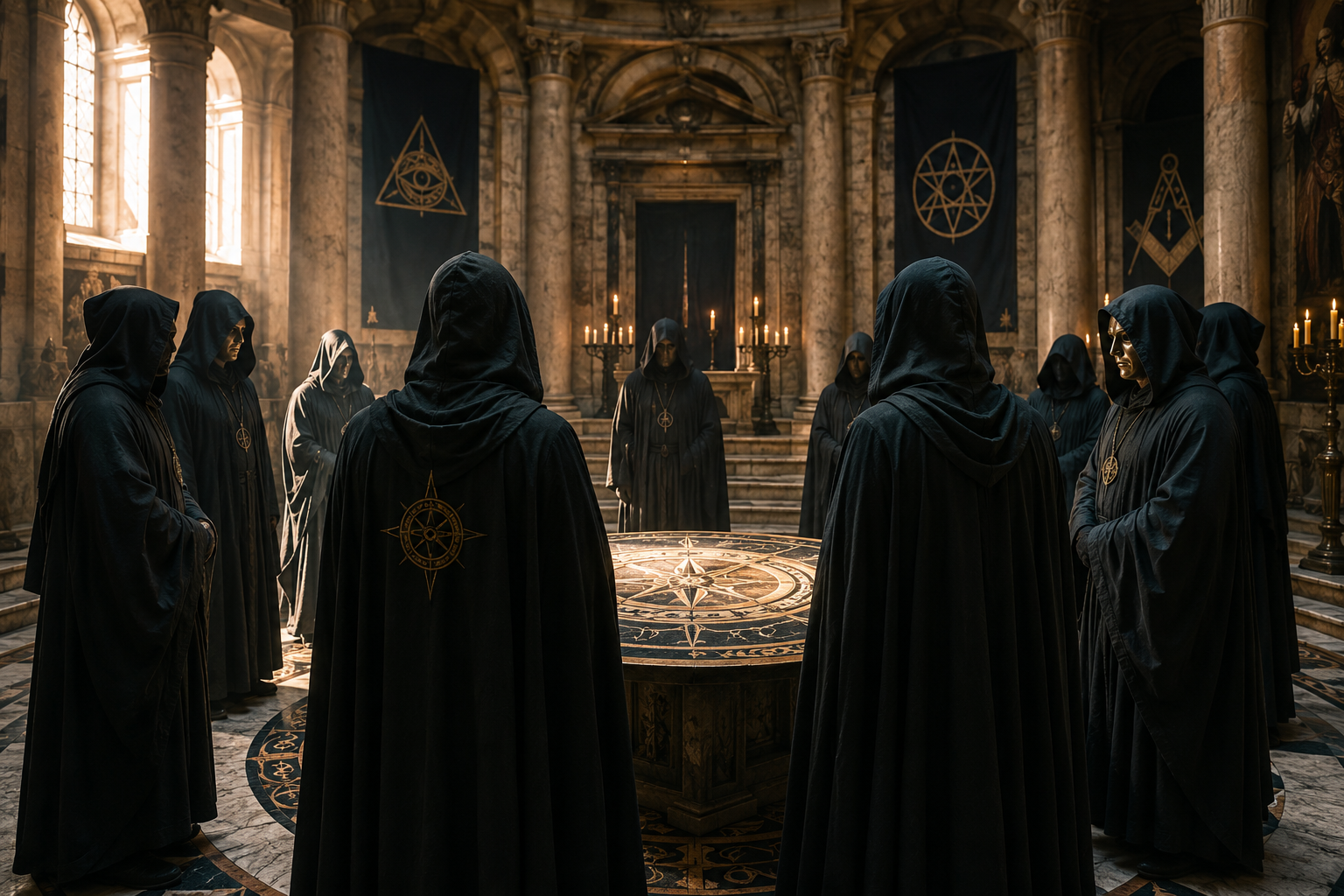
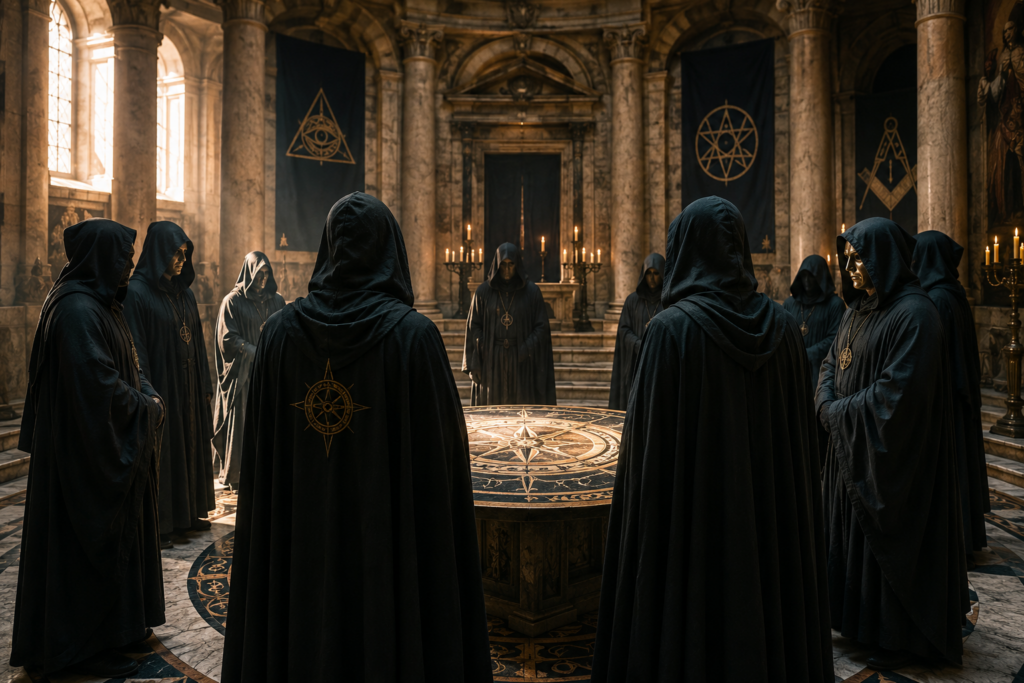
The Most Disturbing Secret Societies in literature are not scary just because they hide in the dark. They disturb us because they show how power can twist friendship, faith, school, politics, and even art.
From elite student circles to shadowy cults, these groups turn secrecy into a weapon. They make readers ask a hard question: what would people do if no one could see them?
In this Guide
- Why secret societies feel so disturbing
- The Most Disturbing Secret Societies in classic literature
- The Most Disturbing Secret Societies in modern fiction
- Recommended books to read
- Symbols and themes to watch for
- How to read secret society stories closely
- FAQs
- Key takeaway
Why the Most Disturbing Secret Societies Stay With Us
Secret groups scare us because they make the normal world feel unsafe.
In many stories, the most dangerous people are not monsters. They are classmates, neighbors, teachers, or leaders who share a private code.
The Most Disturbing Secret Societies often begin with a promise. They offer belonging, truth, or power. Then the cost appears.
That cost may be silence. It may be violence. It may be the loss of a person’s moral center.
This is why secret societies work so well in literature. They turn trust into fear.
The Most Disturbing Secret Societies in Classic Literature
Older works often use hidden groups to explore fear, loyalty, and control.
One strong example appears in Shakespeare’s Macbeth. The witches are not a formal club, yet they act like a secret circle with hidden knowledge. They speak in riddles, tempt Macbeth, and help push him toward murder.
Their power comes from mystery. Macbeth wants to know the future, but that knowledge traps him.
In George Orwell’s 1984, the Brotherhood may be real, fake, or both. Winston believes it is a secret rebel group against Big Brother. That belief gives him hope, but it also leads him into a trap.
This makes the Brotherhood one of the Most Disturbing Secret Societies in dystopian fiction. It shows how even resistance can be used as bait.
In ancient drama, groups tied to ritual and belief can also feel dangerous. In Euripides’ The Bacchae, worship of Dionysus pulls people away from public order and into wild devotion. The play asks what happens when reason loses control.
These classic texts remind us that secrecy is not always about locked rooms. Sometimes it is about hidden desire.
The Most Disturbing Secret Societies in Modern Fiction
Modern stories often place secret groups inside schools, cities, and social circles.
Donna Tartt’s The Secret History is one of the best-known examples. A small group of classics students forms an intense private world. They see themselves as smarter and more refined than others.
That pride turns deadly. Their bond becomes a prison.
This is why readers often name Tartt’s group among the Most Disturbing Secret Societies in literary fiction. The horror does not come from magic. It comes from ordinary people who talk themselves into evil.
In Chuck Palahniuk’s Fight Club, Project Mayhem grows from a secret fight group into a violent movement. It gives lost men a sense of purpose, but it erases their names and choices.
In Leigh Bardugo’s Ninth House, Yale’s secret societies are tied to magic, wealth, and abuse. The novel uses fantasy to expose real fears about privilege and power.
These modern books show that secret groups do not need castles or ancient temples. They can hide behind school doors, office jobs, and polite conversation.
Recommended Books About the Most Disturbing Secret Societies
These books are strong choices for students, book clubs, or anyone who likes dark literary culture.
- The Secret History by Donna Tartt: A dark campus novel about beauty, guilt, and murder.
- 1984 by George Orwell: A dystopian classic where secret rebellion may be part of the system.
- Ninth House by Leigh Bardugo: A fantasy novel about elite societies, magic, and hidden abuse.
Each book handles secrecy in a different way. Together, they show why the Most Disturbing Secret Societies are not just plot devices. They are mirrors for human weakness.
Symbols and Themes Behind the Most Disturbing Secret Societies
Secret society stories often repeat the same symbols because those images carry fear.
Masks often show the split between public life and private truth. A person can look normal while hiding a darker self.
Rituals show how group pressure can replace personal choice. Once a person joins the ritual, it becomes harder to say no.
Locked rooms suggest knowledge that only a few people can reach. In literature, that hidden knowledge often comes with danger.
The biggest theme is power. The Most Disturbing Secret Societies usually control people through fear, shame, or desire.
Another major theme is identity. A secret group may tell members they are special. Over time, that message can destroy empathy.
For background on real-world secret societies as a cultural idea, you can read Encyclopaedia Britannica’s overview of secret societies.
How to Read the Most Disturbing Secret Societies Closely
To understand these stories, watch how secrecy changes the characters.
Ask who benefits from the group’s rules. Ask who gets silenced. Ask what the group says in public compared with what it does in private.
A close reading can help you spot those patterns. If you want a simple guide, read what close reading means in literature.
Pay close attention to repeated words, symbols, and scenes of initiation. Authors often place clues there.
When you study the Most Disturbing Secret Societies, do not focus only on the mystery. Look at the moral choices around it.
Why Students Should Study Secret Societies in Literature
These stories help students think about pressure, loyalty, and power.
In school, secret society plots can open strong discussions about ethics. They ask why people join harmful groups and why they stay.
They also connect well to AP Literature themes. You can discuss character change, symbolism, setting, and unreliable truth.
The Most Disturbing Secret Societies also help readers question authority. A group may look noble from the outside, but the story asks us to look deeper.
That is where literature becomes more than entertainment. It trains us to notice what people hide.
Common Traits of the Most Disturbing Secret Societies
Most fictional secret groups share a few warning signs.
They create an “us versus them” mindset. Members are told they are above normal rules.
They use secrecy to protect the group, not the truth. This makes harm easier to excuse.
They often have a leader or inner circle that controls information. When only a few people know the full story, everyone else becomes easier to use.
This pattern appears in many books because it feels real. The Most Disturbing Secret Societies are frightening because their logic can sound tempting at first.
FAQs About the Most Disturbing Secret Societies in Literature
What makes a secret society disturbing in literature?
It becomes disturbing when secrecy protects harm. The group may hide violence, abuse, lies, or control.
Is The Secret History about a real secret society?
No. The group is fictional, but it draws on real fears about elite schools, obsession, and moral pride.
Why do authors use secret societies so often?
They create tension fast. They also help authors explore power, loyalty, and hidden guilt.
Are secret societies always evil in books?
No. Some may fight injustice or protect knowledge. Still, literature often shows how secrecy can corrupt even good goals.
How can I analyze secret society symbolism?
Look for masks, rituals, hidden rooms, coded language, and repeated rules. Then ask what each symbol reveals about power.
Key Takeaway
The Most Disturbing Secret Societies in literature scare us because they turn belonging into control. They remind us that hidden power is most dangerous when people stop asking questions.
Great secret society stories do more than shock us. They teach us to read people, systems, and silence with care.