

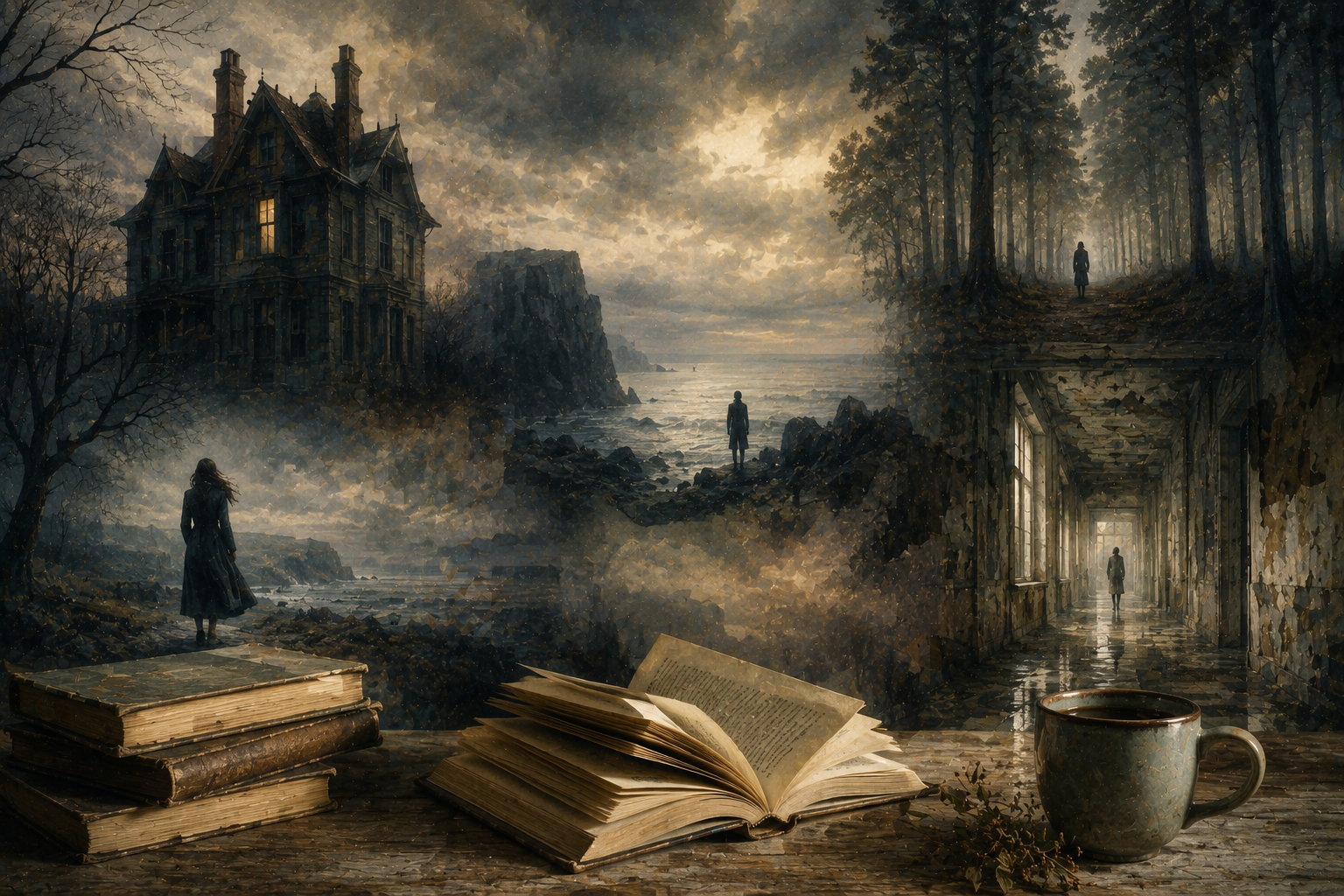
Most Disturbing Atmospheric Fiction does more than scare you. It builds a world so tense, strange, or heavy that you feel trapped inside it.
These stories use setting, mood, silence, and fear to create lasting unease. They are not always full of monsters, but they often feel more frightening because of what stays hidden.
In this Guide
- What makes atmospheric fiction disturbing
- Best examples of Most Disturbing Atmospheric Fiction
- Common symbols and themes
- How students can read these stories closely
- Recommended books
- FAQs
What Makes Most Disturbing Atmospheric Fiction So Powerful?
The mood is the monster.
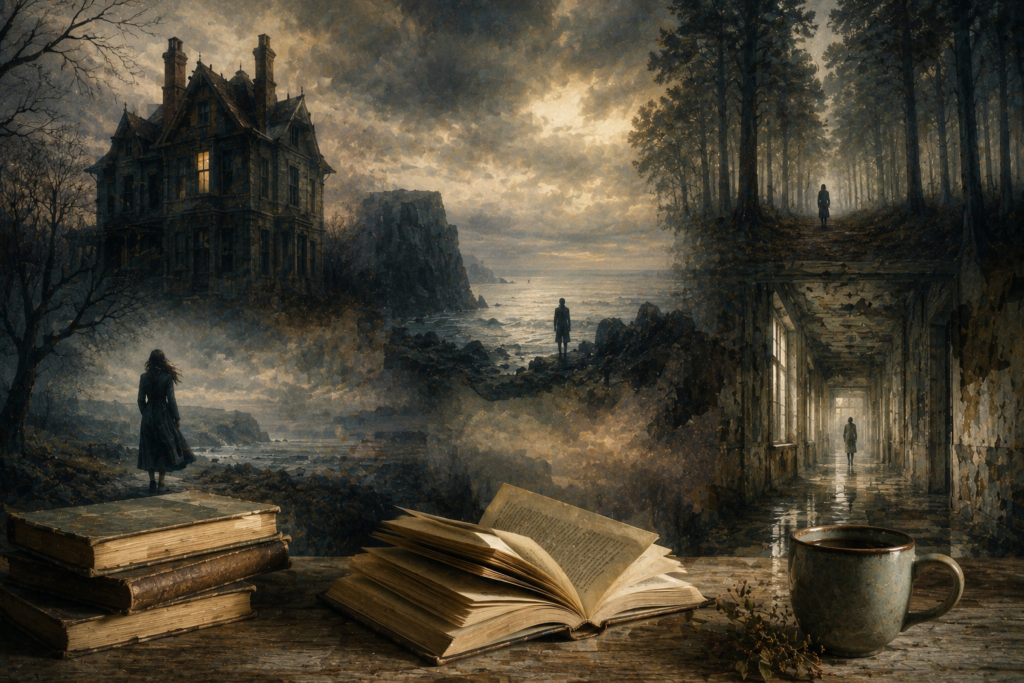
Most Disturbing Atmospheric Fiction depends on dread. It often makes the reader feel that something is wrong long before anything terrible happens.
The setting matters a lot. A decaying house, a foggy road, a silent town, or a locked room can feel alive. These places seem to watch the characters.
The fear often comes from uncertainty. The reader may not know if a threat is real, imagined, or both. That doubt keeps the story tense.
This kind of fiction is common in Gothic literature, horror, Southern Gothic, and psychological fiction. You can learn more about the Gothic tradition through Britannica’s overview of the Gothic novel.
Best Examples of Most Disturbing Atmospheric Fiction
These works create fear through place, tone, and hidden pressure.
Shirley Jackson’s The Haunting of Hill House is one of the best examples of Most Disturbing Atmospheric Fiction. Hill House feels wrong from the first page. Its walls, doors, and rooms seem to shape the minds of the people inside.
Edgar Allan Poe’s stories also fit this tradition. In “The Fall of the House of Usher,” the house reflects the broken state of the family. The building feels sick, and that sickness spreads through the story.
Charlotte Perkins Gilman’s “The Yellow Wallpaper” uses one room to create deep unease. The wallpaper becomes a symbol of control, fear, and mental collapse. The story feels quiet at first, but the pressure grows fast.
William Faulkner’s “A Rose for Emily” creates dread through a closed house and a town full of whispers. The story shows how silence can hide horror for years.
Toni Morrison’s Beloved also uses atmosphere in a powerful way. The haunted house is tied to memory and trauma. The ghost is frightening, but the history behind it is even more painful.





Why Most Disturbing Atmospheric Fiction Often Feels Real
The scariest stories often feel close to daily life.
Most Disturbing Atmospheric Fiction works because it uses normal places in strange ways. A bedroom, hallway, garden, or family home can become unsafe.
This makes the fear personal. Readers may not believe in ghosts, but they understand isolation. They understand shame, grief, and the fear of being watched.
The best atmospheric stories do not explain everything. They leave space for the reader to feel doubt. That space can be more unsettling than a clear answer.
Symbols and Themes in Most Disturbing Atmospheric Fiction
Symbols turn ordinary objects into signs of danger.
In Most Disturbing Atmospheric Fiction, houses often symbolize the mind. A cracked wall may point to hidden pain. A locked room may suggest a secret no one wants to face.
Weather is another common symbol. Fog can hide the truth. Storms can show fear, anger, or chaos. Darkness often points to what characters refuse to see.
Mirrors can show divided identity. Portraits can suggest guilt or a trapped past. Repeated sounds, such as knocking or footsteps, can make a scene feel haunted even when no ghost appears.
Common themes include isolation, memory, madness, and control. These themes help explain why the mood feels so heavy.
Poetry can use this kind of atmosphere too. Emily Dickinson often creates strange, tense spaces in short poems about death and the mind. If you want help with her style, read how to read Emily Dickinson with more confidence.
How to Read Most Disturbing Atmospheric Fiction for Class
Look at how the story makes you feel, then ask why.
When you read Most Disturbing Atmospheric Fiction, pay close attention to setting. Ask what details repeat. Notice if a place seems safe at first, then starts to feel strange.
Track word choice. Words tied to rot, silence, cold, or darkness can shape the mood. A writer may repeat these words to build pressure.
Watch the narrator. Many disturbing stories use narrators who may not understand what is happening. Some may lie to themselves. Some may leave out key facts.
Ask this simple question: What does the atmosphere reveal that the plot does not say directly?
This question can help with essays about Poe, Jackson, Gilman, Morrison, and other writers who use mood as a major force.
Recommended Books for Fans of Disturbing Atmosphere
These books are strong choices for readers who like slow dread and rich mood.
- The Haunting of Hill House by Shirley Jackson
- Beloved by Toni Morrison
Both books show how a place can hold fear. They also show how the past can feel alive in the present.
If you enjoy classic eerie writing, Edgar Allan Poe is also worth exploring. The Poetry Foundation’s page on Edgar Allan Poe gives useful background on his life and work.
Why Most Disturbing Atmospheric Fiction Matters in Literature
These stories help readers face what people often hide.
Most Disturbing Atmospheric Fiction is not only about fear. It often explores grief, social pressure, family secrets, and trauma.
The disturbing mood gives shape to emotions that are hard to name. A haunted house may stand for guilt. A strange room may stand for a trapped life.
That is why these stories stay with us. They do not just shock the reader. They create a feeling that lingers after the final page.
FAQ About Most Disturbing Atmospheric Fiction
What is Most Disturbing Atmospheric Fiction?
Most Disturbing Atmospheric Fiction is fiction that creates fear or unease through mood, setting, and tone. It often feels slow, tense, and deeply unsettling.
Is atmospheric fiction the same as horror?
Not always. Some atmospheric fiction is horror, but some is literary fiction, Gothic fiction, or psychological fiction. The key is the heavy mood.
Why do authors use houses so often in these stories?
Houses can symbolize the mind, family history, or hidden secrets. When a house feels unsafe, the reader feels that no place is truly secure.
What should students focus on when studying this genre?
Students should focus on setting, repeated images, narrator reliability, and tone. These details often reveal the story’s deeper meaning.
Can poetry be atmospheric and disturbing?
Yes. Poems can create dread through image, rhythm, and silence. Dickinson and Poe are strong examples of writers who use mood in powerful ways.
Key Takeaway
Most Disturbing Atmospheric Fiction haunts readers because it makes fear feel close, quiet, and hard to escape.
The best stories in this style do not rely only on sudden scares. They build a world where every room, object, and silence seems to mean something.
For students, this genre is a rich path into symbolism, theme, and close reading. For any reader, it proves that the most frightening place in fiction is often the mind itself.


Get the Free Close Reading Worksheet Pack
Join my email list and receive the printable worksheet pack you can use with any novel or poem.
No spam. Just helpful guides for reading literature well.












