Best Books About Toxic Relationships: Literature That Shows Love, Power, and Control

Toxic relationships

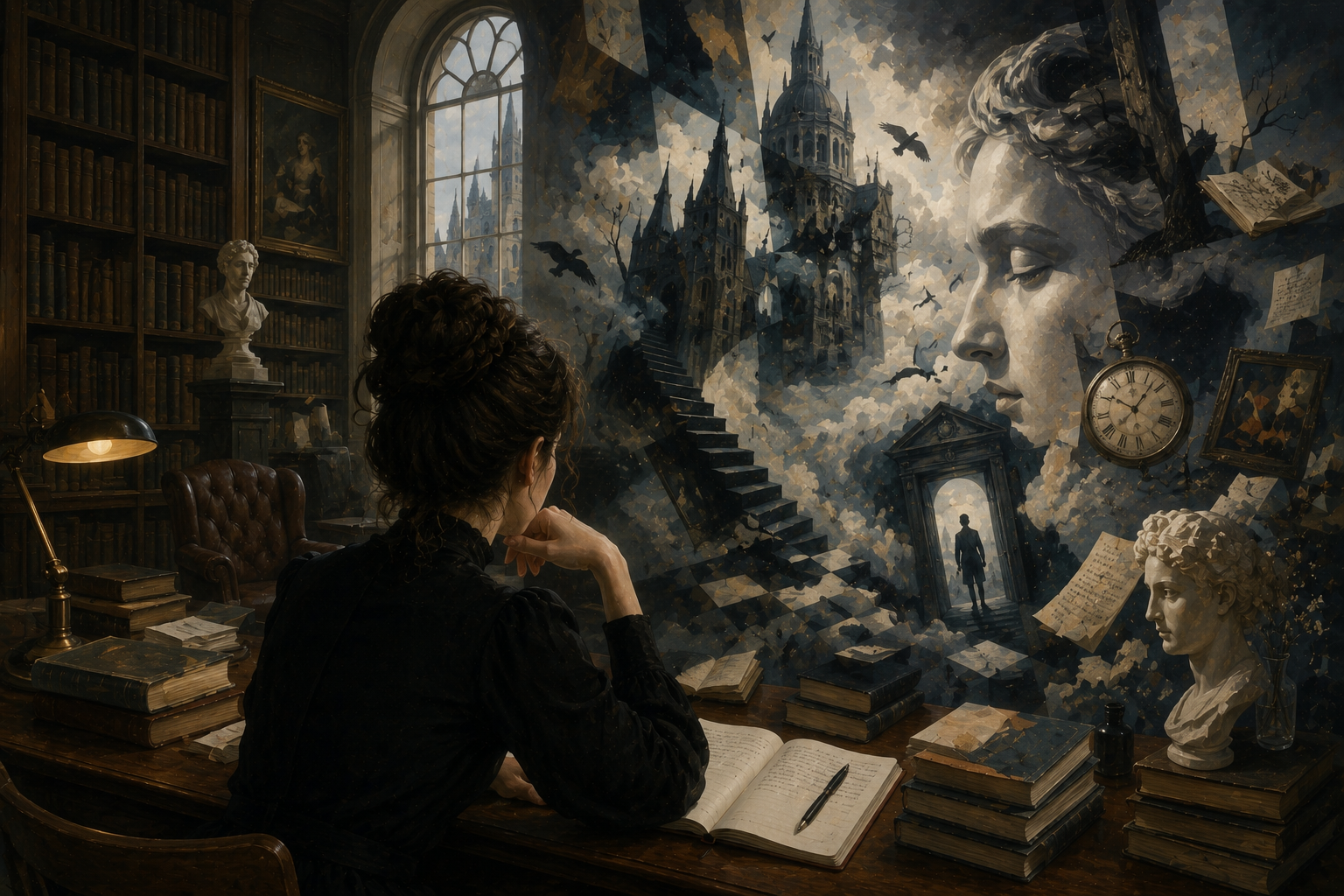
The Best Books About Toxic Relationships do more than show romance gone wrong. They help readers see how love can turn into control, obsession, fear, or self-loss.

These books can be hard to read, but they often teach us how people hide pain, excuse harm, and search for freedom.

In this Guide

  • What makes a toxic relationship in literature
  • Best Books About Toxic Relationships to read first
  • Key themes and symbols
  • Why students study these books
  • FAQs
  • Key takeaway
Toxic relationships

What Makes the Best Books About Toxic Relationships So Powerful?

The strongest stories show that toxic love is not always easy to spot at first.

In literature, a toxic relationship often begins with charm, beauty, or intense emotion. Over time, the bond becomes harmful. One person may control the other, lie often, use guilt, or treat love like ownership.

The Best Books About Toxic Relationships show this shift with care. They do not just say, “This is bad.” They show how people get trapped, why they stay, and what it costs them.

That is why these books matter in school. They help students talk about power, gender roles, class, trauma, and identity through stories that feel personal.

Best Books About Toxic Relationships to Read First

These classic and modern books give readers strong examples of unhealthy love, obsession, and control.

1. Wuthering Heights by Emily Brontë

Wuthering Heights is one of the Best Books About Toxic Relationships because it shows love as wild, painful, and destructive.

Heathcliff and Catherine love each other deeply, but their bond hurts almost everyone around them. Their relationship is full of pride, revenge, class shame, and emotional cruelty.

The moors in the novel act as a symbol of their love. They are open and beautiful, but also harsh and dangerous.

2. The Great Gatsby by F. Scott Fitzgerald

The Great Gatsby may look like a love story, but it is really about fantasy, wealth, and emotional damage.

Gatsby’s love for Daisy becomes a dream he cannot let go. Daisy and Tom’s marriage is also toxic because it rests on money, lies, and carelessness.

For a deeper look at these characters, read our Great Gatsby analysis.

3. Rebecca by Daphne du Maurier

Rebecca is a gothic novel about jealousy, fear, and control inside marriage.

The unnamed narrator feels trapped by the memory of her husband’s first wife. Manderley, the great house, becomes a symbol of pressure and silence.

This novel is one of the Best Books About Toxic Relationships because it shows how a person can feel erased inside a relationship.

More Best Books About Toxic Relationships for Students

Some books show toxic love through romance. Others show it through family, friendship, or social pressure.

Jane Eyre by Charlotte Brontë

Jane Eyre asks a key question: Can love be healthy if one person has far more power?

Jane cares for Mr. Rochester, but she refuses to lose her self-respect. That choice makes the novel different from many toxic love stories.

A Streetcar Named Desire by Tennessee Williams

This play shows a violent and harmful marriage through Stanley and Stella.

It also shows how desire, class conflict, and denial can trap people. The play is often studied in AP Literature because its symbols are clear and rich.

Normal People by Sally Rooney

This modern novel shows a bond that is loving, painful, and confusing.

Connell and Marianne care for each other, but their relationship suffers because of shame, class pressure, and poor communication.

Symbols in the Best Books About Toxic Relationships

Writers often use objects and places to show emotional danger.

In The Great Gatsby, the green light stands for Gatsby’s dream of Daisy. It also shows how desire can turn into illusion. You can explore this symbol more in our guide to The Great Gatsby.

In Rebecca, Manderley is more than a house. It stands for memory, fear, and a past that controls the present.

In Wuthering Heights, the moors reflect wild emotion. They feel free, but they also suggest danger and isolation.

These symbols help make the Best Books About Toxic Relationships more than simple warnings. They turn private pain into something readers can see and study.

Common Themes in the Best Books About Toxic Relationships

Toxic relationships in literature often reveal larger problems in society.

Power is one major theme. Many harmful relationships grow when one person has more money, status, age, or control.

Obsession is another key theme. Gatsby does not love Daisy as she really is. He loves the dream he built around her.

Identity also matters. In many of the Best Books About Toxic Relationships, a character must decide whether love is worth losing the self.

For background on major authors and classic texts, resources like Britannica’s overview of the novel can help students place these works in a wider literary tradition.

Why Readers Are Drawn to Best Books About Toxic Relationships

These stories are intense because they feel close to real life.

Many readers know what it feels like to want approval, fear rejection, or excuse bad behavior from someone they love. Literature gives those feelings shape.

The Best Books About Toxic Relationships also help readers ask better questions. Is this love, or control? Is this loyalty, or fear? Is this passion, or harm?

Good books do not always give easy answers. They make readers think with more care.

Recommended Books to Add to Your Reading List

If you want to explore this topic, start with books that are rich, readable, and often taught in school.

  • Wuthering Heights by Emily Brontë
  • The Great Gatsby by F. Scott Fitzgerald
  • Rebecca by Daphne du Maurier

These are some of the Best Books About Toxic Relationships because they show different forms of harm. One focuses on revenge, one on illusion, and one on fear inside marriage.

How to Read Toxic Relationship Stories in Class

Read these books with attention to both emotion and structure.

Notice who has power in each scene. Look at who speaks, who stays silent, and who gets believed.

Track symbols as they repeat. A house, a light, a room, or a landscape can show what a character cannot say out loud.

It also helps to read author background from trusted sources. The Poetry Foundation has useful material on many writers, movements, and literary terms.

FAQs About the Best Books About Toxic Relationships

These quick answers can help students choose and study the right book.

What are the Best Books About Toxic Relationships for high school students?

The Great Gatsby, Jane Eyre, and Wuthering Heights are strong choices. They are often taught and offer clear themes to analyze.

Are toxic relationship books only about romance?

No. They can also focus on family, friendship, class pressure, or social control.

Why do teachers assign books about toxic relationships?

Teachers use them to discuss power, choice, identity, and moral conflict. These topics help students build deeper reading skills.

Is The Great Gatsby about a toxic relationship?

Yes. Gatsby’s dream of Daisy is unhealthy because it turns her into an ideal. Tom and Daisy’s marriage is also built on privilege and harm.

Key Takeaway

The Best Books About Toxic Relationships show that love in literature is not always safe, pure, or simple.

These stories matter because they reveal how control can hide inside romance, wealth, memory, and desire. When readers study them closely, they learn to see both the beauty of language and the warning signs in human behavior.

Themes in The Things They Carried: A Student-Friendly Guide

Themes in Things They Carried

A clear guide to the major ideas, conflicts, and meanings students should notice in The Things They Carried.

The themes in The Things They Carried help readers see the deep cost of war on the mind, body, and heart. Tim O’Brien does not just write about combat. He writes about fear, memory, guilt, truth, and the stories people need in order to survive.

In this Guide

Use this guide as a map before class discussion, essay prep, or a close reading quiz.

  • Why the themes matter
  • War and fear
  • Storytelling and truth
  • Guilt and shame
  • Courage and masculinity
  • Love, loss, and memory
  • How to write about the novel
  • FAQ
Themes in Things They Carried

Why the Themes in The Things They Carried Matter

The novel asks what soldiers carry after the war ends.

At first, the title seems simple. The soldiers carry guns, food, letters, photos, and gear. Yet the real weight is emotional.

They carry fear, regret, secrets, and memories. Those burdens do not fit in a backpack, but they shape every choice the men make.

When students study the themes in The Things They Carried, they should look at both kinds of weight. Physical objects often point to hidden pain.

This is a key reason the book works so well in AP Literature and college courses. It turns small details into big questions about truth, trauma, and survival.

Major themes in The Things They Carried

The novel has no single easy message about war.

The major themes in The Things They Carried overlap. Fear connects to shame. Shame connects to courage. Memory connects to truth.

O’Brien writes the book as linked stories, not as a straight plot. This form helps readers feel how memory works. The past comes back in pieces.

These themes in The Things They Carried also make the novel feel personal. Even when the setting is Vietnam, the deeper questions matter far beyond one war.

For background on the real conflict behind the novel, Britannica’s overview of the Vietnam War is a helpful place to start.

War and the Weight of Fear

Fear is one of the strongest forces in the novel.

The soldiers fear death, wounds, traps, and mistakes. They also fear looking weak in front of each other.

This kind of fear changes how they act. Some men joke. Some turn quiet. And some try to prove they are brave, even when they are not.

O’Brien shows that fear in war is not rare. It is constant. It becomes part of daily life.

This theme also appears in novels like All Quiet on the Western Front by Erich Maria Remarque. Both books show war as a place where young men lose their old ideas about honor.

Storytelling, Memory, and Truth

O’Brien wants readers to question what truth means in a story.

One of the most famous ideas in the book is that a story can feel true even if every fact is not exact. O’Brien calls attention to the difference between happening-truth and story-truth.

This does not mean the book says facts do not matter. It means memory can hold emotional truth in ways a report cannot.

A soldier may not remember every detail in order. Yet he may remember the guilt, sound, heat, or fear with painful force.

This is one of the most important themes in The Things They Carried because the whole book is built around memory. Stories help the narrator return to the past, face it, and give it shape.

For more on the author, see Britannica’s brief biography of Tim O’Brien.

Guilt, Shame, and Moral Confusion

The novel treats guilt as a wound that does not heal fast.

Many characters feel guilt for things they did, did not do, or could not stop. This guilt is not always logical, but it is real.

Lieutenant Jimmy Cross feels guilt after Ted Lavender dies. He thinks his daydreams about Martha made him fail as a leader.

O’Brien also explores guilt through stories about killing. The narrator cannot escape the image of a dead young man, even as others try to make the moment seem normal.

The moral world of the novel is muddy. Characters often do not know what the right choice is. Even after they choose, they may not be sure what the choice means.

This is different from a simple hero story. Like Macbeth, the book shows how guilt can replay in the mind long after the act itself.

Masculinity and the Pressure to Be Brave

The soldiers are often trapped by what they think manhood requires.

In the novel, courage is not always pure. Sometimes men act brave because they fear shame more than danger.

O’Brien says he went to war partly because he was embarrassed not to. That detail makes courage more complex.

The book asks a sharp question: Is it brave to go along with what others expect, or brave to resist?

This theme matters for students because it breaks apart a common idea about war. The novel does not treat bravery as simple strength. It shows bravery as fear, pride, doubt, and pain mixed together.

Love, Loss, and Emotional Burdens

Love is another thing the characters carry.

Jimmy Cross carries Martha’s letters and photos. He turns them into a dream of comfort, but that dream cannot protect him from war.

Other characters carry memories of home, family, and old selves. Those memories can help them survive, but they can also hurt.

Loss appears over and over. Some deaths happen fast. Some losses happen slowly, as men become less like the people they were before Vietnam.

This is why the title matters so much. The men do not just carry supplies. They carry emotional lives that war keeps breaking open.

How to Write About themes in The Things They Carried

A strong essay connects theme to choices the author makes.

When you write about the themes in The Things They Carried, do not stop at naming a theme. Explain how O’Brien builds it through objects, structure, voice, and repeated memories.

A weak claim says, war is bad. A stronger claim says O’Brien shows war as a force that blurs truth, creates guilt, and leaves soldiers with memories they cannot set down.

Use short quotes and explain them closely. Look at what the object, image, or story reveals about a character’s inner life.

If you need help turning a theme into a thesis, use our guide on how to write a literary analysis essay. It can help you move from notes to a clear argument.

For a quick study boost, you can also use the RapidReads Press theme study guide to track key scenes and build better paragraphs.

Essay Examples: Turning Theme into Analysis

Good analysis makes a theme specific.

Here is a basic idea: The book is about memory.

Here is a stronger version: In The Things They Carried, O’Brien presents memory as both a burden and a survival tool, since stories force the narrator to relive trauma while also helping him face it.
That second sentence gives you more to prove. You can point to the book’s repeated scenes, shifting truth claims, and return to dead characters through story.

Another essay could focus on shame. You might argue that O’Brien presents shame as more powerful than patriotism because men often choose danger to avoid public judgment.

For more help with essay structure, this literary analysis essay guide can help you build topic sentences and evidence.

Books to Search for on Amazon

These related books can deepen your understanding of war literature.

Going After Cacciato by Tim O’Brien is another novel that mixes war, memory, and imagination.

Dispatches by Michael Herr offers a vivid nonfiction look at the Vietnam War and its psychological strain.

These books pair well with the themes in The Things They Carried because they also ask how people describe events that seem almost impossible to explain.

FAQ: themes in The Things They Carried

Here are quick answers to common student questions.

What are the main themes in The Things They Carried?

The main themes in The Things They Carried include the burden of war, fear, guilt, shame, memory, storytelling, and the pressure to seem brave.

What does the title mean?

The title refers to both physical items and emotional burdens. The soldiers carry weapons and supplies, but they also carry grief, fear, and memory.

Why is storytelling so important in the novel?

Storytelling helps the narrator return to painful memories. It also lets him explore a deeper kind of truth than facts alone can show.

Is The Things They Carried anti-war?

The book strongly shows the damage war causes. It does not preach in a simple way, but it does question ideas about glory, courage, and honor.

How can I write a thesis about the novel?

Choose one theme and explain how O’Brien develops it. Mention a method, such as symbols, repeated stories, or the narrator’s voice.
Key Takeaway

The novel shows that the heaviest burdens are often invisible.

The themes in The Things They Carried reveal war as a lasting mental and emotional weight. O’Brien’s stories ask readers to see truth not only in what happened, but in what people carry afterward.
Best Literary Time Travel and Memory: Books, Themes, and Symbols That Bend Time

Literary time travel

Best Literary Time Travel and Memory is a rich topic because books often treat time as more than a clock. In literature, time can reveal grief, guilt, love, trauma, and the deep need to understand the past.

From science fiction to modern novels, writers use time travel and memory to ask one big question: can people ever escape what happened before?

In this Guide

  • Why time travel and memory matter in literature
  • Best Literary Time Travel and Memory in famous books
  • Recommended books to read
  • Key themes and symbols
  • How students can analyze these stories
  • FAQs
  • Key takeaway
Literary time travel

Why Best Literary Time Travel and Memory Still Matters

Stories about time often feel strange, but their emotions are easy to understand.

Best Literary Time Travel and Memory matters because it shows how the past shapes the present. A character may travel through time, but the real journey is often inside the mind.

Memory can comfort a character. It can also trap them. In many books, the past returns because someone has not faced it yet.

This is why time travel stories are not only about machines or magic. They are also about regret, hope, and the wish to fix what cannot be fixed.

Best Literary Time Travel and Memory in Classic and Modern Books

Many famous books bend time to show how people live with pain, history, and desire.

In Slaughterhouse-Five by Kurt Vonnegut, Billy Pilgrim becomes “unstuck in time.” He moves between war, home, and alien spaces. The broken timeline mirrors the shock of trauma.

In Kindred by Octavia E. Butler, Dana travels from 1970s California to the era of slavery. The time travel is direct and frightening. It forces readers to see history as something alive, not distant.

In The Time Traveler’s Wife by Audrey Niffenegger, time travel affects love and family. The story asks whether love can survive when time itself feels unfair.

Best Literary Time Travel and Memory also appears in books without actual time machines. In Mrs Dalloway by Virginia Woolf, memory carries characters back into old choices and lost chances.

Recommended Books for Best Literary Time Travel and Memory

These books are strong picks for students who want clear examples of time, memory, and identity.

  • Kindred by Octavia E. Butler
  • Slaughterhouse-Five by Kurt Vonnegut
  • The Time Traveler’s Wife by Audrey Niffenegger

Kindred works well for class discussion because it connects time travel to race, power, and family history.

Slaughterhouse-Five is a key text for war literature. It uses a strange time structure to show how trauma changes memory.

The Time Traveler’s Wife gives the theme a personal focus. It shows how time can feel romantic, painful, and out of human control.

Memory as a Form of Time Travel

Not every story needs a time machine to move through time.

Memory is often the most common form of time travel in literature. A smell, place, photo, or sound can pull a character into the past.

In In Search of Lost Time by Marcel Proust, a small taste of cake brings back a flood of memory. The moment is famous because it shows how the past can return without warning.

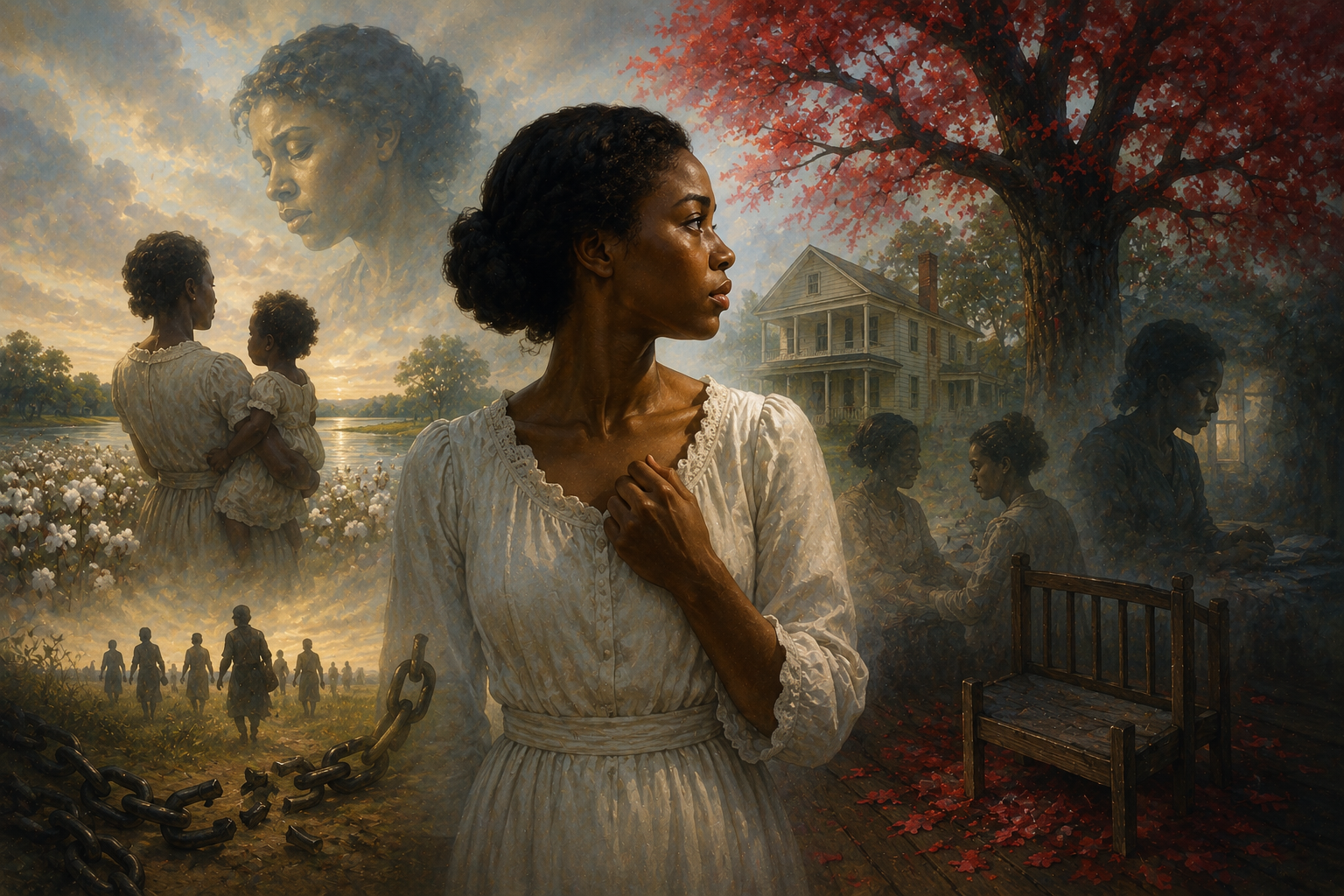
In Beloved by Toni Morrison, memory is painful and hard to escape. The past becomes almost physical. It enters the home, the body, and the lives of the characters.

This is why Best Literary Time Travel and Memory fits both science fiction and literary fiction. Both forms ask how the past still touches the present.

Symbols in Best Literary Time Travel and Memory Stories

Writers often use simple objects to make time feel visible.

Clocks are the clearest symbol. They can show order, pressure, or fear. A broken clock may suggest that normal time no longer works.

Photographs also matter. They freeze one moment, but they can stir deep emotion. A photo may seem still, yet it can move a character back into loss or love.

Doors, roads, mirrors, and rivers often appear in stories about time. Each one can suggest a passage from one state of life to another.

Nature can also shape memory. A desert, forest, or lonely plain may hold the weight of the past. For more on place and meaning, read our guide to nature and isolation in Western writing.

Major Themes in Best Literary Time Travel and Memory

The best time travel stories use big ideas in personal ways.

Regret is one major theme. Characters often want to change a mistake, save a loved one, or choose a different path.

Trauma is another key theme. In many novels, time feels broken because the mind cannot leave a painful event behind.

Identity also matters. If memory shapes who we are, then a change in memory can change the self.

These themes make Best Literary Time Travel and Memory useful for AP Literature and college essays. The topic helps students connect plot structure to deeper meaning.

How Time Structure Shapes the Reader’s Experience

A story’s timeline can affect how readers feel.

A straight timeline feels steady. A broken timeline feels uncertain. When scenes jump between past and present, readers may feel the same confusion as the character.

Vonnegut uses this method in Slaughterhouse-Five. The jumps in time are not random. They show how war has damaged Billy’s sense of reality.

Woolf uses memory in a different way. In Mrs Dalloway, one day in London opens into many years of feeling and thought.

For background on memory as a human process, the Britannica overview of memory offers a helpful starting point.

Why Students Should Study Best Literary Time Travel and Memory

This topic helps students read beyond the surface.

When a book moves through time, ask why. The author may want readers to feel grief, suspense, shock, or longing.

Students can also look for patterns. What moments return? Which memories repeat? What does the character avoid?

Best Literary Time Travel and Memory gives students a strong way to discuss theme, structure, symbol, and character at once.

It also connects well to place. A setting can act like a memory bank, especially when nature reflects loss or silence. Our article on landscape and isolation in literature explores this idea in more depth.

Poetry, Time, and Memory

Poetry often treats time as brief, fragile, and emotional.

Many poems look back at childhood, lost love, or death. The speaker may not travel through time in a literal way, but memory creates the same effect.

T.S. Eliot’s poetry often explores time, history, and spiritual longing. You can learn more about Eliot through the Poetry Foundation’s T.S. Eliot page.

Poems are useful for this topic because they can turn one moment into a doorway. A single image can open years of memory.

How to Write About Best Literary Time Travel and Memory

A strong essay starts with the reason behind the time shift.

Do not only say that a story jumps in time. Explain what the jump reveals. Does it show trauma, love, fear, or guilt?

Use short quotes that show the pattern. Then connect those quotes to the character’s inner life.

A helpful thesis might say: “The broken timeline shows that the character cannot separate the present from the past.”

This keeps your essay focused on meaning, not just plot summary.

FAQs About Best Literary Time Travel and Memory

What is literary time travel?

Literary time travel means a story moves across different points in time. This can happen through science fiction, magic, dreams, or memory.

Is memory a form of time travel in literature?

Yes. Memory can move a character back into the past in an emotional way. It may feel as powerful as real time travel.

What book is best for studying time travel and memory?

Kindred by Octavia E. Butler is one of the best choices. It uses time travel to explore history, family, and power.

Why do authors use broken timelines?

Authors use broken timelines to show how people think and feel. This structure can reveal trauma, regret, or deep longing.

Can this topic help with AP Literature essays?

Yes. Best Literary Time Travel and Memory is useful because it connects structure, theme, and character change.

Key Takeaway

Best Literary Time Travel and Memory shows that the past is never fully gone. In literature, time can break, bend, and return because characters still carry what they have loved, lost, or feared.

The strongest stories about time are not only about where a character goes. They are about what the character finally understands.

Best Books for Obsession and Madness: Dark Reads that Stay with You

Best Books for Obsession and Madness

The Best Books for Obsession and Madness show what happens when desire, fear, or guilt takes over a person’s mind. These stories are intense, but they also help readers think about power, love, art, and the fragile line between control and chaos.

In this Guide

Best Books for Obsession and Madness

Why the Best Books for Obsession and Madness Grip Readers

Stories about obsession feel powerful because they show emotions pushed to the edge.

A character may want love, fame, revenge, or truth. At first, the goal may seem normal. Then it grows too large and begins to damage the character’s life.

Madness in literature is not always simple. It can show fear, grief, guilt, or social pressure. In many books, readers must ask if a character is truly losing touch with reality or if the world around them is broken.

The Best Books for Obsession and Madness often make us uneasy because they reflect real human fears. What if we want something too much? What if our thoughts become a trap?

Best Books for Obsession and Madness in Classic Literature

Classic literature gives us some of the most famous examples of minds under pressure.

“The Tell-Tale Heart” by Edgar Allan Poe is one of the clearest stories about guilt and mental collapse. The narrator insists he is sane, but his actions prove the opposite. His obsession with the old man’s eye leads to murder, panic, and confession.

Poe’s work is central to this topic because he often wrote about fear, death, and unstable minds. You can read more about his poetry and legacy at the Poetry Foundation.

Macbeth by William Shakespeare is another key text. Macbeth becomes obsessed with power after he hears a prophecy. His mind fills with fear, blood, and suspicion. Lady Macbeth also breaks under the weight of guilt.

Frankenstein by Mary Shelley shows obsession through science and creation. Victor Frankenstein wants to conquer death, but his dream turns into horror. His refusal to take care of what he creates leads to pain for everyone around him.

These works remain part of the Best Books for Obsession and Madness because they show how one fixed idea can destroy a life.

Modern Best Books for Obsession and Madness

Modern novels often place obsession in daily life, which can make it feel even more real.

The Secret History by Donna Tartt follows a group of college students drawn into beauty, pride, and moral decay. Their obsession with ancient Greek ideas leads them away from normal limits. The novel asks how smart people can justify terrible choices.

Rebecca by Daphne du Maurier is a haunting novel about memory and jealousy. The dead Rebecca controls the house of Manderley even after death. The new Mrs. de Winter feels trapped by a woman she never met.

Gone Girl by Gillian Flynn gives a modern view of obsession inside marriage, media, and image. The novel shows how control can hide behind charm. It also asks how much of a public story is true.

The Best Books for Obsession and Madness do not always need ghosts or castles. Sometimes the most frightening place is a home, a classroom, or a relationship.

How the Best Books for Obsession and Madness Use Symbols

Symbols help readers see what a character cannot say out loud.

In “The Tell-Tale Heart,” the old man’s eye becomes a symbol of fear and fixation. The beating heart becomes a symbol of guilt. The narrator hears it because his mind will not let him escape what he has done.

In Macbeth, blood is the most famous symbol. At first, it shows violence. Later, it shows guilt that cannot be washed away. Lady Macbeth’s hand-washing scene makes this idea clear.

In Rebecca, Manderley is more than a house. It is a symbol of memory, class, and control. The setting keeps Rebecca’s power alive.

If you want help with this skill, read our guide on how to find symbolism in a story. It can help you spot patterns in objects, colors, places, and repeated images.

The Best Books for Obsession and Madness often use symbols that grow darker as the story moves forward.

Major Themes in Books About Obsession and Madness

These stories often return to a few deep questions about human nature.

Guilt is one of the most common themes. Characters may try to hide what they have done, but their minds bring the truth back.

Power also plays a major role. Macbeth wants a crown. Victor Frankenstein wants power over life. Their need for control leads to loss.

Identity is another key theme. Characters may not know who they are once obsession takes hold. They may lie so much that the lie becomes part of them.

Some of these books also connect to Gothic literature, a genre full of mystery, fear, strange settings, and dark emotion. For background, see Britannica’s guide to the Gothic novel.

These titles are strong choices if you want to read more in this dark literary area.

  • Frankenstein by Mary Shelley: A classic novel about ambition, science, and moral responsibility.
  • The Secret History by Donna Tartt: A literary mystery about beauty, pride, and obsession in a college setting.

Both books fit well with the Best Books for Obsession and Madness because they show smart characters who lose control of their choices.

Why Students Should Study the Best Books for Obsession and Madness

These books are useful for essays because they give clear conflicts and strong symbols.

For AP Literature or college classes, they also offer rich character studies. You can write about point of view, unreliable narration, setting, theme, or moral choice.

The Best Books for Obsession and Madness also help students build close reading skills. A small detail, like a sound or object, may reveal a character’s hidden fear.

When you read, ask simple questions. What does the character want? What line do they cross? What symbol shows that their mind has changed?

FAQs About the Best Books for Obsession and Madness

What are the Best Books for Obsession and Madness for beginners?

Start with “The Tell-Tale Heart,” Macbeth, or Frankenstein. These works are famous, short enough to study closely, and full of strong symbols.

Why do authors write about madness?

Authors use madness to explore fear, guilt, grief, and pressure. It can show how a person breaks when they can no longer face the truth.

Is obsession always shown as evil in literature?

No. Obsession can begin as love, ambition, or curiosity. It becomes dangerous when it harms others or destroys the character’s sense of right and wrong.

What symbols often appear in stories about obsession?

Common symbols include eyes, blood, mirrors, houses, letters, and repeated sounds. These details often point to guilt, control, or fear.

Key Takeaway: Why These Dark Stories Matter

The Best Books for Obsession and Madness stay with us because they show how fragile the human mind can be. They remind us that one desire, one fear, or one secret can change everything.

For students, these books are more than dark stories. They are powerful tools for close reading, theme analysis, and deeper thought about human nature.