If you have read Emerson, Thoreau, or Walt Whitman, you have already met one of the boldest ideas in American literature. So, What Is Transcendentalism? It is a way of thinking that says people can find truth through nature, personal insight, and trust in the self.
For students, this movement can seem abstract at first. Once you know the main ideas, it becomes much easier to spot in poems, essays, and novels.
In this Guide
- A simple definition
- Key beliefs to know
- Why it matters in literature
- Famous examples
- How to spot it as you read
- Books to read
- FAQ
What Is Transcendentalism? A Simple Definition
Transcendentalism is the belief that truth can go beyond reason, rules, and society.
A good answer to What Is Transcendentalism? starts with one main idea: people should trust their own inner voice. Transcendentalist writers believed that humans are naturally good and that society often pushes them away from that goodness.
The movement grew in the United States in the 1800s. It was linked to writers in New England, especially Ralph Waldo Emerson and Henry David Thoreau.
Transcendentalists did not reject thinking. They just believed that logic was not the only path to truth. Nature, conscience, and personal experience mattered too.
What Is Transcendentalism? Key Beliefs to Know
The movement centers on trust in the self and a deep respect for nature.
Transcendentalist writing often includes a few major beliefs:
- Self-reliance: People should trust their own judgment.
- Nature as a teacher: The natural world can reveal spiritual truth.
- Nonconformity: Society should not control a person’s soul.
- Inner goodness: Humans are born with moral potential.
- Simple living: A less crowded life can lead to clearer thought.
These ideas show up in both essays and poems. A speaker may walk in the woods, question social rules, or claim that the individual soul has power.
That is why What Is Transcendentalism? is not just a history question. It is also a reading question.
What Is Transcendentalism? Why It Matters in Literature
Transcendentalism changed how American writers wrote about the self.
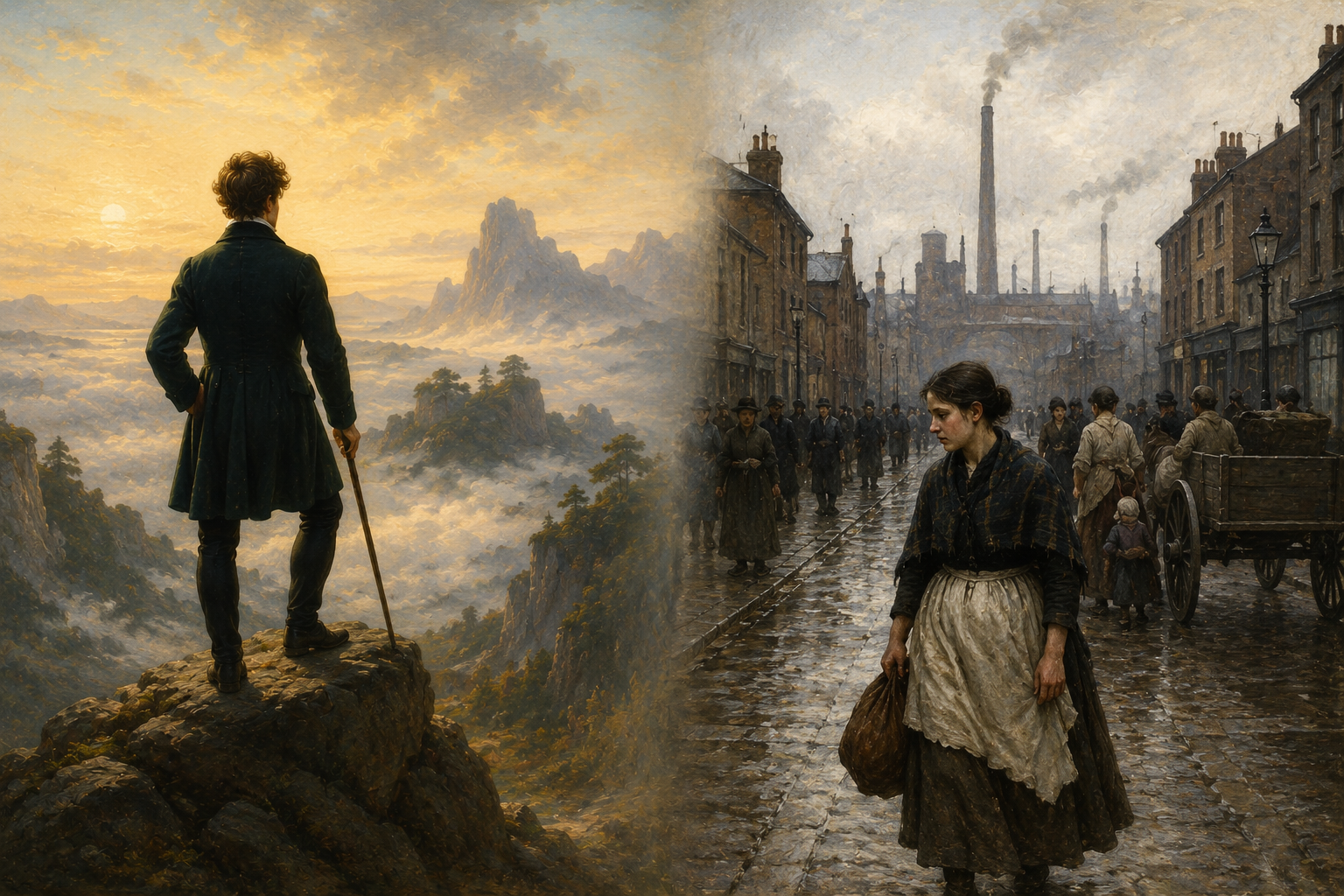
Before this movement, much formal writing stressed tradition, order, and outside authority. Transcendentalist writers shifted attention to the individual mind.
When a teacher asks What Is Transcendentalism?, they often want you to see how a text treats freedom. Does the writer trust society, or does the writer trust the person who stands apart from it?
This matters in literature because many characters face that same conflict. They must decide whether to obey the world around them or follow what they believe is right.
For help with that kind of close reading, you may also like this guide on how to read literature like a scholar.
What Is Transcendentalism? Examples in Famous Texts
The best way to understand the movement is to see it in action.
Ralph Waldo Emerson’s essay Nature is one of the clearest examples. Emerson presents nature as a place where people can feel closer to truth and to the divine.
In Self-Reliance, Emerson argues that people should trust themselves instead of copying others. His famous idea is simple: your own mind matters.
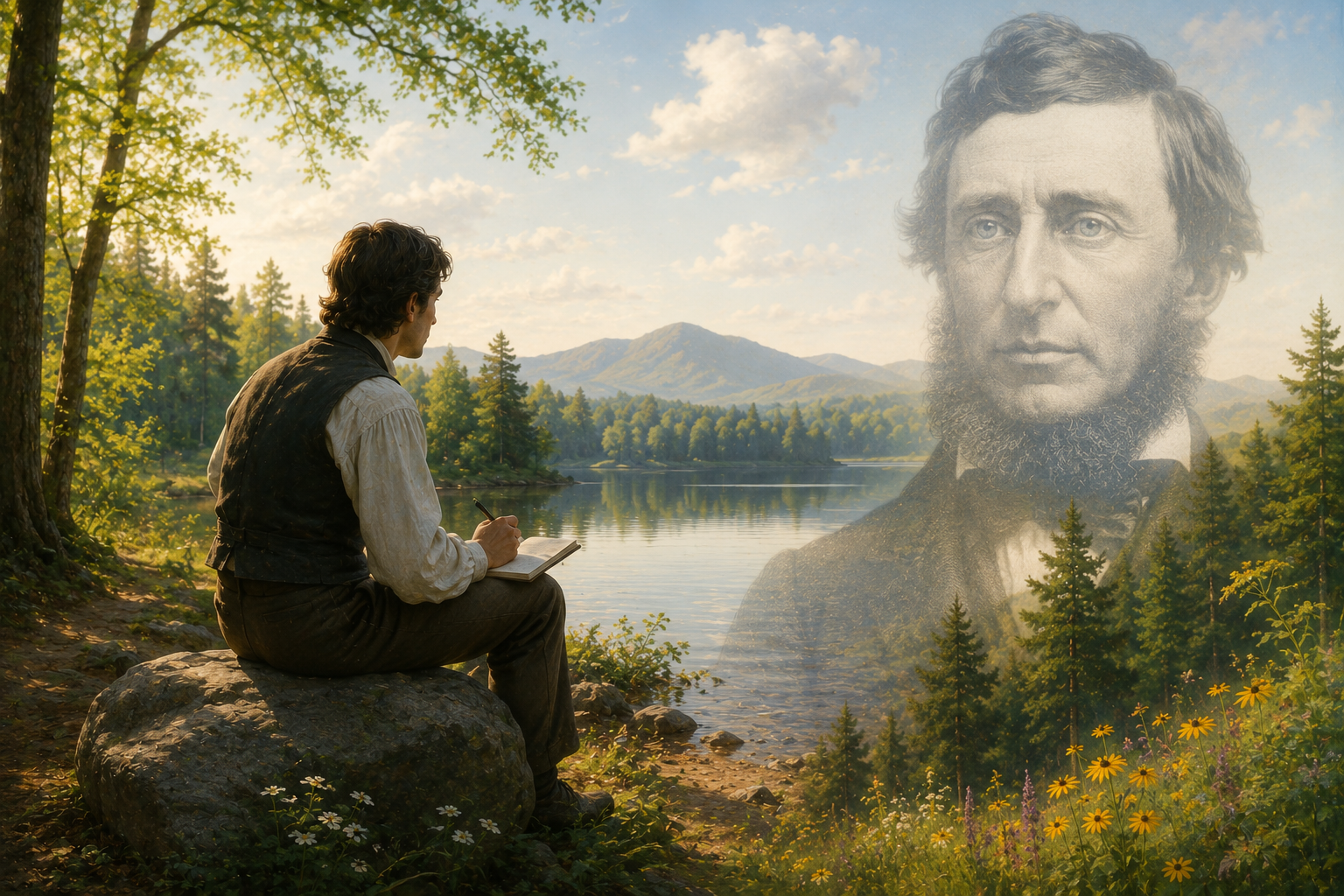
Henry David Thoreau’s Walden shows Transcendentalism through action. Thoreau lives near Walden Pond to test a simpler life and learn from nature.
Walt Whitman’s poem Song of Myself also connects to the movement. Whitman celebrates the self, the body, and the spiritual value of everyday life.
If someone asks What Is Transcendentalism? during a class talk, these texts are strong examples to mention.
What Is Transcendentalism? How to Spot It as You Read
Look for moments when a writer values inner truth over public approval.
As you read, ask a few simple questions. Does the speaker turn to nature for wisdom? Does a character reject social pressure? Or does the text praise independence?
You can also watch for images of forests, ponds, stars, and open fields. In Transcendentalist writing, nature often feels alive with meaning.
A practical tip: underline any line where the speaker talks about the self, the soul, or the natural world. Then ask how that line challenges society’s rules.
Books to Look For on Amazon or at Your Library
These works are useful starting points for students.
- Nature and Selected Essays by Ralph Waldo Emerson
- Walden and Civil Disobedience by Henry David Thoreau
These books are often assigned in high school, AP Literature, and college courses. They are also short enough to read in sections.
Helpful External Resources
Use trusted sources when you want more context.
FAQ: What Is Transcendentalism?
Here are quick answers to common student questions.
What Is Transcendentalism? in one sentence?
Transcendentalism is a literary and philosophical movement that values nature, intuition, and trust in the individual self.
Who are the main Transcendentalist writers?
The most famous writers are Ralph Waldo Emerson and Henry David Thoreau. Walt Whitman is often linked to the movement because of his focus on the self.
Is Transcendentalism a religion?
Not exactly. It has spiritual ideas, but it is better understood as a philosophy and literary movement.
Why do students study Transcendentalism?
Students study it because it shaped American literature and helped define ideas about freedom, nature, and the individual.
Key Takeaway
The best answer to What Is Transcendentalism? is this: it is a belief that people can find truth by trusting themselves and paying close attention to nature. When you read, look for characters or speakers who choose inner truth over social pressure.