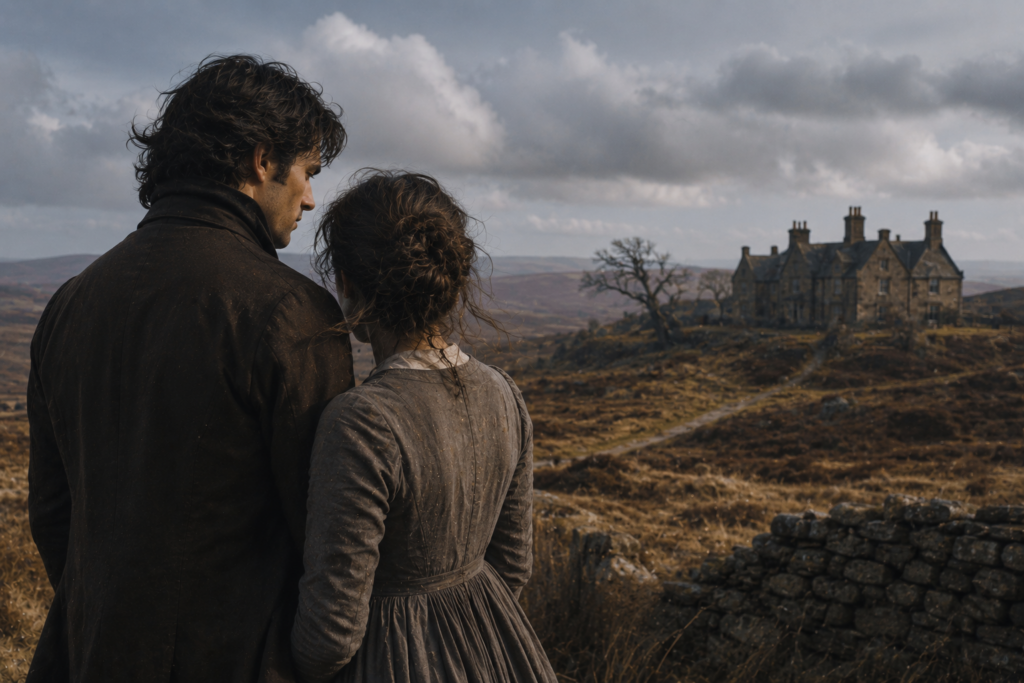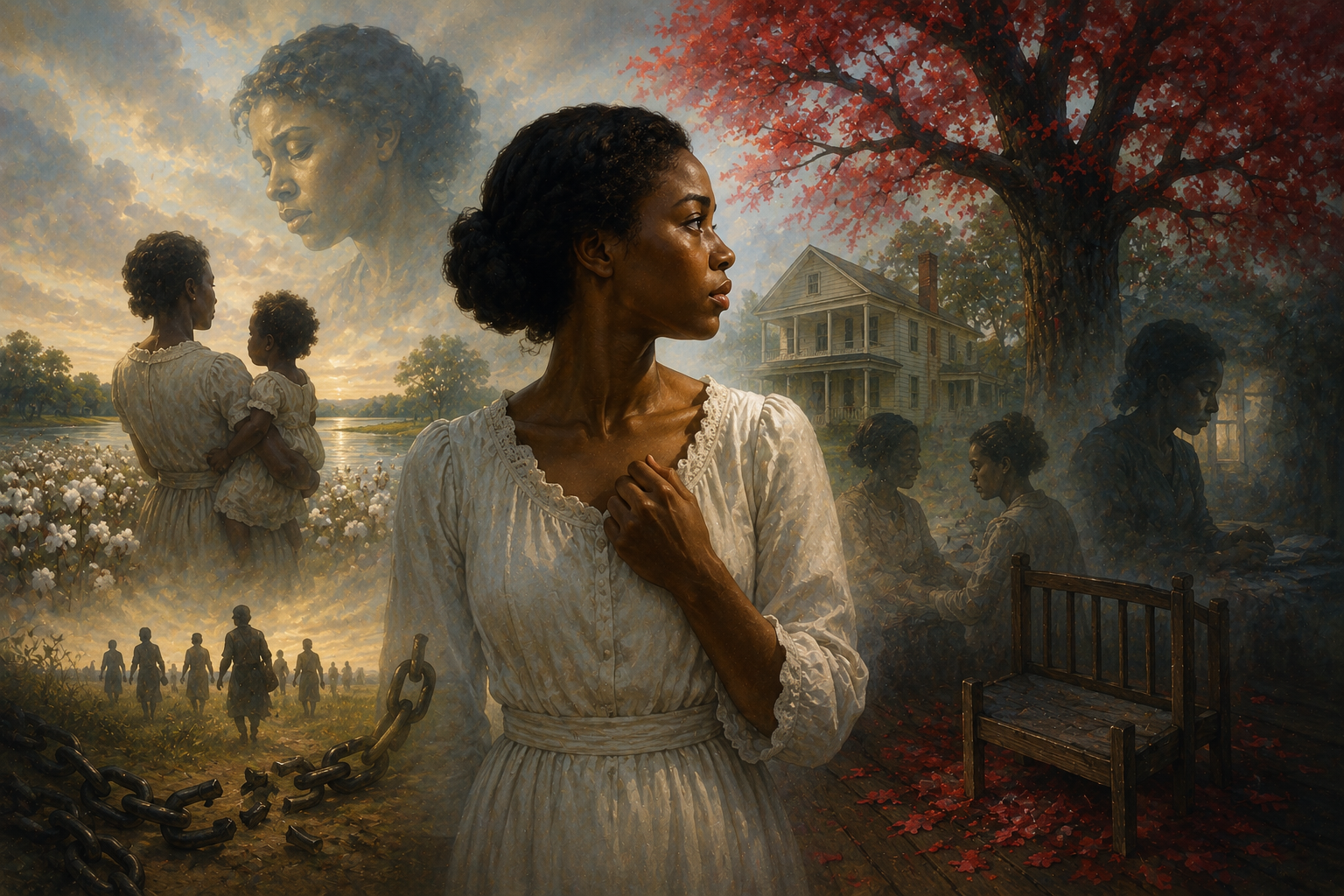
Themes in Beloved: A Student-Friendly Guide

Beloved Themes

The themes in Beloved help readers understand why Toni Morrison’s novel feels so powerful and hard to forget. This guide explains the major ideas, conflicts, and deeper meanings students should notice as they read.

In this Guide

Use this guide to review the novel before class, a quiz, or an essay.

  • Why the novel’s themes matter
  • Memory and the past
  • Motherhood and difficult love
  • Freedom and ownership
  • Identity and voice
  • Community and healing
  • Symbols that build meaning
  • Essay tips and FAQs
Beloved Themes

Why the themes in Beloved matter

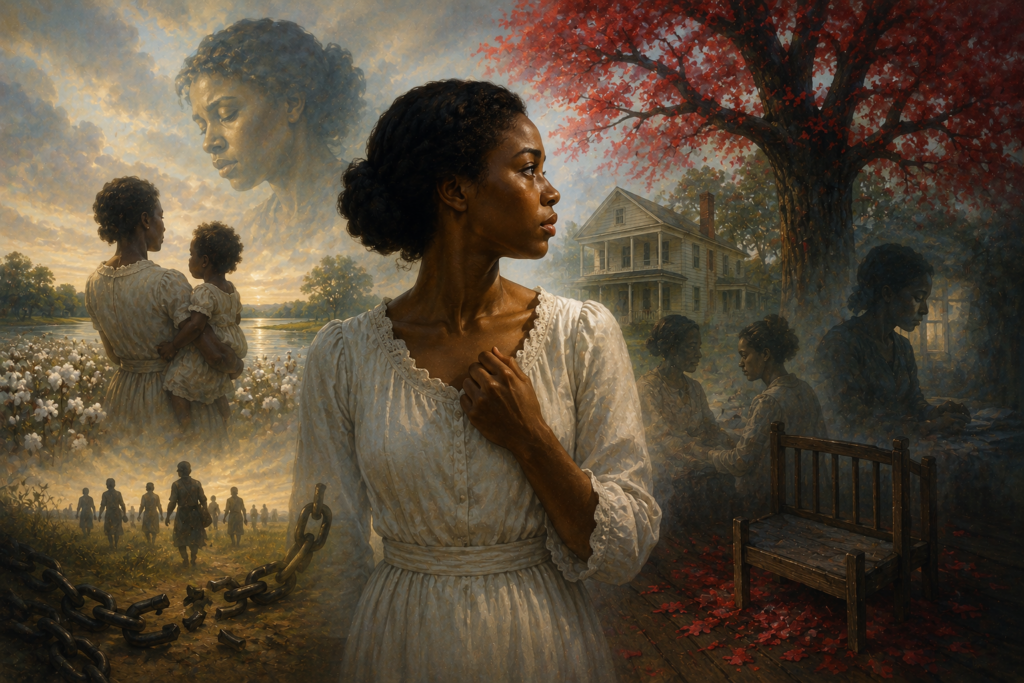
Morrison’s novel is not only about one family. It is about how slavery leaves pain in bodies, homes, and memories.

The story centers on Sethe, a formerly enslaved woman who lives with the past every day. The house at 124 is haunted, but the haunting is also emotional.

The themes in Beloved also show how history can stay alive even when people try to hide it. That makes the novel useful for essays about trauma, memory, family, and survival.

If you need help with theme as a concept, start with our guide on how to identify theme in literature.

Themes in Beloved: Memory and the past

Memory is one of the strongest forces in the novel.

Sethe tries to live in the present, but her past keeps returning. Morrison calls these painful returns “rememory,” which means the past is not really gone.

This theme matters because the novel shows memory as both painful and necessary. Sethe wants to forget, yet healing cannot start until the truth is faced.

A helpful comparison is Hamlet. Prince Hamlet also lives under the weight of a past crime. In both works, the past shapes the present and refuses to stay silent.

Themes in Beloved: Motherhood and difficult love

Morrison presents motherhood as powerful, protective, and deeply painful.

Sethe’s love for her children is intense because slavery tried to take away her right to be a mother. Her most shocking choice comes from that fear.

This is one of the most painful themes in Beloved because it asks students to think about love under extreme violence. The novel does not give easy answers. It asks why a mother might see death as safer than slavery.

In The Scarlet Letter, Hester Prynne also faces public judgment as a mother. Morrison’s novel is much darker, but both books ask how society judges women who protect their children.

Themes in Beloved: Freedom and ownership

The novel shows that legal freedom is not the same as full freedom.

Sethe escapes slavery, but she still carries its wounds. Her body, memories, and family life have all been marked by people who treated human beings as property.

Among the themes in Beloved, freedom is one of the most complex. Morrison shows that freedom must include safety, self-respect, and control over one’s own life.

This theme connects to many slave narratives and historical accounts. For background on Morrison’s life and major works, see Britannica’s overview of Toni Morrison.

Identity and voice in the novel

Morrison shows how slavery attacks a person’s sense of self.

Names matter in Beloved. Sethe’s past, Baby Suggs’s sermons, and Beloved’s mysterious presence all point to the question of who gets to define a person.

Voice also matters. Morrison lets different characters shape the story, which helps readers see pain from more than one angle. This style can feel hard at first, but it fits the novel’s subject.

When people have been silenced, telling a story becomes an act of power.

Community and healing

No one in the novel heals alone.

Baby Suggs once brings people together in the Clearing, where they learn to love their bodies and voices. That scene stands against the cruelty of slavery.

Later, the community’s role becomes important again. The women who come to 124 help break the hold of the past.

Morrison does not suggest that healing is simple. She shows that care from others can help people face what they could not face alone.

Symbols that build theme

Morrison uses symbols to make the novel’s ideas feel physical.

The house at 124 is more than a setting. It shows how trauma can fill a home and shape daily life.

Beloved herself is also symbolic. She can be read as a ghost, a lost child, or the return of a buried history.

Water often connects to birth, escape, and return. These symbols help students move from plot summary to analysis.

How to write about themes in Beloved

A strong essay should explain what Morrison suggests, not just name a topic.

Do not write, “The theme is memory.” That is too broad. A better claim would be: Morrison shows that painful memory must be faced before healing can begin.

When you write about themes in Beloved, connect each claim to a scene, symbol, or repeated idea. Use short quotes, then explain how the language supports your point.

These resources can help you build context before an essay or class discussion.

  • Beloved by Toni Morrison
  • Playing in the Dark by Toni Morrison
  • The Toni Morrison Book Club by Juda Bennett, Winnifred Brown-Glaude, Cassandra Jackson, and Piper Kendrix Williams

You can also read about Morrison through the Nobel Prize biography of Toni Morrison.

FAQ

These quick answers can help you review before a test or essay.

What are the main themes in Beloved?

The main themes in Beloved include memory, trauma, motherhood, freedom, identity, and community healing.

Why is memory so important in Beloved?

Memory shows that the past still affects the present. Sethe cannot heal by hiding from what happened.

Is Beloved a symbol?

Yes. Beloved can represent Sethe’s lost child and the larger history of slavery that refuses to disappear.

What is a good essay topic for Beloved?

You could write about how Morrison uses haunting to show the lasting effects of slavery.

Key Takeaway

The themes in Beloved ask readers to face hard truths about love, memory, and survival. Morrison shows that healing begins when buried stories are finally heard.


How to Write an Invisible Man Literary Analysis Essay

Invisible Man essay

Writing an Invisible Man literary analysis essay can feel hard because Ralph Ellison’s novel is full of symbols and sharp social questions. This guide shows you how to build a sharp thesis and use evidence with purpose.

In This Guide

Use this as a quick map before you start your essay.

  • Why Invisible Man works well for literary analysis
  • How to choose a focused topic
  • How to write a strong thesis statement
  • What evidence to use from the novel
  • How to shape a clear essay outline
  • Common mistakes to avoid
  • Helpful books and resources
  • FAQ for students
Invisible Man essay

Why Invisible Man Works Well for Literary Analysis

Ellison’s novel rewards essays that track patterns, not just plot events.

Invisible Man is rich because it asks deep questions about identity, race, power, and self-knowledge. The narrator wants to be seen as a full human being, but many people treat him as a symbol or tool.

That tension gives you many strong essay paths. You can study the narrator’s journey, the role of blindness, the use of speeches, or the way objects gain meaning.

Like the green light in The Great Gatsby, Ellison’s symbols grow more complex as the story moves on. A strong essay shows how that growth changes the reader’s view of the novel.

If you need a refresher on essay basics before you start, review this guide on how to write a literary analysis essay.

How to Choose an Invisible Man Literary Analysis Essay Topic

A good topic starts narrow, then opens into a bigger idea.

The best Invisible Man literary analysis essay does not try to explain the whole novel. It picks one pattern and asks what that pattern reveals. This keeps your essay focused and easier to prove.

Start with a question. Why does the narrator keep meeting groups that claim to help him? What does invisibility mean by the end of the novel? How do speeches shape public identity?

Here are focused topic ideas you can adapt:

  • Invisibility and identity: How the narrator learns that others refuse to see his full self.
  • Blindness as a symbol: How physical and moral blindness shape the novel’s conflicts.
  • The briefcase: How the objects inside it track the narrator’s changing hopes.
  • The Brotherhood: How political language can erase the person it claims to defend.
  • The prologue and epilogue: How the narrator’s underground space becomes a place of thought.

Each topic has room for argument. That is the key. A topic like symbols in the novel is too wide, but the briefcase as a record of false promises can become a strong essay.

How to Build a Thesis for an Invisible Man Literary Analysis Essay

Your thesis should make a claim that another reader could question.

Your Invisible Man literary analysis essay needs more than a theme statement. Do not write only that the novel is about racism or identity. Those ideas matter, but they are too broad by themselves.

A stronger thesis explains how Ellison builds meaning through a literary choice. That choice might be symbolism, irony, point of view, structure, or imagery.

Use this simple frame:

In Invisible Man, Ellison uses [literary device or pattern] to show [larger meaning].

Here are thesis statement examples you can revise for your own essay:

  • Example thesis: In Invisible Man, Ellison uses the narrator’s repeated speeches to show how public language can hide fear, ambition, and confusion.
  • Example thesis: The narrator’s briefcase becomes a symbol of false progress because it carries rewards that seem meaningful but often trap him in roles made by others.
  • Example thesis: Ellison connects blindness to power in order to show that many characters fail to see the narrator as a person, even when they claim to guide him.
  • Example thesis: By placing the narrator underground in the prologue and epilogue, Ellison suggests that retreat can become a form of self-examination rather than defeat.

Notice that each thesis names a literary feature and explains its meaning. That gives your body paragraphs a clear job.

Evidence to Use in an Invisible Man Literary Analysis Essay

Strong evidence comes from patterns, not random quotes.

The best evidence for an Invisible Man literary analysis essay often appears in repeated images or key scenes. Look for moments where the narrator sees himself one way, while others define him another way.

You might use evidence from these parts of the novel:

  • The battle royal: This scene shows how white power turns the narrator’s ambition into a cruel performance.
  • The college chapters: The narrator learns that respectability can depend on silence and control.
  • Liberty Paints: The factory can support an essay about racial imagery and hidden labor.
  • The Brotherhood chapters: These scenes show how group ideals can erase personal truth.
  • The Harlem riot: The chaos forces the narrator to face how little control he has had over his public role.

When you quote, do not drop the line and move on. Explain the words. Ask what the image, tone, or contrast does in that scene.

For background on the novel’s publication and importance, see Britannica’s overview of Invisible Man.

Sample Invisible Man Literary Analysis Essay Outline

A clear outline helps you turn ideas into a paper that feels organized.

This outline keeps your Invisible Man literary analysis essay focused from the first paragraph to the last.

Introduction: Name the novel, author, and main issue. End with a thesis that states your argument.

Body paragraph 1: Start with a topic sentence about your first pattern or scene. Use a quote, then explain how it supports your thesis.

Body paragraph 2: Move to a new scene that deepens the argument. Show change, contrast, or cause.

Body paragraph 3: Use your strongest point near the end. Link it to the novel’s larger meaning.

Conclusion: Do not repeat the thesis word for word. Show what the reader understands by the end of your analysis.

If you want a faster way to plan claims, quotes, and commentary, the Literary Analysis Essay Toolkit gives you printable steps for building stronger paragraphs.

How to Write Body Paragraphs That Analyze

Analysis explains why the evidence matters.

A weak paragraph tells what happens. A strong paragraph shows how Ellison’s choices shape meaning.

Try this pattern: topic sentence, short context, quote, close reading, link back to thesis. You do not need a long quote. A short phrase can work better if you explain it well.

For example, if you write about invisibility, do not only say that the narrator feels unseen. Ask how Ellison turns invisibility into a social problem. Who refuses to see him? What do they gain from that refusal?

This is where many essays improve fast. The more time you spend on the words of the novel, the less your paper sounds like plot summary.

Common Mistakes in an Invisible Man Literary Analysis Essay

Most weak essays have good ideas, but they lose focus.

One common mistake is writing a character report. The narrator matters, but your essay should study how Ellison presents him.

Another mistake is treating themes as facts. Instead of saying the novel is about identity, show how a symbol or scene develops that idea.

Watch out for quote overload, too. Your teacher wants your thinking, not a page of copied lines. Use fewer quotes and give each one more attention.

A final problem is moral summary. Yes, the novel deals with injustice. Your job is to explain how the novel makes the reader feel and understand that injustice through form, voice, and symbol.

Helpful Books and Resources

Good support texts can help you understand context without replacing your own argument.

Here are useful books to look for in a library or bookstore:

  • Invisible Man by Ralph Ellison
  • Shadow and Act by Ralph Ellison

You can also read more about Ellison’s life through Britannica’s Ralph Ellison biography. Context can help, but keep your essay centered on the novel’s language.

FAQ: Invisible Man Literary Analysis Essay

These quick answers can help you make smart choices before you draft.

What is the best topic for an Invisible Man literary analysis essay?

The best topic is narrow and arguable. Invisibility, blindness, the briefcase, or the Brotherhood can all work if you connect them to a clear claim.

What should my thesis include?

Your thesis should name a literary choice and explain its meaning. It should answer the question, So what?

Can I write about race in Invisible Man?

Yes. Race is central to the novel, but your essay should still analyze Ellison’s craft, not only the social issue.

How many quotes should I use?

Use enough evidence to prove your point, but do not overpack the paragraph. One strong quote with clear analysis can do more than several weak ones.

Key Takeaway

A strong Invisible Man literary analysis essay makes a focused claim, studies Ellison’s craft, and explains how each piece of evidence supports the argument.

Start small, read closely, and let the novel’s patterns guide your thesis.

Themes in Invisible Man: A Student-Friendly Guide

Invisible Man Themes

Ralph Ellison’s Invisible Man is a rich novel about race, identity, power, and the search for a true self. This guide explains the major themes in Invisible Man in clear language for high school, AP Literature, and college students.

In this Guide

Use these sections to find the idea you need fast.

  • Why the themes matter
  • Invisibility and identity
  • Racism and power
  • Self-knowledge and voice
  • Education and false promises
  • Politics and betrayal
  • Dreams and truth
  • Writing about the novel
  • FAQ
Invisible Man Themes

Why the themes in Invisible Man still matter

The novel speaks to students because it shows how hard it can be to define yourself in a world that tries to define you first.

Invisible Man was published in 1952, but its questions still feel current. Who gets seen? Who gets ignored? And who controls the story people tell about you?

The themes in Invisible Man matter because the narrator’s fight is both personal and social. He wants respect, but he also wants to understand who he is without lies from others.

For background on Ellison’s life and career, see this helpful Britannica overview of Ralph Ellison.

Major themes in Invisible Man: invisibility and identity

Invisibility in the novel is not about magic. It is about being unseen as a full human being.

The narrator says he is invisible because people do not see his real self. They see a symbol, a threat, a tool, or a problem. This is one of the central themes in Invisible Man.

At school, in the city, and inside political groups, people keep trying to give him a role. Each role seems to offer success, but each one hides part of who he is.

This theme connects well to Hamlet, where the main character also struggles with who he is and what role he must play. In both works, identity becomes a conflict, not a simple fact.

Student tip: When you write about invisibility, do not stop at the title. Ask who refuses to see the narrator clearly and why that refusal gives them power.

Themes in Invisible Man: racism and power

Ellison shows racism as more than personal dislike. He shows it as a system that shapes schools, jobs, politics, and public life.

The narrator meets people who claim to help him, but many use him for their own goals. Some use polite words. Others use open violence. Both forms limit his freedom.

The Battle Royal scene shows this clearly. Young Black men are forced into pain and shame for the amusement of white leaders. The scene reveals how power can hide behind ceremony.

These themes in Invisible Man also connect to W.E.B. Du Bois’s idea of double consciousness, the sense of seeing yourself through the eyes of a racist society. Ellison does not repeat Du Bois in a simple way, but the link can help students think deeper.

The search for self-knowledge and voice

The narrator’s journey is a long lesson in how hard it is to know yourself when others keep speaking for you.

At the start, he often trusts authority figures. He believes the right speech, the right school, or the right group will give him a place in the world.

Over time, he learns that borrowed ideas can harm him. He must sort truth from slogans. He must build a voice that is his own.

This is why the ending matters. The narrator is underground, but he is not just hiding. He is thinking, judging, and preparing to speak with more honesty.

Education, books, and false promises

Education in the novel can open doors, but it can also teach people to obey unfair rules.

The narrator values school and learning. At first, he believes education will protect him. Yet the college does not fully protect him from racism or control.

The novel asks students to think about what education is for. Is it meant to free the mind, or to train people to fit into an unfair system?

This makes the themes in Invisible Man useful for essay writing. You can study how Ellison treats education as both a hope and a trap.

Politics, brotherhood, and betrayal

The Brotherhood promises unity and justice, but the narrator learns that a group can use noble language while it hides selfish plans.

At first, the Brotherhood gives him a public voice. He becomes a speaker and feels useful. The group seems to care about change.

Yet the Brotherhood often treats people like pieces on a board. The narrator’s community becomes less important than the group’s strategy.

This theme can remind students of Animal Farm, where political language hides control. In both books, words like equality can lose meaning when leaders chase power.

Dreams, illusions, and painful truth

Ellison fills the novel with dreams, masks, and strange events to show how hard truth can be to face.

The narrator often believes in promises that later fall apart. He trusts leaders, systems, and public roles. Each illusion breaks under pressure.

This theme is close to The Great Gatsby. Gatsby believes in a dream that cannot survive reality. The narrator of Invisible Man also learns that dreams can guide people or blind them.

The difference is that Ellison’s novel ties illusion to race, power, and survival. Truth is not just personal. It has a social cost.

How to write about themes in Invisible Man

A strong essay should connect a theme to scenes, symbols, and changes in the narrator.

Do not write only that the book is about racism or identity. Instead, show how Ellison develops that idea across the novel.

For example, you could trace how the narrator moves from trust in public approval to a deeper search for truth. That path reveals several themes in Invisible Man at once.

If you need help shaping a claim, use our guide on how to write a literary analysis essay. It can help you turn a theme into a focused thesis.

You can also use a quick theme review resource if you want extra support before a quiz, class discussion, or essay draft.

Suggested books for deeper study

These books can help students understand Ellison’s ideas in a wider literary and historical context.

  • Shadow and Act by Ralph Ellison
  • The Souls of Black Folk by W.E.B. Du Bois

For a reliable short reference on the novel, you can also read the Britannica entry on Invisible Man.

FAQ about themes in Invisible Man

These quick answers help with review before class, a test, or an essay.

What is the main theme of Invisible Man?

The main theme is the struggle to be seen as a full person. The narrator must reject false roles and search for his own identity.

Why is invisibility important in the novel?

Invisibility shows how racism and power can erase a person’s real self. People look at the narrator, but they do not truly see him.

What are the most important themes in Invisible Man for an essay?

Good essay choices include invisibility, identity, racism, education, power, and self-knowledge. Choose one and connect it to key scenes.

How does the Brotherhood connect to the novel’s themes?

The Brotherhood shows how political groups can use people while they claim to help them. It reveals the danger of losing your voice to a cause.

Key Takeaway

The themes in Invisible Man show a young man’s fight to see himself clearly in a world built to misread him. The novel asks students to notice power, question easy answers, and value a voice that comes from hard-won truth.

Most Beautiful Small Town Secrets: What Literature Teaches Us About Hidden Places

Small Town Secrets

Most Beautiful Small Town Secrets are more than pretty streets, quiet porches, and local legends. In literature, they often reveal the private fears, hopes, and choices that shape a whole community.

Small towns can look peaceful from the outside, but stories show us what lives under the surface.

In this Guide

  • Why small town secrets matter in literature
  • Classic examples from famous books
  • Symbols and themes to watch for
  • Recommended books to read
  • FAQ for students and readers
Small Town Secrets

Why Most Beautiful Small Town Secrets Matter in Literature

Small towns make secrets feel personal because everyone seems to know everyone.

Writers use small towns to show how public life and private life can clash. A character may smile at church, wave at a neighbor, or sit in a classroom, yet hide pain that no one wants to see.

That is why Most Beautiful Small Town Secrets work so well in fiction. Beauty creates contrast. The town may look calm, but the story asks us to look closer.

This setting also helps students notice social pressure. In a small town, gossip can act like a law. Reputation can matter as much as truth.

Most Beautiful Small Town Secrets in Classic Literature

Many classic books use quiet towns to explore deep conflict.

In To Kill a Mockingbird by Harper Lee, Maycomb seems slow and familiar. Yet the town hides racism, fear, and moral courage. The beauty of childhood memories sits beside serious injustice.

In Winesburg, Ohio by Sherwood Anderson, the town is full of lonely people. Each person carries a private story. These Most Beautiful Small Town Secrets are not always shocking, but they are deeply human.

In Thornton Wilder’s Our Town, Grover’s Corners appears simple. The play shows daily life, family love, and the passing of time. Its secret is that ordinary life is more precious than people realize.

You can read more about Winesburg, Ohio through Britannica’s overview.

Symbols Behind Most Beautiful Small Town Secrets

Small town stories often use simple objects to carry deeper meaning.

A locked room may stand for shame. A garden may suggest hope. A main street may show the public face of the town, while a back road may reveal what people hide.

In Most Beautiful Small Town Secrets, houses often matter. A bright porch can seem warm, but it can also hide family tension. A broken fence can suggest a broken boundary between private life and public talk.

Weather also plays a strong role. Summer heat can build pressure. A storm can mark a moment when truth breaks through.

These symbols help readers see that setting is never just background. It can act like a mirror for the characters.

Key Themes in Most Beautiful Small Town Secrets

Small towns in literature often ask big moral questions.

One major theme is appearance versus reality. A town may seem safe, polite, or pure, but the plot reveals what people refuse to face.

Another theme is belonging. Characters may want to fit in, but the town’s rules can limit who they become. This is common in coming-of-age stories.

Memory is also important. Many small town stories look back at childhood, family history, or old choices. The past does not stay buried for long.

Emily Dickinson’s poetry is a helpful match here because she often finds mystery in small spaces and quiet moments. If you want a student-friendly guide, read how to read Emily Dickinson.

These books are strong choices for students who want rich settings and hidden conflict.

  • Winesburg, Ohio by Sherwood Anderson
  • To Kill a Mockingbird by Harper Lee

Winesburg, Ohio is best for readers who like linked stories and quiet sadness. It shows how one town can hold many private worlds.

To Kill a Mockingbird is best for readers who want a clear plot with moral conflict. It shows how small town life can protect old beliefs, even when those beliefs hurt people.

For poetry that captures hidden feeling in plain language, Emily Dickinson is also worth reading. The Poetry Foundation’s Emily Dickinson page gives helpful background.

How Students Can Read Small Town Secrets More Closely

Start by asking what the town wants people to believe.

Then ask what the story slowly reveals. Pay attention to who has power, who gets judged, and who stays silent.

Look for repeated places. A courthouse, school, cemetery, or front porch can tell you what the town values.

It also helps to track gossip. In many stories, gossip shows fear more than truth. It can reveal what the town refuses to discuss in public.

Why Most Beautiful Small Town Secrets Still Feel Modern

These stories still matter because every community has a public face.

Today, that public face may appear on social media, school websites, or local news. The idea is the same. People and places often show only part of the truth.

Most Beautiful Small Town Secrets remind us to read beyond first impressions. A pretty setting can hold grief, courage, love, and change.

FAQ About Most Beautiful Small Town Secrets

What does “Most Beautiful Small Town Secrets” mean in literature?

It refers to hidden truths inside peaceful or charming small town settings. These secrets often reveal conflict, pain, or moral growth.

Why do writers use small towns so often?

Small towns make relationships feel close and intense. A secret can affect the whole community.

What is a good book about small town secrets for students?

To Kill a Mockingbird is a strong choice because it connects setting, justice, and character growth in a clear way.

Are small town secrets always dark?

No. Some secrets reveal kindness, love, or hidden strength. The secret may be painful, but it can also lead to truth.

Key Takeaway

Most Beautiful Small Town Secrets show that quiet places can hold powerful stories. In literature, the smallest setting can reveal the biggest truths about people.

Books Like Fear and Anxiety: Literature That Makes Inner Fear Visible

Fear and Anxiety

Readers often search for Books Like Fear and Anxiety because they want stories that name what many people feel but struggle to explain. These books turn panic, dread, doubt, and stress into characters, symbols, and powerful scenes.

For students, these works can also make essays richer because they connect personal feeling with big literary themes.

In this Guide

  • What makes these books powerful
  • Classic novels about fear and anxiety
  • Modern books with anxious characters
  • Common symbols and themes
  • Recommended books to read
  • FAQs
Fear and Anxiety

What Makes Books Like Fear and Anxiety So Powerful?

These stories show how fear changes the way people see the world.

Books Like Fear and Anxiety matter because they do more than describe nervous feelings. They show how fear shapes choices, breaks trust, and makes ordinary places feel strange.

In literature, anxiety often appears as a locked room, a dark street, a storm, or a voice inside the mind. These symbols help readers understand feelings that are hard to say out loud.

That is why these books work well in high school and college classes. They give students a clear path into theme, mood, conflict, and character study.

Classic Books Like Fear and Anxiety for Students

Many classic works explore fear through guilt, isolation, and pressure.

One strong example is Crime and Punishment by Fyodor Dostoevsky. Raskolnikov’s fear does not only come from the police. It comes from his own mind after he commits murder.

His anxiety grows because he cannot escape himself. This makes the novel a powerful study of guilt and moral fear.

Another key example is Frankenstein by Mary Shelley. Victor Frankenstein fears the creature he made, but he also fears the truth about his own ambition.

The novel shows that fear often starts when a person refuses to face responsibility.

The Metamorphosis by Franz Kafka also belongs in any discussion of Books Like Fear and Anxiety. Gregor Samsa wakes as an insect, but the deeper horror is his family’s shame and rejection.

Kafka turns anxiety into a strange body. That image helps readers see how fear can make a person feel less than human.

Modern Books Like Fear and Anxiety Worth Reading

Modern stories often connect anxiety to identity, family, school, work, and social pressure.

The Bell Jar by Sylvia Plath is one of the most important modern novels about mental distress. Esther Greenwood feels trapped under an invisible weight.

The “bell jar” becomes a symbol of isolation. It shows how anxiety and depression can make the outside world feel distant and unreal.

Speak by Laurie Halse Anderson is another strong choice for students. Melinda’s silence shows how trauma can turn fear inward.

The novel uses art, school spaces, and voice as symbols. Each one helps show Melinda’s slow return to strength.

The Perks of Being a Wallflower by Stephen Chbosky also fits with Books Like Fear and Anxiety. Charlie’s letters reveal fear, memory, and loneliness in a direct, honest style.

These modern works help readers see that anxiety is not always loud. Sometimes it hides in silence, routine, or a smile.

Symbols and Themes in Books Like Fear and Anxiety

Writers often use symbols to make fear feel real on the page.

One common symbol is the house. In many stories, a house should mean safety. When the house feels unsafe, the reader senses deep emotional trouble.

In Edgar Allan Poe’s “The Fall of the House of Usher,” the house reflects the family’s decay and terror. You can learn more about Poe’s work through the Poetry Foundation’s page on Edgar Allan Poe.

Darkness is another common symbol. It may show confusion, danger, or the unknown.

Water can also point to anxiety. A flood, river, or deep sea may show a mind that feels out of control.

The strongest Books Like Fear and Anxiety often use setting as a mirror. The outside world reflects the character’s inner state.

Common themes include guilt, isolation, loss of control, and fear of change. These themes help readers connect private emotion to larger human problems.

How to Read Books Like Fear and Anxiety in Class

A careful reading can turn emotional scenes into strong analysis.

When you read Books Like Fear and Anxiety, start by asking what the main character fears most. Is it death, shame, failure, truth, or being alone?

Next, look for repeated images. A sound, color, room, or object may carry symbolic meaning.

Pay close attention to sentence style too. Short, broken sentences can create panic. Long, heavy sentences can make a scene feel trapped.

This same skill helps with poetry. If you want a clear method, read our guide on how to analyze poetry step by step.

Poems often use fear in a tight space. A single image can carry a whole emotional world.

These titles are strong choices for students who want literature with emotional depth.

  • The Bell Jar by Sylvia Plath
  • Frankenstein by Mary Shelley
  • Speak by Laurie Halse Anderson

Each book offers a different view of fear. One explores mental illness, one explores ambition and guilt, and one explores trauma and voice.

If you are building a reading list around Books Like Fear and Anxiety, these are useful starting points because they are widely taught and easy to discuss in essays.

Why Books Like Fear and Anxiety Matter in Literary Culture

These books help readers talk about feelings that society often hides.

Fear has always been part of literature. Ancient myths, Gothic novels, war stories, and modern school novels all use fear to ask serious questions.

What do people do when they lose control? How does guilt change a person? Can truth set someone free, or does it make life harder?

Books Like Fear and Anxiety stay popular because these questions never go away.

They also remind readers that fear is not a weakness. In many stories, fear becomes the first step toward honesty.

For background on Gothic fiction, which often explores dread and inner terror, Britannica offers a helpful overview of the Gothic novel.

FAQ: Books Like Fear and Anxiety

What are Books Like Fear and Anxiety usually about?

They are usually about fear, stress, guilt, trauma, or the feeling of being trapped. They often show how a character’s mind changes under pressure.

Are these books good for AP Literature essays?

Yes. Many of them have clear themes, strong symbols, and complex characters. That makes them useful for literary analysis.

What is a good first book to read in this category?

Frankenstein is a strong first choice. It has fear, guilt, science, family conflict, and rich symbolism.

Do these books always have sad endings?

No. Some are tragic, but others show healing or self-knowledge. The main focus is not sadness. It is emotional truth.

Key Takeaway

Books Like Fear and Anxiety help readers see how literature turns hidden feelings into stories, symbols, and unforgettable characters.

They are worth reading because they show that fear can reveal who people are, what they value, and what they must face to grow.

Important Wuthering Heights Quotes Explained for Students

Wuthering Heights Quotes

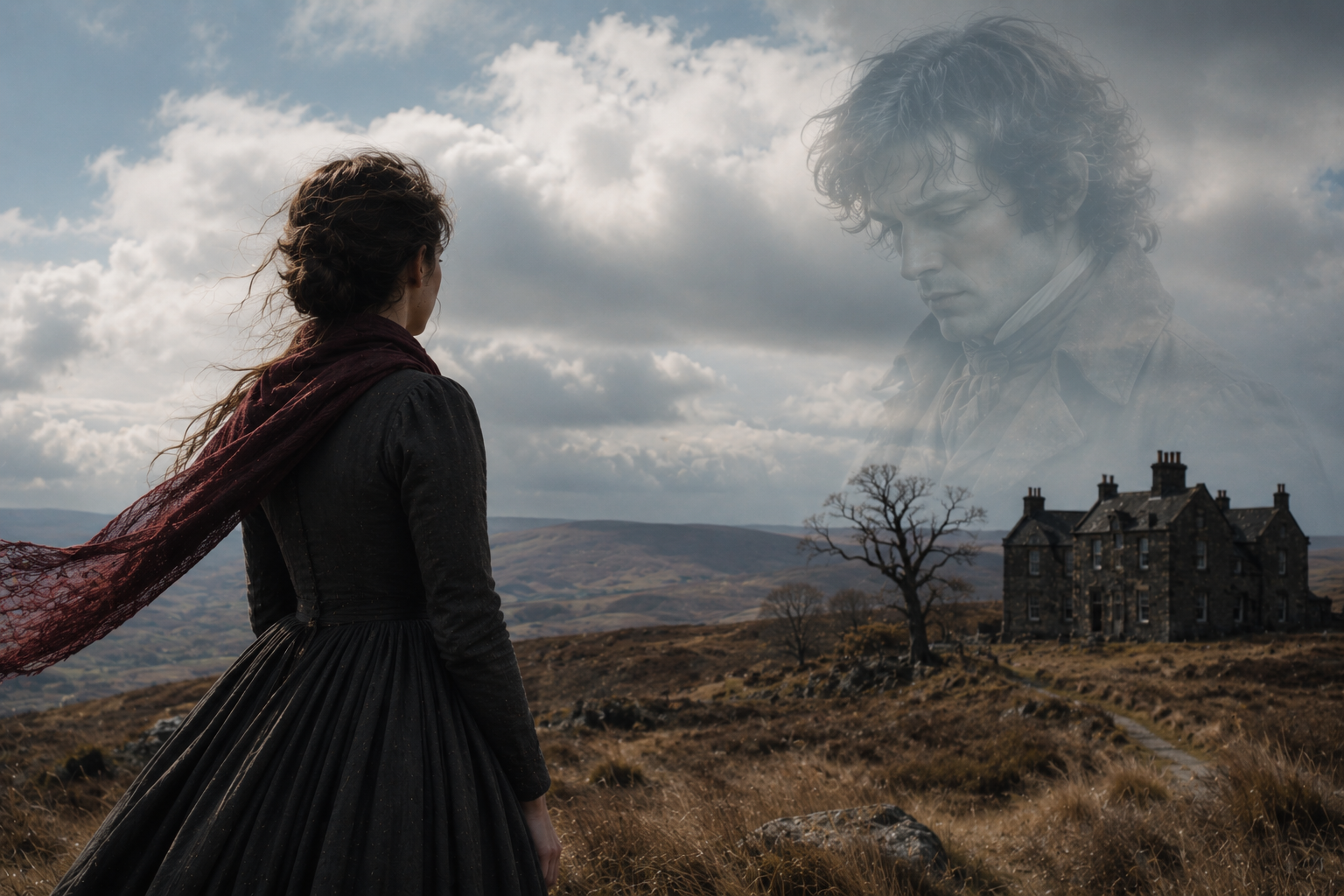
Emily Brontë’s Wuthering Heights is full of lines that feel intense, strange, and hard to forget. This guide to Wuthering Heights quotes explained will help you understand key passages and use them with confidence in essays.

You will see how each quote connects to love, revenge, class, setting, and Gothic mood.

In this Guide

Wuthering Heights Quotes

Wuthering Heights Quotes Explained: Love and Obsession

Brontë often makes love feel powerful, but not always healthy.

One of the most famous lines in the novel is Catherine’s claim:

“Whatever our souls are made of, his and mine are the same.”

Catherine says this about Heathcliff. The line shows that she sees him as part of herself, not just as someone she loves.

This is why the quote works so well in essays about identity. Catherine does not describe love as kindness or trust. She describes it as a shared soul.

That sounds romantic at first. Yet the novel shows how dangerous this bond can become, since Catherine and Heathcliff hurt each other and the people around them.

Another short line deepens the same idea:

“I am Heathcliff.”

This quote is easy to remember, but it is not simple. Catherine feels that Heathcliff is her true self, while Edgar represents comfort and social status.

For a strong essay, explain the conflict inside Catherine. She wants both deep passion and a safer life. Brontë shows that she cannot fully have both.

This is one reason Wuthering Heights quotes explained can help students move beyond plot summary. The quotes reveal how the characters think about love as possession, not peace.

Wuthering Heights Quotes Explained: Revenge and Pain

Heathcliff’s love turns into revenge, and the novel asks what that revenge costs.

After Catherine dies, Heathcliff speaks one of his most haunting lines:

“Be with me always.”

He does not ask for rest. He asks to be haunted.

This quote shows the Gothic side of the novel. Death does not end desire. Grief becomes a force that follows the living.

Heathcliff’s pain also appears in this short cry:

“I cannot live without my soul!”

He calls Catherine his soul. That makes his grief feel huge, but it also shows his lack of a separate self.

In an essay, you could argue that Heathcliff’s revenge is not strength. It is a sign that he cannot escape Catherine, even after her death.

This part of Wuthering Heights quotes explained is useful for prompts about destructive passion. Like Captain Ahab in Moby-Dick, Heathcliff lets one obsession shape his whole life.

Wuthering Heights Quotes Explained: Setting and Gothic Mood

The houses and moors are not just background. They shape the mood and meaning of the novel.

The name Wuthering Heights already suggests harsh weather. The word “wuthering” points to strong winds and rough conditions.

That rough setting matches the Earnshaw household. The home feels wild, bitter, and full of conflict.

Thrushcross Grange feels different. It is linked to manners, wealth, and order. Yet Brontë does not present it as pure happiness.

Students can compare the two houses to the way Shakespeare uses places in Macbeth. A castle can seem safe, but it may hide fear and violence.

When you use Wuthering Heights quotes explained for setting, do more than say the moors are gloomy. Show how the weather and houses mirror the characters’ inner lives.

For more background on the novel’s place in English literature, you can read this overview from Britannica.

Important Quotes About Identity and Class

Class pressure shapes many choices in the novel, especially Catherine’s choice to marry Edgar.

Catherine knows that marrying Heathcliff would lower her social position. This creates one of the novel’s central conflicts.

“It would degrade me to marry Heathcliff.”

This quote can sound cruel, and it is. Yet it also shows how much Catherine has absorbed the class values around her.

She loves Heathcliff deeply, but she fears what life with him would mean in society. Brontë makes the reader see how class can twist personal desire.

Heathcliff’s later rise in power does not heal this wound. Instead, he uses money and control to punish others.

This is a strong quote for essays about social class. It proves that the novel is not only a love story. It is also a story about status, shame, and power.

How to Use Wuthering Heights Quotes Explained in Essays

A quote only helps if you explain how it supports your claim.

Do not drop a quote into a paragraph and move on. Set it up, include the quote, then explain its meaning in your own words.

Here is a simple pattern:

  • Make a claim about a theme or character.
  • Add a short quote that proves the claim.
  • Explain one key word or image from the quote.
  • Connect the quote back to your thesis.

For example, if your thesis says Catherine’s love is tied to identity, the line “I am Heathcliff” is powerful. You could focus on the word “am” because it turns love into being.

If you want more help with structure, read our guide on how to write a literary analysis essay.

You can also use a student literature guide to track quotes, themes, and quick notes as you read.

More Wuthering Heights Quotes Explained for Close Reading

These shorter quotes can work well in timed essays because they are easy to remember.

“Treachery and violence are spears pointed at both ends.”

This line suggests that cruelty harms both the victim and the person who uses it. It fits Heathcliff’s revenge plot, since his cruelty damages his own life too.

“I wish I were a girl again.”

Catherine’s words show a desire to escape adult pressure. She longs for an earlier self, before marriage, class choice, and illness trapped her.

“He’s more myself than I am.”

This quote repeats the theme of shared identity. Catherine sees Heathcliff as closer to her real nature than her own social role.

Wuthering Heights quotes explained in this way can help you write deeper analysis. Focus on conflict inside the words, not just the obvious meaning.

Suggested Books for Students

If you want to study the novel more deeply, these books are worth searching for on Amazon or at your library:

  • Wuthering Heights by Emily Brontë
  • The Brontës: Wild Genius on the Moors by Juliet Barker

You may also find useful author context through Poetry Foundation’s Emily Brontë page.

FAQ: Wuthering Heights Quotes Explained

What are the best Wuthering Heights quotes explained for exams?

The best quotes are short and rich. Try “I am Heathcliff,” “Be with me always,” and “Whatever our souls are made of, his and mine are the same.”

What themes do the main quotes show?

The major themes include obsessive love, revenge, class pressure, identity, and the power of place.

How many quotes should I use in an essay?

Use a few strong quotes rather than many weak ones. Each quote should get clear analysis.

Is Wuthering Heights a romance?

It has romance, but it is also Gothic and tragic. The novel shows love as intense, harmful, and hard to control.

How can I make my quote analysis stronger?

Zoom in on one word, image, or contrast. Then connect it to your main argument.

Key Takeaway

Wuthering Heights quotes explained help you see that Brontë’s novel is not just about love. It is about how love can become identity, pain, and power. 🌿

Best Classic Ghosts and Grief: Haunted Books That Still Speak to Us

ghost and grief books

Some ghosts scare us, but the best ones make us think about love, loss, and memory. The Best Classic Ghosts and Grief stories show how the dead can shape the lives of the living.

In classic literature, a ghost is rarely just a ghost. It often stands for pain that has not healed, truth that has been hidden, or grief that will not stay quiet.

In this Guide


Why Best Classic Ghosts and Grief Stories Still Matter

These stories last because they deal with feelings people still face today.

The Best Classic Ghosts and Grief stories are not only about fear. They ask hard questions. What do we owe the dead? Can grief change how we see the world? What happens when a family hides pain?

Ghosts in literature often appear when something has gone wrong. A murder has been covered up. A loved one has died too soon. A memory refuses to fade.

That is why these stories feel powerful in classrooms. Students can study plot and symbols, but they can also connect to real human emotions.

Best Classic Ghosts and Grief in Shakespeare and Gothic Fiction

Many famous literary ghosts appear when grief has turned into doubt or fear.

In Shakespeare’s Hamlet, the ghost of Hamlet’s father changes the whole play. He tells Hamlet that he was murdered, and Hamlet is pulled into a world of revenge, fear, and deep sadness.

The ghost is scary, but Hamlet’s grief matters just as much. He has lost his father, does not trust his uncle, and feels trapped in a corrupt court. The ghost gives his sorrow a voice.

This is one reason Best Classic Ghosts and Grief is such a rich topic. A ghost can move the plot, but it can also reveal what a character cannot say out loud.

Gothic fiction also uses ghosts to show emotional damage. In many Gothic works, old houses, dark rooms, and family secrets all point to grief that has not been faced.

For helpful background on the Gothic tradition, you can read Britannica’s overview of the Gothic novel.

These books are strong choices for students who want haunting stories with real emotional depth.

Hamlet by William Shakespeare

Hamlet is one of the most famous ghost stories in English literature. The ghost of the dead king asks for revenge, but the play is also about grief, madness, and moral doubt.

Hamlet’s sorrow shapes nearly every choice he makes. His father’s ghost becomes a symbol of loss that will not stay buried.

A Christmas Carol by Charles Dickens

Dickens gives us ghosts with a clear purpose. The spirits visit Ebenezer Scrooge to force him to face his past, his present, and his possible future.

Grief appears in many forms here. Scrooge has lost love, kindness, and human connection. The ghosts help him see what his life has become.

The Turn of the Screw by Henry James

This novella is one of the most debated ghost stories ever written. Are the ghosts real, or are they shaped by fear and stress?

That question makes the book perfect for a discussion of Best Classic Ghosts and Grief. The story shows how fear, loss, and pressure can blur the line between truth and imagination.

For more literary context on classic authors, the Poetry Foundation’s page on Edgar Allan Poe is also useful for studying dark Romantic themes.

Symbols and Themes in Best Classic Ghosts and Grief

Ghost stories often use symbols to make grief feel visible.

One key symbol is the haunted house. A house can stand for the mind, the family, or the past. When a house feels cold or broken, it may reflect the pain inside the people who live there.

Another common symbol is darkness. Darkness can suggest fear, but it can also point to what characters do not understand. In grief stories, darkness often shows confusion after loss.

Silence also matters. Many classic ghost stories are built around things people refuse to say. A ghost may appear because silence has become too heavy.

The theme of memory is central to the Best Classic Ghosts and Grief. Ghosts return because the past still has power. The living may try to move on, but the dead keep asking to be remembered.

Guilt is another major theme. In Hamlet, guilt spreads through the royal family. In A Christmas Carol, Scrooge must face the harm caused by his choices.

These stories suggest that grief is not simple. It can lead to love, regret, anger, or change.

How to Read Best Classic Ghosts and Grief Stories Closely

A close reading can help you see how a ghost works beyond the scare factor.

Start by asking what the ghost wants. Does it want justice? Does it want memory? Does it want the living to change?

Then ask who sees the ghost. If only one character sees it, the story may be asking us to question that character’s mind, pain, or fear.

Pay attention to setting. Many classic ghost stories place grief in old homes, graveyards, castles, or empty streets. These places help create mood, but they also hold meaning.

If you want to track symbols, character reactions, and repeated images, use a simple note method. This guide on how to take notes while reading a novel can help you stay organized.

When you study the Best Classic Ghosts and Grief, look for emotional patterns. The ghost may be less important than the wound it reveals.

Why Ghosts Make Grief Easier to See

Literary ghosts turn inner pain into something readers can watch and study.

Grief is hard to show because it happens inside a person. A ghost gives that grief a shape. It can enter a room, speak a warning, or force a character to face the truth.

This is why ghost stories work so well in literature classes. They connect emotion to plot. They make abstract pain feel concrete.

In the Best Classic Ghosts and Grief stories, the dead are not only part of the past. They change the present.

Best Classic Ghosts and Grief for Student Essays

These works give students strong material for essays about theme, symbol, and character.

A strong essay could compare the ghost in Hamlet with the spirits in A Christmas Carol. Both stories use ghosts to push a living person toward action.

You could also write about whether a ghost is real or symbolic. In The Turn of the Screw, that question is part of the whole reading experience.

Another good essay topic is the link between grief and moral choice. Hamlet’s grief leads him toward revenge. Scrooge’s grief helps him change.

The Best Classic Ghosts and Grief topic works well because it lets you discuss both emotion and structure. You can write about mood, dialogue, setting, and symbols without losing focus.

FAQs About Best Classic Ghosts and Grief

Here are quick answers to common student questions.

What does a ghost usually symbolize in classic literature?

A ghost often symbolizes grief, guilt, memory, or unfinished business. It may also reveal a secret that living characters try to hide.

Why are ghosts linked to grief?

Ghosts represent people or events that will not fade away. They show how loss can stay active in a person’s mind and life.

Is Hamlet a ghost story?

Yes, but it is more than that. The ghost starts the revenge plot, while Hamlet’s grief shapes the play’s deeper meaning.

What is a good first classic ghost story to read?

A Christmas Carol is a strong first choice. It is clear, moving, and full of memorable ghost scenes.

How can I write about ghosts in an essay?

Focus on what the ghost reveals. Look at the character’s reaction, the setting, and the theme connected to the haunting.

Key Takeaway

The Best Classic Ghosts and Grief stories show that hauntings are not just about fear. They are about memory, loss, and the truths people try to avoid.

Classic ghosts stay with us because they make grief visible. They remind readers that the past is never fully gone, especially in literature.

Themes in Wuthering Heights: A Student-Friendly Guide

Wuthering Heights themes

Wuthering Heights can feel wild, painful, and strange at first. This guide explains the major themes in Wuthering Heights so students can see how Emily Brontë builds meaning through love, revenge, class, and setting.

If you need help with theme in general, start with this quick guide on how to identify theme in literature.

In this Guide

  • Why the novel feels so intense
  • Love and possession
  • Revenge and damage
  • Class and social shame
  • Nature and the moors
  • Abuse and inherited pain
  • Essay tips and FAQs
Wuthering Heights themes

Why the themes in Wuthering Heights feel so intense

Brontë turns private emotions into forces that shape whole lives.

The themes in Wuthering Heights stand out because the novel does not treat love as soft or simple. Love often looks like hunger, pride, and control.

The setting also makes every conflict feel larger. The lonely houses and open moors reflect the mood of the story. For background on the novel and its place in English literature, see Britannica on Wuthering Heights.

Themes in Wuthering Heights: love that becomes possession

The novel asks whether love can survive when it turns selfish.

Catherine and Heathcliff share a bond that feels deep, but it is also troubling. They do not love each other in a calm or healthy way. Their bond becomes tied to pride, pain, and identity.

Catherine says she is Heathcliff, which shows how much she connects him to her own self. Yet she still chooses Edgar because he offers comfort and status. This choice harms everyone around them.

This theme is useful for essays because it shows that **love is not always moral**. In this novel, love can lead to cruelty when people refuse to care about others.

You can compare this to Romeo and Juliet, where love also clashes with society. But in Shakespeare’s play, the lovers seem innocent. In Brontë’s novel, love often harms the people it touches.

Themes in Wuthering Heights: revenge and damage

Revenge drives the plot, but it never brings peace.

One of the darkest themes in Wuthering Heights is the way pain moves from one person to another. Heathcliff suffers as a child, then later uses his power to punish others.

He takes revenge on Hindley, Edgar, Isabella, and the next generation. His actions show how cruelty can spread if no one stops the cycle.

Brontë does not excuse Heathcliff, but she does show how he is shaped by rejection and abuse. That makes him complex. He is both victim and villain.

For students, a strong thesis might argue that the novel shows **revenge as self-destruction**. Heathcliff gains property and control, but he loses any chance at rest.

Class, power, and social shame

Social rank shapes choices more than many characters admit.

Catherine’s choice to marry Edgar is tied to class. She believes Edgar can give her a better life, while Heathcliff would lower her social position.

These themes in Wuthering Heights help explain why the love story becomes a social conflict. Catherine does not only choose between two men. She chooses between wild freedom and social comfort.

Heathcliff’s unclear background also matters. As an outsider, he is treated as less valuable. His later rise in power feels like revenge against a system that once mocked him.

This theme connects well to novels like Great Expectations by Charles Dickens, where class shapes desire and shame. Both novels ask whether status can truly make a person whole.

Nature, the moors, and wildness

The landscape is more than a backdrop. It helps shape the novel’s meaning.

The moors suggest freedom, danger, and emotional force. Catherine and Heathcliff seem most alive when they are connected to that wild space.

Many themes in Wuthering Heights depend on this contrast between wildness and social order. Wuthering Heights feels rough and stormy. Thrushcross Grange feels polished and controlled.

Neither place is perfect. The Heights can be violent, while the Grange can feel shallow. Brontë uses both houses to show different kinds of damage.

This is a smart point for AP Literature essays. A setting can reveal theme when it reflects conflict, mood, or values. If you want a refresher, review this guide to finding theme in a literary work.

Abuse, family, and inherited pain

The novel shows how harm can pass from one generation to the next.

Hindley mistreats Heathcliff. Heathcliff later mistreats Hareton. Linton also suffers because adults use him for their own plans.

This pattern makes the second half of the novel important. Young Catherine and Hareton offer a possible break from the past. Their bond is not perfect, but it has more patience and kindness than the love before it.

That shift matters. Brontë suggests that people can inherit pain, but they do not have to repeat it forever.

Identity and belonging

Several characters struggle to know where they fit.

Heathcliff never fully belongs in the Earnshaw home, even after Mr. Earnshaw brings him there. His outsider status shapes how others treat him and how he sees himself.

Catherine also feels split. She is drawn to Heathcliff’s wildness, but she wants Edgar’s social world. Her divided identity helps explain her inner conflict.

These ideas make the novel feel modern. Students often notice that the characters suffer when society gives them narrow roles and labels.

How to write about the themes in Wuthering Heights

A strong theme essay should make an argument, not just name a topic.

When you write about the themes in Wuthering Heights, avoid saying only that the novel is about love or revenge. Ask what Brontë says about those ideas.

For example, this is a weak theme statement: The novel has a theme of revenge.

This is stronger: Brontë shows that revenge can give a person power, but it also traps that person in the same pain that caused the revenge.

Use scenes as proof. You might discuss Catherine’s choice to marry Edgar, Heathcliff’s treatment of Hareton, or the contrast between the two houses.

For a simple study tool, you can also use our printable literature theme resources to organize quotes and claims before you write.

Helpful books for deeper study

If you want more background, these books can help:

  • Wuthering Heights by Emily Brontë
  • The Madwoman in the Attic by Sandra M. Gilbert and Susan Gubar
  • Emily Brontë: A Life in 20 Poems by Nick Holland

You can also read about Emily Brontë’s poetry at the Poetry Foundation, which helps show her interest in nature, death, and intense feeling.

FAQ: themes in Wuthering Heights

What are the main themes in Wuthering Heights?

The major themes include destructive love, revenge, class pressure, nature, and inherited pain.

What is the most important theme in the novel?

Many readers see destructive love as the central theme because it shapes Catherine, Heathcliff, and both families.

How does setting connect to theme?

The moors and houses reflect emotional conflict. The wild setting often mirrors the characters’ inner lives.

Is Heathcliff a hero or villain?

He is both complex and dangerous. Brontë shows his suffering, but she also shows the harm he chooses to cause.

What theme should I use for an essay?

Revenge is a strong choice because it connects to plot, character change, and the novel’s ending.

Key Takeaway

The themes in Wuthering Heights show that love, pain, and power can shape families across time. Brontë’s novel is powerful because it refuses easy answers.

Most Influential Nature Symbolism in Literature

Nature Symbolism
Nature Symbolism

Most Influential Nature Symbolism helps readers see how writers use the natural world to express deep ideas. A forest, storm, garden, or bird can reveal fear, hope, freedom, or change.

This guide explains key nature symbols in famous literature and shows how to read them with confidence.

In this Guide

  • Why nature symbolism matters
  • Famous examples in literature
  • Common nature symbols and meanings
  • Recommended books to read
  • Major themes linked to nature
  • FAQs about nature symbolism

Why Most Influential Nature Symbolism Still Matters

Nature symbols help writers turn simple details into powerful meaning.

Readers remember natural images because they feel close to real life. We all know what storms, seasons, rivers, and sunlight can suggest.

Most Influential Nature Symbolism still matters because it connects human feelings to the world around us. It can show a character’s inner life without a long explanation.

For help with basic symbol spotting, see this guide on how to find symbolism in a story.

Most Influential Nature Symbolism in Classic Literature

Many famous works use nature to shape mood, theme, and character.

In William Shakespeare’s Macbeth, storms and dark skies often reflect disorder. Nature seems broken because Macbeth’s actions break the moral order.

In Emily Brontë’s Wuthering Heights, the wild moors mirror strong emotion. The open land feels harsh, lonely, and free, much like Catherine and Heathcliff.

In Robert Frost’s poetry, paths, woods, and snow often suggest choice and reflection. His poem “The Road Not Taken” is a common classroom example. You can read more Frost poems at the Poetry Foundation.

These works show why Most Influential Nature Symbolism appears so often in literature. Nature gives abstract ideas a clear shape.

Common Patterns in Most Influential Nature Symbolism

Some nature symbols appear again and again because they are easy to recognize.

A forest often stands for mystery, danger, or self-discovery. In many stories, a character enters the woods and comes out changed.

Water can suggest birth, cleansing, or the unknown. A river may show time passing, while the sea may suggest power beyond human control.

Seasons often mark change. Spring can suggest renewal, while winter may suggest death, rest, or emotional coldness.

Light and darkness also carry strong symbolic weight. Light may suggest truth or hope, while darkness may show fear, guilt, or confusion.

Recommended Books for Studying Nature Symbolism

These books offer strong examples for students who want to study nature symbols in action.

  • Walden by Henry David Thoreau: A key work about nature, simple living, and self-reflection.
  • Wuthering Heights by Emily Brontë: A novel where landscape reflects passion, conflict, and isolation.
  • The Grapes of Wrath by John Steinbeck: A novel where dust, land, and weather shape human struggle.

Each book shows Most Influential Nature Symbolism in a different way. One focuses on peace, another on wild emotion, and another on survival.

How to Read Most Influential Nature Symbolism in a Text

Good symbol reading starts with careful attention to repeated details.

Ask what natural image appears more than once. Then ask what happens when it appears. Does the mood shift? Does a character change?

Also notice contrast. A garden in one scene and a storm in the next may show a move from safety to danger.

Do not assume every tree or cloud is a symbol. Strong symbols usually connect to character, conflict, or theme.

If you need a simple method, this article on finding symbolism in fiction can help you build the skill step by step.

Most Influential Nature Symbolism and Major Themes

Nature symbols often point to the biggest ideas in a story.

One major theme is freedom. Birds, open fields, and wide skies often suggest a desire to escape limits.

Another major theme is human weakness. Storms, drought, and harsh land can show how small people are beside nature’s power.

Nature can also reveal moral conflict. In some works, a dying garden may suggest decay in a family or society.

This is why Most Influential Nature Symbolism works so well for essays. It gives students a clear way to connect evidence to theme.

Nature Symbolism in Poetry and Culture

Poets often use nature because a single image can hold many feelings.

Romantic poets such as William Wordsworth saw nature as a source of wisdom and comfort. You can learn more about the Romantic movement from Britannica’s overview of Romanticism.

In many cultures, natural symbols also carry shared meanings. The rose may suggest love, while the oak may suggest strength.

Still, context matters. A flower in one poem may show beauty, but in another it may suggest loss.

FAQ: Most Influential Nature Symbolism

What is Most Influential Nature Symbolism?

Most Influential Nature Symbolism refers to major natural images that have shaped how readers understand literature. Common examples include storms, forests, rivers, seasons, and birds.

Why do authors use nature as a symbol?

Authors use nature because it is familiar and emotional. A natural image can show fear, hope, change, or conflict in a simple way.

How can I tell if something in nature is a symbol?

Look for repetition, strong placement, and links to theme. If a natural detail appears at key moments, it may carry deeper meaning.

What is a strong example of nature symbolism?

The moors in Wuthering Heights are a strong example. They reflect wild feeling, loneliness, and freedom.

Can nature symbolism have more than one meaning?

Yes. A river might suggest life, time, danger, or change. The best meaning depends on the story’s context.

Key Takeaway

Most Influential Nature Symbolism shows how writers use the natural world to express human truth. When you notice patterns in nature images, you can better understand character, mood, and theme.

Nature in literature is rarely just background. It often speaks when characters cannot.

Most Disturbing Love and Obsession in Literature

love and obsession

Some love stories feel warm and hopeful, but others leave readers uneasy. The Most Disturbing Love and Obsession stories show what happens when desire turns into control, fear, or cruelty.

These works matter because they help us see the line between love and possession. They also show how literature can turn romance into a warning.

In this Guide

  • What makes love and obsession so disturbing in literature
  • Classic examples of the Most Disturbing Love and Obsession
  • Modern books that explore toxic desire
  • Symbols and themes to watch for
  • Recommended books
  • FAQs
love and obsession

What Makes the Most Disturbing Love and Obsession So Powerful?

Dark love stories grip us because they twist something familiar into something unsafe.

Love should bring trust, care, and respect. Obsession often does the opposite. It turns another person into a prize, a mirror, or a thing to control.

In the Most Disturbing Love and Obsession stories, the lover may claim to be devoted. Yet their actions often show fear, pride, or selfish need.

This is why these stories work so well in literature. They make readers ask hard questions. Is this love, or is it control? Is the character caring, or do they only want power?

If you want to study these characters more closely, this guide on how to analyze characters in literature can help you look at motives, choices, and change over time.

Most Disturbing Love and Obsession in Classic Literature

Classic literature often shows obsession through jealousy, secrecy, and social pressure.

One of the strongest examples is Wuthering Heights by Emily Brontë. Heathcliff’s love for Catherine is intense, but it also becomes cruel. His pain turns into revenge, and he harms people who had no part in his loss.

This is one reason Most Disturbing Love and Obsession remains such a strong search topic for students. It points to stories where romance and damage become hard to separate.

Another example is Jane Eyre by Charlotte Brontë. Rochester’s love for Jane has moments of deep feeling, but his hidden past creates danger. The novel asks whether love can survive without honesty.

In Shakespeare’s Othello, obsession takes the form of jealousy. Othello loves Desdemona, but fear poisons his mind. His trust breaks down, and love turns tragic.

These works are not simple romance tales. They show how love can lose its moral center when fear takes over.

Modern Examples of the Most Disturbing Love and Obsession

Modern books often place obsession inside everyday life, which can make it feel even more unsettling.

Rebecca by Daphne du Maurier is a key example. The dead Rebecca controls the house long after she is gone. The narrator feels trapped by another woman’s memory, and love becomes tied to fear and comparison.

In The Collector by John Fowles, obsession becomes literal captivity. The main character believes he loves Miranda, but he removes her freedom. The novel makes clear that obsession is not love when it denies another person’s humanity.

In Gone Girl by Gillian Flynn, marriage becomes a battle of image, lies, and revenge. The book shows how obsession can hide behind charm and public performance.

These modern works help explain why the Most Disturbing Love and Obsession theme still feels fresh. It fits stories about privacy, power, fame, and identity.

Symbols in the Most Disturbing Love and Obsession Stories

Symbols help writers show desire without spelling everything out.

Houses often matter in these stories. In Wuthering Heights, the home feels wild, cold, and haunted by old pain. In Rebecca, Manderley feels beautiful but trapped by memory.

Portraits, letters, and locked rooms also appear often. They suggest secrets, control, or the wish to freeze someone in time.

Weather is another common symbol. Storms can reflect rage, fear, or emotional chaos. A calm setting may feel false if a character hides dark motives.

In many Most Disturbing Love and Obsession stories, the symbol is not just decoration. It shows what the character cannot say out loud.

Major Themes Behind Disturbing Love and Obsession

These stories often explore power more than romance.

One major theme is possession. The obsessed character may say “I love you,” but their real message is “you belong to me.” Literature uses this gap to create tension.

Another theme is identity. Some characters love an idea of a person more than the real person. They build a fantasy, then punish reality for not matching it.

Jealousy also plays a major role. In Othello, jealousy does not need proof to grow. Once it takes root, it changes how Othello sees everything.

For more background on Gothic settings and dark emotional tension, see Britannica’s overview of the Gothic novel.

These books are strong choices for students, book clubs, or anyone who wants a deeper look at dark romance in literature.

  • Wuthering Heights by Emily Brontë
  • Rebecca by Daphne du Maurier

Both novels show that love can become dangerous when it mixes with pride, secrecy, or control.

If you want a shorter text, try Robert Browning’s poem My Last Duchess. It is a chilling study of power and possession. You can read more about Browning at the Poetry Foundation.

How to Analyze the Most Disturbing Love and Obsession in a Text

Look at what the character does, not only what they say.

A character may speak in romantic language, but their actions may show control. Ask whether they respect the other person’s freedom.

Pay close attention to patterns. Do they lie? Do they isolate someone? Do they treat love as a right instead of a choice?

You can also study the setting. Dark homes, locked spaces, and harsh weather often reflect the emotional world of the story.

For a deeper approach, use this guide to analyze characters in literature. It can help you build stronger essays and class discussions.

Why the Most Disturbing Love and Obsession Still Matters

These stories remain popular because they reveal truths about human desire.

The Most Disturbing Love and Obsession theme shows that passion is not always noble. It can become selfish when it ignores consent, honesty, or care.

That does not mean these books reject love. Many of them defend real love by showing what it is not.

For students, this topic can lead to strong essays. It connects character, symbol, conflict, and theme in a clear way.

FAQs About the Most Disturbing Love and Obsession in Literature

What is the Most Disturbing Love and Obsession theme in literature?

It is a theme where love becomes unhealthy, controlling, or harmful. The story often shows the difference between care and possession.

Why do authors write about disturbing obsession?

Authors use obsession to explore fear, power, jealousy, and identity. It creates conflict and reveals hidden parts of a character.

Is Wuthering Heights a love story or an obsession story?

It is both, but its love is deeply destructive. Heathcliff and Catherine share a powerful bond, yet that bond causes pain for many people.

What symbols often appear in these stories?

Common symbols include houses, portraits, letters, storms, and locked rooms. These images often point to secrets or control.

Key Takeaway

The Most Disturbing Love and Obsession stories remind us that love without respect can become dangerous. Great literature uses these dark relationships to test what love really means.

When you read these works, look past the romance. The real lesson often sits in the fear, silence, and choices that reveal the truth.

error

Enjoy this article? Please spread the word :)

Follow by Email
BLUESKY
fb-share-icon
Reddit
LinkedIn
Share
RSS