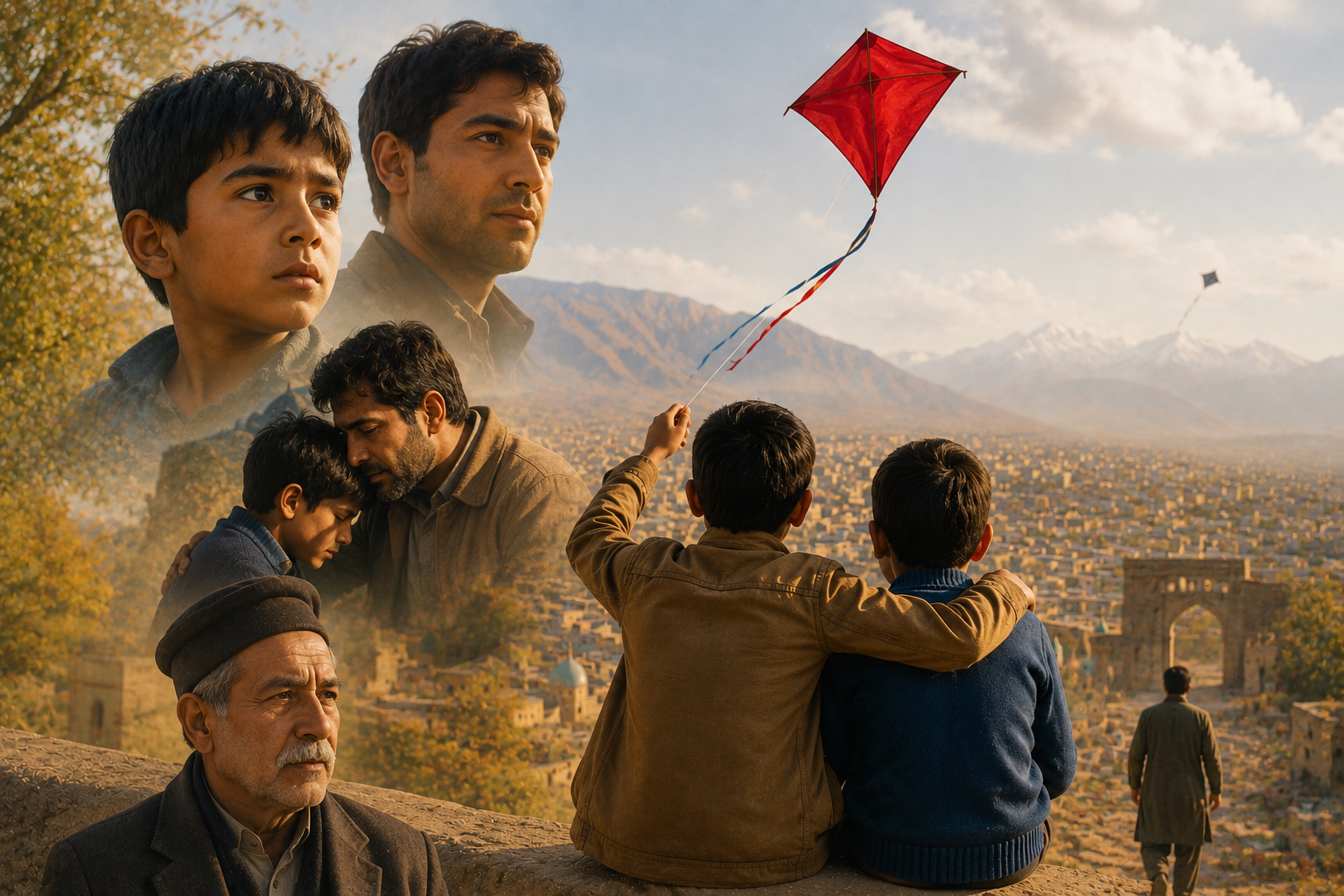
The Kite Runner Character Analysis: Key People, Motivations, and Conflicts

Kite Runner characters

A practical breakdown of the main characters and how their choices shape the story.

A strong The Kite Runner character analysis starts with choices. In Khaled Hosseini’s novel, shame, love, fear, and loyalty pull people in different directions.

This guide is built for students who need clear points for discussion posts, essays, and quote-based analysis.
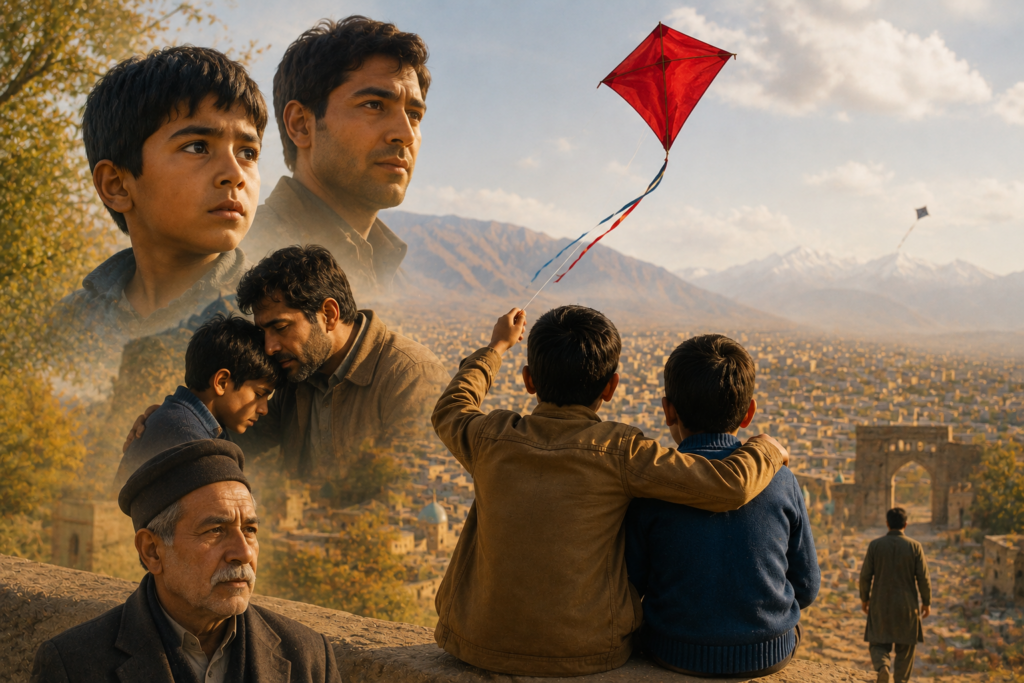
Kite Runner characters

In this Guide

  • Why character matters in the novel
  • Amir’s guilt and growth
  • Hassan’s loyalty and moral force
  • Baba’s pride and hidden shame
  • Rahim Khan’s role as a guide
  • Assef and Soraya as conflict figures
  • Major conflicts to track
  • Essay tips and study resources

The Kite Runner character analysis: Why characters matter

Hosseini uses character choices to show how the past can shape a whole life.

Plot matters in The Kite Runner, but character drives the story. Amir’s silence, Baba’s secrets, and Hassan’s loyalty create the novel’s deepest pain.

A good The Kite Runner character analysis asks one main question: what does each person want, and what do they fear? That question helps you move past summary and into real interpretation.

If you want a broader method, our guide on how to analyze characters in literature can help you build stronger claims.

The Kite Runner character analysis of Amir

Amir is the narrator, but he is not always honest with himself.

Amir wants Baba’s love more than anything. This need makes him jealous of Hassan, who seems to receive Baba’s warmth without effort.

His greatest conflict is internal. After Hassan’s assault, Amir does not help him. He feels shame, but he also tries to push the shame away.

This is why Amir is a complex character. He is not a simple hero or villain. He hurts someone who loves him, then spends years trapped by guilt.

Amir’s arc is about repair. He cannot erase what happened, but he can choose courage later. His trip back to Afghanistan gives him a chance to act when action costs him something.

In this way, Amir is like Macbeth in one key sense: guilt changes his life. The difference is that Macbeth moves deeper into harm, while Amir seeks a path toward atonement.

Hassan: Loyalty, innocence, and quiet strength

Hassan is one of the novel’s strongest moral centers.

Hassan’s famous loyalty to Amir is both beautiful and painful. He protects Amir, supports him, and trusts him even when Amir does not deserve that trust.

His line, “For you, a thousand times over,” shows love without demand. It also shows the unequal friendship between the boys.

A careful The Kite Runner character analysis should not treat Hassan as only a victim. He has courage, skill, patience, and deep emotional strength.

Hassan also reveals the injustice of the world around him. As a Hazara boy, he faces class and ethnic prejudice. His goodness makes that injustice feel even sharper.

Baba and Rahim Khan: Pride, guilt, and moral pressure

These older men shape Amir’s view of courage and truth.

Baba looks powerful, but he is not free from guilt. He judges lies harshly, yet he hides a major truth about Hassan. This makes him more human and more flawed.

Baba wants Amir to be brave, but he fails to see Amir clearly. His disappointment hurts Amir and feeds Amir’s need to prove himself.

In The Kite Runner character analysis, Baba works best as a study in contradiction. He is generous in public, but private shame shapes his home.

Rahim Khan serves a different role. He notices Amir’s talent and gives him the kindness Baba often withholds.

Later, Rahim Khan becomes the voice that calls Amir back to moral action. His message that “there is a way to be good again” gives the novel its clearest hope.

Assef and Soraya: Conflict outside and inside Amir

These characters show two very different kinds of pressure.

Assef is the novel’s clearest human threat. He represents cruelty, racism, and the desire to control others through fear.

He also forces Amir to face the past. When Amir confronts Assef as an adult, the scene becomes more than a fight. It becomes a test of whether Amir can finally protect someone weaker.

Soraya helps reveal another part of Amir. She has a past that people judge, yet she speaks about it with honesty.

Her honesty contrasts with Amir’s silence. She shows the kind of openness Amir fears, which makes her important to his growth.

The Kite Runner character analysis: Major conflicts to track

The novel’s conflicts work through shame, loyalty, and the search for redemption.

Amir vs. himself is the central conflict. His guilt follows him from Kabul to America and back again.

Amir vs. Hassan is painful because Hassan does not act like Amir’s enemy. The conflict comes from jealousy, class difference, and Amir’s fear of losing Baba.

Amir vs. Baba grows from unmet expectations. Baba wants a bold son, while Amir wants approval for who he already is.

Amir vs. Assef turns moral conflict into physical danger. Assef stands for the violence Amir once failed to challenge.

These conflicts make the novel useful for AP Literature and college essays. They connect character, setting, and theme without forcing the reader into a single answer.

How to use this The Kite Runner character analysis in essays

Strong essays do not just name traits. They prove how traits shape choices.

When you write The Kite Runner character analysis, start with a claim about motivation. For example: Amir’s desire for Baba’s approval leads him to betray Hassan, but that same guilt later pushes him toward redemption.

Then use a quote that shows the pressure behind the choice. After the quote, explain what the character gains, what the character loses, and why the moment matters.

For extra practice, you can use our character analysis practice guide as a planning tool before you draft.

Avoid writing only that a character is “good” or “bad.” Hosseini’s characters often carry both love and failure. That tension is where the best analysis begins.

Helpful resources for deeper study

Context can help you understand the novel’s world and the author’s background.

For reliable background on the author, see Britannica’s profile of Khaled Hosseini.

Books worth reading next:

  • The Kite Runner by Khaled Hosseini
  • How to Read Literature Like a Professor by Thomas C. Foster

FAQ

What is the main point of The Kite Runner character analysis?

The main point is to study how each character’s choices reveal guilt, loyalty, fear, and the need for redemption.

Who changes the most in The Kite Runner?

Amir changes the most. He begins as a fearful boy who avoids truth, then becomes someone who risks himself to protect Sohrab.

Is Hassan a flat or complex character?

Hassan is morally steady, but he is not flat. His loyalty, courage, and suffering give him deep emotional power.

Why is Baba important to Amir’s character?

Baba shapes Amir’s need for approval. His praise, silence, and secrets all affect Amir’s choices.

Key Takeaway

The best The Kite Runner character analysis shows that redemption is not simple. Hosseini’s characters prove that one choice can wound a life, but another choice can begin to heal it.


Themes in The Kite Runner: A Student-Friendly Guide

kite runner themes

The Kite Runner is a powerful novel about guilt, love, and the hard work of repair. This guide explains the major themes in The Kite Runner so students can read the story with more confidence and write stronger essays.

This article contains affiliate links.

In this Guide

kite runner themes

Why the Themes in The Kite Runner Matter

The novel asks readers to think about what people owe to those they have hurt.

The themes in The Kite Runner matter because the story is not only about Amir’s childhood. It is also about how one choice can echo across a whole life.

Khaled Hosseini sets personal pain against political change in Afghanistan. You can learn more about the author through Britannica’s profile of Khaled Hosseini.

For students, the key is to connect each theme to character choice. Amir’s actions reveal the novel’s deepest questions about fear, courage, and repair.

Guilt and Redemption in The Kite Runner

Guilt drives much of the novel’s plot, but redemption gives it shape.

Amir feels guilt because he does not help Hassan during a traumatic assault. He also lies afterward, which deepens the harm.

This guilt does not fade with time. Even after Amir moves to America, his past follows him.

The phrase “There is a way to be good again” becomes one of the novel’s most important ideas. It suggests that redemption is possible, but it is not easy or quick.

In this way, the novel resembles Macbeth, where guilt damages the mind. The difference is that Amir seeks a path back, while Macbeth sinks deeper into violence.

Betrayal and Loyalty

The novel shows how betrayal can break trust, even when love is still present.

Hassan is loyal to Amir, often at great cost to himself. His famous line, “For you, a thousand times over,” shows devotion that Amir does not yet know how to return.

Amir betrays Hassan through silence. Later, he betrays him again by framing him for theft.

These moments make the friendship painful to read. The novel asks whether love matters if it does not lead to action.

Many themes in The Kite Runner become clear through this broken friendship. Loyalty is not just a feeling. It must show up when it matters most.

Fathers, Sons, and Emotional Inheritance

The father-son conflict shapes Amir’s view of himself.

Amir wants Baba’s love, but he feels he can never earn it. Baba values bravery, while Amir sees himself as weak.

This hurt affects how Amir treats Hassan. He often competes for Baba’s attention instead of seeing Hassan as a true friend.

Baba also carries secrets. His choices show that parents can pass down shame as well as love.

Like Hamlet, this novel connects family pressure to moral choice. Sons live in the shadow of fathers, but they must still decide who they will become.

Class, Ethnicity, and Power in Afghanistan

The novel shows how social systems can make cruelty seem normal.

Amir is Pashtun, while Hassan is Hazara. This difference shapes their lives from the start.

Even though the boys grow up together, they do not hold equal power. Hassan serves in Amir’s home, and society treats him as lower.

This theme helps explain why Amir can excuse his own behavior for so long. The world around him teaches him that Hassan’s pain counts less.

Students may compare this to To Kill a Mockingbird, where social injustice affects how people see truth. Both novels show that prejudice can hide inside everyday life.

Memory, Storytelling, and the Past

Amir tells the story because he cannot escape the past.

The novel begins with memory. Amir looks back on a winter day that changed everything.

Storytelling becomes a way to face what he once avoided. By telling the truth, Amir starts to understand his own guilt.

This is one reason the themes in The Kite Runner work so well for essays. The plot moves forward, but the meaning often comes from looking backward.

Memory is not neutral in the novel. It hurts, but it also pushes Amir toward action.

Religion, Shame, and Moral Choice

Faith appears in the novel as both comfort and conflict.

Some characters use religion to seek meaning. Others use it to control or harm people.

The Taliban’s abuse of faith shows how power can twist moral language. The novel separates true goodness from public displays of righteousness.

Amir’s journey is not only about feeling sorry. He must make a moral choice when he returns to Afghanistan.

This makes shame different from redemption. Shame traps Amir in self-hatred, while redemption asks him to act.

How to Write About Themes in The Kite Runner

A strong theme paragraph connects an idea to a choice, a conflict, and a change.

To write about themes in The Kite Runner, avoid broad claims like “guilt is important.” Instead, explain how guilt changes Amir’s actions over time.

A better claim might be: Hosseini shows that redemption requires risk because Amir can only confront his guilt by protecting Sohrab.

Notice how that sentence names the theme and ties it to plot. It also shows change.

If you need help moving from plot summary to deeper analysis, use our guide on how to analyze characters in literature.

If you want extra support for class notes, you can also use a printable theme study guide to track quotes and evidence.

When students discuss themes in The Kite Runner, the best answers focus on cause and effect. Ask what a character wants, what blocks that desire, and what the choice reveals.

Relevant Books to Read Next

These books pair well with The Kite Runner because they explore memory, war, and moral courage.

  • A Thousand Splendid Suns by Khaled Hosseini
  • The Book Thief by Markus Zusak

FAQ: Themes in The Kite Runner

What are the main themes in The Kite Runner?

The main themes in The Kite Runner include guilt, redemption, betrayal, loyalty, and the effects of social power.

What is the most important theme in the novel?

Redemption is often seen as the central theme. Amir’s story asks whether a person can repair harm through honest action.

How does Hassan show loyalty?

Hassan shows loyalty through his words and actions. He protects Amir, even when Amir does not protect him.

Why is class important in the novel?

Class matters because Amir and Hassan do not have equal status. Their friendship is shaped by ethnic and social divisions.

How can I write a thesis about the novel’s themes?

Choose one theme and connect it to a character’s change. A clear thesis should explain what the novel teaches about that idea.

Key Takeaway

The themes in The Kite Runner show that the past cannot be erased, but people can still choose repair. For students, the strongest insight is this: redemption begins when guilt turns into action.

Most Influential Redemption Arcs in Literature

Redemption arc

The Most Influential Redemption Arcs show how flawed people can change, repair harm, or face the truth about themselves. These stories matter because they help readers think about guilt, mercy, justice, and hope.

From old classics to modern novels, redemption arcs ask one hard question: can a person become better after doing wrong?

In this Guide

Redemption arc

Why the Most Influential Redemption Arcs Still Matter

Redemption arcs turn moral failure into a story of change.

The Most Influential Redemption Arcs do not excuse bad choices. They show what happens when a character sees the damage they caused and tries to change course.

This is why students often meet these arcs in English class. They give readers a clear way to study character growth, conflict, theme, and moral choice.

A strong redemption arc usually has a few key parts. The character causes harm, faces a crisis, feels the weight of guilt, and makes a choice that proves real change.

That final choice matters most. A character is not redeemed just because they feel sorry. They must act.

Most Influential Redemption Arcs in Classic Literature

Classic literature gives us some of the clearest examples of moral change.

These Most Influential Redemption Arcs have lasted because they feel honest. The characters do not become perfect overnight. Their change costs them something.

Ebenezer Scrooge in A Christmas Carol

Charles Dickens gives readers one of the most famous redemption stories ever written. Scrooge starts as cold, greedy, and cruel to the less fortunate.

After visits from the ghosts, he sees his past, present, and possible future. These visions force him to face the lonely life he has built.

Scrooge changes because he chooses kindness while he still has time. His redemption feels joyful, but it also comes from fear, shame, and self-knowledge.

For background on Dickens and his work, see Britannica’s overview of Charles Dickens.

Jean Valjean in Les Misérables

Victor Hugo’s Jean Valjean begins as a man marked by prison and poverty. After he steals silver from a bishop, the bishop protects him instead of turning him in.

That act of mercy changes Valjean’s life. He becomes a man who helps others, even when it puts him at risk.

Valjean’s arc shows that redemption is not one moment. It is a lifetime of hard choices.

Sydney Carton in A Tale of Two Cities

Sydney Carton starts as bitter and wasted. He sees himself as a failure with little purpose.

His final act changes how readers see him. By giving his life to save another man, he turns regret into sacrifice.

Carton’s redemption is tragic, but it is powerful. He cannot fix his whole past, yet he can give his life meaning.

Severus Snape in the Harry Potter Series

Snape is one of modern literature’s most debated redemption arcs. He is cruel, secretive, and often unfair.

Yet his hidden loyalty reveals a more complex person. His choices do not erase his harm, but they show a long struggle with guilt and love.

This is why Snape remains important in classroom and fan debates. His arc asks whether sacrifice can balance past cruelty.

Themes and Symbols in Redemption Arcs

Redemption stories often use symbols to show inner change.

Light and darkness appear often in redemption arcs. A character may move from shadow into light, which can show moral growth or new hope.

Journeys also matter. A road, a prison, or a return home can show that change takes effort. Jean Valjean’s movement through France reflects his search for grace and safety.

Names can carry meaning too. When a character takes a new name, it may show a new self. Valjean becomes Monsieur Madeleine, which points to his attempt to live beyond his prison past.

Time is another key symbol. In A Christmas Carol, the ghosts use time to teach Scrooge. The past brings regret, while the future offers warning.

If you want to sharpen your close reading of symbols, imagery, and word choice, try our guide on how to read Emily Dickinson. The same skills can help you study longer novels.

Modern Lessons from the Most Influential Redemption Arcs

Redemption arcs still shape how readers talk about justice and change.

The Most Influential Redemption Arcs are not simple “good guy” stories. They often ask if people deserve a second chance after real harm.

This question feels modern because people still debate it in schools, courts, families, and online spaces. Literature gives readers a safer place to think through the problem.

Some arcs stress forgiveness. Others focus on responsibility. The best ones do not make the answer too easy.

That is why redemption arcs work well in essays. You can ask what the character did wrong, what they learned, and whether their final choice truly repairs anything.

These books are strong choices for students who want deeper examples.

  • A Christmas Carol by Charles Dickens
  • Les Misérables by Victor Hugo

Both books show redemption in a clear but serious way. They also give students rich material for theme, character, and symbolism essays.

For shorter practice, pair a novel with poetry study. A poem can train you to notice small details that reveal change. Our post on reading Emily Dickinson is a useful place to start.

FAQs About the Most Influential Redemption Arcs

What are the Most Influential Redemption Arcs in literature?

The Most Influential Redemption Arcs often include Scrooge in A Christmas Carol, Jean Valjean in Les Misérables, and Sydney Carton in A Tale of Two Cities.

What makes a redemption arc believable?

A believable arc shows guilt, effort, and real change. The character must act in a way that proves they have learned from the past.

Is redemption the same as forgiveness?

No. A character may seek redemption without being fully forgiven. Forgiveness depends on others, while redemption depends on moral change.

Why do teachers assign books with redemption arcs?

These books help students study character growth, theme, and conflict. They also lead to strong essay topics about justice and mercy.

Key Takeaway

The Most Influential Redemption Arcs remind us that change is possible, but never cheap. Great literature shows that redemption requires truth, action, and the courage to become someone better.

error

Enjoy this article? Please spread the word :)

Follow by Email
BLUESKY
fb-share-icon
Reddit
LinkedIn
Share
RSS