Never Let Me Go quotes explained: Important Passages for Essays

Never Let Me Go Quotes

Kazuo Ishiguro’s Never Let Me Go can feel quiet at first, but its most important passages carry deep fear and sadness. This guide offers Never Let Me Go quotes explained in a student-friendly way, with careful paraphrases for longer copyrighted passages.

You can use these ideas to build stronger claims about memory, identity, love, and ethics.

In this Guide

  • Why the novel’s passages matter
  • Hailsham, childhood, and hidden truth
  • Art, souls, and human worth
  • Language, control, and donations
  • Love, hope, and the ending
  • Essay tips and student resources
  • FAQ
Never Let Me Go Quotes

Never Let Me Go quotes explained: Why these passages matter

The best passages in the novel do not shout. They often sound calm, even when they reveal something cruel.

A good set of Never Let Me Go quotes explained should focus on what Ishiguro hides beneath ordinary speech. Kathy tells her story in a plain voice, so readers must notice tone, gaps, and repeated words.

Key idea: the novel’s power comes from contrast. Soft memories sit beside a system that treats people as tools.

This is one reason the book works well for AP Literature essays. A small detail can lead to a large point about obedience or human value.

Never Let Me Go quotes explained: Hailsham and childhood

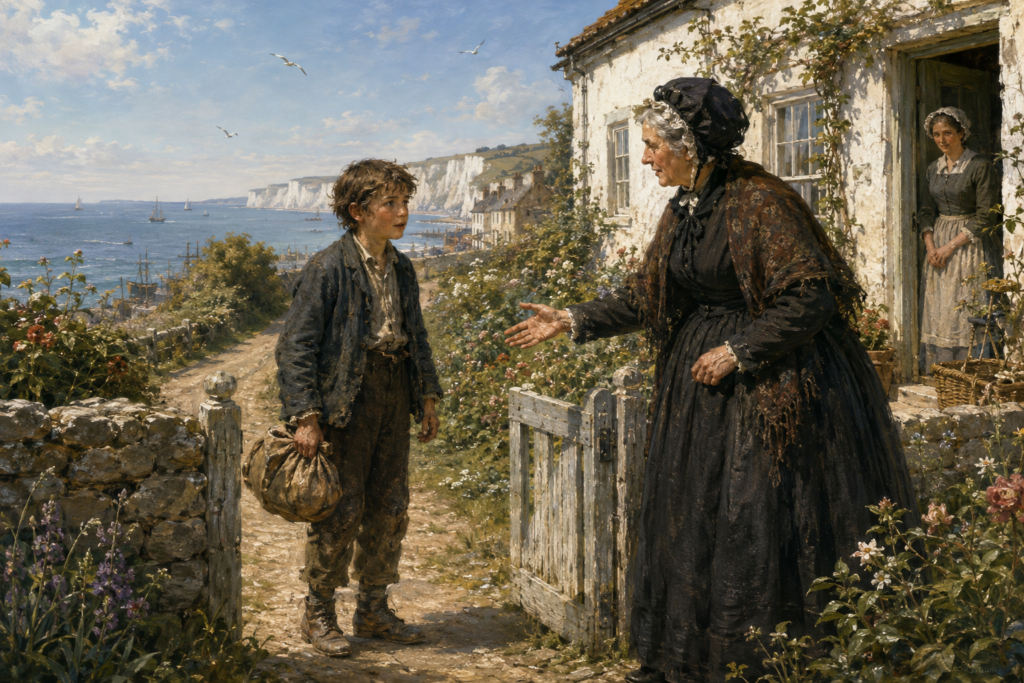
Hailsham looks like a normal school, but it trains children to accept a future chosen for them.

One key passage to study is the moment when Miss Lucy suggests the students have been “told and not told” about their lives. That short phrase matters because it shows how control can work through partial truth.

The students know enough to feel uneasy. They do not know enough to resist.

This part of Never Let Me Go quotes explained can support an essay about innocence. Ishiguro shows that childhood is not pure safety here. It is a space where adults shape what children believe.

You might compare Hailsham with Lowood School in Charlotte Brontë’s Jane Eyre. Both places use rules to form young lives, but Ishiguro makes the control feel quieter.

Never Let Me Go quotes explained: Art, souls, and being seen

The students’ art seems harmless at first, but it becomes one of the novel’s sharpest moral questions.

The guardians collect the students’ best work because they hope it will prove the children have souls. This idea is painful because it assumes their humanity needs proof.

For students, this part of Never Let Me Go quotes explained is useful for essays about dehumanization. If someone must prove they are fully human, the society around them has already failed.

Essay angle: art in the novel is not just self-expression. It becomes evidence in a moral debate that should never need evidence.

Mary Shelley’s Frankenstein offers a strong comparison. The creature reads, feels, and asks for care, yet others still reject him as less than human.

Never Let Me Go quotes explained: Language and control

Ishiguro uses gentle words to hide violence.

Words like “donor,” “carer,” and “completion” soften what is being done to the clones. These terms make the system sound calm and medical instead of brutal.

When you write about Never Let Me Go quotes explained, pay close attention to diction. Diction means word choice, and in this novel, word choice is part of the system’s control.

The book shows how language can train people to accept harm. If a society changes the words for cruelty, people may stop seeing the cruelty clearly.

Students often connect this to George Orwell’s 1984, where language also shapes thought. You do not need to quote Orwell to make the link. Focus on how both books show the danger of controlled speech.

Never Let Me Go quotes explained: Love, hope, and the idea of a “possible”

The search for a “possible” shows how badly the characters want a life beyond the one assigned to them.

A “possible” is someone the clones believe might be the original model for one of them. The word matters because it carries hope, but it also reduces identity to a copy.

Ruth’s trip to find her possible is full of longing. She wants proof that she came from someone with a future that feels real.

Kathy and Tommy’s later hope for a deferral also matters. Their love is sincere, but the system does not reward sincerity.

This is a strong place to discuss tragedy. The novel does not need a dramatic villain at the end. The tragedy is that the characters have learned to ask for only a little more time.

How to use Never Let Me Go quotes explained in an essay

A strong essay should not drop a passage into a paragraph and move on. You need to explain how the words create meaning.

Use Never Let Me Go quotes explained as a starting point for close reading. Choose one short phrase, name the literary device, and connect it to a theme.

For example, you might focus on the word “completion.” Explain that it sounds peaceful, then show how it hides death and loss.

If you need help shaping your paragraphs, read our guide on how to write a literary analysis essay. It can help you move from observation to argument.

If you want a quick study aid, try our printable quote tracker for literature essays.

Student thesis ideas for Never Let Me Go quotes explained

These sample claims can help you start, but make them your own.

  • Ishiguro uses calm narration to show how cruelty can become normal.
  • The novel presents art as proof of humanity, but it also questions why such proof is demanded.
  • The euphemisms in the donation system reveal how language can hide moral harm.
  • Kathy’s memories show that love still matters, even in a world built to deny freedom.

Each claim should lead to close analysis. If your paragraph only retells the plot, return to the exact words of the passage.

For author context, see the Britannica overview of Kazuo Ishiguro. You can also read the Nobel Prize facts page on Ishiguro for a brief note on his literary importance.

These sources can support background research, but your essay should still focus on the text itself.

Amazon book suggestions for better context

  • Never Let Me Go by Kazuo Ishiguro
  • Frankenstein by Mary Shelley

These books pair well because both ask what society owes to people it creates, controls, or rejects.

FAQ: Never Let Me Go quotes explained

What is the most important theme in Never Let Me Go?

One major theme is human worth. The novel asks why some lives are valued less than others.

Can I use long quotes from the novel in my essay?

Use short quotes when possible, and explain them well. Long quotes often weaken analysis unless your teacher asks for them.

What does Hailsham symbolize?

Hailsham symbolizes controlled innocence. It protects the students, but it also prepares them to accept injustice.

Why is Kathy’s narration so calm?

Her calm voice shows how deeply the system has shaped her. It also makes the horror feel more real.

How do I write about the ending?

Focus on restraint. The ending is powerful because Kathy faces loss without dramatic rebellion.

Key Takeaway

Never Let Me Go quotes explained should show how Ishiguro turns quiet language into moral pressure. The novel asks readers to notice what the characters have been taught not to question.

Themes in Never Let Me Go: A Student-Friendly Guide

Never Let Me Go Themes

The themes in Never Let Me Go help readers see why Kazuo Ishiguro’s quiet novel feels so painful. This guide explains the major ideas students should notice, from memory and love to power and human worth.

In this Guide

  • Why the novel’s themes matter
  • Human worth and dignity
  • Memory and storytelling
  • Love, friendship, and hope
  • Control and social systems
  • Symbols that support the themes
  • The ending and its meaning
  • Books to pair with the novel
  • FAQ
Never Let Me Go Themes

Why the themes in Never Let Me Go matter

Ishiguro does not explain the world of the novel all at once. He lets readers feel its sadness before they fully understand it.

The themes in Never Let Me Go matter because the story asks a hard question: what makes a life valuable? Kathy, Tommy, and Ruth grow up at Hailsham, a school that seems strange but safe. Later, readers learn that their lives have been planned for them since birth.

This slow reveal makes the novel powerful. Instead of using action or shock, Ishiguro uses memory, small details, and calm narration. The quiet tone makes the horror feel even stronger.

For more background on the author, students can read this short profile from Britannica on Kazuo Ishiguro.

Themes in Never Let Me Go: human worth and dignity

The novel pushes readers to ask who gets treated as fully human.

One of the central themes in Never Let Me Go is **human worth**. The students at Hailsham create art, form friendships, feel jealousy, and dream about the future. In every emotional way, they are human.

Yet society sees them as useful bodies, not complete people. Their purpose is to donate organs. This cruel fact exposes how people can use language to hide violence.

The word “donor” sounds calm and medical. It hides the truth that these young people have no real choice. Ishiguro shows how polite words can make an unjust system seem normal.

This theme connects well to Mary Shelley’s Frankenstein. Both novels ask readers to look at beings who are judged by others, then ask where real humanity should be found.

Themes in Never Let Me Go: memory and storytelling

Kathy tells the story from memory, so the past becomes the heart of the novel.

The themes in Never Let Me Go make memory feel fragile and precious. Kathy looks back at Hailsham, her friendships, and her mistakes. She does not tell the story like a history book. She tells it like someone who needs the past to make sense of her life.

Memory gives Kathy comfort, but it also hurts her. She remembers moments when Ruth lied, Tommy felt ashamed, or teachers acted cold. These scenes help readers see how the characters learn about their world piece by piece.

Kathy’s memories also show how people hold on to meaning when they cannot control much else. She cannot change her fate, but she can choose how to remember the people she loved.

This is a strong AP Literature point. The narrator’s voice shapes the meaning of the whole book. Kathy’s calm tone does not mean she feels nothing. It may show how much she has learned to hide.

Love and friendship in a world with little freedom

The novel’s love story is quiet, but it carries deep emotional weight.

When students discuss themes in Never Let Me Go, they often focus on Kathy and Tommy. Their relationship is tender, awkward, and late. It never becomes the kind of love story that gives readers a perfect ending.

That is the point. Love matters in the novel because it exists even when it cannot save anyone. Kathy and Tommy’s bond does not stop the donation system. It does not give them a normal future.

Still, their love proves that they have inner lives. They hope, fear, regret, and care for each other. Ishiguro shows that love has value even when it cannot defeat death.

Ruth also matters here. She hurts Kathy and Tommy, but she later tries to repair the damage. Her guilt makes her feel real, not simply cruel.

Themes in Never Let Me Go: control and social systems

The book shows how a society can train people to accept unfair rules.

Control is one of the darkest themes in Never Let Me Go. The students are not locked in cages, but their choices are still limited. They grow up inside a system that teaches them what to expect.

Hailsham gives them art, lessons, and a sense of being special. Yet it also prepares them for a life they did not choose. The school seems kinder than other places, but it still serves the same cruel system.

This is why the novel feels different from a book like 1984 by George Orwell. Orwell shows a loud, brutal state. Ishiguro shows a softer kind of control, where people obey because they have been trained not to imagine another life.

That makes the novel more disturbing. The characters know something is wrong, but they do not rebel in a dramatic way. Their world has shaped their sense of what is possible.

Symbols that support the major ideas

Ishiguro uses simple objects to deepen the novel’s meaning.

The tape Kathy loves, titled Songs After Dark, is one of the most important symbols. Kathy’s favorite song helps her imagine care, motherhood, and loss. When Madame sees Kathy dance with a pillow, she cries because she sees a future that Kathy can never have.

The gallery is another key symbol. The students believe their art may prove they have souls. This belief reveals their need to be seen as human, but it also shows the cruelty of a world that asks them to prove what should be obvious.

The title itself matters. “Never let me go” sounds like a plea for love, memory, and safety. The sad truth is that everyone in the novel must let go of someone.

If you want help with this skill, read our guide on how to find symbolism in a story.

How the themes in Never Let Me Go shape the ending

The ending is quiet because the novel’s tragedy has always been quiet.

By the end, the themes in Never Let Me Go come together through Kathy’s grief. Tommy has died after his donations. Ruth is gone too. Kathy is left with memory and a short time before her own donations begin.

The final image of Kathy staring at rubbish caught on a fence is simple but painful. It suggests loss, distance, and the way people leave pieces of themselves behind.

The ending does not offer rescue. Instead, it asks readers to face the cost of a world that values some lives less than others. That is why the novel stays with students long after the last page.

Relevant books to search on Amazon or at your library

These books pair well with Ishiguro’s novel because they explore identity, power, and what it means to be human.

  • Frankenstein by Mary Shelley
  • The Handmaid’s Tale by Margaret Atwood

Students who want more author context can also explore Ishiguro’s Nobel Prize page from The Nobel Prize.

FAQ: themes in Never Let Me Go

Use these quick answers to review the novel before class or an essay.

What is the main theme of Never Let Me Go?

The main theme is the value of human life. The novel asks why some people are denied dignity, choice, and a future.

Why is memory so important in the novel?

Memory helps Kathy hold on to the people she loved. It also helps readers see how the truth about her world slowly becomes clear.

Is Never Let Me Go a dystopian novel?

Yes, but it is a quiet dystopia. The danger comes from a calm social system, not from constant violence.

What does Hailsham represent?

Hailsham represents both care and control. It gives the students a better childhood, but it still prepares them for a cruel fate.

Key takeaway

The themes in Never Let Me Go show how love, memory, and art can prove human worth, even inside a world that refuses to honor it.

The Joy Luck Club Summary and Analysis for Students

Joy Luck Club Summary

This guide offers The Joy Luck Club summary and analysis for students who need a clear path into Amy Tan’s novel. We will cover the plot, the structure, the main conflicts, and the deeper literary meaning.

Tan’s book can feel complex at first because it moves between voices and time periods. Once you see how the stories connect, the novel becomes much easier to understand.

In this Guide

Use this section to find the part of the novel you need most.

  • The Joy Luck Club summary and analysis: quick overview
  • Plot summary
  • Structure and point of view
  • Major conflicts
  • Themes and symbols
  • Study tips and FAQ
Joy Luck Club Summary

The Joy Luck Club summary and analysis: Quick Overview

Amy Tan’s novel is about mothers and daughters who love each other, yet often fail to understand each other.

The Joy Luck Club, published in 1989, follows four Chinese immigrant mothers and their American-born daughters in San Francisco. The older women carry painful memories from China. Their daughters face pressure to define themselves in America.

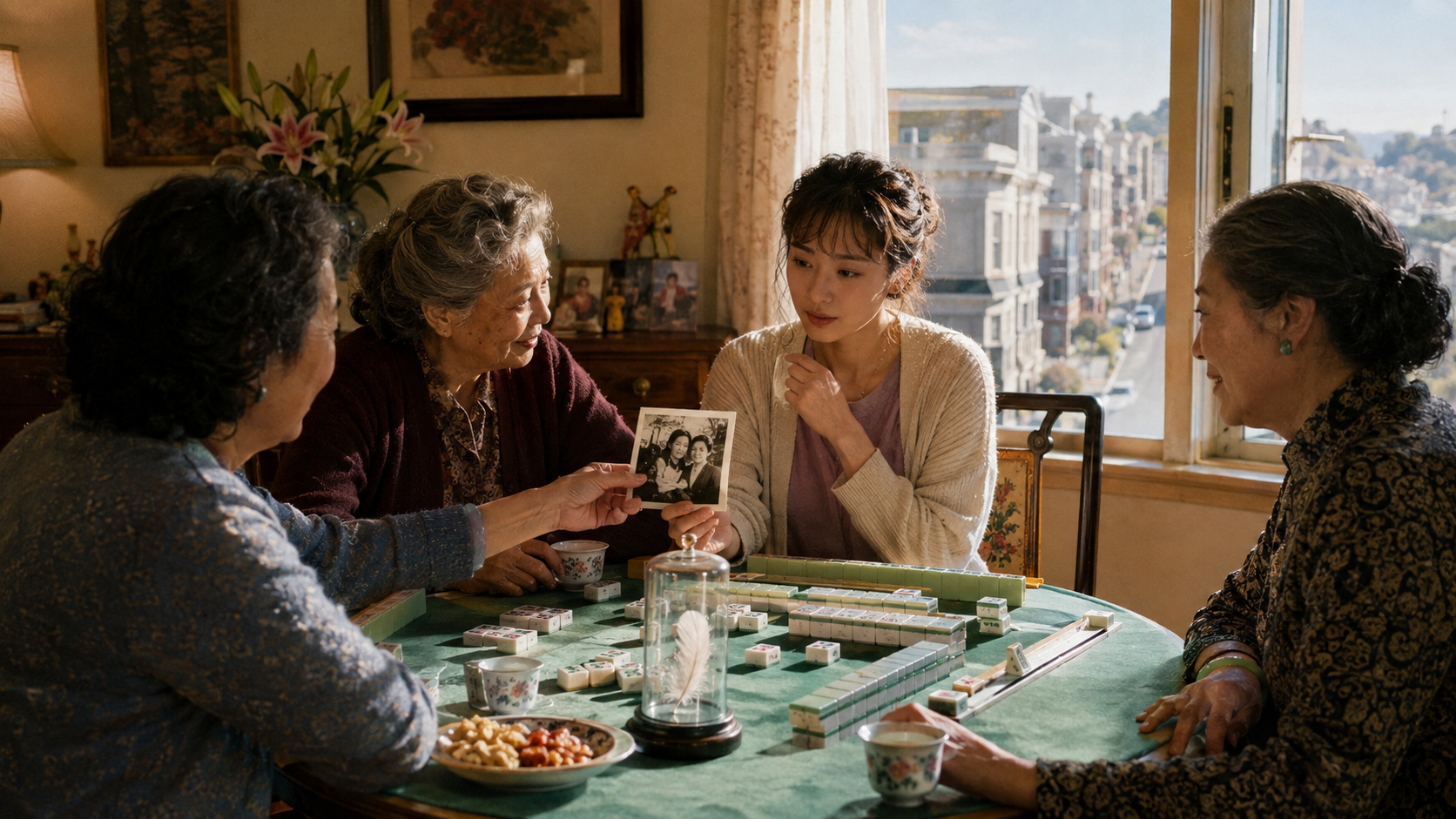
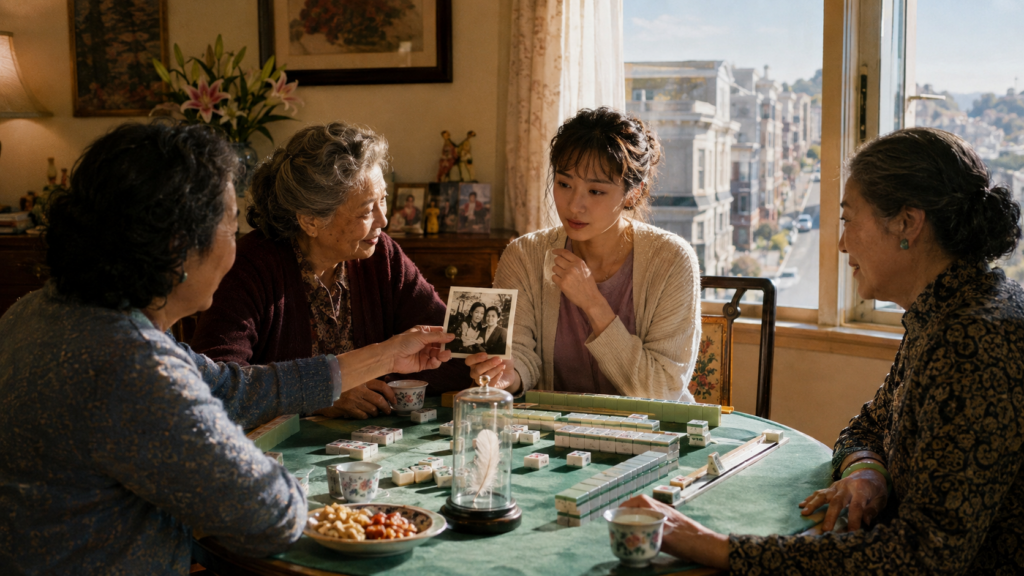
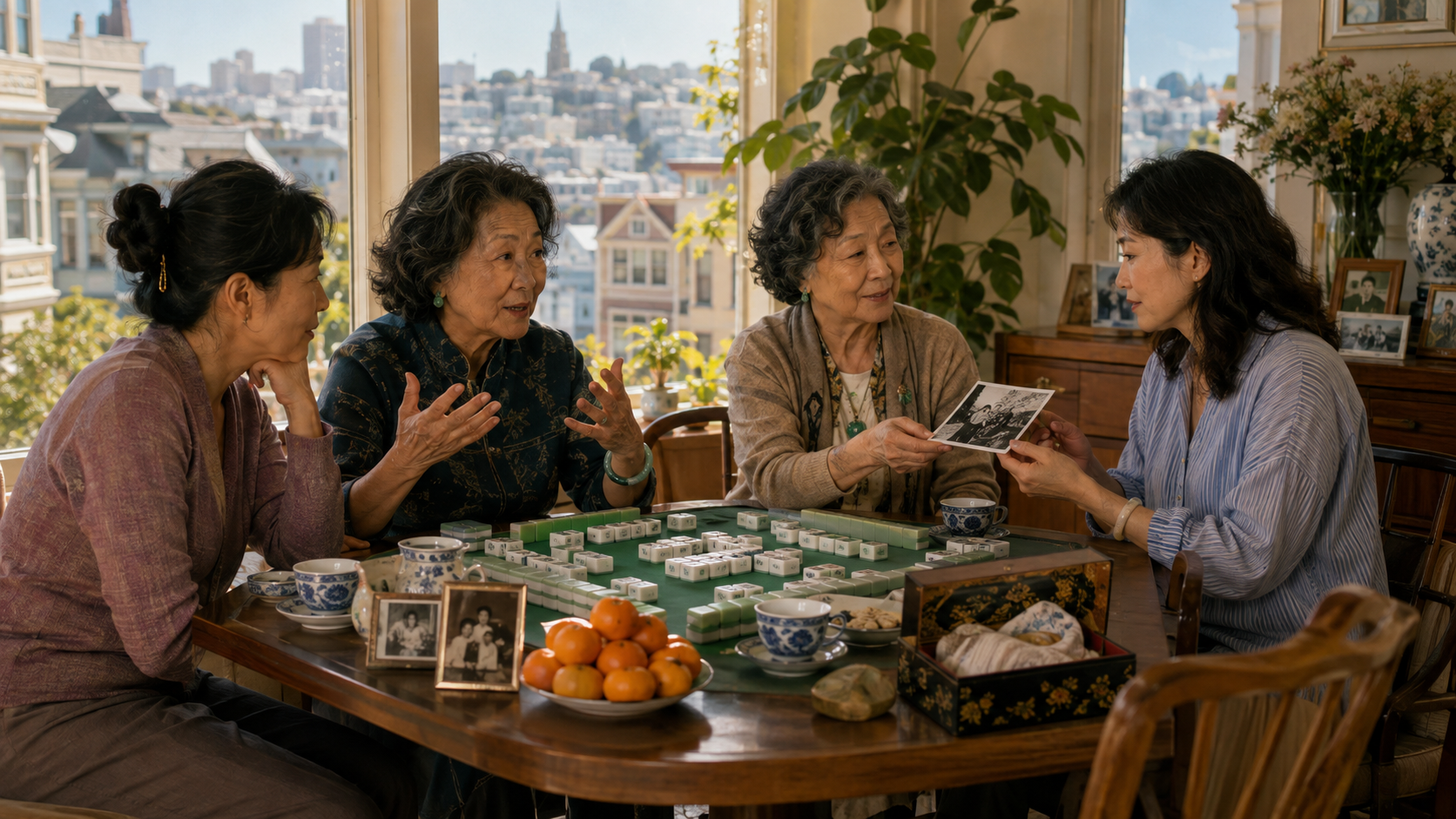
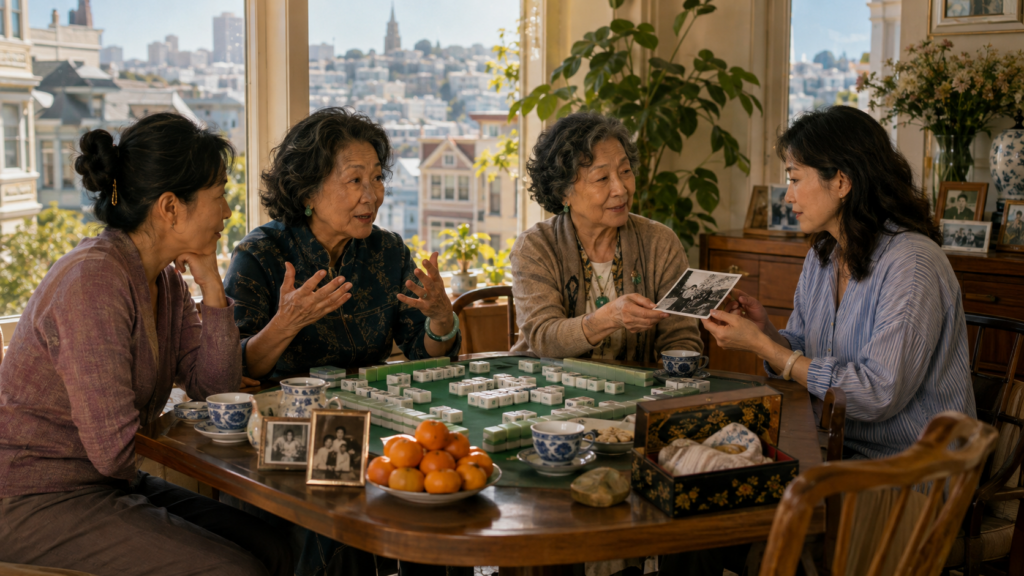
The title refers to a club started by Suyuan Woo. The women gather to play mahjong, share food, and protect hope during hard times. After Suyuan dies, her daughter Jing-mei takes her place at the table.

For class, The Joy Luck Club summary and analysis should focus on how stories pass from mother to daughter. The novel suggests that family history can hurt, but it can also heal.

If you want to study Tan’s life and career, the Britannica profile of Amy Tan gives helpful background.

Plot Summary of The Joy Luck Club

The novel does not follow one straight timeline, but its core story is easy to trace.

Jing-mei Woo has recently lost her mother, Suyuan. She joins the Joy Luck Club in her mother’s place and learns that Suyuan left behind twin daughters in China during wartime.

Jing-mei feels unsure about her role. She worries that she does not know enough about her mother to carry her story forward.

The novel then moves through the lives of the other families. An-mei Hsu teaches her daughter Rose to know her own worth. Lindo Jong teaches Waverly about strength, even when their pride causes tension.

Ying-ying St. Clair watches her daughter Lena accept an unequal marriage. Ying-ying wants Lena to find the voice she herself lost years before.

By the end, Jing-mei travels to China and meets her half-sisters. This final scene brings the novel’s emotional threads together. Jing-mei begins to understand Suyuan not as a distant mother, but as a full person with grief, courage, and hope.

The Joy Luck Club summary and analysis of Structure

The structure mirrors the way memory works: broken, personal, and powerful.

The novel is made of linked stories, not one simple chapter-by-chapter plot. Each family gets moments of focus, and each voice adds a new piece to the whole.

In The Joy Luck Club summary and analysis, this structure matters because it shows how identity is built from many stories. No single woman can explain the full meaning of the book alone.

The structure is similar to The House on Mango Street by Sandra Cisneros. Both books use short connected sections to build a larger portrait of family, place, and selfhood.

This form also asks readers to pay close attention. A small detail in one story may matter much more later. If you need help with that skill, see our guide on how close reading works in literature.

The Joy Luck Club summary and analysis of Themes

The novel’s themes center on voice, memory, and the hard work of understanding family.

The Joy Luck Club summary and analysis often starts with the theme of mother-daughter love. The mothers want to protect their daughters from pain. The daughters often hear that protection as control.

Another key theme is cultural identity. The daughters grow up in America, while their mothers carry Chinese customs and memories. This gap leads to conflict, but it also creates a rich double vision of the world.

Storytelling is one of the novel’s most important powers. The mothers tell stories so their daughters will not lose the past. The daughters learn that these stories are not just family gossip. They are maps for survival.

The novel also explores silence. Many characters do not say what they feel until pain forces the truth out. Tan shows that silence can protect people, but it can also trap them.

The Joy Luck Club summary and analysis of Conflict

Most of the novel’s conflict comes from love that has not found the right words.

The main conflict is between mothers and daughters. The mothers speak from memory, fear, and sacrifice. The daughters speak from desire, pride, and confusion.

Waverly and Lindo clash over success and independence. Waverly thinks her mother judges her. Lindo sees a daughter who does not always understand the cost of strength.

Rose and An-mei face a different conflict. Rose has learned to stay quiet in her marriage. An-mei wants her to speak with courage, because she knows what silence can cost.

Jing-mei and Suyuan’s conflict continues even after Suyuan dies. Jing-mei believed she disappointed her mother. The trip to China helps her see that her mother gave her a story, not just a set of demands.

Important Symbols in The Joy Luck Club

Tan uses objects and games to show hidden emotional truths.

Mahjong stands for community and survival. The game brings the women together when life feels unstable. It also gives the novel its main gathering place.

The swan feather stands for hope passed from mother to daughter. It suggests that even a small object can carry a large dream.

Chess in Waverly’s story stands for strategy and pressure. Waverly learns how to win, but she also learns how success can strain a family bond.

Food often reveals love that characters cannot say out loud. Meals show care, judgment, memory, and tension at the same time.

Why the Ending Matters

The ending gives Jing-mei a new sense of belonging.

When Jing-mei meets her sisters in China, she does more than complete a family reunion. She becomes a bridge between Suyuan’s past and the family’s future.

The photograph at the end matters because it joins three daughters through one mother’s story. Jing-mei finally sees that she is not separate from her mother’s history. She is part of it.

This ending does not solve every problem in the novel. It gives emotional closure because Jing-mei accepts the duty to remember.

How to Write About The Joy Luck Club in Class

Strong essays about this novel focus on how form and meaning work together.

A good thesis might argue that Tan uses shifting points of view to show how family truth changes from one generation to the next.

You can also write about symbols. For example, mahjong is not just a game. It is a sign of friendship, survival, and memory.

When you quote the novel, do not just drop in a line. Explain who speaks, what the moment reveals, and why the detail matters. For more help, review this guide to close reading a literary passage.

From Idea to Novel Blueprint

These books pair well with Tan’s novel for essays or independent reading.

  • The Joy Luck Club by Amy Tan
  • The Woman Warrior by Maxine Hong Kingston

If you compare these books, look at how each one uses memory and family stories to explore identity.

FAQ About The Joy Luck Club

Here are quick answers to common student questions.

What should I include in The Joy Luck Club summary and analysis?

Include the main family relationships, the linked-story structure, the mother-daughter conflicts, and the themes of memory and identity.

Who is the main character?

Jing-mei Woo is often seen as the central figure because her story frames the novel. Still, the book works as a shared portrait of several women.

What is the main message of the novel?

The novel shows that understanding family often requires listening to painful stories from the past.

Why is the structure confusing?

The book moves across different voices and memories. Once you track each mother-daughter pair, the structure becomes clearer.

Is The Joy Luck Club hard to read?

It can feel complex at first, but the language is clear. The challenge comes from the shifting points of view.

Key Takeaway

The novel is about learning to hear the stories that shaped you.

The Joy Luck Club summary and analysis shows that Amy Tan’s novel is not just about conflict between generations. It is about how love, memory, and language can cross a painful gap.

For students, the best way into the book is to follow the stories. Each one adds a new layer to the meaning of family.

Themes in The Joy Luck Club: A Student-Friendly Guide

The Joy Luck Club themes

A clear guide to the major ideas, conflicts, and meanings students should notice in The Joy Luck Club.

Understanding the themes in The Joy Luck Club helps you see why Amy Tan’s novel feels personal and powerful. The book is not only about mothers and daughters, but also about memory, culture, pain, and love.

This guide explains the main ideas in simple terms so you can use them in class discussion, AP Literature writing, or a college essay.

In this Guide

  • Why the themes matter
  • Family and generational conflict
  • Identity and belonging
  • Language and storytelling
  • Memory, trauma, and silence
  • Gender, power, and voice
  • How to write about the themes
  • FAQ
The Joy Luck Club themes

Why Themes in The Joy Luck Club Matter

The novel uses personal stories to explore large questions about family, culture, and selfhood.

The Joy Luck Club is built from linked stories. Four Chinese immigrant mothers and their American-born daughters each carry different hopes and fears.

The themes in The Joy Luck Club come from these gaps between people who love each other but often misunderstand each other. The mothers know the pain of their past. The daughters often feel judged by lessons they do not fully understand.

This is why the book fits so well in high school and college classes. It shows how private family moments can reveal deep social and cultural conflicts.

For author background, you can review Britannica’s overview of Amy Tan.

Family and Generational Conflict: Core Themes in The Joy Luck Club

Much of the novel’s tension comes from love that feels like pressure.

One of the most important themes in The Joy Luck Club is the conflict between mothers and daughters. The mothers want to protect their daughters from pain. The daughters want room to define themselves.

June thinks her mother, Suyuan, expects too much from her. Waverly feels trapped by Lindo’s pride and criticism. Rose struggles to make choices because she has learned to doubt her own voice.

These conflicts are not simple fights. They come from different life experiences. The mothers survived war, loss, forced marriage, and strict gender roles. Their daughters grow up in America, where they are told to seek independence.

A strong theme statement might say: Tan shows that family love can become painful when parents and children do not share the same language of care.

This theme is common in literature. In Romeo and Juliet, family expectations shape personal choices. In Tan’s novel, the conflict is quieter, but the emotional stakes are just as real.

From Idea to Novel Blueprint

Identity and Belonging: Themes in The Joy Luck Club

The daughters often feel caught between the culture they inherit and the culture they live in each day.

Identity is one of the richest themes in The Joy Luck Club. The daughters are Chinese American, but they do not always know what that means. They may resist their mothers’ traditions, yet they also feel that something is missing when they ignore them.

June’s trip to China near the end of the novel is a key moment. She worries that she is not Chinese enough. Yet the trip helps her understand that identity is not only about language, food, or place.

Identity also comes through family memory. When June meets her half-sisters, she sees that her mother’s story did not end with loss. She becomes part of that story.

Tan avoids an easy answer. Belonging is not a single choice between China and America. It is a process of learning what has shaped you.

This theme connects with works like The House on Mango Street by Sandra Cisneros, where a young narrator also tries to understand home, heritage, and selfhood.

Language and Storytelling

In the novel, stories become a way to pass down truth when direct speech fails.

Many conflicts in the book happen because mothers and daughters do not understand each other’s words or meanings. The mothers may speak in warnings, images, or family stories. The daughters may hear only criticism.

Storytelling gives the mothers power. They use stories to explain what happened to them, but also to teach survival. Lindo’s story of her arranged marriage shows wit and strength. An-mei’s memories of her mother reveal the cost of silence.

These stories also change the daughters. They learn that their mothers are not only strict parents. They are women with deep wounds, clever plans, and lost dreams.

Among the themes in The Joy Luck Club, this one matters because the novel itself acts like a memory box. Each section adds another voice. Together, the voices create a fuller truth.

If you want help linking voice to character choices, see our guide on how to analyze characters in literature.

Memory, Trauma, and Silence

The past does not stay in the past in Tan’s novel.

Several mothers carry memories that they cannot share easily. Suyuan loses her twin daughters during war. Ying-ying suffers in a marriage that steals her sense of self. An-mei learns that women can be harmed by the rules of their society.

These memories shape how the mothers raise their daughters. Sometimes they become protective. Sometimes they become harsh. Often, they do both at once.

Silence is just as important as speech. When painful stories stay hidden, daughters can only guess why their mothers act as they do. This creates distance.

The novel suggests that healing begins when stories are finally told. June does not fully know her mother until after Suyuan dies. That loss makes the final reunion with her sisters even more moving.

This theme is also central in Toni Morrison’s Beloved, where memory and trauma shape family life. Both novels show that buried pain can still guide the present.

Gender, Power, and Voice

Tan shows how women fight for power in worlds that often deny it to them.

The mothers grow up in settings where women have limited control over marriage, family duty, and social status. Their lives teach them that survival often requires strategy.

Lindo learns to escape a forced marriage without open rebellion. An-mei learns the danger of a world that treats women as weak or disposable. Ying-ying must recover a voice she once lost.

The daughters face different limits. They live in America, but they still struggle with self-doubt, unfair expectations, and painful relationships. Rose, for example, must learn to speak for herself in her marriage.

These themes in The Joy Luck Club show that voice is not just speech. Voice means choice. It means the right to name your own pain and your own future.

Fate, Choice, and Personal Strength

The novel often asks whether people are trapped by the past or able to change their lives.

The mothers sometimes speak as if fate has power. They believe in signs, luck, and hidden forces. Yet their stories also show bold choices.

Suyuan creates the Joy Luck Club during a time of fear. That act matters. It turns despair into community and gives women a way to hold on to hope.

Waverly’s chess talent also connects to this theme. Her success depends on skill, but it also depends on confidence and a sense of inner force.

Tan does not reject fate fully. Instead, she shows that people live inside limits but can still act with courage.

How to Write About Themes in The Joy Luck Club

A good essay does more than name a topic. It explains what the novel says about that topic.

Start by turning a topic into a theme statement. Do not write, family is a theme. Write something like: Tan suggests that family love can wound when it is shaped by fear and silence.

Then connect the theme to a character conflict. June and Suyuan work well for this because their relationship changes how readers understand love, expectation, and regret.

You can also focus on structure. The novel’s many voices show that no single character owns the whole truth. This is a strong point for AP Literature essays.

When you discuss themes in The Joy Luck Club, use short quoted phrases if your teacher allows text evidence. Then explain how the detail reveals a larger meaning.

For deeper essay work, our guide to character analysis in literature can help you connect theme, conflict, and motive.

If you want a quick review tool before a test, our student literature study guide pack can support your notes and essay planning.

Helpful Background for Students

A little context can help, but the best analysis still begins with the text.

Amy Tan published The Joy Luck Club in 1989. The novel draws on Chinese American family life, immigration, and mother-daughter bonds, though it is a work of fiction.

For more classroom context, the NEA Big Read page on The Joy Luck Club offers useful background.

These books pair well with Tan’s novel for class projects or further reading.

  • The Bonesetter’s Daughter by Amy Tan
  • The Woman Warrior by Maxine Hong Kingston

FAQ: Themes in The Joy Luck Club

These quick answers can help you review before a quiz, seminar, or essay.

What are the main themes in The Joy Luck Club?

The main themes in The Joy Luck Club include mother-daughter conflict, identity, memory, storytelling, gender, and the search for voice.

What is the most important theme in the novel?

The most important theme is often seen as the struggle between mothers and daughters. Tan shows that love can be hard to understand across culture and age.

How does Amy Tan show identity?

Tan shows identity through family stories, cultural tension, and June’s journey to understand her mother’s past.

Why is storytelling important in the book?

Storytelling helps the mothers share pain, wisdom, and history. It also helps the daughters see their mothers as full people.

Key Takeaway

The lasting themes in The Joy Luck Club show that family stories can hurt, heal, and shape who we become. Tan’s novel asks readers to listen closely, especially when love is hidden inside conflict.

Themes in Things Fall Apart: A Student-Friendly Guide

Things Fall Apart themes

A clear guide to the major ideas, conflicts, and meanings students should notice in Things Fall Apart.

The themes in Things Fall Apart help students see why Chinua Achebe’s novel still matters in English classes today. The book explores culture, power, pride, family, and loss through the fall of one man and the shock faced by a whole community.

This guide breaks down the major ideas in simple terms, with examples you can use for essays, class talks, or AP Literature prep.

In this Guide

Use these sections to trace the novel’s biggest ideas with more confidence.

  • Why the themes matter
  • Tradition and change
  • Masculinity and pride
  • Fate and personal choice
  • Family and community
  • Religion and colonial power
  • Language and storytelling
  • Tragedy and meaning
  • FAQ
Things Fall Apart themes

Why the themes in Things Fall Apart matter

Achebe writes about one village, but his ideas reach far beyond Umuofia.

When students study the themes in Things Fall Apart, they should look for tension. Almost every major idea in the novel comes from conflict between old ways and new forces, personal pride and social duty, or strength and fear.

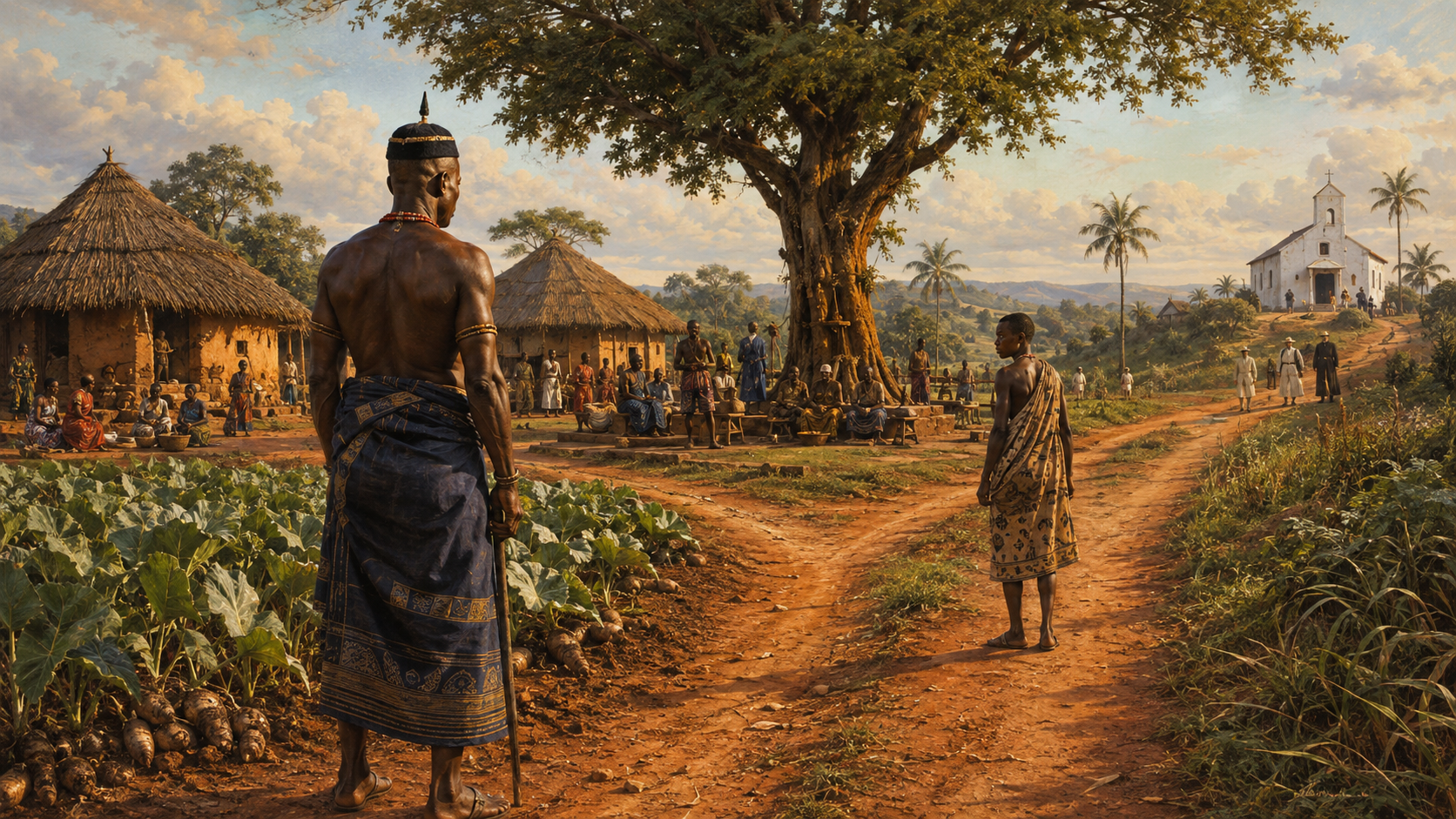
The novel is also a response to how African cultures were often shown in European writing. Achebe gives Igbo life depth, order, beauty, and conflict. That makes the book both a story and a correction.

If you need a broader method for finding theme in any text, this guide on how to identify theme in literature can help.

Major themes in Things Fall Apart: tradition and change

One central theme is the struggle between a stable culture and rapid change.

Umuofia has customs that shape daily life. Marriage, farming, titles, festivals, justice, and religion all follow shared rules. These systems give people a sense of order.

Yet Achebe does not present tradition as perfect. Some customs protect the group, while others cause pain. The killing of Ikemefuna is one clear example. The community treats the act as tradition, but the emotional cost is severe.

Among the themes in Things Fall Apart, tradition and change may be the easiest to track. Watch how characters react when missionaries arrive. Some resist them, while others see them as a path toward dignity or safety.

This conflict is not simple. Achebe shows that change can bring both harm and hope, depending on who controls it.

Core themes in Things Fall Apart about masculinity and pride

Okonkwo’s idea of manhood shapes many of his choices.

Okonkwo fears weakness because he links it to his father, Unoka. To avoid being like him, Okonkwo becomes harsh, violent, and proud. He believes a man must show strength at all times.

Of all the themes in Things Fall Apart, masculinity is one of the most personal. Okonkwo’s strength helps him rise in Umuofia, but his fear of shame traps him.

He beats his wives, rejects tenderness, and takes part in Ikemefuna’s death because he does not want others to see him as weak. His public image matters more to him than his private conscience.

This theme connects well to Shakespeare’s Macbeth. Macbeth also lets pride and a narrow idea of courage push him toward ruin. Both men confuse power with wisdom.

Fate, personal choice, and tragic downfall

The novel asks whether Okonkwo falls because of destiny, society, or his own flaws.

Okonkwo is not unlucky in a simple way. He makes choices. Still, his world also places heavy pressure on him. His culture values titles, honor, courage, and public respect.

His exile after the accidental killing of Ezeudu’s son shows how quickly status can break. Even though the act is not planned, the punishment changes his life.

This gives the novel a tragic shape. Like many tragic heroes, Okonkwo has real greatness and a deep flaw. His flaw is not strength itself, but the fear that makes his strength rigid.

Students can write about this as a conflict between **free will and social pressure**. Okonkwo acts, but he acts inside a world with strict codes.

Family, community, and belonging

Achebe shows that identity comes from family ties and public life.

In Umuofia, the individual is never just an individual. A person belongs to a household, a clan, a lineage, and a set of shared beliefs.

Family life in the novel can be warm, but it can also be tense. Okonkwo loves some of his children, especially Ezinma, yet he struggles to show care. His fear of softness damages his home.

Nwoye’s story is key. He feels hurt by parts of Igbo custom and by his father’s harshness. When the missionaries arrive, he finds a new form of belonging.

This makes family one of the quieter themes in Things Fall Apart. The break between Okonkwo and Nwoye mirrors the larger break in the clan.

Religion, colonial power, and cultural conflict

The arrival of Christianity changes the balance of life in Umuofia.

The missionaries do not enter an empty world. Umuofia already has gods, priests, rituals, and moral laws. Achebe makes this clear so readers do not mistake Igbo religion for chaos.

At first, the new faith attracts people who feel pushed aside. This includes outcasts and those hurt by certain customs. Christianity gives them a new place in the world.

But religion soon joins with political power. The church leads to courts, prisons, messengers, and colonial control. What begins as belief becomes part of a system that weakens the clan.

This is one of the themes in Things Fall Apart that students should handle with care. Achebe does not suggest that one side is simple good and the other simple evil. He shows how belief can comfort people, but power can also use belief as a tool.

For reliable background on Achebe’s life and work, see Britannica’s biography of Chinua Achebe.

Language, storytelling, and historical voice

Achebe uses style to honor Igbo thought and speech.

The novel includes proverbs, folktales, speeches, and oral traditions. These moments show that Umuofia has its own art, logic, and wisdom.

A famous line in the novel says, **proverbs are the palm-oil with which words are eaten**. This means language has social value. It helps people argue, teach, praise, and remember.

The title also matters. It comes from W. B. Yeats’s poem The Second Coming, which you can read at the Poetry Foundation. Achebe uses that title to suggest a world where old centers no longer hold.

Language becomes one of the deepest themes in Things Fall Apart because the story itself challenges colonial speech about Africa. Achebe tells the story from within, not from the outside.

How the themes in Things Fall Apart build tragedy

The novel’s themes work together to create its tragic ending.

The themes in Things Fall Apart do not sit apart from the plot. They push the story forward. Okonkwo’s pride, the clan’s customs, and colonial force all shape the final act.

By the end, Okonkwo sees his world change in ways he cannot control. He wants his clan to fight, but many people no longer share his view. His final act shows both despair and rebellion.

The last scene is bitter because the District Commissioner reduces Okonkwo’s whole life to a small detail for a book. Achebe makes readers feel the damage caused when powerful people control the story of others.

If you want a simple way to track quotes, conflicts, and theme statements as you read, try our student theme study organizer.

Books to pair with Things Fall Apart

These books can deepen your understanding of Achebe’s world and literary purpose.

  • Things Fall Apart by Chinua Achebe
  • Arrow of God by Chinua Achebe
  • The Palm-Wine Drinkard by Amos Tutuola

You can search these titles at your library, school bookstore, or any major bookseller. No special edition is required for most class work.

FAQ about themes in Things Fall Apart

These quick answers can help with review or essay planning.

What are the biggest themes in Things Fall Apart?

The biggest themes in Things Fall Apart include tradition versus change, masculinity, family, religion, colonial power, and tragic downfall.

What is the main message of Things Fall Apart?

One main message is that cultures are complex and fragile. Achebe shows how personal flaws and outside power can break both a person and a community.

How does Okonkwo represent the theme of masculinity?

Okonkwo believes manhood means force, status, and emotional control. This belief helps him gain respect, but it also leads to cruelty and isolation.

Why is religion important in the novel?

Religion shapes law, family life, and identity in Umuofia. The arrival of Christianity creates both comfort for some people and conflict for the clan.

How can I write a thesis about the novel’s themes?

Pick one theme and explain how Achebe develops it through character choices, cultural conflict, and the ending. A strong thesis should make a clear claim, not just name a topic.

Key Takeaway

The themes in Things Fall Apart show how a society can fracture when private fear, public duty, and outside power collide. Achebe’s novel matters because it makes readers see both the strength and the pain inside that collapse.

Symbols in Cry, the Beloved Country: What They Mean and Why They Matter

Cry the Beloved Country Symbols

Alan Paton’s novel uses places and repeated images to make its ideas easier to feel. This guide explains the symbols in Cry, the Beloved Country and shows how each one connects to fear, faith, justice, and hope.

In this Guide

  • Why symbolism matters in the novel
  • A quick map of major symbols
  • The land as a symbol
  • Johannesburg and fear
  • Darkness and light
  • Absalom and the lost child
  • The church, prayer, and humble faith
  • The cry of the country
  • How to write about the symbols
  • FAQ
Cry the Beloved Country Symbols

Why Symbols in Cry, the Beloved Country Matter

Paton uses symbols to turn a national crisis into a human story.

A symbol is a person, place, object, or image that means more than itself. In this novel, the land is not just land. It shows the health of a whole society.

The symbols in Cry, the Beloved Country help us see how private pain connects to public injustice. Kumalo’s grief is personal, but it also points to a country harmed by fear and division.

A useful comparison is the green light in The Great Gatsby. It is a real light, but it also stands for Gatsby’s dream. Paton works in a similar way, but his symbols often carry a moral and spiritual weight.

If symbolism feels hard to spot, review this guide on how to find symbolism in a story.

Major Symbols in Cry, the Beloved Country: Quick Map

These are the main symbols students should know before an essay or class talk.

Most symbols in Cry, the Beloved Country grow out of real details in the plot. Paton does not hide meaning in random objects. He builds it through setting, names, repeated images, and contrast.

SymbolWhat It Means
The landThe moral and social health of South Africa
JohannesburgFear, disconnection, and loss of roots
Darkness and lightDespair and the hope of moral change
AbsalomA lost child and a broken bond between father and son
The church and prayerFaith under pressure
The cry of the countryGrief, warning, and a call for renewal

The Land: Damage, Healing, and Moral Health

The land is one of the clearest symbols in the novel.

The valley of Ndotsheni is dry, worn down, and poor. Its soil cannot support the people who live there. This damaged land reflects a damaged society.

Paton shows that the land has been hurt by unfair systems. Black families are pushed into places with fewer chances and fewer resources. The weak land becomes a sign of deeper injustice.

When plans begin to restore the valley, the symbol shifts. The land starts to point toward repair. It does not mean all problems are solved, but it gives the novel a small hope.

This symbol connects to the theme of **restoration**. Paton suggests that healing a country must include both the land and the people who depend on it.

Johannesburg: A Symbol of Fear and Broken Connections

The city stands for the force that pulls families apart.

Johannesburg is where Kumalo searches for his sister Gertrude and his son Absalom. It is full of noise, danger, and confusion. People go there for work or survival, but many lose their way.

The city is not shown as evil in a simple way. It becomes frightening because social order has broken down. Families are separated, trust is weak, and poor people face harsh choices.

Absalom’s path in the city shows this clearly. He is not born bad. He becomes lost in a place where guidance has failed and fear has power.

This symbol connects to the theme of **social breakdown**. Paton wants readers to ask why young people become trapped, not just what they do after they are trapped.

Darkness and Light in the Novel

Paton uses darkness and light to show moral danger and spiritual hope.

Darkness often appears around fear, grief, and uncertainty. Kumalo does not know what he will find in Johannesburg. His search feels like a walk through a world where truth is hard to see.

Light appears when people show mercy or face the truth. Msimangu’s kindness gives Kumalo strength. James Jarvis also moves toward a kind of light when he learns more about his son’s work and begins to change.

This pattern is common in literature. In To Kill a Mockingbird, the mockingbird image points to innocence. In Paton’s novel, light points to conscience, not easy happiness.

The theme here is **moral vision**. Paton suggests that people cannot heal what they refuse to see.

Absalom: The Lost Child

Absalom is both a character and a symbol of a broken generation.

His name matters. In the Bible, Absalom is a son whose story ends in sorrow and conflict with his father. Paton uses that background to deepen Kumalo’s pain.

Absalom Kumalo represents young people cut off from stable homes, clear guidance, and safe work. His crime is his own, but the novel asks us to notice the world that shaped him.

The unborn child also matters. That child stands for a future that is still possible. It is fragile, but it is not erased.

This symbol connects to the theme of **lost family bonds**. Paton shows that national injustice often enters the home first.

The Church, Prayer, and Humble Faith

Faith in the novel is not a quick answer, but it gives people courage.

Kumalo is a priest, yet he still feels fear, anger, and shame. That makes his faith feel human. Prayer does not remove his pain, but it helps him keep moving.

Msimangu also links faith with action. He speaks with moral force, but he also helps Kumalo in practical ways. In the novel, real faith must care about real suffering.

The church becomes a symbol of **moral responsibility**. It asks people to face the truth, even when the truth hurts.

For helpful background on the author and his public role, see Britannica’s overview of Alan Paton.

The Cry as a Symbol of Grief and Hope

The title itself is symbolic.

The word cry has more than one meaning. It is a sound of pain, but it can also be a call for help. Paton’s title turns South Africa into a beloved place that is wounded and in need of care.

This cry belongs to many people. Kumalo cries for his son. Jarvis grieves for Arthur. The country itself seems to cry because its people live divided from one another.

Yet the word beloved matters too. Paton does not write as if the country is worthless. He writes as if it is worth saving.

This symbol connects to the theme of **hope through honest grief**. The novel says that love for a place must include the courage to see its wounds.

How to Write About Symbols in Cry, the Beloved Country

A strong symbolism paragraph should connect the image to a theme, not just name it.

When you write about symbols in Cry, the Beloved Country, use a simple pattern. Name the symbol, explain where it appears, then show what larger idea it supports.

For example, do not only say that the land symbolizes South Africa. Say that the damaged land of Ndotsheni symbolizes a society harmed by injustice, and that later efforts to restore it suggest a hope for repair.

You can also compare Paton’s symbols to symbols in other books you know. A well-known symbol, like the green light in The Great Gatsby, can help you explain how one image can carry a full theme.

For more support, use this simple symbolism method. If you want a place to collect evidence, try our one-page symbolism study sheet.

These books pair well with Paton’s novel for essays, discussion, or independent study.

  • Things Fall Apart by Chinua Achebe
  • Long Walk to Freedom by Nelson Mandela
  • A Dry White Season by André Brink

FAQ About Symbols in Cry, the Beloved Country

Here are quick answers to common student questions.

What are the main symbols in Cry, the Beloved Country?

The main symbols in Cry, the Beloved Country include the land, Johannesburg, darkness and light, Absalom, prayer, and the cry in the title.

What does the land symbolize?

The land symbolizes the condition of South Africa. Damaged land shows social harm, while efforts to heal the land suggest renewal.

Why is Johannesburg symbolic?

Johannesburg symbolizes fear and broken connections. It draws people away from home and shows how injustice can weaken family life.

What does Absalom symbolize?

Absalom symbolizes a lost child and a damaged bond between generations. His story shows how private tragedy can reflect public failure.

Is the title a symbol?

Yes. The cry in the title symbolizes grief, warning, and love for a country that still might be healed.

Key Takeaway

The symbols in Cry, the Beloved Country matter because they make the novel’s themes visible.

Paton uses land, light, family, and faith to show a country in pain. The symbols help readers see that healing requires truth, mercy, and real change.

Themes in Cry, the Beloved Country: A Student-Friendly Guide

Cry Beloved Country Themes

The themes in Cry, the Beloved Country help students see why Alan Paton’s novel still matters. This guide explains the book’s big ideas in clear language, with examples you can use for class notes or essays.

In this Guide

Use this roadmap to find the main ideas fast.

  • Why the novel’s themes matter
  • Land and broken community
  • Fear and injustice
  • Family and loss
  • Faith and moral action
  • How to write about the themes
  • FAQ
Cry Beloved Country Themes

Why themes in Cry, the Beloved Country Matter

The novel is set in South Africa during a time of deep racial division. Paton shows a country in pain through the story of Stephen Kumalo, a rural priest who travels to Johannesburg to find his son.

When students search for themes in Cry, the Beloved Country, they often expect one simple message. The novel is more complex. It shows how private grief connects to public injustice.

Theme means more than a topic. A topic might be fear, but a theme explains what the novel says about fear.

Major themes in Cry, the Beloved Country

Paton’s themes focus on how people live when a society has been damaged by injustice.

One major theme is the damage caused by racial inequality. Black South Africans face poverty, weak schools, unsafe labor, and unfair laws. These problems do not stay in the background. They shape the choices people can make.

Another major idea is moral responsibility. Paton asks whether people can help heal a broken country, even when the damage feels too large.

These themes in Cry, the Beloved Country work together. The novel does not only ask, Who did wrong? It also asks, What kind of society makes wrong more likely?

Themes in Cry, the Beloved Country: Land and Broken Community

The land in the novel reflects the state of the people who live on it.

Ndotsheni, Kumalo’s village, is dry and poor. The soil is weak, and young people leave for the city. This setting shows a deeper problem: rural communities have been drained of hope.

This is one of the most important themes in Cry, the Beloved Country because the land is not just scenery. It becomes a symbol of social collapse.

You can compare this idea to The Grapes of Wrath by John Steinbeck. In that novel, damaged land also pushes families away from home. In both books, the land shows human suffering.

Fear and Injustice among themes in Cry, the Beloved Country

Fear spreads through the novel like a sickness.

White characters fear crime and change. Black characters fear poverty, police, and the loss of family. Paton shows fear as a force that divides people who already live apart.

Arthur Jarvis tries to fight injustice through his writing and public work. His death is tragic because he is one of the people who wants real change.

This theme can remind students of To Kill a Mockingbird by Harper Lee. Both novels show how fear and prejudice can twist justice.

Family, Lost Sons, and Broken Bonds

The search for family gives the novel its emotional power.

Kumalo travels to Johannesburg to find his sister, brother, and son. What he finds is painful. His family has changed, and his son Absalom has become part of a tragedy he cannot undo.

James Jarvis also loses a son. At first, he knows little about Arthur’s beliefs. After Arthur’s death, Jarvis begins to understand the moral work his son cared about.

The two fathers suffer in different ways. Their grief creates one of the novel’s strongest connections.

Faith, Forgiveness, and Moral Action

Faith in the novel is not easy or simple.

Kumalo is a priest, but he still feels fear, anger, and doubt. Paton does not present faith as a magic cure. He shows it as a hard path that asks people to keep choosing mercy.

Forgiveness matters because the novel is full of wounds. Yet Paton does not say that forgiveness erases injustice. Instead, forgiveness opens a door to action.

Jarvis helps Ndotsheni after his son’s death. His aid does not fix the whole country, but it shows that one person can choose repair over hatred.

How to Write About the themes in Cry, the Beloved Country

Strong essays connect theme to character, setting, and conflict.

Do not write, The theme is racism, and stop there. A better claim would say that Paton shows racial injustice as a force that breaks families and weakens whole communities.

Use short quotes and explain them closely. Look at what the quote shows about power, fear, or moral choice.

If you need help shaping a thesis, use this guide on how to write a literary analysis essay. It can help you turn theme notes into a clear argument.

From Idea to Novel Blueprint

Historical Context That Shapes the Novel

The novel was published in 1948, the same year apartheid became official policy in South Africa.

Paton wrote about racial injustice before many global readers understood its full reach. That context helps explain the novel’s urgent tone.

For more background on the author, visit Britannica’s overview of Alan Paton.

Books to Search on Amazon or at Your Library

These books pair well with this novel for theme study.

  • Cry, the Beloved Country by Alan Paton
  • Things Fall Apart by Chinua Achebe
  • The Grapes of Wrath by John Steinbeck

FAQ: themes in Cry, the Beloved Country

These quick answers can help before a quiz or essay.

What are the main themes in Cry, the Beloved Country?

The main themes in Cry, the Beloved Country include racial injustice, fear, broken family bonds, faith, and the need for moral action.

What does the land symbolize in the novel?

The land shows the health of the community. Dry soil and damaged farms reflect poverty, neglect, and social breakdown.

Why is fear so important in the story?

Fear keeps people apart. It leads to suspicion, harsh choices, and more suffering.

Is the novel hopeful or sad?

It is both. The story is full of grief, but it also shows small acts of repair that point toward hope.

Key Takeaway

The themes in Cry, the Beloved Country show that personal pain and social injustice are deeply linked. Paton’s novel asks readers to face suffering honestly, then choose compassion and repair.

error

Enjoy this article? Please spread the word :)

Follow by Email
BLUESKY
fb-share-icon
Reddit
LinkedIn
Share
RSS