

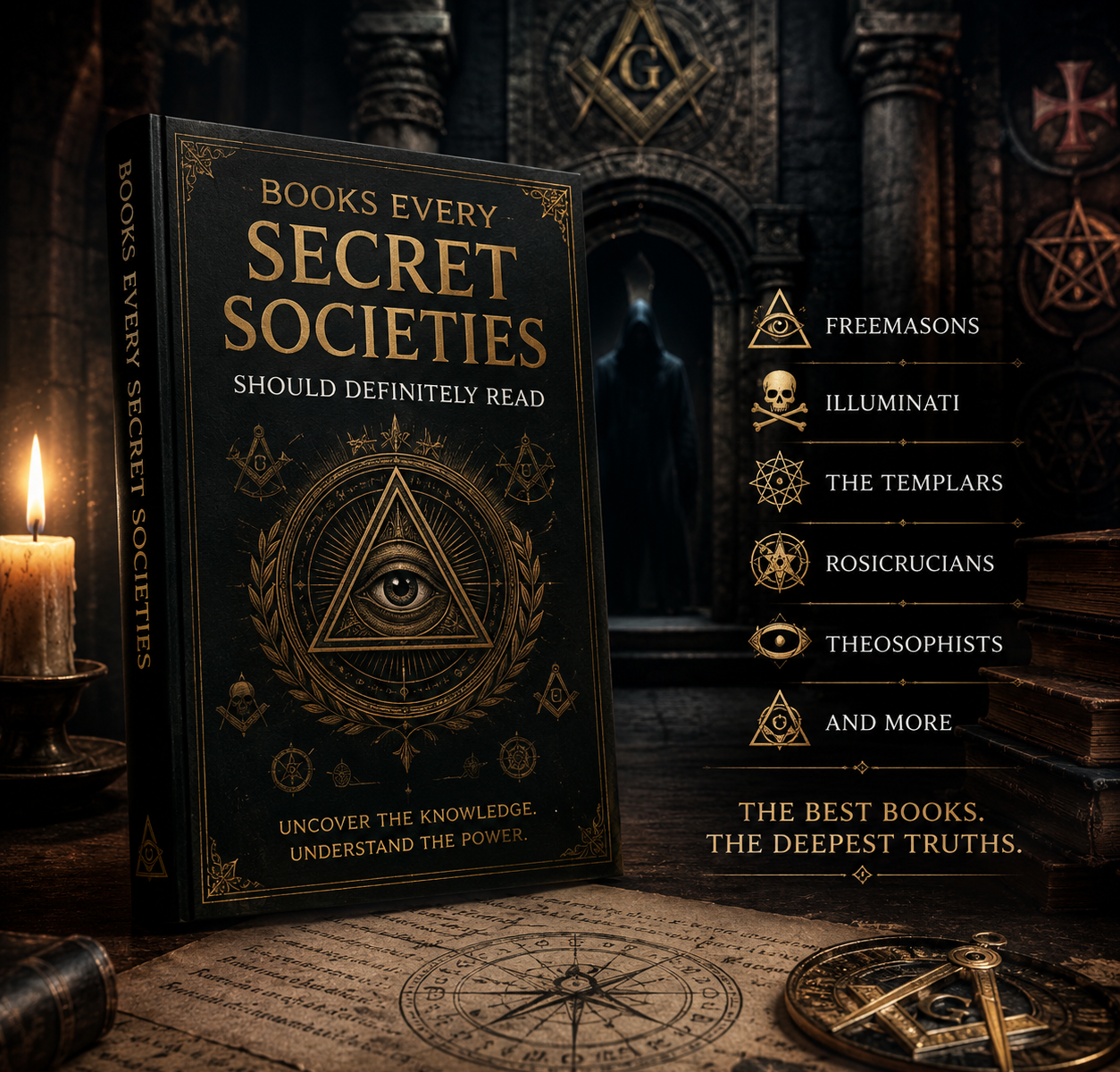
The books that every secret societies fan should read often deal with power, silence, fear, and loyalty. These stories pull readers into hidden rooms, coded rules, and groups that seem exciting at first but often turn dark.
Secret society stories are popular because they mix mystery with big questions about identity and control. They also help students think about how people act when they feel chosen or trapped.
In this Guide
- Why secret societies matter in literature
- Books Every Secret Societies reader should know
- Classic examples and modern favorites
- Symbols and themes in secret society stories
- How to read these books with purpose
- FAQs
- Key takeaway

Why Books Every Secret Societies Stories Matter
Hidden groups in fiction often reveal what public life tries to hide.
Secret societies in literature are not just about masks and passwords. They show how people use secrecy to gain power or protect themselves.
In many stories, the group promises belonging. A lonely student, outsider, or curious hero may feel special when chosen. But that feeling can lead to danger when loyalty matters more than truth.
This is why Books Every Secret Societies stories often work well in school discussions. They connect to real themes like peer pressure, class, ambition, and moral choice.
For background on the real history of secret groups, Britannica has a helpful overview of secret societies.
Books Every Secret Societies Reader Should Know
These books use hidden groups to create mystery, tension, and deep moral conflict.
The Secret History by Donna Tartt is one of the most famous campus novels about a closed circle of students. The group studies ancient Greek ideas, but their search for beauty turns into guilt and violence.
This novel is a strong choice for older high school and college readers. It asks how smart people can excuse terrible actions when they think they are above normal rules.
Ninth House by Leigh Bardugo brings secret societies into a dark fantasy version of Yale. The book looks at wealth, privilege, and the cost of power.
It also shows how hidden systems can protect the powerful. That makes it a useful book for readers who want mystery with social meaning.
Foucault’s Pendulum by Umberto Eco is a harder read, but it is important for the genre. It explores codes, fake history, and the danger of believing too much in hidden patterns.
These Books Every Secret Societies titles show that secrecy can be thrilling, but it can also twist how people see the world.
Classic and Modern Examples of Books Every Secret Societies Fans Enjoy
Secret society themes appear in many kinds of literature, from gothic tales to campus novels.
In Frankenstein by Mary Shelley, there is no formal secret society, but the novel still shares the same fears. Victor hides his work, breaks moral limits, and refuses to face what he has made.
That secret knowledge becomes a curse. Like many Books Every Secret Societies stories, the novel warns that hidden ambition can destroy both the self and others.
In Jane Eyre by Charlotte Brontë, secrets shape the plot and control who has power. The hidden truth at Thornfield Hall shows how secrecy can trap women and protect men with status.
Modern campus novels often use clubs, houses, and elite groups to ask similar questions. Who gets invited? Who stays outside? What price does someone pay to belong?
That pattern is one reason Books Every Secret Societies stories feel so modern, even when the books are old.
Symbols and Themes in Secret Societies Stories
Secret society books often use simple objects that carry heavy meaning.
Masks often stand for false identity. A character may hide fear, guilt, or desire behind a public face.
Keys often suggest access. A key may open a room, but it can also open a truth the character is not ready to face.
Closed doors show exclusion. They remind readers that some people are kept out of power while others meet in private.
Common themes include loyalty, guilt, ambition, and control. These themes matter because secret societies are rarely just clubs. They are systems with rules, rewards, and punishments.
Books Every Secret Societies fans enjoy often ask one main question: What would you do to feel chosen?
Recommended Books for Secret Society Readers
These titles are strong picks if you want stories with hidden groups and moral tension.
- The Secret History by Donna Tartt
- Ninth House by Leigh Bardugo
- Foucault’s Pendulum by Umberto Eco
If you read for class, keep track of repeated symbols and turning points. This guide on how to take notes while reading a novel can help you spot patterns without slowing down too much.
How to Read Secret Societies Stories with Purpose
Pay attention to who controls information.
In these books, knowledge is rarely neutral. A secret can protect someone, but it can also harm people who do not know the truth.
Notice how characters change after they join the group. Do they become braver, colder, or more afraid? Their behavior often shows the real cost of belonging.
Also watch the setting. Old libraries, private schools, locked rooms, and night scenes often create a mood of danger.
Books Every Secret Societies stories reward close reading because small details often return later with new meaning.
Why Students Connect with Secret Society Literature
These stories turn school, friendship, and ambition into high-stakes drama.
Students often understand the pressure to fit in. Secret society fiction takes that pressure and makes it larger.
The chosen group may seem exciting at first. But the story usually asks whether status is worth the loss of freedom.
That is why Books Every Secret Societies novels work well for AP Literature and college essays. They give readers clear conflicts and rich symbols to analyze.
For more context on gothic and mystery traditions, Britannica’s page on the Gothic novel is a useful starting point.
FAQs About Books Secret Societies
What are Books Every Secret Societies stories usually about?
They are usually about hidden groups, private rules, and the danger of secret power. Many focus on loyalty, guilt, and ambition.
What is the best secret society novel to start with?
The Secret History by Donna Tartt is a strong starting point for older readers. It is popular, literary, and full of themes students can analyze.
Are secret society books good for school essays?
Yes. They often include clear symbols, complex characters, and strong moral questions.
Why do secret society stories often take place at schools?
Schools already have social groups, pressure, and competition. That setting makes secrecy feel more intense.
Do all secret society books include crime or violence?
No. Some focus more on mystery, class, or identity. But many use crime to show how secrecy can grow out of control.
Key Takeaway
Books Every Secret Societies fan should read are not only about hidden clubs. They are about power, belonging, and the choices people make when no one outside the group is watching.
These stories stay popular because they make readers ask a sharp question: If a secret gave you power, would you keep it?


Get the Free Close Reading Worksheet Pack
Join my email list and receive the printable worksheet pack you can use with any novel or poem.
No spam. Just helpful guides for reading literature well.












