Flash Memoir Prompt: Moment when You Protected a Family Member without Them Knowing

Flash Memoir Prompt family member

Maybe you remember the small panic of hearing footsteps in the hall, seeing a bill on the table, or noticing a conversation about to turn cruel. This flash memoir prompt about a moment you protected a family member without them knowing asks you to return to one quiet act of care, the kind that may have gone unseen but still shaped you.
Flash Memoir Prompt family member

The Prompt

Write about a moment when you protected a family member without them knowing.

This prompt can open a memory that does not look dramatic from the outside. Maybe you hid a worry from a younger sibling. Maybe you covered for a parent who was tired, distracted, or hurting. Maybe you stepped between someone you loved and a truth they were not ready to face.

A flash memoir prompt about a moment protected family member without them knowing works best when you keep it small. You do not need to explain your whole family history. One scene is enough. One hallway, one kitchen table, one car ride, one phone call you did not pass along.

Why This Memory Matters

Protection often happens quietly in families. It may look like changing the subject at dinner. It may look like taking the blame. It may look like staying awake so someone else can sleep.

These moments matter because they show who you were becoming. Maybe you were too young to carry what you carried. Maybe you felt proud. Maybe you felt invisible. Maybe you still wonder if you did the right thing.

This kind of memory can reveal a lot about love. It can also reveal the cost of love when a child, sibling, spouse, or adult child decides to shield someone else. The story may contain tenderness, anger, loyalty, fear, or all of those at once.

When you write it, try not to judge your past self too quickly. Memoir is not a courtroom. It is closer to a lamp held over one part of the room. You are trying to see what was there.

If you want to understand the people in the memory with more care, it can help to think like a reader studying a character. This guide on how to analyze characters in literature offers a useful way to notice choices, motives, and emotional pressure without turning real people into simple heroes or villains.

The Flash Memoirist
previous arrow
next arrow

How to Approach This Prompt

Begin with a physical detail. Choose something you can still almost feel or see. The edge of a folded note. The heat from the stove. Your brother’s backpack by the door. Your mother’s keys in the bowl. A cousin’s name lighting up on a phone screen.

Then place yourself in one scene. Do not start with “My family has always been complicated.” Start closer to the moment. Try, “I was standing by the sink when I heard my aunt say his name,” or “The envelope was already open when I found it.”

Once you enter the scene, focus on what you noticed before you explain what it meant. What did the room smell like? Who else was there? What did your body do before your mind caught up? Did your hands shake? Did you speak too fast? Did you stay too still?

For this flash memoir prompt, moment protected family member without full explanation is often the strongest path. Let the action speak first. Maybe you deleted a message. Maybe you lied about where someone was. Maybe you smiled and said everything was fine.

After the scene is on the page, add a few lines of reflection. Reflection does not have to solve the memory. It can simply admit what you believe now. You might write, “At the time, I thought I was being brave. Now I think I was scared no one else would step in.”

If you like marking up memories before writing them, you can borrow a simple reading habit. Underline the sensory details, circle the turning point, and make a note beside the moment your feelings changed. This article on how to annotate literature can give you a helpful method for noticing what matters on the page.

A Quick Example

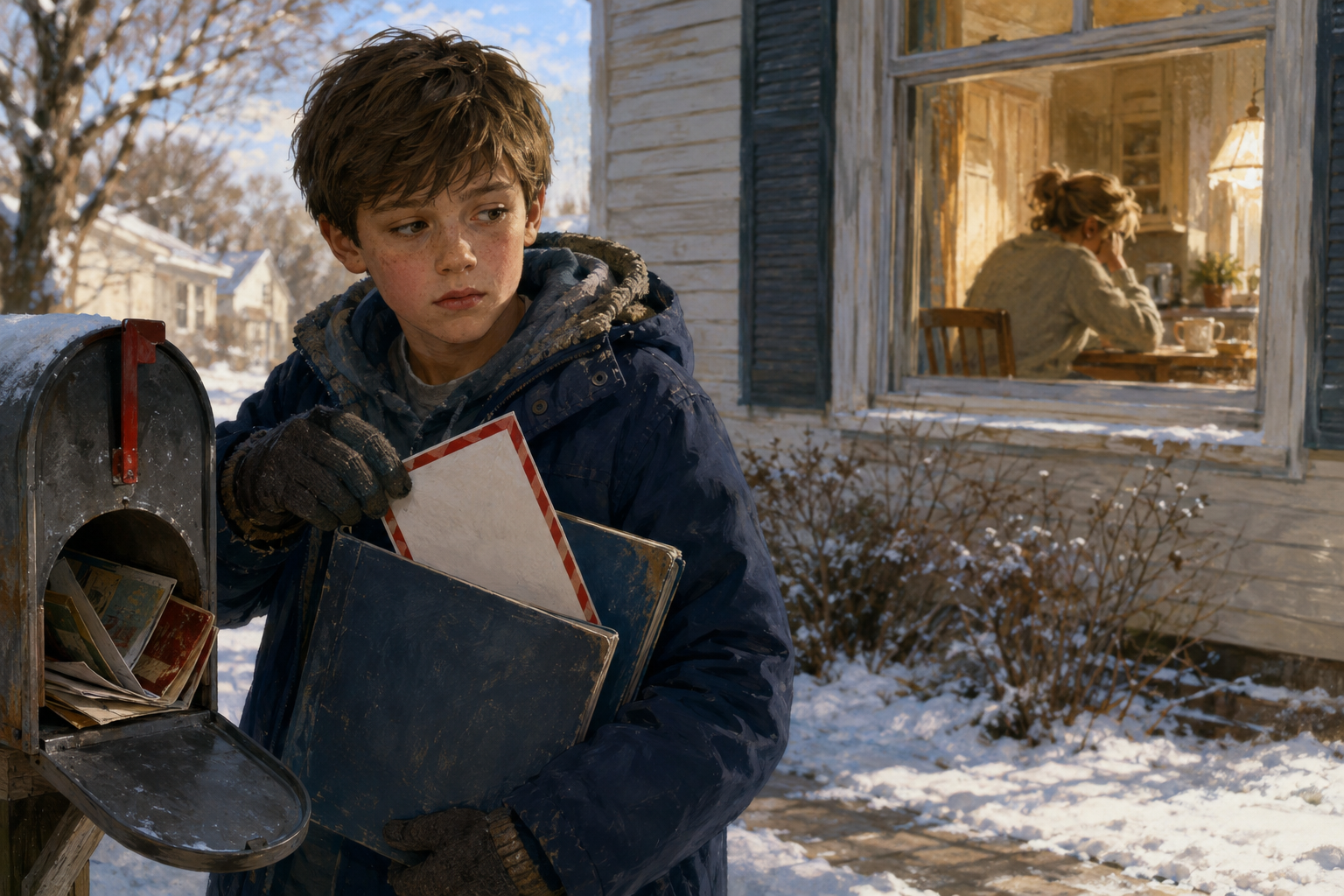
I was twelve when I started checking the mailbox before my dad came home. The metal door made a sharp little squeal, so I learned to open it slowly. That winter, the envelopes came with red print across the front. I did not know what all the words meant, but I knew they made my mother sit at the kitchen table with her hand over her mouth. One afternoon, I found another one and slid it into my math folder. At dinner, Dad asked if the mail had come. I said only grocery coupons. My mother looked up at me, tired and blank, and then looked away. She never knew I had hidden it. Or maybe she did. That possibility has followed me longer than the lie.

Try It Yourself

Set a timer for ten minutes and write the scene as plainly as you can. Do not worry about making yourself look noble. Quiet protection can come from love, fear, habit, or confusion.

Start with the moment you knew you were going to step in. What did you see? What did you decide? What did you keep from the other person? Stay with the scene until you reach the action, then pause and write one honest sentence about how it feels to remember it now.

If the memory feels heavy, write gently. You can change names. You can leave out details that still feel too raw. The goal is not to expose your family. The goal is to understand one hidden act of care and what it asked of you.

Want More Flash Memoir Prompts?

If this flash memoir prompt about a moment you protected a family member without them knowing opened a memory you did not expect, keep going. Explore all 365 prompts in The Memory Trigger: 365 Flash Memoir Writing Prompts.
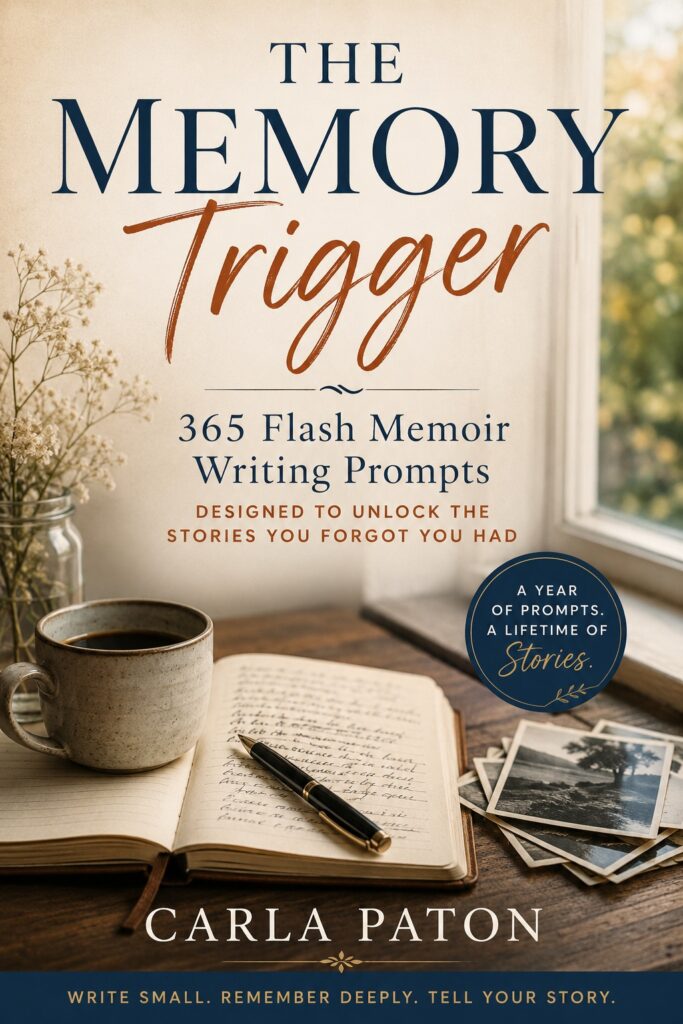

The Memory Trigger

Flash Memoir Prompt: Version of Your Family that Existed Only in Public

memoir prompt Family

A warm, specific flash memoir prompt version family existed only public can help you explore the smile your family wore for neighbors, teachers, church friends, store clerks, or relatives, and what you noticed from inside that performance.

Maybe you remember standing in a grocery store while your parent laughed too loudly at a joke from someone they barely knew. Maybe everyone was dressed well for a school event, hair combed, shirts tucked, voices polite. Then you got in the car, and the air changed before anyone even closed the door.

Public families can look smooth from the outside. They can wave, pose, host, greet, and behave. But children often sense the gap between what is shown and what is true. That gap can hold a powerful memoir scene.

memoir prompt Family

The Prompt

Write about the version of your family that existed only in public.

This flash memoir prompt version family existed only public asks you to focus on one memory where your family seemed different in front of others. You do not need to judge that version right away. Start by noticing it.

What did people see? What did they miss? Or what rules appeared the moment someone outside the family was watching? A prompt like this can unlock a memory because it asks about contrast. Memoir often comes alive when the outside story and the inside story do not match.

Why This Memory Matters

Every family has some kind of public face. For some, it is harmless. A parent becomes extra cheerful with guests. Siblings stop fighting when a grandparent walks in. Everyone sits straighter at a restaurant.

For other families, the public version can feel confusing or even painful. You may have known, even as a child, that people admired something that did not feel true at home. They saw kindness, order, humor, or faith. You saw the silence afterward, the tension in the hallway, or the way no one spoke once the front door shut.

This kind of memory matters because it may show you when you first learned to read people. You may have learned tone, timing, and body language before you had words for them. You may have learned how to act like everything was fine.

That does not mean the public version was fake in every way. Memoir does not have to flatten people into heroes or villains. A parent who performed happiness may also have wanted safety. A family that looked perfect may have been trying to survive embarrassment, money stress, grief, or fear.

If you enjoy thinking about how people act differently depending on the setting, you may also like this guide on how to analyze characters in literature. The same close attention you use with fictional characters can help you notice the people in your own memories with more care.

The Flash Memoirist
previous arrow
next arrow

How to Approach This Prompt

Begin with one physical detail. Do not start with the whole history of your family. Start with the polished shoes, the matching holiday outfits, the casserole dish covered in foil, the forced smile, the hand on your shoulder that felt a little too firm.

Choose one scene where the public version appeared. A school open house. A wedding. A store aisle. A church lobby. A Little League game. A family photo session. The smaller the scene, the easier it will be to write with honesty.

Write what you noticed before you explain what it meant. For example, instead of starting with “My family pretended to be perfect,” begin with what happened in the room. Who spoke first? Who laughed? Or who went quiet? What did your body do?

You might ask yourself:

  • Where were we, and who was watching?
  • How did my family act differently than they did at home?
  • What did I understand then, and what do I understand now?
  • What small detail still feels bright in my memory?

Try to avoid telling the whole story at once. If the memory connects to years of family patterns, let one moment carry the weight. A single car ride home after a cheerful party can say more than a full summary of your childhood.

You can also treat the memory like a page you are marking up. Circle the strange details in your mind. Underline the line someone said too sweetly. If that approach helps, this post on how to annotate literature may give you a useful way to slow down and notice what matters.

A Quick Example

At my brother’s eighth-grade awards night, my father shook every teacher’s hand like he was running for office. He wore the blue tie my mother liked, and she kept touching his sleeve, smiling up at him as if they had been laughing together all evening. I stood beside the trophy case and watched them become a family other people recognized. My brother held his certificate against his chest. His grin looked real until we got to the parking lot. Then my father said, “Don’t get a big head,” and the certificate bent where my brother’s fingers tightened. No one spoke on the ride home. The blue tie rested loose against my father’s shirt, and my mother looked out the window like she had left herself back in the gym.

Try It Yourself

Set a timer for ten minutes and write one public scene. Keep your focus on what others could see and what you knew from the inside. Let the memory stay small.

If you feel stuck, write one sentence that begins with “In public, we were the kind of family that…” Then write the moment that proves it. Do not worry about making it neat. A flash memoir draft only needs one true image, one honest feeling, and enough detail to bring the scene back to life.

This flash memoir prompt version family existed only public may bring up humor, sadness, anger, tenderness, or a mix of all of those. Let the memory be complicated. Real families usually are.

Want More Flash Memoir Prompts?

Explore all 365 prompts in The Memory Trigger: 365 Flash Memoir Writing Prompts. Use one prompt a day, or return to the ones that make you pause for longer than expected.

The Memory Trigger

Flash Memoir Prompt: Family Secret You Were Told before You Were Ready to Hold It

flash memoir prompt family secret

A brief, steady writing invitation for exploring the moment a family secret was placed in your hands before you knew what to do with it.

Maybe you were standing in a kitchen while someone rinsed a coffee mug. Maybe you were in the back seat of a car, watching streetlights slide across the window. Or, maybe the secret arrived in a whisper, a warning, or a sentence that sounded casual until you felt your chest tighten.

Being told a family secret too young can change the room around you. One minute you are a child, a teenager, or simply someone who trusts the adults nearby. The next minute, you are holding information with weight. Today’s flash memoir prompt family secret told before ready is about that exact shift.

This is not a prompt about exposing anyone. It is about remembering what it felt like to know something before you had the language, maturity, or safety to understand it.

flash memoir prompt family secret

The Prompt

Write about a family secret you were told before you were ready to hold it.

This prompt can unlock a powerful memory because secrets often come with strange details. You may remember the wallpaper, the smell of dinner, the way someone lowered their voice, or how your own body reacted before your mind caught up.

A flash memoir does not need to explain the whole family history. In fact, it often works better when it stays close to one scene. The moment you were told may reveal more than a long summary ever could.

Why This Memory Matters

A family secret can make you feel older in an instant. It may teach you who was safe, who was complicated, and who carried pain behind ordinary habits.

This kind of memory matters because it often marks a change in how you saw your family. A parent may have become more human. A grandparent may have seemed less like a legend and more like a person with choices. A sibling, aunt, uncle, or cousin may have been pulled into a new light.

You do not have to decide who was right or wrong before you write. Start with what happened inside you. Did you feel proud to be trusted? Angry to be burdened? Confused because the secret explained something you had sensed for years?

When writing about this prompt, pay attention to tone. A secret told in a tired voice feels different from one told with drama or panic. If you want to think more about how emotional atmosphere works on the page, this guide to tone vs. mood in literature may help you shape the scene without overexplaining it.

The flash memoir prompt family secret told before ready asks you to notice the gap between information and readiness. That gap is where the memoir often lives.

The Flash Memoirist
previous arrow
next arrow

How to Approach This Prompt

Begin with one physical detail.

Choose something small and real: a spoon left in a cereal bowl, your aunt’s red nails, the hot vinyl seat of a car, the hum of a refrigerator. Let that detail bring you into the scene before you explain the secret.

Then narrow the memory to the exact moment of being told. Do not try to write the entire family story. You can mention the secret without tracing every cause and consequence. The goal is to show what it felt like to receive it.

You might begin with a sentence like: “She told me while folding towels.” Or: “I remember the screen door banging shut before he said it.” Simple openings leave room for truth.

Write what you noticed first. Maybe the person telling you would not meet your eyes. Maybe they smiled in a way that did not match the words. Or, maybe they said, “You’re old enough to know,” even though you did not feel old enough at all.

After that, let yourself write the emotional truth. You can say, “I did not understand why I felt guilty.” You can say, “I wanted to give the secret back.” Or, you can say, “For years, I thought knowing meant I had to protect everyone.”

If the memory involves people who are hard to understand, it may help to think of them as complex characters rather than simple villains or heroes. This student-friendly guide on how to analyze characters in literature can also help memoir writers notice motives, contradictions, and change.

Be kind to yourself as you write. You can leave names out. You can change identifying details. And you can stop before the memory becomes too much. A flash memoir prompt family secret told before ready should give you a doorway, not push you through it too fast.

A Quick Example

My mother told me in the laundry room, which made it worse somehow. The dryer was thumping with jeans, and the air smelled like warm cotton and bleach. She was matching socks when she said my grandfather had another family before ours. She said it like she was telling me we were out of milk. I remember looking at the basket between us, all those white towels folded into neat squares. I was thirteen. And I wanted to ask if Grandma knew, but my mother shook her head before I spoke. “Don’t bring it up,” she said. After that, every Sunday dinner felt staged. Grandpa passed the rolls. Grandma poured tea. I sat there with a secret in my mouth, afraid it would fall out if anyone made me laugh.

Try It Yourself

Set a timer for ten minutes and write the scene as you remember it. Start with the room, the light, or the object closest to your hands. Let the secret enter the scene when it entered your life.

Do not worry about making the writing polished. You can revise later. For now, focus on the moment your understanding changed.

If the memory feels too sharp, write around it. Describe the weather, the clothes, the sound of the person’s voice. Sometimes the safest way into a difficult memory is through the edges.

When you finish, underline one sentence that feels true. That sentence may become the heart of a longer piece, or it may be enough on its own.

Want More Flash Memoir Prompts?

If this prompt opened a memory you want to keep exploring, you may enjoy a full year of short, focused writing invitations. Explore all 365 prompts in The Memory Trigger: 365 Flash Memoir Writing Prompts.

The Memory Trigger

Flash Memoir Prompt: Topic Your Family Never Talked About

flash memoir prompt topic

A brief writing invitation to explore the topic your family never talked about through one focused memory, one sensory detail, and one honest feeling.

Maybe you learned the silence at the dinner table before you learned the story behind it. Someone mentioned a name, and the room tightened. A question was answered with, “Eat your food.” A drawer was shut too quickly. A photograph faced the wall.

This flash memoir prompt topic family never talked about is not asking you to solve the family mystery. It is asking you to notice the silence itself. What did it feel like to grow up near a subject everyone knew was there, but no one touched?

flash memoir prompt topic

The Prompt

Write about the topic your family never talked about.

This prompt can unlock a powerful memory because silence often has shape. It can live in a hallway, a kitchen, a car ride, or a holiday table. You may not know the full truth of what happened, and that is okay. In flash memoir, you do not need the complete explanation. You need one true moment.

Instead of writing an entire family history, choose one scene where the silence became visible. Maybe someone changed the subject. Maybe you saw an adult cry when they thought no one was watching. Maybe you asked a question and learned, from the answer you did not receive, that the topic was forbidden.

Why This Memory Matters

Families often teach rules without saying them out loud. Children learn what can be asked, what must be skipped, and which names carry a strange weight. Those quiet lessons can shape how we understand love, fear, loyalty, and privacy.

The topic your family never talked about might be serious, such as addiction, money trouble, illness, divorce, grief, or a relative who disappeared from family stories. It might also be something that seemed small at the time, like why nobody ever visited one side of the family, or why a certain room was always left untouched.

What matters is not the size of the secret. What matters is how the silence worked in your life. Did it make you curious? Careful? Angry? Protective? Did you become the kind of person who listens closely when people avoid a subject?

A flash memoir prompt topic family never talked about can also help you see how memory works. Sometimes what we remember best is not what someone said. It is the scrape of a chair, the clink of a spoon, or the way an adult looked toward the window instead of answering.

If you enjoy reading literature, this is similar to noticing subtext in a character’s behavior. The meaning may sit under the surface. If you want practice with that skill, try this guide on how to analyze characters in literature. Memoir often asks you to study real people with the same care, including your younger self.

The Flash Memoirist
previous arrow
next arrow

How to Approach This Prompt

Begin with a physical detail. Do not start by explaining the whole background. Start with the object, the sound, or the room. Maybe it was your mother’s hand pressed flat against an envelope. Maybe it was your uncle’s empty chair at Thanksgiving. Maybe it was the basement door that nobody opened.

Once you have the detail, narrow the memory to one scene. Stay inside that moment for a while. What did you see? What did you hear? What did your body understand before your mind had words for it?

Try writing the scene the way you experienced it then. If you were eight, let the memory feel eight years old. You can add adult understanding later, but do not rush to explain. The power of this prompt often comes from the gap between what you noticed and what you were told.

You might use a simple first sentence like, “The first time I understood we did not talk about him, I was standing in the kitchen.” That gives you a place, a person, and a boundary. From there, follow the moment slowly.

It may also help to mark the details that feel charged before you draft. Readers who annotate poems or short stories often circle repeated images or strange pauses. You can use the same habit with memory. This guide on how to annotate literature may help you notice which details carry emotion.

If the topic feels painful, give yourself permission to write around it. You do not have to name everything. You can write about the silence, the questions, or the family rule. A flash memoir prompt topic family never talked about should help you tell the truth at a size you can handle today.

A Quick Example

The box was on the top shelf of my grandmother’s closet, behind the towels that smelled like lavender soap. I found it while looking for a blanket during a sleepover. Inside were photographs of a man I recognized from my own face: same heavy eyebrows, same crooked smile. When I carried one to the kitchen, my grandmother took it from my hand before I could ask. “That’s old,” she said, though I had not asked if it was new. She slid the photo into her apron pocket and turned back to the sink. The water was running hard, but she was not washing anything. That was how I learned my father had a brother. Not from a story, but from the way she made the picture disappear.

Try It Yourself

Set a timer for ten minutes. Write about one moment when you felt the edge of a topic your family never talked about. Do not worry about making it neat. Do not try to decide who was right or wrong.

Stay with what you remember. Write the room. Write the object. Write the sentence someone used to end the conversation. If you do not know what the silence meant, you can say that. Uncertainty can be part of the truth.

When you finish, underline one line that feels alive. That line may be the real beginning of your flash memoir. You can return to it later and build the piece from there.

Want More Flash Memoir Prompts?

If this prompt opened a memory you did not expect, keep going gently. Short prompts can help you explore your story one scene at a time, without pressure to explain your entire life at once. Explore all 365 prompts in The Memory Trigger: 365 Flash Memoir Writing Prompts.

The Memory Trigger

Most Beautiful Small Town Secrets: What Literature Teaches Us About Hidden Places

Small Town Secrets

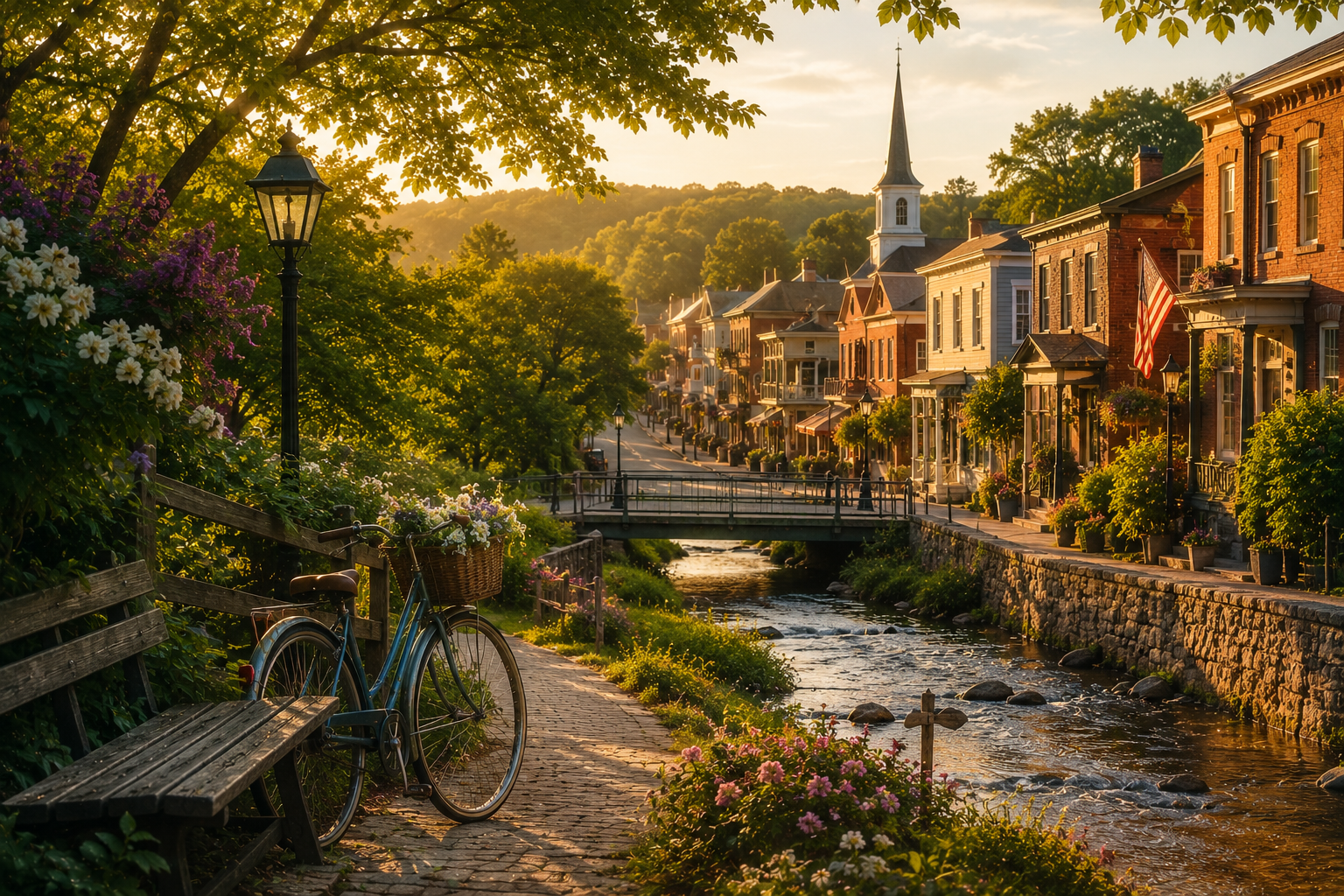
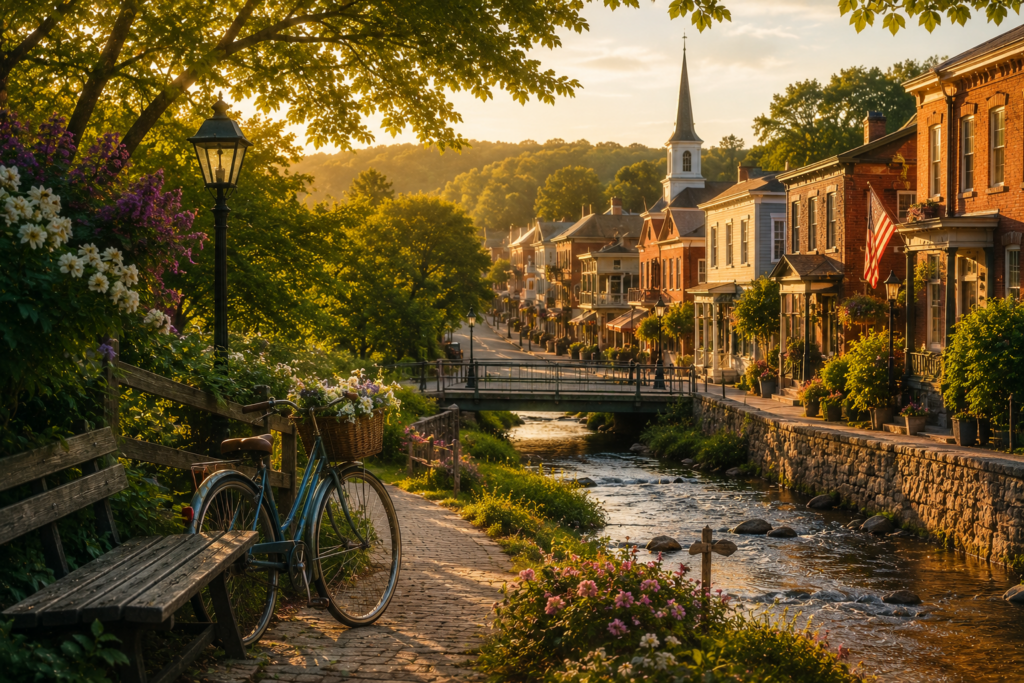
Most Beautiful Small Town Secrets are more than pretty streets, quiet porches, and local legends. In literature, they often reveal the private fears, hopes, and choices that shape a whole community.

Small towns can look peaceful from the outside, but stories show us what lives under the surface.

In this Guide

  • Why small town secrets matter in literature
  • Classic examples from famous books
  • Symbols and themes to watch for
  • Recommended books to read
  • FAQ for students and readers
Small Town Secrets

Why Most Beautiful Small Town Secrets Matter in Literature

Small towns make secrets feel personal because everyone seems to know everyone.

Writers use small towns to show how public life and private life can clash. A character may smile at church, wave at a neighbor, or sit in a classroom, yet hide pain that no one wants to see.

That is why Most Beautiful Small Town Secrets work so well in fiction. Beauty creates contrast. The town may look calm, but the story asks us to look closer.

This setting also helps students notice social pressure. In a small town, gossip can act like a law. Reputation can matter as much as truth.

Most Beautiful Small Town Secrets in Classic Literature

Many classic books use quiet towns to explore deep conflict.

In To Kill a Mockingbird by Harper Lee, Maycomb seems slow and familiar. Yet the town hides racism, fear, and moral courage. The beauty of childhood memories sits beside serious injustice.

In Winesburg, Ohio by Sherwood Anderson, the town is full of lonely people. Each person carries a private story. These Most Beautiful Small Town Secrets are not always shocking, but they are deeply human.

In Thornton Wilder’s Our Town, Grover’s Corners appears simple. The play shows daily life, family love, and the passing of time. Its secret is that ordinary life is more precious than people realize.

You can read more about Winesburg, Ohio through Britannica’s overview.

Symbols Behind Most Beautiful Small Town Secrets

Small town stories often use simple objects to carry deeper meaning.

A locked room may stand for shame. A garden may suggest hope. A main street may show the public face of the town, while a back road may reveal what people hide.

In Most Beautiful Small Town Secrets, houses often matter. A bright porch can seem warm, but it can also hide family tension. A broken fence can suggest a broken boundary between private life and public talk.

Weather also plays a strong role. Summer heat can build pressure. A storm can mark a moment when truth breaks through.

These symbols help readers see that setting is never just background. It can act like a mirror for the characters.

Key Themes in Most Beautiful Small Town Secrets

Small towns in literature often ask big moral questions.

One major theme is appearance versus reality. A town may seem safe, polite, or pure, but the plot reveals what people refuse to face.

Another theme is belonging. Characters may want to fit in, but the town’s rules can limit who they become. This is common in coming-of-age stories.

Memory is also important. Many small town stories look back at childhood, family history, or old choices. The past does not stay buried for long.

Emily Dickinson’s poetry is a helpful match here because she often finds mystery in small spaces and quiet moments. If you want a student-friendly guide, read how to read Emily Dickinson.

These books are strong choices for students who want rich settings and hidden conflict.

  • Winesburg, Ohio by Sherwood Anderson
  • To Kill a Mockingbird by Harper Lee

Winesburg, Ohio is best for readers who like linked stories and quiet sadness. It shows how one town can hold many private worlds.

To Kill a Mockingbird is best for readers who want a clear plot with moral conflict. It shows how small town life can protect old beliefs, even when those beliefs hurt people.

For poetry that captures hidden feeling in plain language, Emily Dickinson is also worth reading. The Poetry Foundation’s Emily Dickinson page gives helpful background.

How Students Can Read Small Town Secrets More Closely

Start by asking what the town wants people to believe.

Then ask what the story slowly reveals. Pay attention to who has power, who gets judged, and who stays silent.

Look for repeated places. A courthouse, school, cemetery, or front porch can tell you what the town values.

It also helps to track gossip. In many stories, gossip shows fear more than truth. It can reveal what the town refuses to discuss in public.

Why Most Beautiful Small Town Secrets Still Feel Modern

These stories still matter because every community has a public face.

Today, that public face may appear on social media, school websites, or local news. The idea is the same. People and places often show only part of the truth.

Most Beautiful Small Town Secrets remind us to read beyond first impressions. A pretty setting can hold grief, courage, love, and change.

FAQ About Most Beautiful Small Town Secrets

What does “Most Beautiful Small Town Secrets” mean in literature?

It refers to hidden truths inside peaceful or charming small town settings. These secrets often reveal conflict, pain, or moral growth.

Why do writers use small towns so often?

Small towns make relationships feel close and intense. A secret can affect the whole community.

What is a good book about small town secrets for students?

To Kill a Mockingbird is a strong choice because it connects setting, justice, and character growth in a clear way.

Are small town secrets always dark?

No. Some secrets reveal kindness, love, or hidden strength. The secret may be painful, but it can also lead to truth.

Key Takeaway

Most Beautiful Small Town Secrets show that quiet places can hold powerful stories. In literature, the smallest setting can reveal the biggest truths about people.

Southern Gothic Literature Explained

Southern Gothic Literature

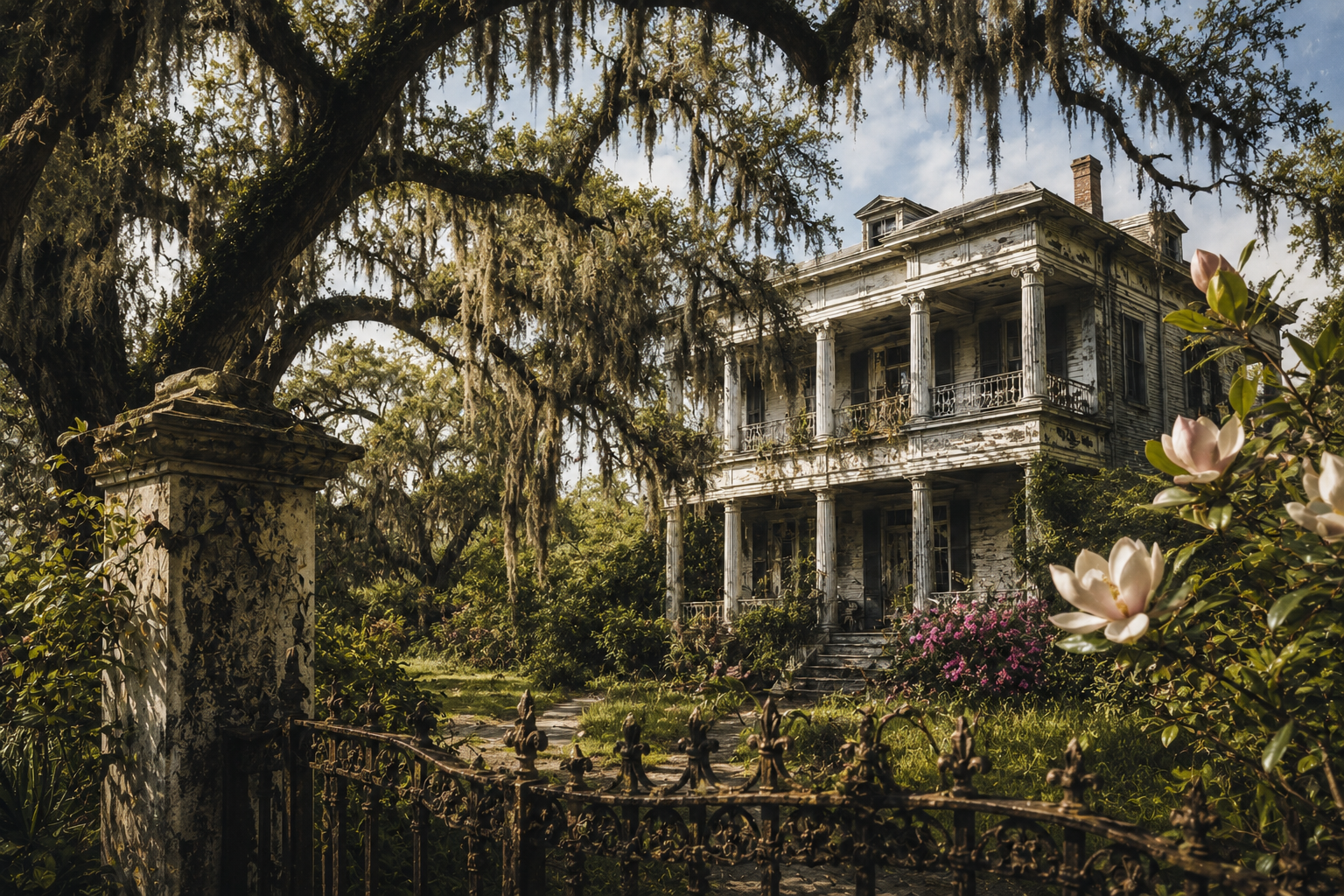
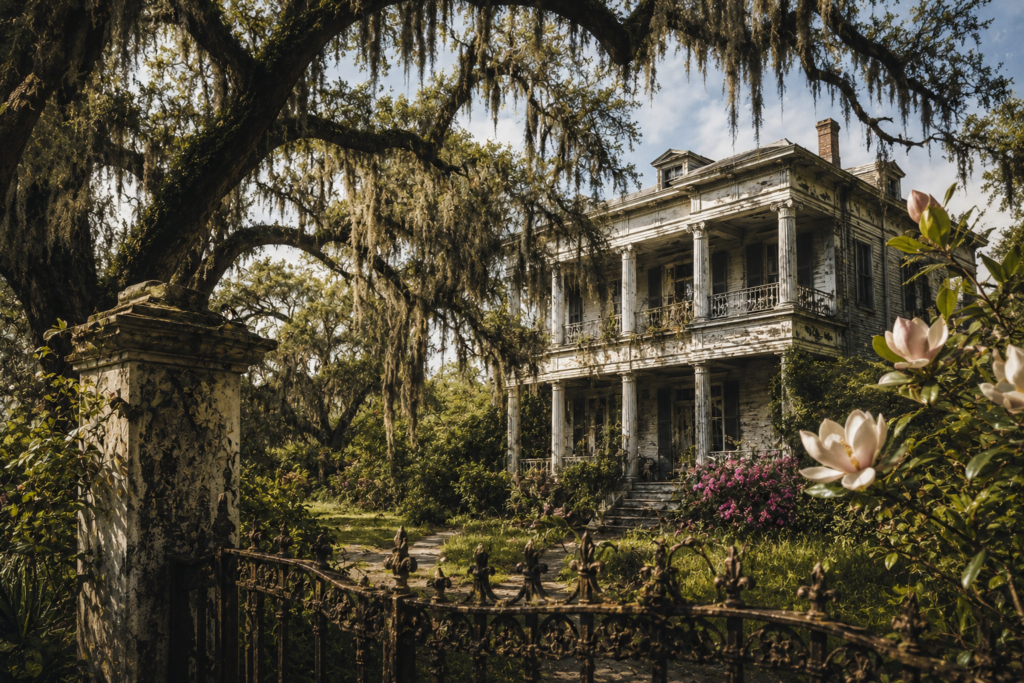
Southern Gothic Literature Explained starts with one big idea: the South in these stories is haunted by its past. This genre uses strange events, broken families, old houses, and moral tension to show deeper truths about guilt, race, class, and fear.

If you have ever read a story that feels creepy but also serious, you may already know the mood of Southern Gothic literature.

In this Guide

  • What Southern Gothic literature means
  • Where the genre came from
  • Key traits to look for
  • Famous Southern Gothic examples
  • How to analyze Southern Gothic in essays
  • Book suggestions
  • FAQ
Southern Gothic Literature

Southern Gothic Literature Explained: What Does It Mean?

Southern Gothic is a type of literature set in the American South that mixes dark settings with serious social problems.

The word “Gothic” often makes people think of castles, ghosts, and fear. Southern Gothic changes that setting. Instead of old European castles, we often get decaying mansions, small towns, farms, and dusty roads.

Southern Gothic Literature Explained in simple terms means this: writers use strange or disturbing details to reveal what people try to hide.

These stories may include violence, family secrets, racism, poverty, or religious pressure. The weird parts are not just there to shock the reader. They help expose a broken world.

Southern Gothic Literature Explained Through Its History

The genre grew from older Gothic fiction, but it has its own Southern voice.

Classic Gothic novels, such as Frankenstein by Mary Shelley, often focus on fear, isolation, and human limits. You can learn more about the roots of the Gothic tradition from Britannica’s guide to the Gothic novel.

Southern Gothic writers took that dark style and placed it in a region marked by slavery, the Civil War, segregation, and deep social conflict.

This is why Southern Gothic Literature Explained cannot stop at “creepy stories.” The genre asks readers to face history, especially the parts people would rather forget.

Key Features of Southern Gothic Literature Explained

Most Southern Gothic stories share a dark mood, but each writer uses the style in a different way.

Here are some common signs of the genre:

  • A decaying setting: Old homes, ruined towns, or worn-out farms often show moral decay.
  • Flawed characters: People may act proud, cruel, desperate, or deeply confused.
  • Family secrets: Hidden guilt often shapes the plot.
  • Social pressure: Race, class, religion, and gender roles affect how characters live.
  • Grotesque details: Strange bodies, odd behavior, or shocking scenes reveal inner truth.

In Southern Gothic Literature Explained, the word grotesque matters. It does not just mean ugly. It means something strange that forces readers to look harder.

A grotesque character may seem strange at first, but that character often reveals what is wrong with the society around them.

Southern Gothic Literature Explained with Famous Examples

Examples help the genre become much easier to see.

William Faulkner is one of the most important Southern Gothic writers. His short story “A Rose for Emily” follows a lonely woman in a town that watches her life with judgment and fear.

The old house in the story is more than a setting. It shows the weight of the past. The shocking ending reveals how isolation and denial can twist a person’s life.

You can read more about Faulkner’s life and work through Britannica’s William Faulkner biography.

Flannery O’Connor also shaped the genre. In “A Good Man Is Hard to Find,” a family trip turns violent after the characters meet a criminal called The Misfit.

The story feels disturbing, but it is also deeply moral. O’Connor uses fear to ask hard questions about grace, pride, and belief.

Harper Lee’s To Kill a Mockingbird is not always labeled as pure Southern Gothic, but it shares many traits. The setting, racial injustice, and mysterious figure of Boo Radley all connect to the genre.

Southern Gothic Literature Explained through these works shows that the genre is not only about horror. It is about truth hidden under fear.

Why the Setting Matters So Much

In this genre, place is never just background.

The American South often feels like a character in the story. Weather, buildings, roads, churches, and town gossip all shape the mood.

A decayed mansion may stand for a family that cannot let go of old power. A small town may show how public judgment traps people. A lonely road may suggest danger or moral confusion.

Southern Gothic Literature Explained through setting helps students see how authors build meaning without saying everything directly.

When you read, ask: What does this place reveal about the people who live there?

How Southern Gothic Characters Work

Southern Gothic characters often feel extreme, but they still seem human.

They may be lonely, proud, violent, trapped, or full of guilt. Many of them want respect, love, safety, or control.

The genre often shows people under pressure. That pressure may come from family history, unfair laws, poverty, or shame.

In “A Rose for Emily,” Miss Emily is not only strange. She is also shaped by control, loss, and a town that treats her like a symbol.

In Southern Gothic Literature Explained, strong character analysis means you do not stop at “this person is weird.” You ask what made them that way.

Southern Gothic Literature Explained for Essay Analysis

This genre gives students strong material for essays because it connects style to meaning.

When you write about Southern Gothic, focus on how the dark details support the author’s message. Do not just point out creepy scenes. Explain why they matter.

For example, if a house is falling apart, ask what else is falling apart. Is it a family? A moral code? A social system?

If a character seems grotesque, ask what truth that character reveals. The best essays move from detail to meaning.

You can build this skill by learning how strong readers notice patterns. For more help, read our guide on how to read literature like a scholar.

Common Essay Topics for Southern Gothic Literature Explained

Students often write about Southern Gothic because it works well with theme, setting, and symbolism.

Here are useful essay angles:

  • How setting reveals decay
  • How secrets shape a family or town
  • How violence exposes social problems
  • How religion affects guilt or judgment
  • How the past controls the present

A strong thesis should name the literary choice and explain its purpose.

Weak thesis: “The story is Southern Gothic because it is creepy.”

Stronger thesis: “In ‘A Rose for Emily,’ Faulkner uses the decaying house to show how the town and Miss Emily remain trapped by the past.”

That second thesis gives you something clear to prove.

How to Read Southern Gothic Without Getting Lost

Southern Gothic stories can feel strange at first, but that is part of the design.

Start by tracking what feels wrong. A character may act oddly. A house may seem too quiet. A town may hide cruelty behind polite manners.

Then ask what the author wants you to notice. The strange detail usually points to a larger problem.

Southern Gothic Literature Explained as a reading tool can help you slow down and notice symbols, tone, and theme. That skill helps in class talks, AP Lit essays, and college papers.

If you want a broader method, this guide on reading literature with a scholar’s eye can help you connect details to deeper ideas.

If you want to understand the genre better, these books are strong places to start.

  • A Rose for Emily and Other Stories by William Faulkner
  • A Good Man Is Hard to Find and Other Stories by Flannery O’Connor
  • Wise Blood by Flannery O’Connor

These texts show how Southern Gothic can be eerie, funny, harsh, and deeply thoughtful.

FAQ: Southern Gothic Literature Explained

What is Southern Gothic literature in simple words?

Southern Gothic literature is a dark style of writing set in the American South. It uses strange characters, tense settings, and hidden secrets to explore serious social issues.

Is Southern Gothic the same as horror?

No. Southern Gothic may feel scary, but it is not only meant to frighten readers. Its main goal is to reveal truth about people, history, and society.

What is a famous example of Southern Gothic literature?

“A Rose for Emily” by William Faulkner is one of the most famous examples. It uses an old house, town gossip, and a shocking secret to explore the power of the past.

Why do teachers assign Southern Gothic stories?

Teachers assign them because they are rich in symbolism, theme, tone, and character analysis. They also help students think about history and moral conflict.

What should I look for when reading Southern Gothic?

Look for decay, secrets, social pressure, strange behavior, and symbols tied to the past. Then ask how those details support the story’s deeper meaning.

Key Takeaway

Southern Gothic Literature Explained comes down to this: the genre uses darkness to uncover truth. When you study its strange settings and troubled characters, you learn how literature can expose what a culture tries to hide.

Common Gothic Themes in Literature

gothic themes

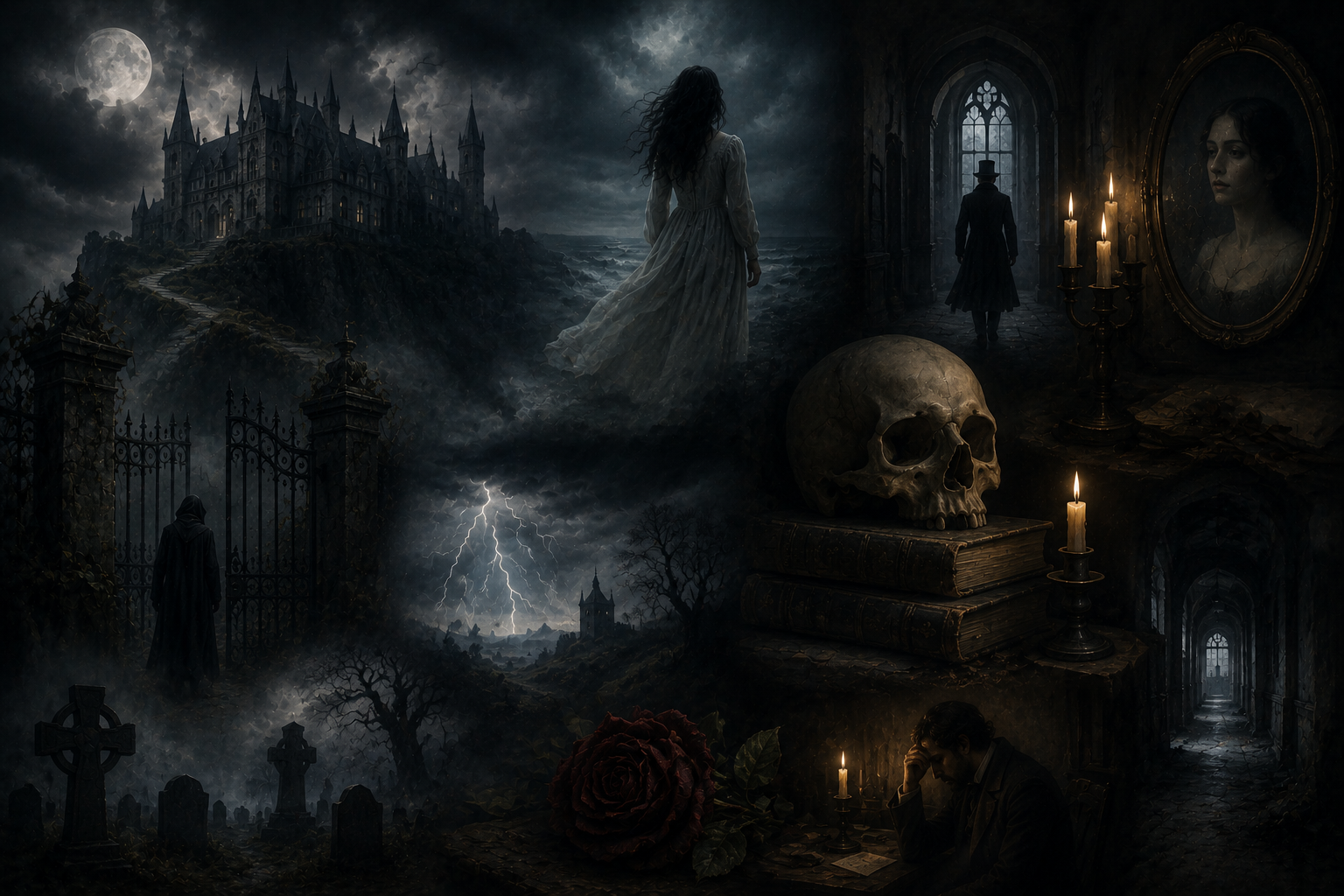
Gothic stories are full of dark houses, buried secrets, strange fears, and characters who feel trapped. This guide explains Common Gothic Themes in Literature so students can read, study, and choose Gothic texts with more confidence.

In this Guide

  • What makes a story Gothic
  • Fear and the unknown
  • Decay, ruin, and haunted places
  • Madness and the unstable mind
  • Isolation and entrapment
  • The supernatural and doubt
  • Guilt, sin, and hidden pasts
  • How to study Gothic themes
  • Suggested books
  • FAQ
gothic themes

What Makes Gothic Literature Gothic?

Gothic literature uses fear, mystery, and emotional pressure to explore deep human problems.

A Gothic story is not just “scary.” It often asks serious questions about power, guilt, death, family, faith, and the mind.

You might see castles, storms, locked rooms, ghosts, ruined homes, or strange family histories. These details create mood, but they also point to theme.

When you study Common Gothic Themes in Literature, look past the creepy setting. Ask what fear reveals about the characters and their world.

Common Gothic Themes in Literature: Fear and the Unknown

Fear in Gothic fiction often comes from what characters cannot explain.

Many Gothic stories build tension through mystery. A character hears a sound, sees a shadow, or senses that something is wrong, but the truth stays hidden.

In Dracula by Bram Stoker, fear grows because Count Dracula does not fit normal human rules. He moves between life and death, body and spirit, home and foreign land.

In The Turn of the Screw by Henry James, the fear comes from doubt. Are the ghosts real, or is the narrator losing her grip on reality?

This is one reason Common Gothic Themes in Literature work so well for essays. They leave space for debate, and strong essays often grow from uncertain answers.

Decay, Ruin, and Haunted Places

Gothic settings often show that something has gone wrong long before the story begins.

Old mansions, broken castles, and dark rooms are more than spooky backdrops. They can show family decay, moral failure, or a past that refuses to stay buried.

In Edgar Allan Poe’s “The Fall of the House of Usher,” the crumbling house mirrors the ruined Usher family. The building and the people seem to break down together.

In Jane Eyre by Charlotte Brontë, Thornfield Hall hides a terrible secret. The house looks grand, but its locked rooms reveal pain, control, and shame.

When you see a decaying place in Gothic fiction, ask what else is decaying. It may be a family, a mind, a marriage, or a moral code.

Madness and the Unstable Mind

Many Gothic stories blur the line between real danger and inner fear.

Characters may doubt their senses. They may become obsessed, overly suspicious, or unable to trust their own thoughts.

In Poe’s “The Tell-Tale Heart,” the narrator claims to be sane while describing murder and guilt in a frantic voice. The story makes readers question his mind from the start.

In Frankenstein by Mary Shelley, Victor Frankenstein’s obsession leads him away from human connection. His mind becomes trapped by ambition, fear, and regret.

This theme matters because Gothic literature often treats the mind like a haunted house. The most terrifying space may not be a castle. It may be the self.

Isolation and Entrapment

Gothic characters often feel cut off from safety, reason, or love.

Isolation can be physical, like a character stuck in a remote castle. It can also be emotional, like a character who cannot confess the truth.

In Wuthering Heights by Emily Brontë, the lonely moors help create a harsh emotional world. Characters feel trapped by desire, pride, and old wounds.

In many Gothic works, women face locked rooms, forced marriages, or social rules that limit their choices. These trapped spaces often show larger problems with power.

As you study Common Gothic Themes in Literature, pay attention to who has freedom and who does not. Gothic stories often turn that question into conflict.

The Supernatural and Uncertainty

Ghosts, monsters, curses, and strange events help Gothic writers test what readers believe.

Sometimes the supernatural is real inside the story. Sometimes it may be a symbol, a trick, or a sign of mental collapse.

In Dracula, the vampire is a real threat. In other works, like The Turn of the Screw, readers must decide whether the supernatural exists or comes from the narrator’s fear.

This uncertainty creates suspense. It also lets writers explore religion, science, grief, and doubt.

For a helpful background on the Gothic novel as a literary form, visit Britannica’s overview of the Gothic novel.

Guilt, Sin, and Hidden Pasts

Gothic stories often show that secrets do not stay buried.

A family may hide a crime. A character may deny guilt. A house may contain evidence of an old wrong.

In Frankenstein, Victor refuses to take full responsibility for the creature he creates. His guilt follows him, even when he tries to escape it.

In Jane Eyre, Rochester’s hidden past shapes the plot and tests Jane’s sense of self-worth. The secret in the attic becomes a symbol of moral disorder.

Among Common Gothic Themes in Literature, guilt is one of the most useful for analysis. It connects character choices to setting, mood, and plot.

How Common Gothic Themes in Literature Shape Characters

Gothic themes place characters under pressure and reveal who they are.

Fear can expose courage or weakness. Isolation can reveal desire. Guilt can push a character toward confession, denial, or ruin.

Victor Frankenstein is not just a scientist in a scary story. He is a man who tries to control life, then fails to face the cost.

Jane Eyre is not just a heroine in a dark house. She must decide whether love is worth losing her values.

When you connect theme to character choice, your analysis becomes stronger. If you need help with that skill, read this guide on how to identify theme in literature.

How to Spot Common Gothic Themes in Literature for Class

A clear method can make Gothic texts less confusing.

Start with the setting. Ask why the story takes place in a ruined house, dark room, remote landscape, or strange city.

Then study the fear. Ask what the main character fears most and whether that fear is physical, emotional, moral, or social.

Next, look for secrets. Gothic plots often move forward when hidden truths rise to the surface.

Finally, connect the pattern to a larger idea. A ghost may represent grief. A locked room may suggest control. A monster may reveal guilt or rejection.

This approach helps you turn Common Gothic Themes in Literature into strong topic sentences for essays.

Choosing Gothic Literature for an Essay or Project

The best Gothic text for school depends on what you want to study.

Choose Frankenstein if you want themes about science, ambition, creation, and responsibility.

Choose Dracula if you want themes about fear, invasion, gender roles, and the supernatural.

Or choose Jane Eyre if you want a mix of Gothic mood, romance, independence, and moral choice.

If your teacher asks for a theme-based paper, pick a text that gives you repeated patterns. Repeated images, settings, and conflicts often lead to the best claims.

Suggested Gothic Books to Read

If you want to build a Gothic reading list, these books are strong choices for students.

  • Frankenstein by Mary Shelley
  • Dracula by Bram Stoker

Both are widely taught, easy to research, and rich in Gothic themes. You can find them in libraries, bookstores, or on Amazon by searching the title and author.

Helpful Resources for Gothic Literature

Good outside sources can help you understand literary history and author background.

The Poetry Foundation’s page on Edgar Allan Poe is useful if you study Gothic short fiction or poetry.

You can also review this student guide to identifying theme before you write about Common Gothic Themes in Literature.

FAQ About Common Gothic Themes in Literature

What are the most common Gothic themes?

The most common Gothic themes include fear, isolation, madness, guilt, secrecy, decay, and the supernatural.

Why do Gothic stories use old houses and castles?

Old buildings often symbolize hidden history, family decline, or secrets from the past.

Is Gothic literature the same as horror?

Not exactly. Gothic literature can be scary, but it focuses more on mood, mystery, psychology, and deep themes.

What is a good Gothic book for beginners?

Frankenstein is a strong choice because it has a clear plot and many themes students can analyze.

Key Takeaway

Common Gothic Themes in Literature help readers see fear as more than a scare tactic. In Gothic stories, fear reveals hidden guilt, broken systems, trapped minds, and the dark parts of human nature.

error

Enjoy this article? Please spread the word :)

Follow by Email
BLUESKY
fb-share-icon
Reddit
LinkedIn
Share
RSS