Southern Gothic Literature Explained

Southern Gothic Literature

Southern Gothic Literature Explained starts with one big idea: the South in these stories is haunted by its past. This genre uses strange events, broken families, old houses, and moral tension to show deeper truths about guilt, race, class, and fear.

If you have ever read a story that feels creepy but also serious, you may already know the mood of Southern Gothic literature.

In this Guide

  • What Southern Gothic literature means
  • Where the genre came from
  • Key traits to look for
  • Famous Southern Gothic examples
  • How to analyze Southern Gothic in essays
  • Book suggestions
  • FAQ
Southern Gothic Literature

Southern Gothic Literature Explained: What Does It Mean?

Southern Gothic is a type of literature set in the American South that mixes dark settings with serious social problems.

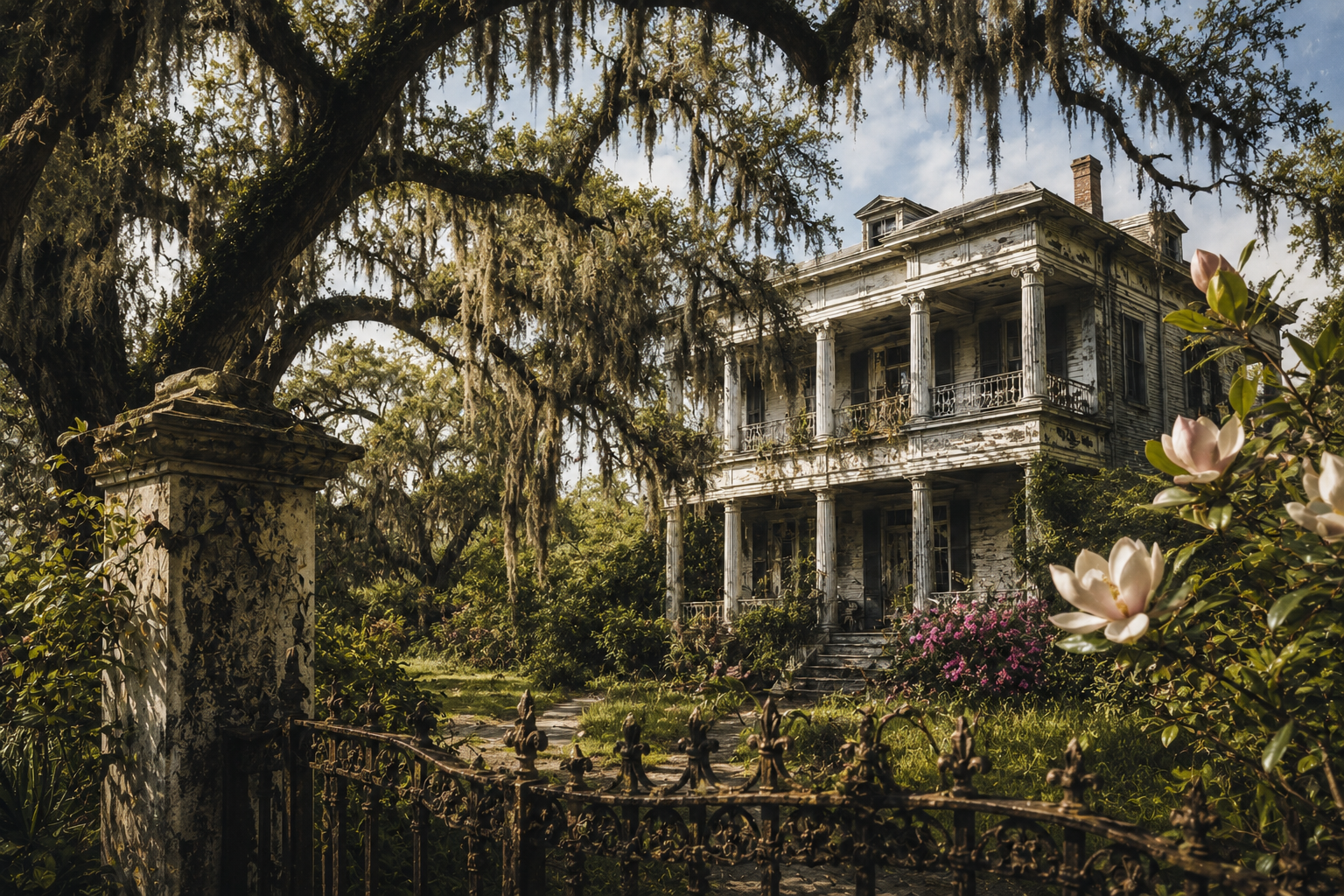
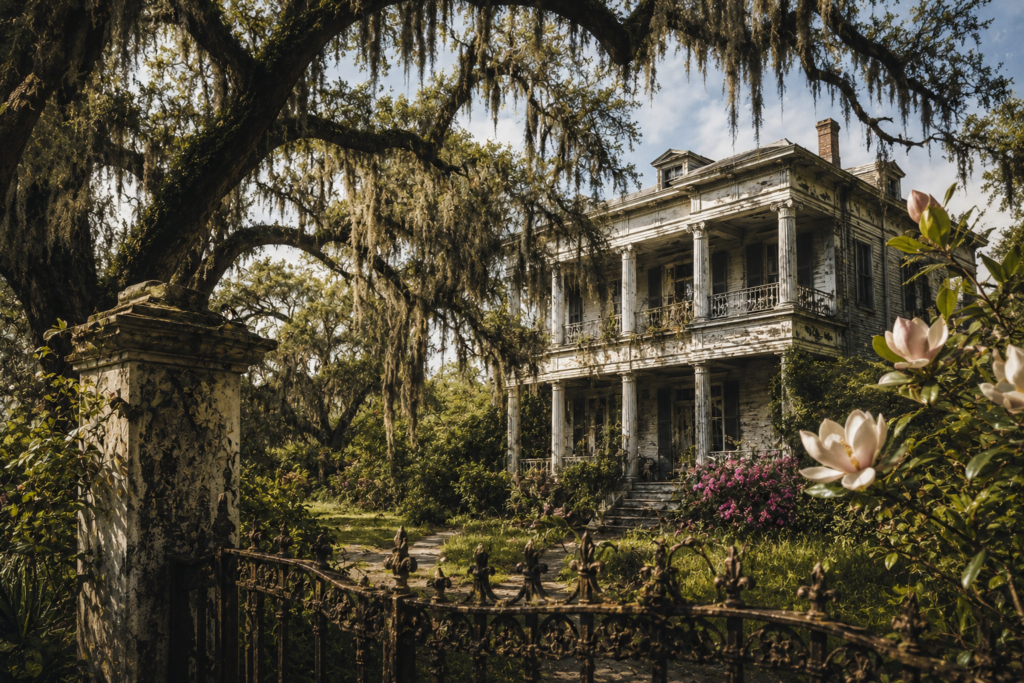
The word “Gothic” often makes people think of castles, ghosts, and fear. Southern Gothic changes that setting. Instead of old European castles, we often get decaying mansions, small towns, farms, and dusty roads.

Southern Gothic Literature Explained in simple terms means this: writers use strange or disturbing details to reveal what people try to hide.
These stories may include violence, family secrets, racism, poverty, or religious pressure. The weird parts are not just there to shock the reader. They help expose a broken world.
Southern Gothic Literature Explained Through Its History

The genre grew from older Gothic fiction, but it has its own Southern voice.

Classic Gothic novels, such as Frankenstein by Mary Shelley, often focus on fear, isolation, and human limits. You can learn more about the roots of the Gothic tradition from Britannica’s guide to the Gothic novel.

Southern Gothic writers took that dark style and placed it in a region marked by slavery, the Civil War, segregation, and deep social conflict.

This is why Southern Gothic Literature Explained cannot stop at “creepy stories.” The genre asks readers to face history, especially the parts people would rather forget.

Key Features of Southern Gothic Literature Explained

Most Southern Gothic stories share a dark mood, but each writer uses the style in a different way.

Here are some common signs of the genre:

  • A decaying setting: Old homes, ruined towns, or worn-out farms often show moral decay.
  • Flawed characters: People may act proud, cruel, desperate, or deeply confused.
  • Family secrets: Hidden guilt often shapes the plot.
  • Social pressure: Race, class, religion, and gender roles affect how characters live.
  • Grotesque details: Strange bodies, odd behavior, or shocking scenes reveal inner truth.

In Southern Gothic Literature Explained, the word grotesque matters. It does not just mean ugly. It means something strange that forces readers to look harder.

A grotesque character may seem strange at first, but that character often reveals what is wrong with the society around them.

Southern Gothic Literature Explained with Famous Examples

Examples help the genre become much easier to see.

William Faulkner is one of the most important Southern Gothic writers. His short story “A Rose for Emily” follows a lonely woman in a town that watches her life with judgment and fear.

The old house in the story is more than a setting. It shows the weight of the past. The shocking ending reveals how isolation and denial can twist a person’s life.

You can read more about Faulkner’s life and work through Britannica’s William Faulkner biography.

Flannery O’Connor also shaped the genre. In “A Good Man Is Hard to Find,” a family trip turns violent after the characters meet a criminal called The Misfit.

The story feels disturbing, but it is also deeply moral. O’Connor uses fear to ask hard questions about grace, pride, and belief.

Harper Lee’s To Kill a Mockingbird is not always labeled as pure Southern Gothic, but it shares many traits. The setting, racial injustice, and mysterious figure of Boo Radley all connect to the genre.

Southern Gothic Literature Explained through these works shows that the genre is not only about horror. It is about truth hidden under fear.

Why the Setting Matters So Much

In this genre, place is never just background.

The American South often feels like a character in the story. Weather, buildings, roads, churches, and town gossip all shape the mood.

A decayed mansion may stand for a family that cannot let go of old power. A small town may show how public judgment traps people. A lonely road may suggest danger or moral confusion.

Southern Gothic Literature Explained through setting helps students see how authors build meaning without saying everything directly.

When you read, ask: What does this place reveal about the people who live there?

How Southern Gothic Characters Work

Southern Gothic characters often feel extreme, but they still seem human.

They may be lonely, proud, violent, trapped, or full of guilt. Many of them want respect, love, safety, or control.

The genre often shows people under pressure. That pressure may come from family history, unfair laws, poverty, or shame.

In “A Rose for Emily,” Miss Emily is not only strange. She is also shaped by control, loss, and a town that treats her like a symbol.

In Southern Gothic Literature Explained, strong character analysis means you do not stop at “this person is weird.” You ask what made them that way.

Southern Gothic Literature Explained for Essay Analysis

This genre gives students strong material for essays because it connects style to meaning.

When you write about Southern Gothic, focus on how the dark details support the author’s message. Do not just point out creepy scenes. Explain why they matter.

For example, if a house is falling apart, ask what else is falling apart. Is it a family? A moral code? A social system?

If a character seems grotesque, ask what truth that character reveals. The best essays move from detail to meaning.

You can build this skill by learning how strong readers notice patterns. For more help, read our guide on how to read literature like a scholar.

Common Essay Topics for Southern Gothic Literature Explained

Students often write about Southern Gothic because it works well with theme, setting, and symbolism.

Here are useful essay angles:

  • How setting reveals decay
  • How secrets shape a family or town
  • How violence exposes social problems
  • How religion affects guilt or judgment
  • How the past controls the present

A strong thesis should name the literary choice and explain its purpose.

Weak thesis: “The story is Southern Gothic because it is creepy.”

Stronger thesis: “In ‘A Rose for Emily,’ Faulkner uses the decaying house to show how the town and Miss Emily remain trapped by the past.”

That second thesis gives you something clear to prove.

How to Read Southern Gothic Without Getting Lost

Southern Gothic stories can feel strange at first, but that is part of the design.

Start by tracking what feels wrong. A character may act oddly. A house may seem too quiet. A town may hide cruelty behind polite manners.

Then ask what the author wants you to notice. The strange detail usually points to a larger problem.

Southern Gothic Literature Explained as a reading tool can help you slow down and notice symbols, tone, and theme. That skill helps in class talks, AP Lit essays, and college papers.

If you want a broader method, this guide on reading literature with a scholar’s eye can help you connect details to deeper ideas.

If you want to understand the genre better, these books are strong places to start.

  • A Rose for Emily and Other Stories by William Faulkner
  • A Good Man Is Hard to Find and Other Stories by Flannery O’Connor
  • Wise Blood by Flannery O’Connor

These texts show how Southern Gothic can be eerie, funny, harsh, and deeply thoughtful.

FAQ: Southern Gothic Literature Explained

What is Southern Gothic literature in simple words?

Southern Gothic literature is a dark style of writing set in the American South. It uses strange characters, tense settings, and hidden secrets to explore serious social issues.

Is Southern Gothic the same as horror?

No. Southern Gothic may feel scary, but it is not only meant to frighten readers. Its main goal is to reveal truth about people, history, and society.

What is a famous example of Southern Gothic literature?

“A Rose for Emily” by William Faulkner is one of the most famous examples. It uses an old house, town gossip, and a shocking secret to explore the power of the past.

Why do teachers assign Southern Gothic stories?

Teachers assign them because they are rich in symbolism, theme, tone, and character analysis. They also help students think about history and moral conflict.

What should I look for when reading Southern Gothic?

Look for decay, secrets, social pressure, strange behavior, and symbols tied to the past. Then ask how those details support the story’s deeper meaning.

Key Takeaway

Southern Gothic Literature Explained comes down to this: the genre uses darkness to uncover truth. When you study its strange settings and troubled characters, you learn how literature can expose what a culture tries to hide.

Most Influential Nature Symbolism in Literature

Nature Symbolism
Nature Symbolism

Most Influential Nature Symbolism helps readers see how writers use the natural world to express deep ideas. A forest, storm, garden, or bird can reveal fear, hope, freedom, or change.

This guide explains key nature symbols in famous literature and shows how to read them with confidence.

In this Guide

  • Why nature symbolism matters
  • Famous examples in literature
  • Common nature symbols and meanings
  • Recommended books to read
  • Major themes linked to nature
  • FAQs about nature symbolism

Why Most Influential Nature Symbolism Still Matters

Nature symbols help writers turn simple details into powerful meaning.

Readers remember natural images because they feel close to real life. We all know what storms, seasons, rivers, and sunlight can suggest.

Most Influential Nature Symbolism still matters because it connects human feelings to the world around us. It can show a character’s inner life without a long explanation.

For help with basic symbol spotting, see this guide on how to find symbolism in a story.

Most Influential Nature Symbolism in Classic Literature

Many famous works use nature to shape mood, theme, and character.

In William Shakespeare’s Macbeth, storms and dark skies often reflect disorder. Nature seems broken because Macbeth’s actions break the moral order.

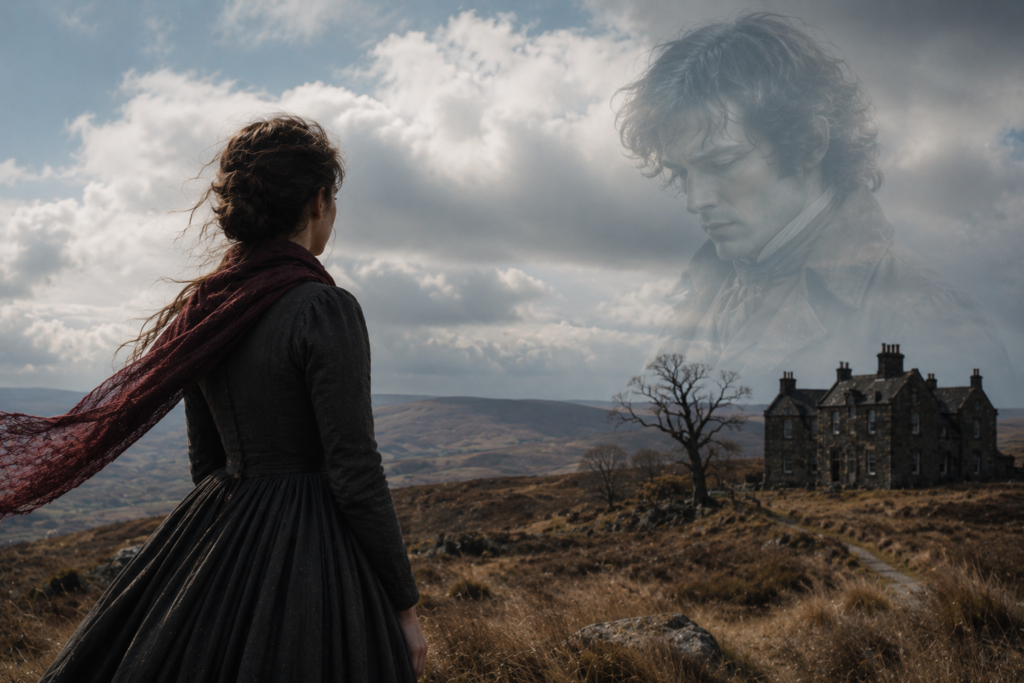
In Emily Brontë’s Wuthering Heights, the wild moors mirror strong emotion. The open land feels harsh, lonely, and free, much like Catherine and Heathcliff.

In Robert Frost’s poetry, paths, woods, and snow often suggest choice and reflection. His poem “The Road Not Taken” is a common classroom example. You can read more Frost poems at the Poetry Foundation.

These works show why Most Influential Nature Symbolism appears so often in literature. Nature gives abstract ideas a clear shape.

Common Patterns in Most Influential Nature Symbolism

Some nature symbols appear again and again because they are easy to recognize.

A forest often stands for mystery, danger, or self-discovery. In many stories, a character enters the woods and comes out changed.

Water can suggest birth, cleansing, or the unknown. A river may show time passing, while the sea may suggest power beyond human control.

Seasons often mark change. Spring can suggest renewal, while winter may suggest death, rest, or emotional coldness.

Light and darkness also carry strong symbolic weight. Light may suggest truth or hope, while darkness may show fear, guilt, or confusion.

Recommended Books for Studying Nature Symbolism

These books offer strong examples for students who want to study nature symbols in action.

  • Walden by Henry David Thoreau: A key work about nature, simple living, and self-reflection.
  • Wuthering Heights by Emily Brontë: A novel where landscape reflects passion, conflict, and isolation.
  • The Grapes of Wrath by John Steinbeck: A novel where dust, land, and weather shape human struggle.

Each book shows Most Influential Nature Symbolism in a different way. One focuses on peace, another on wild emotion, and another on survival.

How to Read Most Influential Nature Symbolism in a Text

Good symbol reading starts with careful attention to repeated details.

Ask what natural image appears more than once. Then ask what happens when it appears. Does the mood shift? Does a character change?

Also notice contrast. A garden in one scene and a storm in the next may show a move from safety to danger.

Do not assume every tree or cloud is a symbol. Strong symbols usually connect to character, conflict, or theme.

If you need a simple method, this article on finding symbolism in fiction can help you build the skill step by step.

Most Influential Nature Symbolism and Major Themes

Nature symbols often point to the biggest ideas in a story.

One major theme is freedom. Birds, open fields, and wide skies often suggest a desire to escape limits.

Another major theme is human weakness. Storms, drought, and harsh land can show how small people are beside nature’s power.

Nature can also reveal moral conflict. In some works, a dying garden may suggest decay in a family or society.

This is why Most Influential Nature Symbolism works so well for essays. It gives students a clear way to connect evidence to theme.

Nature Symbolism in Poetry and Culture

Poets often use nature because a single image can hold many feelings.

Romantic poets such as William Wordsworth saw nature as a source of wisdom and comfort. You can learn more about the Romantic movement from Britannica’s overview of Romanticism.

In many cultures, natural symbols also carry shared meanings. The rose may suggest love, while the oak may suggest strength.

Still, context matters. A flower in one poem may show beauty, but in another it may suggest loss.

FAQ: Most Influential Nature Symbolism

What is Most Influential Nature Symbolism?

Most Influential Nature Symbolism refers to major natural images that have shaped how readers understand literature. Common examples include storms, forests, rivers, seasons, and birds.

Why do authors use nature as a symbol?

Authors use nature because it is familiar and emotional. A natural image can show fear, hope, change, or conflict in a simple way.

How can I tell if something in nature is a symbol?

Look for repetition, strong placement, and links to theme. If a natural detail appears at key moments, it may carry deeper meaning.

What is a strong example of nature symbolism?

The moors in Wuthering Heights are a strong example. They reflect wild feeling, loneliness, and freedom.

Can nature symbolism have more than one meaning?

Yes. A river might suggest life, time, danger, or change. The best meaning depends on the story’s context.

Key Takeaway

Most Influential Nature Symbolism shows how writers use the natural world to express human truth. When you notice patterns in nature images, you can better understand character, mood, and theme.

Nature in literature is rarely just background. It often speaks when characters cannot.

Most Beautiful Water Symbolism in Literature: Meaning, Themes, and Books to Read

water symbolism
water symbolism

Most Beautiful Water Symbolism shows how rivers, rain, oceans, and lakes can carry deep meaning in a story. Water can stand for life, change, fear, memory, grief, or hope, often in the same scene.

For students, water is one of the easiest symbols to notice because it appears in so many famous books and poems. Once you learn what to look for, it can make a story feel richer and more alive.

In this Guide

  • What water symbolism means
  • Why Most Beautiful Water Symbolism matters
  • Common meanings of water in literature
  • Famous examples from books and poems
  • Recommended books to read
  • FAQs about water symbolism

What Does Water Symbolism Mean?

Water often points to emotions that characters cannot say out loud.

In literature, water is rarely just water. A river can show a journey. Rain can mark sorrow or renewal. An ocean can suggest freedom, danger, or the unknown.

Writers use water because readers already feel its power. We know water can heal, destroy, wash away, and return again. That makes it a strong symbol for human life.

If you want a simple method for spotting symbols, this guide on how to find symbolism in a story can help you build the skill step by step.

Why Most Beautiful Water Symbolism Feels So Powerful

The beauty of water symbolism comes from its many sides.

Most Beautiful Water Symbolism works because water is never only one thing. It can be calm in one scene and violent in the next. It can save a character or trap them.

This is why water feels so human. People also change. We can feel peaceful, afraid, hopeful, or lost, sometimes all in one day.

In many stories, water becomes a mirror. It reflects what a character hides inside. A quiet lake may show calm, but it may also hide pain below the surface.

Most Beautiful Water Symbolism and Common Meanings

Water symbols often connect to life, death, change, and truth.

One common meaning is rebirth. A character who enters water may come out changed. This can feel like a fresh start, even if the story stays painful.

Water can also mean danger. Storms, floods, and deep seas often show forces that people cannot control. This makes water a strong symbol for fate or fear.

Another meaning is memory. Rivers and oceans move, but they also seem ancient. In this way, Most Beautiful Water Symbolism can connect a character’s private life to a larger past.

Water can also suggest truth. A clear pool may show what is hidden. Muddy water may suggest confusion, lies, or moral doubt.

Famous Examples of Water Symbolism in Literature

Many classic works use water to shape mood and meaning.

In The Odyssey by Homer, the sea is both a road and an enemy. Odysseus wants to return home, but the ocean delays him again and again. The water stands for struggle, distance, and the test of human will.

In Moby-Dick by Herman Melville, the ocean feels endless and mysterious. It becomes a place where obsession grows. Captain Ahab’s search across the sea shows how the unknown can pull a person toward ruin.

In Shakespeare’s The Tempest, a storm at sea begins the action. The water helps create fear, magic, and change. It pushes characters into a strange world where old wrongs must face judgment.

In T. S. Eliot’s poem The Waste Land, water is tied to both need and fear. The poem’s dry land suggests spiritual emptiness, while water hints at renewal. You can read more about the poem through the Poetry Foundation.

Most Beautiful Water Symbolism in Modern Reading

Modern readers still connect with water because it feels close to daily life.

Most Beautiful Water Symbolism is not limited to old books. It appears in novels about family, identity, trauma, and survival. Water often helps writers show emotions that are hard to name.

For example, rain in a modern novel may mark grief after a death. A beach may show escape from stress. A river may stand for a choice that cannot be undone.

This is why water symbols work well in class essays. They let you connect setting, character, and theme in a clear way.

Recommended Books with Most Beautiful Water Symbolism

These books are strong choices for students who want to study water symbols.

  • The Odyssey by Homer: A classic journey story where the sea tests courage, pride, and longing for home.
  • Moby-Dick by Herman Melville: A deep study of obsession, mystery, and the danger of chasing one idea too far.

Both books show Most Beautiful Water Symbolism in very different ways. One treats water as a hard path home. The other turns the ocean into a vast space of fear and wonder.

For a wider look at how symbols work in literature, Britannica’s overview of symbolism gives useful background.

How to Write About Water Symbolism in an Essay

A strong essay links the water image to a clear idea.

Start with the scene. Ask what kind of water appears. Is it rain, ocean, river, lake, or flood?

Then ask what the character feels in that moment. Water symbolism is strongest when it connects to conflict, choice, or change.

Last, connect the symbol to a theme. If a character crosses a river, the theme may involve growth or loss. If a storm breaks, the theme may involve fear, guilt, or truth.

For more practice, use this helpful guide on finding symbolism in fiction before you draft your paragraph.

Most Beautiful Water Symbolism and Major Themes

Water often gives a story its emotional center.

Most Beautiful Water Symbolism often links to change. Water moves, shifts, and reshapes the world. Characters who meet water often face a turning point.

It also links to cleansing. A bath, rainfall, or river can suggest a wish to remove guilt or pain. Yet the story may ask whether a person can truly wash the past away.

Water also links to the unknown. Deep water can hide danger, secrets, or truth. This makes it useful in stories about fear and discovery.

FAQs About Most Beautiful Water Symbolism

What is Most Beautiful Water Symbolism in literature?

Most Beautiful Water Symbolism refers to powerful water images that carry deep meaning. These images may show life, change, danger, memory, or renewal.

Why do writers use water as a symbol?

Writers use water because it is familiar and emotional. Readers understand its power to comfort, harm, hide, and reveal.

What does rain usually symbolize?

Rain can symbolize sadness, cleansing, rebirth, or tension. The meaning depends on the scene and the character’s state of mind.

What does the ocean symbolize in books?

The ocean often symbolizes mystery, freedom, danger, or the unknown. In many stories, it also shows how small people feel against nature.

How can I find water symbolism in a story?

Look for repeated water images and ask what changes when they appear. If water appears during a key choice or crisis, it likely has symbolic meaning.

Key Takeaway

Most Beautiful Water Symbolism matters because water can hold many truths at once. It can show hope and fear, peace and danger, life and loss.

When you notice water in a story, slow down. Ask what it reveals about the character, the mood, and the theme. That simple question can open the whole text. 🌊

Common Character Archetypes in Fiction: A Student Guide

character archetypes

Characters often feel familiar because writers use patterns readers know. Common Character Archetypes in Fiction help us understand those patterns, from brave heroes to wise mentors.

For students, archetypes make reading easier and essays stronger. Once you spot the role a character plays, you can see more clearly how the story works.

In this Guide

  • Why character archetypes matter
  • The most common archetypes students should know
  • How archetypes differ from stereotypes
  • How to analyze archetypes in literature
  • Book suggestions with strong archetypes
  • FAQ and key takeaway
character archetypes

Why Common Character Archetypes in Fiction Matter

Archetypes help readers see the deeper shape of a story.

Common Character Archetypes in Fiction are repeated character types that appear across books, myths, plays, and films. They are not copies of the same person. They are familiar roles with new details in each story.

For example, many stories have a hero who faces danger and grows through hardship. Odysseus in The Odyssey, Harry Potter in Harry Potter and the Sorcerer’s Stone, and Katniss Everdeen in The Hunger Games all fit this pattern in different ways.

When you learn Common Character Archetypes in Fiction, you can ask better questions. What does this character want? What role do they play? How do they help reveal the theme?

Common Character Archetypes in Fiction Students Should Know

These archetypes appear often in classic and modern literature.

The Hero

The hero is the character who faces the main challenge. This person may be brave, scared, unsure, or flawed.

In The Hobbit, Bilbo Baggins starts as a quiet homebody. By the end, he has gained courage and wisdom. His heroism grows slowly, which makes his journey feel real.

The Mentor

The mentor guides the hero. This character often gives advice, training, or moral support.

Gandalf in The Lord of the Rings is a classic mentor. He helps others see what they must do, but he does not solve every problem for them.

The Shadow

The shadow is the dark force that opposes the hero. This may be a villain, a fear, or a hidden part of the hero’s own nature.

In Macbeth, Macbeth becomes his own shadow in many ways. His ambition turns against him, and the real enemy grows inside his mind.

The Innocent

The innocent sees the world with trust or hope. This character often shows what is pure, fragile, or worth protecting.

Scout Finch in To Kill a Mockingbird begins with a child’s view of justice. Her innocence helps readers see the cruelty and unfairness around her more clearly.

The Outsider

The outsider does not fit easily into society. This character may feel rejected, misunderstood, or trapped.

Victor Frankenstein’s creature in Frankenstein is a strong example. He is feared before he is understood, which turns his pain into anger.

Most Common Character Archetypes in Fiction are flexible. A character can fit more than one archetype, or they may change roles as the story develops.

How Common Character Archetypes in Fiction Differ from Stereotypes

Archetypes have depth, while stereotypes often feel flat.

A stereotype is a shallow idea about a type of person. It usually lacks real thought or growth.

An archetype is broader and more useful. It gives the writer a starting point, but the character still needs a clear voice, motive, and struggle.

Think of Jane Eyre from Jane Eyre. She can be seen as an outsider, but she is not simple. She is moral, angry, loyal, and independent. That complexity keeps her from feeling like a stereotype.

As you read, treat Common Character Archetypes in Fiction as clues, not final answers. The best characters often surprise us.

How to Analyze Common Character Archetypes in Fiction

A strong analysis connects the archetype to the story’s meaning.

Do not stop at “this character is a hero.” That is only the first step. Ask what kind of hero the character is and why that matters.

  1. Choose one important character.
  2. Name the archetype that fits best.
  3. Find a scene that proves your idea.
  4. Explain how the archetype connects to theme.

For example, Atticus Finch in To Kill a Mockingbird can be read as a mentor. He teaches Scout how to think about courage, justice, and empathy.

A strong essay about Common Character Archetypes in Fiction should use evidence. Quote or describe a key scene, then explain how that scene shows the character’s role.

Archetypes also connect with symbols. If a character carries an object, enters a special place, or repeats a key action, that detail may add meaning. For help with that skill, read this guide on how to find symbolism in a story.

Common Character Archetypes in Fiction and Theme

Archetypes often point readers toward the message of a story.

Theme is the deeper idea a work explores. It may deal with power, love, guilt, freedom, or growing up.

In The Great Gatsby, Jay Gatsby can be seen as a dreamer. His dream gives him purpose, but it also blinds him. Through Gatsby, the novel questions the American Dream and the cost of wanting too much.

In Romeo and Juliet, the lovers are not just young people in love. They fit the archetype of star-crossed lovers, which helps show how family hate can destroy innocent lives.

This is why Common Character Archetypes in Fiction are useful in AP Literature and college essays. They help you move from plot summary to deeper meaning.

Common Character Archetypes in Fiction in Classic and Modern Books

Old and new stories often share the same character patterns.

Myths, fairy tales, novels, and plays all use archetypes. The details change with time, but the basic roles still speak to readers.

The study of archetypes is often linked to psychologist Carl Jung. You can read more about him at Britannica’s Carl Jung biography.

Poetry also uses archetypal figures, such as the speaker as wanderer, lover, witness, or prophet. The Poetry Foundation is a helpful place to explore literary terms and examples.

When you notice Common Character Archetypes in Fiction, you start to see how stories talk to each other across time.

Books with Strong Character Archetypes

These books are useful for students who want clear examples of archetypes.

  • The Odyssey by Homer
  • The Hobbit by J.R.R. Tolkien

Both books are often available through libraries, school reading lists, and major booksellers such as Amazon. They give readers strong examples of heroes, mentors, monsters, and tests of character.

Practical Takeaways for Students

Archetypes can help you read with more confidence.

If you feel stuck during a reading assignment, look at the character roles. Ask who guides, who tempts, who changes, and who resists change.

When you write about Common Character Archetypes in Fiction, avoid vague claims. Use a scene, explain the character’s role, and connect that role to theme.

You can also pair archetype analysis with symbols, setting, and conflict. This gives your essay more depth without making it harder to understand.

FAQ About Common Character Archetypes in Fiction

These quick answers can help with class discussion and essays.

What are character archetypes?

Character archetypes are familiar character roles that appear across many stories. Examples include the hero, mentor, outsider, and shadow.

Why do writers use archetypes?

Writers use archetypes because they help readers understand a character’s role quickly. A good writer still adds fresh details and inner conflict.

Can one character fit more than one archetype?

Yes. A character can be a hero and an outsider, or a mentor and a flawed guide. Complex characters often shift roles as the story changes.

Are archetypes the same as symbols?

No. An archetype is usually a repeated character role or pattern. A symbol is an object, place, or detail that carries deeper meaning.

How can archetypes improve my literature essay?

They help you move beyond plot summary. You can explain how a character’s role supports the theme, conflict, or message of the work.

Key Takeaway

Common Character Archetypes in Fiction are tools for deeper reading. When you spot a familiar role and connect it to theme, you understand the story with more clarity.

Ekphrastic Poetry Prompt: The Unopened Letter

ekphrastic poetry prompt letter

An effective ekphrastic poetry prompt does not always require a dramatic painting, a sweeping landscape, or a moment of obvious conflict. Sometimes the most compelling poems emerge from ordinary scenes that invite questions rather than provide answers.

Imagine a quiet room. A wooden chair stands beside a small table. A mug sits half-forgotten. Reading glasses rest near an unopened letter. No one is present. Nothing appears to be happening. Yet the image suggests a story waiting beneath the surface.

This ekphrastic poetry prompt asks you to enter that silence and discover what lies behind the objects.

ekphrastic poetry prompt letter

How to Approach This Ekphrastic Poetry Prompt

Begin by observing the details. What do the objects reveal about the unseen person who occupies this space? Why has the letter remained unopened? Is the writer absent temporarily, or forever?

You might choose to write from the perspective of the person who received the letter. You could also become the letter itself, waiting patiently for someone to break the seal. Another possibility is to write from the viewpoint of an observer who notices the scene years later.

If you need help examining imagery and symbolism, consider reviewing this guide on analyzing poetry:

Writing Ideas for This Ekphrastic Poetry Prompt

As you draft your poem, consider questions such as:

  • What message might the letter contain?
  • How long has it been waiting?
  • What emotions fill the room despite the absence of people?
  • What happened immediately before this moment?
  • What might happen next?

The strength of this image lies in its uncertainty. The unanswered questions create space for imagination.

Literary Devices to Explore in This Ekphrastic Poetry Prompt

This scene works especially well with symbolism, imagery, personification, and metaphor. The letter might symbolize regret, hope, forgiveness, opportunity, or loss. The chair could suggest waiting. The glasses might represent understanding that has not yet arrived.

If you would like to deepen your use of poetic techniques, this resource on literary devices can help:

For additional inspiration on ekphrastic poetry, the Poetry Foundation offers valuable examples and articles about poetry and poetic interpretation:

https://www.poetryfoundation.org

The Prompt

Study the image carefully.

Then write a poem inspired by the unopened letter on the table. Focus on the tension between what is known and what remains hidden. Let the ordinary objects reveal an extraordinary story.

Do not worry about finding the “correct” interpretation. The most interesting poems often emerge from possibilities rather than certainty.

Sometimes a single unopened envelope contains an entire world.

What Is an Archetype in Literature? A Beginner-Friendly Guide

literary archetype
literary archetype

What Is an Archetype in Literature? It is a common pattern, character type, story idea, or symbol that appears again and again across books and cultures.

Once you know how archetypes work, many stories become easier to understand. You start to see why certain heroes, villains, journeys, and lessons feel familiar.

In this Guide

What Is an Archetype in Literature?

Archetypes are story patterns that readers recognize fast.

So, What Is an Archetype in Literature? It is a repeated model that shows up in many stories. It can be a type of character, a plot pattern, a setting, or a symbol.

For example, the “hero” is an archetype. So is the “mentor,” the “quest,” and the “dark forest.” These ideas appear in myths, fairy tales, novels, plays, and films.

An archetype is not the same as a cliché. A cliché feels overused or lazy. An archetype feels familiar because it connects to deep human fears, hopes, and choices.

What Is an Archetype in Literature? Why It Matters

Archetypes help stories speak to readers across time and place.

When you ask, What Is an Archetype in Literature? you are really asking why some stories feel universal. Archetypes help answer that.

They give readers a quick way into a story. If a wise older figure appears, we may expect guidance. If a young hero leaves home, we may expect growth and danger.

Archetypes also help writers build meaning. A character may follow an archetype at first, then break away from it. That change can reveal a theme.

For literary analysis, archetypes can help you explain how a text connects to larger ideas. Love, fear, power, sacrifice, and identity often appear through familiar patterns.

What Is an Archetype in Literature? Common Types

Most archetypes fit into a few broad groups.

What Is an Archetype in Literature? It can be more than one thing. A novel may use character archetypes, plot archetypes, and symbolic archetypes at the same time.

Character Archetypes

A character archetype is a familiar role in a story.

The hero faces a major challenge. The mentor gives wisdom. The villain blocks the hero’s goal. The trickster causes trouble and exposes truth.

In Harry Potter, Harry is the hero, Dumbledore is a mentor, and Voldemort is the villain. These roles are easy to spot, but each character still has unique traits.

Plot Archetypes

A plot archetype is a common story path.

The quest is one of the most famous. A character leaves home, faces tests, and returns changed. You can see this in The Odyssey, The Lord of the Rings, and many adventure stories.

Another plot archetype is the fall. A character loses power or innocence because of pride, greed, or a poor choice. Shakespeare’s tragedies often use this pattern.

Symbolic Archetypes

A symbolic archetype is an image or place with a shared meaning.

Light often suggests truth or hope. Darkness may suggest fear or confusion. Water can suggest rebirth, change, or danger.

If you want help with this part, read our guide on how to find symbolism in a story. Symbolic archetypes often work closely with symbols.

Famous Examples of Archetypes in Literature

Well-known books make archetypes easier to see.

In The Odyssey by Homer, Odysseus follows the quest archetype. He wants to return home, but he must face monsters, temptation, and loss before he gets there.

In Cinderella, the main character fits the innocent hero archetype. She suffers unfair treatment, but she stays kind and gains a new life.

In Romeo and Juliet, the lovers fit the star-crossed lovers archetype. Their love is real, but family conflict and fate push them toward tragedy.

In The Hunger Games, Katniss Everdeen fits the reluctant hero archetype. She does not seek fame or power. She acts because she wants to protect her sister.

These examples show why What Is an Archetype in Literature? is such a useful question. It helps readers compare stories that may seem very different at first.

How to Spot Archetypes While You Read

A simple question can help you find archetypes fast.

Ask yourself: “Have I seen this kind of character, journey, or image before?” If the answer is yes, you may have found an archetype.

Look for repeated roles. Is there a guide, a rebel, a ruler, or an outsider? Then ask what that role adds to the story.

Look at the main conflict too. Is the character on a quest? Are they tempted? Do they face a fall from power? These patterns often point to archetypes.

Pay close attention to places and objects. A garden, desert, storm, or road may carry archetypal meaning. For more help, use this guide to spot symbols in fiction.

Once you know What Is an Archetype in Literature? you can move beyond naming it. The stronger analysis explains why the author uses it.

Archetype vs. Stereotype: What Is the Difference?

These two ideas can look alike, but they are not the same.

An archetype is a broad story pattern with deep meaning. It can be complex and flexible.

A stereotype is a flat or unfair idea about a person or group. It often reduces people to one trait.

For example, a “wise mentor” can be an archetype if the character has depth. But if the character only exists to give advice and has no inner life, the role may feel flat.

Books to Explore Archetypes

These books can help you see archetypes in action.

  • The Odyssey by Homer
  • Mythology by Edith Hamilton
  • The Hero with a Thousand Faces by Joseph Campbell

Joseph Campbell’s book is more advanced, but it is famous for its ideas about the hero’s journey. For background on archetypes, you can also read Britannica’s overview of archetype in literature.

For poetry and myth-based reading, the Poetry Foundation is also a strong source.

FAQ: What Is an Archetype in Literature?

What Is an Archetype in Literature?

An archetype is a common character type, plot pattern, symbol, or idea that appears in many stories. It feels familiar because readers have seen it before in other texts.

What is a simple example of an archetype?

The hero is a simple example. Heroes often face danger, make hard choices, and grow through struggle.

Is an archetype the same as a theme?

No. An archetype is a pattern or role. A theme is the message or big idea the story explores.

Why do authors use archetypes?

Authors use archetypes because they help readers connect to a story quickly. They also help build meaning and deepen conflict.

How can I write about archetypes in an essay?

Name the archetype, give evidence from the text, then explain what it reveals about the character, conflict, or theme.

Key Takeaway

What Is an Archetype in Literature? It is a familiar story pattern that helps readers understand characters, plots, symbols, and themes. When you spot one, do not stop there. Ask what the author does with it and why it matters.

Literary Devices: A Clear Student Guide with Examples

literary devices

Literary devices help writers shape meaning, mood, and character. When you learn how they work, poems, novels, and plays become easier to understand.

This guide explains literary devices in plain language, with examples from books students often read in class.

This article contains affiliate links.

In this Guide

  • What literary devices are
  • Why they matter in literature
  • Common examples students should know
  • How to analyze them in essays
  • Helpful books and study links
  • FAQ
literary devices

What Are Literary Devices?

Literary devices are tools writers use to create meaning beyond the basic plot.

A writer may use a symbol, a repeated image, or a sharp contrast to guide how readers feel. These choices help turn a simple story into art.

For example, in The Great Gatsby, the green light is not just a light. It stands for Gatsby’s dream, his hope, and his distance from the life he wants.

Why Literary Devices Matter in Literature

They help you see how a text works, not just what happens in it.

Plot tells you the events. Literary devices show you why those events feel powerful.

In Romeo and Juliet, Romeo calls Juliet the sun. This metaphor shows how bright and life-giving she seems to him. It also reveals his intense, risky view of love.

Once you spot these choices, your essays become stronger. You can explain the author’s craft instead of only retelling the story.

Common Literary Devices Students Should Know

Start with the terms that appear most often in class texts and exams.

Metaphor

A metaphor compares two unlike things without using “like” or “as.” It helps readers see one idea in a fresh way.

When Shakespeare writes that Juliet is the sun, he gives Romeo’s love a bright and dramatic force.

Symbolism

A symbol is an object, place, or image that stands for a larger idea. Symbols often grow in meaning as the story moves on.

The conch in Lord of the Flies stands for order and shared rules. As the conch loses power, the boys lose control.

Irony

Irony creates a gap between what seems true and what is true. It can add humor, tension, or sadness.

In Oedipus Rex, Oedipus seeks the truth about a crime, but the truth points back to him. That irony makes the tragedy hit harder.

Foreshadowing

Foreshadowing hints at what may happen later. It builds tension and helps the ending feel earned.

In Of Mice and Men, early scenes prepare readers for the final choice George must make.

Imagery

Imagery uses sensory details to help readers picture a scene. It can appeal to sight, sound, touch, taste, or smell.

Poetry often relies on imagery. You can explore more terms in the Poetry Foundation glossary.

How to Analyze Literary Devices in an Essay

Good analysis connects the device to meaning.

Do not stop after naming the device. Explain what it does in the text.

A strong sentence might sound like this: “The green light in The Great Gatsby symbolizes Gatsby’s dream, but its distance shows that the dream may never become real.”

This sentence names the symbol, explains its meaning, and connects it to the novel’s larger theme.

For more help with close reading, see our guide to analyzing literature quotes. If you want a faster study plan, try our literature study guide bundle.

Quick Study Tips for Literary Devices

You do not need to memorize every term at once.

Choose a few key terms and practice with short passages. Ask: What stands out? What feeling does it create? How does it connect to theme?

When you mark a passage, look for repeated images or unusual word choices. Repetition often points to meaning.

For a broader view of literature as an art form, you can also read Britannica’s overview of literature.

Relevant Books to Read

These books can help students build confidence with analysis.

FAQ About Literary Devices

What are literary devices in simple terms?

They are writing tools that help authors create deeper meaning, emotion, or style.

What is the easiest device to spot?

Symbolism is often easy to find because it links a concrete object to a larger idea.

Are literary devices only used in poetry?

No. They appear in novels, plays, short stories, speeches, and songs.

How many should I discuss in an essay?

Focus on one or two strong examples. It is better to explain them well than to list many terms.

Key Takeaway

Literary devices help you move from summary to real analysis. When you ask how a writer creates meaning, you read with more skill and write with more confidence.

Symbol vs Motif Explained: A Clear Guide for Literature Students

symbol vs motif
symbol vs motif

Symbol vs Motif Explained is a topic that can confuse even strong readers. Both symbols and motifs add deeper meaning to a story, but they work in different ways.

Once you know the difference, literary analysis gets much easier. You can point to better evidence and explain why an author repeats certain images, objects, or ideas.

In this Guide

Use this guide to move from basic definitions to stronger literary analysis.

What Is a Symbol?

A symbol is something in a story that stands for a larger idea.

A symbol can be an object, place, person, color, animal, or action. It has a literal role in the story, but it also points to a deeper meaning.

For example, in The Great Gatsby, the green light at the end of Daisy’s dock is a symbol. It is a real light, but it also stands for Gatsby’s dream, hope, and desire for a future he may never reach.

In Lord of the Flies, the conch shell is a symbol of order and shared rules. When the conch loses power, the boys’ society falls apart.

If you want more help with this part, read our guide on how to find symbolism in a story.

What Is a Motif?

A motif is a repeated element that helps build a theme.

A motif can be a repeated image, phrase, object, situation, sound, or idea. The key word is repeated. A motif shows up more than once and gains meaning over time.

In Macbeth, blood is a major motif. It appears after murder, during guilt, and in moments of fear. Each return of blood reminds us of violence and moral damage.

In To Kill a Mockingbird, mockingbirds form a motif linked to innocence. The idea returns through Tom Robinson, Boo Radley, and the lesson that it is wrong to harm those who do no harm.

Symbol vs Motif Explained: The Main Difference

The simplest difference is this: a symbol means something, while a motif repeats something.

Symbol vs Motif Explained comes down to function. A symbol is often one meaningful thing. A motif is a pattern that appears across the text.

A symbol can appear only once and still matter. A motif must return often enough for readers to notice a pattern.

Think of it this way: the green light in The Great Gatsby is a symbol. The repeated focus on wealth, parties, cars, and status creates motifs tied to the American Dream and social class.

A symbol can also become part of a motif. If the same symbol appears again and again, it may help form a larger pattern.

Symbol vs Motif Explained Through Literature Examples

Examples make the difference easier to see.

In Romeo and Juliet, light and dark images appear often. Romeo calls Juliet the sun, and the lovers often meet at night. This repeated contrast is a motif because it appears across the play.

The poison near the end of the play works more like a symbol. It stands for the deadly results of hate, secrecy, and rash choices.

In The Scarlet Letter, the letter “A” is a symbol. It stands for shame at first, but its meaning shifts as Hester changes in the eyes of her community.

The repeated focus on public judgment, hidden sin, and watching eyes creates motifs. These patterns help develop the novel’s themes about guilt and social control.

Symbol vs Motif Explained works best when you ask two questions: What does this thing mean? Does it repeat across the text?

How to Use Symbol vs Motif Explained in Literary Analysis

Good analysis does more than name a symbol or motif.

When you write about a symbol, explain its literal role first. Then explain the deeper idea it suggests.

For example: In The Great Gatsby, the green light is a real dock light, but it also represents Gatsby’s dream of winning Daisy and remaking the past.

When you write about a motif, track the pattern. Show where it appears and explain how its meaning grows.

For example: In Macbeth, the blood motif begins with battle and bravery, then shifts toward murder, guilt, and fear.

If you are writing an essay, connect the symbol or motif to a theme. A theme is the larger message about life, society, or human nature.

Here is a simple sentence frame you can use:

The repeated image of blood in Macbeth forms a motif that reveals how guilt follows violent ambition.

This is where Symbol vs Motif Explained becomes useful. It helps you move from “I noticed this” to “I understand why it matters.”

Common Mistakes to Avoid

Many students mix up symbols, motifs, and themes.

A symbol is not the same as a theme. A symbol points to a deeper idea, but the theme is the message the story builds.

A motif is not just “anything that appears.” It needs to repeat in a meaningful way.

Do not call every object a symbol. Sometimes a chair is just a chair. Look for clues like strong description, repeated focus, character reaction, or placement at a key moment.

You can also use our guide to spot symbolism in fiction if you need a clearer method.

Helpful Books for Studying Symbols and Motifs

These books can help you practice close reading and literary analysis.

  • How to Read Literature Like a Professor by Thomas C. Foster
  • The Great Gatsby by F. Scott Fitzgerald

How to Read Literature Like a Professor is useful for learning common patterns in fiction. The Great Gatsby is a strong choice because it has clear symbols, motifs, and themes.

Useful External Resources

Trusted literature sites can help you review key terms.

The Poetry Foundation glossary is a helpful place to check literary terms. You can also explore Britannica’s overview of literature for broader context.

FAQ: Symbol vs Motif Explained

Here are quick answers to common student questions.

What is the easiest way to tell a symbol from a motif?

A symbol stands for a deeper idea. A motif is a repeated pattern that helps build a theme.

Can a symbol also be a motif?

Yes. If a symbol appears again and again, it can become part of a motif.

Is a motif the same as a theme?

No. A motif is a repeated element. A theme is the larger message the author develops.

Why does this difference matter in essays?

It helps you write more precise analysis. You can explain whether an author uses one powerful image or a repeated pattern.

Key Takeaway

Symbol vs Motif Explained is really about meaning and pattern. A symbol points to a deeper idea, while a motif repeats to build a larger theme.

What Is a Motif in Literature?

Motif in Literature
Motif in Literature

What Is a Motif in Literature?

What Is a Motif in Literature? A motif is a repeated detail, image, word, object, or idea that helps build meaning in a story.

Once you know how to spot motifs, you can see how authors guide readers toward deeper themes without stating them directly.

In this Guide

  • What a motif means
  • Why motifs matter
  • Motif vs. theme
  • Famous motif examples
  • How to spot motifs while reading
  • Books that help you practice
  • FAQ

What Is a Motif in Literature? A Simple Definition

A motif is a repeated pattern that adds meaning to a text.

A motif can be an object, color, phrase, sound, place, or action that appears more than once. It is not random. The author repeats it for a reason.

The answer to What Is a Motif in Literature? is simple: it is a clue that points toward a larger idea.

For example, if a novel keeps showing locked doors, the motif may suggest secrets, fear, or limits. The door itself matters, but the repeated pattern matters more.

Why Motifs Matter in Literature

Motifs help readers notice what a story is really about.

Authors use motifs to connect scenes that may seem separate. A repeated image can remind you of a character’s struggle or a story’s main conflict.

Motifs also make literature feel richer. They give a text shape and rhythm. When a motif appears again, it often carries more meaning than it did before.

This is why teachers often ask students to track repeated details. A motif can lead you straight to a strong theme statement.

If you want to compare motifs with other tools writers use, this literary devices list is a helpful place to start.

What Is a Motif in Literature? Motif vs. Theme

A motif repeats. A theme reveals a message.

This is one of the most common points of confusion. A motif is a pattern inside the story. A theme is the deeper idea the story explores.

Think of it this way: rain might be a motif. The theme might be that grief changes how people see the world.

In Macbeth, blood appears again and again. Blood is a motif. It connects to themes of guilt, violence, and moral collapse.

You can read more about Shakespeare’s play through Britannica’s overview of Macbeth.

What Is a Motif in Literature? Common Examples Students Know

Many famous books use motifs that are easy to recognize once you look for them.

In The Great Gatsby by F. Scott Fitzgerald, the green light is a key motif. It appears across the water and comes to represent Gatsby’s hope, longing, and dream of a perfect future.

In To Kill a Mockingbird by Harper Lee, mockingbirds act as a motif tied to innocence. The repeated idea helps readers think about who gets harmed even when they have done no wrong.

In Lord of the Flies by William Golding, the conch shell becomes a motif connected to order and rules. As the boys lose respect for it, their society begins to break apart.

In poetry, a repeated image can work the same way. The Poetry Foundation offers many poems where repeated images carry meaning. You can explore examples at the Poetry Foundation.

How a Motif Builds Theme

A motif often acts like a bridge between details and big ideas.

When a writer repeats a detail, that detail starts to collect meaning. By the end of the story, it may reveal something about love, power, identity, or fear.

For example, a story may repeat images of mirrors. At first, they may seem like simple objects. Later, they may connect to a character’s struggle with self-image or truth.

This is why motifs are useful in essays. They give you evidence you can point to. You can quote the repeated detail, then explain how it supports the theme.

How to Spot a Motif While Reading

Look for details that return at important moments.

When students ask, What Is a Motif in Literature?, the best answer is often found through practice. Notice what keeps coming back.

Pay attention to repeated colors, objects, phrases, weather, places, or actions. Then ask what those details seem to suggest.

A good test is this: if the detail appeared only once, it might just be description. If it returns and gains meaning, it may be a motif.

For more help with related terms, see this guide to common literary devices.

Books to Practice Finding Motifs

These books make motif practice clear and useful.

  • The Great Gatsby by F. Scott Fitzgerald
  • Macbeth by William Shakespeare

Both texts use repeated images in ways that connect strongly to theme. They are also common in high school and college literature classes.

FAQ: What Is a Motif in Literature?

What is a motif in literature in simple words?

A motif is something that repeats in a story and helps create meaning. It can be an image, object, word, or idea.

How is a motif different from a symbol?

A symbol stands for something beyond itself. A motif repeats across the text and often includes symbols, images, or ideas.

Can a character be a motif?

A character is usually not a motif. But a repeated action, phrase, or role connected to a character can become one.

Why do teachers ask about motifs?

Motifs help students find themes. They also give strong evidence for literary analysis essays.

What Is a Motif in Literature? Why should I care?

It helps you read with more insight. Motifs show how small details connect to the story’s bigger message.

Key Takeaway

What Is a Motif in Literature? It is a repeated detail that helps reveal deeper meaning.

Here is a simple reading tip: when something shows up more than once, mark it. Then ask, “What idea does this pattern point toward?” That question can lead you to a stronger analysis.

Ekphrastic Poetry Prompt: The Empty Diner at the Edge of Town

Ekphrastic Poetry Prompt diner

This ekphrastic poetry prompt begins with an image that feels familiar yet unsettling. Picture an abandoned roadside diner somewhere along a lonely highway. Dust covers the chrome stools. A slice of pie sits untouched on a table. Sunlight stretches across the checkerboard floor. The jukebox still glows, though no one remains to choose a song.

Unlike dramatic landscapes or fantastical scenes, this image draws its power from ordinary objects. Every item seems to hint at a story that stopped before it reached its ending. That sense of absence creates fertile ground for poetry.

If you are new to reading and writing poetry, you may find this guide helpful: https://rapidreadspress.com/how-to-analyze-poetry-step-by-step/

Ekphrastic Poetry Prompt diner

Why This Ekphrastic Poetry Prompt Invites Storytelling

A strong ekphrastic poetry prompt does more than provide something to describe. It encourages questions.

Who ordered the pie?

Why was it left behind?

Who pinned the postcards to the bulletin board?

Why does the jukebox still glow?

Poetry often begins when a writer notices what is missing rather than what is present. The empty diner asks readers to imagine the people who once filled the room. Their stories linger in the objects they left behind.

As you study the image, resist the urge to explain everything. Allow mystery to remain. Sometimes a poem gains strength when it leaves space for the reader’s imagination.

Entering the World of This Ekphrastic Poetry Prompt

Choose a perspective before you begin writing.

You might write from the viewpoint of the waitress who worked her final shift.

You might become the traveler who arrives years after the diner closed.

Or you might speak as the jukebox, remembering every song it ever played.

You might even write from the perspective of the abandoned slice of pie waiting for someone who never returned.

The goal is not accuracy. The goal is emotional truth.

Focus on sensory details. What does the room smell like? What sounds echo through the empty building? How does the afternoon light change the mood of the scene?

Literary Techniques for This Ekphrastic Poetry Prompt

Because the image contains so many meaningful objects, symbolism can play a major role in your poem.

The pie might represent a broken promise.

The postcards might symbolize dreams of escape.

The empty stools might suggest loneliness.

The glowing jukebox might stand for memory refusing to fade.

If you would like ideas for using imagery, symbolism, and metaphor, explore this guide to literary devices in poetry: https://rapidreadspress.com/literary-devices-in-poetry/

Writing Questions for This Ekphrastic Poetry Prompt

Use one or more of these questions as a starting point:

  • What happened just before the diner became empty?
  • Who was expected to arrive but never did?
  • Which object in the room holds the most important memory?
  • What would the diner say if it could speak?
  • What does the silence reveal that conversation once concealed?

Choose the question that creates the strongest emotional response and follow it wherever it leads.

A Challenge for Your Poem

Write a poem that never directly mentions abandonment, loneliness, memory, or loss.

Instead, reveal those ideas through images and details. Let the pie, the postcards, the sunlight, and the jukebox carry the emotional weight.

For additional inspiration and examples of contemporary poetry, visit the Academy of American Poets at https://poets.org/.

The best poems often emerge from ordinary places. This ekphrastic poetry prompt invites you to discover the hidden stories waiting inside an empty diner where the coffee has gone cold, the music has stopped, and the questions remain.