Charles Dickens fills his novel with images that point to larger ideas. The symbols in A Tale of Two Cities help readers see anger, sacrifice, injustice, and hope more clearly.
This guide explains the most important symbols and shows how each one connects to theme. It is built for students who want clear examples they can use in class or essays.
In this Guide
- Why symbolism matters in the novel
- The broken wine cask
- Light and darkness
- Knitting and the revolution
- La Guillotine
- Imprisonment
- Resurrection
- How to write about the symbols
- FAQ
Why symbols in A Tale of Two Cities matter
Symbols help Dickens turn big social problems into clear images.
The French Revolution can feel huge and complex. Dickens makes it easier to understand by using objects, colors, and repeated images.
Many symbols in A Tale of Two Cities show how private pain connects to public violence. A broken wine cask is not just a spill. It becomes a warning about hunger and rage.
If you need a simple method for spotting deeper meaning, read our guide on how to find symbolism in a story.
The broken wine cask as one of the key symbols in A Tale of Two Cities
The spilled wine shows how hunger can turn into violence.
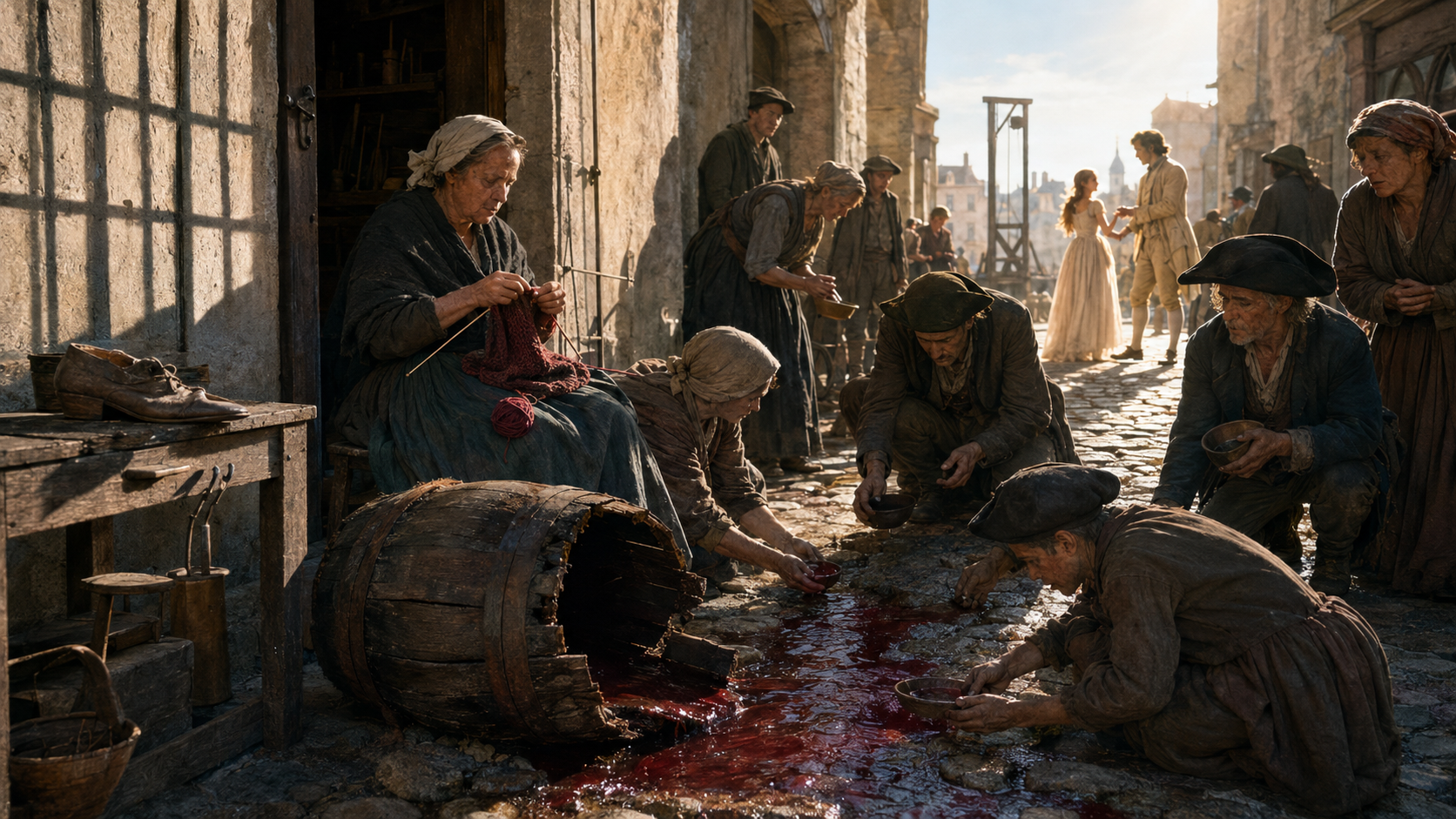
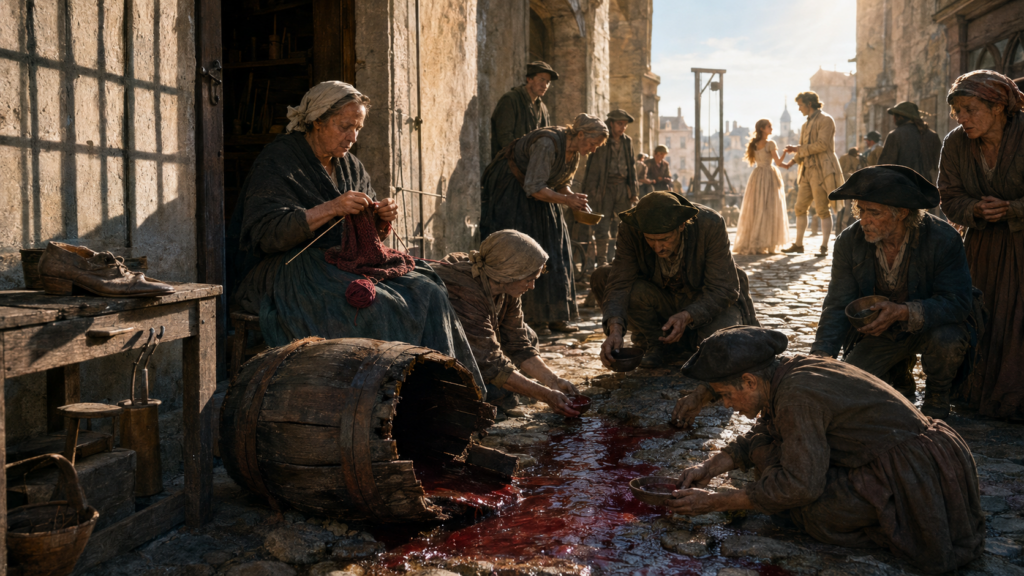
Early in the novel, a wine cask breaks in the street of Saint Antoine. Poor people rush to drink from the muddy ground. The scene is sad, messy, and tense.
The wine looks like blood. Dickens even shows someone writing the word blood on a wall. This moment points ahead to the bloodshed of the French Revolution.
The symbol matters because it links poverty with revenge. The people are not violent for no reason. They are starving, ignored, and pushed too far.
Like the green light in The Great Gatsby, the wine means more than it first seems to mean. It turns a simple object into a sign of desire and danger.
Light and darkness in the symbols in A Tale of Two Cities
Light often points to love, truth, and moral hope.
Dickens uses darkness to show fear, secrecy, and despair. Dr. Manette’s prison past is tied to dark rooms and hidden memories.
Lucie Manette is often linked with light. Her love helps bring her father back into the world after years in prison. She does not fix history, but she gives him a reason to live.
This symbol connects to the theme of **resurrection**. Light suggests that broken people can return to life, even after deep suffering.
The contrast also helps Dickens build mood. A dark street or prison cell makes the reader feel the danger before it reaches the characters.

Knitting as a symbol of revenge
Madame Defarge’s knitting turns a quiet act into a threat.
Knitting may seem harmless at first. In the novel, it becomes a record of names marked for death.
Madame Defarge uses her knitting to hide plans for revenge. This makes the symbol cold and frightening. It shows how hate can become patient and exact.
The symbol also connects to fate. Once a name enters her work, that person seems trapped. The image reminds readers of the Fates in Greek myth, who were tied to the thread of human life.
Here, Dickens shows a dark truth about justice. When justice becomes revenge, it can lose mercy.
La Guillotine and the symbol of public violence
The guillotine shows how a revolution can turn into a machine.
In the novel, La Guillotine is treated almost like a living force. Crowds gather around it. People watch death as if it were a show.
This symbol connects to the theme of mob power. The revolution begins with real anger against cruelty. Yet the guillotine shows how quickly a fight for justice can become cruel too.
Dickens does not excuse the old French nobility. He shows their pride and abuse. But he also warns that violence can spread until no one controls it.
For brief historical background on Dickens and his world, see Britannica’s biography of Charles Dickens.
Prison and chains as symbols in A Tale of Two Cities
Prison stands for both physical pain and mental trauma.
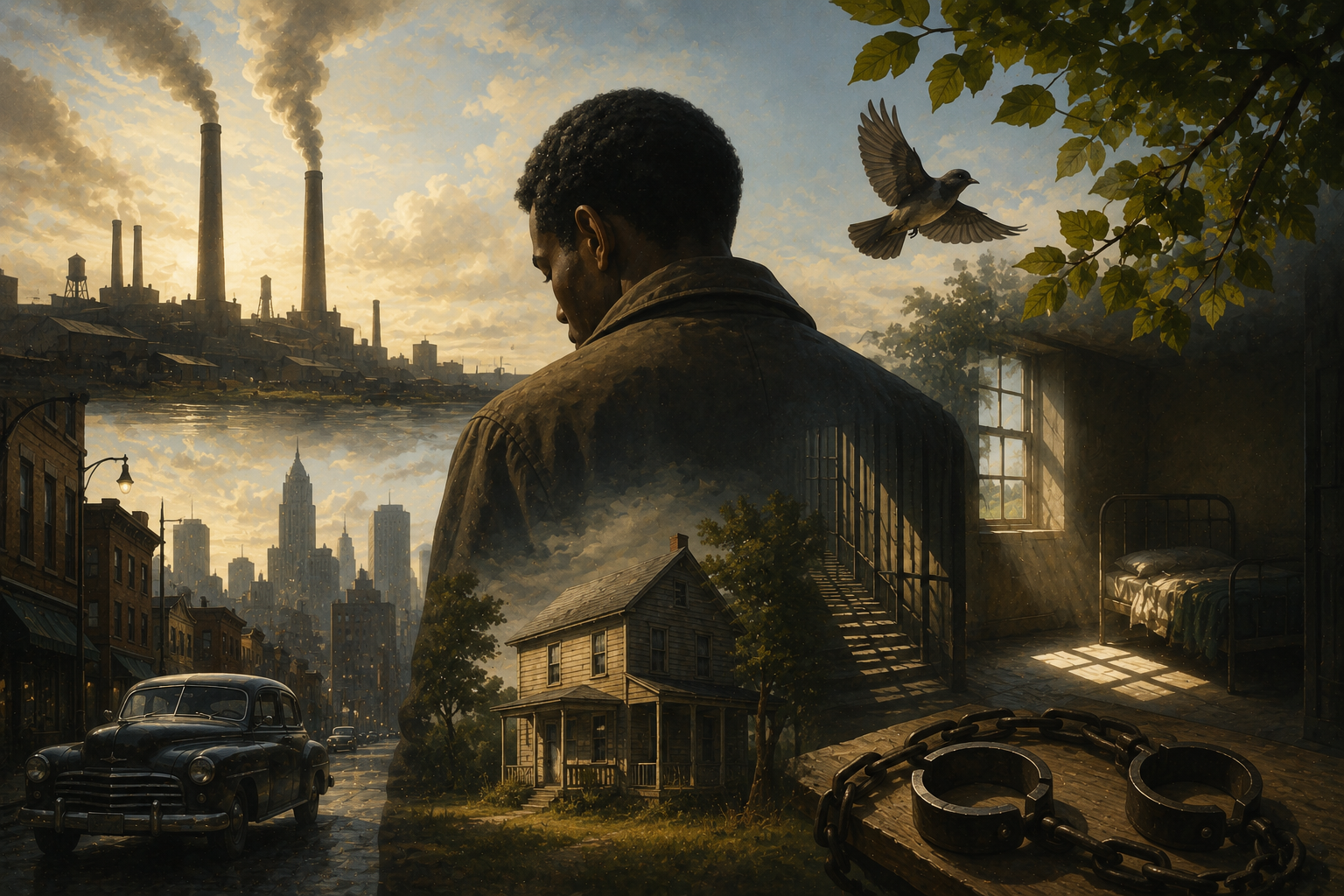
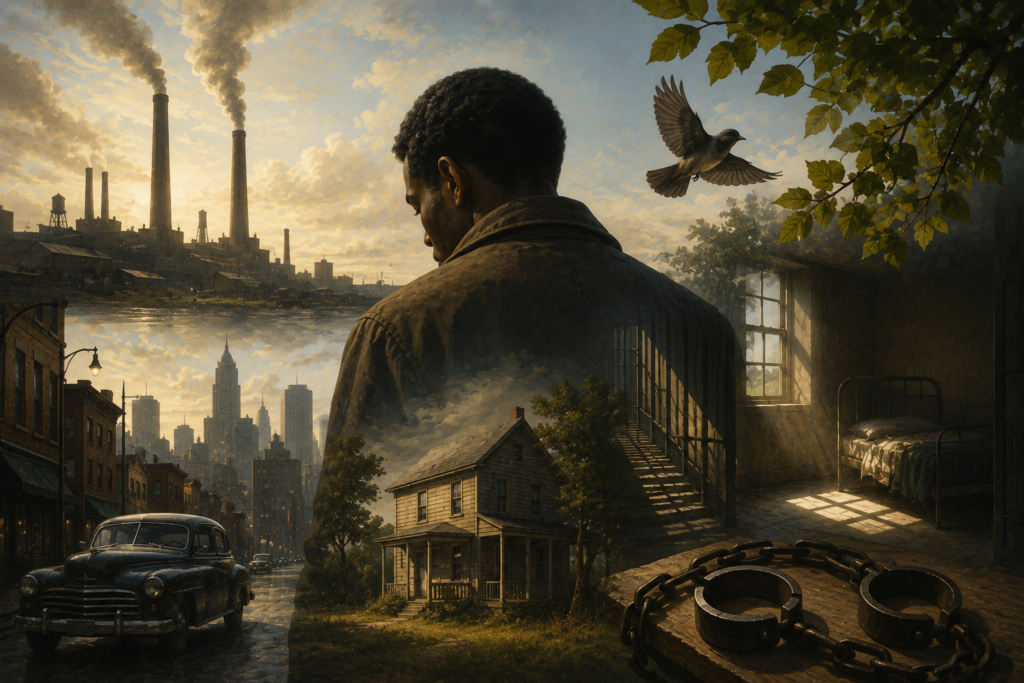
Dr. Manette spends years in the Bastille. Even after he is free, part of him remains trapped by fear and memory.
His shoemaking is a key sign of that trauma. When stress returns, he falls back into the habit he learned in prison. The past still has power over him.
This is one of the most human symbols in A Tale of Two Cities. It shows that freedom is not just about leaving a cell. A person also needs healing.
The Bastille itself becomes a symbol of unfair power. Its fall marks a political change, but Dickens asks whether people can escape cruelty without repeating it.
Resurrection as the central image of the novel
Resurrection means return, renewal, and moral rebirth.
The novel opens with the idea of being recalled to life. Dr. Manette is brought back from mental ruin. Charles Darnay is saved from death more than once.
Sydney Carton gives the deepest form of resurrection. He begins as a wasted man who sees little value in himself. By the end, he chooses a sacrifice that gives his life meaning.
This image connects to Christian ideas of selfless love. It also connects to a broader human hope: people can change.
The best symbols in A Tale of Two Cities work this way. They are not just clues. They help readers feel the novel’s moral struggle.
How to study symbols in A Tale of Two Cities for essays
A strong essay links each symbol to a theme and a scene.
Do not just say that wine stands for blood. Explain how the wine scene reveals hunger, anger, and the coming violence.
Try this simple pattern: name the symbol, describe where it appears, then explain what it shows about the novel’s message. Keep the focus on meaning.
For more help, review this step-by-step guide to finding symbolism. If you want extra practice, our literature study resources can help you build stronger notes.
Suggested books for deeper study
These books can help you understand Dickens, revolution, and literary symbols.
- A Tale of Two Cities by Charles Dickens
- Charles Dickens by Claire Tomalin
You can also explore the British Library’s Charles Dickens resources for helpful context.
FAQ about symbols in A Tale of Two Cities
Here are short answers to common student questions.
What are the main symbols in A Tale of Two Cities?
The main symbols include the broken wine cask, light and darkness, knitting, La Guillotine, prisons, and resurrection.
What does the wine symbolize in the novel?
The wine symbolizes hunger, blood, and the violence that will come with the French Revolution.
Why is knitting important in A Tale of Two Cities?
Knitting shows Madame Defarge’s revenge. It also suggests fate, since the names she records seem marked for death.
What does resurrection mean in the novel?
Resurrection means a return to life or purpose. Dr. Manette, Darnay, and Carton all connect to this idea.
How should I write about symbolism in an essay?
Choose one symbol, connect it to a clear theme, and use a specific scene as proof.
Key takeaway
The symbols in A Tale of Two Cities matter because they turn history into feeling. Dickens uses objects and images to show how suffering can lead to revenge, but also how love can lead to renewal.