Most Influential Forbidden Knowledge in Literature: Books, Symbols, and Themes

forbidden knowledge

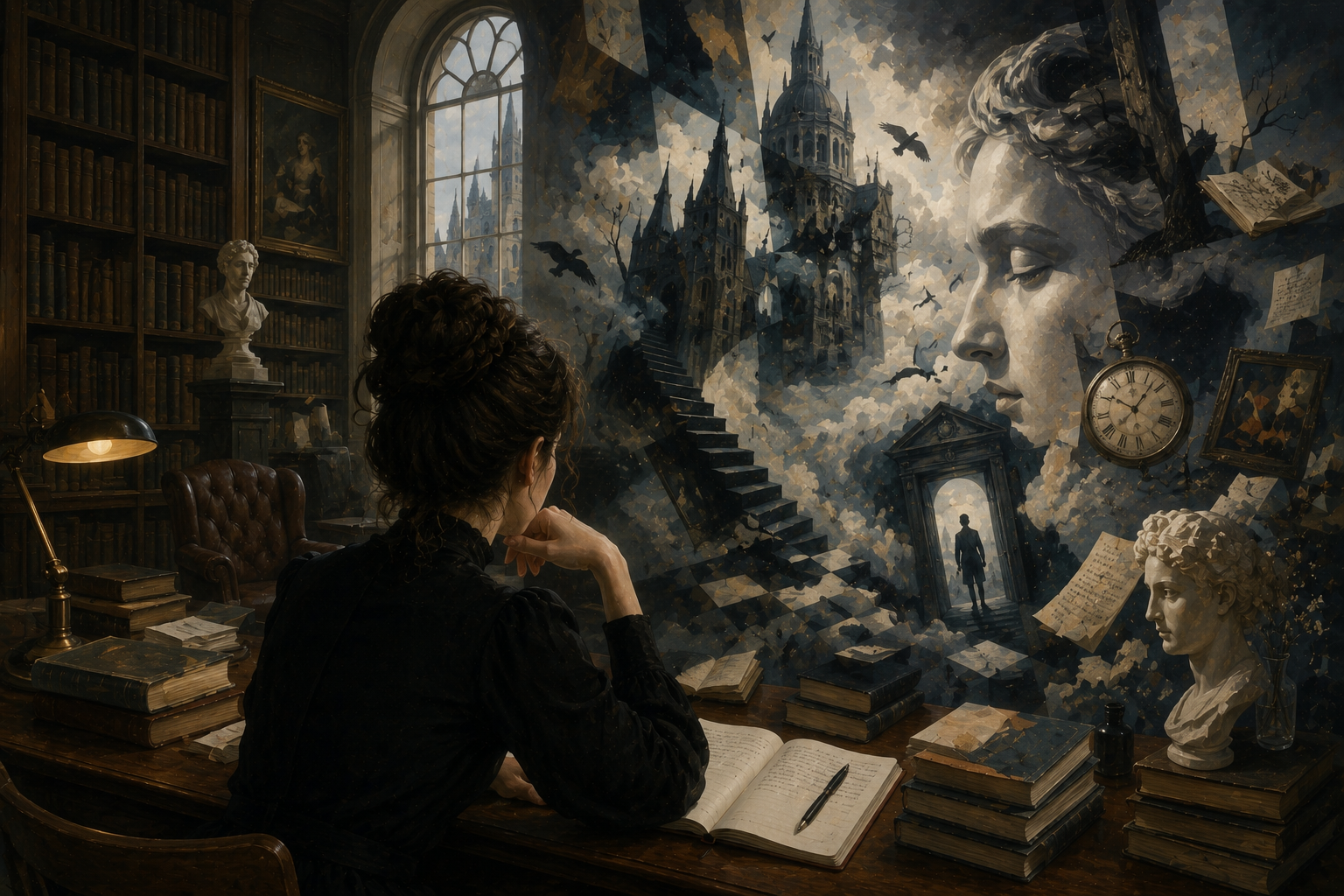
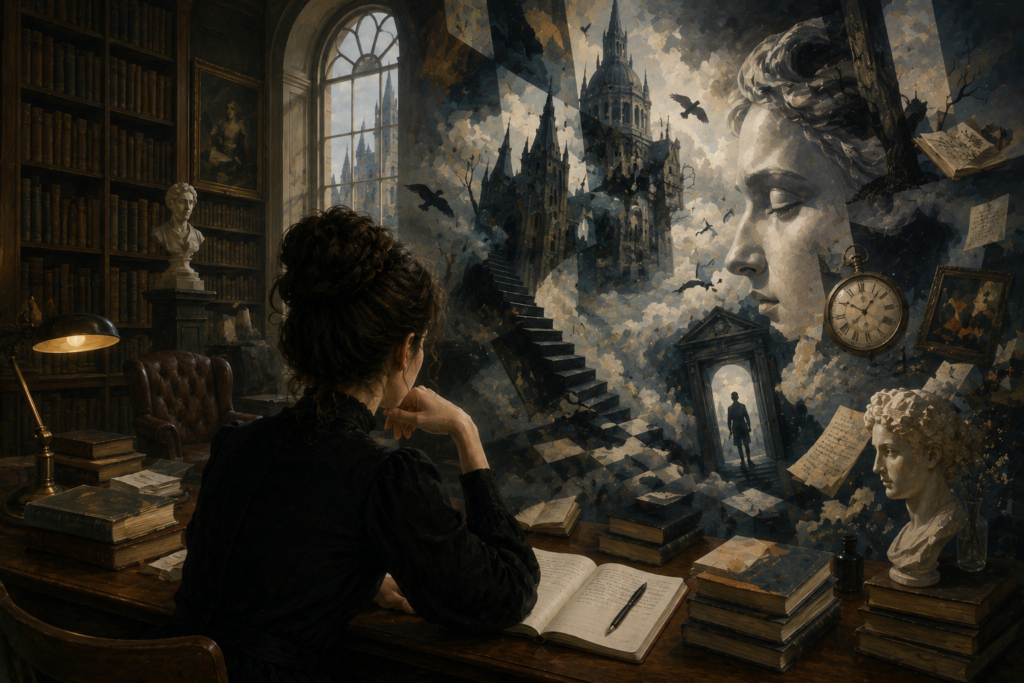
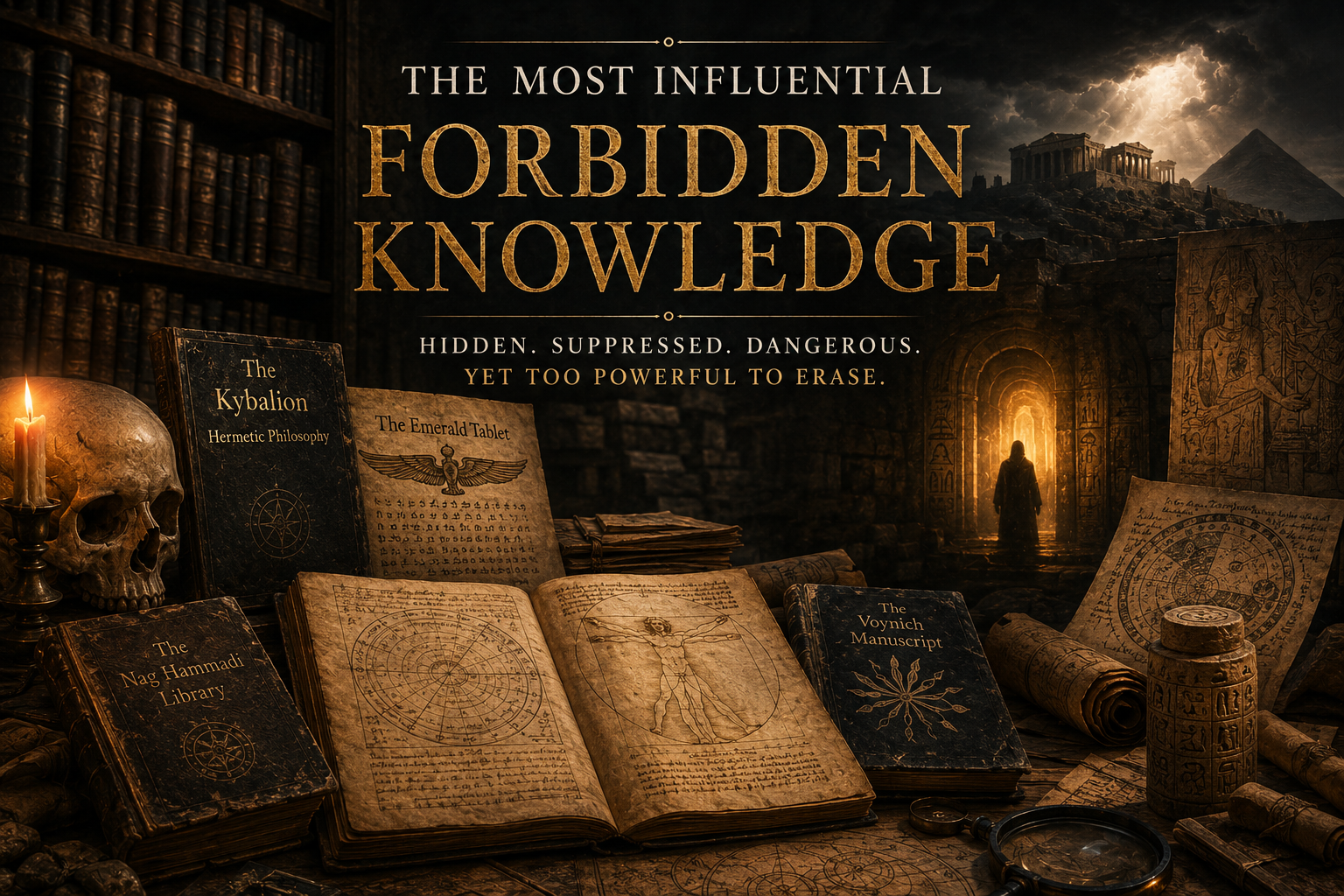
Stories about the Most Influential Forbidden Knowledge ask a sharp question: what happens when people learn what they were never meant to know? From ancient myths to modern novels, these works show how truth can free people, tempt them, or destroy them.

In this Guide

forbidden knowledge

What Does Forbidden Knowledge Mean?

Forbidden knowledge is truth that a person, group, or system tries to hide.

In literature, this can mean a secret book, a banned idea, a hidden history, or a dangerous scientific discovery. The knowledge is “forbidden” because someone in power fears what it might do.

The Most Influential Forbidden Knowledge often changes the hero’s life. Once the truth is known, the character cannot return to innocence.

This idea appears in myths, religious stories, Gothic novels, dystopian fiction, and campus novels. It stays popular because readers understand the pull of secrets.

Most Influential Forbidden Knowledge in Classic Literature

Classic literature uses forbidden knowledge to test human desire, pride, and fear.

One of the oldest examples is the Tree of Knowledge in the Book of Genesis. Adam and Eve gain knowledge, but that knowledge brings loss. The story shapes much of Western literature because it links knowledge with choice and consequence.

Greek myth gives us Prometheus, who steals fire for humans. Fire stands for power, craft, and progress. Yet Prometheus suffers because he gives humans a gift the gods wanted to control.

In Paradise Lost, John Milton turns the fall of humanity into a grand poem about rebellion, pride, and desire. The poem asks why people choose danger when they know the cost. You can learn more about Milton through the Poetry Foundation’s John Milton page.

Mary Shelley’s Frankenstein is another key work. Victor Frankenstein learns how to create life, but he lacks wisdom. His discovery becomes a warning about science without care.

These works help explain why the Most Influential Forbidden Knowledge is never just about facts. It is about what people do after they gain those facts.

Why Most Influential Forbidden Knowledge Still Matters Today

Forbidden knowledge feels modern because we still argue over who controls truth.

Books are banned. Data is hidden. Governments shape history. Schools debate what students should read. These real issues make older stories feel fresh.

In George Orwell’s 1984, the Party controls language, memory, and truth. Winston wants to know what life was like before the Party. That desire becomes an act of rebellion.

In Ray Bradbury’s Fahrenheit 451, books are illegal because they make people think and question. Firefighters burn books instead of saving homes. The novel turns censorship into a warning about comfort, fear, and silence.

The Most Influential Forbidden Knowledge in these novels matters because it shows how truth can threaten power.

Modern Books That Explore Forbidden Knowledge

Modern authors often connect forbidden knowledge to identity, memory, and social control.

In Margaret Atwood’s The Handmaid’s Tale, women are denied reading, writing, and public power. Knowledge becomes a way to resist a cruel system. Even small memories of the past matter.

In Umberto Eco’s The Name of the Rose, a hidden book causes fear inside a medieval monastery. The mystery asks whether laughter, thought, and free debate can weaken authority.

Philip Pullman’s His Dark Materials also uses forbidden knowledge in a bold way. Lyra’s world is full of rules that adults refuse to explain. Her search for truth becomes a fight for freedom.

These stories show that the Most Influential Forbidden Knowledge can appear in many forms, from banned books to hidden memories.

Symbols and Themes in Most Influential Forbidden Knowledge

Writers often use symbols to show why hidden truth feels powerful.

Books are one of the clearest symbols. A book can stand for memory, freedom, or danger. In Fahrenheit 451, books become a sign of human thought itself.

Fire is another strong symbol. It can mean light, learning, and destruction. Prometheus gives fire to humans, while Bradbury’s firefighters use fire to erase ideas.

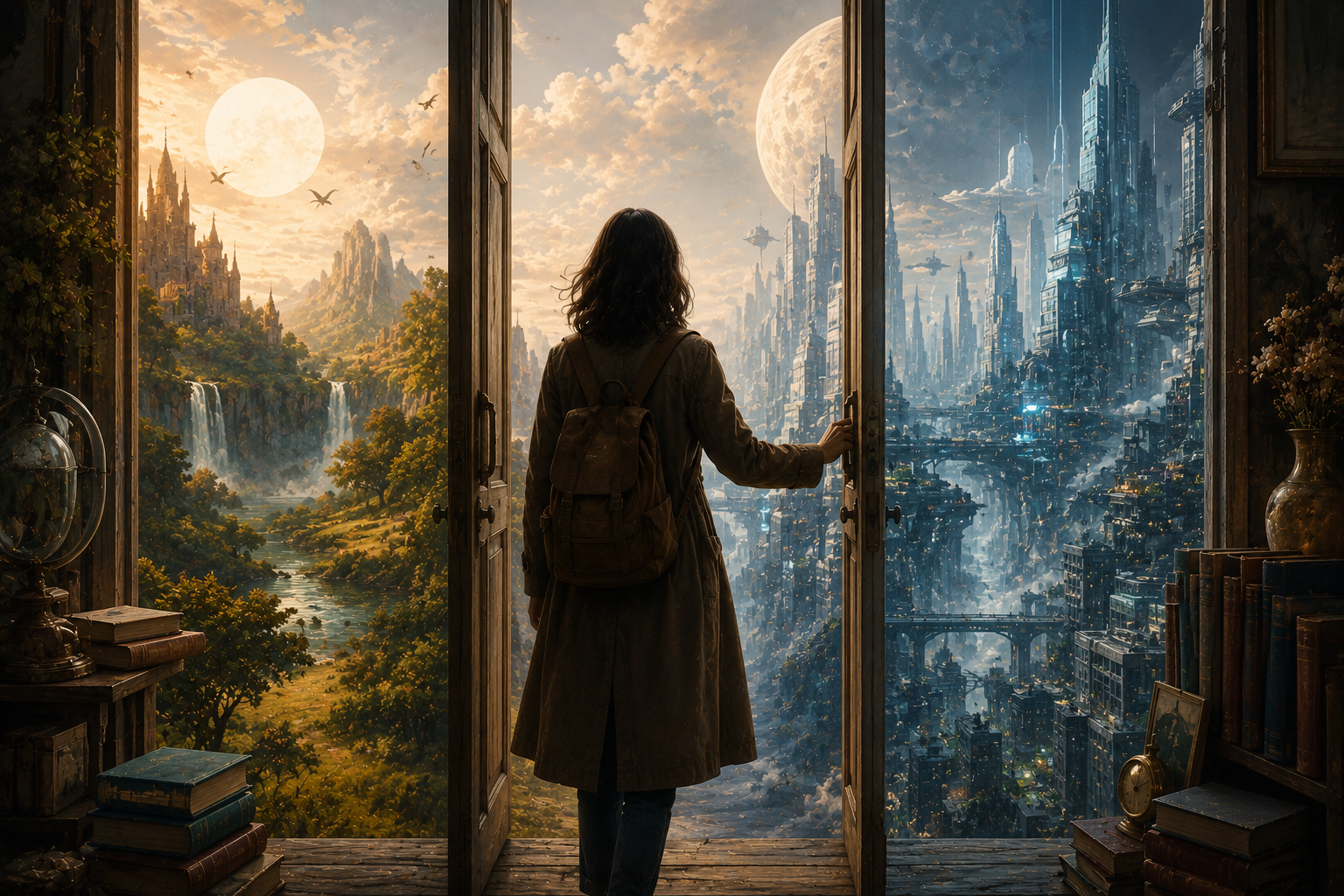
Doors, locked rooms, and secret libraries also appear often. They show the border between safety and truth. Once a character crosses that border, the story changes.

The main themes are power, curiosity, guilt, and responsibility. These themes are useful for essays because they connect character choices to larger ideas. If you want help naming these tools, see this guide to literary devices.

The Most Influential Forbidden Knowledge often asks one hard question: should every truth be known?

These books are strong choices for students who want to study forbidden knowledge in literature.

  • Frankenstein by Mary Shelley: A major Gothic novel about science, ambition, and moral duty.
  • Fahrenheit 451 by Ray Bradbury: A short, powerful dystopian novel about censorship and the value of books.

Both works are often taught in high school and college. They also pair well with essays about symbolism, conflict, and theme.

For background on Shelley’s novel, visit Britannica’s page on Frankenstein.

How to Write About Most Influential Forbidden Knowledge in an Essay

A strong essay should focus on the cost of knowledge.

Start by asking who hides the truth. Then ask who seeks it and why. This helps you move beyond plot summary.

You can also look at symbols. A secret book, a flame, or a locked room can reveal the story’s deeper meaning.

For example, an essay on Frankenstein might argue that Victor does not fail because he learns too much. He fails because he refuses care, honesty, and responsibility.

That point makes the Most Influential Forbidden Knowledge more complex. The problem is not always knowledge itself. The problem is how people use it.

FAQs About Most Influential Forbidden Knowledge

What is the Most Influential Forbidden Knowledge in literature?

The Most Influential Forbidden Knowledge often includes hidden truth, banned books, secret science, or knowledge of good and evil. Famous examples appear in Genesis, Frankenstein, and Fahrenheit 451.

Why do writers use forbidden knowledge?

Writers use it to create conflict and raise moral questions. It helps show what characters want and what they fear.

Is forbidden knowledge always bad?

No. Many stories show that knowledge can free people. The danger often comes from pride, control, or fear.

What theme connects most forbidden knowledge stories?

The main theme is responsibility. A character must decide what to do with the truth once they have it.

Key Takeaway

The Most Influential Forbidden Knowledge in literature is powerful because it links truth with risk. These stories remind us that knowledge can open minds, but it also demands courage and care.

For students, this topic is a rich path into theme, symbolism, and character analysis. It turns a simple question into a lasting one: what truths are worth the cost?

Best Literary Time Travel and Memory: Books, Themes, and Symbols That Bend Time

Literary time travel

Best Literary Time Travel and Memory is a rich topic because books often treat time as more than a clock. In literature, time can reveal grief, guilt, love, trauma, and the deep need to understand the past.

From science fiction to modern novels, writers use time travel and memory to ask one big question: can people ever escape what happened before?

In this Guide

  • Why time travel and memory matter in literature
  • Best Literary Time Travel and Memory in famous books
  • Recommended books to read
  • Key themes and symbols
  • How students can analyze these stories
  • FAQs
  • Key takeaway
Literary time travel

Why Best Literary Time Travel and Memory Still Matters

Stories about time often feel strange, but their emotions are easy to understand.

Best Literary Time Travel and Memory matters because it shows how the past shapes the present. A character may travel through time, but the real journey is often inside the mind.

Memory can comfort a character. It can also trap them. In many books, the past returns because someone has not faced it yet.

This is why time travel stories are not only about machines or magic. They are also about regret, hope, and the wish to fix what cannot be fixed.

Best Literary Time Travel and Memory in Classic and Modern Books

Many famous books bend time to show how people live with pain, history, and desire.

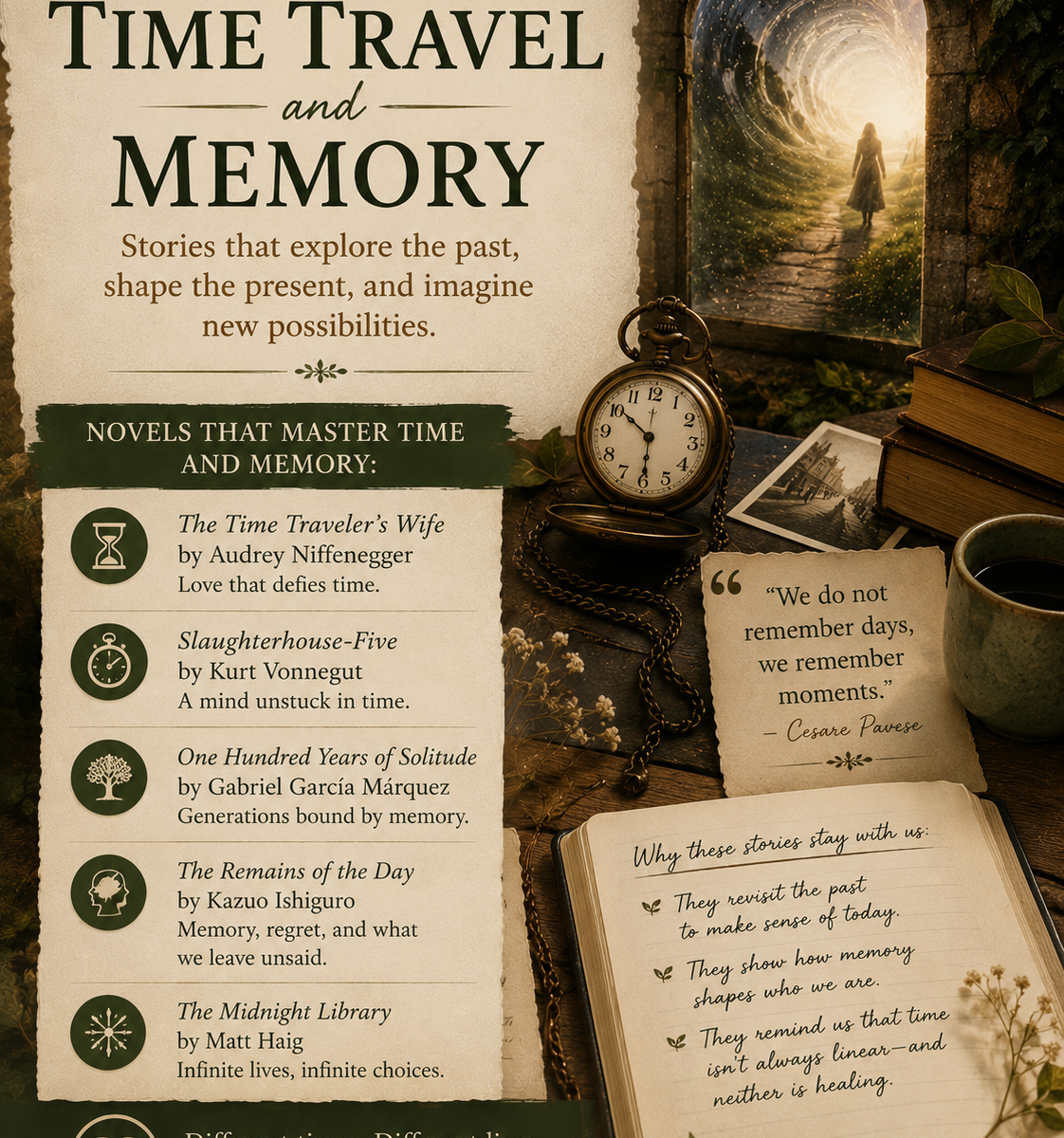
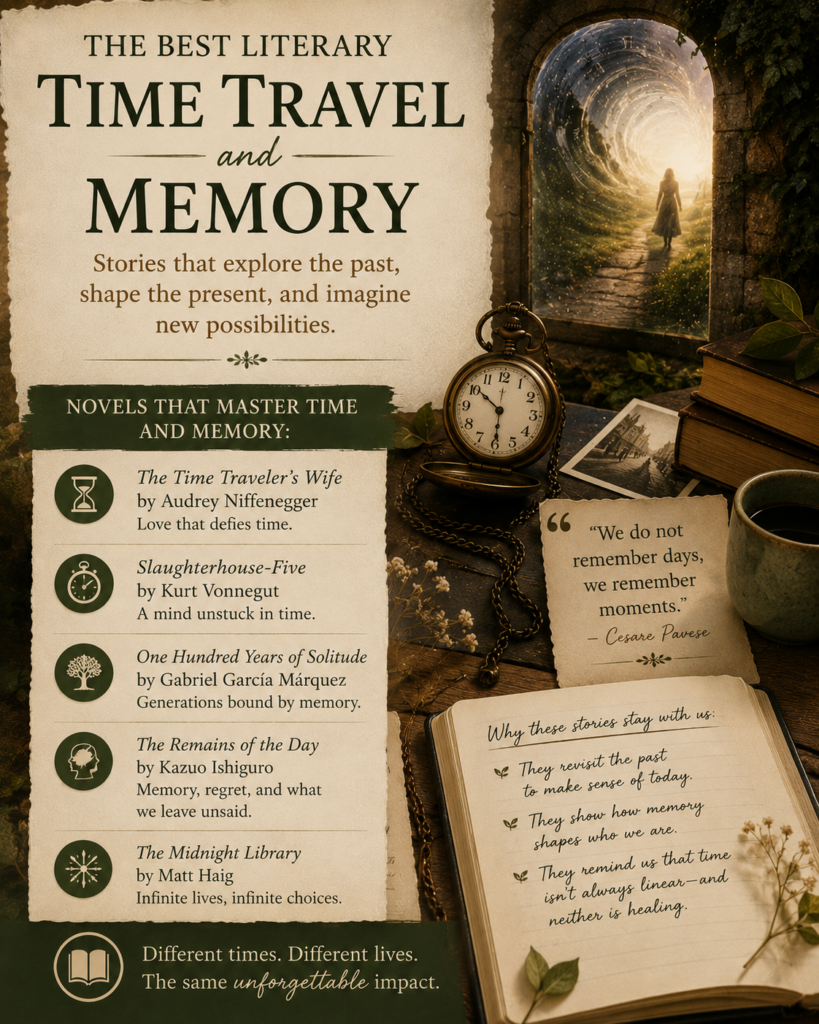
In Slaughterhouse-Five by Kurt Vonnegut, Billy Pilgrim becomes “unstuck in time.” He moves between war, home, and alien spaces. The broken timeline mirrors the shock of trauma.

In Kindred by Octavia E. Butler, Dana travels from 1970s California to the era of slavery. The time travel is direct and frightening. It forces readers to see history as something alive, not distant.

In The Time Traveler’s Wife by Audrey Niffenegger, time travel affects love and family. The story asks whether love can survive when time itself feels unfair.

Best Literary Time Travel and Memory also appears in books without actual time machines. In Mrs Dalloway by Virginia Woolf, memory carries characters back into old choices and lost chances.

Recommended Books for Best Literary Time Travel and Memory

These books are strong picks for students who want clear examples of time, memory, and identity.

  • Kindred by Octavia E. Butler
  • Slaughterhouse-Five by Kurt Vonnegut
  • The Time Traveler’s Wife by Audrey Niffenegger

Kindred works well for class discussion because it connects time travel to race, power, and family history.

Slaughterhouse-Five is a key text for war literature. It uses a strange time structure to show how trauma changes memory.

The Time Traveler’s Wife gives the theme a personal focus. It shows how time can feel romantic, painful, and out of human control.

Memory as a Form of Time Travel

Not every story needs a time machine to move through time.

Memory is often the most common form of time travel in literature. A smell, place, photo, or sound can pull a character into the past.

In In Search of Lost Time by Marcel Proust, a small taste of cake brings back a flood of memory. The moment is famous because it shows how the past can return without warning.

In Beloved by Toni Morrison, memory is painful and hard to escape. The past becomes almost physical. It enters the home, the body, and the lives of the characters.

This is why Best Literary Time Travel and Memory fits both science fiction and literary fiction. Both forms ask how the past still touches the present.

Symbols in Best Literary Time Travel and Memory Stories

Writers often use simple objects to make time feel visible.

Clocks are the clearest symbol. They can show order, pressure, or fear. A broken clock may suggest that normal time no longer works.

Photographs also matter. They freeze one moment, but they can stir deep emotion. A photo may seem still, yet it can move a character back into loss or love.

Doors, roads, mirrors, and rivers often appear in stories about time. Each one can suggest a passage from one state of life to another.

Nature can also shape memory. A desert, forest, or lonely plain may hold the weight of the past. For more on place and meaning, read our guide to nature and isolation in Western writing.

Major Themes in Best Literary Time Travel and Memory

The best time travel stories use big ideas in personal ways.

Regret is one major theme. Characters often want to change a mistake, save a loved one, or choose a different path.

Trauma is another key theme. In many novels, time feels broken because the mind cannot leave a painful event behind.

Identity also matters. If memory shapes who we are, then a change in memory can change the self.

These themes make Best Literary Time Travel and Memory useful for AP Literature and college essays. The topic helps students connect plot structure to deeper meaning.

How Time Structure Shapes the Reader’s Experience

A story’s timeline can affect how readers feel.

A straight timeline feels steady. A broken timeline feels uncertain. When scenes jump between past and present, readers may feel the same confusion as the character.

Vonnegut uses this method in Slaughterhouse-Five. The jumps in time are not random. They show how war has damaged Billy’s sense of reality.

Woolf uses memory in a different way. In Mrs Dalloway, one day in London opens into many years of feeling and thought.

For background on memory as a human process, the Britannica overview of memory offers a helpful starting point.

Why Students Should Study Best Literary Time Travel and Memory

This topic helps students read beyond the surface.

When a book moves through time, ask why. The author may want readers to feel grief, suspense, shock, or longing.

Students can also look for patterns. What moments return? Which memories repeat? What does the character avoid?

Best Literary Time Travel and Memory gives students a strong way to discuss theme, structure, symbol, and character at once.

It also connects well to place. A setting can act like a memory bank, especially when nature reflects loss or silence. Our article on landscape and isolation in literature explores this idea in more depth.

Poetry, Time, and Memory

Poetry often treats time as brief, fragile, and emotional.

Many poems look back at childhood, lost love, or death. The speaker may not travel through time in a literal way, but memory creates the same effect.

T.S. Eliot’s poetry often explores time, history, and spiritual longing. You can learn more about Eliot through the Poetry Foundation’s T.S. Eliot page.

Poems are useful for this topic because they can turn one moment into a doorway. A single image can open years of memory.

How to Write About Best Literary Time Travel and Memory

A strong essay starts with the reason behind the time shift.

Do not only say that a story jumps in time. Explain what the jump reveals. Does it show trauma, love, fear, or guilt?

Use short quotes that show the pattern. Then connect those quotes to the character’s inner life.
A helpful thesis might say: “The broken timeline shows that the character cannot separate the present from the past.”

This keeps your essay focused on meaning, not just plot summary.

FAQs About Best Literary Time Travel and Memory

What is literary time travel?

Literary time travel means a story moves across different points in time. This can happen through science fiction, magic, dreams, or memory.

Is memory a form of time travel in literature?

Yes. Memory can move a character back into the past in an emotional way. It may feel as powerful as real time travel.

What book is best for studying time travel and memory?

Kindred by Octavia E. Butler is one of the best choices. It uses time travel to explore history, family, and power.

Why do authors use broken timelines?

Authors use broken timelines to show how people think and feel. This structure can reveal trauma, regret, or deep longing.

Can this topic help with AP Literature essays?

Yes. Best Literary Time Travel and Memory is useful because it connects structure, theme, and character change.

Key Takeaway

Best Literary Time Travel and Memory shows that the past is never fully gone. In literature, time can break, bend, and return because characters still carry what they have loved, lost, or feared.

The strongest stories about time are not only about where a character goes. They are about what the character finally understands.

Themes in Brave New World: A Student-Friendly Guide

Themes in Brave New World

The themes in Brave New World help readers see why Aldous Huxley’s novel still feels sharp today. This guide breaks down the major ideas in the book so students can connect plot, character, and meaning without getting lost.

In this Guide

Use this as a quick map before you read or review.

  • Why the novel still matters
  • Social control and comfort
  • Pleasure and distraction
  • Identity and family
  • Science and technology
  • Freedom and truth
  • How to write about the novel
  • FAQ
Themes in Brave New World

Why themes in Brave New World Still Matter

Huxley’s world looks strange at first, but its fears are easy to recognize.

Brave New World was published in 1932, but many of its questions feel modern. What happens when comfort becomes more important than freedom? Can a society be peaceful and still deeply wrong?
Studying the themes in Brave New World helps students see that the novel is not only about the future. It is also about choices people make in any age.

For brief background on the novel and Huxley, Britannica offers a helpful overview of Brave New World.

Social Control and the themes in Brave New World

The World State controls people by making control feel normal.

In many dystopian stories, governments use fear. In Brave New World, the government often uses pleasure, routine, and comfort instead.

Citizens are trained from birth to accept their social class. They do not choose their work, values, or relationships in a free way. The state creates people to fit a system, then teaches them to love their place in it.

This is one of the key themes in Brave New World because it asks a hard question: if people do not know they are controlled, are they still trapped?

Students often compare this to George Orwell’s 1984. Orwell shows control through fear and punishment. Huxley shows control through comfort and desire.

Pleasure, Distraction, and the themes in Brave New World

In Huxley’s novel, happiness can become a tool of power.

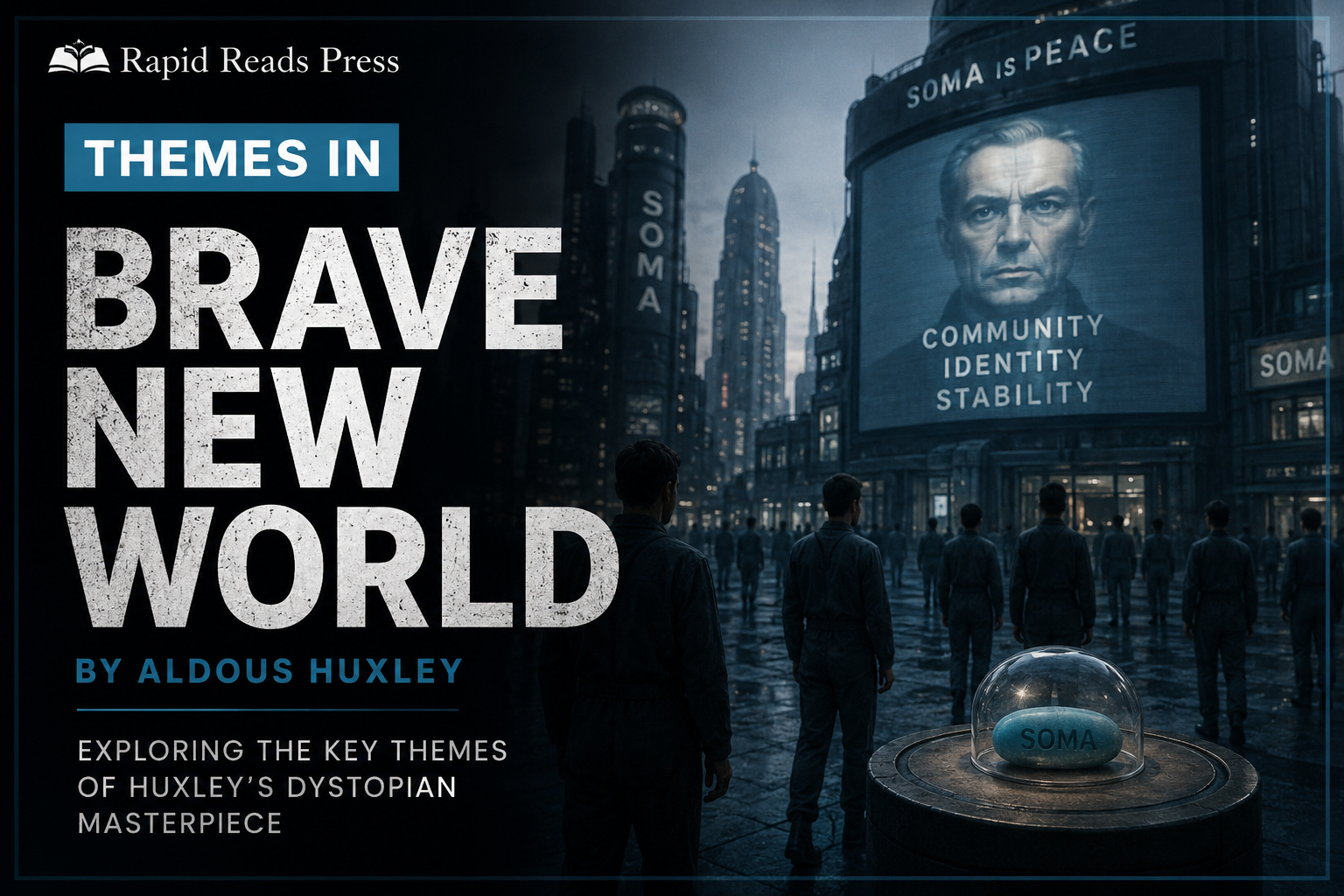
The people in the World State are taught to avoid pain at all costs. They use soma, attend feelies, and repeat slogans that make deep thought seem useless.

Among the themes in Brave New World, this one is especially important for modern readers. Huxley suggests that nonstop pleasure can weaken the mind if it replaces thought, grief, love, and choice.

The novel does not say that happiness is bad. It warns that fake happiness can hide real loss.

Ray Bradbury’s Fahrenheit 451 explores a related fear. In that novel, entertainment keeps people from asking serious questions. Huxley’s world does the same, but in a smoother and more cheerful way.

Identity, Family, and the themes in Brave New World

The World State breaks identity down before people can build it for themselves.

In this society, family is treated as shameful. Words like “mother” and “father” make people uncomfortable. Children grow in bottles, not homes.

The themes in Brave New World become clearer when we notice what the society removes. It removes parents, privacy, lasting love, and personal history. Without these, people have little space to form a deep self.

Bernard Marx feels different from others, which makes him uneasy and proud. Helmholtz Watson wants language to mean more. John, raised outside the World State, believes in love, suffering, and moral choice.

Each character shows a different struggle with identity. None of them fits the system well.

Science, Technology, and the themes in Brave New World

The novel does not attack science itself. It attacks science without moral limits.

The World State uses technology to create people, shape behavior, and keep society stable. Babies are sorted before birth. Children are conditioned through repeated lessons. Adults are managed by drugs and pleasure.

One reason themes in Brave New World work so well is that Huxley does not make technology look evil by itself. The danger comes from how people use it.

This connects well to Mary Shelley’s Frankenstein. Both novels ask whether invention should move faster than responsibility.

In class essays, be careful not to say “technology is bad.” A stronger claim is this: Huxley warns that technology becomes dangerous when it serves control instead of human dignity.

Freedom, Truth, and the Cost of Happiness

Huxley asks whether comfort is worth the loss of truth.

Mustapha Mond, one of the World Controllers, understands the trade-off. He knows that art, religion, family, and deep truth have been sacrificed for social stability.

John cannot accept that bargain. He believes people need the freedom to suffer, choose, fail, and seek meaning. His famous demand for “the right to be unhappy” shows the deep conflict at the heart of the novel.

This conflict makes the themes in Brave New World more than simple warnings. The book asks readers to decide what makes life fully human.

Symbols That Support the Novel’s Themes

Many of Huxley’s symbols point back to control, identity, and lost freedom.

Soma is one of the clearest symbols in the novel. It stands for escape without growth. People take it when they feel upset, but it prevents them from facing pain in a real way.

Ford is another major symbol. The World State treats Henry Ford almost like a god because mass production shapes its values. People are made to be useful parts in a larger machine.

If you want a simple method for spotting symbols in this novel or any other text, see our guide on how to find symbolism in a story.

How to Write About themes in Brave New World

A strong essay connects a theme to specific choices Huxley makes.

Do not just name a theme. Show how it appears through setting, character, conflict, and symbol.

For example, instead of writing, “The book is about control,” try a sharper claim: “Huxley shows that control is most powerful when people mistake it for happiness.”

Then use evidence. You might discuss soma, conditioning, the caste system, or John’s conflict with Mustapha Mond.

If you want more help with literature essays, explore our RapidReads Press study resources for student-friendly tools.

Related Books to Read Next

These books pair well with Huxley’s novel for class discussion or essays.

  • 1984 by George Orwell
  • Fahrenheit 451 by Ray Bradbury

You can search these titles through your school library, local library, or major booksellers such as Amazon. No special edition is required for most student reading.

FAQ About themes in Brave New World

Here are quick answers to common student questions.

What are the main themes in Brave New World?

The main themes include social control, false happiness, identity, technology, and freedom. Each theme shows what people lose when stability becomes the highest goal.

What is the most important theme in the novel?

The most important theme is the conflict between happiness and freedom. Huxley asks whether a painless life is worth living if people cannot choose truth.

Is Brave New World against science?

No. The novel warns against science used without ethics. Huxley’s concern is not invention, but control.

How does soma connect to the novel’s meaning?

Soma represents escape, comfort, and control. It keeps people calm, but it also keeps them from facing real emotions.

Key Takeaway

Brave New World warns that comfort can become dangerous when it replaces freedom, truth, and human connection. That is why the novel still matters, especially for students learning how literature questions the world around them.