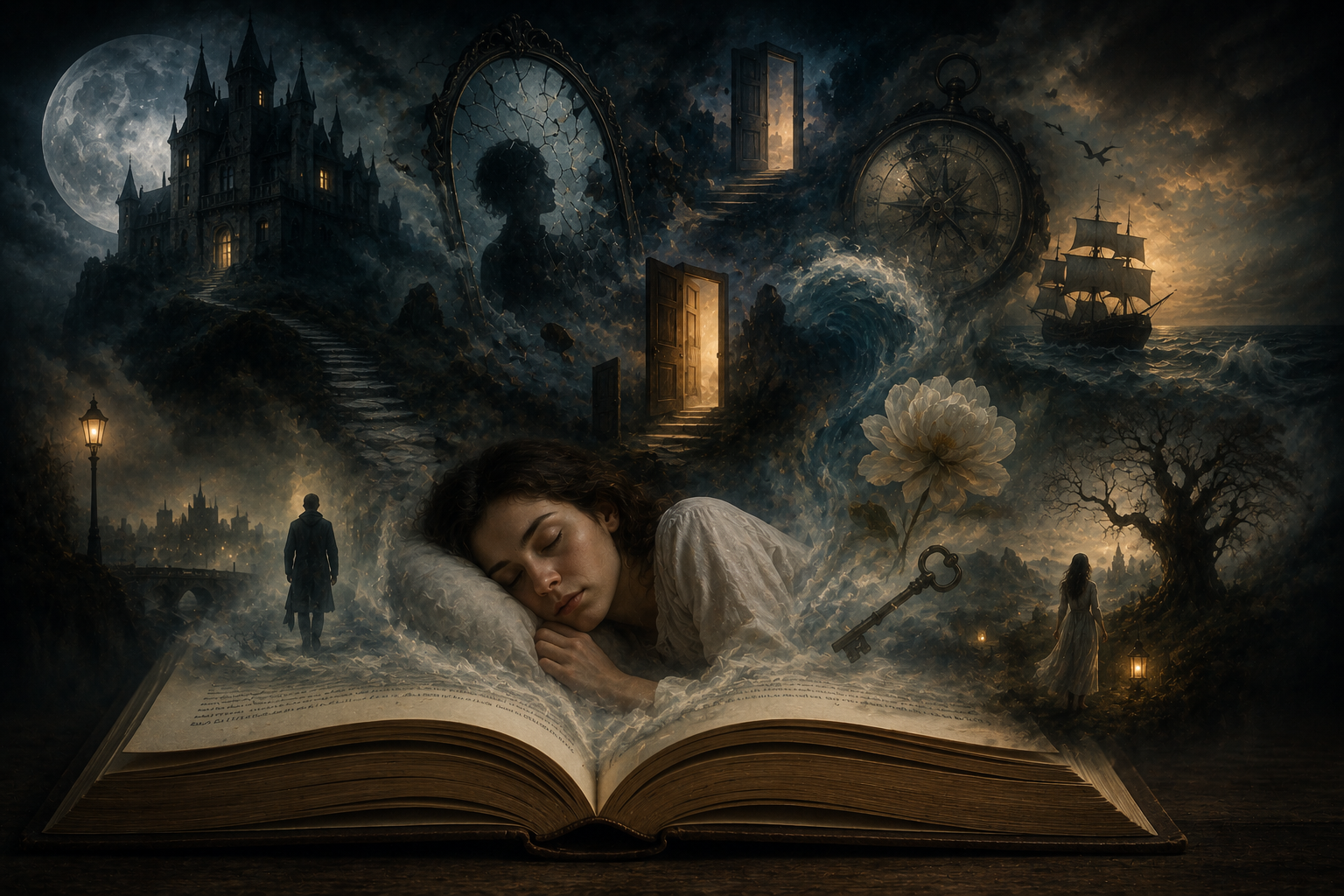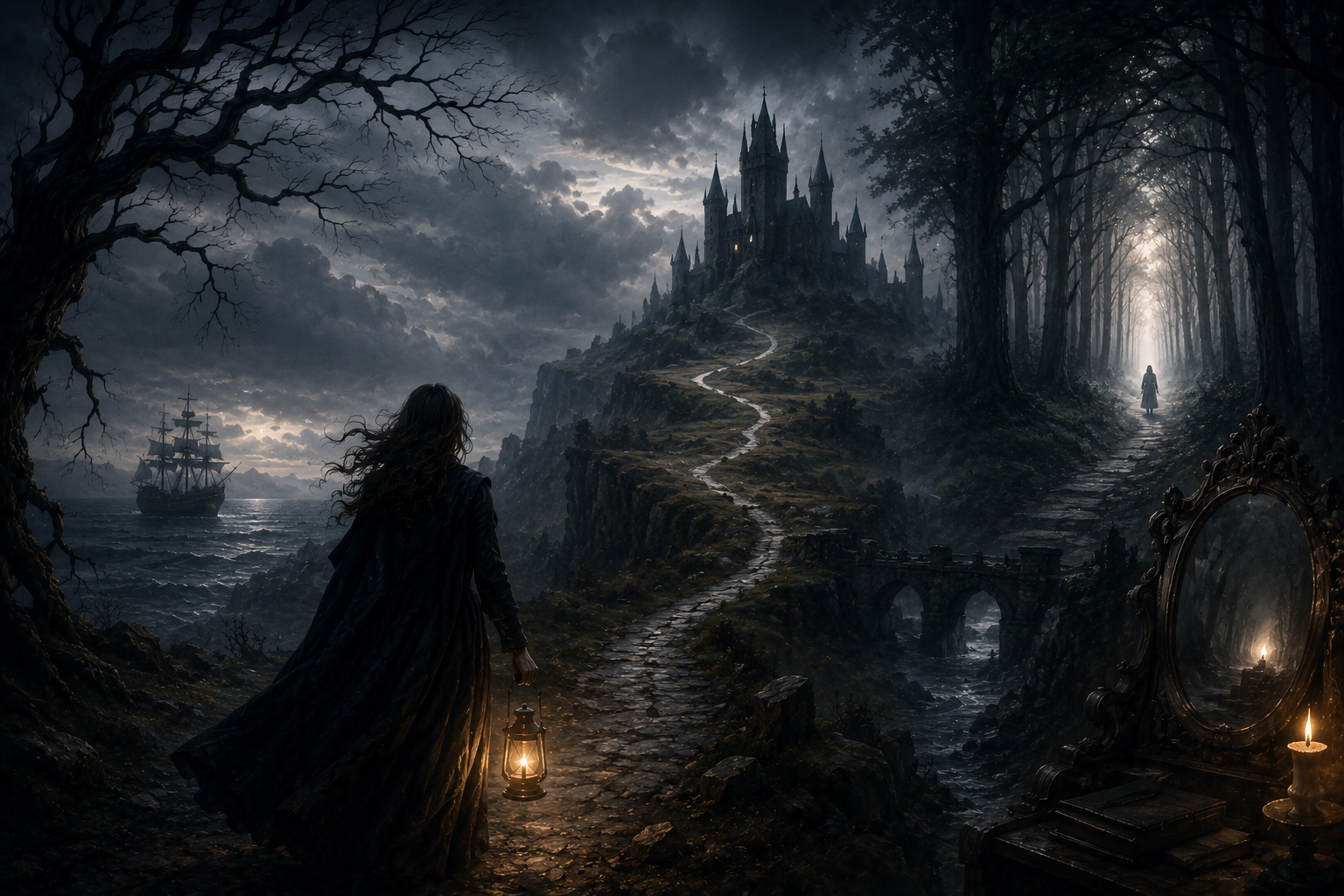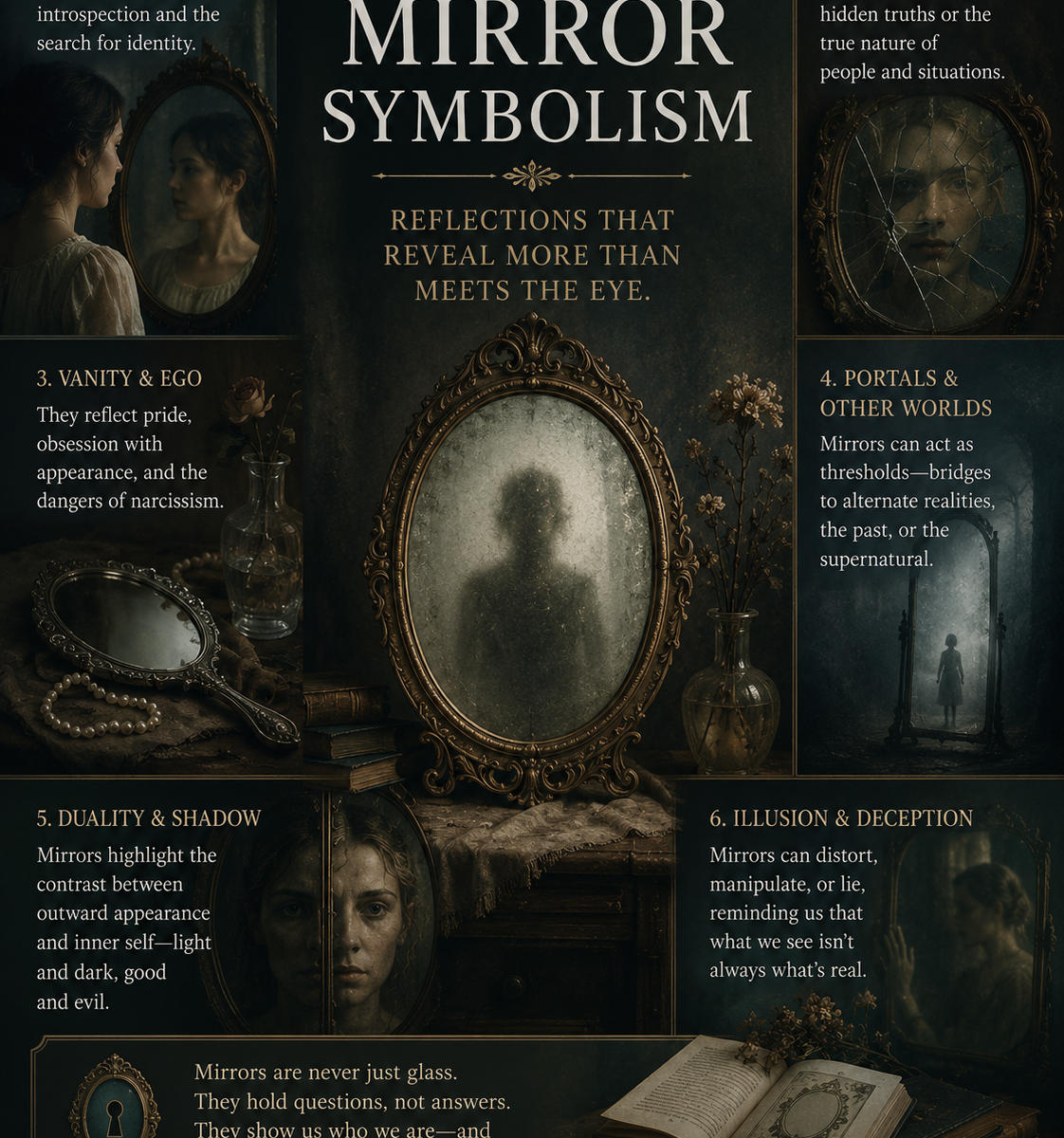
Most Influential Nature Symbolism in Literature

Nature Symbolism
Nature Symbolism

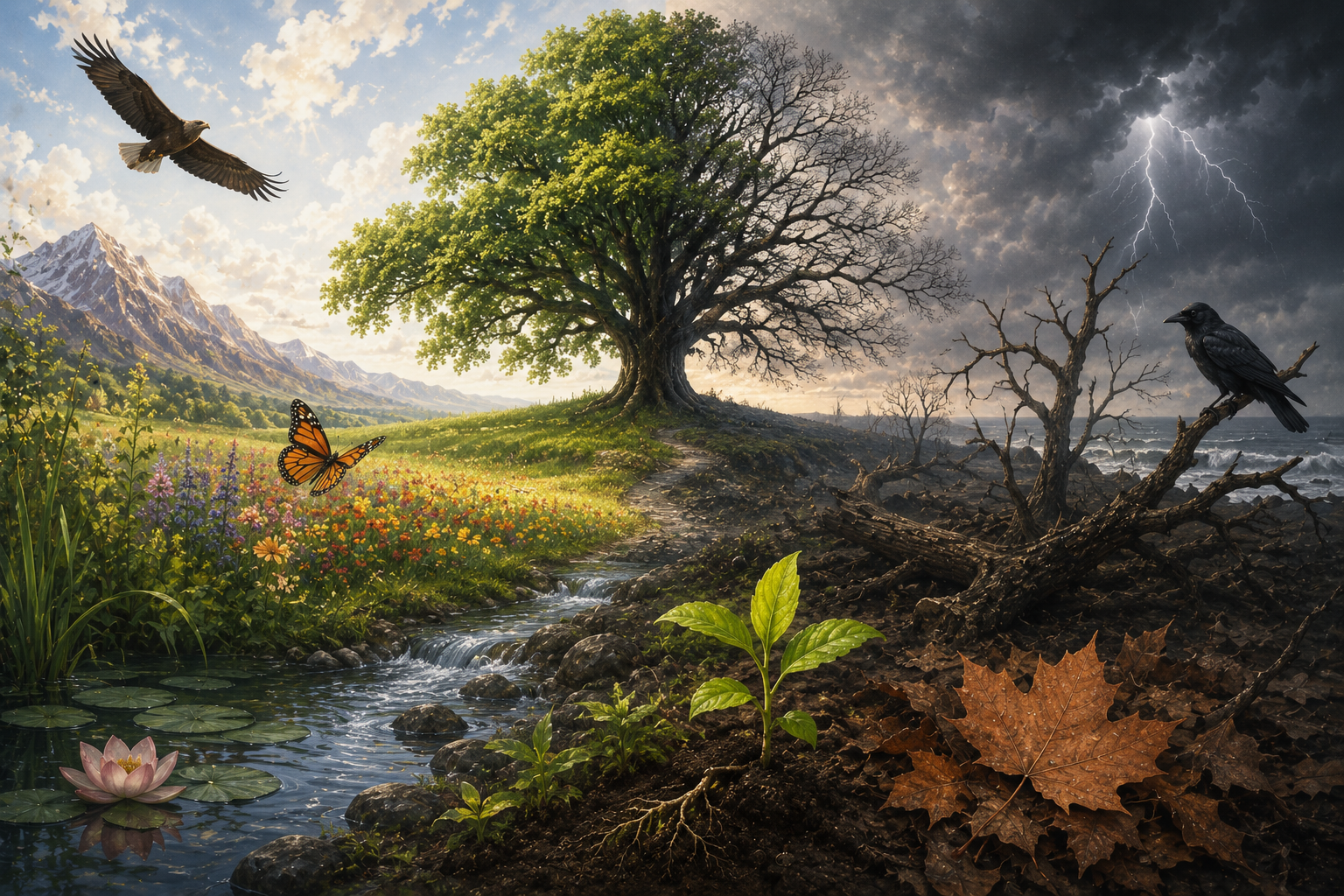
Most Influential Nature Symbolism helps readers see how writers use the natural world to express deep ideas. A forest, storm, garden, or bird can reveal fear, hope, freedom, or change.

This guide explains key nature symbols in famous literature and shows how to read them with confidence.

In this Guide

  • Why nature symbolism matters
  • Famous examples in literature
  • Common nature symbols and meanings
  • Recommended books to read
  • Major themes linked to nature
  • FAQs about nature symbolism

Why Most Influential Nature Symbolism Still Matters

Nature symbols help writers turn simple details into powerful meaning.

Readers remember natural images because they feel close to real life. We all know what storms, seasons, rivers, and sunlight can suggest.

Most Influential Nature Symbolism still matters because it connects human feelings to the world around us. It can show a character’s inner life without a long explanation.

For help with basic symbol spotting, see this guide on how to find symbolism in a story.

Most Influential Nature Symbolism in Classic Literature

Many famous works use nature to shape mood, theme, and character.

In William Shakespeare’s Macbeth, storms and dark skies often reflect disorder. Nature seems broken because Macbeth’s actions break the moral order.

In Emily Brontë’s Wuthering Heights, the wild moors mirror strong emotion. The open land feels harsh, lonely, and free, much like Catherine and Heathcliff.

In Robert Frost’s poetry, paths, woods, and snow often suggest choice and reflection. His poem “The Road Not Taken” is a common classroom example. You can read more Frost poems at the Poetry Foundation.

These works show why Most Influential Nature Symbolism appears so often in literature. Nature gives abstract ideas a clear shape.

Common Patterns in Most Influential Nature Symbolism

Some nature symbols appear again and again because they are easy to recognize.

A forest often stands for mystery, danger, or self-discovery. In many stories, a character enters the woods and comes out changed.

Water can suggest birth, cleansing, or the unknown. A river may show time passing, while the sea may suggest power beyond human control.

Seasons often mark change. Spring can suggest renewal, while winter may suggest death, rest, or emotional coldness.

Light and darkness also carry strong symbolic weight. Light may suggest truth or hope, while darkness may show fear, guilt, or confusion.

Recommended Books for Studying Nature Symbolism

These books offer strong examples for students who want to study nature symbols in action.

  • Walden by Henry David Thoreau: A key work about nature, simple living, and self-reflection.
  • Wuthering Heights by Emily Brontë: A novel where landscape reflects passion, conflict, and isolation.
  • The Grapes of Wrath by John Steinbeck: A novel where dust, land, and weather shape human struggle.

Each book shows Most Influential Nature Symbolism in a different way. One focuses on peace, another on wild emotion, and another on survival.

How to Read Most Influential Nature Symbolism in a Text

Good symbol reading starts with careful attention to repeated details.

Ask what natural image appears more than once. Then ask what happens when it appears. Does the mood shift? Does a character change?

Also notice contrast. A garden in one scene and a storm in the next may show a move from safety to danger.

Do not assume every tree or cloud is a symbol. Strong symbols usually connect to character, conflict, or theme.

If you need a simple method, this article on finding symbolism in fiction can help you build the skill step by step.

Most Influential Nature Symbolism and Major Themes

Nature symbols often point to the biggest ideas in a story.

One major theme is freedom. Birds, open fields, and wide skies often suggest a desire to escape limits.

Another major theme is human weakness. Storms, drought, and harsh land can show how small people are beside nature’s power.

Nature can also reveal moral conflict. In some works, a dying garden may suggest decay in a family or society.

This is why Most Influential Nature Symbolism works so well for essays. It gives students a clear way to connect evidence to theme.

Nature Symbolism in Poetry and Culture

Poets often use nature because a single image can hold many feelings.

Romantic poets such as William Wordsworth saw nature as a source of wisdom and comfort. You can learn more about the Romantic movement from Britannica’s overview of Romanticism.

In many cultures, natural symbols also carry shared meanings. The rose may suggest love, while the oak may suggest strength.

Still, context matters. A flower in one poem may show beauty, but in another it may suggest loss.

FAQ: Most Influential Nature Symbolism

What is Most Influential Nature Symbolism?

Most Influential Nature Symbolism refers to major natural images that have shaped how readers understand literature. Common examples include storms, forests, rivers, seasons, and birds.

Why do authors use nature as a symbol?

Authors use nature because it is familiar and emotional. A natural image can show fear, hope, change, or conflict in a simple way.

How can I tell if something in nature is a symbol?

Look for repetition, strong placement, and links to theme. If a natural detail appears at key moments, it may carry deeper meaning.

What is a strong example of nature symbolism?

The moors in Wuthering Heights are a strong example. They reflect wild feeling, loneliness, and freedom.

Can nature symbolism have more than one meaning?

Yes. A river might suggest life, time, danger, or change. The best meaning depends on the story’s context.

Key Takeaway

Most Influential Nature Symbolism shows how writers use the natural world to express human truth. When you notice patterns in nature images, you can better understand character, mood, and theme.

Nature in literature is rarely just background. It often speaks when characters cannot.

Gothic Symbols and Their Meanings

gothic symbols

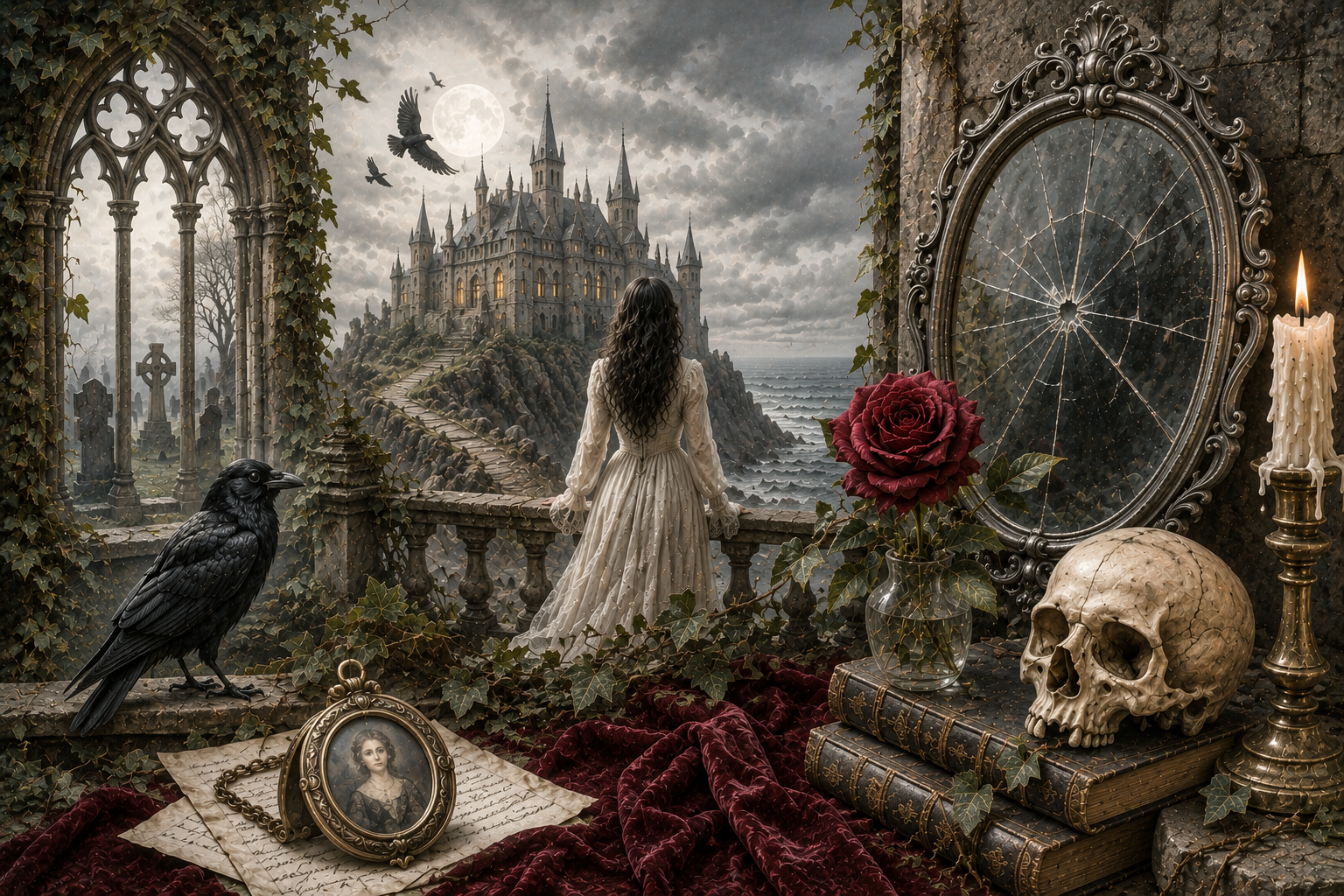
Gothic literature can feel dark, strange, and full of mystery, but its symbols often give readers the clearest clues. This guide to Gothic Symbols and Their Meanings will help you understand what haunted houses, shadows, storms, and other images often suggest in classic texts.

In this Guide

Use this quick table of contents to find the section you need.

gothic symbols

Gothic Symbols and Their Meanings: Why They Matter

Gothic symbols turn fear into something readers can study.

In Gothic stories, scary details rarely exist only to shock the reader. A locked room may point to a secret. A storm may reflect a character’s fear. A ruined house may show a family’s moral decay.

That is why Gothic Symbols and Their Meanings matter for students. They help you move past “this story is creepy” and toward a stronger idea, such as “this story uses fear to show guilt.”

Gothic literature often deals with hidden sins, family curses, madness, death, and loss of control. Symbols let writers suggest these ideas without spelling them out.

If you want a broader method for spotting symbols in any text, you can also use this student guide to finding symbolism in a story.

Common Gothic Symbols and Their Meanings

Many Gothic symbols appear again and again because they speak to deep human fears.

Below are some of the most common examples of Gothic Symbols and Their Meanings that you may see in novels, poems, and short stories.

The Haunted House

A haunted house often stands for the past. It may hold secrets, guilt, or trauma that a family refuses to face.

In many Gothic works, the house feels alive. Its broken walls, dark halls, and locked doors suggest that something is wrong beneath the surface.

In Edgar Allan Poe’s “The Fall of the House of Usher,” the house reflects the Usher family itself. As the house falls apart, the family line also falls apart.

Darkness and Shadows

Darkness often stands for fear, confusion, or evil. Shadows can suggest that truth is hidden or that a character does not understand their own mind.

Gothic writers use darkness to create mood, but they also use it to show moral danger. When a character enters a dark room, they may also enter a darker part of themselves.

Storms

Storms often show inner conflict. Thunder, wind, and rain can reflect a character’s fear or rage.

In Mary Shelley’s Frankenstein, stormy weather fits Victor Frankenstein’s intense emotions. Nature seems to respond to his guilt and terror.

Locked Rooms

A locked room usually suggests a secret. It may hide a crime, a forbidden truth, or a painful memory.

When a character tries to open a locked room, the story often moves closer to a major reveal. The symbol creates suspense because both the character and the reader want to know what is inside.

Mirrors

Mirrors often point to identity. They can show self-knowledge, vanity, or a split between how a person looks and who they really are.

In Gothic stories, a mirror may not bring comfort. It may show a character something they fear about themselves.

Ghosts

Ghosts often stand for the past that will not stay buried. They can represent guilt, memory, or unfinished business.

Not every Gothic ghost must be real. Sometimes the ghost may show a character’s unstable mind or deep regret.

Blood

Blood often suggests violence, guilt, family ties, or inherited danger. It can also remind readers that Gothic stories are deeply tied to the body.

In vampire fiction, blood can stand for desire and fear at the same time. It can also show how one person takes power from another.

Gothic Symbols and Their Meanings in Famous Literature

Classic Gothic texts use symbols to build fear and deepen theme.

When you study Gothic Symbols and Their Meanings, it helps to connect each image to a specific work. These examples show how symbols do more than decorate a scene.

Frankenstein by Mary Shelley

In Frankenstein, light often stands for knowledge. Victor wants to discover the secret of life, but that “light” becomes dangerous.

The creature also becomes a symbol. He represents what can happen when ambition loses compassion. Victor creates life, then refuses responsibility for it.

The icy landscape near the end of the novel adds another layer. It suggests isolation, emotional coldness, and the final cost of Victor’s choices.

“The Fall of the House of Usher” by Edgar Allan Poe

Poe’s story is one of the clearest examples of Gothic symbolism. The house, the family, and the mood all connect.

The crack in the house suggests hidden weakness. It also hints that the Usher family is already broken.

When the house collapses, the symbol becomes literal. The family and the building fall together.

Dracula by Bram Stoker

In Dracula, blood carries heavy meaning. It connects fear, power, life, and control.

Dracula’s castle also matters. It is old, isolated, and hard to escape. The castle suggests a world ruled by ancient fear.

The contrast between modern London and Dracula’s old world helps the novel explore a major Gothic fear: the past may return and threaten the present.

Jane Eyre by Charlotte Brontë

Jane Eyre uses Gothic symbols within a coming-of-age story. Thornfield Hall seems grand, but it hides pain and secrecy.

The mysterious laughter in the house creates fear. It also points to a truth that Jane does not yet know.

The fire in the novel can suggest danger, passion, and change. It destroys, but it also clears the way for a different future.

For more background on the Gothic novel as a genre, Britannica offers a helpful overview here: Gothic novel.

How to Interpret Gothic Symbols and Their Meanings

You do not need to guess wildly when you study Gothic symbols.

A strong reading should connect the symbol to the story’s characters, setting, and conflict. The goal is not just to name the symbol. The goal is to explain what it does.

Start by asking where the symbol appears. Does it show up during moments of fear? Does it appear near a secret? Does it change as the story moves forward?

Then connect the symbol to theme. If a house decays as a family declines, the house may symbolize moral collapse. If a storm appears when a character feels guilt, the weather may reflect inner chaos.

Here is a simple sentence frame you can use in an essay:

The symbol of ______ suggests ______ because ______.

For example: “The symbol of the locked room suggests hidden guilt because the family refuses to speak about what happened there.”

This kind of sentence helps you avoid vague claims. It also shows your teacher that you can connect evidence to meaning.

If symbolism feels tricky, review this clear guide on how to find symbolism in a story before you write your analysis.

Gothic Symbols and Their Meanings for Essays

Gothic symbols can help you write stronger thesis statements and body paragraphs.

When you write about Gothic Symbols and Their Meanings, try to focus on one symbol at a time. A narrow focus often leads to a better essay.

For example, instead of writing, “Poe uses many Gothic symbols,” try this: “Poe uses the crumbling House of Usher to show that hidden family corruption must eventually collapse.”

That thesis is stronger because it names the symbol and explains the meaning. It also points to a theme.

In a body paragraph, use a short quote or scene detail. Then explain how the symbol works. Do not stop after saying, “This creates a spooky mood.” Ask what that spooky mood reveals.

Why Gothic Symbols Still Matter Today

Gothic symbols still feel powerful because people still fear what they cannot control.

Modern horror films, mystery novels, and dark fantasy often borrow from Gothic literature. Haunted houses, old portraits, family secrets, and strange doubles still appear in popular stories.

These symbols last because they connect to real fears. People fear being trapped. They fear the past. They fear what might be hidden inside their own minds.

That is why Gothic Symbols and Their Meanings remain useful for students. They help readers understand both older literature and modern stories.

You can explore more Gothic poems and authors through the Poetry Foundation’s page on Gothic literature.

Books to Read Next

These books are strong choices if you want to study Gothic symbols in action.

  • Frankenstein by Mary Shelley
  • Dracula by Bram Stoker

Both books are widely taught in high school, AP Literature, and college courses. They also give you clear examples of Gothic mood, setting, and symbolism.

FAQ: Gothic Symbols and Their Meanings

These quick answers can help with homework, class discussion, or essay planning.

What are Gothic symbols?

Gothic symbols are objects, places, or images that suggest deeper meaning in dark or mysterious stories. Common examples include haunted houses, storms, ghosts, and locked rooms.

Why are Gothic symbols important?

They help reveal theme, mood, and character conflict. They often point to fear, guilt, secrecy, or the return of the past.

What is the most common Gothic symbol?

The haunted house is one of the most common Gothic symbols. It often represents hidden secrets, family decay, or a troubled past.

How do I write about Gothic Symbols and Their Meanings in an essay?

Choose one symbol, connect it to a theme, and use a scene or quote as evidence. Explain what the symbol reveals about the story.

Key Takeaway

Gothic Symbols and Their Meanings help readers see how fear, secrecy, and guilt shape a story. When you study a Gothic symbol, ask what it hides, what it reveals, and how it connects to the text’s deeper message.

Best Dark Academia Nature Symbolism: Books, Themes, and Meanings

Nature Symbolism

Best Dark Academia Nature Symbolism blends old libraries, secret knowledge, wild gardens, storms, and decay. It helps readers see how nature can reflect ambition, fear, beauty, and moral trouble in literature.

For students, this kind of symbolism is useful because it turns setting into meaning. A forest, flower, or cold season can say as much as a character’s speech.

In this Guide

  • Why nature matters in dark academia
  • Common symbols and what they mean
  • Best examples from literature
  • Recommended books to read
  • How to analyze nature symbolism
  • FAQs and key takeaway
Nature Symbolism

Why Best Dark Academia Nature Symbolism Feels So Powerful

Nature in dark academia often looks beautiful, but it rarely feels safe.

Best Dark Academia Nature Symbolism works because it connects the mind with the natural world. A quiet campus garden can hide guilt. A storm can show panic. A dying flower can point to lost innocence.

Dark academia often focuses on elite schools, ancient texts, and intellectual pride. Nature adds pressure to that world. It reminds readers that knowledge does not protect anyone from death, desire, or consequence.

This is why rain, fog, ivy, winter, and forests appear so often in the genre. They create mood, but they also carry meaning.

Common Symbols in Best Dark Academia Nature Symbolism

Many dark academia stories use the same natural images, but each writer gives them a fresh purpose.

Ivy often suggests age, tradition, and hidden control. It climbs over old buildings like history itself. In a school setting, ivy can make knowledge look noble, but it can also make the past feel trapped and overgrown.

Fog suggests confusion and secrecy. When characters walk through fog, they may not understand what is true. It can also show moral blindness.

Autumn leaves point to beauty and decay. Their color is rich, but their life is ending. This fits dark academia’s love of elegant ruin.

Rain can mean cleansing, sorrow, or dread. In many stories, rain appears near guilt or confession. It can wash the world, but it cannot always wash away a crime.

Best Dark Academia Nature Symbolism often turns these simple images into emotional clues. The setting tells readers what characters refuse to say.

Best Dark Academia Nature Symbolism in Classic Literature

Classic literature gives us some of the clearest examples of nature as a symbol.

In Mary Shelley’s Frankenstein, mountains, ice, and storms reflect Victor Frankenstein’s fear and pride. Nature is powerful, vast, and beyond human control. Victor tries to master life, but the natural world keeps showing how small he is.

In Emily Brontë’s Wuthering Heights, the moors are wild and harsh. They mirror the force of Catherine and Heathcliff’s emotions. The landscape feels untamed, just like their love and anger.

In Oscar Wilde’s The Picture of Dorian Gray, flowers, gardens, and beauty often connect to temptation and decay. Dorian’s world looks lovely, but moral rot grows beneath the surface.

These works are not always called dark academia, but they shape its mood. Their use of nature helps explain why Best Dark Academia Nature Symbolism feels old, serious, and haunted.

For more help with close reading, see this guide on how to find symbolism in a story.

Nature, Knowledge, and Moral Decay

In dark academia, nature often shows what learning cannot fix.

Students and scholars may chase truth, beauty, or power. Yet nature keeps reminding them that every choice has a cost. Dead leaves, cold rooms, and rotting gardens can show inner damage.

This is a key part of Best Dark Academia Nature Symbolism. The natural world becomes a mirror. It reflects ambition, guilt, and fear.

A character may study Greek tragedy in a grand library, but the storm outside may reveal the real tragedy. The weather becomes part of the story’s moral voice.

These books are strong choices for students who want to see how dark settings and natural symbols work together.

  • Frankenstein by Mary Shelley
  • Wuthering Heights by Emily Brontë
  • The Secret History by Donna Tartt

Frankenstein is one of the best books for studying nature as power. Its icy landscapes and violent weather show the danger of human pride.

Wuthering Heights uses the moors as more than a setting. They become a symbol of passion, grief, and wild freedom.

The Secret History is a modern dark academia classic. Its campus, seasons, and remote landscapes help create a sense of beauty mixed with dread.

To explore Mary Shelley’s life and influence, you can visit Britannica’s biography of Mary Shelley. For poetry and nature imagery, the Poetry Foundation is also a useful resource.

How to Read Best Dark Academia Nature Symbolism

Good symbolism starts with careful attention to patterns.

When you read, notice when nature appears. Ask what happens before and after a storm, garden scene, forest walk, or change in season.

Then ask how the image connects to character emotion. If a student walks through dead leaves after a betrayal, the leaves may point to loss or moral decline.

Best Dark Academia Nature Symbolism is rarely random. Writers choose natural details to build mood and deepen theme.

If you want a simple method, use this breakdown on finding symbolism in fiction.

Best Dark Academia Nature Symbolism and Major Themes

The strongest symbols connect to the story’s biggest ideas.

One major theme is the danger of ambition. Mountains, storms, and deep forests can make human plans seem fragile. This is clear in Frankenstein.

Another theme is the beauty of decay. Autumn leaves, old gardens, and ivy-covered walls look lovely, but they also suggest death and decline.

A third theme is hidden truth. Fog, darkness, and enclosed gardens can show secrets that characters try to bury.

In this way, Best Dark Academia Nature Symbolism turns nature into a quiet warning. Beauty may be real, but it is never simple.

FAQs About Best Dark Academia Nature Symbolism

What is Best Dark Academia Nature Symbolism?

Best Dark Academia Nature Symbolism means the use of natural images, like storms, ivy, forests, and seasons, to express dark academia themes. These themes often include ambition, guilt, beauty, and decay.

Why does dark academia use so much autumn imagery?

Autumn fits the mood because it is beautiful and sad at the same time. It suggests change, age, and the slow approach of death.

Is nature symbolism only about mood?

No. Mood matters, but symbolism also points to theme and character. A storm may create fear, but it can also reveal guilt or conflict.

What book is best for studying this topic?

Frankenstein is a strong choice. Its use of ice, mountains, and storms makes nature a major part of the story’s meaning.

Key Takeaway

Best Dark Academia Nature Symbolism shows that nature in literature is never just background. Ivy, fog, storms, and fading leaves can reveal the hidden fears, desires, and moral choices at the heart of a story.

When you notice these symbols, dark academia becomes richer. The campus, the weather, and the wild places all begin to speak.

Symbols in King Lear: What They Mean and Why They Matter

King Lear symbols

Shakespeare fills King Lear with repeated images that do more than decorate the play. The symbols in King Lear help show how power fails and how pain can lead to insight.

This guide explains the major symbols in simple terms, with examples you can use in class or in an essay.

In this Guide

Use this quick map to jump to the symbol you need.

  • Why symbols in King Lear matter
  • Crowns and power
  • Clothes and nakedness
  • The storm
  • Eyes and blindness
  • Animal images
  • The word nothing
  • How to write about the symbols
King Lear symbols

Why symbols in King Lear matter

Shakespeare uses symbols to make the play feel larger than one family fight.

When you track symbols in King Lear, you see that the plot is not only about an old king and his daughters. It is about weak judgment, false love, pride, and the search for truth.

A symbol is an object, image, word, or action that points to a deeper idea. If you want a broader method, read our guide on how to find symbolism in a story.

Crowns, power, and the empty title

The crown shows how power can lose its meaning when wisdom is gone.

At the start, Lear gives away his kingdom but wants to keep the respect of a king. This split matters. He gives up real power but still expects royal treatment.

The crown becomes a symbol of empty authority. Lear wants the name of king without the duty that comes with it.

This connects to a key theme: power is dangerous when it rests on pride instead of judgment. Lear learns too late that a title cannot protect him from betrayal.

You can compare this to the throne in many history plays. In Shakespeare, a crown often stands for order, but it can also expose greed and weakness.

Clothes and nakedness

Clothing shows how thin the line is between social rank and human need.

Lear begins the play surrounded by robes, knights, and formal speech. These outward signs tell others that he is important.

Later, on the heath, he meets Poor Tom, who seems almost naked. Lear looks at him and asks what humans are without the extra layers of wealth and status.

This is where clothing becomes a symbol of social masks. Fine clothes hide the body, but they also hide fear, guilt, and selfishness.

The theme is clear: class does not make a person more human. Suffering strips Lear down until he can feel pity for people he once ignored.

The storm as one of the major symbols in King Lear

The storm turns Lear’s inner pain into something we can see and hear.

In Act 3, Lear stands outside in violent weather. The storm reflects his broken mind, but it also shows a kingdom in chaos.

Among the symbols in King Lear, the storm may be the most dramatic. Thunder and wind make the stage feel wild, as if nature itself reacts to human cruelty.

The storm also tests Lear. Away from the court, he starts to see the disadvantaged with new compassion. His suffering opens a moral door.

This symbol works a bit like the green light in The Great Gatsby. It is concrete, but it points beyond itself to longing and loss.

Eyes and blindness as symbols in King Lear

Sight in the play often has less to do with eyes than with understanding.

Lear has working eyes, but he cannot see Cordelia’s honesty. He trusts Goneril and Regan because they flatter him with big speeches.

Gloucester makes a similar mistake. He trusts Edmund and rejects Edgar. His literal blinding later makes the symbol painful and clear.

This is one of the easiest symbols in King Lear to use in an essay because it ties directly to theme. The play suggests that people often gain insight only after deep suffering.

A similar pattern appears in Oedipus Rex. Oedipus can see the world, but he is blind to the truth about himself until it is too late.

Animal images and human cruelty

Animal language shows what happens when family love turns fierce.

Characters in the play often describe others as beasts. Lear speaks of sharp teeth, cruel daughters, and unnatural behavior.

These animal images do not mean that nature is evil. They show that humans can act below their own moral level.

The theme here is betrayal. Goneril and Regan break the basic bond between parent and child, so Lear sees them as creatures without pity.

Shakespeare uses animal imagery in other plays too. In Macbeth, such images often point to violence and moral disorder.

Nothing, silence, and broken language

The word nothing becomes a symbol of truth that proud people cannot accept.

When Lear asks his daughters to prove their love, Cordelia says, Nothing, my lord. She refuses to turn love into a show.

Lear answers, Nothing will come of nothing. He thinks silence means lack of love, but the audience can see that Cordelia’s silence is more honest than her sisters’ speeches.

As the play goes on, language breaks down. The Fool uses riddles, Lear speaks in bursts of pain, and polite court language begins to fail.

The theme is truth. In this world, smooth words may hide lies, while silence may hold real love.

How to study symbols in King Lear

A strong symbol becomes easier to explain when you connect it to a theme.

The best way to read symbols in King Lear is to ask two questions. What repeats? What larger idea does it reveal?

For example, do not just say the storm symbolizes anger. Say it shows Lear’s inner chaos and the collapse of order in the kingdom.

Do not just say Gloucester is blind. Explain how physical blindness matches the play’s concern with moral sight.

For extra practice, pair the play with a printable symbolism practice page and mark each symbol beside the theme it supports.

Helpful sources for context

These sources can help you check background details and deepen your reading.

Suggested books

These titles are useful for students who want more support with Shakespeare.

  • King Lear by William Shakespeare, Folger Shakespeare Library edition
  • Shakespeare After All by Marjorie Garber

FAQ about symbols in King Lear

Here are quick answers to common student questions.

What are the main symbols in King Lear?

The main symbols in King Lear include the storm, blindness, clothing, crowns, and animal imagery. Each one connects to a major theme.

What does the storm symbolize?

The storm symbolizes Lear’s mental pain and the disorder in the kingdom. It also helps Lear see human suffering more clearly.

Why is blindness important in the play?

Blindness shows the gap between seeing with the eyes and seeing the truth. Lear and Gloucester both misjudge the people closest to them.

What does clothing symbolize?

Clothing symbolizes rank and social disguise. When Lear loses comfort and status, he begins to understand what all humans share.

Key Takeaway

The symbols in King Lear matter because they turn big themes into vivid stage images. Storms, blind eyes, torn status, and plain words all show Lear’s painful path toward truth.

Books Every Dreams and Symbolism Reader Should Know

dreams and symbolism

Some stories feel powerful because they speak in images, dreams, colors, and objects. This guide to Books Every Dreams and Symbolism helps students spot deeper meaning in literature without feeling lost.

Dreams and symbols can turn a simple scene into a clue about fear, hope, guilt, or change. Once you learn what to notice, many classic books become easier to understand.

In this Guide

  • What dreams and symbolism mean in literature
  • Books Every Dreams and Symbolism Reader Should Study
  • Famous examples from novels, plays, and poems
  • Recommended books for students
  • Common themes linked to dreams and symbols
  • FAQs and key takeaway

What Books Every Dreams and Symbolism Reader Should Understand

Dreams and symbols help writers show what characters may not say out loud.

In literature, a dream often reveals hidden fear, desire, or guilt. It may not be “real” in the plot, but it can still tell the truth about a character’s mind.

A symbol is an object, place, color, action, or image that means more than itself. A storm may show chaos. A locked door may suggest secrets. A bird may suggest freedom or escape.

This is why Books Every Dreams and Symbolism students study often feel layered. The surface story matters, but the hidden meaning gives the work its force.

If you want a simple method, read this guide on how to find symbolism in a story.

Why Books Every Dreams and Symbolism Matter in Literature

Symbols make stories richer without long explanations.

Writers use symbols because readers feel images before they explain them. A green light, a red room, or a strange dream can stay in your mind long after the plot fades.

Dreams can also break normal rules. They let a story move into memory, fear, or fantasy. This can show a truth that plain dialogue cannot.

For students, Books Every Dreams and Symbolism can improve close reading. You learn to ask better questions, such as “Why this image?” or “Why does this dream appear here?”

Famous Examples in Books Every Dreams and Symbolism Readers Love

Classic literature often uses symbols that seem small at first but grow in meaning.

In The Great Gatsby by F. Scott Fitzgerald, the green light is one of the most famous symbols in American literature. It stands for Gatsby’s dream, but it also points to the danger of chasing an ideal that may never come true.

Within Macbeth by William Shakespeare, dreams and visions show guilt and fear. Macbeth sees a dagger before he kills King Duncan. Lady Macbeth later imagines blood on her hands. These images reveal moral collapse.

In Alice’s Adventures in Wonderland by Lewis Carroll, dream logic shapes the whole story. Alice moves through a strange world where size, rules, and language shift. The dream setting helps explore identity and childhood confusion.

In Beloved by Toni Morrison, haunting images and memories show trauma. The novel uses symbols to make the past feel present, painful, and impossible to ignore.

Recommended Books Every Dreams and Symbolism Students Should Read

These books offer strong examples of dreams, symbols, and hidden meaning.

The Great Gatsby by F. Scott Fitzgerald

This novel is a strong choice for AP Literature and college classes. Its symbols include the green light, the valley of ashes, and Gatsby’s mansion.

The book asks a sharp question: What happens when a dream becomes more important than reality?

Alice’s Adventures in Wonderland by Lewis Carroll

This is one of the clearest examples of dream structure in fiction. The story feels playful, but it also raises questions about growth, logic, and identity.

Students can study how nonsense can still carry meaning.

Beloved by Toni Morrison

This novel uses memory, haunting, and symbols to explore pain after slavery. It is emotionally difficult, but it is one of the most important books in American literature.

Readers can look at the house, the ghost, and the character Beloved as symbols of trauma and history.

Common Themes in Books Every Dreams and Symbolism Readers Study

Dreams and symbols often connect to major themes in literature.

Desire is one of the most common themes. A dream may show what a character wants most, even if that wish is unsafe or impossible.

Guilt often appears through visions, stains, ghosts, or repeated images. In Macbeth, blood becomes a symbol of guilt that cannot be washed away.

Identity also appears in dream-like stories. When a character changes size, sees a double, or enters a strange place, the story may ask who that person really is.

Freedom can appear through birds, open roads, water, or windows. But the meaning depends on the story. A window may suggest escape in one book and loneliness in another.

For more practice, use this student-friendly guide to spot symbols in fiction.

How to Read Books Every Dreams and Symbolism Without Overthinking

You do not need to find secret meaning in every object.

Start with patterns. If an image appears once, it may be simple detail. If it appears many times, changes, or appears at a key moment, it may be symbolic.

Ask what the symbol does in the story. Does it create fear? Does it reveal a wish? Does it point to a conflict?

Context matters most. A rose can suggest love, but it can also suggest pain, beauty, secrecy, or death. The story decides the meaning.

Dreams, Symbols, and Literary Culture

Dreams and symbols are not just classroom topics. They shape how readers talk about books.

Fans still debate Gatsby’s green light because it means more than one thing. Shakespeare’s dream-like scenes still feel fresh because they reflect fear and ambition.

Many cultures also treat dreams as messages, warnings, or spiritual signs. Literature draws on these beliefs to make stories feel deep and mysterious.

For a broader look at dreams, Britannica offers a helpful overview of dreams as a sleep experience. For poetry terms, the Poetry Foundation has a useful glossary entry on symbol.

Books Every Dreams and Symbolism: Quick Student Tips

Good literary analysis starts with careful attention.

Mark repeated images as you read. Note where dreams appear and what happens right before or after them.

Look for contrast. A bright image in a dark scene may carry special meaning. A calm dream before violence may create tension.

Connect symbols to theme, not just plot. Instead of saying “the green light is important,” explain how it shows Gatsby’s hope and his failure to see Daisy clearly.

FAQs About Books Every Dreams and Symbolism

What does symbolism mean in literature?

Symbolism means that an object, image, place, or action stands for a larger idea. The meaning depends on the story and how the writer uses it.

Why do authors use dreams in books?

Authors use dreams to reveal fear, guilt, memory, or desire. Dreams can show what a character hides from others or even from themselves.

What are good Books Every Dreams and Symbolism students can start with?

Start with The Great Gatsby, Alice’s Adventures in Wonderland, and Macbeth. Each one gives clear examples of symbols or dream-like scenes.

How can I tell if something is a symbol?

Look for repetition, strong detail, and connection to theme. If an image keeps returning at key moments, it may be a symbol.

Can a symbol have more than one meaning?

Yes. Strong symbols often carry more than one meaning. The best answer uses evidence from the text.

Key Takeaway

Books Every Dreams and Symbolism readers study can make literature feel more alive. Dreams reveal hidden truths, while symbols turn simple details into lasting meaning.

When you read with care, you start to see how writers build deeper stories from images, patterns, and silence. That is where some of literature’s strongest power lives.

Best Gothic Journey Symbolism: Paths, Darkness, and Self-Discovery in Gothic Literature

gothic journey symbolism

Best Gothic Journey Symbolism helps readers understand why Gothic stories often send characters into dark houses, wild landscapes, and strange inner worlds. These journeys are rarely simple trips. They often reveal fear, guilt, desire, and hidden truth.

In this Guide

  • What Gothic journey symbolism means
  • Why journeys matter in Gothic literature
  • Classic examples from famous books
  • Common symbols and themes
  • Recommended books to read
  • How to spot Gothic journey symbols
  • FAQs
gothic journey symbolism

What Best Gothic Journey Symbolism Means

A Gothic journey is both a real path and an emotional test.

In many Gothic works, a character travels to a strange place. It might be a castle, a ruined house, a lonely road, or a locked room. That place often reflects what the character fears most.

Best Gothic Journey Symbolism shows how movement can reveal the mind. The road, the house, or the storm is not just scenery. It becomes a sign of danger, memory, and inner conflict.

Gothic journeys often move from safety to fear. A character may begin in a familiar world, then enter a place where rules break down. This shift helps the reader feel the character’s loss of control.

Why Best Gothic Journey Symbolism Matters in Gothic Literature

Gothic journeys turn setting into meaning.

Best Gothic Journey Symbolism matters because Gothic stories use place to shape emotion. A dark hallway can suggest secrets. A long road can suggest fate. A locked door can suggest a truth that a character does not want to face.

These journeys also show change. A character who enters a haunted place rarely leaves the same. The journey may lead to knowledge, madness, freedom, or ruin.

This is why Gothic travel feels different from adventure travel. In an adventure story, the goal may be treasure or victory. In Gothic fiction, the goal is often hidden truth.

For more help with symbols in fiction, read this guide on how to find symbolism in a story.

Best Gothic Journey Symbolism in Classic Gothic Novels

Famous Gothic books often use journeys to pull characters into fear.

One of the clearest examples of Best Gothic Journey Symbolism appears in Mary Shelley’s Frankenstein. Victor Frankenstein travels through mountains, ice, and lonely places. These settings reflect his guilt and isolation.

In Bram Stoker’s Dracula, Jonathan Harker’s trip to Castle Dracula feels like a journey away from reason. The castle stands for danger, old power, and the unknown. His travel deeper into Transylvania becomes a move into fear.

In Charlotte Brontë’s Jane Eyre, Jane’s journeys mark her search for dignity and self-respect. Thornfield Hall is not just a home. It is a place of mystery, desire, and moral choice.

The Gothic tradition has a long history. You can learn more about its roots from Britannica’s overview of the Gothic novel.

Common Symbols in Best Gothic Journey Symbolism

Gothic journeys often repeat certain images because they carry strong emotional weight.

Roads often symbolize fate. A character may think they have a choice, but the path seems to pull them toward danger.

Castles and old houses often symbolize the past. Their locked rooms and hidden spaces suggest family secrets, guilt, or buried trauma.

Storms often symbolize emotional chaos. When thunder breaks or wind rises, the character’s inner world may be under stress too.

Dark forests often symbolize confusion. They make the character feel lost, both in the world and in the mind.

In Best Gothic Journey Symbolism, these images work together. The journey becomes a map of fear.

Themes Behind Gothic Journey Symbolism

Gothic journeys often ask what happens when people face what they hide.

One major theme is isolation. Many Gothic characters travel alone or feel alone, even near others. This loneliness makes fear stronger.

Another theme is the return of the past. A journey into an old house or ancient land often brings buried secrets back into the present.

A third key theme is identity. Characters may discover that they are not who they thought they were. The journey forces them to see themselves more clearly.

Best Gothic Journey Symbolism works because it connects outer movement with inner truth. The character moves through the world, but the real battle takes place inside.

Books That Show Best Gothic Journey Symbolism Well

These books are useful for students who want strong Gothic examples.

Frankenstein by Mary Shelley follows Victor Frankenstein through science, guilt, and frozen landscapes. The Arctic journey shows the cost of ambition.

Dracula by Bram Stoker uses travel, letters, ships, and trains to build fear. The movement between places shows how evil can cross borders.

Jane Eyre by Charlotte Brontë uses homes and roads to trace Jane’s growth. Her journey shows her fight for love, faith, and self-worth.

You can find these books on Amazon, at local bookstores, or through most school and public libraries.

How to Spot Best Gothic Journey Symbolism in a Story

Look at where the character goes and what changes after each place.

To spot Best Gothic Journey Symbolism, ask what the setting seems to reveal. Does the house hide a secret? Does the road lead to danger? Or does the weather match the character’s mood?

Pay attention to repeated images. If a story keeps showing doors, shadows, mirrors, or staircases, those details may carry symbolic meaning.

Also ask what the character learns. A Gothic journey often ends with a truth that cannot be ignored.

If you want a simple method, use this helpful post on finding symbolism in literature.

Gothic Journey Symbolism in Poetry and Short Fiction

Gothic journeys do not only appear in novels.

Edgar Allan Poe often uses rooms, houses, and mental spaces as symbolic journeys. In “The Fall of the House of Usher,” the narrator enters a decaying house that reflects sickness and collapse.

The house becomes more than a setting. It feels alive with fear. The narrator’s visit becomes a journey into family decay and mental breakdown.

You can explore Poe’s work through the Poetry Foundation’s page on Edgar Allan Poe.

Why Students Should Study Best Gothic Journey Symbolism

This topic helps students move beyond plot summary.

When you study Best Gothic Journey Symbolism, you learn how setting, mood, and character work together. You see that a journey can mean more than travel.

This is useful for essays because it gives you clear evidence. You can connect a place to a theme, then explain how that place changes the character.

For AP Literature and college classes, this kind of analysis can make an essay stronger. It shows close reading and deeper thought.

FAQs About Best Gothic Journey Symbolism

What is Gothic journey symbolism?

Gothic journey symbolism is the use of travel, setting, and movement to show fear, guilt, secrets, or inner change. The journey often reflects the character’s mind.

What is the best example of Best Gothic Journey Symbolism?

Dracula is one strong example. Jonathan Harker’s trip to Castle Dracula shows a move from the normal world into danger and mystery.

Why do Gothic stories use old houses and castles?

Old houses and castles often stand for the past. They suggest secrets, family history, and hidden fear.

How can I write about Gothic journey symbolism in an essay?

Choose one journey or setting. Explain what it represents, then connect it to a theme like fear, identity, or guilt.

Is Gothic journey symbolism only found in classic books?

No. Modern horror, mystery, and fantasy stories also use Gothic journeys. Any story can use a dark path, strange house, or haunted space as a symbol.

Key Takeaway

Best Gothic Journey Symbolism shows that Gothic travel is never just about distance. The path into darkness often leads to the truth a character fears most.

When readers notice these symbols, Gothic literature becomes richer and more powerful. The road, the house, and the storm all speak.

Most Beautiful Water Symbolism in Literature: Meaning, Themes, and Books to Read

water symbolism
water symbolism

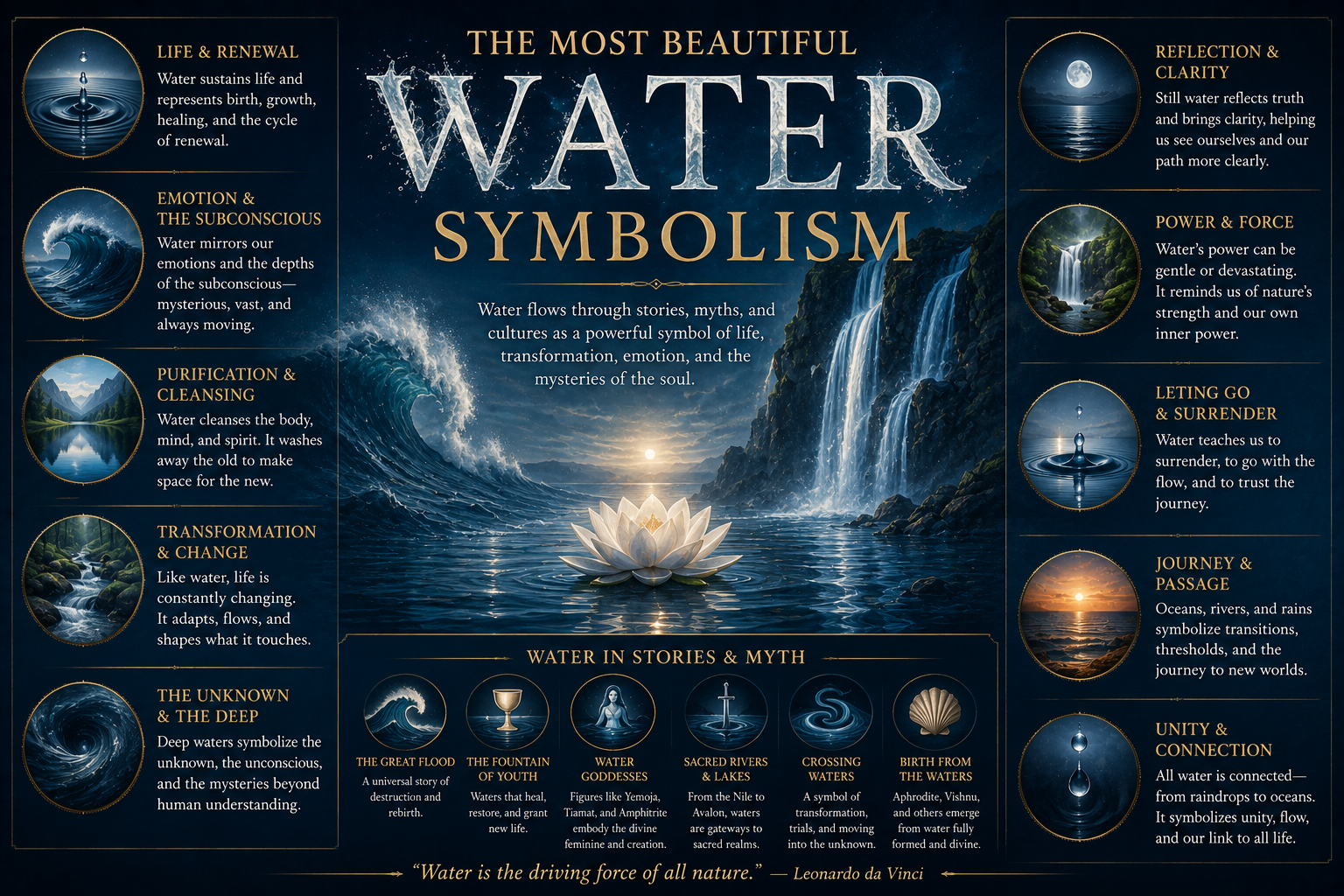
Most Beautiful Water Symbolism shows how rivers, rain, oceans, and lakes can carry deep meaning in a story. Water can stand for life, change, fear, memory, grief, or hope, often in the same scene.

For students, water is one of the easiest symbols to notice because it appears in so many famous books and poems. Once you learn what to look for, it can make a story feel richer and more alive.

In this Guide

  • What water symbolism means
  • Why Most Beautiful Water Symbolism matters
  • Common meanings of water in literature
  • Famous examples from books and poems
  • Recommended books to read
  • FAQs about water symbolism

What Does Water Symbolism Mean?

Water often points to emotions that characters cannot say out loud.

In literature, water is rarely just water. A river can show a journey. Rain can mark sorrow or renewal. An ocean can suggest freedom, danger, or the unknown.

Writers use water because readers already feel its power. We know water can heal, destroy, wash away, and return again. That makes it a strong symbol for human life.

If you want a simple method for spotting symbols, this guide on how to find symbolism in a story can help you build the skill step by step.

Why Most Beautiful Water Symbolism Feels So Powerful

The beauty of water symbolism comes from its many sides.

Most Beautiful Water Symbolism works because water is never only one thing. It can be calm in one scene and violent in the next. It can save a character or trap them.

This is why water feels so human. People also change. We can feel peaceful, afraid, hopeful, or lost, sometimes all in one day.

In many stories, water becomes a mirror. It reflects what a character hides inside. A quiet lake may show calm, but it may also hide pain below the surface.

Most Beautiful Water Symbolism and Common Meanings

Water symbols often connect to life, death, change, and truth.

One common meaning is rebirth. A character who enters water may come out changed. This can feel like a fresh start, even if the story stays painful.

Water can also mean danger. Storms, floods, and deep seas often show forces that people cannot control. This makes water a strong symbol for fate or fear.

Another meaning is memory. Rivers and oceans move, but they also seem ancient. In this way, Most Beautiful Water Symbolism can connect a character’s private life to a larger past.

Water can also suggest truth. A clear pool may show what is hidden. Muddy water may suggest confusion, lies, or moral doubt.

Famous Examples of Water Symbolism in Literature

Many classic works use water to shape mood and meaning.

In The Odyssey by Homer, the sea is both a road and an enemy. Odysseus wants to return home, but the ocean delays him again and again. The water stands for struggle, distance, and the test of human will.

In Moby-Dick by Herman Melville, the ocean feels endless and mysterious. It becomes a place where obsession grows. Captain Ahab’s search across the sea shows how the unknown can pull a person toward ruin.

In Shakespeare’s The Tempest, a storm at sea begins the action. The water helps create fear, magic, and change. It pushes characters into a strange world where old wrongs must face judgment.

In T. S. Eliot’s poem The Waste Land, water is tied to both need and fear. The poem’s dry land suggests spiritual emptiness, while water hints at renewal. You can read more about the poem through the Poetry Foundation.

Most Beautiful Water Symbolism in Modern Reading

Modern readers still connect with water because it feels close to daily life.

Most Beautiful Water Symbolism is not limited to old books. It appears in novels about family, identity, trauma, and survival. Water often helps writers show emotions that are hard to name.

For example, rain in a modern novel may mark grief after a death. A beach may show escape from stress. A river may stand for a choice that cannot be undone.

This is why water symbols work well in class essays. They let you connect setting, character, and theme in a clear way.

Recommended Books with Most Beautiful Water Symbolism

These books are strong choices for students who want to study water symbols.

  • The Odyssey by Homer: A classic journey story where the sea tests courage, pride, and longing for home.
  • Moby-Dick by Herman Melville: A deep study of obsession, mystery, and the danger of chasing one idea too far.

Both books show Most Beautiful Water Symbolism in very different ways. One treats water as a hard path home. The other turns the ocean into a vast space of fear and wonder.

For a wider look at how symbols work in literature, Britannica’s overview of symbolism gives useful background.

How to Write About Water Symbolism in an Essay

A strong essay links the water image to a clear idea.

Start with the scene. Ask what kind of water appears. Is it rain, ocean, river, lake, or flood?

Then ask what the character feels in that moment. Water symbolism is strongest when it connects to conflict, choice, or change.

Last, connect the symbol to a theme. If a character crosses a river, the theme may involve growth or loss. If a storm breaks, the theme may involve fear, guilt, or truth.

For more practice, use this helpful guide on finding symbolism in fiction before you draft your paragraph.

Most Beautiful Water Symbolism and Major Themes

Water often gives a story its emotional center.

Most Beautiful Water Symbolism often links to change. Water moves, shifts, and reshapes the world. Characters who meet water often face a turning point.

It also links to cleansing. A bath, rainfall, or river can suggest a wish to remove guilt or pain. Yet the story may ask whether a person can truly wash the past away.

Water also links to the unknown. Deep water can hide danger, secrets, or truth. This makes it useful in stories about fear and discovery.

FAQs About Most Beautiful Water Symbolism

What is Most Beautiful Water Symbolism in literature?

Most Beautiful Water Symbolism refers to powerful water images that carry deep meaning. These images may show life, change, danger, memory, or renewal.

Why do writers use water as a symbol?

Writers use water because it is familiar and emotional. Readers understand its power to comfort, harm, hide, and reveal.

What does rain usually symbolize?

Rain can symbolize sadness, cleansing, rebirth, or tension. The meaning depends on the scene and the character’s state of mind.

What does the ocean symbolize in books?

The ocean often symbolizes mystery, freedom, danger, or the unknown. In many stories, it also shows how small people feel against nature.

How can I find water symbolism in a story?

Look for repeated water images and ask what changes when they appear. If water appears during a key choice or crisis, it likely has symbolic meaning.

Key Takeaway

Most Beautiful Water Symbolism matters because water can hold many truths at once. It can show hope and fear, peace and danger, life and loss.

When you notice water in a story, slow down. Ask what it reveals about the character, the mood, and the theme. That simple question can open the whole text. 🌊

Lord of the Flies Summary and Analysis for Students

Lord of the Flies Summary

A clear overview of the plot, structure, conflicts, and literary meaning.

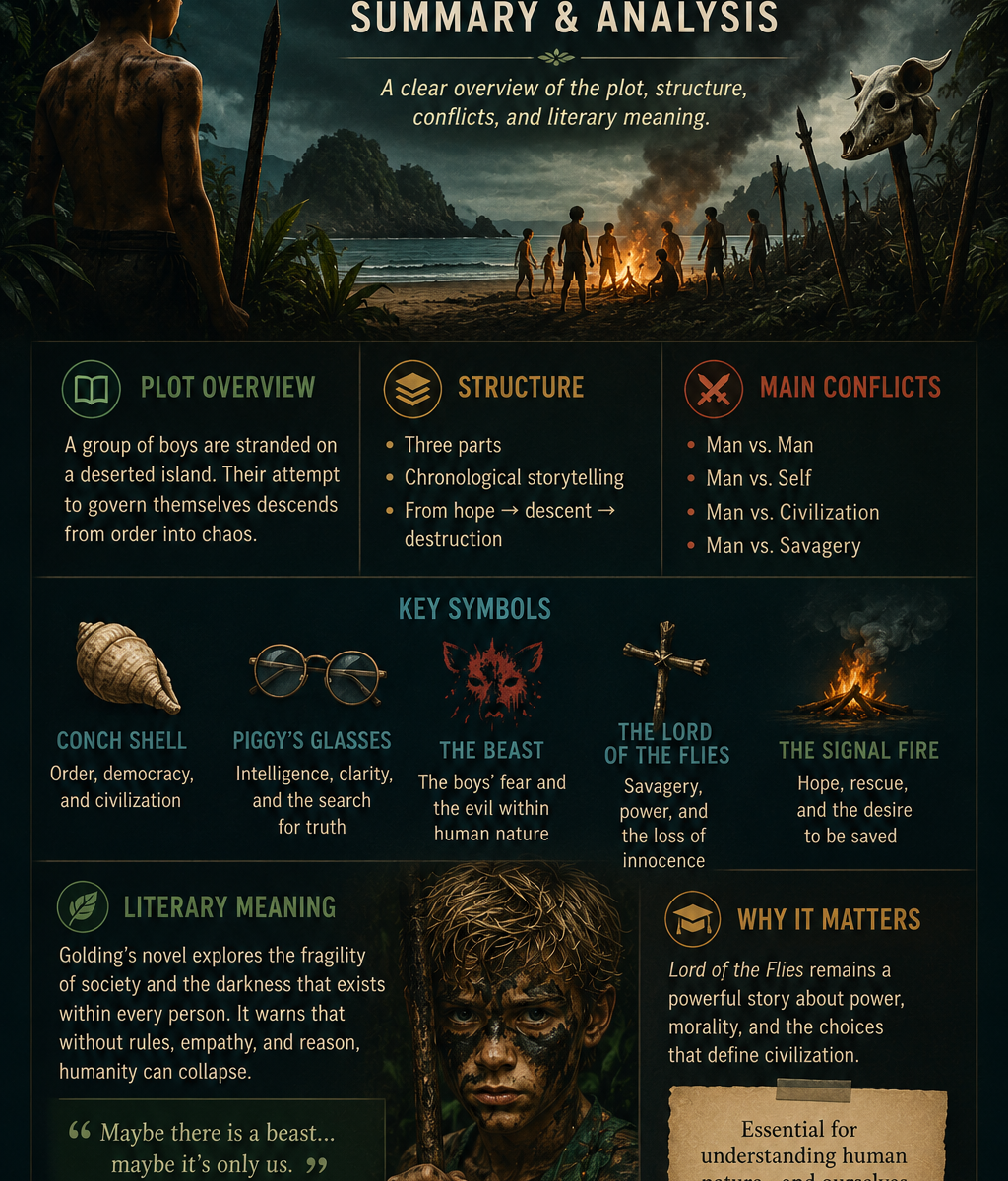
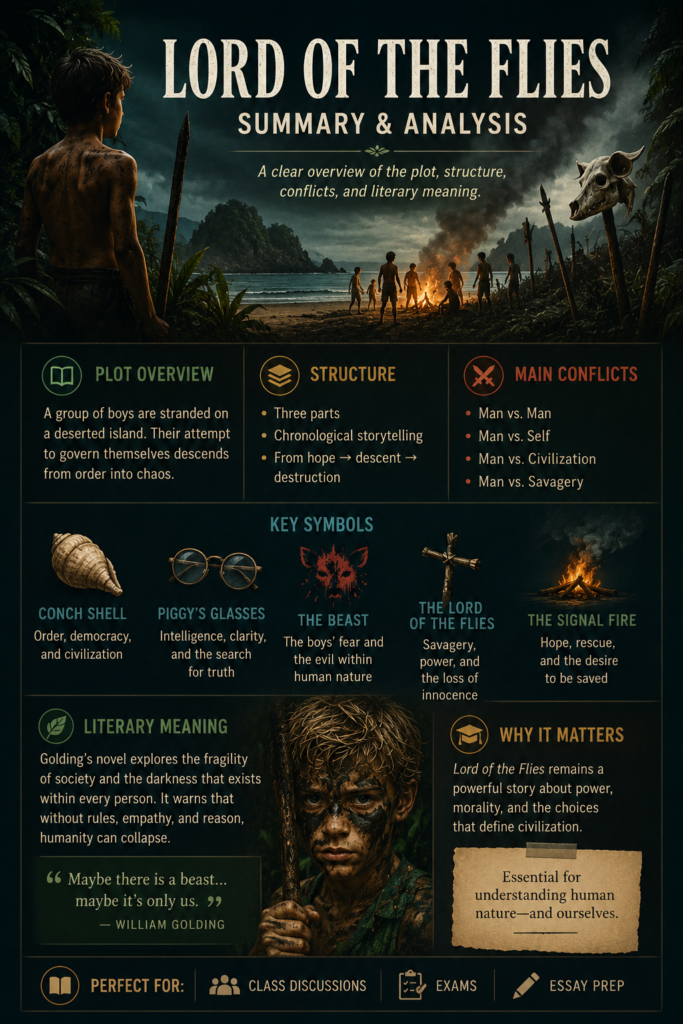
This Lord of the Flies summary and analysis gives students a clear path through William Golding’s famous novel. It covers the plot, main conflicts, key symbols, and deeper meaning without making the book feel harder than it is.

If you need a guided entry point for class, exams, or essay prep, this guide will help you see both what happens and why it matters.

In this Guide

  • Quick overview of the novel
  • Plot summary
  • Structure and conflict
  • Symbols and themes
  • Literary meaning
  • Study tips, book suggestions, and FAQ
Lord of the Flies Summary

Lord of the Flies Summary and Analysis: Quick Overview

Golding turns a survival story into a dark study of human nature.

Lord of the Flies follows a group of British schoolboys who crash on an empty island during a war. At first, the island seems like a place of freedom, but fear and power soon break their fragile order.

Ralph becomes the elected leader, with Piggy as his smart but ignored adviser. Jack, who leads the choirboys, wants control and becomes more focused on hunting than rescue.

A clear Lord of the Flies summary and analysis must notice this shift: the boys do not just lose rules. They lose trust, empathy, and a shared sense of right and wrong.

For basic background on Golding’s life and career, see Britannica’s William Golding biography.

Lord of the Flies Summary and Analysis: Plot by Chapters

The plot moves from hope to fear, then from fear to violence.

The novel opens after a plane crash leaves the boys without adults. Ralph and Piggy find a conch shell, which becomes a tool for calling meetings and giving people the right to speak.

The boys vote Ralph as chief. Jack accepts this at first, but he feels wounded because he wants power. Ralph wants shelters and a signal fire, while Jack wants meat and status.

Soon, the younger boys fear a beast on the island. Ralph tries to keep the group focused on rescue, but the fear spreads. A fire set by the boys burns out of control, and one small child may die.

Jack becomes skilled at hunting pigs. The hunters paint their faces, which lets them act with less shame. The paint works like a mask, much as costumes in plays can free characters from normal rules.

A ship passes the island, but the signal fire is out because Jack and his hunters left their post. Ralph is furious. This moment shows the main split between rescue and power.

Simon, the quiet and thoughtful boy, later finds the pig’s head that Jack’s group has placed on a stick. This head is called the Lord of the Flies. It seems to speak to Simon and tells him that the real beast is inside the boys.

Simon then discovers that the supposed beast on the mountain is only a dead parachutist. When he tries to tell the others, the boys mistake him for the beast during a wild dance and kill him.

After Simon’s death, Jack’s tribe grows stronger. They steal Piggy’s glasses, which are needed to make fire. Ralph and Piggy go to ask for them back, but Roger rolls a rock that kills Piggy and breaks the conch.

In the final chase, Jack’s tribe hunts Ralph across the island. They set the forest on fire to force him out. A naval officer arrives because of the smoke, and the boys are rescued, but their innocence is gone.

The best Lord of the Flies summary and analysis sees the ending as bitter, not simply happy. Rescue comes, but only after the island has shown what fear and violence can do.

Structure of the Novel

The structure works like a slow collapse.

Golding begins with an island that feels open and bright. The boys form meetings, choose a chief, and speak about rules. The conch gives the early chapters a sense of order.

As the story moves forward, the structure becomes darker. Meetings fail. The signal fire goes out. Jack’s tribe replaces speech with chants and force.

By the end, the island looks almost like a war zone. The fire that should have signaled rescue becomes a weapon. That reversal is one reason the structure feels so sharp.

Like Macbeth, the novel shows how the hunger for power can damage judgment. Like Animal Farm, it asks how a community can fall apart when fear and control replace fairness.

Lord of the Flies Summary and Analysis: Major Conflicts

The conflicts are simple on the surface, but they carry deep meaning.

The main conflict is between Ralph and Jack. Ralph stands for rescue, shared rules, and speech. Jack stands for force, hunting, and control.

There is also a conflict inside the group. The boys want safety, but they are drawn to the thrill of violence. Golding shows how a crowd can make people do things they might fear doing alone.

The beast creates another conflict. At first, the boys think it is an outside monster. Simon understands that the real danger comes from within their own hearts.

This part of the Lord of the Flies summary and analysis matters for essays because conflict in the novel is not just action. It reveals what Golding thinks about human nature.

Symbols in Lord of the Flies

Golding’s symbols turn ordinary objects into moral tests.

The conch shell stands for order and civil speech. When the conch breaks, the boys no longer respect shared rules.

Piggy’s glasses stand for reason and practical knowledge. They help the boys make fire, but Jack wants them for power, not wisdom.

The signal fire stands for hope and a link to the adult world. When the boys care about the fire, they care about rescue. When they abandon it, they drift toward the island’s violence.

The beast stands for fear. It also shows how people can invent enemies when they do not understand themselves.

The Lord of the Flies, the pig’s head on a stick, is the most disturbing symbol. It suggests decay, evil, and the cruel truth Simon sees before his death.

Key Themes for Students

The novel asks what happens when social rules lose power.

One major theme is civilization versus savagery. Golding does not show this as a simple split between good and bad people. He shows how quickly order can weaken.

Fear is another key theme. The boys fear the beast, but that fear makes them easier to control. Jack uses fear to gain loyalty.

The novel also explores the loss of innocence. The boys begin with games and meetings, but they end with murder and a hunt. Their childhood does not protect them from moral failure.

If you want to move from summary to evidence, try this guide to close reading in literature. It can help you connect symbols, word choice, and theme in your own notes.

Lord of the Flies Summary and Analysis: Literary Meaning

The novel’s meaning is harsh, but it is not hopeless.

Golding suggests that people need more than rules. They need moral courage and respect for others. Without those, rules can become empty sounds.

The boys are not evil because they are children. They are human, and that is the troubling point. Golding asks readers to face the darker parts of human behavior.

A good Lord of the Flies summary and analysis should not stop at the plot. The novel matters because it studies how fear, pride, and group pressure can break a community.

Golding later received the Nobel Prize in Literature. You can read more about his award at The Nobel Prize official site.

How to Study Lord of the Flies

Focus on patterns, not just events.

Track how the conch, fire, and glasses change in meaning. Each object starts with a useful role, then becomes part of a larger moral struggle.

Pay close attention to scenes with crowds. Golding often shows how chants, fear, and shared excitement pull the boys away from reason.

When you write about the novel, use short quotes and explain them closely. For help with that skill, see how close reading works in literature.

Relevant Books to Read Next

These books connect well with Golding’s ideas about power and society.

  • Animal Farm by George Orwell
  • The Coral Island by R. M. Ballantyne
  • Fahrenheit 451 by Ray Bradbury

The Coral Island is especially useful because Golding partly responds to its more hopeful view of boys stranded on an island.

FAQ: Lord of the Flies Summary and Analysis

What is the main idea of Lord of the Flies?

The main idea is that human beings can turn violent when fear, pride, and power replace moral responsibility.

What should a Lord of the Flies summary and analysis include?

It should include the crash, Ralph and Jack’s conflict, Simon’s discovery, Piggy’s death, the final hunt, and the novel’s themes.

Why is the conch important?

The conch stands for order, speech, and shared rules. When it breaks, the boys’ society fully falls apart.

Is Jack the villain of the novel?

Jack acts as the main antagonist, but Golding’s point is larger. Jack shows a violent desire for power that can exist in many people.

Why does Simon matter so much?

Simon understands that the beast is not a monster outside the group. It is the darkness inside human nature.

Key Takeaway

A strong Lord of the Flies summary and analysis shows that the novel is not only about boys on an island. It is about how quickly fear can weaken order, and why moral courage matters.

Most Influential Mirror Symbolism in Literature: What Reflections Reveal

mirror symbolism in Literature

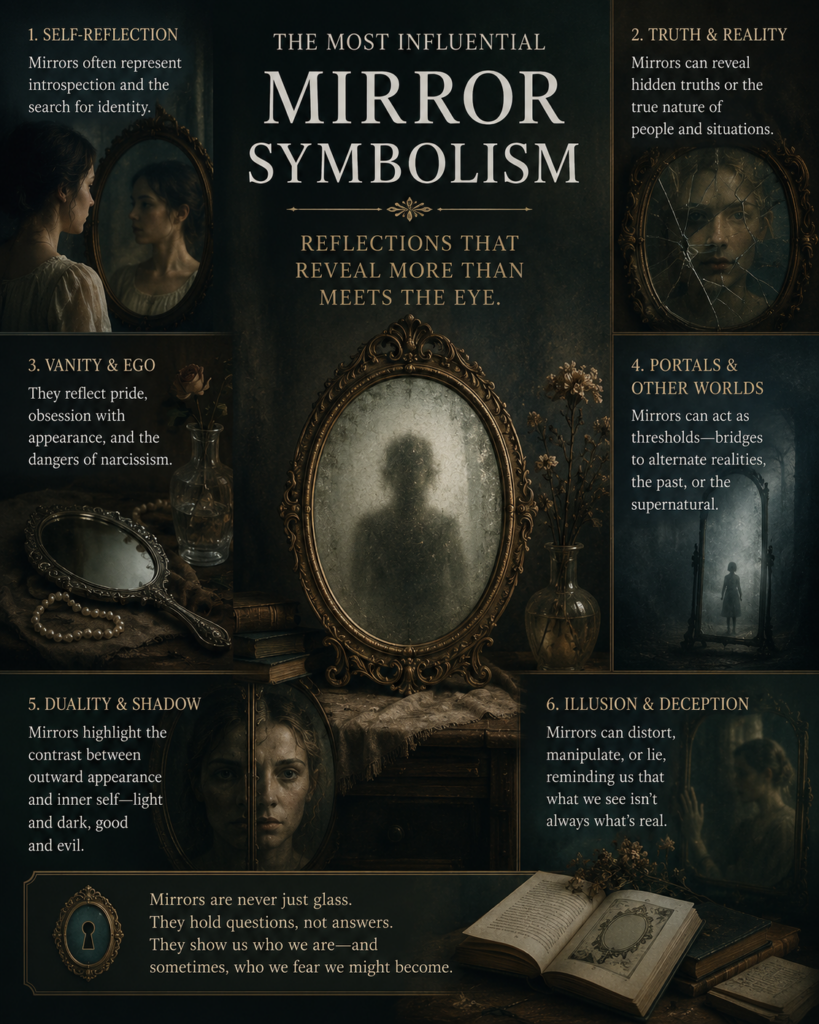
Mirrors in stories do more than show a face. The Most Influential Mirror Symbolism often reveals truth, fear, desire, or a hidden part of the self.

From fairy tales to modern poems, mirror scenes help readers see what a character cannot say out loud. That is why this symbol still feels fresh in classrooms and book clubs today.

In this Guide

  • Why mirror symbolism matters
  • Most Influential Mirror Symbolism in classic literature
  • Mirror symbolism in poems and fairy tales
  • Common themes linked to mirrors
  • Recommended books with mirror symbolism
  • How to analyze mirror scenes
  • FAQs about mirror symbolism
mirror symbolism in Literature

Why the Most Influential Mirror Symbolism Still Matters

Mirrors are simple objects, but writers use them to ask hard questions.

The Most Influential Mirror Symbolism often deals with identity. A character looks into a mirror and faces a version of the self that may feel strange, broken, proud, or false.

This makes mirrors useful in stories about growing up, guilt, beauty, madness, and truth. A mirror can show what society values, but it can also show what society hides.

Readers often remember mirror scenes because they feel private. A character alone with a reflection can reveal more than a long speech.

Most Influential Mirror Symbolism in Classic Literature

Classic works use mirrors to expose desire, fear, and the danger of self-image.

One famous example appears in “Snow White.” The magic mirror does not just answer a question about beauty. It shows how power and jealousy can grow from obsession.

The queen needs the mirror to confirm her worth. When it stops doing that, she turns cruel. This is one reason the Most Influential Mirror Symbolism often connects beauty with control.

In Mary Shelley’s Frankenstein, the creature sees his reflection and understands how others may see him. That moment is painful because it joins self-awareness with rejection.

Oscar Wilde’s The Picture of Dorian Gray does not center on a mirror, but the portrait works like one. It reflects Dorian’s inner corruption while his face stays young.

This is a key mirror-like symbol. It asks whether a person can hide from the truth if the surface still looks perfect.

Mirror Symbolism in Poems and Fairy Tales

Poets and fairy-tale writers often use mirrors to make truth feel sharp.

Sylvia Plath’s poem “Mirror” is one of the clearest examples of the Most Influential Mirror Symbolism in modern literature. The mirror speaks as if it has no feelings, yet the poem feels deeply emotional.

The speaker says it reflects “faithfully.” Still, that honesty hurts the woman who looks into it. You can read the poem at the Poetry Foundation.

In fairy tales, mirrors often know what humans refuse to admit. They may act like judges, warnings, or magical doors.

Lewis Carroll’s Through the Looking-Glass turns the mirror into a passage. Alice steps through it and enters a world where logic shifts. Here, the mirror suggests a second reality that sits just behind ordinary life.

Common Themes in the Most Influential Mirror Symbolism

Mirror symbols often return to the same deep concerns.

Identity is the most common theme. A mirror can make a character ask, “Who am I really?” This matters in stories where people feel split between public image and private truth.

Vanity also appears often. When a character trusts the mirror too much, the story may warn against pride or shallow judgment.

Self-knowledge is another major idea. The Most Influential Mirror Symbolism often marks the moment when a character can no longer avoid the truth.

Mirrors can also show social pressure. A character may not see the real self, but instead the version shaped by beauty rules, class, gender, or power.

For more help with symbols in general, read our guide on how to find symbolism in a story.

Recommended Books with Powerful Mirror Symbolism

These works are strong choices for students who want to study reflection, identity, and truth.

  • Through the Looking-Glass by Lewis Carroll
  • Frankenstein by Mary Shelley

Both books show why the Most Influential Mirror Symbolism lasts across time. Carroll uses the mirror as a doorway into strange logic. Shelley uses reflection to show pain, isolation, and self-awareness.

If you want a shorter text, pair either book with Sylvia Plath’s “Mirror.” It works well for poetry study, AP Literature practice, or a quick close reading lesson.

How to Analyze the Most Influential Mirror Symbolism

A good mirror scene usually changes how we understand a character.

Start by asking what the mirror shows. Does it reveal beauty, fear, age, guilt, or desire?

Then ask what the character feels. A calm reaction means something very different from panic, shame, or anger.

Look at the setting too. A mirror in a bedroom feels private. A magic mirror in a palace may connect reflection with power.

The Most Influential Mirror Symbolism becomes clearer when you ask what truth the character wants to avoid. If the mirror forces that truth into view, it is likely doing important symbolic work.

Mirror Symbolism and Literary Culture

Mirrors remain popular because they fit the way people think about image today.

Modern readers live in a world full of photos, screens, and self-presentation. That makes mirror symbolism feel even more relevant.

Stories with mirrors ask whether the image we show is the same as the person we are. This question appears in old myths, Gothic novels, poems, and young adult fiction.

The Most Influential Mirror Symbolism also links literature with art history and psychology. For background on symbolism as a larger movement, see Britannica’s overview of Symbolism.

FAQs About Most Influential Mirror Symbolism

What does a mirror usually symbolize in literature?

A mirror often symbolizes identity, truth, vanity, or self-knowledge. It can show how a character sees the self or how society judges that character.

Why do writers use mirrors in stories?

Writers use mirrors because they create strong visual moments. A reflection can reveal inner conflict without long explanation.

What is the best example of mirror symbolism?

“Snow White” is one of the best-known examples. Sylvia Plath’s “Mirror” is one of the strongest literary examples for close reading.

Can a mirror symbolize lies?

Yes. A mirror can seem truthful, but it may also reflect a false image, a shallow value system, or a character’s distorted view of the self.

How do I write about mirror symbolism in an essay?

Focus on what the mirror shows, how the character reacts, and what theme the scene supports. Connect the symbol to the larger meaning of the work.

Key Takeaway

The Most Influential Mirror Symbolism in literature helps readers see hidden truths. In literature, a mirror is rarely just glass. It reflects identity, pressure, fear, and the difficult act of knowing yourself.

When a character looks into a mirror, pay attention. The story may be showing its deepest truth in plain sight.

Common Symbols in Classic Literature

literature symbols
literature symbols

Common Symbols in Classic Literature: A Student-Friendly Guide

Common Symbols in Classic Literature can help you see deeper meaning in novels, plays, and poems. When you know what certain objects, colors, or places often suggest, you can read with more confidence and write stronger essays.

This guide explains key symbols, gives clear literary examples, and shows how to use them without overthinking every detail.

In this Guide

  • Why symbols matter in classic literature
  • Common symbols and what they often mean
  • Examples from famous books
  • How to analyze symbols in essays
  • Books that help you practice
  • FAQ and key takeaway

Why Common Symbols in Classic Literature Matter

Symbols help writers say more with less.

A symbol is something that stands for more than itself. It can be an object, place, color, animal, or action that points to a bigger idea.

For students, Common Symbols in Classic Literature are useful because they often connect to major themes. A river may suggest change. A locked room may suggest secrets. A storm may suggest conflict or fear.

Symbols do not always mean the same thing in every book. Context matters. Still, knowing common patterns gives you a strong place to start.

Common Symbols in Classic Literature: Light and Darkness

Light and darkness often show knowledge, truth, danger, or moral conflict.

Light often points to truth, hope, or understanding. Darkness often points to fear, confusion, or hidden evil.

In Frankenstein by Mary Shelley, light can suggest knowledge and discovery. Victor Frankenstein wants to “bring light” to science, but his search leads to pain and guilt.

In Heart of Darkness by Joseph Conrad, darkness is not just a setting. It raises questions about cruelty, power, and what people hide inside themselves.

When you see light or darkness in a classic text, ask what the character understands at that moment. Also ask what the writer may be hiding from the reader.

Common Symbols in Classic Literature: Colors

Colors can carry emotional and social meaning.

Red often suggests passion, sin, blood, or shame. White can suggest purity, innocence, emptiness, or coldness. Green often points to hope, envy, nature, or desire.

In The Scarlet Letter by Nathaniel Hawthorne, the red letter “A” is one of the most famous symbols in American literature. It marks Hester Prynne’s shame, but it also becomes a sign of strength.

In The Great Gatsby by F. Scott Fitzgerald, the green light at the end of Daisy’s dock stands for Gatsby’s dream. It also shows how that dream stays just out of reach.

Colors are among the most important Common Symbols in Classic Literature because they can appear many times across a story. Track when a color appears and how the mood changes around it.

Common Symbols in Classic Literature: Nature

Nature often reflects a character’s inner life.

Writers use weather, seasons, gardens, and wild places to show emotion or change. Spring may suggest youth or rebirth. Winter may suggest death, loss, or loneliness.

In Wuthering Heights by Emily Brontë, the wild moors reflect the fierce emotions of the characters. The setting feels harsh, open, and hard to control.

In King Lear by William Shakespeare, the storm shows Lear’s mental collapse. The weather outside mirrors the chaos inside him.

When you study Common Symbols in Classic Literature, pay close attention to setting. A landscape may reveal more than a character says out loud.

Common Symbols in Classic Literature: Animals

Animals often reveal power, fear, guilt, or instinct.

A snake may suggest danger or betrayal. A bird may suggest freedom or a trapped soul. A dog may suggest loyalty, but it can also show violence, depending on the story.

In Macbeth, Shakespeare uses animal images to show disorder and fear. After Duncan’s murder, nature seems broken, which suggests that Macbeth’s crime has damaged the moral order.

In Lord of the Flies by William Golding, the “beast” becomes a symbol of the boys’ fear. It also points to the violence inside human nature.

Animal symbols work best when you connect them to a theme. Do not stop at “the bird means freedom.” Ask who wants freedom and what blocks it.

Common Symbols in Classic Literature: Objects

Objects can carry a story’s biggest ideas.

A letter, ring, mirror, or weapon can gain meaning as the story moves on. The object may start as a normal item, then become tied to guilt, love, power, or memory.

In The Lord of the Rings by J.R.R. Tolkien, the ring stands for power and temptation. It shows how even good people can change when power takes hold.

In Jane Eyre by Charlotte Brontë, the locked room and hidden spaces at Thornfield Hall suggest secrets, fear, and social limits.

Common Symbols in Classic Literature often gain meaning through repetition. If an object appears at key moments, the author likely wants you to notice it.

Common Symbols in Classic Literature: Journeys and Roads

A journey often shows growth, escape, or a search for truth.

Roads and travel can show a character’s movement from innocence to experience. A physical trip may also reflect an inner change.

In The Odyssey by Homer, Odysseus’s journey is about more than getting home. It tests his pride, loyalty, and wisdom.

In The Adventures of Huckleberry Finn by Mark Twain, the river becomes a path toward freedom. Yet it also shows the moral problems of the society around Huck and Jim.

Journey symbols are useful in essays because they often connect to character growth. Ask what the character learns before and after the journey.

How to Analyze Common Symbols in Classic Literature

A symbol should connect to the whole story, not just one scene.

Start with the basic meaning. What is the object, color, place, or action? Then ask how it changes as the story goes on.

Look for repetition. If a symbol appears more than once, note when it appears and who is present. This can reveal a pattern.

Connect the symbol to a theme. A green light is not important only because it is green. It matters because it connects to dreams, wealth, and longing.

If you want a deeper step-by-step method, read this guide on how to find symbolism in a story.

How to Use Symbols in Literature Essays

Strong symbol analysis stays close to the text.

Do not write that a symbol “obviously” means one thing. Instead, prove your idea with evidence from the story.

A simple essay sentence might look like this:

In The Great Gatsby, the green light symbolizes Gatsby’s dream of a perfect future with Daisy, but its distance shows that the dream is impossible to fully reach.

This works because it names the symbol, explains the meaning, and links it to a theme.

For AP Literature or college essays, you should also explain how the symbol affects the reader. Does it create hope? Does it create doubt? Does it make the ending feel tragic?

Best Books for Studying Common Symbols in Classic Literature

These books give students strong practice with symbolism.

  • The Great Gatsby by F. Scott Fitzgerald
  • The Scarlet Letter by Nathaniel Hawthorne
  • Lord of the Flies by William Golding

Each book uses symbols in a clear way, which makes them helpful for essays and class discussion. They are also common choices in high school and college literature courses.

You can also explore trusted resources like the Poetry Foundation’s definition of symbol and Britannica’s overview of Symbolism for more background.

Quick Study Tips for Symbolism

A few simple habits can make symbol analysis much easier.

Mark repeated objects, colors, and places as you read. Write a short note each time one appears.

Ask what changes near the symbol. Does the mood shift? Does a character act in a new way?

Do not force a meaning. Some details are just details. A symbol matters when the story gives it weight.

When in doubt, return to theme. The best symbol analysis explains how one detail supports the bigger message of the work.

FAQ About Common Symbols in Classic Literature

What are the most common symbols in classic literature?

Some of the most common symbols are light, darkness, colors, nature, animals, objects, and journeys. Their meaning depends on the story’s context.

How do I know if something is a symbol?

Look for repetition, strong description, or a link to a major theme. If the author keeps drawing attention to it, it may be symbolic.

Can one symbol have more than one meaning?

Yes. A strong symbol can hold more than one idea. For example, the scarlet letter in Hawthorne’s novel suggests shame, strength, and identity.

Why do teachers ask students to find symbols?

Symbols help students understand theme, character, and conflict. They also lead to stronger literary analysis.

Should I memorize Common Symbols in Classic Literature?

You can learn common patterns, but do not rely on memorization alone. Always use the text to support your interpretation.

Key Takeaway

Common Symbols in Classic Literature are tools for deeper reading, not secret codes with fixed answers. Notice patterns, connect them to theme, and use evidence from the text to explain your ideas clearly.