Flash Memoir Prompt: Smell of a Specific Room in Your Childhood Home

flash memoir prompt smells

A warm, sensory writing invitation for using the smell of one childhood room to uncover a focused memory, a small scene, and an emotional truth you may not have noticed before.

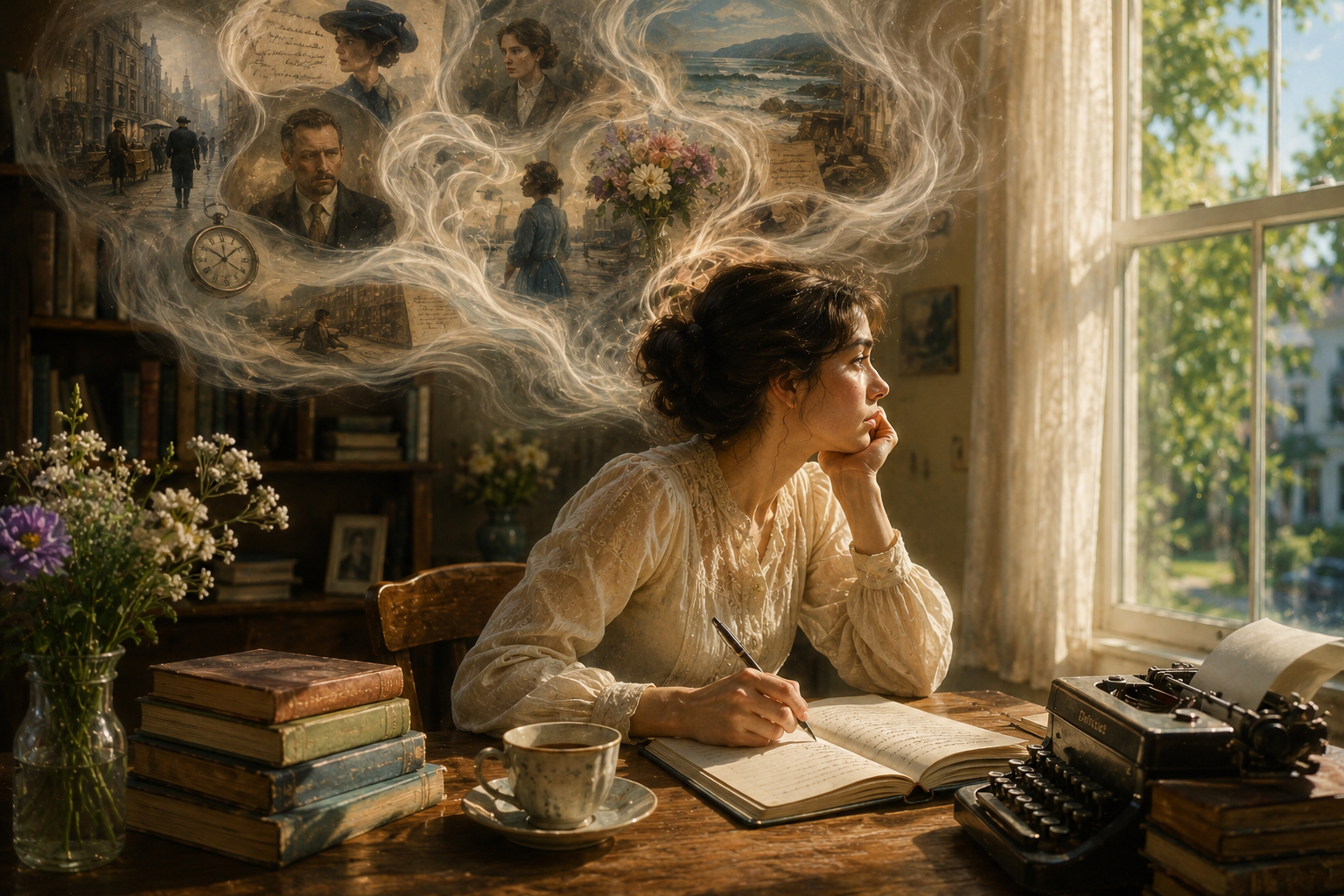
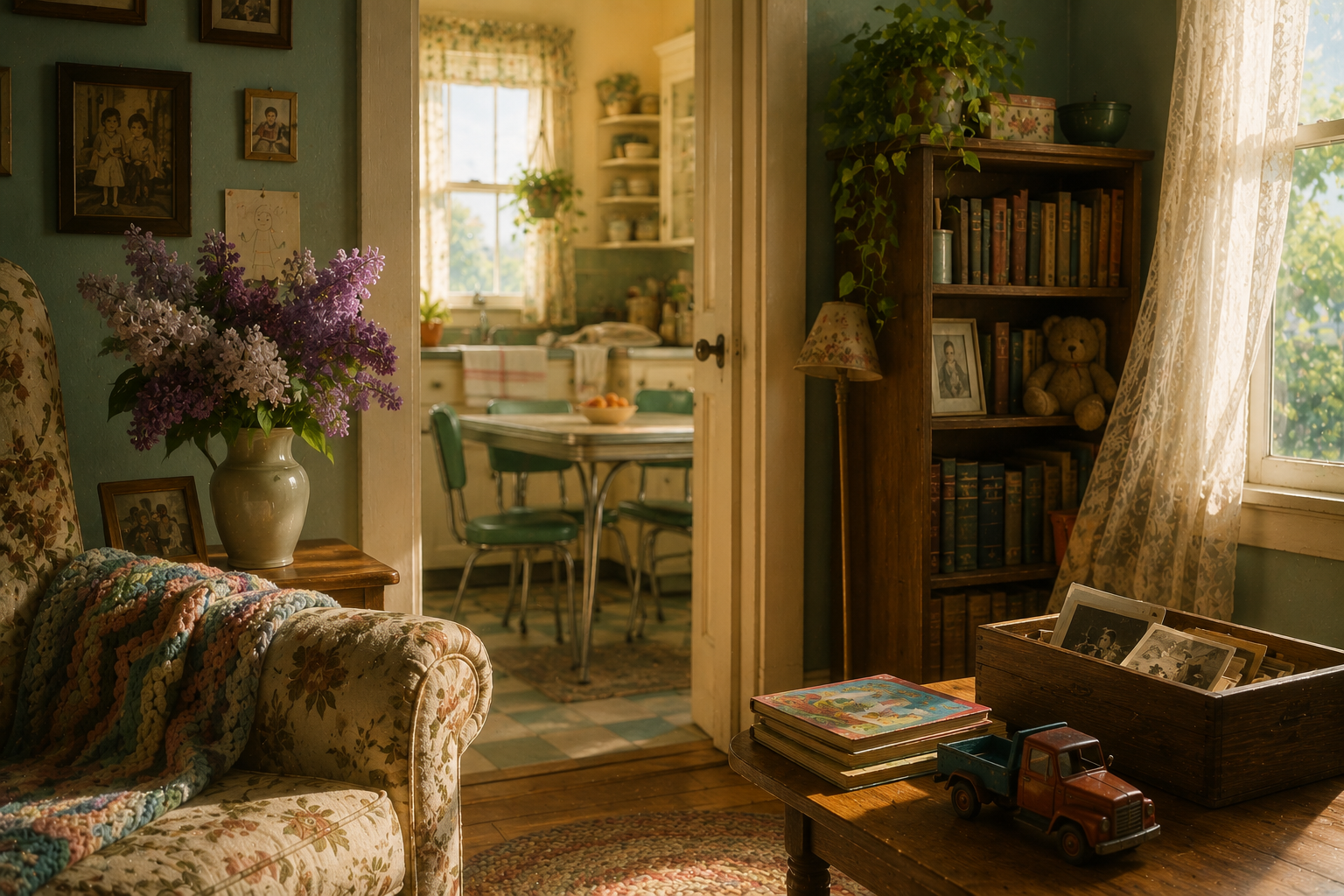
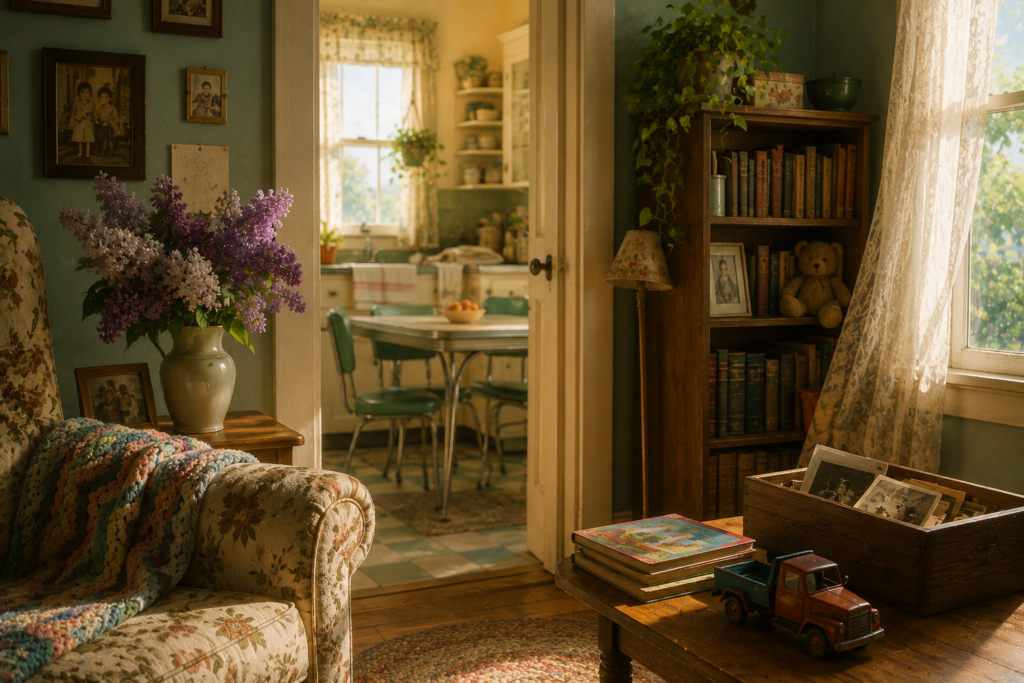
You might think you have forgotten the room until a scent finds you in the middle of an ordinary day. Lemon cleaner in a school hallway. Dust from an old library book. The faint mix of soap and damp towels in someone else’s bathroom. Suddenly, you are back in a room you have not stood in for years.

That is the quiet power of this flash memoir prompt smell specific room childhood home. Smell often reaches memory before language does. It can bring back a room, a person, a season, or a feeling before you know what story wants to be told.
flash memoir prompt smells

The Prompt

Write about the smell of a specific room in your childhood home.

Choose one room only. It might be the kitchen, your bedroom, a basement, a hallway closet, a bathroom, a garage, or a room you were rarely allowed to enter. The key is to stay with the smell long enough for one memory to rise.

This prompt can unlock a meaningful memory because scent often carries more than description. A room can smell like furniture polish, cold air, crayons, dinner, medicine, wet dog, cigarette smoke, fresh sheets, or summer dust. Each smell may lead to a small truth about comfort, fear, love, loneliness, or belonging.

Why This Memory Matters

A childhood room is never just a room. It is a place where rules were learned, secrets were kept, and ordinary days collected meaning. When you begin with smell, you do not have to force a big life lesson. You can let the memory come through the air of the place.

Maybe the kitchen smelled like onions and hot oil every Friday night, and that scent meant people would soon gather. Maybe the laundry room smelled like bleach, and you remember folding towels while your mother was quiet beside you. Maybe your grandfather’s spare room smelled like wood shavings and pipe tobacco, though no one had smoked there for years.

Smell can also reveal mixed feelings. A room may have smelled safe to one child and tense to another. The same scent can hold love and discomfort at once. That is what makes this kind of writing feel honest.

If you are a student or teacher using this prompt for a class, you might notice how one smell can work like a symbol. If you want to think more about how ordinary objects and details carry meaning in literature, this guide on how to find symbolism in a story can help you make that connection.

image-slider-with-thumbnail1.jpeg
PlayPause
previous arrow
next arrow
image-slider-with-thumbnail1.jpeg
image-slider-with-thumbnail3.jpeg
image-slider-with-thumbnail4.jpeg
ChatGPT Image Jun 27, 2026, 06_33_13 PM
ChatGPT Image Jun 27, 2026, 06_36_37 PM
ChatGPT Image Jun 27, 2026, 06_38_39 PM
ChatGPT Image Jun 27, 2026, 06_31_22 PM
image-slider-with-thumbnail7.jpeg
ChatGPT Image Jun 27, 2026, 06_29_43 PM
ChatGPT Image Jun 27, 2026, 06_27_44 PM
image-slider-with-thumbnail6.jpeg
ChatGPT Image Jun 27, 2026, 06_15_07 PM
image-slider-with-thumbnail5.jpeg
ChatGPT Image Jun 27, 2026, 06_22_43 PM
ChatGPT Image Jun 27, 2026, 06_25_37 PM
ChatGPT Image Jun 27, 2026, 06_19_43 PM
ChatGPT Image Jun 27, 2026, 06_12_00 PM
ChatGPT Image Jun 27, 2026, 06_08_50 PM
ChatGPT Image Jun 26, 2026, 04_54_23 PM
ChatGPT Image Jun 27, 2026, 05_53_51 PM
ChatGPT Image Jun 28, 2026, 08_35_55 AM
previous arrow
next arrow

How to Approach This Prompt

Begin with the physical detail before you explain anything. Do not start by saying, “The room made me feel safe,” or “That was a hard time.” Start with what the room smelled like.

You might write one sentence such as: “The back bedroom smelled like cedar, dust, and the powder my aunt kept in a blue glass jar.” From there, stay in one scene. What were you doing in that room? Who was there? What sound came from the next room? What did your body do when you entered?

Try not to tell the whole history of your childhood home. This flash memoir prompt smell specific room childhood home works best when you narrow your focus. One room. One smell. One moment.

If the memory feels blurry, write around it. Describe the floor, the light, the window, the closet, the temperature. Then return to the smell. Often the story appears after the sensory details are already on the page.

You can also use this as a note-taking exercise before writing the full scene. If you like marking up texts or drafts, the same close attention you use when you annotate literature can help here. Circle the details that feel alive. Underline the sentence that surprises you. That sentence may be the center of the piece.

A Quick Example

The downstairs bathroom always smelled like Ivory soap and wet pennies. It had a tiny window over the toilet, painted shut, with a curtain my mother had made from yellow fabric. When my brother and I came in from playing outside, she sent us there to wash our hands before dinner. I remember standing on the cold tile, rubbing soap between my fingers, watching dirt run in gray lines toward the drain. From the kitchen, I could hear plates being set down hard. My father had just come home, and no one knew what mood he had brought with him. That clean soap smell still makes me think of waiting. Dinner was close. Trouble might be close too. I was eight, and I already knew how to listen through walls.

Try It Yourself

Set a timer for ten minutes and write without stopping. Choose the room before you begin. If several rooms come to mind, pick the one with the strongest smell, even if you do not know why it matters yet.

Let the first draft be messy. You are not trying to write a perfect memory. You are trying to follow a scent back to one true scene.

If you get stuck, use this sentence starter: “The room smelled like…” Then keep going. Name the smell as plainly as you can. After that, describe what you saw, what you heard, and what you were afraid or happy to do next.

This flash memoir prompt smell specific room childhood home can lead to a tender piece, a funny one, or a memory with sharper edges. Trust the small details. They often know more than the summary does.

Want More Flash Memoir Prompts?

If this prompt opened a memory, keep going with short daily practice. Explore all 365 prompts in The Memory Trigger: 365 Flash Memoir Writing Prompts.

The Memory Trigger

The House on Mango Street literary analysis essay: A Step-by-Step Guide

mango street

A The House on Mango Street literary analysis essay asks you to look past the plot and study how Sandra Cisneros builds meaning. This guide will help you choose a strong topic, form a clear thesis, and use evidence without just summarizing the book.

The House on Mango Street may look simple at first because its chapters are short. Yet those short vignettes carry deep ideas about home, identity, gender, and voice.

In this Guide

Use these sections to plan your essay from the first idea to the final paragraph.

  • What a literary analysis essay should do
  • How to choose a topic
  • Thesis statement examples
  • Evidence ideas from the novel
  • A simple essay outline
  • Common mistakes to avoid
  • Book suggestions and helpful links
  • FAQ
mango street

The House on Mango Street literary analysis essay Basics

A good essay does more than retell Esperanza’s life.

Your job in a The House on Mango Street literary analysis essay is to explain how Cisneros uses craft. Craft means the choices an author makes, such as imagery, symbols, point of view, word choice, and structure.

For example, the house is not just a place. It becomes a symbol of shame, hope, and freedom. Like the green light in The Great Gatsby, it points to a dream that feels close but still out of reach.

You should also notice the form of the novel. Cisneros uses short vignettes instead of long chapters. This form makes the book feel like a set of memories, each one sharp and personal.

If you need a broader refresher on essay structure, read our full literary analysis essay guide.

Choosing a Topic for The House on Mango Street literary analysis essay

Your topic should connect a pattern in the book to a clear idea.

For a The House on Mango Street literary analysis essay, avoid topics that are too wide. A topic like “identity” is a start, but it needs a sharper focus.

Try a question like this: How does Esperanza’s view of her name show her struggle with identity? That question leads to analysis because it points to language, culture, and self-image.

Here are strong topic angles you can use:

  • The meaning of home: Study how Esperanza’s dream house changes over time.
  • Names and identity: Analyze “My Name” and the way Esperanza feels split between cultures.
  • Windows and gender roles: Look at women who are trapped indoors and what their windows suggest.
  • Voice and storytelling: Explain how Esperanza gains power by telling her own story.
  • Growing up: Trace how the novel shows both hope and danger as Esperanza matures.

The best topic will let you discuss several moments from the book, not just one chapter.

Thesis Statement Examples for The House on Mango Street literary analysis essay

A strong thesis makes a claim someone could discuss or debate.

A strong thesis for The House on Mango Street literary analysis essay should name the author’s choice and explain its deeper meaning. It should not sound like a plot summary.

Weak thesis: Esperanza wants a better house.

Stronger thesis: In The House on Mango Street, Cisneros uses Esperanza’s dream of a house to show her desire for freedom, but the novel also teaches that escape must include memory and responsibility.

Here are more thesis statement examples you can shape for your own essay:

  • Cisneros uses Esperanza’s name as a symbol of conflict, showing how identity can feel both inherited and unfinished.
  • Through repeated images of women at windows, Cisneros shows how Mango Street limits women’s choices and pushes Esperanza to imagine a different future.
  • The vignette structure mirrors Esperanza’s coming-of-age, since each short scene helps her build a clearer voice.
  • Cisneros presents storytelling as a form of power because Esperanza learns to define herself instead of letting her neighborhood define her.

Notice that each thesis uses a word like uses, shows, or presents. These verbs help you analyze the writer’s method.

image-slider-with-thumbnail1.jpeg
PlayPause
previous arrow
next arrow
image-slider-with-thumbnail1.jpeg
image-slider-with-thumbnail3.jpeg
image-slider-with-thumbnail4.jpeg
ChatGPT Image Jun 27, 2026, 06_33_13 PM
ChatGPT Image Jun 27, 2026, 06_36_37 PM
ChatGPT Image Jun 27, 2026, 06_38_39 PM
ChatGPT Image Jun 27, 2026, 06_31_22 PM
image-slider-with-thumbnail7.jpeg
ChatGPT Image Jun 27, 2026, 06_29_43 PM
ChatGPT Image Jun 27, 2026, 06_27_44 PM
image-slider-with-thumbnail6.jpeg
ChatGPT Image Jun 27, 2026, 06_15_07 PM
image-slider-with-thumbnail5.jpeg
ChatGPT Image Jun 27, 2026, 06_22_43 PM
ChatGPT Image Jun 27, 2026, 06_25_37 PM
ChatGPT Image Jun 27, 2026, 06_19_43 PM
ChatGPT Image Jun 27, 2026, 06_12_00 PM
ChatGPT Image Jun 27, 2026, 06_08_50 PM
ChatGPT Image Jun 26, 2026, 04_54_23 PM
ChatGPT Image Jun 27, 2026, 05_53_51 PM
ChatGPT Image Jun 28, 2026, 08_35_55 AM
previous arrow
next arrow

Using Evidence in The House on Mango Street literary analysis essay

Choose small details that reveal big ideas.

The best evidence in The House on Mango Street literary analysis essay often comes from short lines, repeated images, or key scenes. You do not need huge quotes. A few well-chosen words can work better.

Start with “The House on Mango Street.” Esperanza compares the family’s real house with the dream house her parents promised. This contrast helps show the gap between hope and reality.

Use “My Name” if you write about identity. Esperanza says her name means hope, sadness, and waiting. That mix of meanings shows how she feels tied to family history but still wants a name that feels like her own.

Use “Rafaela Who Drinks Coconut & Papaya Juice on Tuesdays” or “Marin” if you write about women’s limits. These chapters show how women dream, wait, or look out from windows while life passes below.

Use “Bums in the Attic” and “Mango Says Goodbye Sometimes” if you write about memory. Esperanza wants to leave, but she also knows she must return for “the ones I left behind.” That line can support an essay about duty and belonging.

When you include a quote, explain it right away. Do not drop it into the paragraph and move on.

A helpful pattern is: claim, context, quote, analysis, link back to thesis. This keeps your paragraph focused.

Outline for The House on Mango Street literary analysis essay

A clear outline helps your essay stay organized from start to finish.

A simple The House on Mango Street literary analysis essay can follow this structure:

  1. Introduction: Name the author and book, give brief context, and end with your thesis.
  2. Body paragraph 1: Explain your first main point with one or two short quotes.
  3. Body paragraph 2: Develop a second point that builds on the first.
  4. Body paragraph 3: Show a shift, contrast, or final insight from the text.
  5. Conclusion: Return to your thesis and explain why the idea matters.

Your introduction should not tell the whole plot. It should guide the reader toward your argument.

Your body paragraphs should begin with claims, not facts. A claim might say, Cisneros connects houses with self-worth, especially when Esperanza compares Mango Street to the home her family imagined.

Your conclusion should not just repeat your thesis. It can answer this question: What does the novel teach us about voice, place, or freedom?

If you want a ready-to-use planning system with thesis help, paragraph frames, and revision checklists, try The Literary Analysis Essay Toolkit.

Common Mistakes in The House on Mango Street literary analysis essay

Most weak essays summarize too much and analyze too little.

One common mistake is writing about what happens instead of why it matters. Do not spend a full paragraph retelling a vignette. Use only the details you need.

Another mistake is treating Esperanza and Cisneros as the same person. Esperanza is the narrator. Cisneros is the author who shapes Esperanza’s voice.

A third mistake is using broad claims like “the book is about growing up.” Make the idea more exact. Ask what kind of growing up the book shows and how Cisneros creates that effect.

Watch for quote overload, too. Your teacher wants to hear your thinking. Quotes should support your ideas, not replace them.

Helpful Context and Outside Sources

Good context can deepen your essay, but the novel should stay at the center.

For background on Sandra Cisneros, visit the Britannica profile of Sandra Cisneros. You can also read her author page at the Poetry Foundation.

Use outside sources to understand the author or literary setting. Do not let them take over your essay. Your main evidence should still come from The House on Mango Street.

Relevant Books to Read or Search on Amazon

These books can help you understand Cisneros and similar coming-of-age stories.

  • The House on Mango Street by Sandra Cisneros
  • Woman Hollering Creek and Other Stories by Sandra Cisneros

You can look for these titles on Amazon, in your school library, or through a local bookstore.

FAQ: The House on Mango Street literary analysis essay

Here are quick answers to common student questions.

What is a good thesis for The House on Mango Street?

A good thesis explains how Cisneros creates meaning. For example, you might argue that the house symbolizes Esperanza’s search for freedom and self-respect.

What themes work well for this essay?

Strong themes include home, identity, gender roles, voice, memory, and freedom. Choose one theme and connect it to specific author choices.

Can I write about only one vignette?

Yes, if your teacher allows it. A close reading of one vignette can work well, but you still need a clear thesis and detailed analysis.

How many quotes should I use?

Use enough quotes to prove your points, but keep them short. One or two strong quotes per body paragraph is often enough.

Key Takeaway

A strong The House on Mango Street literary analysis essay shows how Cisneros turns small moments into large meanings. Focus on the author’s choices, build a clear thesis, and explain every quote with care.

Famous Stream of Consciousness Novels: 10 Essential Reads

stream of consciousness

Famous Stream of Consciousness Novels can feel strange at first because they often follow thoughts instead of clear action. This guide will help you understand the style, choose the right book, and read with more confidence.

In this Guide

  • What stream of consciousness means
  • 10 major novels to read
  • How to choose your next book
  • Tips for students
  • Book suggestions
  • FAQ

What Makes Famous Stream of Consciousness Novels Different?

These books try to show the mind as it works from the inside.

In normal fiction, a narrator may explain events in a clear order. In stream of consciousness, thoughts can jump from memory to fear to desire in a few lines.

The style became a major part of modernist literature. Writers used it to show private feelings, hidden pain, and the way time feels in the mind.

For a helpful overview of the term, see Britannica’s guide to stream of consciousness.

Famous Stream of Consciousness Novels You Should Know

These novels are strong choices for students, AP Literature readers, and anyone who wants a deeper reading challenge.

These Famous Stream of Consciousness Novels are not all easy, but each one shows why the style matters.

1. Ulysses by James Joyce

Ulysses is one of the most famous examples of stream of consciousness writing. It follows Leopold Bloom through one day in Dublin, but the real action often takes place inside his mind.

This is a hard book, so it works best for advanced readers. If you like puzzles, wordplay, and bold form, start here.

2. Mrs. Dalloway by Virginia Woolf

Mrs. Dalloway follows one day in the life of Clarissa Dalloway as she prepares for a party. The novel moves between her thoughts and the thoughts of other people in London.

This is a great first choice because the writing is rich but still more approachable than Ulysses. Woolf uses the style to explore memory, grief, class, and time.

3. To the Lighthouse by Virginia Woolf

To the Lighthouse focuses on the Ramsay family and their visits to the Isle of Skye. The plot is quiet, but the inner lives of the characters feel intense.

Read this if you want a book that asks deep questions about family, art, and loss. You can learn more about Woolf from The British Library’s Virginia Woolf page.

4. The Sound and the Fury by William Faulkner

Faulkner’s novel tells the fall of the Compson family through several voices. The first section, told by Benjy, can feel confusing because time shifts without warning.

This book is a strong choice for college readers or AP students who want to study voice, memory, and broken family history.

5. As I Lay Dying by William Faulkner

As I Lay Dying uses many narrators as one family travels to bury Addie Bundren. Each voice has its own rhythm and private view of the journey.

This novel is shorter than The Sound and the Fury, so it can be a better starting point for Faulkner.

6. A Portrait of the Artist as a Young Man by James Joyce

This novel follows Stephen Dedalus as he grows from childhood into young adulthood. The style changes as Stephen’s mind develops.

It is a smart choice before Ulysses. You can see Joyce test ideas about religion, art, guilt, and freedom.

7. The Waves by Virginia Woolf

The Waves is one of Woolf’s most experimental novels. It uses the voices of six characters as they move through life.

This book feels closer to poetry than a normal novel. Choose it if you enjoy style, rhythm, and deep reflection.
8. Beloved by Toni Morrison

Beloved is not always labeled only as stream of consciousness, but it often uses inner thought, memory, and broken time. Morrison shows how trauma can shape the mind.

This novel is powerful for students who want to study history, voice, and the lasting pain of slavery.

9. Invisible Man by Ralph Ellison

Invisible Man uses a first-person voice that moves through memory, thought, and social conflict. The narrator looks back on his life and tries to understand how others have refused to see him.

This is a strong pick for readers interested in identity, race, power, and American literature.

10. The Catcher in the Rye by J.D. Salinger

The Catcher in the Rye is more direct than many modernist novels, but Holden Caulfield’s voice often follows raw thought and feeling. His mind shapes the whole story.

This is a good entry point for younger readers because the language feels clear, even when Holden’s emotions are complex.

How to Choose Famous Stream of Consciousness Novels for Your Reading Level

The best choice depends on your comfort with complex style and slow plots.

When choosing among Famous Stream of Consciousness Novels, start with the book that matches your goal. If you want a short challenge, try As I Lay Dying. If you want a classic modernist text, try Mrs. Dalloway.

If you feel lost, slow down and track whose mind you are inside. Notice repeated images, sudden memories, and shifts in time.

For a stronger reading method, use this guide on how to read literature like a scholar. It can help you spot patterns without feeling overwhelmed.

Famous Stream of Consciousness Novels for Students

Students should read these books with patience, notes, and a focus on voice.

For class, Famous Stream of Consciousness Novels often lead to strong essays because they reveal how form shapes meaning. A teacher may ask why the writer uses confusion, memory, or sudden thought shifts.

Good essay topics include time in Mrs. Dalloway, family decline in The Sound and the Fury, or trauma in Beloved.

Do not worry if you miss details on the first read. These novels reward rereading, and many scenes make more sense once you know the full story.

Books to Search for on Amazon or at Your Library

If you want to own a copy or build a study shelf, these editions are worth a look.

  • Mrs. Dalloway by Virginia Woolf
  • As I Lay Dying by William Faulkner

Both books are useful for students because they are often taught in literature courses. They also show the style in clear, memorable ways.

FAQ About Famous Stream of Consciousness Novels

These quick answers can help before you choose a book.

What are Famous Stream of Consciousness Novels?

Famous Stream of Consciousness Novels are books that show a character’s inner thoughts in a direct, often shifting way. They may move through memory, emotion, and present action without clear breaks.

Which stream of consciousness novel should I read first?

Mrs. Dalloway is a strong first choice. It is challenging but not as difficult as Ulysses.

Why are these novels hard to read?

They often avoid a simple plot path. The reader has to follow thoughts, time shifts, and emotional clues.

Are stream of consciousness novels good for essays?

Yes. They give you a lot to analyze, especially voice, structure, memory, and point of view.

Key Takeaway

Famous Stream of Consciousness Novels help readers see how fiction can capture the hidden life of the mind. Start with an accessible book, read slowly, and let the style teach you how to follow it.

Flash Memoir Prompt: Last Ordinary Day before Something Changed Everything

flash memoir prompt change

Before the phone call, the diagnosis, the goodbye, or the decision, there was probably a cup on the counter, a shirt on the chair, a sound in the hallway, and no idea that normal was about to become memory.

This flash memoir prompt last ordinary day before something changed invites you to return to the quiet edge of a turning point. That day may not have announced itself. It may have looked like any other day: errands, homework, dishes, weather, a half-finished conversation. The power of this prompt is in that contrast.

flash memoir prompt change

The Prompt

Write about the last ordinary day before something changed everything.

This prompt can unlock a meaningful memory because it asks you to look closely at the “before.” Big life changes often come with clear scenes: the hospital room, the moving truck, the breakup, the accident, the announcement. But the day before can hold a different kind of truth.

It may show what you valued before you knew you could lose it. It may reveal a version of yourself who still believed life would keep following the same pattern. That is what makes this flash memoir prompt last ordinary day before something so quietly powerful.

Why This Memory Matters

The last ordinary day is rarely dramatic while you are living it. You may have been annoyed about dirty laundry. You may have been bored in class. You may have complained about traffic, soup that was too salty, or someone being late again.

Then something changed. Later, that dull morning or plain afternoon became a marker. It became the last time the house sounded that way. The last time everyone sat at the same table. The last time you thought of yourself as safe, married, healthy, young, or sure.

This kind of memory often carries two emotions at once. There is the feeling you had then, and the meaning you give it now. You do not have to force sadness into the piece. You can let the ordinary details do the work.

If you are trying to understand the emotional atmosphere of the memory, it may help to think about the difference between tone and mood in literature. In memoir, mood often grows from small choices: the light in the room, the way someone speaks, the silence after a joke. You are not just reporting what happened. You are helping the reader feel the room as you remember it.

How to Approach This Prompt

Begin with one physical detail. Do not start with the life-changing event. Start before it.

Maybe it is the toast burning. Maybe it is your father tapping ash into a saucer. Maybe it is the smell of chlorine at the pool or the squeak of a grocery cart wheel. Pick one detail that feels attached to that day, even if it seems too small at first.

Then narrow the memory to one scene. A kitchen. A bus ride. A bedroom. A porch. Let the larger change wait outside the frame for a few minutes. The reader does not need the whole story right away.

Write what you noticed before you explain what it meant. This is important. If you begin with “That was the last normal day before my mother got sick,” the reader understands the fact. But if you begin with “My mother stood barefoot at the stove, cutting pancakes with the edge of the spatula,” the reader enters the memory.

You can reveal the change near the end, or you can hint at it in the first line. Either way, stay close to the scene. Flash memoir works best when it trusts one small moment to carry the weight.

If you like to mark up your own drafts, try reading your piece once for sensory detail and once for emotion. This is similar to the close-reading habit students use when they annotate literature. Circle the places where the memory feels alive. Underline any sentence that explains too much too soon.

image-slider-with-thumbnail1.jpeg
PlayPause
previous arrow
next arrow
image-slider-with-thumbnail1.jpeg
image-slider-with-thumbnail3.jpeg
image-slider-with-thumbnail4.jpeg
ChatGPT Image Jun 27, 2026, 06_33_13 PM
ChatGPT Image Jun 27, 2026, 06_36_37 PM
ChatGPT Image Jun 27, 2026, 06_38_39 PM
ChatGPT Image Jun 27, 2026, 06_31_22 PM
image-slider-with-thumbnail7.jpeg
ChatGPT Image Jun 27, 2026, 06_29_43 PM
ChatGPT Image Jun 27, 2026, 06_27_44 PM
image-slider-with-thumbnail6.jpeg
ChatGPT Image Jun 27, 2026, 06_15_07 PM
image-slider-with-thumbnail5.jpeg
ChatGPT Image Jun 27, 2026, 06_22_43 PM
ChatGPT Image Jun 27, 2026, 06_25_37 PM
ChatGPT Image Jun 27, 2026, 06_19_43 PM
ChatGPT Image Jun 27, 2026, 06_12_00 PM
ChatGPT Image Jun 27, 2026, 06_08_50 PM
ChatGPT Image Jun 26, 2026, 04_54_23 PM
ChatGPT Image Jun 27, 2026, 05_53_51 PM
ChatGPT Image Jun 28, 2026, 08_35_55 AM
previous arrow
next arrow

A Quick Example

The day before my brother left, we argued about the remote. I remember this because it seems impossible now that I wasted our last normal evening on a cooking show I did not even want to watch. He sat on the floor with his back against the couch, eating cereal from a mug because all the bowls were dirty. Mom was folding towels on the recliner. Dad was in the garage, dropping tools and muttering at the lawn mower. Nothing in the room knew it was ending. The dog slept under the coffee table. The dishwasher clicked. My brother stole the remote and grinned at me like we had forever to be annoyed with each other.

Try It Yourself

Set a timer for ten minutes and write the day before. Keep the scene small. Let the life-changing event stay in the background until you are ready to name it.

You might write about the last regular school day before a move, the last dinner before a divorce, the last lazy afternoon before bad news, or the last normal shift before a new job changed your path. The event does not have to be tragic. It only has to divide your life into before and after.

As you write, resist the urge to explain the whole timeline. Stay with the weather, the room, the sounds, and the person you were then. This flash memoir prompt last ordinary day before something changed is less about the shock itself and more about the fragile peace that came before it.

When you finish, read the piece aloud. Listen for the sentence where the normal day begins to glow with meaning. That sentence may be the heart of the whole memory.

Want More Flash Memoir Prompts?

If this prompt opened a memory you did not expect, keep going. Short prompts can help you build a steady writing habit without feeling pressured to write a full life story at once. Explore all 365 prompts in The Memory Trigger: 365 Flash Memoir Writing Prompts.

The Memory Trigger

Themes in The House on Mango Street: A Student-Friendly Guide

mango street

Students often search for themes in The House on Mango Street because the book feels simple at first, but its meaning runs deep. Sandra Cisneros uses short vignettes to show how Esperanza sees home, power, shame, and hope in her neighborhood.

In this Guide

Use this guide to review the main ideas before a quiz, essay, or class talk.

  • Why the themes matter
  • Major themes to track
  • Esperanza’s growth
  • Symbols and deeper meaning
  • Essay tips
  • Helpful books and links
  • FAQ
mango street

Why Themes in The House on Mango Street Matter

Theme is the message a story asks you to think about, not just a topic.

The themes in The House on Mango Street matter because the book is built from short scenes. Each vignette adds one small truth about Esperanza’s world.

Cisneros does not give long speeches about poverty or identity. She shows a girl who observes her street, her family, and herself with sharp eyes.

If you need a quick refresher, read how to identify theme in literature before you take notes.

Major Themes in The House on Mango Street

The strongest ideas grow from Esperanza’s daily life, not from abstract lessons.

These themes in The House on Mango Street can help you build strong essay claims. They also help explain why the book still feels current for many students.

Identity and Self-Definition

Esperanza wants to decide who she is. Her name, her house, and her neighborhood all shape how others see her.

She does not fully reject her background, but she does not want it to trap her. This makes identity one of the most important ideas in the book.

A helpful comparison is Jane Eyre. Like Jane, Esperanza wants a voice that belongs to her, not one handed to her by others.

Home and Belonging

Mango Street is both shelter and burden. Esperanza’s family has a house, but it is not the dream house she hoped for.

The house becomes a symbol of limits. It shows that having a place to live is not the same as feeling proud, safe, or free.

This theme connects well to A Raisin in the Sun by Lorraine Hansberry. In both works, a home carries dreams about class, dignity, and the future.

Gender and Power

Cisneros shows how girls and women face rules that boys often do not face. Some women in the neighborhood seem stuck by marriage, fear, or family pressure.

Esperanza notices these patterns. She learns that growing up as a girl can bring danger, but it can also bring new awareness.

This theme is not simple. The book shows pain, but it also shows women who survive and find small forms of strength.

Shame and Social Class

Esperanza often feels shame about her house and her family’s poverty. She knows how quickly people judge a person by where they live.

The book asks readers to see how class can affect confidence. It can shape what a young person believes is possible.

Cisneros does not blame Esperanza for wanting more. She shows that her desire for a better life comes from both pain and hope.

Voice and Writing

Esperanza’s voice is one of her strongest sources of freedom. By telling her own story, she takes control of how Mango Street is remembered.

Writing becomes more than a hobby. It becomes a way to name hurt, protect memory, and imagine a future.

For guided practice, you can use our literature theme worksheet as you chart key passages and write theme statements.

Dreams and Escape

Esperanza dreams of leaving Mango Street. Yet the book does not treat escape as a clean break.

By the end, she knows she may leave, but she also feels tied to those who cannot. Her dream becomes more mature because it includes responsibility.

How Themes in The House on Mango Street Shape Esperanza

Esperanza changes because she learns to read the world around her.

The themes in The House on Mango Street shape her from the first vignette to the last. At first, she feels embarrassed by her home. Later, she sees that Mango Street has helped form her voice.

Her growth is not neat or easy. She still wants another kind of life, but she begins to understand that leaving does not mean forgetting.

This is why the ending feels powerful. Esperanza wants freedom, but she also wants to speak for the people and places that shaped her.

Symbols That Support Themes in The House on Mango Street

Symbols help readers see big ideas through small details.

And symbols make the themes in The House on Mango Street easier to track. Cisneros often uses plain objects, but she gives them emotional weight.

The House

The house on Mango Street is the central symbol. It stands for poverty, family, shame, and desire.

Esperanza wants a house of her own one day. That dream is not only about money. It is about control over her life.

Windows

Several women are linked to windows. They look out at the world but cannot fully enter it.

Windows suggest distance. They show the gap between wanting freedom and having the power to claim it.

Names

Esperanza’s name carries family history and personal discomfort. She wants a name that fits the self she hopes to become.

Names in the book show how identity can feel inherited, chosen, or forced.

Discussing Themes in The House on Mango Street in an Essay

A strong theme essay needs a claim, not just a topic.

When you write about themes in The House on Mango Street, avoid saying only, “The theme is identity.” Turn the topic into a full idea.

For example: Cisneros shows that identity is shaped by family and place, but Esperanza can still define herself through language.

Use short quotations from several vignettes. Since the book is brief and fragmented, patterns matter more than one long scene.

image-slider-with-thumbnail1.jpeg
PlayPause
previous arrow
next arrow
image-slider-with-thumbnail1.jpeg
image-slider-with-thumbnail3.jpeg
image-slider-with-thumbnail4.jpeg
ChatGPT Image Jun 27, 2026, 06_33_13 PM
ChatGPT Image Jun 27, 2026, 06_36_37 PM
ChatGPT Image Jun 27, 2026, 06_38_39 PM
ChatGPT Image Jun 27, 2026, 06_31_22 PM
image-slider-with-thumbnail7.jpeg
ChatGPT Image Jun 27, 2026, 06_29_43 PM
ChatGPT Image Jun 27, 2026, 06_27_44 PM
image-slider-with-thumbnail6.jpeg
ChatGPT Image Jun 27, 2026, 06_15_07 PM
image-slider-with-thumbnail5.jpeg
ChatGPT Image Jun 27, 2026, 06_22_43 PM
ChatGPT Image Jun 27, 2026, 06_25_37 PM
ChatGPT Image Jun 27, 2026, 06_19_43 PM
ChatGPT Image Jun 27, 2026, 06_12_00 PM
ChatGPT Image Jun 27, 2026, 06_08_50 PM
ChatGPT Image Jun 26, 2026, 04_54_23 PM
ChatGPT Image Jun 27, 2026, 05_53_51 PM
ChatGPT Image Jun 28, 2026, 08_35_55 AM
previous arrow
next arrow

Author Background and Context

A little context can help, but the text should still lead your interpretation.

Sandra Cisneros is a major Mexican American writer whose work often explores language, gender, and culture. You can read more about her life at Britannica’s Sandra Cisneros biography.

For classroom context, the NEA Big Read guide to The House on Mango Street offers useful background on the novel and its impact.

Books That Pair Well with The House on Mango Street

These books can deepen your study of voice, place, and self-discovery.

  • The House on Mango Street by Sandra Cisneros
  • Woman Hollering Creek and Other Stories by Sandra Cisneros

You can find these titles through your school library, local bookstore, or Amazon search.

FAQ: Themes in The House on Mango Street

Use these quick answers to review before class.

What are the main themes in The House on Mango Street?

The main themes include identity, home, gender, class, voice, and dreams. Most of them connect to Esperanza’s search for self-definition.

What is the most important theme in the book?

Identity may be the central theme because Esperanza spends the book deciding who she is and who she wants to become.

How does Mango Street affect Esperanza?

Mango Street makes Esperanza feel shame, but it also gives her stories to tell. It becomes part of her voice.

Why does Esperanza want a house of her own?

She wants privacy, pride, and freedom. The house she imagines stands for control over her future.

Key Takeaway

The themes in The House on Mango Street show a young girl learning that home can limit her, shape her, and give her a voice. Esperanza’s power comes from seeing her world clearly and telling the truth about it.

Best Classic Human Nature: Timeless Stories About Who We Are

classic human nature

What makes people kind, jealous, proud, brave, or cruel? The Best Classic Human Nature stories ask those questions in ways that still feel fresh today.

These books help students see how literature explores choice, guilt, love, power, and fear. They also make class discussions much more interesting.

In this Guide

  • What Best Classic Human Nature means
  • Why classic books reveal human behavior so well
  • Major themes to watch for
  • Recommended books for students
  • How Shakespeare explores human nature
  • Symbols that show inner conflict
  • FAQs
human nature

What Best Classic Human Nature Means

These stories show people at their best and worst.

Best Classic Human Nature refers to classic literature that studies why people act the way they do. These works do not just tell a story. They ask what drives a person to love, lie, forgive, betray, or seek power.

That is why books from hundreds of years ago can still feel personal. A student may not live in ancient Greece or Victorian England, but they can understand pride, fear, and regret.

Classic literature lasts because it shows patterns in human behavior. Times change, but many inner struggles stay the same.

Why Best Classic Human Nature Stories Still Matter

Old books can feel surprisingly modern when they focus on real emotions.

The Best Classic Human Nature works matter because they help readers see themselves and others more clearly. They show that people are often complicated. A character can be noble in one moment and selfish in the next.

That mix makes literature feel true. In real life, people rarely fit into simple boxes like “good” or “bad.” Classic authors knew this well.

For example, in Frankenstein, Victor Frankenstein is brilliant, but his pride leads to harm. The creature is frightening, but he also wants love and acceptance. Mary Shelley asks readers to think about blame from more than one side.

Best Classic Human Nature Themes to Watch For

These themes appear again and again because they speak to deep human needs.

One major theme is ambition. In many classic works, ambition can inspire greatness, but it can also destroy a person. Macbeth wants power so badly that he loses his peace, his honor, and his sense of right and wrong.

Another key theme is guilt. Characters often try to hide from their actions, but guilt follows them. In Crime and Punishment, Raskolnikov believes he can live above normal moral rules. His mind proves otherwise.

Love is also central to Best Classic Human Nature literature. It can bring out courage and loyalty, but it can also expose jealousy or control. In Othello, love becomes poisoned by doubt.

These themes help readers ask strong questions: What do people want most? What are they willing to risk? What happens when desire becomes stronger than conscience?

Best Classic Human Nature Books to Read First

Start with books that are rich, readable, and often taught in school.

If you want a strong Best Classic Human Nature reading list, begin with works that focus on moral choice and inner conflict. These books give students plenty to discuss in essays, seminars, and AP Literature responses.

Frankenstein by Mary Shelley

This novel explores creation, responsibility, loneliness, and revenge. Victor wants glory, but he refuses to care for what he creates.

The creature begins with a need for kindness. When he faces rejection, his pain turns into anger. The book asks whether monsters are born or made.

Macbeth by William Shakespeare

This play is one of the clearest studies of ambition in classic literature. Macbeth starts as a brave soldier, but the promise of power changes him.

Lady Macbeth also reveals the cost of guilt. She pushes Macbeth toward murder, but her mind later breaks under the weight of what they have done.

Pride and Prejudice by Jane Austen

Austen studies pride, judgment, and self-knowledge with sharp humor. Elizabeth Bennet must learn that first impressions can be wrong.

Mr. Darcy must face his own pride before he can grow. Their story shows that love often depends on honesty and humility.

These titles are useful for school reading, essay practice, and personal study.

  • Frankenstein by Mary Shelley
  • Macbeth by William Shakespeare

Both books are short enough for students to manage, but deep enough for serious analysis. They are also great examples of Best Classic Human Nature because they focus on choices, consequences, and the hidden parts of the mind.

How Best Classic Human Nature Appears in Shakespeare

Shakespeare understood that people often fight battles inside themselves.

Shakespeare is central to Best Classic Human Nature because his characters feel alive. They doubt, desire, fear, and change. They often know the right choice, yet still choose the wrong one.

In Hamlet, the title character struggles with grief and revenge. He thinks deeply, but thought becomes a trap. His delay reveals how hard action can be when the mind is full of fear.

In King Lear, a king wants love, but he also wants control. His tragedy begins when he confuses praise with loyalty. That mistake feels painful because it is so human.

If Shakespeare’s wording feels hard at first, try this helpful guide: how to understand Shakespearean language. It can make the plays easier to read and discuss.

Symbols That Reveal Human Nature

Symbols help readers see what characters cannot always say out loud.

In many Best Classic Human Nature works, objects, settings, or images reveal inner conflict. A storm may show mental chaos. A locked room may suggest secrecy or shame.

In Macbeth, blood becomes a symbol of guilt. Macbeth and Lady Macbeth try to wash away signs of murder, but they cannot cleanse their minds.

In Frankenstein, light often stands for knowledge. Yet the novel questions whether all knowledge leads to wisdom. Victor gains scientific power, but he lacks moral care.

Symbols like these make classic literature more powerful. They turn private feelings into images readers can track and explain.

image-slider-with-thumbnail1.jpeg
PlayPause
previous arrow
next arrow
image-slider-with-thumbnail1.jpeg
image-slider-with-thumbnail3.jpeg
image-slider-with-thumbnail4.jpeg
ChatGPT Image Jun 27, 2026, 06_33_13 PM
ChatGPT Image Jun 27, 2026, 06_36_37 PM
ChatGPT Image Jun 27, 2026, 06_38_39 PM
ChatGPT Image Jun 27, 2026, 06_31_22 PM
image-slider-with-thumbnail7.jpeg
ChatGPT Image Jun 27, 2026, 06_29_43 PM
ChatGPT Image Jun 27, 2026, 06_27_44 PM
image-slider-with-thumbnail6.jpeg
ChatGPT Image Jun 27, 2026, 06_15_07 PM
image-slider-with-thumbnail5.jpeg
ChatGPT Image Jun 27, 2026, 06_22_43 PM
ChatGPT Image Jun 27, 2026, 06_25_37 PM
ChatGPT Image Jun 27, 2026, 06_19_43 PM
ChatGPT Image Jun 27, 2026, 06_12_00 PM
ChatGPT Image Jun 27, 2026, 06_08_50 PM
ChatGPT Image Jun 26, 2026, 04_54_23 PM
ChatGPT Image Jun 27, 2026, 05_53_51 PM
ChatGPT Image Jun 28, 2026, 08_35_55 AM
previous arrow
next arrow

How to Read Best Classic Human Nature Literature for Class

A few simple habits can make these books less confusing.

When you read Best Classic Human Nature texts, watch what characters want. Desire often reveals the heart of the story.

Notice when a character lies to others or to themselves. Self-deception is one of the most important parts of classic literature.

Track moments of choice. A character’s true nature often appears when pressure rises.

For Shakespeare, reading a scene out loud can help. You can also use this guide to Shakespearean language if the old wording slows you down.

Trusted Resources for Deeper Study

These sources can help students build background knowledge.

For author background and literary history, Britannica is a strong place to start. It offers clear overviews of major writers, books, and historical periods.

For poetry, drama, and author pages, the Poetry Foundation is also useful. It can help readers connect themes across different works.

FAQs About Best Classic Human Nature

What does Best Classic Human Nature mean in literature?

It means classic books or plays that explore why people act, feel, and choose as they do. These works focus on deep emotions and moral conflict.

What is the best classic book about human nature?

Frankenstein is one of the best choices for students. It explores ambition, loneliness, blame, and the need for compassion.

Why do teachers assign classic books about human nature?

Teachers assign them because they lead to strong discussion and analysis. They also help students think about real human problems through fiction.
Is Shakespeare good for studying human nature?

Yes. Shakespeare’s plays are full of jealousy, guilt, love, pride, and fear. His characters often feel real because their flaws are so recognizable.

Key Takeaway

The Best Classic Human Nature books last because they tell the truth about people. They show that every person can struggle with pride, fear, desire, and conscience.

When students read these works closely, they do more than study old stories. They learn how literature helps us understand ourselves. 📚

What Is Stream of Consciousness Writing?

stream of consciousness

What Is Stream of Consciousness Writing? It is a style that shows a character’s thoughts as they move through the mind.

This guide will help you spot the style, understand why writers use it, and read it with more confidence.

In this Guide

  • What stream of consciousness means
  • How it works on the page
  • Why it matters in literature
  • Famous examples to know
  • Books that use this style
  • Common questions
  • A practical reading tip

What Is Stream of Consciousness Writing?

Stream of consciousness writing tries to copy the natural flow of thought.

In real life, our thoughts do not always move in neat order. We jump from memory to fear, from a sound in the room to a private worry.

That is the basic idea behind What Is Stream of Consciousness Writing? Instead of giving a clear outside view, the writer takes us inside a character’s mind.

The result can feel personal, messy, honest, and intense. It often shows thought before the character has time to shape it into clear speech.

What Is Stream of Consciousness Writing? How It Works on the Page

This style often breaks normal rules to show how the mind really moves.

A stream of consciousness passage may have long sentences. It may skip from one idea to another with little warning.

Some writers leave out normal punctuation. Others use sentence fragments, sudden memories, or repeated words.
For example, a character might hear church bells and suddenly think about childhood, guilt, a lost friend, and the weather. The outside action may be small, but the inner life is huge.

So when someone asks, What Is Stream of Consciousness Writing? a simple answer is this: it is writing that follows thought as it happens.

Why What Is Stream of Consciousness Writing? Matters in Literature

This style helps readers feel close to a character’s mind.

Many novels tell us what a character does. Stream of consciousness shows us how a character thinks and feels in the moment.

This can reveal fear, desire, shame, grief, or confusion without a clear explanation from the narrator.

It also helps writers show that people are complex. A character may act calm, while their thoughts show panic or doubt.

For students, What Is Stream of Consciousness Writing? is an important question because the style often links to theme, character, and point of view.

Famous Examples of Stream of Consciousness Writing

Some of the best-known modern novels use this style to explore inner life.

James Joyce’s Ulysses is one of the most famous examples. Joyce follows characters through ordinary moments while their thoughts move in rich and surprising ways.

Virginia Woolf’s Mrs. Dalloway also uses this style. The novel moves through one day, but the characters’ thoughts reach into memory, regret, and hope.

William Faulkner’s The Sound and the Fury uses shifting voices and broken thought patterns. The style helps show how each character experiences time and pain.

If your teacher asks, What Is Stream of Consciousness Writing? these novels are strong examples to mention.
Stream of Consciousness vs. Interior Monologue

These two terms are close, but they are not always the same.

Interior monologue means we hear a character’s inner thoughts. Those thoughts may still be fairly clear and organized.

Stream of consciousness is often less neat. It tries to show thought as it flows, even when it feels scattered or strange.

Think of interior monologue as a character “talking” inside their head. Think of stream of consciousness as the mind before it turns thought into a clean sentence.

How to Recognize Stream of Consciousness Writing

You can spot this style by looking for signs of thought in motion.

Watch for sudden shifts in time. A character may move from the present to a memory with no clear warning.

Look for unusual punctuation or long sentences. These choices can copy the speed or pressure of thought.

Notice if the writing feels more focused on inner life than outside action. If the mind matters more than the plot moment, you may be reading stream of consciousness.
When you wonder, What Is Stream of Consciousness Writing? ask what the style lets you see that normal narration might hide.

Books to Read for Stream of Consciousness Writing

These books are useful if you want to see the style in action.

  • Mrs. Dalloway by Virginia Woolf
  • Ulysses by James Joyce
  • The Sound and the Fury by William Faulkner

For background on modernist fiction, you can read Britannica’s overview of stream of consciousness.

The Poetry Foundation glossary also gives a clear definition of the term.

How to Write About Stream of Consciousness in an Essay

Good analysis connects the style to meaning.

Do not just say that a passage feels confusing. Ask why the writer wants it to feel that way.

Maybe the style shows trauma. Maybe it shows memory, stress, or a divided self.

Quote a short passage, then explain how the language reflects the character’s mind. Focus on sentence structure, shifts in time, and word choice.

If you want help turning observations into strong paragraphs, try The Literary Analysis Essay Toolkit.

What Is Stream of Consciousness Writing? FAQ

What is the simplest definition of stream of consciousness writing?

It is a writing style that shows a character’s thoughts as they flow through the mind.

Is stream of consciousness hard to read?

It can be hard at first because it may not follow normal order. Reading slowly helps.

Why do authors use stream of consciousness?

Authors use it to show private thoughts, deep emotion, and the way memory affects the present.

Is stream of consciousness the same as first-person narration?

No. First-person narration uses “I,” but it can still be clear and ordered. Stream of consciousness focuses on the raw movement of thought.

What Is Stream of Consciousness Writing? in one sentence?

It is a style that makes the reader feel as if they are inside a character’s mind.

Key Takeaway

What Is Stream of Consciousness Writing? It is a powerful way to show thought, memory, and emotion from the inside.

Practical tip: when you read it, do not try to understand every line at once. Track the character’s feelings first, then look back at how the style creates those feelings.

Flash Memoir Prompt: Something You Owned for a Long Time and Then Lost or Gave Away

flash memoir prompt lost

A warm, specific writing invitation for remembering an object you kept for years, then lost or gave away, through one clear scene, a few sensory details, and the feeling it left behind.

You may not think about the object every day. Then one afternoon, you open a drawer, move a stack of papers, or see someone else with something similar, and the absence returns. The old backpack is gone. The bracelet is gone. The mug with the chip near the handle is gone. For a second, you can almost feel it in your hand.

This flash memoir prompt something owned long time then lost or gave away is less about the object itself and more about the version of you that carried it, wore it, packed it, protected it, or finally let it go.

flash memoir prompt lost

The Prompt

Write about something you owned for a long time and then lost or gave away.

This prompt works because long-owned objects often collect quiet meaning. They travel with us through school years, moves, jobs, relationships, grief, and ordinary routines. By the time they disappear, they may feel less like stuff and more like proof that a certain part of life really happened.

You do not need to write about the most valuable thing you ever owned. In fact, the best choice may be something small. A keychain. A sweatshirt. A paperback with notes in the margins. A stuffed animal you pretended you had outgrown before you really had.

Why This Memory Matters

Objects can hold stories we do not always know how to tell directly. When you write about something you owned for a long time and then lost or gave away, you may find yourself writing about loyalty, change, regret, relief, or growing up.

Maybe you gave the item away because you wanted to be generous. Maybe you lost it by accident and still feel a tiny sting when you remember. Maybe you threw it out during a move because you were tired, rushed, or trying to become someone new.

The object gives you a door into the memory. You can describe the worn corner, the smell, the weight, or the sound it made. Then the deeper story can arrive slowly. This is often how memoir works best. The reader sees the thing first, then understands why it mattered.

If you are trying to shape the feeling of the scene, it may help to think about the difference between the emotion inside the narrator and the atmosphere around the memory. This guide to tone vs. mood in literature can help you notice how a memory can feel tender, funny, tense, or sad without naming the feeling too soon.

image-slider-with-thumbnail1.jpeg
PlayPause
previous arrow
next arrow
image-slider-with-thumbnail1.jpeg
image-slider-with-thumbnail3.jpeg
image-slider-with-thumbnail4.jpeg
ChatGPT Image Jun 27, 2026, 06_33_13 PM
ChatGPT Image Jun 27, 2026, 06_36_37 PM
ChatGPT Image Jun 27, 2026, 06_38_39 PM
ChatGPT Image Jun 27, 2026, 06_31_22 PM
image-slider-with-thumbnail7.jpeg
ChatGPT Image Jun 27, 2026, 06_29_43 PM
ChatGPT Image Jun 27, 2026, 06_27_44 PM
image-slider-with-thumbnail6.jpeg
ChatGPT Image Jun 27, 2026, 06_15_07 PM
image-slider-with-thumbnail5.jpeg
ChatGPT Image Jun 27, 2026, 06_22_43 PM
ChatGPT Image Jun 27, 2026, 06_25_37 PM
ChatGPT Image Jun 27, 2026, 06_19_43 PM
ChatGPT Image Jun 27, 2026, 06_12_00 PM
ChatGPT Image Jun 27, 2026, 06_08_50 PM
ChatGPT Image Jun 26, 2026, 04_54_23 PM
ChatGPT Image Jun 27, 2026, 05_53_51 PM
ChatGPT Image Jun 28, 2026, 08_35_55 AM
previous arrow
next arrow

How to Approach This Prompt

Begin with the object in your hand, even if you no longer have it. Do not start with a full history. Start with one physical detail.

What did it look like near the end? Was it faded, cracked, stretched, stained, bent, or soft from use? Did it still work? Did other people know you had kept it so long, or was it one of those private things that stayed with you almost secretly?

For this flash memoir prompt something owned long time then lost or gave away, choose one scene instead of trying to cover the entire life of the object. Write about the moment you noticed it was gone. Or write about the day you handed it to someone else. Or write about the last time you used it without knowing it was the last time.

Let the meaning wait. First, write what you saw, touched, heard, or did. If you gave away an old coat, show the sleeve hanging from your arm. If you lost a ring, show your thumb rubbing the empty place where it used to be. If you donated a box of books, show the trunk closing.

After you have the scene, ask one simple question: what did losing or giving away this thing change? The answer does not have to be dramatic. A small shift is enough.

You might also read your draft the way a careful reader studies a story. Circle the places where the object appears. Underline the sentence where the emotion begins to surface. If that helps, this guide on how to annotate literature can give you a simple way to notice patterns in your own writing.

A Quick Example

I had the blue lunchbox from fourth grade until my second year of college. By then, the plastic handle had a white stress mark in the middle, and the cartoon astronaut on the front had lost one eye to a long scratch. I used it for crayons, then receipts, then the buttons that fell off shirts. When I moved into my first apartment, I packed fast. I remember holding it over the trash can and thinking, “This is silly to keep.” It made a hollow sound when it landed. Two weeks later, I needed a button for my black coat and thought of the lunchbox before I thought of the coat. I stood in my kitchen, wearing one sleeve, surprised by how much I missed that little blue box.

Try It Yourself

Set a timer for ten minutes and write about one object you owned for a long time, then lost or gave away. Keep the focus tight. Do not explain your whole life. Stay with one scene and one object.

If you get stuck, write this sentence and keep going: “The last time I remember seeing it, it was…”

This flash memoir prompt something owned long time then lost or gave away can bring up feelings you did not expect. Let that happen, but do not force a lesson. The truth may be simple. You kept something for years. Then it left your life. For some reason, you still remember.

Want More Flash Memoir Prompts?

If you enjoy short, focused writing invitations like this one, you may like having a full year of memory starters ready when you need them. Explore all 365 prompts in The Memory Trigger: 365 Flash Memoir Writing Prompts.
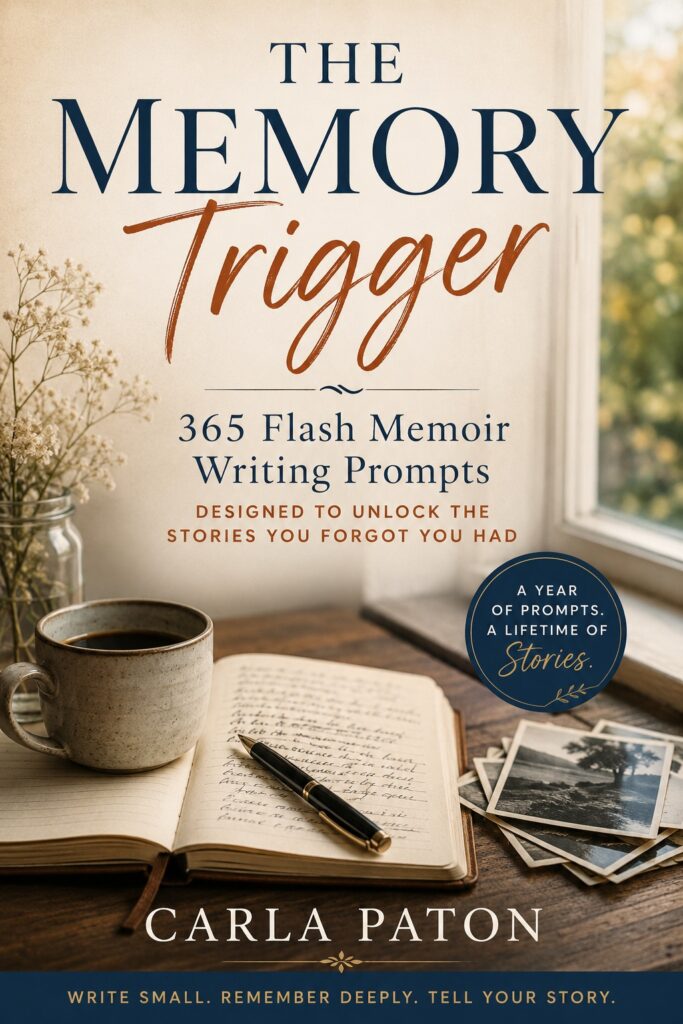
The Memory Trigger

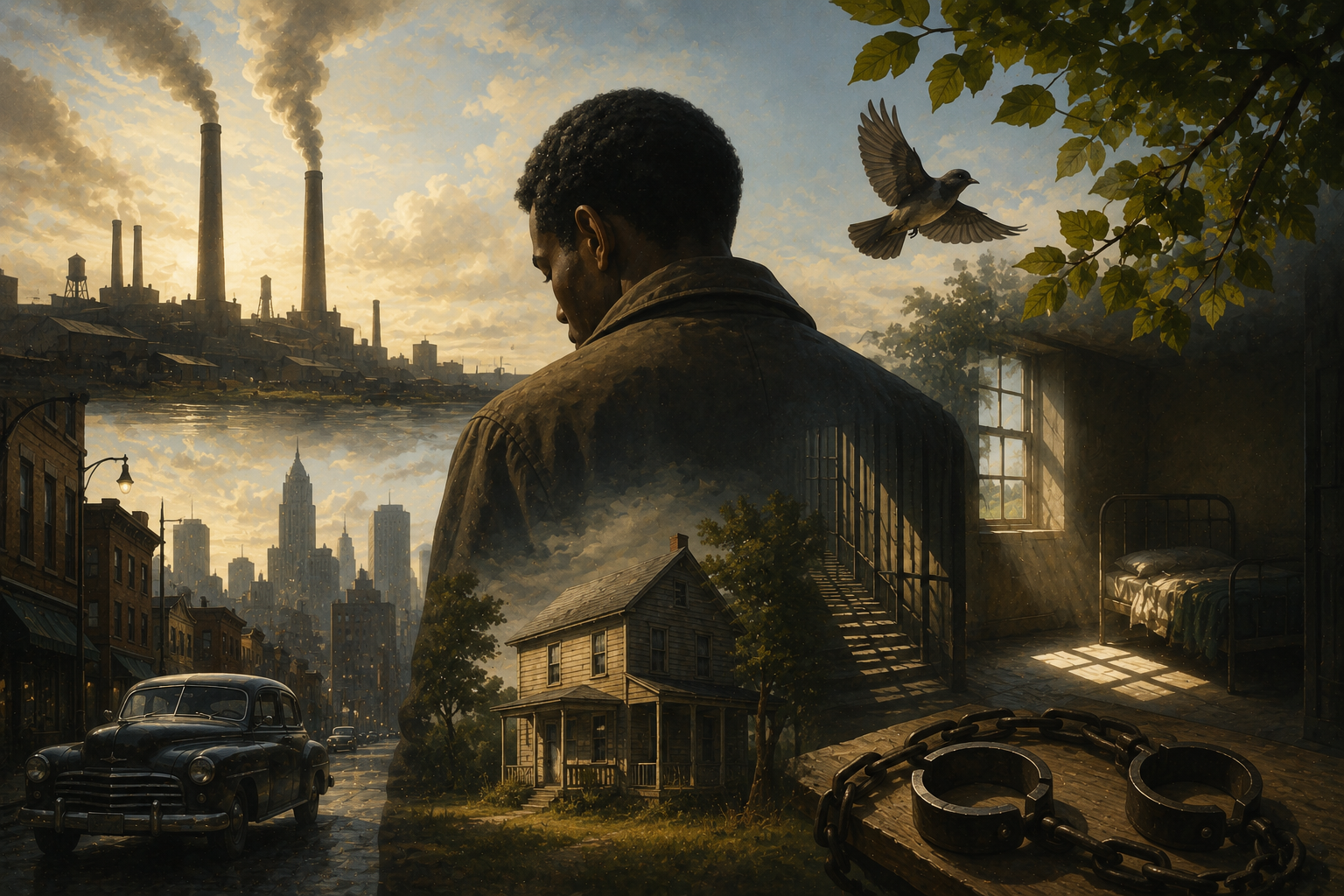
Symbols in Native Son: What They Mean and Why They Matter

Native Son Symbols

Richard Wright’s Native Son uses objects, colors, and images to show Bigger Thomas’s fear, anger, and lack of freedom. This guide explains the most important symbols in Native Son and connects each one to the novel’s major themes.

Once you see how these images work, the book becomes easier to discuss in class and in essays.

In this Guide

  • Why symbols in Native Son matter
  • The rat as a symbol of fear and survival
  • Snow and the color white
  • The furnace and hidden guilt
  • Blindness, newspapers, and the public eye
  • FAQ and key takeaway
Native Son Symbols

Why symbols in Native Son matter

Wright’s symbols help readers feel the pressure that surrounds Bigger.

The symbols in Native Son are not random details. They show how racism, poverty, and fear shape Bigger’s choices before the plot even begins.

Symbolism works this way in many famous books. In The Great Gatsby, the green light stands for a dream that stays out of reach. In Native Son, images like the rat and the snow show a world that traps Bigger from every side.

If you want more help with this skill, see our guide on how to find symbolism in a story.

Symbols in Native Son: The Rat

The rat in the opening scene is one of the clearest symbols in the novel.

At the start of the book, Bigger and his family wake up to a huge rat in their small apartment. Bigger kills it, but the scene feels wild and tense. The rat is trapped, scared, and violent.

That image reflects Bigger’s own life. He also lives in a cramped space. He also feels hunted. He also strikes back because fear controls him.

The rat connects to the theme of social entrapment. Wright shows that Bigger’s world is shaped by housing limits, job limits, and racial fear. The rat does not excuse Bigger’s later actions, but it helps explain the pressure he lives under.

Symbols in Native Son: Snow and the Color White

Snow turns the city into a cold, hostile space.

After Mary’s death, snow covers Chicago. It makes it harder for Bigger to move, hide, or escape. The snow becomes one of the strongest symbols in Native Son because it turns the outside world into a trap.

The color white also matters. Wright often links whiteness with power, fear, and control. Bigger lives in a society where white people own the buildings, shape the laws, and control public opinion.

Snow may look clean, but in the novel it feels dangerous. It hides things, blocks movement, and surrounds Bigger. This connects to the theme of racism as an environment, not just as a personal attitude.

Symbols in Native Son: The Furnace

The furnace is a symbol of guilt, panic, and failed concealment.

Bigger tries to hide Mary’s body in the Dalton furnace. The furnace seems like a place where evidence can disappear. Instead, it becomes the place where the truth comes to light.

This symbol shows how fear can push a person into worse choices. Bigger makes one panicked decision, then another. The furnace becomes a dark image of pressure, secrecy, and moral collapse.

It also connects to the theme of dehumanization. Mary’s body becomes something Bigger tries to remove, not a person he can face. Wright makes the scene disturbing because the system has already taught Bigger to see people through fear.

image-slider-with-thumbnail1.jpeg
PlayPause
previous arrow
next arrow
image-slider-with-thumbnail1.jpeg
image-slider-with-thumbnail3.jpeg
image-slider-with-thumbnail4.jpeg
ChatGPT Image Jun 27, 2026, 06_33_13 PM
ChatGPT Image Jun 27, 2026, 06_36_37 PM
ChatGPT Image Jun 27, 2026, 06_38_39 PM
ChatGPT Image Jun 27, 2026, 06_31_22 PM
image-slider-with-thumbnail7.jpeg
ChatGPT Image Jun 27, 2026, 06_29_43 PM
ChatGPT Image Jun 27, 2026, 06_27_44 PM
image-slider-with-thumbnail6.jpeg
ChatGPT Image Jun 27, 2026, 06_15_07 PM
image-slider-with-thumbnail5.jpeg
ChatGPT Image Jun 27, 2026, 06_22_43 PM
ChatGPT Image Jun 27, 2026, 06_25_37 PM
ChatGPT Image Jun 27, 2026, 06_19_43 PM
ChatGPT Image Jun 27, 2026, 06_12_00 PM
ChatGPT Image Jun 27, 2026, 06_08_50 PM
ChatGPT Image Jun 26, 2026, 04_54_23 PM
ChatGPT Image Jun 27, 2026, 05_53_51 PM
ChatGPT Image Jun 28, 2026, 08_35_55 AM
previous arrow
next arrow

Other Important Symbols in Native Son

Several smaller images also carry major meaning.

Mrs. Dalton’s blindness is one of the most important. She is physically blind, but her blindness also suggests a deeper problem. She wants to help Black people, yet she does not understand the real conditions that shape Bigger’s life.

The newspapers show how the public turns Bigger into a symbol before it understands him. Reporters describe him through racist fear. They help create a version of Bigger that the city wants to believe.

The cross carries a painful double meaning. It can suggest faith and mercy, but it also reminds Bigger of racial terror and public shame. That clash shows why simple comfort cannot heal deep social wounds.

These symbols in Native Son all point back to the same central idea: Bigger is seen by others before he is understood as a human being.

How to Write About Symbols in Native Son

A strong paragraph should connect the symbol to a theme, not just name it.

For example, do not only say that the rat represents Bigger. Explain how the rat’s fear, violence, and trapped space reveal Bigger’s own condition. Then connect that point to poverty or racism.

A useful sentence frame is: The symbol of the rat shows Bigger’s trapped life because…

For more practice, use this simple symbolism method before you write your essay. For a quick class prep tool, you can also use this symbolism study resource.

Historical Context for the Symbols

Wright’s symbols become clearer when you know the world behind the novel.

Native Son was shaped by racial segregation, poor housing, and limited work options for Black Americans in northern cities. Bigger’s life is fictional, but the pressures around him reflect real history.

For more background on the author, read Britannica’s profile of Richard Wright.

If you want a deeper view of Wright and related themes, these books are helpful:

  • Native Son by Richard Wright
  • Black Boy by Richard Wright

FAQ: Symbols in Native Son

What are the main symbols in Native Son?

The main symbols in Native Son include the rat, snow, the furnace, Mrs. Dalton’s blindness, newspapers, and the cross.

What does the rat symbolize in Native Son?

The rat symbolizes fear, poverty, and entrapment. It also reflects Bigger’s own sense of being cornered.

What does snow symbolize in the novel?

Snow symbolizes pressure from the white world around Bigger. It makes escape harder and turns the city into a trap.

Why is Mrs. Dalton’s blindness important?

Her blindness shows both physical sight loss and moral blindness. She wants to help, but she does not truly see Bigger’s social reality.

Key Takeaway

The symbols in Native Son matter because they make Bigger’s world feel visible. Each image shows how fear, racism, and confinement shape the novel’s tragic path.

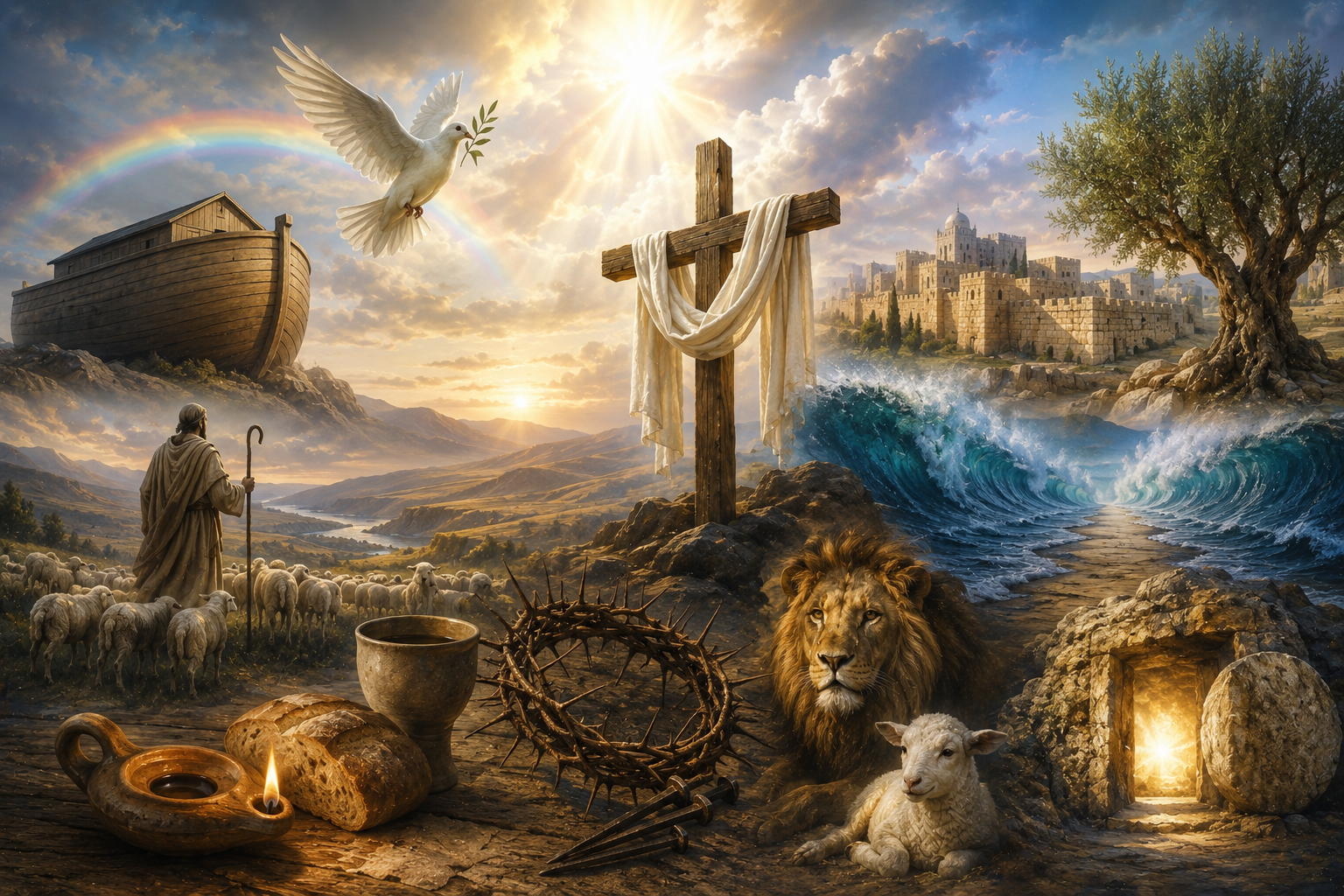
Most Influential Biblical Symbolism

Biblical symbolism
Biblical symbolism

Biblical images show up in novels, poems, plays, and speeches across many time periods. The Most Influential Biblical Symbolism helps readers understand deeper ideas about guilt, hope, sacrifice, justice, and renewal.

You do not need to be a Bible expert to notice these symbols. You only need to know what certain images often mean and how writers use them in new ways.

In this Guide

Use this guide to understand the major symbols, themes, and books that shaped literary culture.

  • Why biblical symbolism matters in literature
  • Common biblical symbols and what they mean
  • Examples from famous books and poems
  • Major themes linked to biblical symbolism
  • Recommended books for students
  • FAQs about biblical symbolism

Why Most Influential Biblical Symbolism Matters in Literature

Biblical symbols give writers a shared language that many readers already know.

For centuries, the Bible shaped art, politics, education, and storytelling in the Western world. Because of that, many authors use its images to add meaning without long explanation.

The Most Influential Biblical Symbolism often appears when a story deals with moral choice, suffering, betrayal, or rebirth. These symbols can make a simple scene feel larger and more serious.

For example, a character in a garden may remind readers of Eden. A flood may suggest judgment or cleansing. A long desert journey may point to testing and spiritual struggle.

If you want more help with close reading, Rapid Reads Press has a useful guide on how to find symbolism in a story.

Most Influential Biblical Symbolism: Common Images and Meanings

Some biblical symbols appear so often that they have become part of the basic language of literature.

The garden often connects to innocence, temptation, or loss. In the Book of Genesis, Eden is a perfect place before human disobedience changes everything.

In literature, gardens can show beauty and safety, but they can also hide danger. A peaceful garden may not stay peaceful for long.

The serpent often points to temptation, lies, or hidden evil. Writers may use a snake or snake-like figure to show danger that looks clever or harmless at first.

Water can mean life, cleansing, danger, or change. Baptism gives water a strong link to renewal, while the flood story links it to judgment.

The wilderness often shows a place of trial. A character who enters a desert, forest, or empty land may face fear, hunger, or a test of faith.

Light and darkness often stand for knowledge and ignorance, good and evil, or hope and despair. These images are easy to spot, but writers can use them in complex ways.

These patterns are part of the Most Influential Biblical Symbolism because they work across many genres. You can find them in poetry, fantasy, drama, and realistic fiction.

Most Influential Biblical Symbolism in Classic Literature

Many famous writers use biblical symbols to deepen their stories.

In John Steinbeck’s East of Eden, the title itself points to Genesis. The novel explores family conflict, jealousy, sin, and the hope that people can still choose good.

In William Golding’s Lord of the Flies, the island can seem like an Eden at first. Yet the boys bring violence with them, which turns paradise into a place of fear.

In Toni Morrison’s Beloved, biblical echoes help shape ideas about memory, suffering, and rescue. The novel does not use symbolism in a simple way. It turns sacred language toward the pain of slavery and the need to be seen.

In Mary Shelley’s Frankenstein, Victor Frankenstein often resembles a creator figure, while the Creature is linked to Adam. The novel asks what happens when a maker rejects what he has made.

The Most Influential Biblical Symbolism in these works does not just decorate the story. It helps readers ask deeper questions about human nature.

Most Influential Biblical Symbolism in Poetry

Poets often use biblical images because a single image can carry great weight.

William Blake uses lambs, tigers, angels, and gardens to explore innocence, power, and spiritual vision. His poems often sound simple, but their symbols open into big questions.

You can read more about Blake through the Poetry Foundation’s William Blake page.

John Milton’s Paradise Lost retells the fall of Adam and Eve. It gives major attention to pride, obedience, free will, and loss.

T. S. Eliot also uses biblical echoes in poems like The Waste Land. His dry, broken world suggests spiritual emptiness and the desire for renewal.

This is why the Most Influential Biblical Symbolism works so well in poetry. It lets a poet suggest a whole story through one image.

Major Themes Behind Biblical Symbols

Biblical symbols often connect to questions that never stop mattering.

Fall and loss appear when a character moves from innocence into guilt or knowledge. Eden is the main pattern here.

Sacrifice appears when one person suffers for others. This can create a heroic moment, but it can also raise hard questions about fairness.

Redemption means a person may change, heal, or find grace after failure. Many novels use this pattern to show that people are more than their worst mistake.

Exile appears when characters are cut off from home, family, or peace. This can be physical, emotional, or spiritual.

Apocalypse points to an ending, but not always only destruction. In literature, it can reveal truth, strip away lies, or show a world in crisis.

These themes make the Most Influential Biblical Symbolism useful for school essays. They help you connect small details to the meaning of the whole work.

How to Spot Biblical Symbolism in a Story

You can find biblical symbols by watching for images that feel repeated, strange, or important.

Start with names. A character named Adam, Eve, Mary, Joseph, Cain, Abel, or Lazarus may carry a biblical echo.

Then look at places. Gardens, deserts, mountains, rivers, and promised lands often matter more than the setting alone.

Pay attention to plot patterns too. A fall from innocence, a betrayal by a close friend, a sacrifice, or a return from death may point to a biblical structure.

Do not force every detail to fit. Good analysis asks, “What does this symbol add to the story?” not “Can I match this to the Bible somehow?”

For a step-by-step method, read this guide on finding symbolism in fiction.

Recommended Books for Studying Most Influential Biblical Symbolism

These books can help students see biblical symbols in action.

  • East of Eden by John Steinbeck
  • Paradise Lost by John Milton
  • Frankenstein by Mary Shelley

East of Eden is useful because it retells the Cain and Abel story through family conflict. Steinbeck also explores the power of choice.

Paradise Lost is harder, but it is one of the most important works for biblical symbolism in English literature.

Frankenstein works well for high school and college readers because its creator and creation theme is clear, but still rich.

For background on biblical history and influence, you can visit Britannica’s overview of the Bible.

Why Writers Still Use Most Influential Biblical Symbolism Today

Modern writers still use biblical symbols because they can be changed, questioned, or flipped.

A writer may use a Christ-like figure to show sacrifice. Another writer may challenge that image and ask who gets asked to suffer.

A modern “Eden” may be a suburb, a school, a city, or a home that looks perfect from the outside. Once the story begins, that perfect world may break apart.

This is one reason the Most Influential Biblical Symbolism remains powerful. It gives writers old patterns that still fit new problems.

FAQ: Most Influential Biblical Symbolism

Here are quick answers to common student questions.

What is biblical symbolism in literature?

Biblical symbolism is the use of images, names, places, or plot patterns from the Bible to add meaning to a literary work.

What are examples of the Most Influential Biblical Symbolism?

Common examples include Eden, the serpent, water, the wilderness, light, darkness, sacrifice, and resurrection.

Do I need to be religious to understand biblical symbolism?

No. You can study biblical symbolism as part of literature, history, and culture.

Why do teachers focus on biblical allusions?

Teachers focus on them because they help explain character choices, themes, and deeper meanings in many classic texts.

Can biblical symbols have more than one meaning?

Yes. Water can mean life, danger, cleansing, or judgment. The meaning depends on the story.

Key Takeaway

The Most Influential Biblical Symbolism helps readers see how stories speak about guilt, hope, suffering, and change.

When you notice these symbols, literature becomes richer. A garden is no longer just a garden, and a journey through the wilderness may reveal the heart of the whole story. 📚

error

Enjoy this article? Please spread the word :)

Follow by Email
BLUESKY
fb-share-icon
Reddit
LinkedIn
Share
RSS